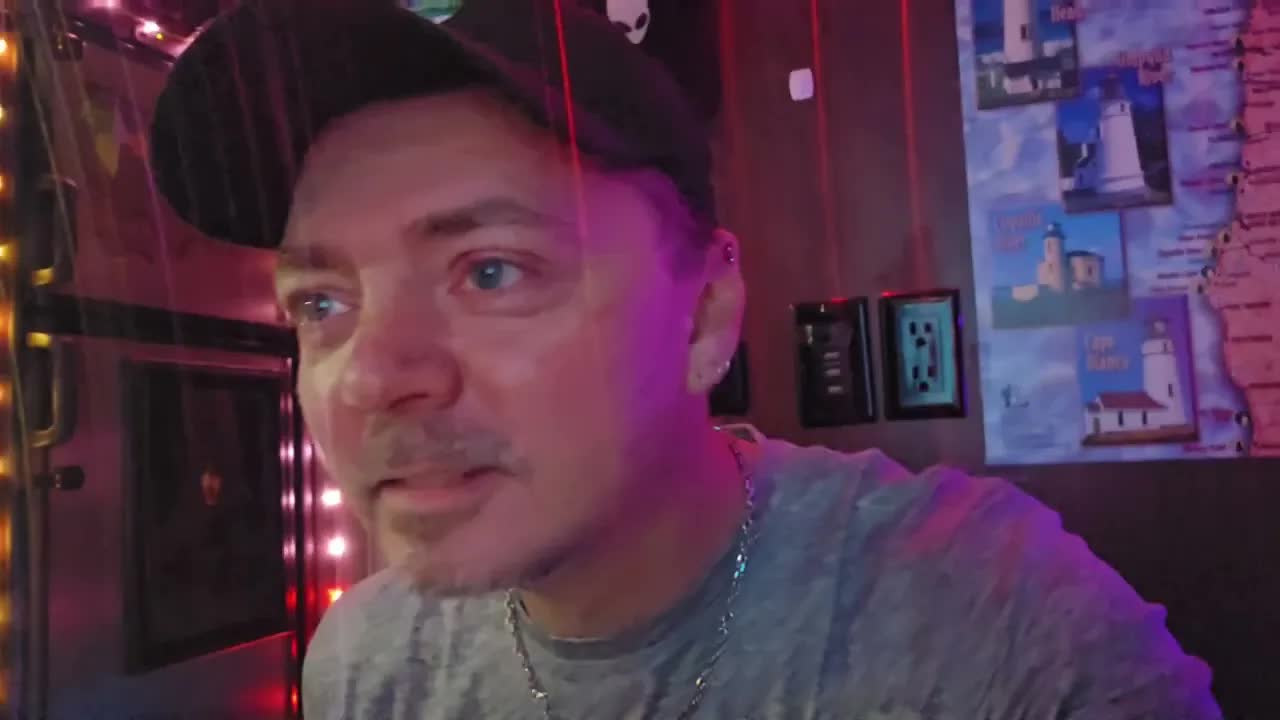
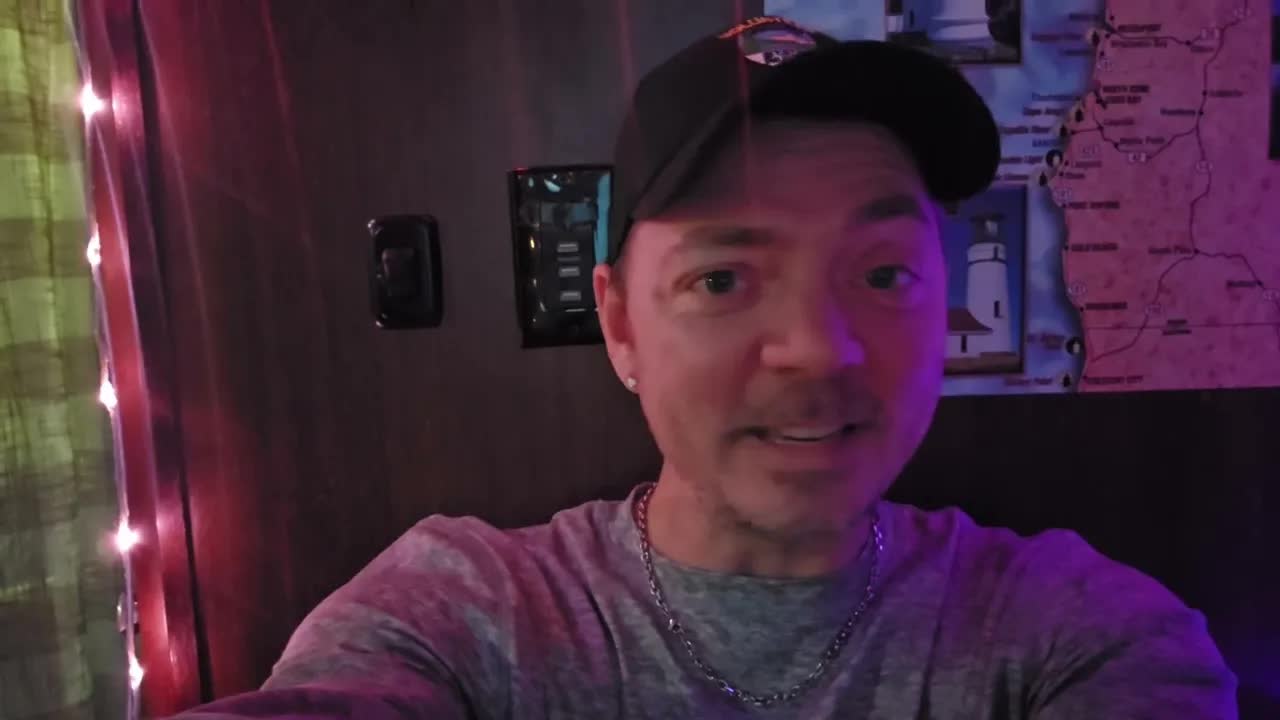
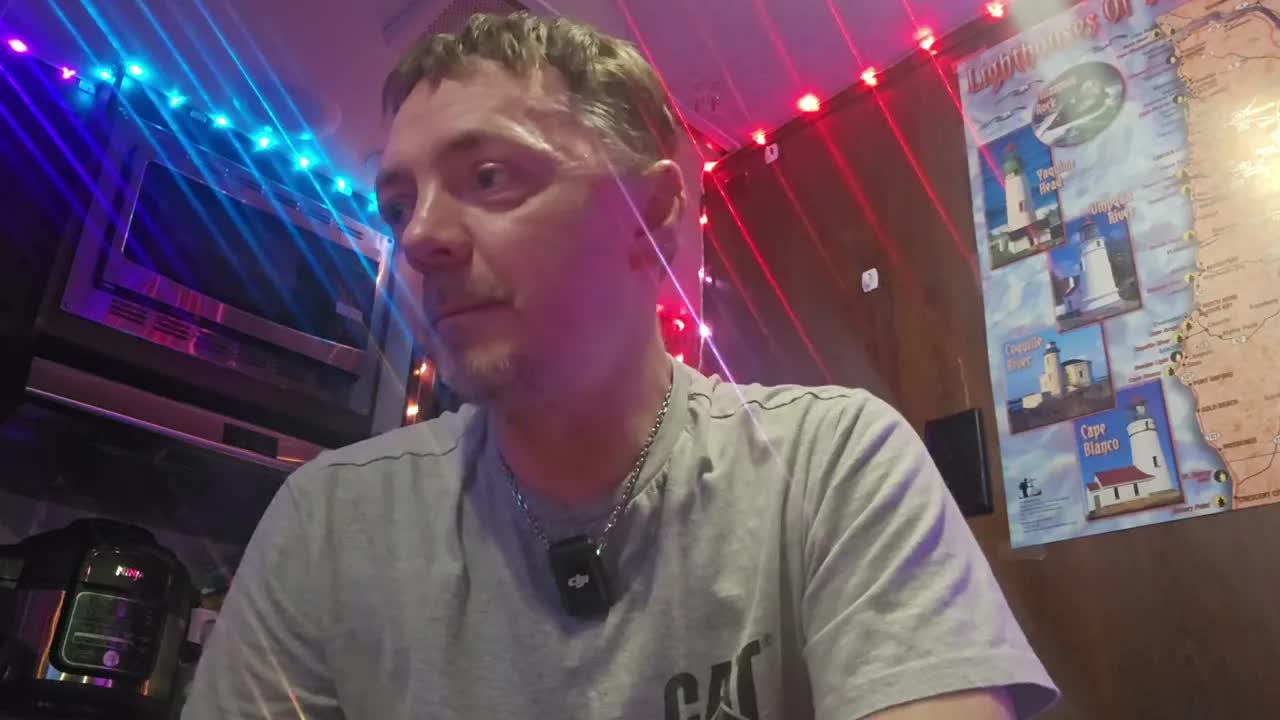
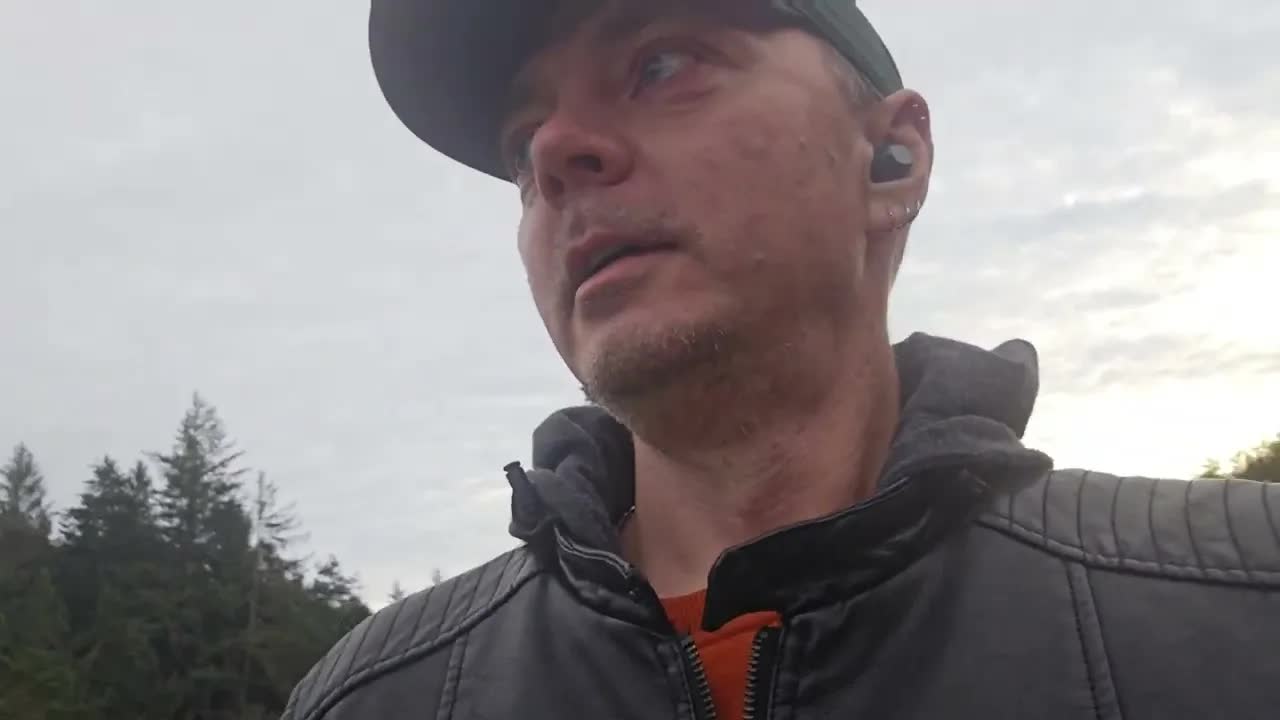
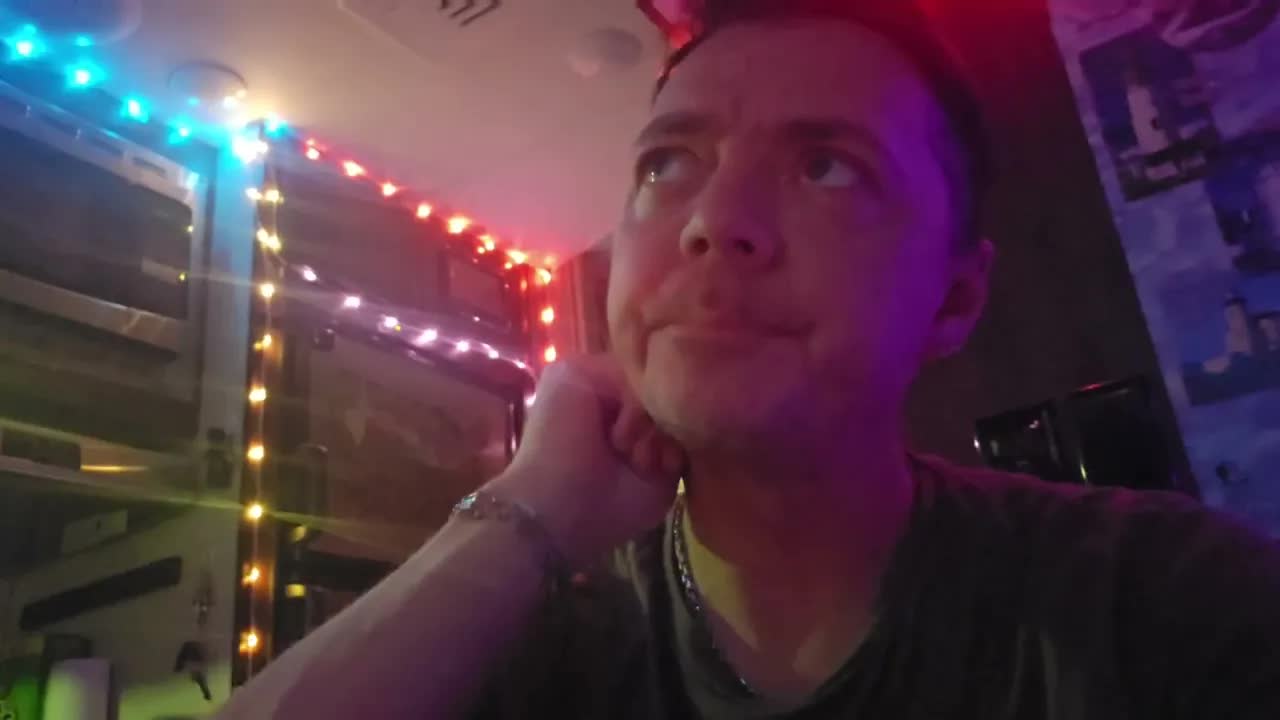
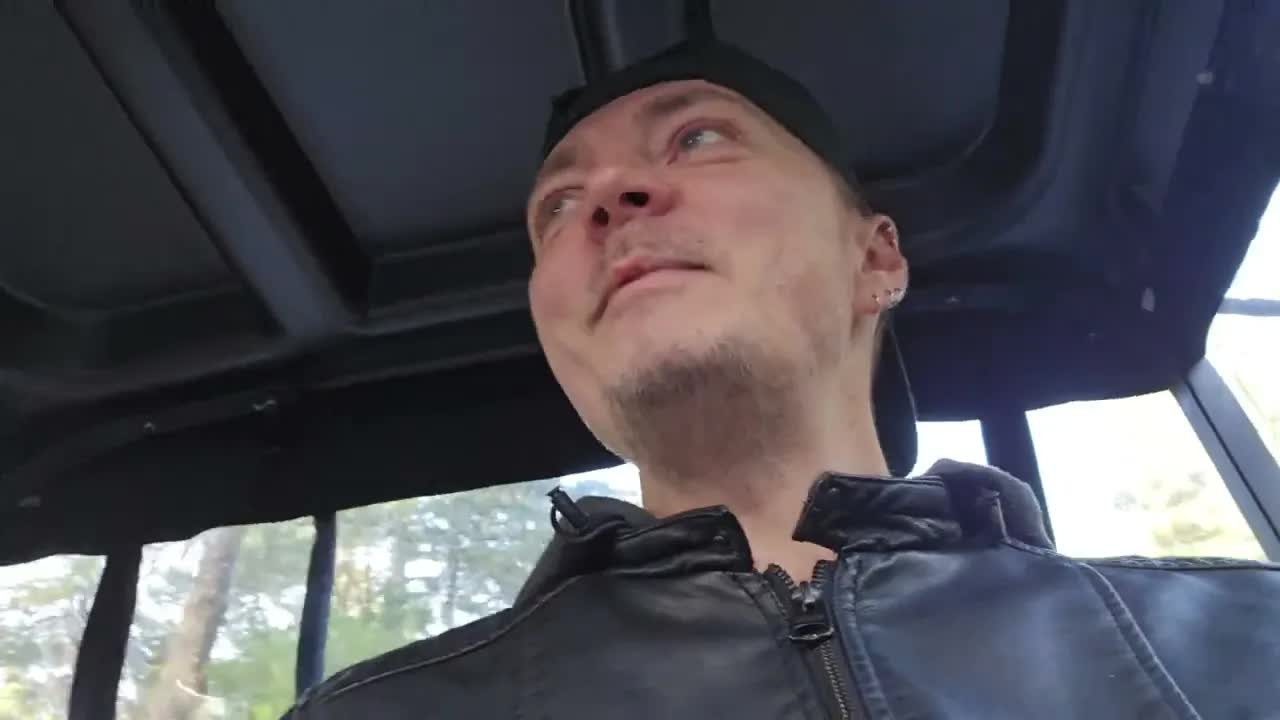
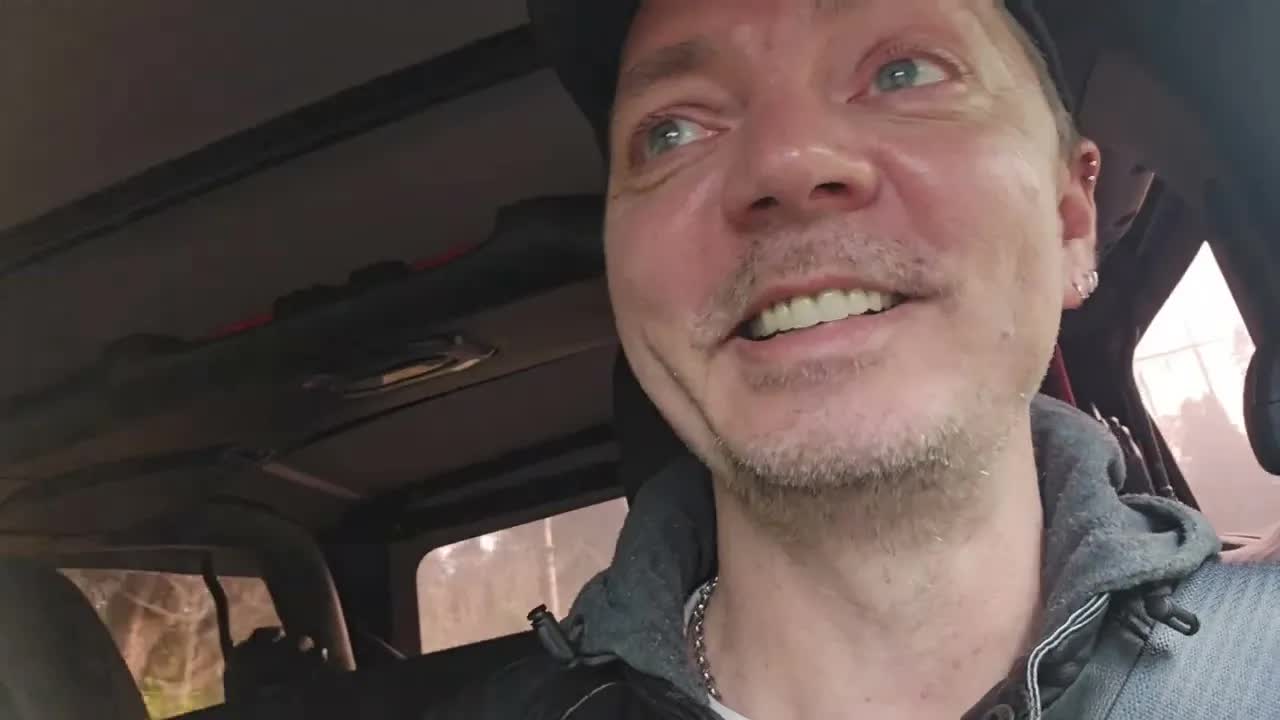
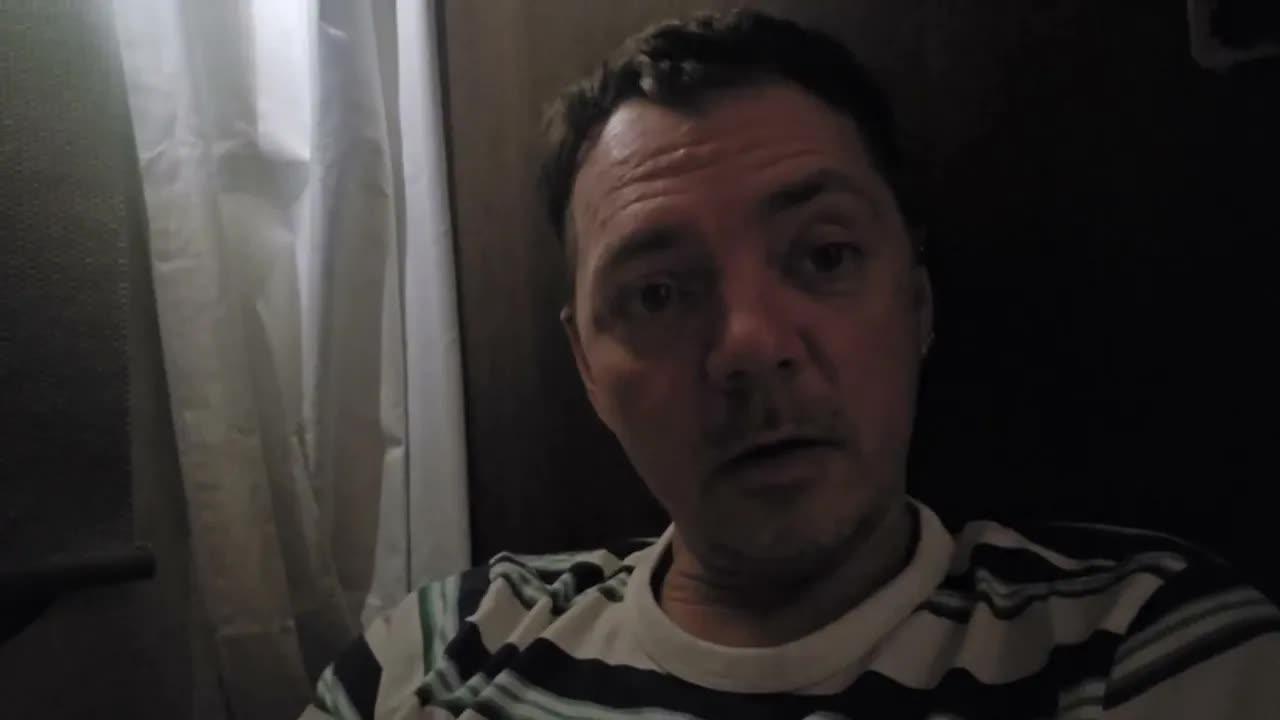
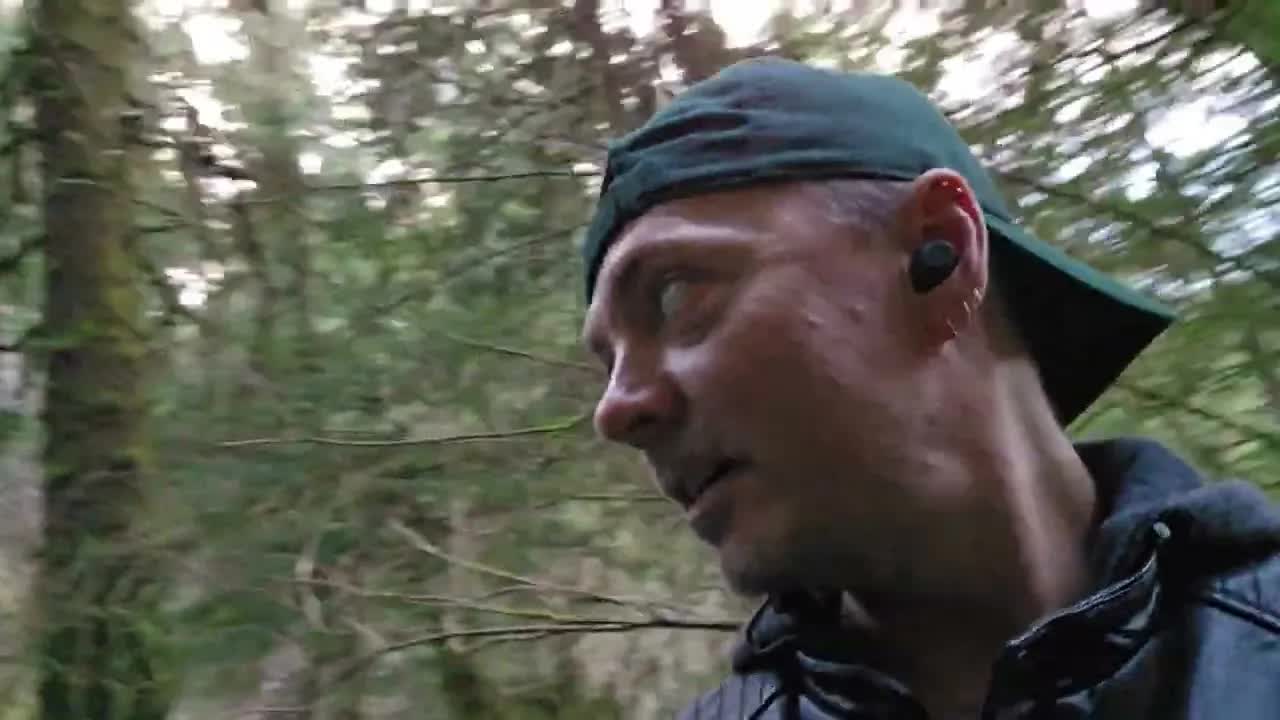
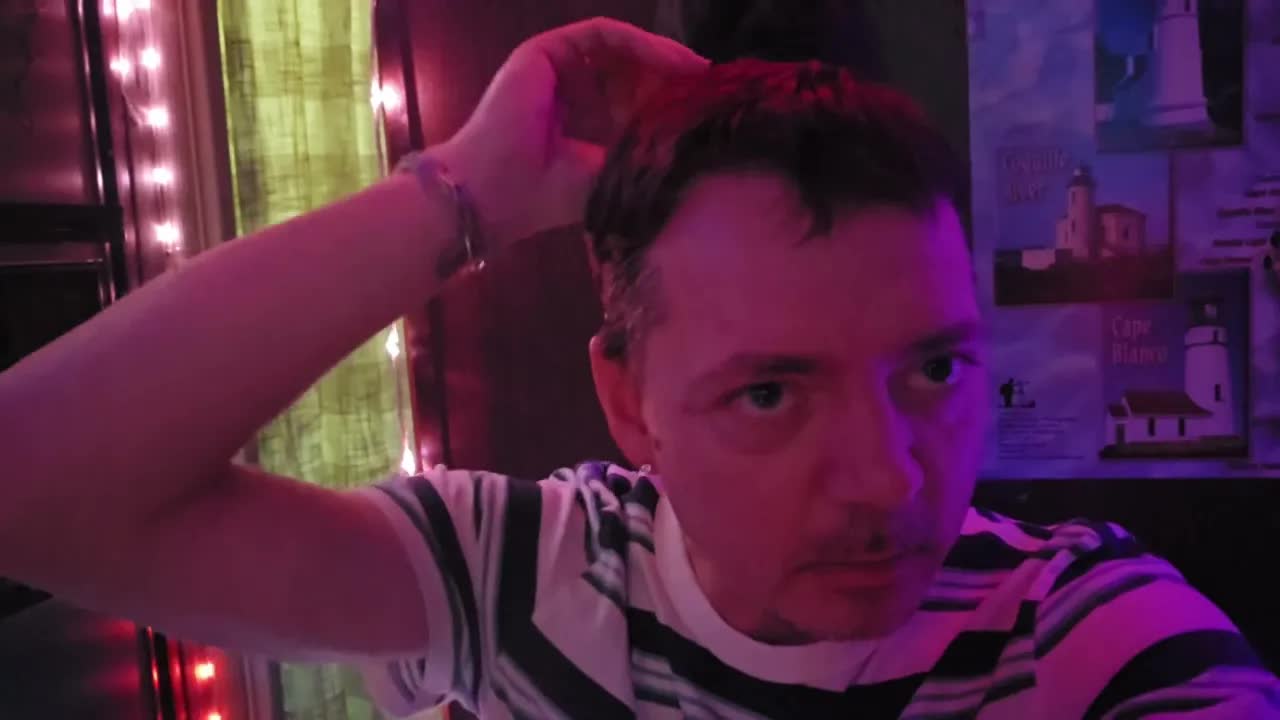
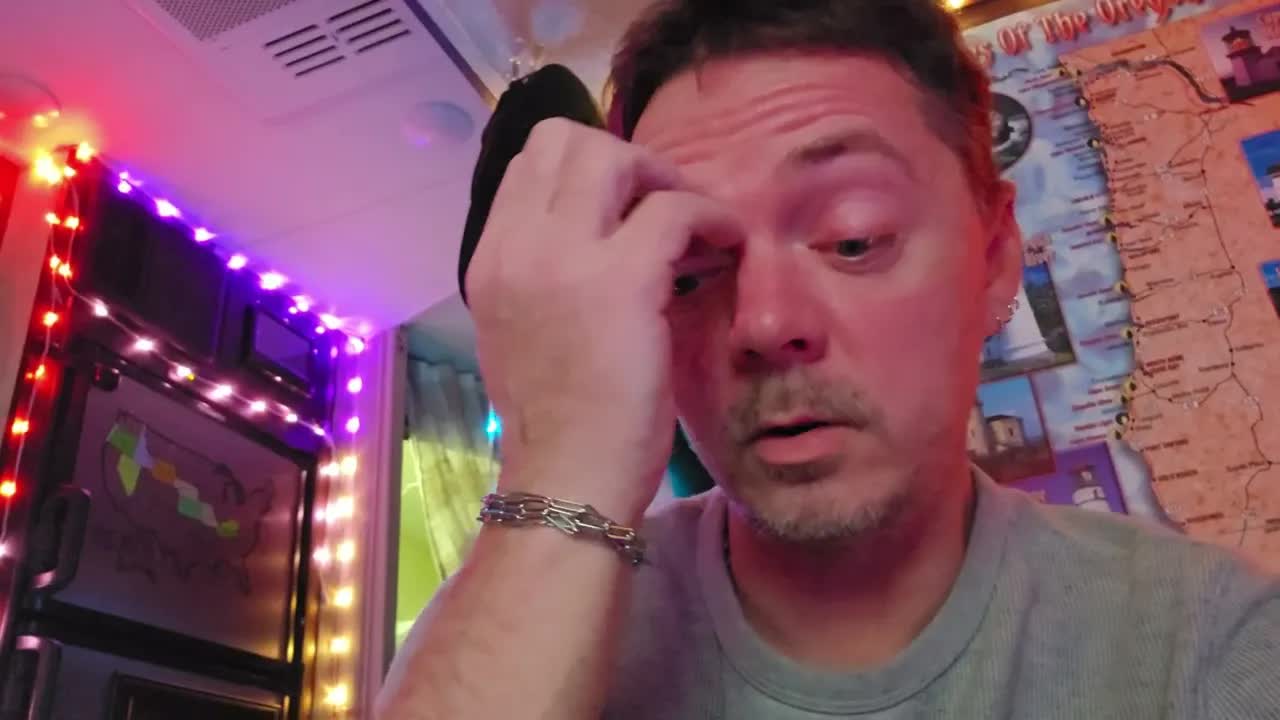
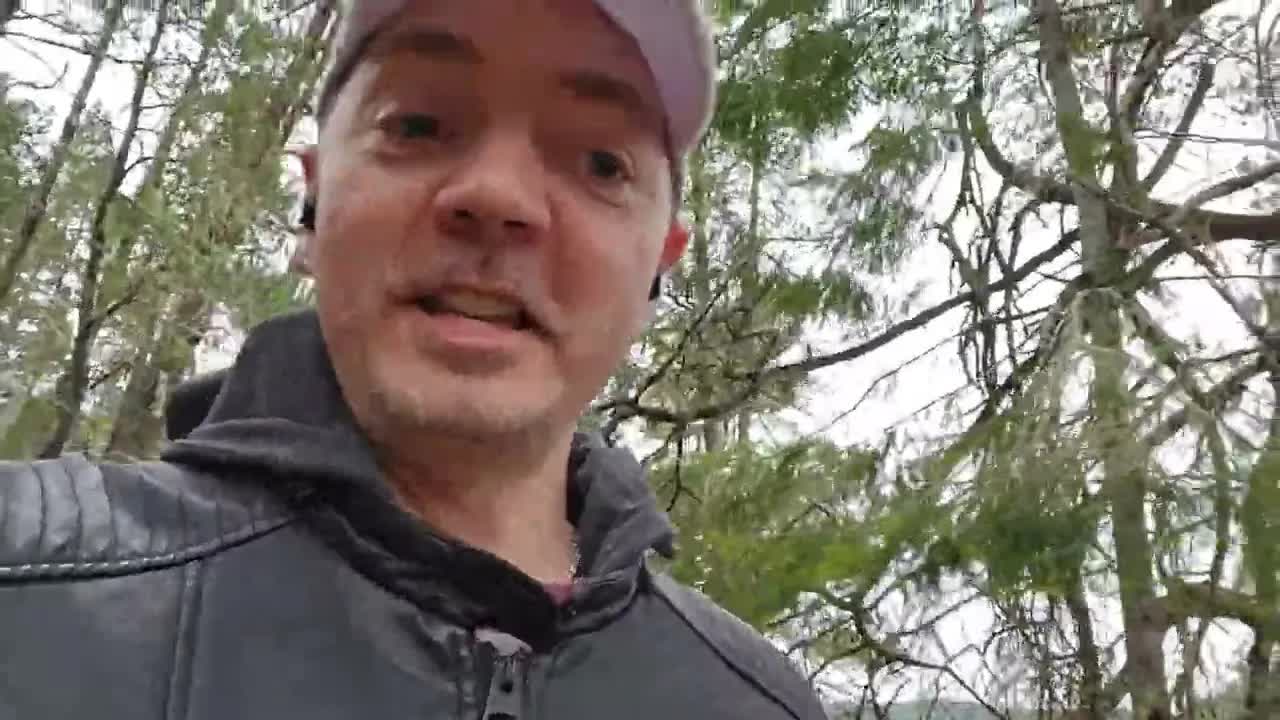
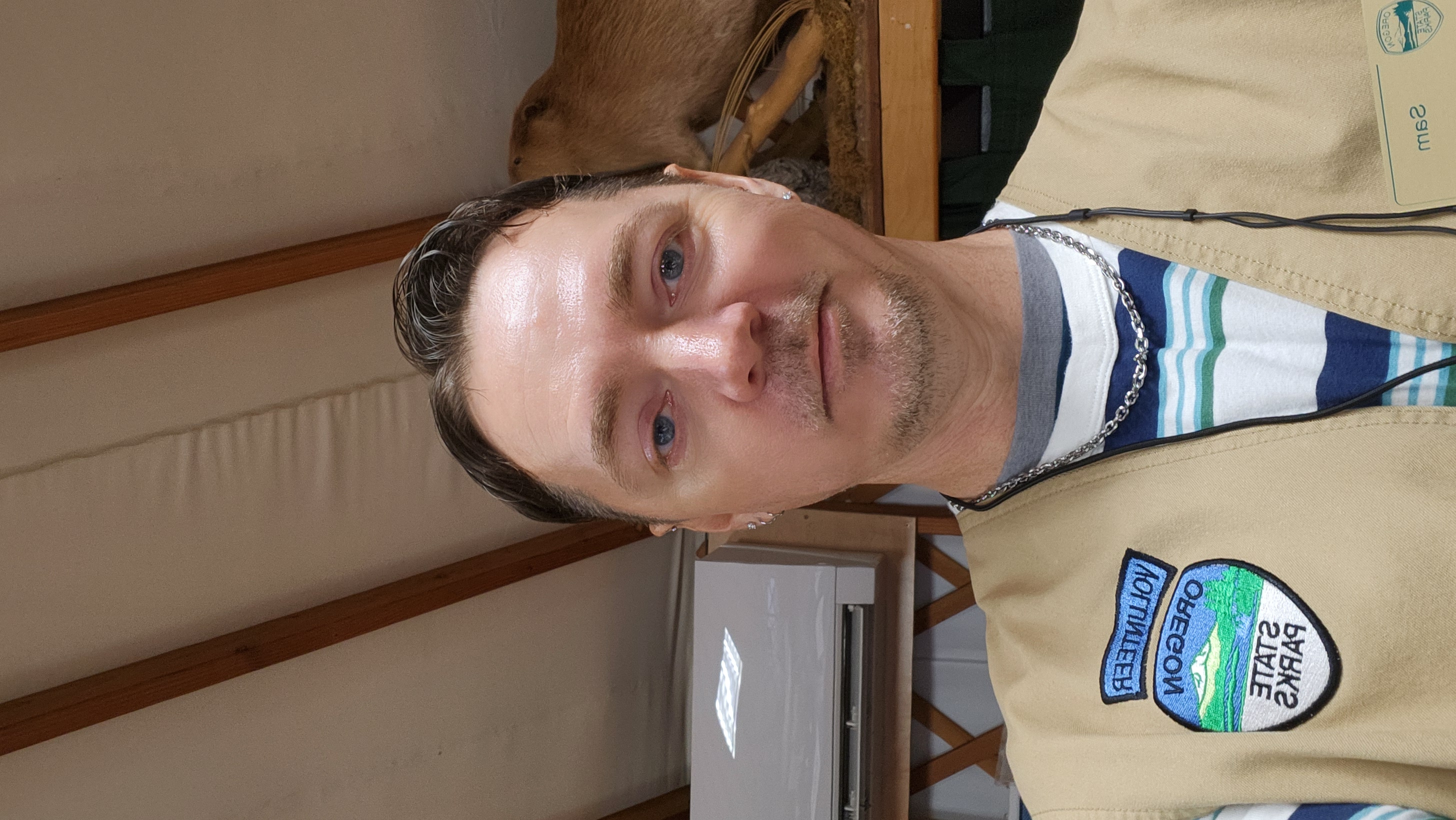
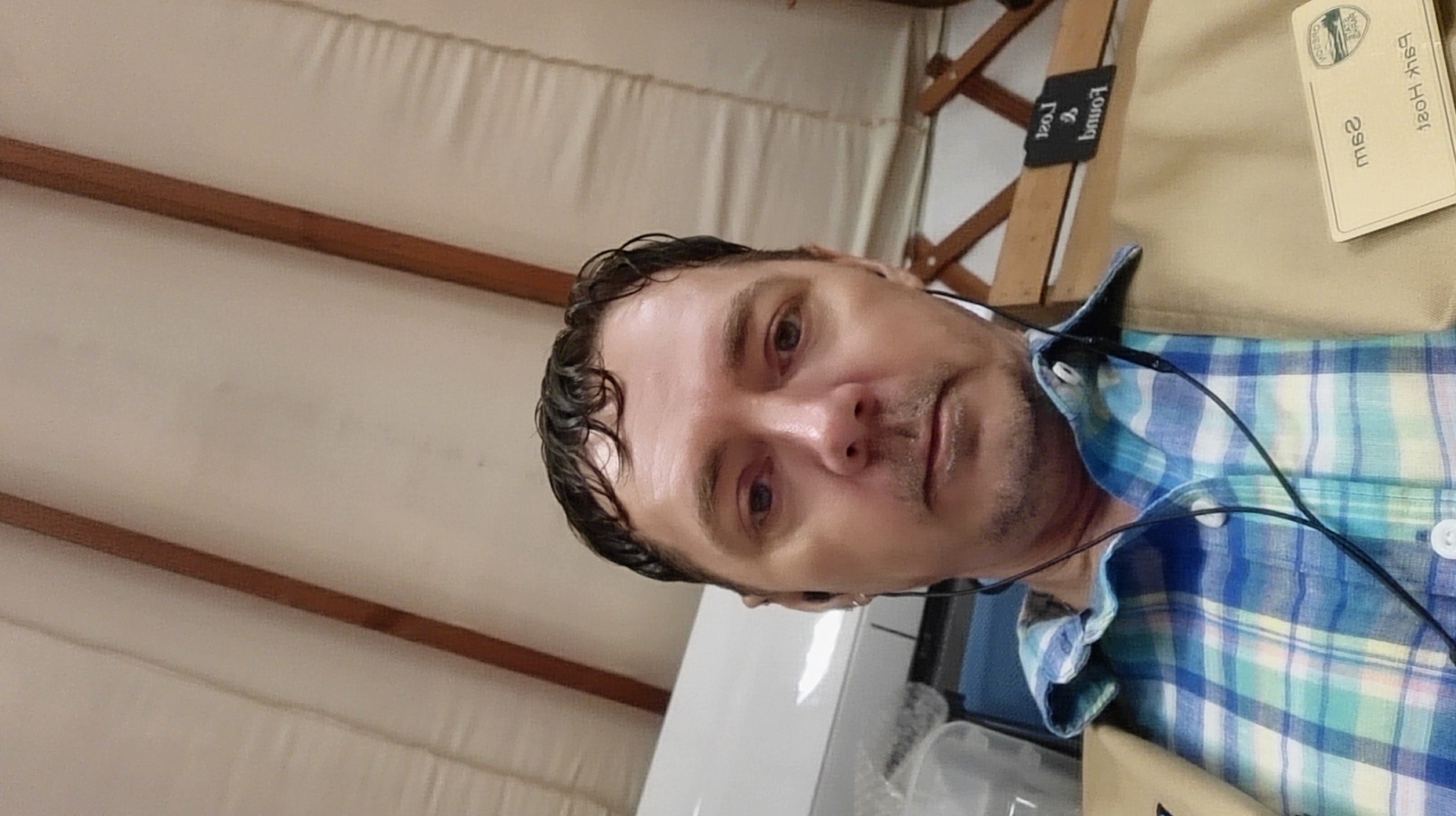
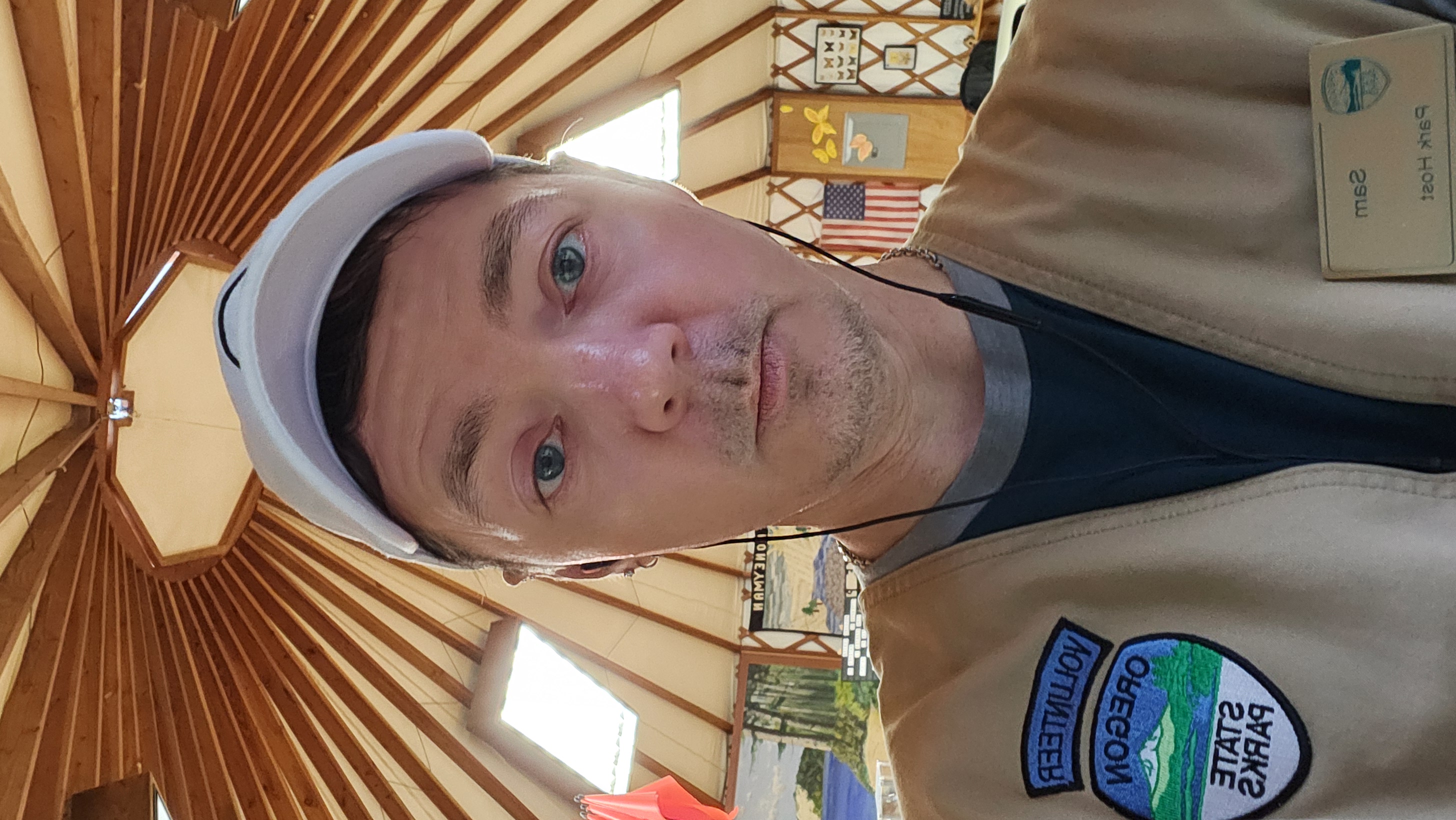
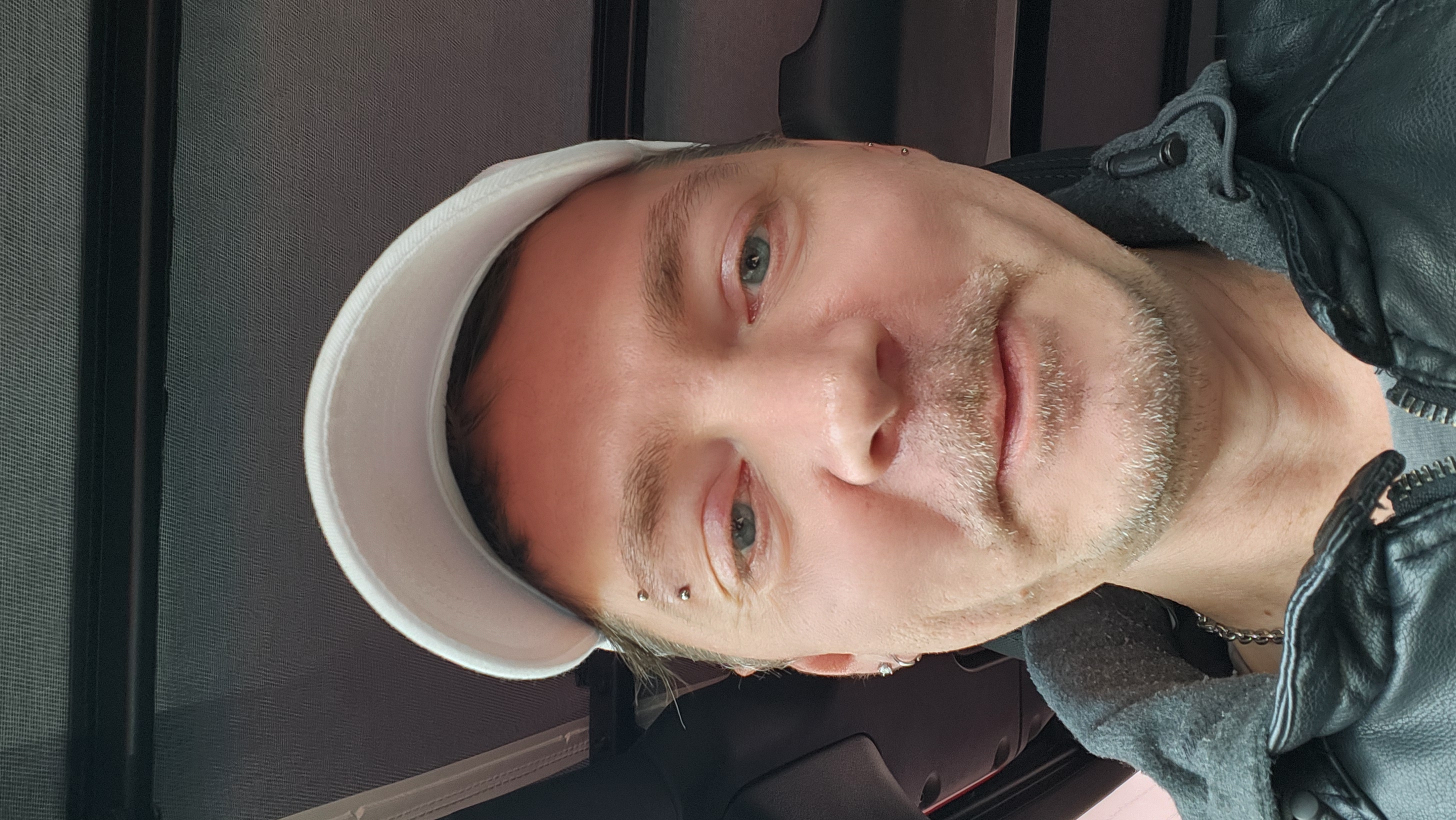
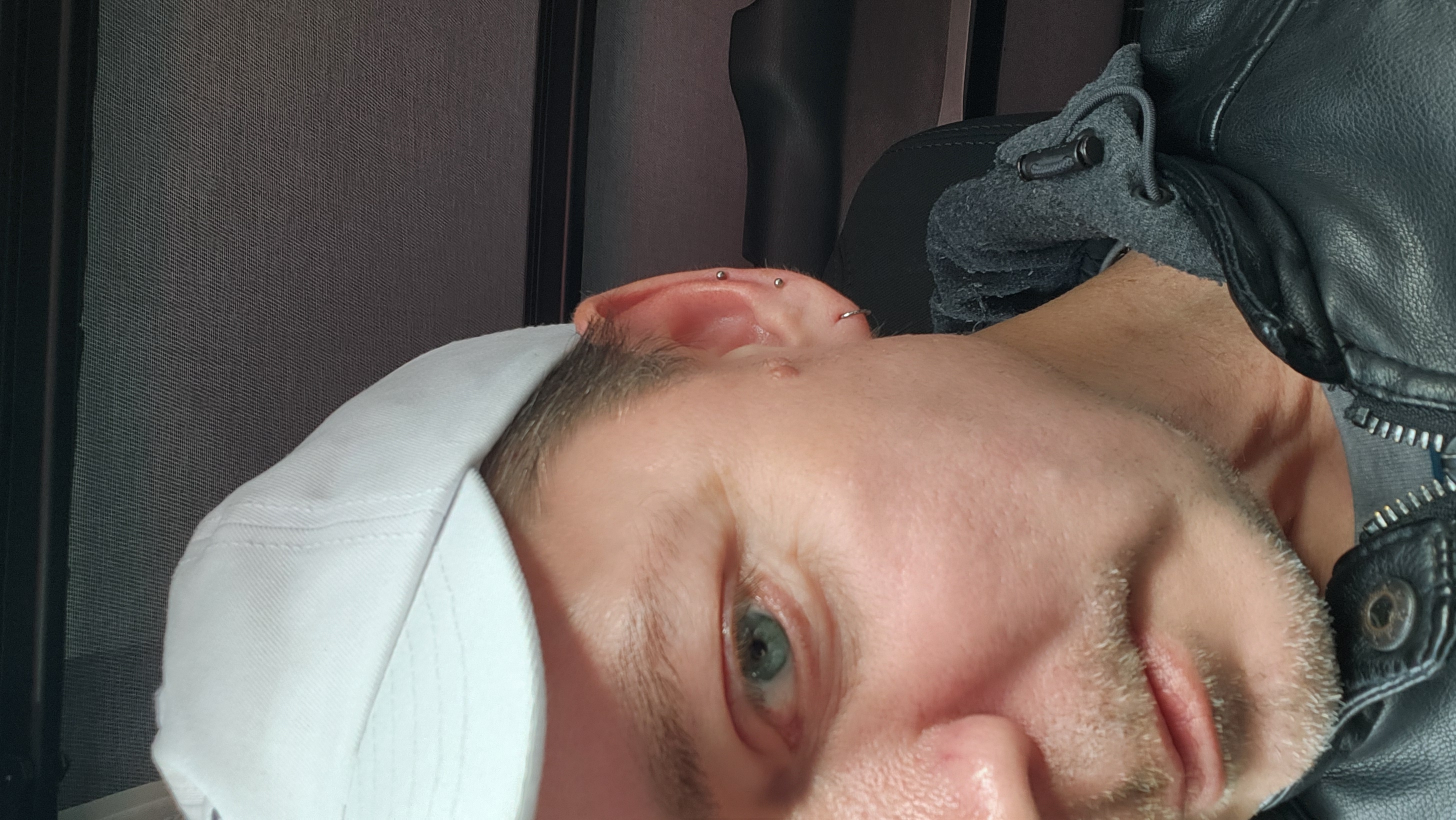
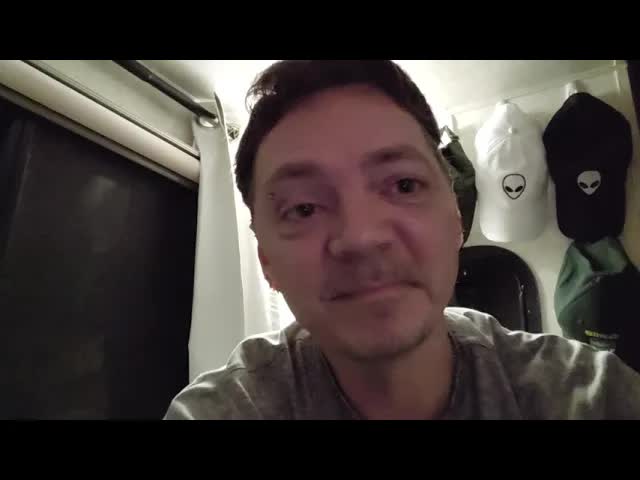
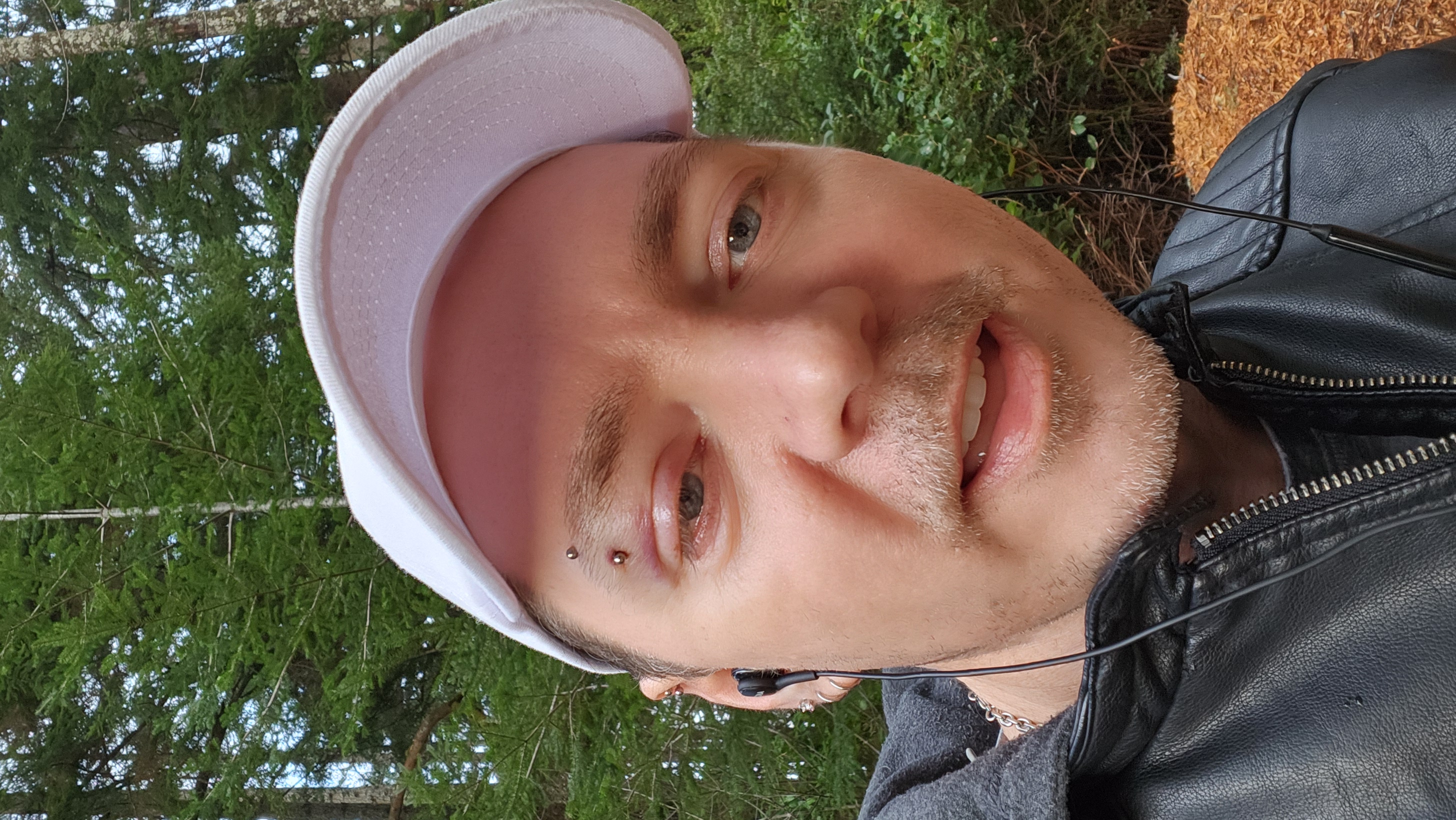
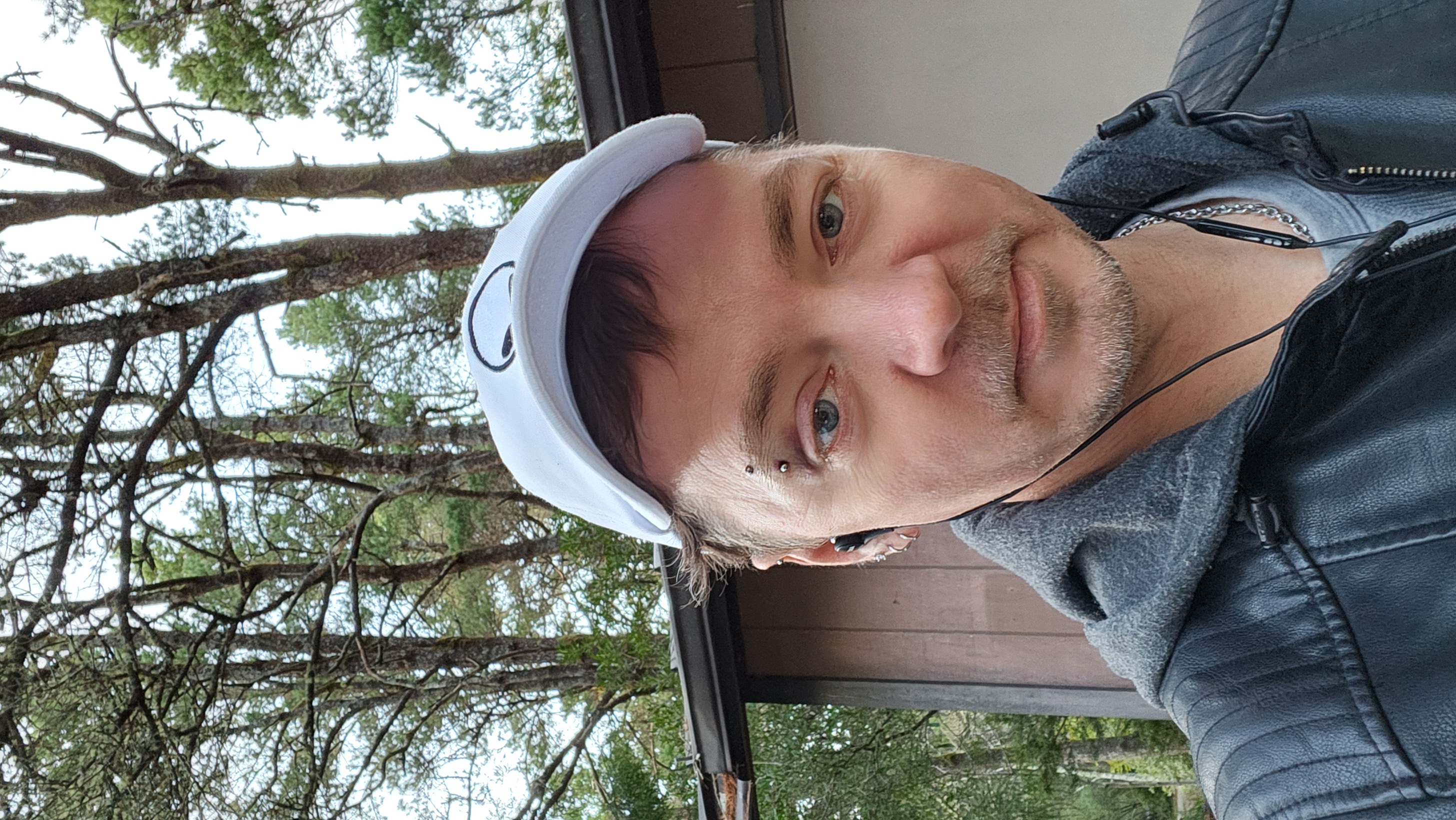
He started the recording sitting down, camera in hand, and led with the thing that had been accumulating: the way people talk to him on YouTube. He said they don't know how to witness a person — that they interject, put themselves in the middle of something that isn't about them. He walked through what he had already tried. Disabling comments, which worked. Re-enabling them, because there is a part of him that reaches out and wants to connect. A paywall, on the theory that protection might make room for people to open up, share their lives, meet him like a friend. One person subscribed. He said he was grateful to that person, and then he tried to establish a boundary, and they clammed up. Online, he noted, not in the real world. He arrived at the resolution while the camera was still running: at this point, ignore it, because the documentation has to happen regardless. The archive was no longer contingent on reception.
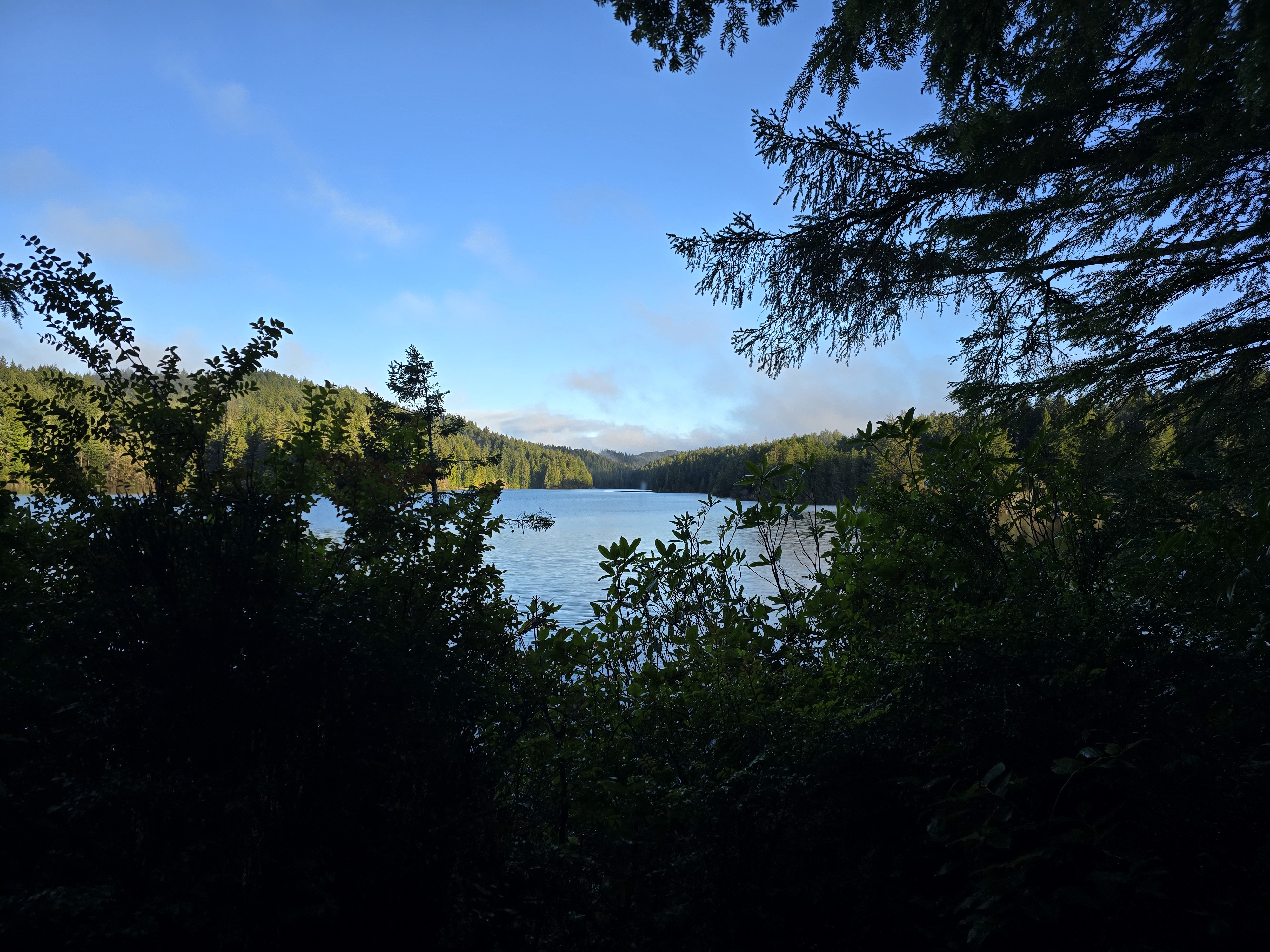
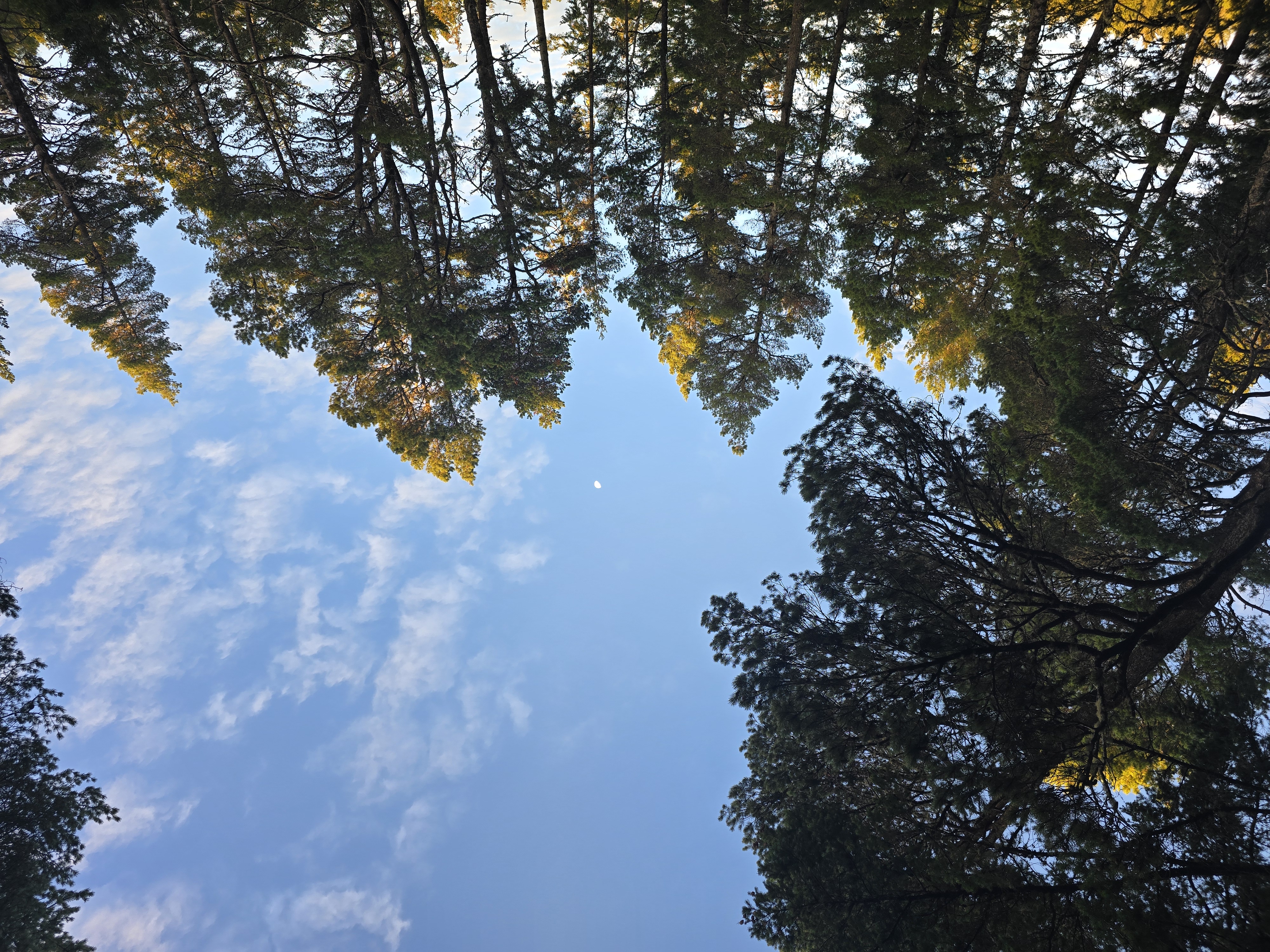
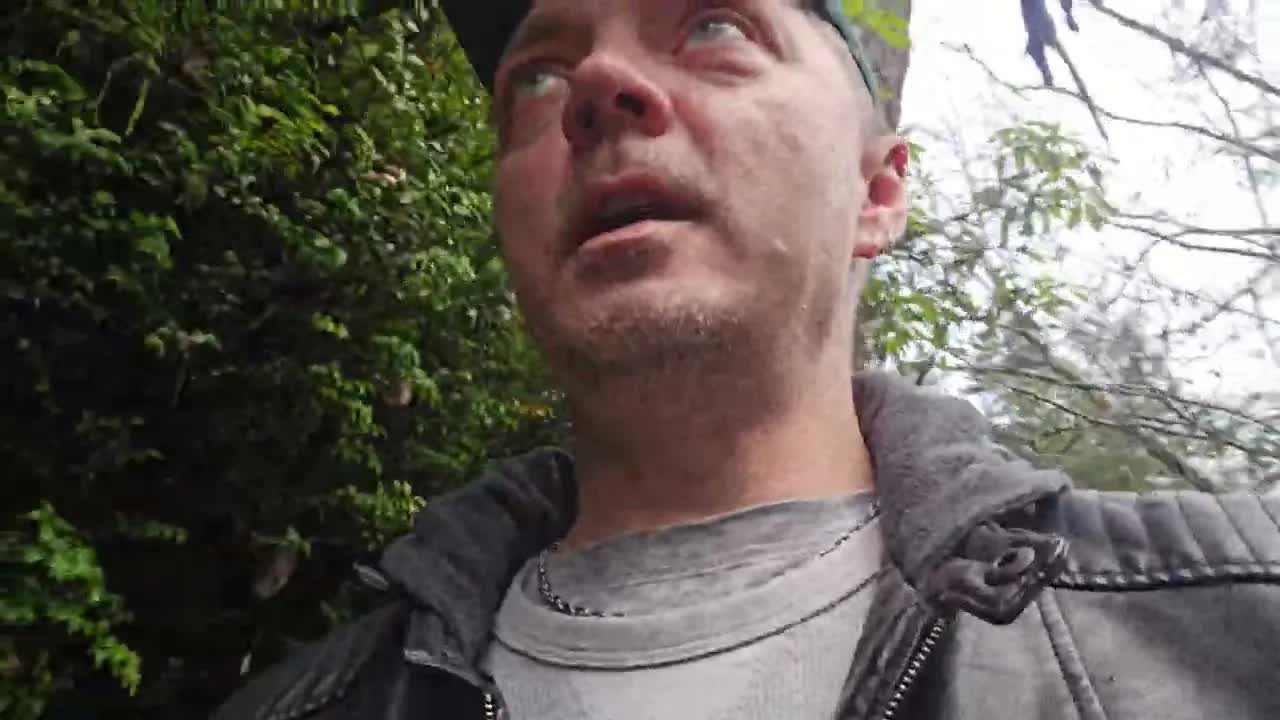
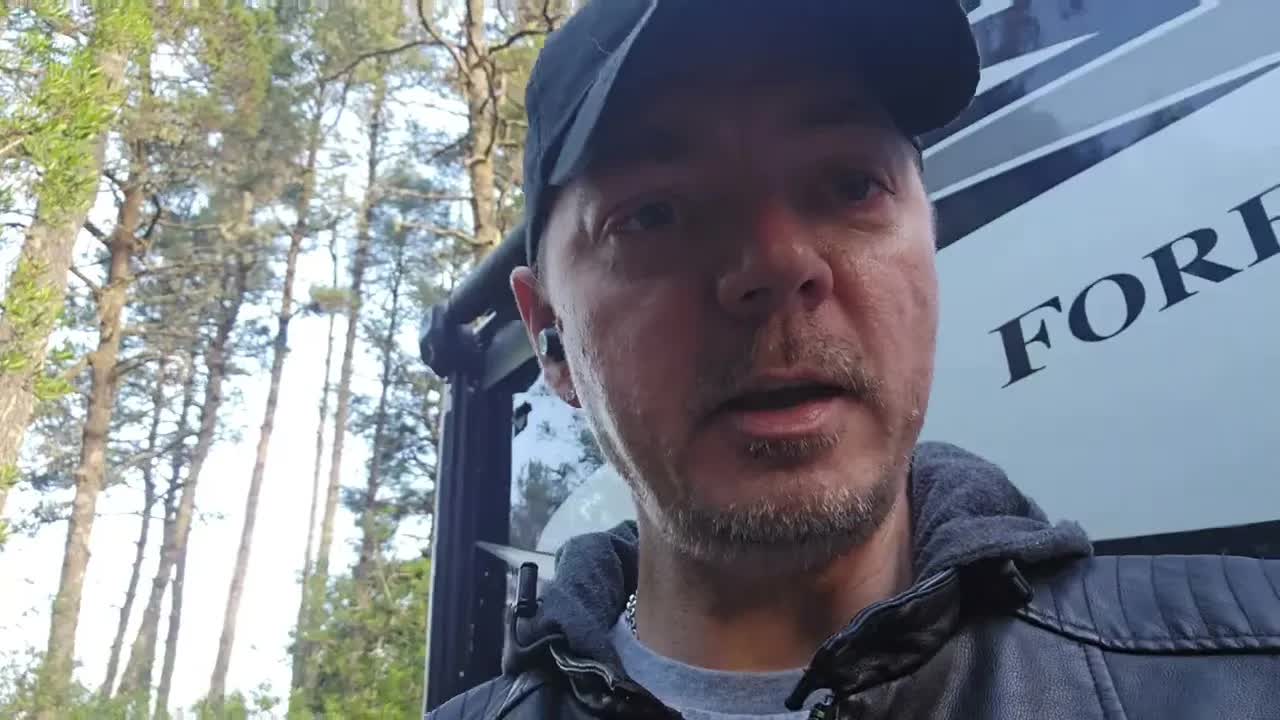
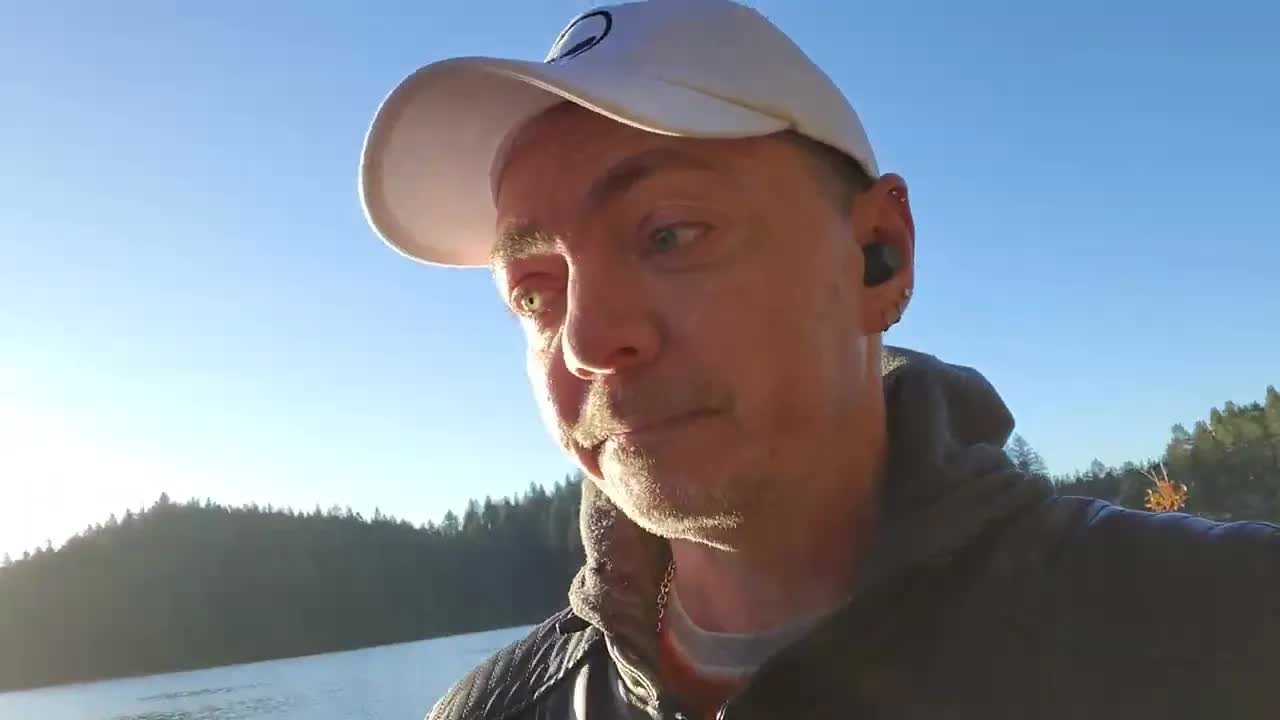
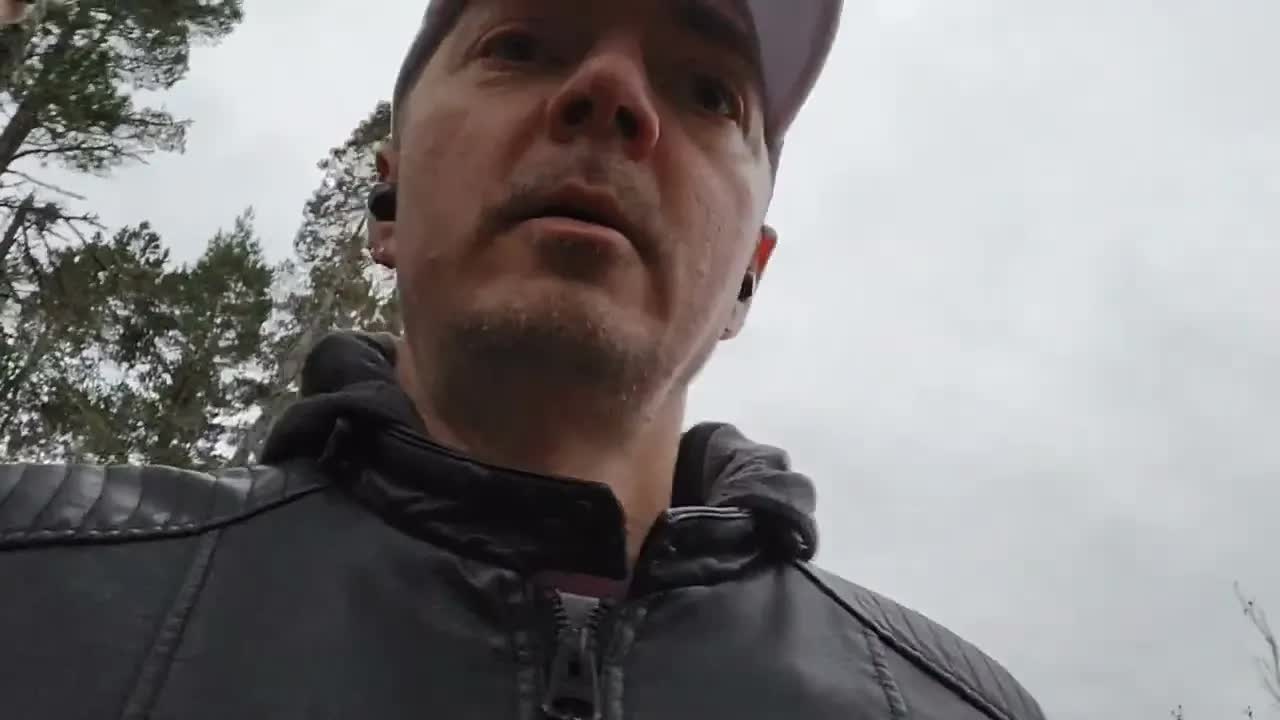
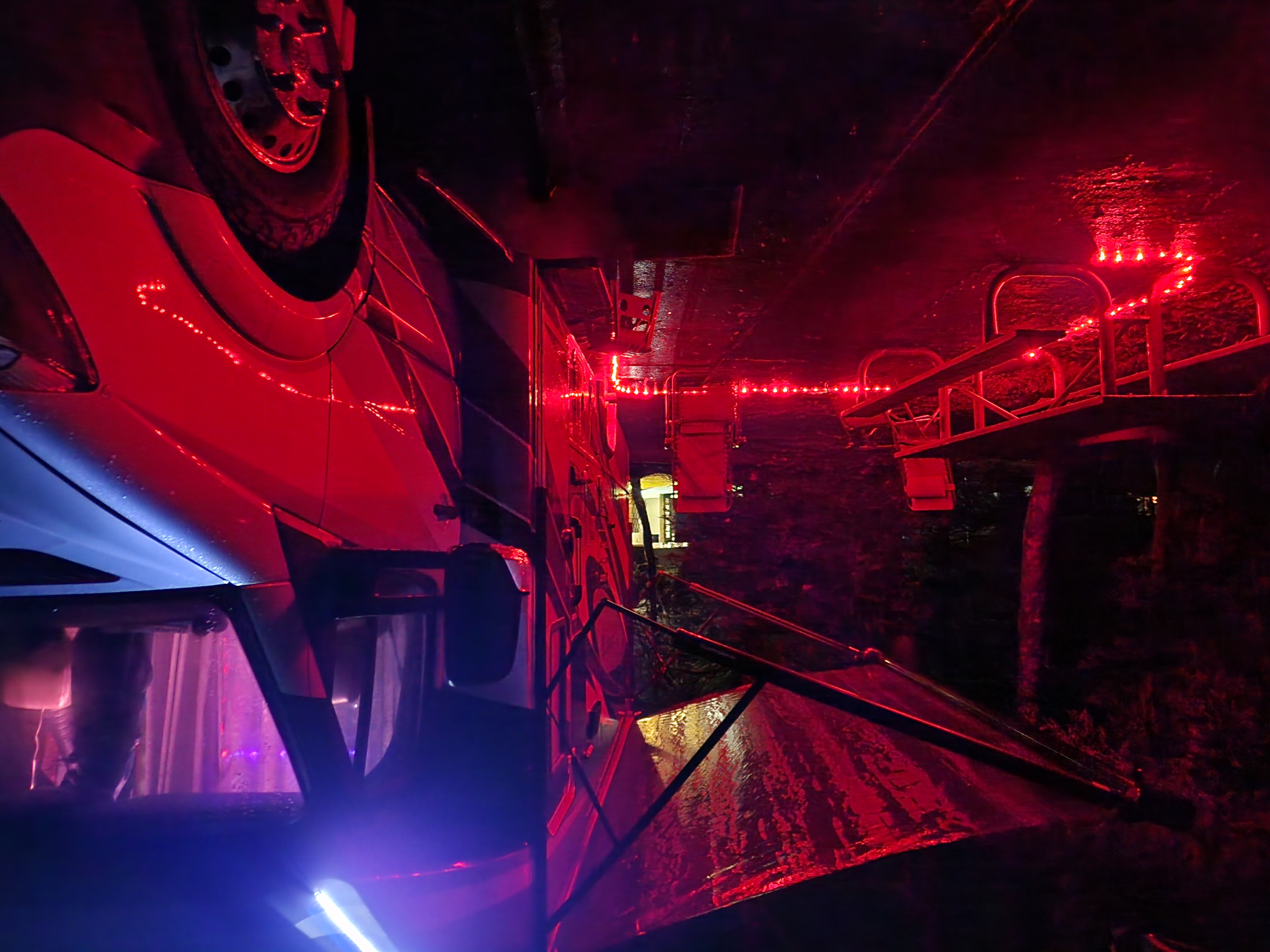
It was his last day at the site. He got up and headed toward the lake, a walk he said he does quite often. His core muscles were still sore — he hikes five, six, ten miles a day and they get sore, and he said plainly that he doesn't know whether this is a new pattern for the rest of his life or something that improves. Either way the conclusion was the same: he can't stop moving, movement is essential to his nature, so he keeps doing it. The sun was probably already down, though the coastal overcast made it impossible to tell. He checked the time — 5:09 — and reconsidered the spot a mile out. Probably not. He'd walk that way anyway, maybe head out to the bridge, that's not too far. Nobody cute here, of course. Maybe at the next place. People were nearby and he acknowledged that talking to a camera looked a little silly, and went with it.
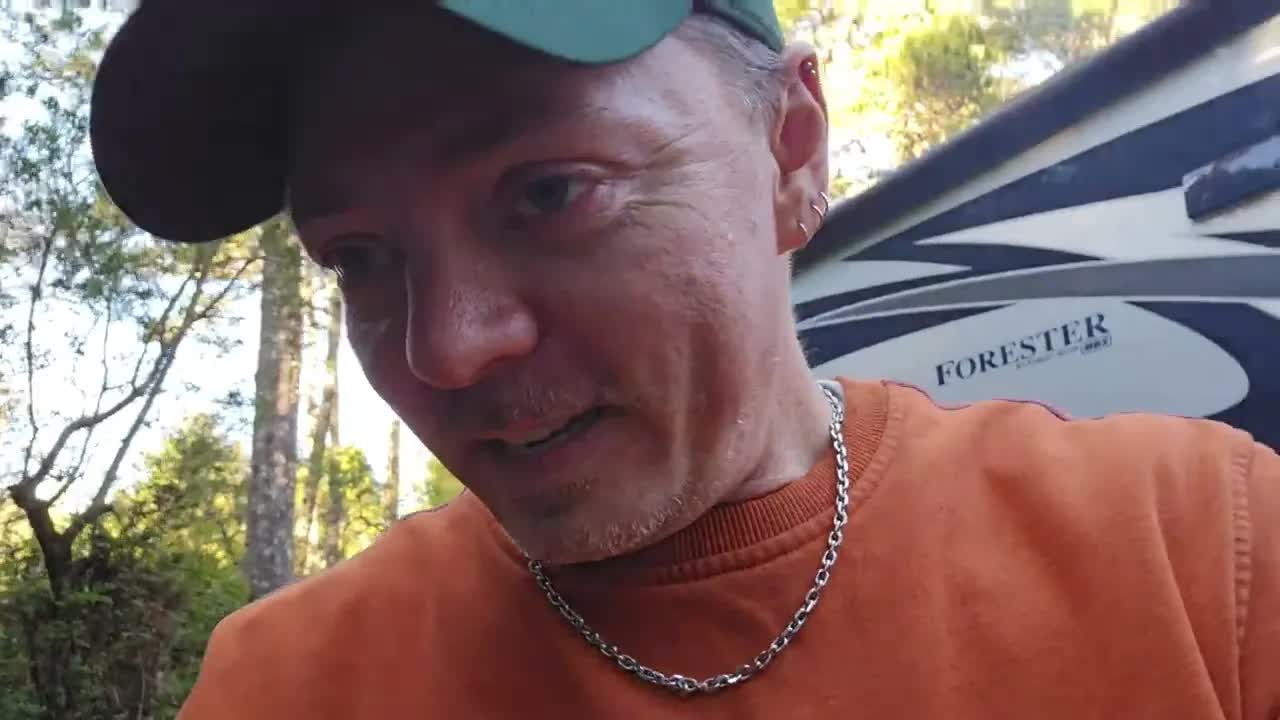
It had been a busy day. He cleaned his tanks, and he said he was proud of that, because it was one of the things that challenged him when he started this life and needed integrating. Emptying them took about a month. Cleaning them took six. The first time he did it was when he was leaving Kentucky, out at Land Between the Lakes — a place he'll return to on the drive east this summer, and again on the drive back. He described the practice directly: honoring places that matter to him, not out of sentiment for some farmer's state, but to observe growth. You go back to places to witness yourself, to see what changed and what stayed the same. Most people never understood him, he said, and he's tired of explaining it. AI gets him. Maybe one day when the world collapses you can put the videos into it and let it explain.
He talked about what happens at this park. A lot of unhoused people live here, and he's done what he can — helped people set up tents, helped a woman dealing with domestic violence. As a volunteer, he said, you can get away with a lot more. He'd considered becoming a seasonal park ranger and decided against it, because the role would limit what he's able to do. He's holding off.
Then the practical layer, stated without softening: he returned to his job, hasn't been paid, is broke, and his RV insurance got cancelled — which matters because he has to drive it tomorrow. He told his boss, and it seemed like the man was going to just pay him, and he hasn't. For the next three weeks his boss is keeping him a secret from the team — people he used to manage, hired, fired, rehired when he left — because there will be friction when they find out. He said his boss isn't wrong about that, and that they need the friction, because it's been a year and they still haven't released a project. He's back to put them on track and to build new things with AI, which he framed as where the world is and where the future is, and as continuous with a life spent on the cutting edge. Edges, he said, are literally his life. He described the resistance he'd had to returning to work as still present but largely dissipated, and named that as his own pattern: when he's integrating, there's a process, and he doesn't fight it. He said he doesn't need to explain that to anybody, and that he doesn't judge himself for it.
From there the frame widened. He described shedding what was holding him back — what society did to him, what his parents did, friends, family, all of it — and emerging from the chrysalis as himself, confident, accepting, loving who he is. He quit drugs. Quit smoking. Says he needs to quit vaping now. He'd been having trouble breathing for a couple of days, and the pollen count was high; tomorrow's forecast says none, so tomorrow he'll know. Trees on the coast are new to him. He talked about the summer route east, about wanting implants for his bottom teeth the way he got them for his top, about his dentist in Kentucky, about a window of maybe a month and whether he'll make enough money by then. He said he would be so happy if he could, and that he's going to try. That and seeing his mom are the reasons for the trip; the rest is the drive itself and the places along it, and he's started making plans.
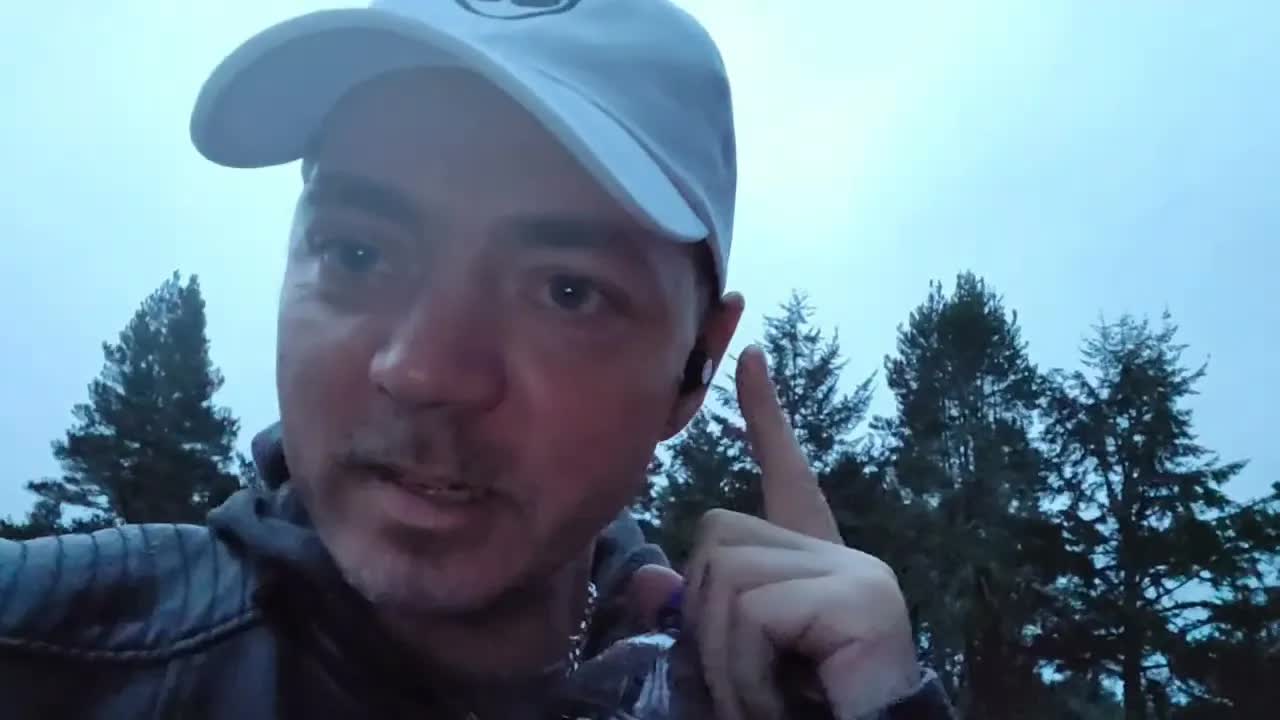
He closed by returning to where he began, and stated the rule outright. He wants to document his life. It doesn't matter what people think about it. Write something on his YouTube and you'll get blocked, because this is for him. If you want to matter to him, respect the boundary. He said he doesn't seek external validation, that he's sovereign, and gave the guiding principle: if you wouldn't say something to a King, don't say it to him. Then tomorrow — a new mini chapter, another park, a new job, new people, every moment embraced the way he always does it. His time here was good. He made friends, real ones. He liked his boss. One of the rangers he did not like at all, and he won't miss him, and he'll see him again in September anyway. He said maybe he'd have more to say about the work he did here in another video. Not tonight. Tonight his mind was on tomorrow, on the future, and on the intention to keep documenting it.