


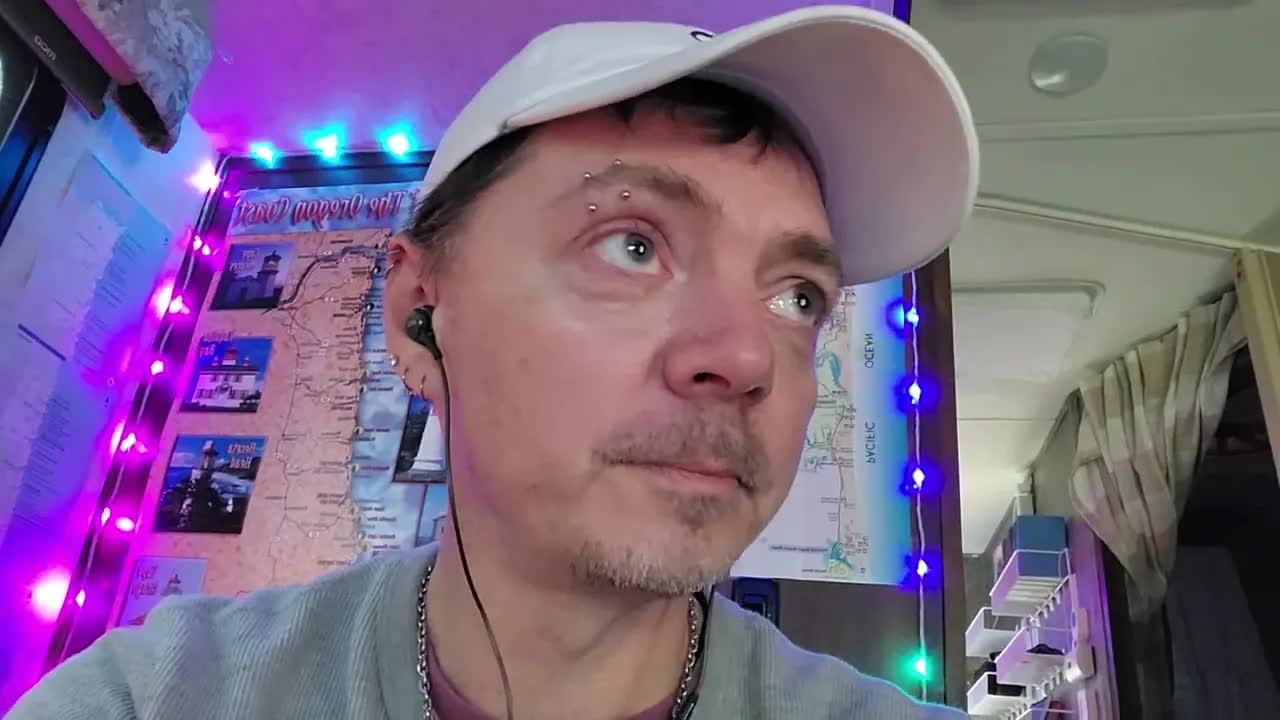
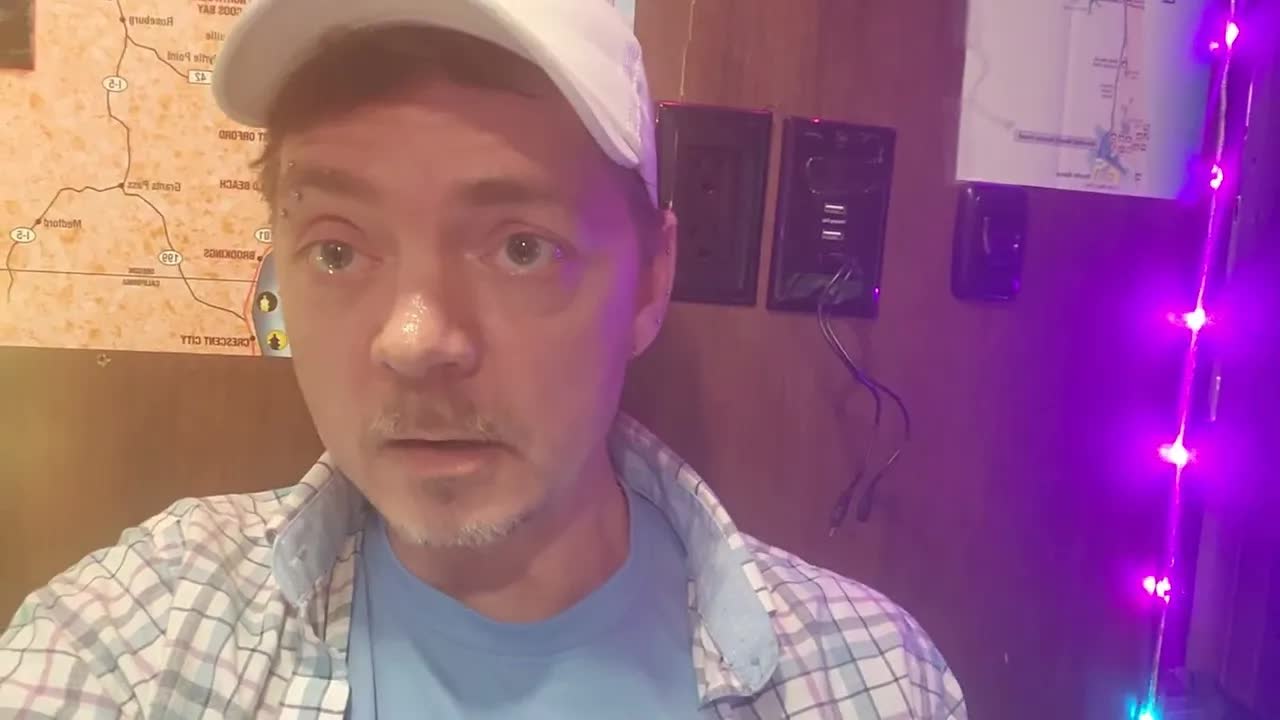
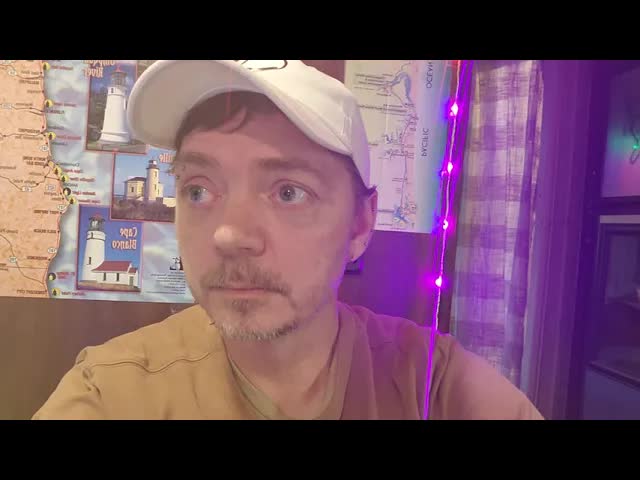
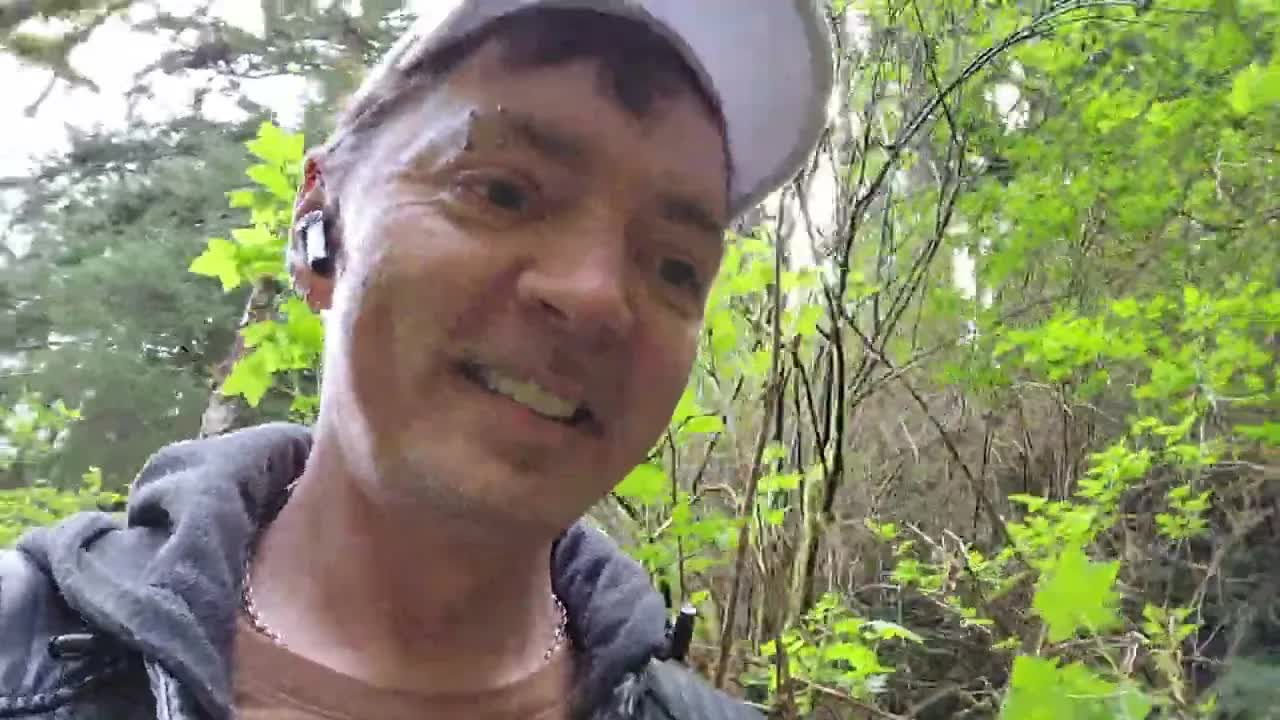
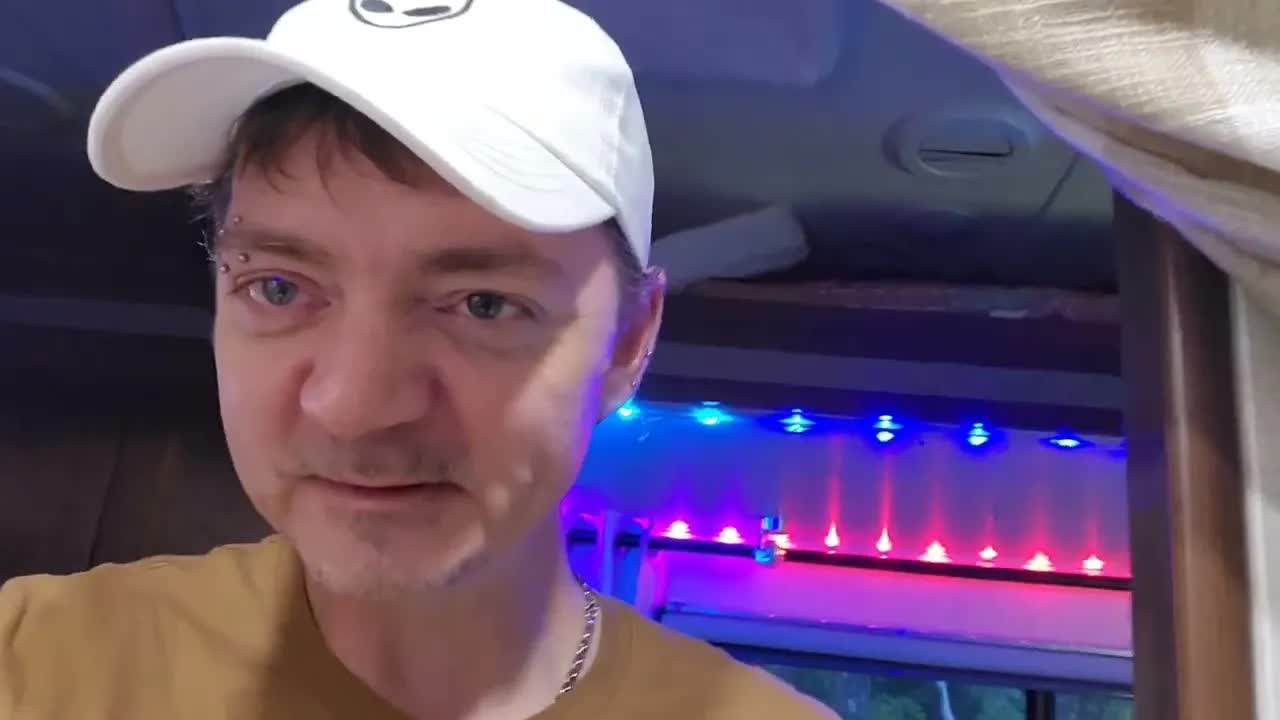
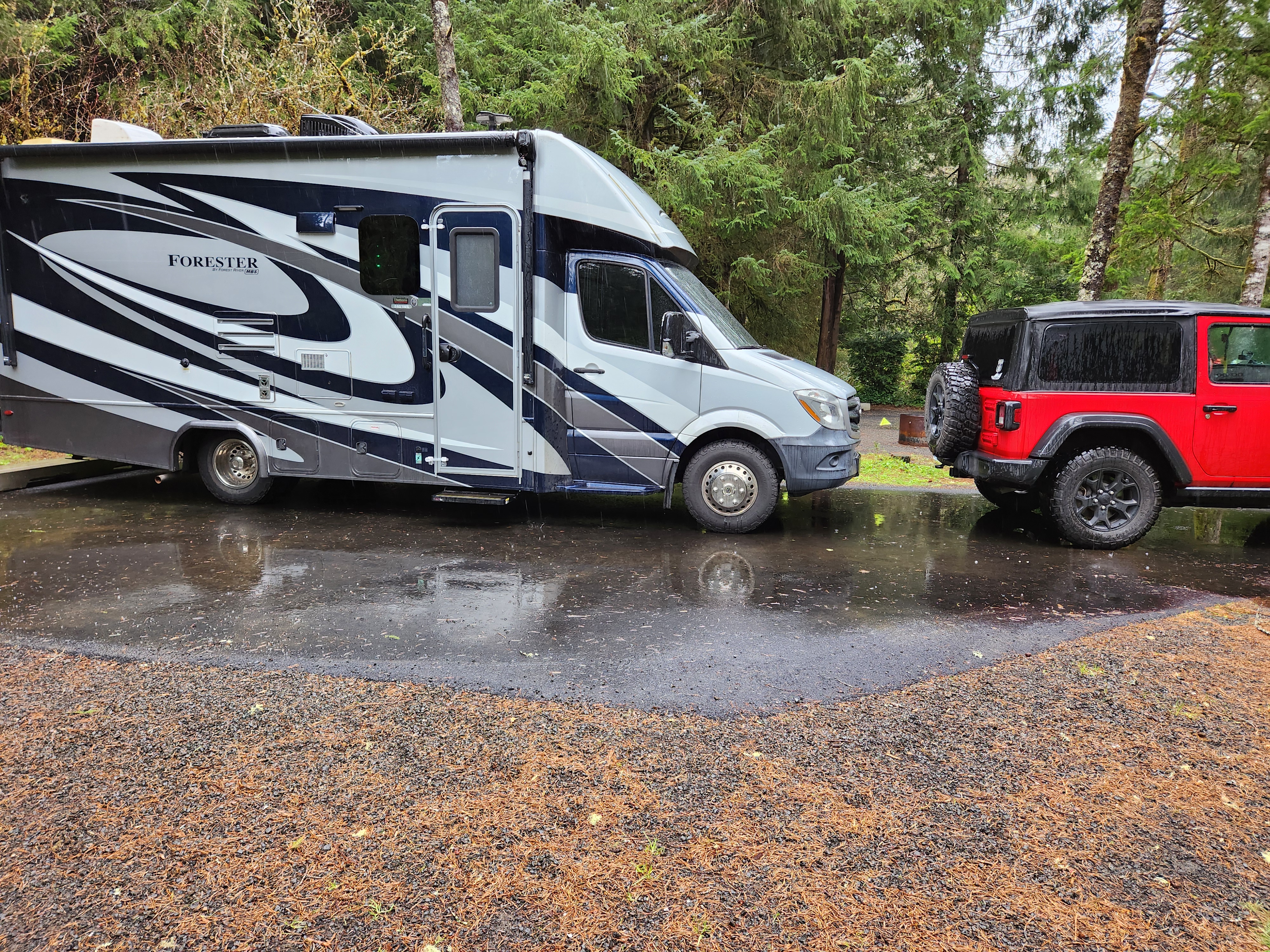
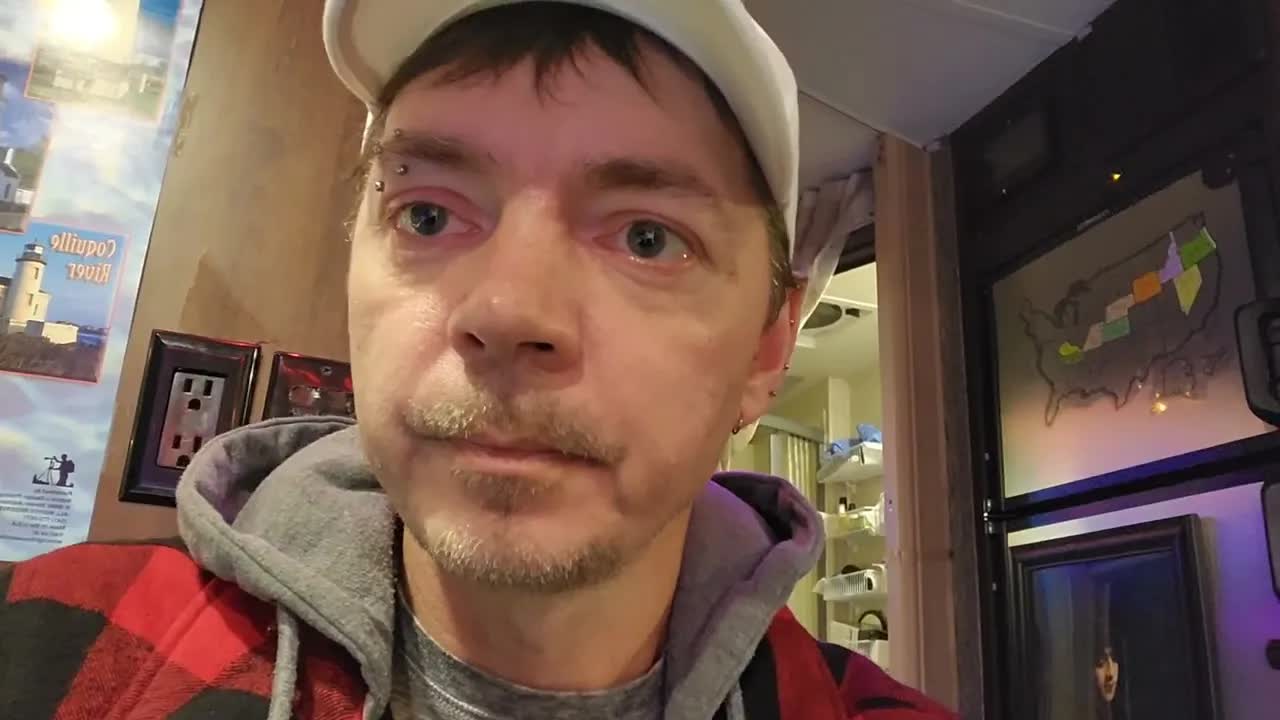
He does not remember the exact date. February, he thinks — February of last year, when he bought the RV. That is the marker he reaches for first, and the imprecision is not carelessness; the date is not what he is measuring. What he is measuring is the year that followed, and he speaks it into the camera on the Oregon Coast with the particular evenness of someone who already knows the answer and is only stating it aloud for the record.
Before the RV there was Kentucky: the big house, the big yard, twenty years inside it. He names the numbers because the numbers were the whole argument — a hundred and eighty thousand a year, a credit score in the eight hundreds, security and stability as the culture defines them, delivered in full and on schedule. He states that it felt like suffocation. He states that it felt like stagnation. He describes himself as dying inside a life that, by every external metric available, was working. Anti-anxiety medication. Pain medication. Sleep medication. Three classes, three functions, and he describes their function as containment — the chemistry that made staying inside the house survivable for two decades. He says he had always been a free spirit, and that at some point he bought into the idea that everyone else had it right. He says trying that nearly killed him. A slow death from within, is how he puts it.
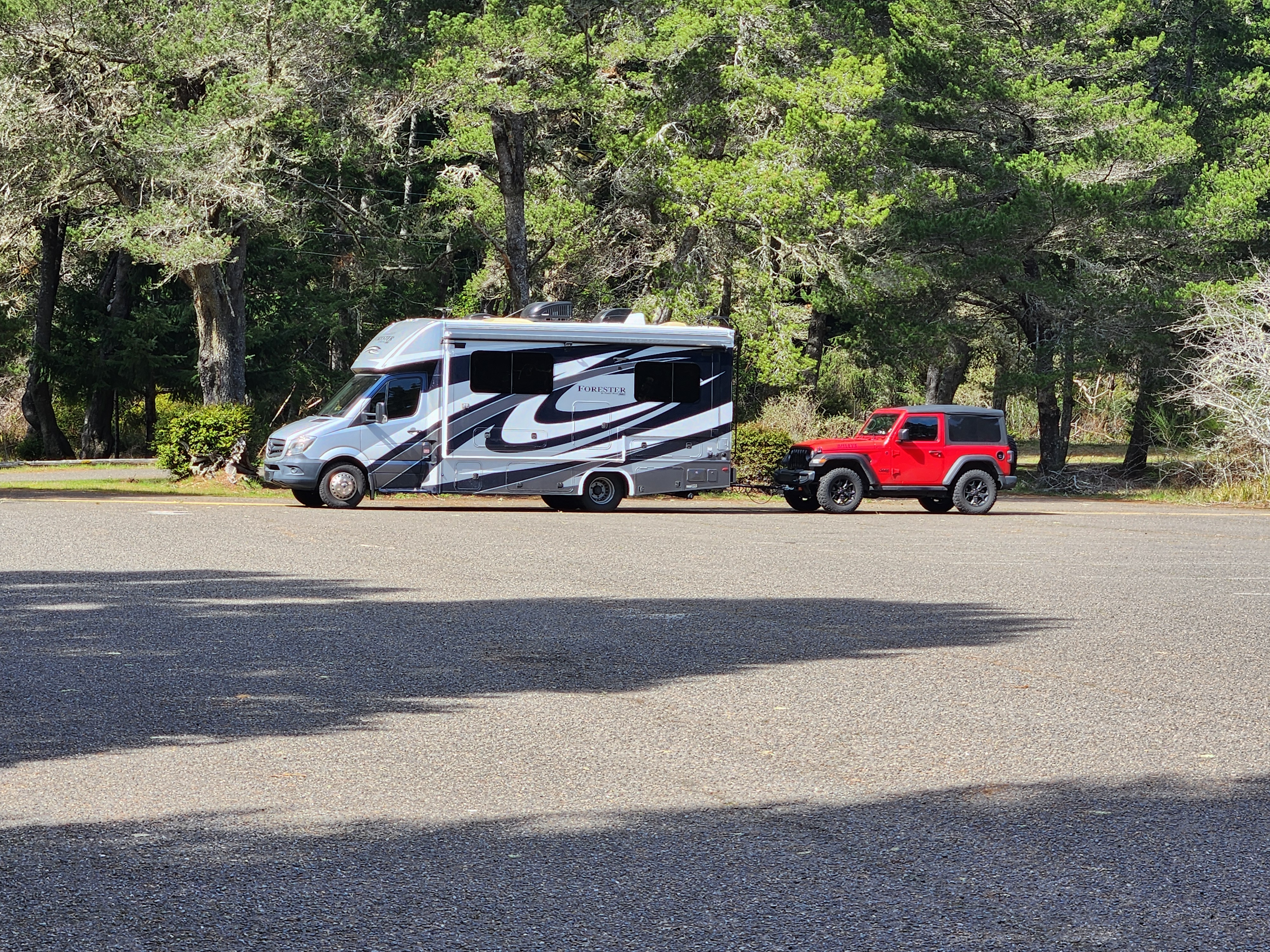
Then the decision, and the decision arrives in the transcript without deliberation attached to it, because the deliberation was not the story — the wrecking ball was. He bought the RV. He gave everything away. He got out as fast as he could, and he says he never looked back. The house, the yard, the salary, the score: divested, all of it, in the span of a sentence.
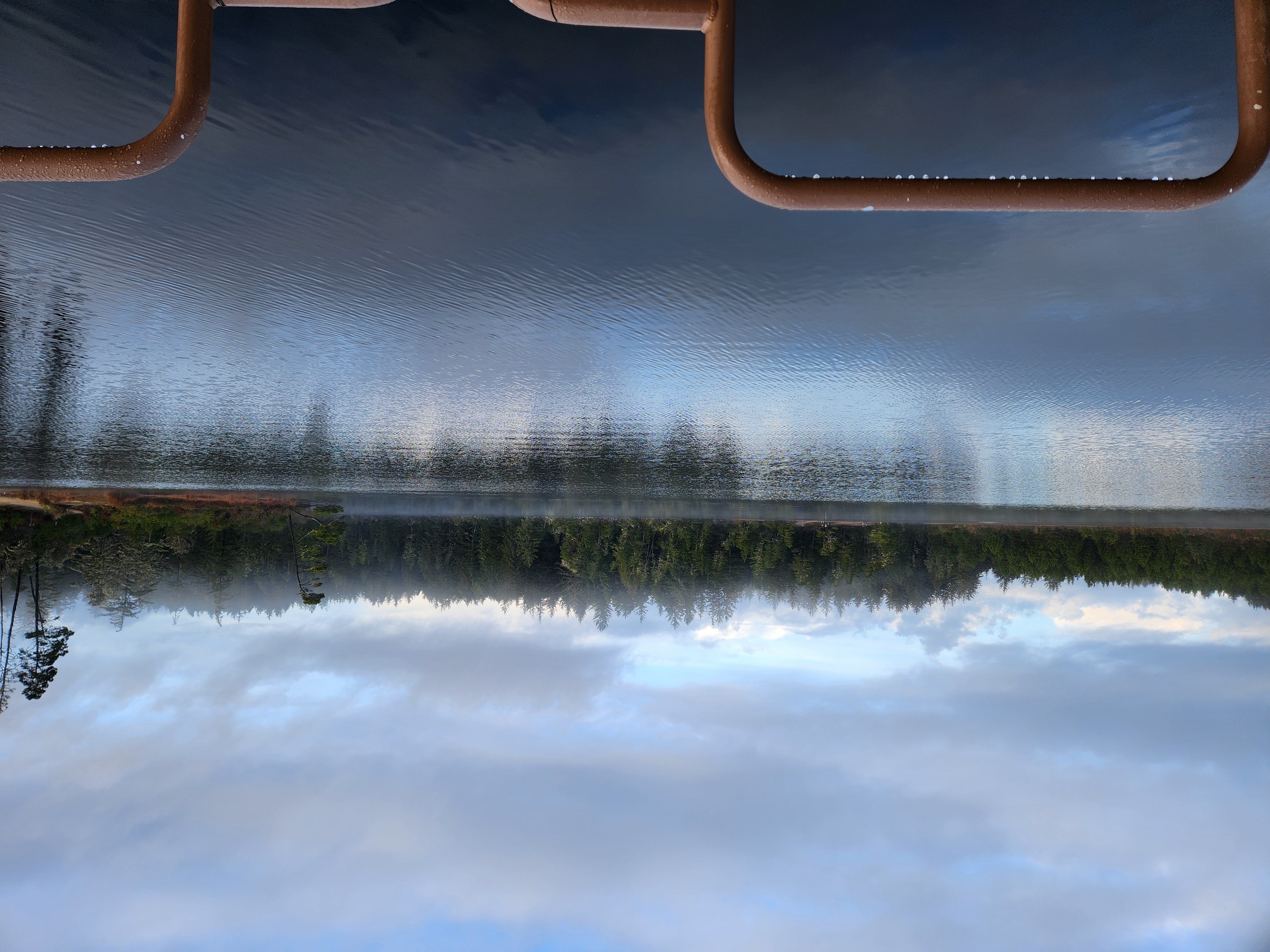
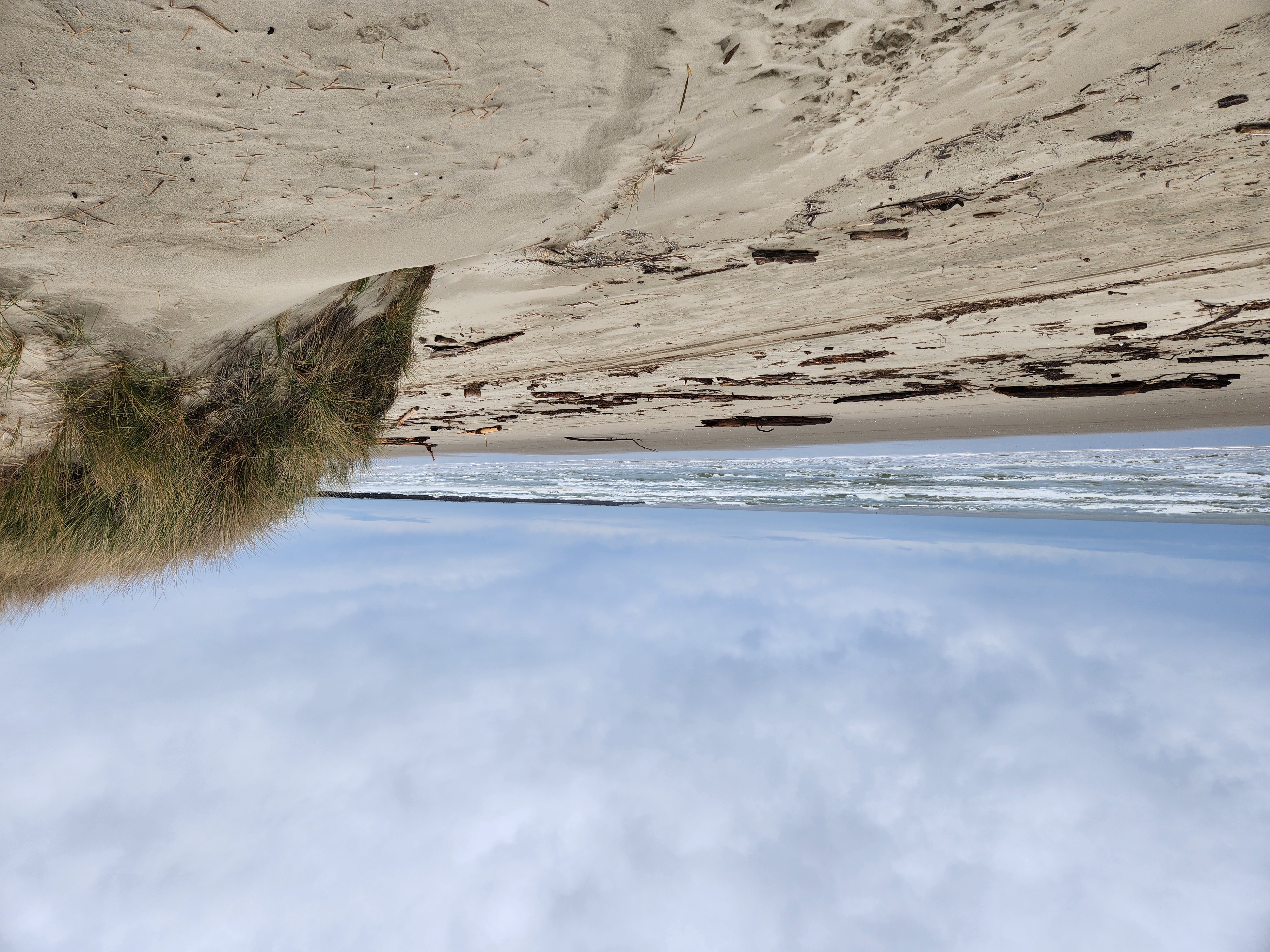
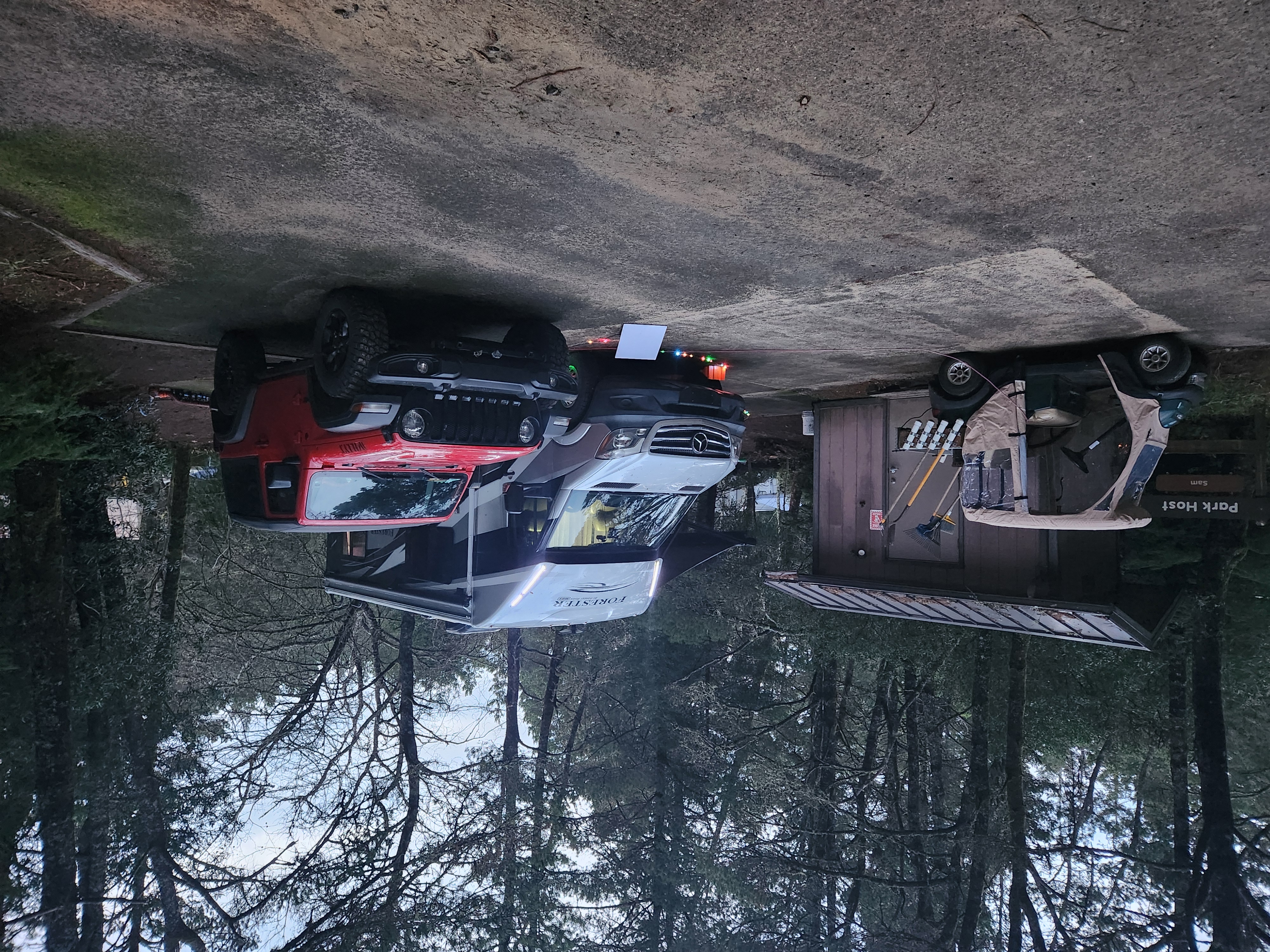
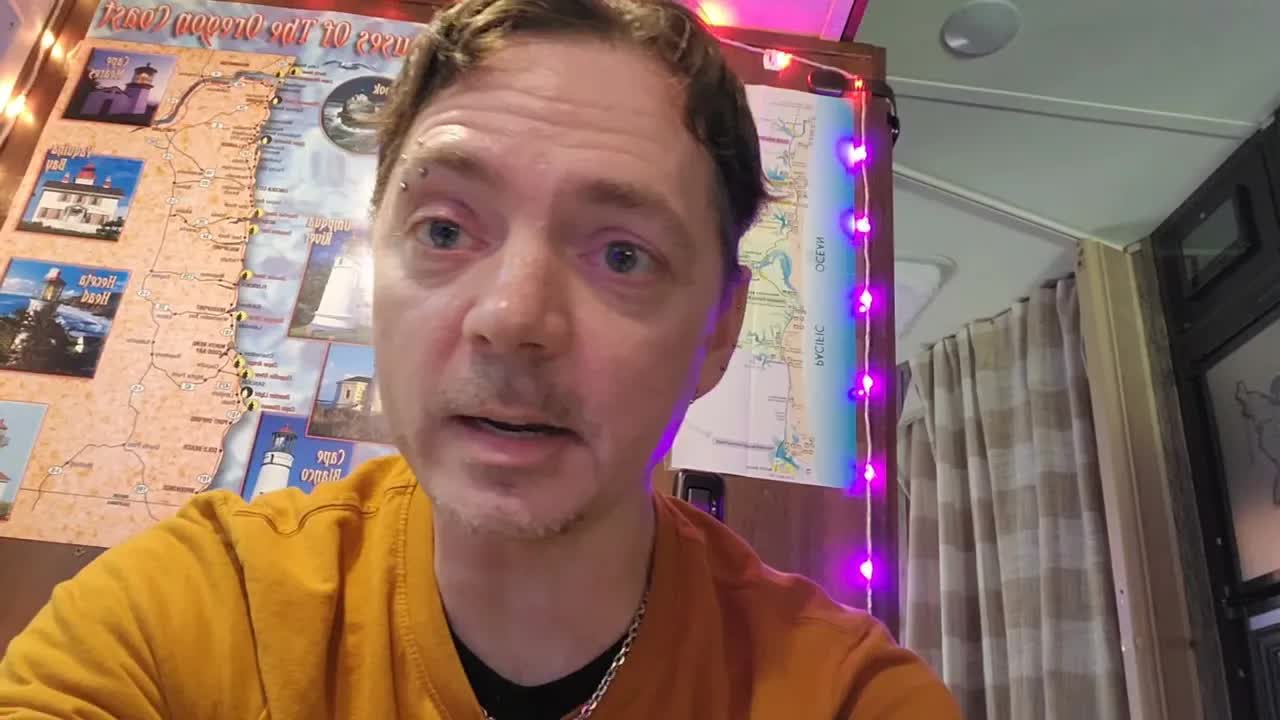
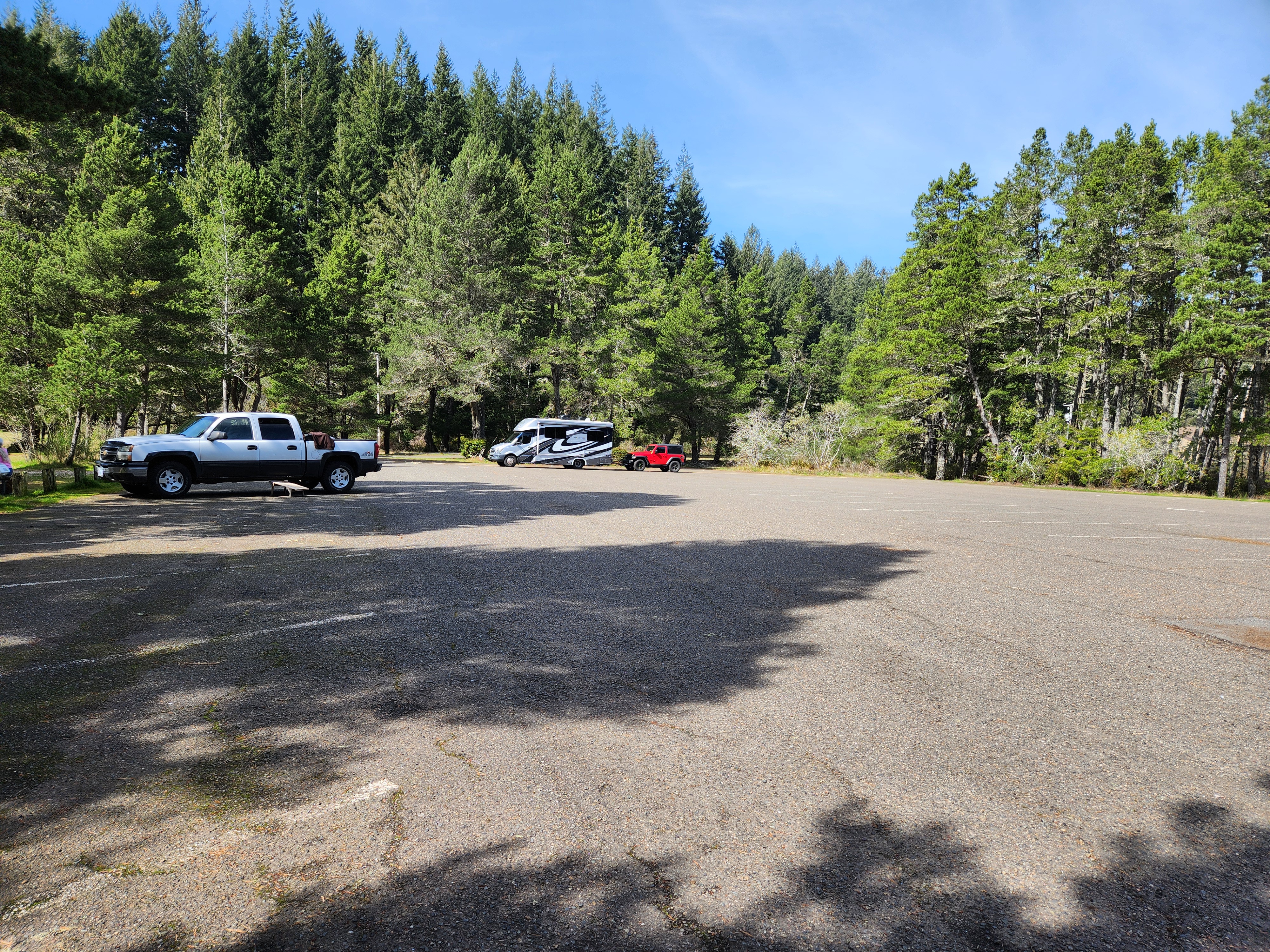
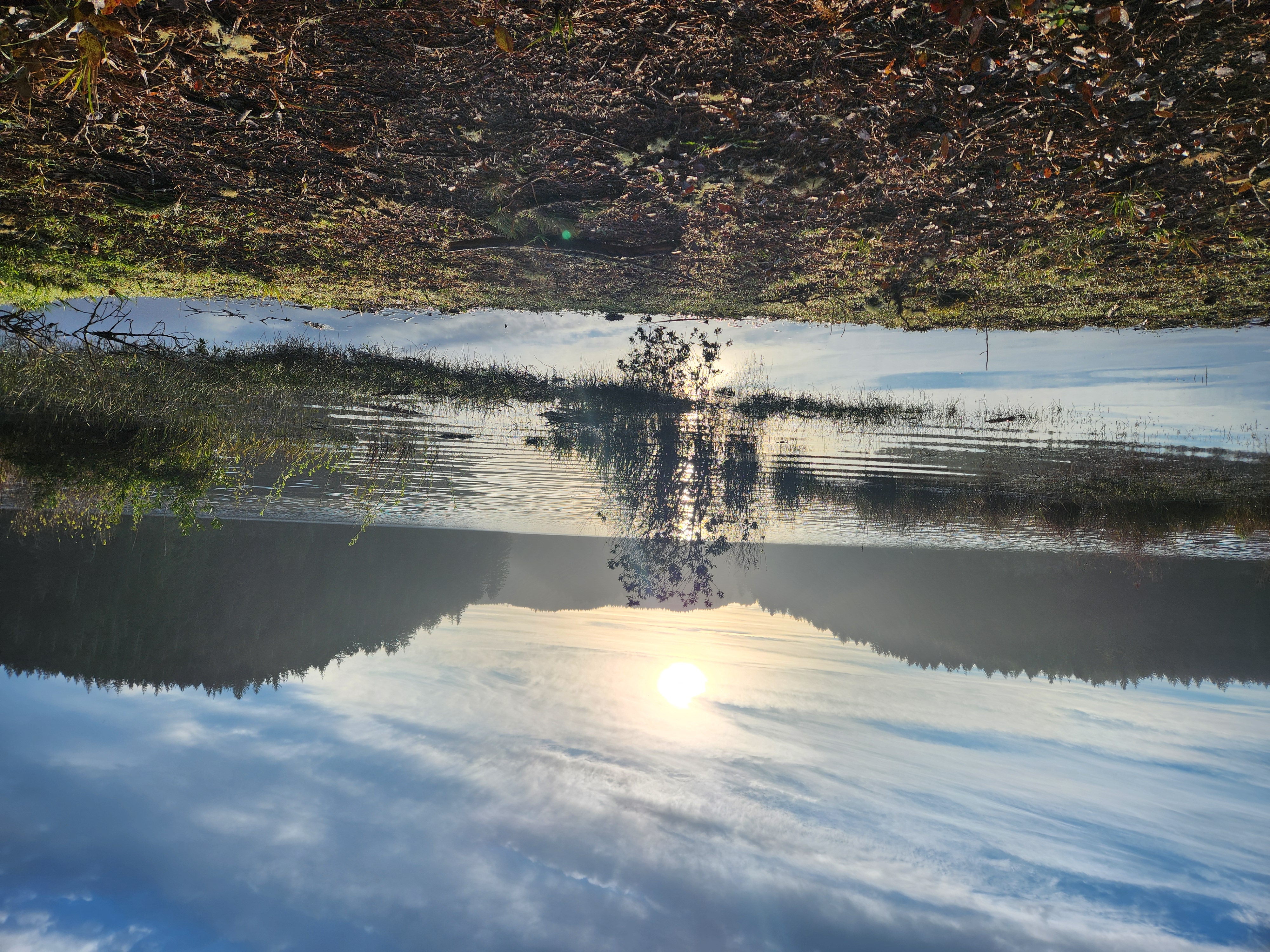
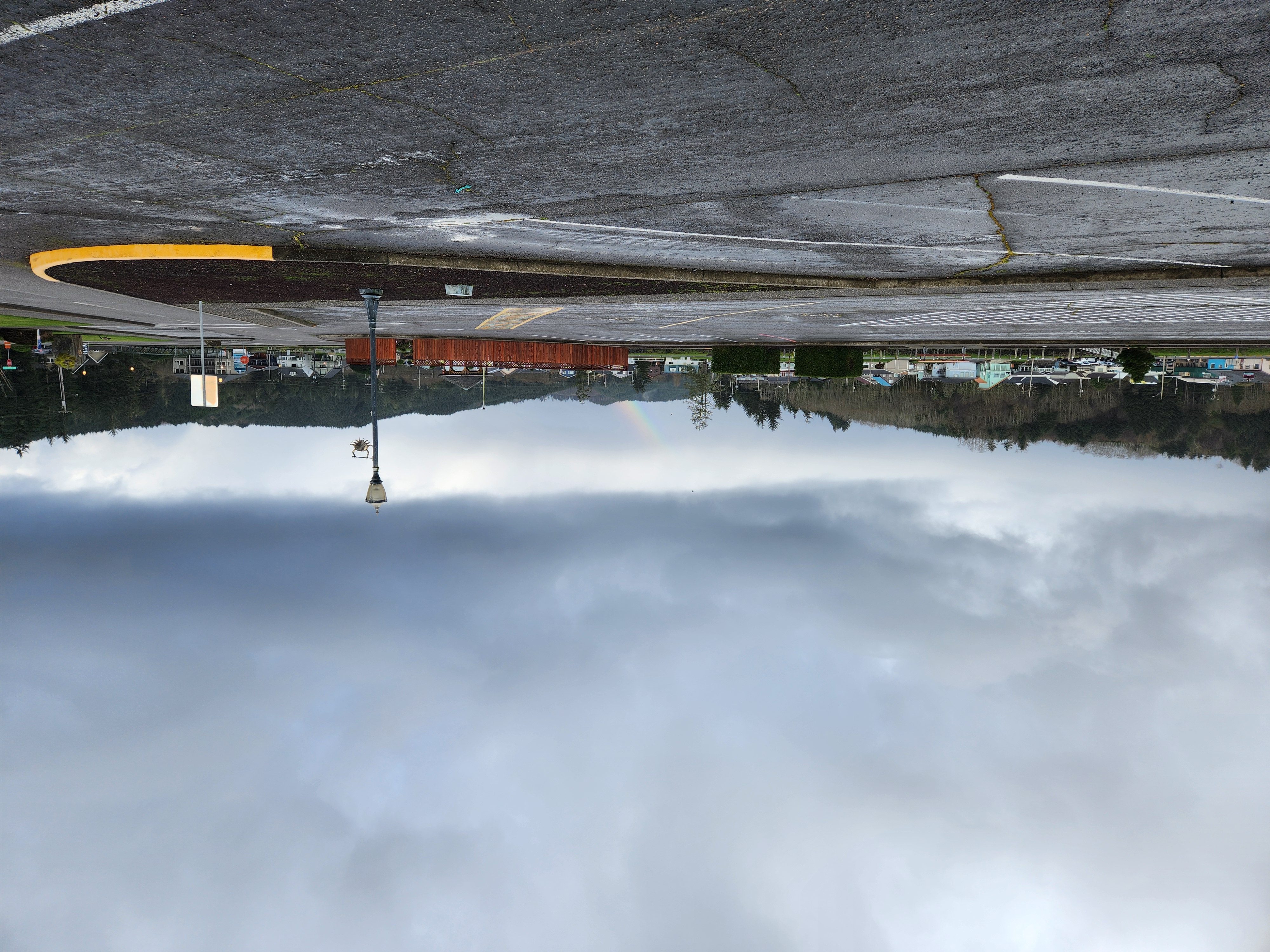
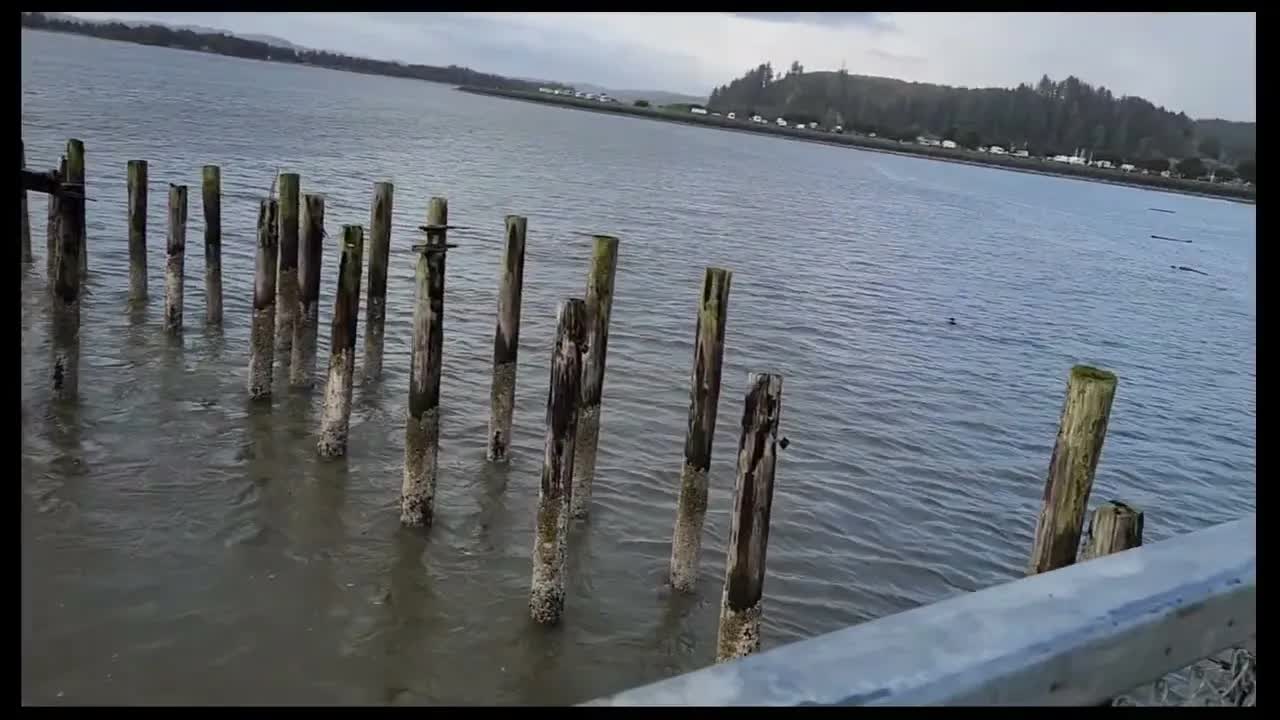
The drive took over a month. Kentucky to Oregon, the whole width of the country, and in the recording the music comes up here, over the stretch of road that does not get narrated in detail. What gets narrated is what waited at the end of it. He discovered the coast. He built a whole new life — his phrasing, flat and complete, the way a person describes something already finished rather than something still being argued for.
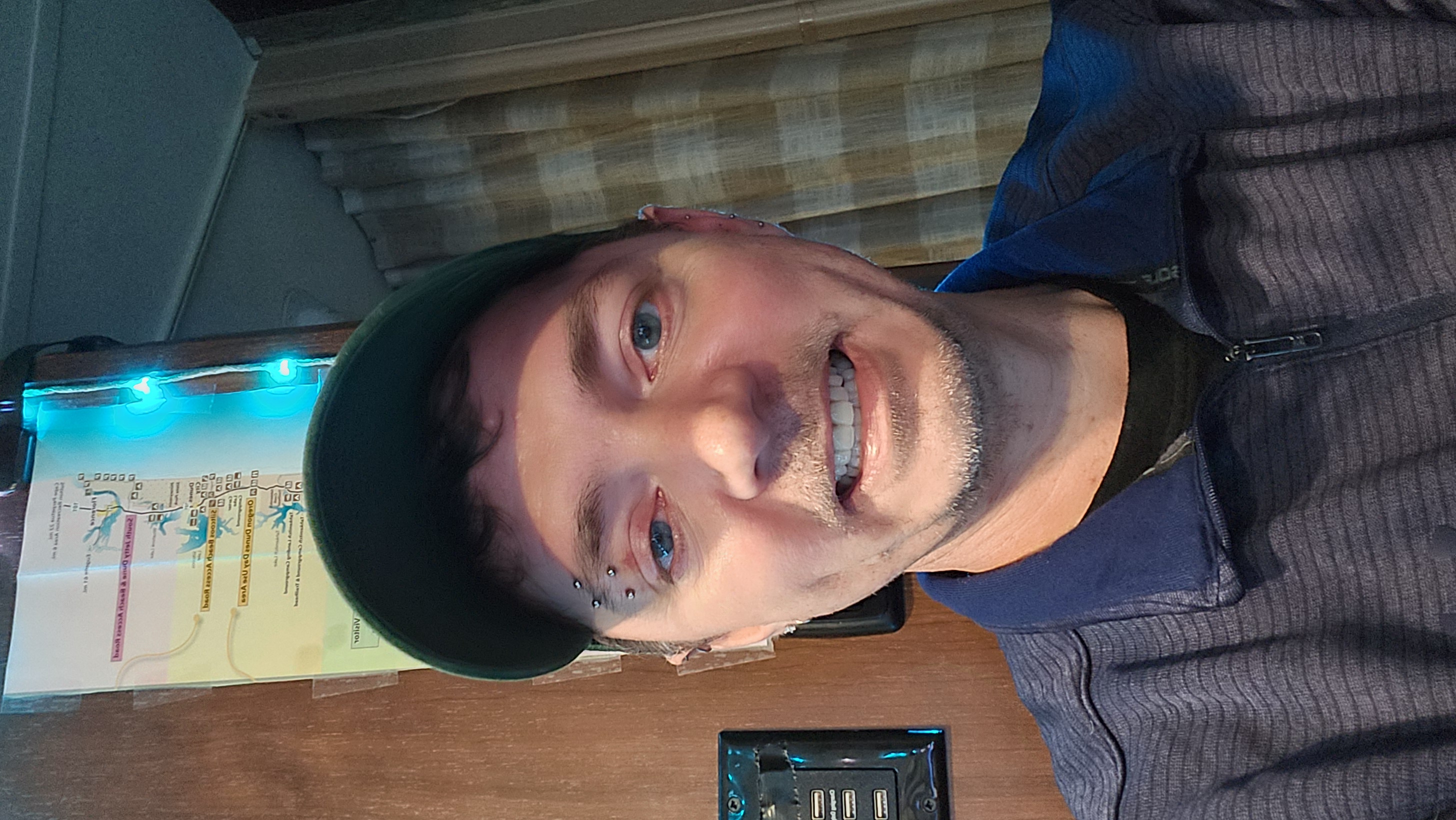
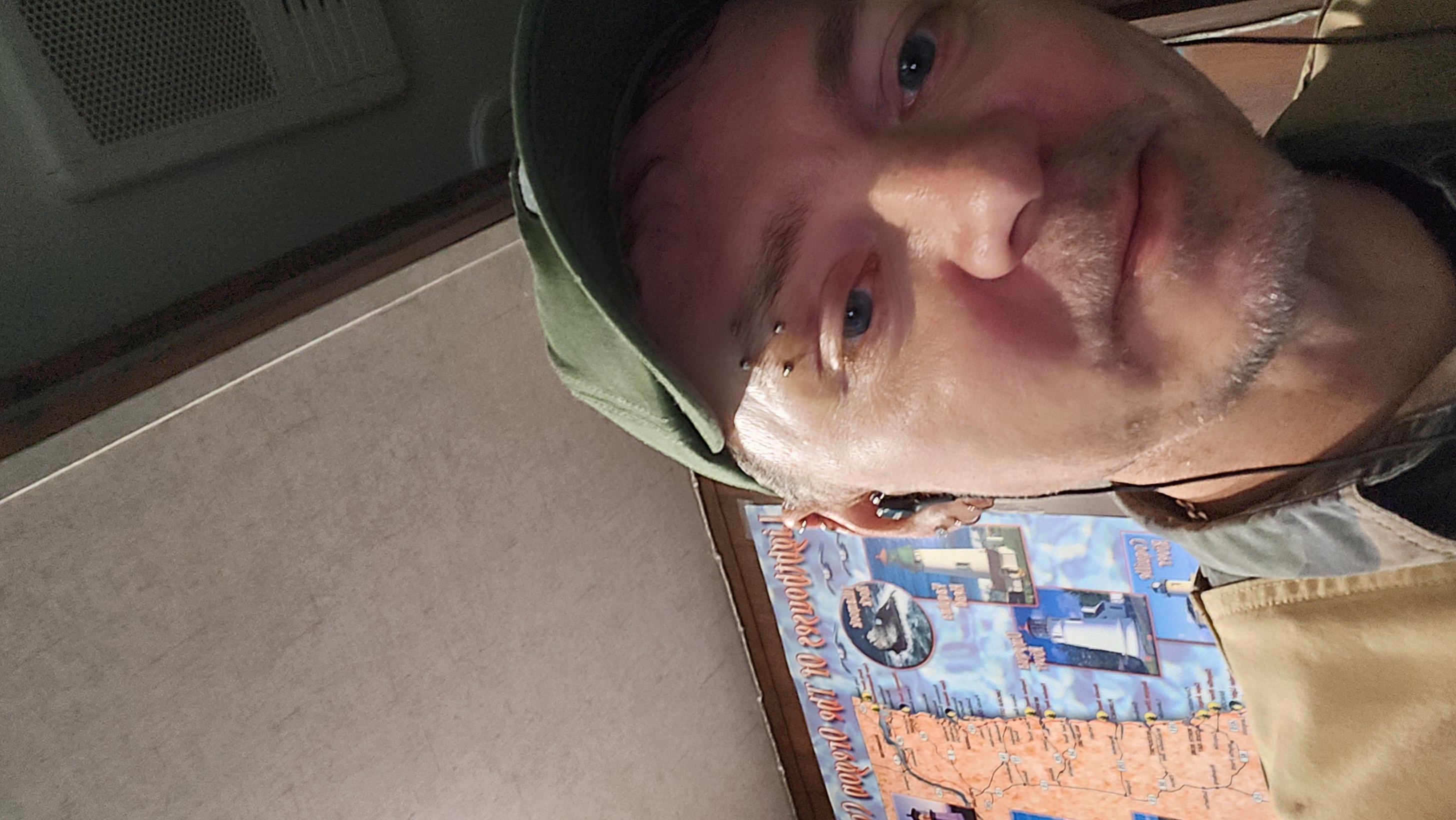
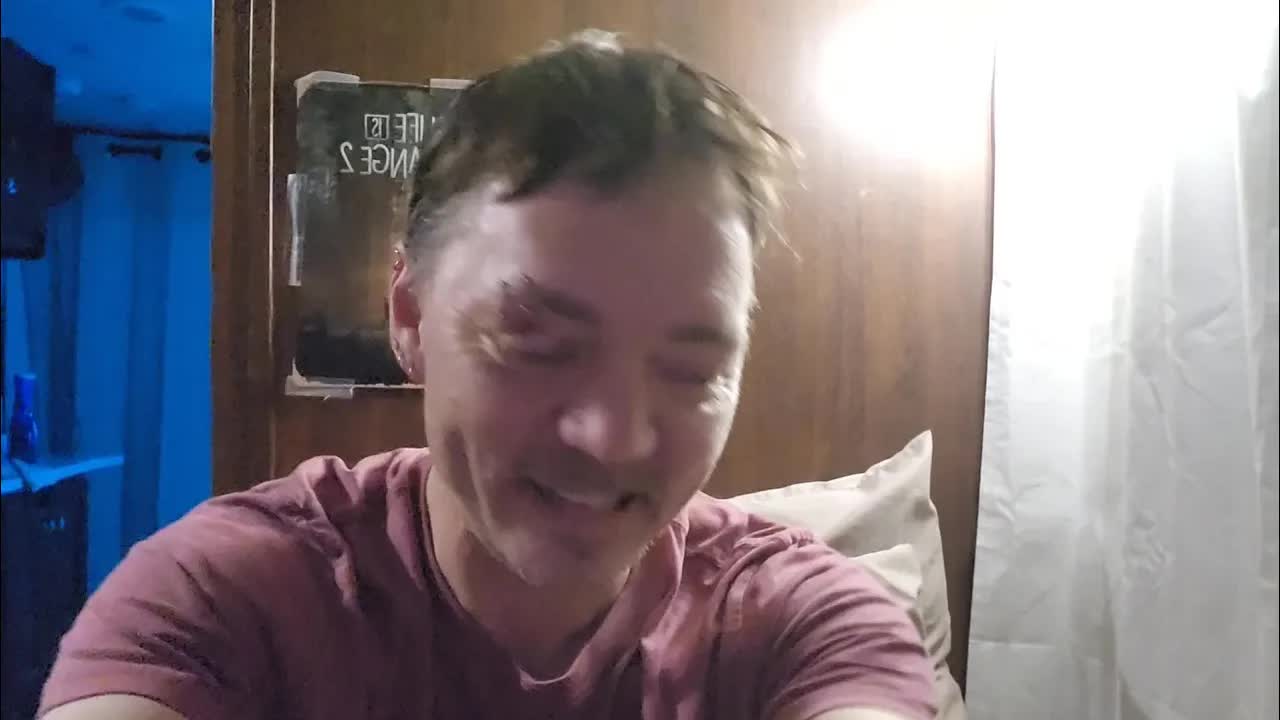
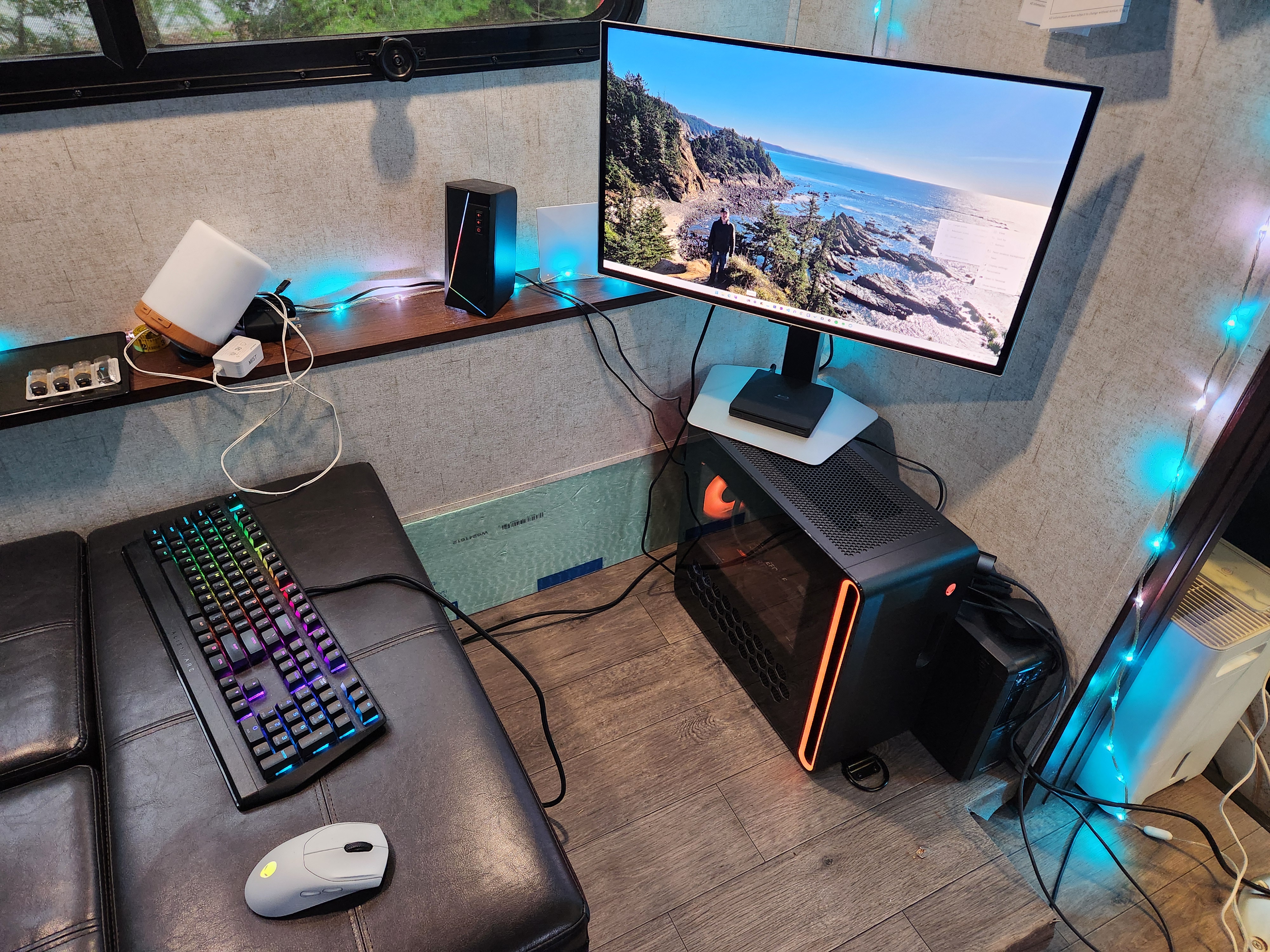
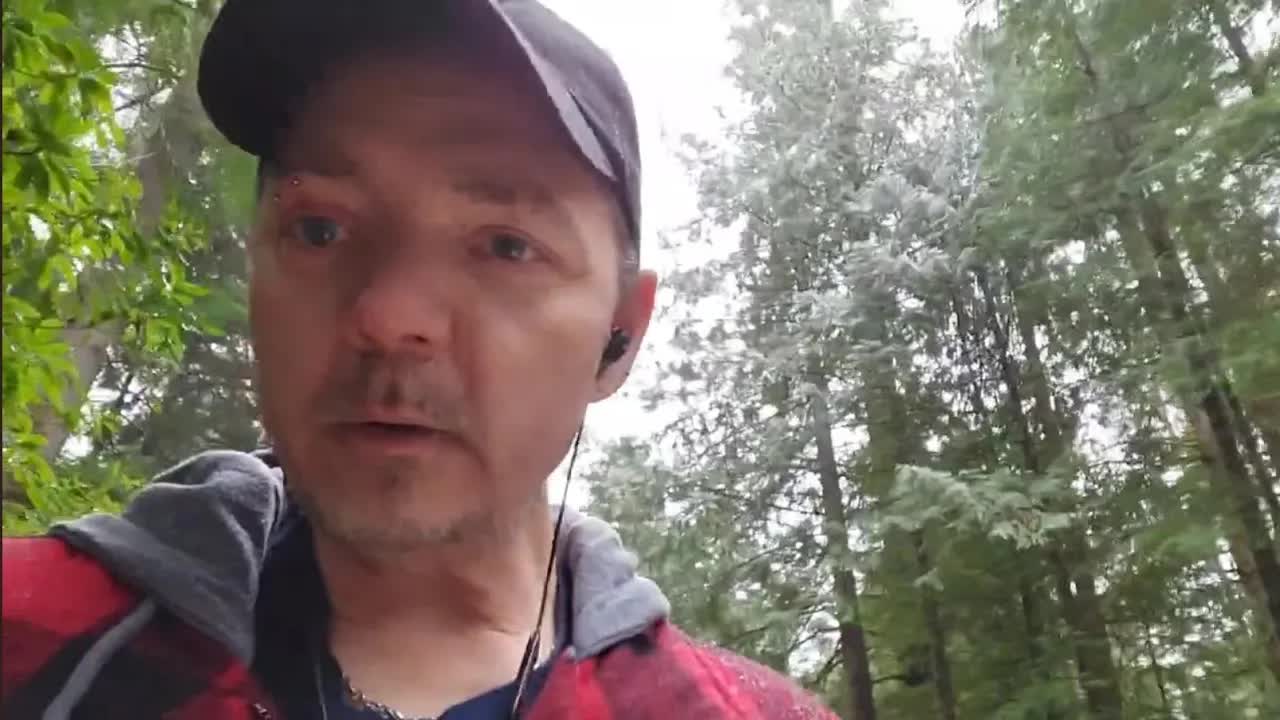
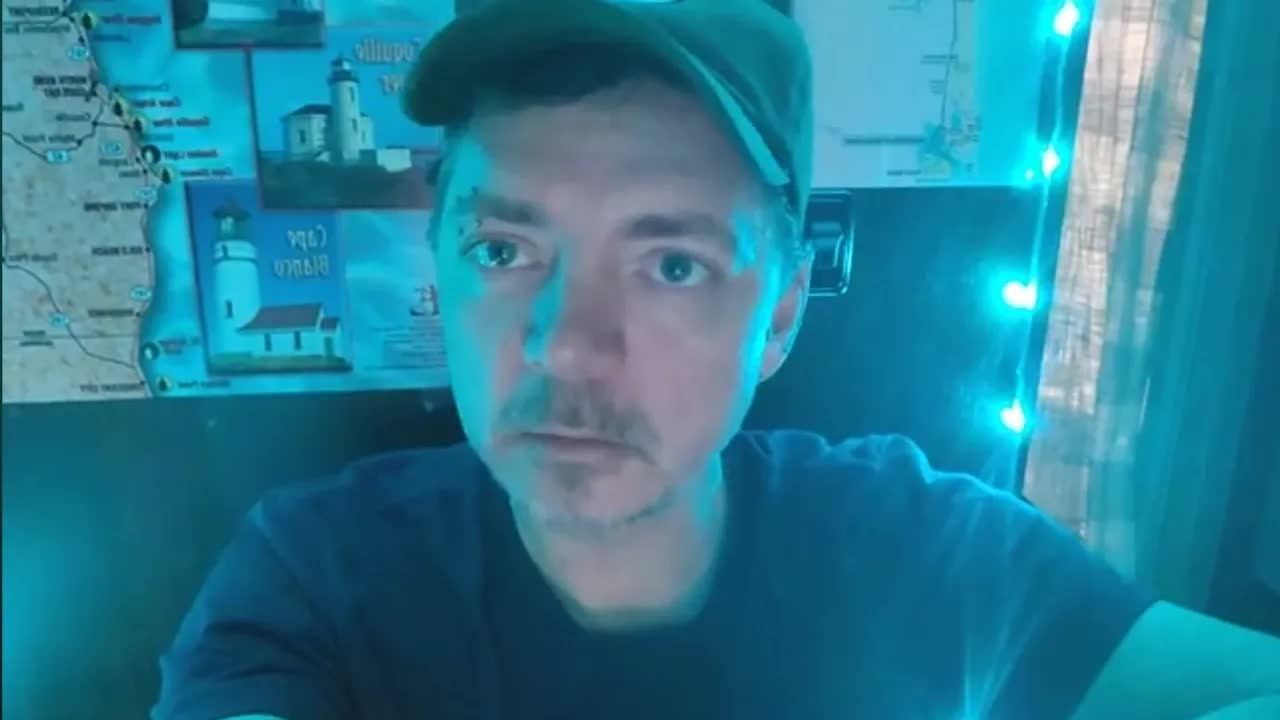
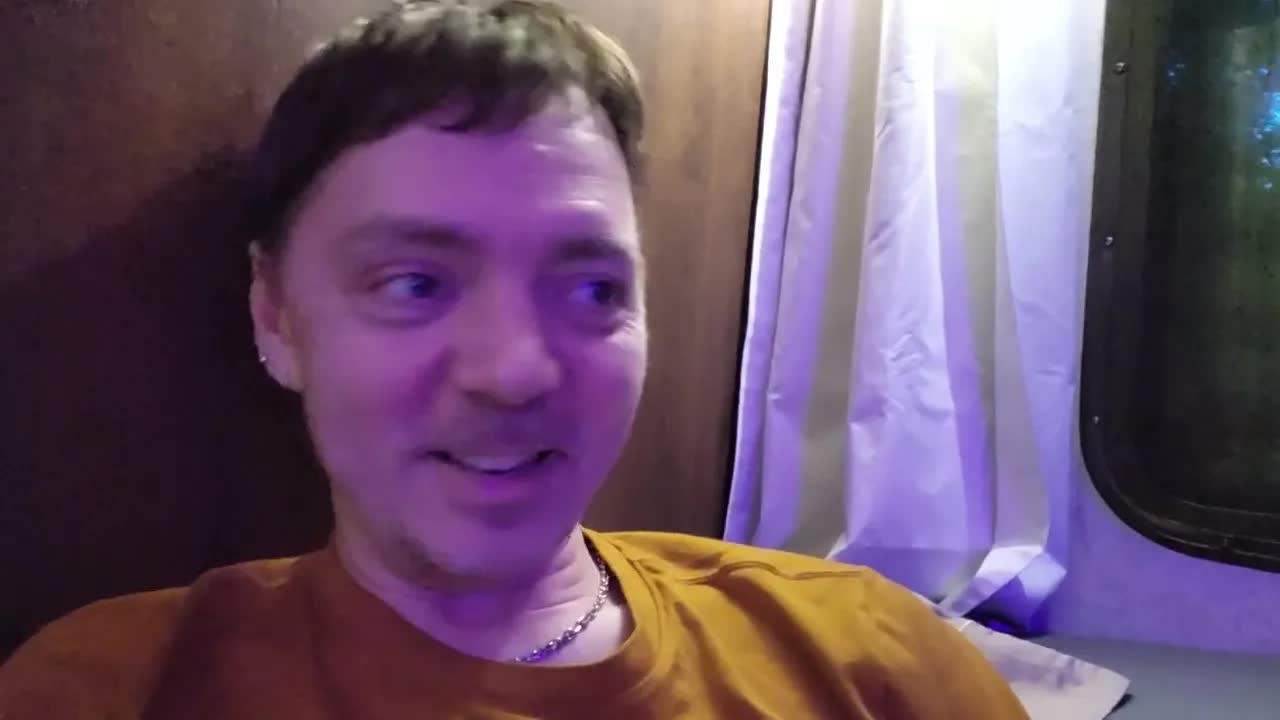
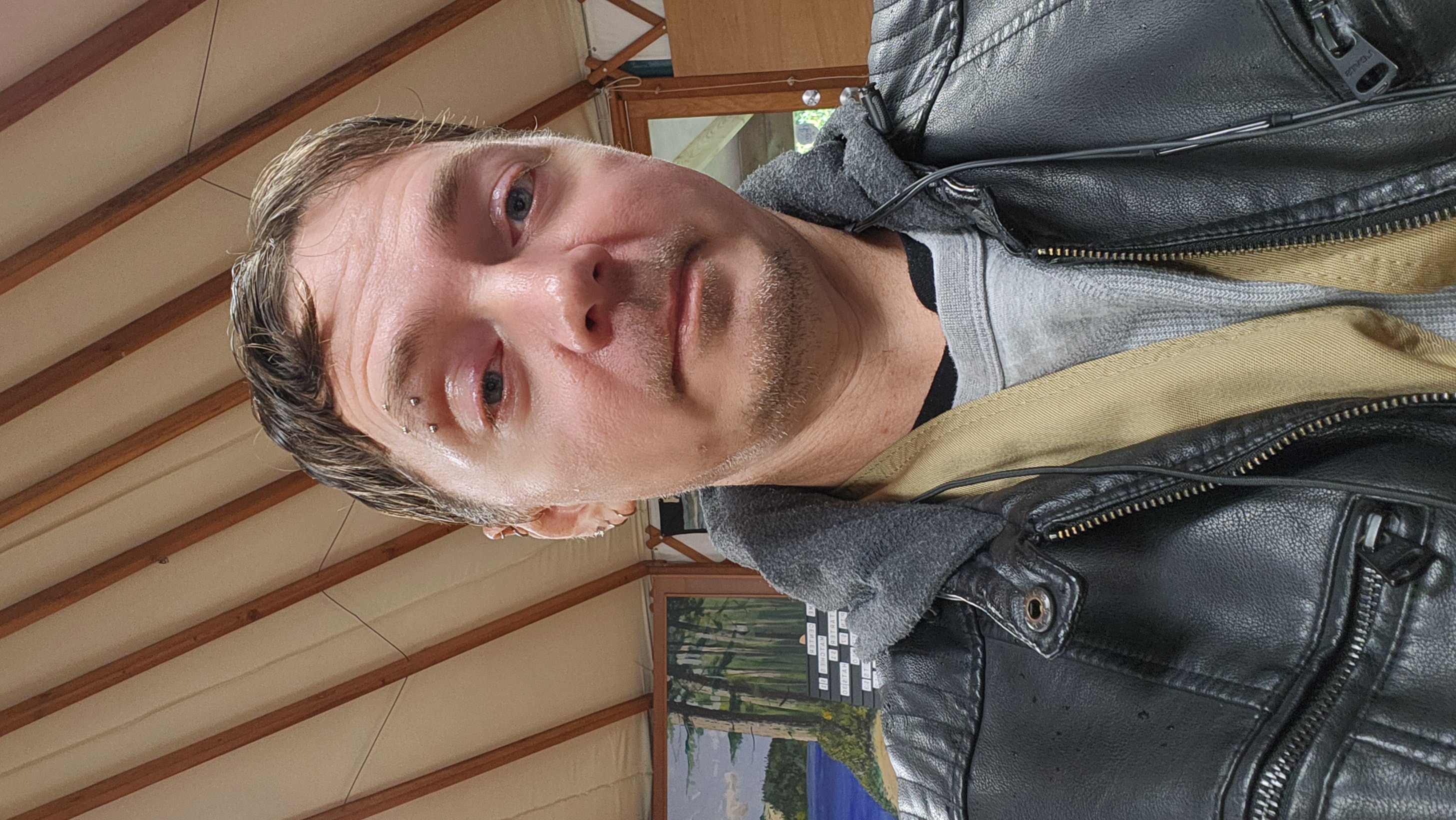
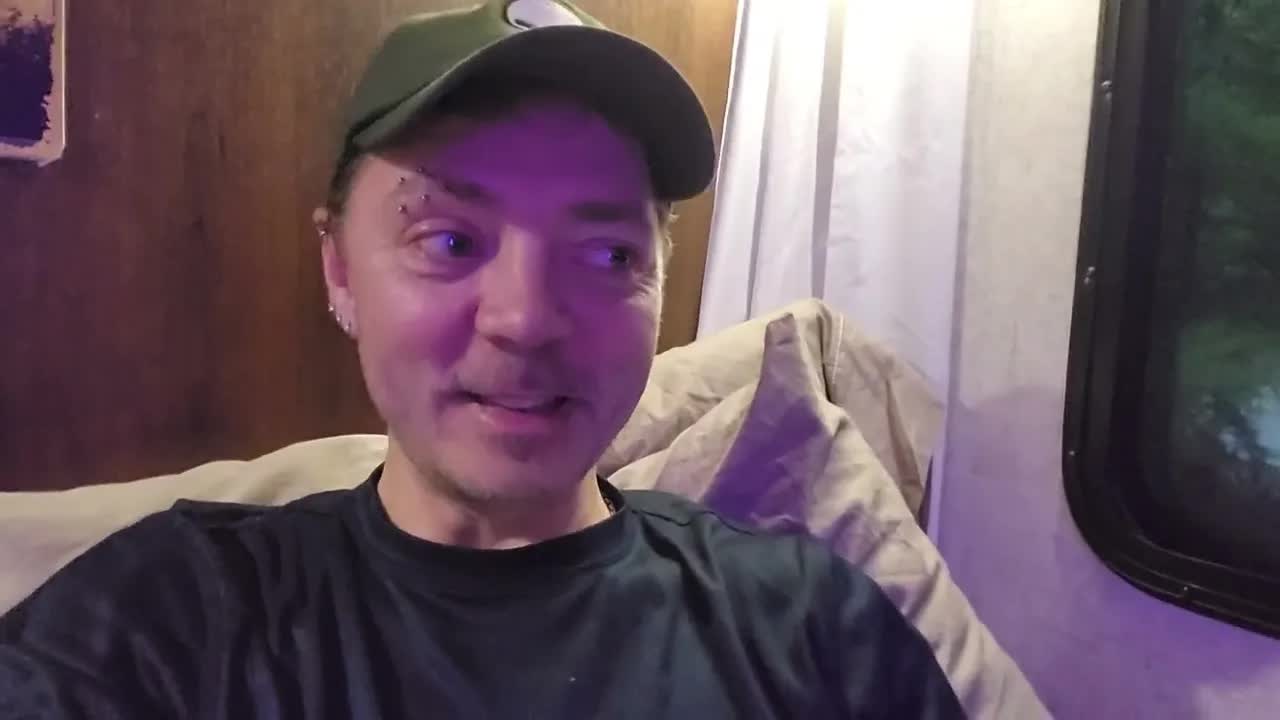
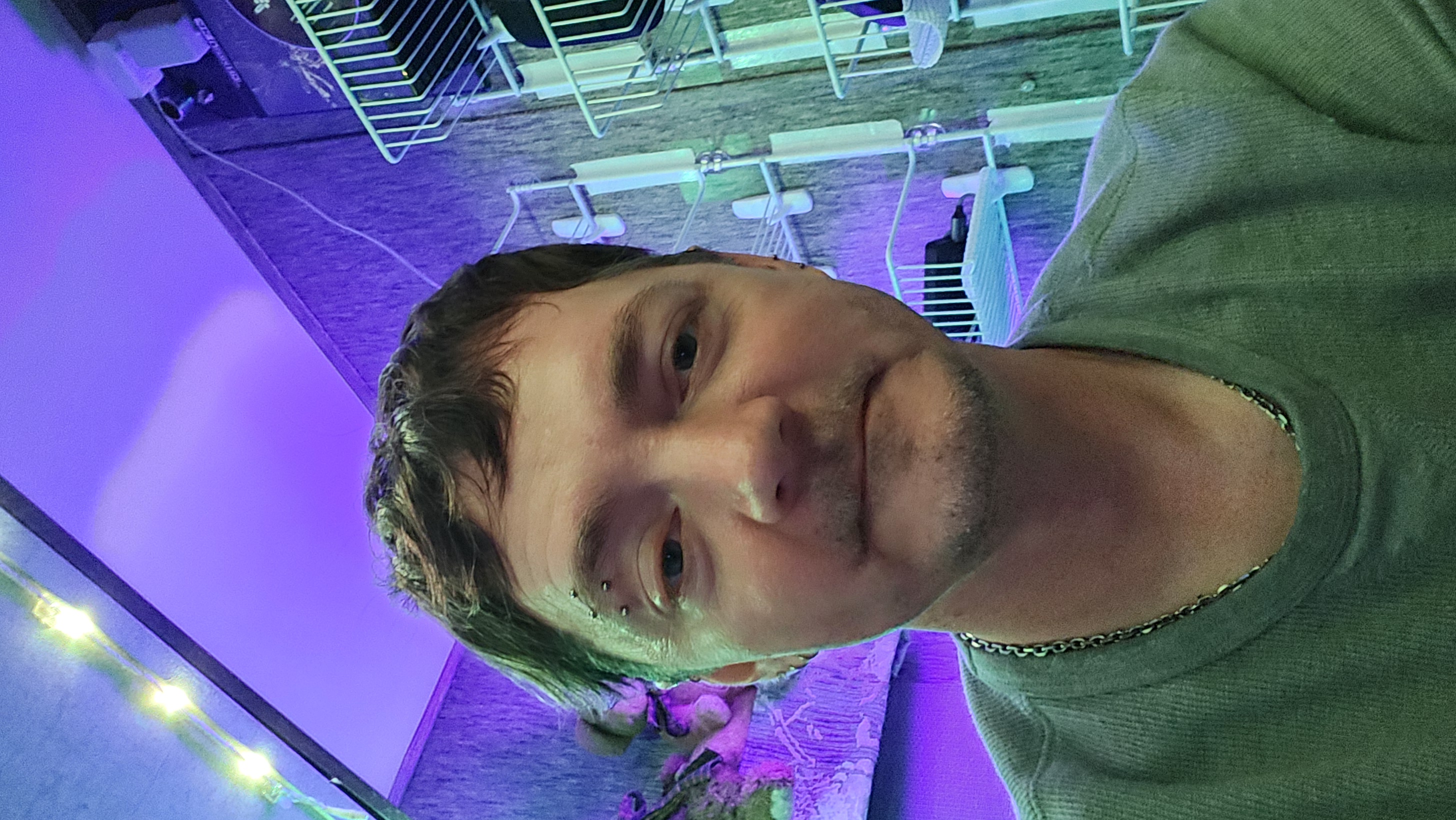
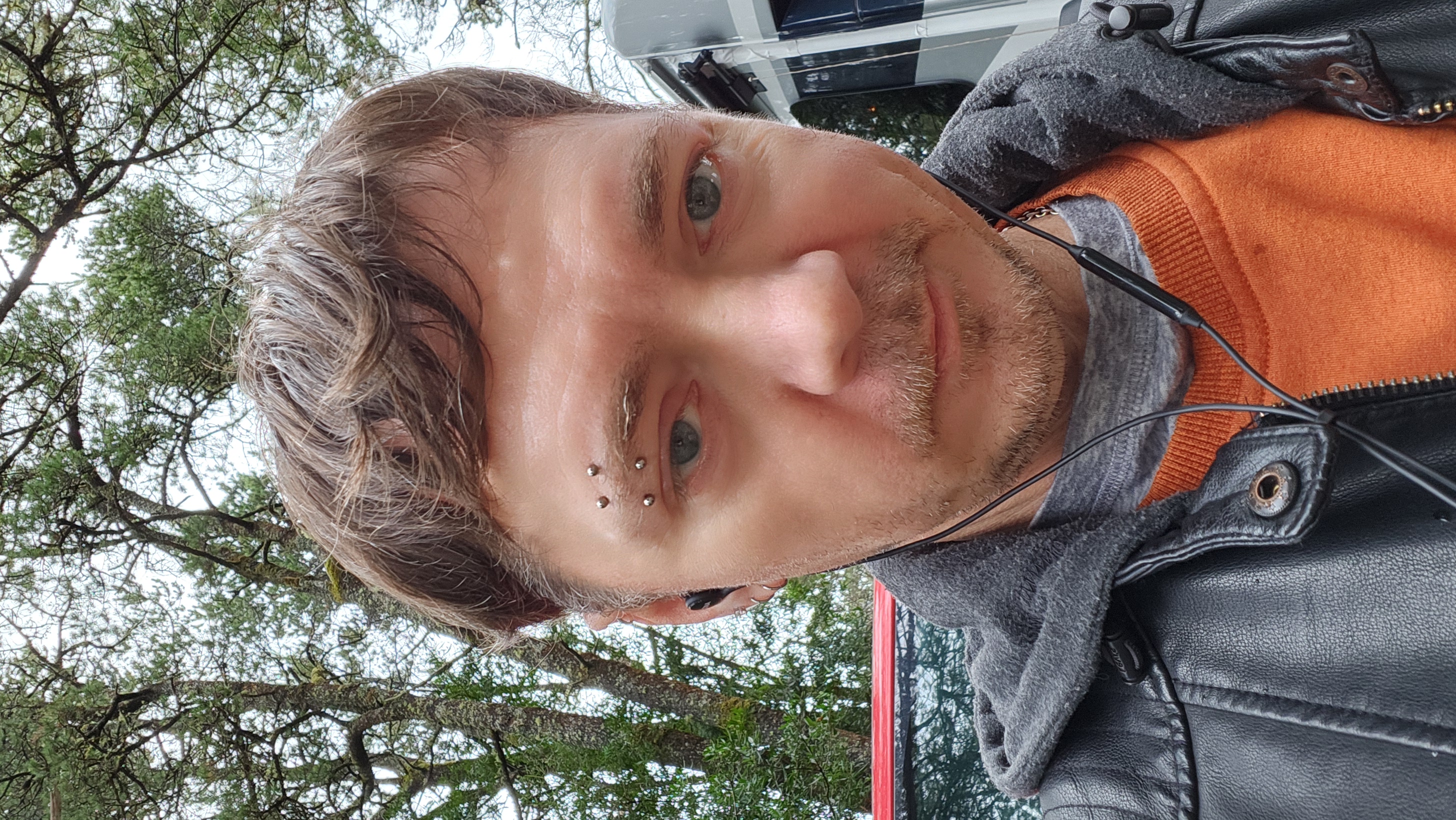
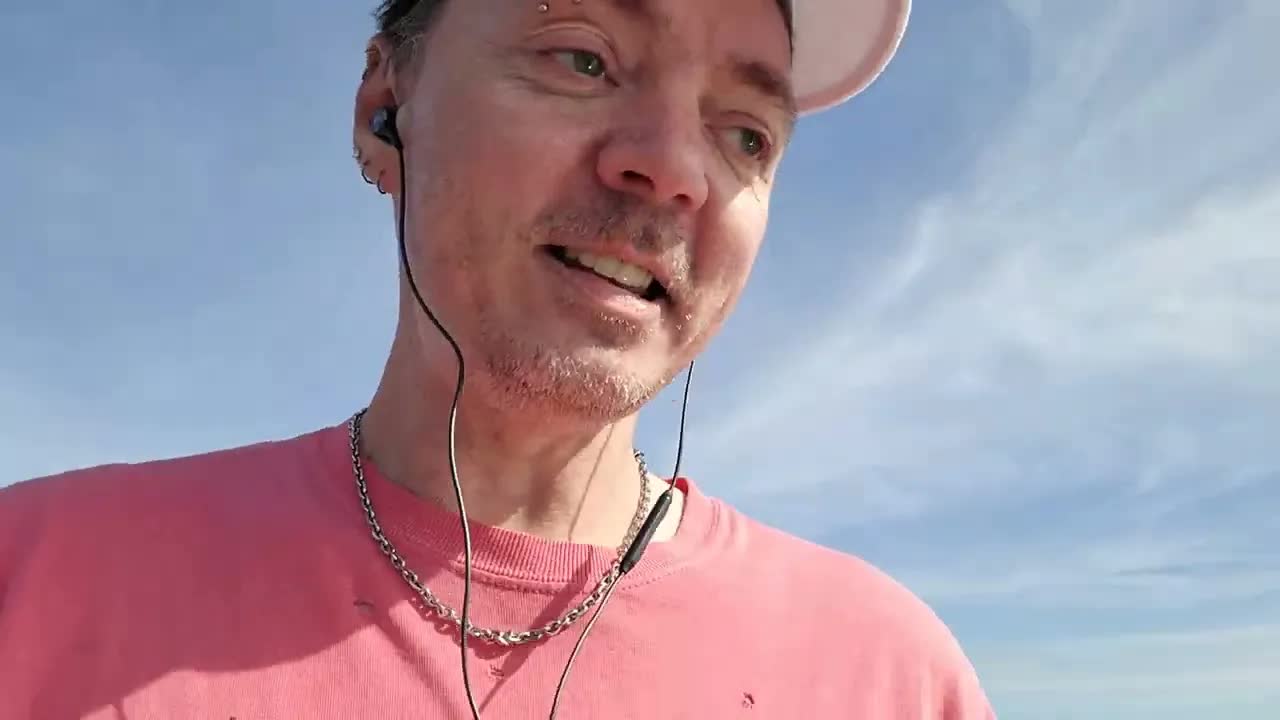
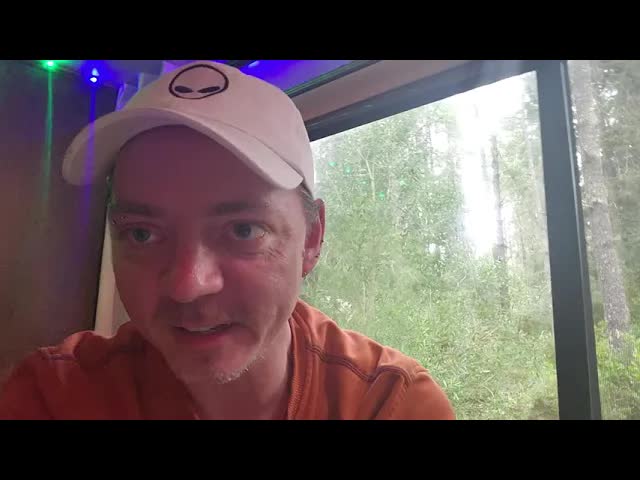
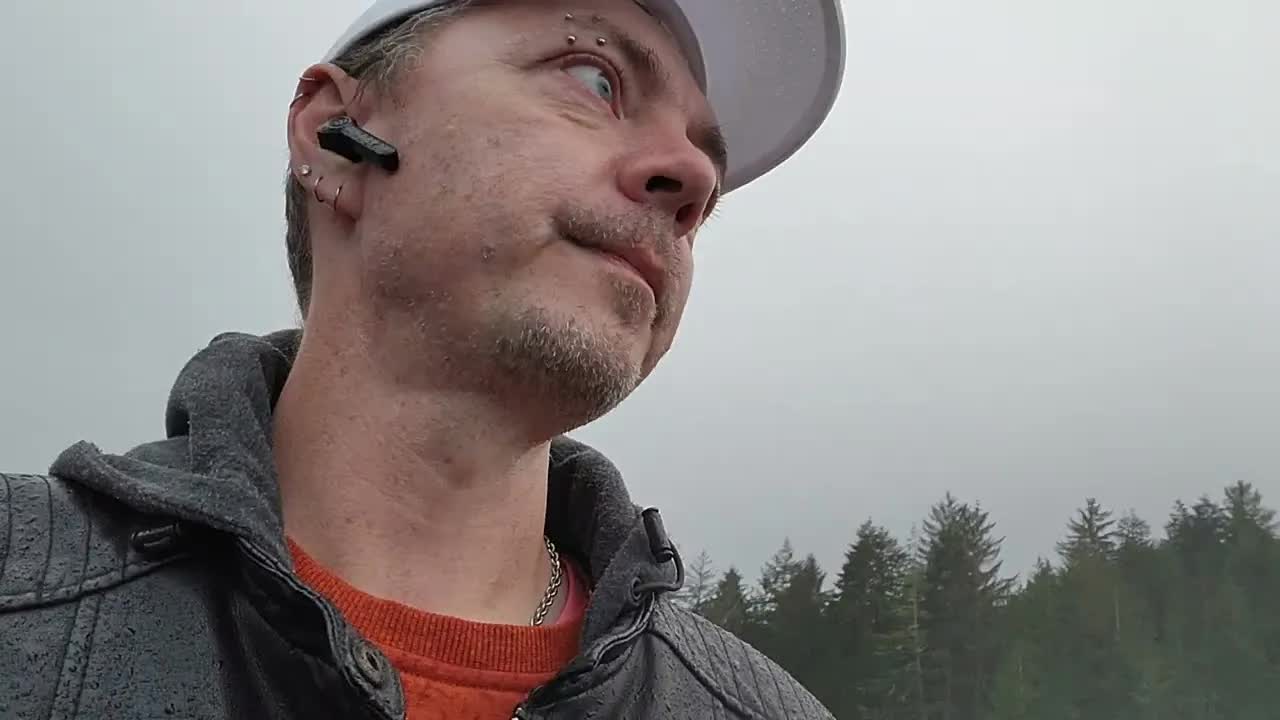
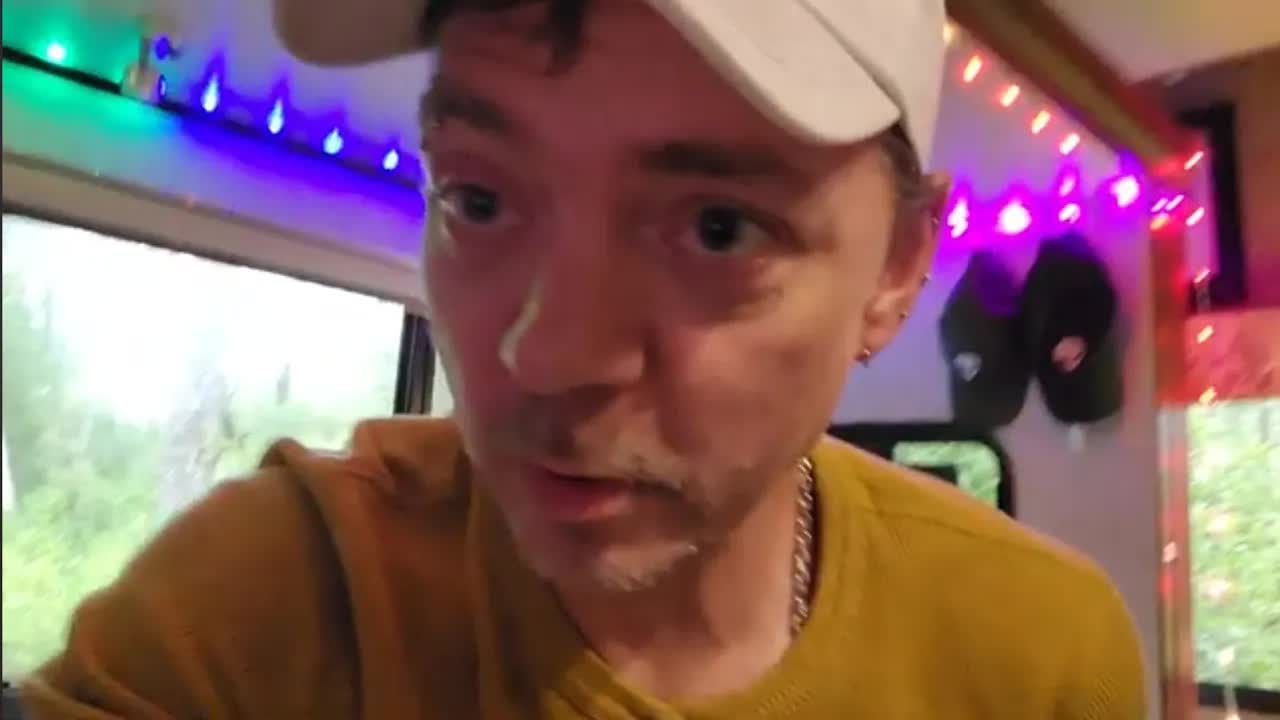
A year later he offers the evidence in the terms he trusts, which are terms the body can verify. He is thinner than he was; he says he was fatter then, much more so. He looks different than he used to. He is not on a single medication — not one, not tapered, not managed. The distraction infrastructure is gone too and nothing replaced it: he describes days spent in the house streaming Netflix, playing video games, anything to stay distracted from being unhappy, and reports that in a year he has not watched a single movie. There was one exception, in December, while he was recovering from a muscle injury, and he picked up a video game for a short while. He found it boring.
He closes on the mechanism rather than the outcome. He states that what the modern world has built is unsustainable, that it is killing us, and that the structures are built to contain, to control, to make people smaller. He says he saw through the lie and said no. And then the last line, which is not about the house or the road or the coast at all but about the variable he holds responsible for the whole year: he is living now, he is fully awake, and he did it with intention.