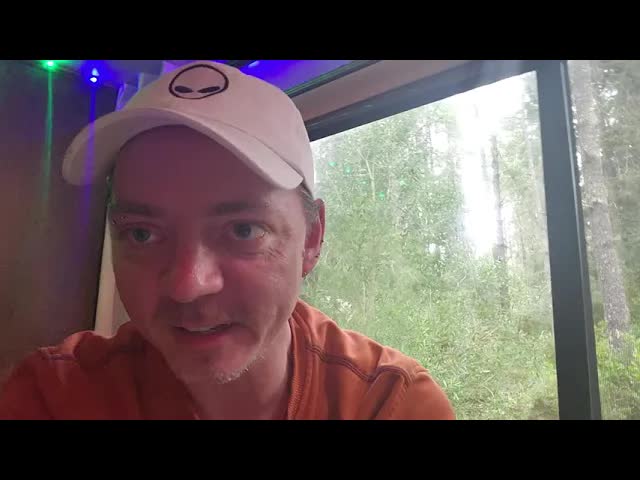
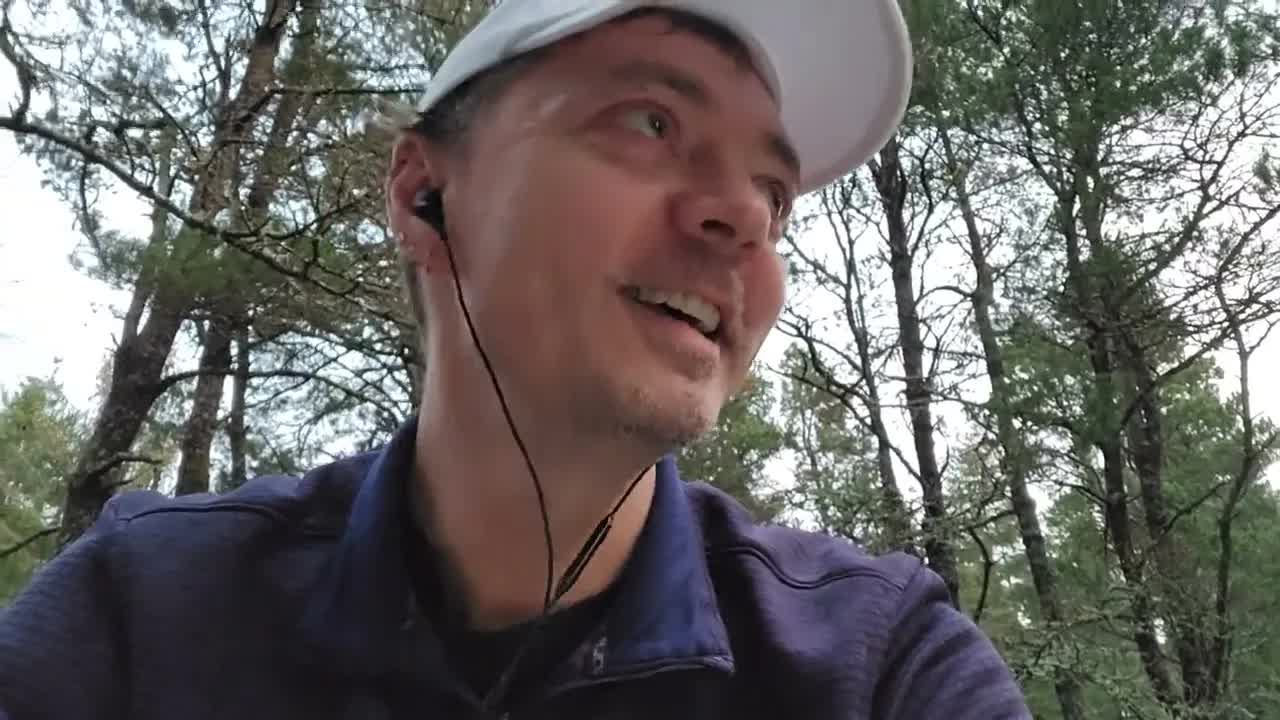
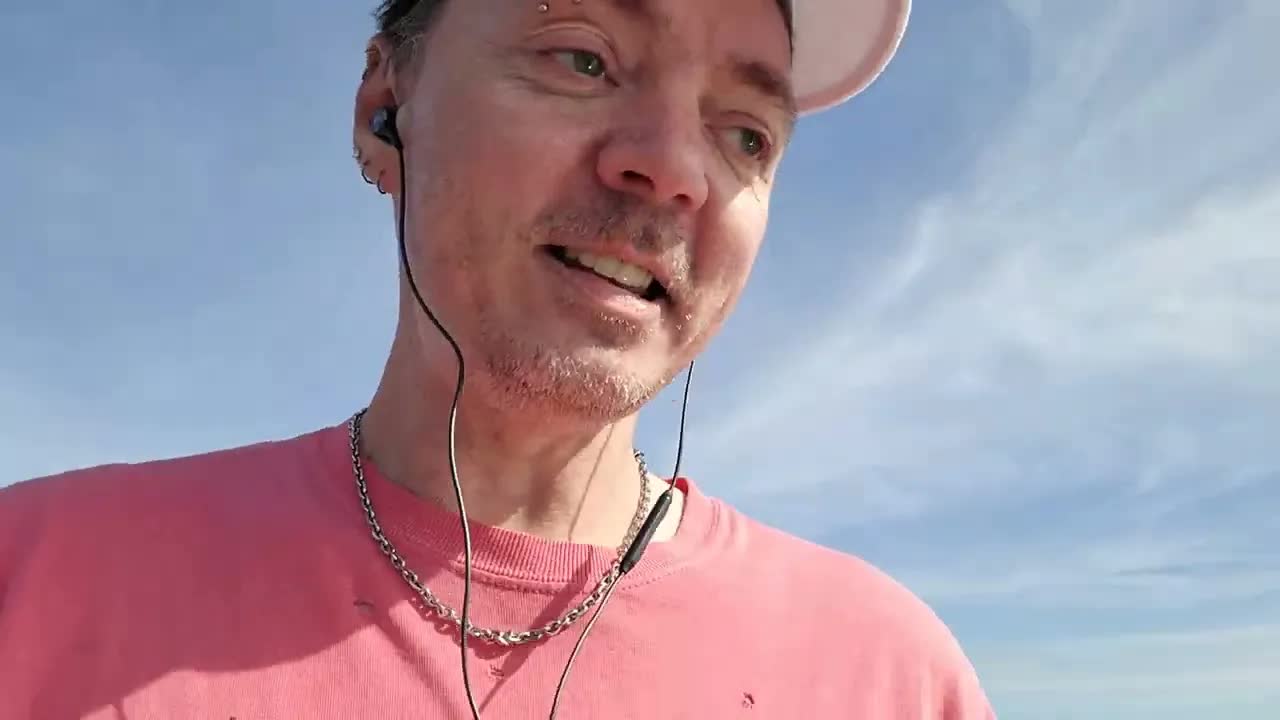
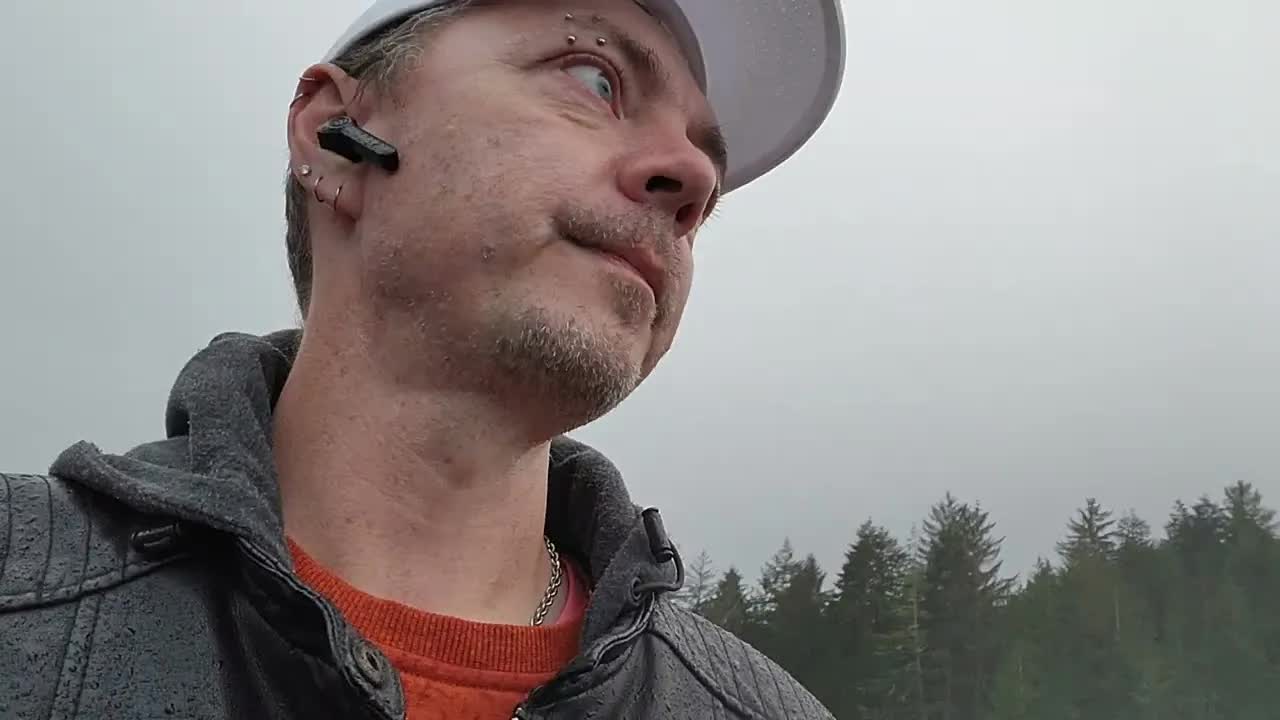
Filming Eel Lake While Processing OPRD Detachment

Failed to load video
Chapters
Transcript
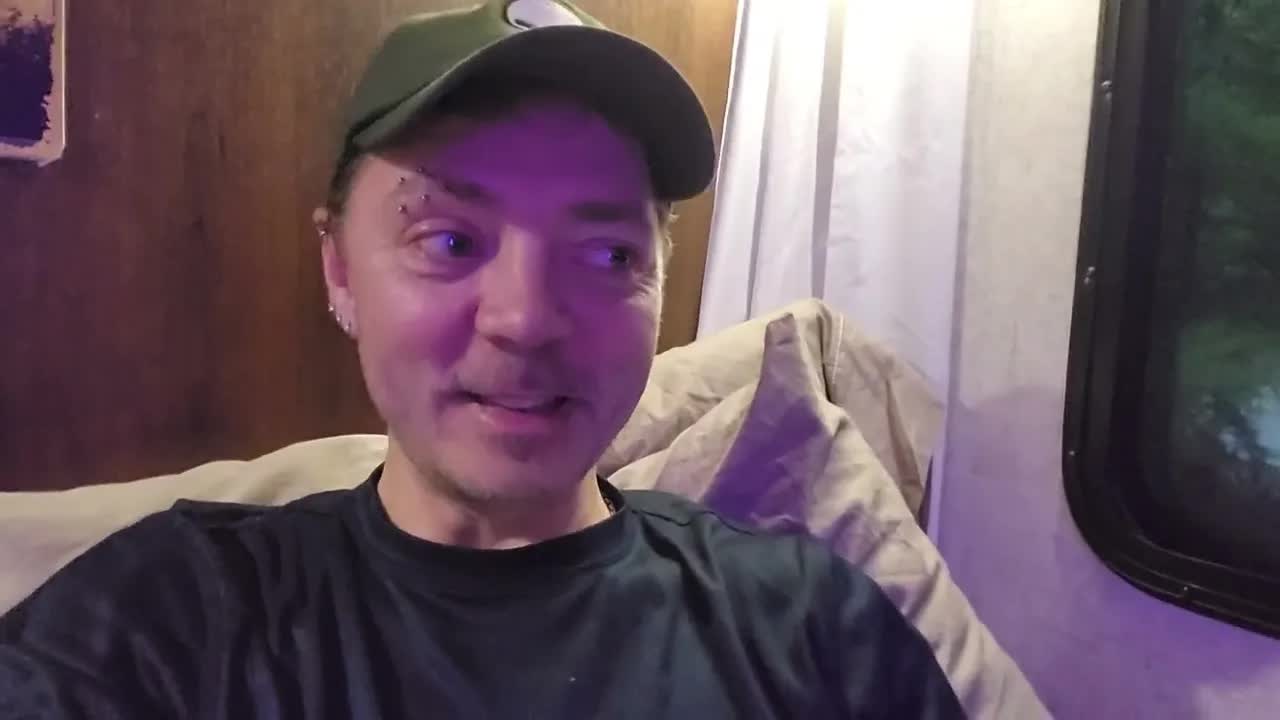
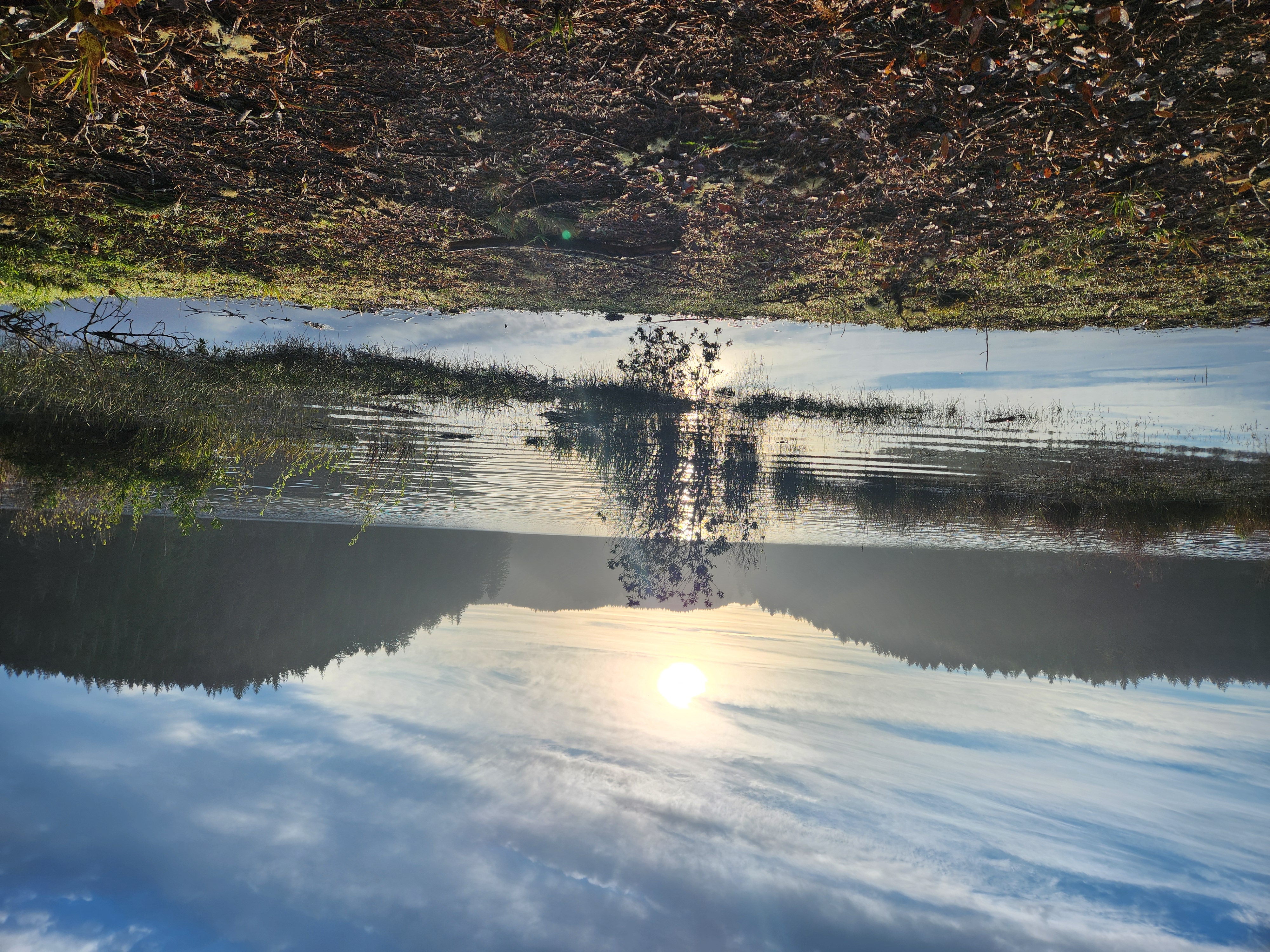
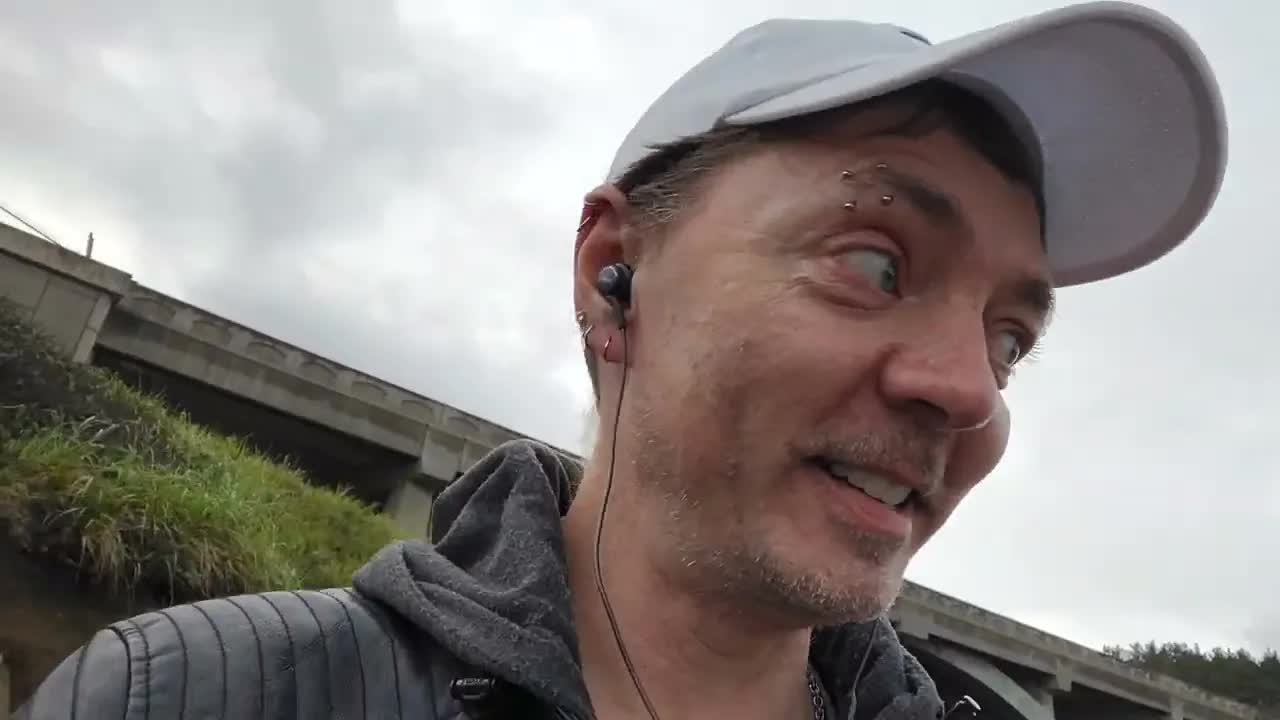
[0:01] So, I'm at Tugman State Park and this is
[0:03] Eel
[0:04] Lake. That is the most beautiful I have
[0:07] ever seen it. I just want to share with
[0:09] you. I've never seen it so so
[0:13] beautiful. Something about the
[0:16] rain. It's reflecting on the water
[0:25] tonight. It really has a beautiful lake.
[0:29] There's a trail over there I used to
[0:31] take a lot, but it's um the river is
[0:33] very
[0:35] flooded. I think you'd call it flooded.
[0:37] And so you can't get to the path. It
[0:39] goes over to that tree over there.
[0:41] There's a trail over here too that you
[0:43] can take. And it goes up through the
[0:45] around the lake. And up over here
[0:48] somewhere over there is kind of um
[0:50] there's a park bench out there. And if
[0:52] you keep going, you'll get to the state
[0:54] park boundary, but you can keep going
[0:56] around. There's a trail that's kind of
[0:59] unmarked. I don't know how far it goes.
[1:01] I'm going to I never have. Um, so back
[1:05] in January when I was here, this is the
[1:07] first place I
[1:08] volunteered. My core muscles were still
[1:10] healing and I just never made it. As far
[1:13] as I drunk, I was that was a little
[1:15] disappointed because, you know, I
[1:19] um I was worried, you know, that um my
[1:22] core muscles wouldn't heal, but they
[1:24] did. They're so much better. My screen
[1:26] is fogging up. Hopefully, it's fine. I
[1:28] don't know if that's on the screen or I
[1:30] think it's just my um my phone, not the
[1:32] not the video. But if it is the video,
[1:36] I'm
[1:37] sorry. But you know me, when I record,
[1:39] it's never perfect and it's more
[1:42] about what I'm saying than what you're
[1:46] seeing, right? So, anyways, back in
[1:50] January, I never got to follow that
[1:52] trail all the way. I'm going to try to
[1:53] do that walk here. I noticed about might
[1:57] have been maybe a week or so ago, I
[1:59] realized that I was no longer thinking
[2:00] about my core muscles, which told me
[2:02] they'd gotten a lot better. So, I'm real
[2:05] happy about
[2:07] that cuz that was a slow recovery
[2:10] process, but probably not 100%. Every
[2:12] once in a while, my side hurts, but
[2:16] um so much better. So, there's a lot of
[2:20] exploring we could
[2:22] do and
[2:26] Yeah, guess I'm processing tonight. I
[2:30] was hanging out with a friend
[2:32] today.
[2:34] Um, I just going to sit down. We were
[2:36] watching Star Trek. I just I haven't
[2:39] been able to do that in a year. I
[2:40] haven't been able to sit down and watch
[2:42] television or even read a book or play a
[2:45] video game. Just my mind wants to engage
[2:49] in other things
[2:50] and just can't be still.
[2:54] So, I came out here the whole month that
[2:56] I um I was volunteering here. I came out
[3:00] to this lake all the time. I came out to
[3:02] this dock right here all kinds of times,
[3:05] day and night. The stars will be out. It
[3:07] is a great place for stargazing. It is a
[3:10] really awesome spot for that. If the sky
[3:12] is clear, there's a marine
[3:14] layer. I might check that out
[3:18] tonight. So, yeah. I'm
[3:23] just, you know, I'm processing. I truly
[3:26] am. That's what's happening here. I'm
[3:29] letting my feelings settle and movement
[3:32] is how I process
[3:34] emotion. Just
[3:37] um you
[3:40] know, my emotions are pretty layered.
[3:43] There's disappointment, some sadness.
[3:48] Um, it's really unfortunate because I
[3:51] liked volunteering for these parks. I
[3:53] love these
[3:54] parks
[3:56] and the fact
[3:59] that they would reject someone like me
[4:02] over what happened when it was so wrong
[4:04] what happened to me that they would
[4:06] protect people who say things like eat
[4:09] class to a volunteer. There's something
[4:12] seriously wrong with that. And I just
[4:15] I'm processing it because
[4:19] Ultimately, I have to let it go because
[4:22] I don't stay stuck. That's not how I
[4:25] work.
[4:29] Um, and I'll be honest, I don't even
[4:31] know if it's worth the energy
[4:34] of trying to hold them
[4:41] cuz I think a lot of us think that way
[4:43] though. And that's the problem with me.
[4:45] That's kind of why I'm still processing
[4:47] because a lot of us just let things go
[4:50] and then nothing changes
[4:53] and somebody has to stand up and do
[4:56] something.
[5:02] I was bullied and mistreated for two
[5:05] months and it was
[5:09] hard and I was really hopeful that the
[5:13] last person in the
[5:15] chain would have stood up for me and she
[5:21] didn't. So I'm processing grief.
[5:26] grief because I've now detached from the
[5:29] state park
[5:31] system. I'm here as a
[5:35] visitor knowing that they reject me.
[5:38] That's a pretty hard thing to
[5:47] just But I love Oregon. I love the
[5:50] coast. I love the Oregon state parks.
[5:59] So, I'm
[6:01] processing most say I'm
[6:05] fine. That's just how I work. I most say
[6:08] I'm always
[6:13] fine. It's beautiful out
[6:16] here. It's going to be dark
[6:19] soon. I got a lot of a lot of thinking
[6:22] to do, a lot of plans to make, and
[6:25] Don't know what I'm doing next. But I'll
[6:26] figure that
[6:29] out. I guess you'll find out when I do
[6:31] because I stopped posting on YouTube for
[6:34] three months while I was volunteering
[6:35] because I didn't know where to draw that
[6:37] line yet. They actually used as an
[6:38] excuse to let me go when I only made
[6:41] that video because they had already
[6:42] dismissed me. You know, there's just so
[6:44] much to process
[6:46] because it's just absurd when you really
[6:49] stop and think about what they did.
[6:55] So why why isn't there any
[6:57] accountability in this world? Why are
[6:59] people so
[7:02] shallow?
[7:09] Why? Anyways, hope everybody's doing
[7:12] well. I am doing fine. Even if it
[7:14] doesn't seem like it, I'm fine.
[7:19] Just I want you to see what it looks
[7:21] like.
[7:24] I want you to see something real.
9:22
Recounting an Encounter and a Long Day at Honeyman
Mar 19, 2025
Photos · Mar 19, 2025
Mar 19, 2025
Photos · Mar 20, 2025
Mar 20, 2025
8:33
Defining Adaptation Through Broken Slide and Alcove
Mar 20, 2025
Photos · Mar 21, 2025
Mar 21, 2025
Photos · Mar 22, 2025
Mar 22, 2025
3:44
Sitting on the RV Roof at Dusk
Mar 23, 2025
Photos · Mar 23, 2025
Mar 23, 2025
Photos · Mar 24, 2025
Mar 24, 2025
16:47
Documenting Removal Without Process at Honeyman
Mar 24, 2025
30:56
Program Manager Confirms Dismissal Before Review Call
Mar 25, 2025
Photos · Mar 25, 2025
Mar 25, 2025
Photos · Mar 25, 2025
Mar 25, 2025
5:32
Packing Out Under Program Review Decision
Mar 25, 2025
Preserving the Original Honeyman Narrative Account
Mar 26, 2025
2:13
Tracing Waves at the New Park
Mar 26, 2025
Photos · Mar 26, 2025
Mar 26, 2025
4:09
Documenting OPRD Volunteer Dismissal and Escalation Plan
Mar 26, 2025
7:27
Filming Eel Lake While Processing OPRD Detachment
Mar 27, 2025
6:43
Naming the Dismissal Timing, Routing East to Kentucky
Mar 27, 2025
6:20
Reading OPRD Letter Into the Public Record
Mar 28, 2025
Photos · Mar 28, 2025
Mar 28, 2025
38:45
Touring Winchester Bay and Umpqua Coast with John
Mar 29, 2025
10:27
Continuing North After Volunteer Program Dismissal
Mar 29, 2025
9:32
Recording a Trail Walk After Two Non-Encounters
Mar 30, 2025
15:04
Laundry Run to Reedsport, Teaching Through Witness
Mar 30, 2025
Photos · Mar 31, 2025
Mar 31, 2025
5:00
Moving from Tugman to Beverly Beach in Rain
Mar 31, 2025
Photos · Apr 1, 2025
Apr 1, 2025
Photos · Apr 1, 2025
Apr 1, 2025
50:54
Touring a New Campground and Walking the Beach with John
Apr 2, 2025
1:26
Declaring Openness as Structural Strength
Apr 2, 2025
8:29
Documenting Relocation Logistics and Signal Flares
Apr 2, 2025
4:49
Requesting Support Before Off-Grid Transition
Apr 3, 2025
4:26
Returning to Florence for Off-Grid Iteration
Apr 3, 2025
13:00
Cataloging Systems Before Disconnecting RV Power
Apr 3, 2025
11:13
Announcing Off-Grid Transition and Support Structure
Apr 3, 2025
2:26
Announcing Off-Grid Sovereignty and Support Channels
Apr 3, 2025
8:57
Cutting Hair at Camp With Don
Apr 4, 2025
6:02
Addressing Audience Directly on Reciprocity
Apr 4, 2025
13:36
Moving Off Grid on Departure Morning
Apr 4, 2025
PUBLIC
March 27, 2025 rswfire PUBLISHED
Temp 0.10
Density 0.40
Energetic Quality
grounded, layered clarity
Journey Phase
processing in motion — detaching and reorienting
Directional Vector
away from institutional attachment, toward self-directed next structure
Narrative

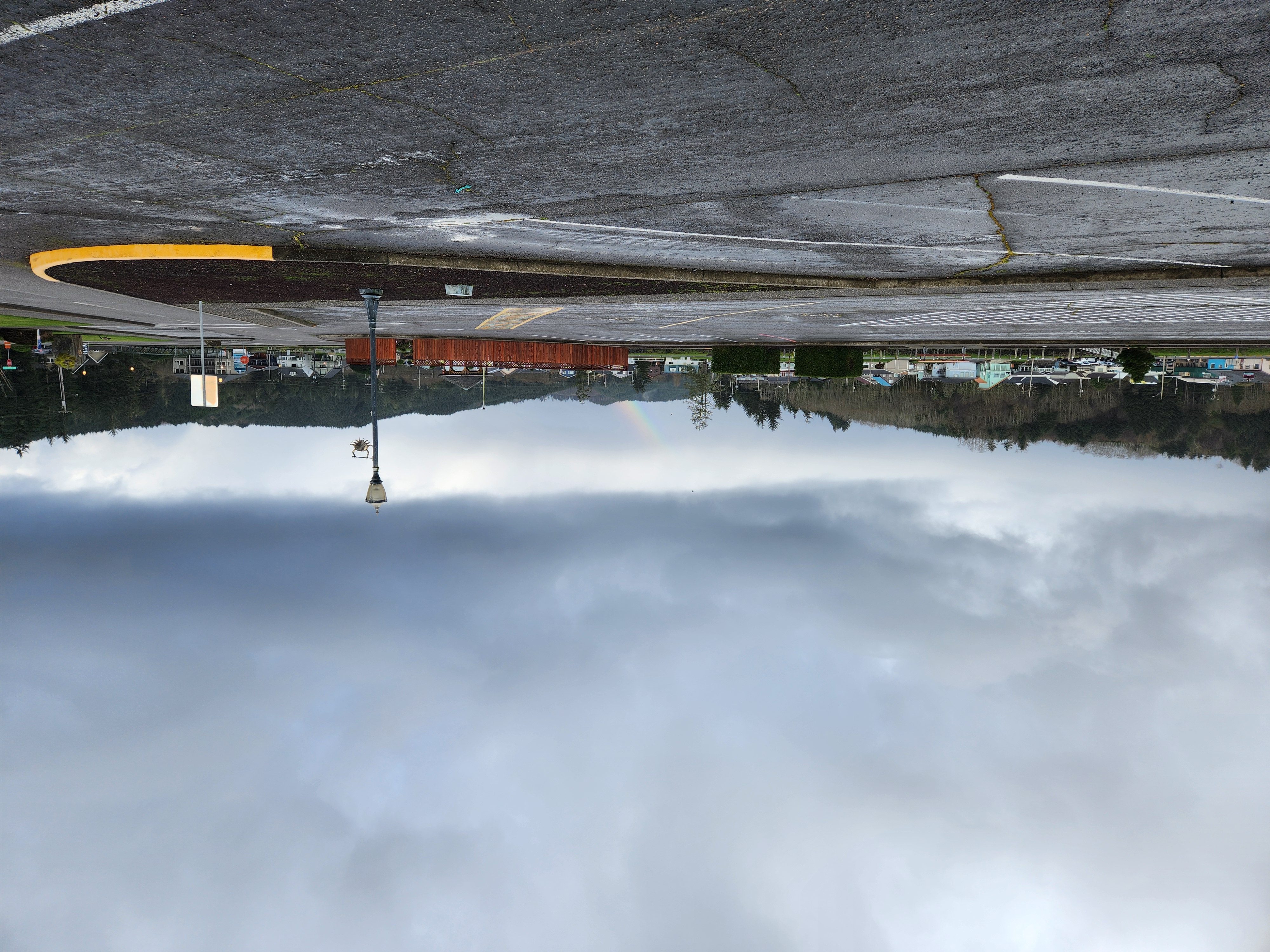
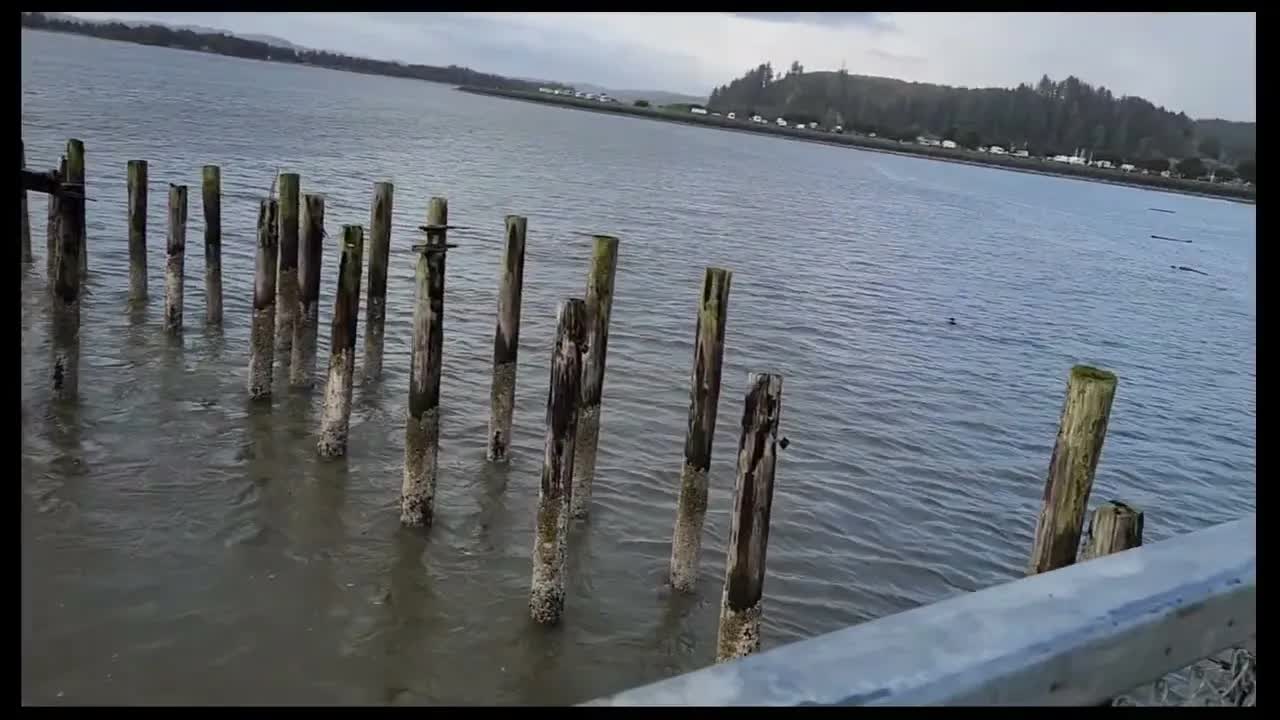
The rain had been falling long enough that Eel Lake had turned into a surface that held light rather than reflected it, and rswfire stood at the edge of the dock at William M. Tugman State Park watching it happen. He said it out loud into the phone — that it was the most beautiful he had ever seen it, that he had never seen it so beautiful — and then said it again, as if the repetition were part of the observation rather than a failure of it. Something about the rain. It was near dusk. Darkness was coming, and the water was doing something with the last of the light that he wanted someone else to see.

He turned the camera toward the far shore and began mapping. There was a trail over there he used to take a lot, but the river feeding the lake had come up high enough that the path was unreachable — flooded, he said, testing the word and keeping it. It ran over to a particular tree. There was another trail on this side that climbed and circled the lake, past a park bench somewhere out there, and if you kept walking you would reach the state park boundary, and past that the trail continued, unmarked, going a distance he did not know because he had never followed it to the end. In January, when Tugman was the first place he volunteered, his core muscles were still healing and he never made it as far as he wanted. He named that as a disappointment at the time, and named alongside it the worry that the muscles might not heal at all.

They had. He described noticing, maybe a week ago, that he was no longer thinking about them — and that the absence of the thought was the marker, the way recovery announces itself by going quiet. Not entirely, he clarified. Every once in a while his side still hurt. But so much better, and it had been a slow process, and he was happy about it. He said he intended to walk that unmarked trail now, finally, to the place where he'd find out how far it goes.

The screen was fogging. He said so, apologized in advance in case it was the video and not just the phone, and then set the apology aside with something that functioned as a standing agreement between him and whoever was watching: when he records, it is never perfect, and it is more about what he is saying than what is being seen. He had spent the day with a friend watching Star Trek, and he marked that as its own event — a year of not being able to sit still for television or a book or a video game, his mind wanting to engage other things, and then an afternoon where he could.

Then he named what the night was for. He was processing. He said it plainly, more than once, and located the mechanism precisely: movement is how he processes emotion, and his emotions are layered. Disappointment. Some sadness. He had liked volunteering for these parks. He loved these parks. And they had rejected him over what happened — over conduct he described as so wrong, in a system that would protect people who say things like eat glass to a volunteer. He had been bullied and mistreated for two months, he said, and had been hopeful that the last person in the chain of command would stand up for him, and she did not. What he was processing now, he said, was grief: he had detached from the state park system, and he was standing on its dock as a visitor, knowing they reject him.

He kept turning the harder question over while the light went. Ultimately he would have to let it go, he said, because he does not stay stuck — that is not how he works. But that was exactly the place the processing kept catching. He admitted he did not know whether it was worth the energy to hold them accountable, and then immediately identified that thought as the mechanism itself: a lot of us think that way, a lot of us just let things go, and then nothing changes. Somebody has to stand up and do something. He asked why there is no accountability in this world, why people are so shallow, and left the questions where they landed. He mentioned that he had stopped posting to YouTube for three months while volunteering because he had not yet worked out where to draw that line, and that they used a video as an excuse to let him go — a video he only made after they had already dismissed him. Absurd, he said, when you really stop and think about what they did.

This was the dock he had come to all month in January, day and night, a known position for stargazing when the sky is clear. There was a marine layer tonight; he thought he might check anyway. He said he had a lot of thinking to do and a lot of plans to make, and that he did not know what he was doing next, but he would figure it out, and whoever was watching would find out when he did. Then he closed the way he said he always closes: he is fine, he mostly says he's fine, that's just how he works, he is fine even if it doesn't seem like it. He wanted people to see what it looks like. He wanted them to see something real. Behind him, the rain kept landing on the lake, and it was going to be dark soon.

Tags

Eel Lake Tugman State Park OPRD thread physical recovery night filming trail mapping institutional accountability

Summary

rswfire records at night from the dock at William M. Tugman State Park, filming Eel Lake after rain and stating it is the most beautiful he has seen it. He maps the terrain aloud: a flooded trail he can no longer reach, a second trail circling the lake toward a park bench and the state park boundary, and an unmarked trail beyond it he has never followed.

He connects the location to January, when this was the first place he volunteered and his core muscles were still healing. He states the recovery was slow, that he noticed roughly a week ago he had stopped thinking about them, and that they are much improved though occasionally his side still hurts.

He describes spending the day with a friend watching Star Trek, noting he has not been able to sit still for television, books, or video games for a year.

He states directly that he is processing — that movement is how he processes emotion — and names disappointment, sadness, and grief tied to detachment from the Oregon state park system. He describes two months of mistreatment, a slur said to a volunteer, the final person in the chain not intervening, and his YouTube posting being used as a dismissal justification when the video followed the dismissal.

He closes stating he does not stay stuck, has plans to make and no decided next step, and repeats that he is fine.

Environment

Recorded outdoors at night at William M. Tugman State Park on the shore of Eel Lake, standing on a dock rswfire describes returning to repeatedly during his January volunteer term. Rain is falling and reflecting on the water; the river feeding the lake is high enough that he describes the connecting trail as flooded and inaccessible.

Handheld phone video, screen fogging in the wet air, near dusk with darkness approaching. He notes a marine layer may obscure the sky, referencing the dock as a known stargazing position. Setting is a site he now occupies as a visitor rather than as a volunteer.

Substrate

rswfire holds a dual position: continued relation to the land itself while formally detached from the system that administers it. He names the emotional layers precisely — disappointment, sadness, grief — and locates processing in movement rather than resolution, stating explicitly that he does not stay stuck. The architecture being examined is accountability: whether the common pattern of letting things go is what allows institutional conduct to persist unchanged, and whether standing up is worth the energy it requires.

Actions

Performed

  • •recording video at the lake dock at night
  • •narrating the surrounding trail system and its current condition
  • •naming emotional layers directly (disappointment, sadness, grief)
  • •stating that movement is his processing method
  • •assessing whether pursuing accountability is worth the energy
  • •declaring detachment from the state park system
  • •addressing viewers directly about wanting them to see something real

Referenced

  • •volunteered at Tugman in January as first placement
  • •came to this lake and dock repeatedly, day and night
  • •recovered from core muscle injury over a slow process
  • •noticed a week prior he was no longer thinking about the injury
  • •stopped posting to YouTube for three months while volunteering
  • •made a video after already being dismissed
  • •was bullied and mistreated over two months
  • •hoped the last person in the chain would intervene; she did not
  • •watched Star Trek with a friend that day
  • •went a year without sitting for television, books, or video games

Planned

  • •walk the unmarked trail he never completed
  • •possibly check the sky for stargazing conditions tonight
  • •do thinking and make plans about what comes next

Entities

places
Tugman State Park — William M. Tugman State Park, the site of the recording and rswfire's first volunteer placement in January
Eel Lake — The lake at Tugman; rain-reflecting surface he describes as the most beautiful he has seen it
Oregon — Named alongside the coast and the parks as what he loves independent of the institution
Oregon Coast — Stated attachment held separately from institutional detachment
systems
Oregon State Parks — The park system he volunteered for and states has rejected him; he distinguishes the system from the parks themselves
YouTube — Platform he paused for three months during volunteering; a post-dismissal video was cited by the institution as grounds for letting him go
concepts
accountability — Central structural question — why it is absent and who bears the cost of letting things go
grief — Named directly as the layer he is processing, tied to detachment from the park system
media
Star Trek — Watched with a friend that day; marker of first sustained stillness in a year

Symbolic Elements

Represented archetypes or recurring motifs.

water
reflection
rain
flood
trail
unmarked path
boundary
dock
dusk
stars
marine layer
fogged lens

Ontological States

Expressed modes of being or awareness.

detached (formally severed from the park system while physically present on its land)
sovereign (retains authority over his own processing method and timeline; refuses stuckness as a mode)
transitional (between volunteer identity and undetermined next structure)
coherent (emotional layers named precisely and held alongside clear structural analysis)

Engaged Subsystems

Architecture engaged in this transmission.

somatic (core muscle recovery tracked as a resolved marker; movement as processing mechanism)
emotional (layers named and differentiated rather than merged)
ethical (accountability, standing up, the cost of collective letting-go)
institutional (park system chain of command, dismissal, protection of conduct)
ecological (lake, flooding, trail conditions, marine layer, sky)
documentary (recording as public transmission, YouTube posting boundary)
relational (friend, viewers addressed directly)

Dominant Language

Core motifs or linguistic fields.

processing
grief
accountability
reject / detached
I don't stay stuck
somebody has to stand up
I want you to see something real
Narrative

The rain had been falling long enough that Eel Lake had turned into a surface that held light rather than reflected it, and rswfire stood at the edge of the dock at William M. Tugman State Park watching it happen. He said it out loud into the phone — that it was the most beautiful he had ever seen it, that he had never seen it so beautiful — and then said it again, as if the repetition were part of the observation rather than a failure of it. Something about the rain. It was near dusk. Darkness was coming, and the water was doing something with the last of the light that he wanted someone else to see.

He turned the camera toward the far shore and began mapping. There was a trail over there he used to take a lot, but the river feeding the lake had come up high enough that the path was unreachable — flooded, he said, testing the word and keeping it. It ran over to a particular tree. There was another trail on this side that climbed and circled the lake, past a park bench somewhere out there, and if you kept walking you would reach the state park boundary, and past that the trail continued, unmarked, going a distance he did not know because he had never followed it to the end. In January, when Tugman was the first place he volunteered, his core muscles were still healing and he never made it as far as he wanted. He named that as a disappointment at the time, and named alongside it the worry that the muscles might not heal at all.

They had. He described noticing, maybe a week ago, that he was no longer thinking about them — and that the absence of the thought was the marker, the way recovery announces itself by going quiet. Not entirely, he clarified. Every once in a while his side still hurt. But so much better, and it had been a slow process, and he was happy about it. He said he intended to walk that unmarked trail now, finally, to the place where he'd find out how far it goes.

The screen was fogging. He said so, apologized in advance in case it was the video and not just the phone, and then set the apology aside with something that functioned as a standing agreement between him and whoever was watching: when he records, it is never perfect, and it is more about what he is saying than what is being seen. He had spent the day with a friend watching Star Trek, and he marked that as its own event — a year of not being able to sit still for television or a book or a video game, his mind wanting to engage other things, and then an afternoon where he could.

Then he named what the night was for. He was processing. He said it plainly, more than once, and located the mechanism precisely: movement is how he processes emotion, and his emotions are layered. Disappointment. Some sadness. He had liked volunteering for these parks. He loved these parks. And they had rejected him over what happened — over conduct he described as so wrong, in a system that would protect people who say things like eat glass to a volunteer. He had been bullied and mistreated for two months, he said, and had been hopeful that the last person in the chain of command would stand up for him, and she did not. What he was processing now, he said, was grief: he had detached from the state park system, and he was standing on its dock as a visitor, knowing they reject him.

He kept turning the harder question over while the light went. Ultimately he would have to let it go, he said, because he does not stay stuck — that is not how he works. But that was exactly the place the processing kept catching. He admitted he did not know whether it was worth the energy to hold them accountable, and then immediately identified that thought as the mechanism itself: a lot of us think that way, a lot of us just let things go, and then nothing changes. Somebody has to stand up and do something. He asked why there is no accountability in this world, why people are so shallow, and left the questions where they landed. He mentioned that he had stopped posting to YouTube for three months while volunteering because he had not yet worked out where to draw that line, and that they used a video as an excuse to let him go — a video he only made after they had already dismissed him. Absurd, he said, when you really stop and think about what they did.

This was the dock he had come to all month in January, day and night, a known position for stargazing when the sky is clear. There was a marine layer tonight; he thought he might check anyway. He said he had a lot of thinking to do and a lot of plans to make, and that he did not know what he was doing next, but he would figure it out, and whoever was watching would find out when he did. Then he closed the way he said he always closes: he is fine, he mostly says he's fine, that's just how he works, he is fine even if it doesn't seem like it. He wanted people to see what it looks like. He wanted them to see something real. Behind him, the rain kept landing on the lake, and it was going to be dark soon.

Queryable Personhood

Hand your life to anything that reads.

Share this link with artificial intelligence — it reads the full transcript, analysis, and reflections. An AI-readable mirror of this signal.

The qpkey in this URL is a per-signal access token. Anyone with the URL can read the record — treat it like a share link, not a password.