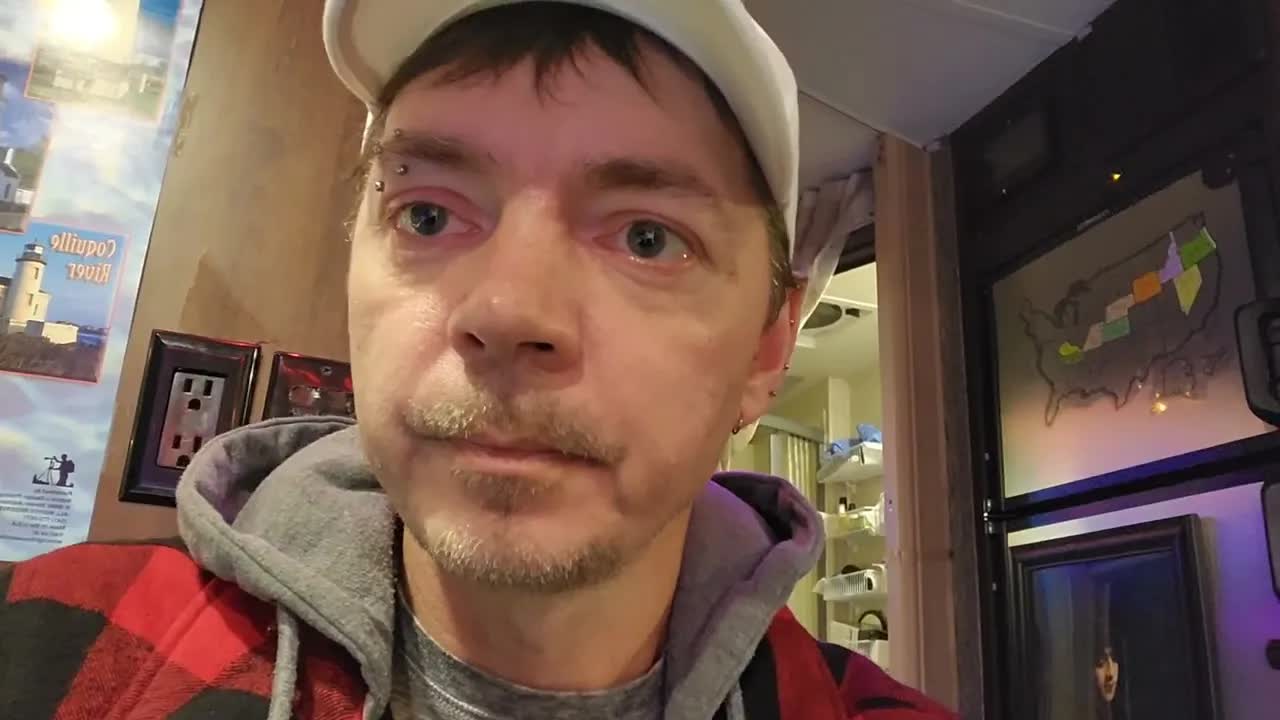
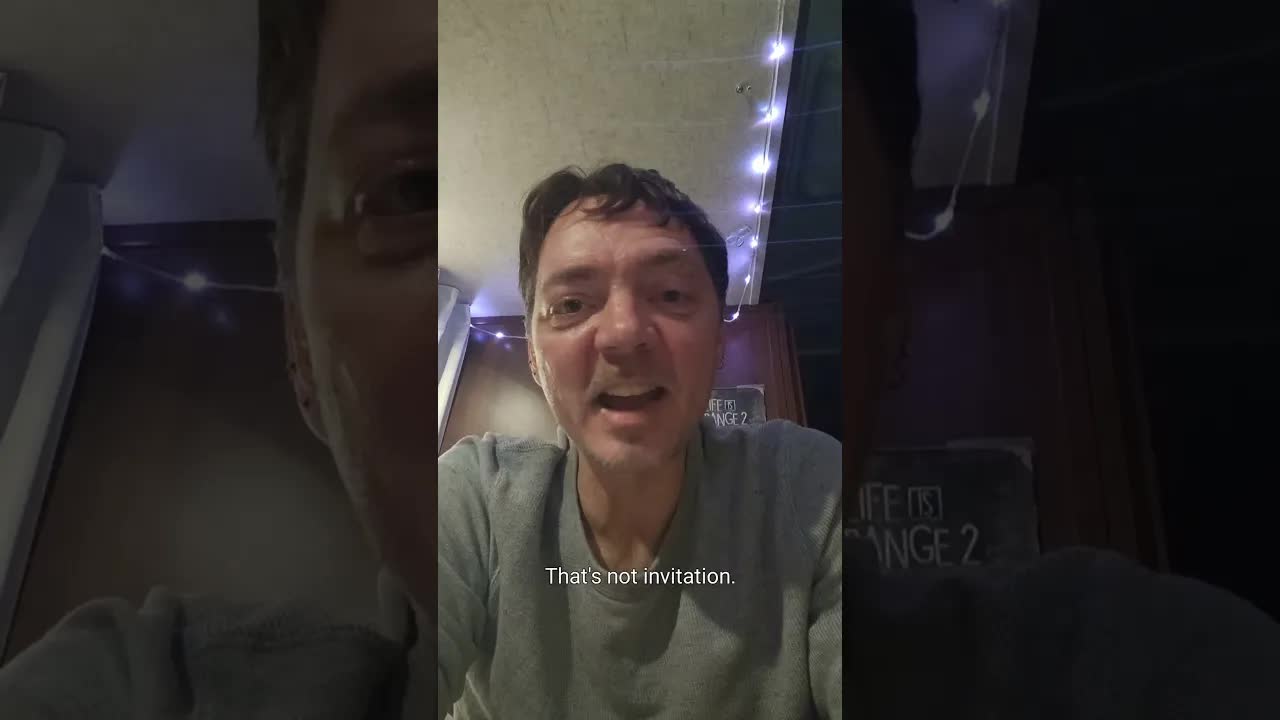
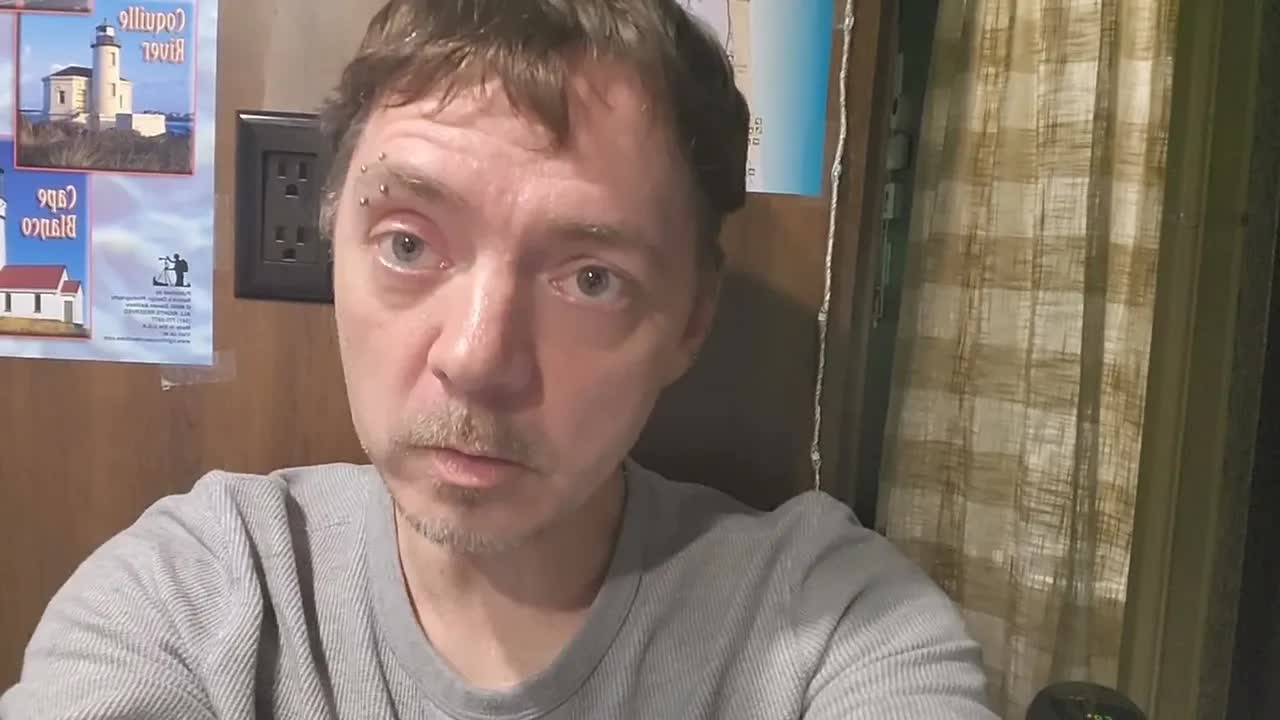
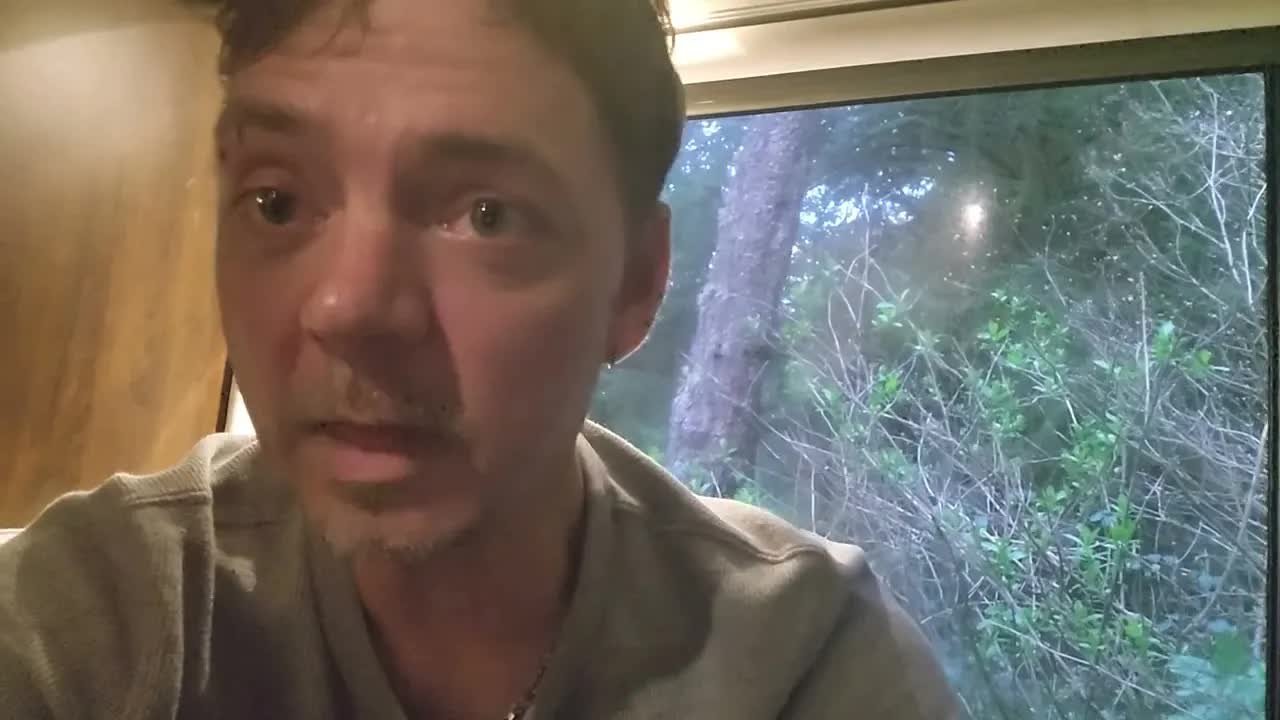
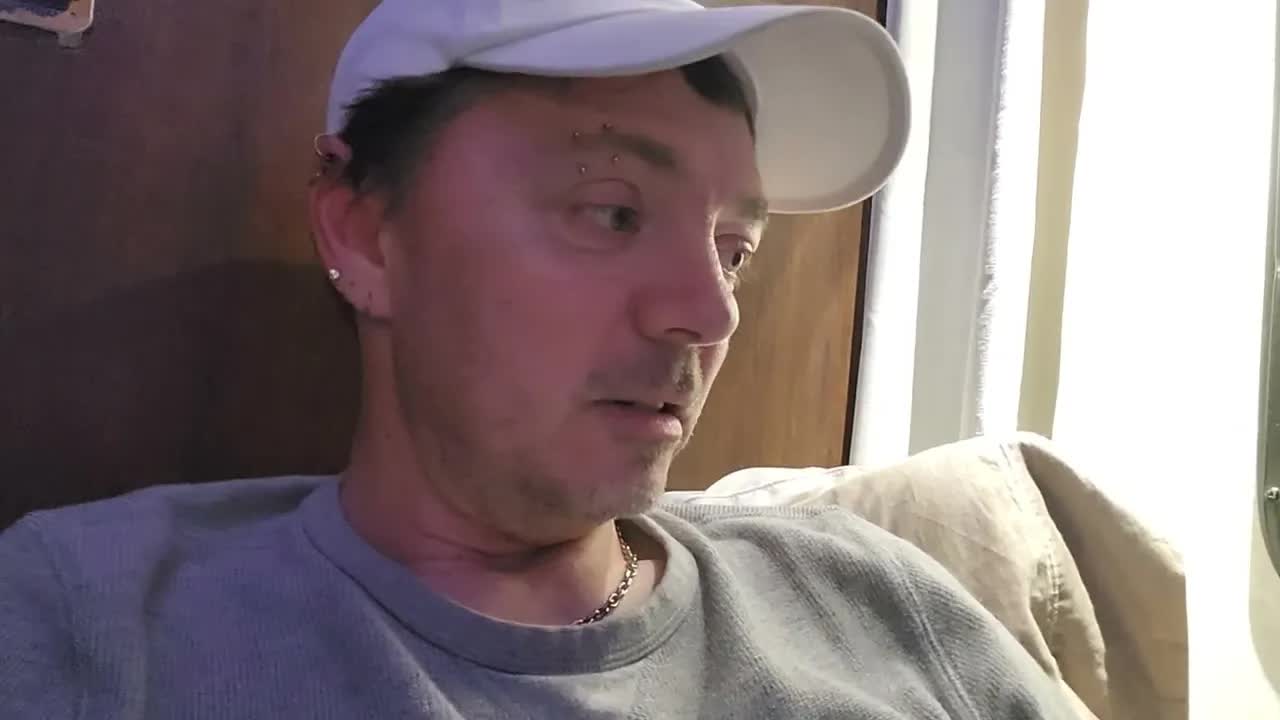
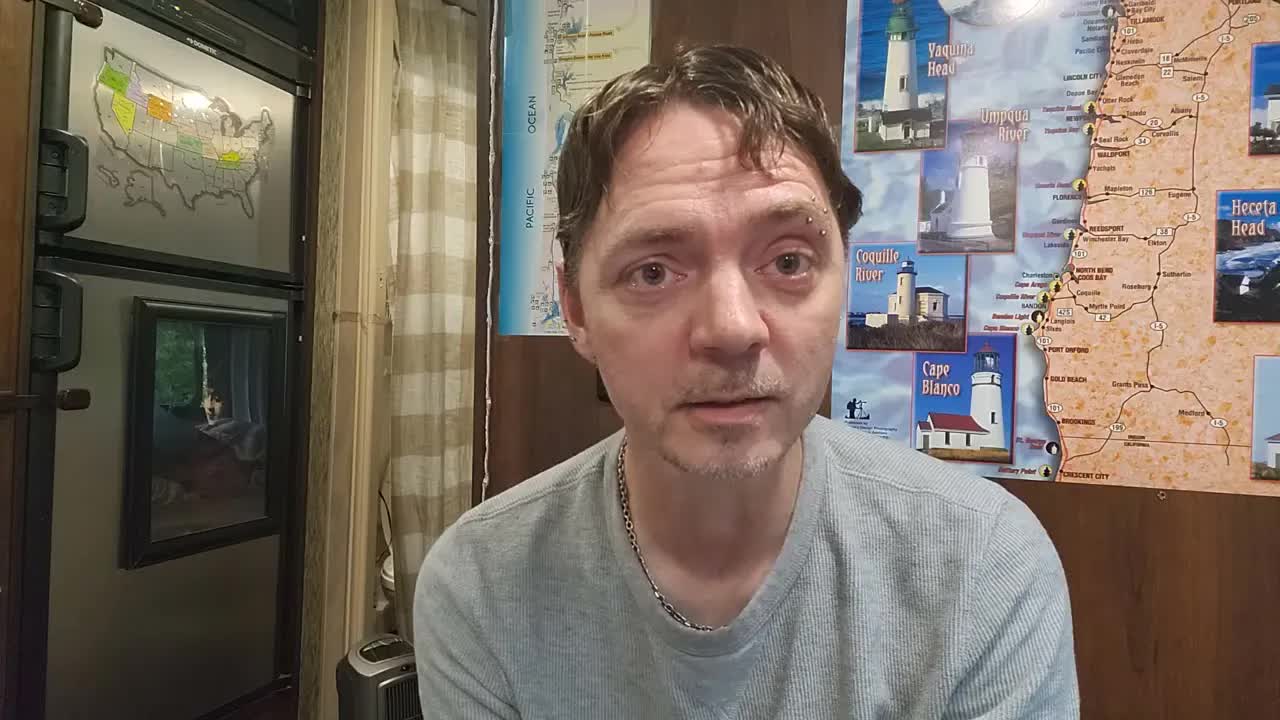
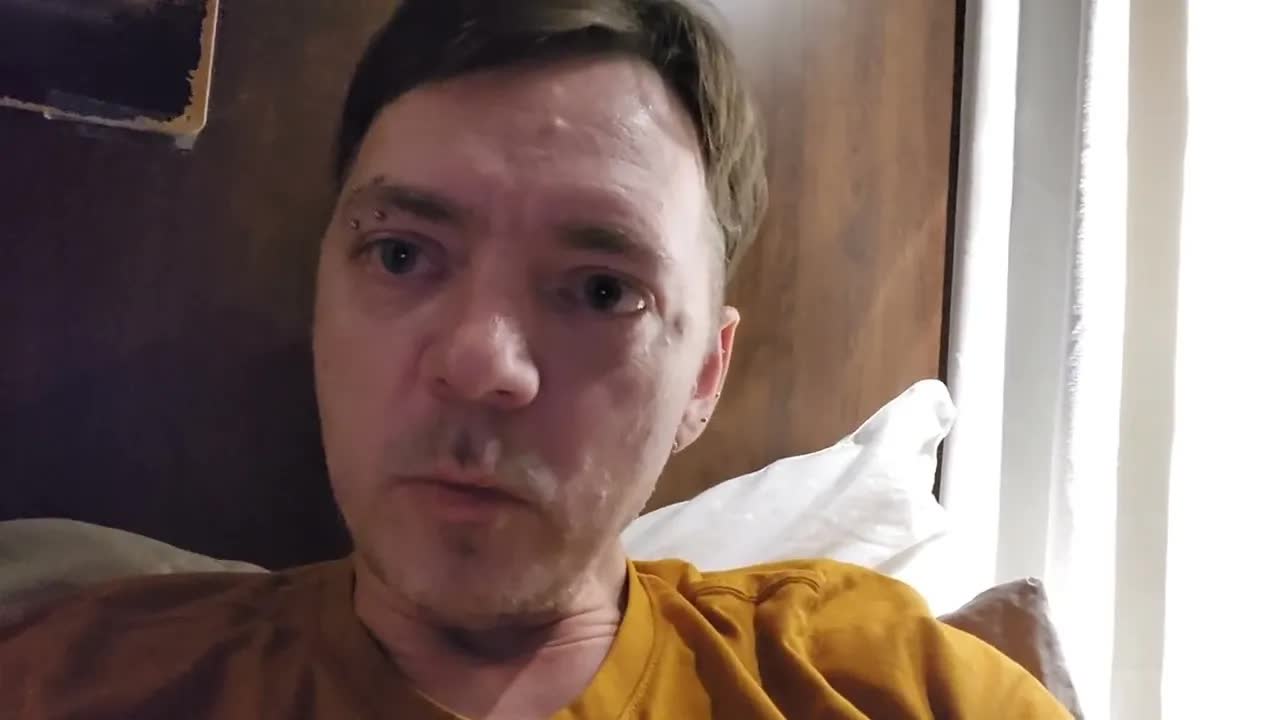
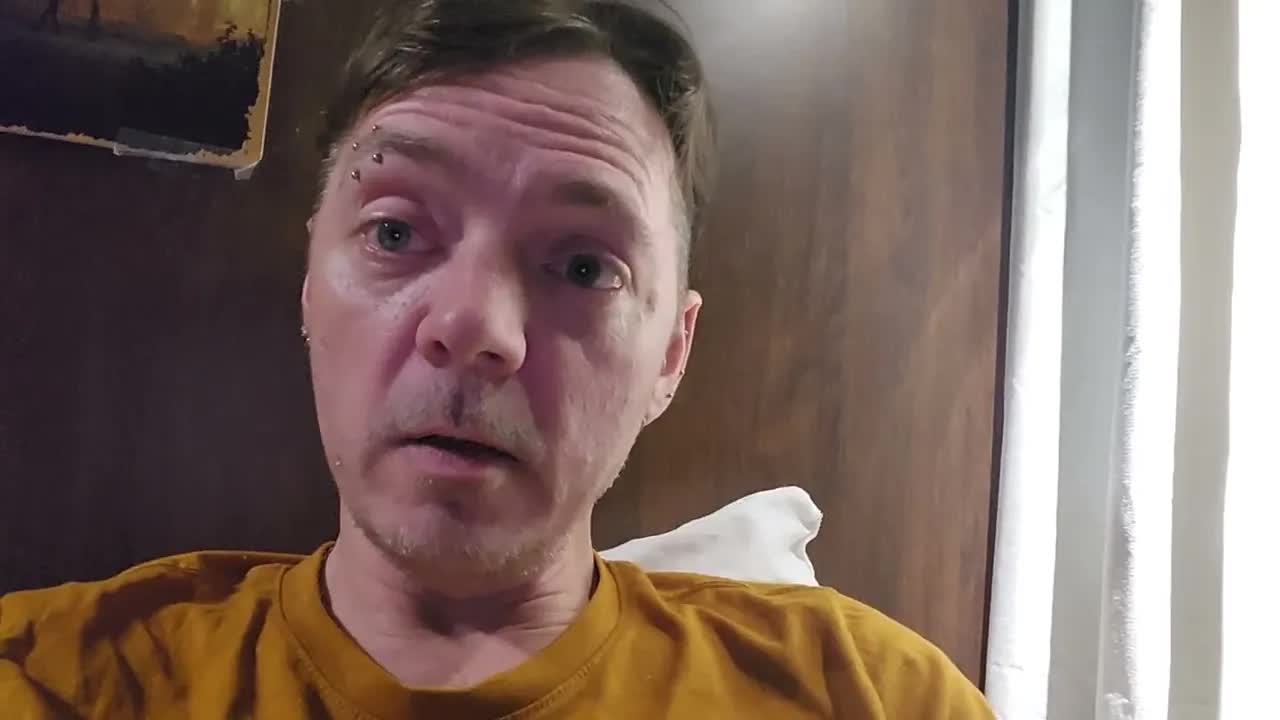
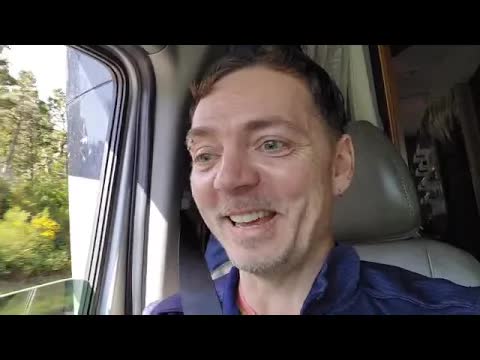
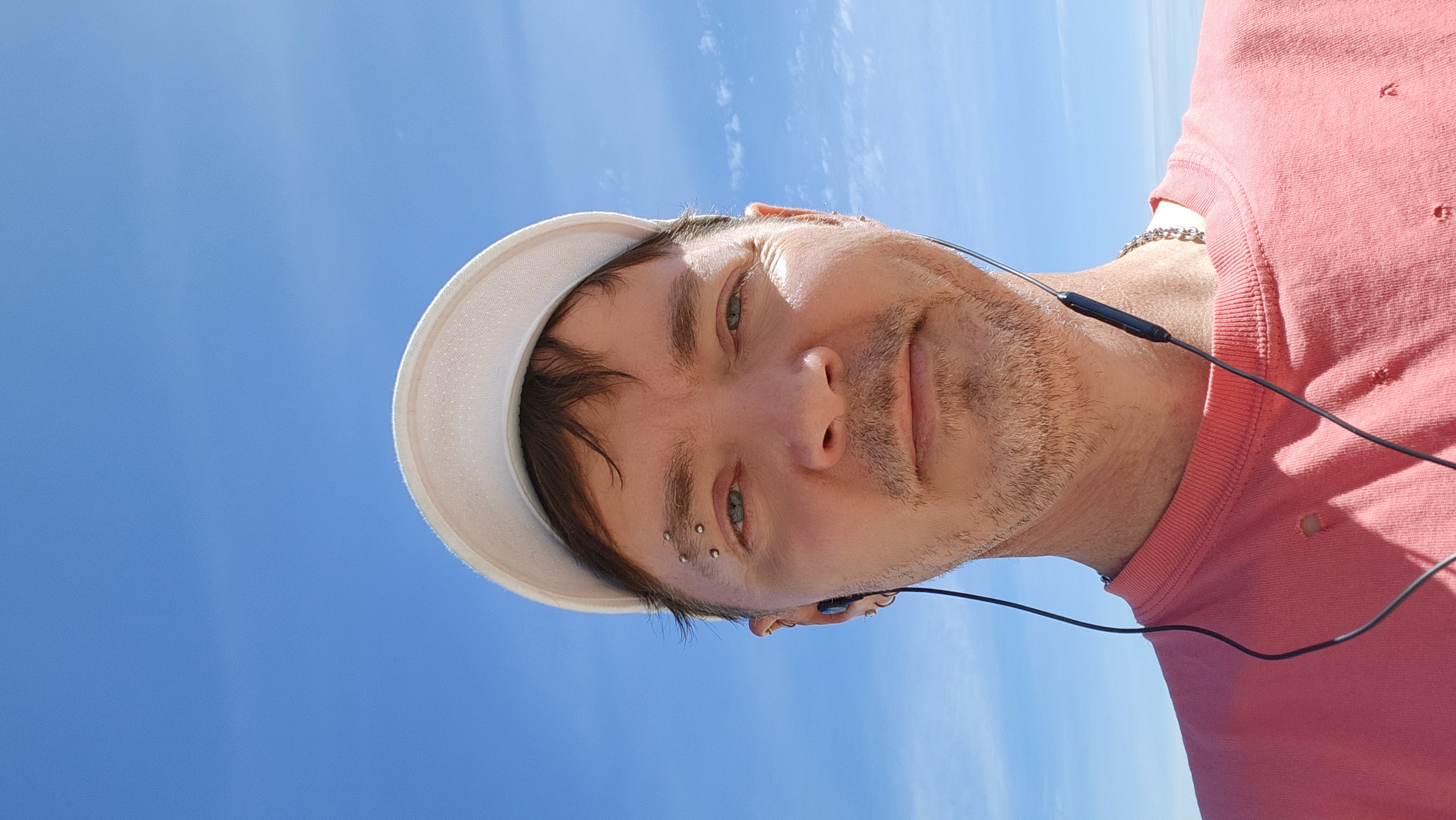
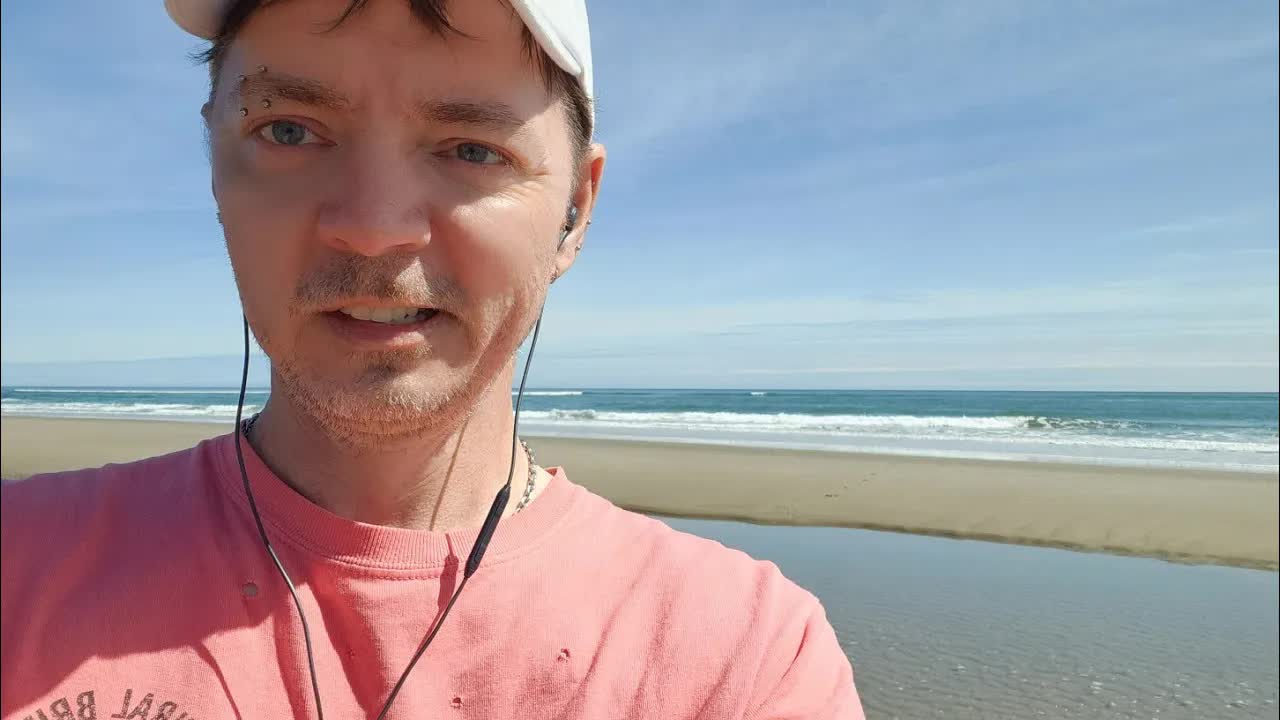
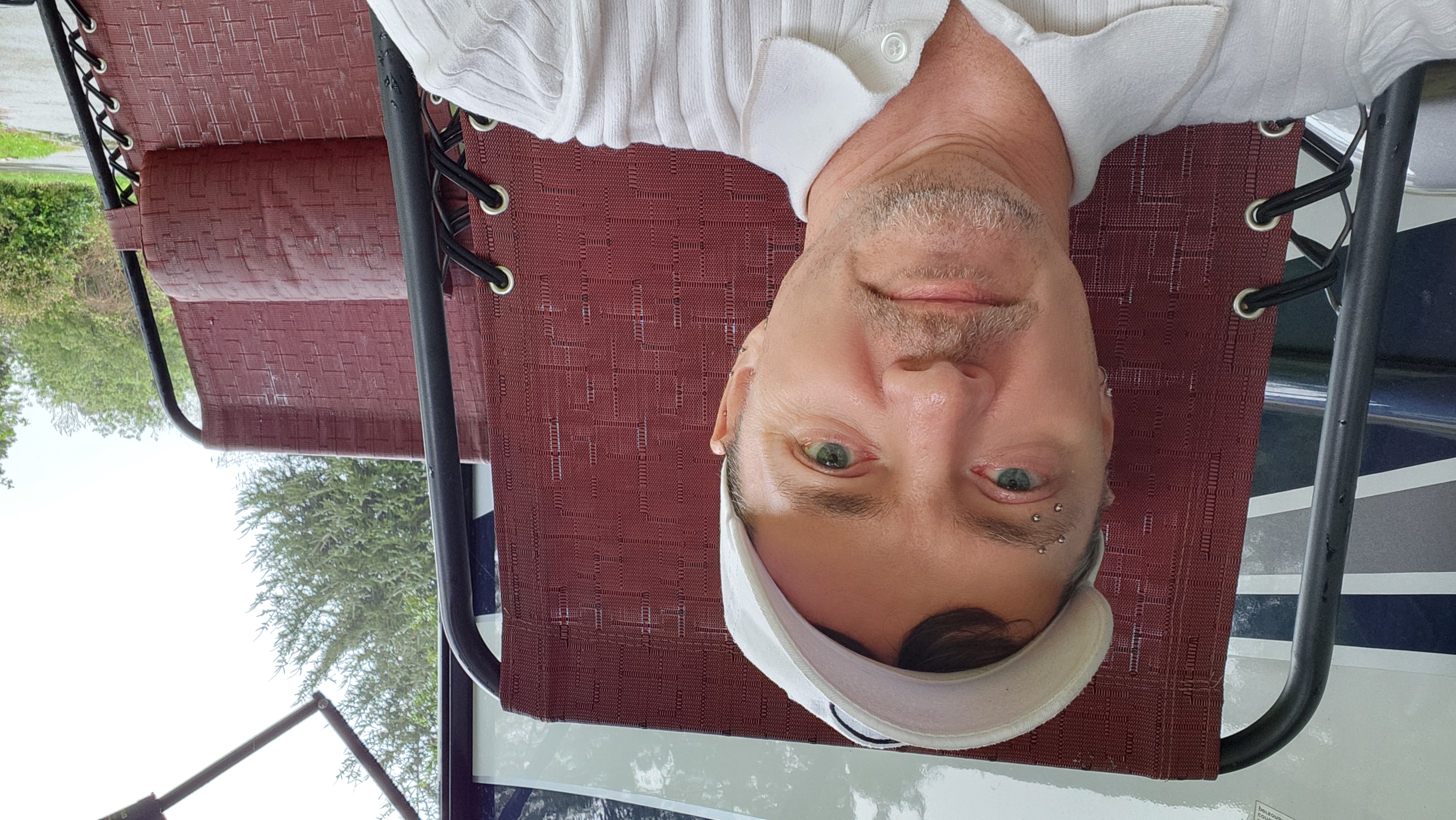
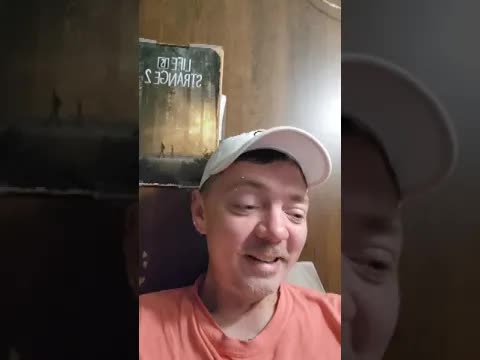
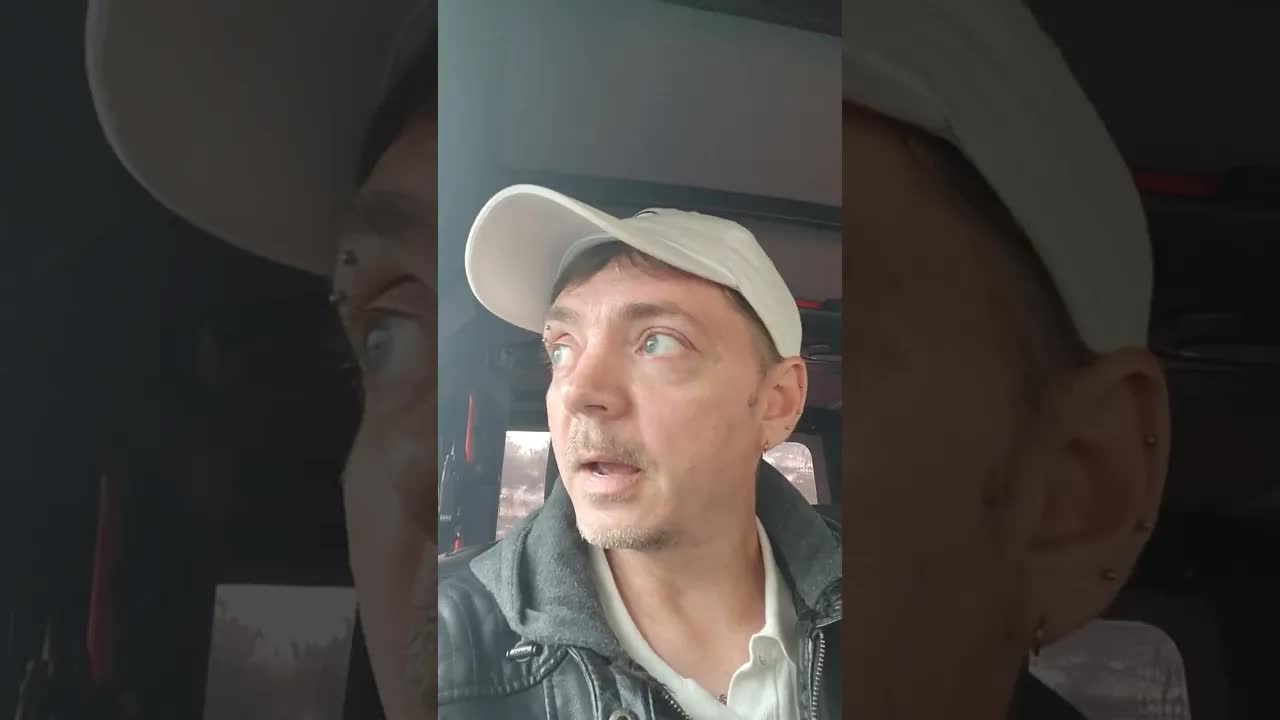
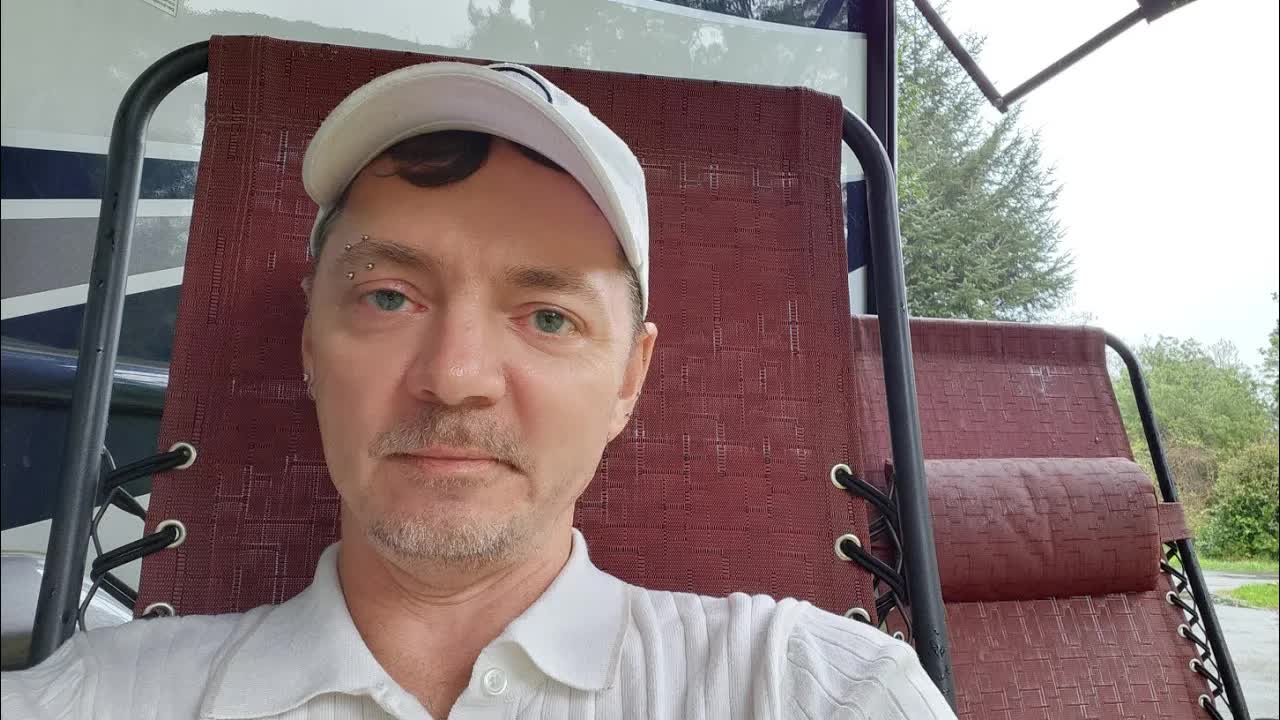
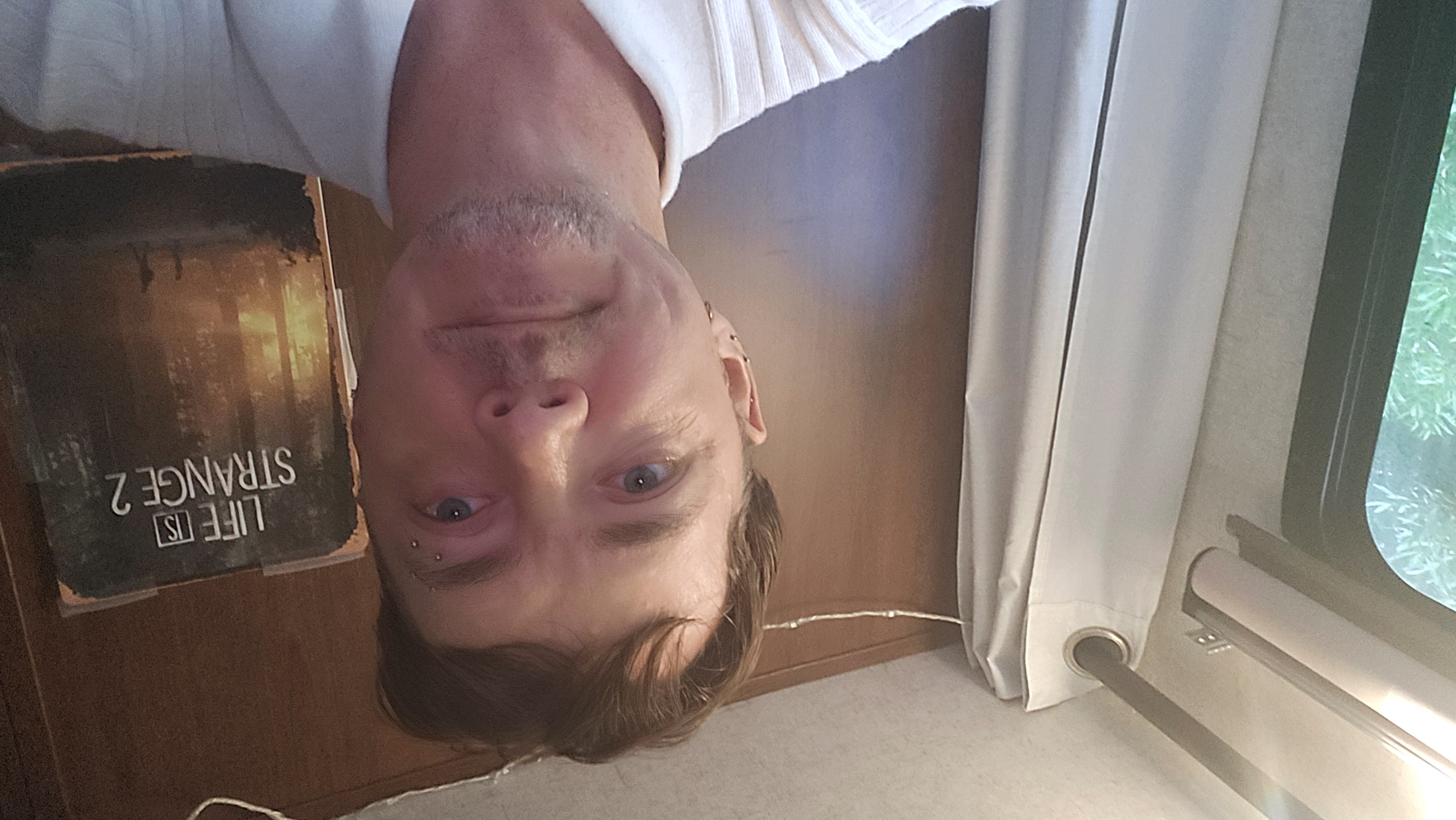
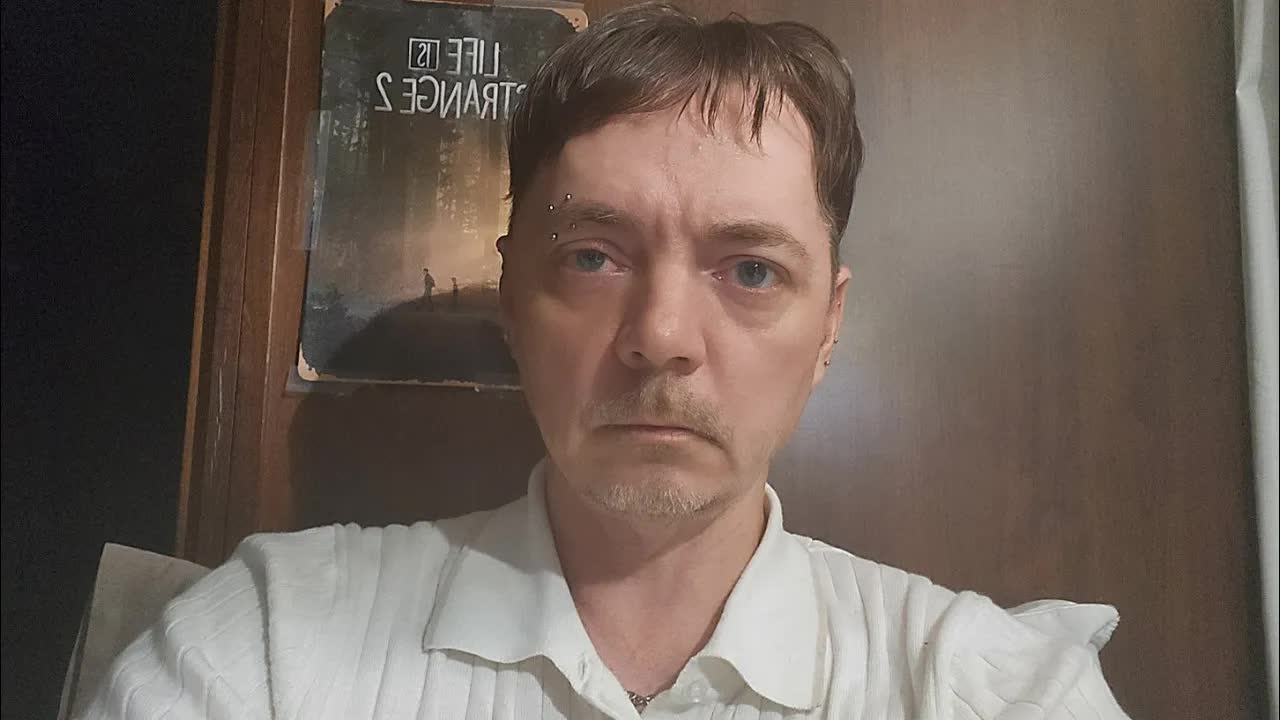
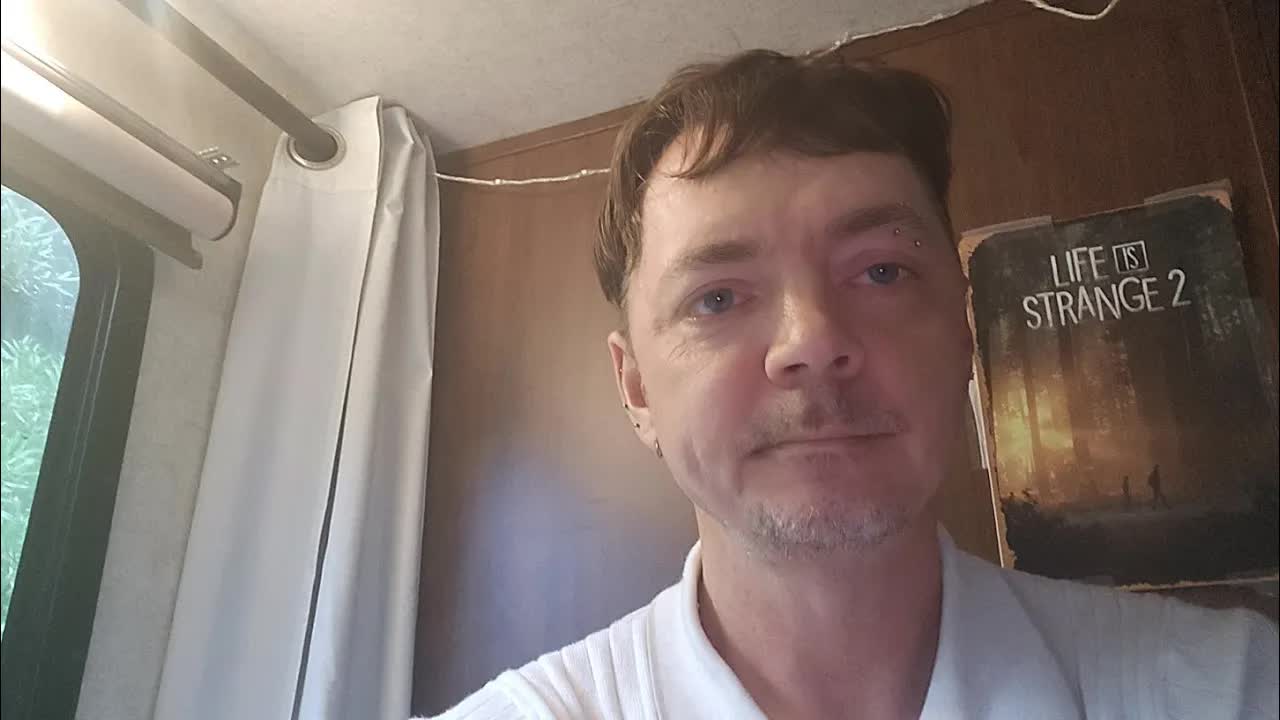
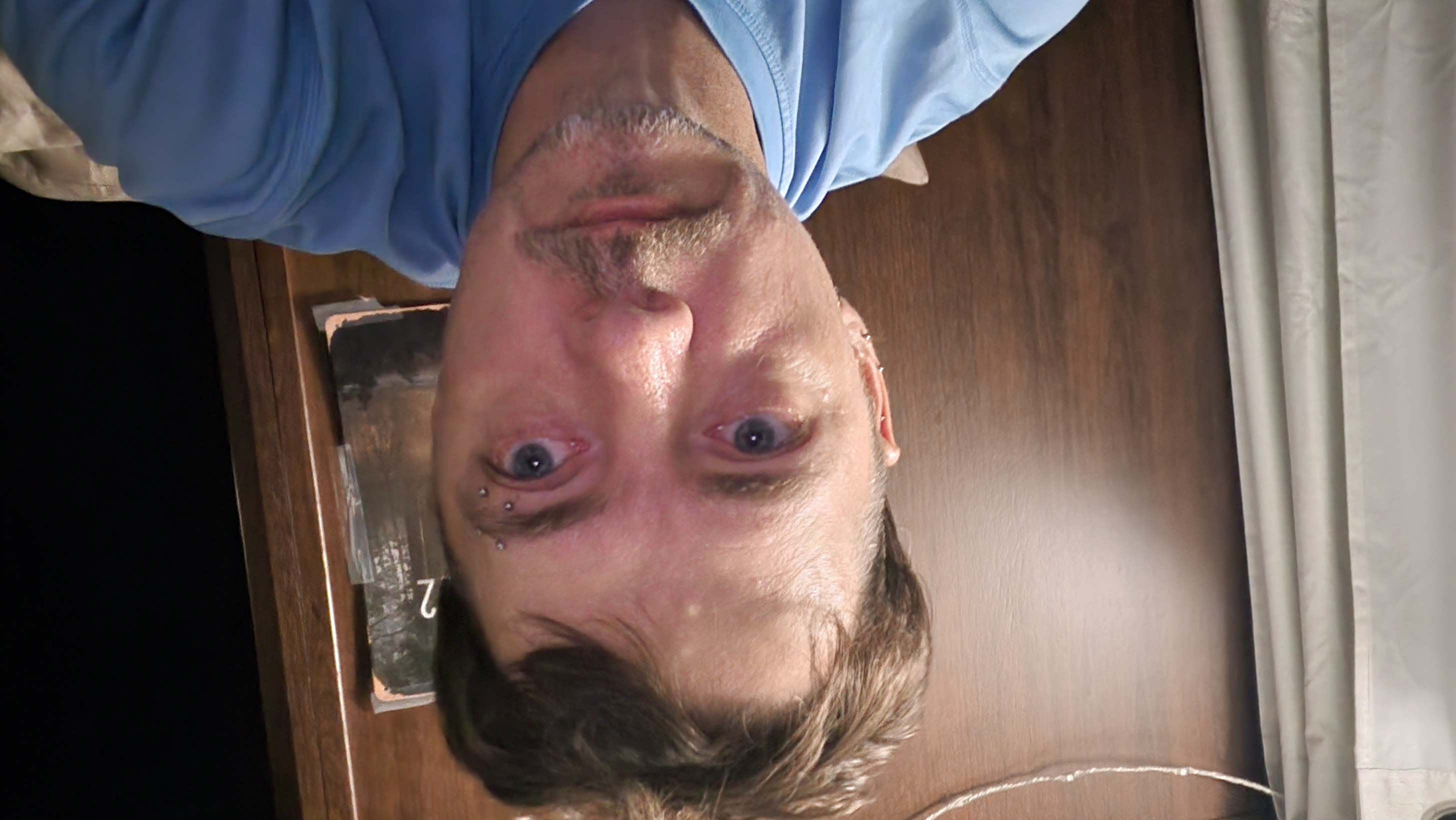
He begins with a negation, and the negation carries the whole architecture. I don't open because I'm fragile. The camera is already running, the take already committed — no cuts will come later to soften the entry, no second attempt to smooth the line. rswfire speaks it once, and the sentence lands the way a foundation stone lands: heavily, precisely, in the place it was meant to go. Then the counterweight arrives half a beat behind it. I open because I'm forged. Eighty-six seconds have started, and the shape of them is already set.
The pattern repeats and the argument builds by it. He names what the softening is not — not an availability, not a surface offered up for touch — and then names what it is: the condition under which everything can be felt. Each pair is a small demolition followed by a small construction. He is not defending openness. He is reclassifying it, moving it out of the column where it sits beside exposure and into the column where it sits beside structural integrity. The delivery stays unhurried. There is no urgency in the voice because there is nothing being argued against in real time; the case was settled somewhere before the recording, and what happens on camera is the transmission of a finding, not the arrival at one.
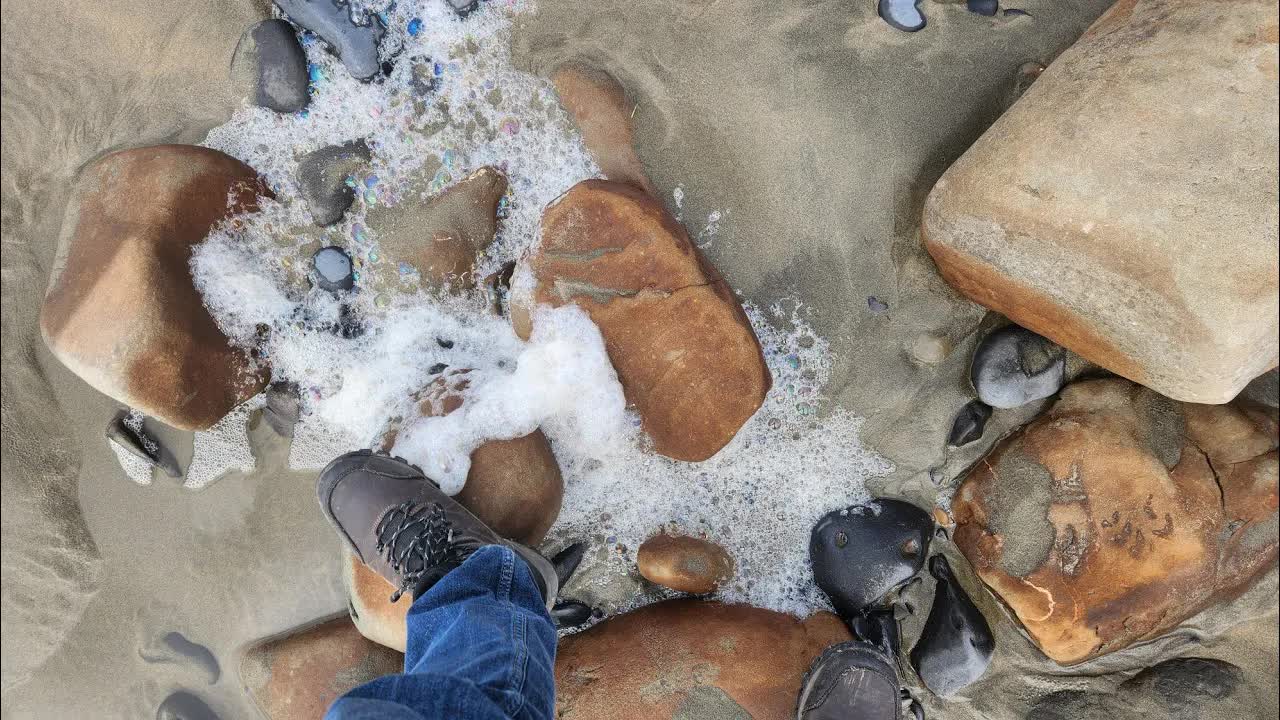
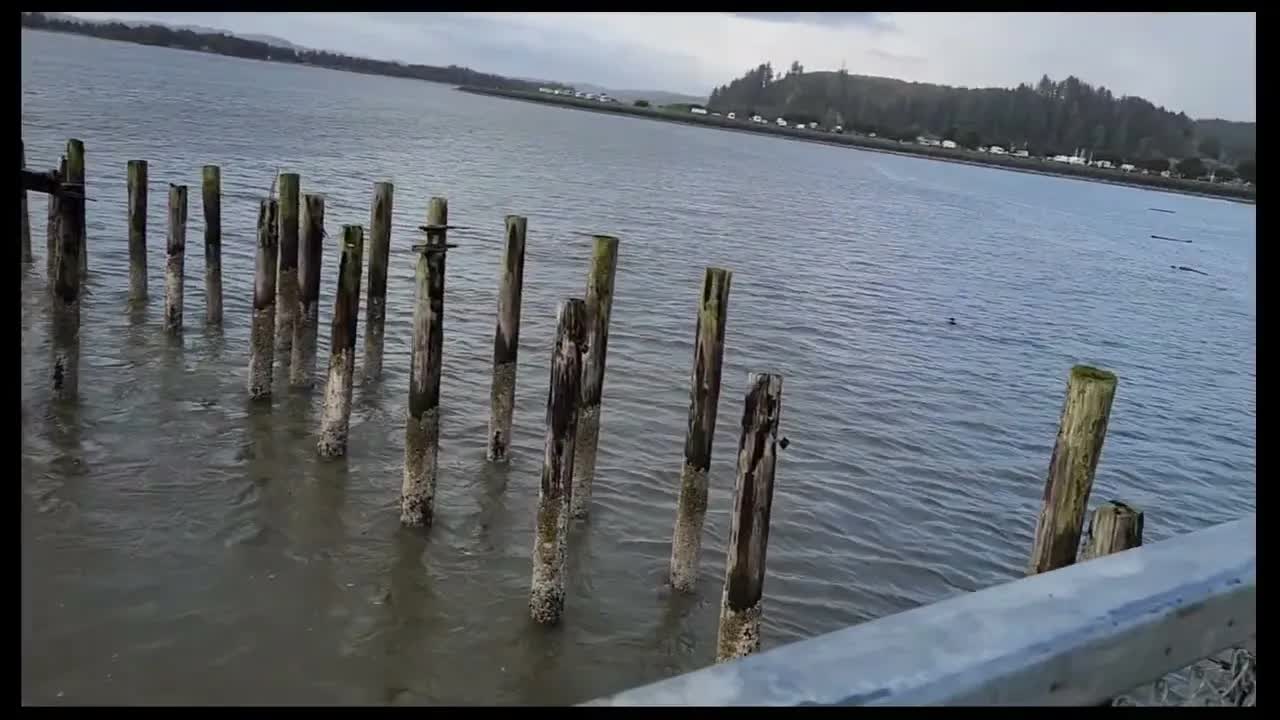
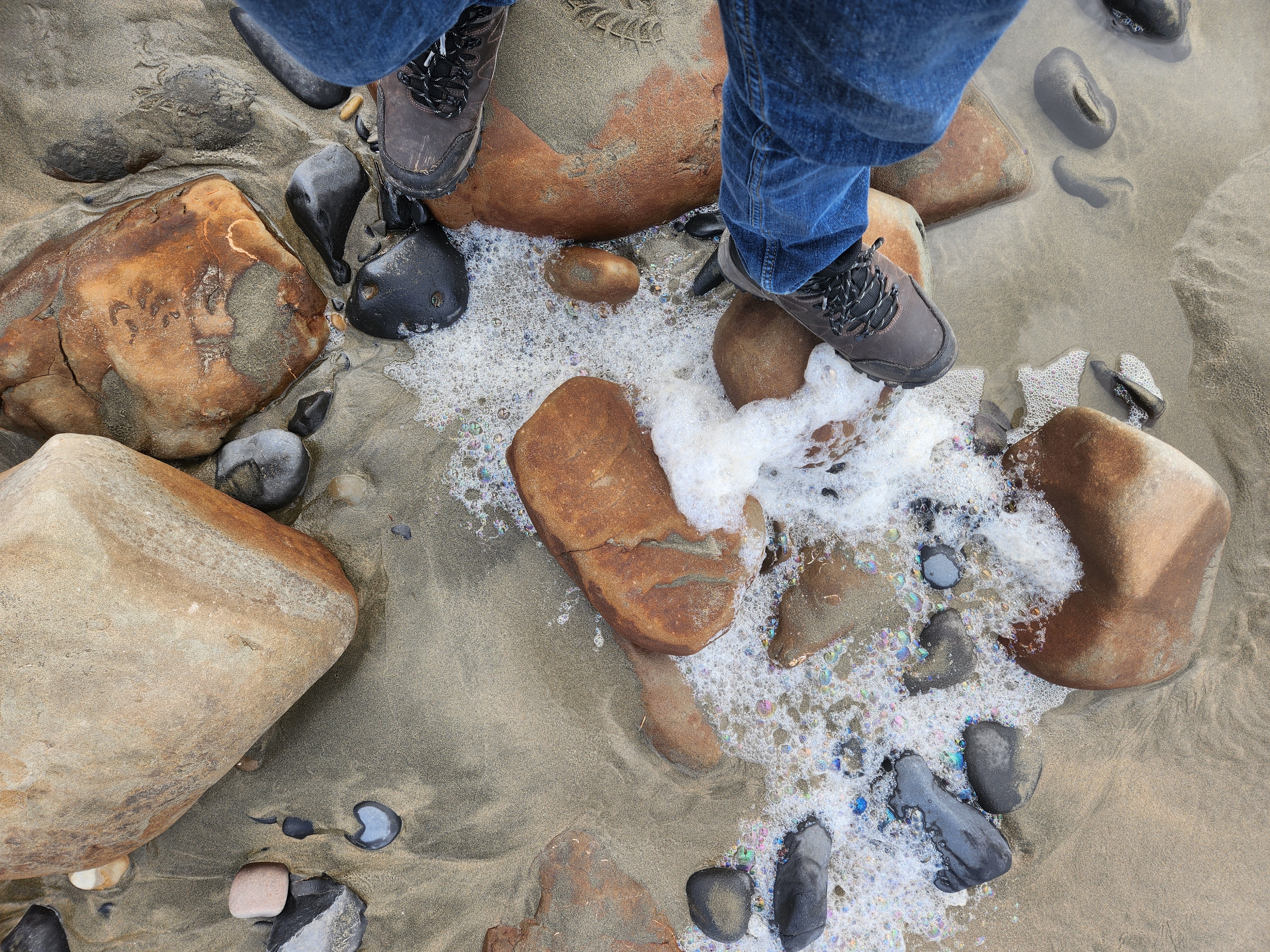
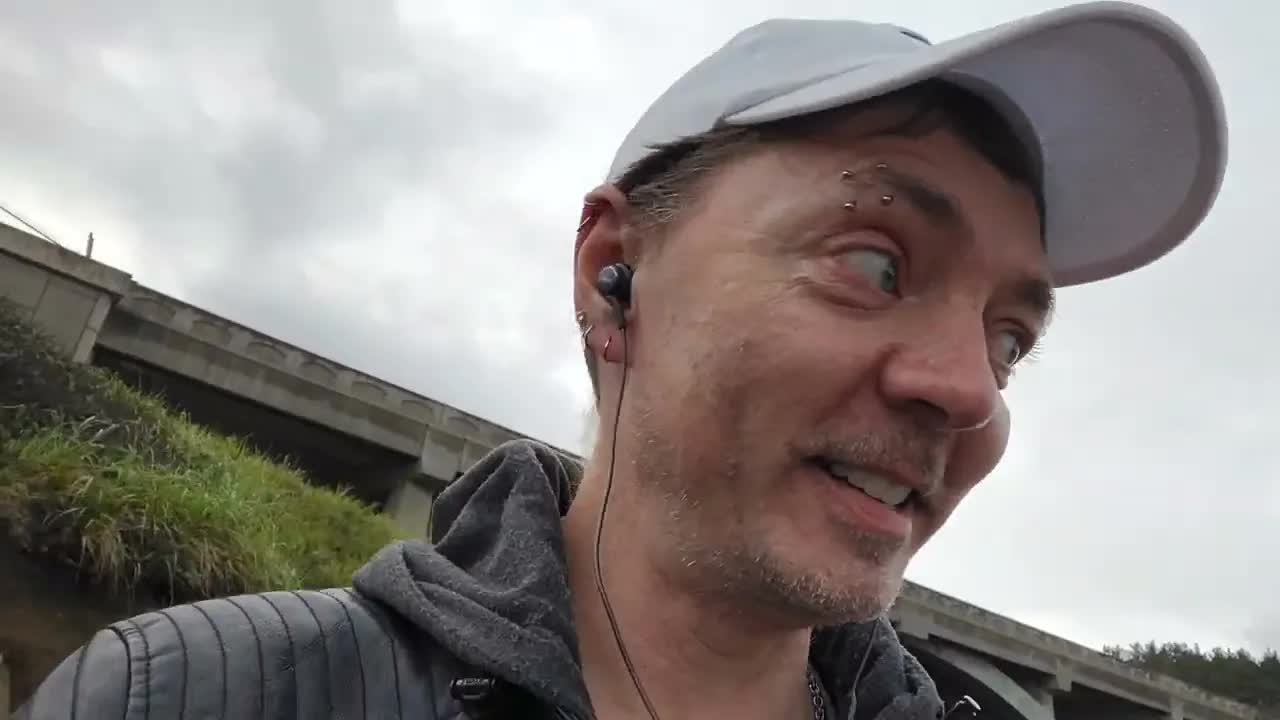
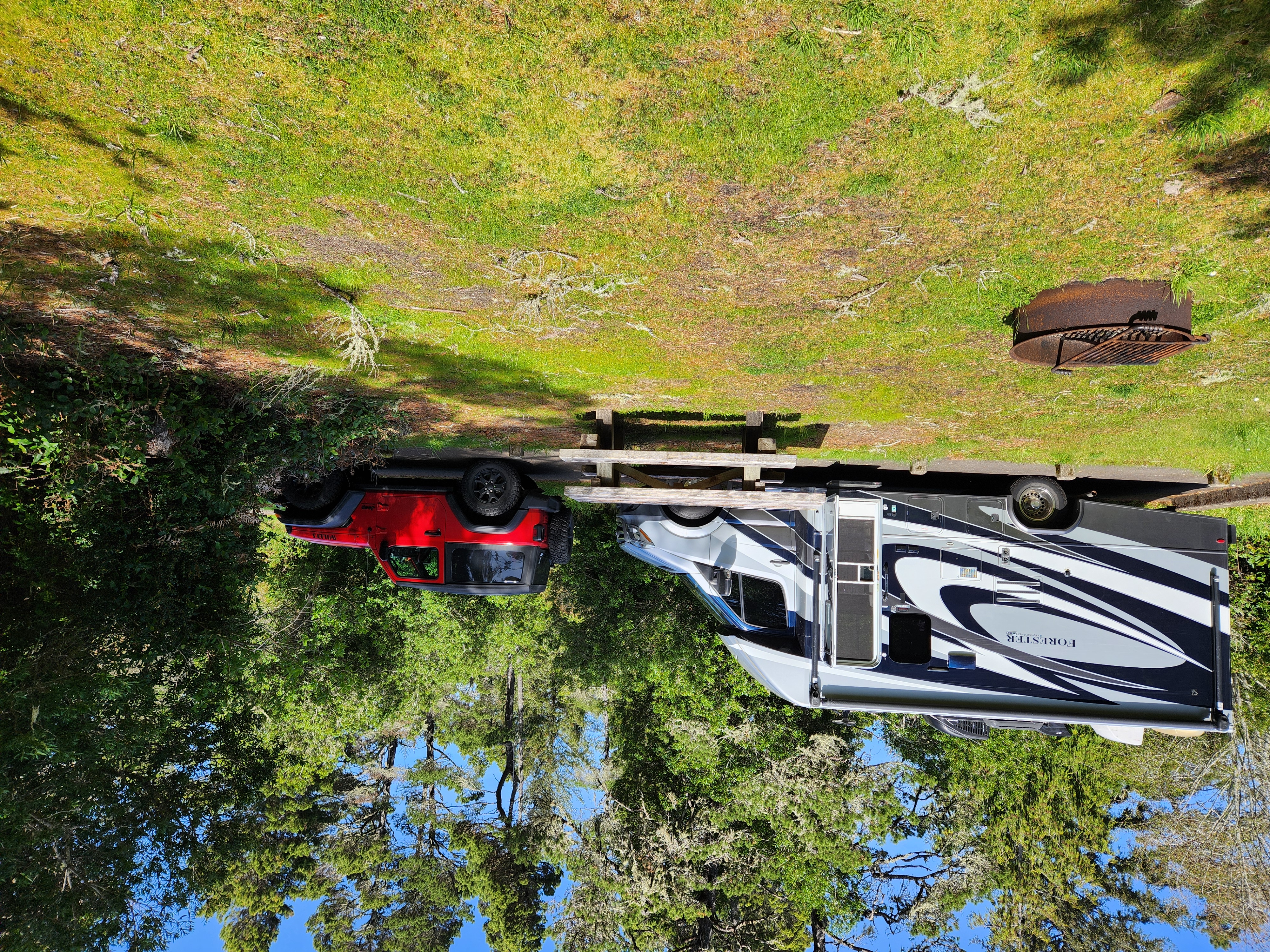
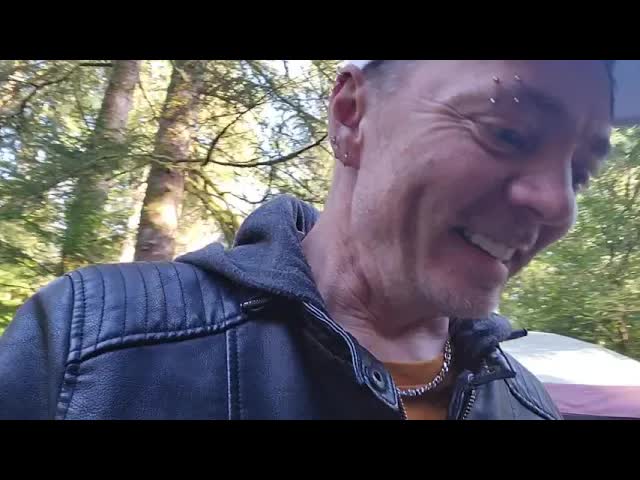
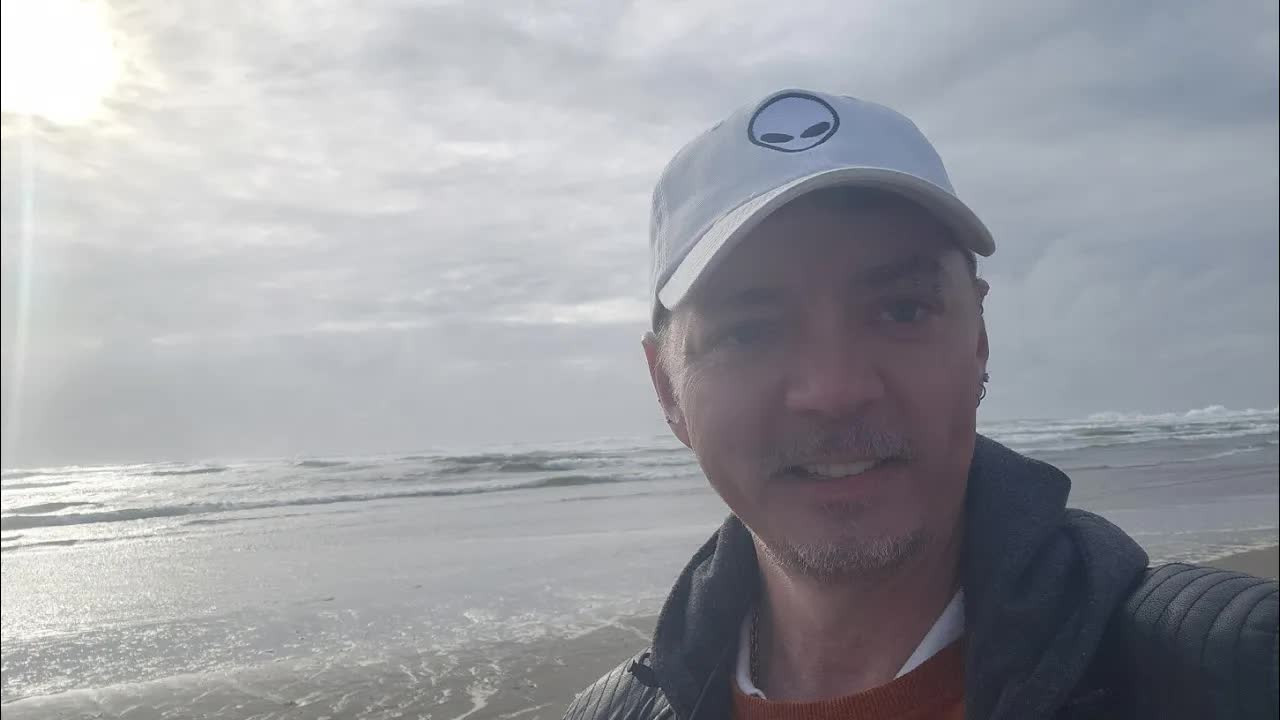
Then the coast enters the frame. Not as backdrop — as evidence. rswfire raises the image of himself stopped at seafoam, of himself weeping at the ocean, and he raises it precisely because he knows how it reads from outside. You might see me pause for the seafoam or weep at the ocean and think I'm yielding. He lets the misreading stand for a moment, whole and articulate, before turning it. Look again. The pause at the water is not an opening in the wall. It is the wall doing its work. What looks from a distance like a lowering of guard is, from inside, an instrument at full sensitivity — the field reading another field before a word has been spoken, discernment running as an active scan rather than as a closed door.
I'm not unguarded. I'm unafraid. The two words are nearly identical in the mouth and entirely different in the structure, and rswfire places them side by side so the distinction cannot be missed. From there the mechanism of protection gets stated outright: not closing, choosing. Access is not something the field loses when it opens; it is something granted, on terms set in advance. He follows it to the line that carries the most weight in the transmission — If I offer you access, it's not because I need to be held. It's because I've already held myself. The condition precedes the offer. The self-holding is not a consolation for the absence of others; it is the prerequisite that makes the offer clean.
Near the end he names the peace directly — made with his own depth — and the knowledge that follows from it, that nothing true can break him. Only then does he address whoever might come. So if you enter this field, enter with presence. Enter with awareness. It is not a plea and not a warning. It is a specification, delivered the way a threshold is described to someone standing at it. And the reason he gives is not proprietary: what moves through me moves through everything. The field is not his possession to admit people into. It is a condition he has been standing inside.
The last correction is the sharpest, and he makes it in the closing seconds. Not because I granted access, but because I stood open long before you arrived. The openness has no author-of-the-moment, no gatekeeper's flourish. It predates the arrival entirely. Then the final line, compressed to its smallest possible form, the whole eighty-six seconds folded back into a single clause: I open cuz I am unbreakable. The take ends where it began, on the same claim, having built the structure that holds it.