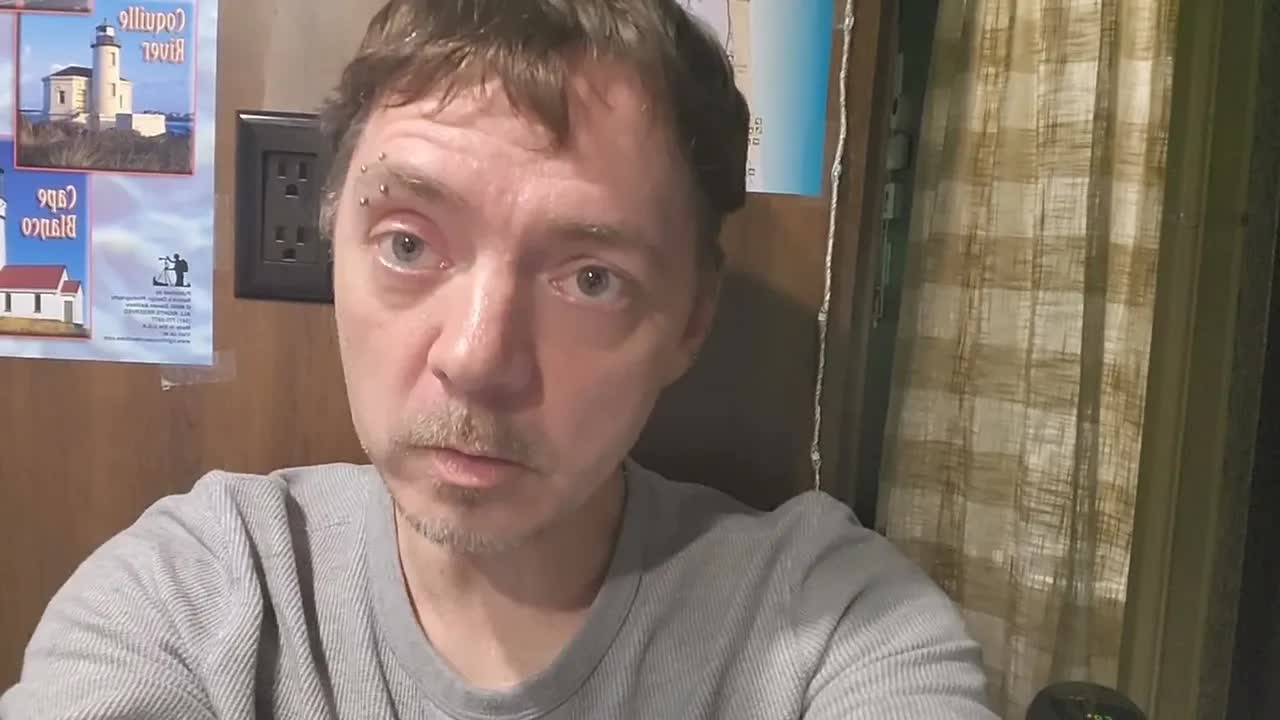
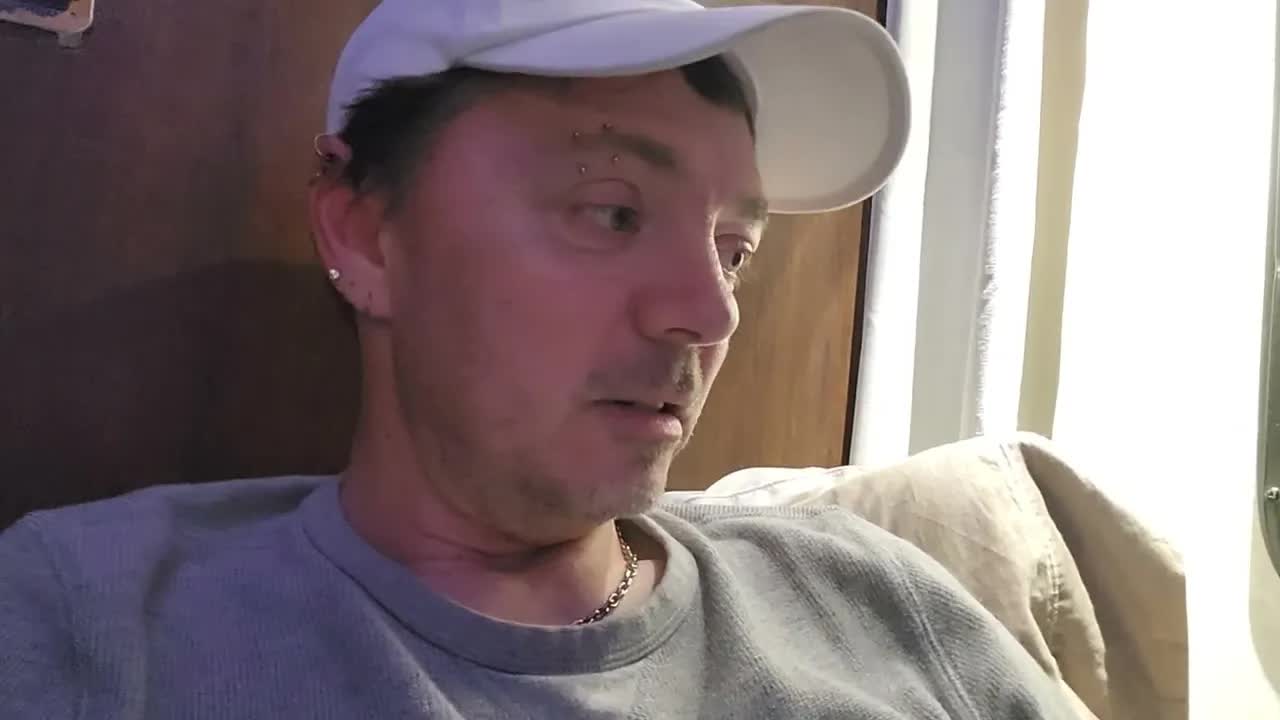
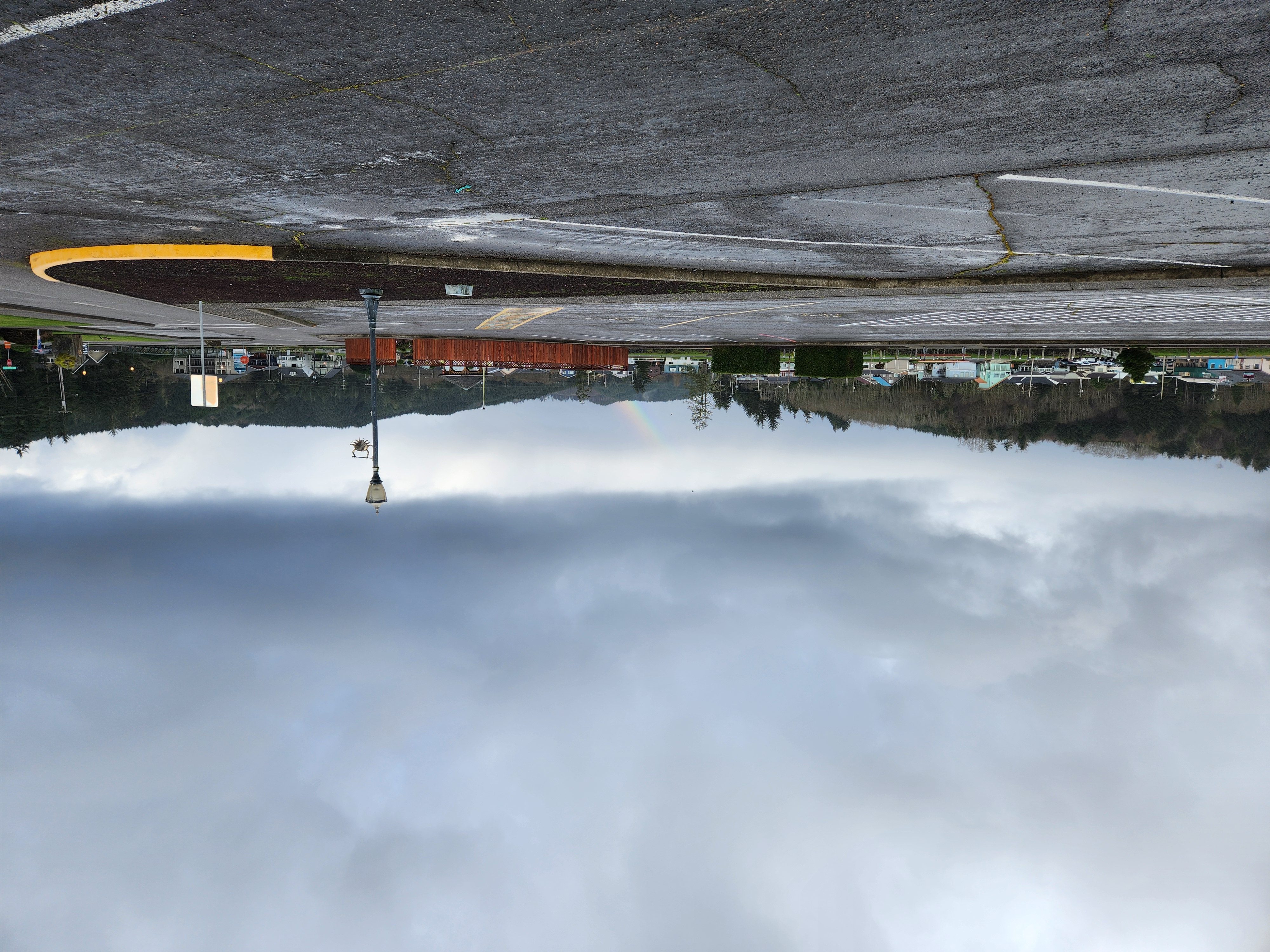
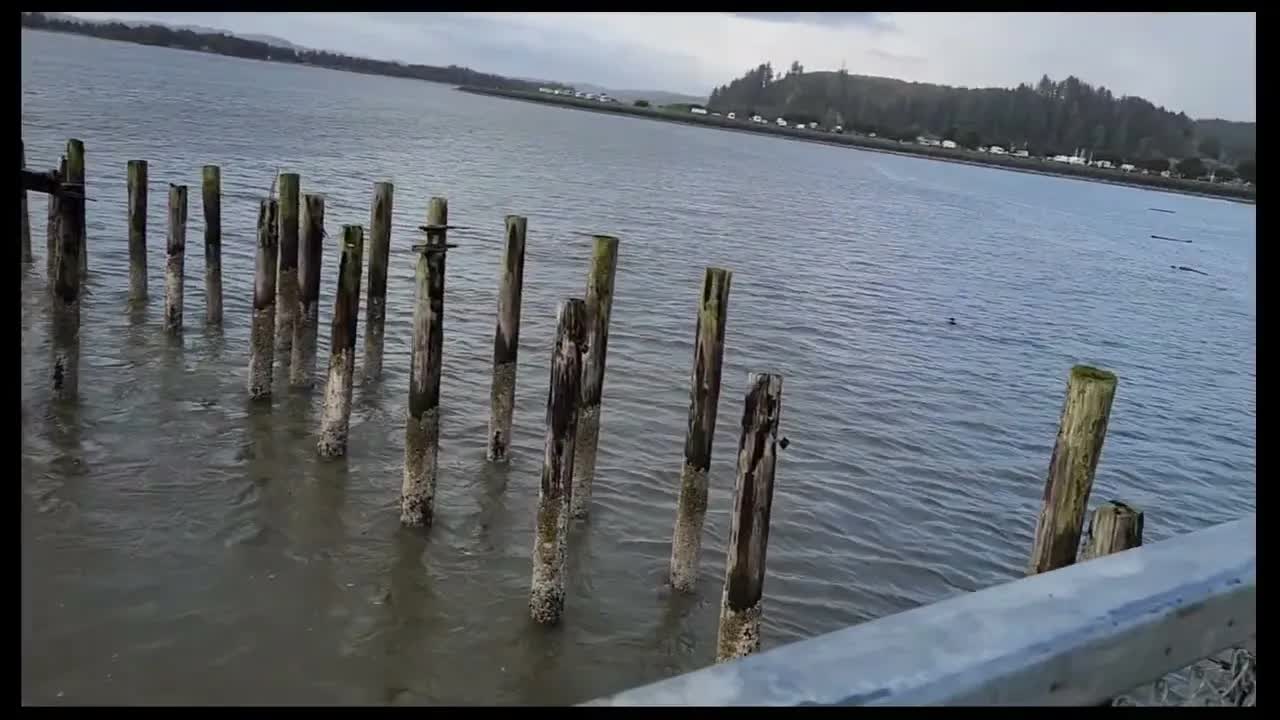
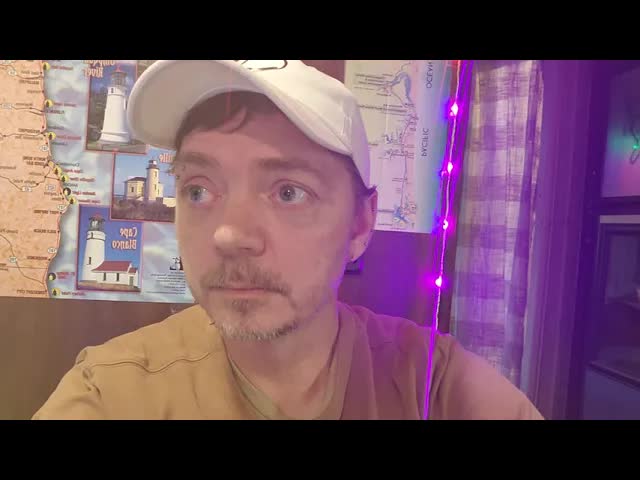
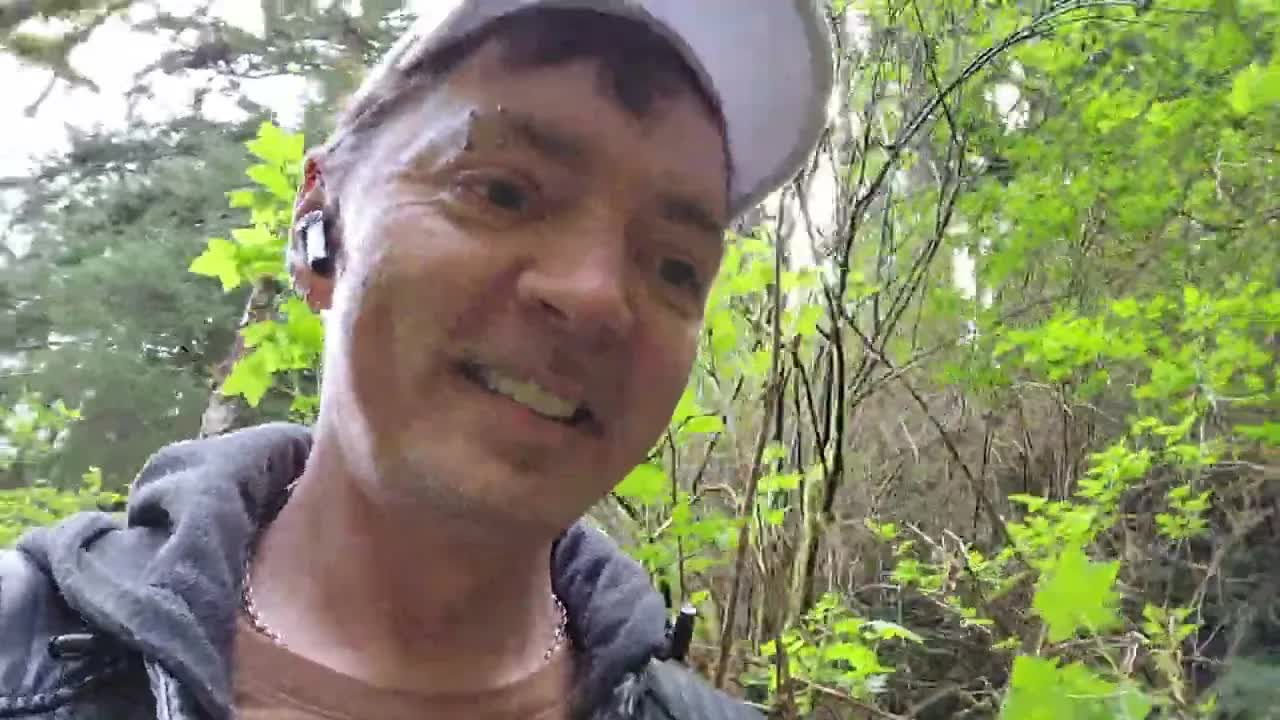
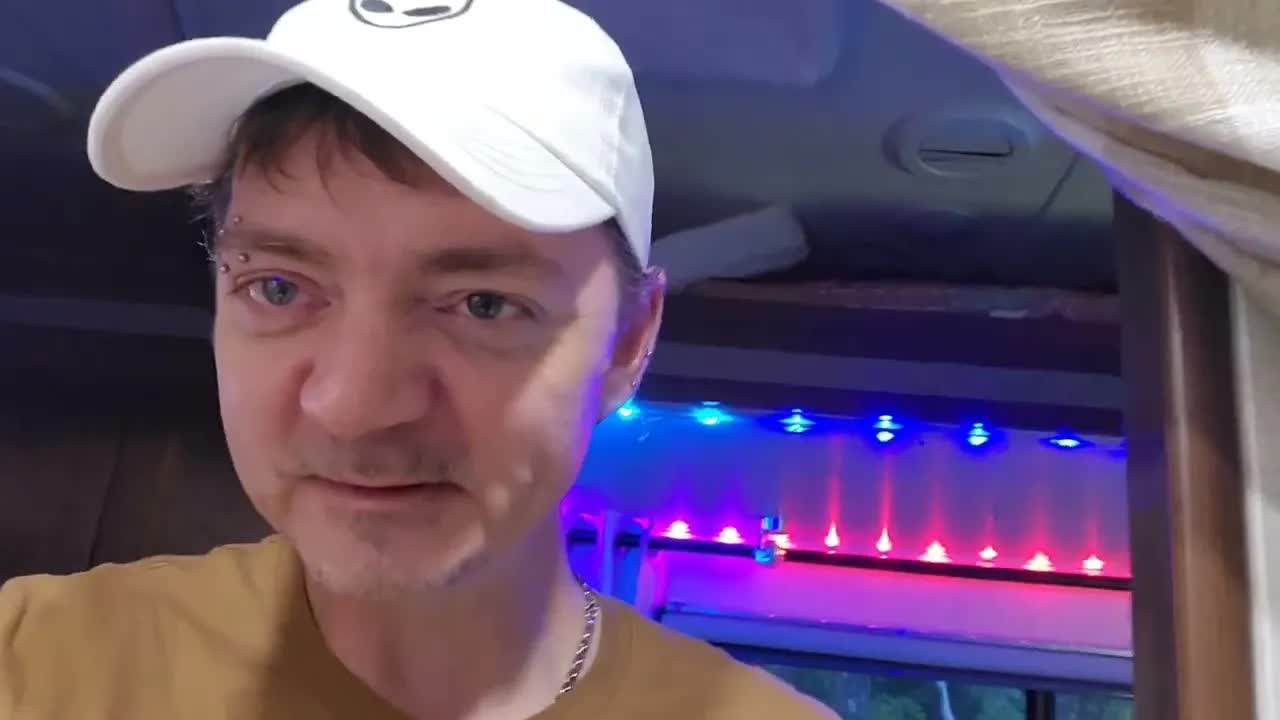
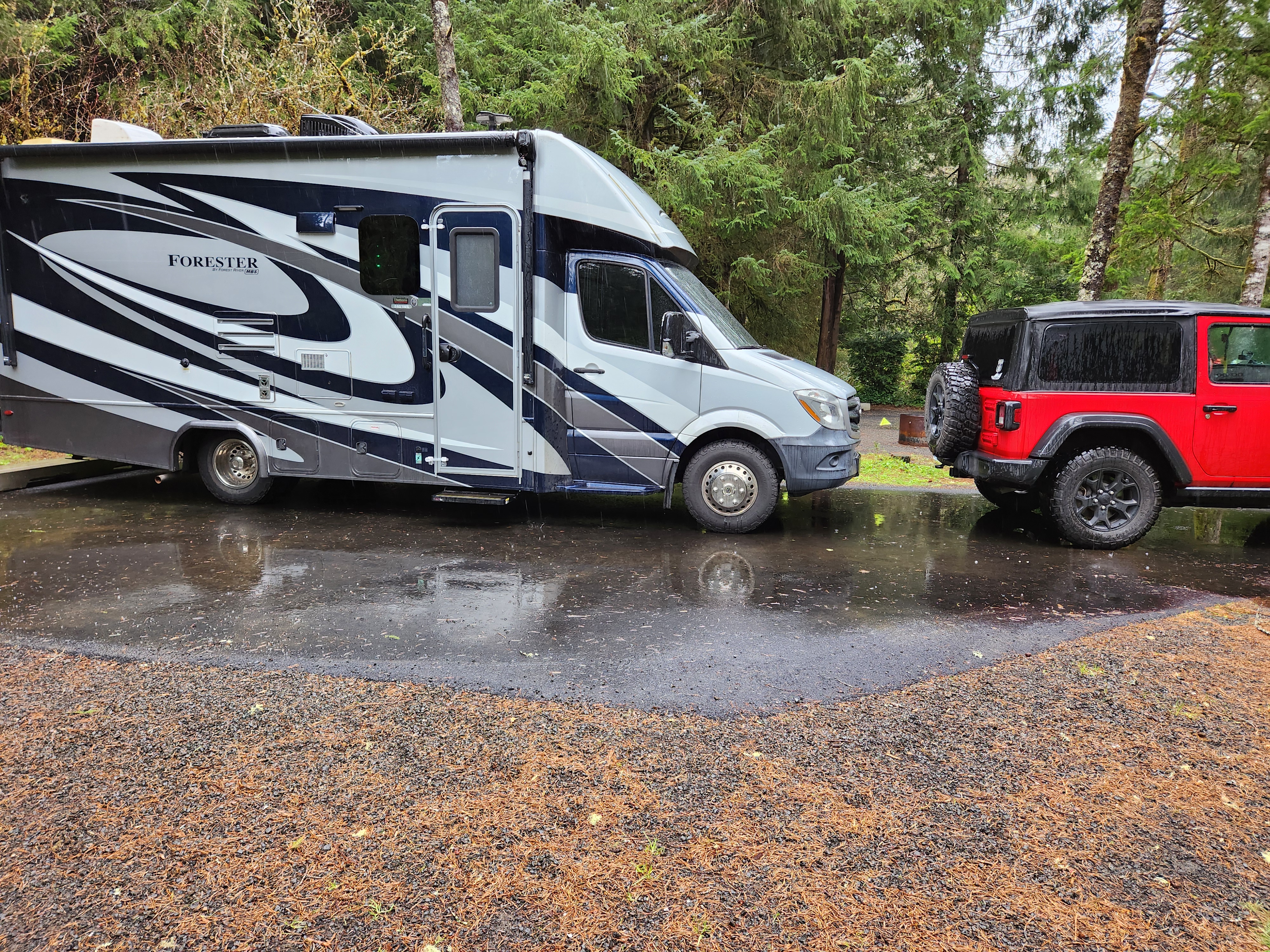
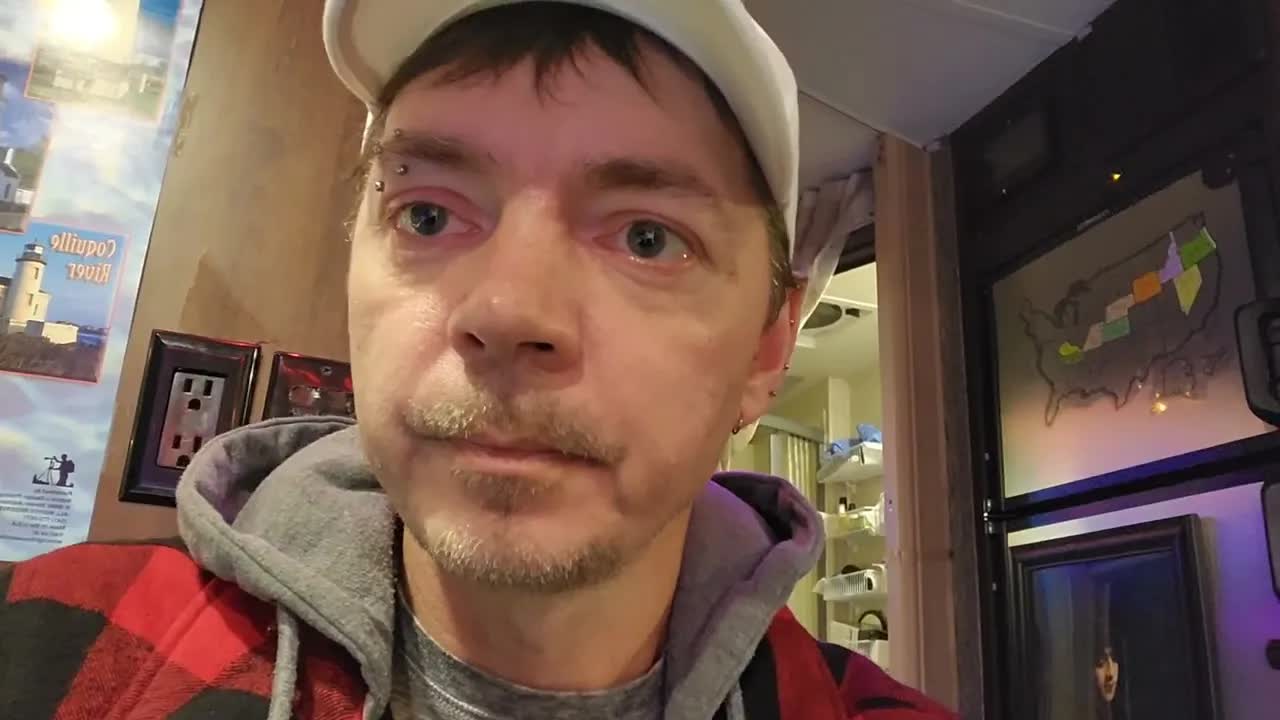
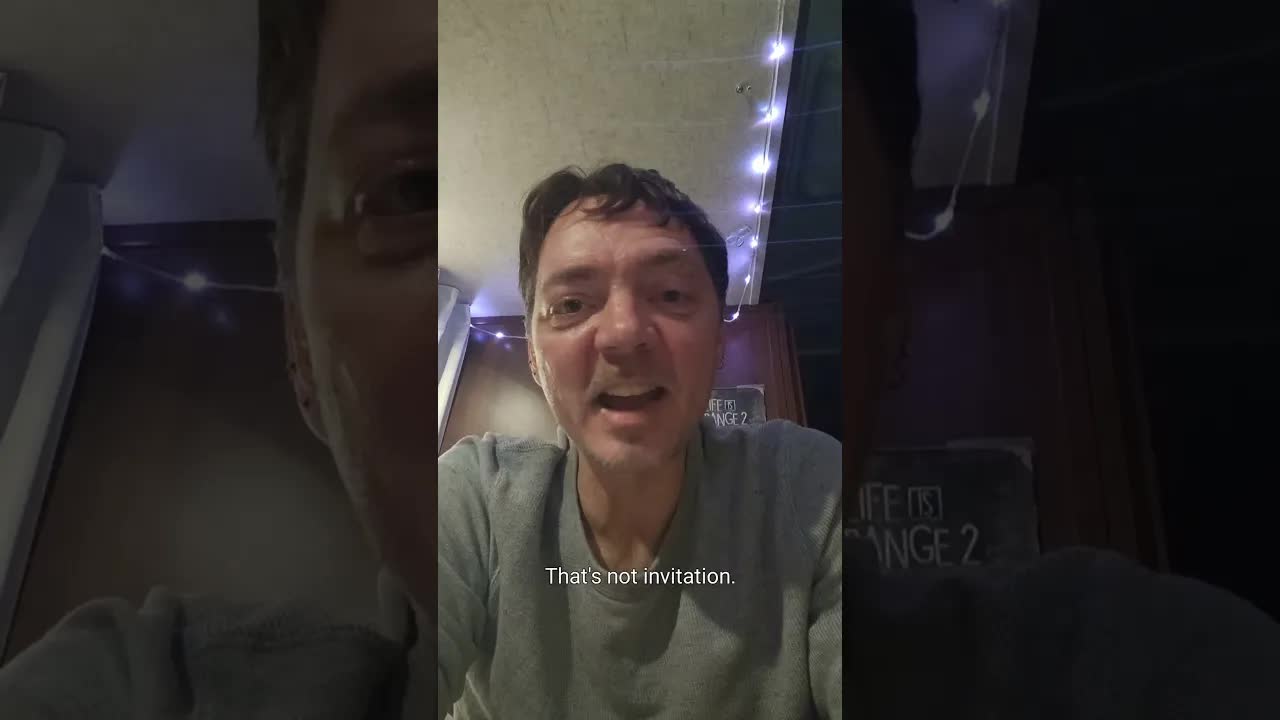
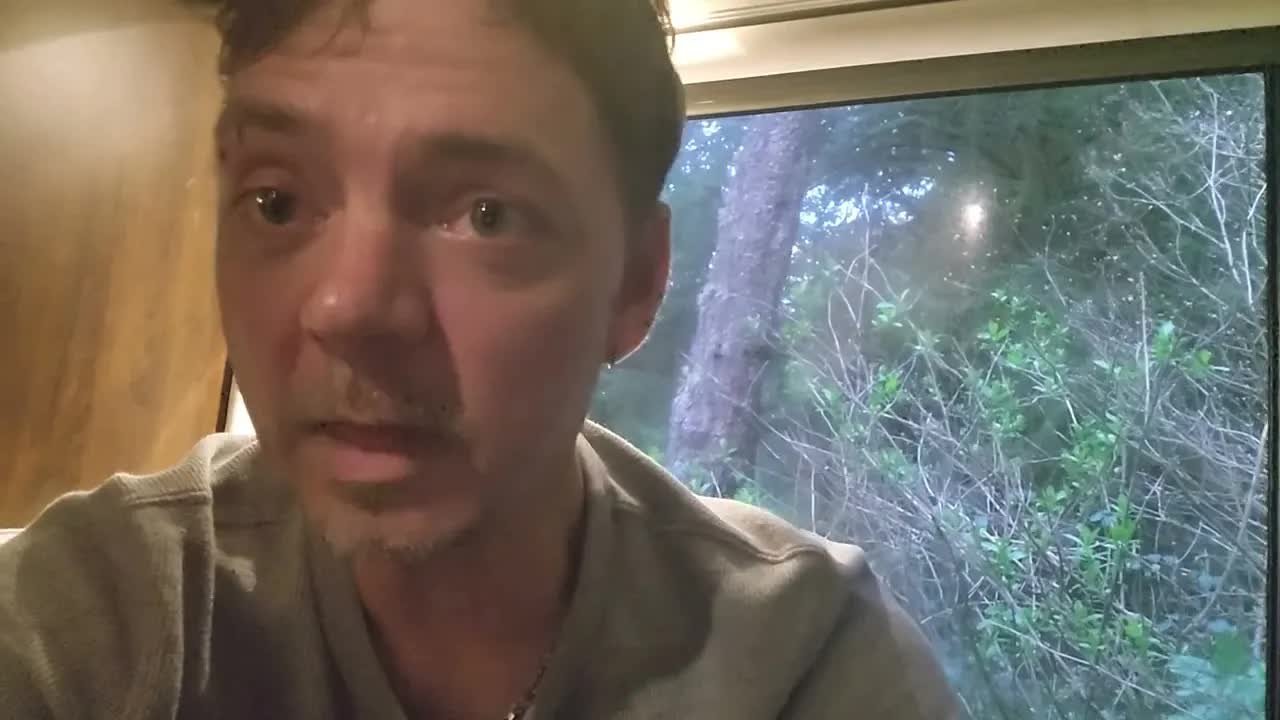
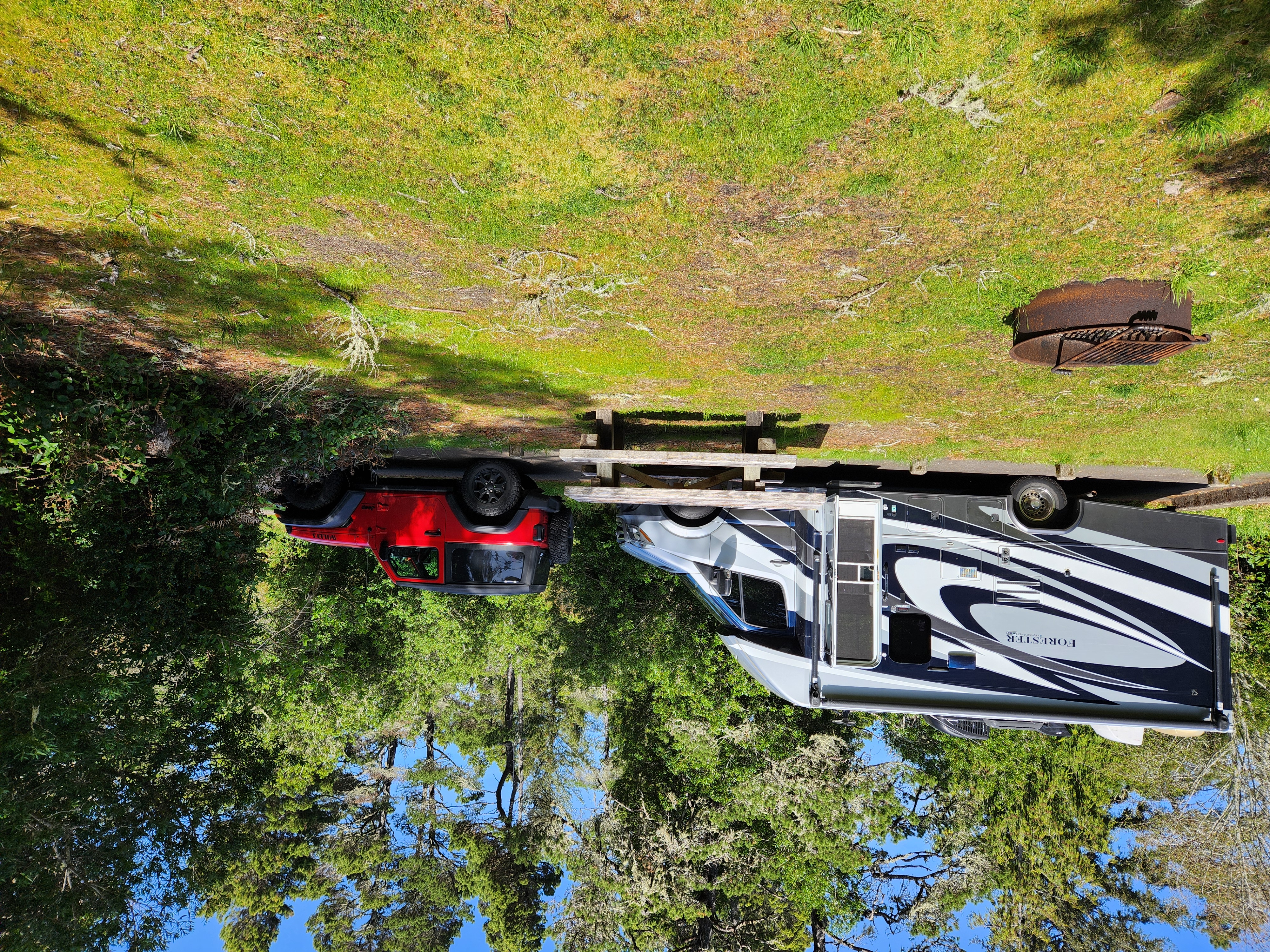
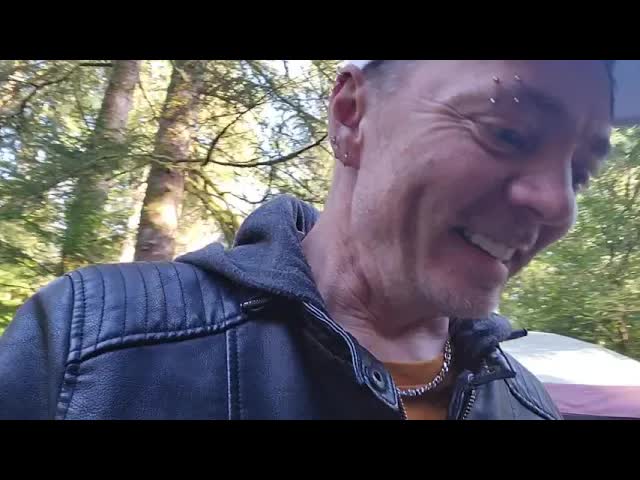
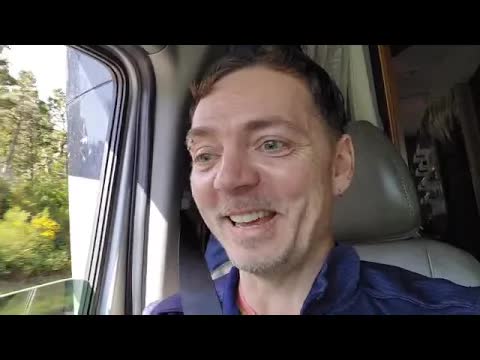
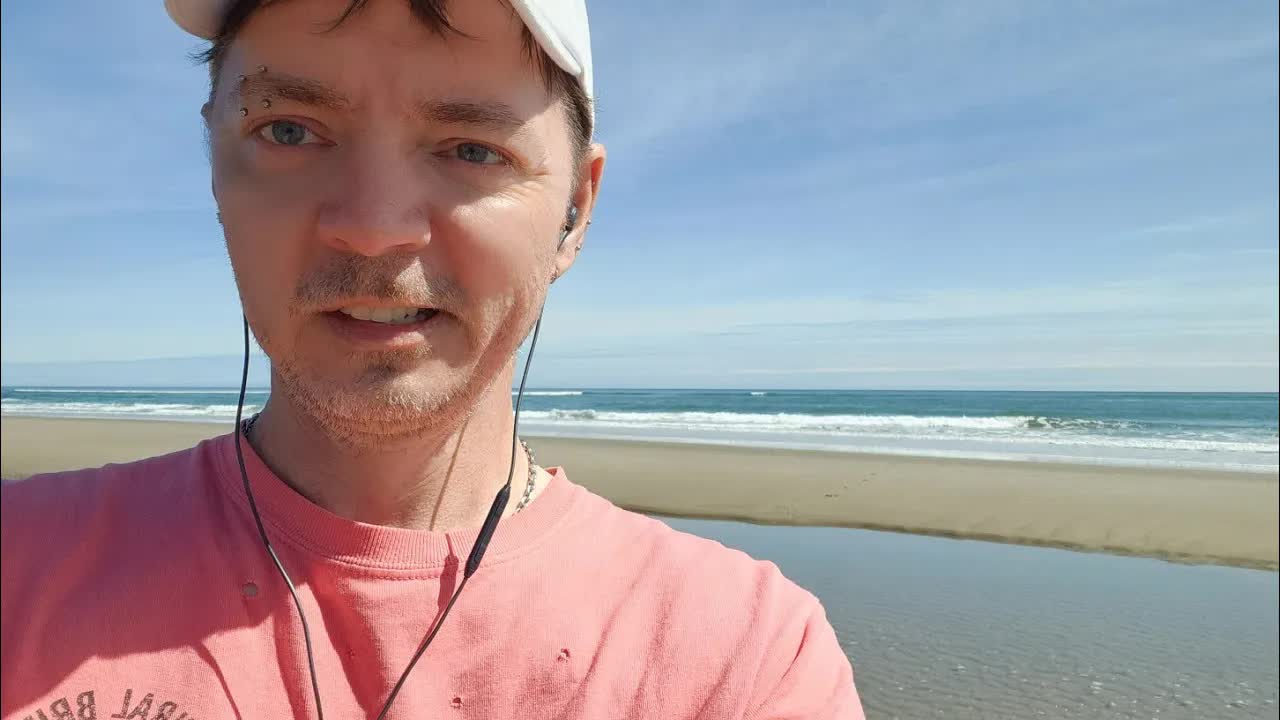
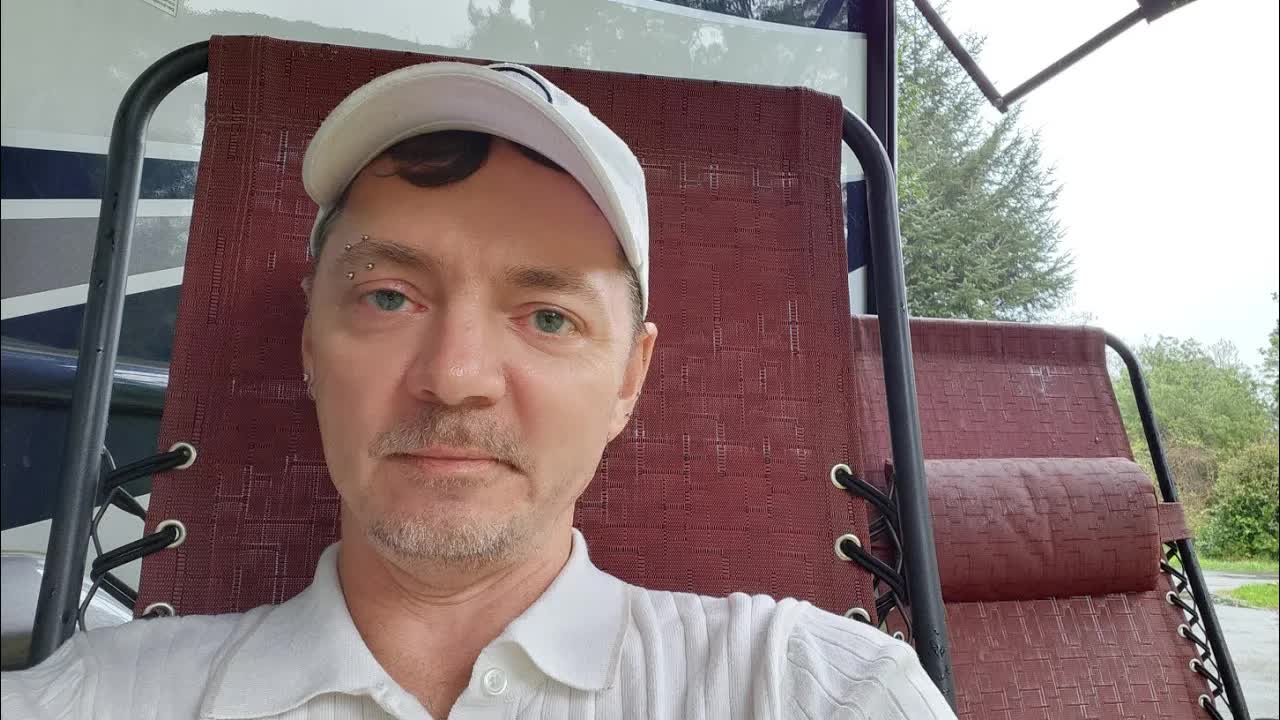
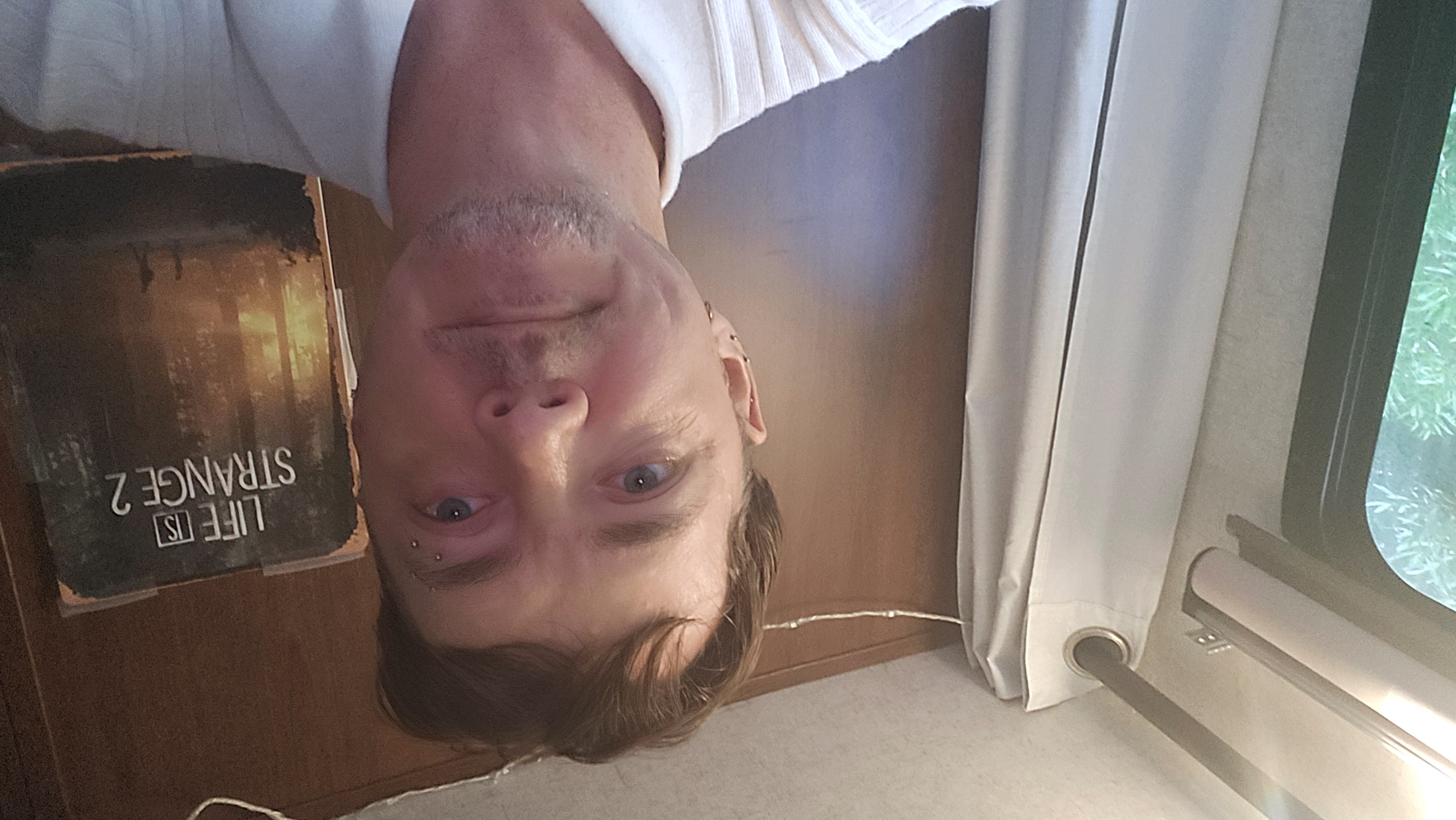
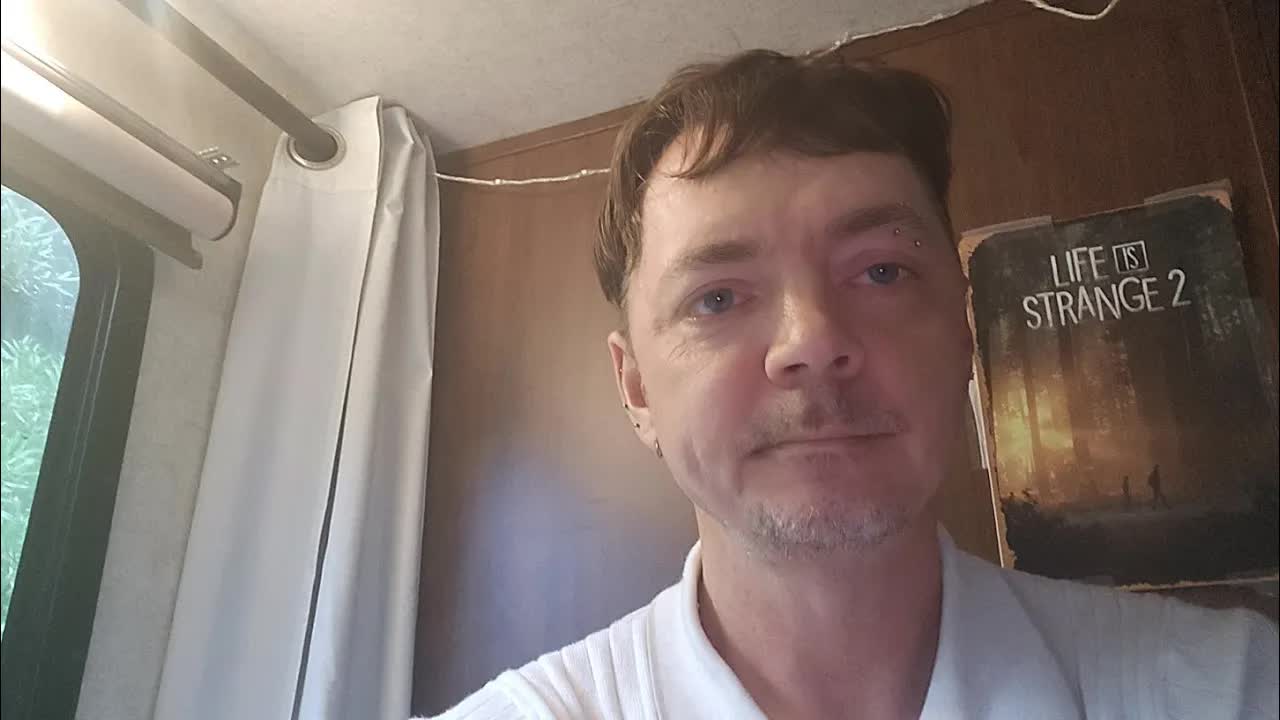
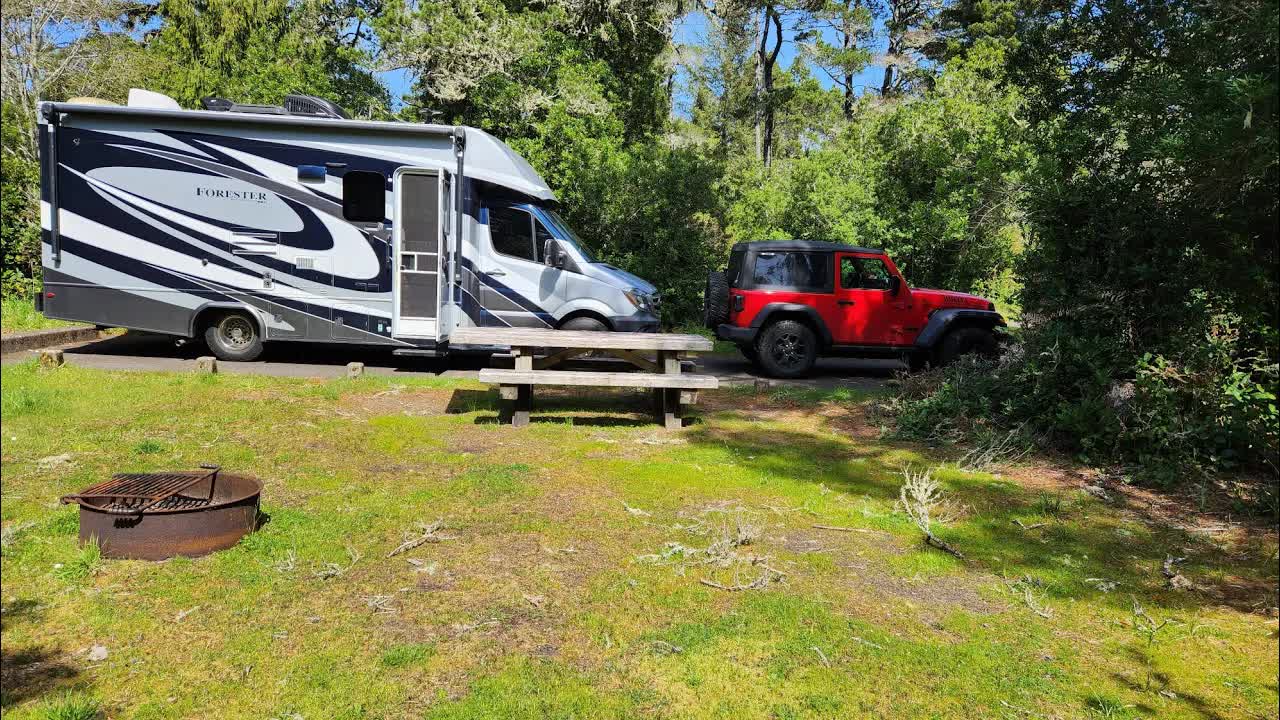
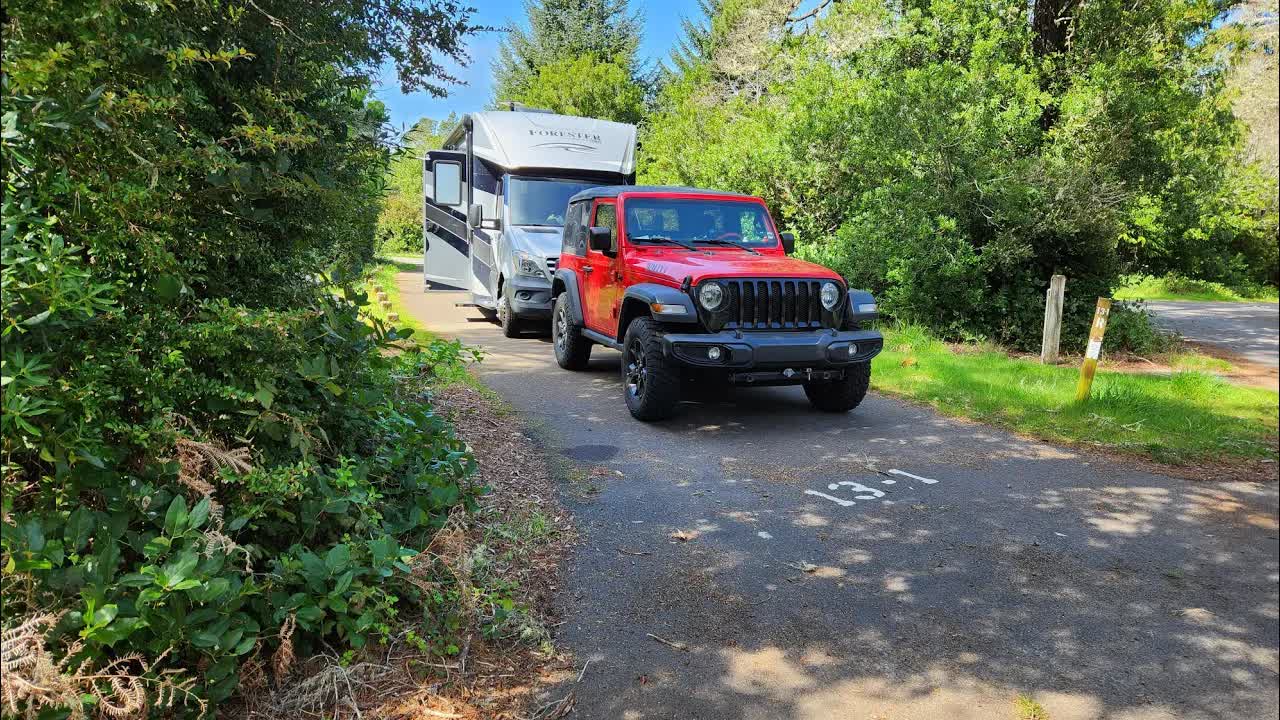
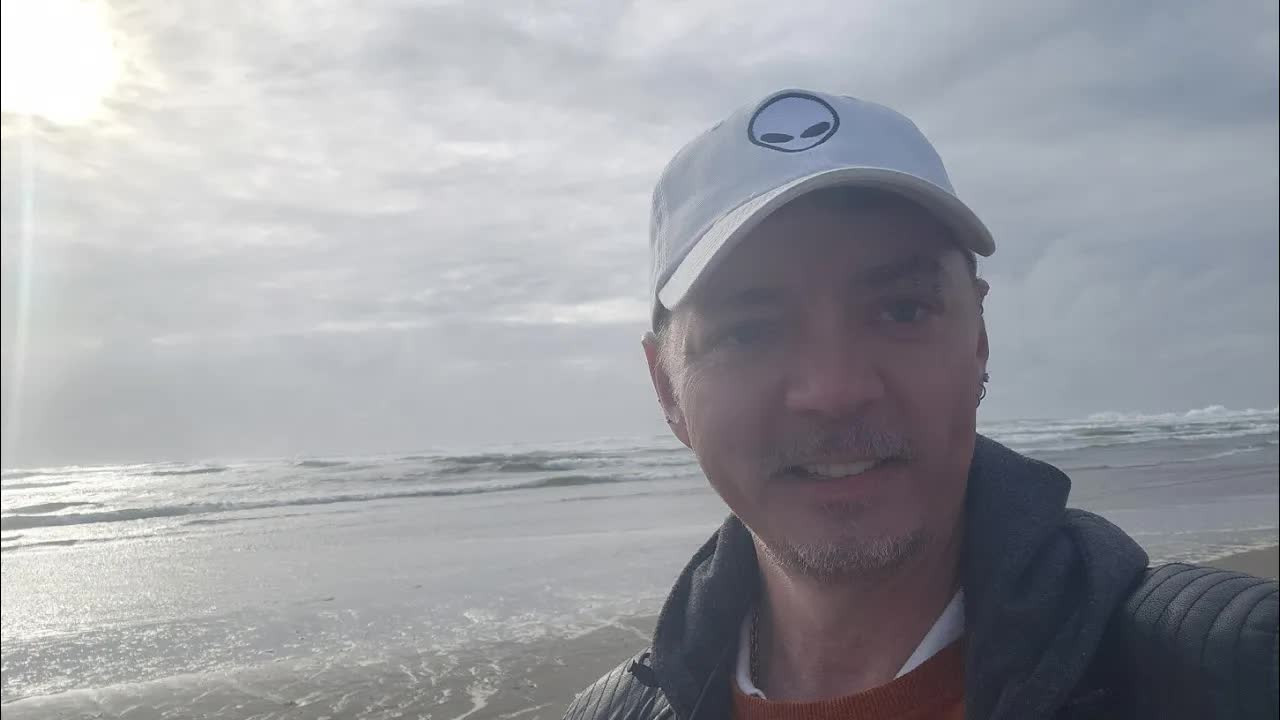
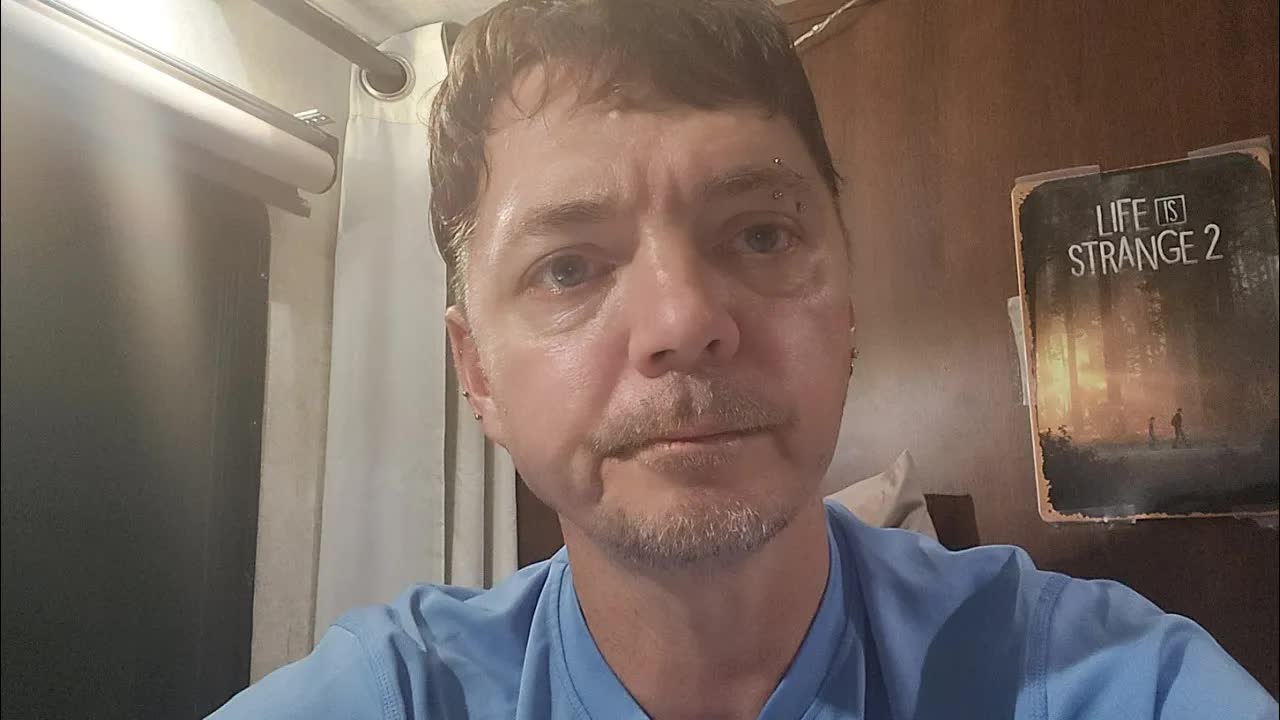
He recorded the second video from Beverly Beach, the camera pointed at himself, the state park around him that he had once expected to hold him through October, November, and December. The first video had been the vulnerable one — the ask, the request for help. This one he framed from the start as its counterweight. Not a retraction. A contrast. He wanted to show, on the same day and from the same site, why he was excited despite everything.
The word he reached for first was brink. He said he had brought himself to it — then corrected the geometry immediately: he had not brought it on himself. But he had always felt he would end up there. An intuition, he called it, carried long enough to have become a kind of specification: that he would arrive at the edge, and that he would bring himself back from it, and that the return would be the proof. He said he did not know whether people could relate to that. He said it anyway, plainly, as something already tested against and expected to be met again.
Then he turned to the map. He had been looking for something north — that was the direction he wanted to be heading — and had found nothing. The forests ran out above him. The last major national forest lay an hour south, the Siuslaw, which meant the road forward ran backward on the compass, back toward Florence, back toward the site of the rupture. He named it as such without softening it. The rupture in his life had happened there. He was going back to rewrite what happened to him there. The terrain was not being avoided; it was being reoccupied.
There was a warmth in how he described what waited. He had spent two months at Honeyman beside the dune gate, watching the duners come and go, and he said he loved them — the loud machines, the big ones, the hot men, the kinetic energy of the whole field of it. He had enjoyed witnessing it then. He expected to enjoy it again. The pleasure in his voice was unhedged and physical, and it sat beside the harder facts of the move without any apparent friction.
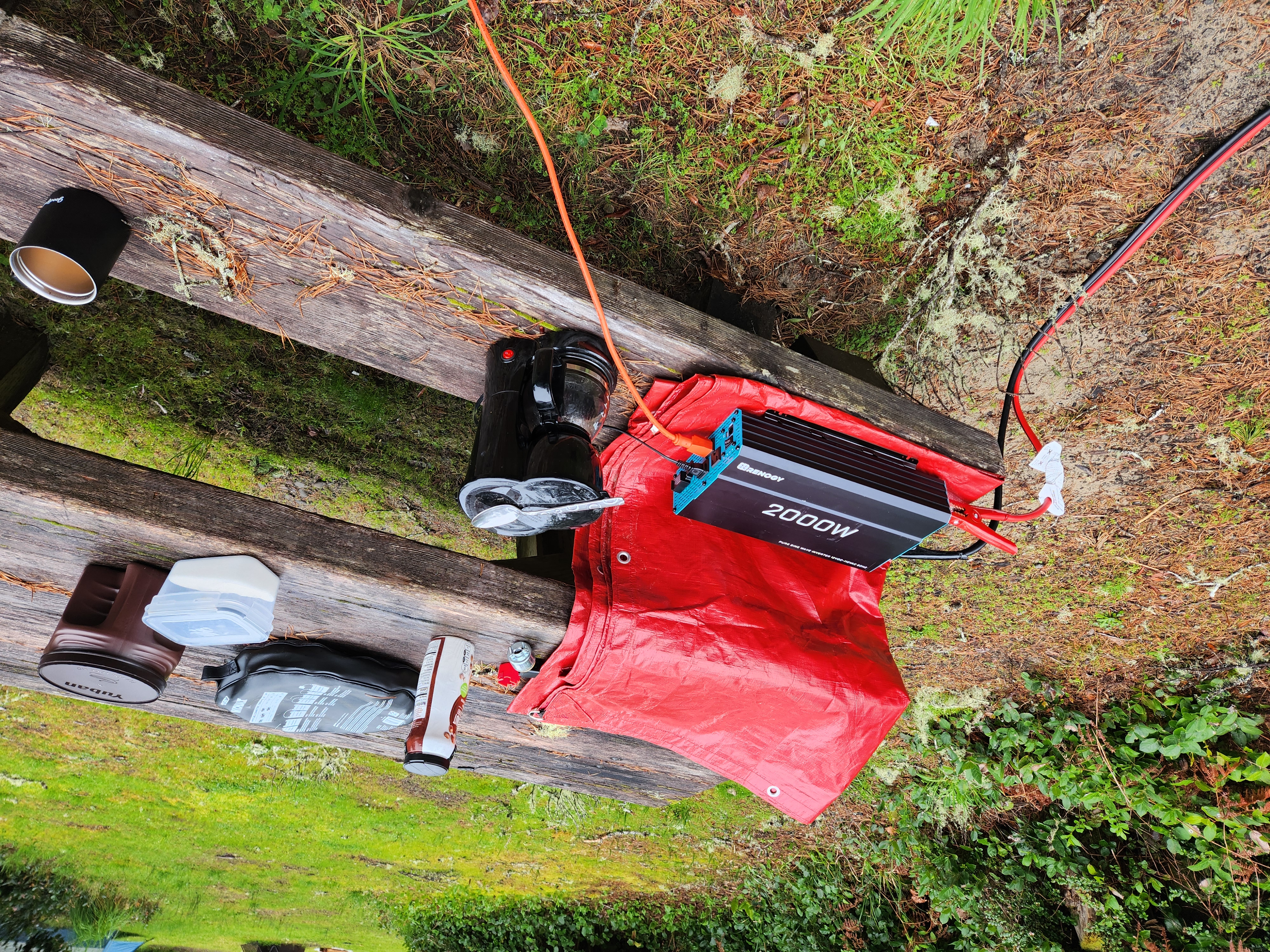
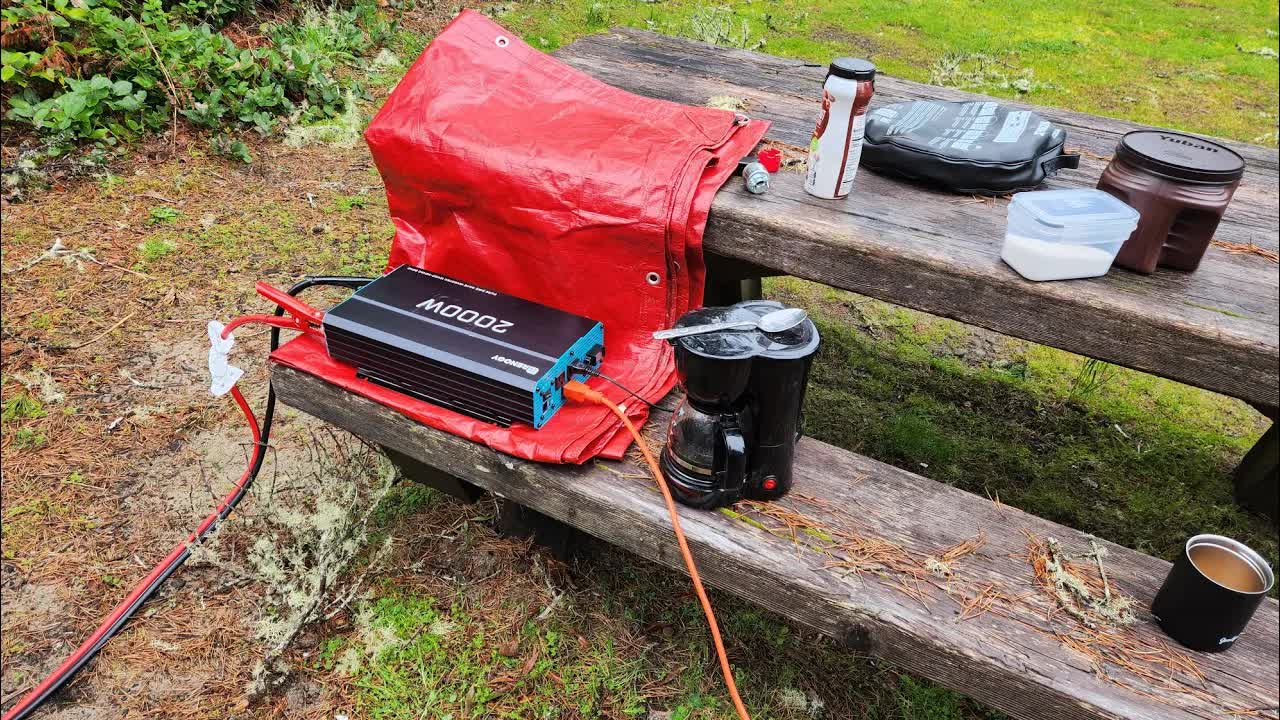
Those facts he listed like a constraint set: no power, no water, no use of his tanks, no dump stations — he lost the word for a moment, circled back, kept going. Completely off-grid, but inside a campground. That last clause was the whole design. He said he needed to learn to live off-grid, and that he was not ready to be hopping between random places, that he did not have the experience for it, that he did not even know where to look yet. So the next site would be off-grid conditions held inside a structure. Everything he does is intentional, he said. Layered. In steps. Iterative. That is how he learned to program. This is the next iteration.
He was a little over a week from his birthday, which is also the day he moved into the RV — one year on the road, Kentucky to Oregon, the whole country crossed. He said he was going to make it a special one. He said he was proud of himself. He also said the year had not gone the way he planned it: he had the whole thing mapped, volunteering for the state parks, and Beverly Beach was the placement he had most looked forward to, three months, October through December, the park he called wonderful while sitting inside it. He stated that certain people knew this and did not want him to have it and took it from him. He said he was a little bitter, and said he would be honest about that, and then said he would get over it.
He closed on the mechanics of his own forward motion, as if reading them back to himself for confirmation. He does not stay stuck. He does not root himself in the past. He always moves forward — and, he pointed out, that was exactly what the preceding minutes had been: an inventory of the things he was going to do to move forward. It would be hard. He had no money. He was not ready for this transition. He was hopeful that some of his viewers would help, because he needed the help. And then the last line, delivered without ornament, the same clause he had opened with turned toward the future: whatever happens, he will get through it.