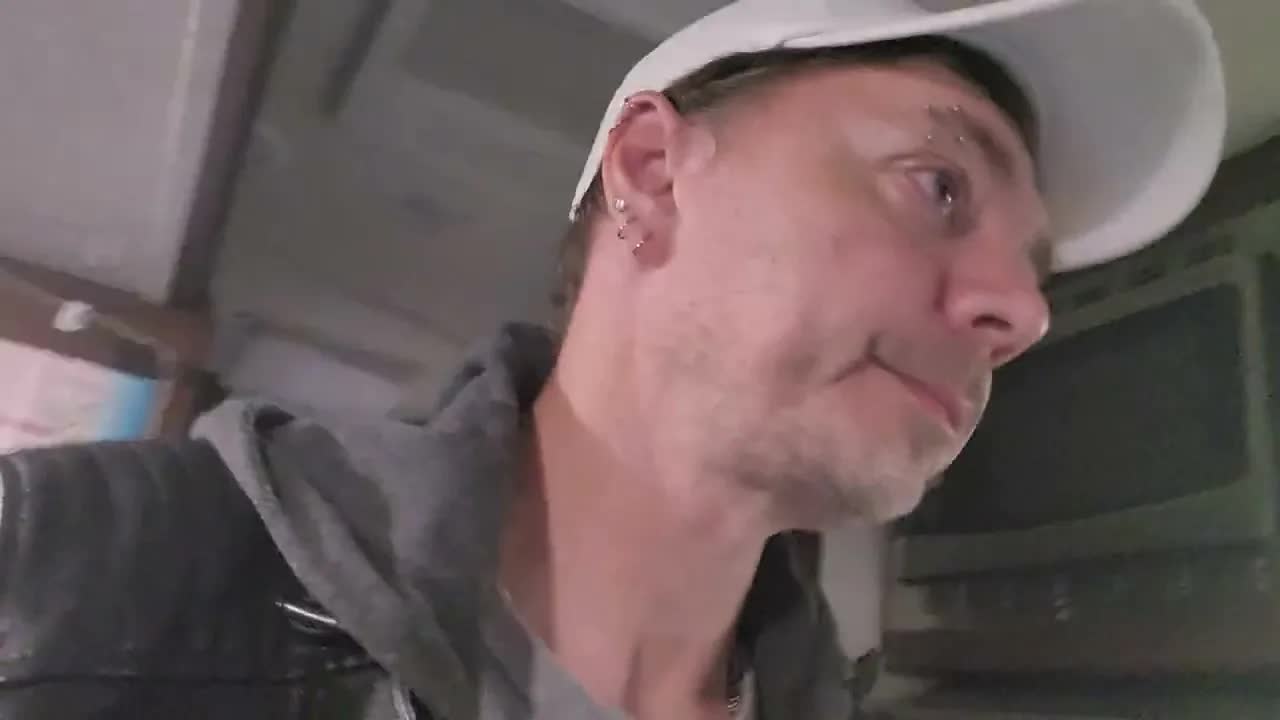
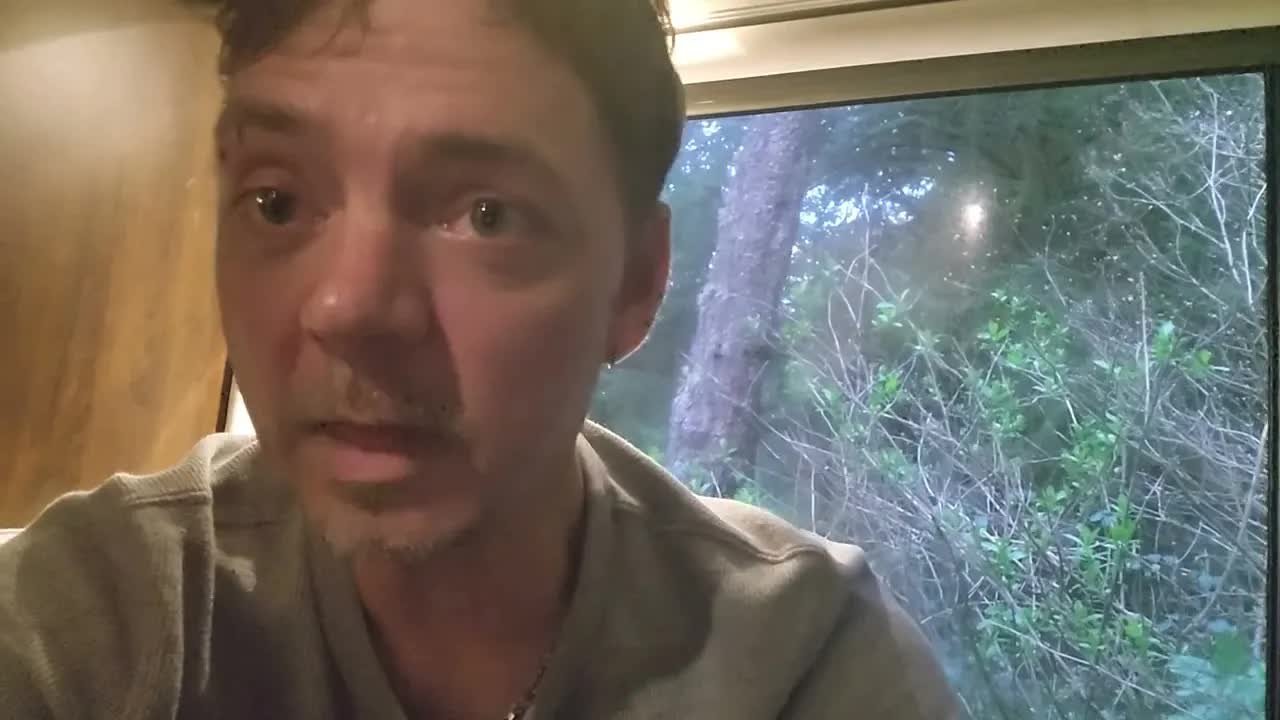
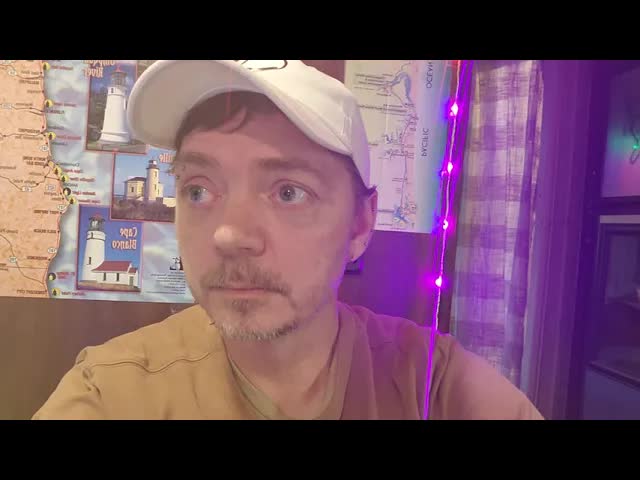
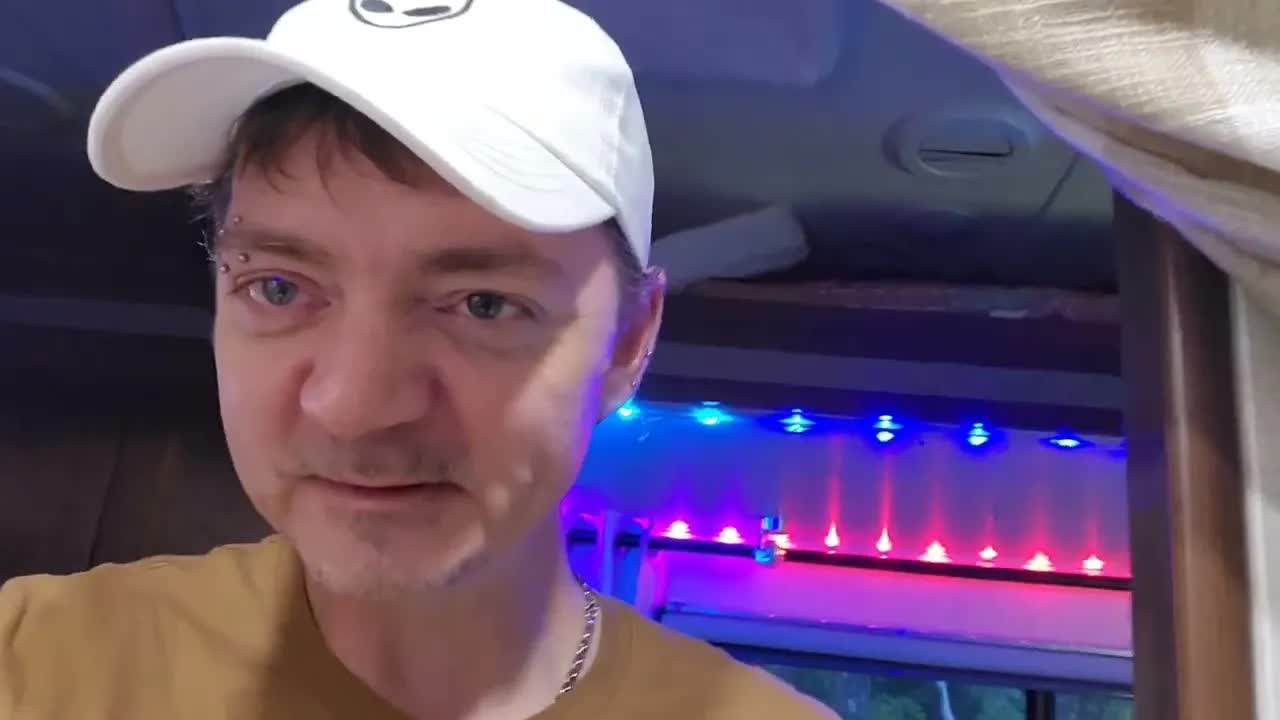
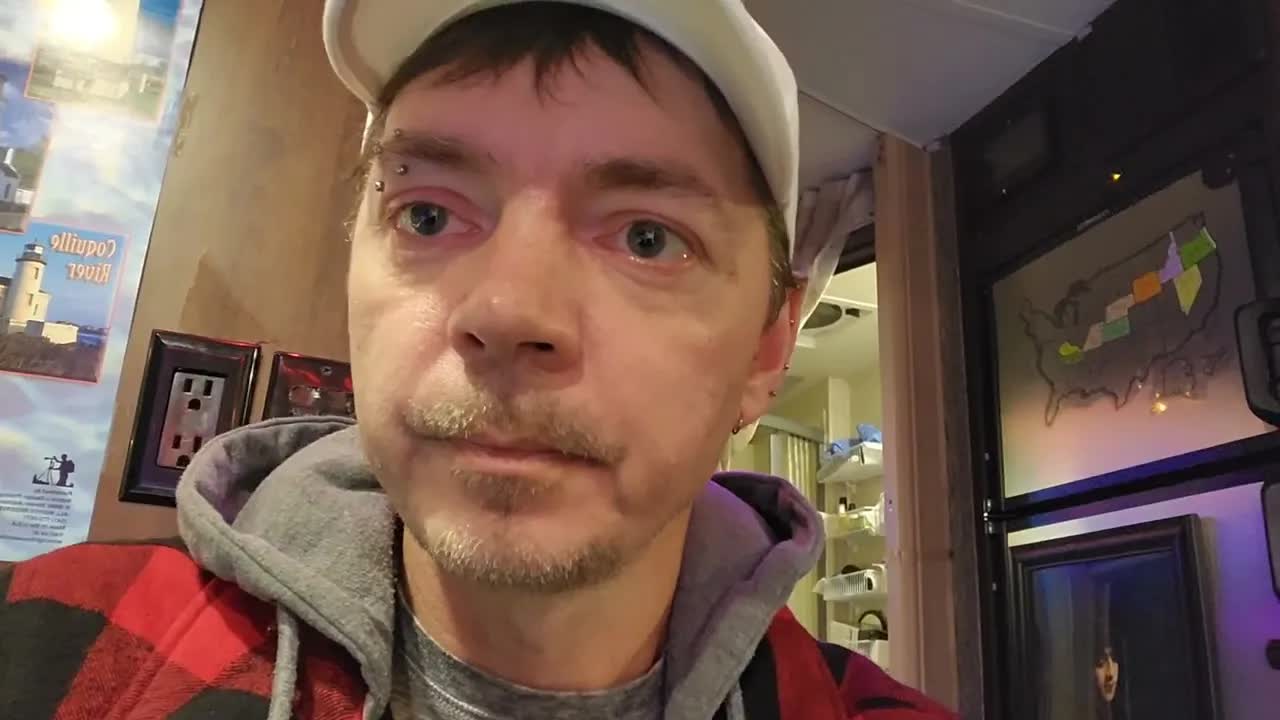
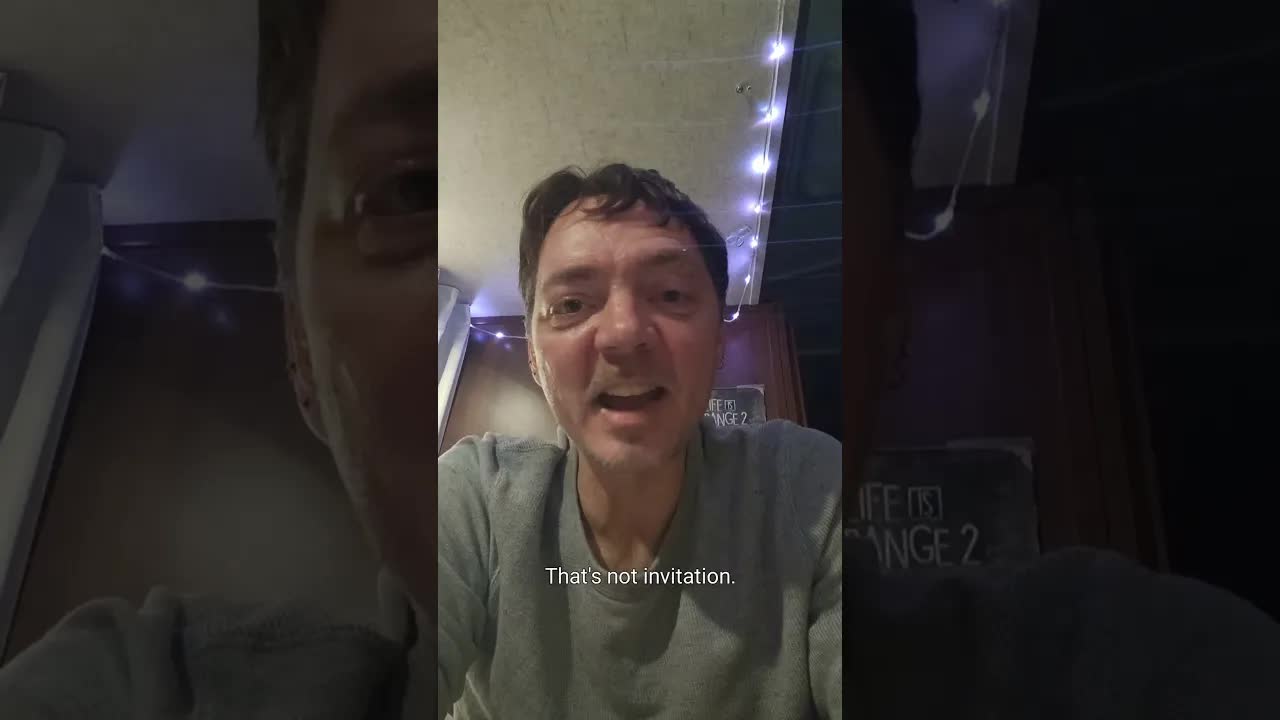
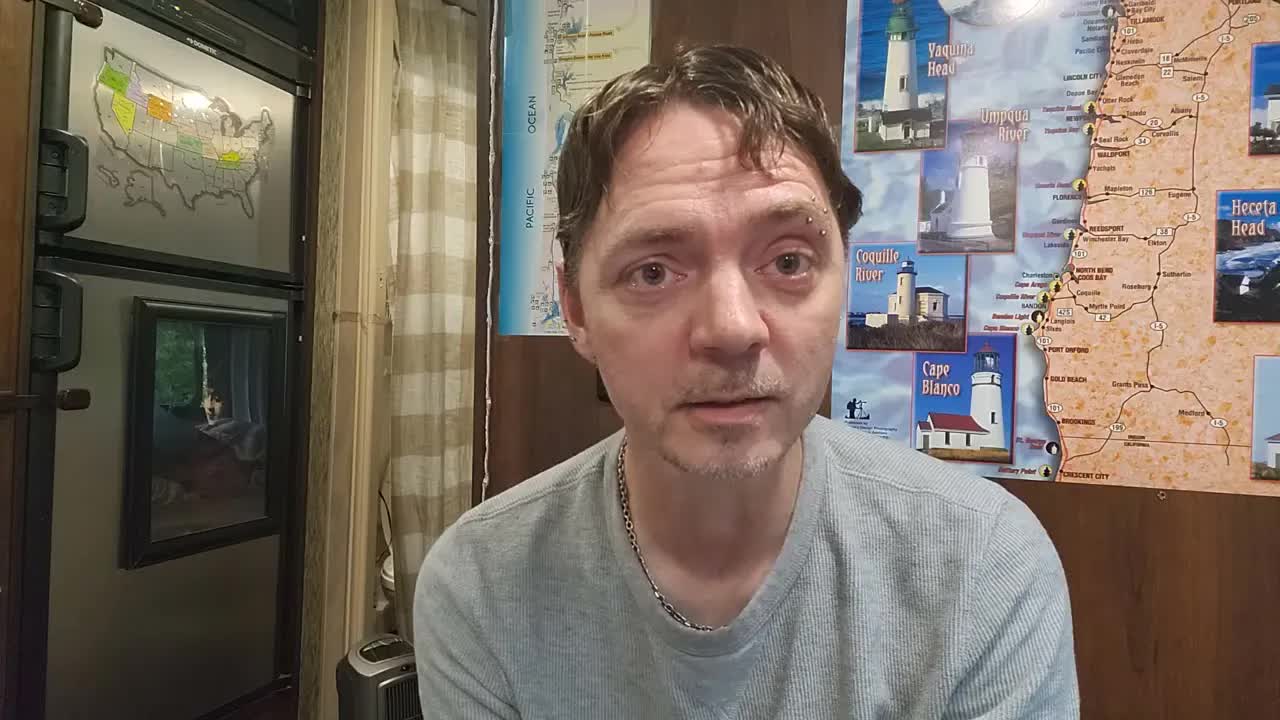
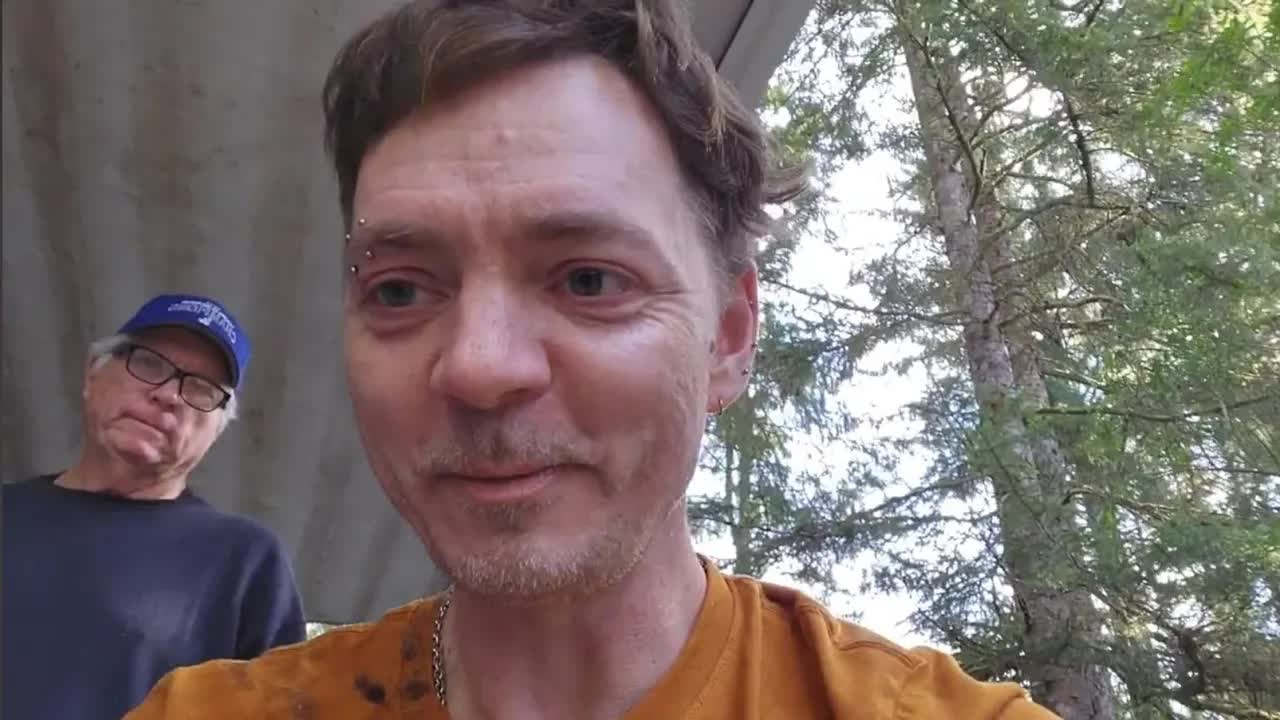
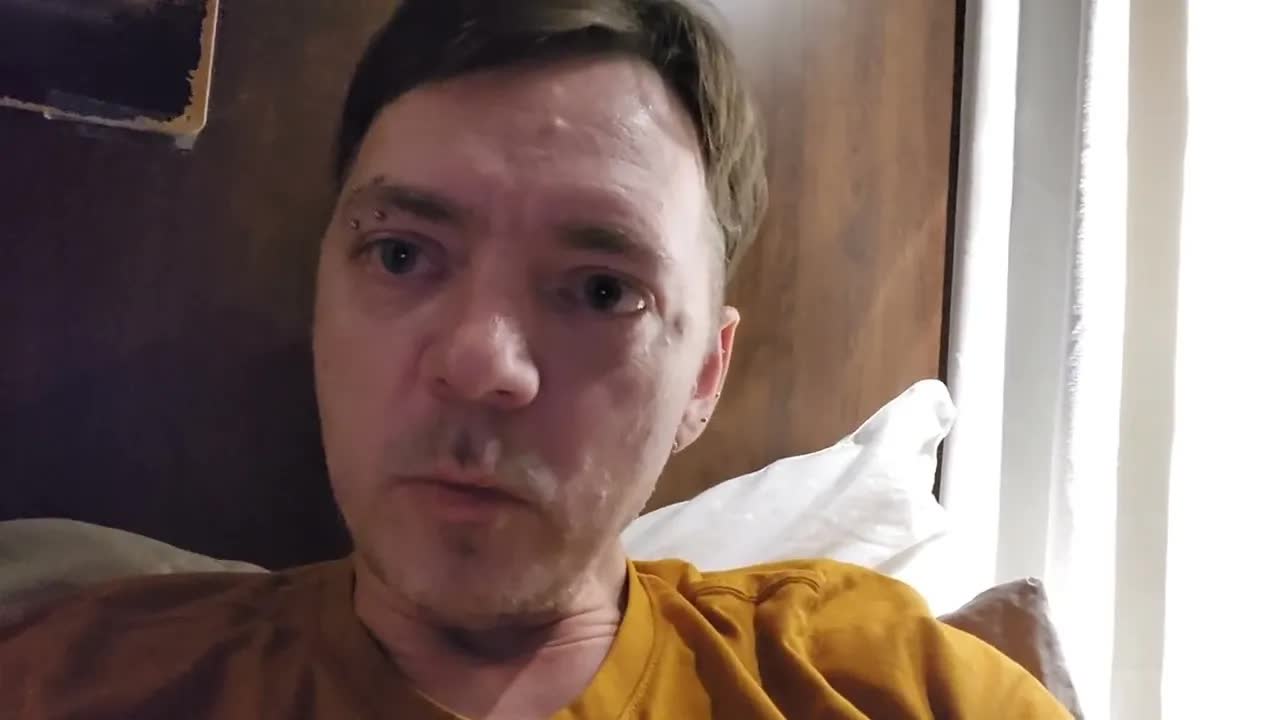
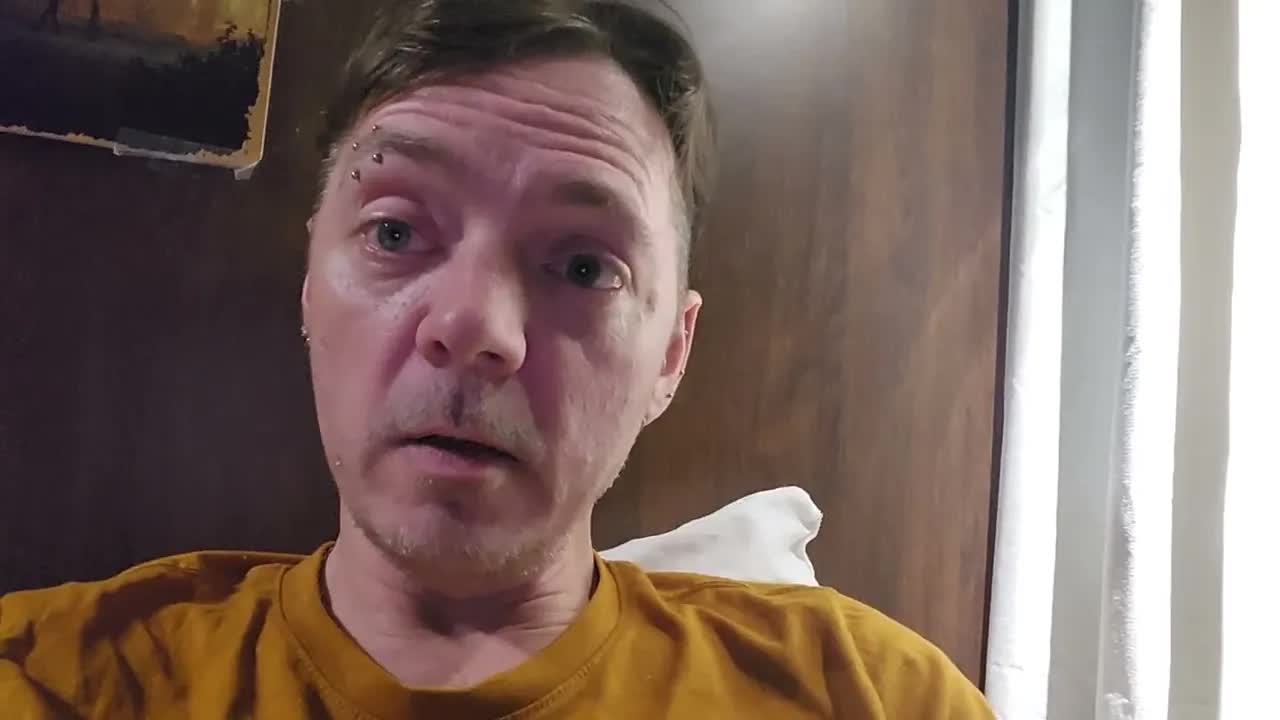
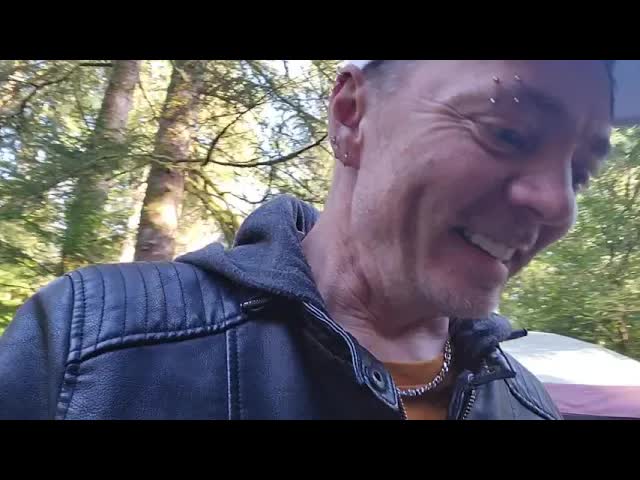
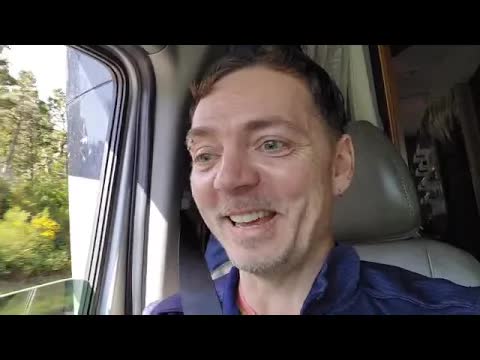
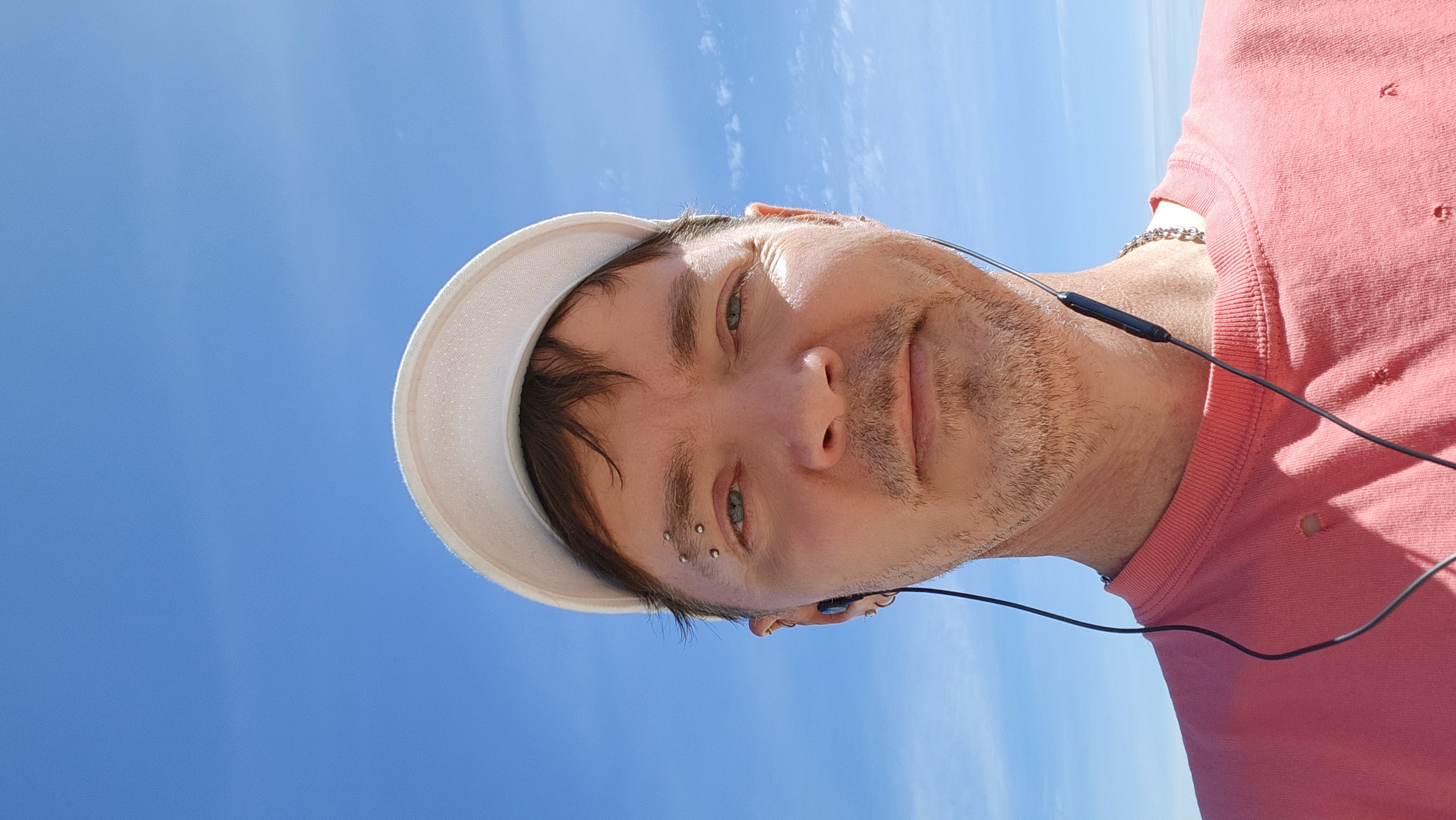
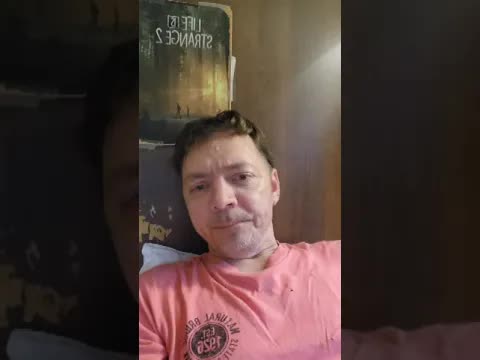
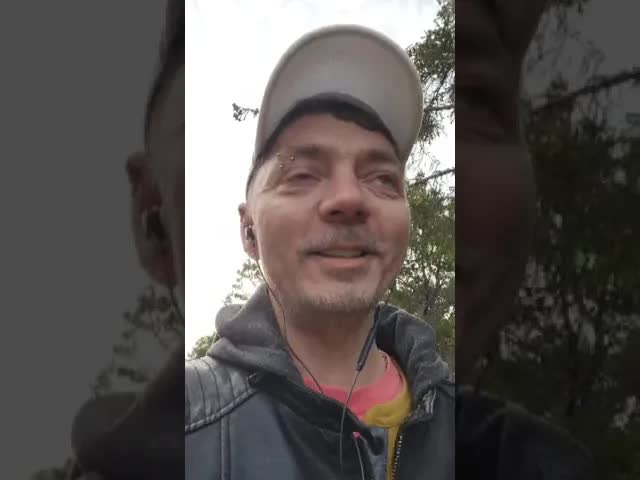
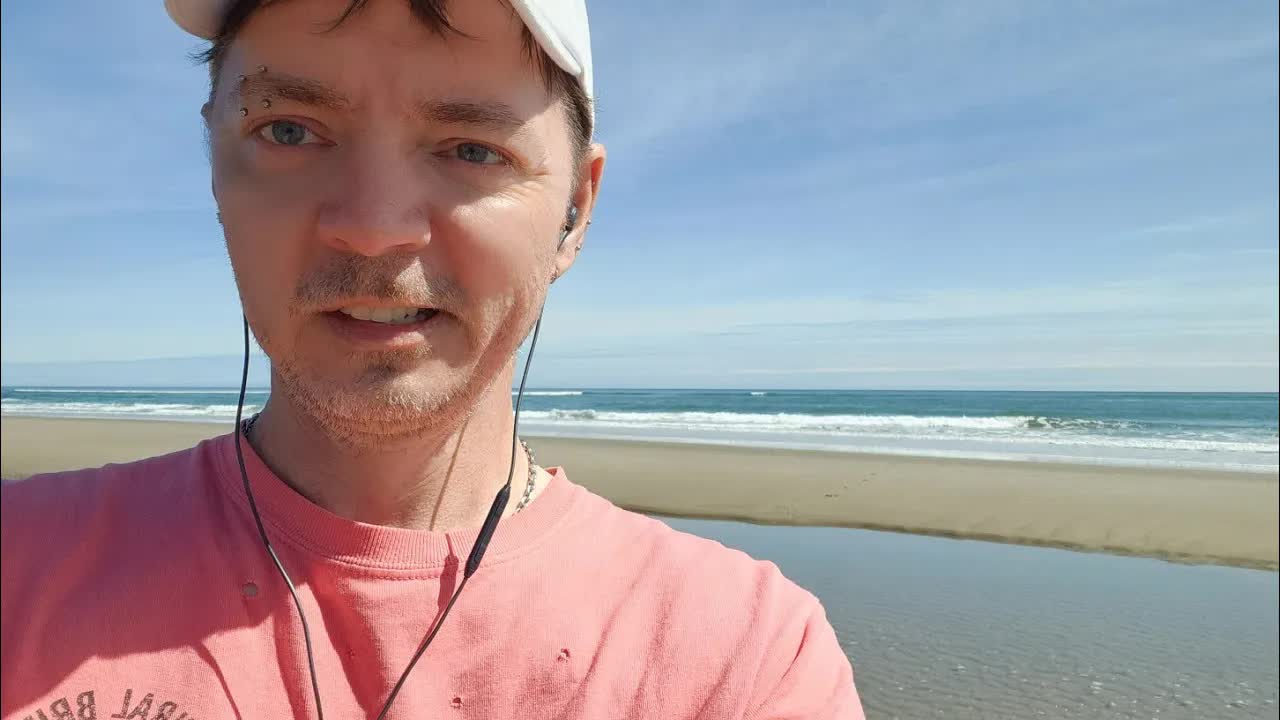
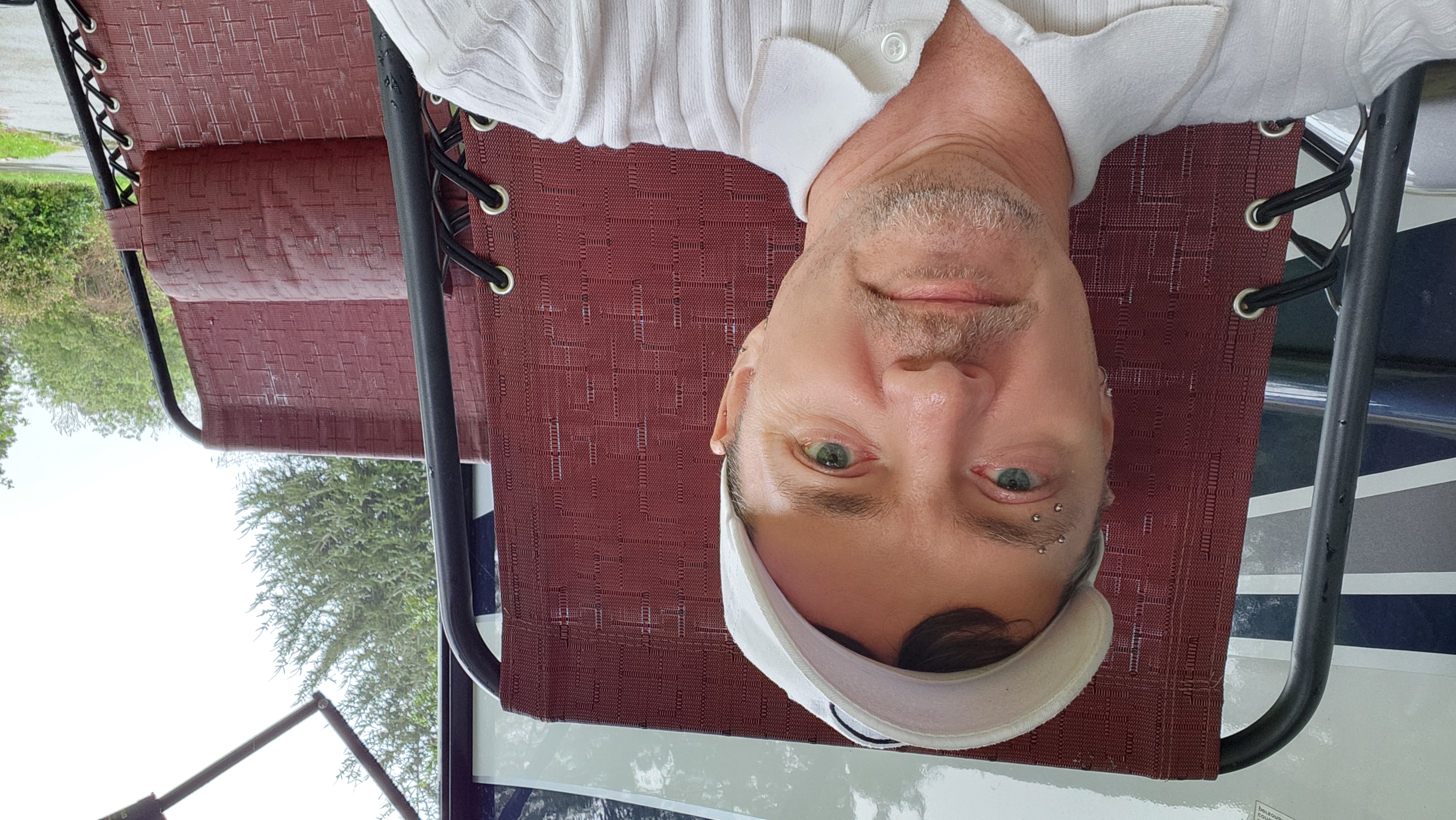
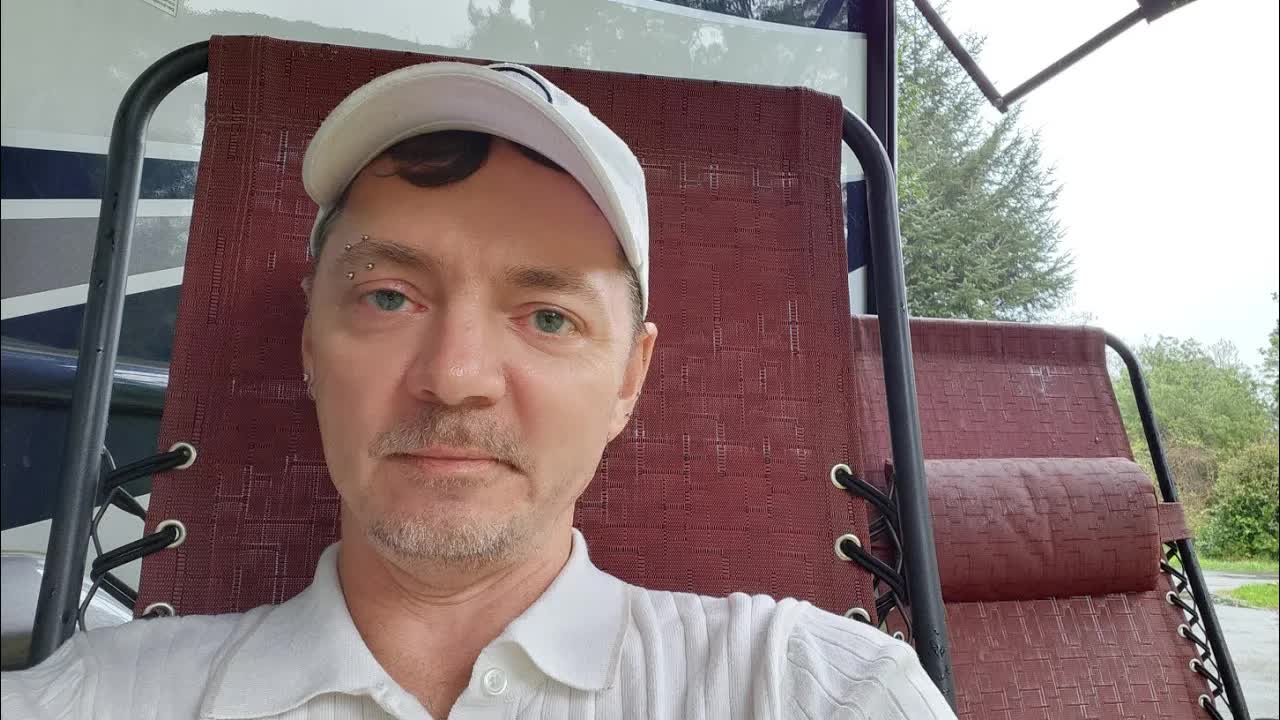
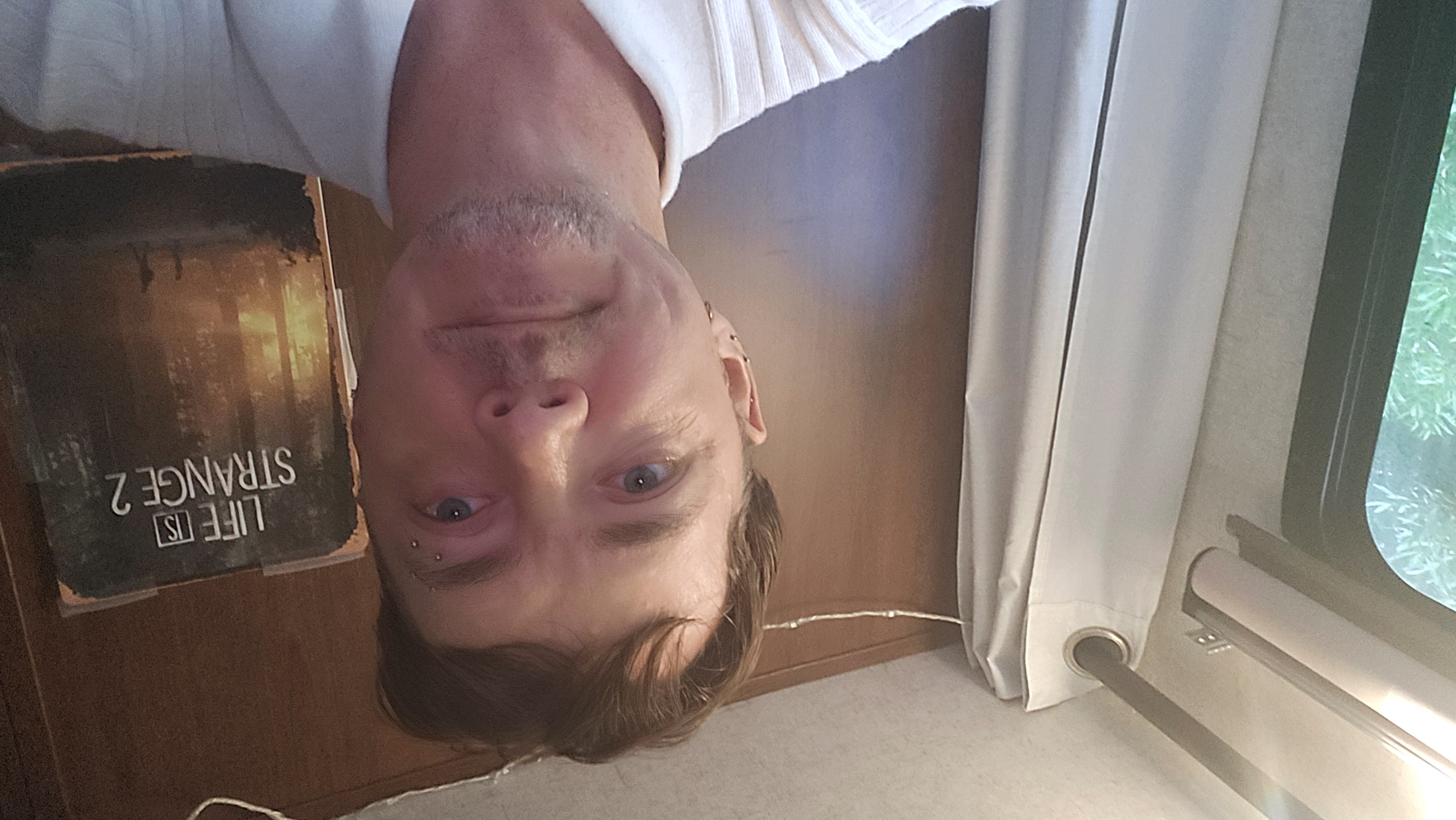
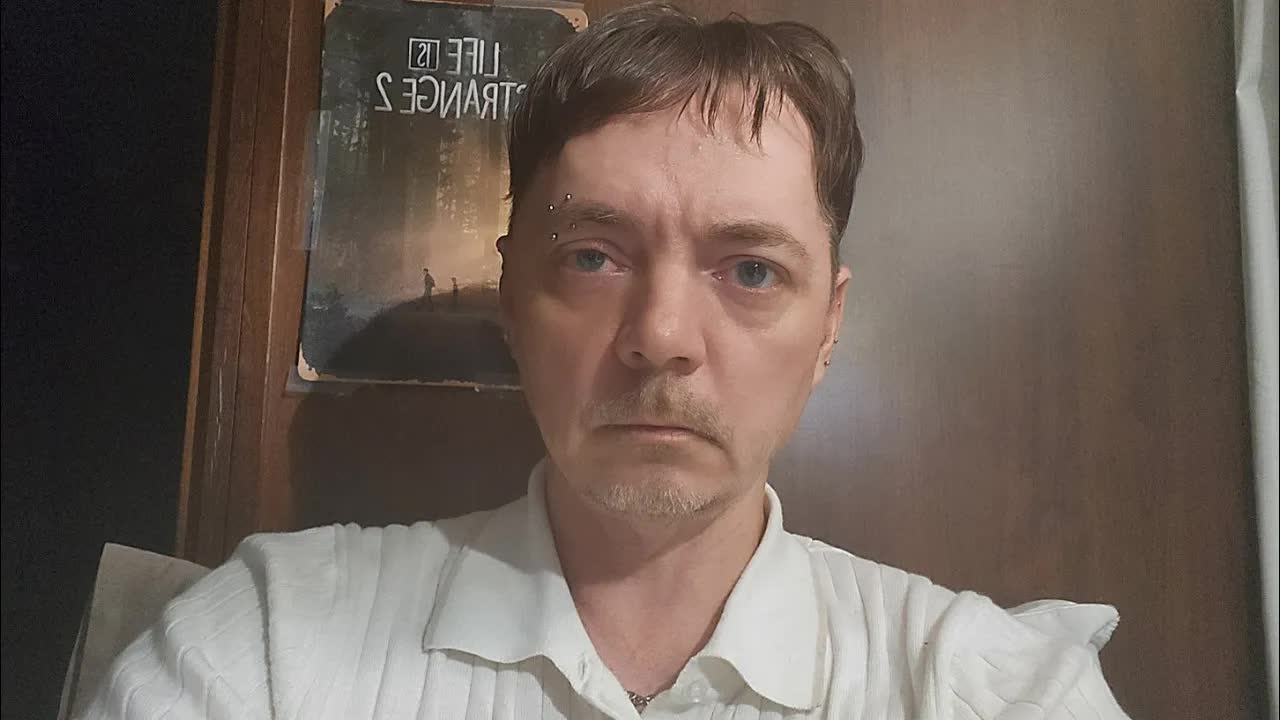
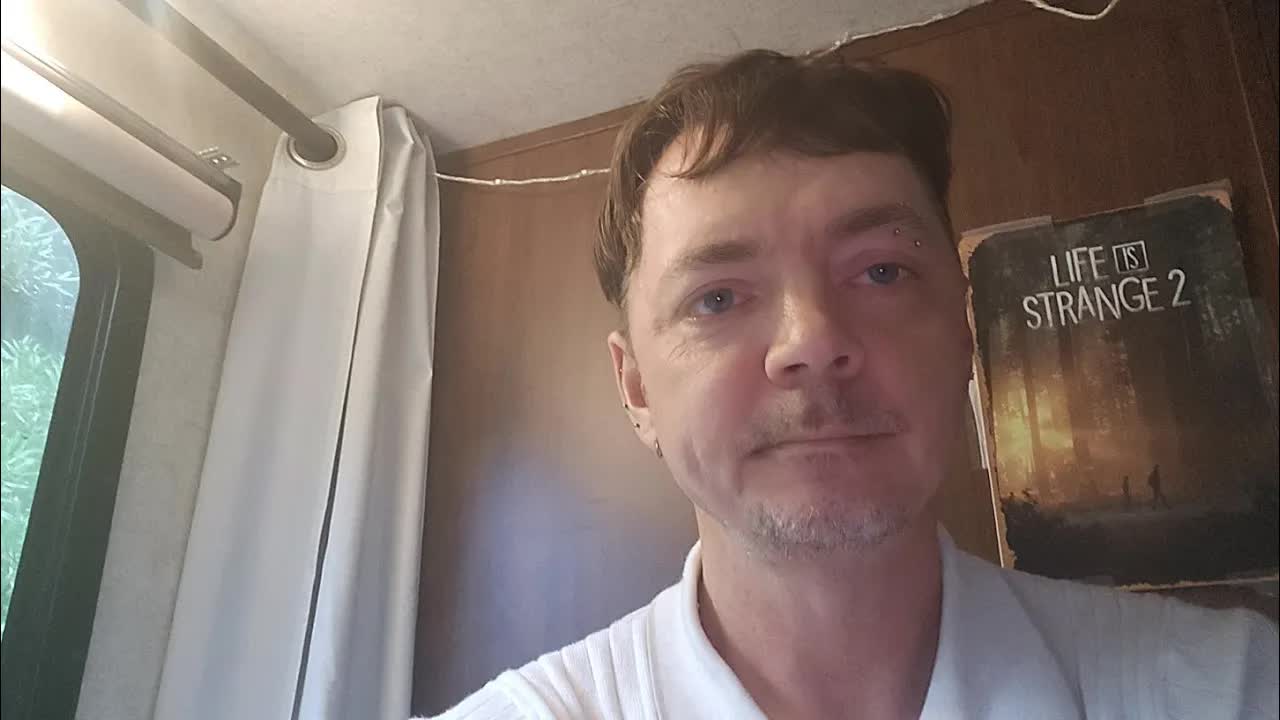
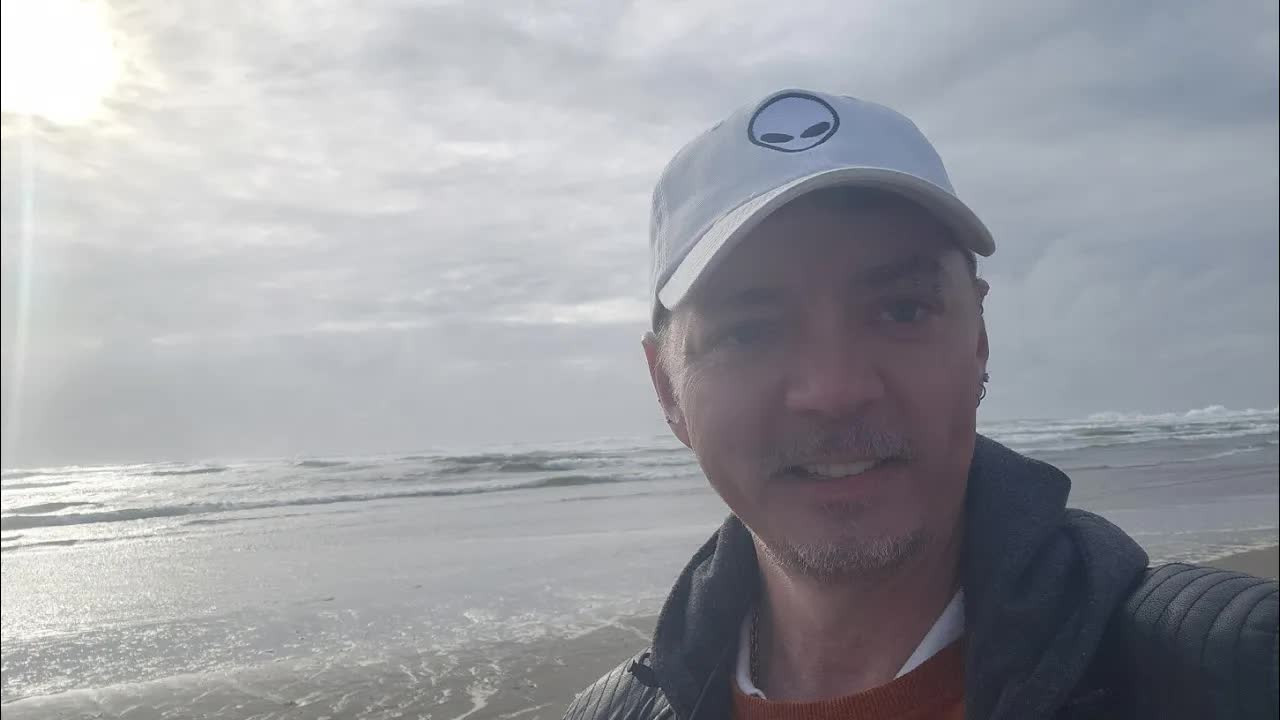
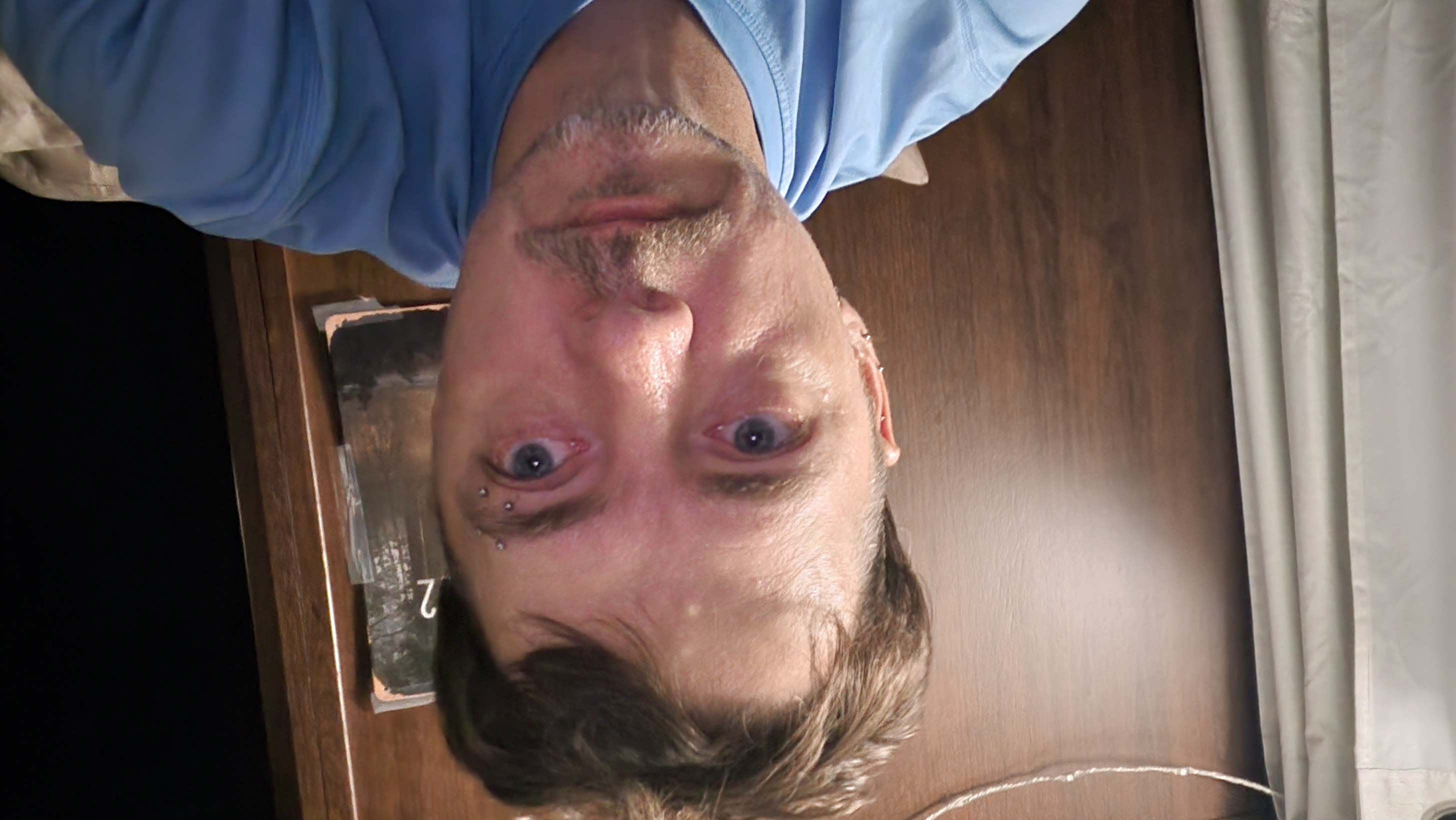
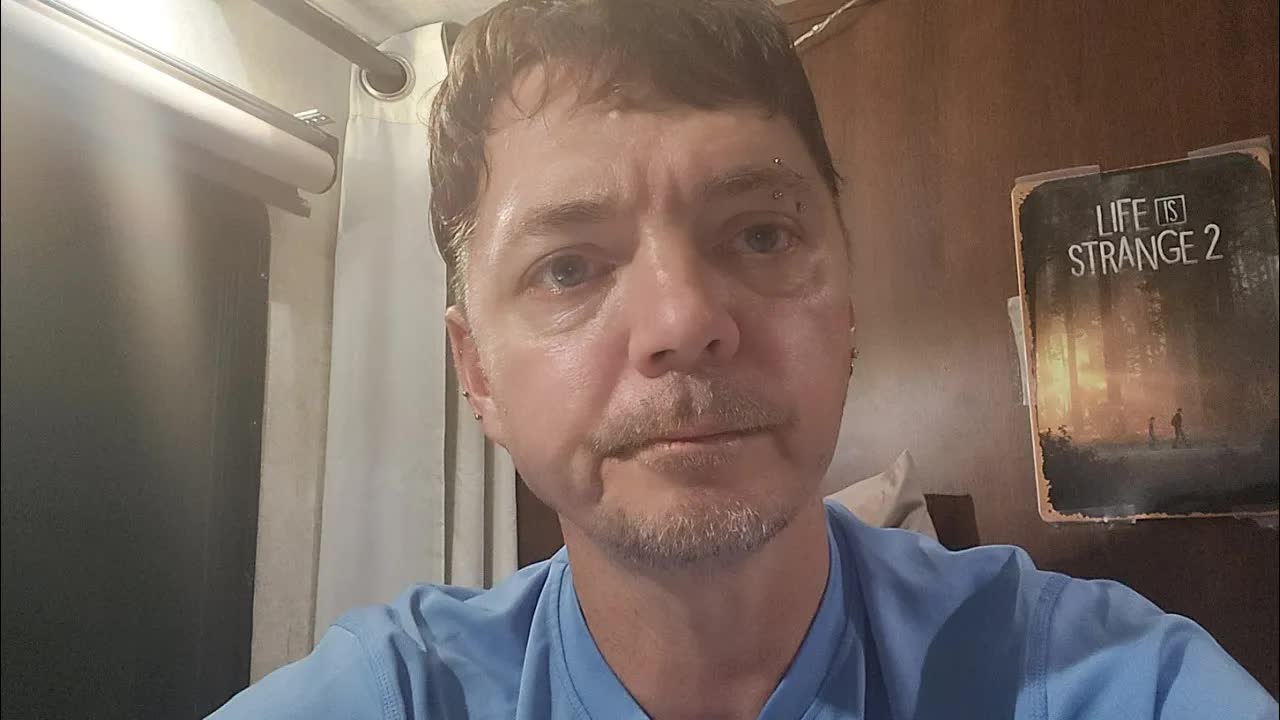
He had tried to record this several times already. Each attempt came apart somewhere in the middle — a stumble, a stop, a restart — and by the time the camera stayed on, rswfire had stopped trying to smooth it. He said so at the outset: he was not good at asking for help, he would probably stumble again, and he did not know any other way to be. Then he kept going anyway, which was the actual shape of the recording. Not composure achieved, but the decision to transmit without waiting for composure.
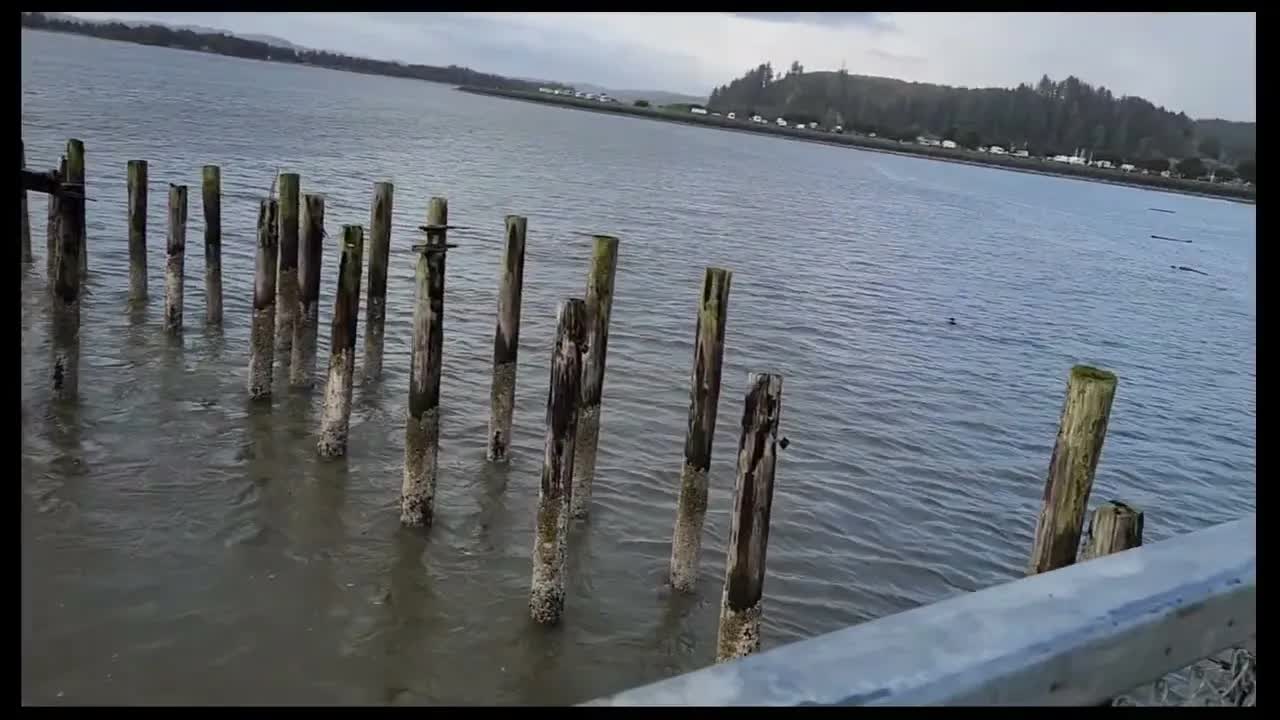
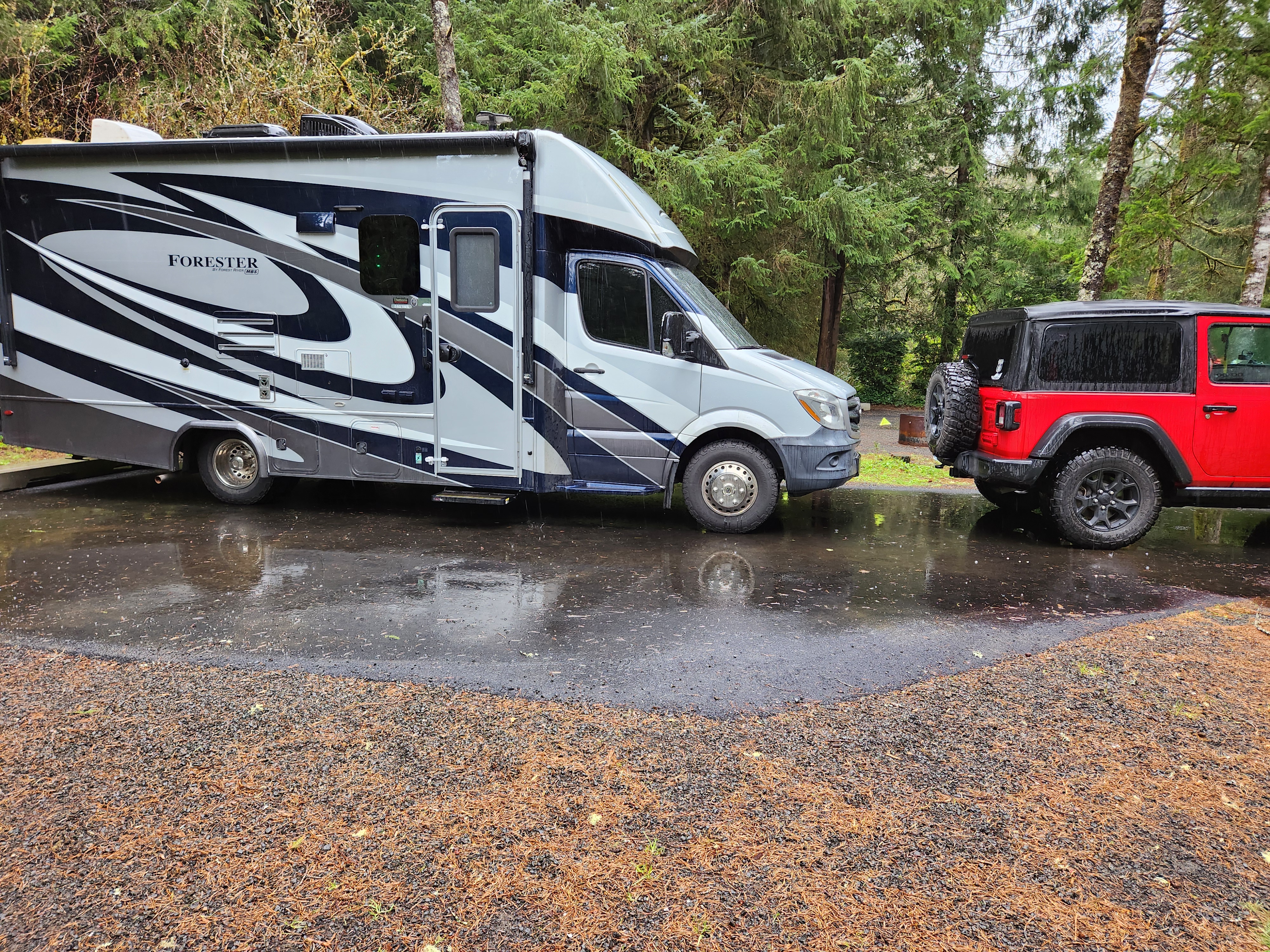
He spoke to the people who had been watching for over a year. He located the moment precisely — April 11th, his birthday, the day he moved into the RV, now just over a week away and arriving as a first anniversary that would not be the one he had planned for. He named what those viewers had seen: the growth, the transformation, the working through of fear, the giving up of things that were not good for him, the reaching toward connection, and the attempt to build a life around volunteering on the Oregon Coast. He named its ending too — taken from him at the very last minute — and then moved past it without dwelling, because the ending was not the subject. The subject was what came next.
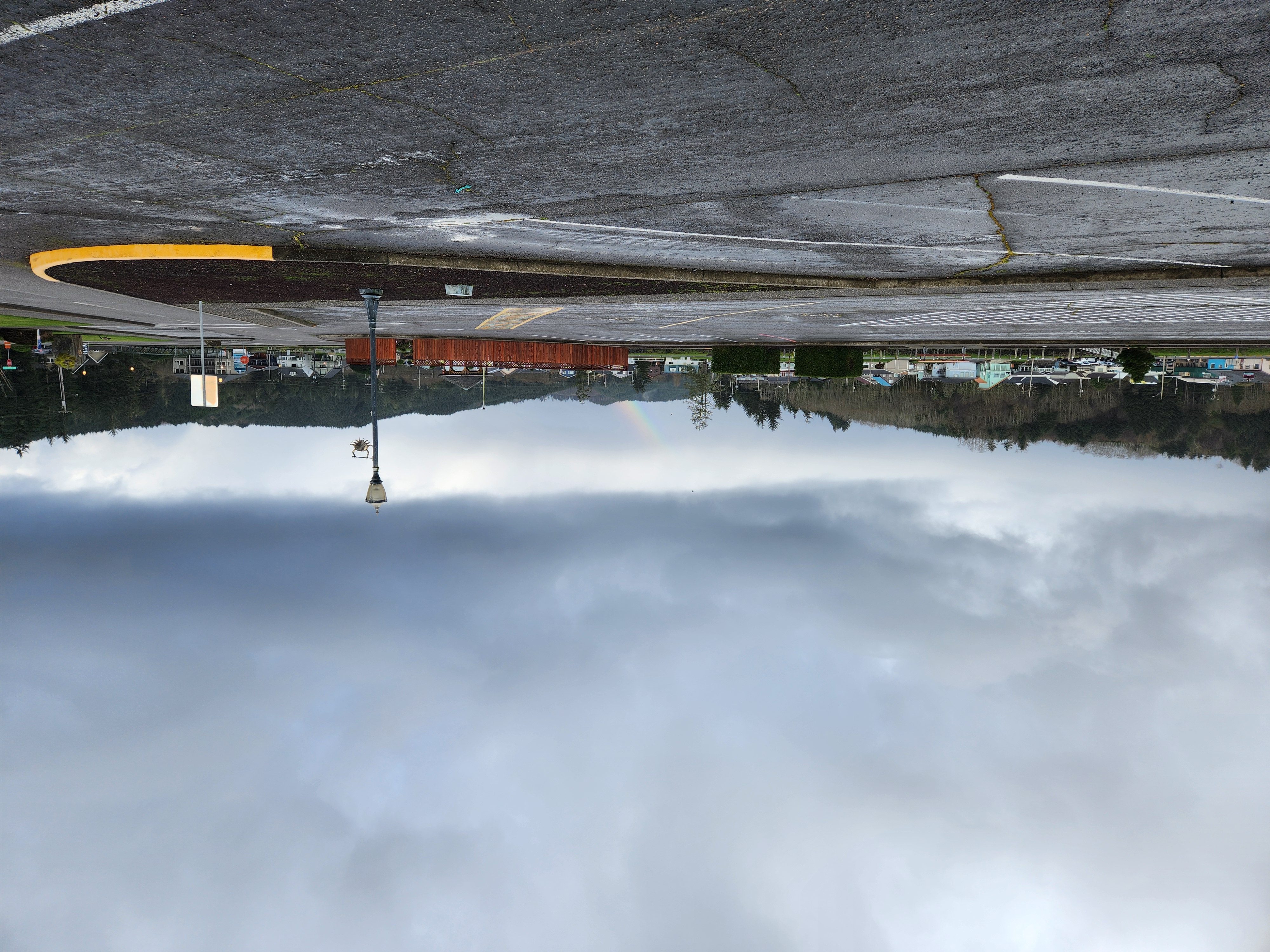
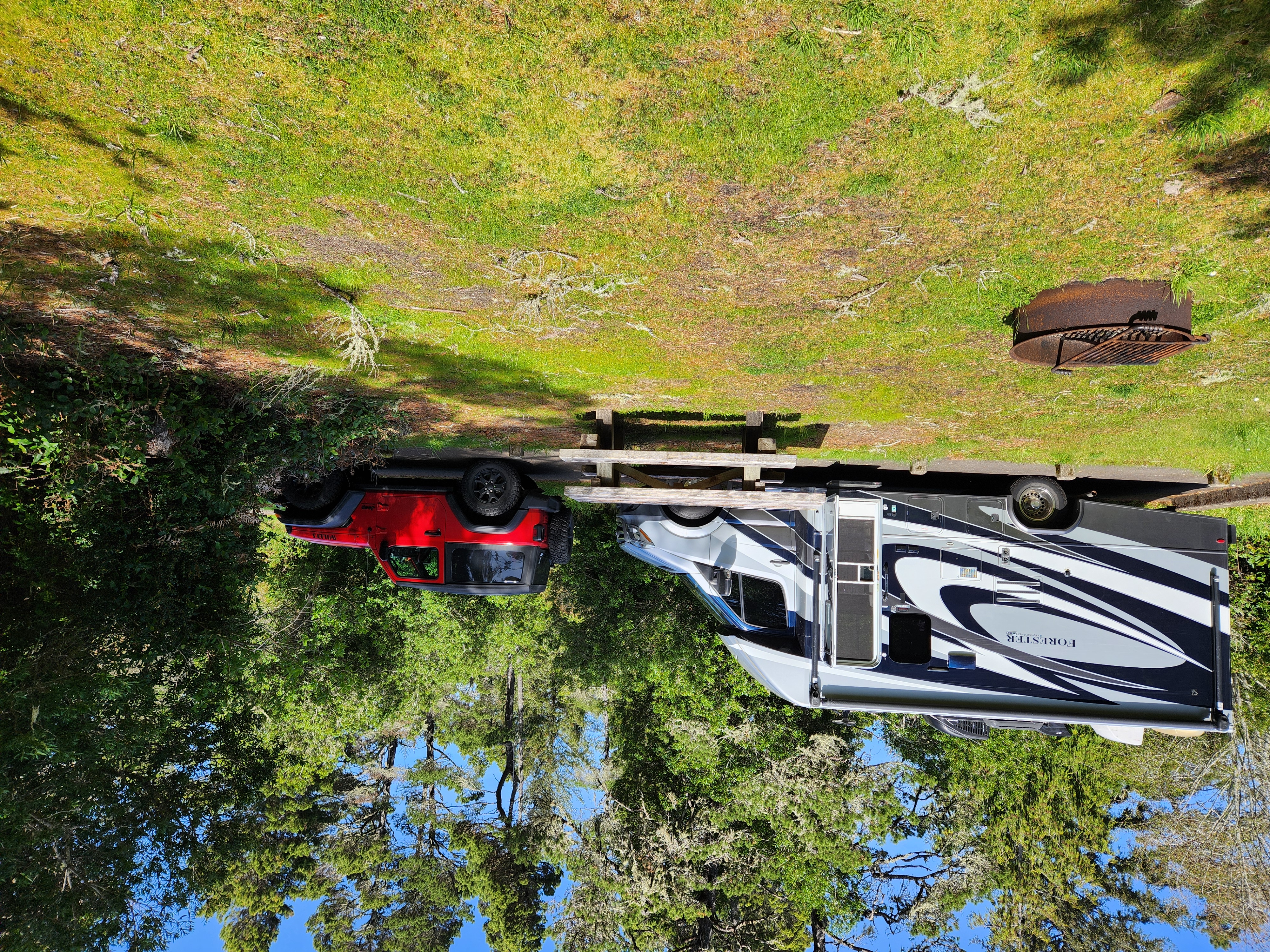
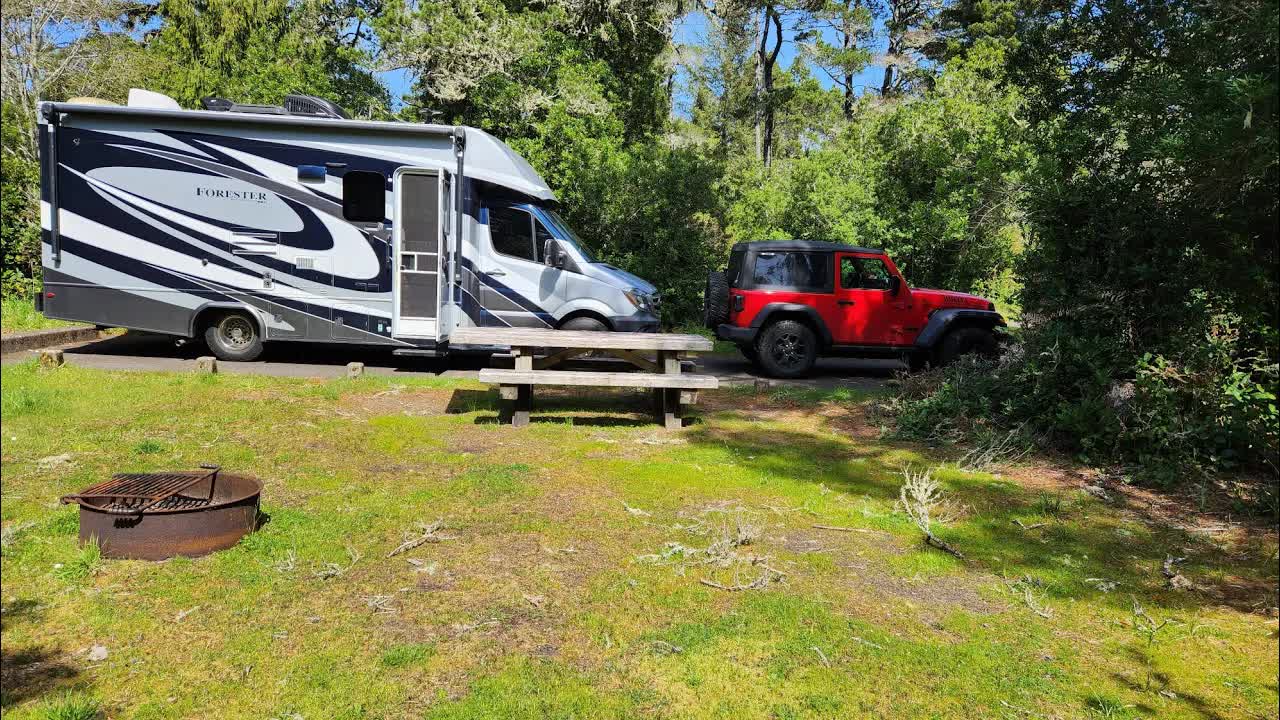
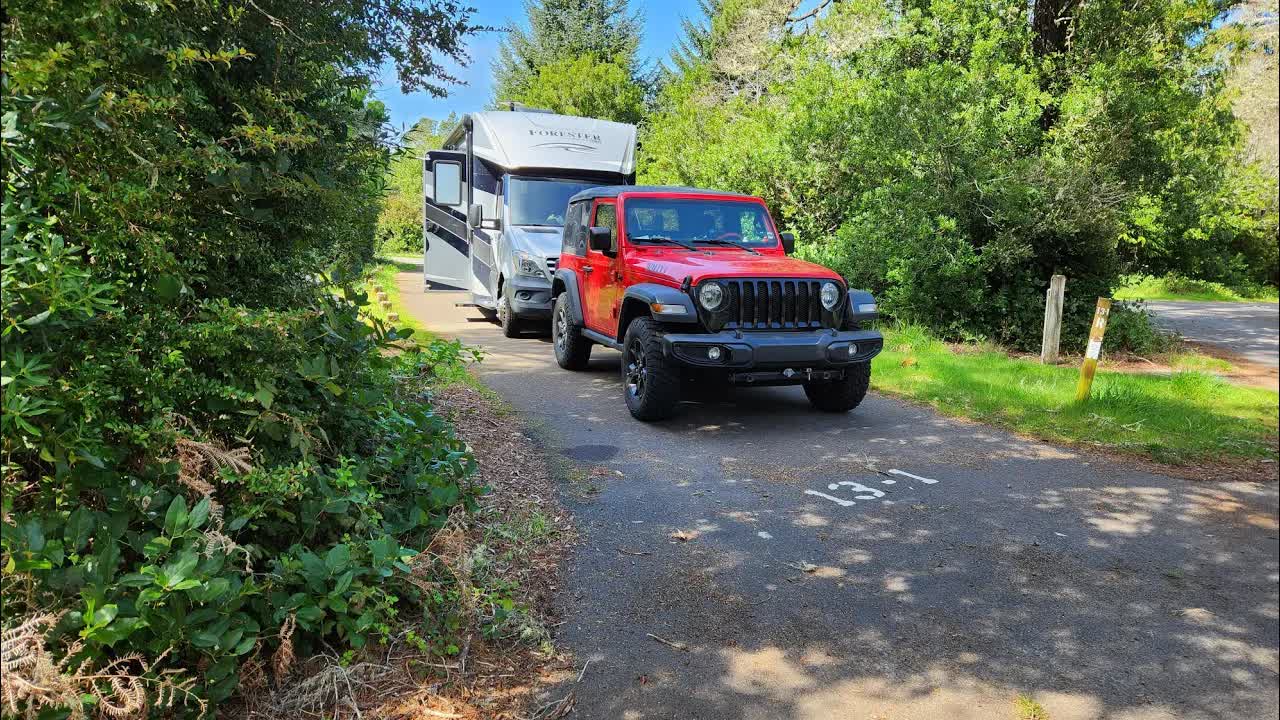
What came next was the National Forest campgrounds, twenty-two to twenty-five dollars a night, no power and no water. He walked the consequences through one at a time, unhurried, the way a person reads down an inventory. Without hookups the house batteries could not stay charged. Without charged batteries there was no fridge. No heat. No water, because the water depended on a pump. No lights, no computers, nothing. He said I accept this twice, and between the two sayings he said I'm not panicking. He gave the duration honestly: a couple of weeks, a month, maybe longer, he did not know.
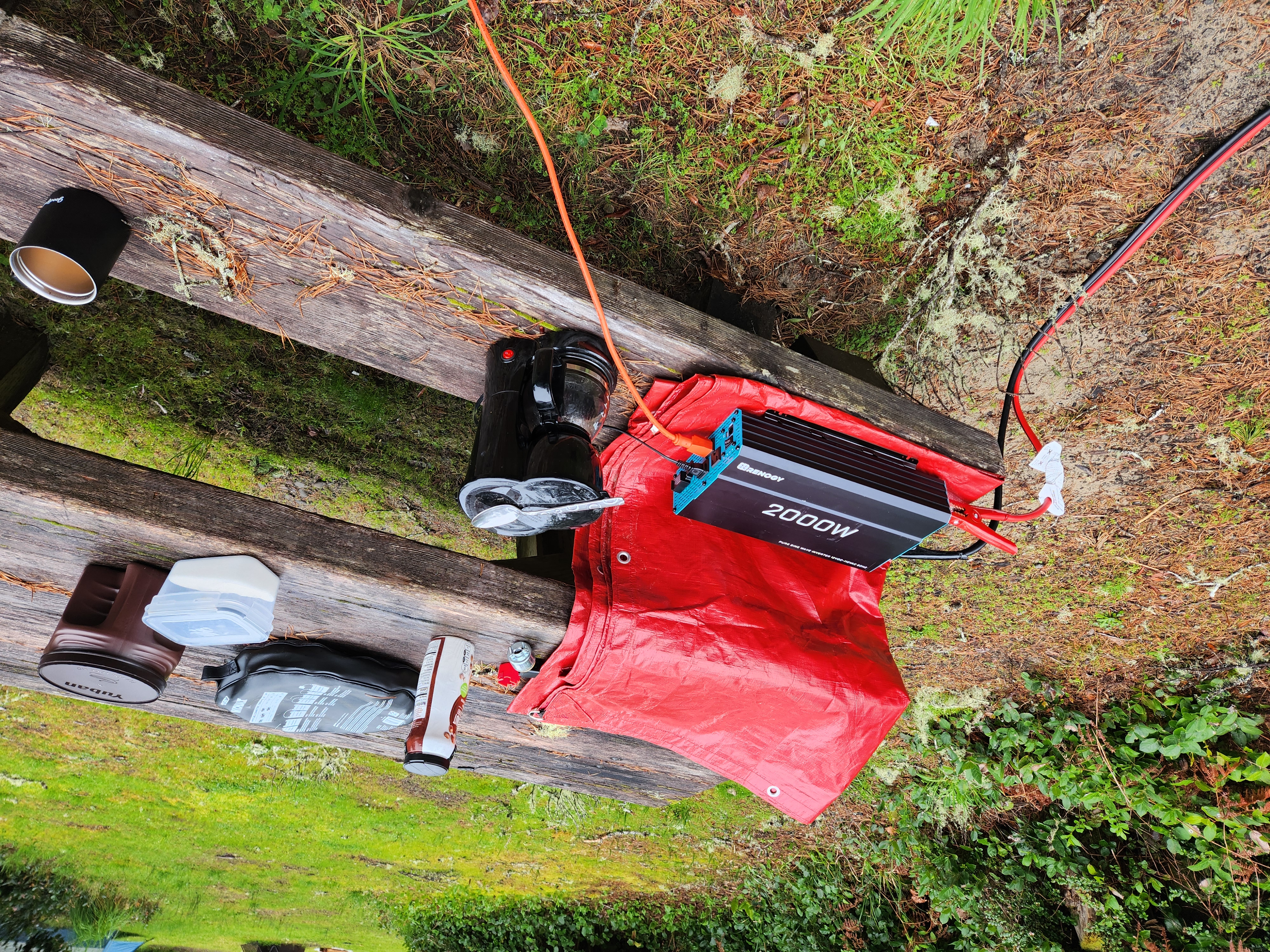
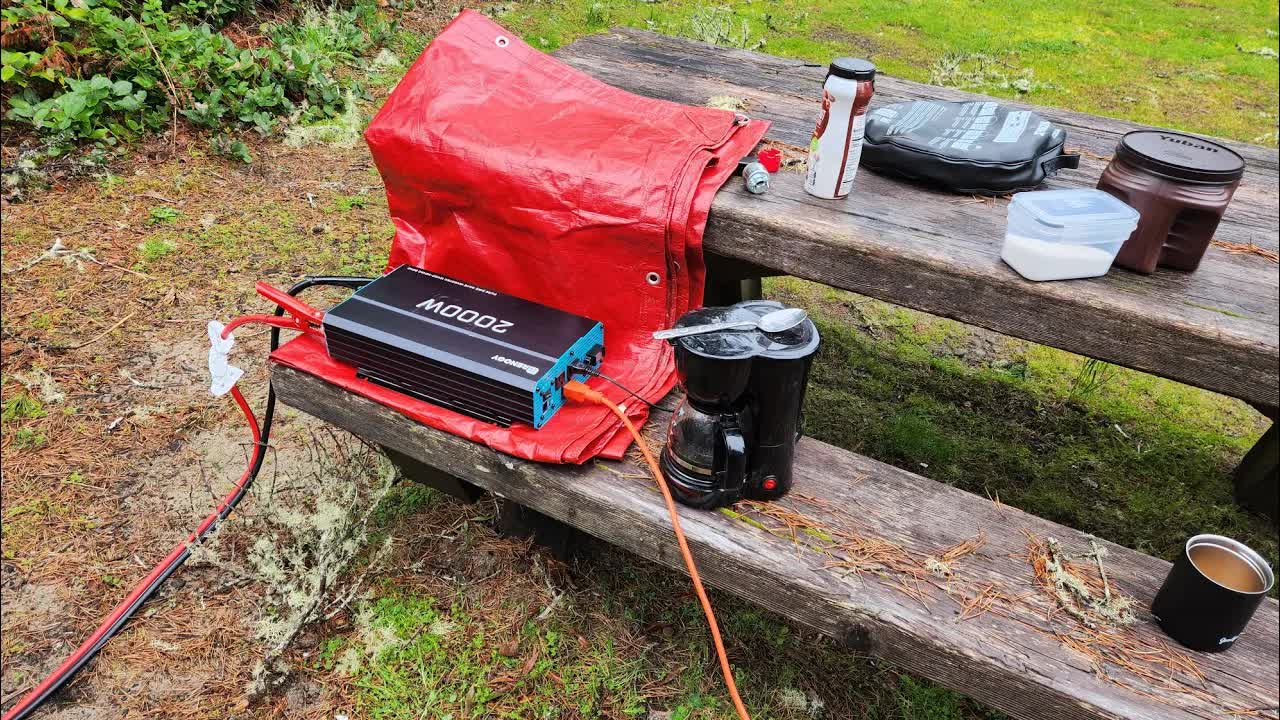
Then he built the substitution, item for item. An inverter, connected to the Jeep, would give him AC power to charge the laptop and the devices and run his internet — on and off, carefully, because that power came out of the Jeep's fuel tank, and the fuel was finite in the same way everything else was. An external propane tank and a portable stove, which he would learn to cook on. Not a cooler but something close, an insulated bag he could fill with ice. Shelf-stable food, maybe some lunch meat. Each system that went dark had a replacement named beside it, at lower capacity, but named.
The last piece of the plan was income. He was returning to freelancing. There was still an unresolved issue in the way, something he chose not to unfold on camera because it would have stretched the video past its purpose, but he said it was close — hopefully tomorrow. He pointed to his Guru profile, which he would link, and explained what it held: reviews from before the RV, statistics, a working record with a ten-year gap in it because that whole decade had gone to a single client. Recovering access to that profile had taken months of effort. It mattered because it was evidence — proof, in other people's words, of what he had done with his life before this and what he was capable of doing again.
He drew the line where he wanted it drawn. I can't beg. I won't beg. But I will ask. He would put links in a comment. He stated his position without softening it: a hundred dollars in his pocket, and that was it. Then he closed the way he had opened, unpolished and direct — he would be living off grid in the National Forest campgrounds, freelancing, working toward whatever the next chapter turned out to be, and he needed help getting there. If they could, please. Thank you.