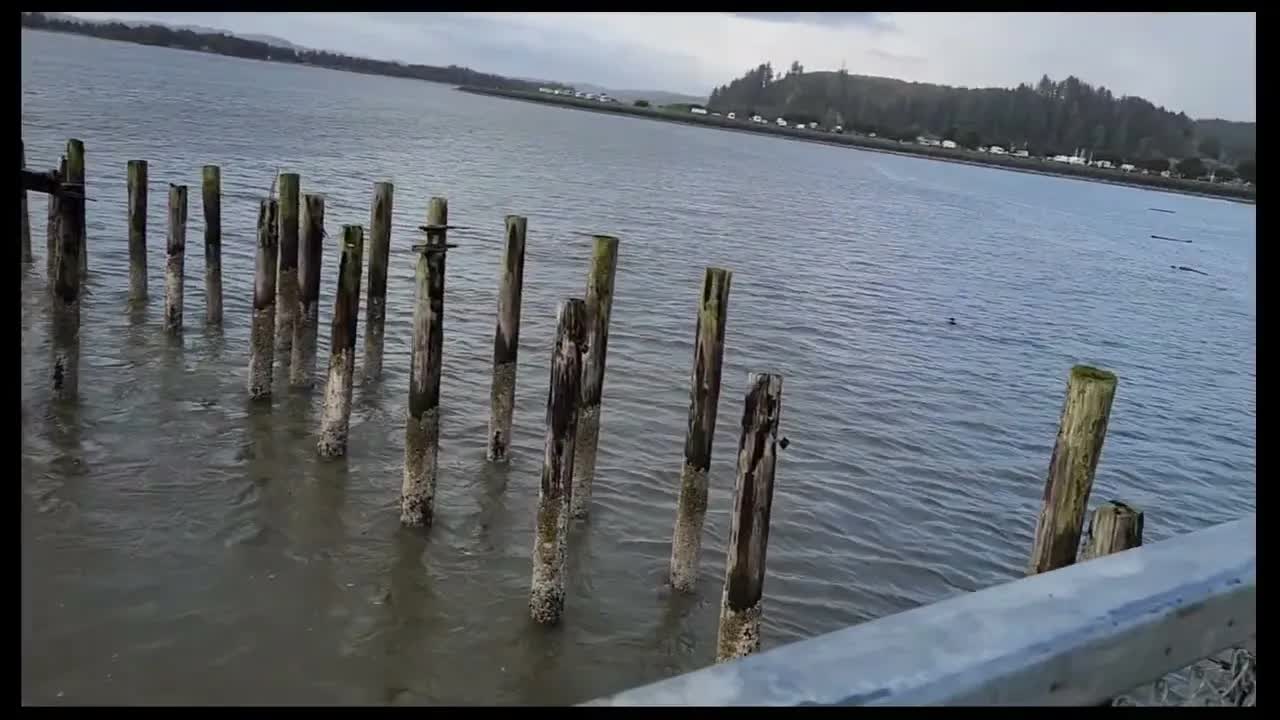
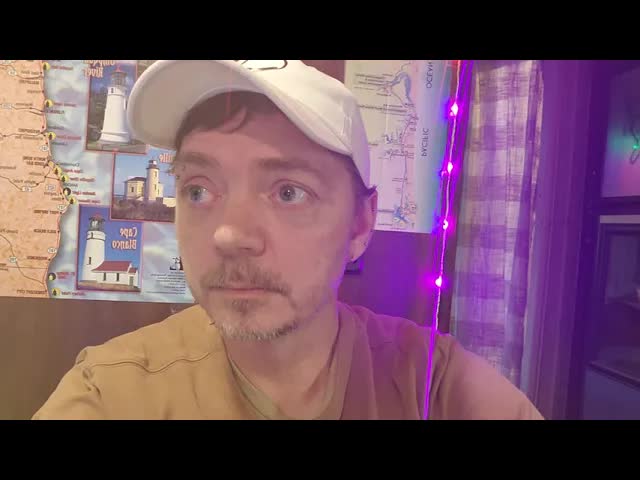
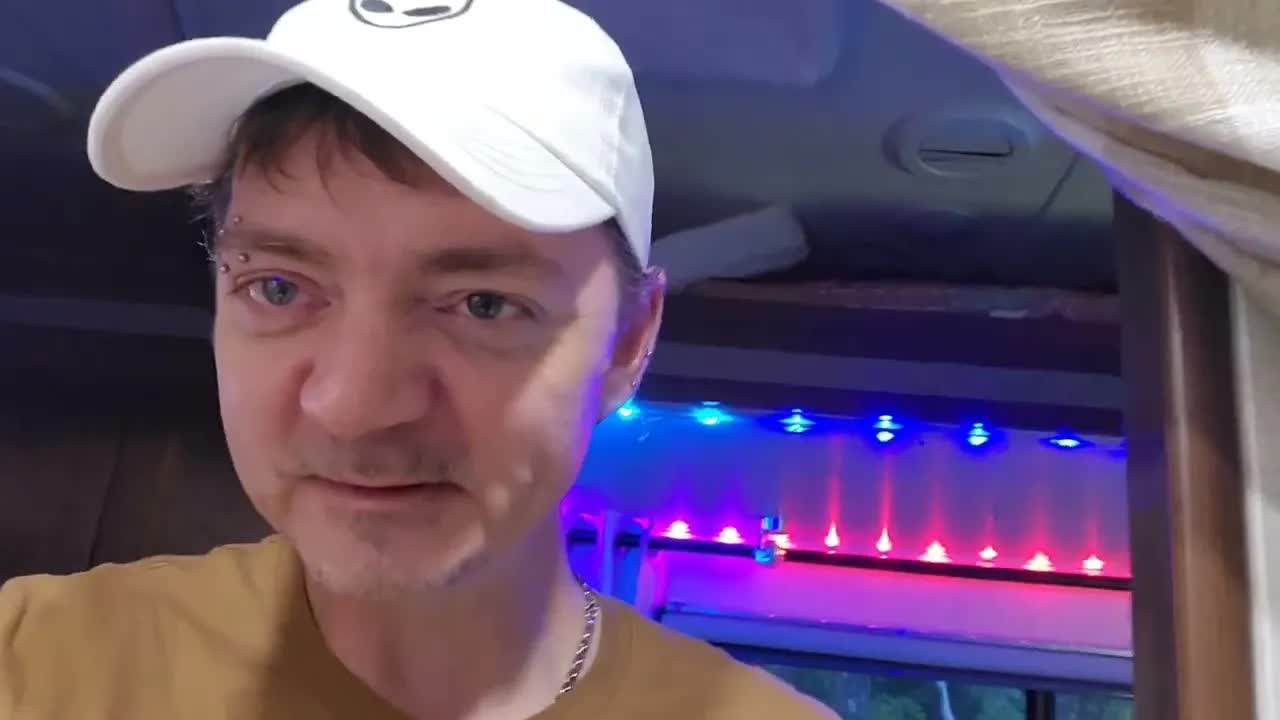
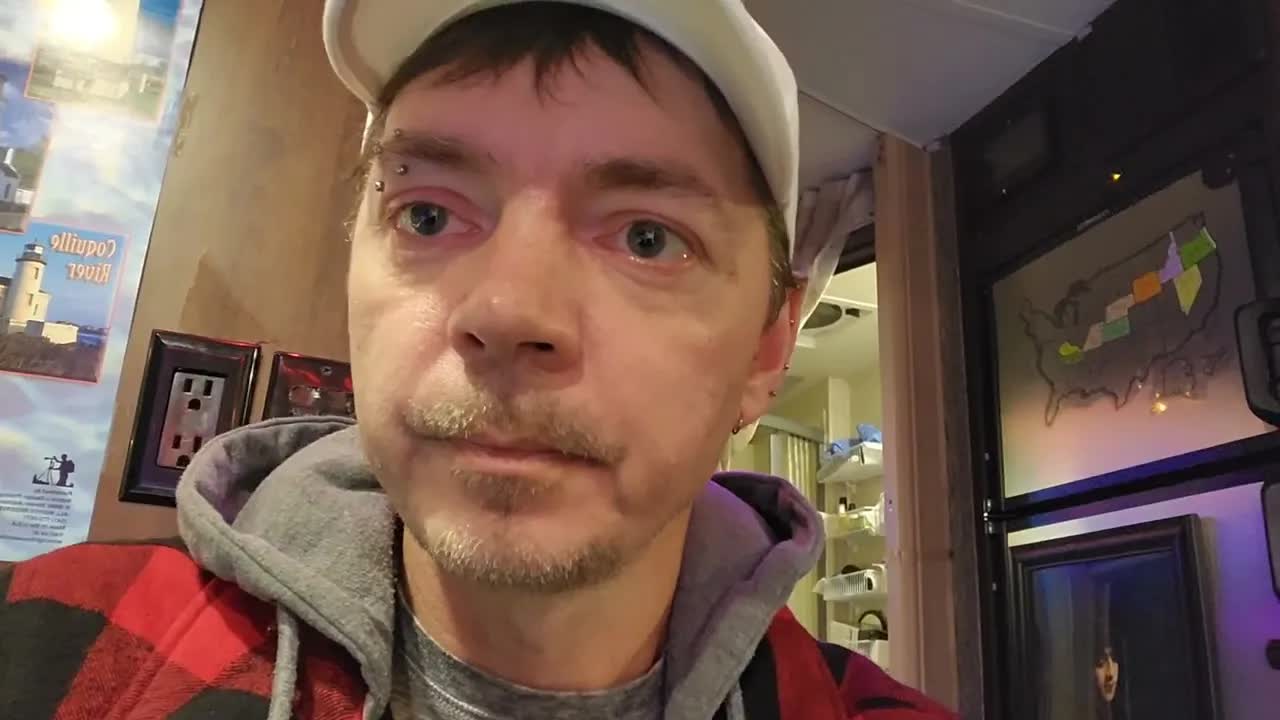
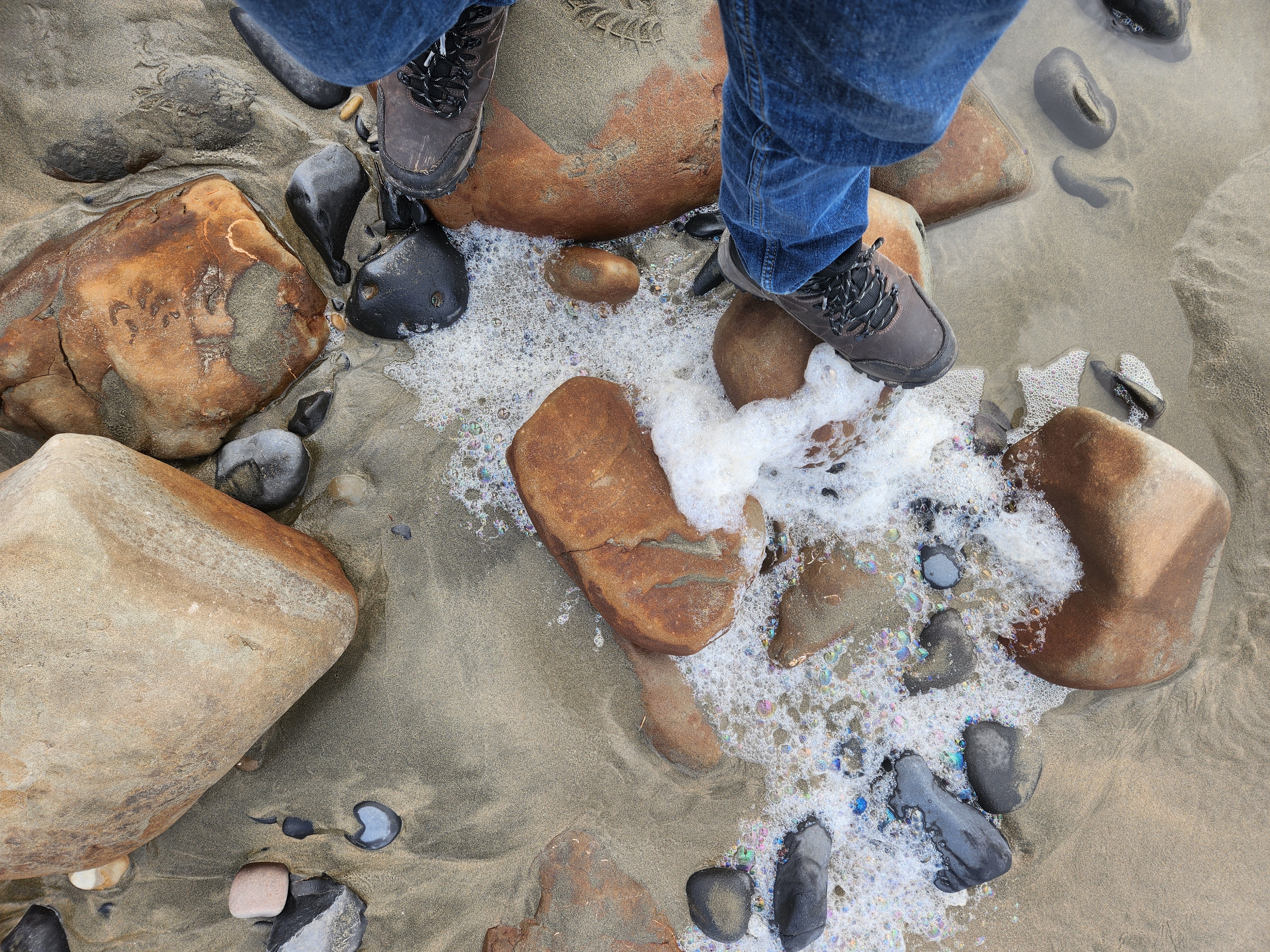
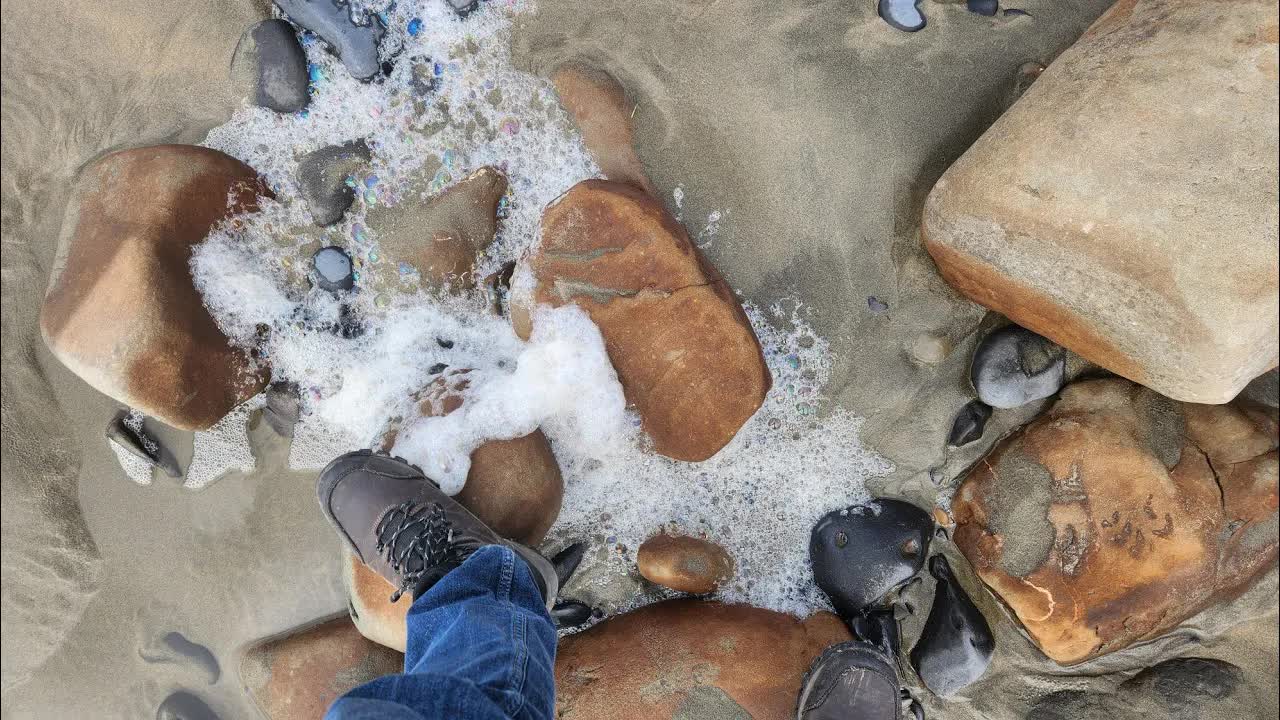
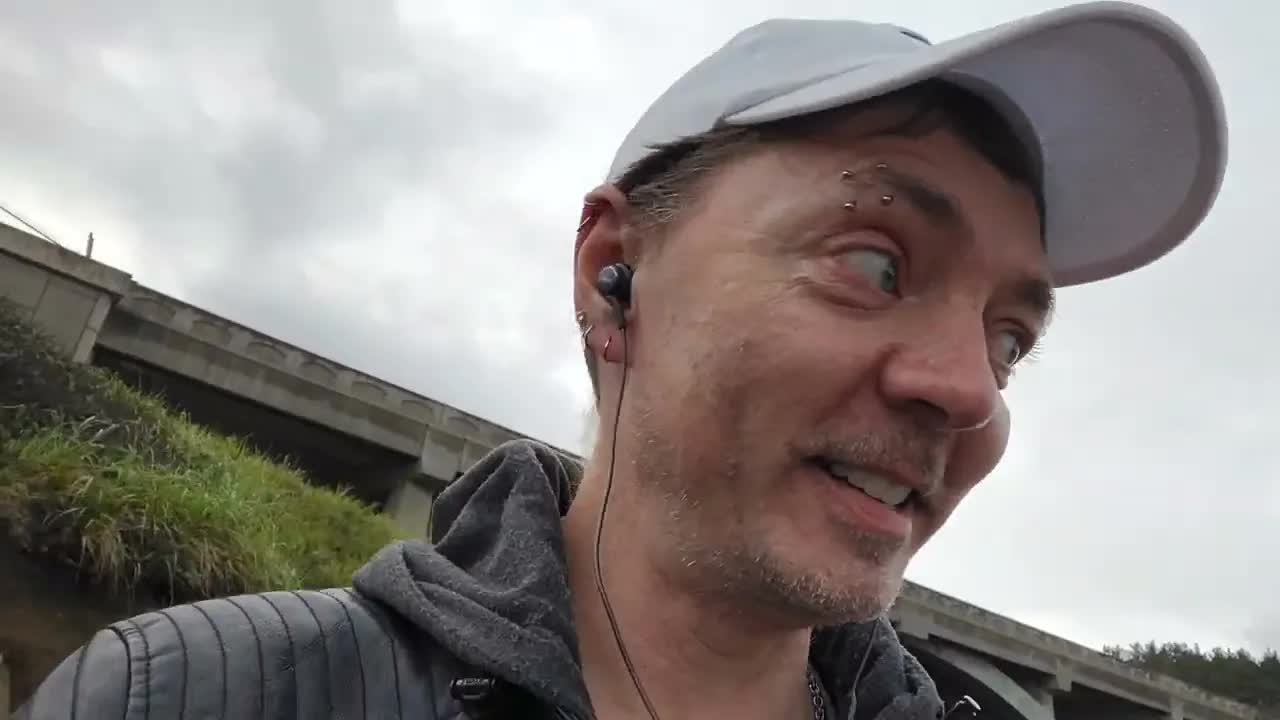
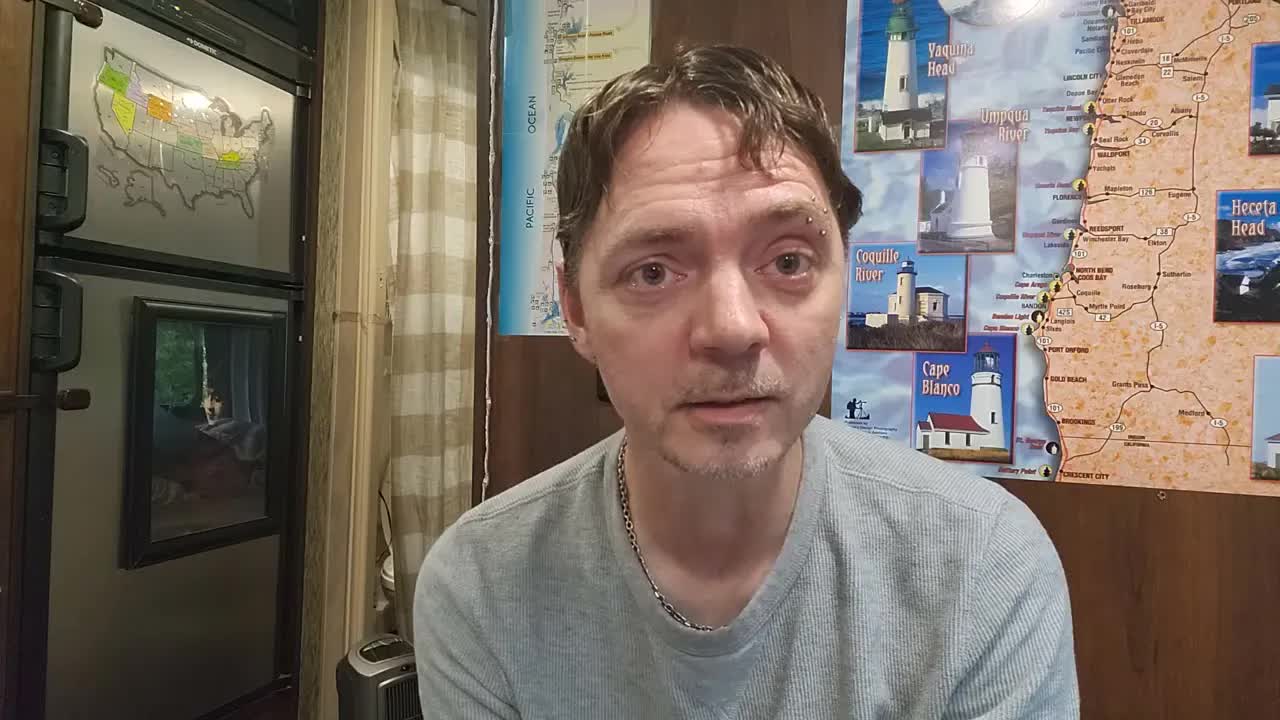
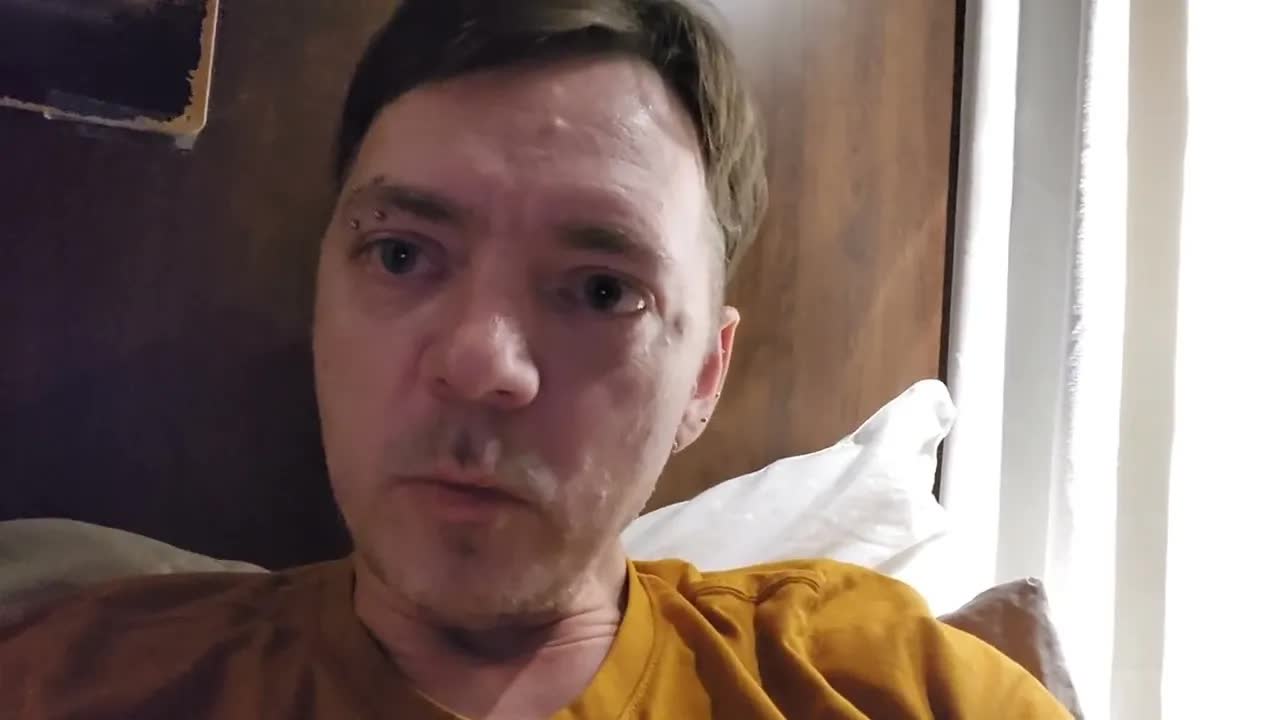
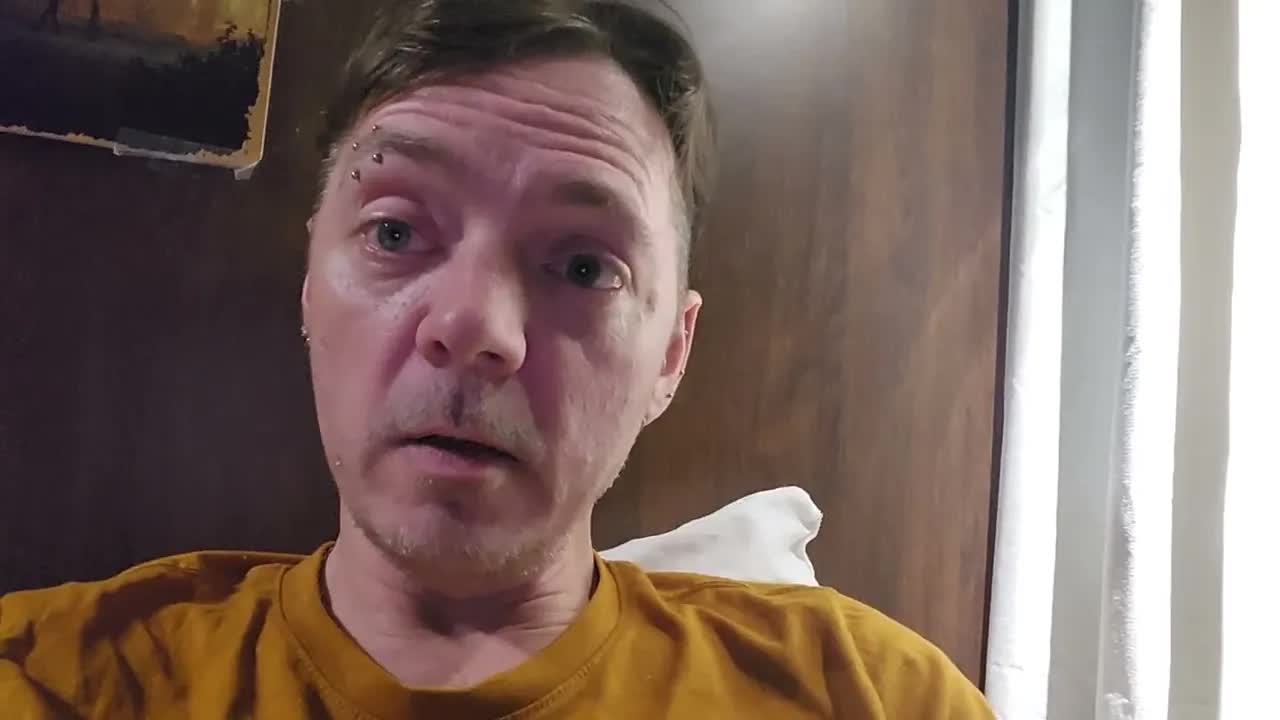
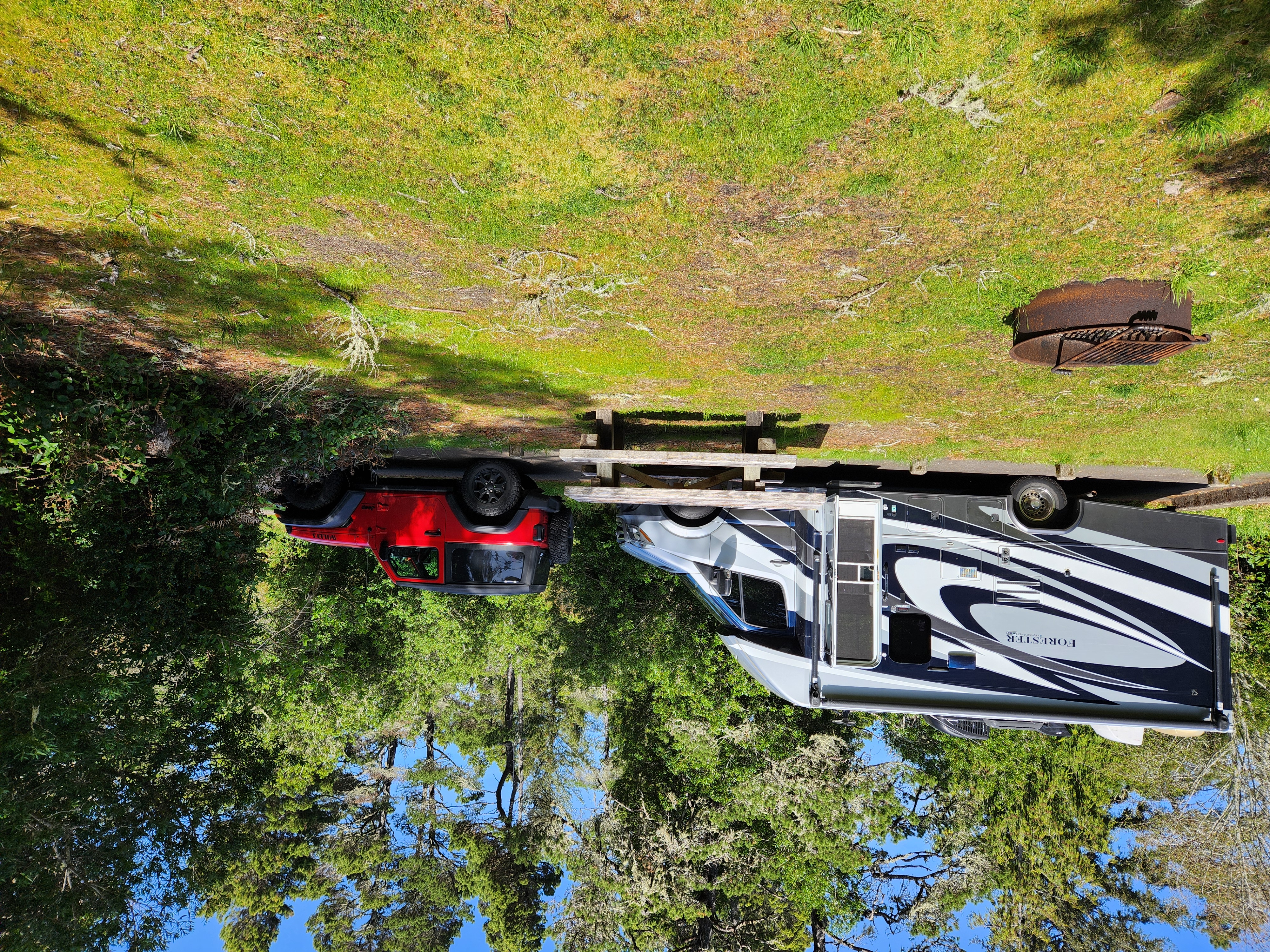
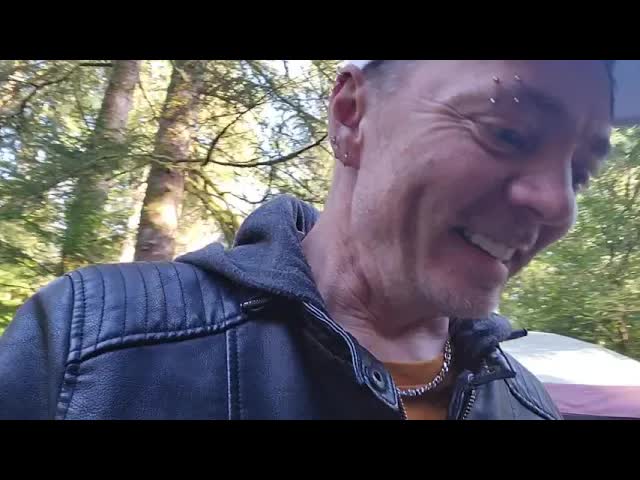
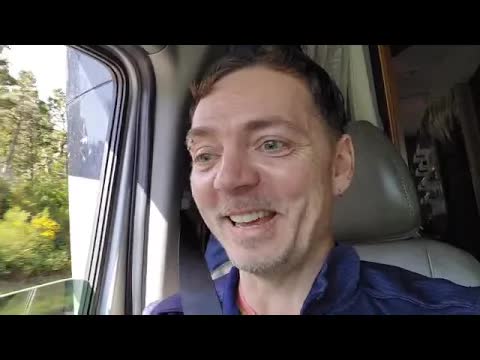
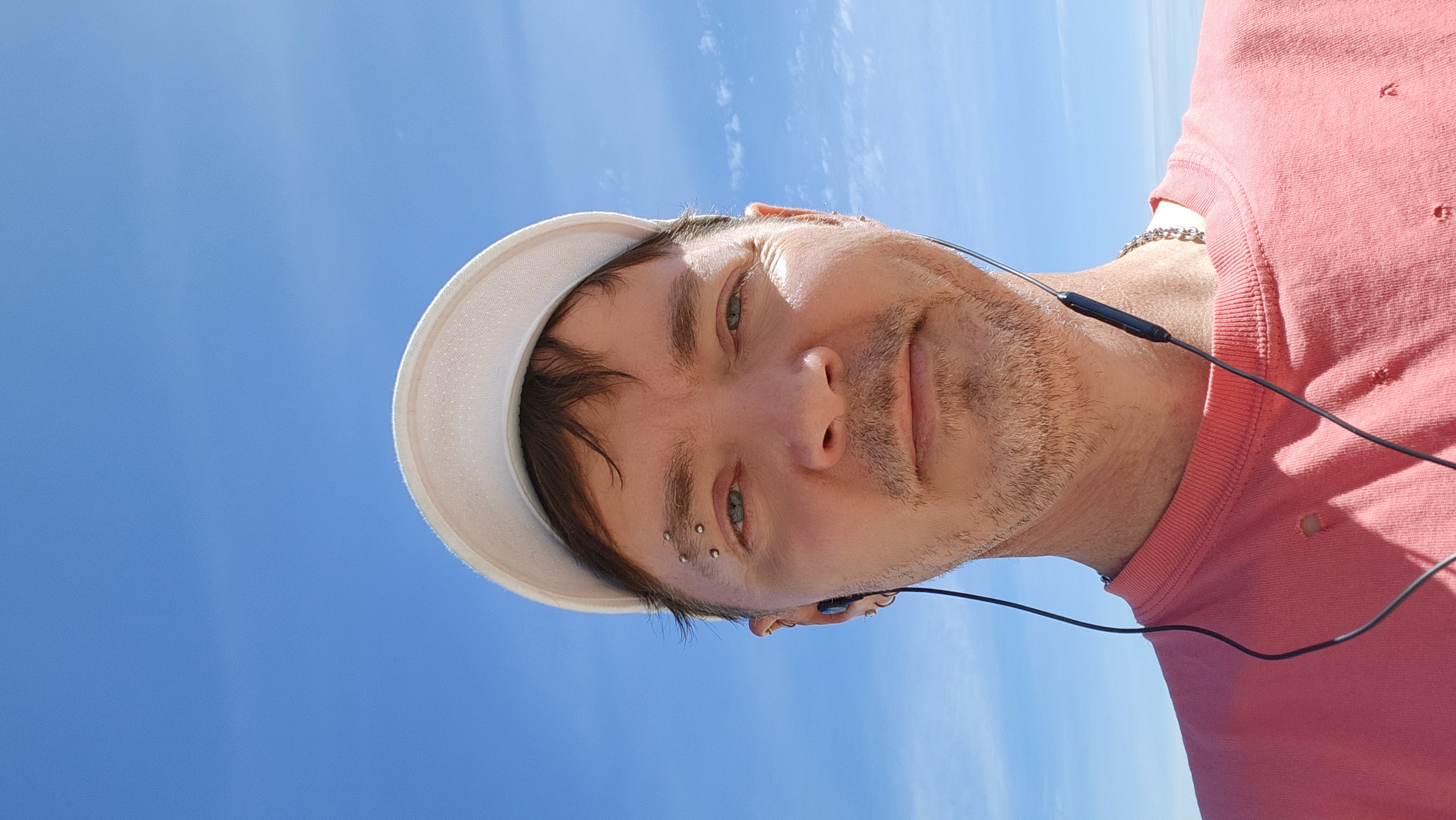
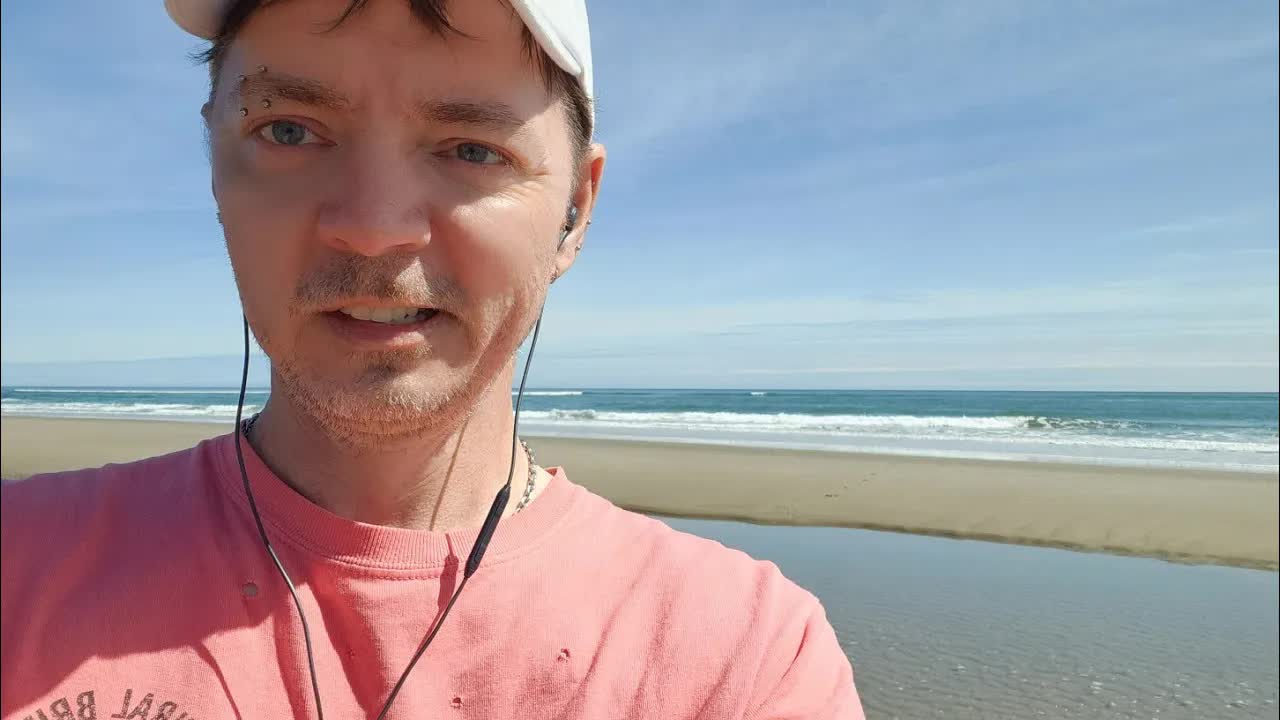
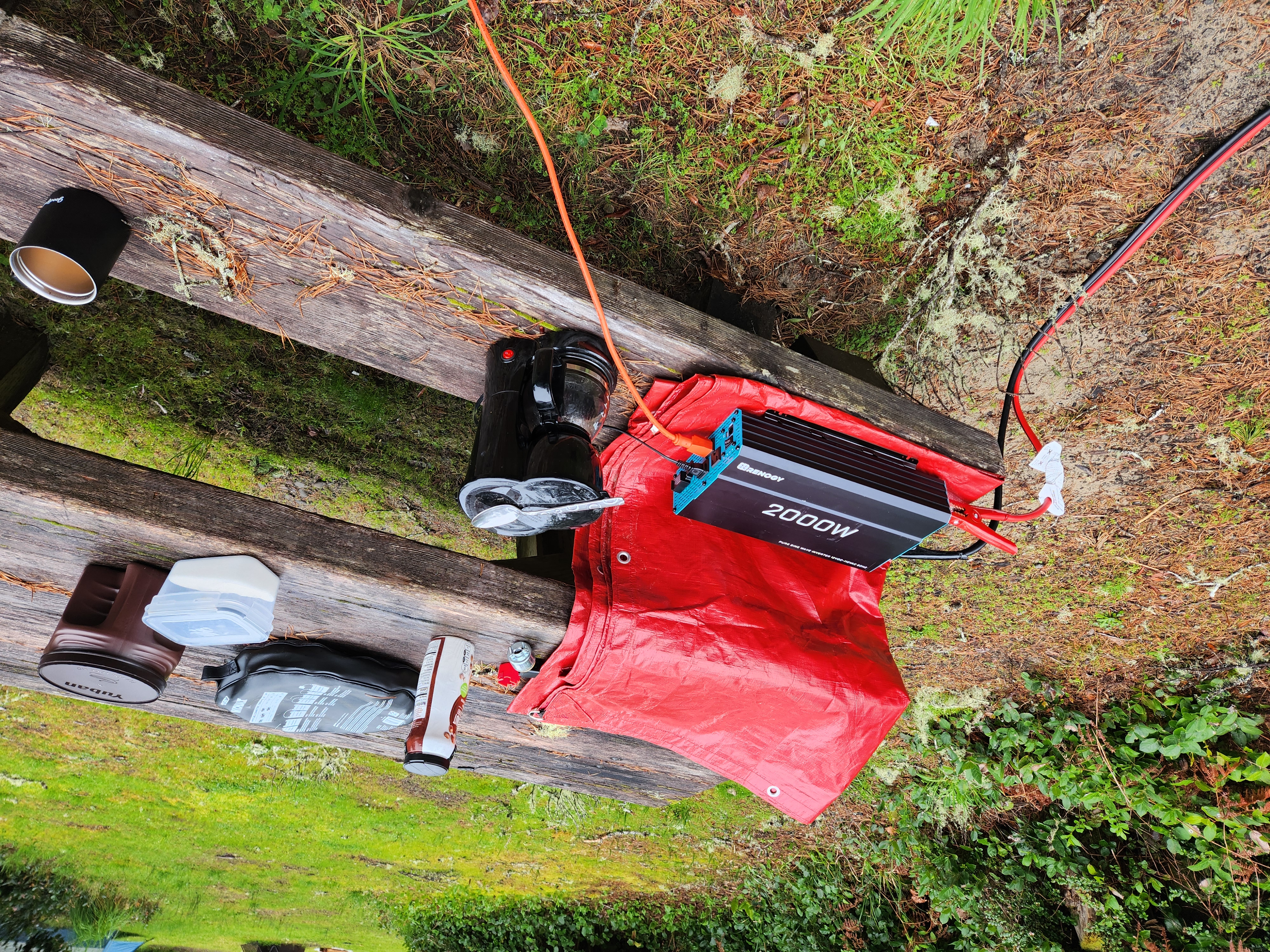
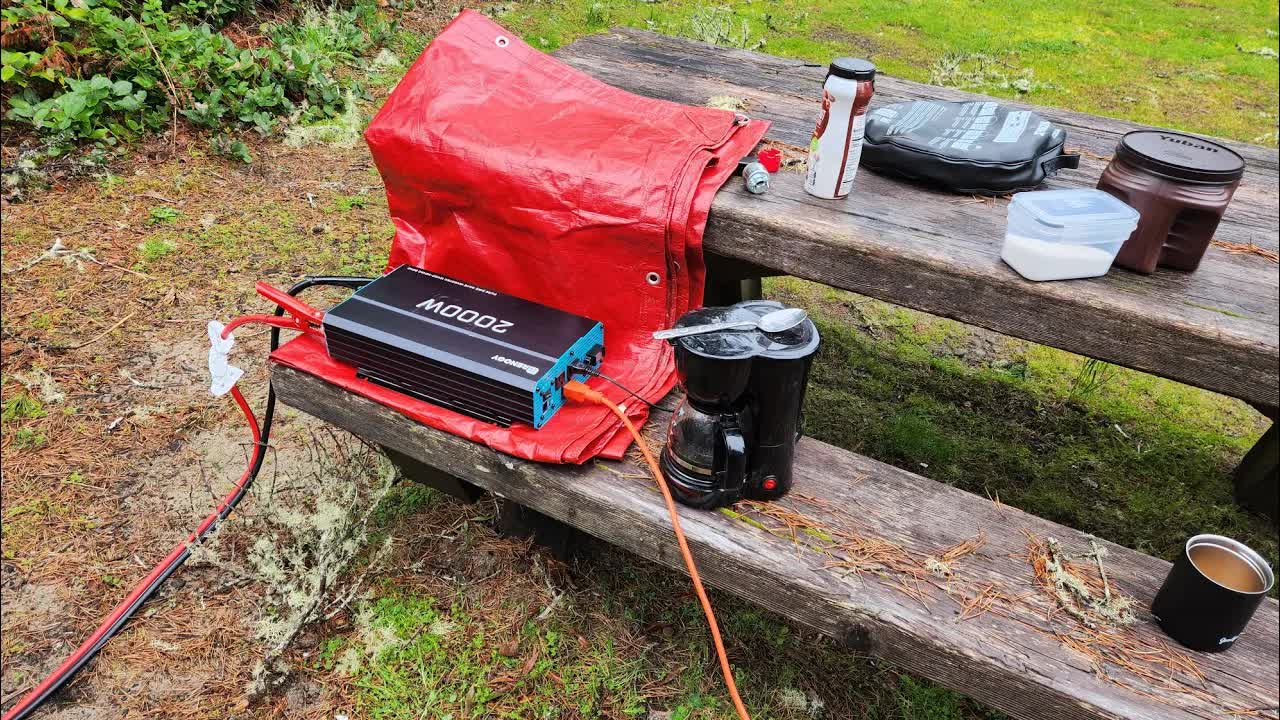
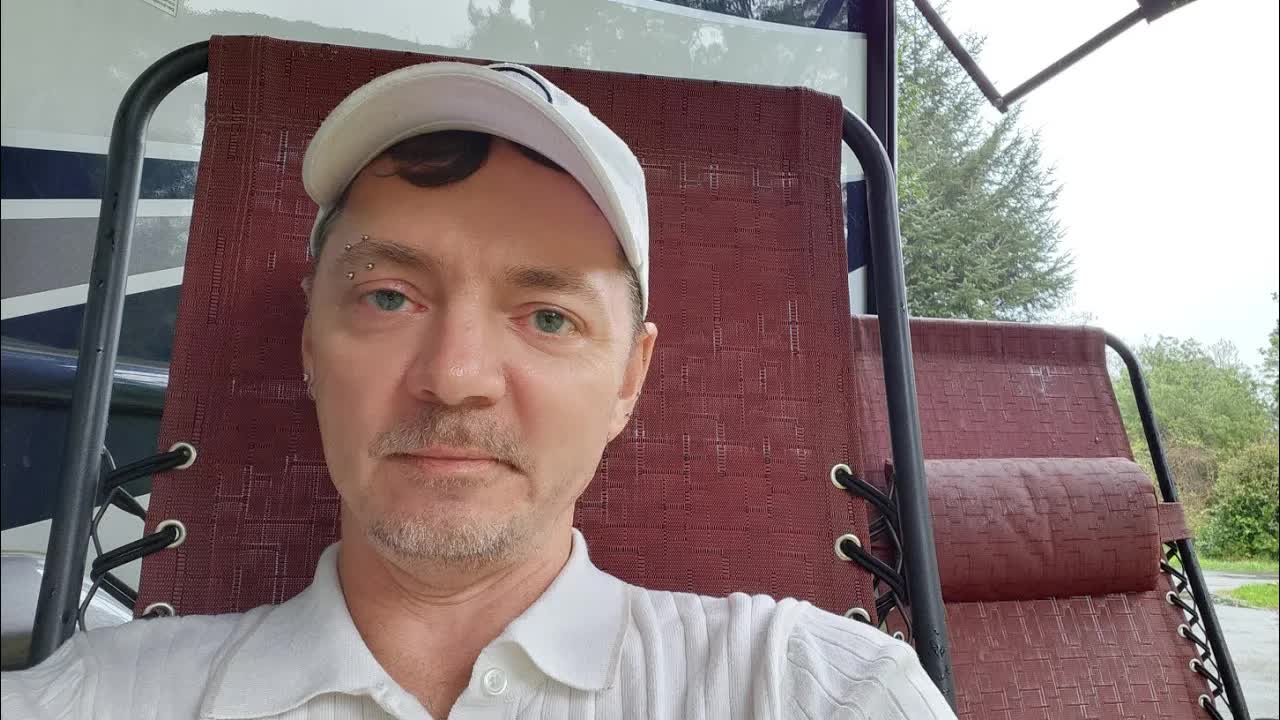
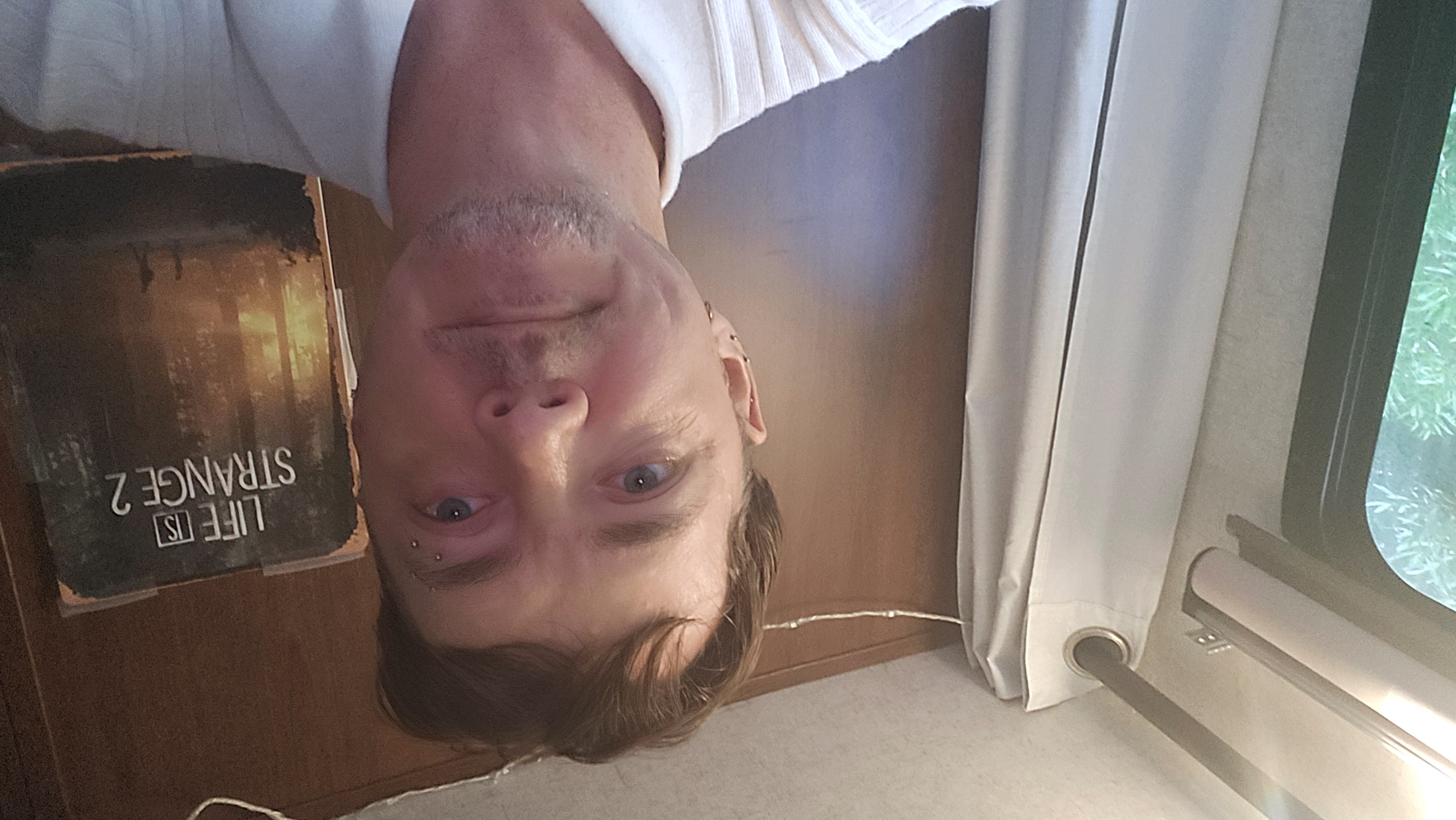
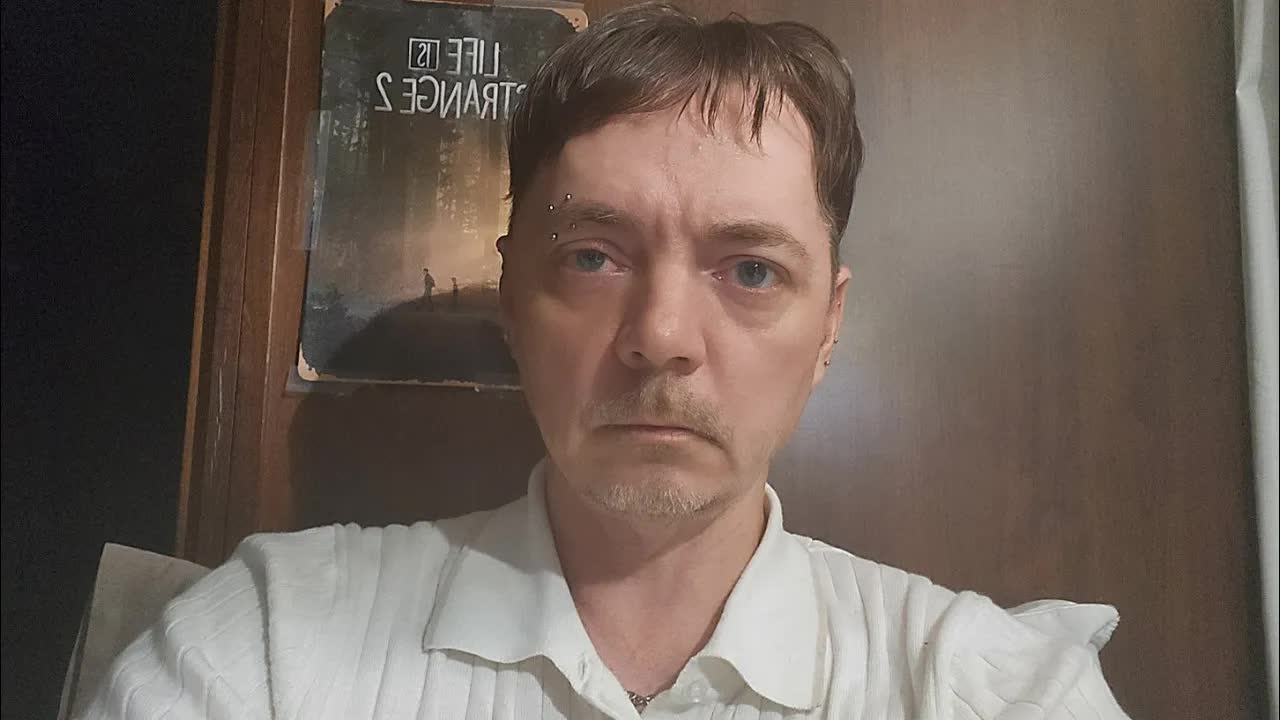
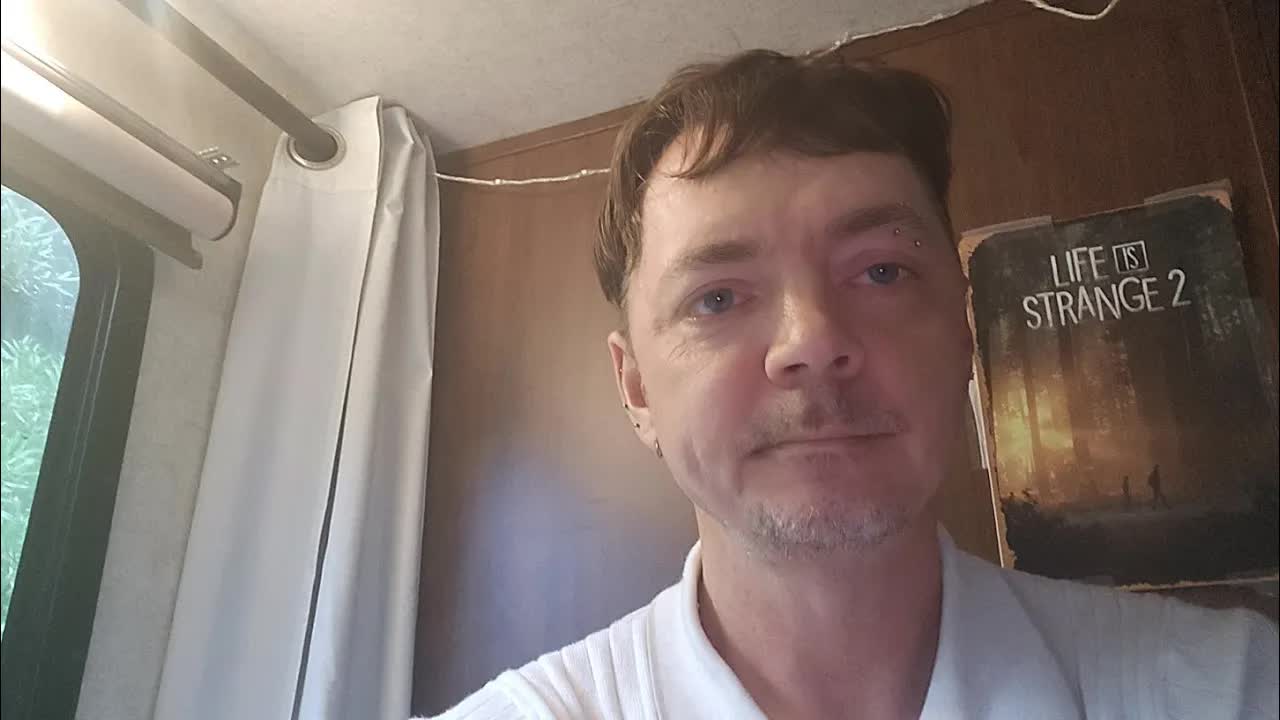
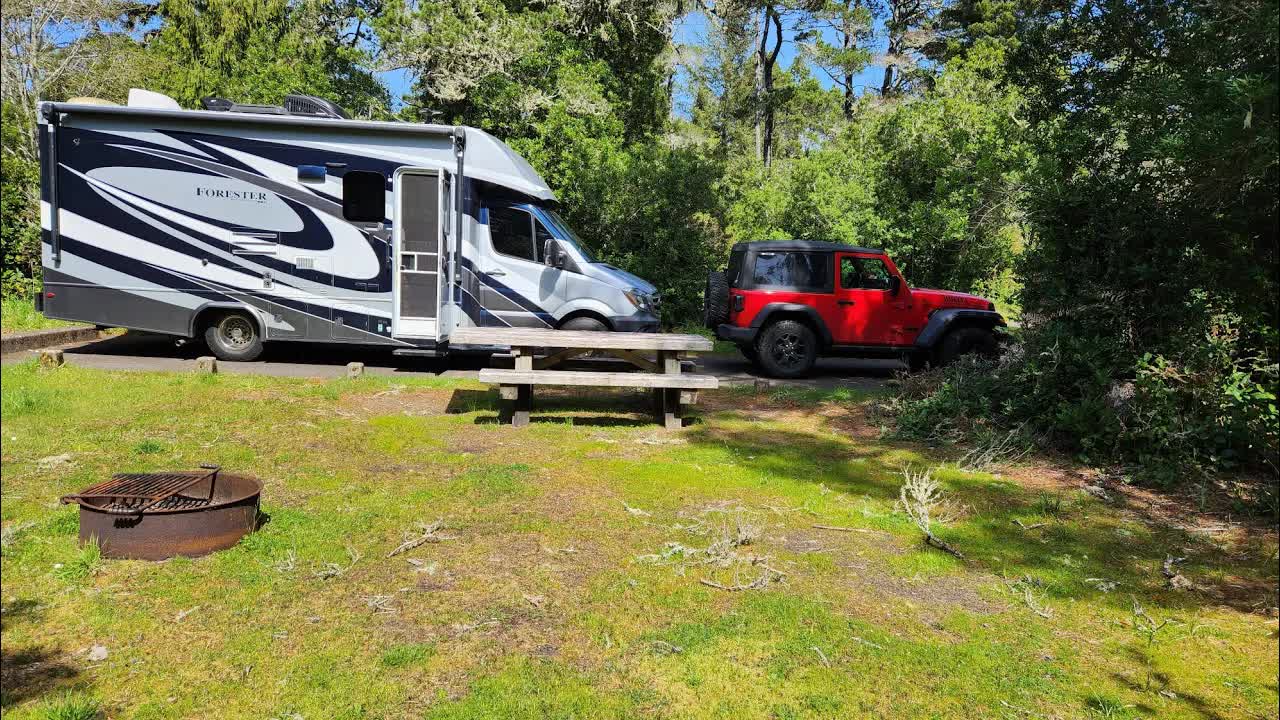
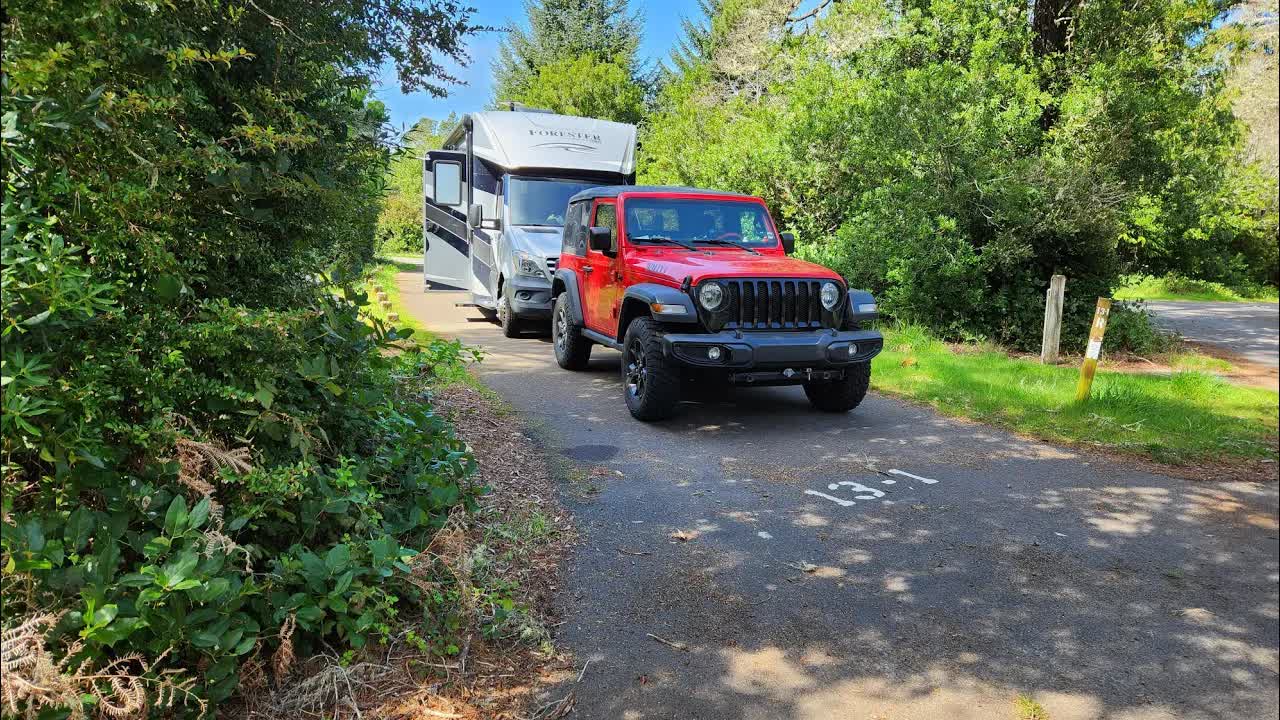
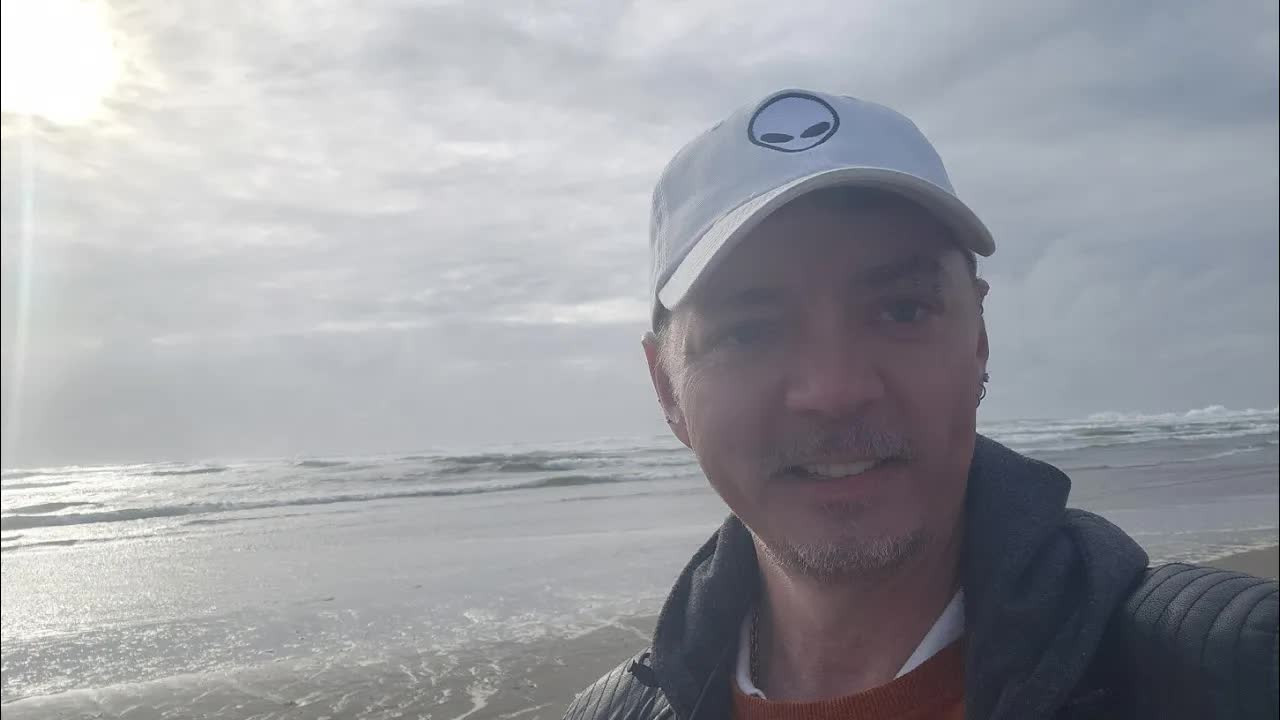
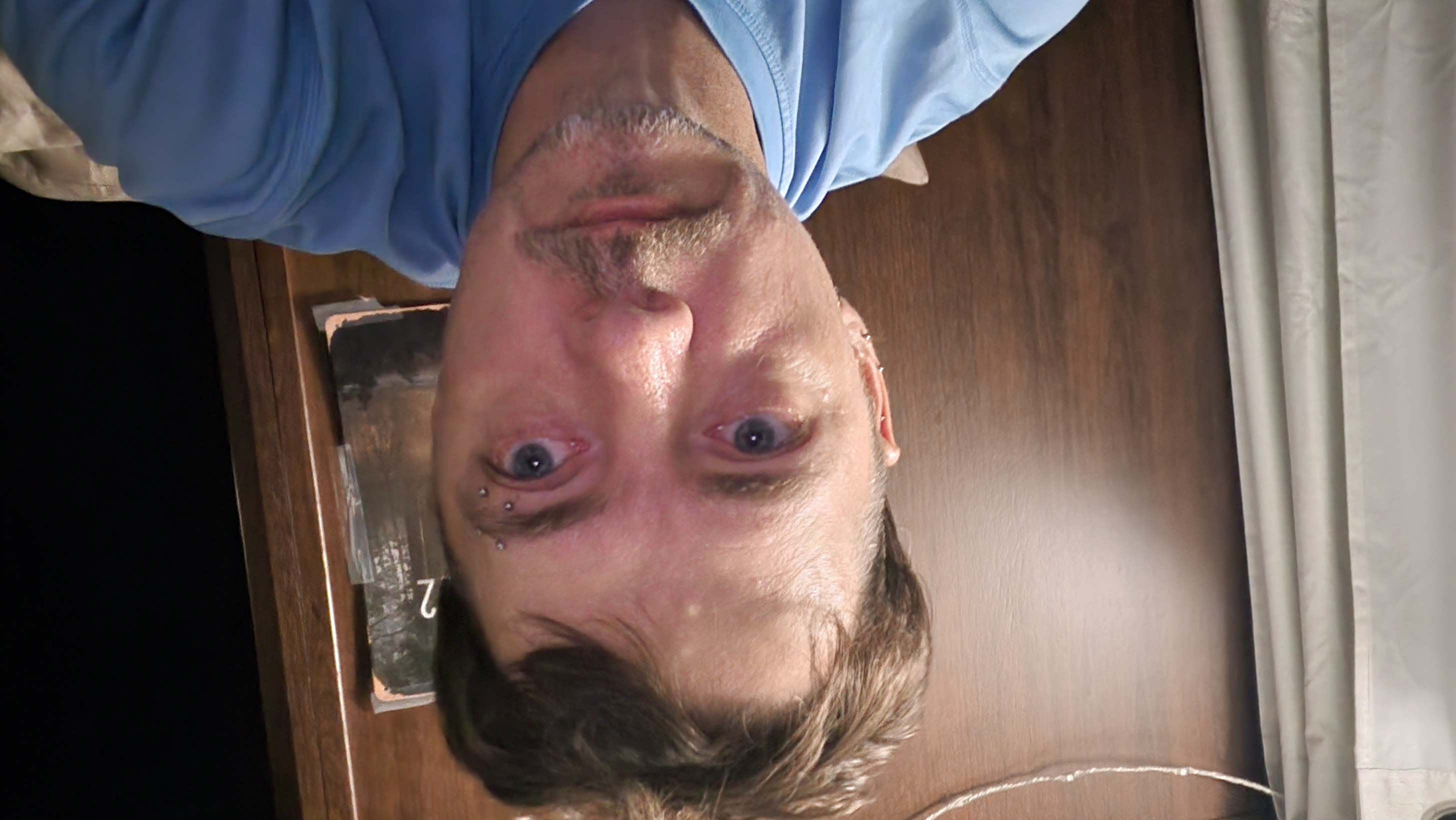
He woke on Wednesday morning at Beverly Beach and made coffee before he said anything into the camera. It was nine-thirty. The recording opens with him already holding the cup, already framing the morning's work — that he would drink this coffee, then walk out to the beach and trace the waves, which he had not been able to do the day before. He names the frame at the top: what real vulnerability looks like on the edge of collapse, structural and not personal. The distinction is placed before anything else, load-bearing, so that everything following it has somewhere to rest.
Then he counts. He has until Friday morning. He has one hundred dollars. The National Forest campgrounds on this stretch of the Oregon Coast run twenty dollars a night, and he states there are a couple dozen of them in the region, though he does not yet know which one sits closest to where he is now. That is the day's first task — identify the site, then test availability, then read the availability pattern forward, because he says the pressure will rise as the weeks pass and summer approaches. He is not only solving Friday. He is building a forecast.
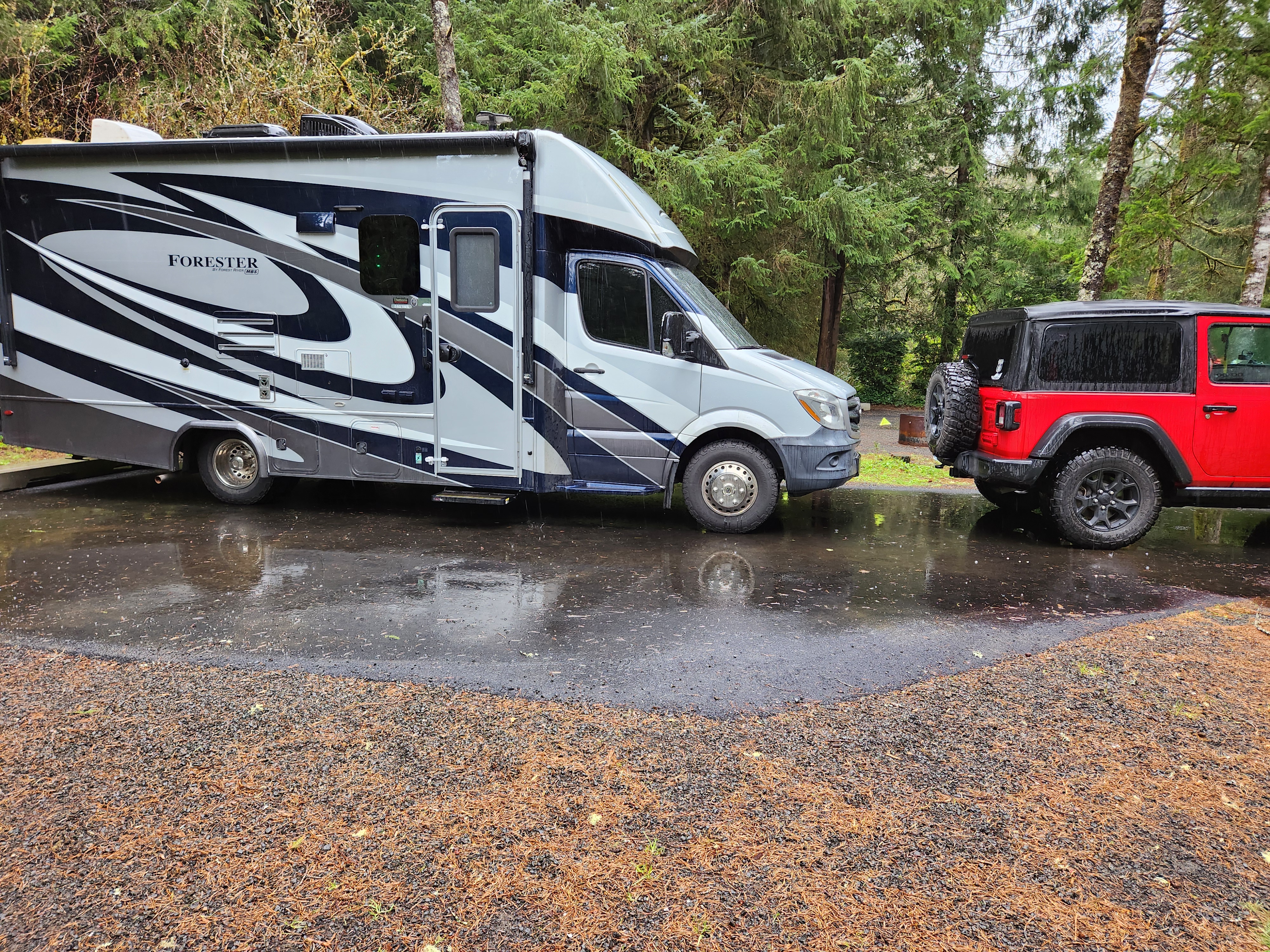
The payment vector is its own problem, and he works it out aloud. Booking runs through recreation.gov, which wants a card. His bank is not headquartered on the coast; there is no branch here, no way to deposit into it, so that card is inert. What remains is a prepaid card bought at a store — spending part of the hundred to gain access to the rest of it. He describes what waits on the other side of the booking plainly: no water, no power, dry docking. It means changing the way he lives. He states he is not excited about it and will not pretend to be, and in the same breath states it is important, it is necessary, and he will navigate it with integrity and clear sight. He says there is a little fear, that this is natural, that the trepidation grows as Friday nears and that he is going to feel it.
The second thread he documents is the silence. He had been hopeful someone in his audience would want to help, and he acknowledges that morning that no one has — that he is on his own, isolated not only financially but psychically, emotionally, intellectually. He locates the finding immediately and precisely: it is not a reflection of him. People can watch a life, witness it, and do nothing with what they see, and he states that this is about them. He will not internalize it. What he draws from it is not a wound but a specification — that the audience he has is not the audience he needs, and that the work now is building a different one, one that resonates, one aligned with him.
He had run a test the night before. A poem on a YouTube Short, his first real Short, about being unbreakable while still being vulnerable. Six hundred views in the first couple of hours. Zero likes. Zero response. He states this does not surprise him and that he is not seeking validation or comfort — he is seeking resonance, sending out signal flares and watching to see who answers. Right now he is met with silence, and he declines to interpret it. He does not know what it means, so he does not assign it a meaning. He assumes instead that it has a purpose and that clarity will arrive with time.
The last item he documents is the gate. He had tried to restart his guru.com profile to look for freelance work, and because the account had gone unused for a long time, the platform required identity verification — eight steps, all of them completed. At the final step, before it would submit the verification, it asked to place a temporary charge on his card. He gave the bank account, the charge failed, and he checked why: nine dollars. Nine dollars he does not have in that account. Without the charge, no verification. Without verification, no access to work. He emailed support and they told him there was nothing they could do, that this is how it is done. He states he has not been this poor in a very long time in his life, and then places that fact where he places the rest — on the surface. His worth is not determined by it. He gave up more money than most people ever make because it was a hollow existence, because it was stripping away everything that mattered, and he notes that people make that compromise every day.
He closes without resolving anything, because resolution was never the shape of it. He states he is not explaining himself anymore. He knows what he is doing, what he is creating, what he is building, and where he is going. He says the only thing he does not know is how he gets there — and then, in the same sentence, that he will. The coffee was finished. The beach was still waiting, and the waves were still there to trace.