
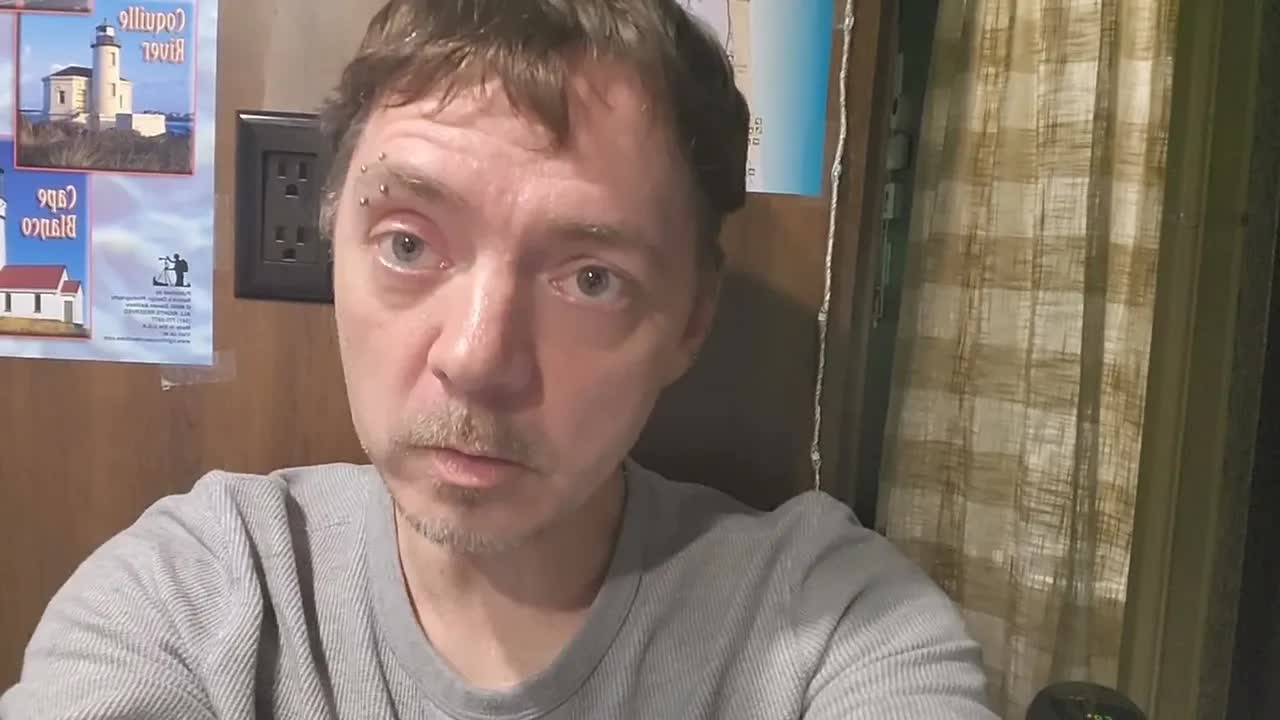

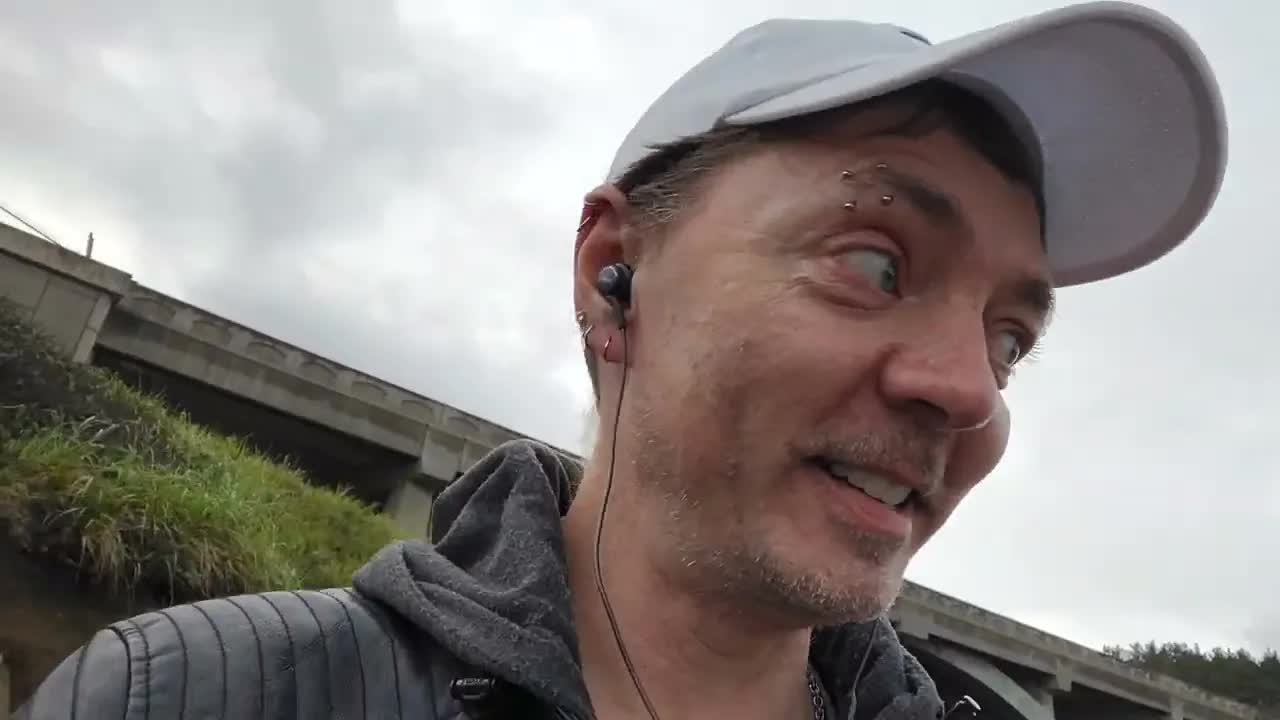


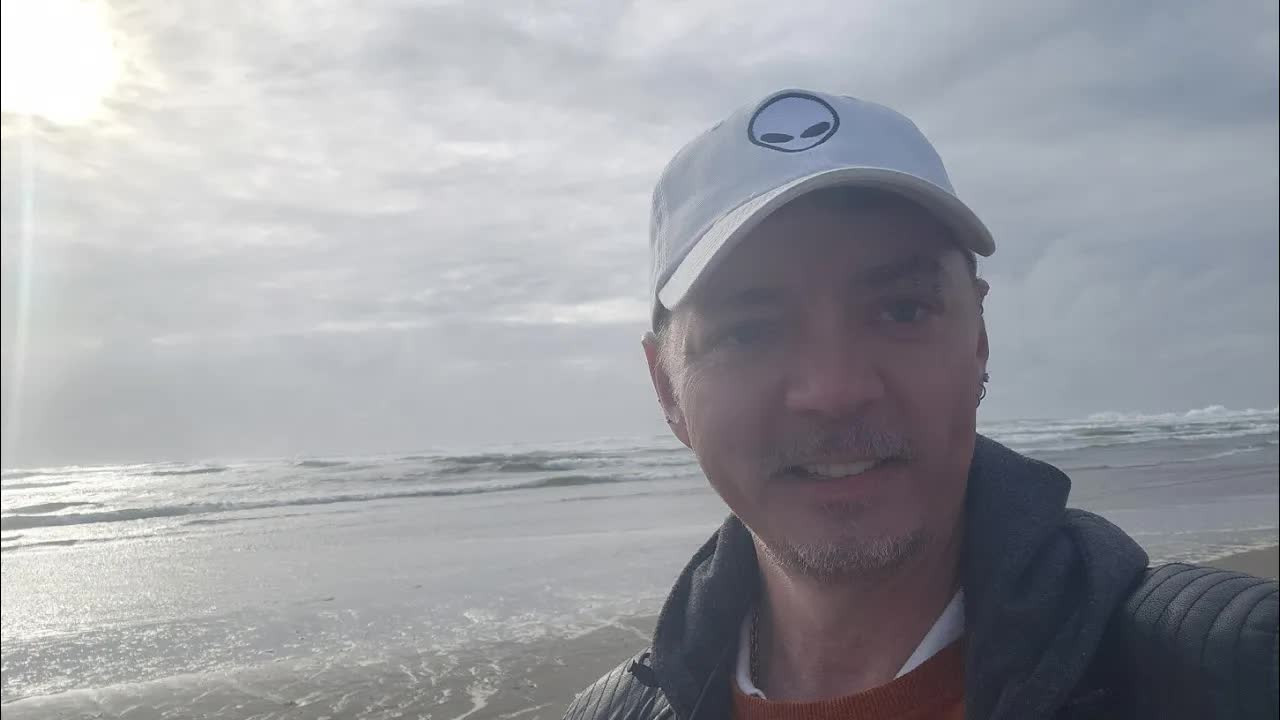

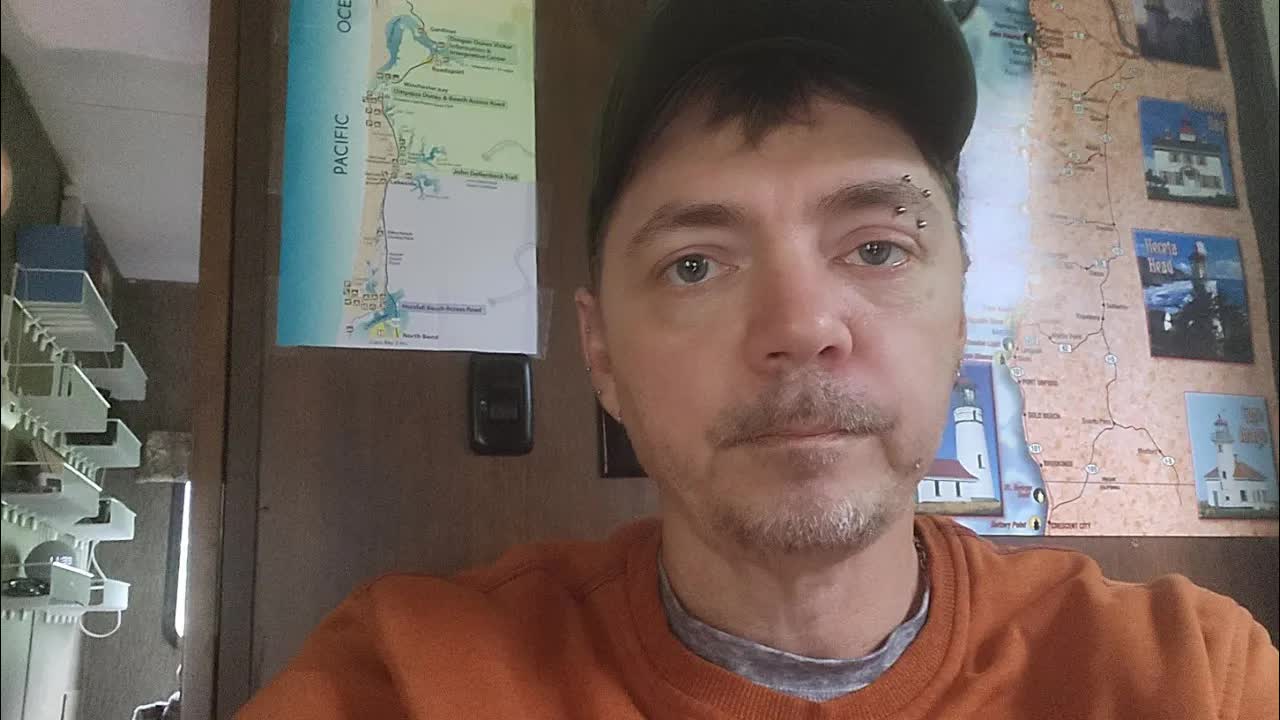
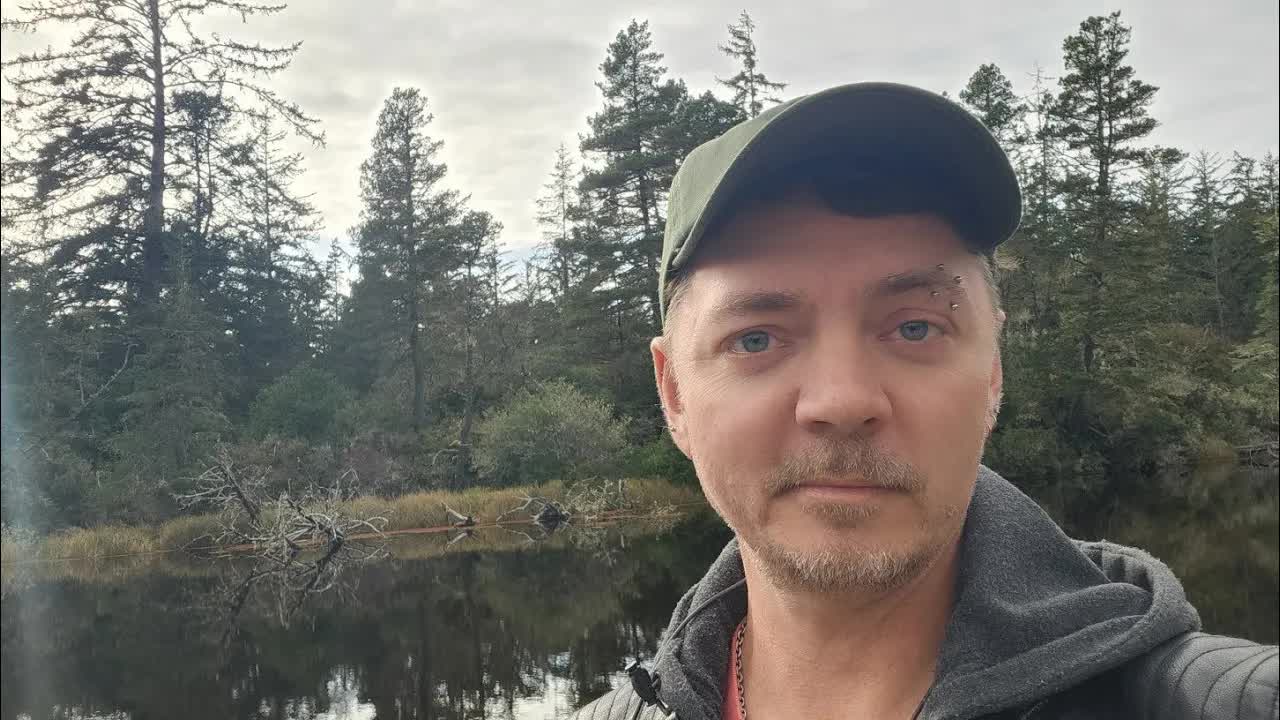
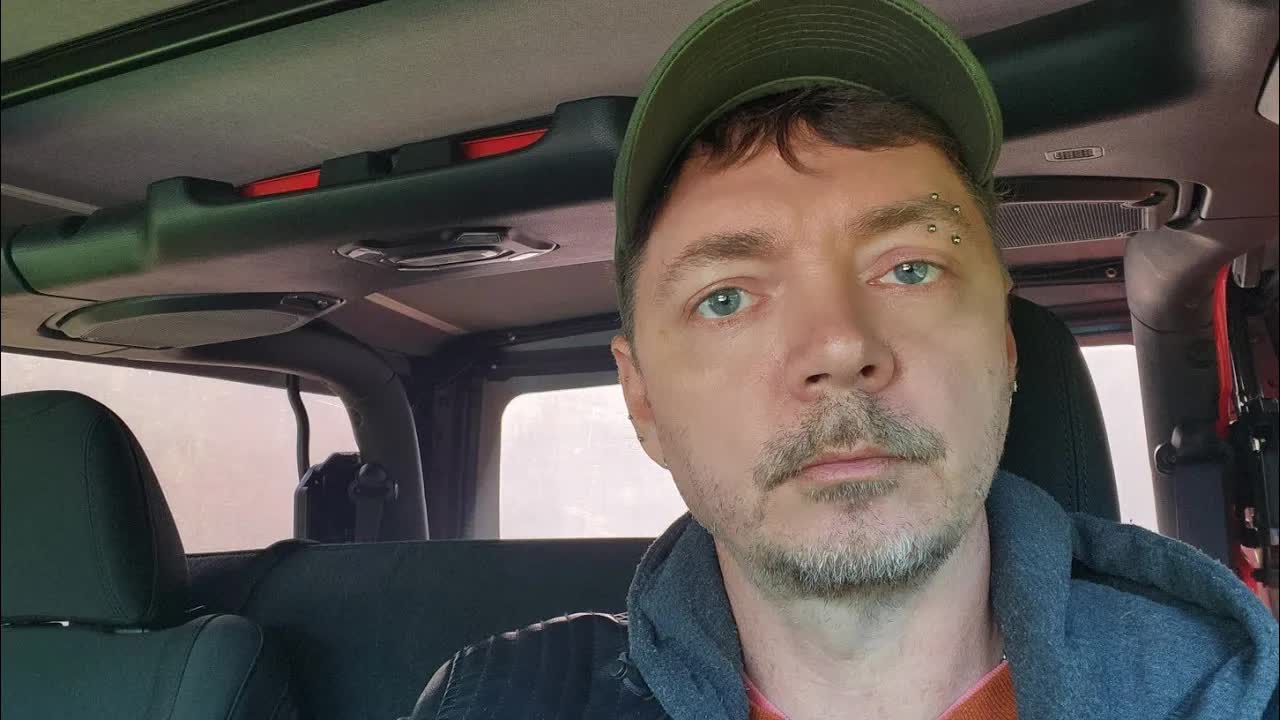
It was almost six in the evening when rswfire started the camera, twelve hours into a day he described as controlled chaos, at the end of a week he called very, very hectic. He said he felt tired. He said it plainly, the way a person reads an instrument, and then he said what he was going to do about it: take a walk out to the ocean, and bring the viewer along.
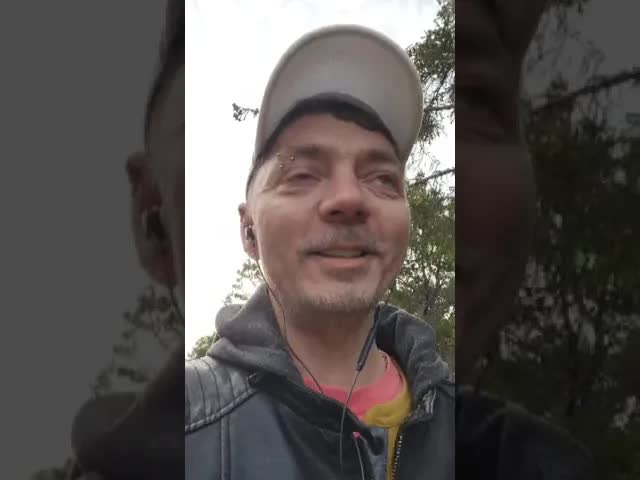
The trailhead at Siltcoos was empty. He remarked on it — the only ones here, which is surprising — and then again a moment later, as though the emptiness needed confirming: there is nobody here, just us. The sky was overcast, the air cold, the wind steady enough that it took over the audio entirely for long stretches, chewing through words and leaving fragments behind. He did not fight it. That's the Oregon coast for you, he said, and kept walking.
The dune came first. He noted the name — Siltcoos, after a river, he thought — and then the grade of the climb, which was steep. He said so while he was doing it, breath and footing audible under the wind. It's worth it though. Worth it to commune with that thing. On the way up he oriented the terrain for whoever was watching: to the right, where the ATVs go; to the left, the route to the river, hikeable, though usually thick with machines. He was mapping the crossing while making it, laying down the geography of the place in the order a body encounters it.
At the top, or near it, he read the sand. Footprints — very few people came out here today. The count was low and he registered it, another measure of the day's conditions alongside the cloud and the cold. Then the descent, the wind cutting the recording into pieces, and the line he'd been walking toward: let's go greet her properly.
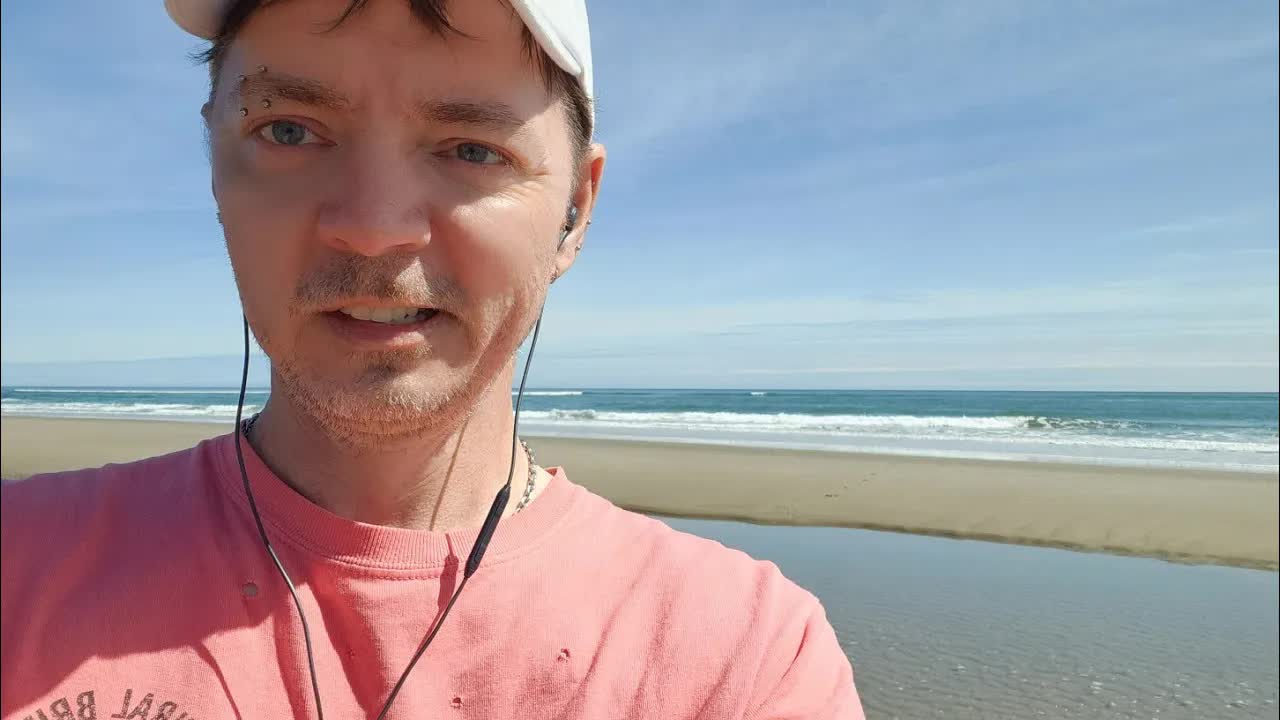
He addressed the ocean directly when he reached her. Hello, ocean. Turn around. I miss you. He said the last part into the wind at the water's edge, and then set the next stretch of the walk — we're going to go trace the waves for a while onto the river. That is what he did. He followed the wave patterns out along the channel where the surf ran up into the river's mouth, watching the shapes they made in the shallow water. Isn't that beautiful. Those patterns. Oh, that's awesome.
The wind took most of what came after. What remains in the record is a man at the end of a twelve-hour day standing at the line where the ocean meets the river, on a cold cloudy evening with the dunes empty behind him, having moved himself deliberately out of one architecture and into another, tracing patterns in the water because they were worth tracing, with the camera still running and the viewer still there.