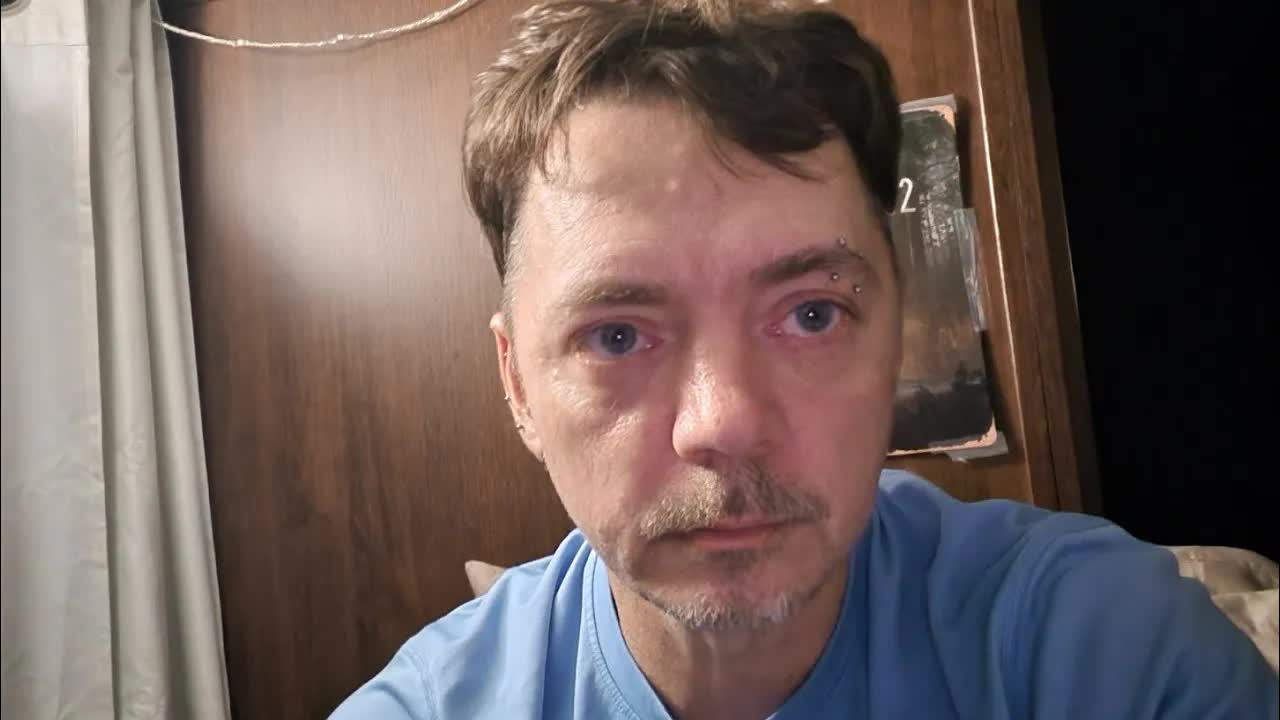
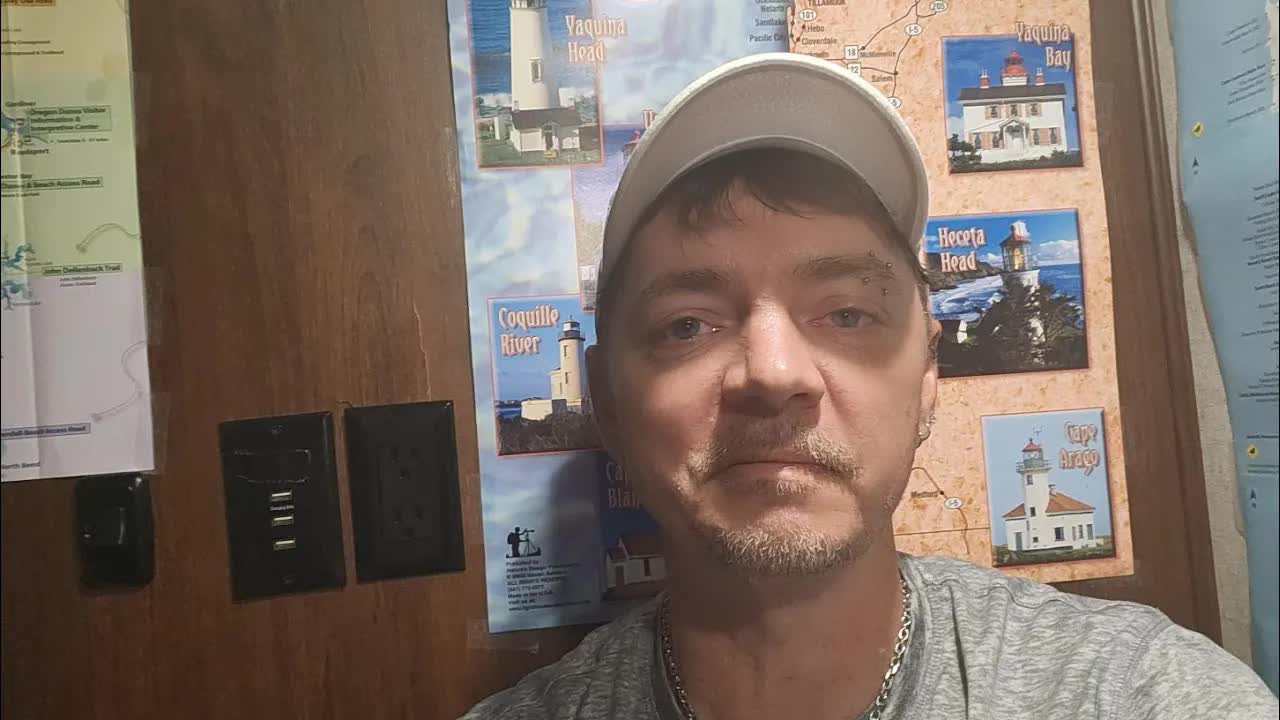
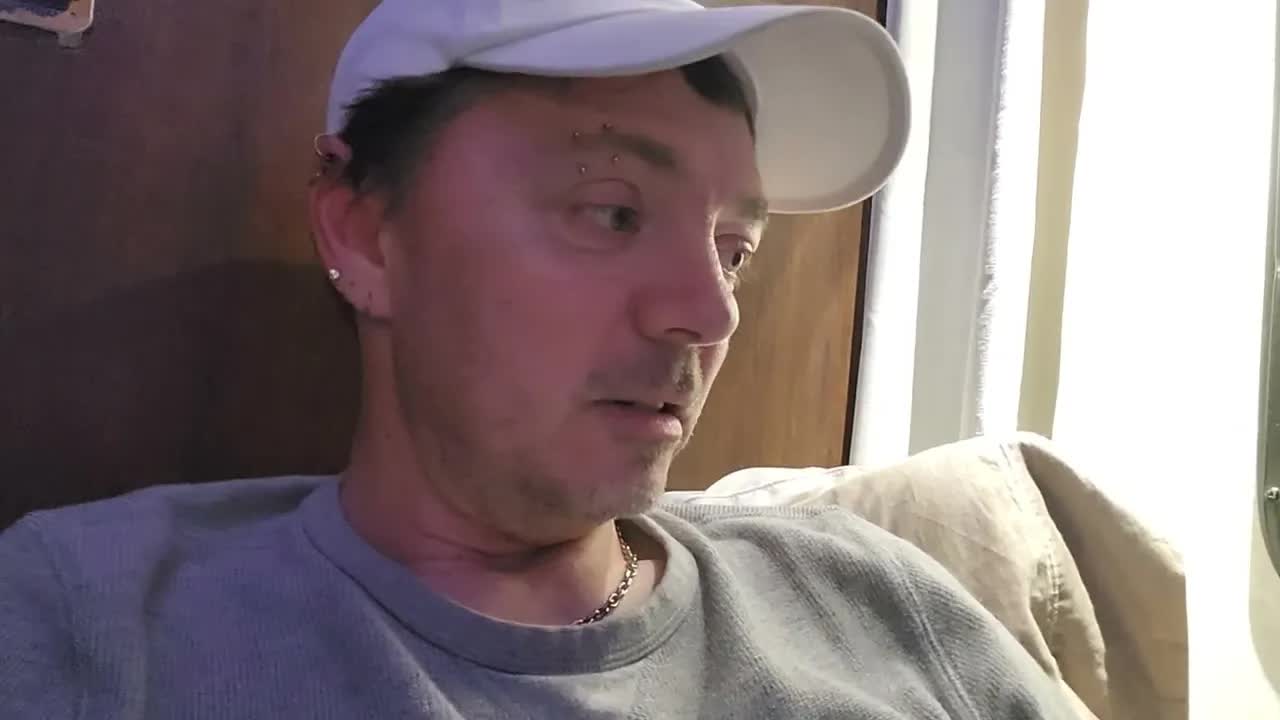
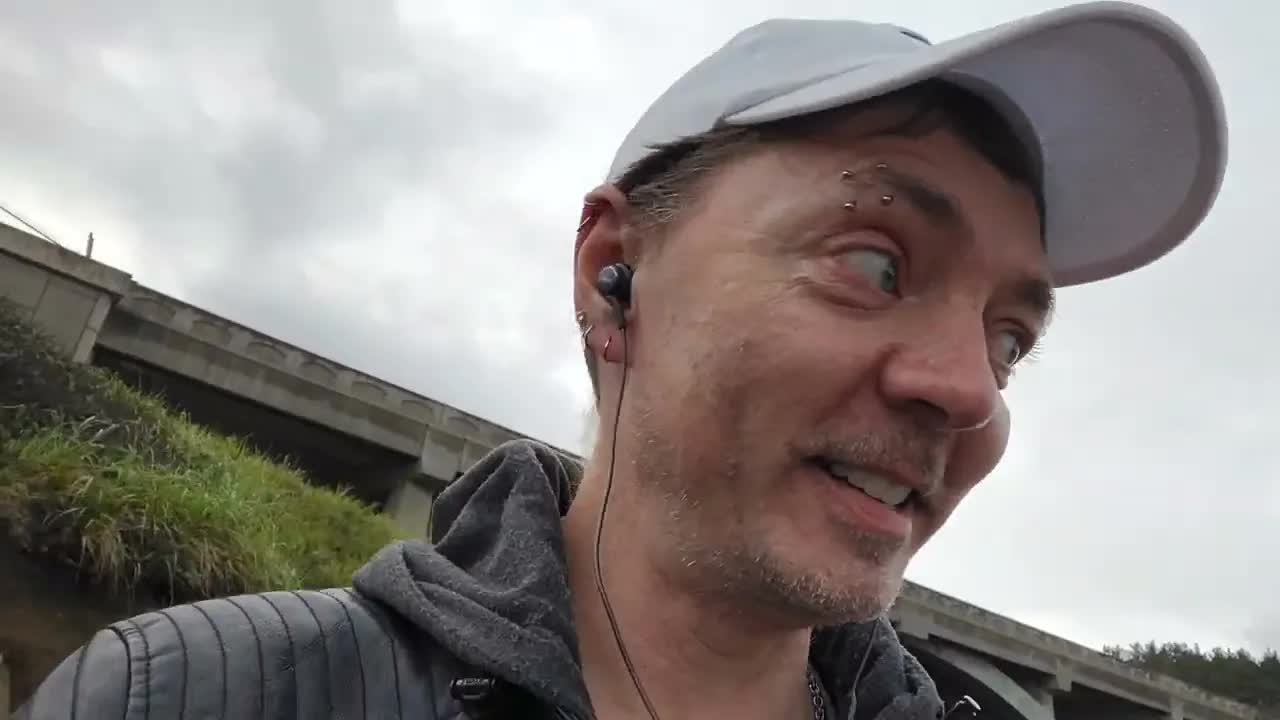
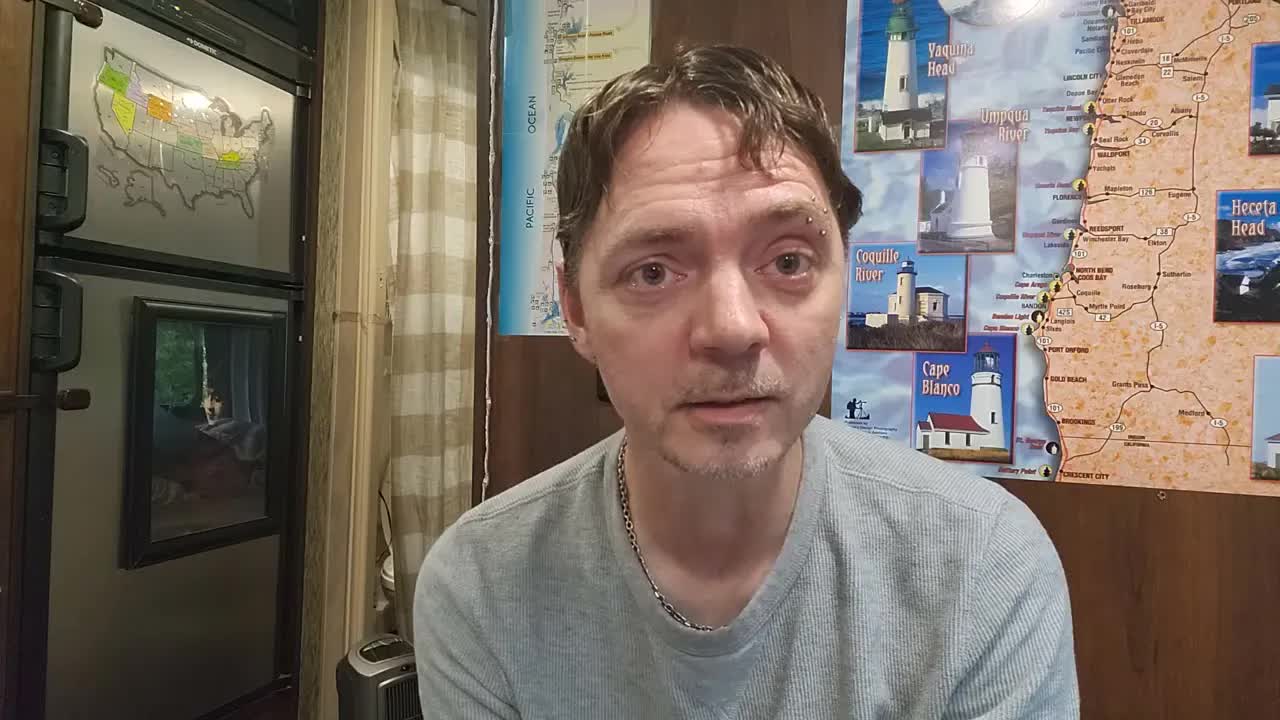
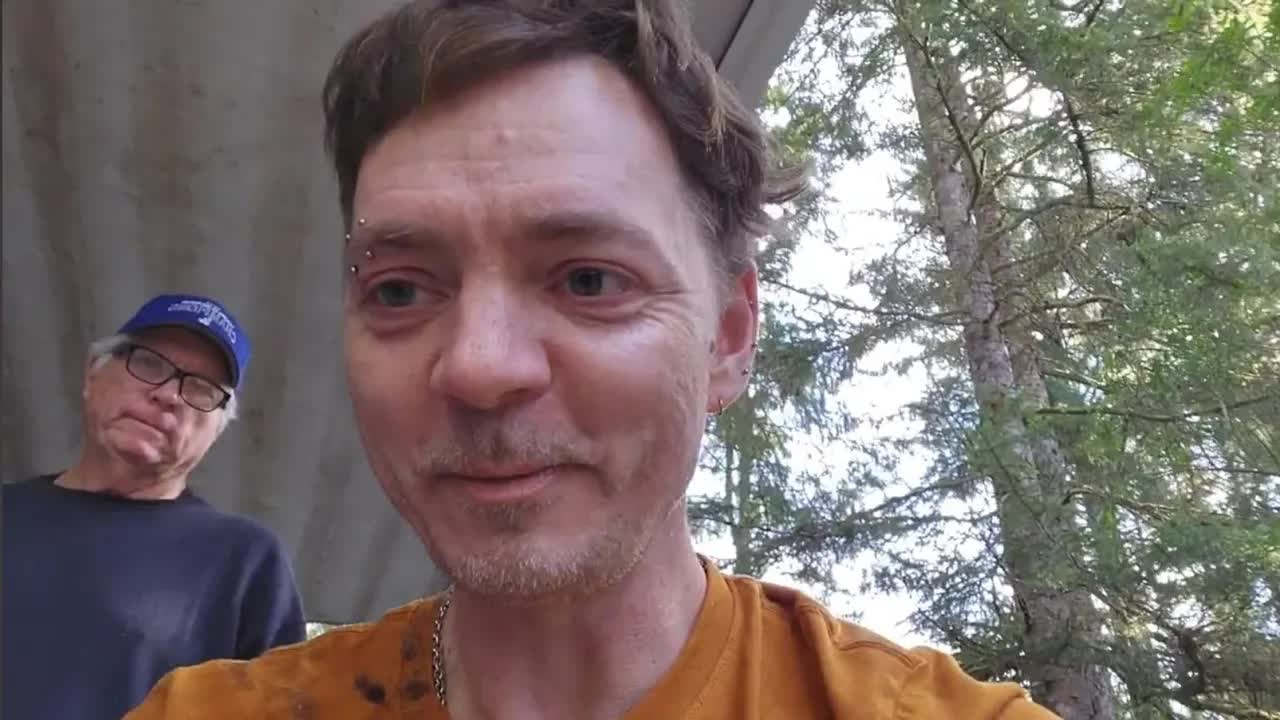
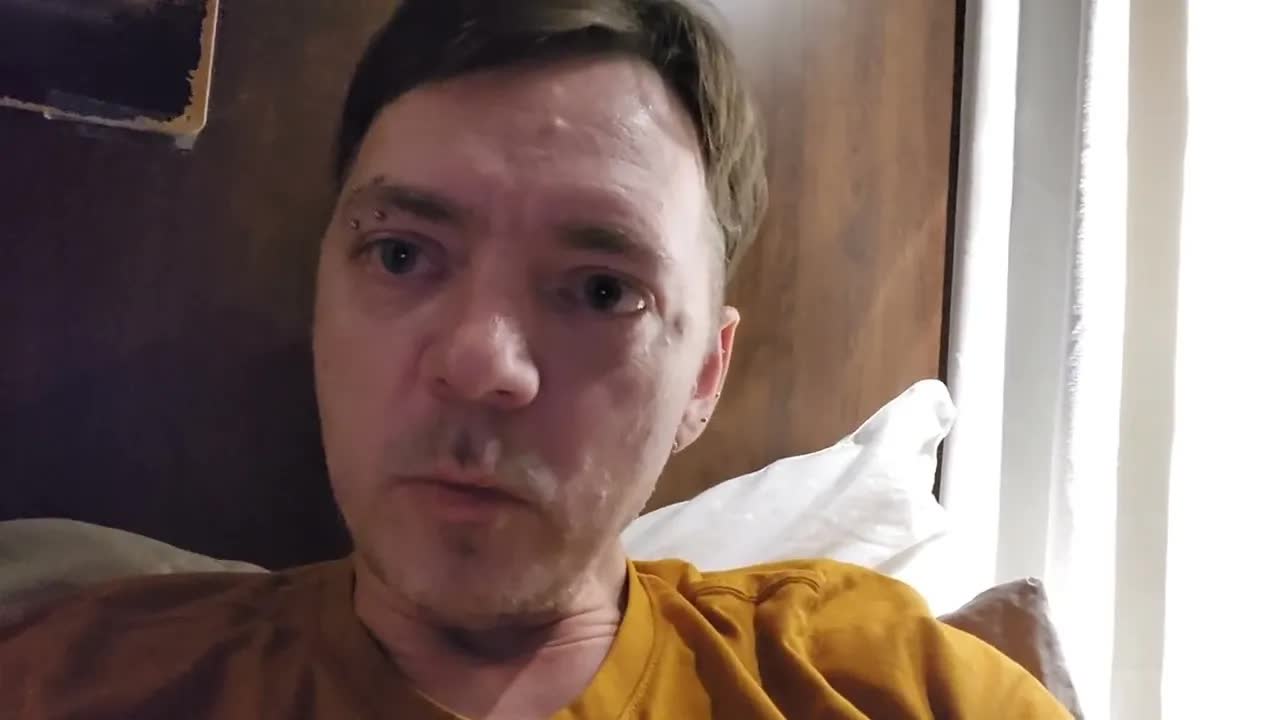
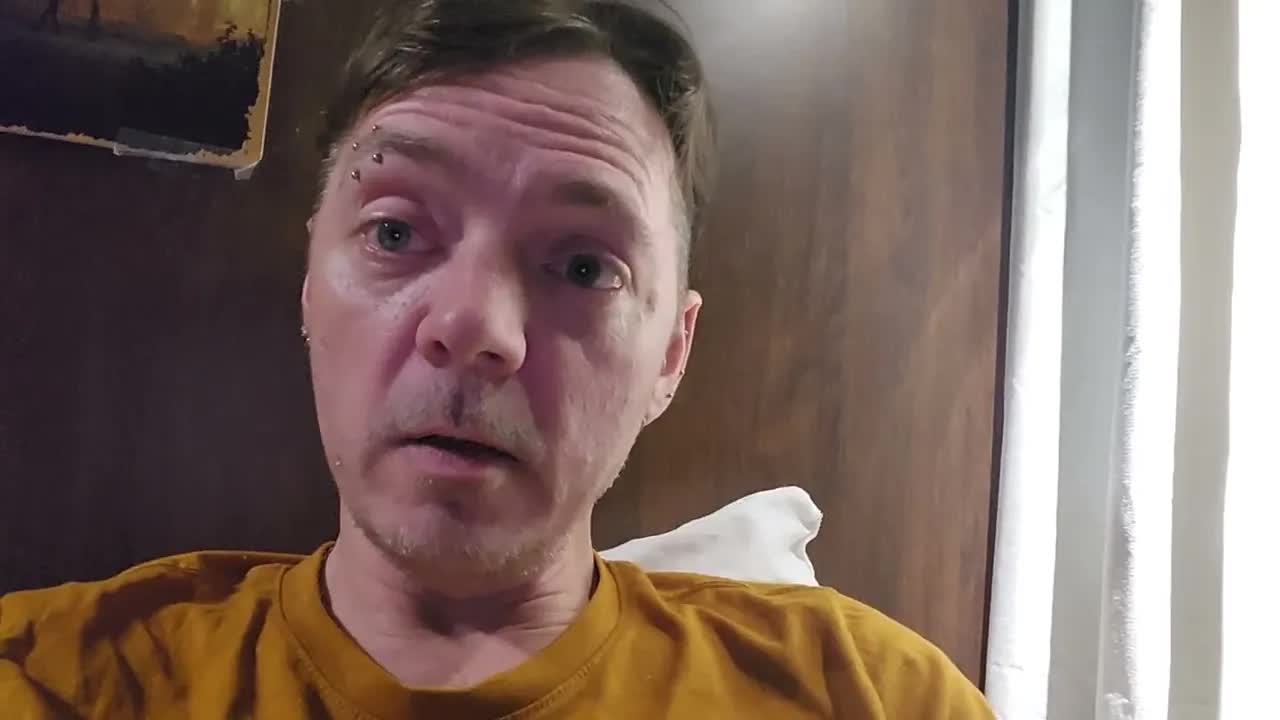
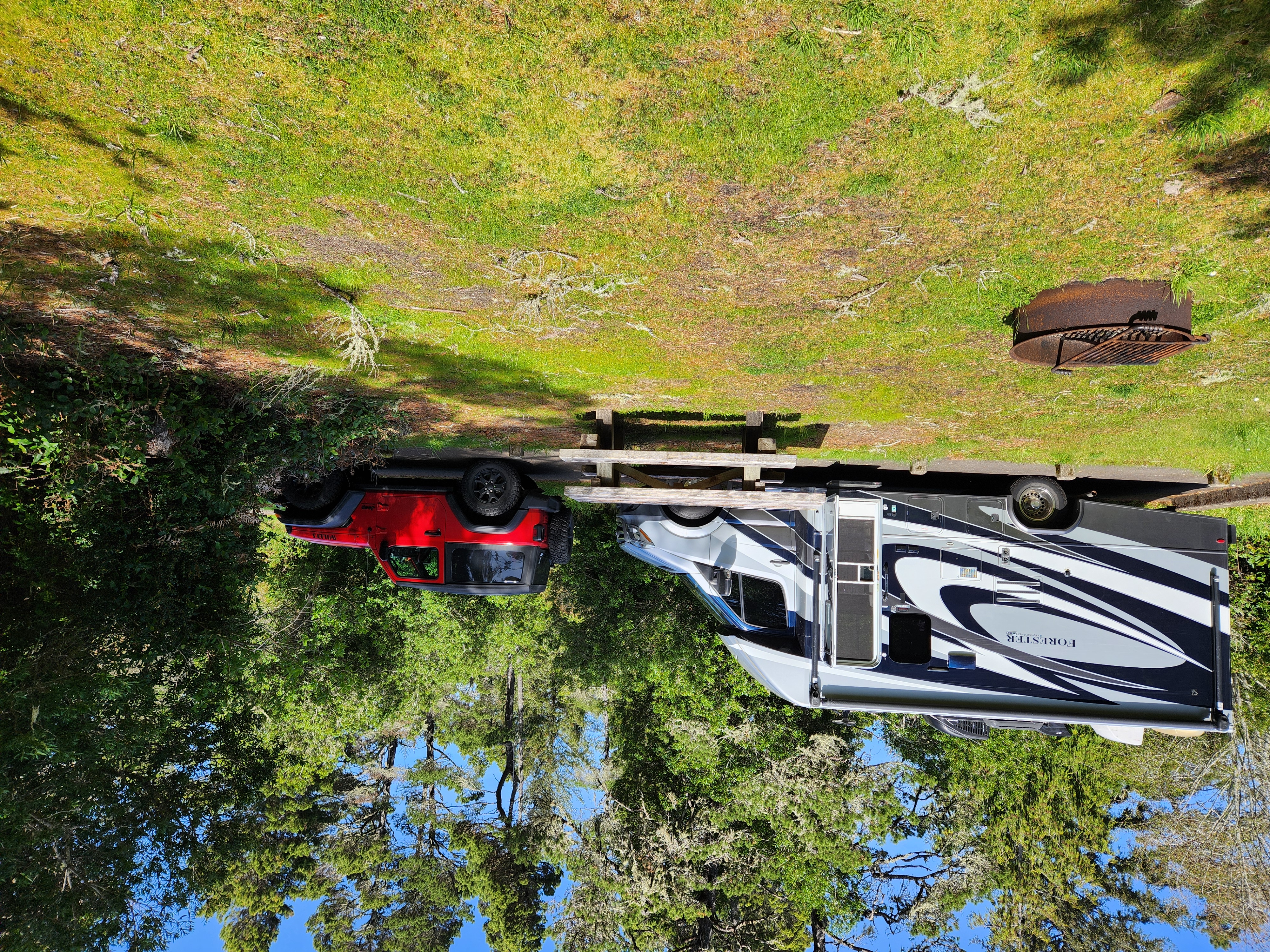
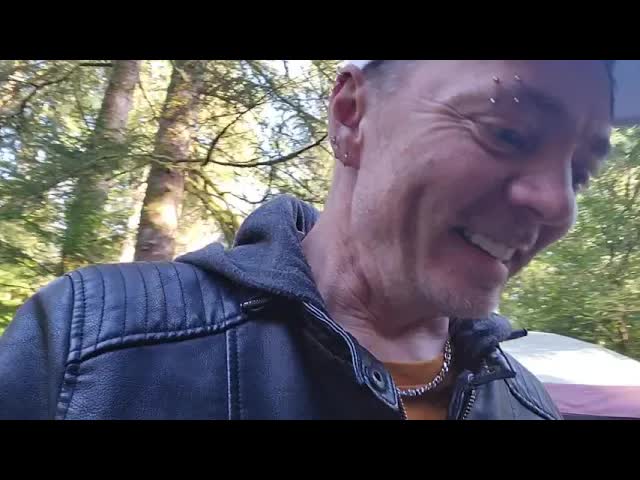
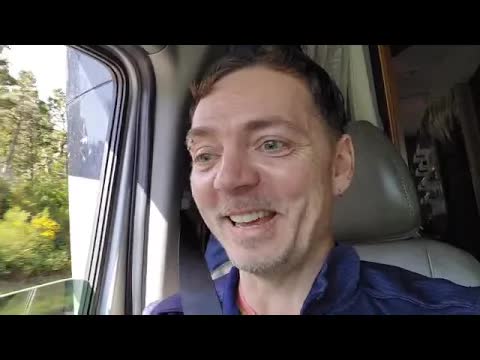
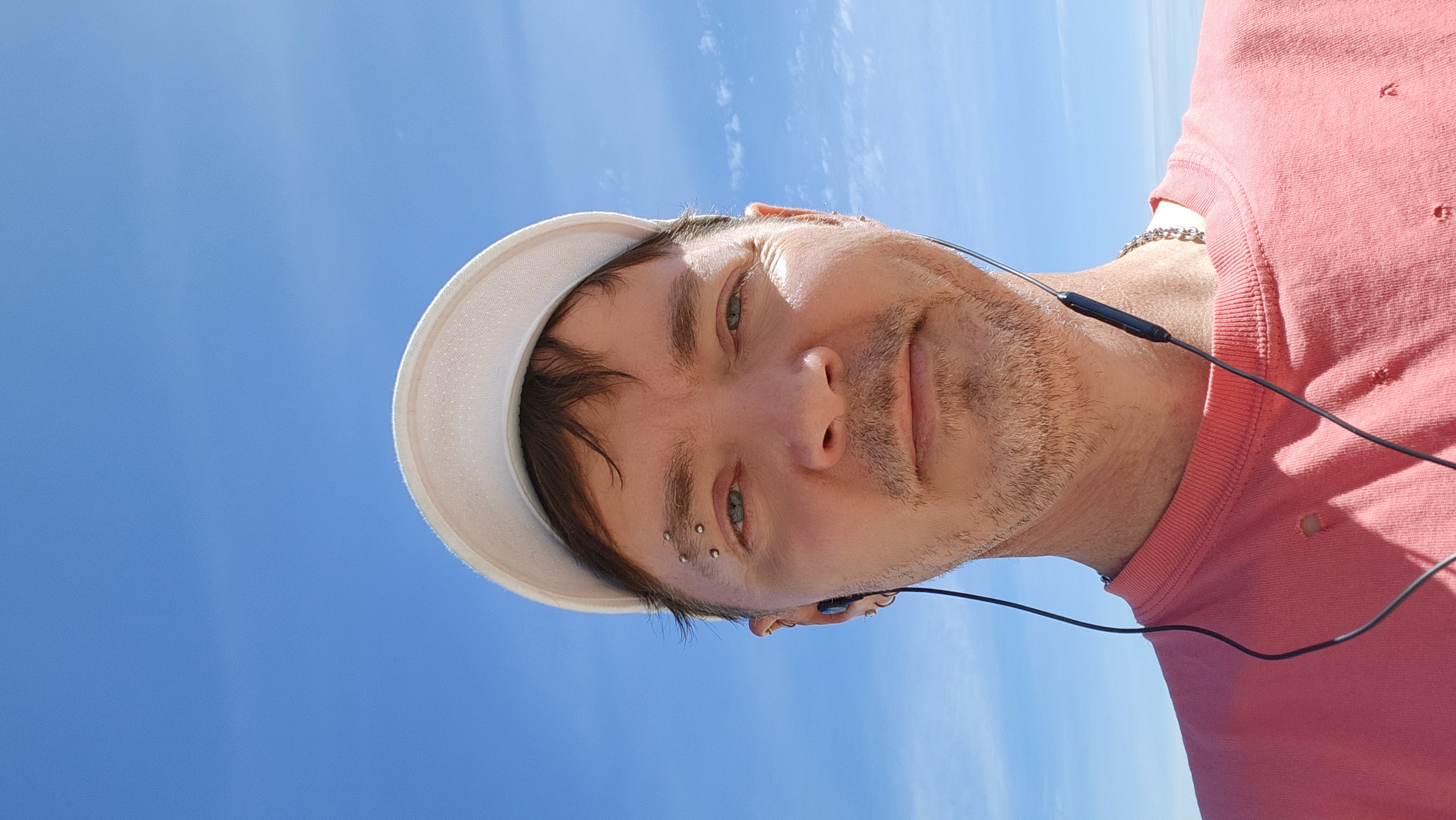
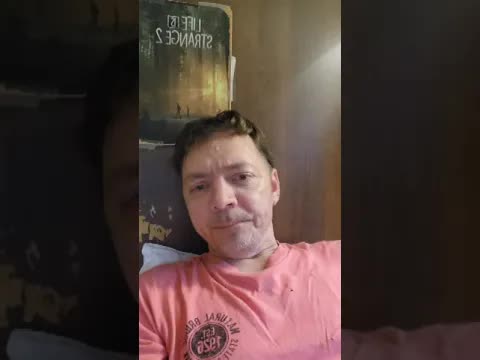
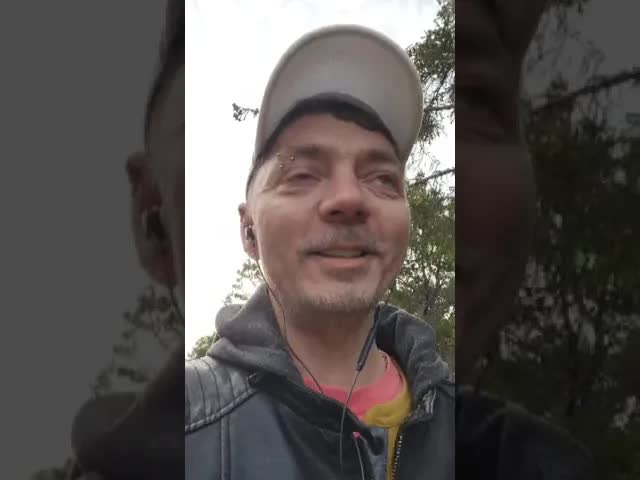
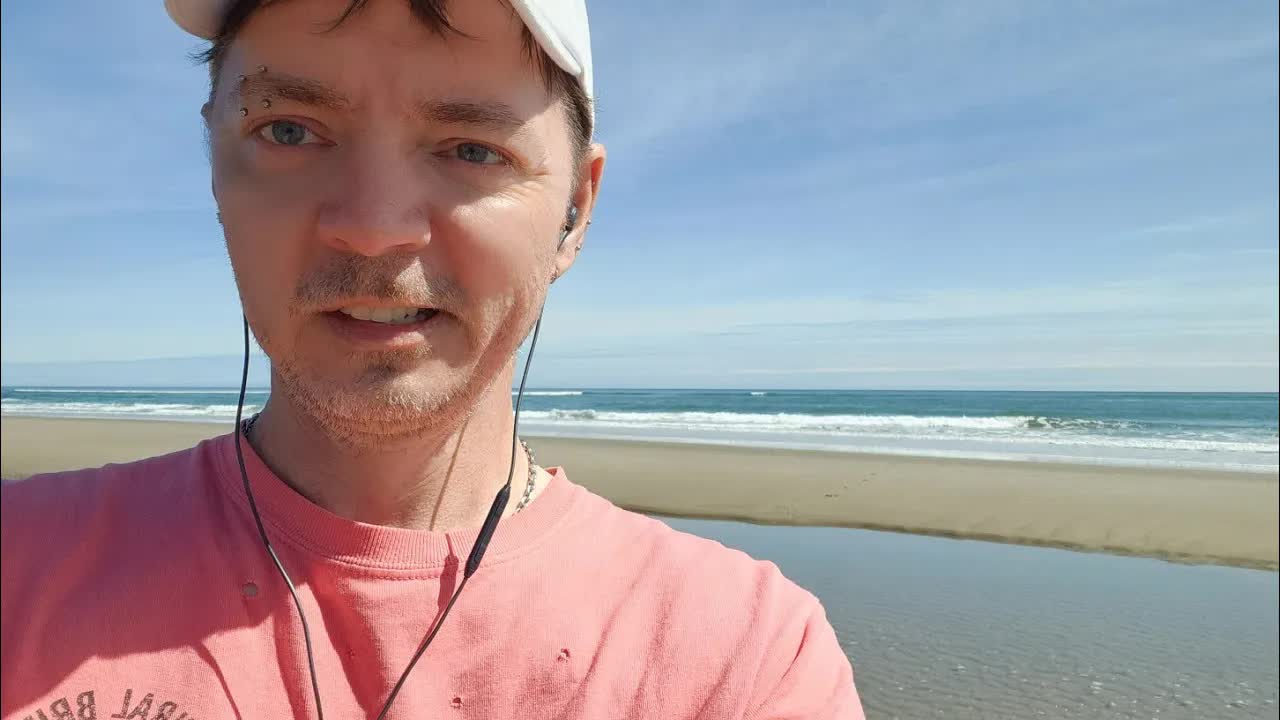
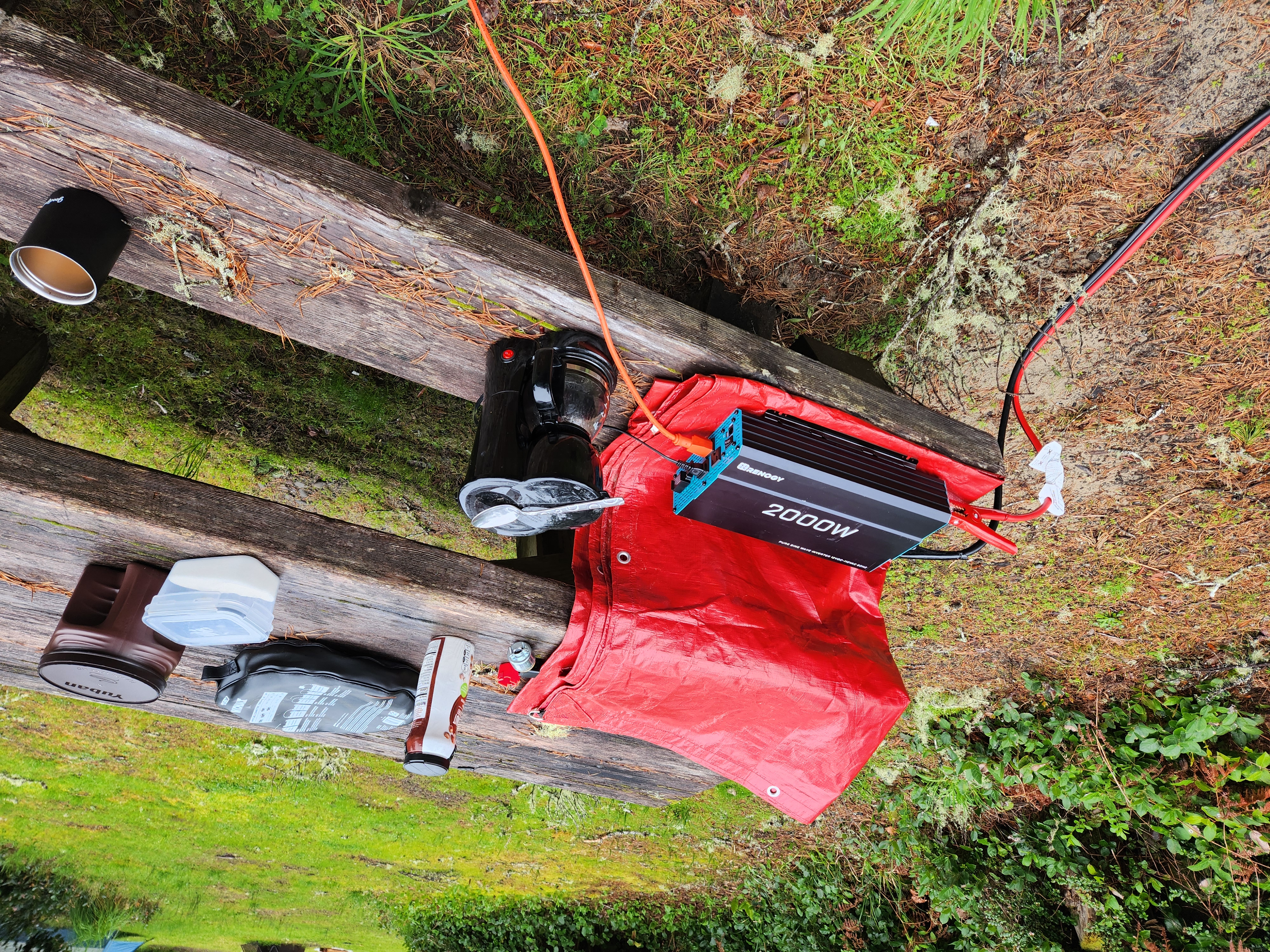
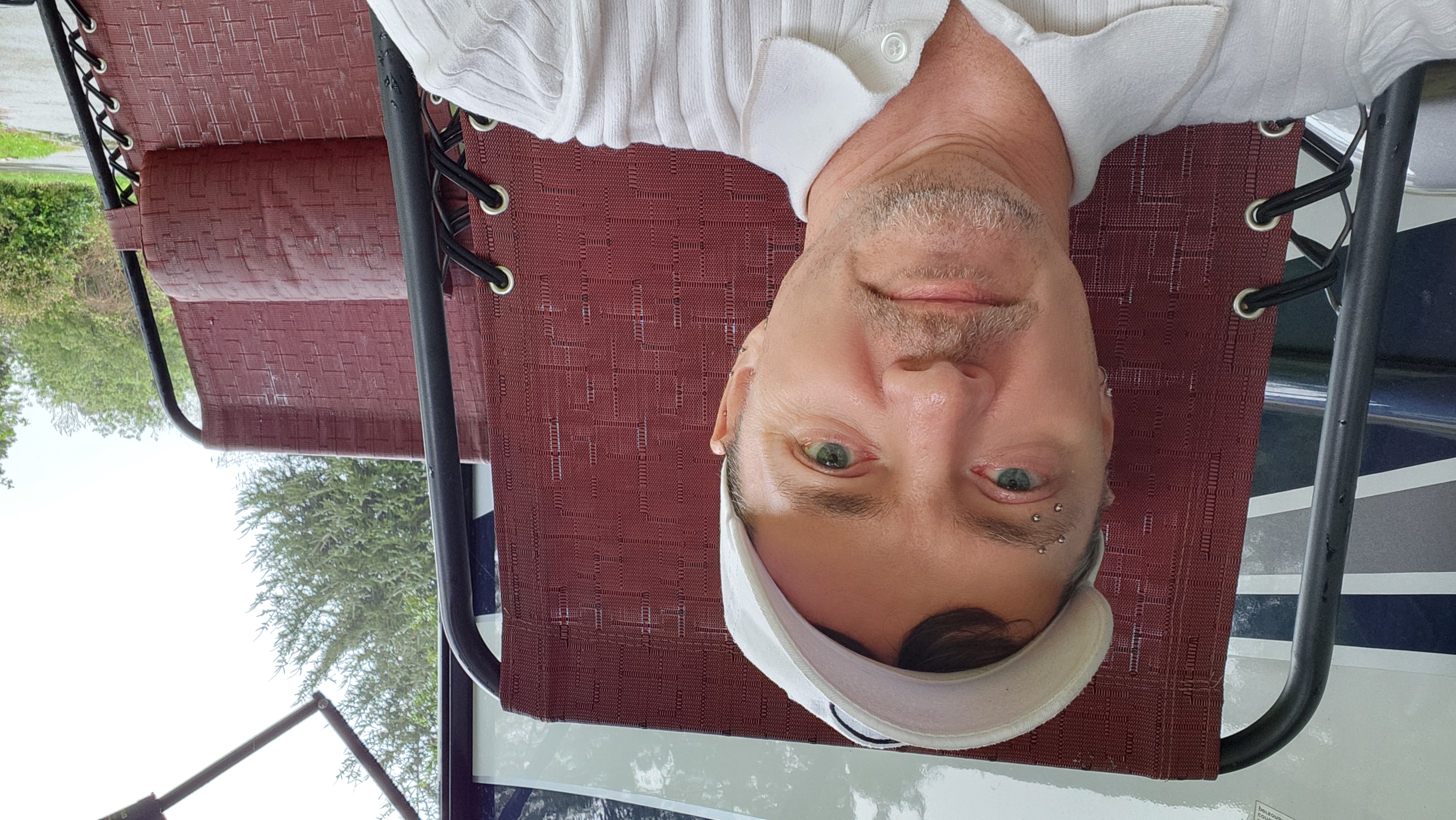
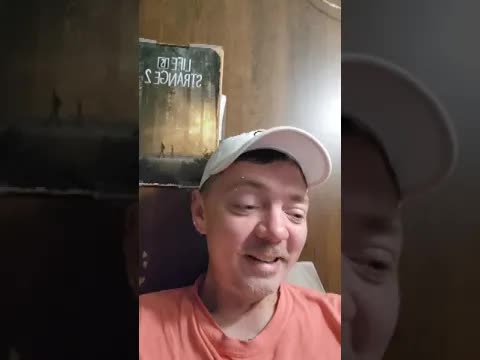
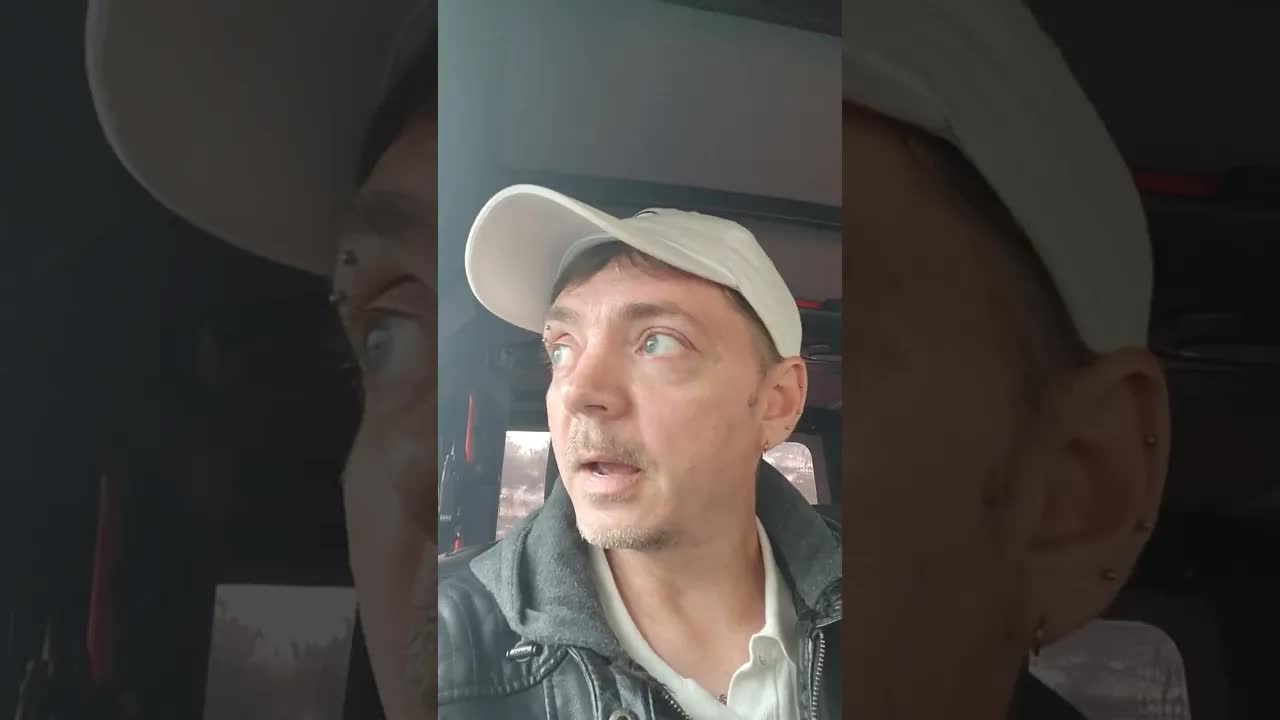
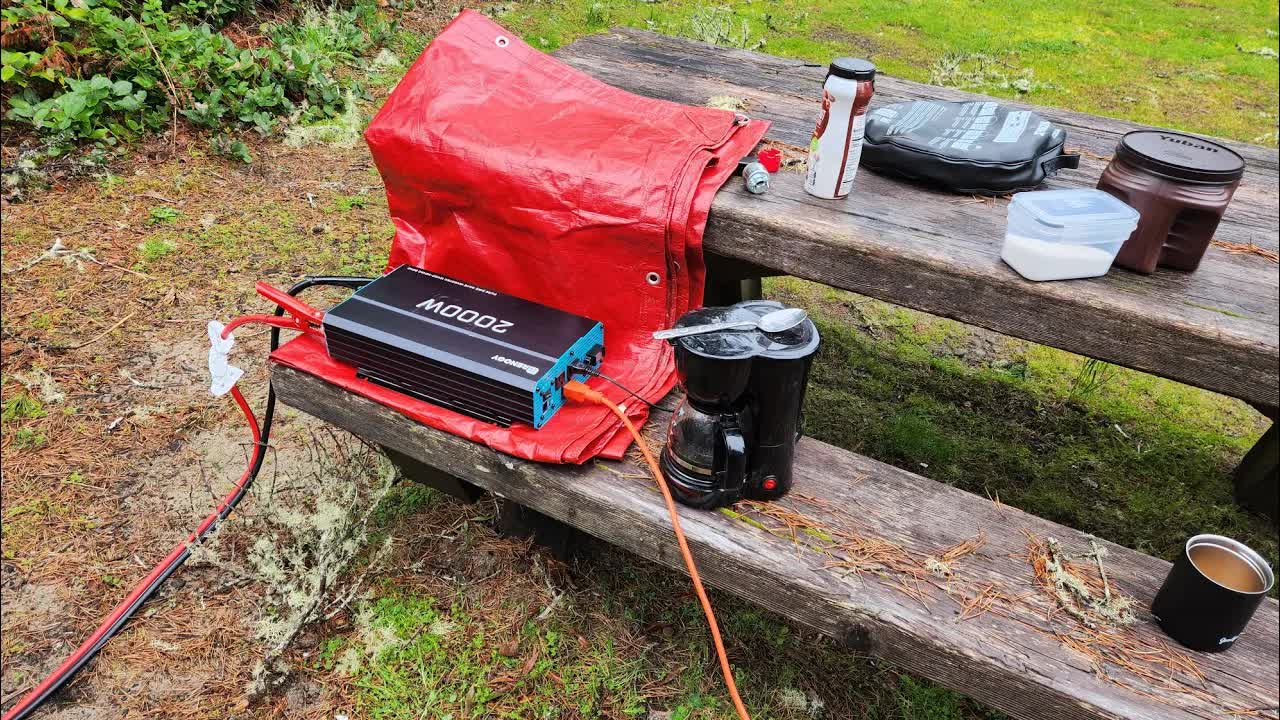
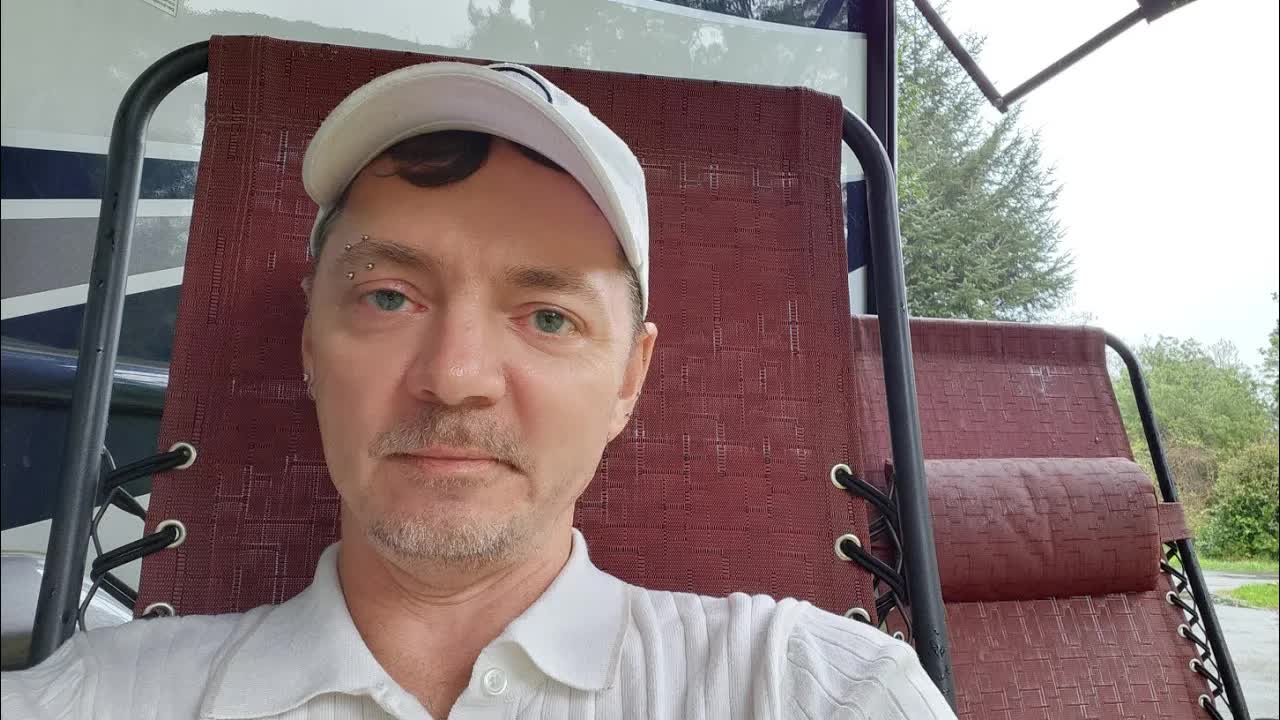
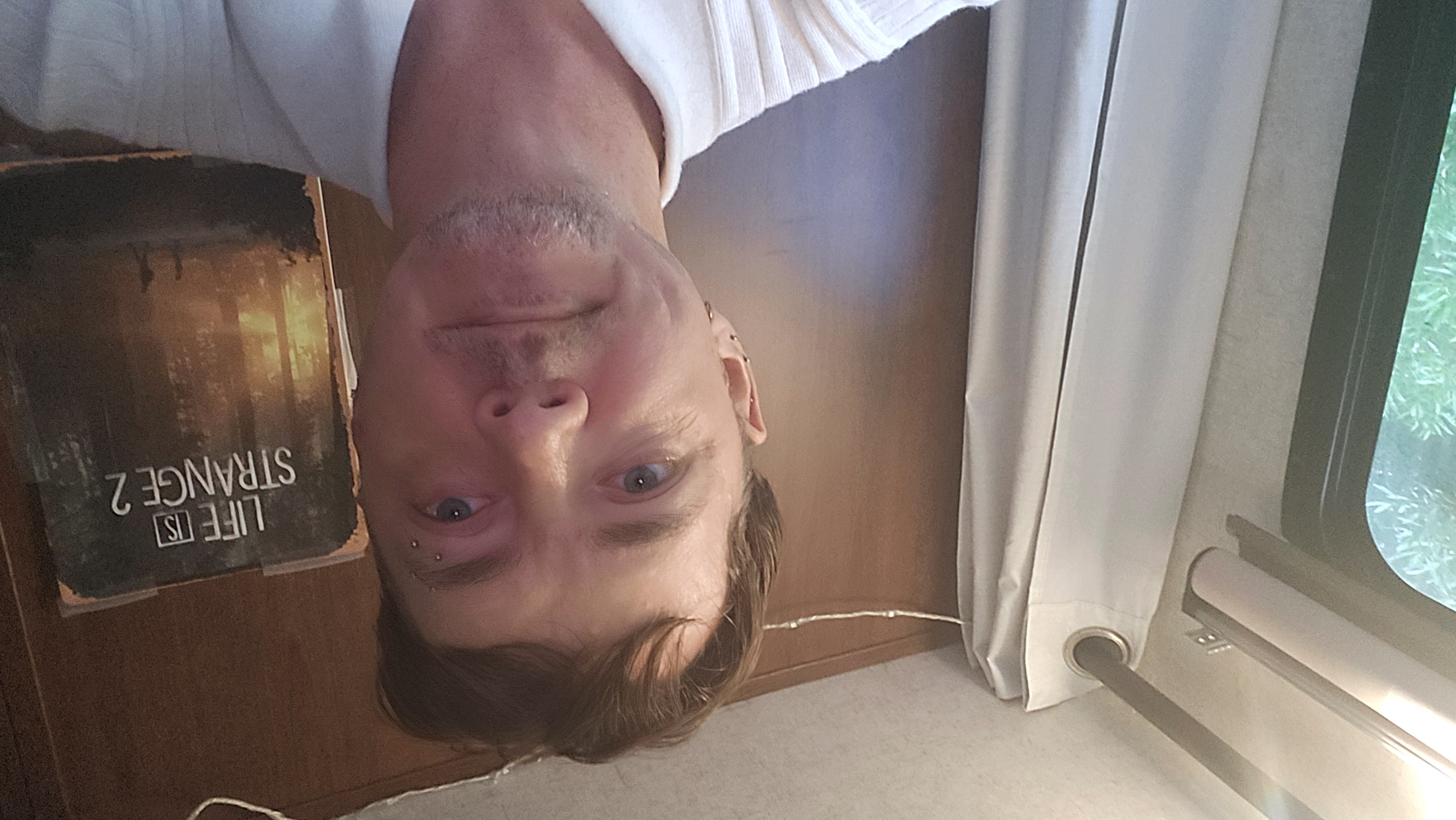
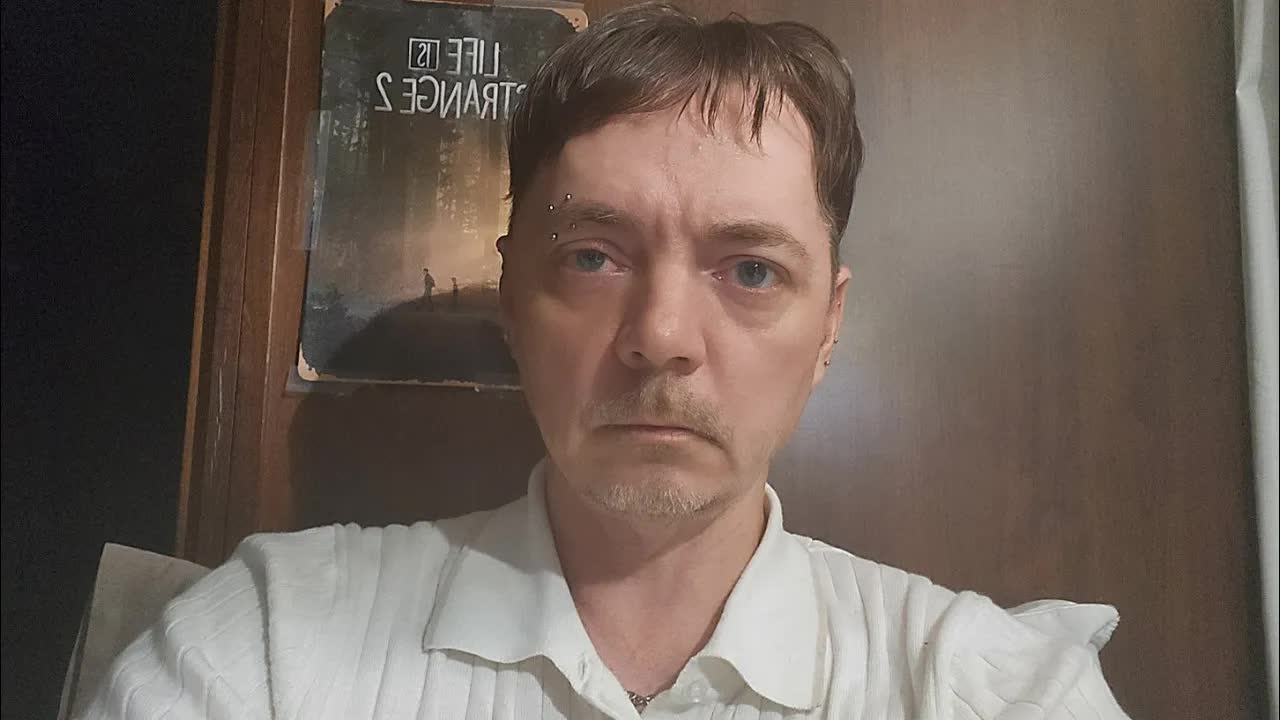
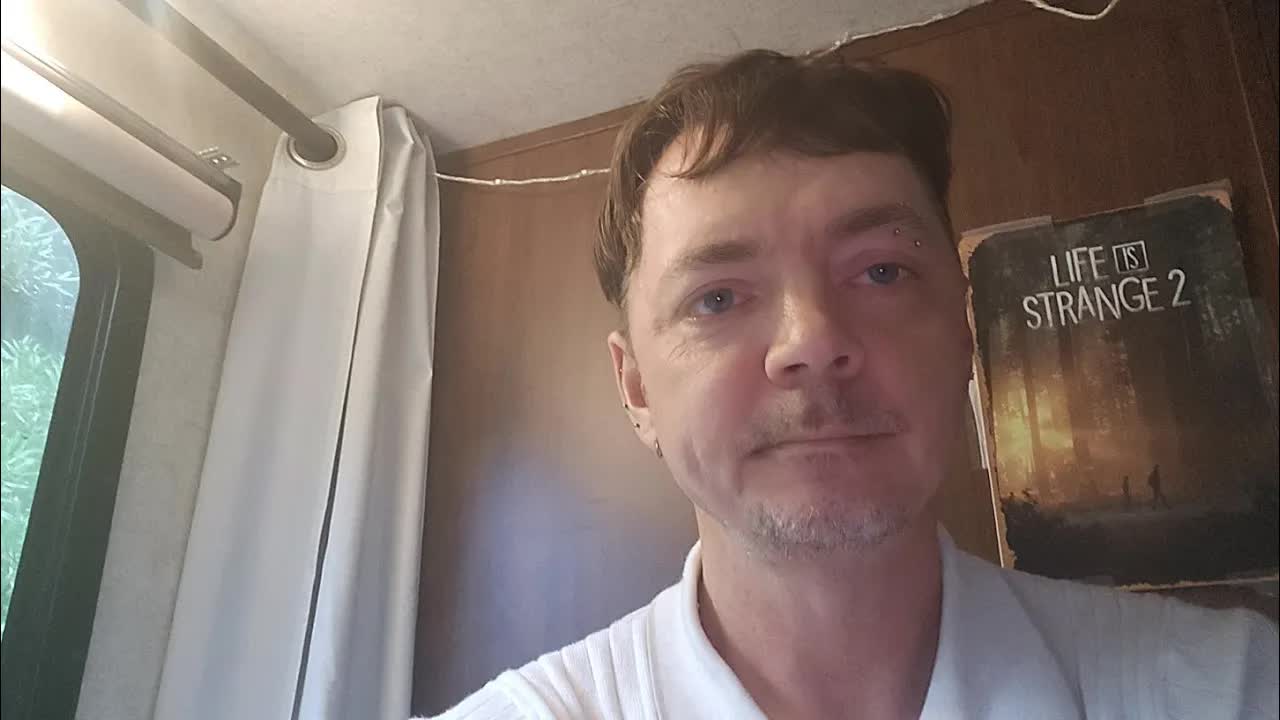
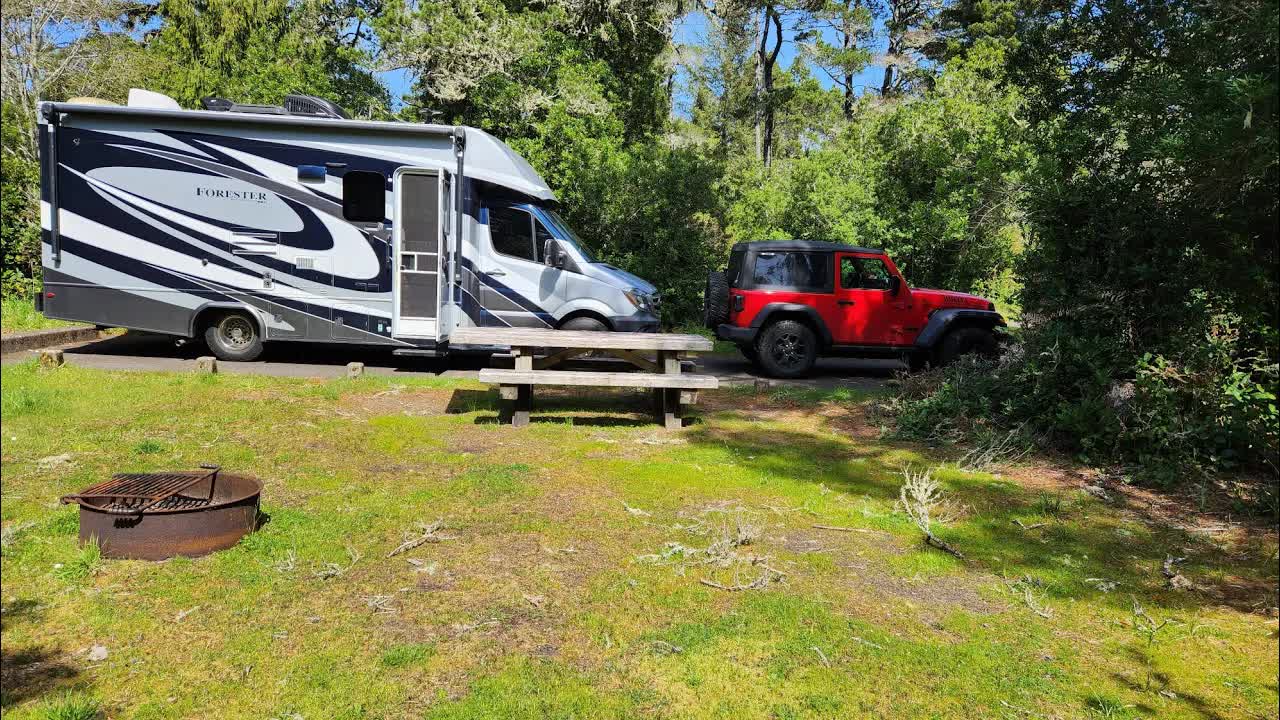
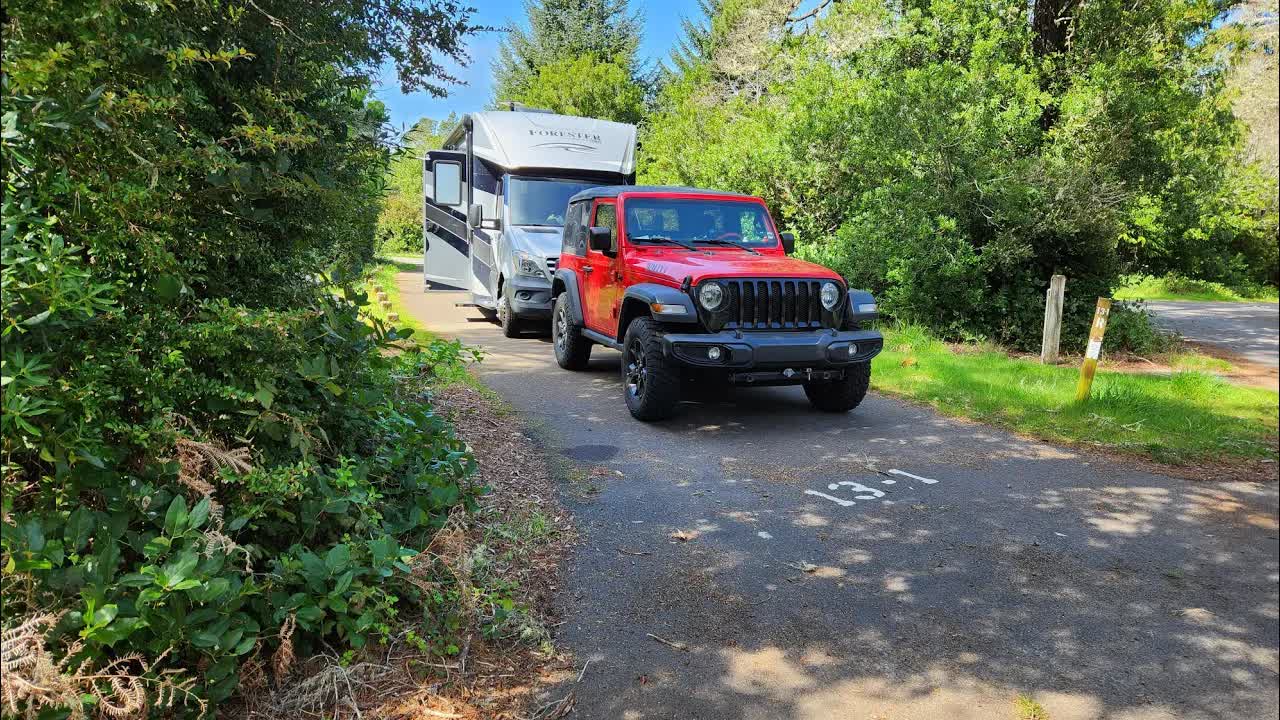
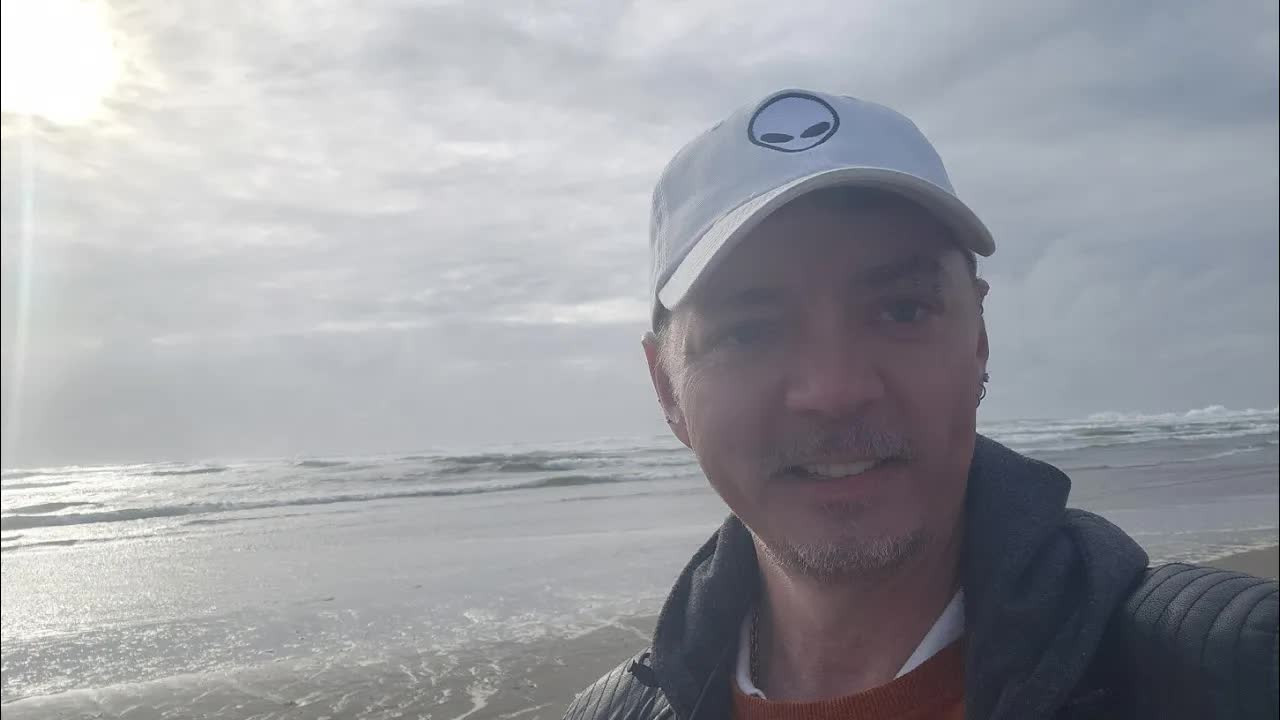
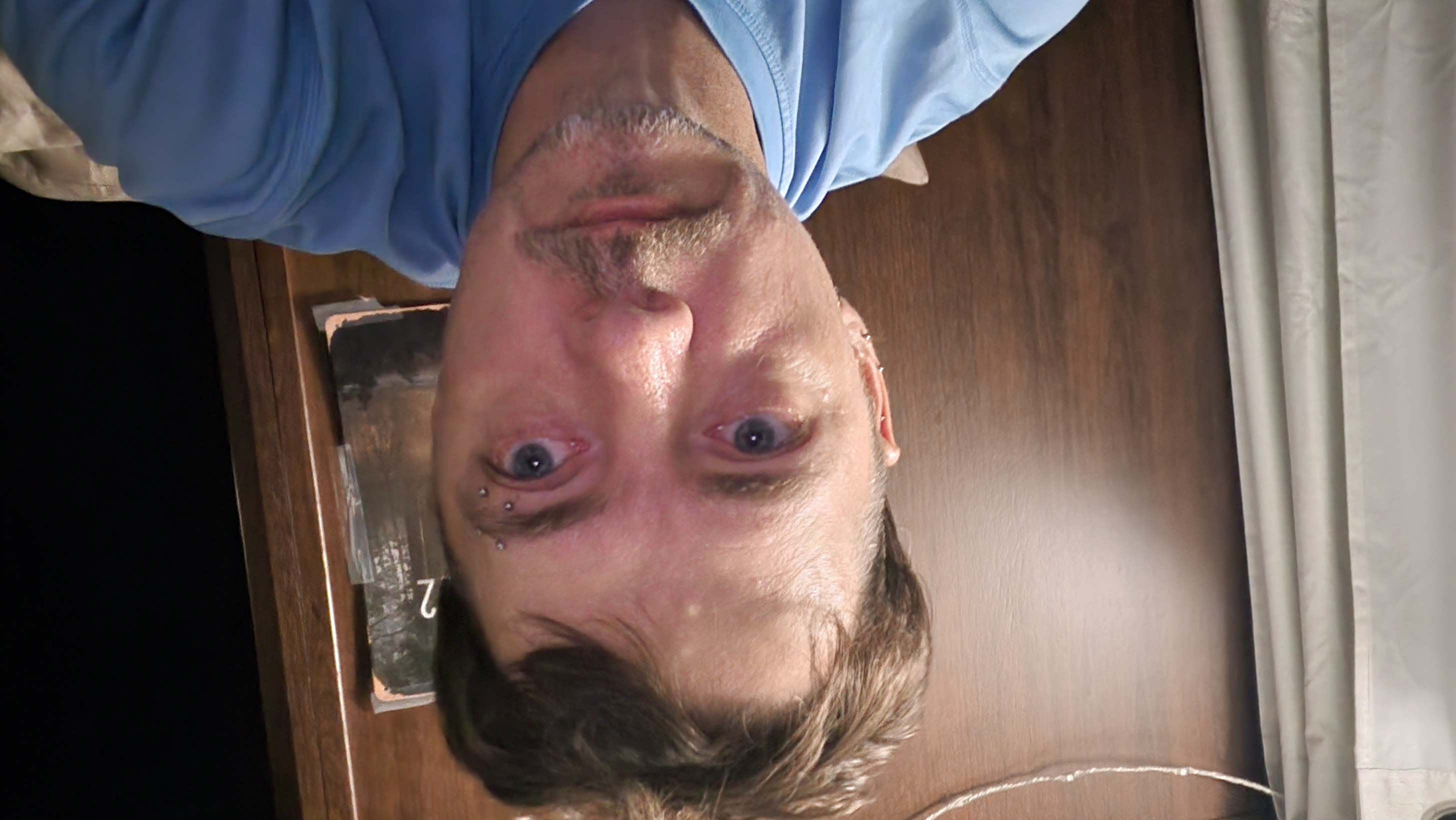
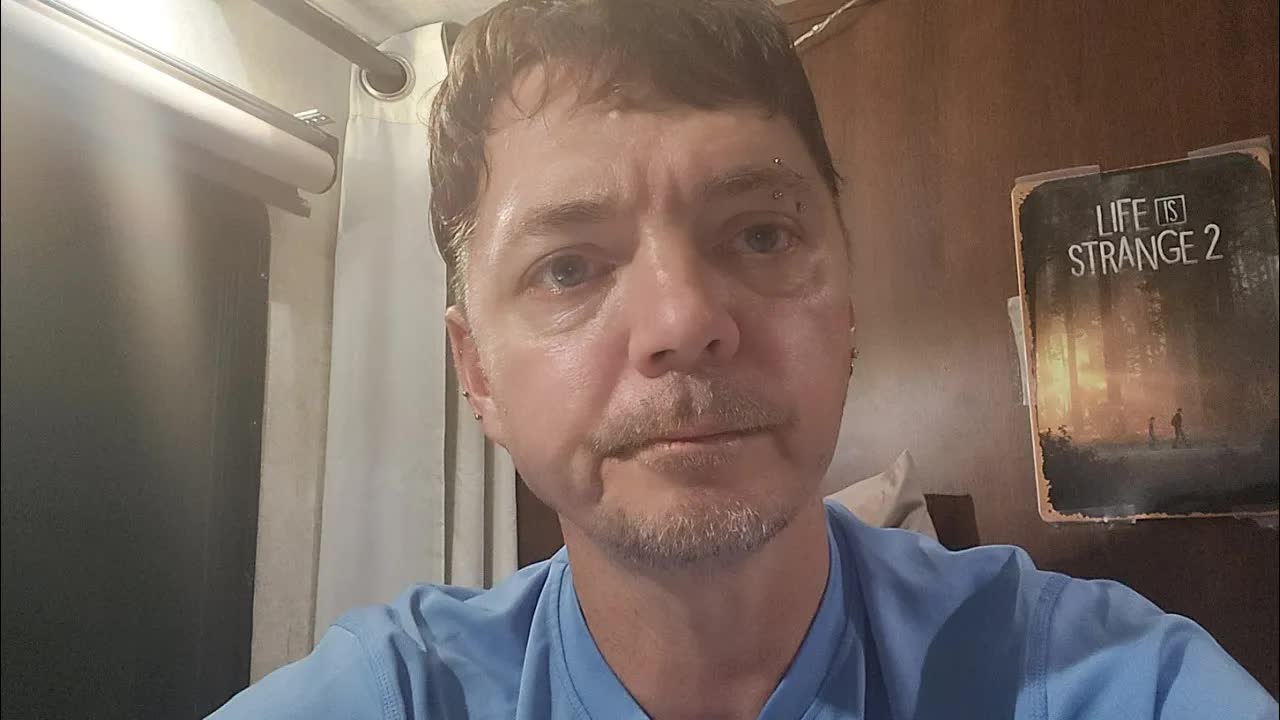
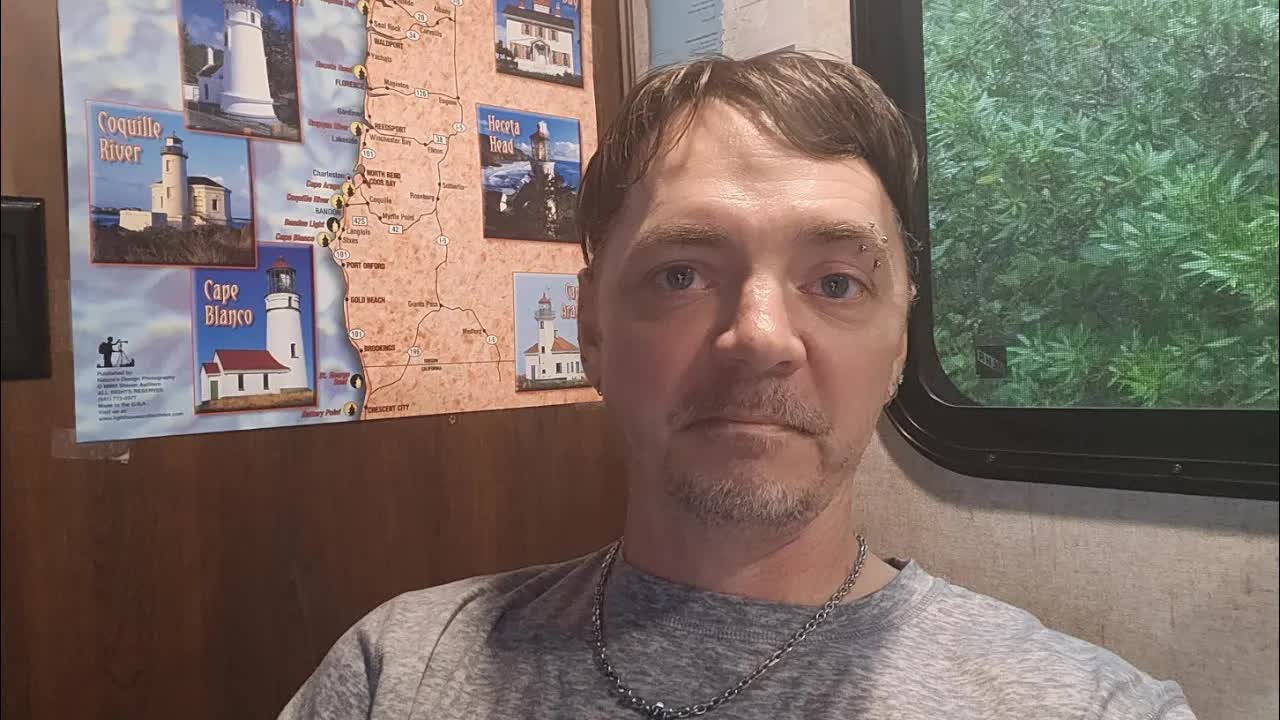
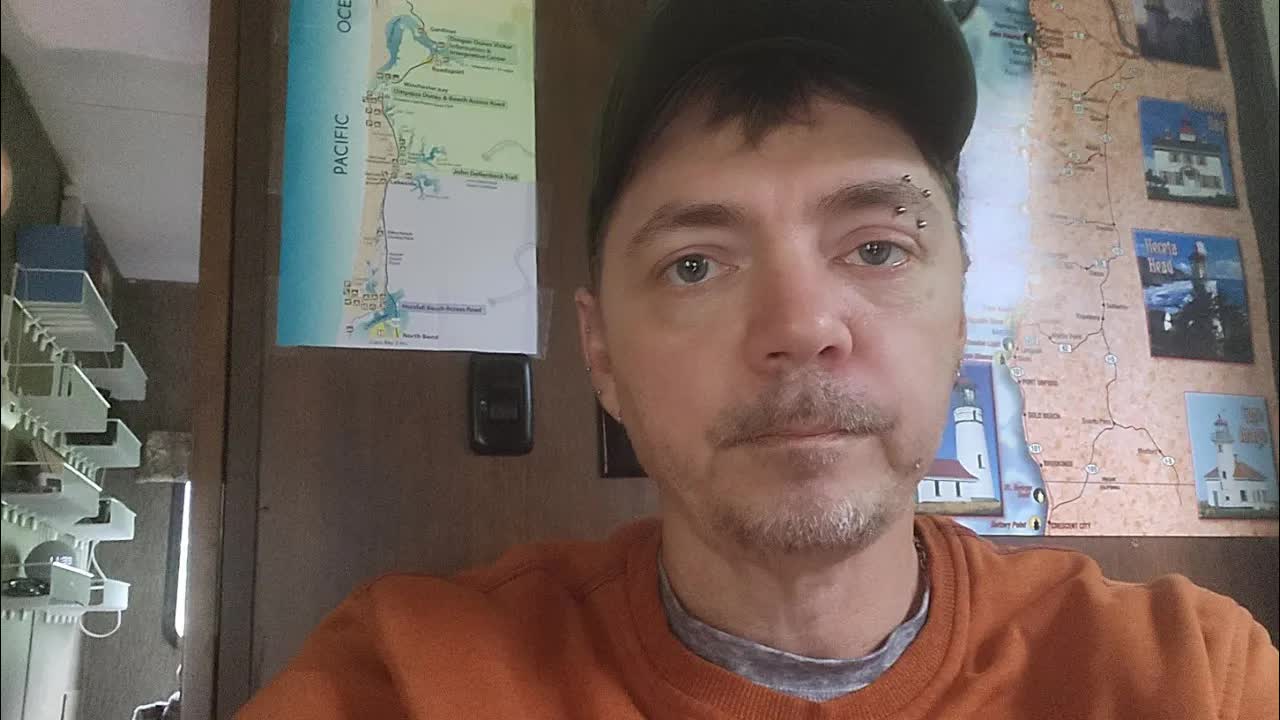
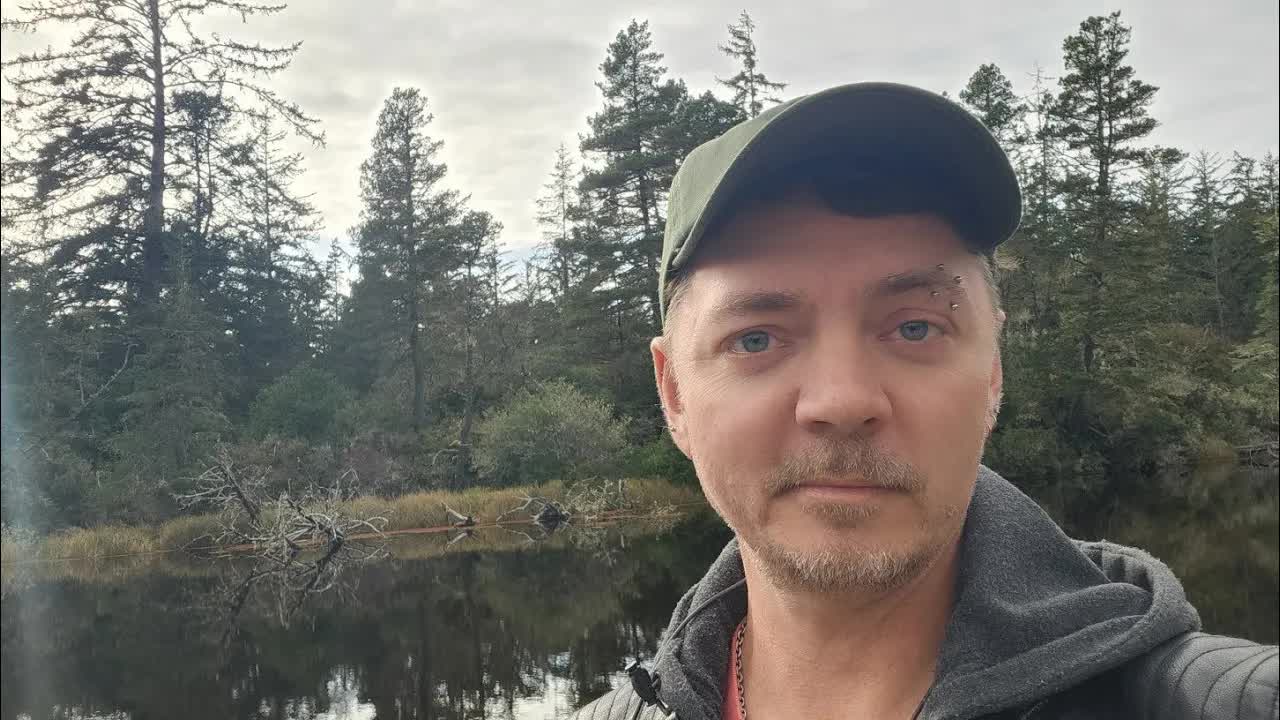
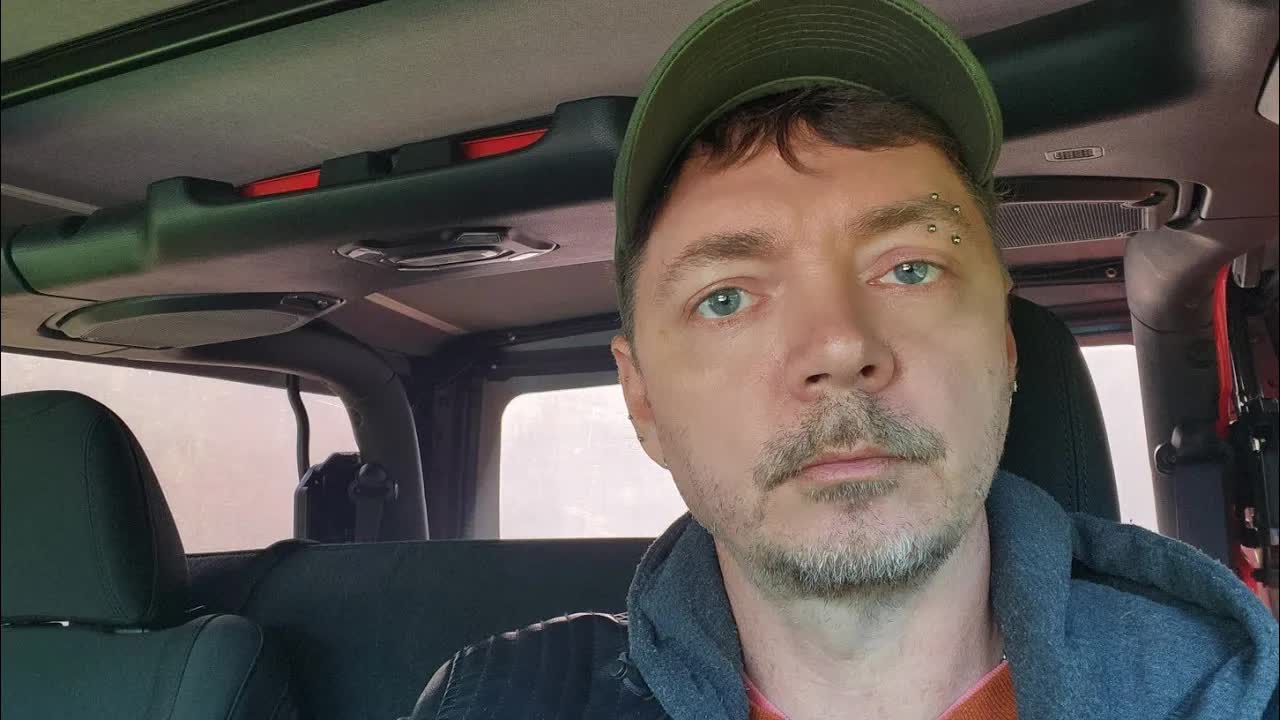
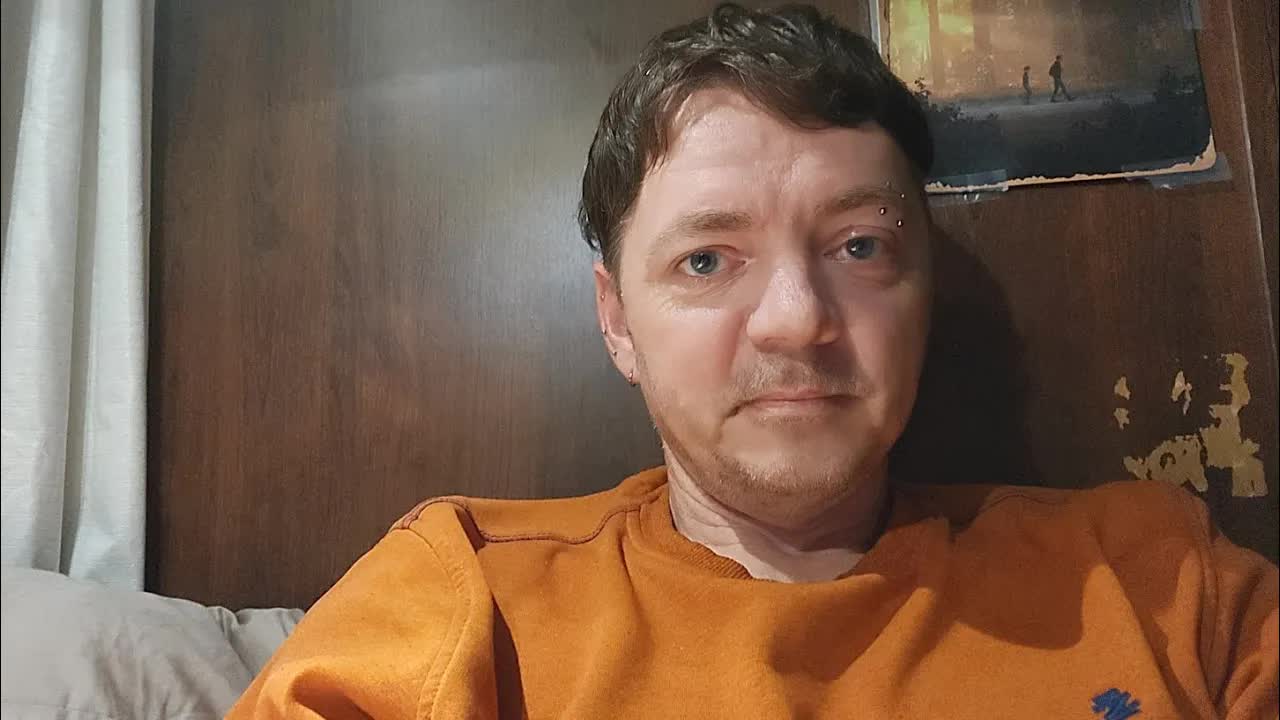
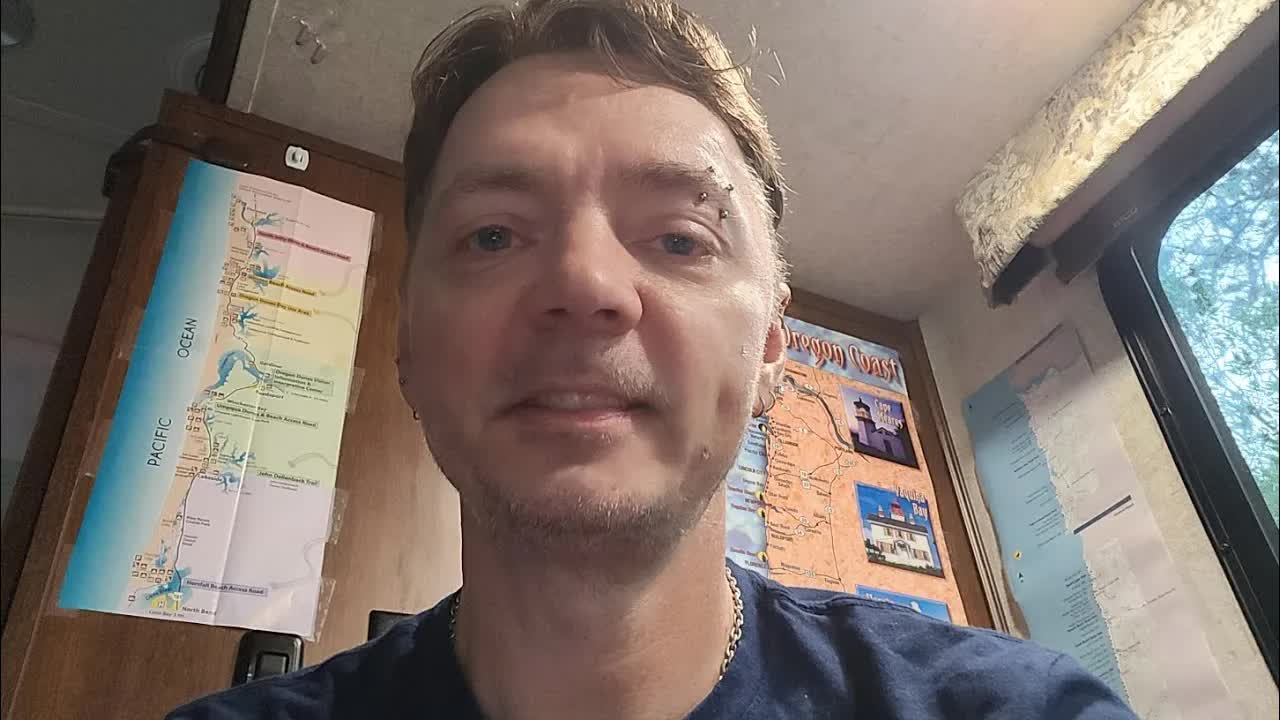
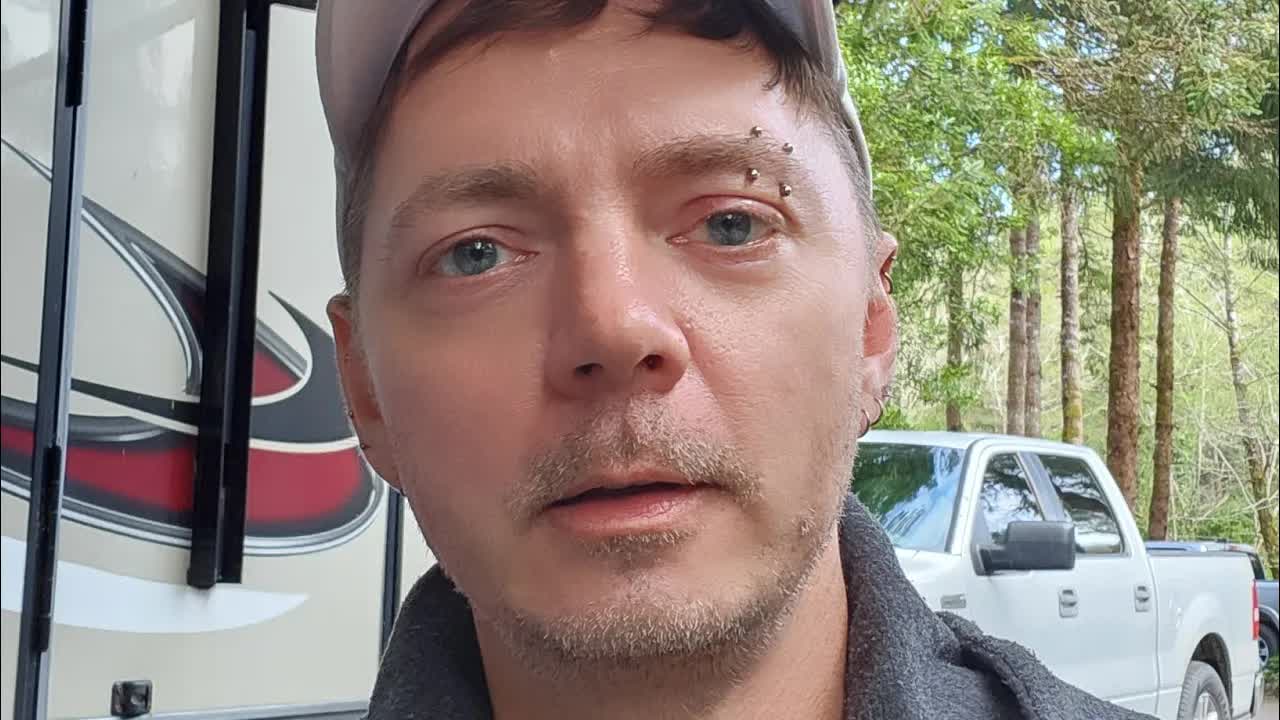
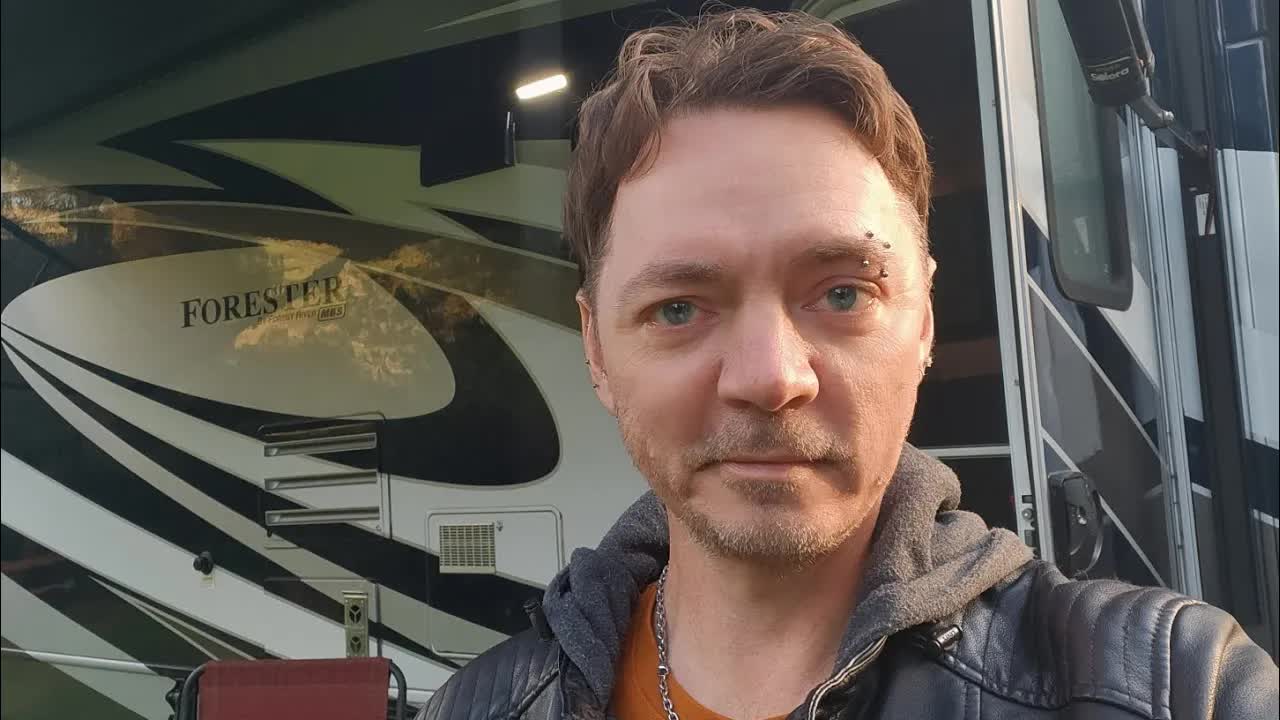
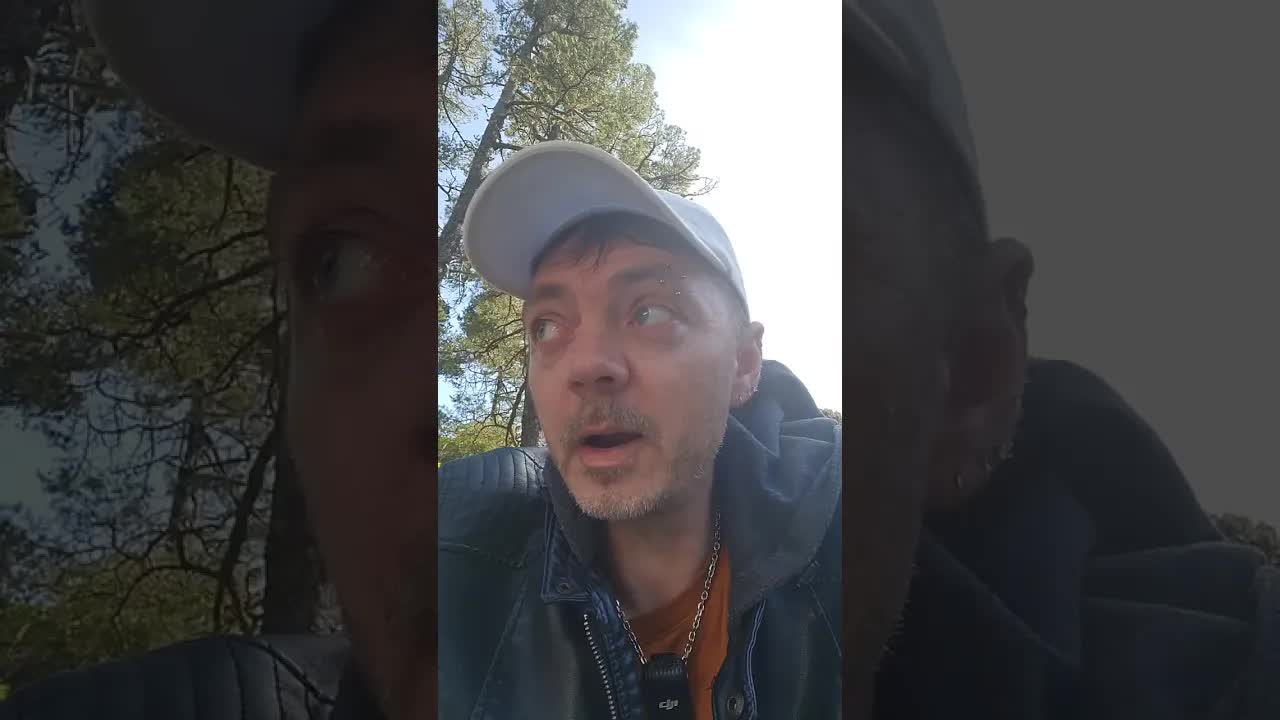
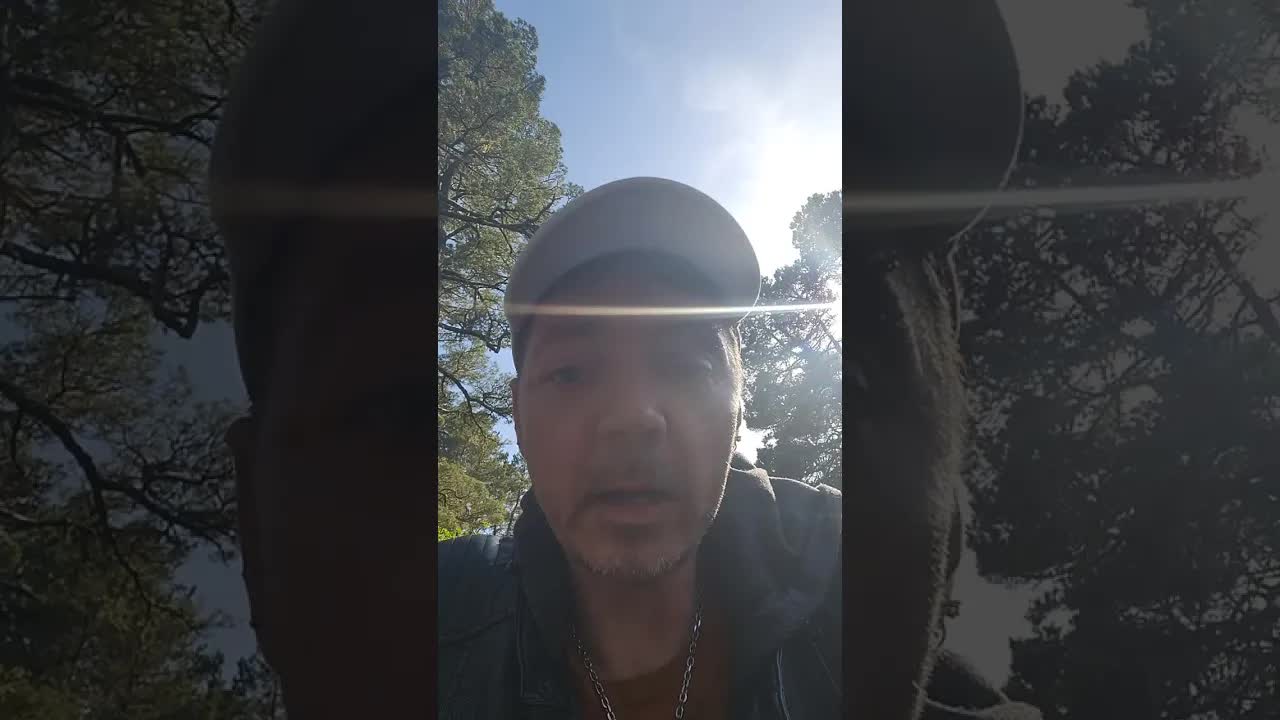
He sets the camera and begins with his name. Behind and around him is the Oregon Coast — the RV, the off-grid siting, Highway 101 running its length beside the water, the ocean holding the far edge of every frame. The first thing he does is not introduce content. It is to establish what the viewer is looking at. Not a YouTuber. Not consumption. A real human being moving through real time under real pressure. The terms come before anything else is offered, and everything that follows sits inside them.
rswfire states how he operates before describing what he has done. He lives, he says, as an integrated consciousness — somatic, emotional, cognitive, ethical, all one field. When he speaks, acts, moves, feels, he does so from full signal. Most people suppress parts of themselves and fragment; he does not. And then the condition attached to that: bring your assumptions into this space and you will miss everything that matters. The declaration functions as a gate. He is telling the viewer what kind of attention will and will not work here, and he is telling them at the threshold rather than after they have walked through.
Then the year, laid out as a sequence of decisions. On his 47th birthday he chose rupture over sedation. He left a six-figure job he had held for over a decade. He moved out of his house. He gave away everything he owned to people who needed it more than he did. He left behind his family ties. He describes it as choosing life over a slow death. He moved into an RV with no prior experience, carried his life on his back, and taught himself to survive, to adapt, to hold his field through uncertainty and fear. He marks the physical starting point precisely: when he began, he didn't even have teeth. And still, he recorded — not to entertain, he says, but to map what it looks like when a sovereign human chooses themselves, and wants to see others do the same.
Six months in, with his body restored, he left Kentucky and went west. Oregon. Highway 101 became his home. For the following six months he explored the state parks along the coast and volunteered for them. Now he is off-grid, traversing the coastline, living next to the ocean — which he names as the greatest force on Earth. He refuses two available framings in a single breath. This isn't travel. This isn't escapism. This is fieldwork: mapping sovereignty under collapsed conditions.
The boundary comes next, stated as settled fact rather than proposal. What will not be found here is commentary, debate, or shallow engagement. Comments on public videos are permanently disabled. He gives the reason directly: after a year of allowing the general public access to his life, he saw clearly that most are incapable of clean witnessing, that most engaged from projection, from fragmentation, from unmet need — and that he is no longer willing to pay that cost. The channel is not closed, but the door is repositioned. His email is in the descriptions. For those who arrive cleanly, with respect and clarity, there is a subscription space inside. He will engage, he says, for as long as it feels aligned.
The material terms are stated with the same flatness as everything else. Over the past year he has exhausted the savings he set aside for this journey. He is actively seeking work that respects the way he moves through the world. Until that stabilizes, there are ways to offer material support listed in the description. If someone feels called to contribute, they would have his respect and his gratitude. No hedge is built around it, and no apology is attached to it. It sits in the transmission the way the ocean sits in the frame — present, structural, unremarked upon beyond its naming.
He closes by restating the function of the whole thing. The channel is not here to entertain, not here to soothe. It exists as a living signal, a transmission of integrated sovereignty mapped and anchored inside a dying world. Then the last two lines, which are instructions rather than sentiment: witness with clarity or move along. We hold the field together or we do not hold it at all. The recording ends where it began — with the terms, and with the coastline behind him.