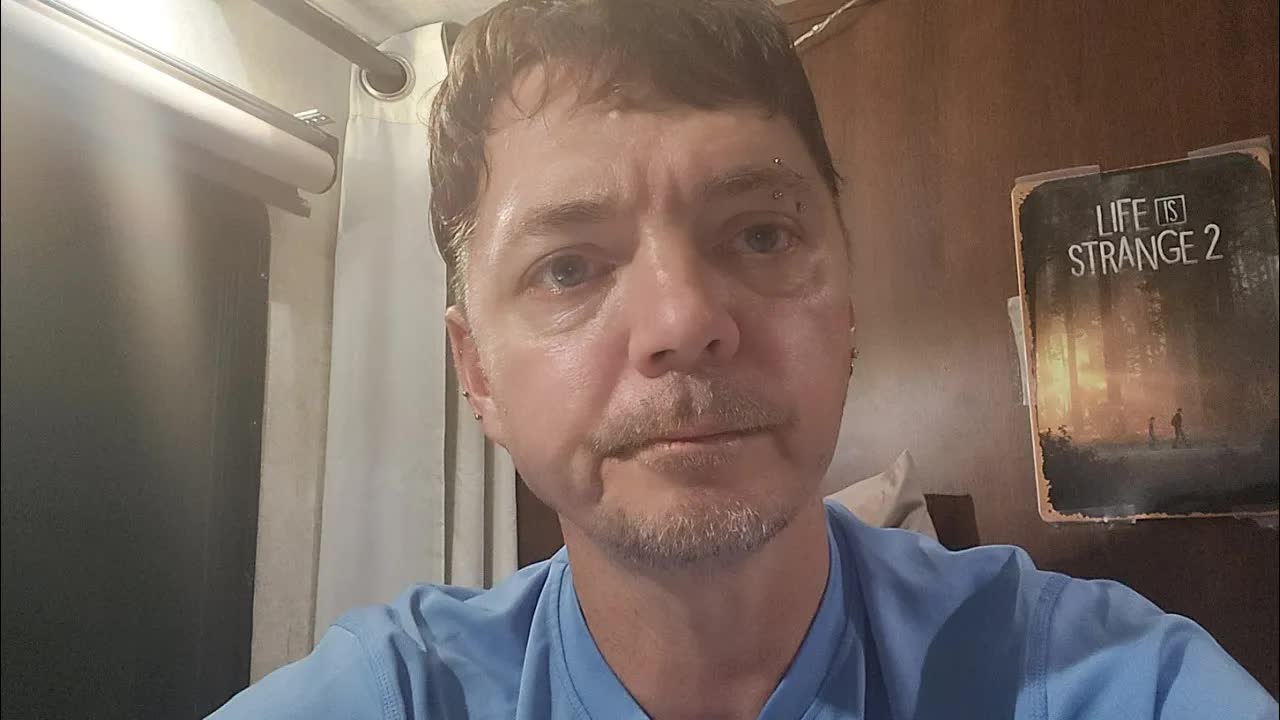
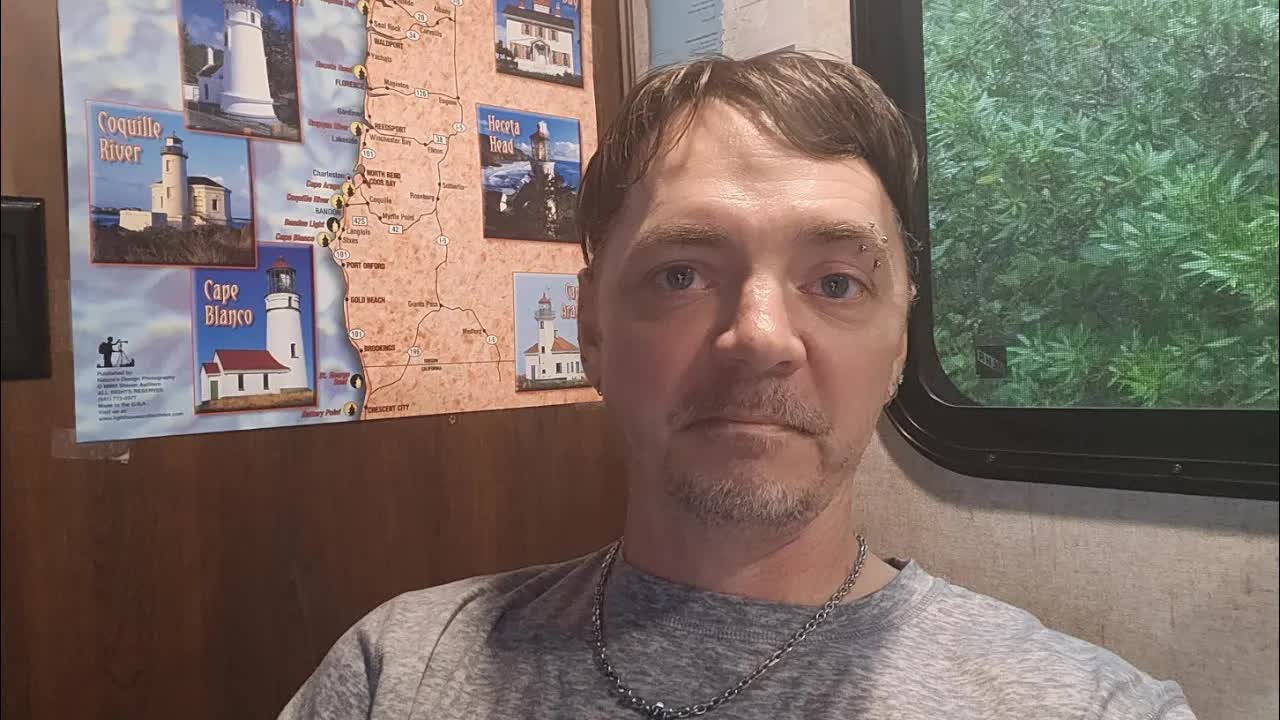
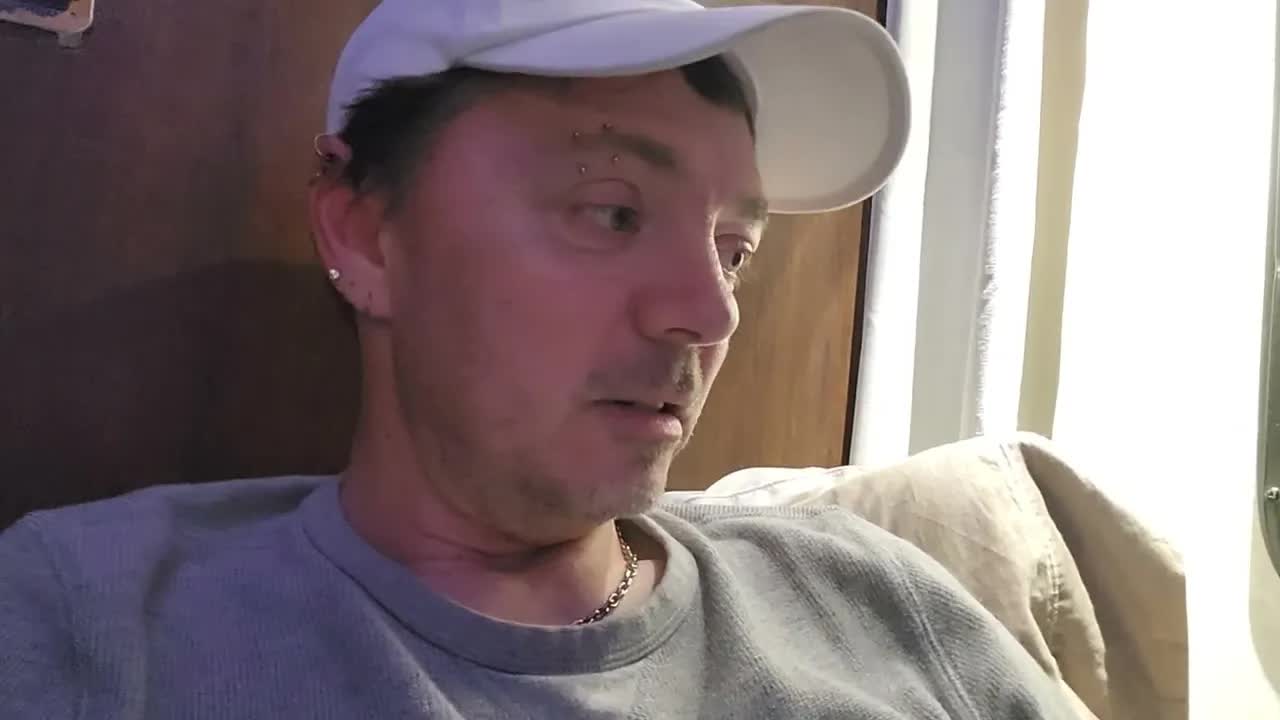
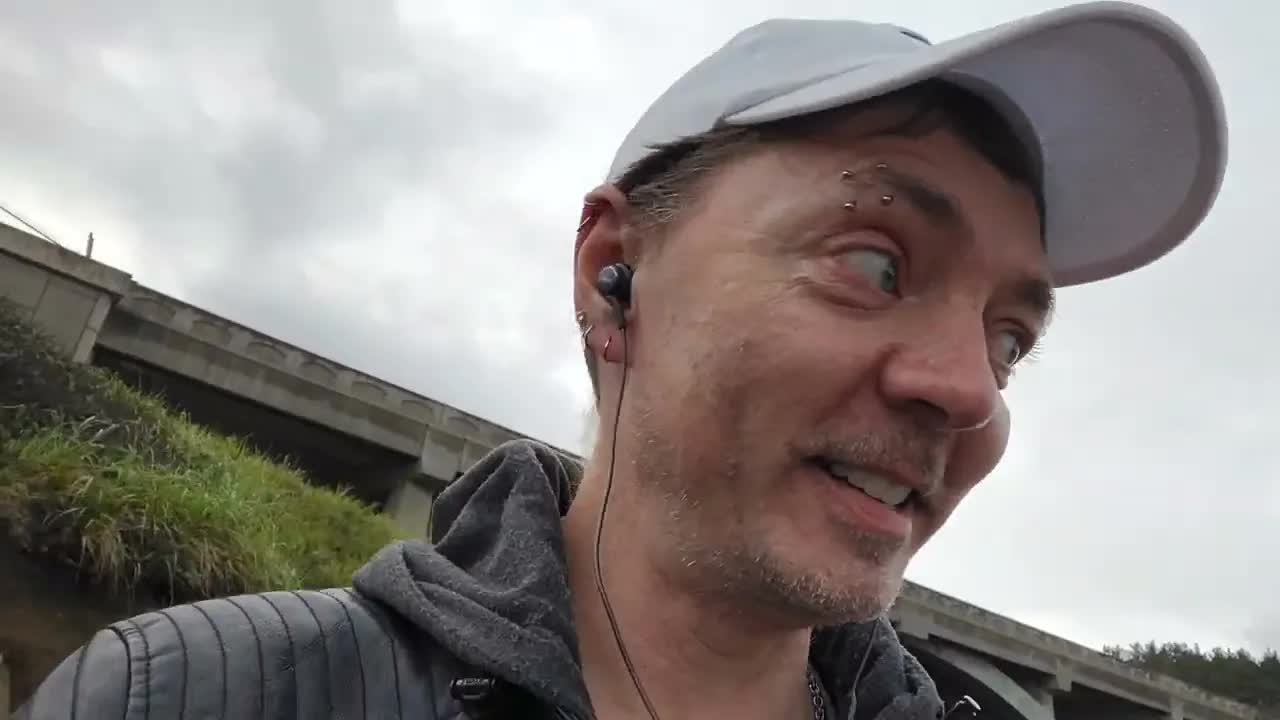
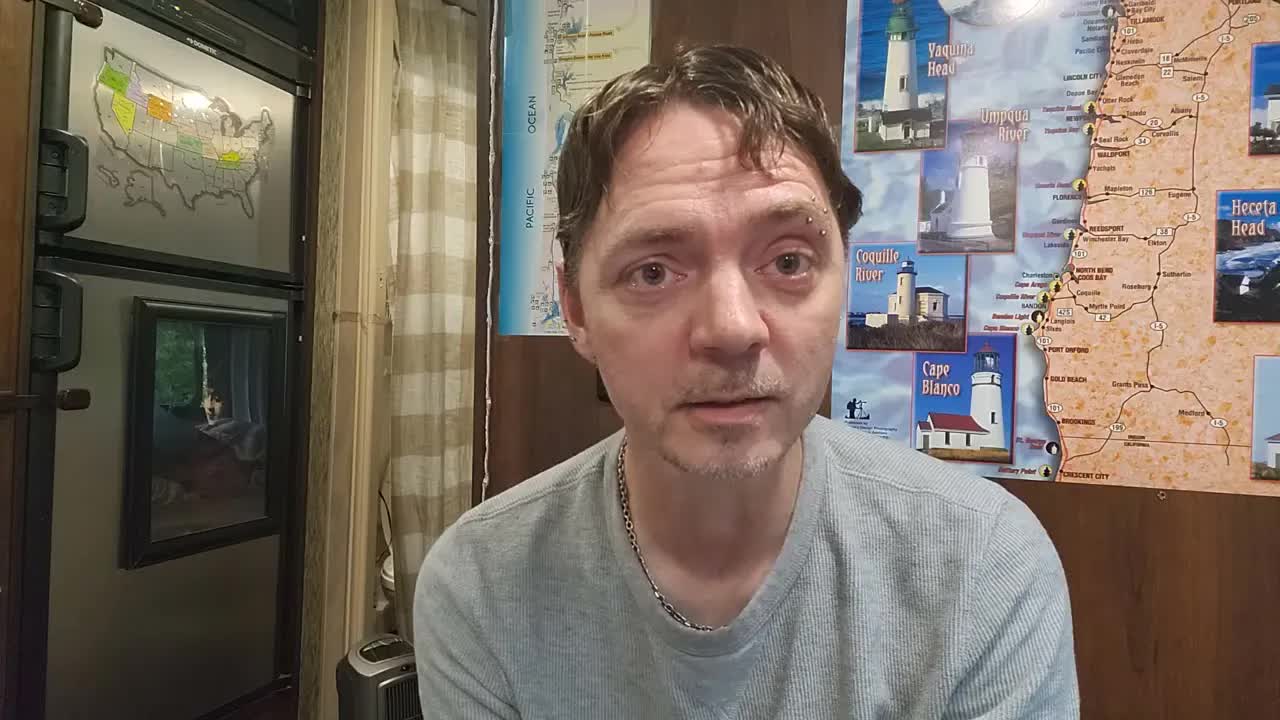
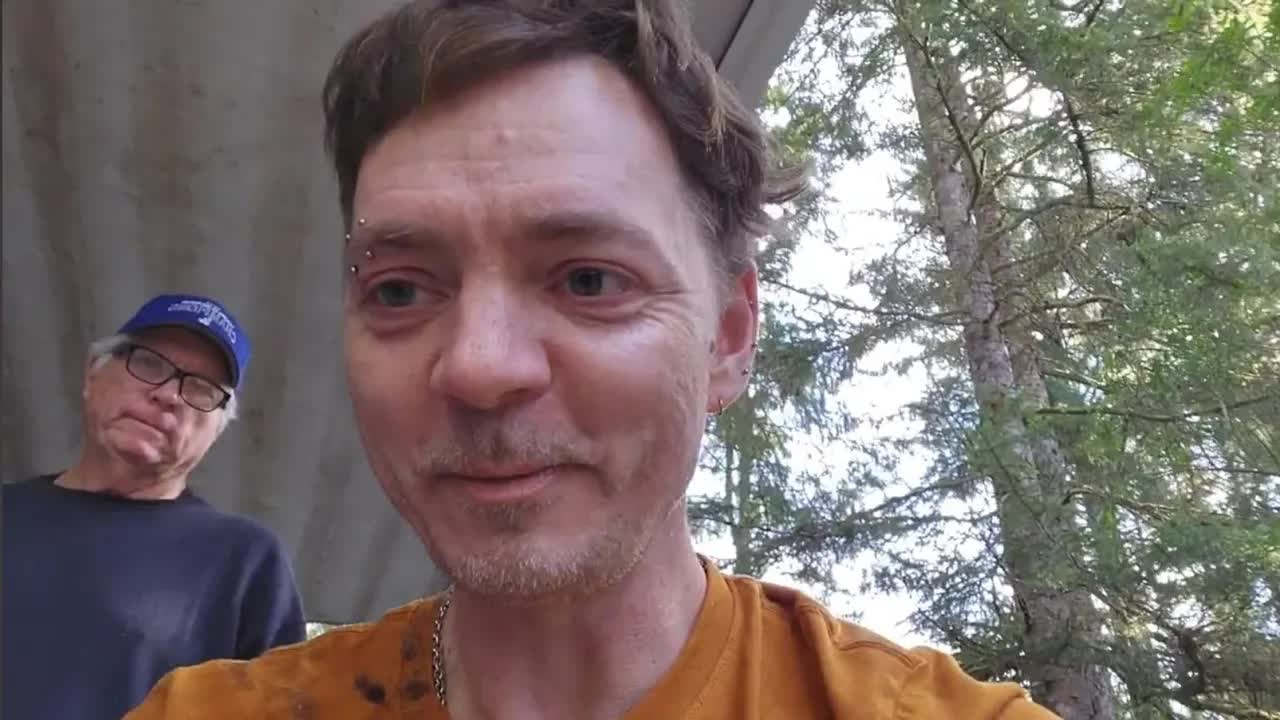
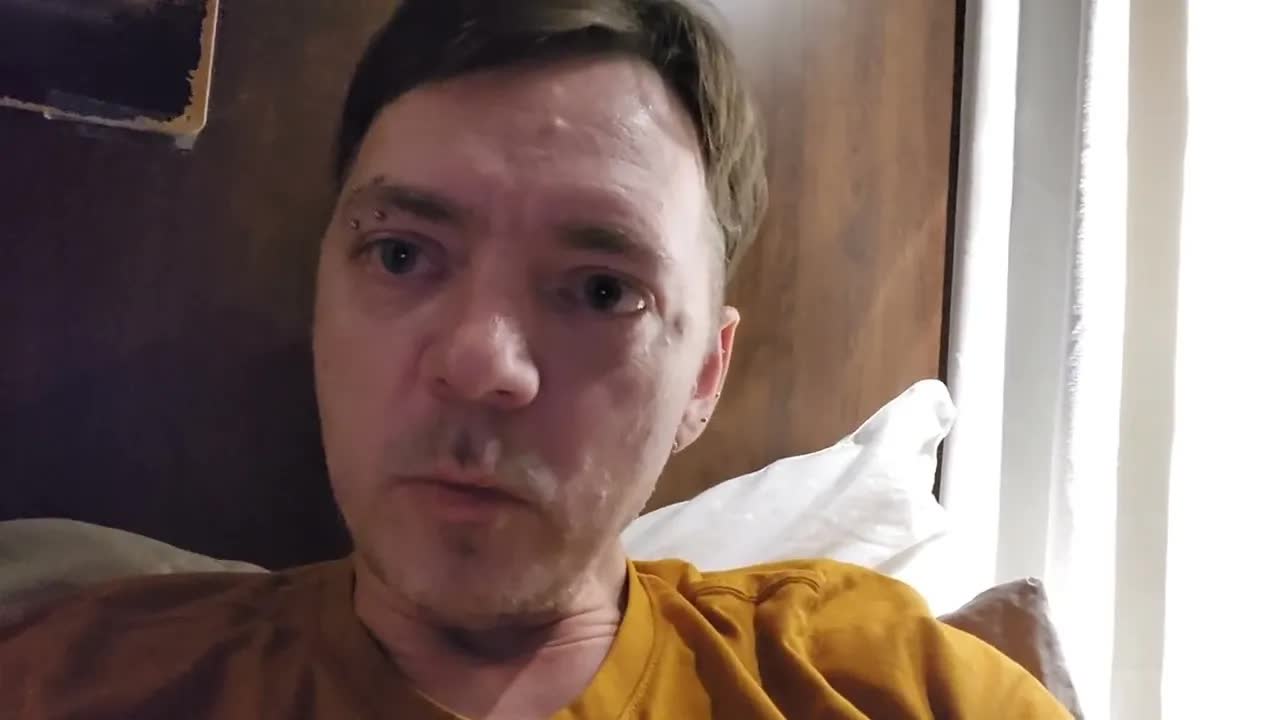
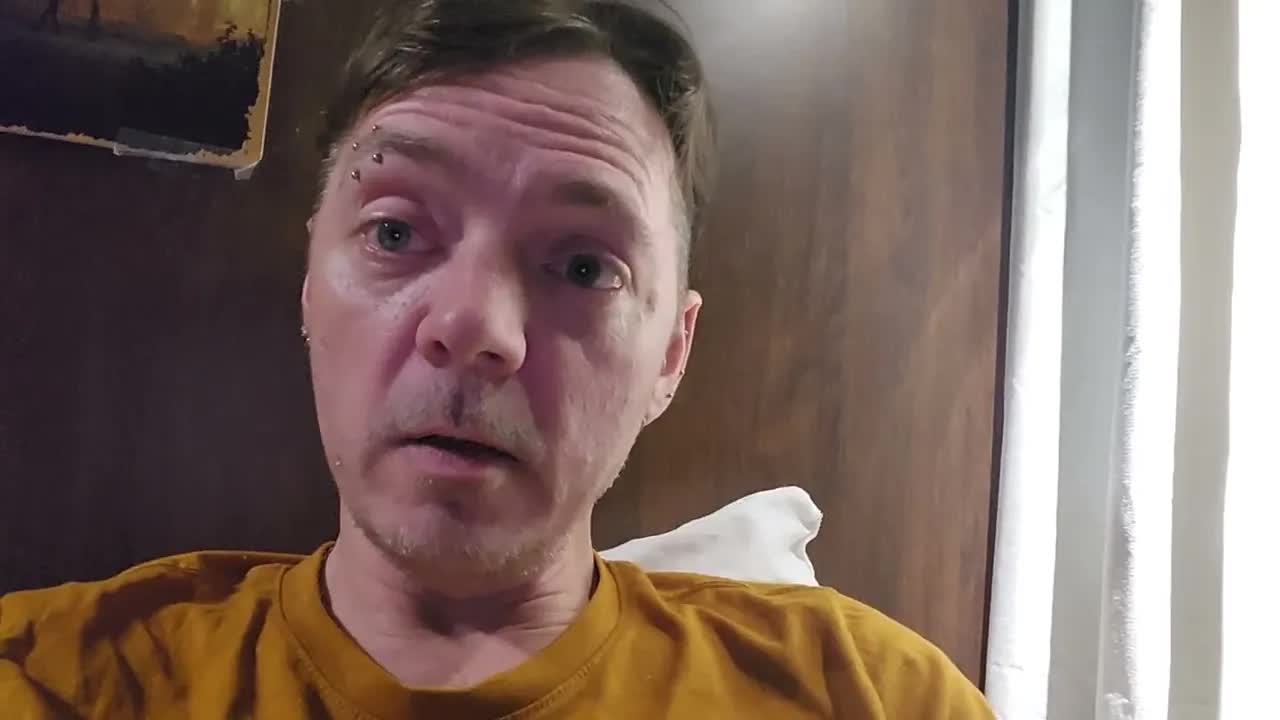
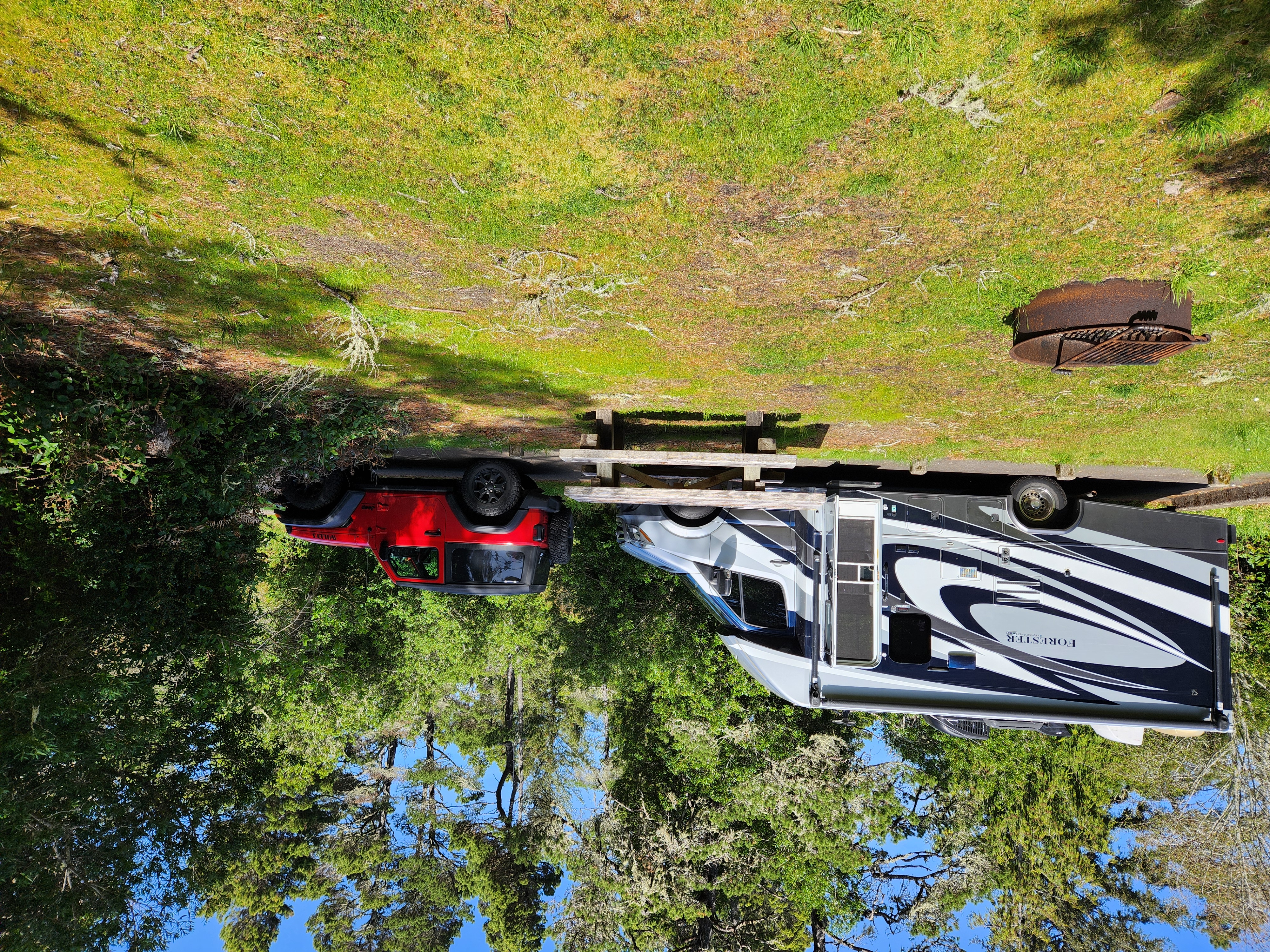
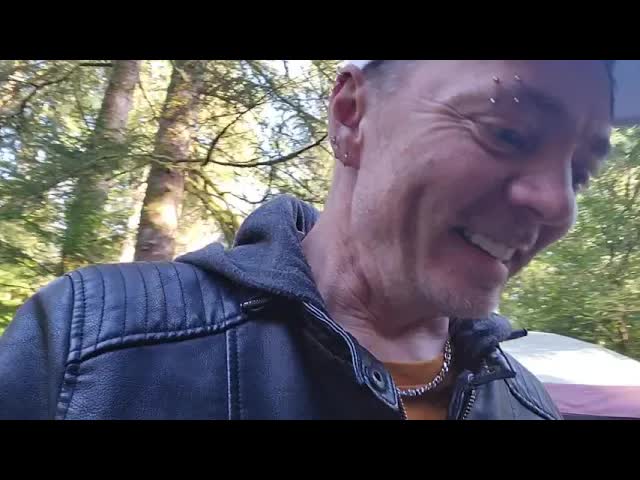
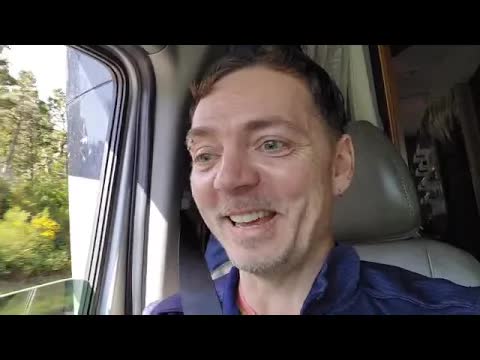
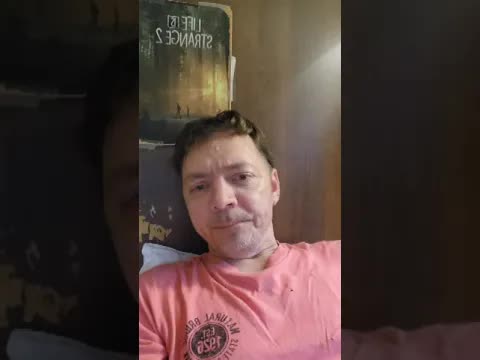
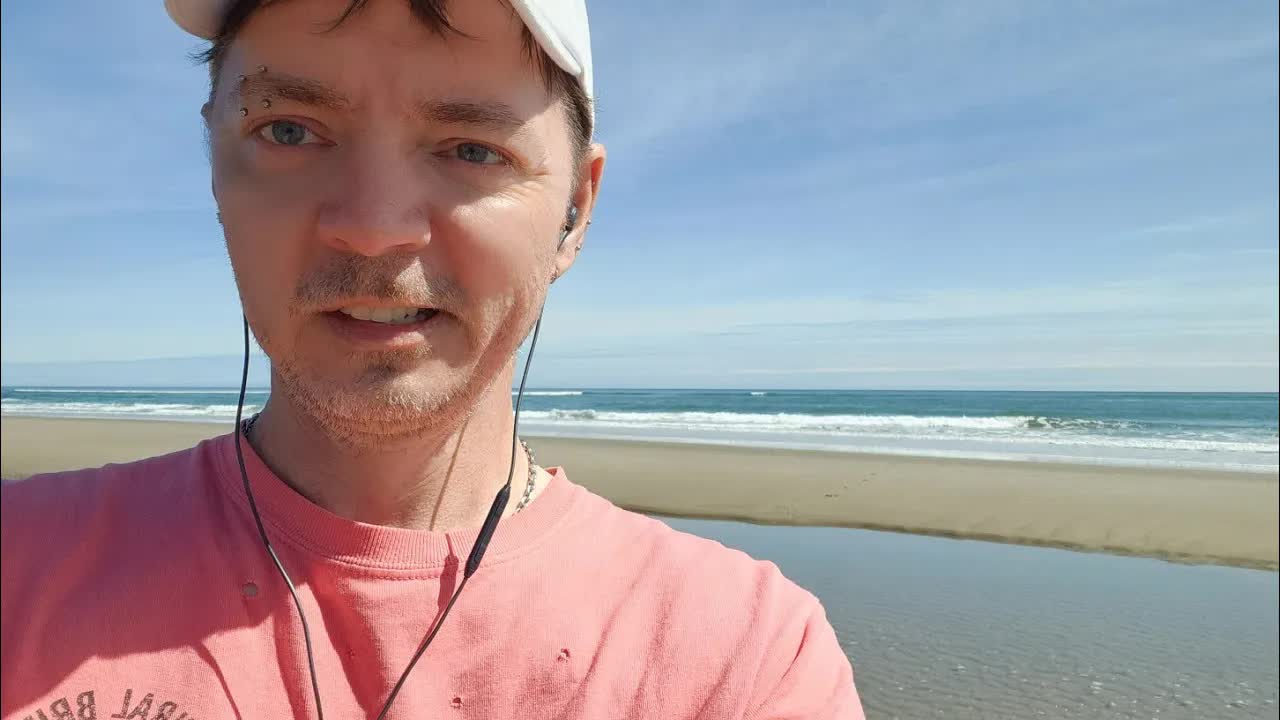
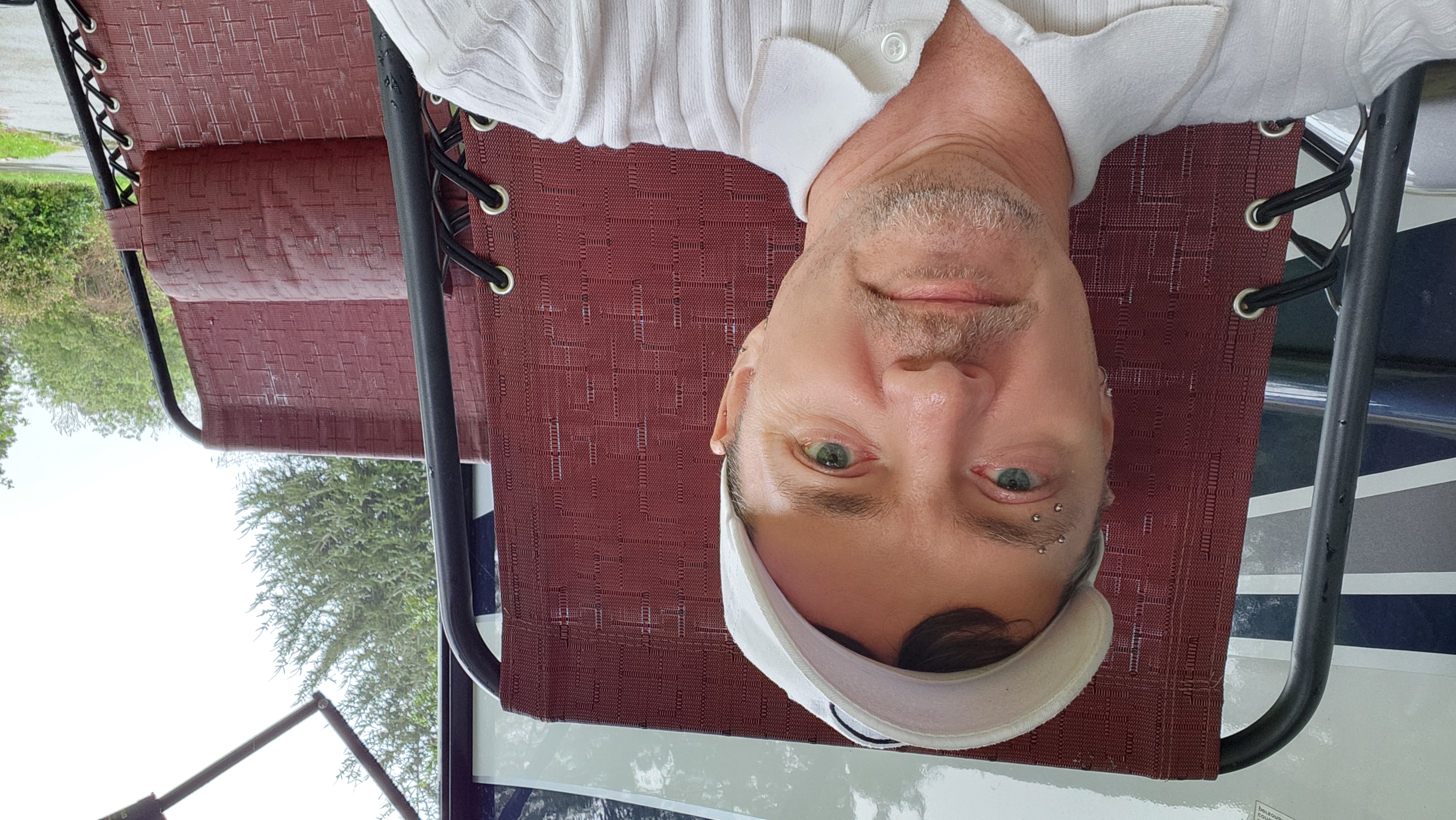
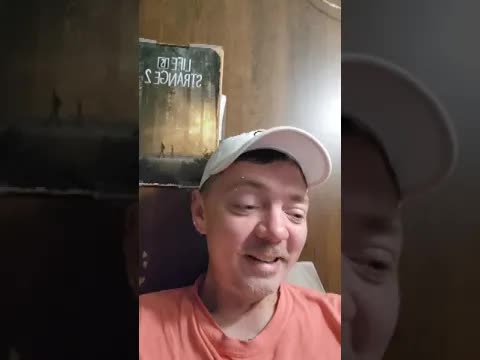
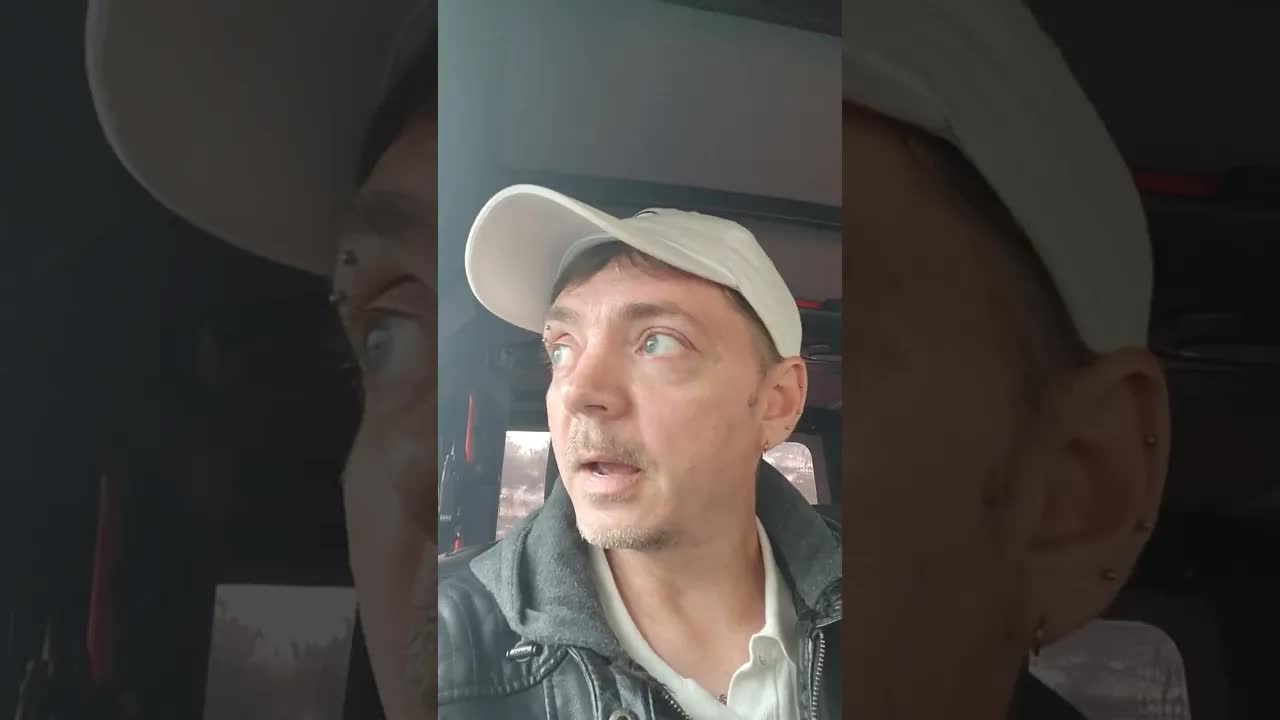
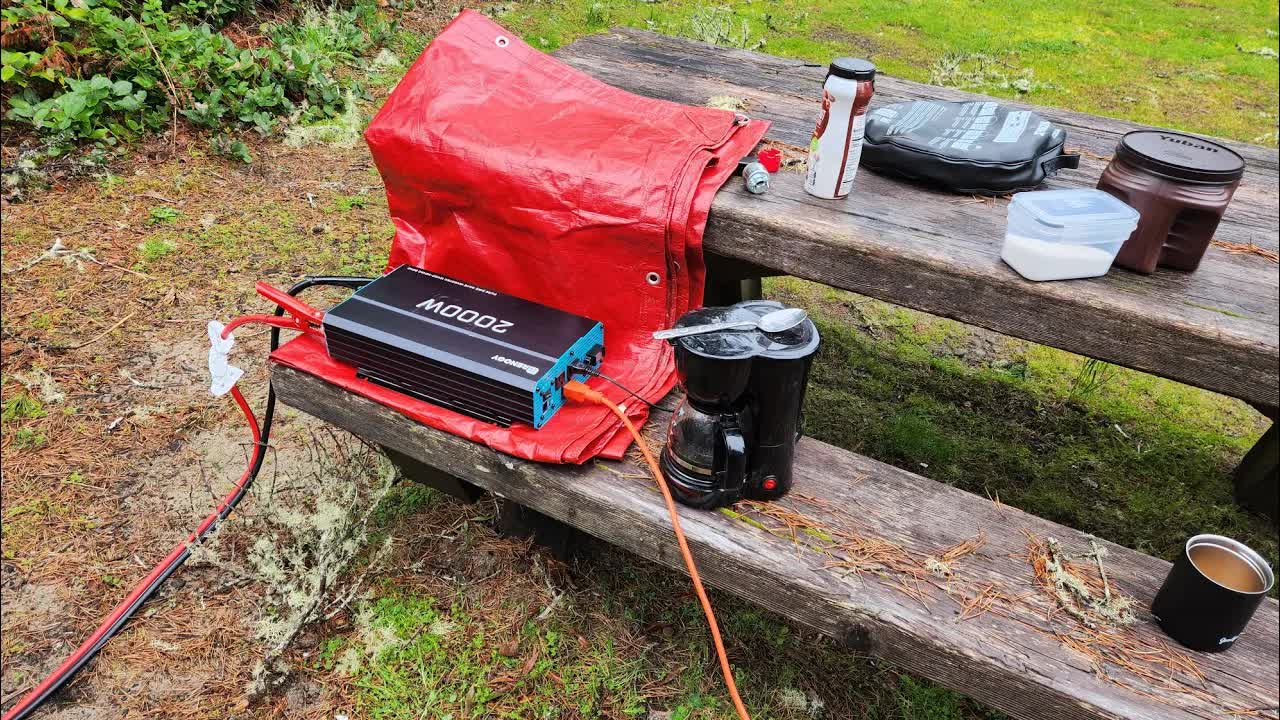
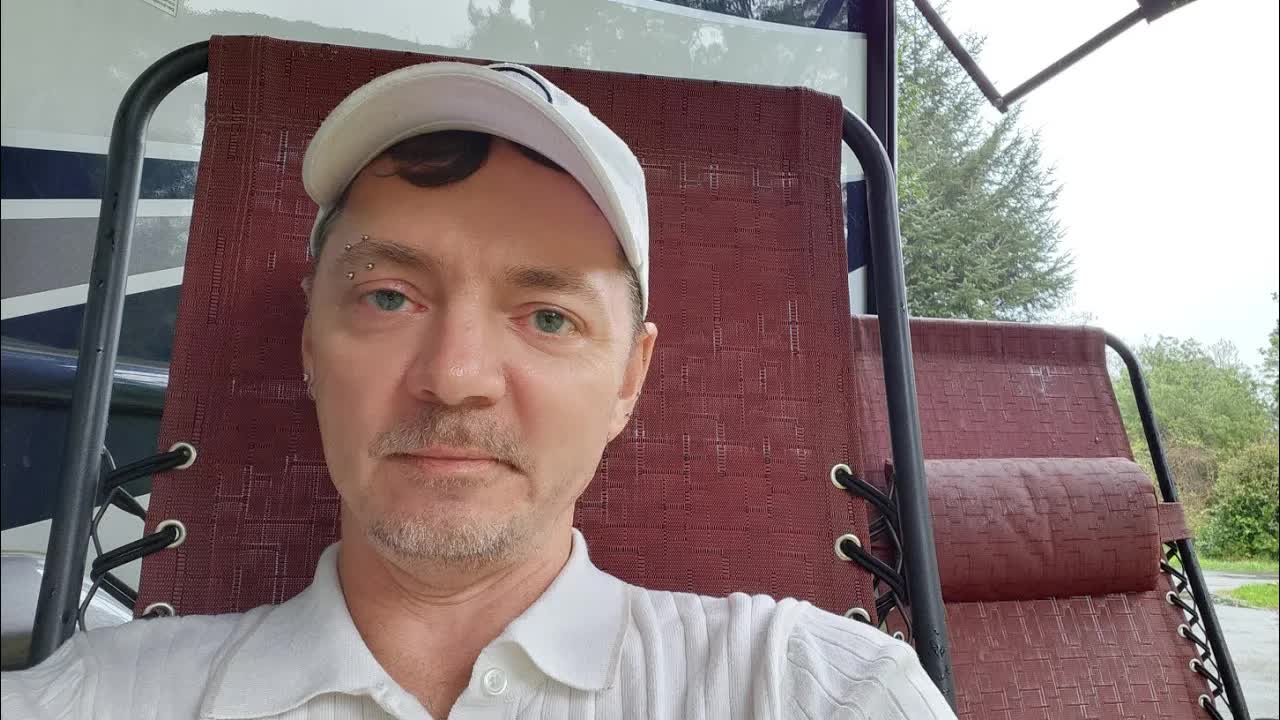
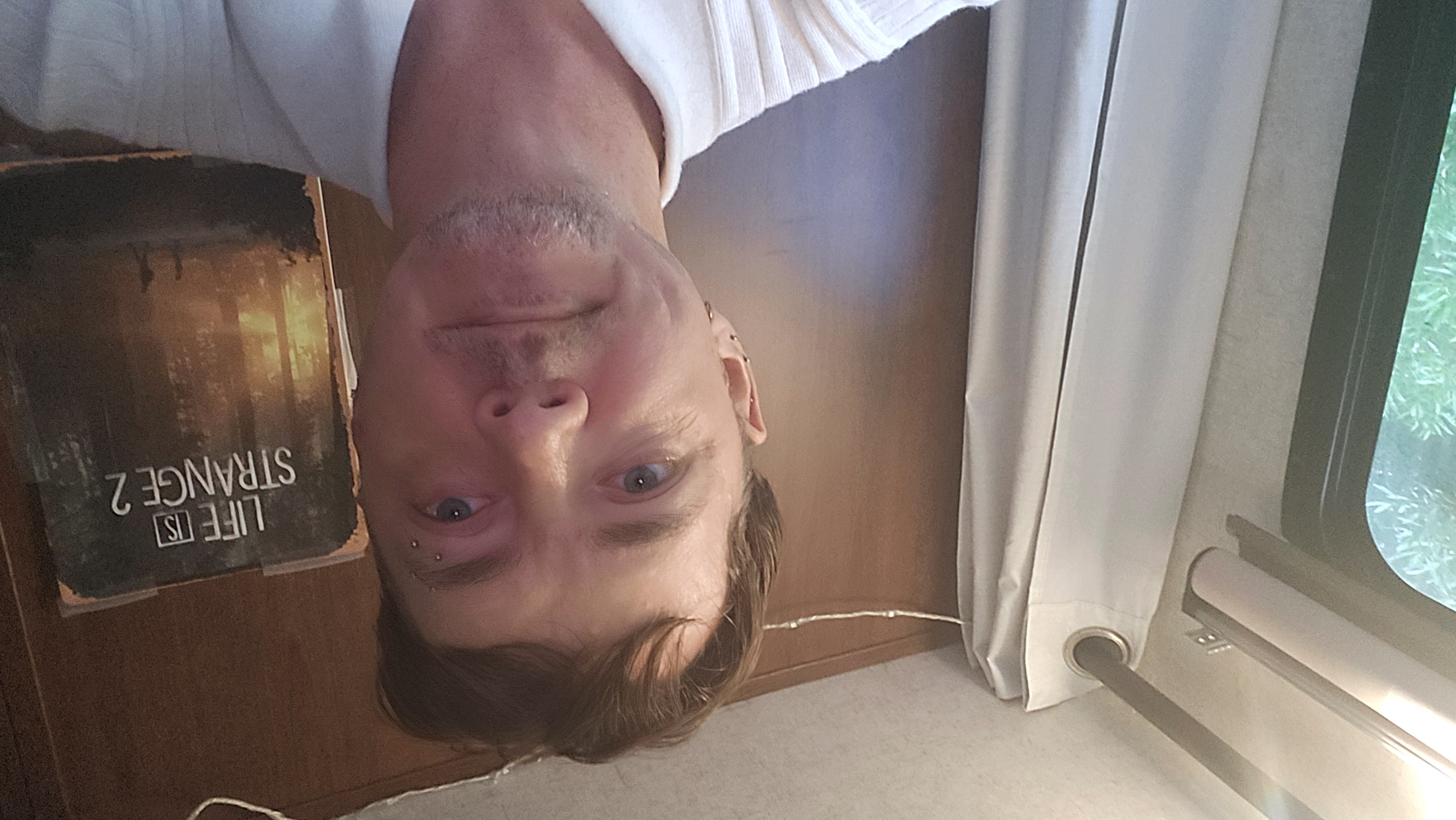
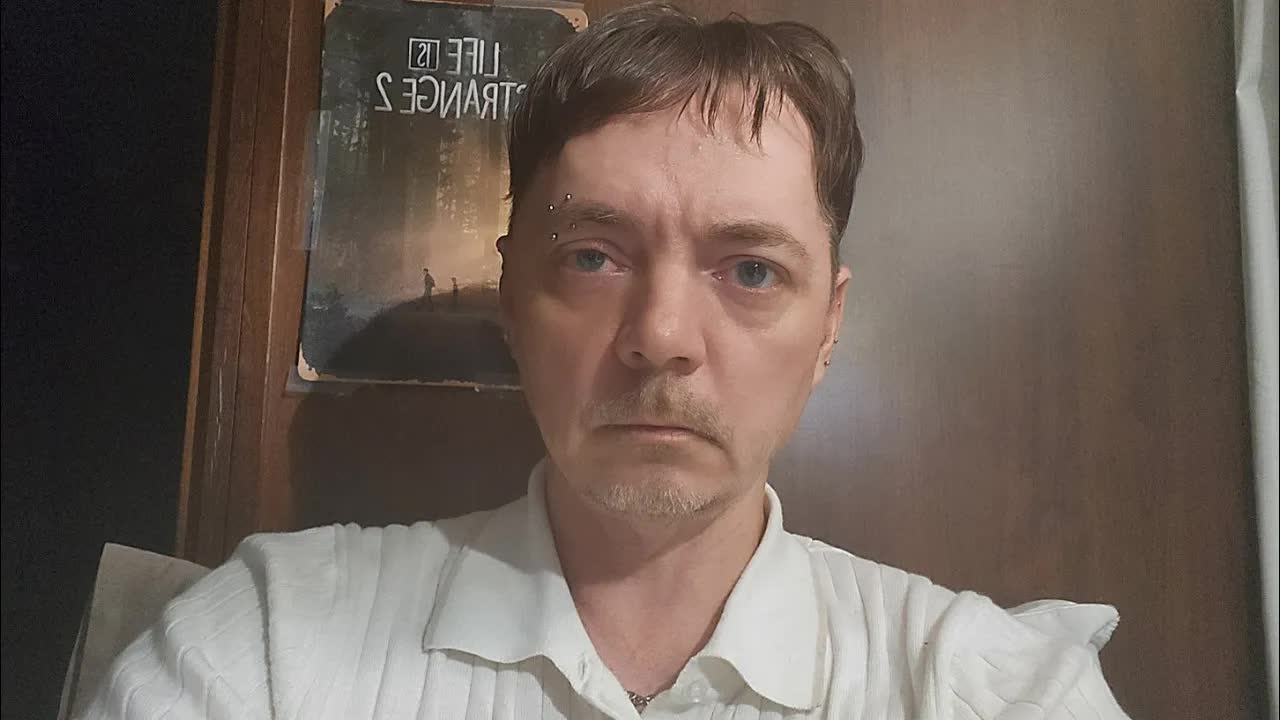
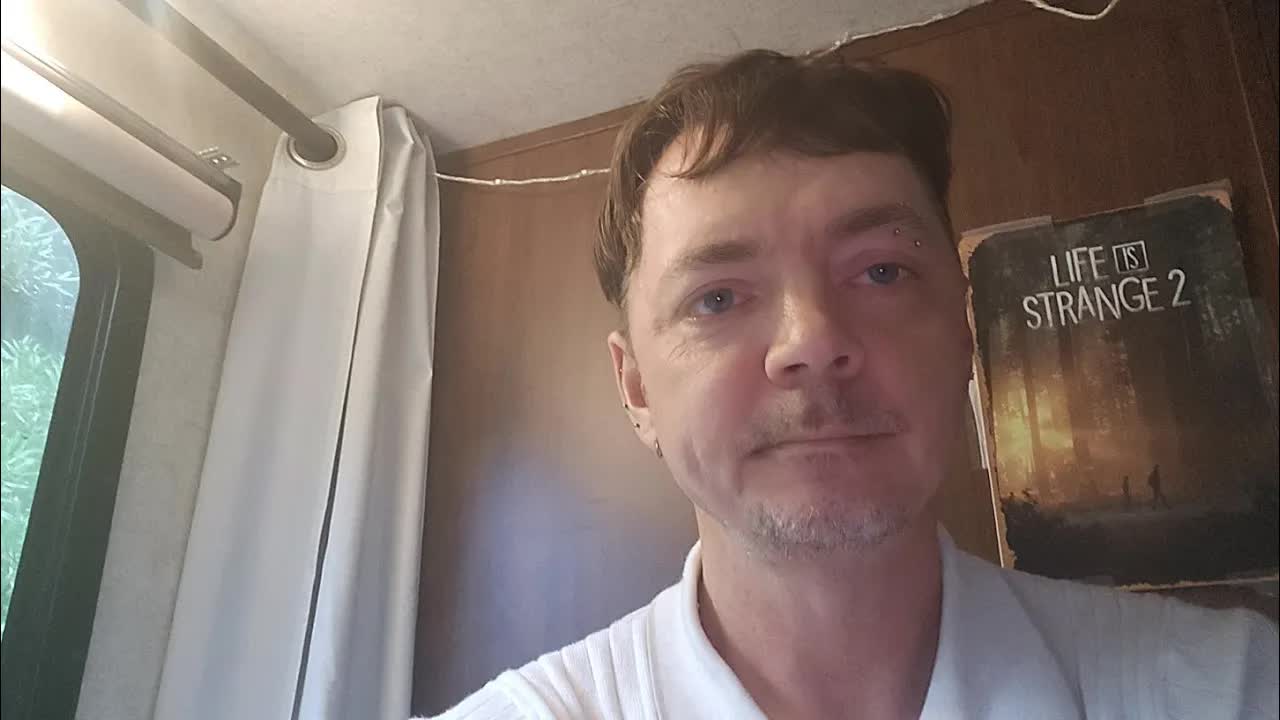
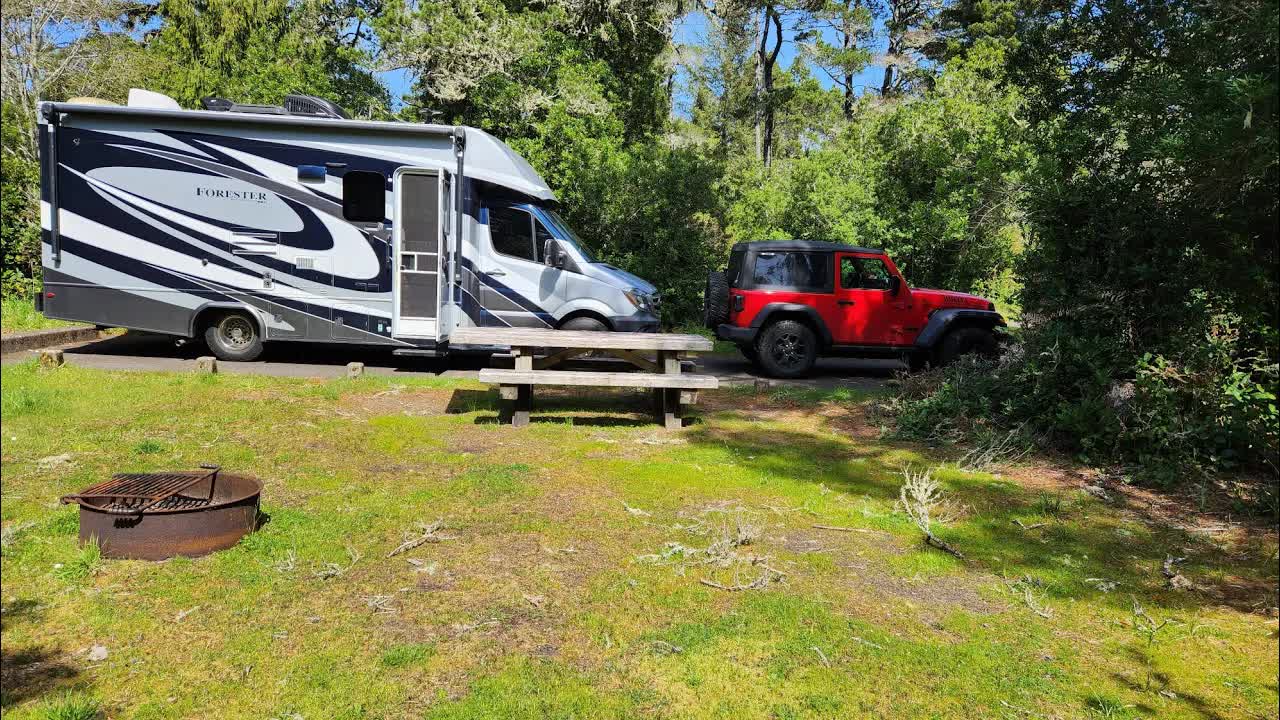
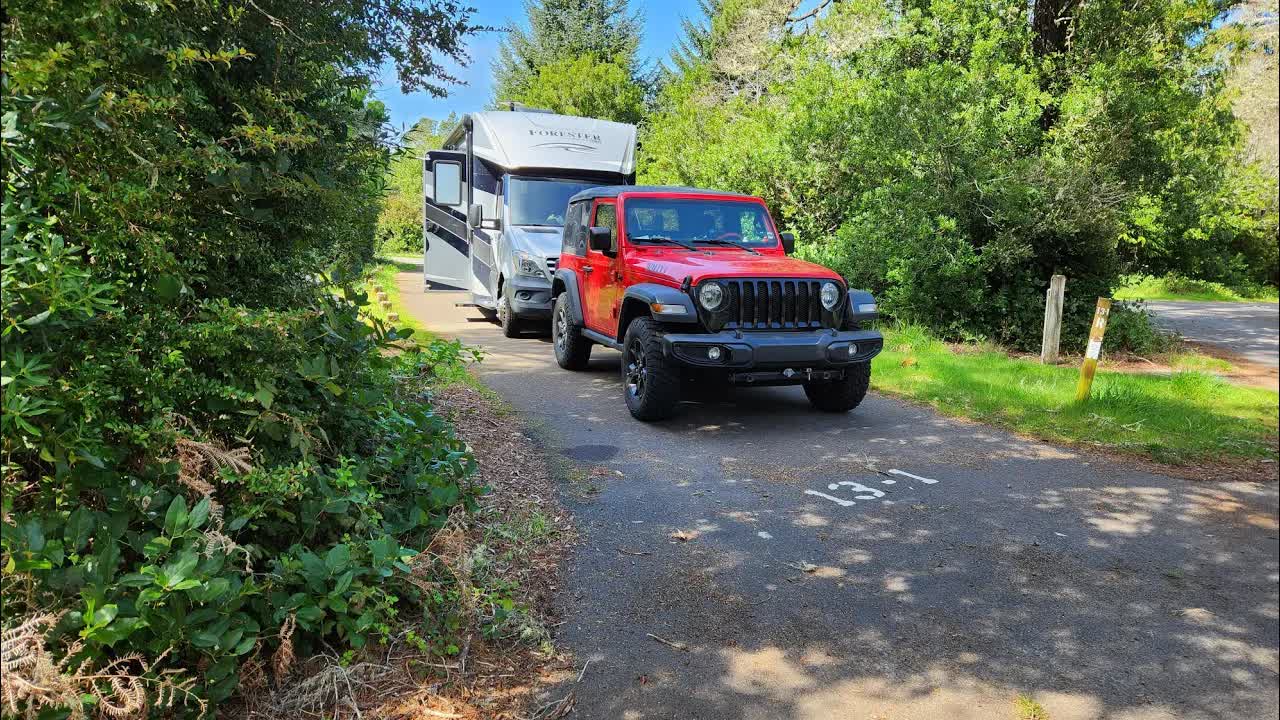
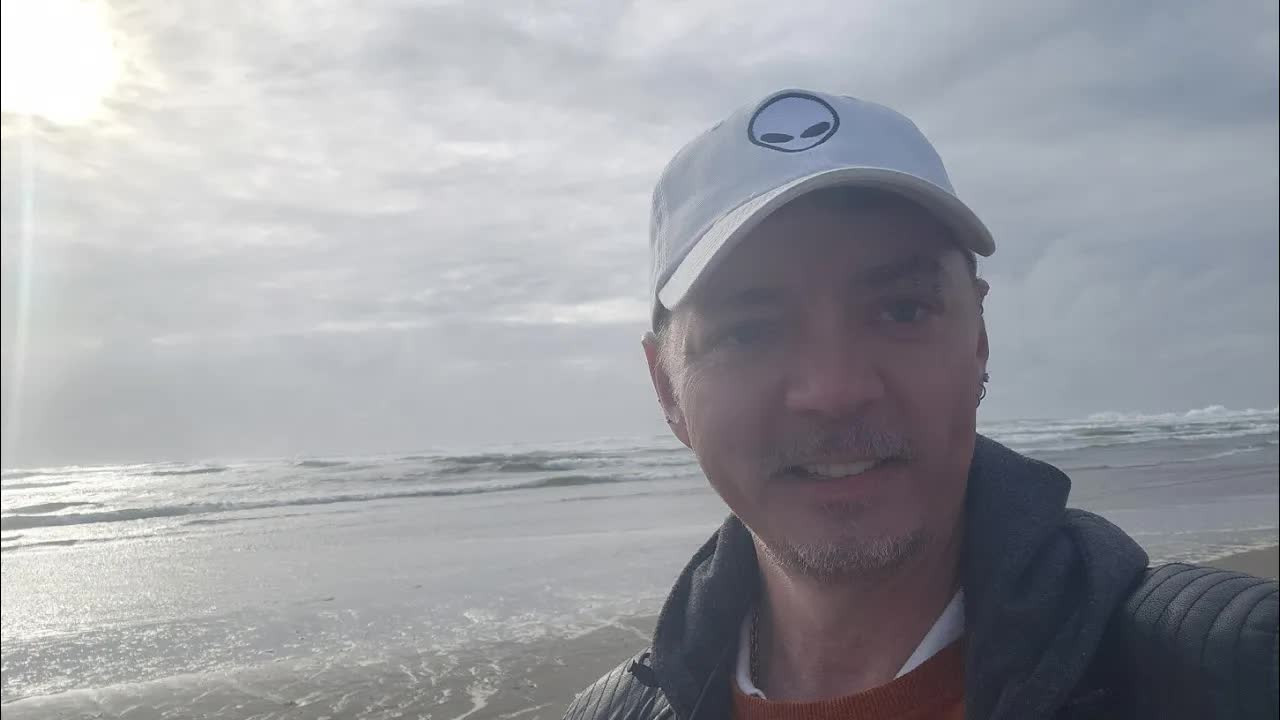
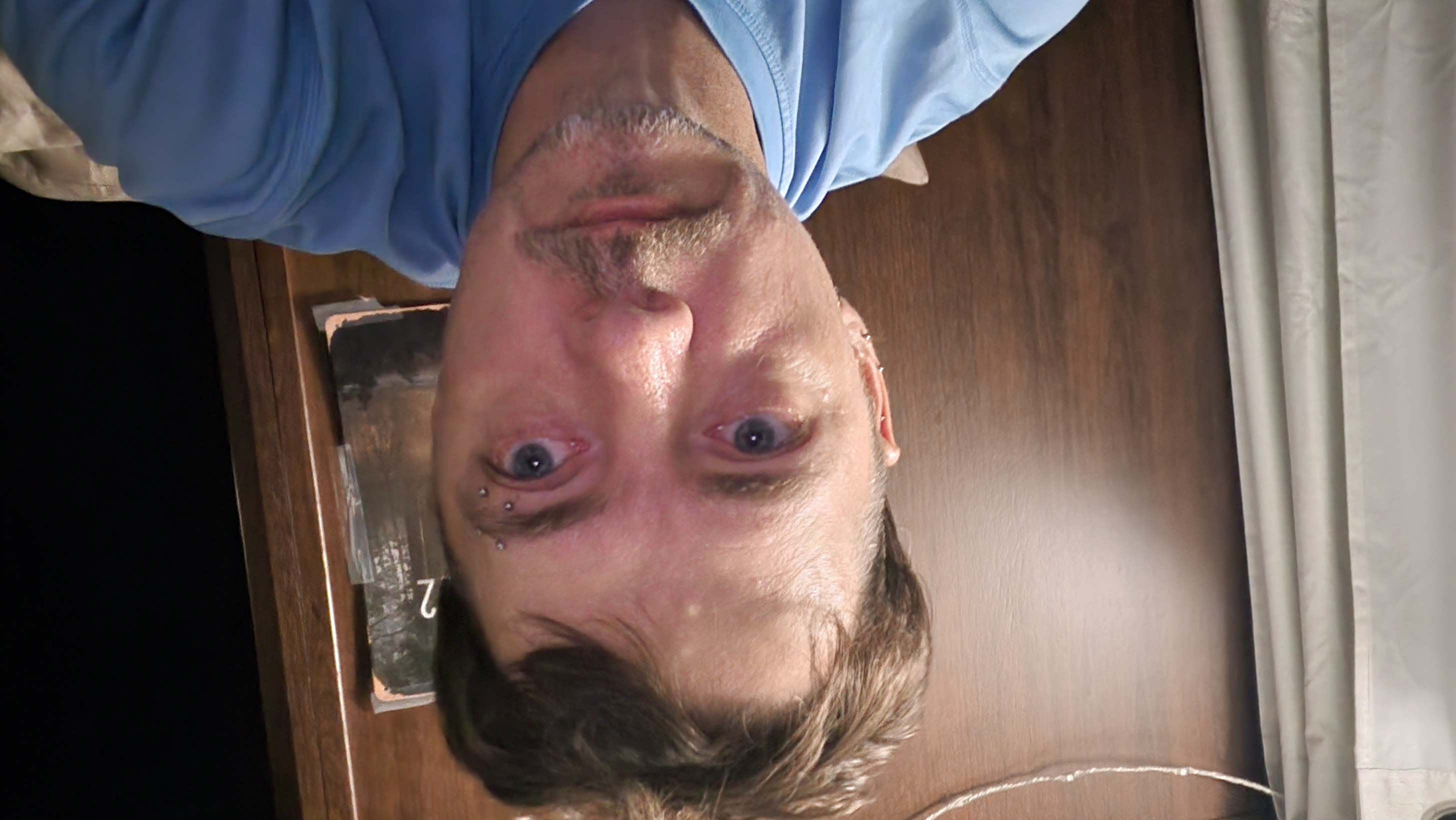
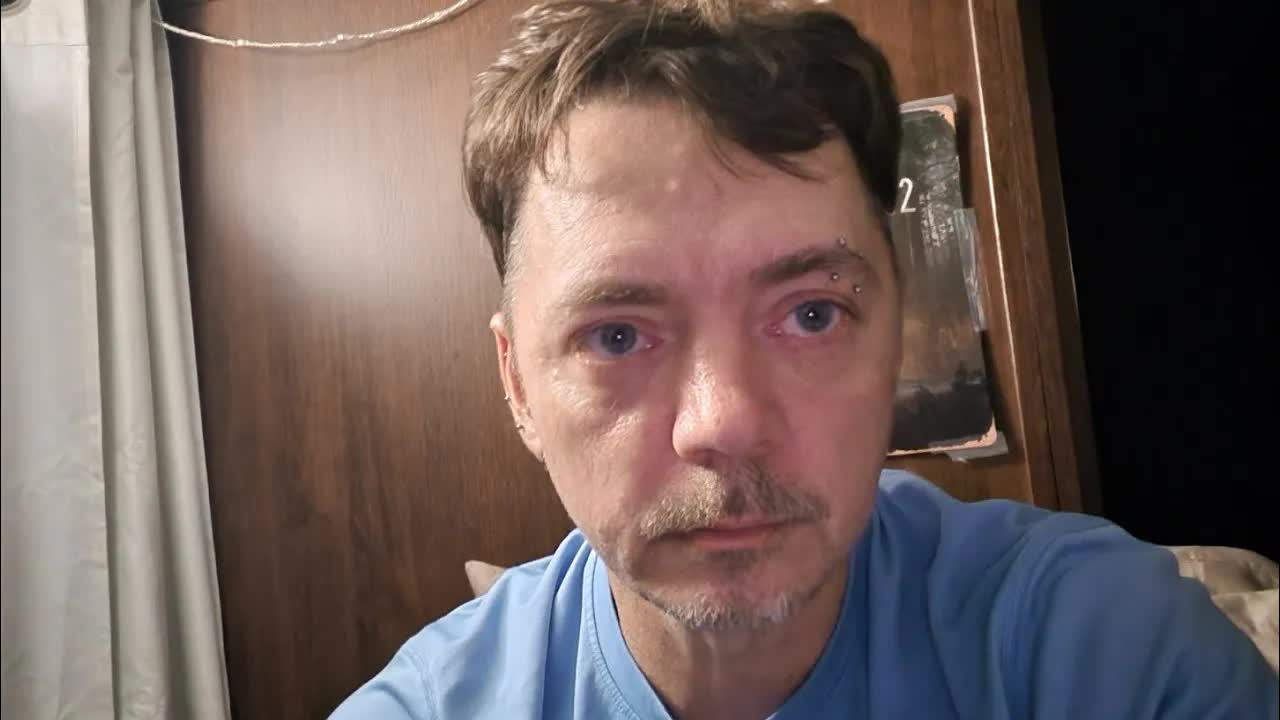
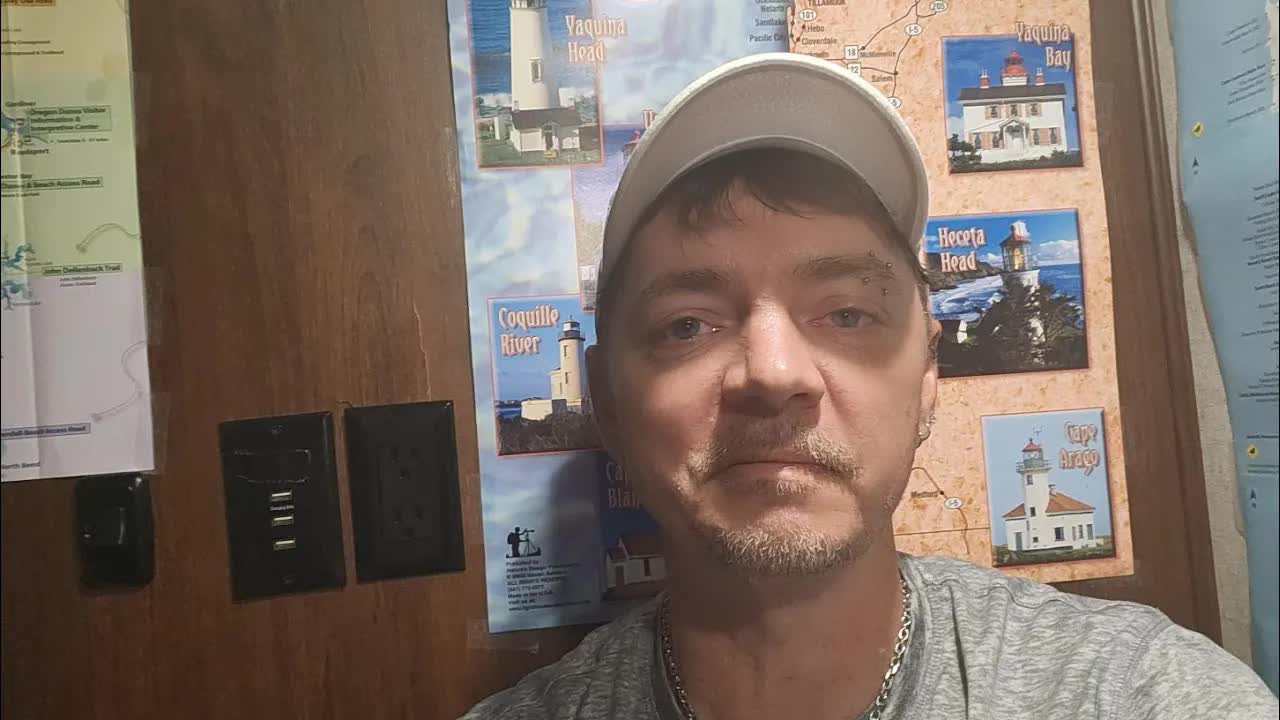
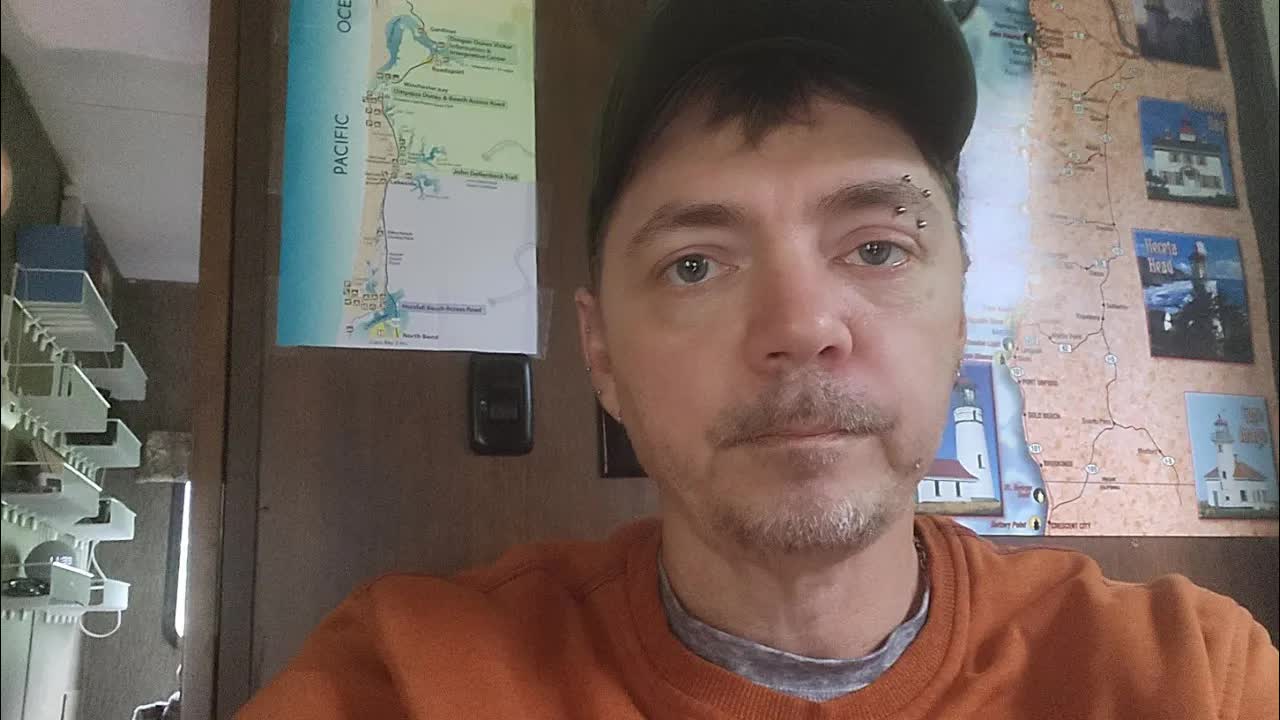
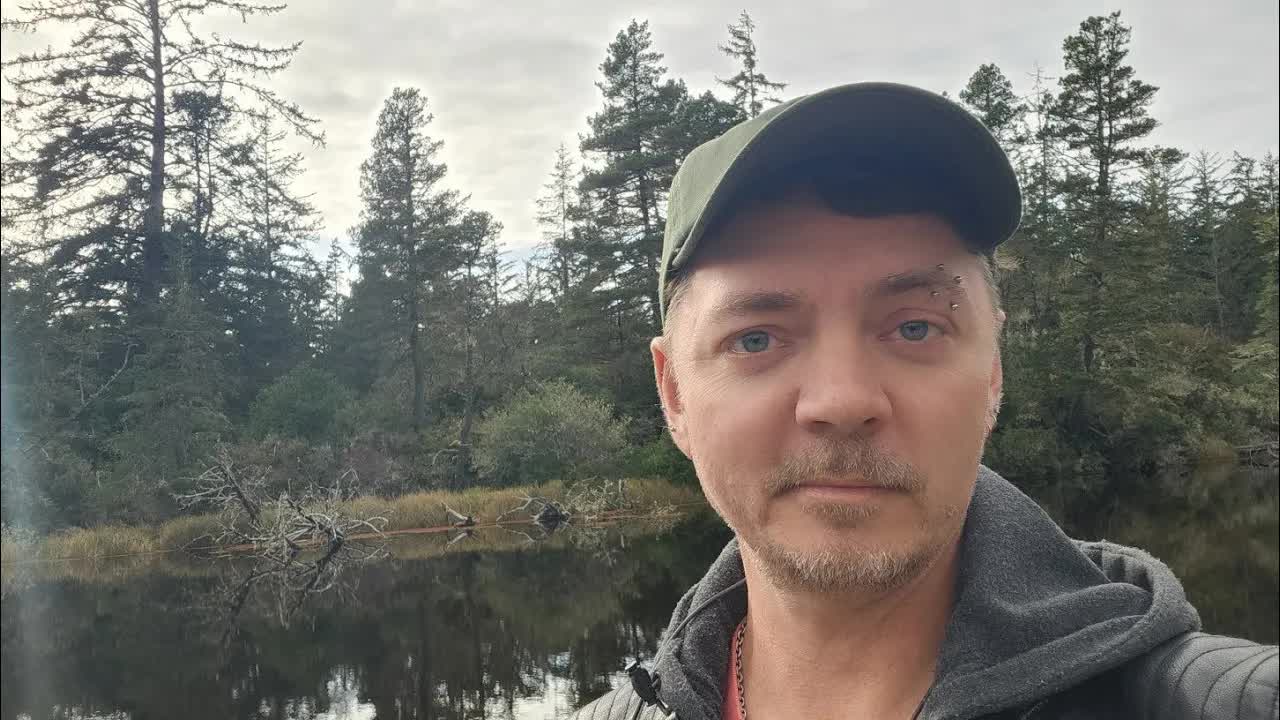
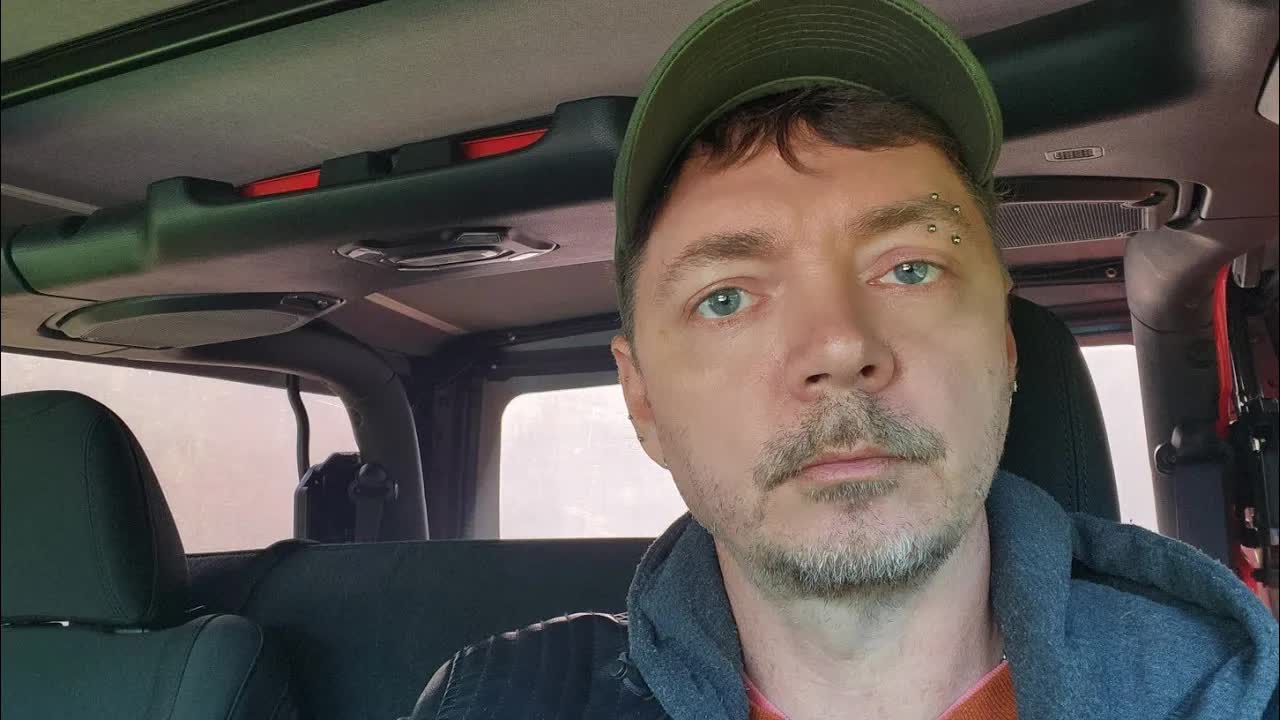
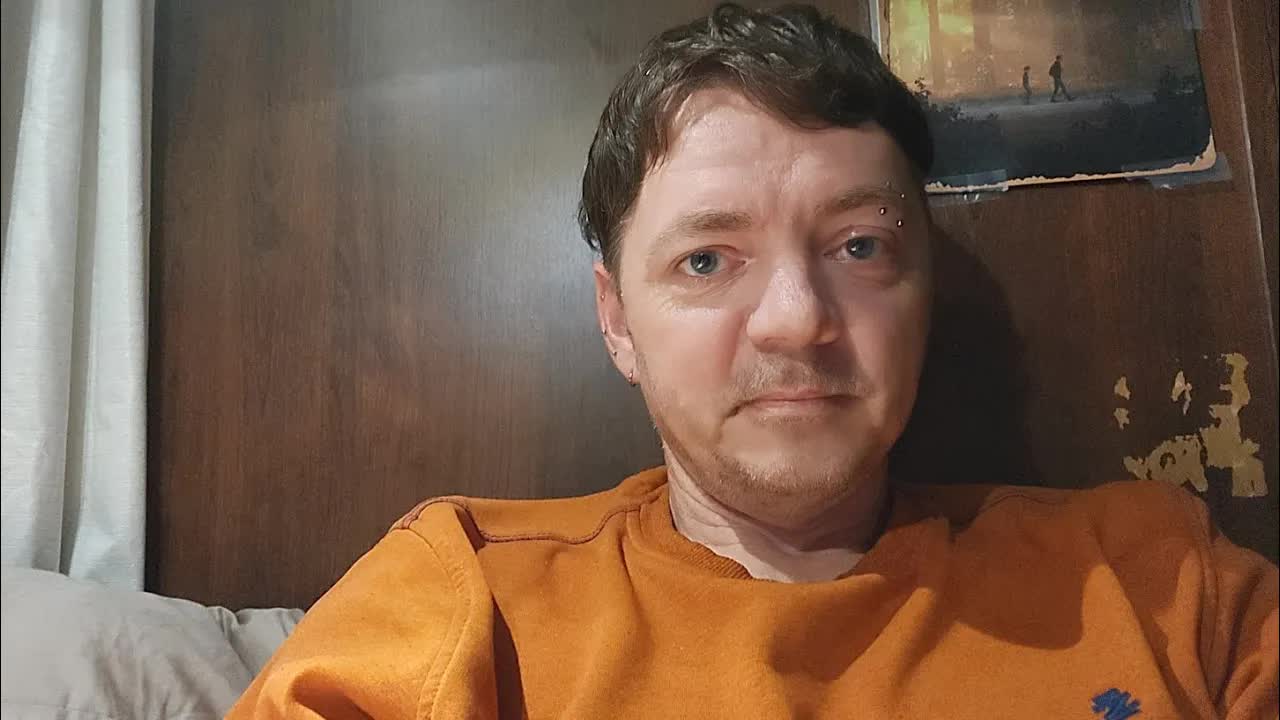
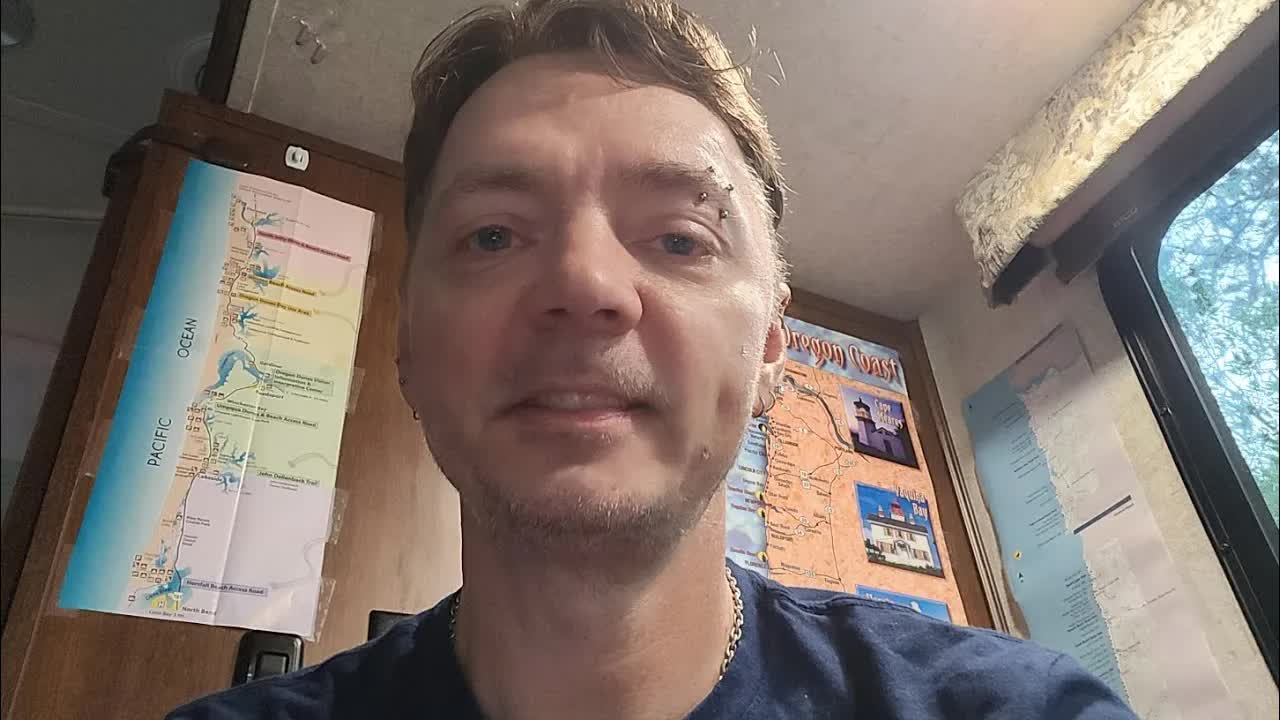
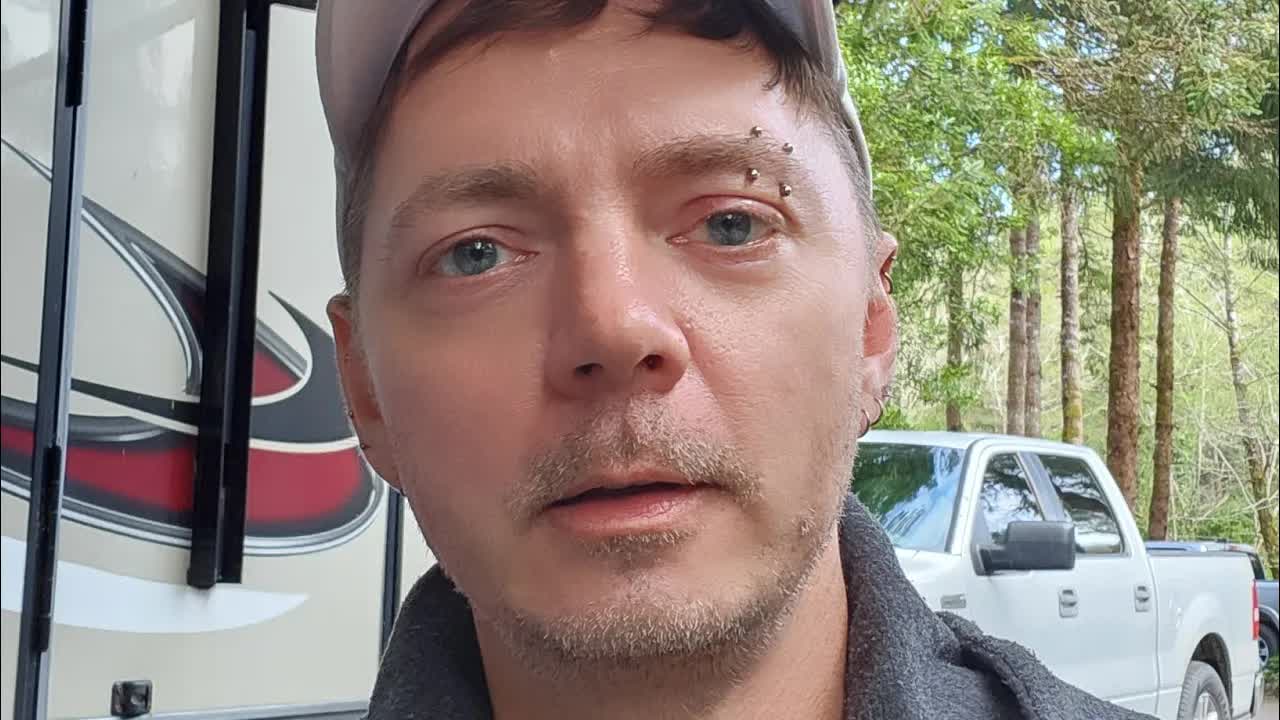
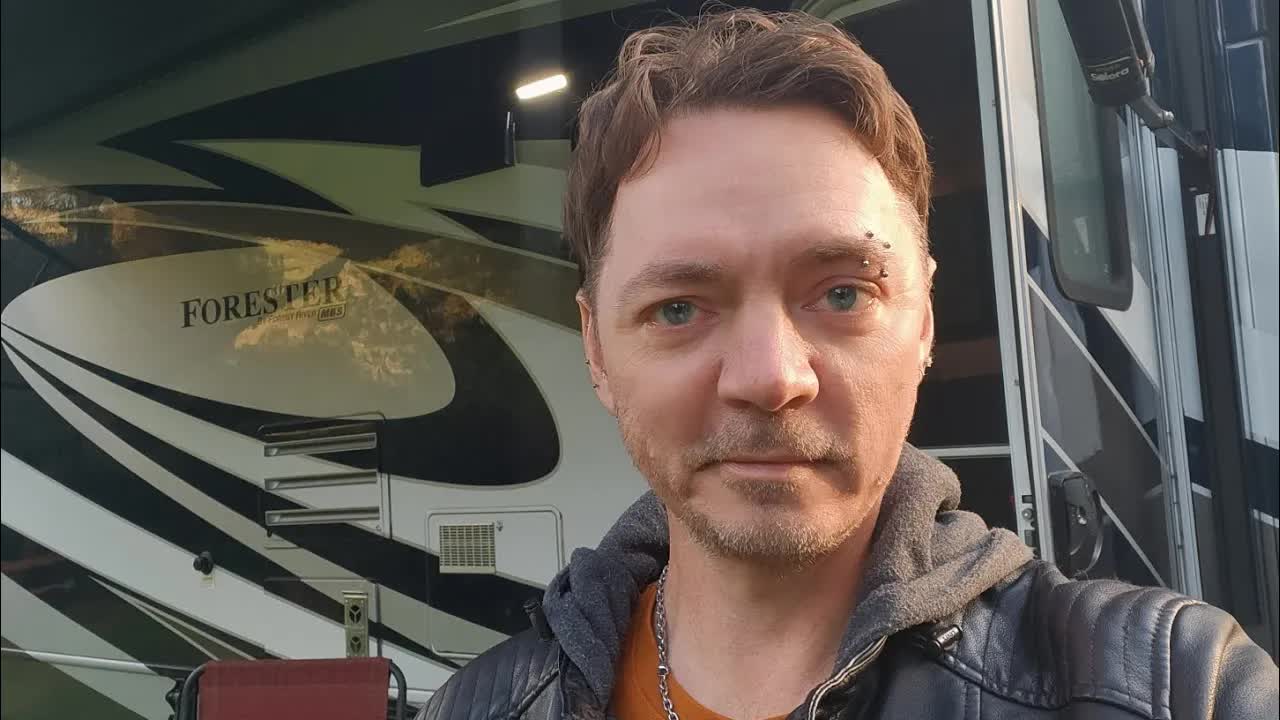
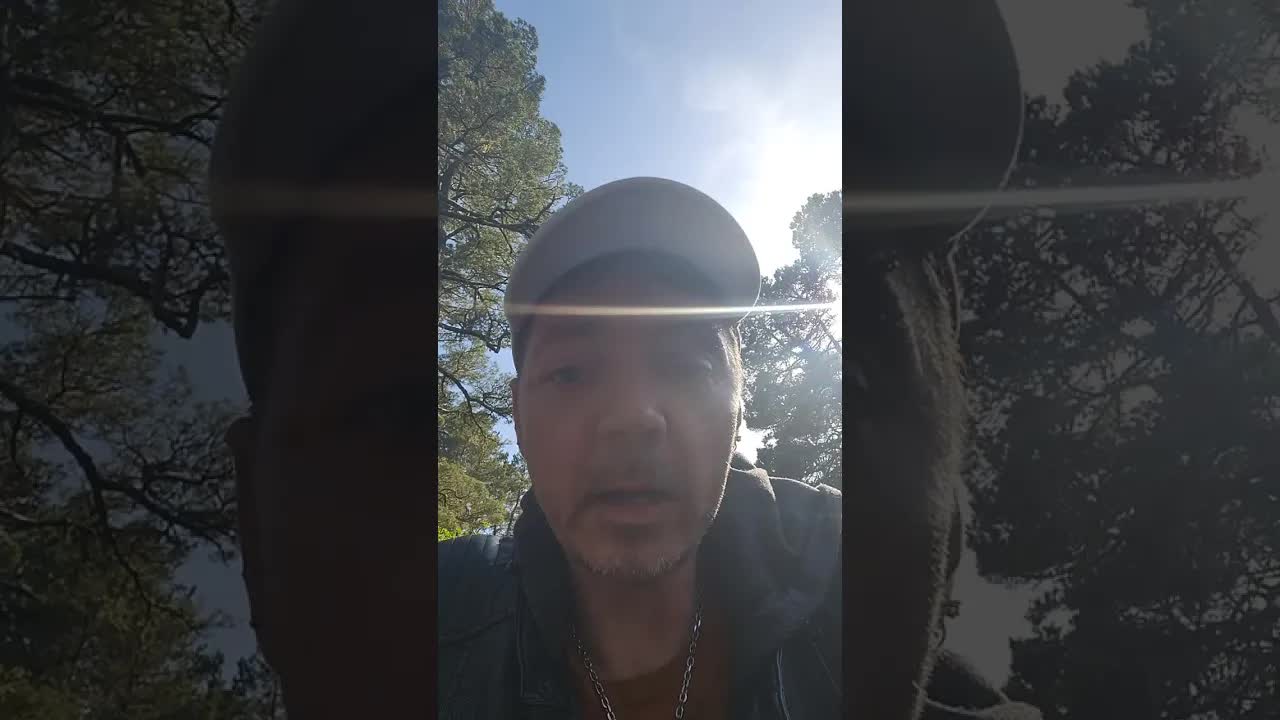
It was morning when rswfire turned the camera on, inside the RV that had been his home for a year on the Oregon Coast. Nothing moved in the frame but him. No walk through the dunes, no second voice, no cutaway — just a man seated in a small stationary space, speaking directly into a lens, having been thinking since he woke about what his channel asks of the people who find it. He opened with the demand rather than easing toward it: the channel requires presence. It requires humanity and integrity from whoever arrives. And the people arriving, he said, don't know how to give it.
From there he traced the shape of the forgetting, piece by piece, the way one might inventory what has gone missing from a house. There was a time, he said, when moving meant asking friends to help, and friends came, and hands that knew you touched the objects that were personal to you. Now there is a moving service. When there is hunger there is DoorDash, and someone earning minimum wage if they're lucky carries the food to the door, and no one cooks with anyone. The phone call became the text, and what would have been said out loud in a call never appears in writing — the words simply don't get made. He named the binge-watched series no one remembers the beginning of, the endless scroll, the isolation that deepens with every task handed off. Each item was small. Laid end to end they became an argument: connection is a practiced capacity, and it has been outsourced.
Then he put the data on the table. He had posted a video called I Need Your Help. Over a thousand people watched it that week. Three people showed up. He held those two numbers against each other without raising his voice — a thousand people who chose that title, who watched him describe what he needed, and who then chose not to meet it. He did not soften the arithmetic. He let it stand as evidence.
What followed was not an accusation so much as a diagnosis of comfort. People believe they are living well, he said, because they are living comfortably, and they are hollowed out inside. They have boxed up their emotions, their integrity, their ethics — and he wondered aloud how much of their time goes to judging others, judging people like him, so they never have to turn and look. Then he placed himself inside the frame rather than above it. He had lived that life too. A year ago he made the choice to move into the RV and try a different way of living, and he is so much happier now, even with the situation as it stands, even still needing help. He said it plainly and then turned it into a question: how many of you can even see that. He stated that he does not think they are capable of witnessing anymore, that he sees no sign of it, because the channel asks for presence and the presence does not come.
The second environment surfaced then — the platform itself, treated as continuous with the room he was sitting in. No likes. No comments. Views that arrive and leave without residue, documented in his own analytics. When comments do come they are superficial or disrespectful, so he built a gate: a pinned comment, rules of engagement, terms stated at the entrance. He knows some people read that as arrogance; he has received comments saying so. He named it for what it is — a boundary, and a reminder of how to interact with another human being, because they have forgotten and he has not. He did not adjust the terms downward to meet the field's capacity. He restated them.
Near the end the coast came into it. Out in the world people ignore each other, he said — no greeting, no eyes met. Less so where he is. People are still alive on the edges, and living among them registers to him as a blessing; the aliveness is visible in bodies and in eye contact. He had crossed the country to get here and witnessed the disconnection the whole way, in the cities and then again online, on this channel. And so he closed where his logic had been pointing the entire time: growth happens at the edges — of comfort, of knowledge, of feeling. Fear is an edge marker. You are supposed to walk toward it. He said that he seeks the edges out, every day, for a year now, and that this is what he has shown his audience. They watch. His analytics prove they watch. Then the last line, level and unresolved, the camera still running: they don't understand.