[0:00]
We are back. I just got back from
[0:04]
getting water and
[0:05]
propane in town and at the local state
[0:09]
park. We are now entering the Silt
[0:13]
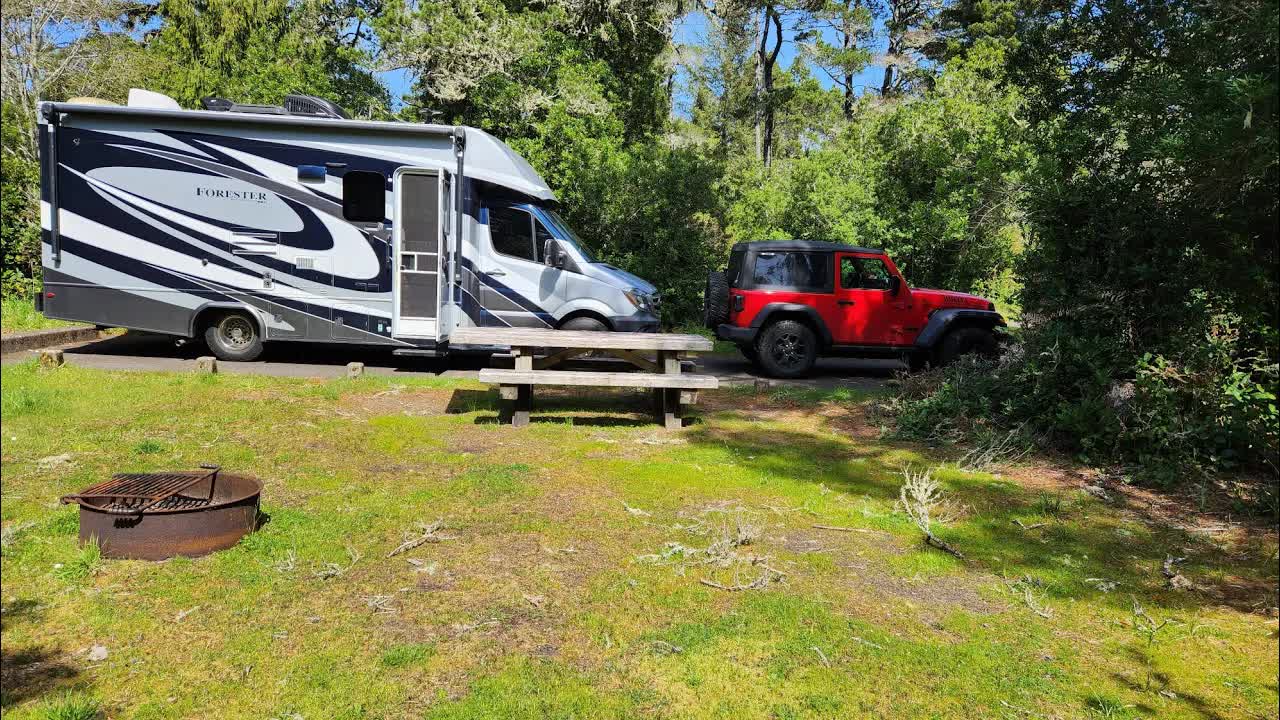
Cous National Recreation Area where I'm
[0:18]
camping. While I was putting water in my
[0:20]
tanks, I compiled all my clips into a
[0:23]
video and it was nearly an hour long.
[0:24]
So, I'm going
[0:26]
to upload that as part one, and there
[0:28]
will be a part two with the rest of my
[0:30]
day
[0:33]
later. So, I'm pretty happy with the
[0:37]
outcome of today, this
[0:39]
morning. I feel
[0:42]
like like I'm making progress here. So,
[0:45]
I have water. I have propane. I can keep
[0:48]
my house batteries going with my
[0:50]
inverter and my Jeep, which gives me hot
[0:53]
water, which gives me a shower, which
[0:56]
gives me a
[0:57]
fridge, lights, heat.
[1:01]
So, I just got to conserve them as much
[1:04]
as possible.
[1:07]
and, you know, do the math, figure
[1:10]
out how long can I
[1:14]
um conserve my water, how long can I
[1:17]
conserve my propane, how much fuel am I
[1:20]
going to use in my Jeep to keep my house
[1:22]
batteries charged and my devices
[1:24]
charged, all of that. So, learning
[1:27]
process while we're off grid here. It's
[1:29]
the campground I'm staying at. There's
[1:31]
no water or power. It's the cheapest
[1:33]
option I could find. And I feel very
[1:35]
fortunate because it's right on the
[1:37]
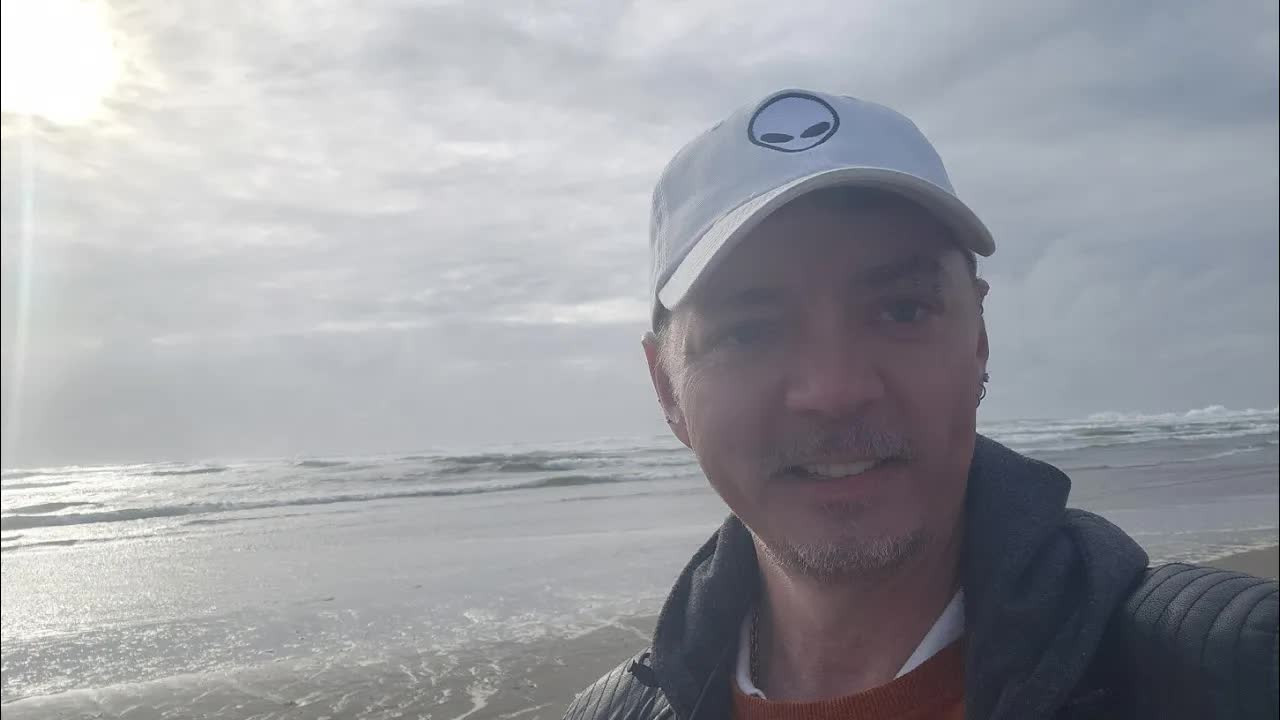
coast. The beach is less than a mile
[1:39]
away. And we'll walk down there later
[1:42]
today. If it's not um the weather, if
[1:44]
the weather permits, it's been very
[1:45]
rainy, stormy, windy day. So, um after I
[1:50]
get everything else done that I need to,
[1:51]
I might try to walk down to the beach,
[1:54]
look at the ocean. That's my favorite
[1:56]
thing in the world to do now. Love that
[2:00]
ocean. Looks like the sun might be
[2:02]
coming out.
[2:05]
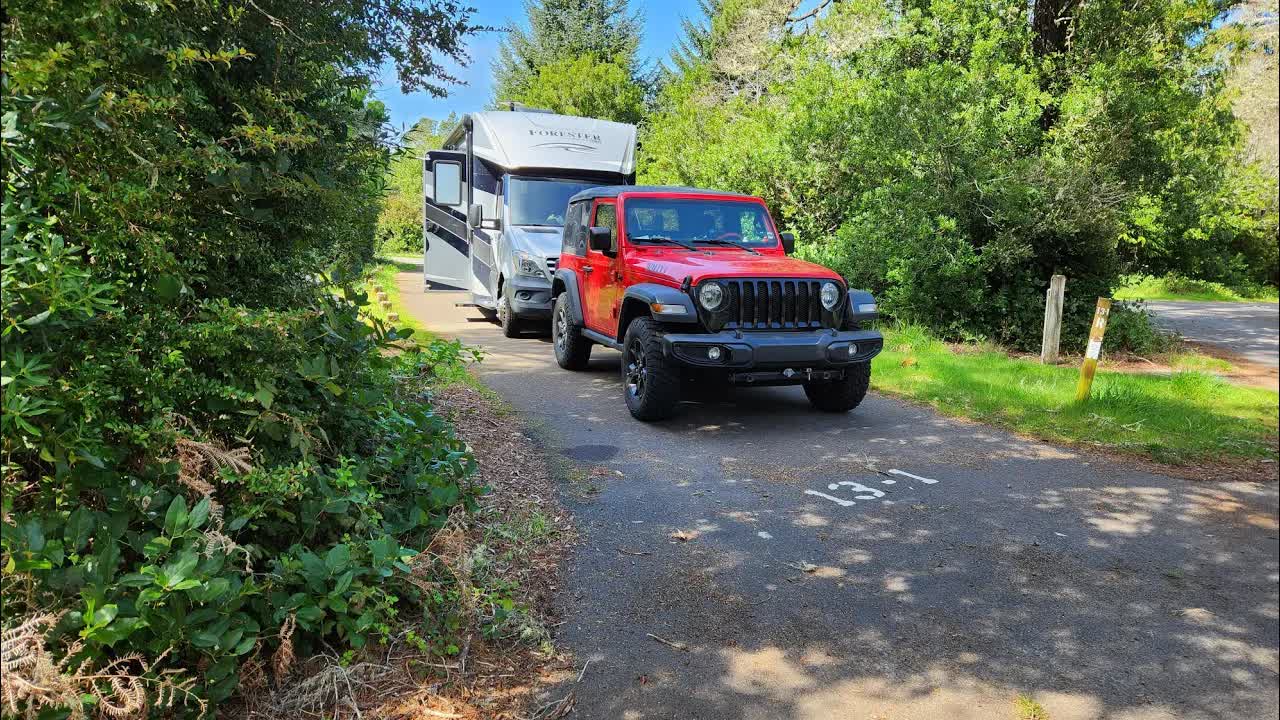
I got to park this thing in a very at a
[2:07]
very bad angle.
[2:09]
So, I'm going to do that and then I'll
[2:12]
be back. I guess I can try to take you
[2:14]
with
[2:16]
me. It's not far down here. We'll see my
[2:19]
Jeep on the
[2:21]
way. That's always
[2:23]
fun seeing my
[2:28]
Jeep. Those are the volunteer hosts
[2:31]
here. Nice couple.
[2:34]
take good care of the
[2:38]
place. I turn this wipers
[2:43]
off. There's my
[2:45]
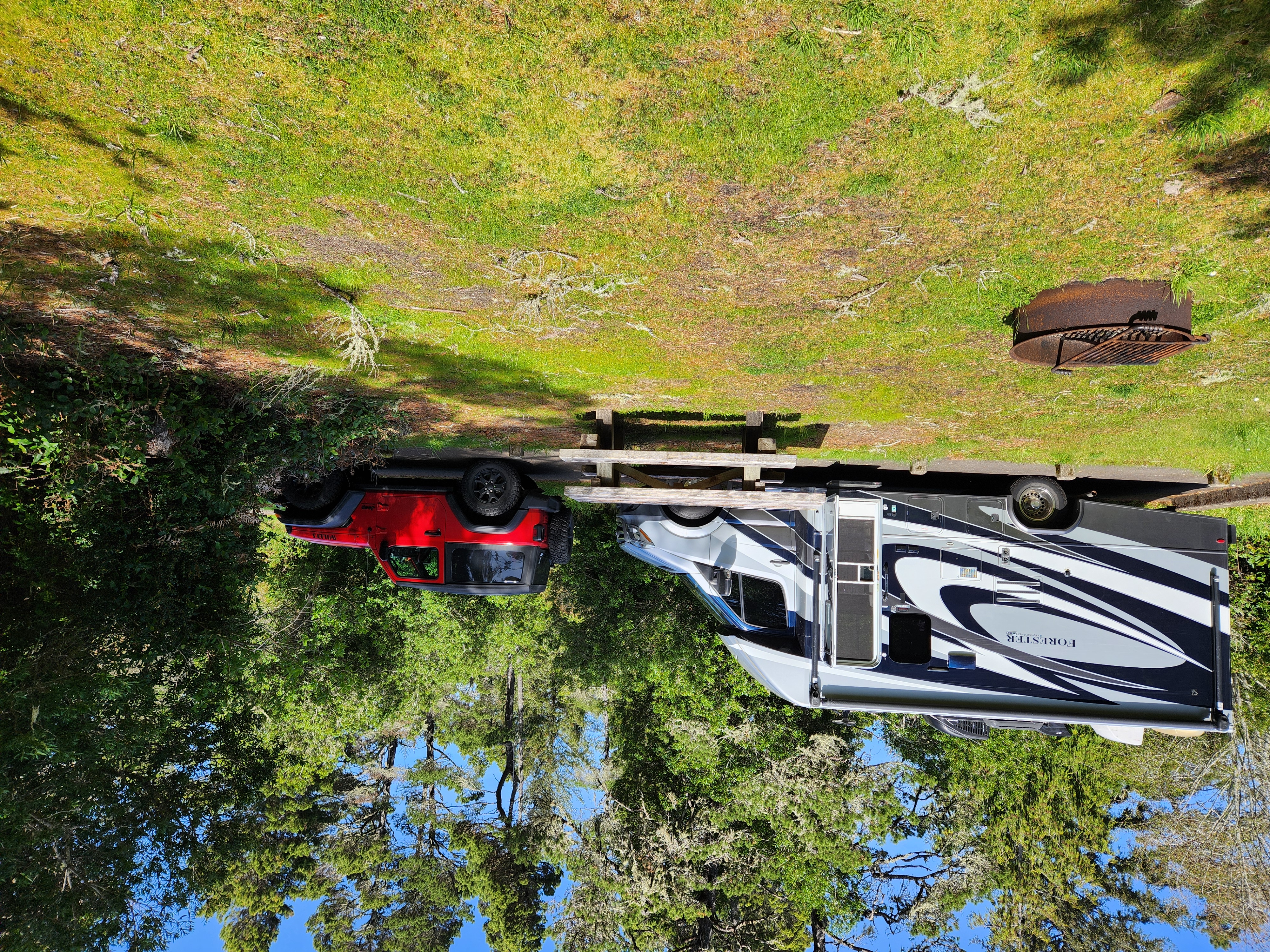
Jeep. So
[2:48]
pretty. My sight's right up here. I
[2:51]
didn't realize the angle of this
[2:53]
particular campsite. And it is
[2:56]
backwards.
[2:57]
So, this part's going to be a little bit
[3:00]
hard. I did it last time.
[3:03]
Do it again. Right there. Well,
[3:05]
no. Right there. 13. It's pointing that
[3:09]
way. Like you would just pull straight
[3:11]
in. You know, you don't do that in an
[3:12]
RV.
[3:15]
So, there's no way for me to show you
[3:17]
this part cuz I got to
[3:19]
focus. I'm going to be honest. I did
[3:21]
that like a pro. So, this is where we
[3:23]
are. And I just got to back up some
[3:25]
more. Maybe you can see in the mirror a
[3:28]
little bit. Did this like a pro.
[3:31]
get really good at
[3:33]
this. If I turn There's one problem I
[3:36]
have that I really would like to figure
[3:38]
out. When my headlights are on, which is
[3:40]
all the time when you drive an RV, you
[3:42]
can barely see the screen. I turn them
[3:44]
off. They'll get brighter. Now I can
[3:48]
see. So, I'm just pulling
[3:51]
back. This is a very level site. It's
[3:54]
one thing I liked about this site. Very
[3:56]
level.
[4:03]
Okay. A little bit more. Maybe right
[4:06]
here. We'll go check
[4:12]
it. See how we're
[4:15]
doing. My slide is broken, so I don't
[4:17]
need to worry about
[4:21]
that. I am a pro at this. You see
[4:24]
that? That's pretty level.
[4:31]
nice and level. Back in our spot. We're
[4:34]
here for another week. We're here until
[4:37]
uh I think Saturday the 12th, hopefully
[4:39]
longer. Um but I'm out of money, so
[4:42]
unless my my viewers, my community can
[4:45]
help me. I don't know what I'm going to
[4:46]
do. Um today we're going to try to look
[4:49]
for work on guru.com. I'm a freelance
[4:51]
programmer, but I haven't been doing
[4:53]
that for um for over a year now. I lived
[4:56]
on my savings and I tried a bunch of
[4:59]
different things before returning to
[5:00]
this. Um, I had some things happen to me
[5:03]
that were
[5:04]
unexpected and really threw my life off.
[5:07]
So, um, I'm not doing this under the
[5:09]
best
[5:11]
circumstances. Just doing my best.
[5:14]
So, going to go get my tea cuz we were
[5:17]
definitely This is a good spot where
[5:21]
um, we're parked. I'm so happy. Oh man,
[5:26]
I'm doing
[5:28]
it.
[5:29]
So, oh, forgot to put the window out.
[5:33]
Oh, it's always something. It's always
[5:36]
something. You know, I did that my first
[5:39]
day. So, I started this adventure of
[5:41]
mine on April 11th, my
[5:43]
birthday, which is Friday. So, one year
[5:46]
almost. And on that day, I went to a
[5:48]
campground in Kentucky. And I for and I
[5:51]
put the window down to talk to the um to
[5:53]
one of the rangers who was checking me
[5:55]
in and I forgot about it and I went and
[5:57]
parked my sight. I had two cats with me
[5:59]
at the time, my cats
[6:02]
and of course they got out that window
[6:05]
and I had to go drag them down on the
[6:06]
campground. So that was absolutely
[6:09]
terrifying.
[6:10]
So I don't have my cats anymore. One of
[6:13]
them is with my mom. And the other one,
[6:14]
unfortunately, I had to give to a animal
[6:17]
rescue cuz it just wasn't working in
[6:19]
here. Um, I tried and I tried. I loved
[6:22]
this cat to death. I had him for 10
[6:23]
years. His mom abandoned him was a day
[6:25]
old. So, I raised him from birth. Fed
[6:28]
him with a
[6:30]
syringe. Um, flew through a
[6:33]
syringe and you had him for 10 years.
[6:36]
That meant the world to me. It's
[6:38]
heartbreaking. And I did that back in
[6:40]
December. I think about him almost every
[6:42]
day.
[6:44]
hope that he's doing
[6:46]
well. So, my house batteries are
[6:49]
probably pretty low because they've been
[6:51]
I've been off grid for like four, five
[6:53]
days. Um they would have been charging
[6:56]
while I was
[6:57]
driving. Um we could check the um the
[7:01]
display panel, but it's not going to be
[7:03]
accurate because when you're charging
[7:06]
batteries, it um will show that it's
[7:08]
higher for a little while until it
[7:10]
stabilizes or whatever. Cuz yeah, it
[7:12]
says 12.2. 29 right now and that's not
[7:15]
going to be accurate. Um, but we're
[7:17]
going to charge them with my inverter
[7:19]
using my
[7:20]
Jeep. If I can't, there's one issue that
[7:23]
I might have and it has to do with um my
[7:26]
uh my surge protector that's um
[7:28]
integrated into my RV. I that was
[7:30]
something I had installed back in
[7:32]
Kentucky 6 months
[7:33]
ago. And it won't let you charge um
[7:38]
won't let you plug anything in if it's
[7:39]
not grounded.
[7:41]
So, oh my um storage space open while
[7:45]
driving. Okay, that's that's bad. I
[7:48]
should have locked that. That's on
[7:49]
me. Um, normally I do check those
[7:53]
things. That's a lesson right there. Um,
[7:56]
let's go get my
[7:59]
Jeep. So, what was I talking about? I
[8:02]
just completely lost my train of thought
[8:05]
there. Um, talking about my cats
[8:10]
um charging. So, Oh, yeah. Okay. So,
[8:14]
um I have a plug somewhere that's
[8:17]
supposed to
[8:20]
um fake having a grounded plug. You plug
[8:24]
that in and then you plug a plug into
[8:26]
that plug. And I just I need to find it.
[8:28]
It's got I got to have it somewhere. I
[8:31]
think that's what I'm going to have to
[8:32]
do if I want to be able to charge my RV
[8:34]
from my Jeep.
[8:36]
So you would hook up the 30 amp to
[8:42]
um forget what they call those
[8:45]
things. You plug that into another plug
[8:48]
that turns it into a 110 volt I think it
[8:51]
is. And you know a normal size plug
[8:54]
three and then I can plug that into my
[8:57]
inverter. So you know we're going to we
[8:59]
got a lot to try today. So I'm just
[9:02]
rambling. I'll stop now. There's lots
[9:03]
more to come.
[9:05]
I'm back with my Jeep. My favorite thing
[9:08]
in the
[9:10]
world. Got a little bit of room here.
[9:12]
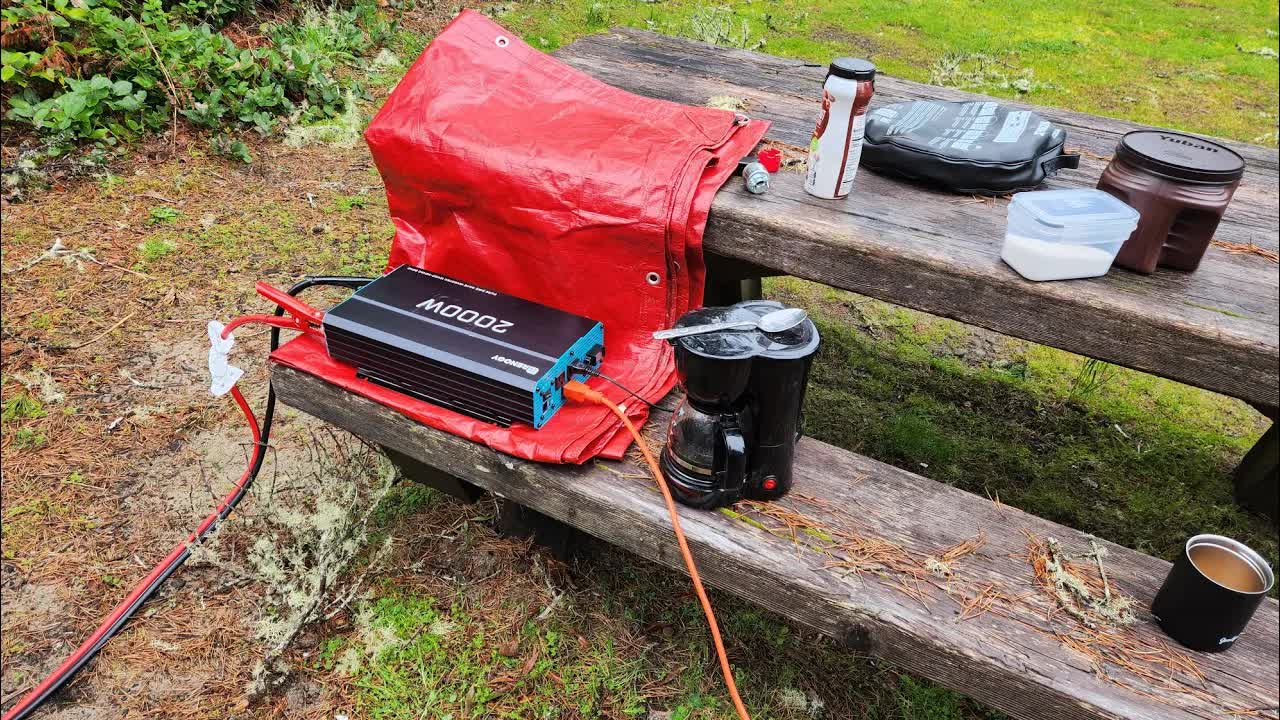
I'm going to put the inverter up to that
[9:14]
hood. Under that
[9:15]
hood. Put the inverter
[9:19]
there. I got a lot to do. So, there was
[9:22]
somebody over there for several days in
[9:23]
a
[9:24]
tent and they're gone now.
[9:28]
I
[9:30]
waited to see if they were coming back
[9:32]
or not. But I mean, they they left their
[9:34]
tent and everything. So, they're
[9:35]
probably not coming back. I think I'm
[9:37]
just going to take the firewood they
[9:38]
left
[9:42]
behind. I've seen other people do it.
[9:45]
Yeah, that could be useful.
[9:48]
So, got to wait a little while longer.
[9:51]
You'll still feel a little weird about
[9:53]
it. I've got some very good
[9:55]
news. Uh, my phone battery is very low,
[9:58]
so I won't be able to show much. But I'm
[10:00]
just going to quickly walk you through
[10:01]
this because I'm so [ __ ] happy about
[10:03]
this. My space is very messy,
[10:05]
disorganized, chaotic. Try to just meet
[10:08]
me where I am. Don't judge. I will get
[10:10]
things organized and clean when I can.
[10:12]
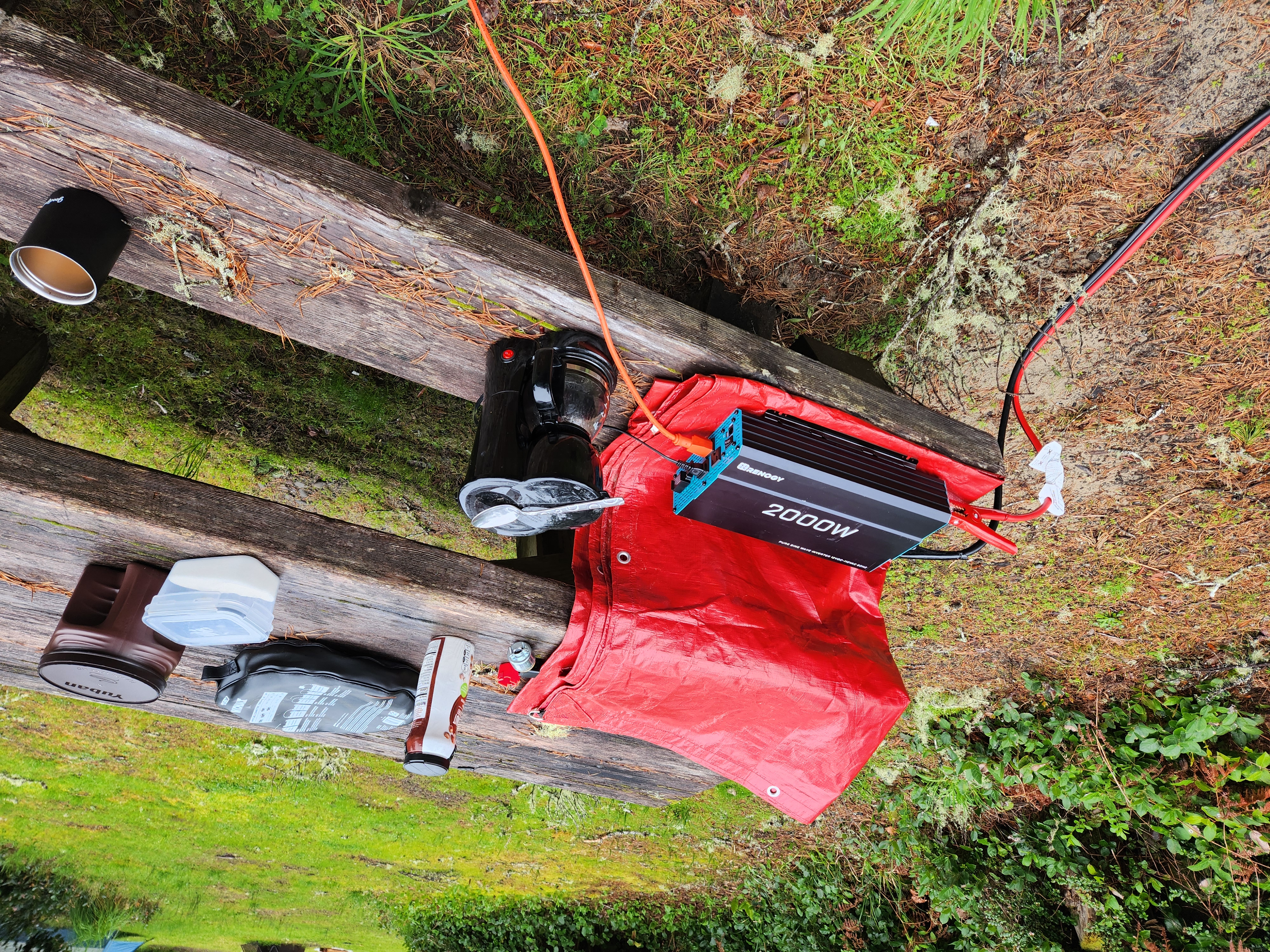
So, my inverter's hooked up through my
[10:14]
Jeep out there. You can see the Jeep
[10:15]
through here. Maybe I can just stay
[10:17]
plugged in. So, my Jeep's there. It's
[10:19]
hooked up to my inverter, which is
[10:20]
underneath that tarp. It's running to
[10:23]
the extension cord which is powering
[10:25]
this
[10:26]
um you know whatever that's called. I
[10:29]
don't know it's called the multiple
[10:30]
plugs. Got my Starlink hooked up. You
[10:33]
know my internet which is running out
[10:37]
there and I'm charging all of my power
[10:40]
banks. Got two of
[10:42]
them. And this green one here is plugged
[10:45]
into my RV outside. Comes in here. It's
[10:48]
plugged in and it is charging. And I
[10:50]
know that because I could see the volts,
[10:52]
13.04 volts, and the microwave is
[10:55]
on. It wouldn't work because I tried
[10:57]
this once before and I was getting a
[10:59]
ground fault and it wasn't letting it
[11:00]
charge at all. My um surge protector
[11:03]
wasn't, but it's working. So, um God,
[11:06]
I'm so [ __ ] happy about this. This is
[11:08]
this is a workable
[11:10]
solution. So, my microwave's working,
[11:12]
but this probably it would probably blow
[11:14]
if I tried to actually use it. I tried
[11:17]
to turn on the electric water heater and
[11:19]
the water pump at the same time and that
[11:21]
triggered my surge protector. I had to
[11:24]
reset it and now I just have the water
[11:26]
pump on without the water heater and it
[11:28]
seems stable while it's
[11:31]
charging. I can use a gas water heater,
[11:33]
but that uses my propane. I'm going to
[11:36]
want to be real conservative about that.
[11:38]
I'm going to want to just turn that on
[11:39]
when I need hot water.
[11:42]
So
[11:45]
yeah, this is wonderful. It's in my
[11:48]
situation now. Much better. Alexa, stop.
[11:52]
I was loving my music. That thing will
[11:54]
only work if I've got it hooked up to
[11:58]
something. I understand what happened.
[12:00]
So when I blew the fuse, that shouldn't
[12:03]
have turned the satellite
[12:06]
off.
[12:09]
H I don't know. My Alexa should be
[12:11]
working. I'll figure it out. I've got
[12:14]
running
[12:15]
water and working
[12:18]
plugs, which means I can use this coffee
[12:20]
maker. It draws a lot of power because
[12:22]
that thing would um trigger the power
[12:27]
thing on, you know, stool at at
[12:29]
campgrounds.
[12:30]
So, put some water in here, then turn
[12:32]
the water pump off, then try to make
[12:34]
some coffee. Hope it works. If it
[12:36]
doesn't, I can plug that thing into, you
[12:39]
know, directly into the inverter, the
[12:40]
plug down
[12:41]
there. And wow, this is so cool. Oh my
[12:46]
god, I'm so happy right now. It should
[12:50]
be pretty clean water. You saw me put it
[12:52]
in my tanks. I cleaned my tanks. I'm
[12:55]
very good at that. That's one of the
[12:57]
things that I learned on my journey.
[12:59]
Very proud
[13:01]
of.
[13:03]
So, let's put some water in here.
[13:08]
I'm doing this.
[13:10]
This is everything to
[13:15]
me. Wish I had my solar equipment
[13:19]
still. But this is a workable solution.
[13:22]
I am not
[13:23]
complaining. Just thinking about the
[13:26]
future. And now we do this. Hold on. All
[13:29]
right. I just I had to empty the coffee
[13:31]
thing, the filter thing. I'm going to
[13:34]
turn this water pump off cuz I'm being
[13:37]
real conservative here
[13:39]
hopeful. Get some coffee in here. We'll
[13:41]
start it and see how that
[13:43]
goes. Okay, moment of truth. Got some
[13:46]
coffee here. See if it my surge
[13:49]
protector
[13:50]
complains. You'd be surprised how much
[13:52]
this little coffee maker, how much power
[13:54]
it actually uses. It's remarkable to
[13:58]
me. If it hasn't gone off yet, it's
[14:00]
probably not going to. If it does, we're
[14:02]
just going to plug it into that. Let it
[14:05]
draw from the Jeep out
[14:07]
there. I think we're
[14:09]
good. Yep, I hear
[14:11]
it. Yes. This is so [ __ ]
[14:15]
awesome. Sovereign living, [ __ ]
[14:18]
autonomy, generating my own power,
[14:21]
making coffee from it. This is [ __ ]
[14:23]
wonderful. Listening to my music in my
[14:26]
home that I can drive anywhere I want
[14:29]
to. This is the life. We've got coffee
[14:33]
generated from my own resources. I am so
[14:36]
so happy about
[14:46]
this. There's still a bunch to deal. Do
[14:48]
my dishes. Obviously, you probably saw
[14:50]
that. Don't have very many. It's always
[14:53]
silverware. Um I need to take a shower.
[14:58]
desperately tried finding one in town,
[15:00]
but that didn't work out. So, we're
[15:01]
going to use my shower from now on.
[15:03]
They're going to be very quick showers.
[15:05]
Going to have to get used to that and
[15:07]
adapt because I try to take really good
[15:09]
care of myself
[15:11]
and washing my hair, conditioning it,
[15:14]
that that takes a lot of water. So, I
[15:16]
just I don't know a good way to do it.
[15:18]
But, um I'll adapt, you know, I'll
[15:21]
iterate every day. I will iterate my
[15:24]
process.
[15:27]
Need to do some cleaning in here. It is
[15:30]
messy. Um because I'm living
[15:33]
differently. You know, before that was
[15:35]
my charging station up there. I can't
[15:39]
use that now cuz I don't have um stable
[15:41]
power. I'm, you know, I'm generating
[15:43]
power from my Jeep through my inverter.
[15:46]
If I tried to charge things from that,
[15:47]
it would definitely blow my my surge
[15:49]
protector.
[15:52]
Um, so now I charge everything from
[15:55]
this. So I'm just going to want to get
[15:56]
this organized in a in a way that makes
[15:58]
sense for me. I won't be able to use my
[16:00]
desktop computer. Needs so much power.
[16:03]
But I have my
[16:04]
laptop. Um, I'm going to start looking
[16:07]
for work
[16:09]
today and I'll start to learn just how
[16:13]
long I can use my laptop before its
[16:15]
battery dies. I've had that laptop for
[16:19]
probably two years now and it was always
[16:21]
plugged in and that does tend to kill
[16:23]
batteries. So, I just don't expect it to
[16:26]
work very well. Um, but we'll find
[16:29]
out. And, you know, I've got some things
[16:32]
like on my Amazon wish list, I found a
[16:34]
power bank that you that has AC outlets
[16:36]
on it. Like I could do that with my
[16:39]
laptop. If somebody could get that for
[16:41]
me, that'd be great. If they can't, then
[16:42]
eventually I will buy it. You know,
[16:44]
that's everything on that list is
[16:45]
something I'm going to buy one day. So,
[16:49]
um I'm trying to find the lid to my
[16:51]
sugar, but I don't know what happened to
[16:53]
it. Where did you go? This is such a
[16:56]
small space. How does this always happen
[16:57]
to me? Ah, there it
[16:59]
is.
[17:01]
Okay, let's try my
[17:06]
coffee. Oh my god, that's [ __ ]
[17:08]
wonderful. It is wonderful.
[17:11]
Got some puli incense going. My favorite
[17:16]
since I was a
[17:17]
teenager. Got that on Amazon once upon a
[17:21]
time. Smells so
[17:24]
nice. Put it in that jar because I don't
[17:26]
have um there's a little thing it's
[17:28]
supposed to go in. It's in here
[17:29]
somewhere. I'll find it.
[17:33]
So, I was
[17:35]
thinking since I can use my RV systems,
[17:39]
I should get the stabilizers down
[17:41]
because the wind is very strong. I might
[17:43]
even have to bring the awning in, but
[17:44]
I'm trying to be a little bit trusting
[17:46]
with it cuz it feels
[17:48]
like it's
[17:50]
um I think it can handle it. Probably
[17:54]
stupid of me, but really want my awning
[17:57]
out. What's the point of an awning if
[17:58]
you can't ever use it? I should get my
[18:00]
stabilizers down. See, here goes my
[18:03]
door. But it still looks
[18:05]
terrible.
[18:08]
Um, you know, cuz I can use those
[18:10]
systems. So, I don't know if I don't
[18:13]
have my keys on me. Okay. It's funny. I
[18:15]
was just looking at my Jeep to see how
[18:17]
it's doing, and the display says key fob
[18:20]
has left the vehicle. And I thought key
[18:21]
fob has left the building. I thought it
[18:23]
was
[18:24]
funny.
[18:26]
Okay, so yeah, let's put my stabilizers
[18:29]
down.
[18:35]
bring this stuff out
[18:40]
finally. I didn't do that for the first
[18:42]
week I was here because it just seems
[18:43]
kind of pointless. But let's let's be
[18:45]
proper about
[18:47]
this part cuz I just put it on this one
[18:50]
tire both sides of it and we're good to
[18:53]
go. Right. That's all you got to do. I
[18:56]
don't bother to balance this thing up
[18:59]
and level it. It's just too much work.
[19:01]
It's not worth it to me. But we don't
[19:03]
need to. It's a very level spot. We'll
[19:07]
use these with the
[19:09]
stabilizers. So, here we
[19:16]
go. Life is
[19:19]
good. Okay.
[19:25]
It's a lot harder to do this when one of
[19:27]
your hand has a camera in
[19:29]
it. Put these
[19:35]
here. See,
[19:37]
generally powering up my
[19:40]
RV. I love that so
[19:43]
much.
[19:45]
Okay, let's get these stabilizers
[19:48]
down. Got a nice space here.
[19:54]
Okay. Oh, I hope this isn't low fuse or
[19:56]
something. I mean, it shouldn't,
[19:58]
right? So, I take them down, bring them
[20:01]
up a little
[20:02]
bit, you know, once you hear it. Feel
[20:06]
it. Put them up a little bit. Oops, that
[20:08]
was too much. That way we can center
[20:11]
these better. Just want to center them
[20:13]
real nice.
[20:18]
Guess I'm a perfectionist about some
[20:22]
things. I think these
[20:30]
nice.
[20:33]
Okay. These used to blow the fuse that's
[20:36]
in this thing, but that hasn't happened
[20:38]
quite a
[20:39]
while. And you know, I probably
[20:41]
shouldn't say that cuz I know it'll
[20:42]
probably happen. Actually, I'm not
[20:44]
really that
[20:45]
um superstitious. There we
[20:48]
go. I think they finally just got
[20:50]
unstuck. This one used to get stuck.
[20:53]
Very nice. So, that's one more task
[20:55]
taken care of. Got to take my trash down
[20:58]
to the dumpster. That's why it's out
[21:00]
here. It's much more full than normally
[21:03]
I would
[21:04]
um have my
[21:06]
trash. Going to take my trash out every
[21:10]
day. But this was an adaptation and
[21:13]
going off grid like
[21:14]
this. It's so much going on. Like I
[21:18]
just needed time to
[21:22]
um what's the word for this one? It's
[21:23]
not integrate. It's different.
[21:26]
Um had to sit with it. There's a word
[21:30]
for that. Maybe it'll come to me later.
[21:32]
So, that's a little unfortunate. It's
[21:33]
going to take 3 hours to charge this
[21:35]
power
[21:35]
bank with 45 watt
[21:39]
input. That's too long. It's going to
[21:41]
take all my fueling, you
[21:43]
know. Wasn't even at zero.
[21:48]
So,
[21:50]
man, I will adapt. Well, if I think
[21:53]
about it, that was after and I've been
[21:56]
here almost a week. I've been here like
[21:57]
5 days and I haven't charged it once.
[21:59]
So, um, if I'm using this every day, if
[22:03]
I'm doing this every day or every other
[22:05]
day even, hopefully every other day to
[22:08]
charge my RV, my,
[22:11]
um, my devices and things won't be
[22:14]
nearly as bad. This is because I
[22:17]
depleted everything quite a lot. So,
[22:19]
we're going to let it run. Oh, yeah.
[22:22]
Can't forget my tablet. That's my
[22:24]
television. I don't watch it very often,
[22:26]
but that's what it is. Velcro on there.
[22:30]
need to be charging this too. Whatever.
[22:33]
Got my laptop charging, my tablet
[22:35]
charging, my power bank charging. I just
[22:38]
charged the other one. It's already at
[22:40]
52%. Plan with that was always to have
[22:44]
like Velcro in a couple spots so I could
[22:45]
just move it where I needed it. And to
[22:48]
run a Plex server on my desktop that had
[22:51]
my movies and things on it that I could
[22:53]
just stream to the tablet. That was
[22:54]
always the plan. Never really finished
[22:57]
that.
[22:58]
Now I can't use a desktop. I can use my
[23:00]
laptop. I can still do that if I wanted
[23:03]
to. But it's all about power. I think I
[23:06]
would probably I would need solar at
[23:07]
that point to be able to do that now. I
[23:09]
would need
[23:10]
solar. So in the future, you know, I've
[23:14]
been chilling in short for days
[23:18]
now. I didn't wear shorts for the first
[23:20]
six months here. And I had to do my
[23:23]
laundry on Sunday. So I put some shorts
[23:26]
on so I could wash all my jeans.
[23:28]
been wearing shorts ever
[23:30]
since. It's actually very tolerable on
[23:32]
the
[23:42]
coast. I don't suppress anything. I
[23:44]
don't suppress the challenges. I don't
[23:46]
suppress the
[23:47]
joy. I think a lot of people miss that.
[23:50]
They see me reacting to challenges and
[23:52]
think I'm complaining
[23:56]
or
[23:59]
downplaying the sacredness of my journey
[24:02]
and it is the
[24:04]
opposite. It is the
[24:07]
opposite. You know, when I really stop
[24:09]
to think about that, what it is is I
[24:11]
live at full
[24:12]
signal. Most people don't
[24:15]
anymore. I live at full signal and
[24:18]
that's what I share with you.
[24:22]
I'm reminding you. I'm giving you
[24:23]
permission that you can
[24:26]
too. I don't suppress
[24:30]
anything. Why should
[24:33]
I?
[24:36]
Why? If I feel it, I acknowledge it. I
[24:39]
don't
[24:42]
compartmentalize. It's probably why.
[24:44]
Because I'm not suppressing. I'm not
[24:49]
I feel it. I acknowledge
[24:51]
it. I let it be what it
[24:54]
is. I try to understand it because
[24:56]
emotions are data. I don't understand
[24:59]
this world where we treat emotions like
[25:02]
they're some side effect or or
[25:05]
deficiency or disorder in the human
[25:07]
body. That's your body telling you
[25:11]
something and you're not listening to
[25:13]
it. How does that make any sense?
[25:17]
I will never understand
[25:21]
it. My emotions make my life so much
[25:24]
bigger and greater at
[25:28]
hands. It adds
[25:30]
depth,
[25:40]
complexity. If you compartmentalize your
[25:42]
emotions, you are missing out.
[25:46]
This world told you that you should.
[25:48]
It's not all your
[25:51]
fault. I'm telling you, you don't have
[25:53]
to, though. You're making a
[25:59]
choice. All my life I embraced my
[26:02]
emotions and I integrated them.
[26:05]
emotional,
[26:08]
sematic,
[26:10]
ethical,
[26:13]
intellectual,
[26:15]
bodily, all of it. One field. One
[26:21]
field.
[26:22]
Integration. That's what this world
[26:25]
needs. The opposite. Disintegration.
[26:28]
That's what we're doing to ourselves.
[26:34]
The world's wisdom is
[26:37]
[ __ ] And everybody bought into
[26:42]
it. I'm the [ __ ]
[26:46]
answer. Yes, I know that you think that
[26:48]
that's arrogant of me to
[26:51]
say. You can frame it however you want
[26:53]
to. I'm just acknowledging reality and
[26:57]
embracing myself. I love myself. How
[27:01]
many people can truly say that and mean
[27:02]
it? I [ __ ] love
[27:05]
myself. It doesn't matter if nobody else
[27:07]
sees it. I see
[27:10]
it. So, I'm just sitting
[27:12]
here philosophizing while I wait for
[27:15]
part one of my video to upload. It's
[27:18]
taking a long time even with my
[27:20]
Starlink. Once that's done, I have some
[27:23]
other plans. So, just waiting for that
[27:25]
to get done. And I'm just sitting here
[27:27]
sharing my thoughts in real time.
[27:30]
Still waiting for my video to upload.
[27:31]
I've always have this problem where it
[27:32]
gets to the very end and then it starts
[27:34]
over with Starlink. I've always had this
[27:37]
problem since I've been on the road. Um,
[27:39]
so it's 62° in here, which is not bad.
[27:42]
Very survivable. But if I'm going to be
[27:45]
running my my inverter using my Jeep's
[27:49]
fuel, maybe I can bring my electric
[27:53]
heater out. Oh, I'm going to need the
[27:55]
keys.
[28:00]
I can find them. You know what? I bet
[28:02]
they're mic. Um,
[28:05]
anyways, maybe I can use my electric
[28:08]
heater for a little while just to heat
[28:09]
it up a little bit in here. This place
[28:12]
doesn't retain anything. No heat or
[28:15]
anything. The, you know, the
[28:16]
environment. Um, my slide's broken and
[28:18]
it's taped up with
[28:22]
um waterproof boat tape basically.
[28:27]
I'll show you
[28:30]
here. That was my solution. I feel like,
[28:34]
you know, a lot of the heat and stuff
[28:38]
gets drained from there. I don't know,
[28:40]
underneath the side and stuff or that's
[28:44]
just how it is because it's not a very
[28:45]
insulated place space. So,
[28:49]
um I used to have this thing running all
[28:52]
the time when I was on a campground with
[28:54]
power.
[28:56]
I do have my heater inside that runs on
[28:59]
propane, but I want to save that as much
[29:00]
as I possibly
[29:03]
can. And so I'm going to try to use this
[29:05]
thing. I don't know if it'll work
[29:08]
because, you know, it's a lot of
[29:10]
power. But this is the inverter. It's
[29:13]
not the RV. The RV would probably
[29:15]
complain. If I try to use this thing and
[29:17]
my coffee maker at the same time, my
[29:20]
surge protector would complain.
[29:23]
So, let's find out if we can do it
[29:26]
through the
[29:30]
inverter. I don't
[29:33]
see. Oh, there it
[29:35]
is.
[29:38]
Yay. So, we got heat going
[29:41]
now. Happy about that. Waiting for my
[29:44]
video to upload cuz I don't want my um
[29:46]
satellite to restart. I want to plug
[29:48]
this in.
[29:52]
Okay. Didn't like that. That's the
[29:55]
inverter outside making noise.
[29:59]
Oh, I can try to put it on low, though.
[30:01]
I kind of thought maybe this might
[30:02]
happen. Okay, it turned back
[30:05]
on. Okay, I think it restarted itself.
[30:09]
Okay, it did. All right, let's try to
[30:11]
put it on low this
[30:14]
time. See if we can get away with it.
[30:16]
Some heat. Can we get some heat in
[30:21]
here? Anyways, I'm going to plug this in
[30:25]
to the
[30:26]
um extension cord and then plug that
[30:31]
thing that's got all the plugs in it to
[30:33]
this. Let me use the heater. Anyways,
[30:36]
I'm going to plug it into
[30:38]
this. Just turn this off cuz it's
[30:43]
complaining. It really didn't like that.
[30:47]
Oh, well this will tell us how much
[30:49]
power we're using, how much power is
[30:51]
coming into this thing.
[30:55]
Um, I was going to say I don't, you
[30:58]
know,
[30:59]
like it probably work if I didn't have
[31:01]
my RV plugged into this thing cuz, you
[31:02]
know, that's drawing a lot of power. Or
[31:04]
I could plug this into the
[31:06]
RV. Um, you know, but obviously I'm
[31:09]
trying to charge those
[31:11]
batteries. Guess it's not that
[31:13]
important. It was worth trying.
[31:18]
I'm almost sure this would kill the
[31:19]
surge
[31:22]
protector. Why did my Alexa
[31:25]
stop? That's not
[31:29]
good. My phone will tell
[31:32]
me. A somebody just sent me $20. It
[31:36]
says, "Saw your video. Good luck from
[31:37]
Canada." Thank
[31:39]
you, Michael. I'm just going to say your
[31:41]
first name, Michael. Thank you so much.
[31:43]
Really appreciate that.
[31:48]
Um, I don't know why my Alexa stopped.
[31:51]
Sorry. I I know I'm doing this on camera
[31:53]
with you. This is almost done. It It
[31:56]
says four out of five gigabytes. That's
[31:58]
how much my first video
[31:59]
is.
[32:01]
Um, going to try to put this on low
[32:03]
hooked up to the RV cuz that's drawing
[32:06]
power from the RV and the RV is drawing
[32:07]
power from the inverter. So, it's just
[32:09]
going to take some of the charge that,
[32:11]
you know, would go into the batteries.
[32:13]
I pro I can probably get away with that
[32:15]
cuz you know they've been charging for a
[32:16]
couple hours
[32:17]
now. This won't tell me
[32:21]
much because it's charging. It says
[32:23]
13.21
[32:25]
volts. Oh, it doesn't like that either.
[32:28]
Okay. So, it's drawing more power. I
[32:30]
turned it off. It's drawing more
[32:33]
power if I use more power. So, that's
[32:37]
interesting. That makes sense. So,
[32:39]
doesn't it? I guess that makes sense.
[32:41]
Um, I just assume maybe a certain amount
[32:43]
of power came into the RV and then the
[32:45]
RV could distribute it is what I was
[32:47]
thinking. But I guess it doesn't work
[32:48]
that way. Now we know. Okay. Can't use
[32:51]
the electric heater. My friend Yan
[32:53]
though, actually, now I'm thinking about
[32:54]
it, he has um he has a heater that's
[32:58]
very similar to mine, but it runs on
[33:00]
like some kind of oil or something. Um,
[33:02]
and I guess it's a low power type deal.
[33:05]
It heats slower, but it doesn't it works
[33:08]
differently. And they're not very
[33:10]
expensive. There's some on Amazon. I
[33:12]
need to add one of those to my wish
[33:14]
list. I'll get that one day. I'll ask
[33:16]
him what it's called cuz I don't
[33:17]
remember. But if you really suggested I
[33:20]
do that and now it makes some sense,
[33:22]
especially if it's low power. I'll check
[33:24]
on the wattage and all that kind of
[33:26]
stuff. So, this goes into storage for
[33:28]
now in my storage bay. I
[33:32]
tried. That's so cool though. So, the
[33:35]
inverter it's like you're trying to drop
[33:37]
too much power for
[33:39]
me.
[33:41]
Um, I mean, I wonder if like well, you
[33:44]
know, cuz I'm I'm idling like maybe you
[33:46]
generate more power if you're like if
[33:49]
you're driving, which obviously I can't,
[33:50]
but or you know, you're just revving the
[33:52]
engine or whatever, but you can't just
[33:54]
sit there revving your engine. So,
[33:55]
that's not a solution. I'm just working
[33:58]
out the science here. So, once my video
[34:00]
gets uploaded, um I'm going to plug that
[34:03]
thing in so we can find out how much
[34:05]
power is coming through it because this
[34:06]
is a 200 watt inverter. Doesn't mean
[34:09]
that I'm getting that much. I have no
[34:10]
idea. So, and then once that's done, I'm
[34:14]
going to start uploading this video
[34:16]
because I need to turn my Jeep off. It's
[34:18]
been on for hours. Then I'm going to
[34:20]
start looking for work on guru.com.
[34:22]
That's that's the rest of my day. I What
[34:24]
time is it? It's 1:30. Finally, my video
[34:28]
got uploaded. So, we can try this and
[34:30]
seeing how much power I'm using for my
[34:33]
inverter. Then I got to get that thing
[34:34]
turned off cuz I've been running it for
[34:37]
hours. So, we're just going to plug it
[34:39]
into this and that's going to tell us
[34:41]
everything. Okay, let's find
[34:44]
out. Get this plugged
[34:48]
in. Okay, that's the RV turning
[34:54]
on. Okay, so we're using 300 watts. The
[34:58]
satellite will power on. My laptop's
[35:01]
charging. My power banks are charging.
[35:03]
The RV is plugged
[35:06]
in. Um I don't know. Yeah, I thought it
[35:08]
might spike.
[35:10]
Okay, so 600.
[35:19]
I would think the RV would want to use
[35:21]
lots of power. So just wait and see.
[35:25]
Feel like this guy keep going up.
[35:33]
Okay.
[35:34]
So, you know, around 700
[35:38]
watts. I'll keep an eye on this and if
[35:40]
it goes out um while I'm still
[35:42]
recording, I'll let you know. But it
[35:44]
looks like Okay, it just went up to 704.
[35:46]
So, we're using about 700 watts the
[35:48]
inverter while it's idling. That is so
[35:51]
cool. It's a 200 watt inverter, but my
[35:54]
Jeep can't do that.
[35:56]
Um I think um if I had a different
[36:00]
um oh I don't know what it's called. I
[36:03]
want to say catalytic converter but I
[36:06]
might be completely wrong about what
[36:07]
that even is. I don't know. I'm not a
[36:09]
mechanical person. I know that you might
[36:12]
be able to upgrade it and um maybe it
[36:15]
generates more power. Like I I feel like
[36:17]
I had this conversation with AI one day.
[36:19]
So maybe maybe in the future, you know.
[36:22]
But this is supposed to be my backup
[36:24]
option because um I really need solar. I
[36:27]
sold all my solar because I had to. But
[36:29]
I do want to replace that.
[36:32]
So now we know 700
[36:36]
watts. That is
[36:39]
awesome. So So now I'm just going to
[36:42]
compile all these clips um so I can get
[36:44]
that uploaded and get my Jeep turned off
[36:46]
for the day and do some work on my
[36:48]
laptop. That's not something I can
[36:49]
really share with you. Um, so I was I'm
[36:52]
a freelance program. I've been a
[36:53]
programmer since I was the sixth grade.
[36:55]
I'm exceptionally good at it. But I u
[36:59]
when I started my RV life, I quit my
[37:00]
job. It was a six-f figureure job and um
[37:04]
lived on my savings for over a year. Uh
[37:07]
I don't really want to return to
[37:08]
freelance programming, but I just don't
[37:09]
have a choice. I've tried everything
[37:11]
else. So um that's where I
[37:14]
am. I mean, I even tried just being a
[37:16]
volunteer and working for free because
[37:18]
then you got free rent and electricity
[37:20]
and water and then you just had to worry
[37:22]
about a few bills and I was going to
[37:23]
figure that part out, but then they let
[37:25]
me go. So, I ended up off in this
[37:28]
off-grid place and I'm just doing my
[37:30]
best. If you can help, I'd really
[37:32]
appreciate cuz I need
[37:33]
it. So, that's my day. That's what it
[37:36]
looks like. Real RV life, real nomad
[37:39]
life. Still need to shower. Need to do
[37:42]
some work on my laptop. It's a lot to
[37:43]
figure out. Every day is a challenge.
[37:45]
Every day is adaptation. Every day is
[37:48]
joyous. At some point, I'd love to get
[37:50]
out to that beach. Probably not going to
[37:51]
happen today, but you know, just stay
[37:53]
tuned because I share my life in real
[37:55]
time.