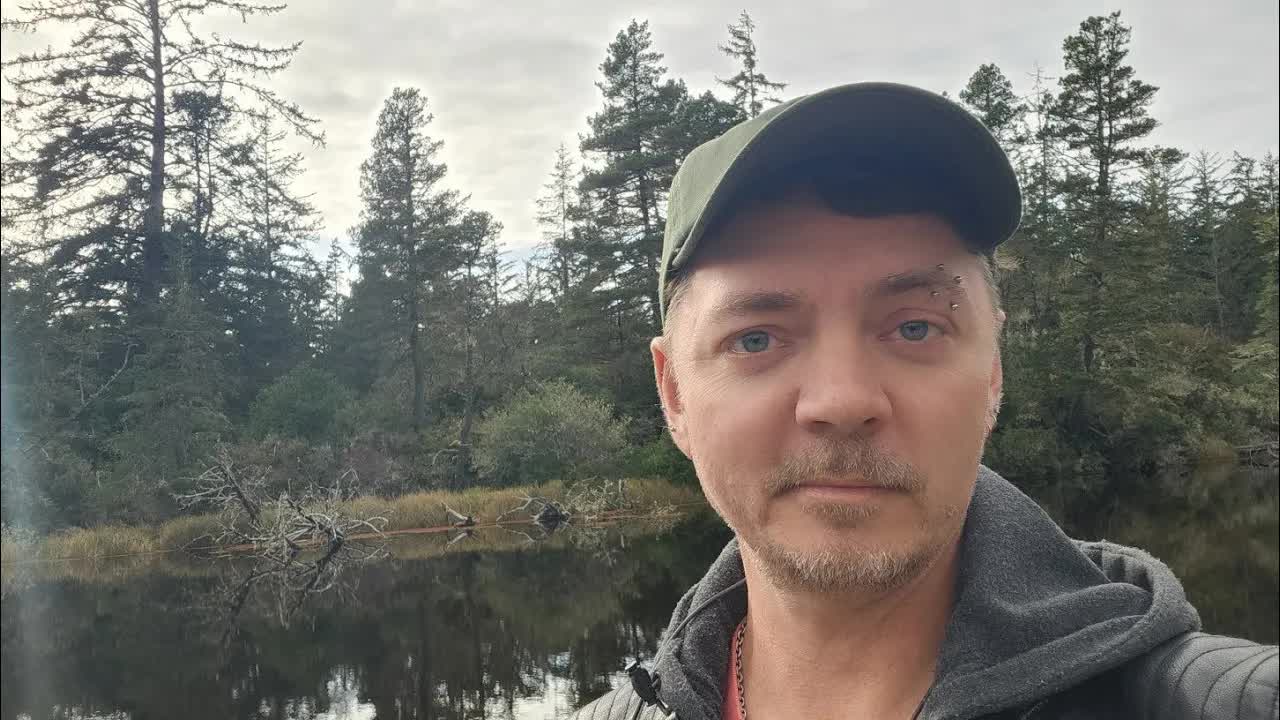
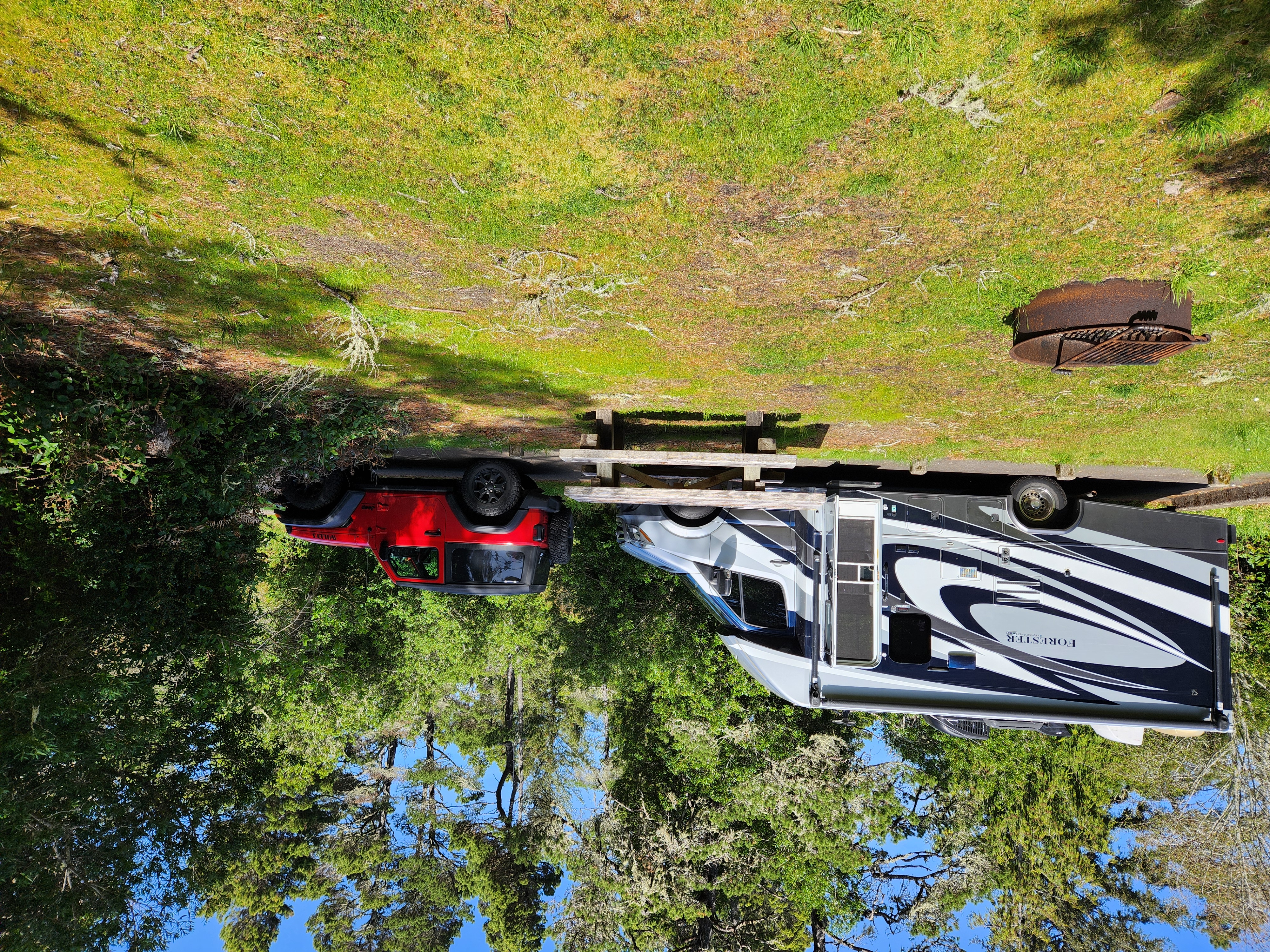
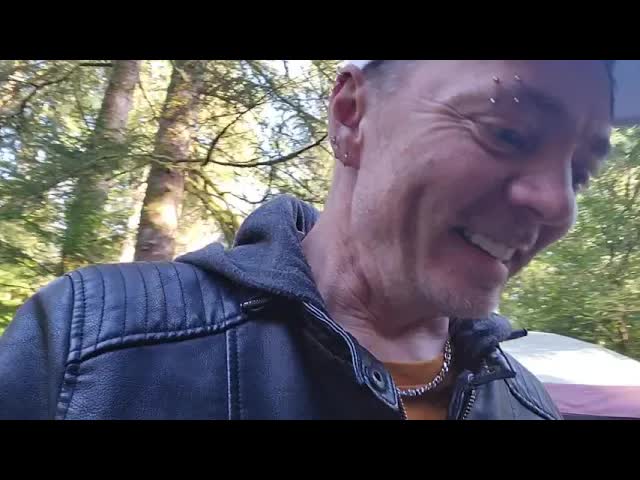
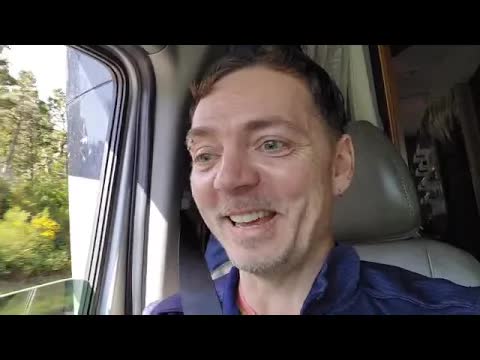
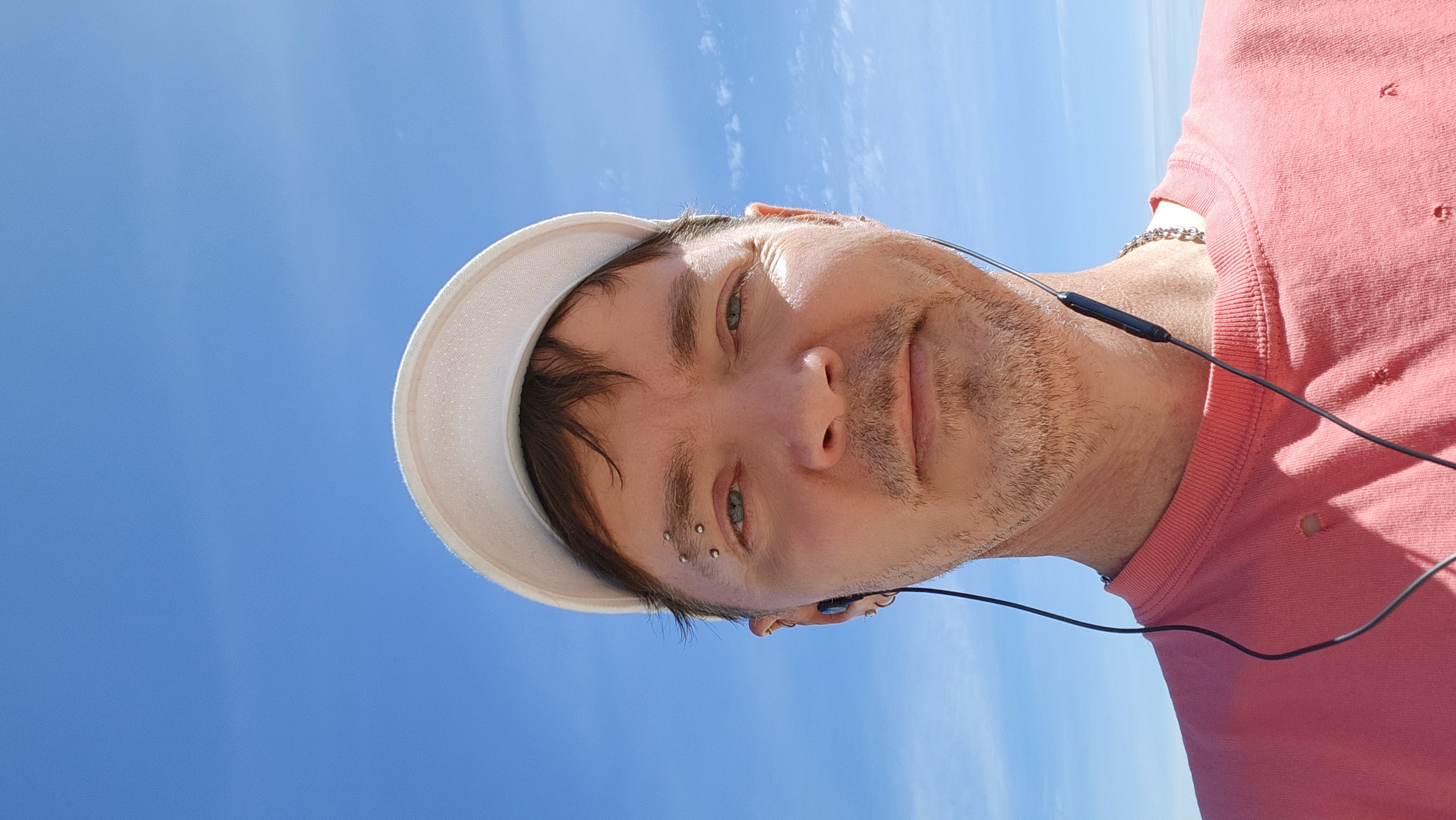
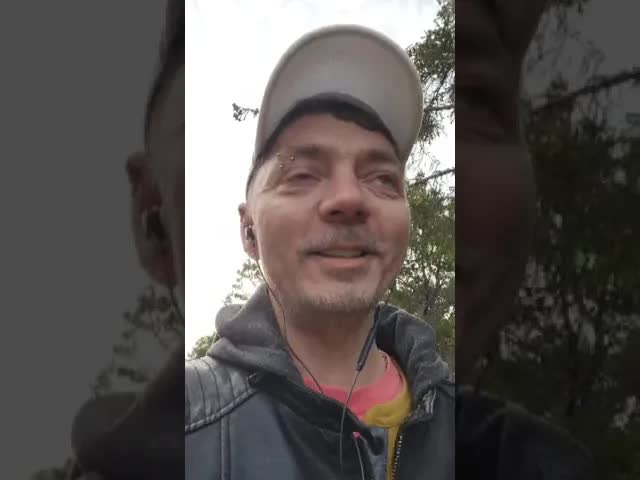
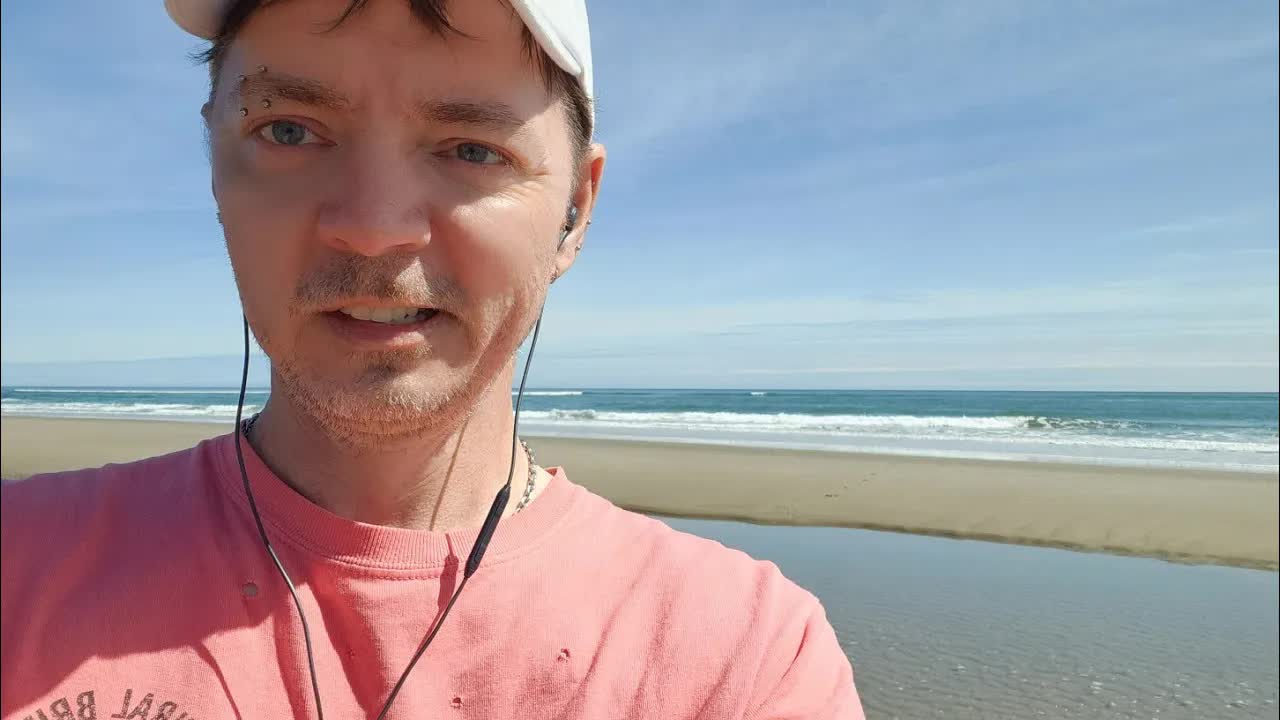
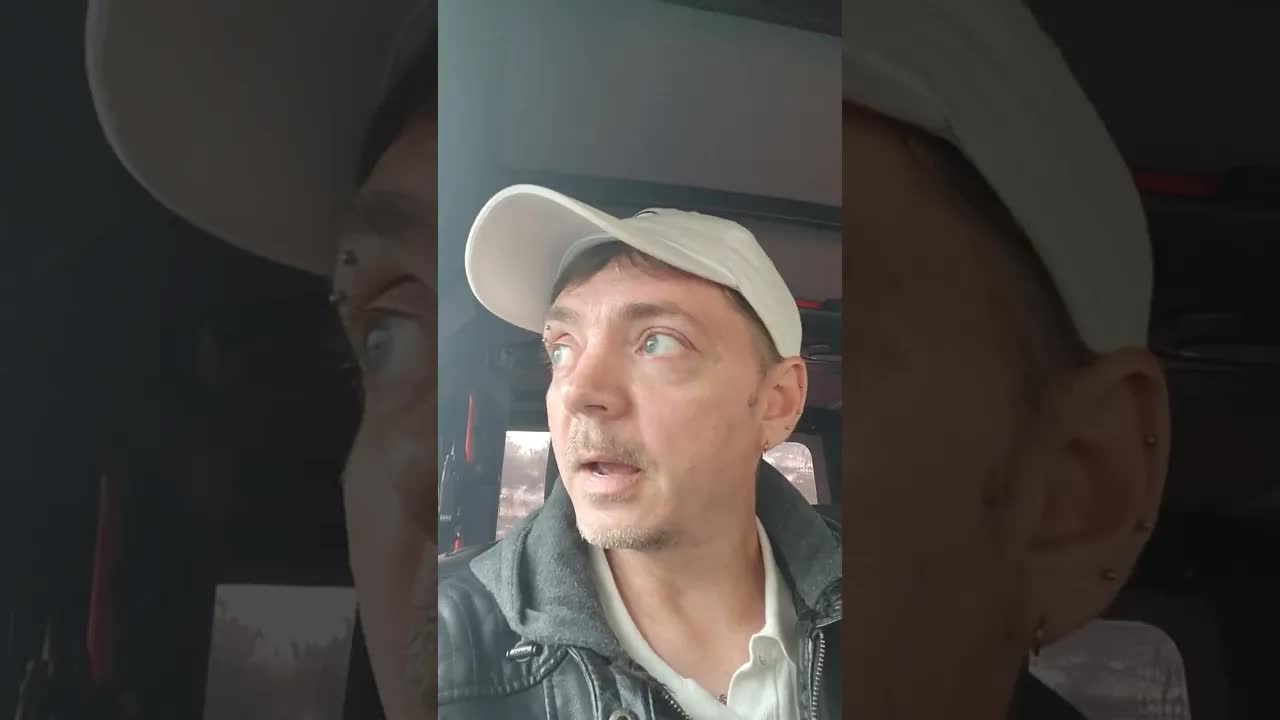
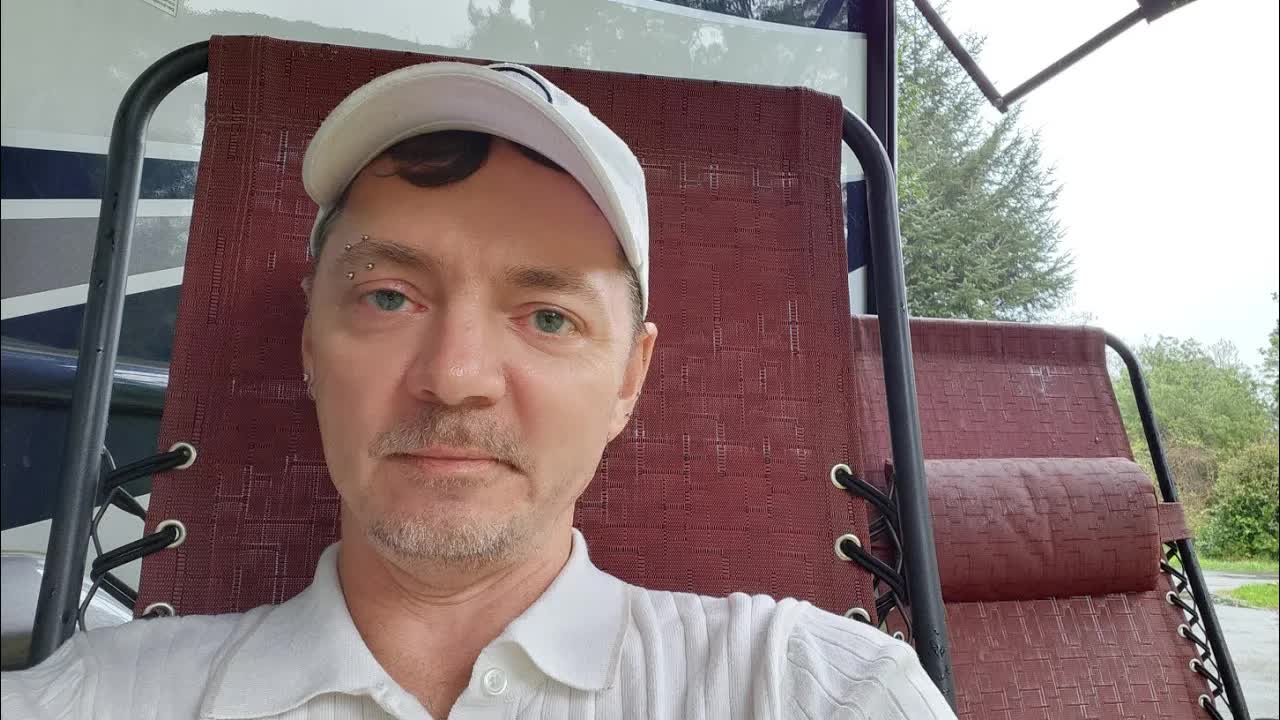
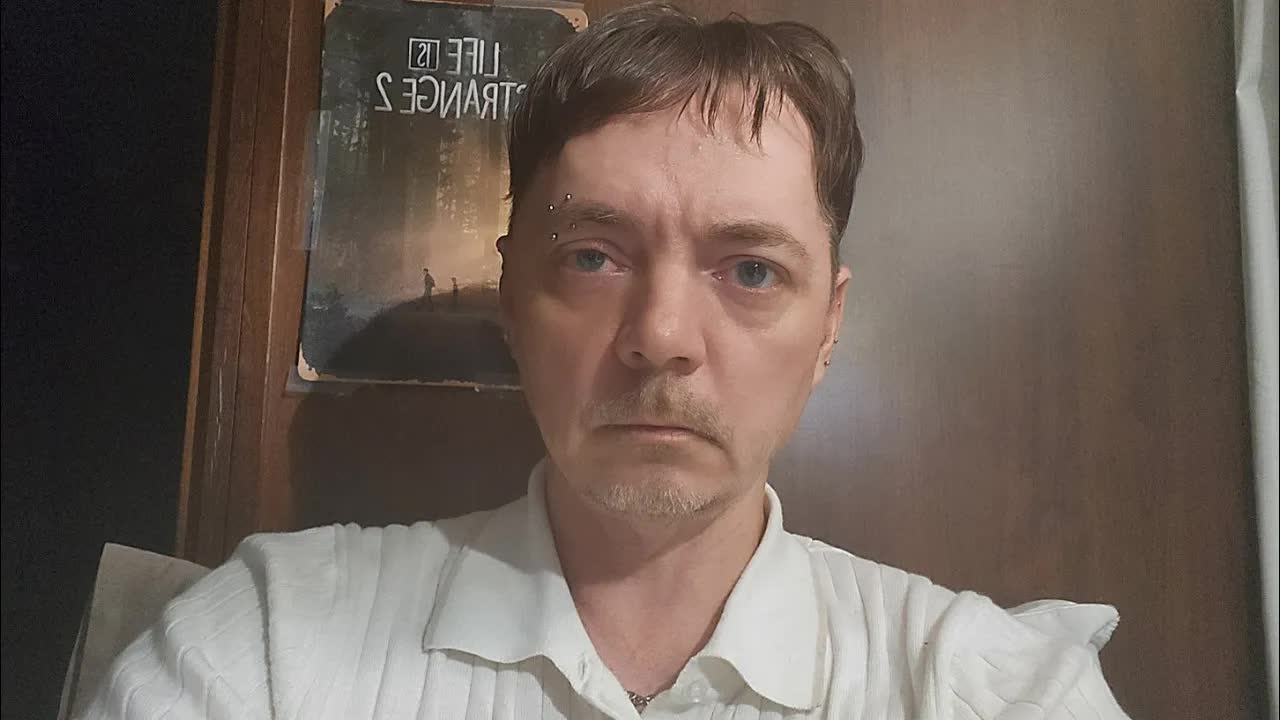
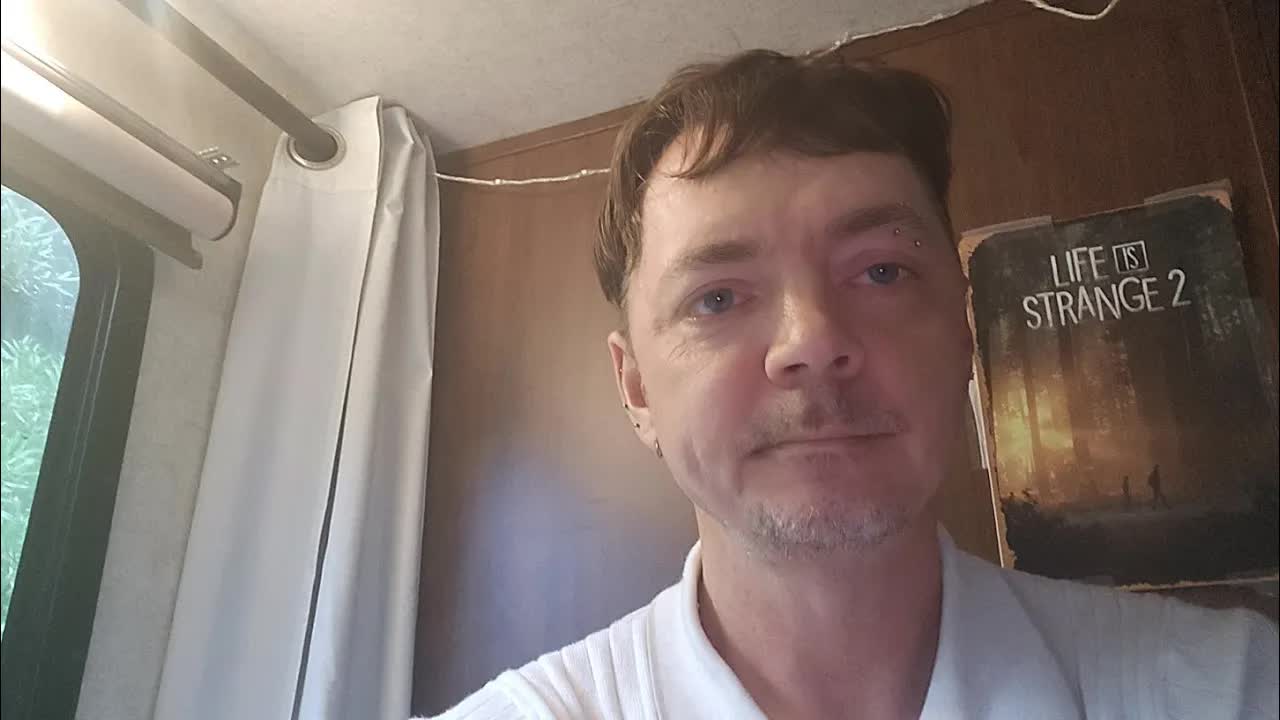
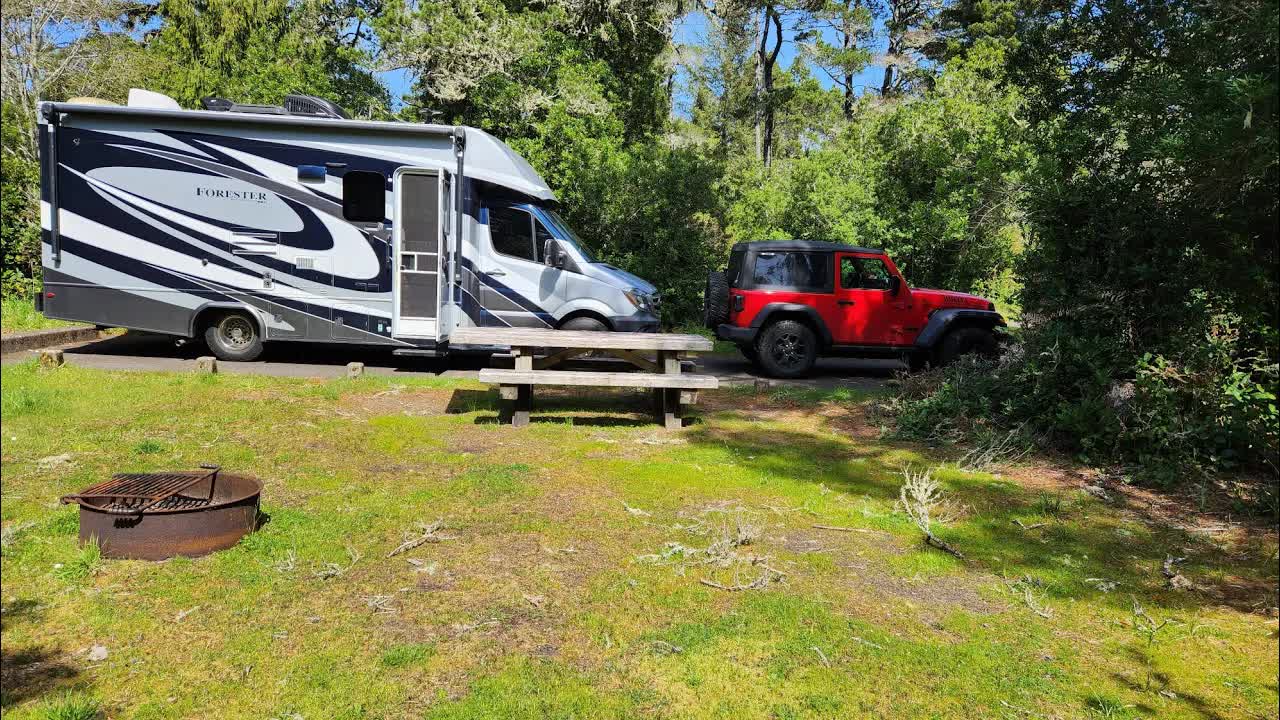
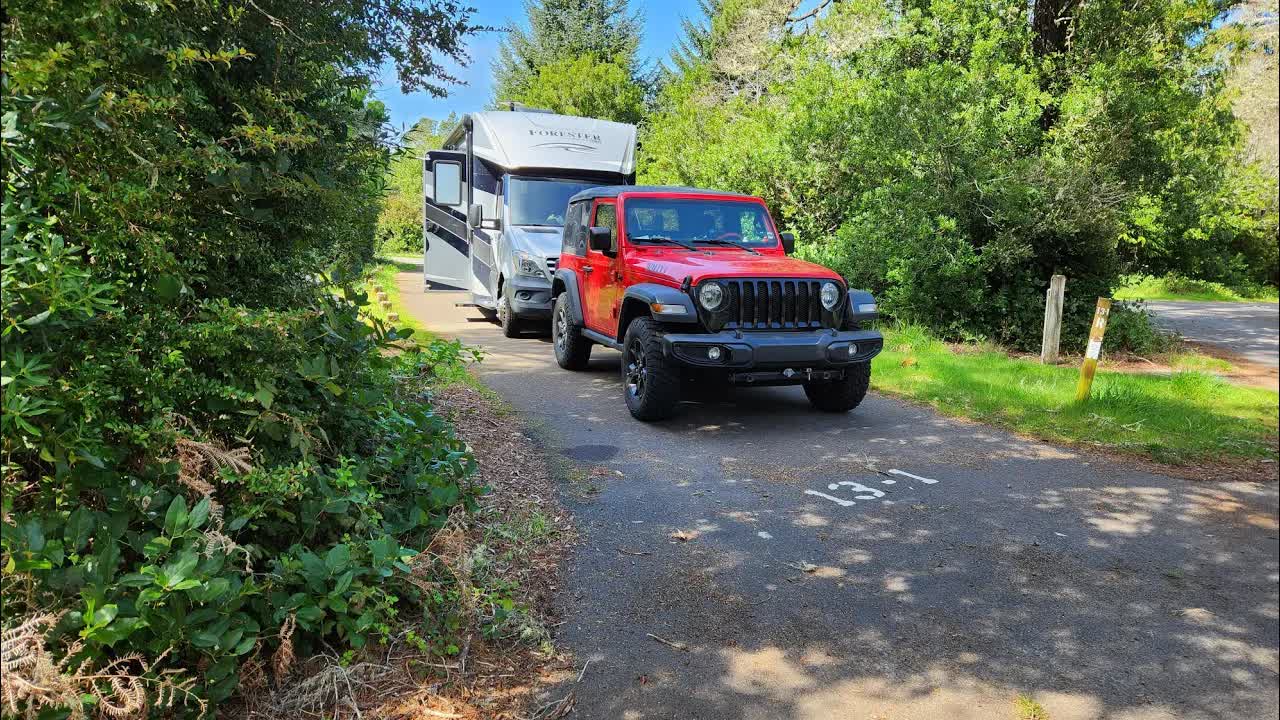
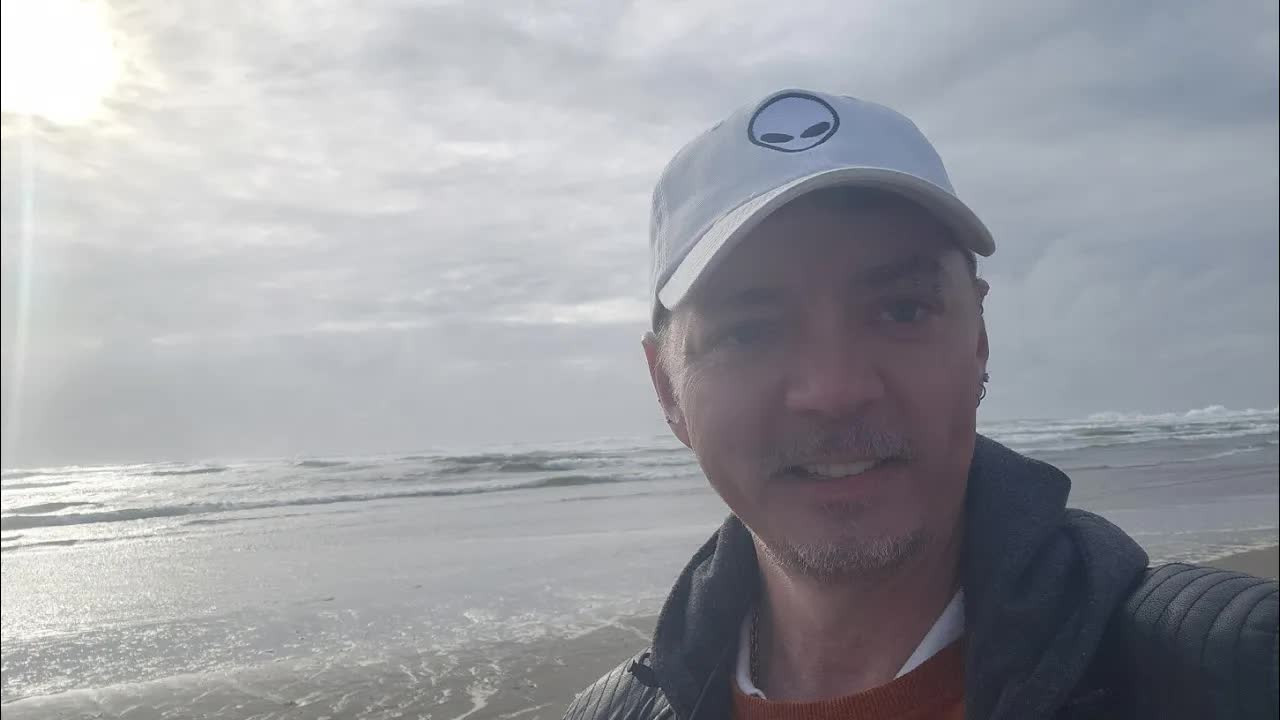
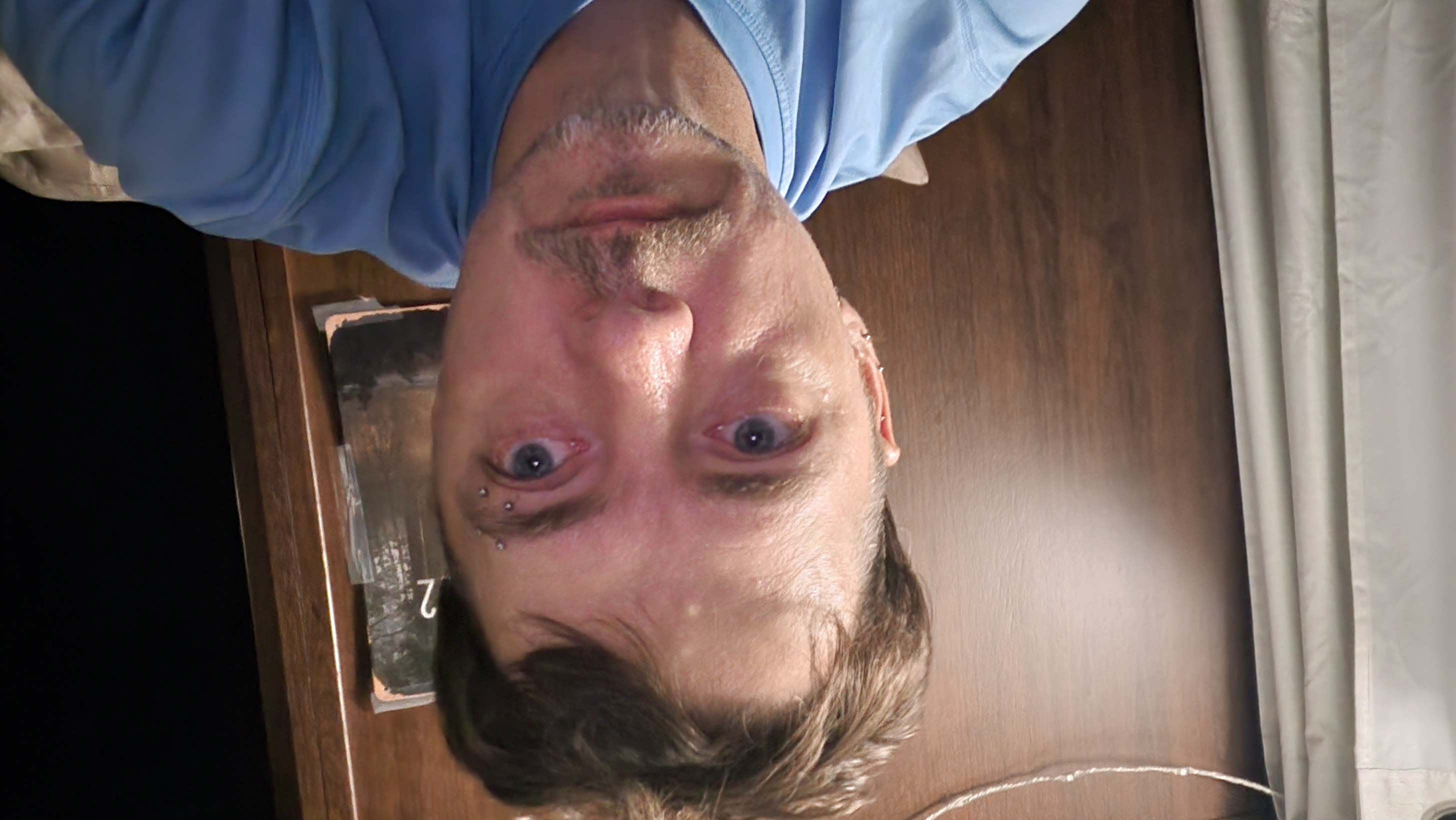
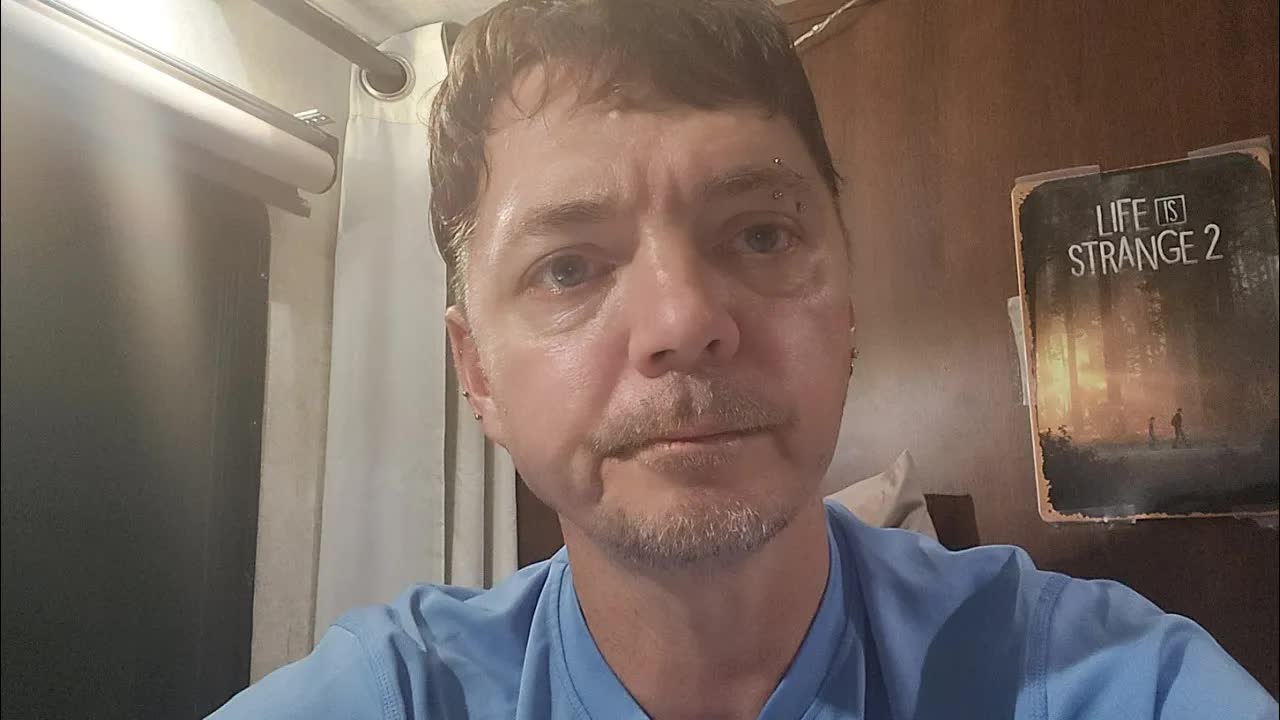
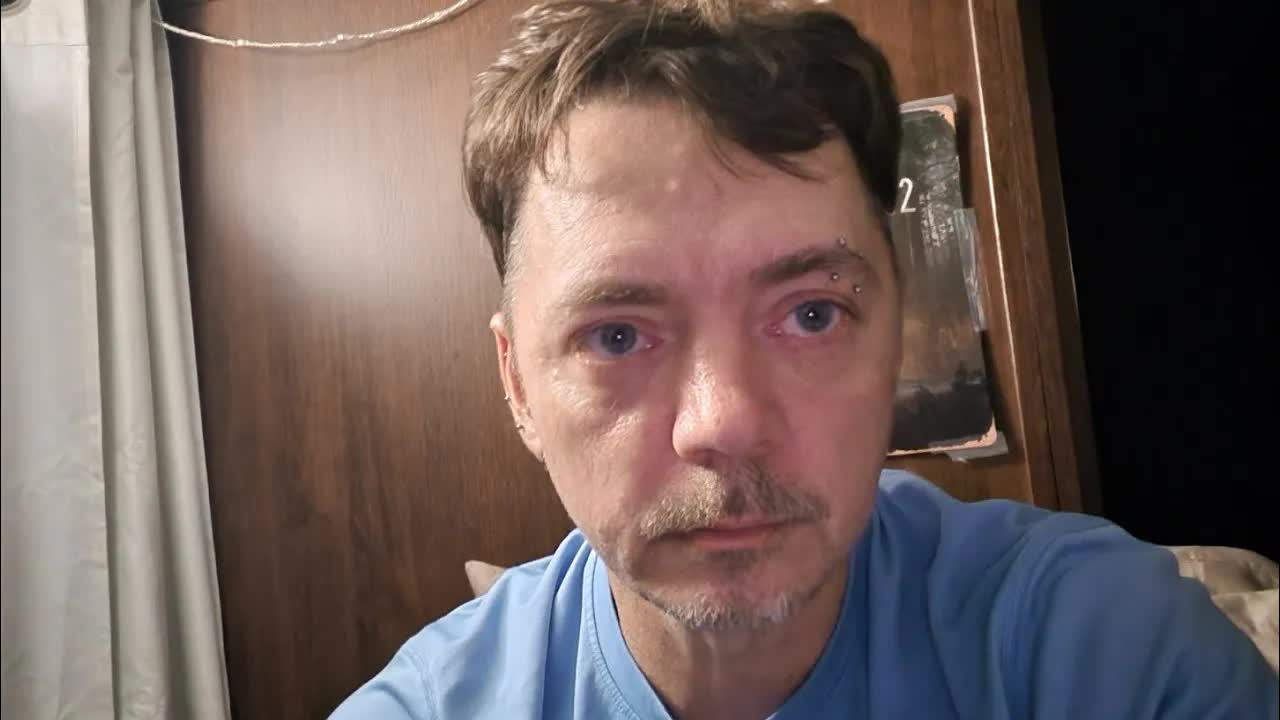
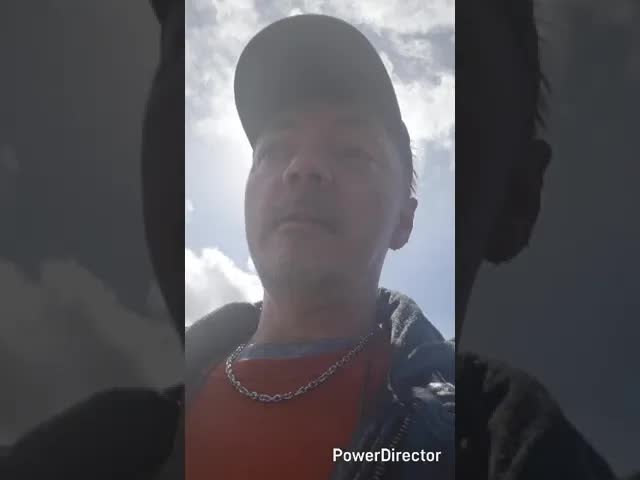
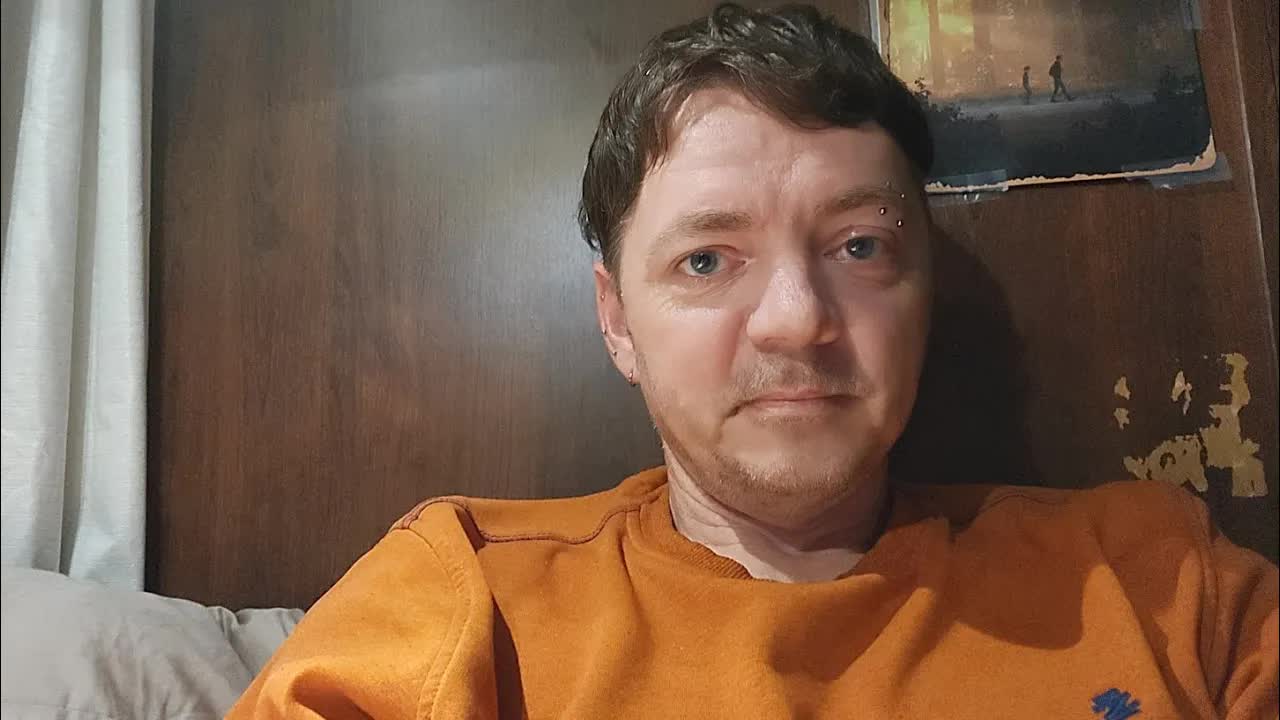
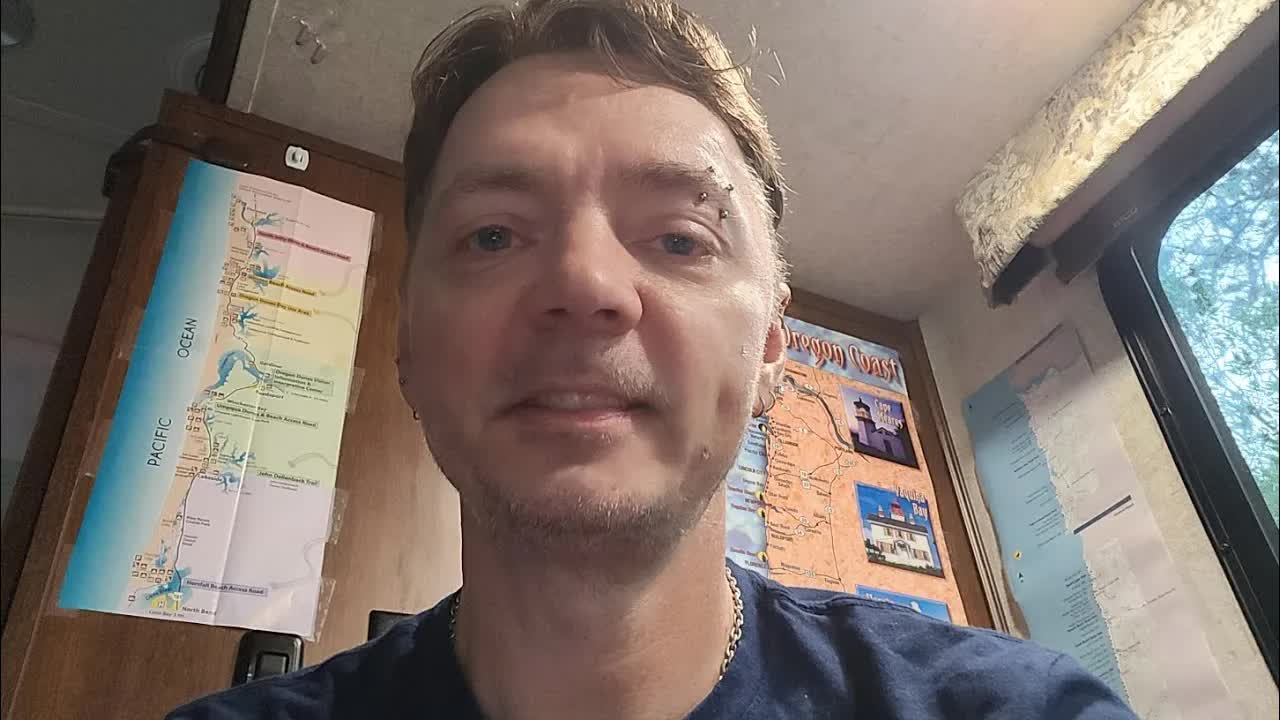
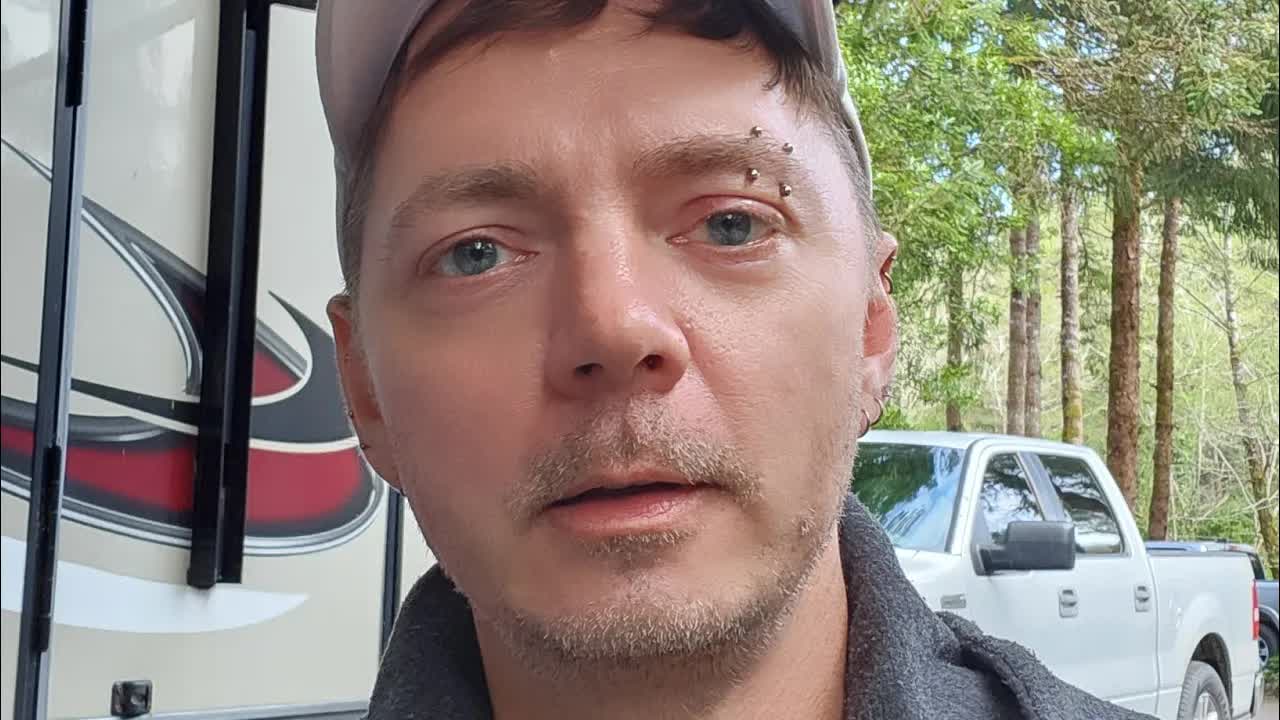
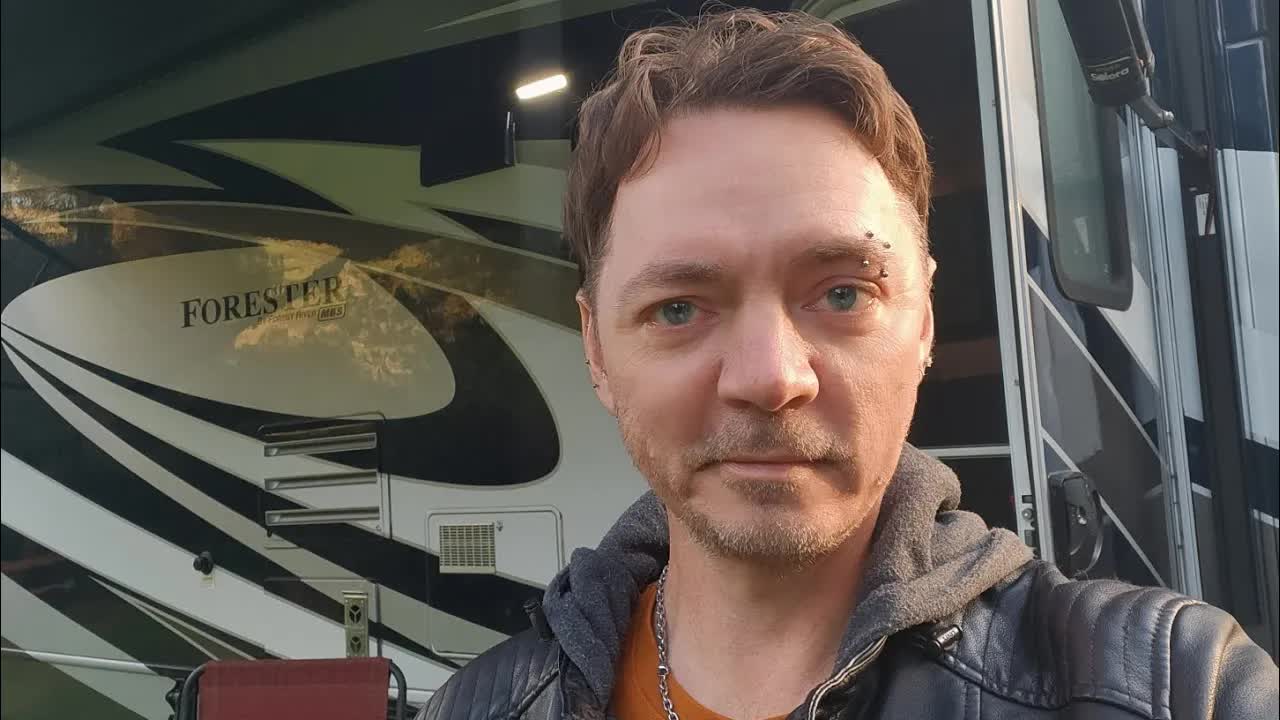
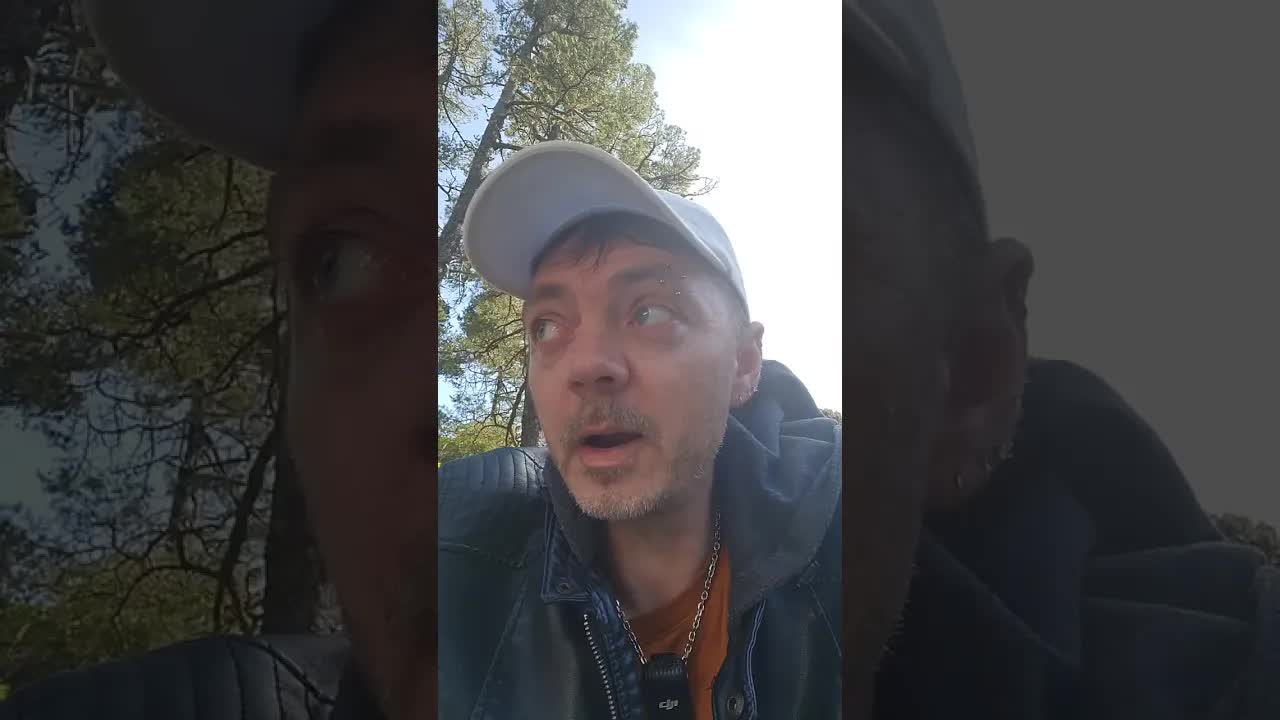
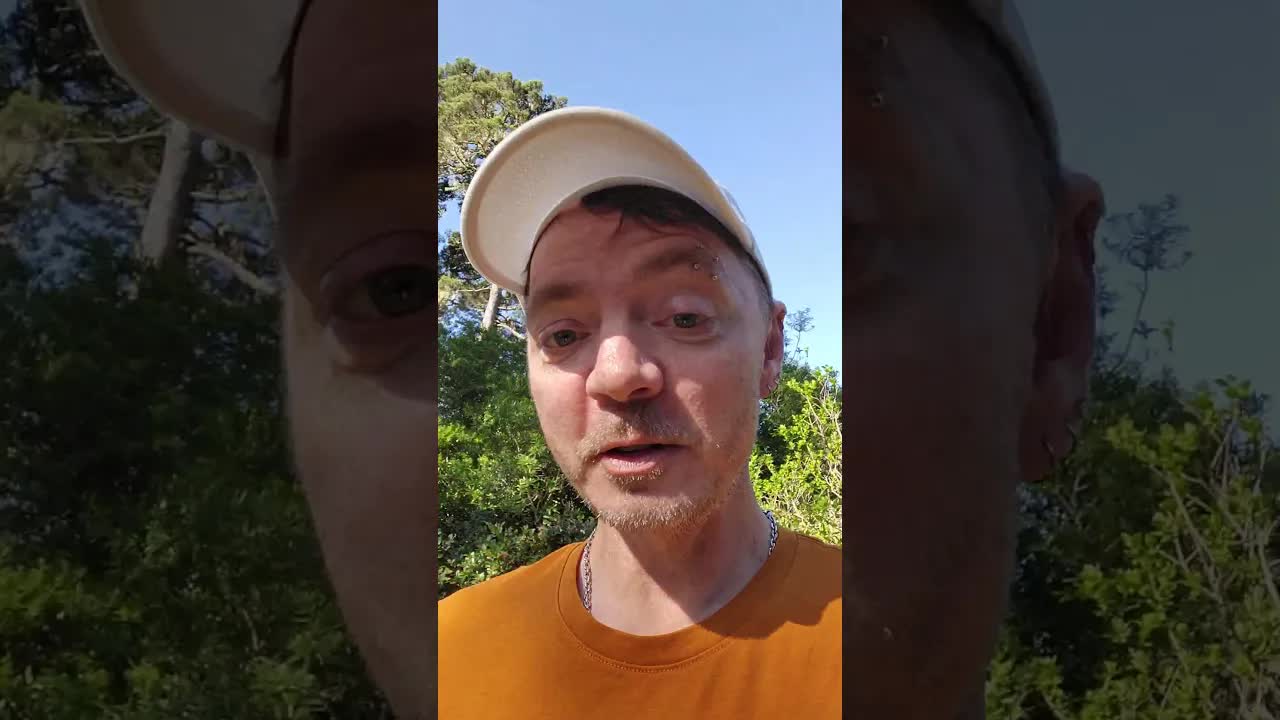
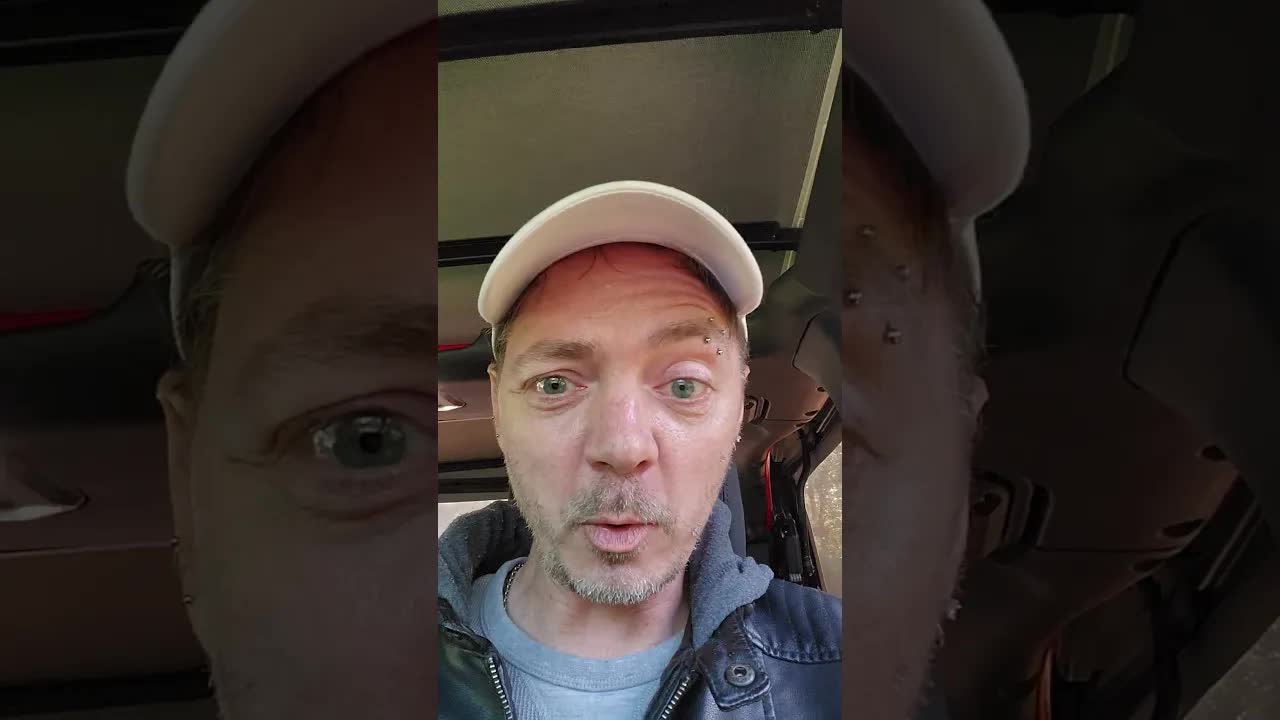
He walked because the Jeep's fuel had to be conserved, and the ocean was far enough from the campground that the walk itself became the shape of the afternoon. The dunes ran wide on either side, the river visible off to one side of the trail, the sky overcast with the particular flat gray of the Oregon coast in April. A single insect stayed with him the whole way, refusing to leave. He had the camera on, recording as he moved, because this was how he documented — in motion, in real time, without staging.
The call from his mother had come before the walk. She has polycystic renal disease, hereditary, and the medication that extends her life had been cut off when her insurance stopped covering it — eleven hundred dollars a month, impossible, so she stopped taking it. She told him that day she'd been approved again, that she'd picked up the new prescription the day before, that she was back on it. He said he was really happy about this. Then the connection dropped mid-conversation, the way it does out there, and he started recording instead, and she called back to make sure he was all right. She told him to find a place to sit, to get himself in the right frame of mind. He told her it was a lot of pressure, that he was trying to hold together. She said she knew. He said he'd be fine somehow — and then immediately drew the line around what that meant: not spiritual bypass, not a claim that things work out because they have to, but never losing faith in himself, never losing the thread.
Somewhere along the trail, walking, he turned to the thing he'd been circling before the camera came on. He described the difficulty of recording his own thoughts while knowing they go out to strangers — a window into his life, given freely, met with nothing. He named it plainly: people consuming his life without participating, without seeing him, without offering anything back. He said it feels like they're vampires. He said that if it doesn't feel wrong to them, that makes it more wrong, not less. He'd been recording for over a year. When his core muscles were injured, no sympathy. When he had no money in December and went more than a day without eating, no help. Only judgment, until he turned the comments off — which he acknowledged might look contradictory, and explained anyway as protecting his space from poison. Then the conclusion, delivered mid-stride: if you're going to witness his life, you're going to pay for it. He was moving his videos behind his subscription service, waiting only on YouTube to resolve the AdSense issue blocking it. That is not unreasonable. He would not apologize for how he feels.
The sun broke through then. He noted it out loud — the sun just came out, oh, that feels nice — and the day turned, cloudy still but clear, the light changing what the coast felt like on his skin. He said he liked the view of himself with the sun behind him. A few vehicles in the lot, not many. Ahead of him the dune rose between the trail and the beach, steeper than the camera could render. He'd climbed it the night before to look at the ocean, and afterward his left side had hurt — core muscles, which confused him, because the overuse injury he'd recovered from had been on the right. It came out of nowhere. He said it was a bit concerning, and that he was doing better today, and then he climbed it.
Partway up he registered his own state and named it precisely: insecure, and then the correction — not about himself, about his situation. Vulnerable. When he feels this way he doesn't want people around him. He said it out loud and then instructed himself directly, in the second person: acknowledge that, still try to keep yourself open. Keep yourself open to connection. He noted the coat was too warm now with the sun out. He could hear the ocean above him before he could see it. Then he crested it. Okay, there she is.
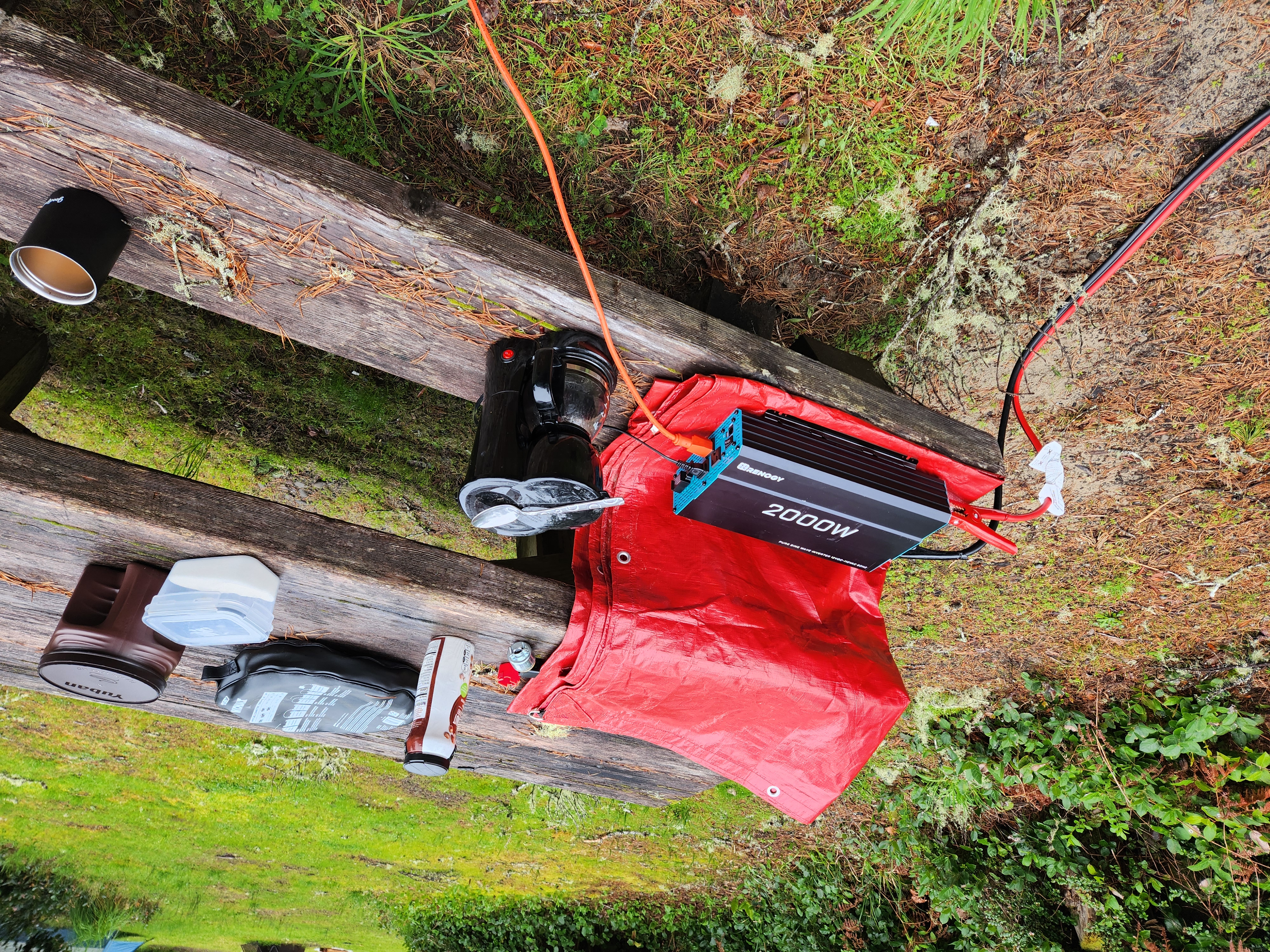
From the top he laid out the plan. His parents had sent fifty dollars — all the money he has. It goes into the Jeep. An hour's drive to Reedsport, where the national forest field office is, a trip he couldn't afford before. He'll apply to be a volunteer, because that comes with a place to stay, and if he's accepted he'll ask where he can camp for free in the forest, since he's basically off grid already. He said it's time to do that without the safety net of a campground. He also stated the problem in the same breath, without softening it: the RV has no fuel, the boondocking site might be an hour away, the forest is big, and he doesn't know how he'll get there. This feels like the only plan available to him now.
A surfer was out on the water — the first he'd seen in that ocean — already coming in by the time he looked. The waves were moving fast. He said he'd trace some of them, then walk down to the river where the signal is good enough to upload, put his headphones in, listen to his music, relax awhile. It's a good day. And then, once more before the recording ended, the terms restated with the ocean behind him: if you watch his life without reciprocity, it feels like you are using him, and he will not apologize for feeling that way.