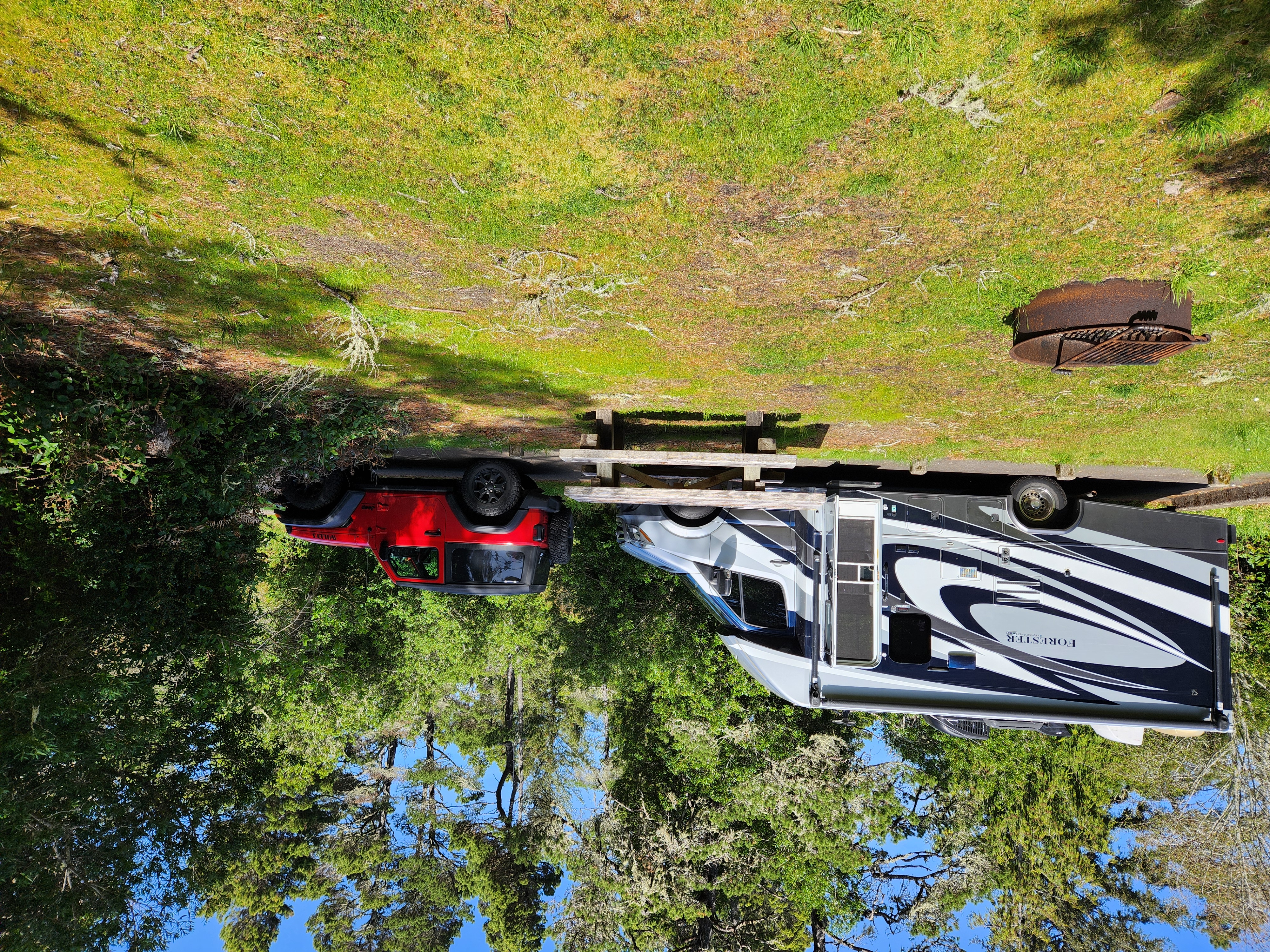

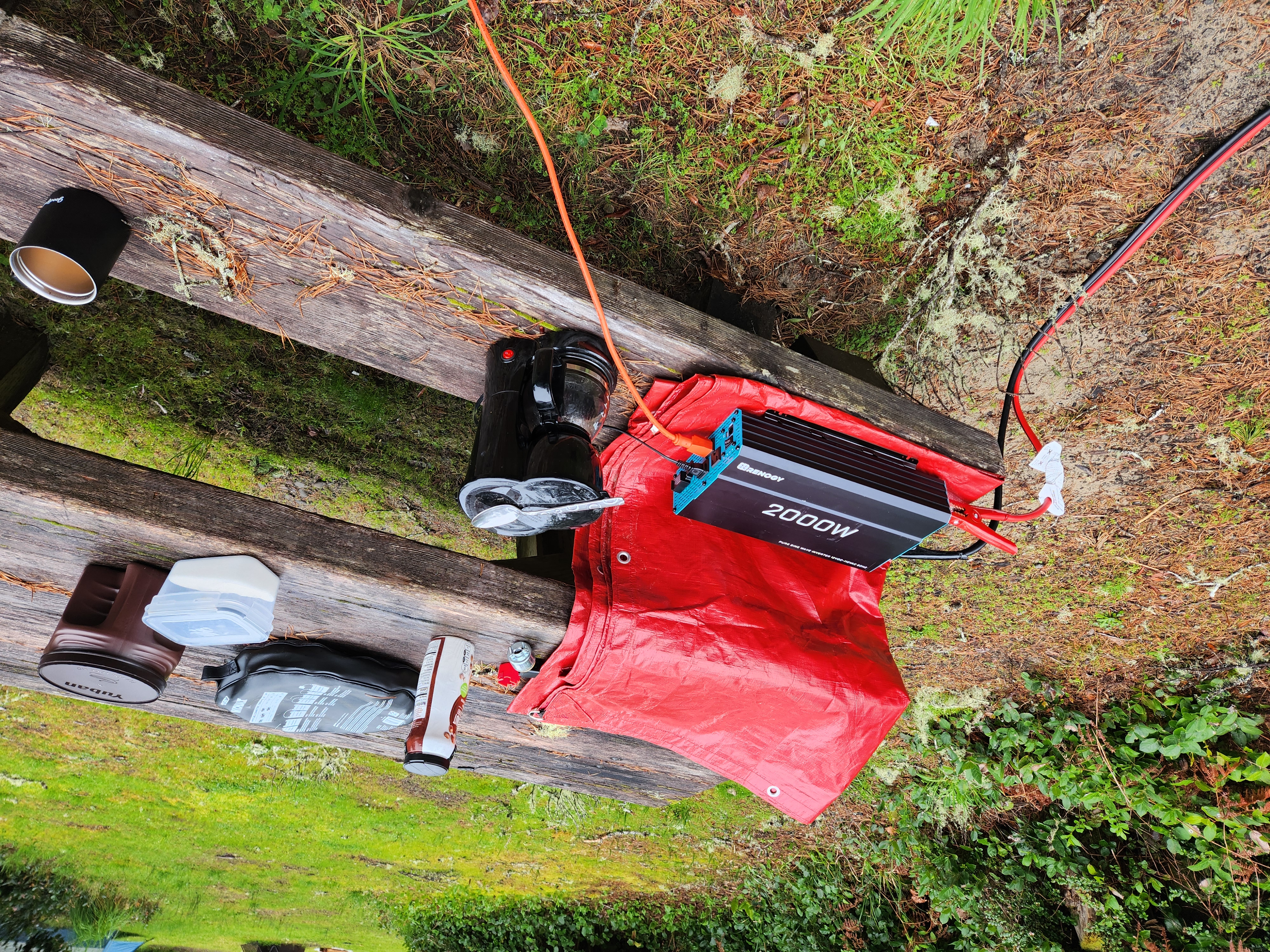
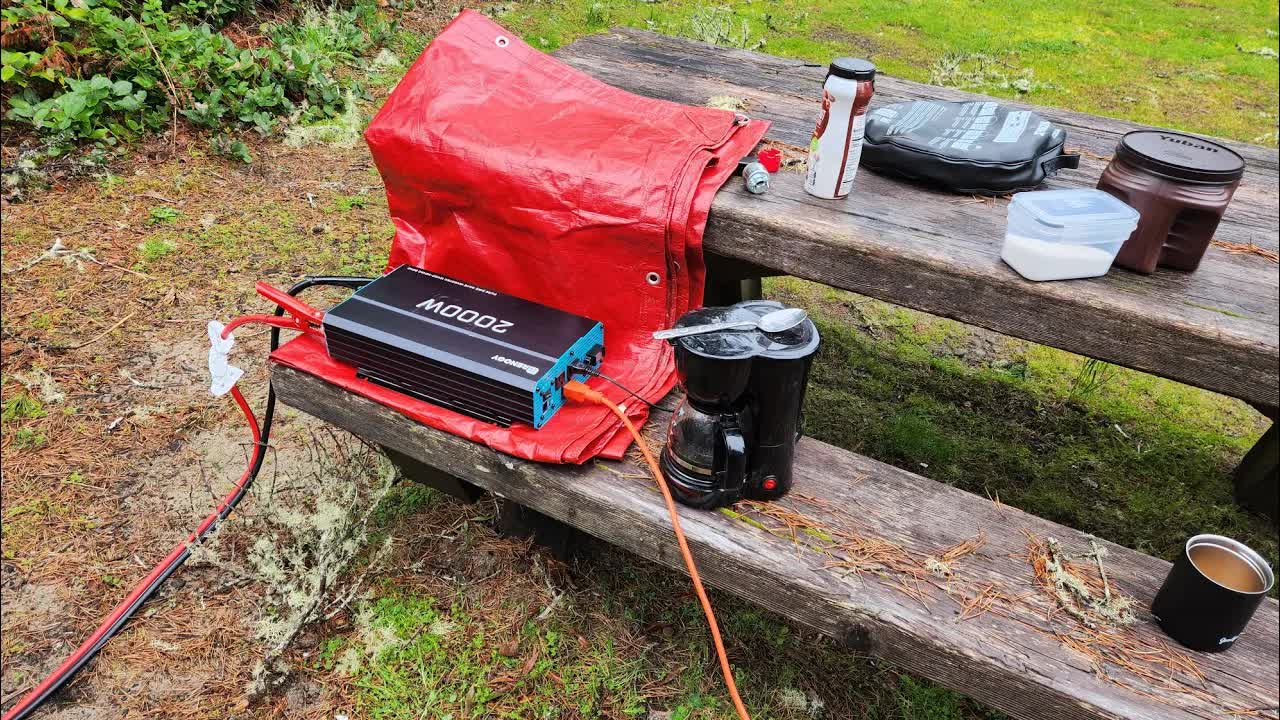


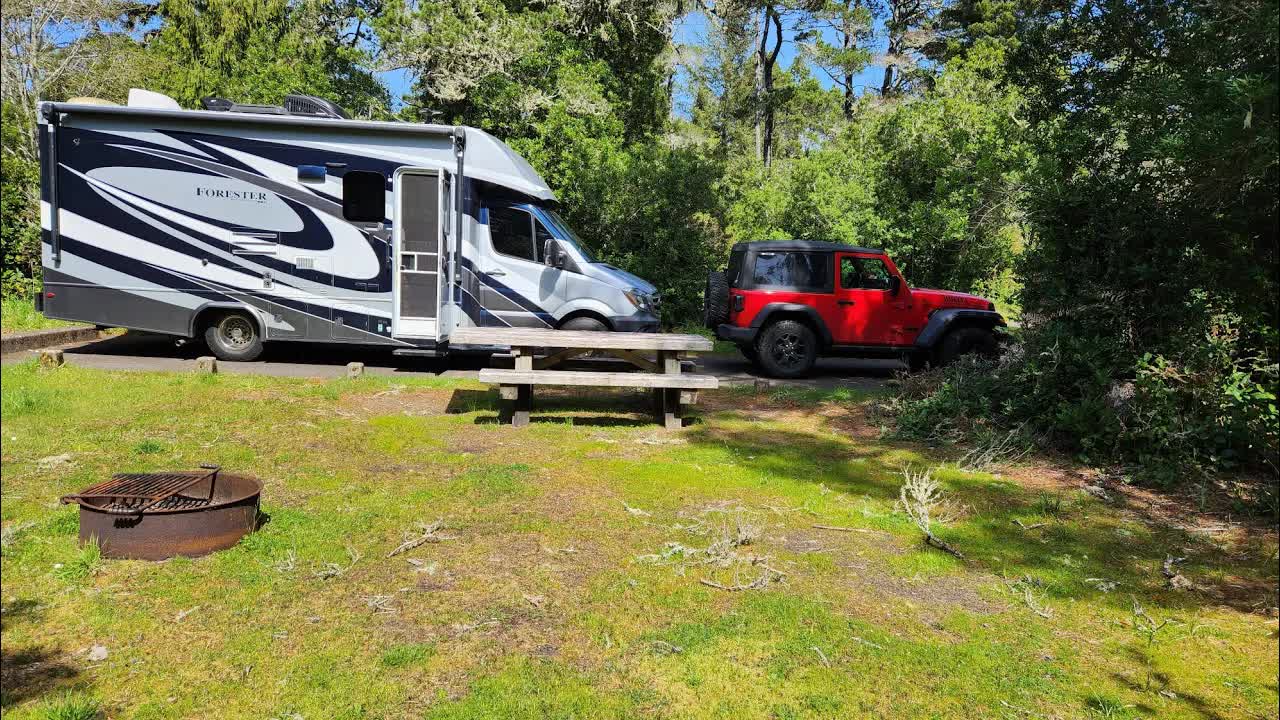
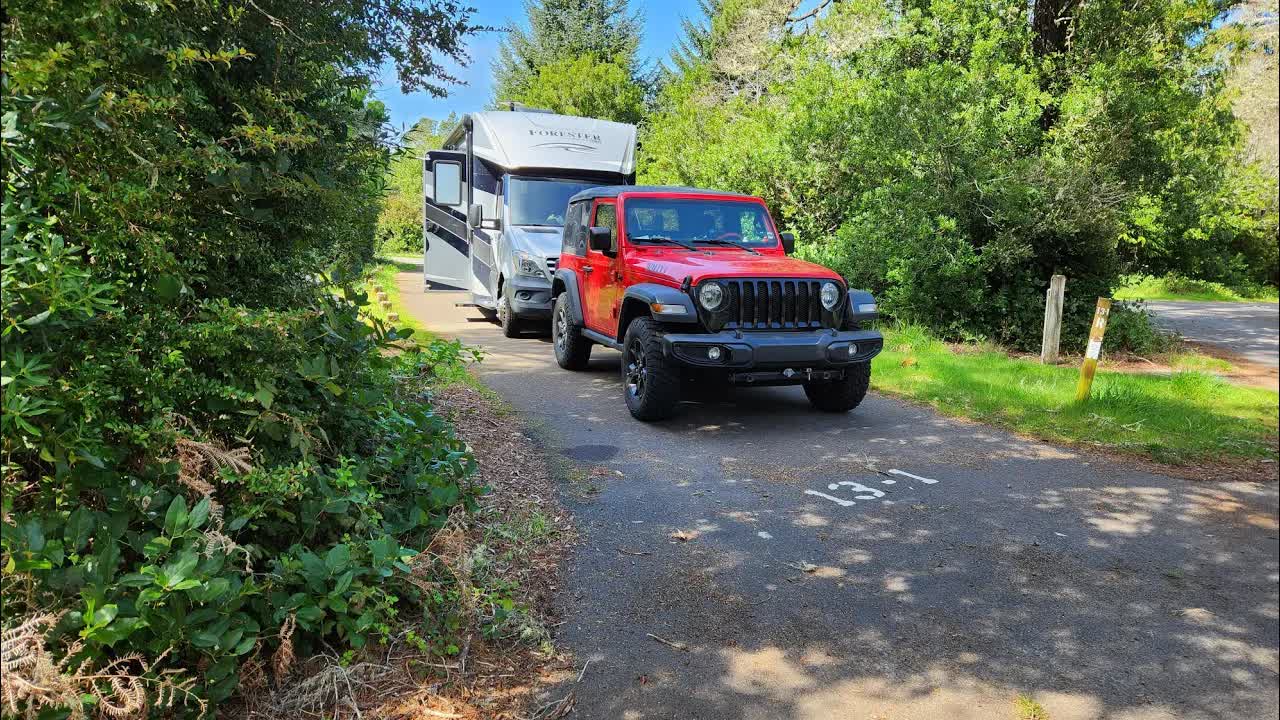
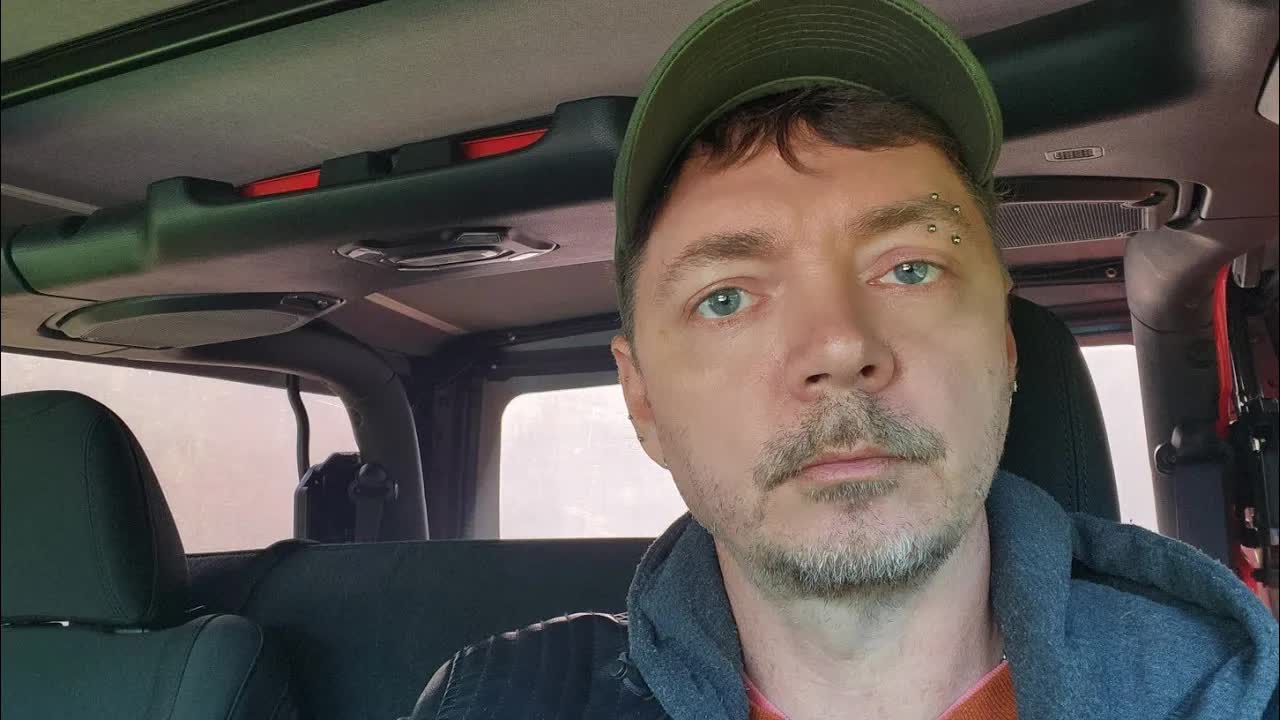

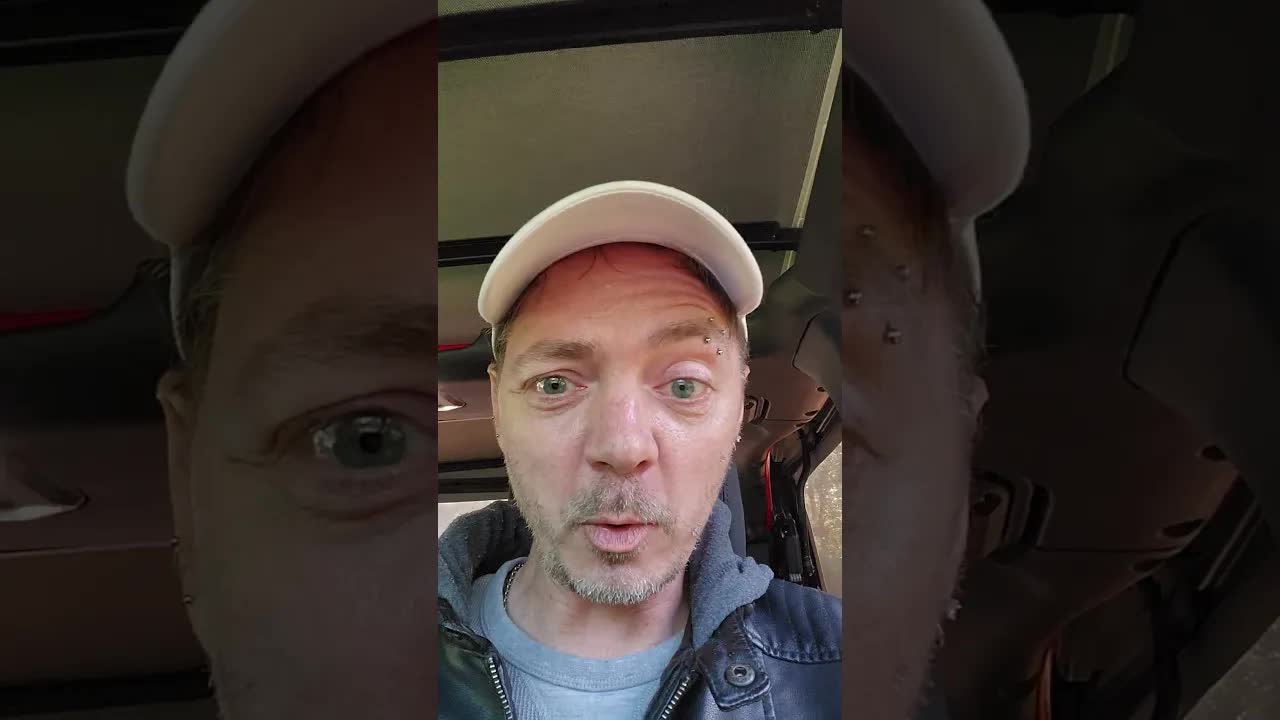
The day began with an accounting of fuel. The Jeep was the whole power system — no solar anymore, that had been sold — and so every watt rswfire spent came out of a tank sitting at half. Running the engine to work meant the work had to be worth the fuel. He ran it three hours. In those three hours he built out his guru.com profile, set everything in place, and then turned to the job board to begin applying.
What he found there was not a slow week. It was a dead platform. He counted: maybe a dozen postings in his sector across the entire past week, of which two were within reach — short-term repairs on someone else's website. He applied to both. Then he sat with what the count meant. Guru had been the plan. Over the years he had accrued more than forty reviews there, exceptionally good ones, alongside a publicly visible earnings history — the kind of record that does the arguing for you before a client ever reads a proposal. He describes it plainly: he can't leverage it. The capital was real and it was stranded. Reputation, it turns out, does not port across systems. It dies where the platform dies.
The migration path was obvious and unappealing. Upwork is where the work went, and on Upwork he has an active membership and no standing whatsoever. He had tested that door a couple of months earlier — eight proposals, every one of them ignored, not even opened. He was volunteering with the state parks then, with other priorities and another way of navigating his life, so he let it go. That arrangement did not hold. So the door he walked away from is the door he now has to walk back through, from zero, building a profile and applying into silence and hoping the silence breaks.
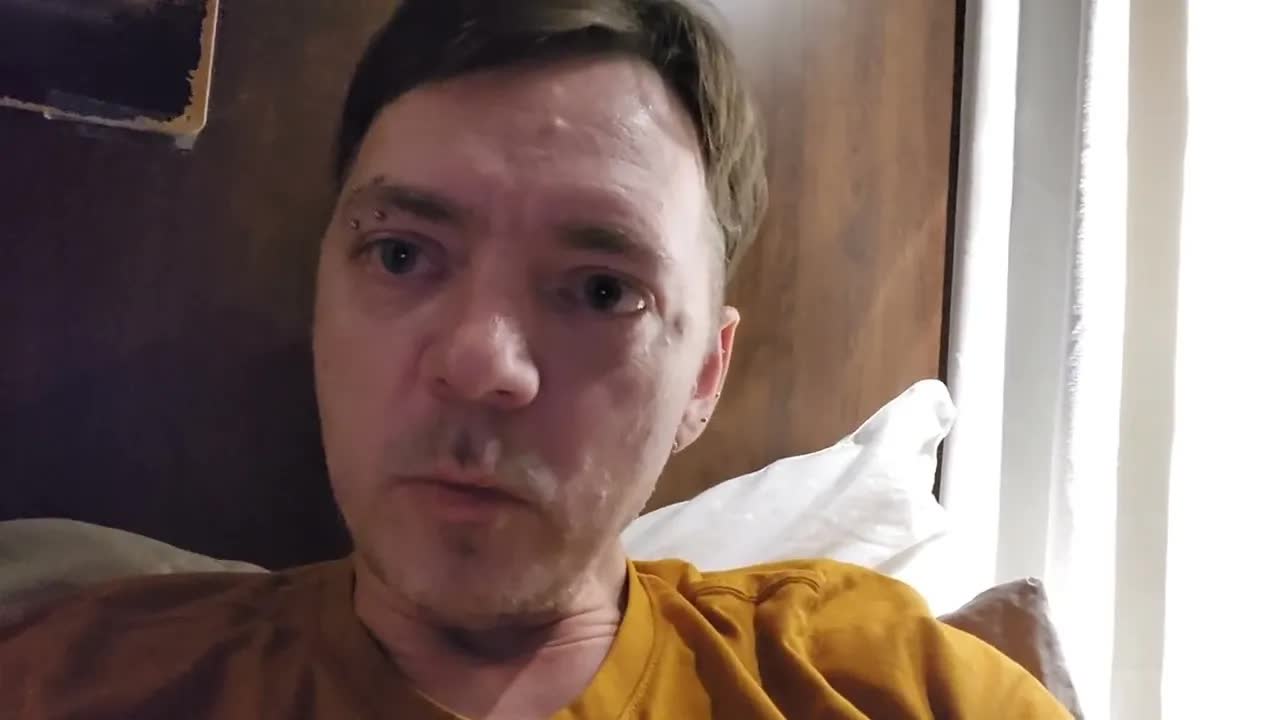
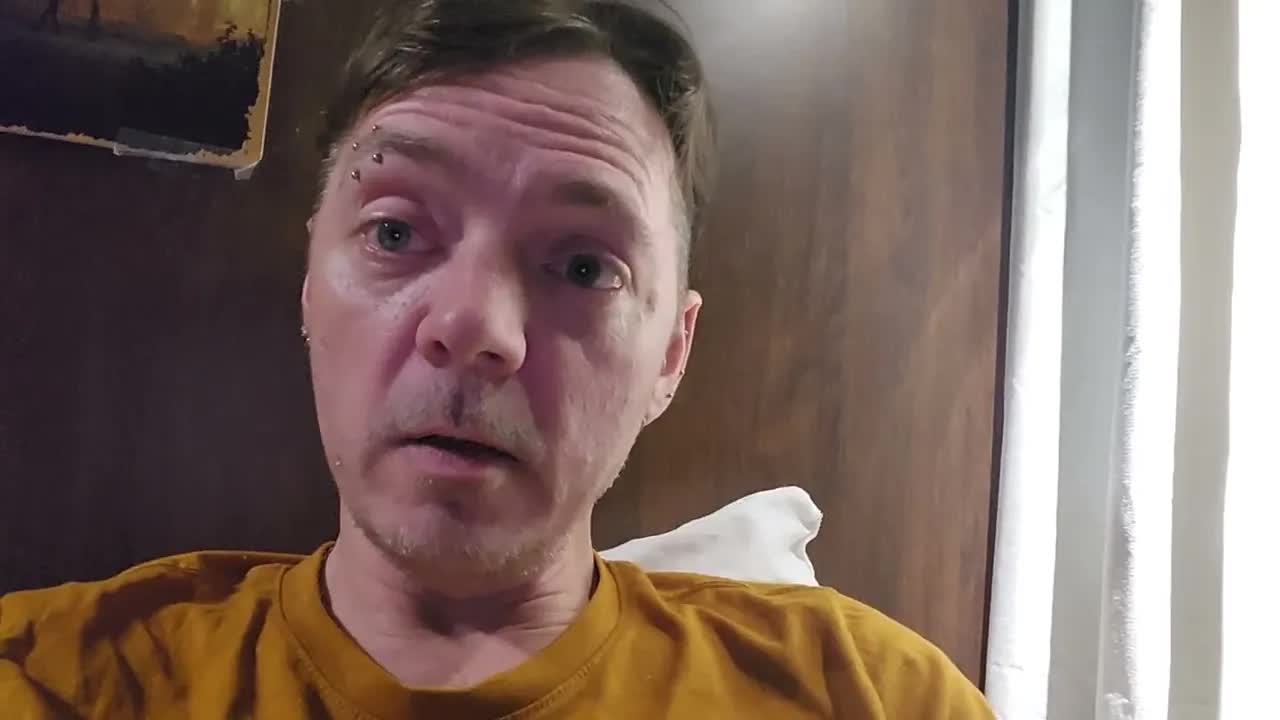
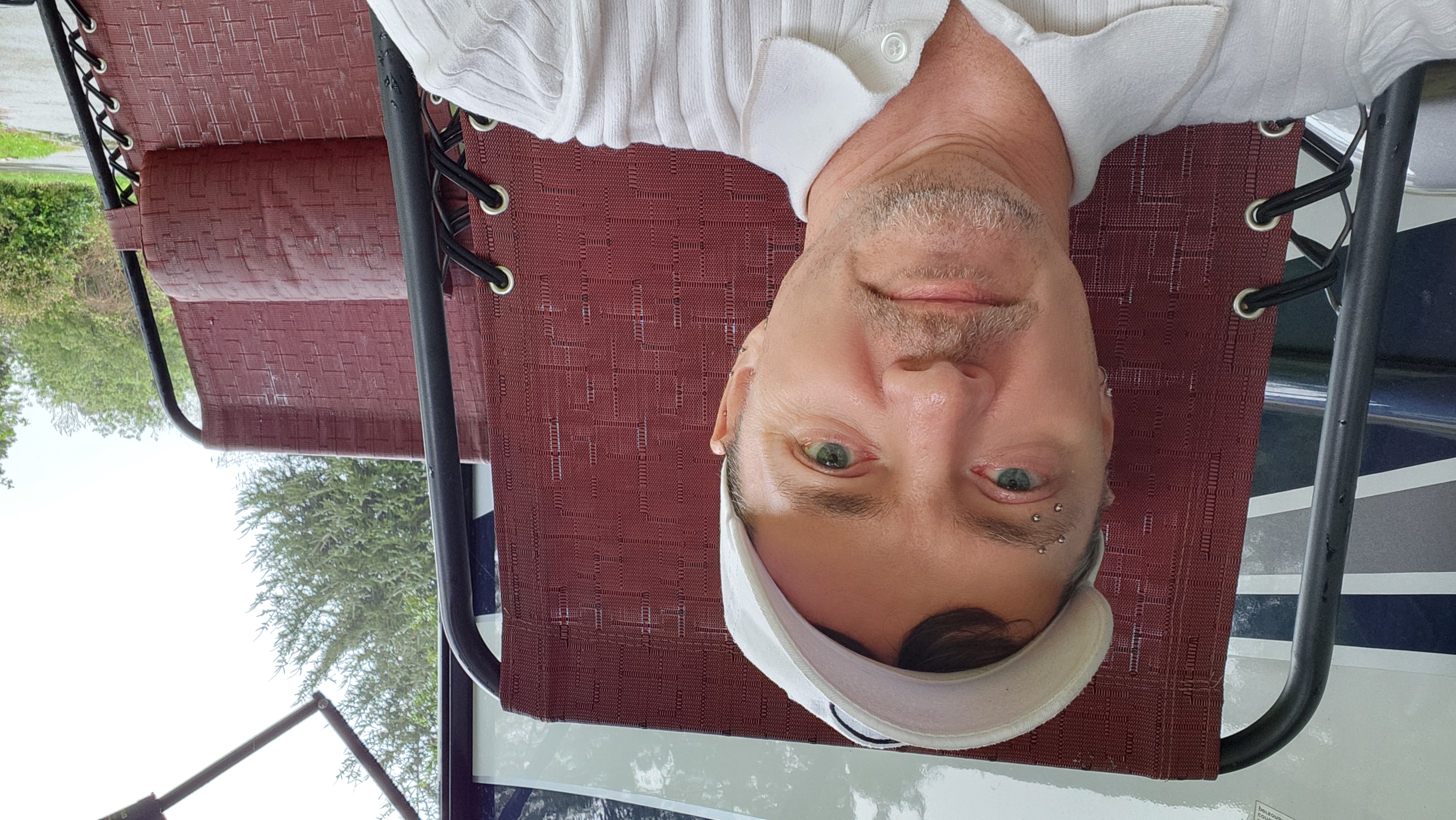
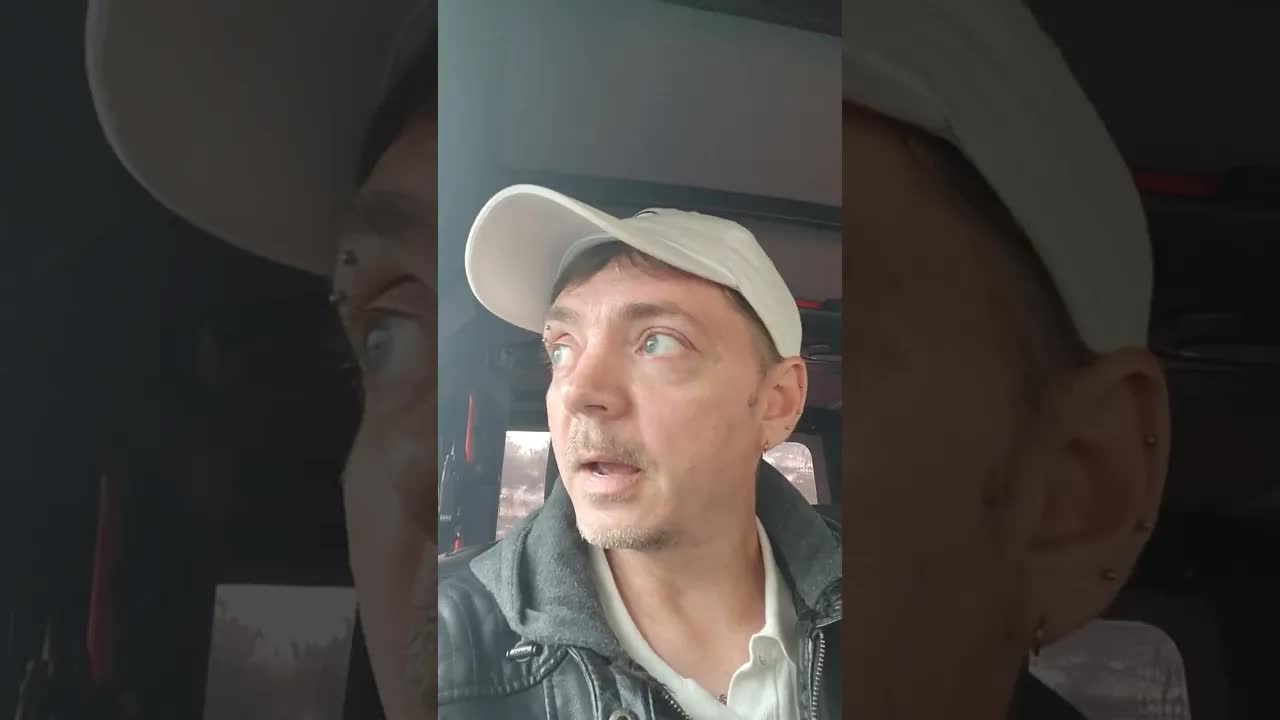
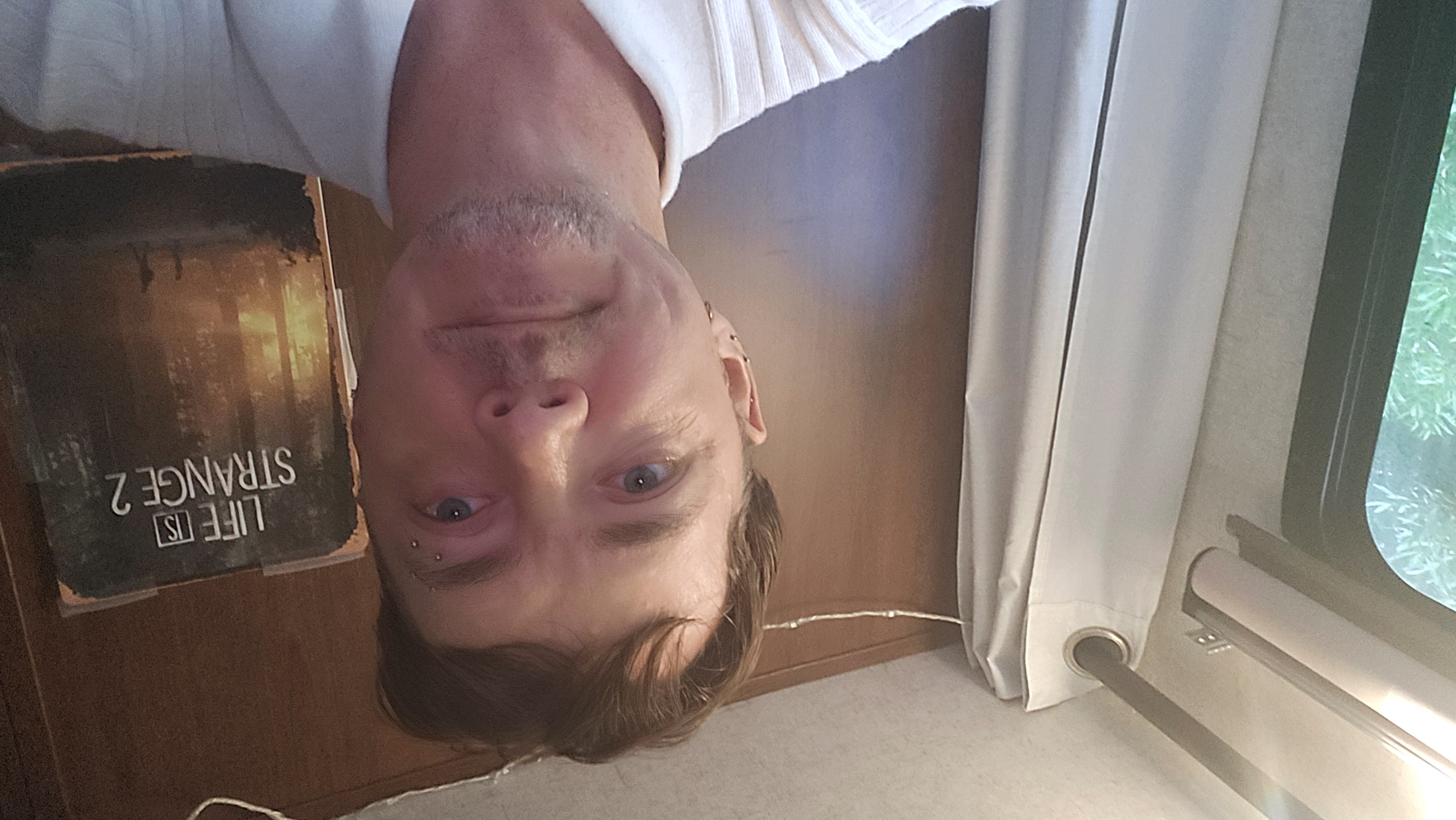
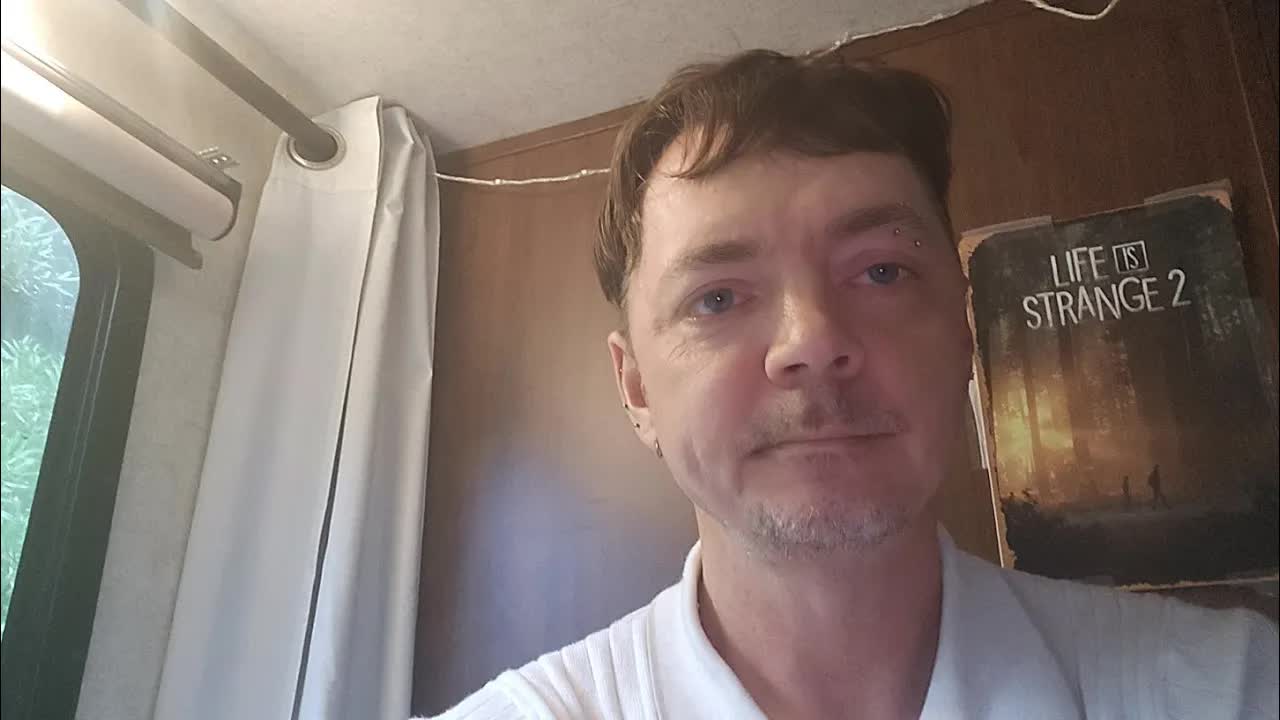
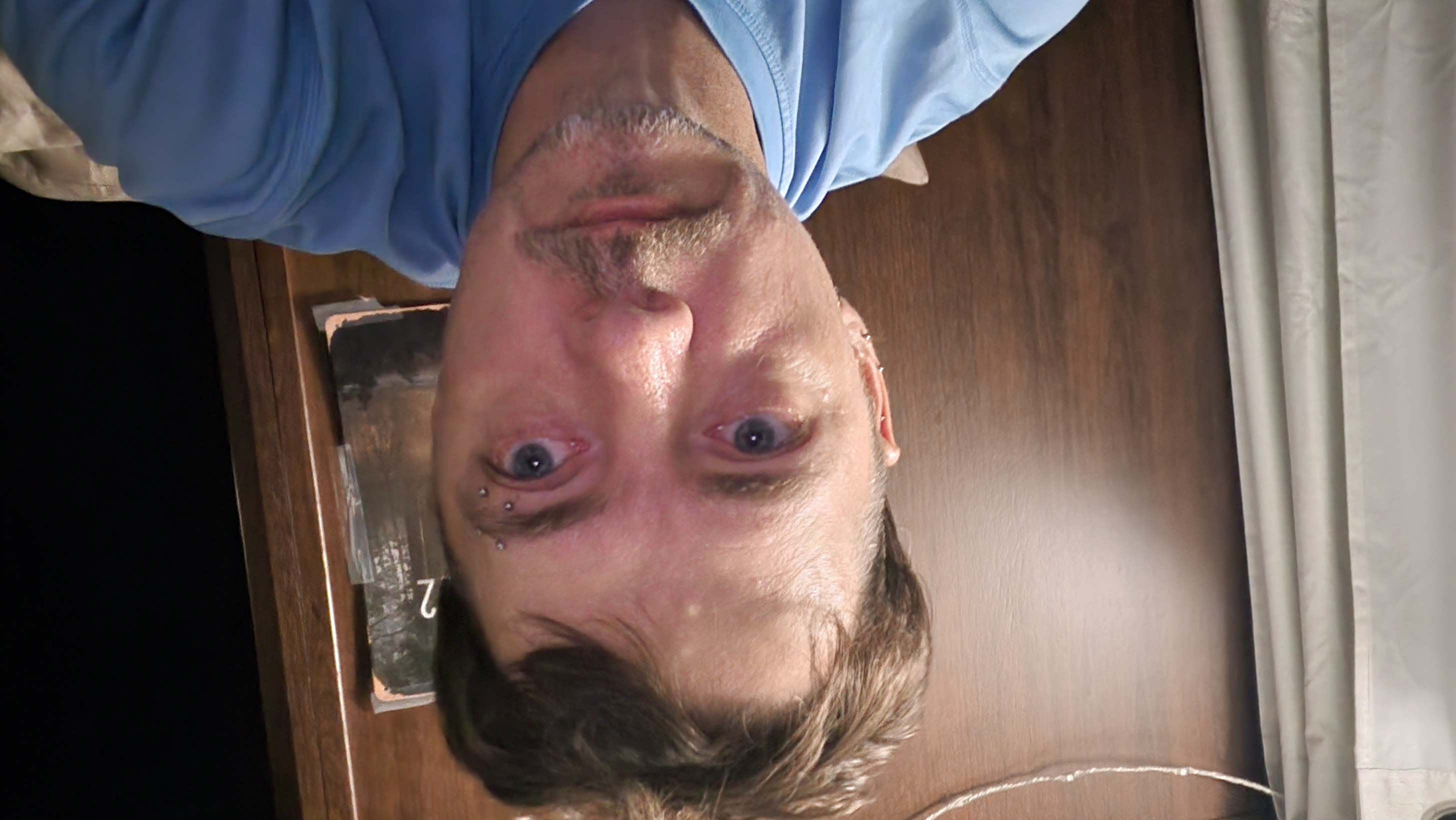
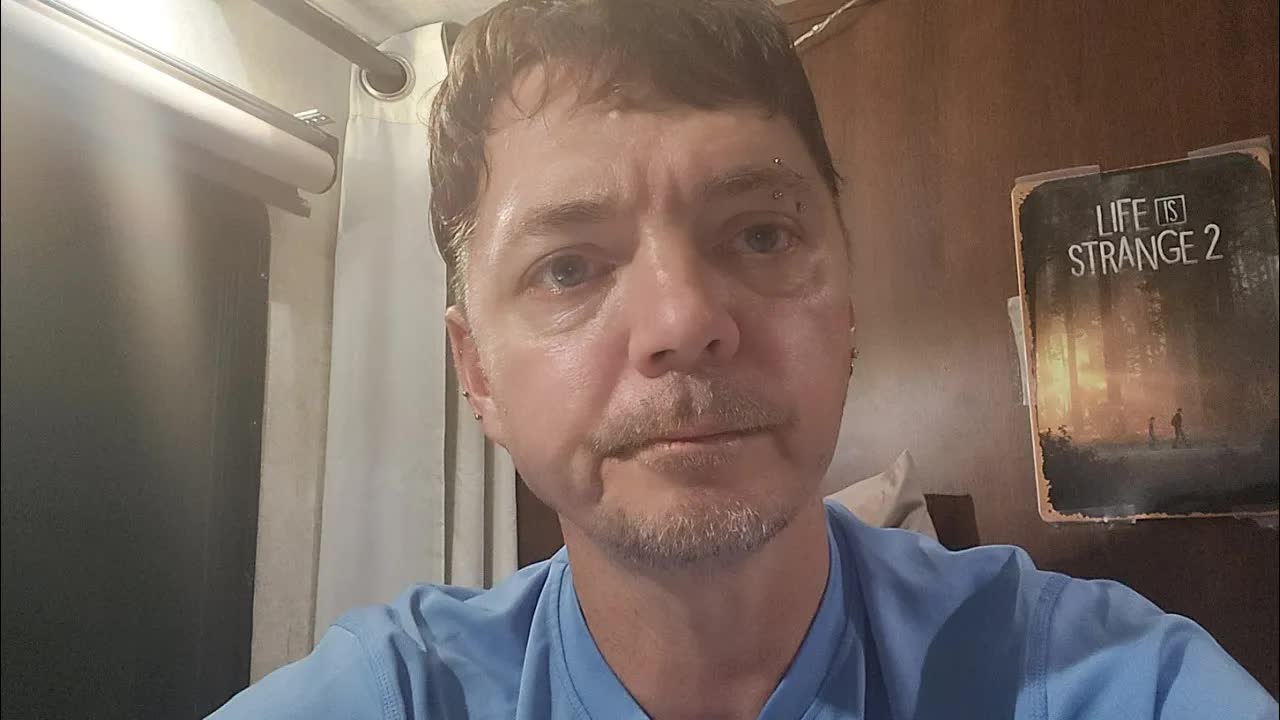
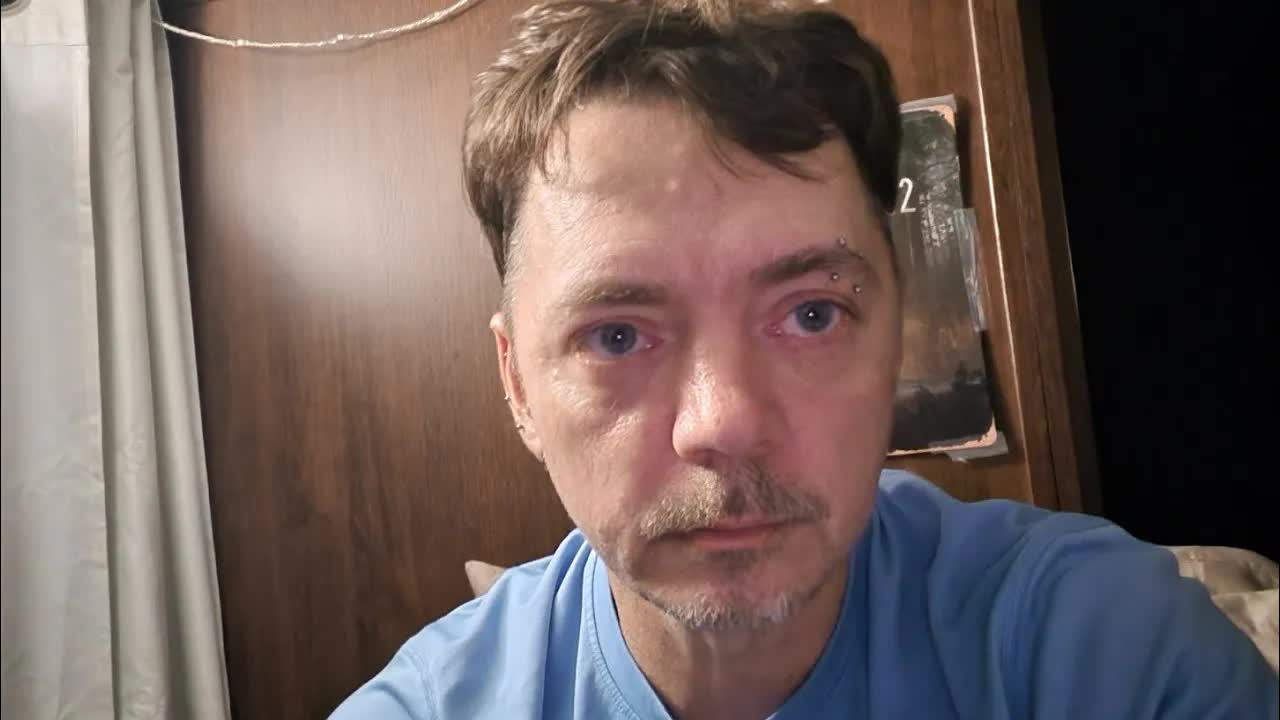
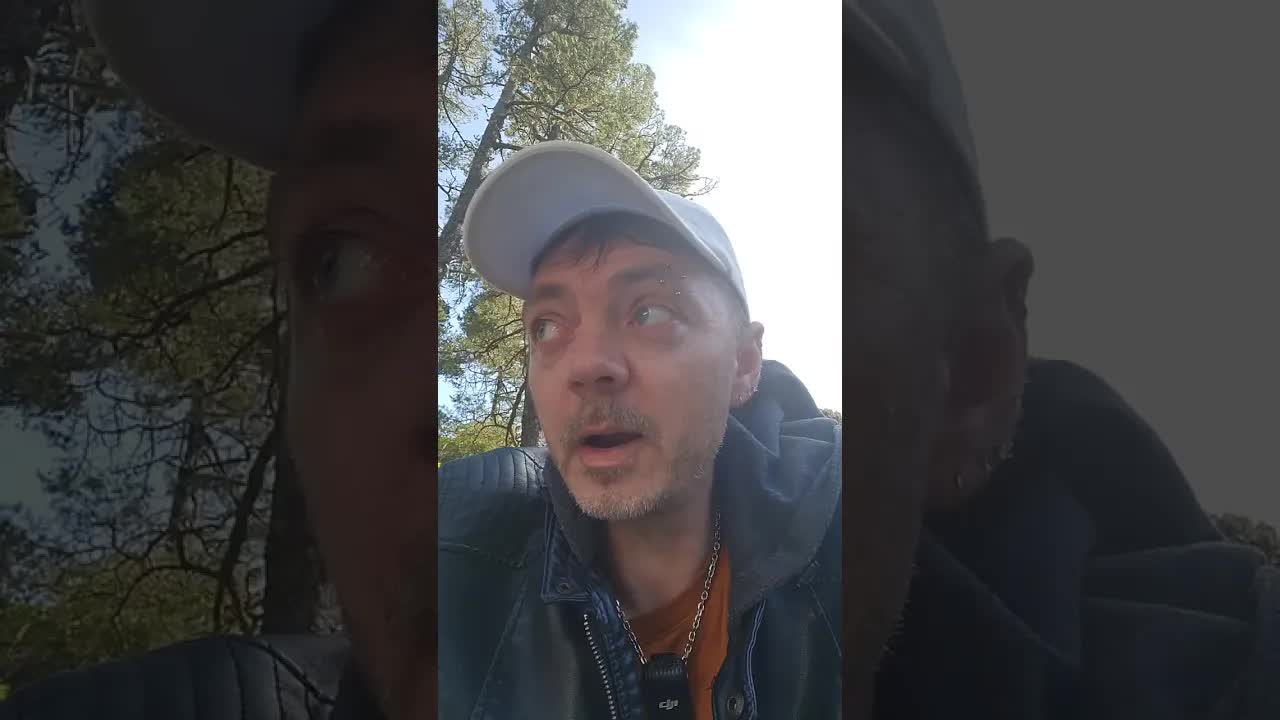
Before he recorded, he looked at himself in the mirror and said out loud that he was scared. He opens the signal by naming that: fear, existential fear, a thing he says he does not often experience. He states the arithmetic that produced it without softening any of it. Three days from having nowhere to go. Twenty-two dollars a day to stay where he is. Half a tank. Fifty dollars to his name, sent by his parents for his birthday on Friday — parents who have nothing themselves, whom he took care of for a very long time. He lets that last item sit without finishing the sentence about it.
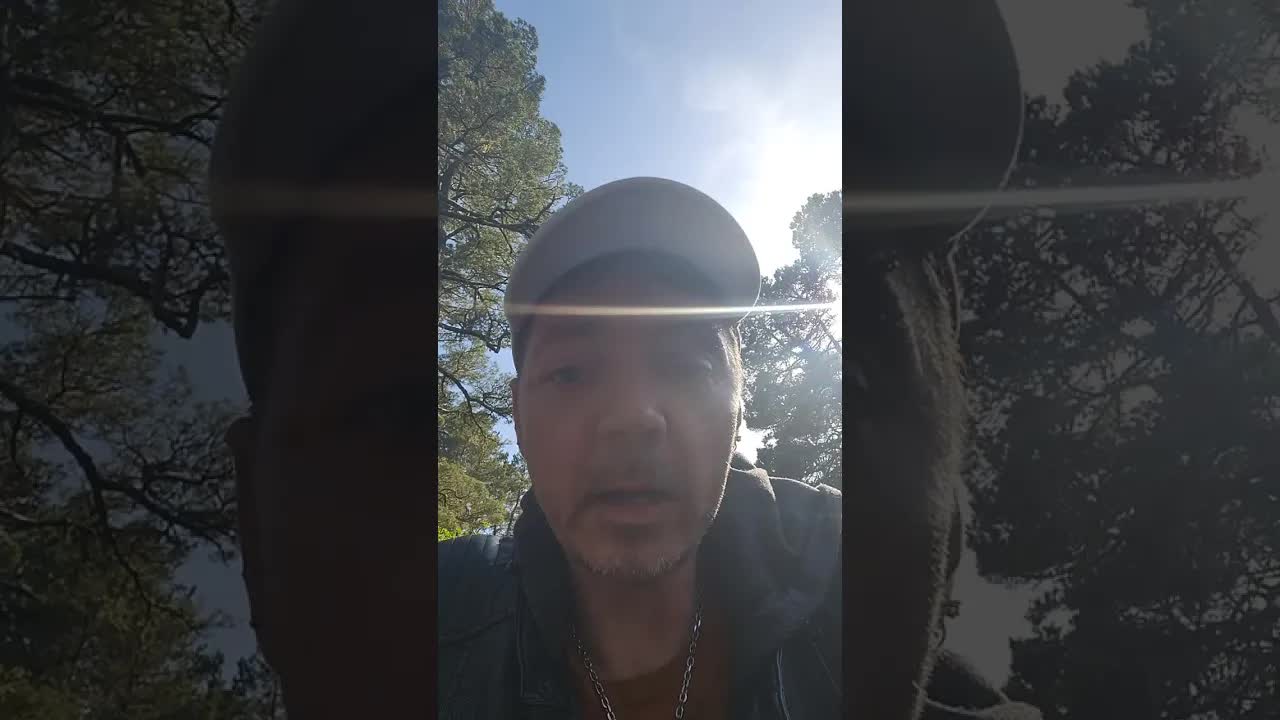
Then he addresses the people who watch these recordings. He knows the read they bring: that they are looking at failure. He says they are wrong, and he says why. He made choices a year ago. He changed his life. He does not regret it. He had been thinking the night before about the house he lived in then, and realized he had not thought about it once in a year, had not missed it. His life now is more fulfilling than it ever was. It is also much harder — the work channel narrowed to whatever an idling engine can sustain, and the solar system that would have made this easy already converted to cash and gone.
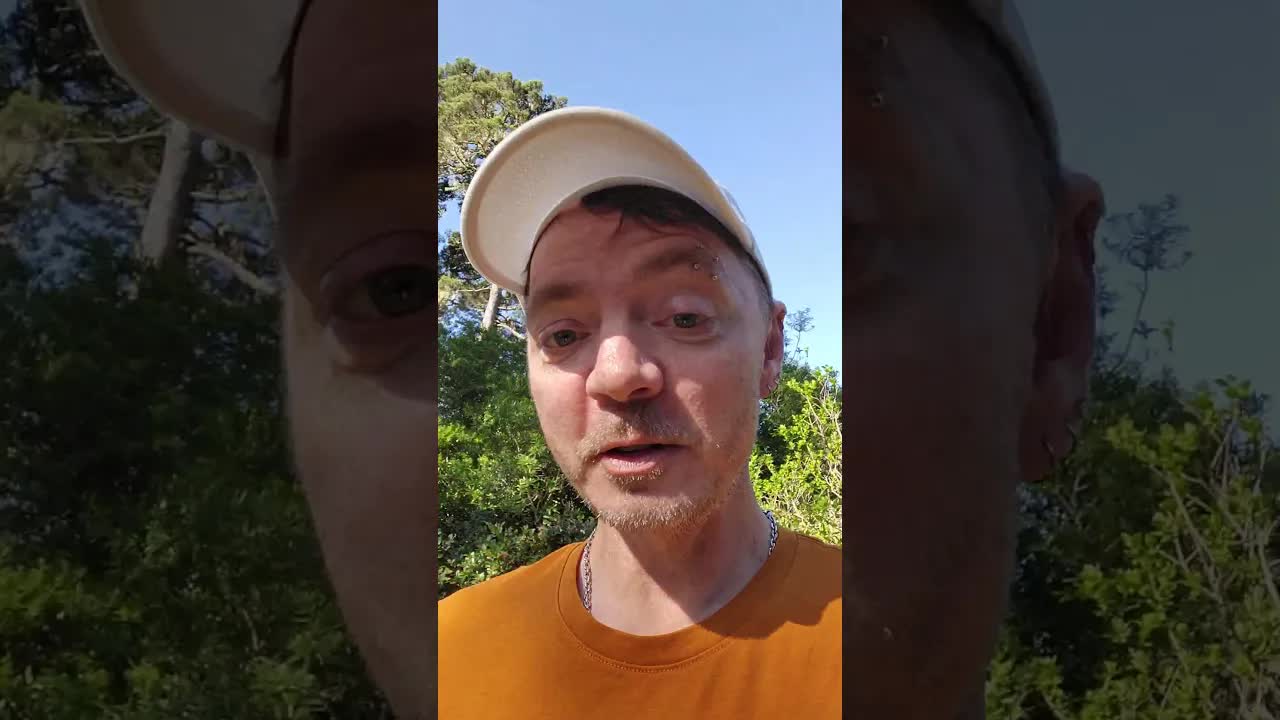
He closes by asserting the frame rather than arguing for it. He will keep working at it. He will not give up. He will never fragment. He will hold reality as it is and navigate it to the best of his ability — and, he adds, that is more than he can say for most people. The last two sentences arrive as a correction to the record: this isn't failure, this is adaptation. Then the engine, the fuel gauge, the three-day horizon, and the empty Upwork profile, all still exactly where they were.