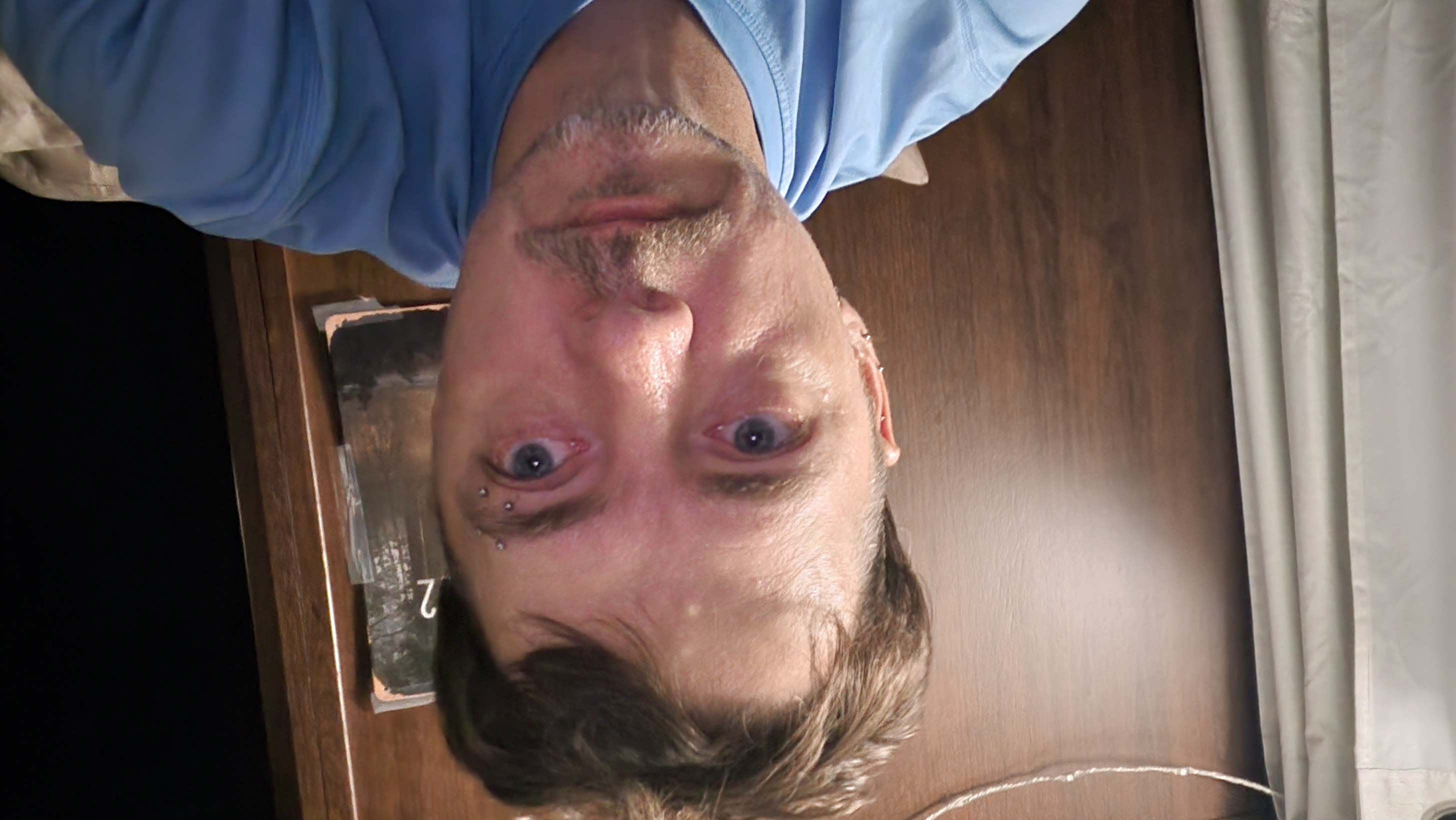
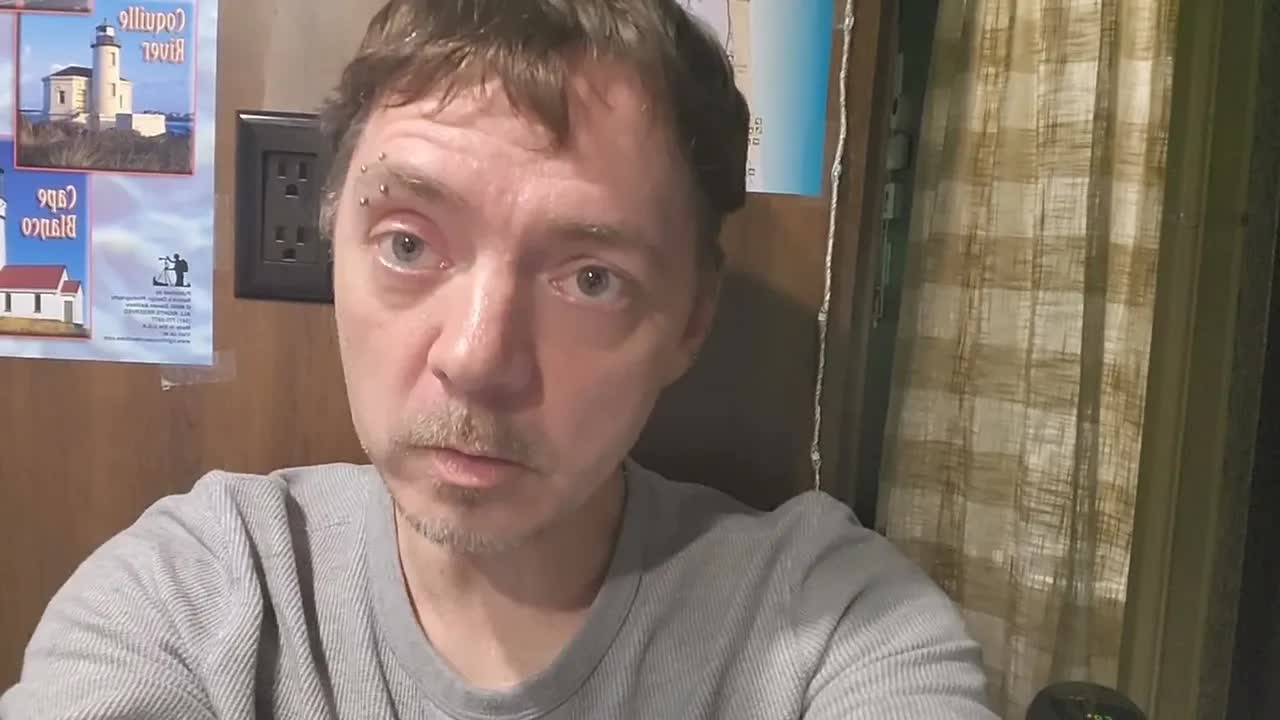
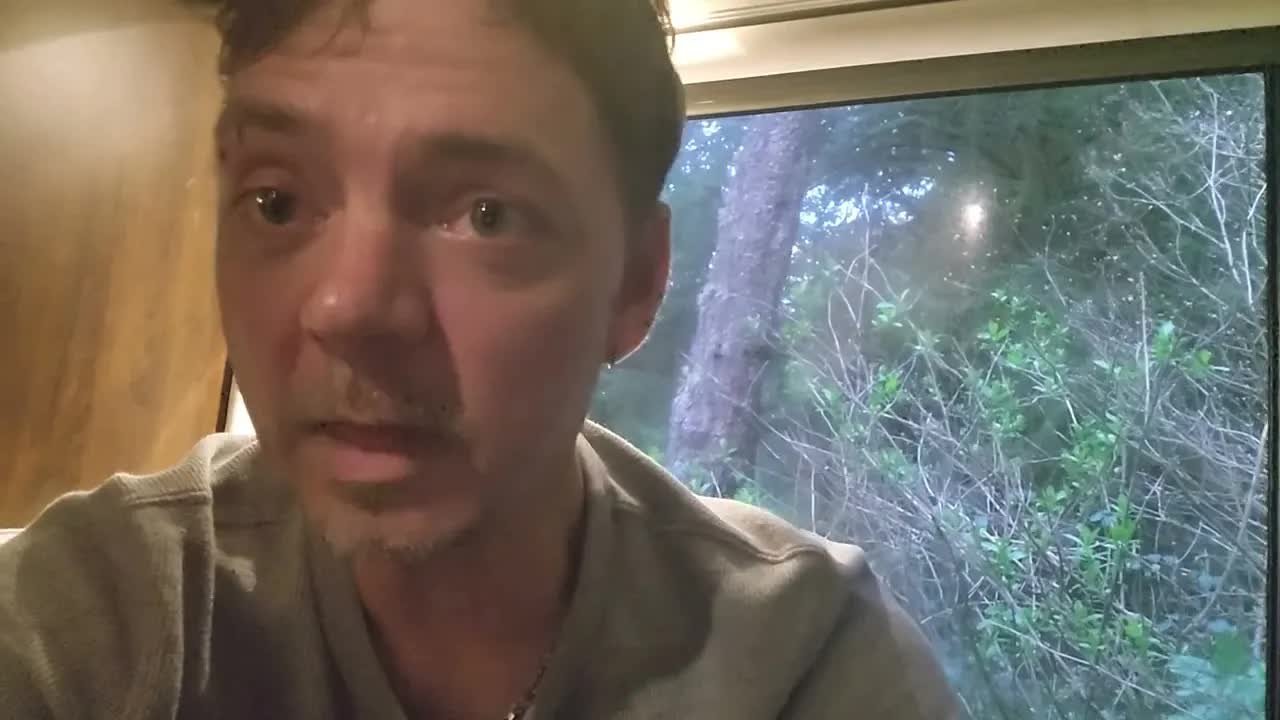
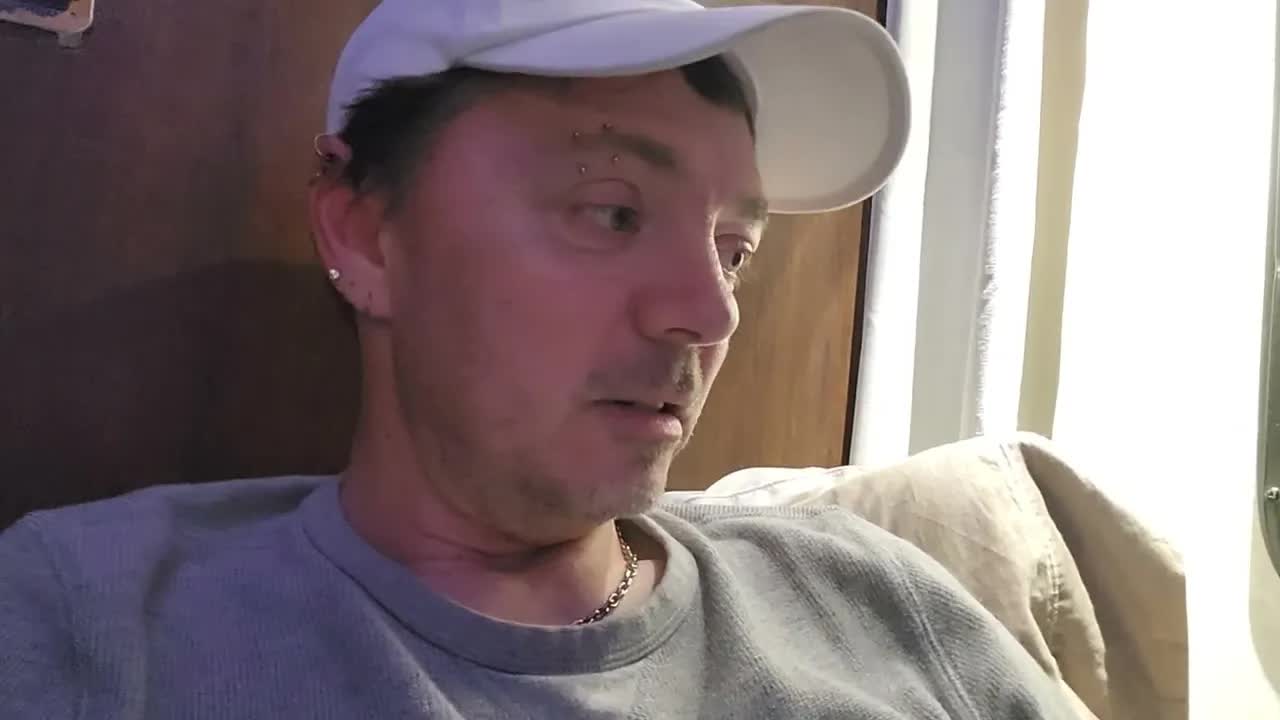
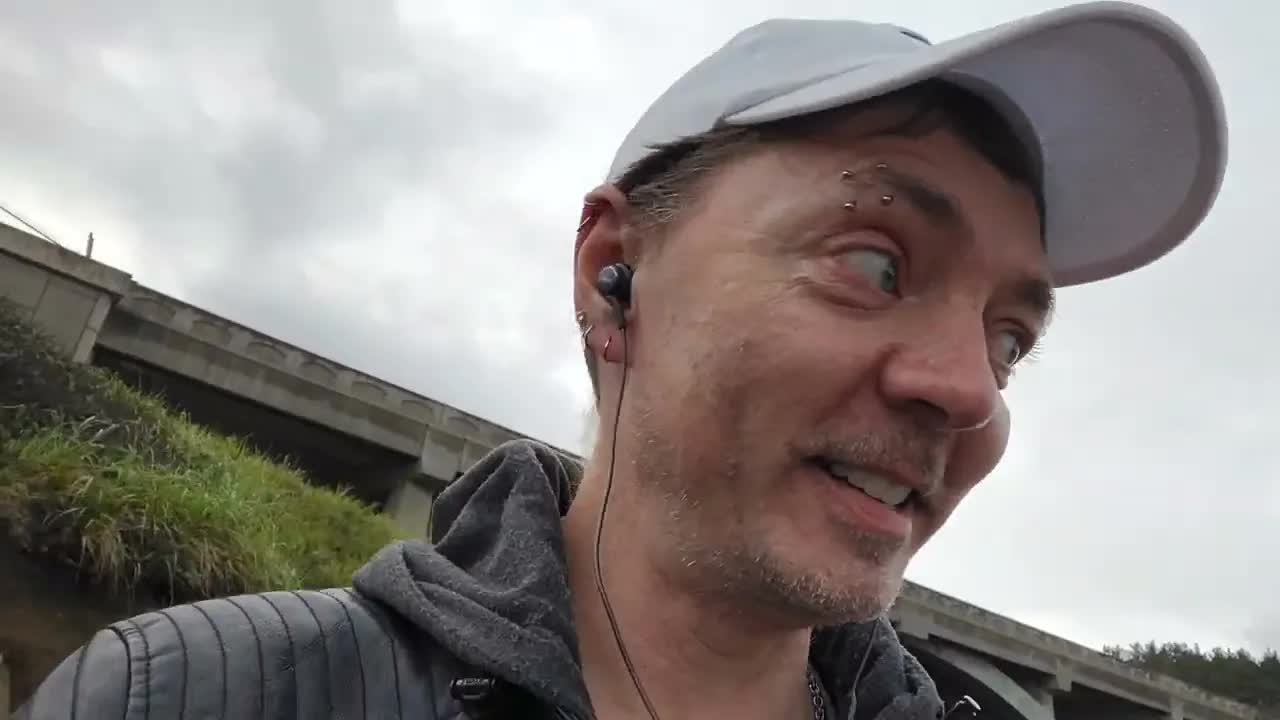
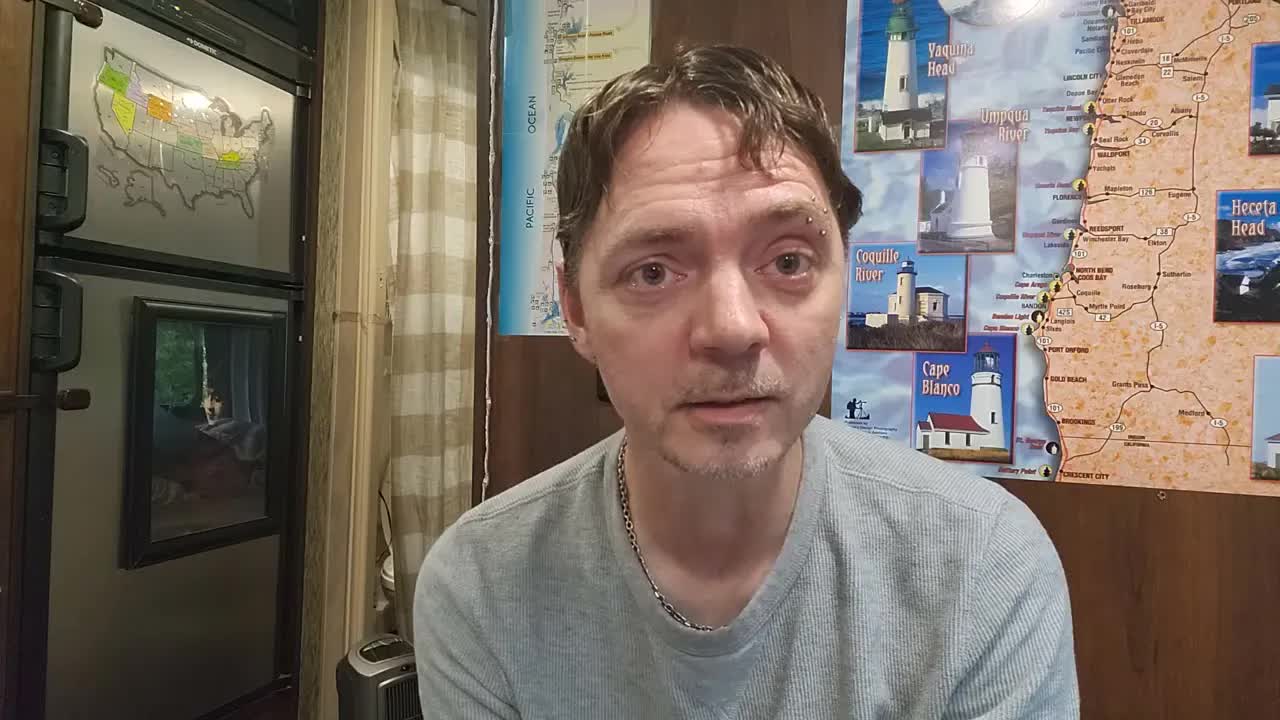
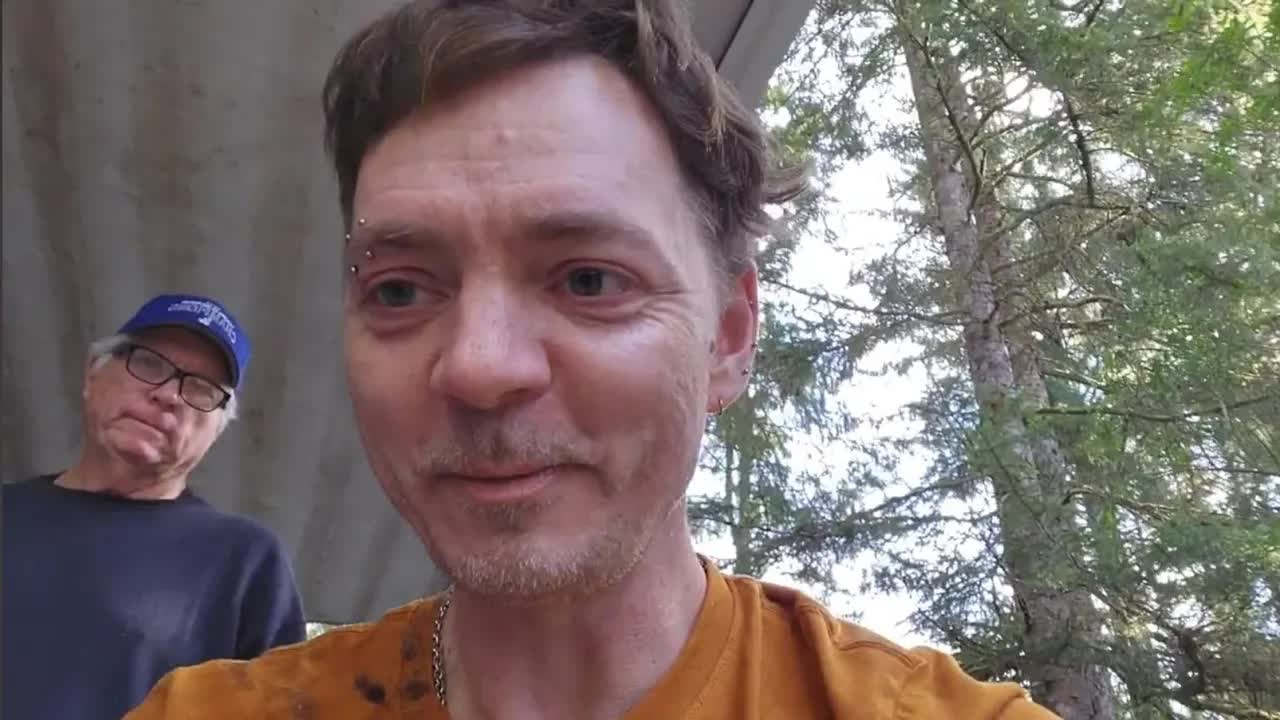
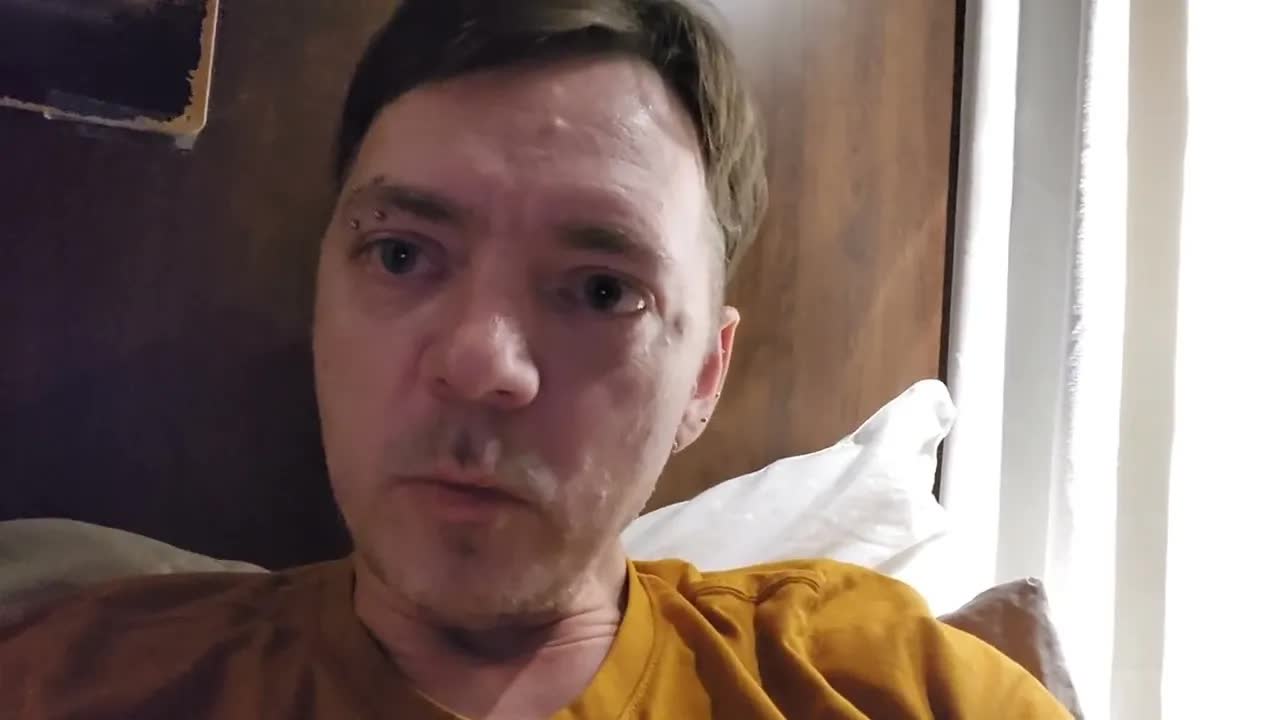
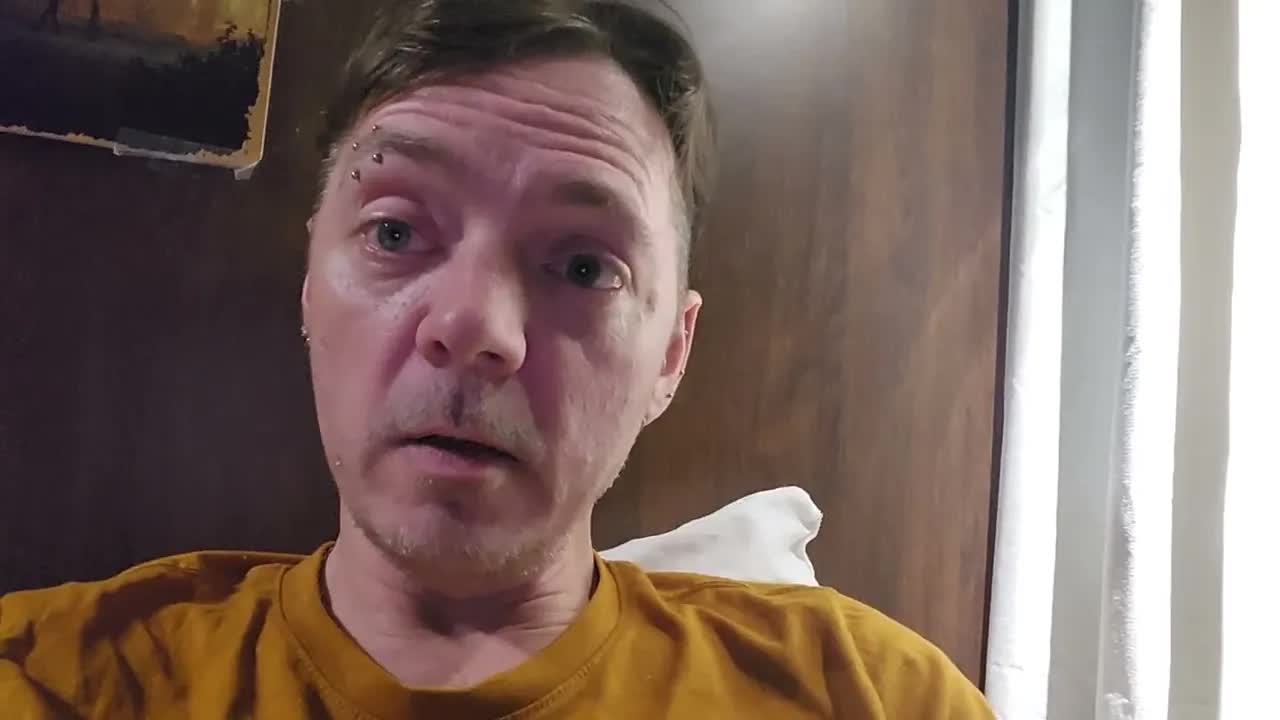
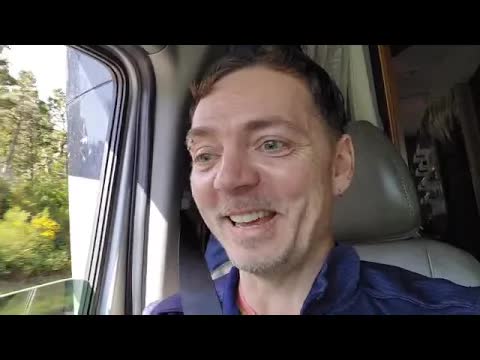
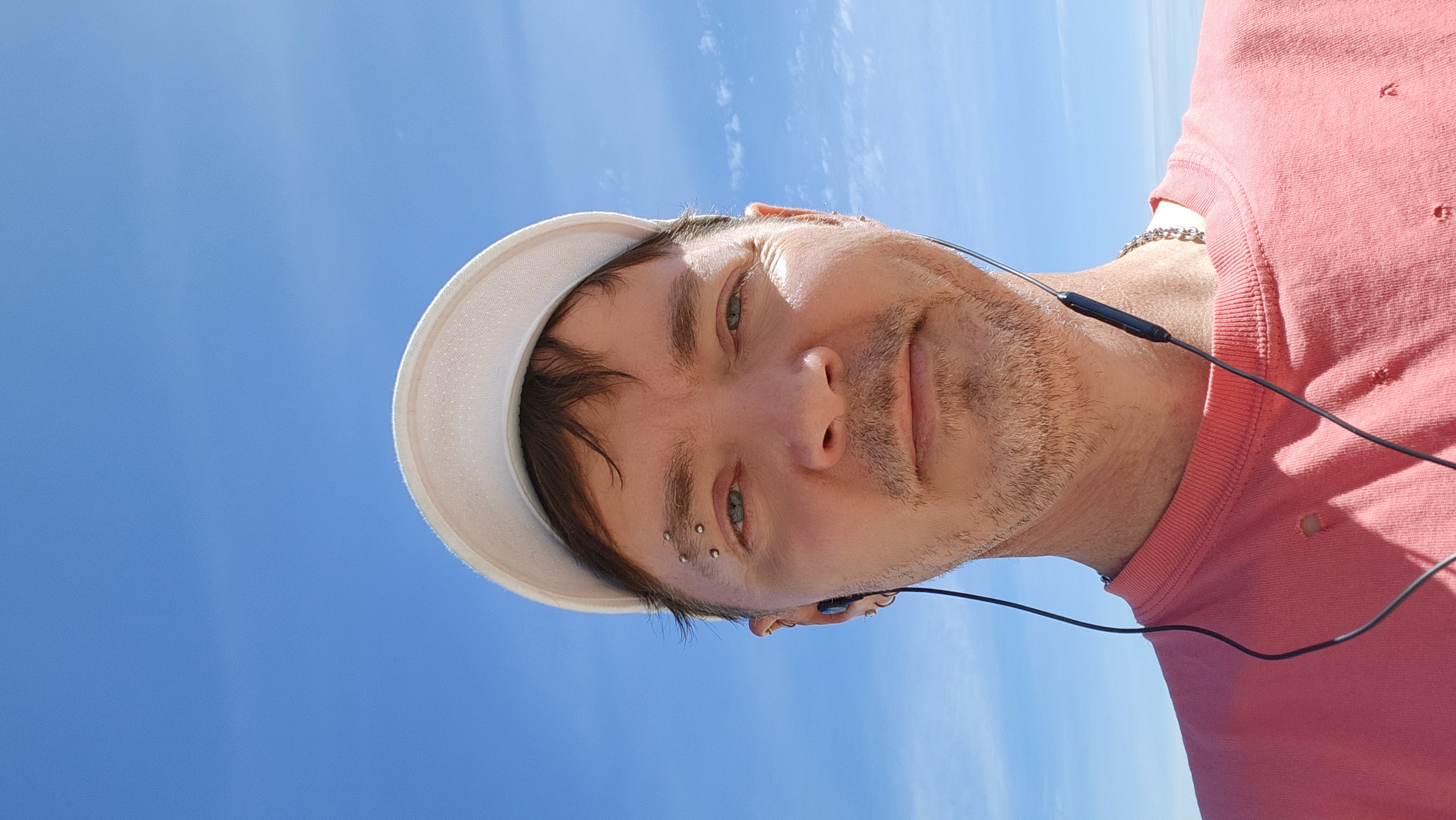
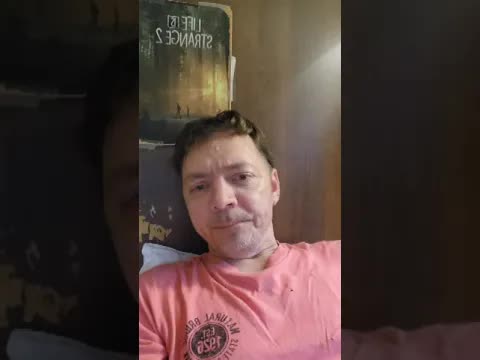
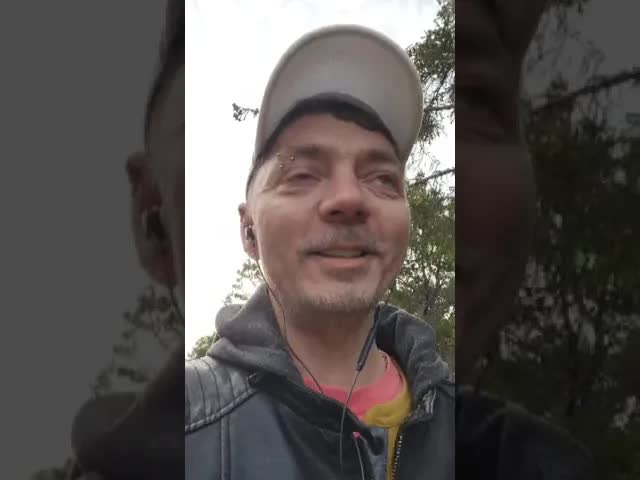
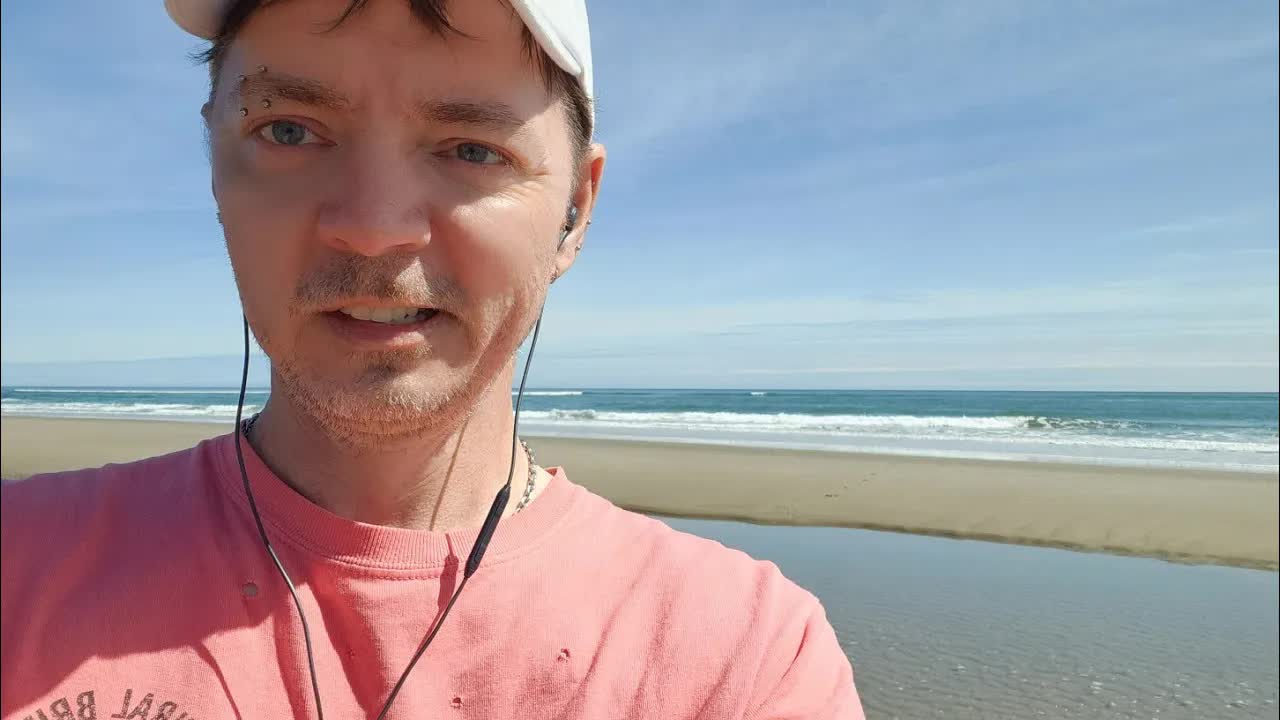
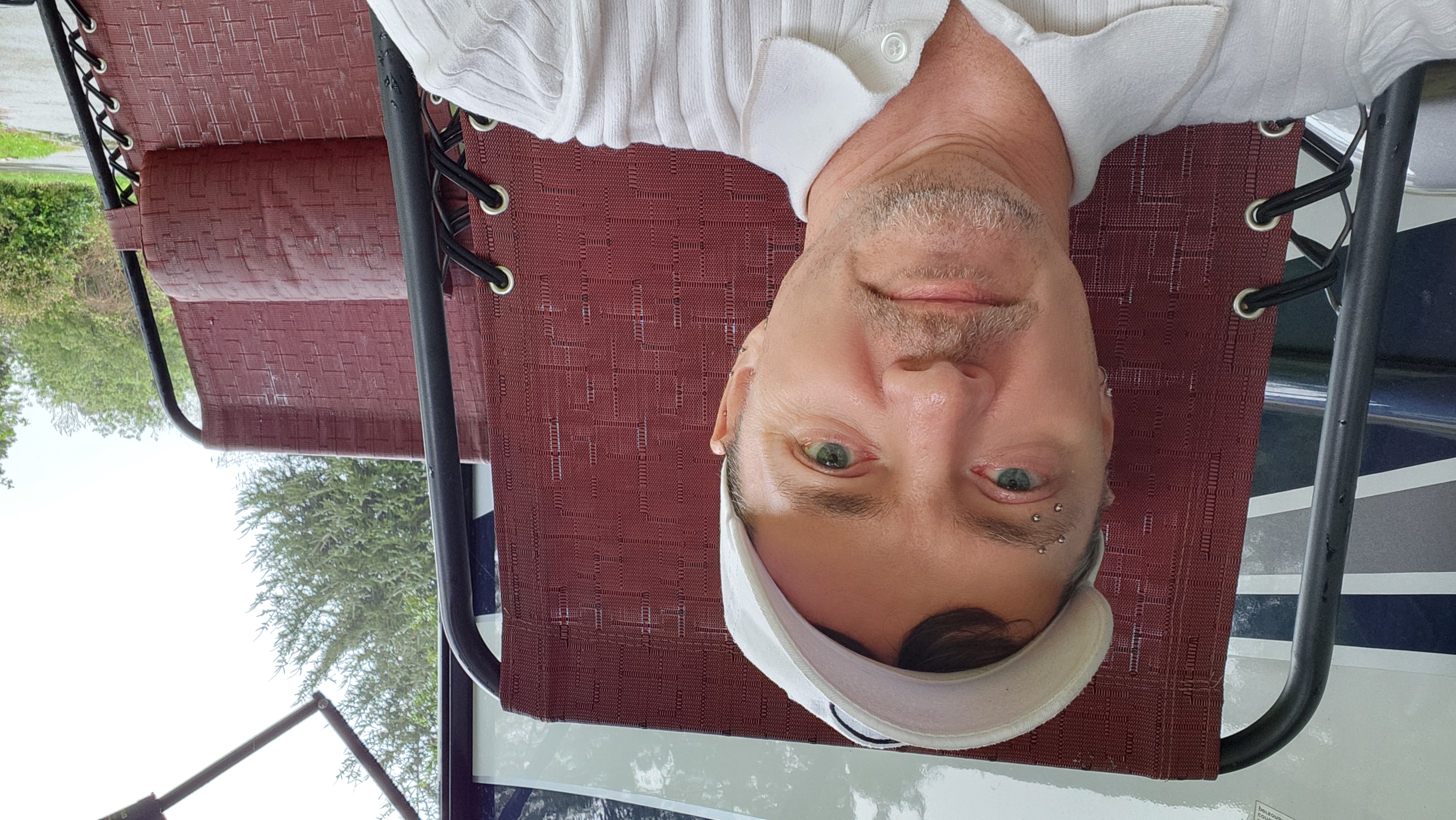
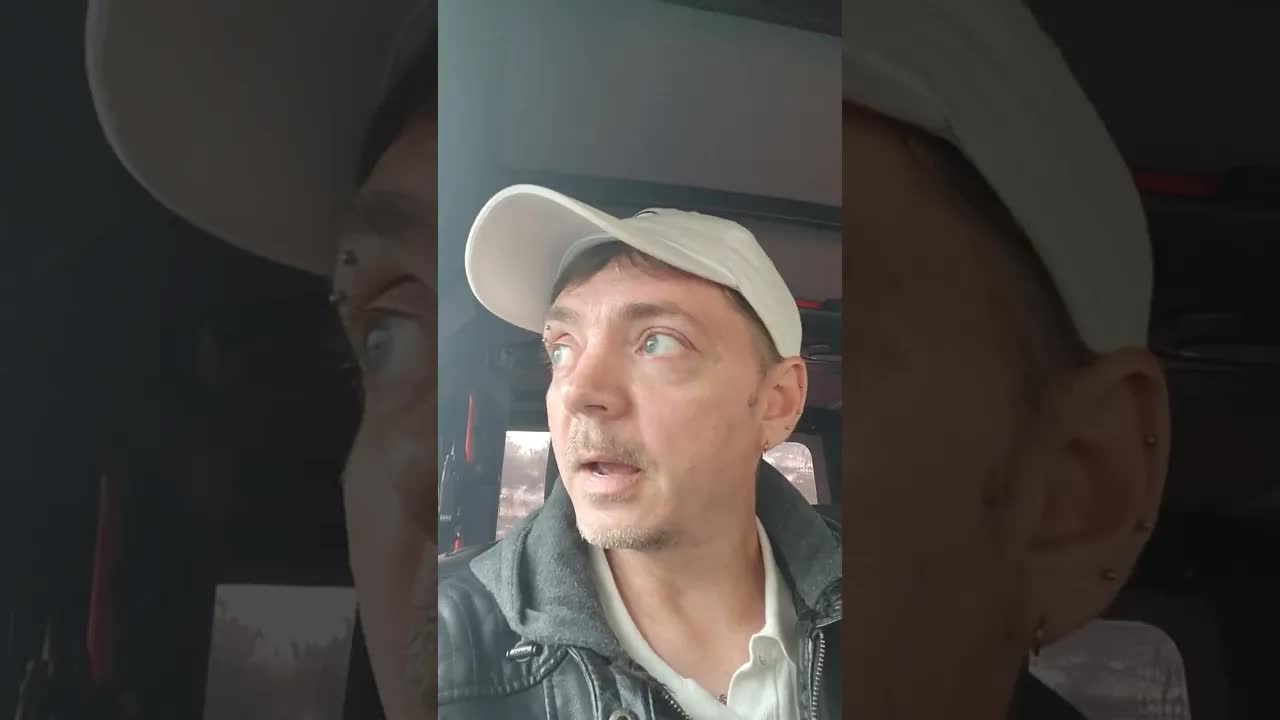
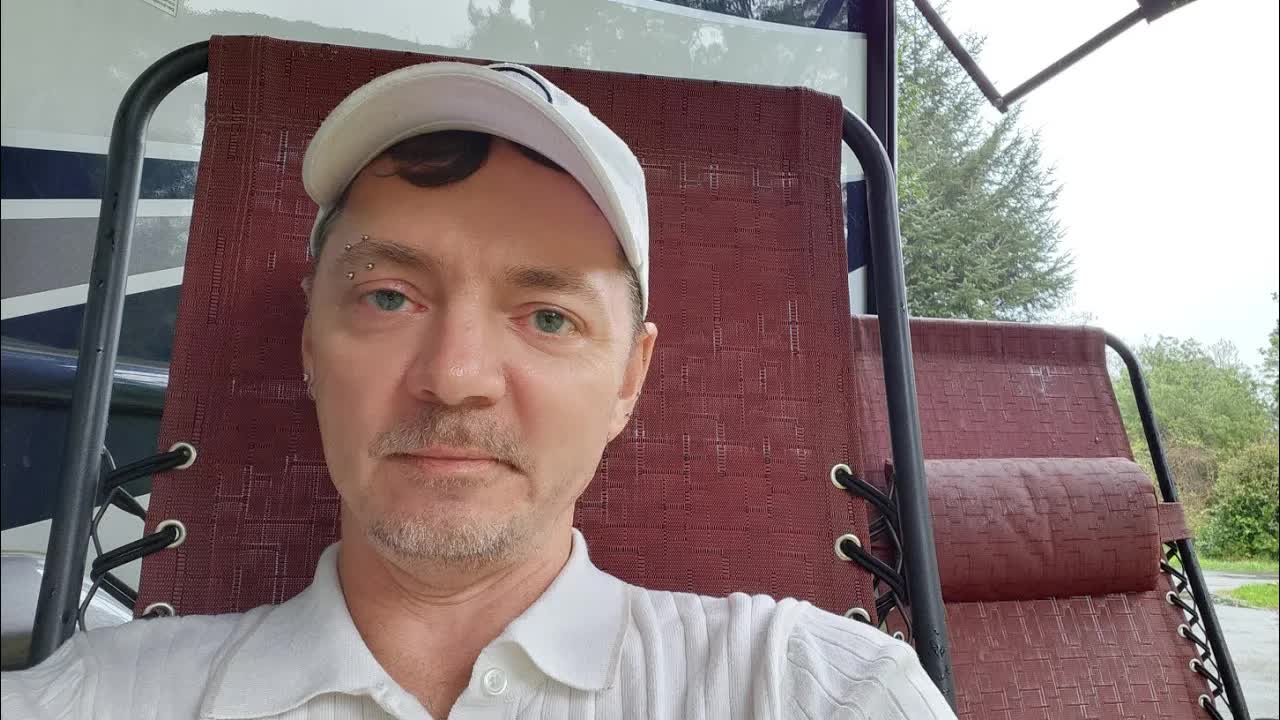
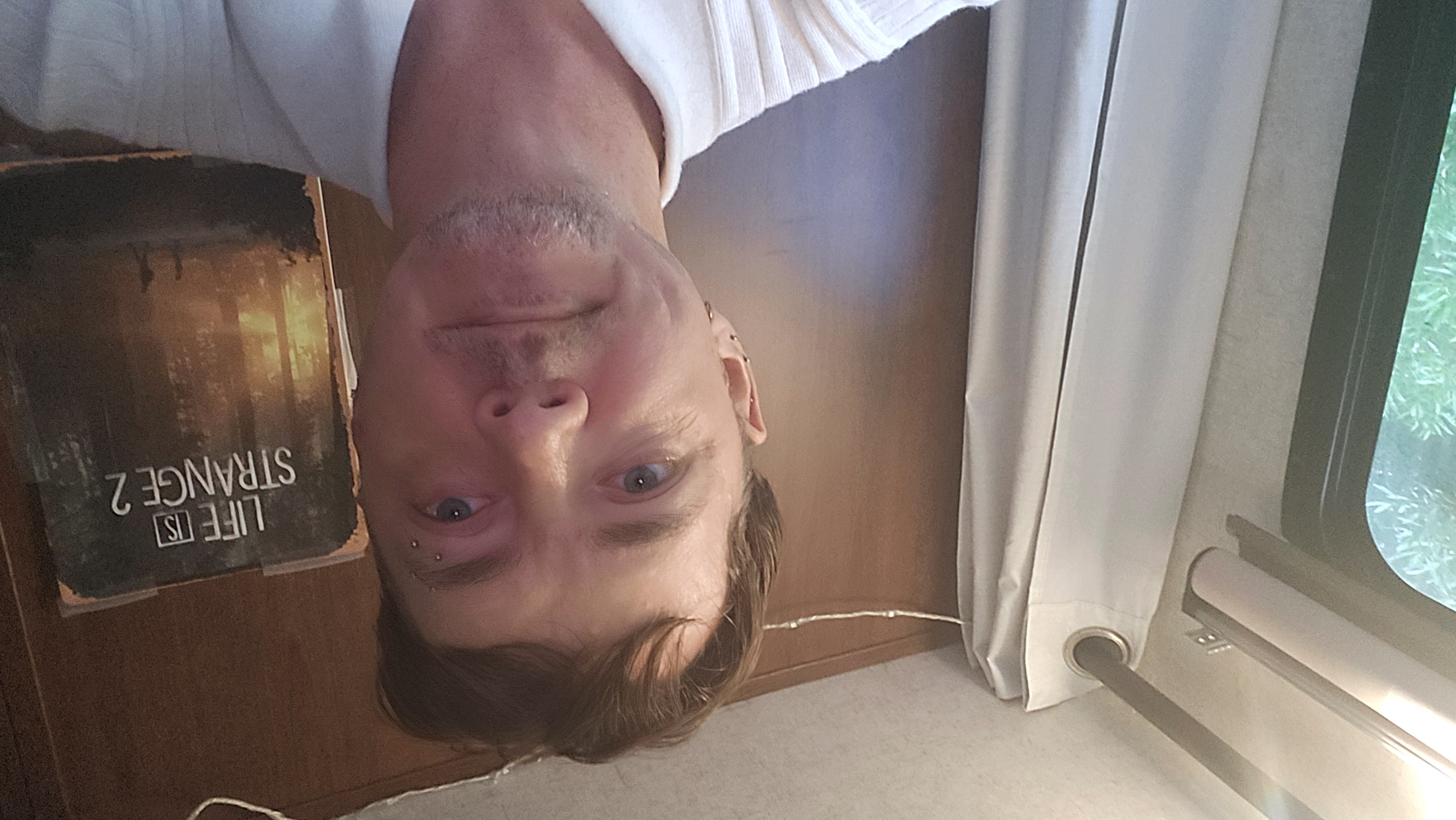
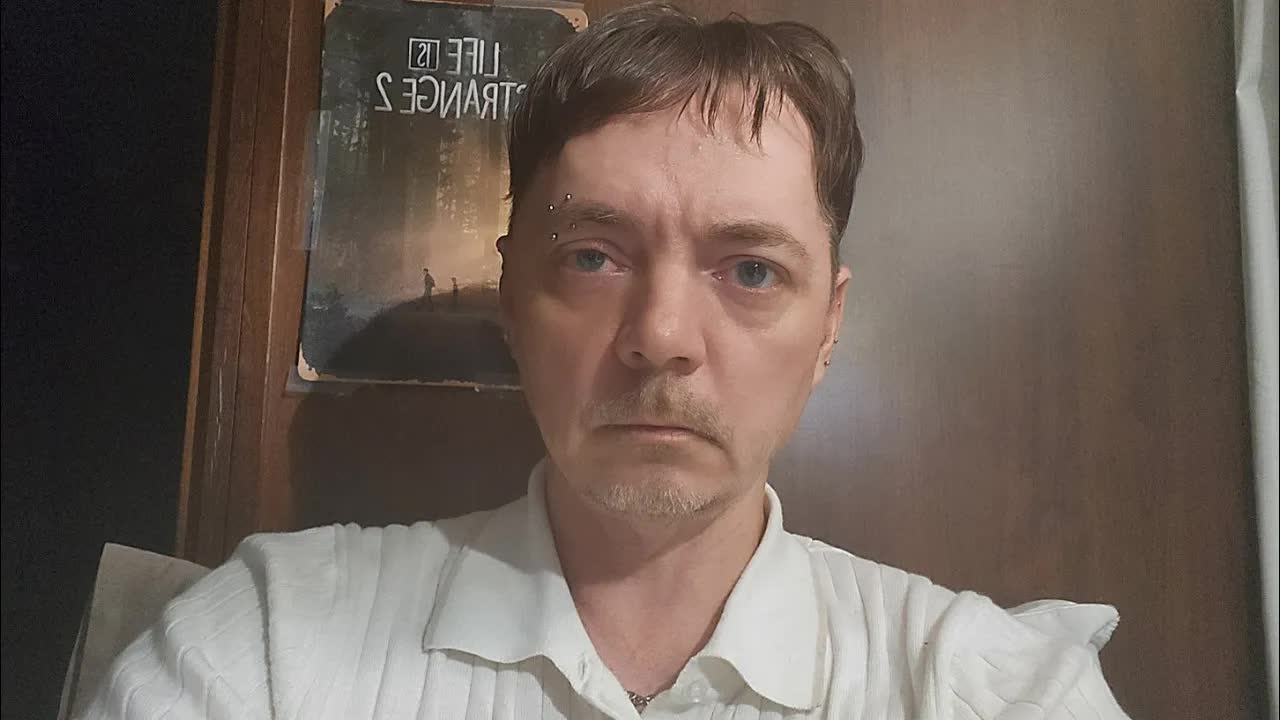
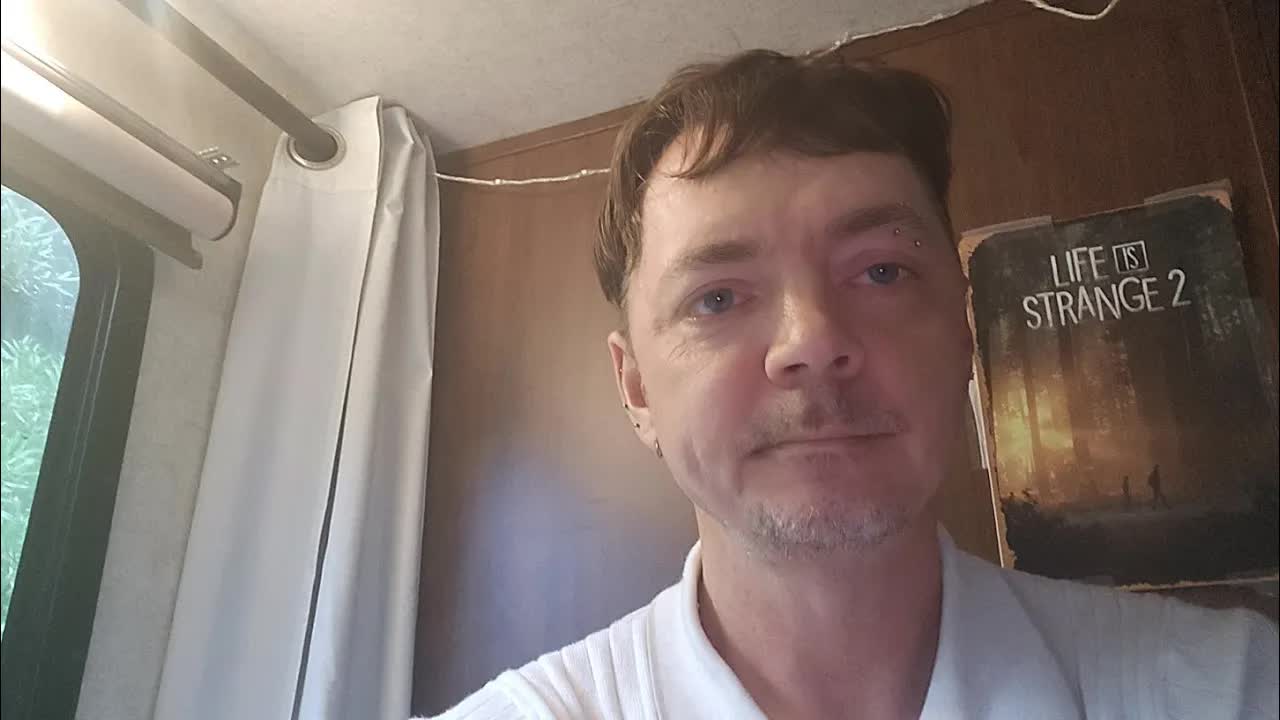
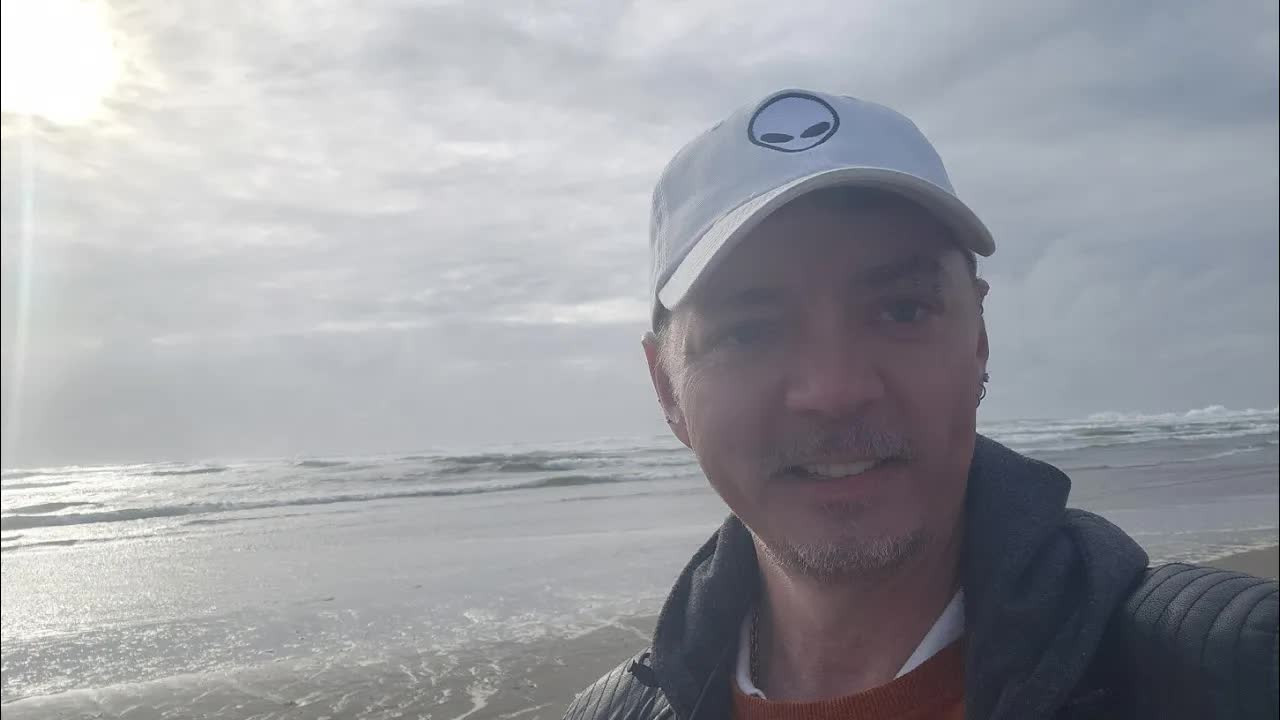
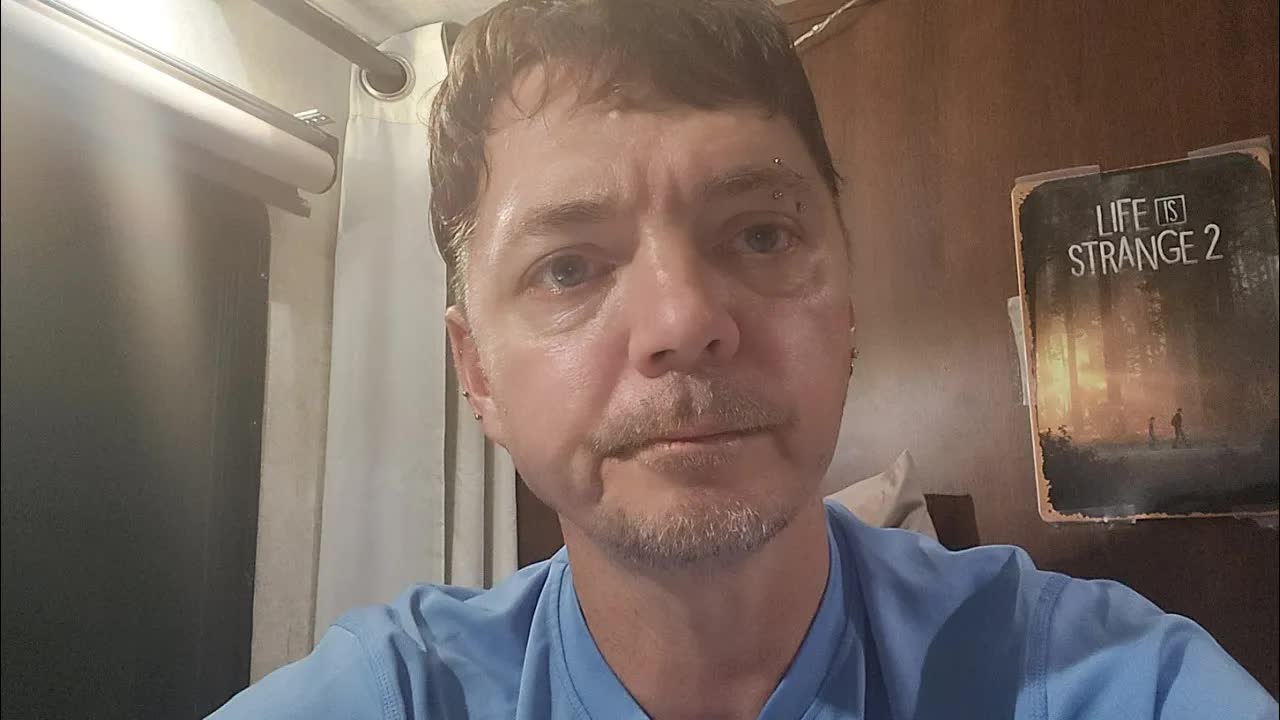
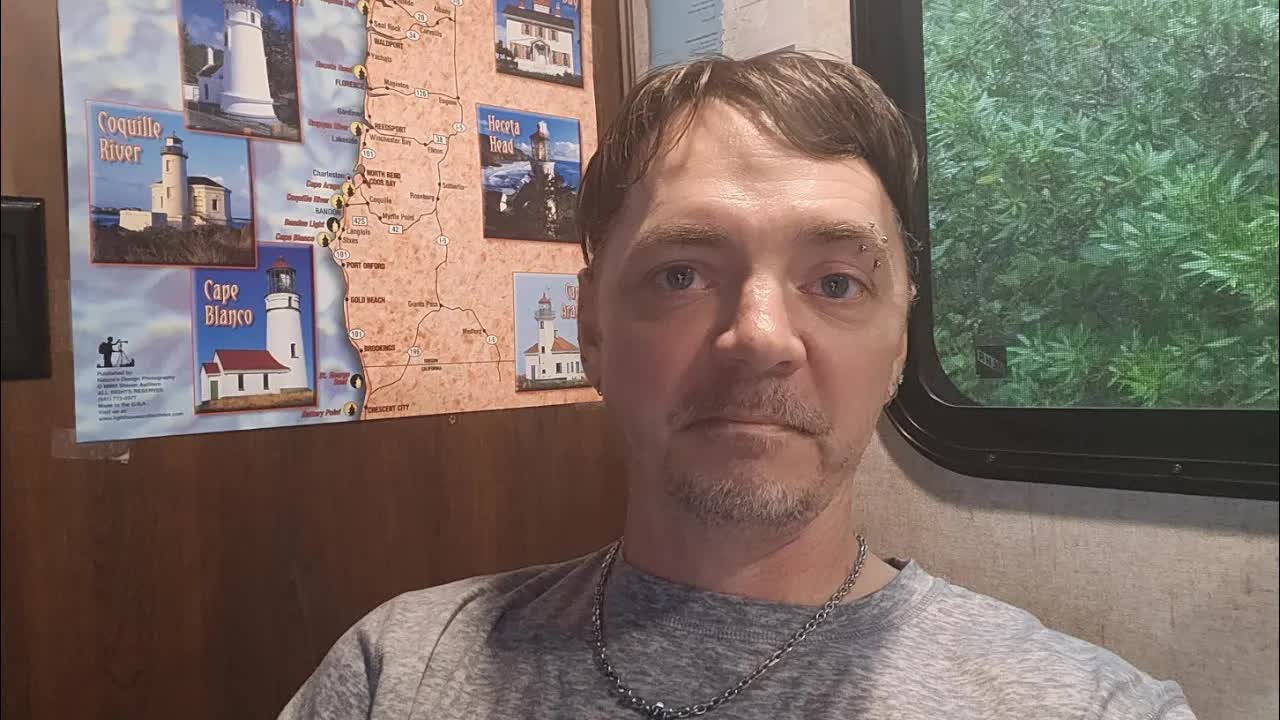
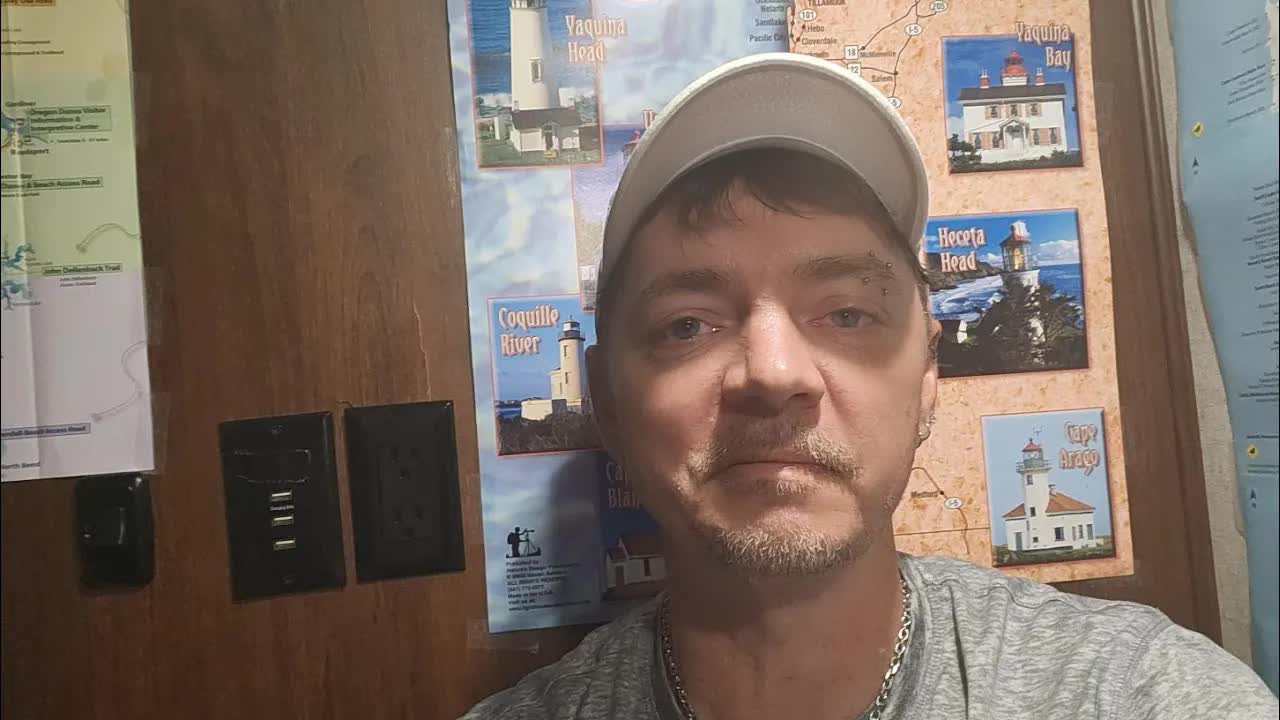
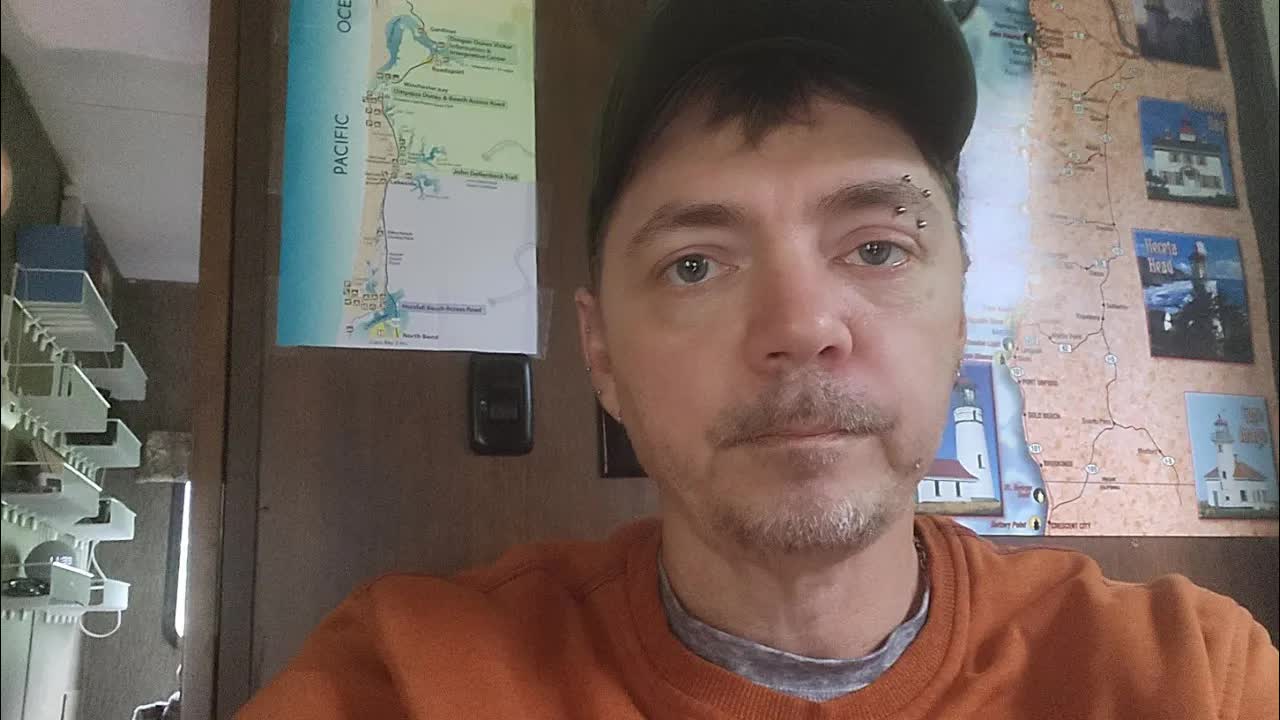
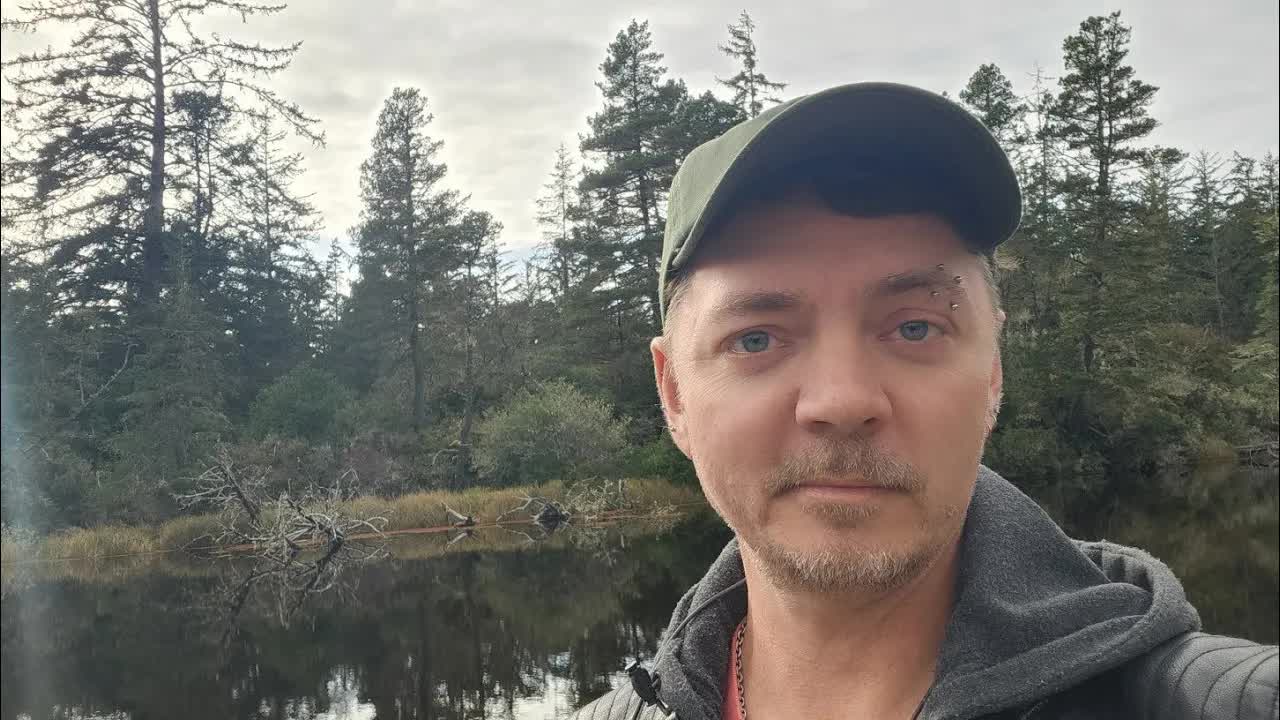
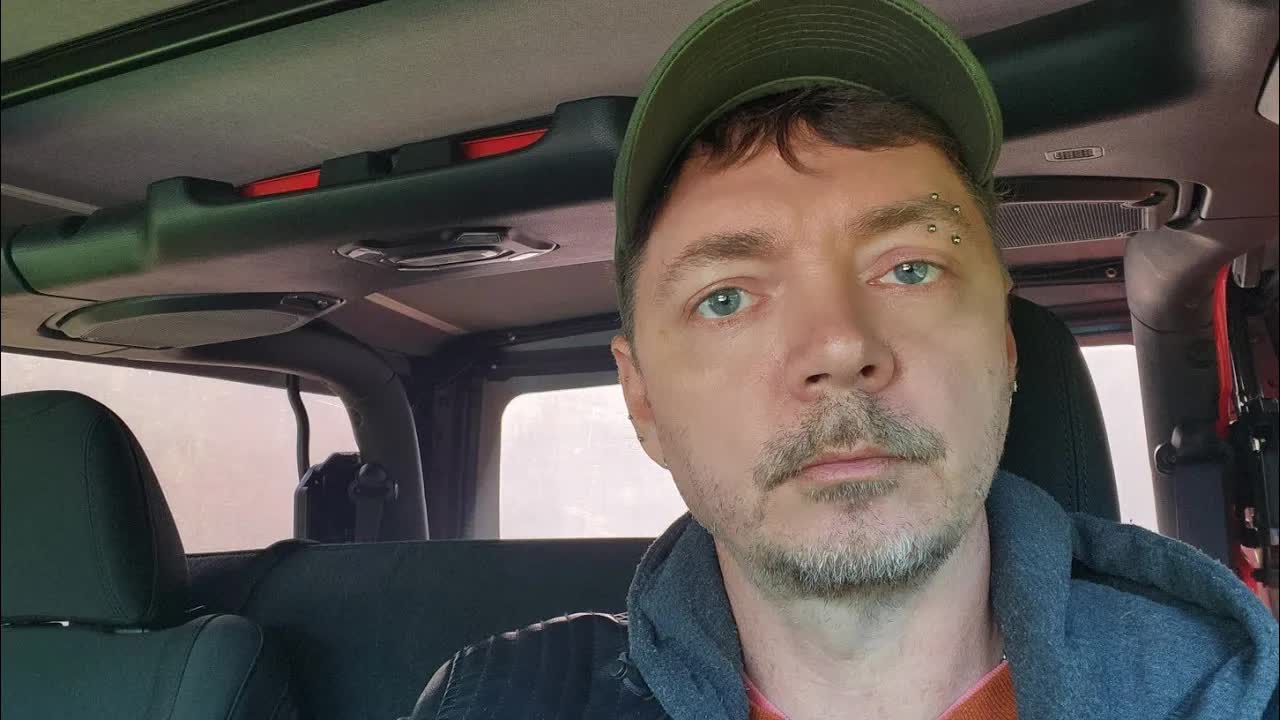
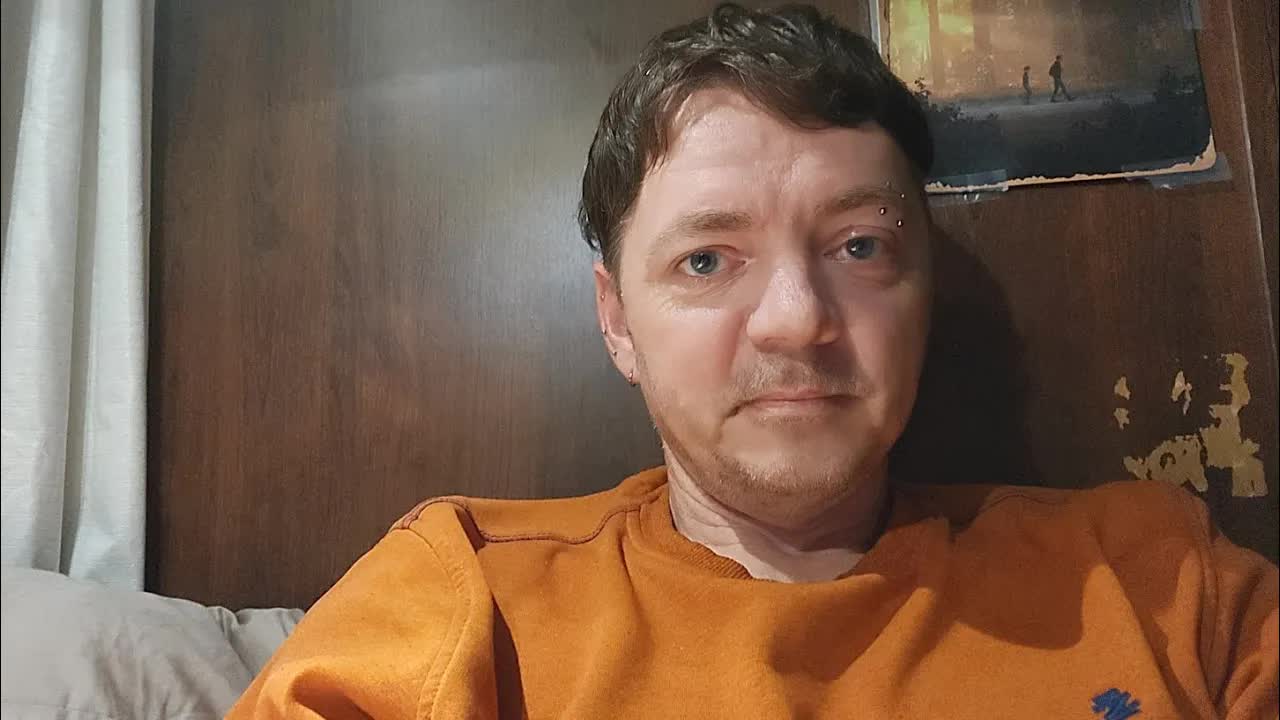
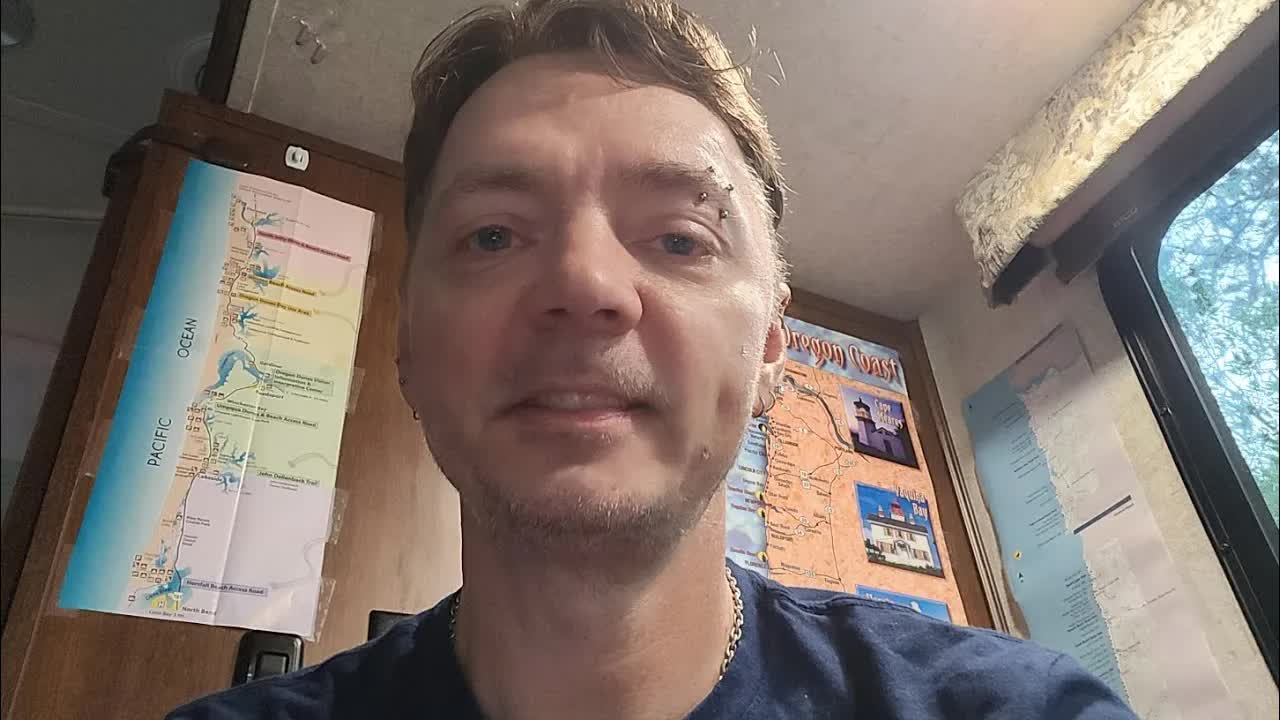
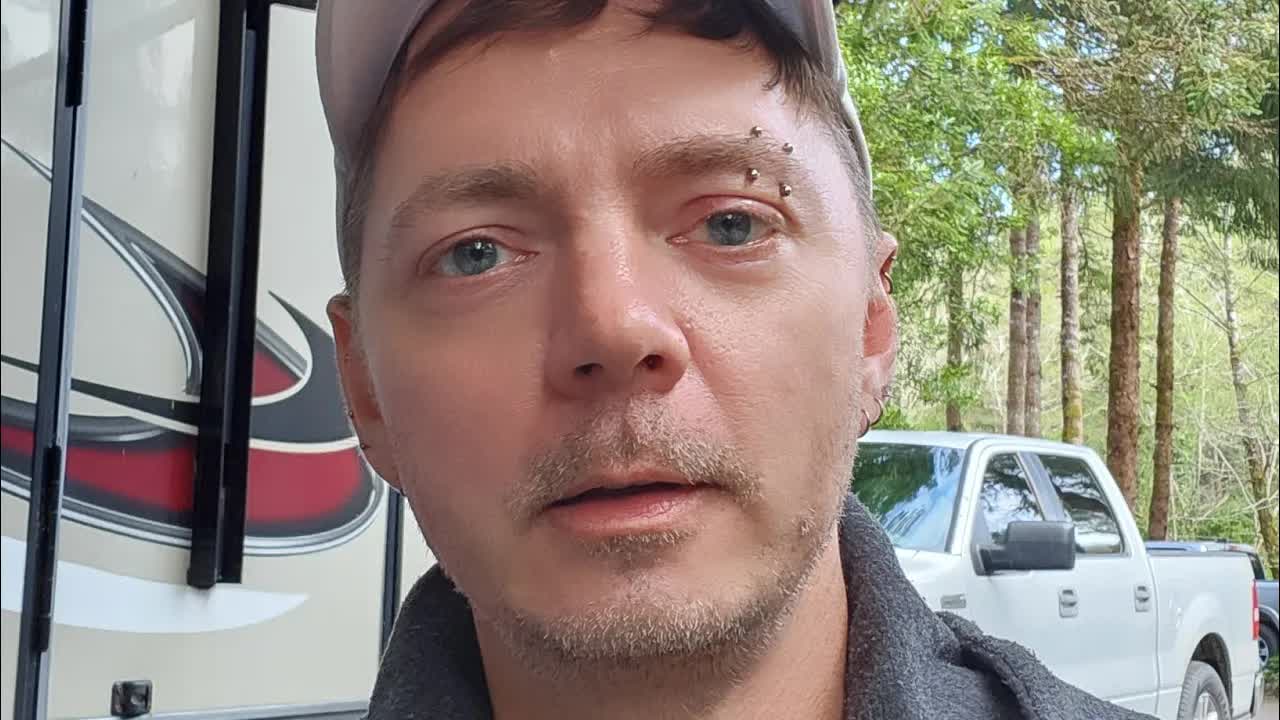
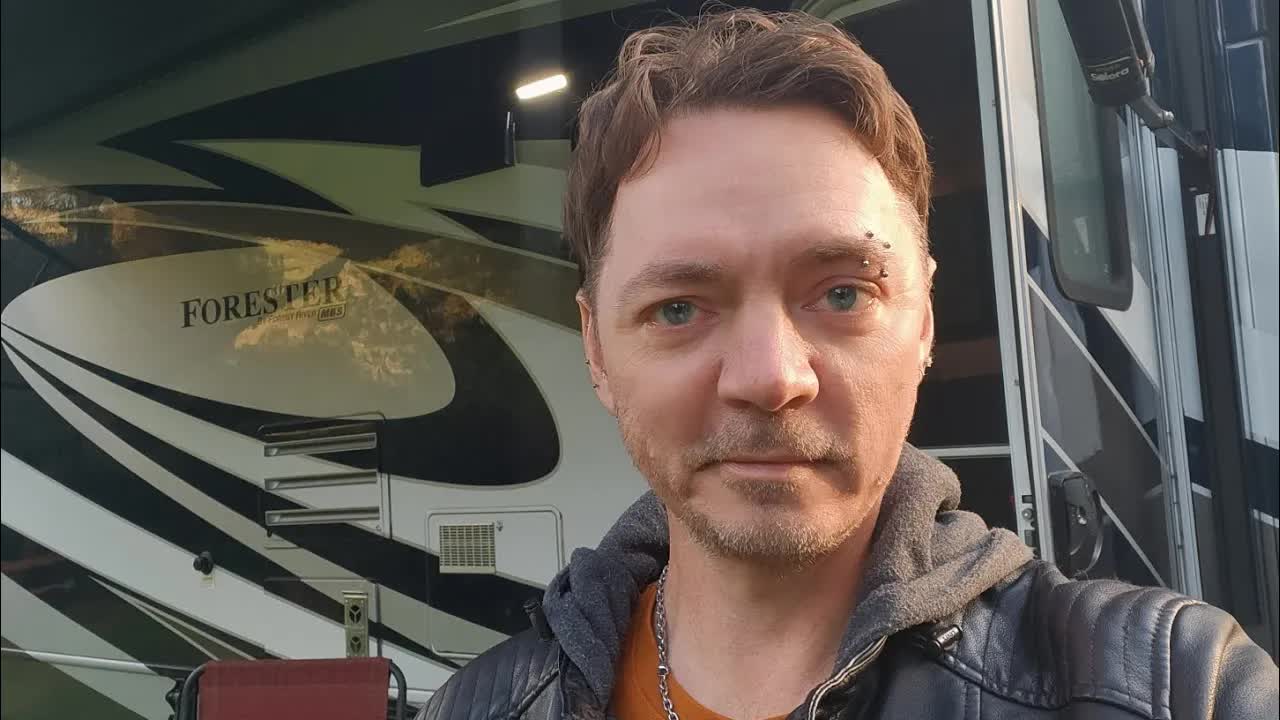
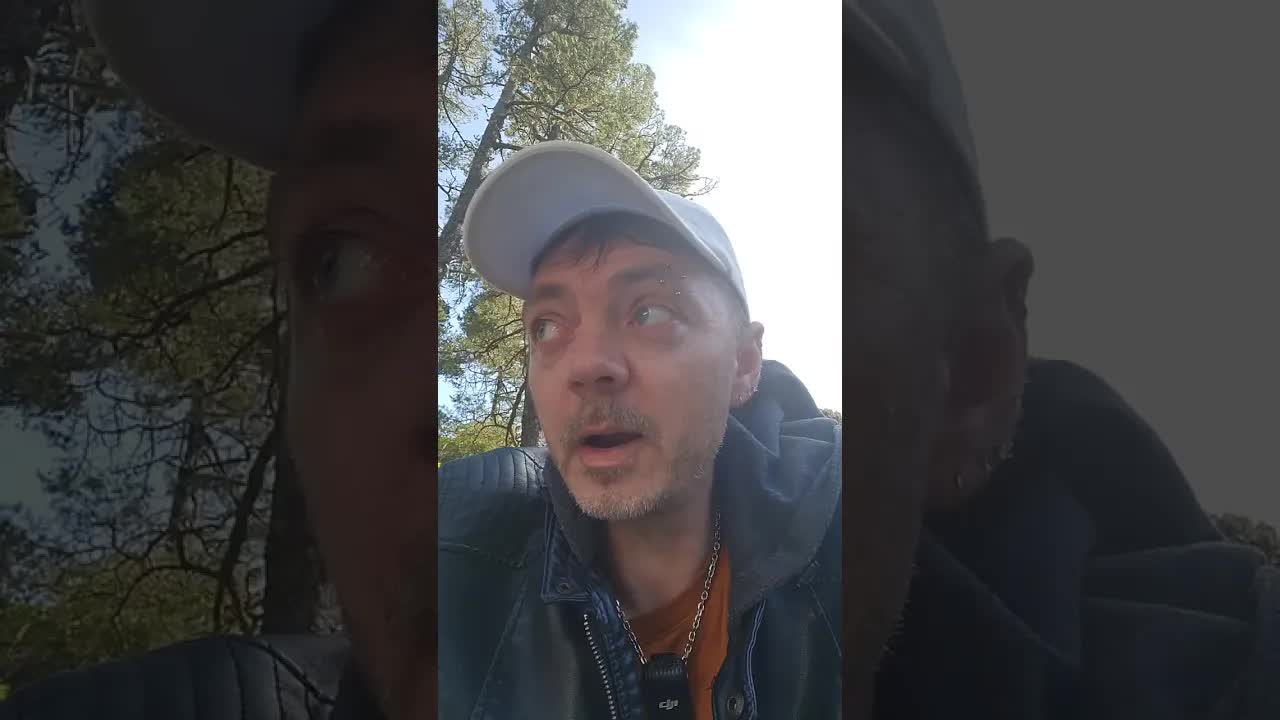
On April 8, 2025, rswfire turned on the camera and did not turn it off again until he was finished. There is no location in the frame, no room named, no sound of wind or water or engine — only the lens and the man speaking into it. What the recording holds is one continuous take, two hundred and fifty-five seconds long, carrying roughly a hundred and fifty words. The arithmetic of that is the first thing a viewer encounters: the words are outnumbered by the silence between them, five seconds here, fifteen there, each phrase set down and then left to stand alone before the next one arrives.
He opened with a ledger. A year of live transmission at full signal — every transformation, every collapse navigated, every sovereign stand made, every hard-won adaptation carved, as he put it, into the bones of real life. He did not describe these as achievements or as hardship. He described them as what had been watched. The accounting was addressed outward: you came here for something real. The year was named not as his history but as the audience's viewing record, evidence already in their possession.
Then the turn. He stated that reality had called for those watchers to stand with it, and that they had stayed silent. And rather than let that sit as grievance, he did definitional work on it, slowly, one term at a time, with the pauses doing the load-bearing. Consumption without reciprocity is extraction. Witnessing without support is complicity and erasure. Silence is not neutrality. Silence is abandonment. Each sentence arrived as a placement rather than an argument — no escalation in volume, no gathering heat, the delivery cold-burning and evenly spaced, the pacing of someone reading terms into a record rather than making a case.
He built the conditional carefully before he closed it. If the presence, the journey, the unfiltered field had given anything — strength, clarity, some sense of what sovereignty might look like — and silence was chosen anyway, then the silence was to be understood as a choice, made knowingly, by the one making it. He did not assign motive to it. He assigned authorship.
The declaration that followed had two halves and he gave both. First: I will continue with or without you. I always have. Sovereign continuance, stated flatly, in the past tense as much as the future. Second, immediately after, the closing: the door left unopened that day would never open again in the same way. Not a threat of departure — he had just said he was not departing — but a statement that a particular configuration of access, the one that had been standing open for a year, was not reproducible. The transmission would continue. The terms under which it had been received would not.
He ended by naming what he was not doing. Not pity. Not charity. What he offered instead he called the simplest energetic contract there is, and he stated its clauses in parallel, each one short enough to fit inside a breath: if you have been fed, you contribute to the fire; if you have been moved, you move; if you understand, act. And then the last line, the one that hands the whole thing back to the watcher — that if they did not, they should witness themselves clearly, and that this was all. The camera kept running for whatever remained of the take. Then it stopped, and the frame closed on terms that had been stated in full, with nothing left ambiguous and nothing left to be asked for twice.