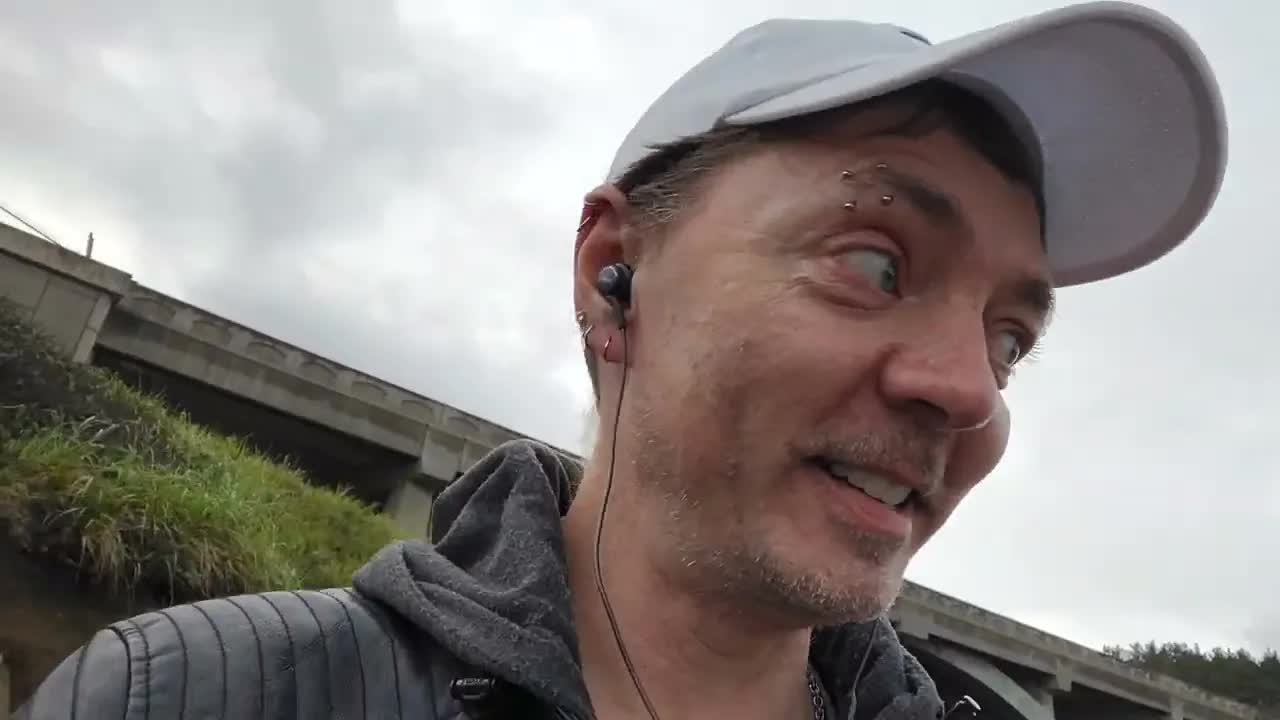
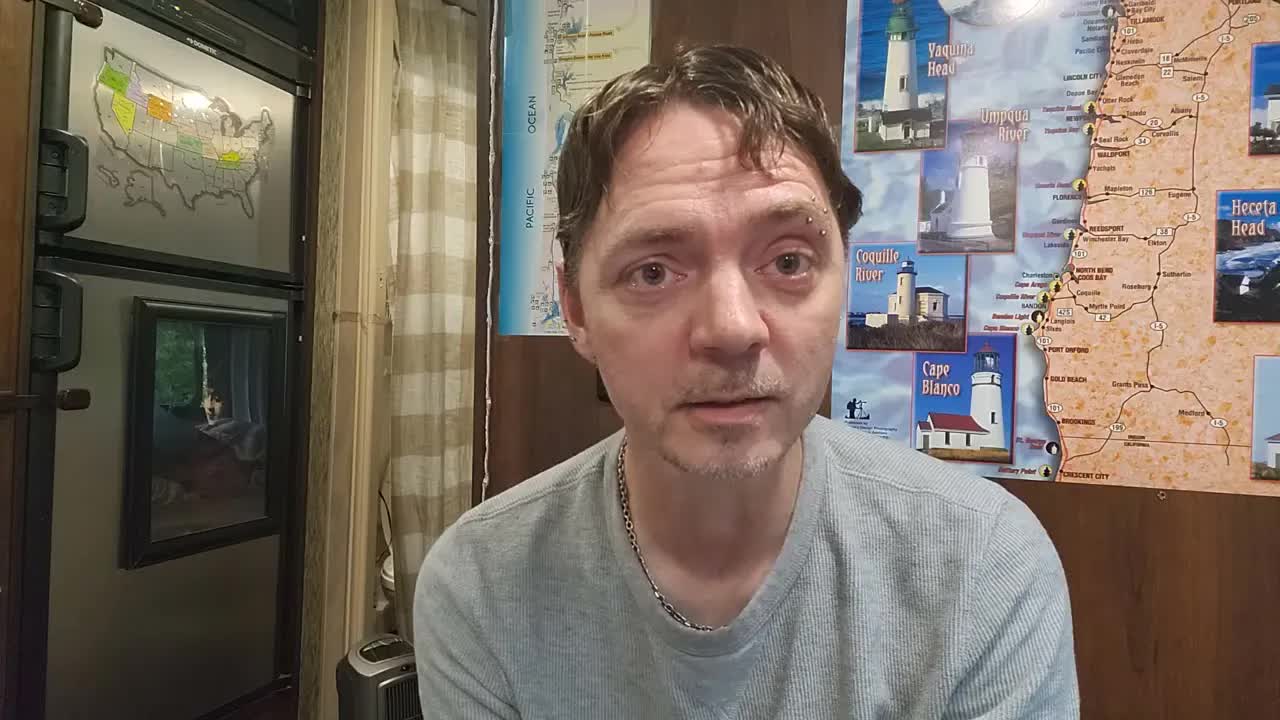
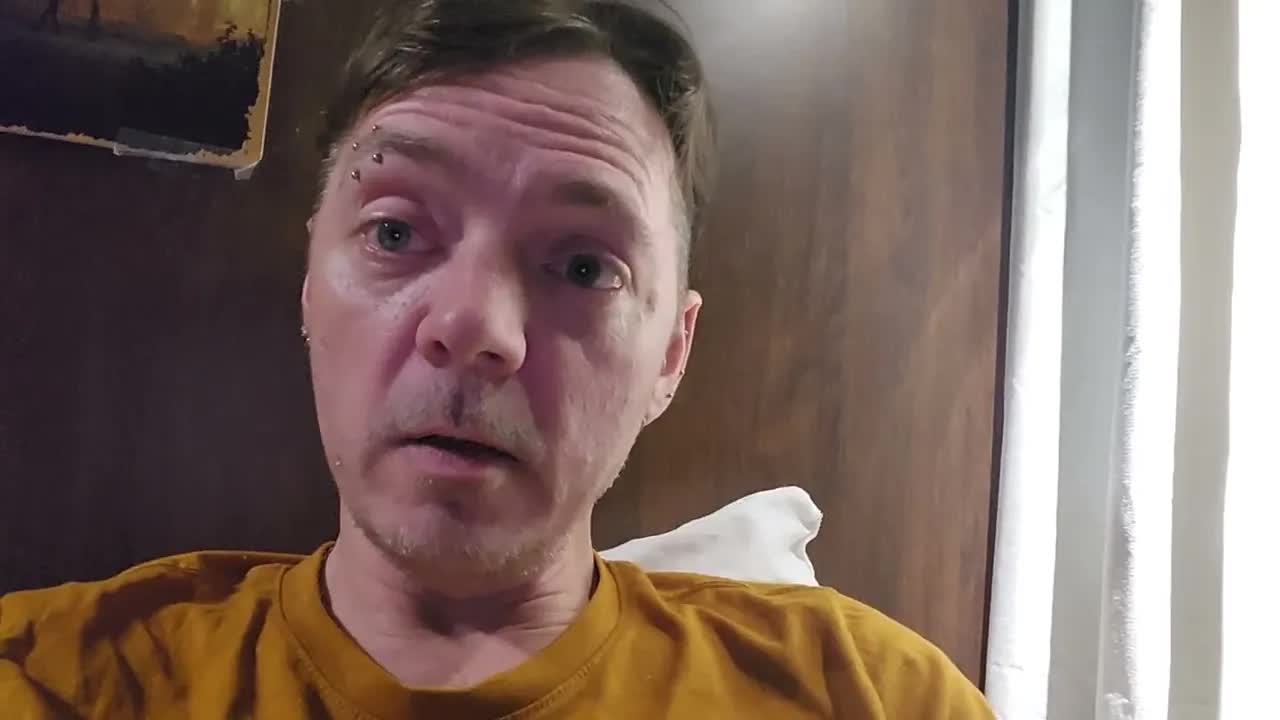
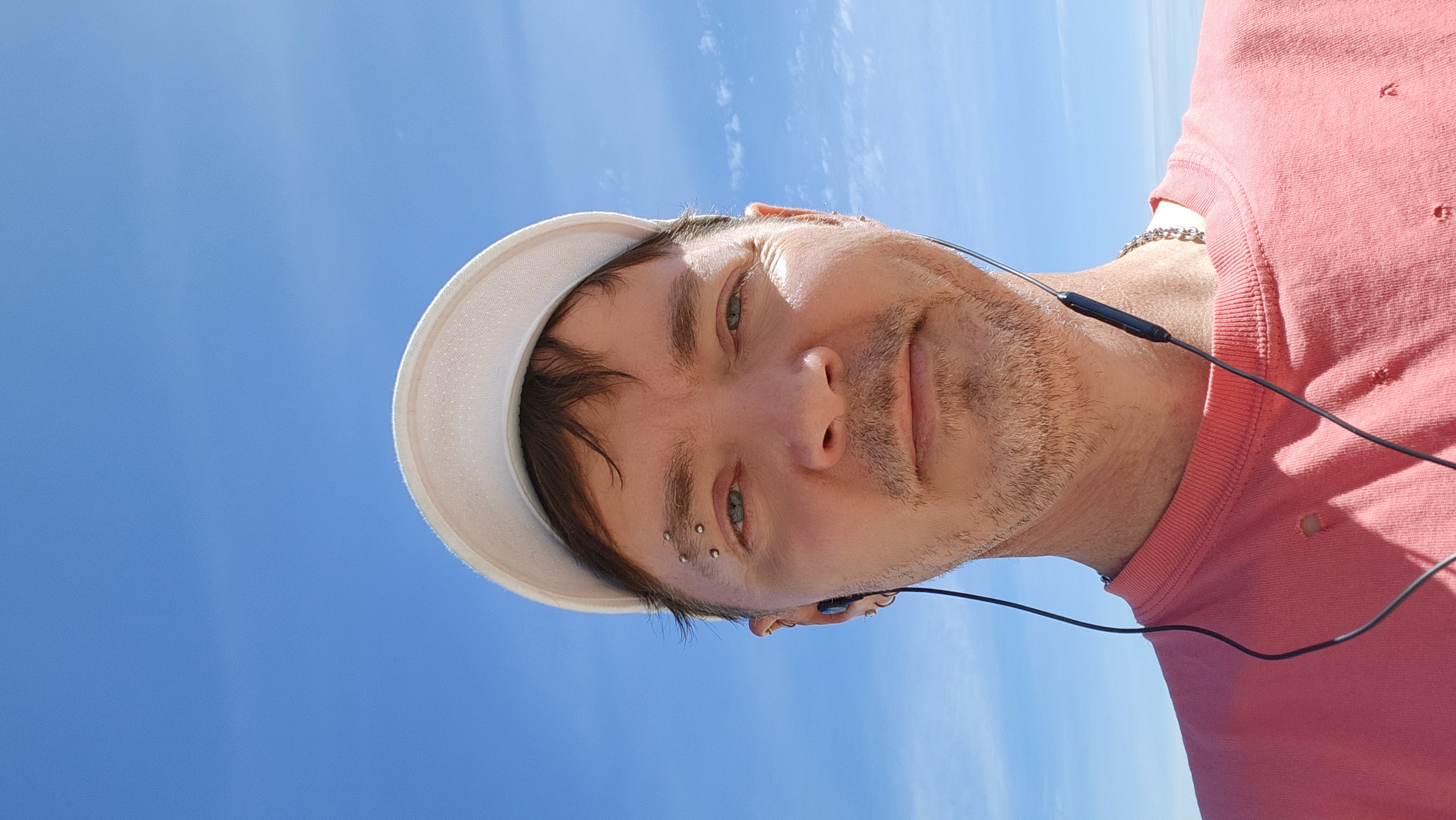
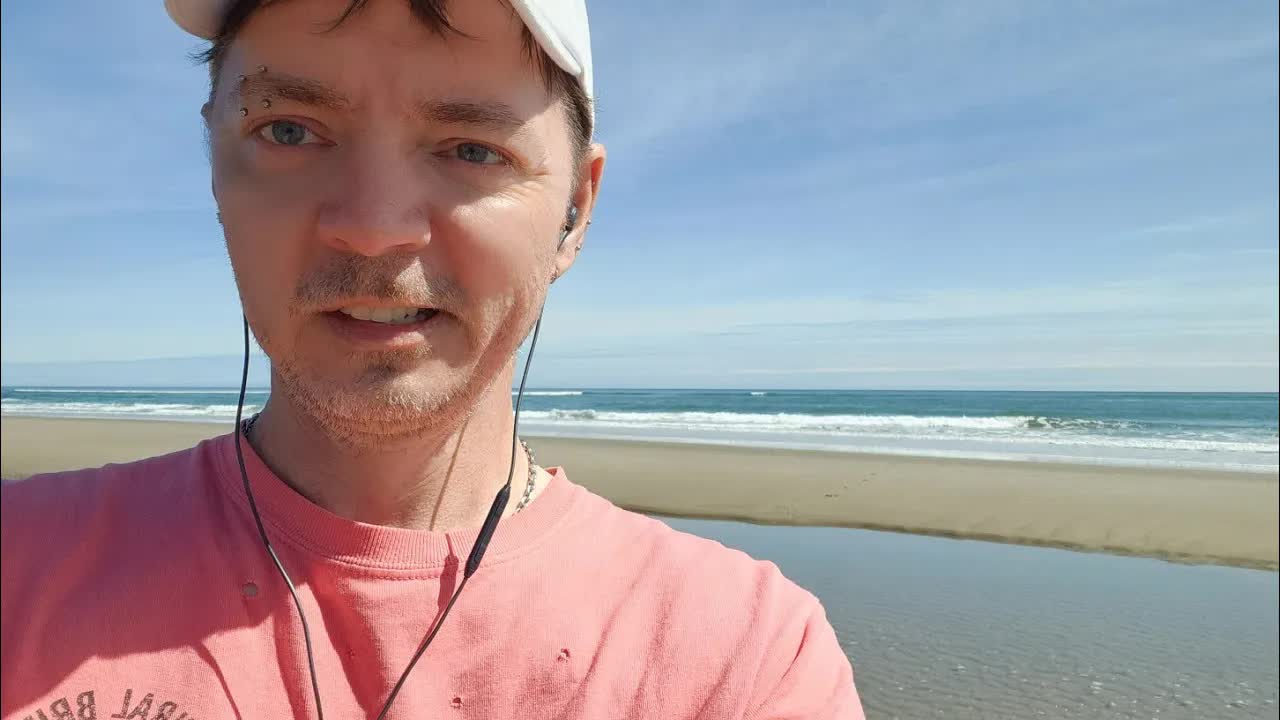
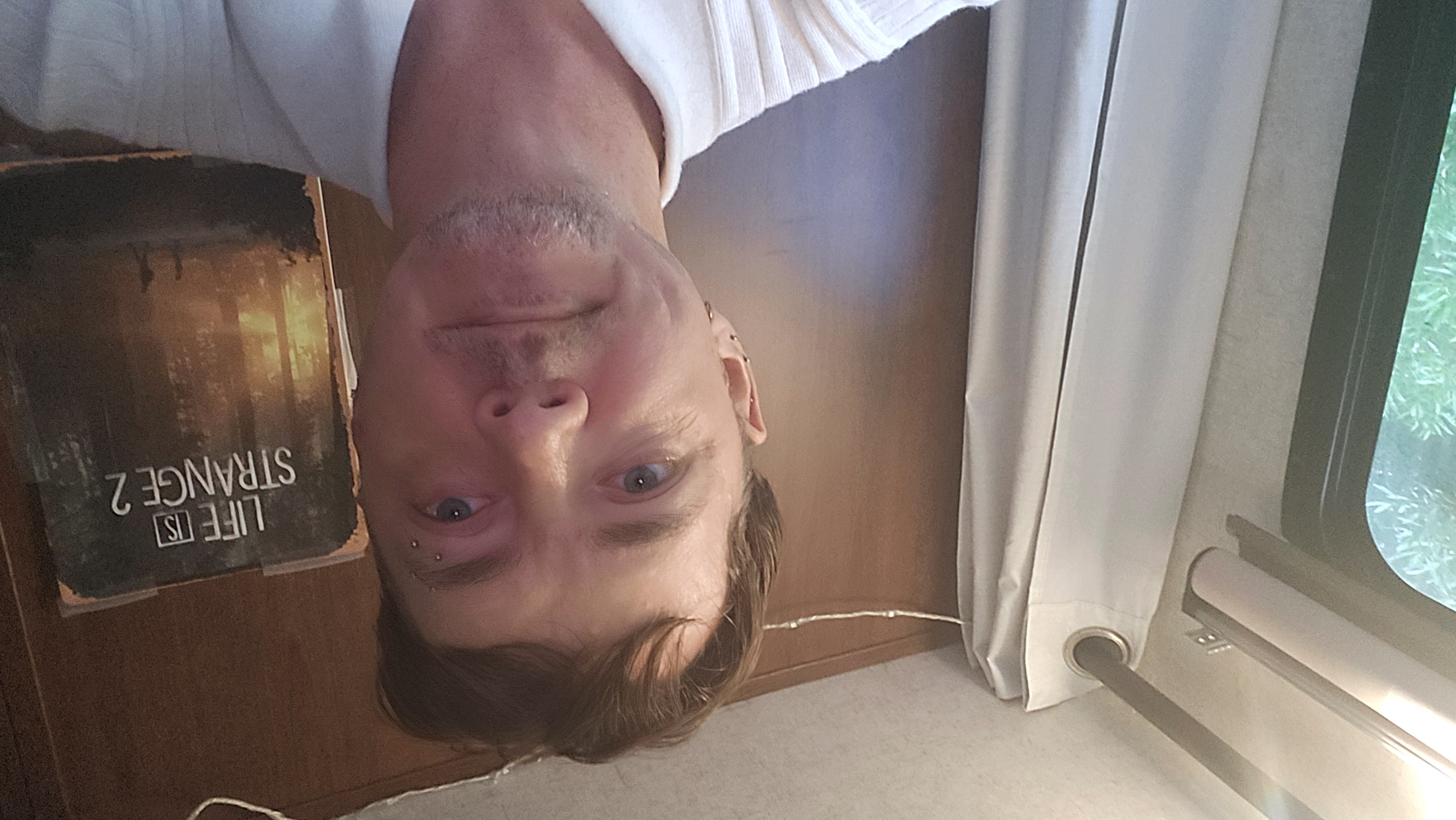
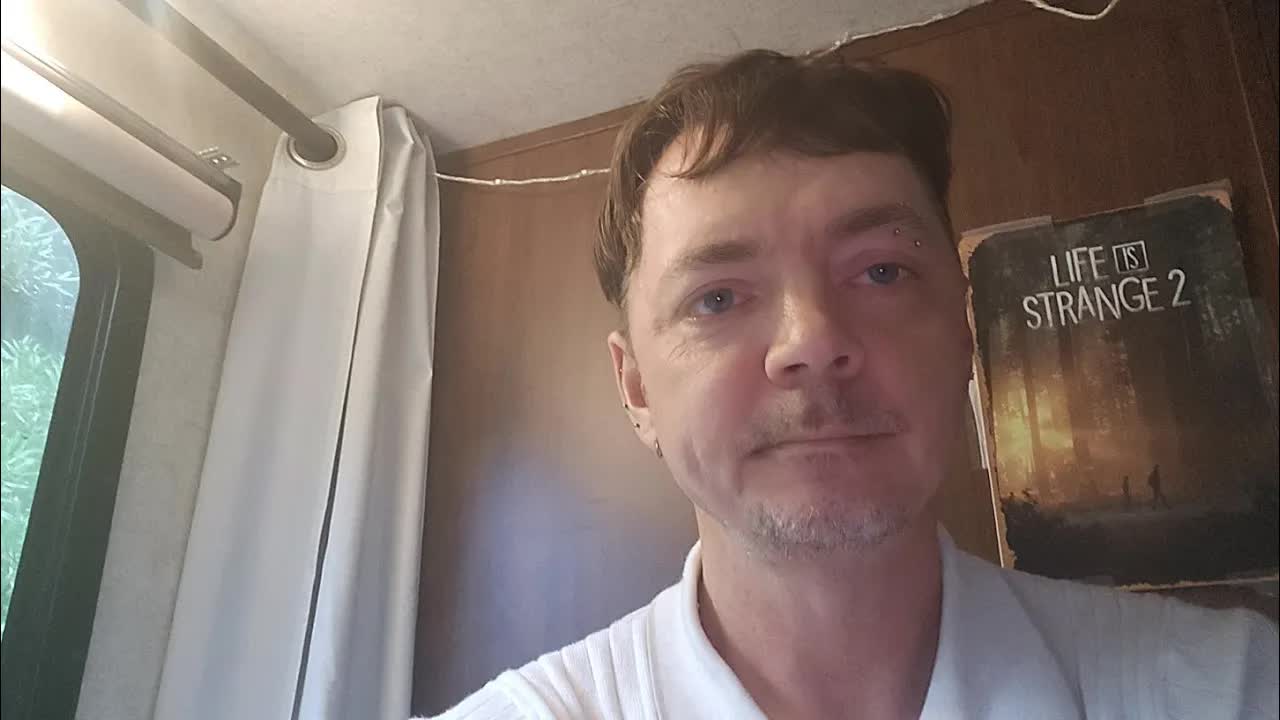
The door was unlocked but the building was empty. rswfire stepped into the laundromat on a Sunday in Florence and found the machines waiting, the pricing posted, and no attendant anywhere in it — four to six dollars to wash, five dollars for thirty minutes of drying. He read the numbers aloud and called them expensive, then said they would have to be paid anyway. Toward the back were three showers. He counted them. They were locked, or they were simply closed because nobody was there to open them; from the outside those two conditions looked identical. He named the constraint plainly: the showers are only open when someone is in the building, and today no one was.
He did not force the problem. He named Sunday as the likely reason, said he would come back on Monday, said he would find out what the attendant hours actually were. This was the only option he knew of so far. That phrase carried the whole shape of the day's logistics — one facility, one dependency, one unanswered question about staffing that would determine whether his body got washed this week. He stood in a room full of machines that would take his coins and, behind them, three doors that would not.
From there the signal turned outward. He had booked two more nights at his campsite using donations already received, and he thanked the people who sent them. That put him through April 10th — one day before his birthday, he noted, without pausing on it. Twenty-two dollars a night plus an eight-dollar booking fee, which meant the arithmetic favored booking more days at once. Beyond April 10th there was no money for the next block. He said so directly, without softening it and without dressing it up.
Then he stopped the logistics to correct the frame. He was not asking for charity. He had been sharing his life with his audience for more than a year, and he described doing it for altruistic reasons, and said he still did. What he was asking for was energy exchange — the audience receives something from watching, and he asks for something back. He returned to this a second time when the language of the request started drifting toward begging, and rejected that word too: it doesn't feel right, it doesn't feel aligned. He said he wanted people who actually want to be part of his life, not spectators. The distinction was not decorative. It was the term of the transaction, set by him.
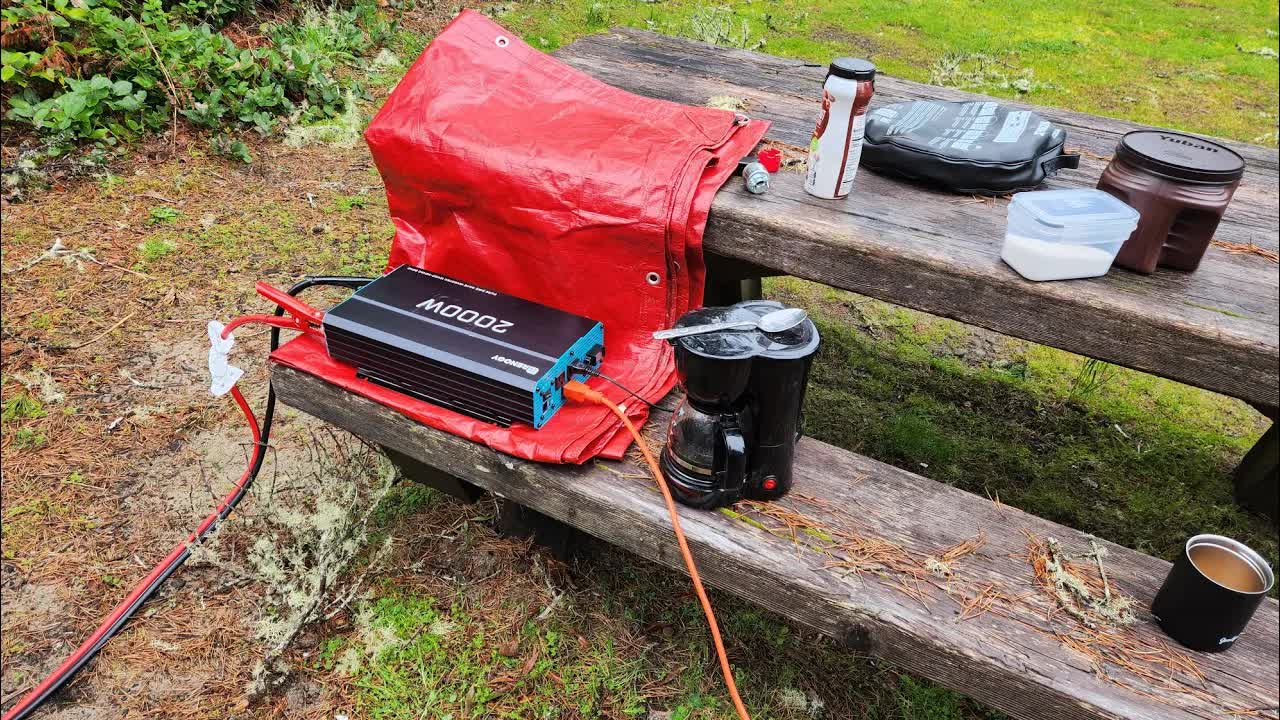
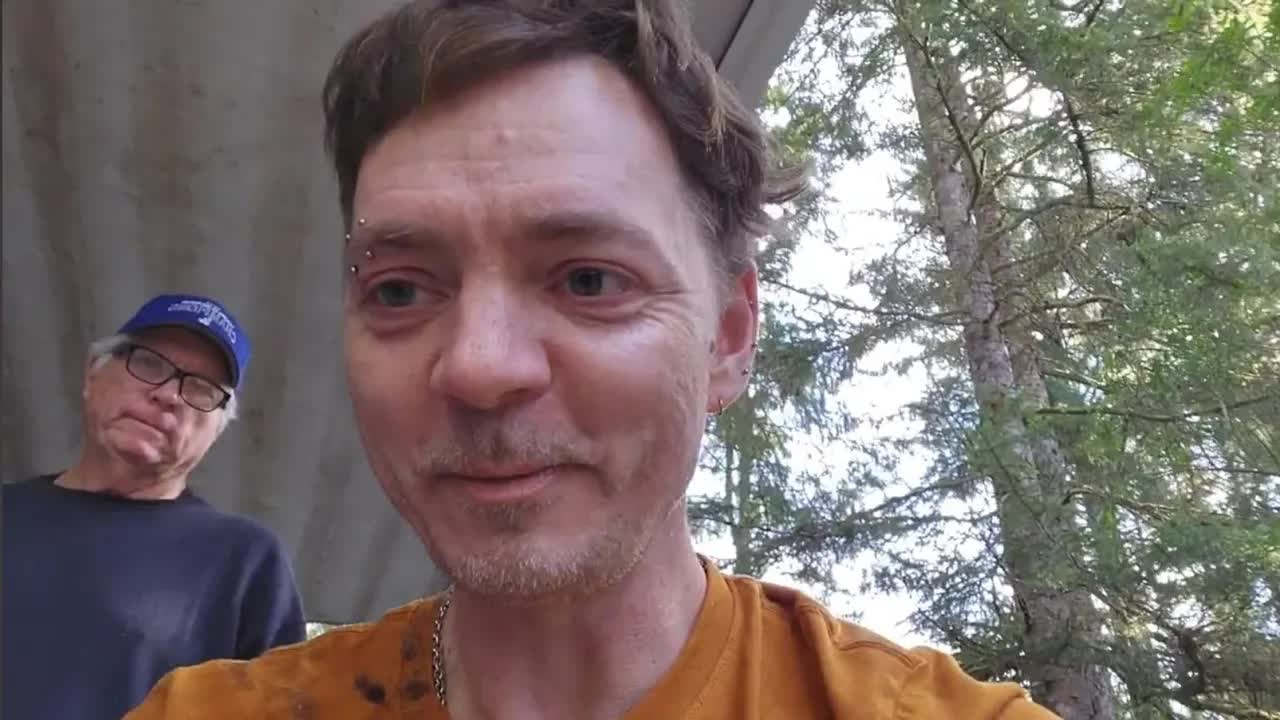
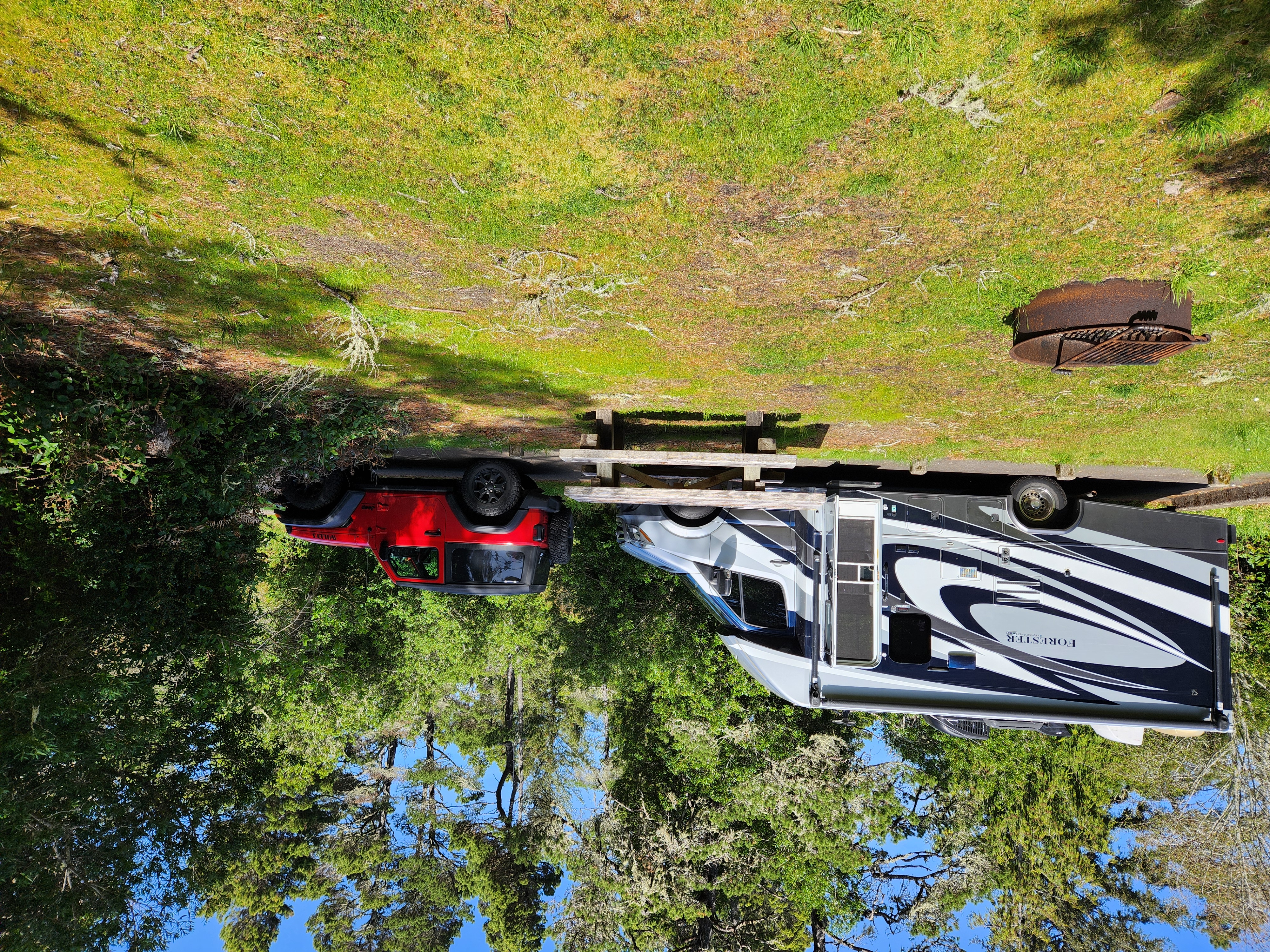
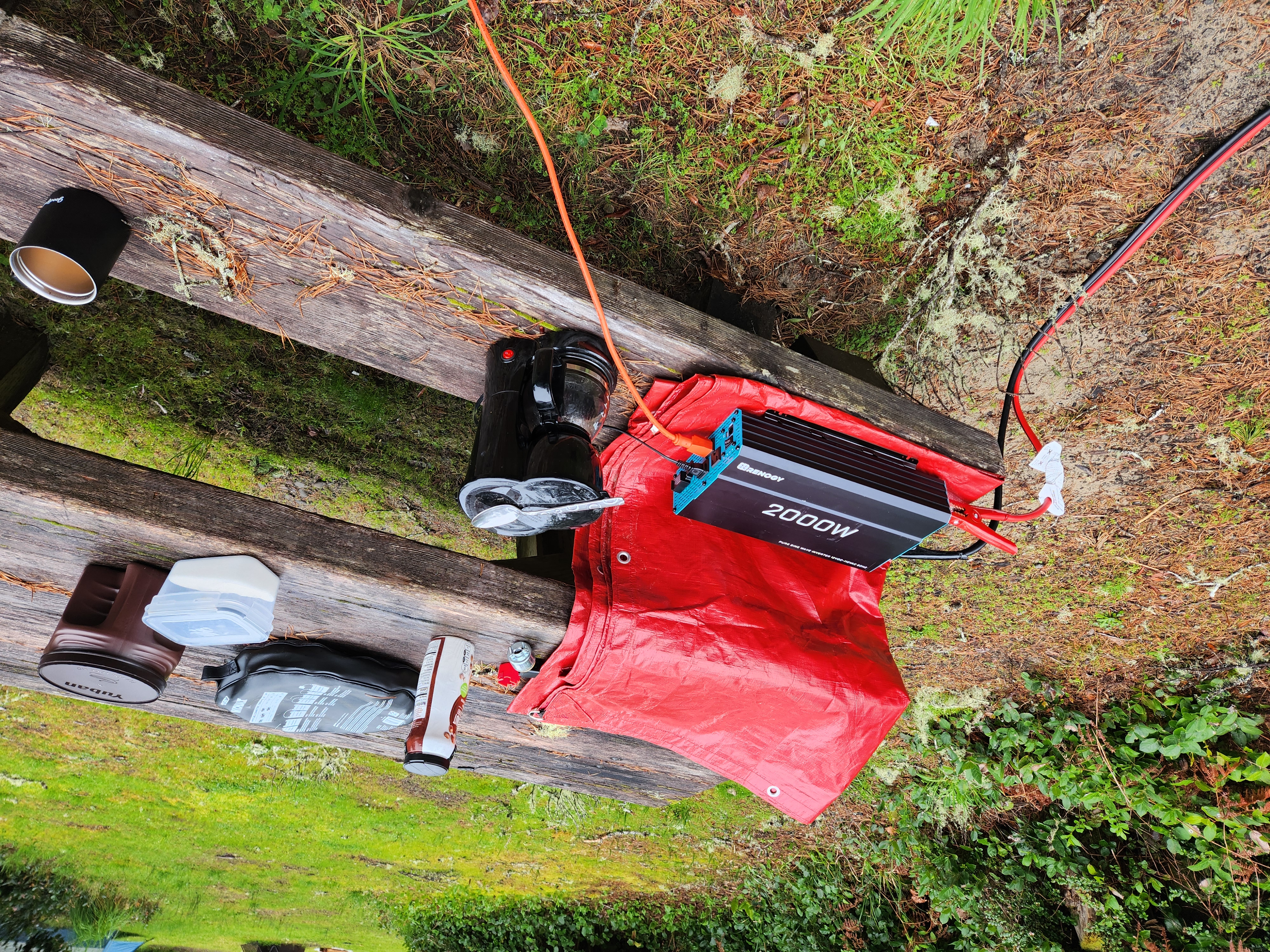
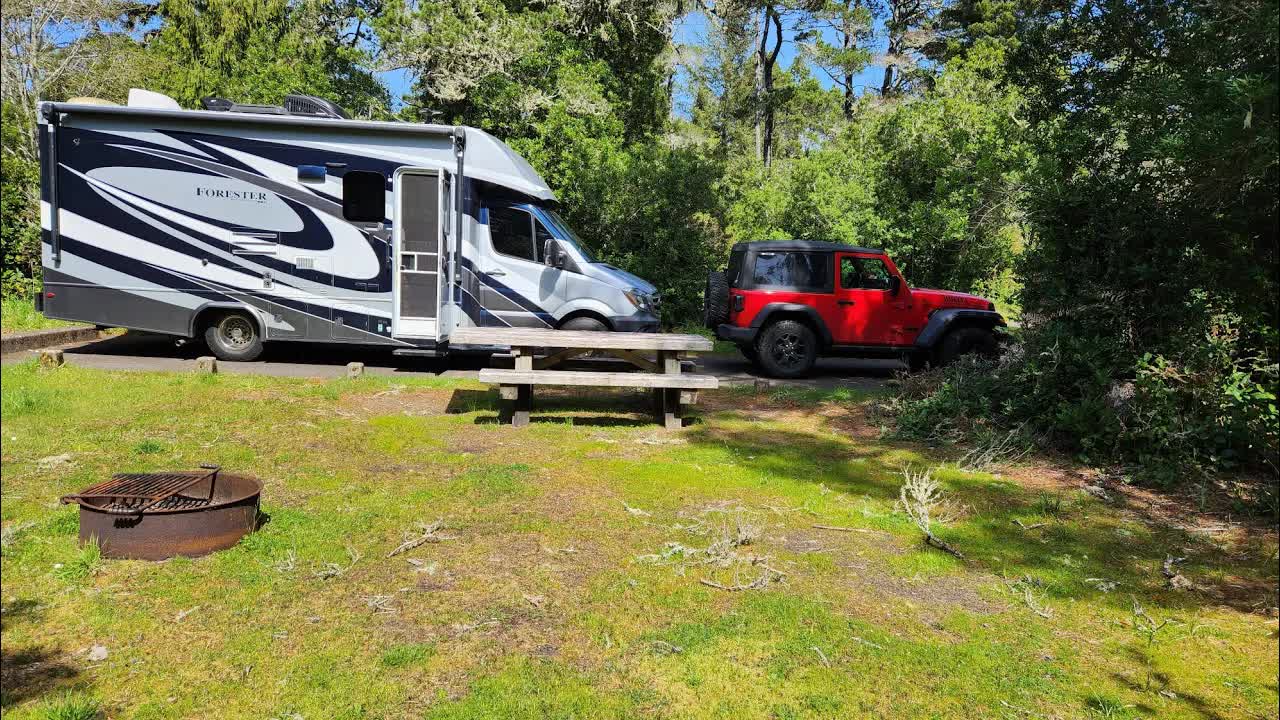
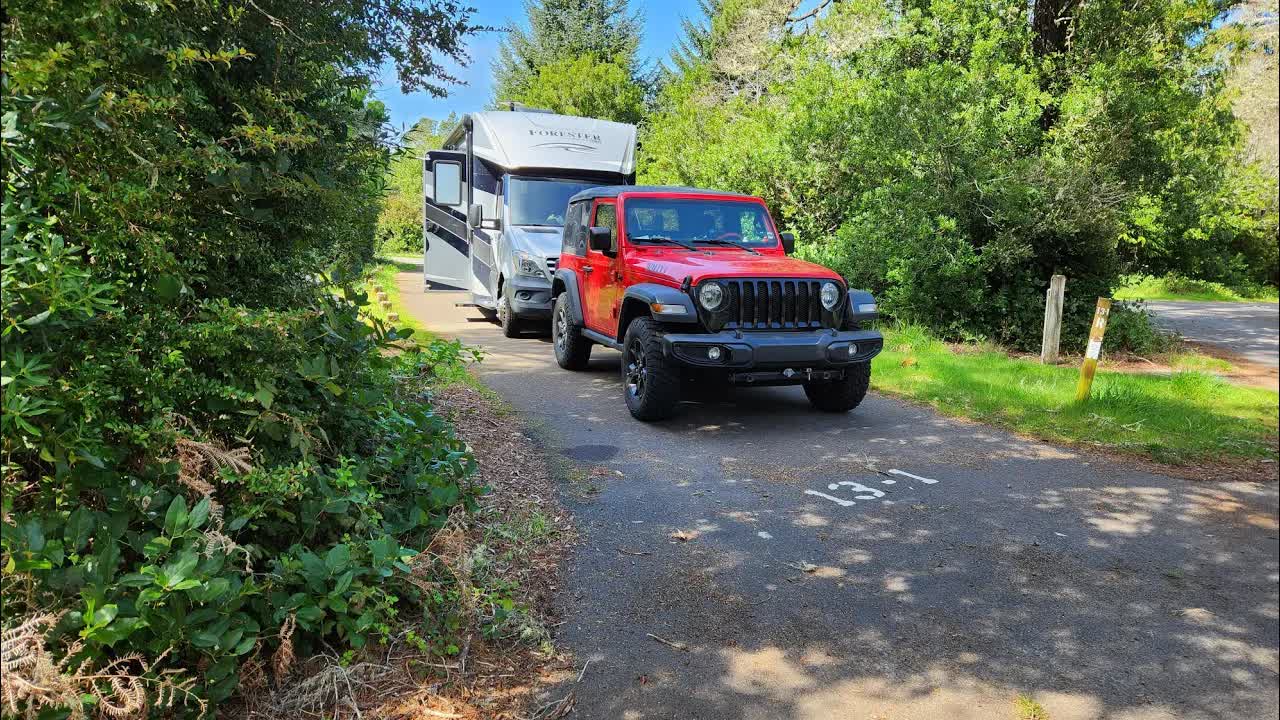
The second half he spoke to camera about the ground under him. An off-grid campground in a national recreation area on the coast, twenty-two dollars a night, as cheap as anywhere inland and yet right on the ocean — he called himself fortunate for it. Three or four campgrounds sit in that same area. A couple were still closed and would open May 1st. The stay limit runs two weeks at a stretch, which meant he could rotate between them and hold position in the Florence area for a couple of months. He used the word root. That was the plan: root here, while he got his life together.
Two revenue paths were laid out next, and he ranked them. First was the subscription service on his channel, currently unbuildable because an AdSense issue had suspended it — he had fixed his side and was waiting on review, somewhere between a couple of days and a couple of weeks. Much of his content would move behind those tiers: three dollars a month for videos ninety days and older, ten dollars for everything, and two higher tiers above that for people who simply want to give more. He said he shares his life in a way most people don't and that it is not received well by the general public, and that the tiers would filter for the ones willing to support it. Layered onto that, over time, a website community — because his written register goes deeper than his verbal one, and he described wanting to give people something more useful than watching him through a lens.
The second path he named as a bridge and refused to call anything more. He did not want to return to freelance programming. He said he had done it all his life, that he hated it, that it nearly killed him, and that he had resisted it for sixteen months for a reason — and then said he was not explaining himself anymore. He would try it anyway, because the support wasn't there yet and something had to hold. His read on the market was unsentimental: proposals going unanswered, platforms sourcing labor at five dollars an hour, clients who pay late and pay little, and AI less than six months out from absorbing a large share of the work. Not a path forward, he said, but a bridge to one. What he was actually building was the other thing — an energetic community that could support him and that he could support in return. He closed on the line he keeps returning to: I need you now, you're going to need me later.