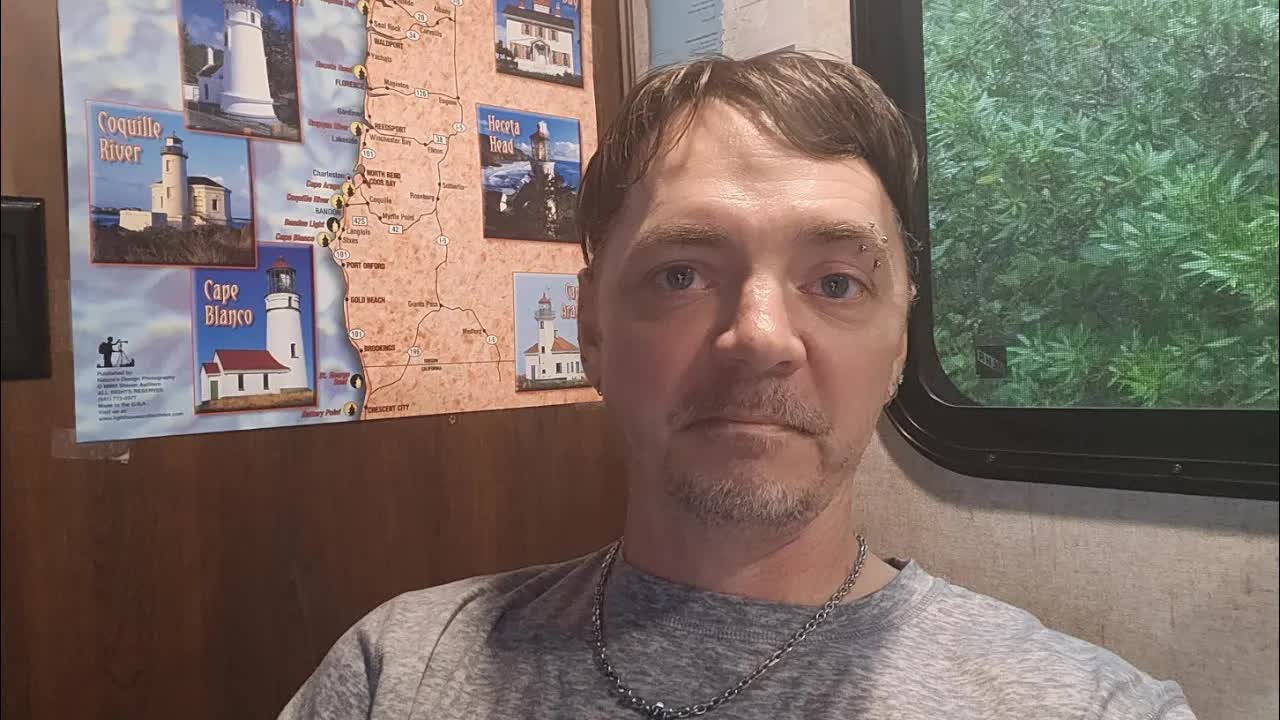
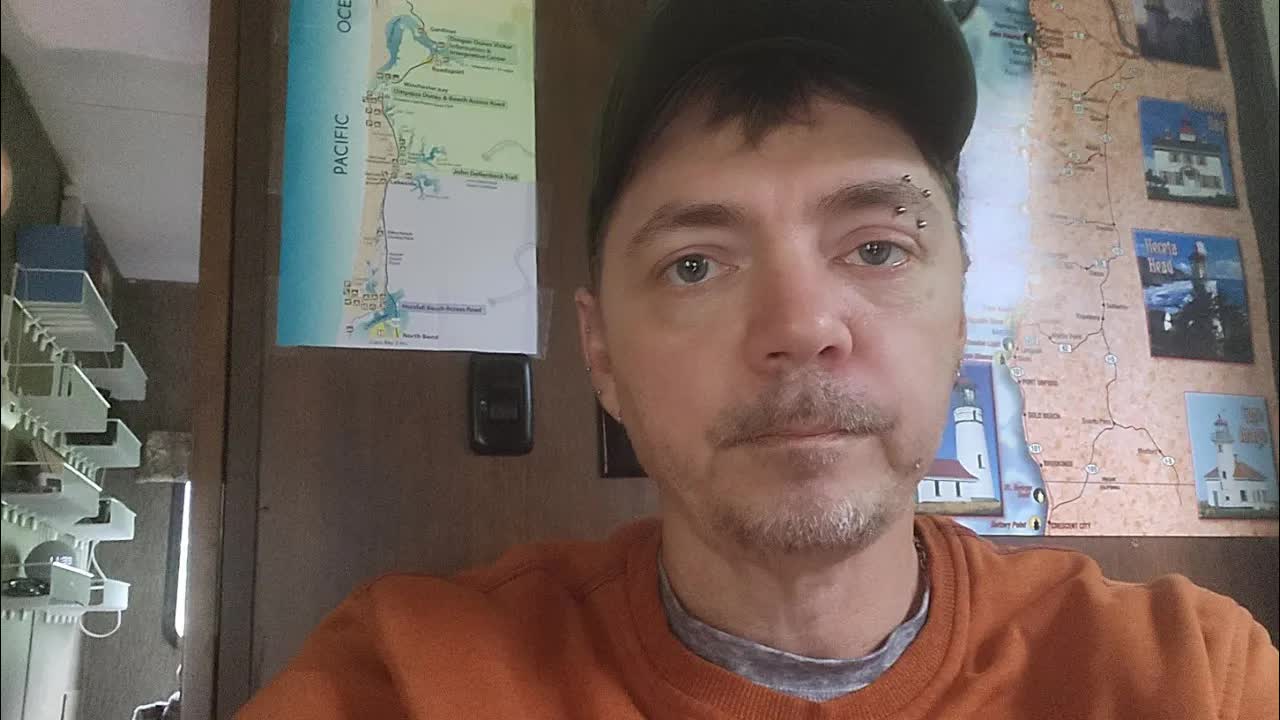
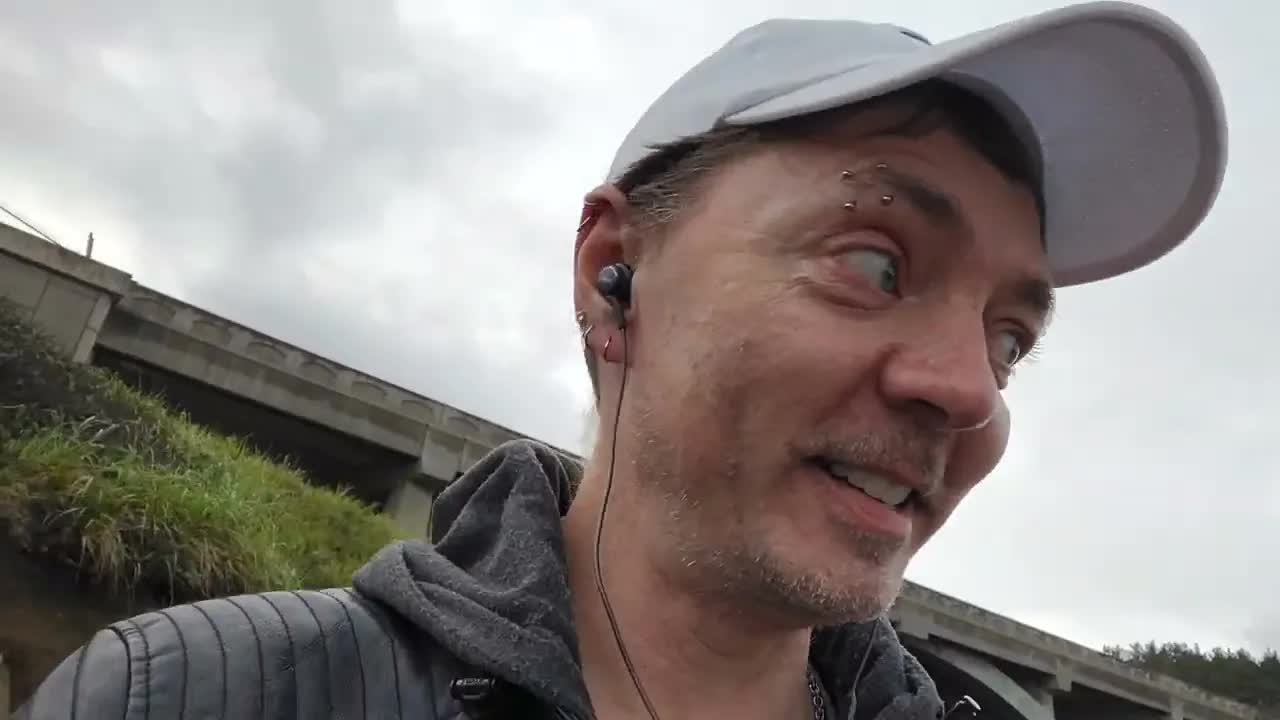
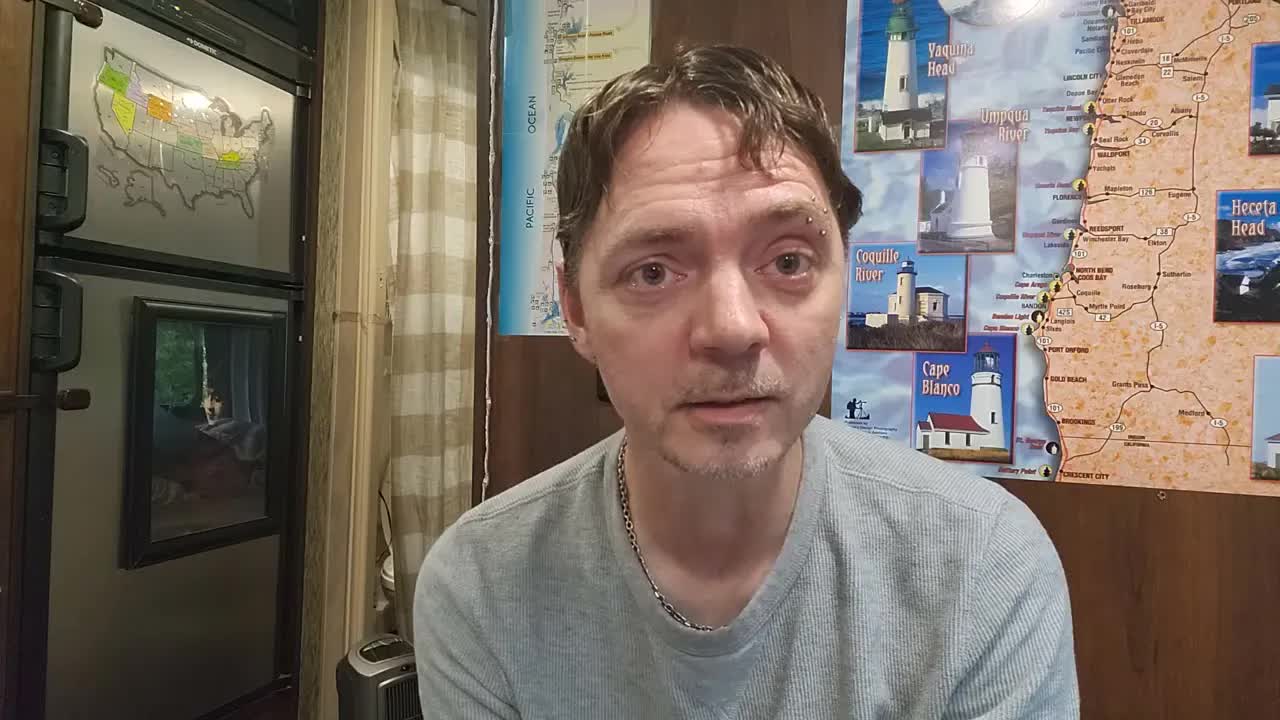
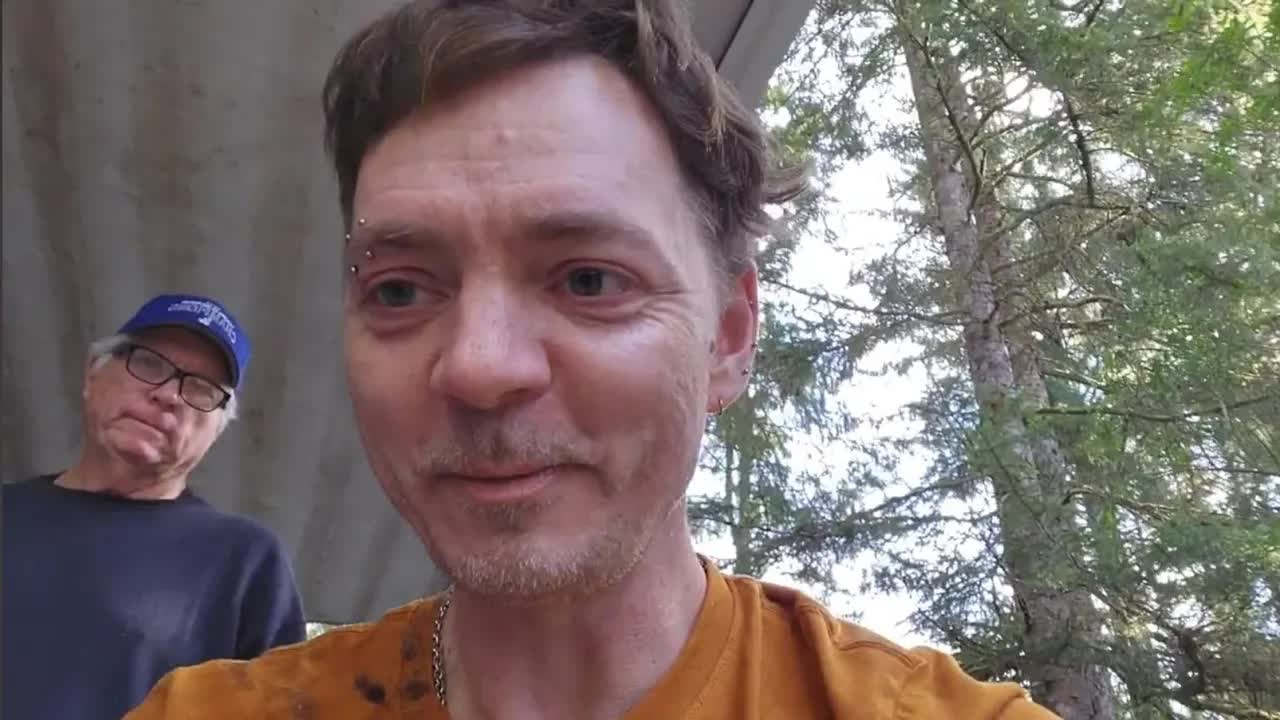
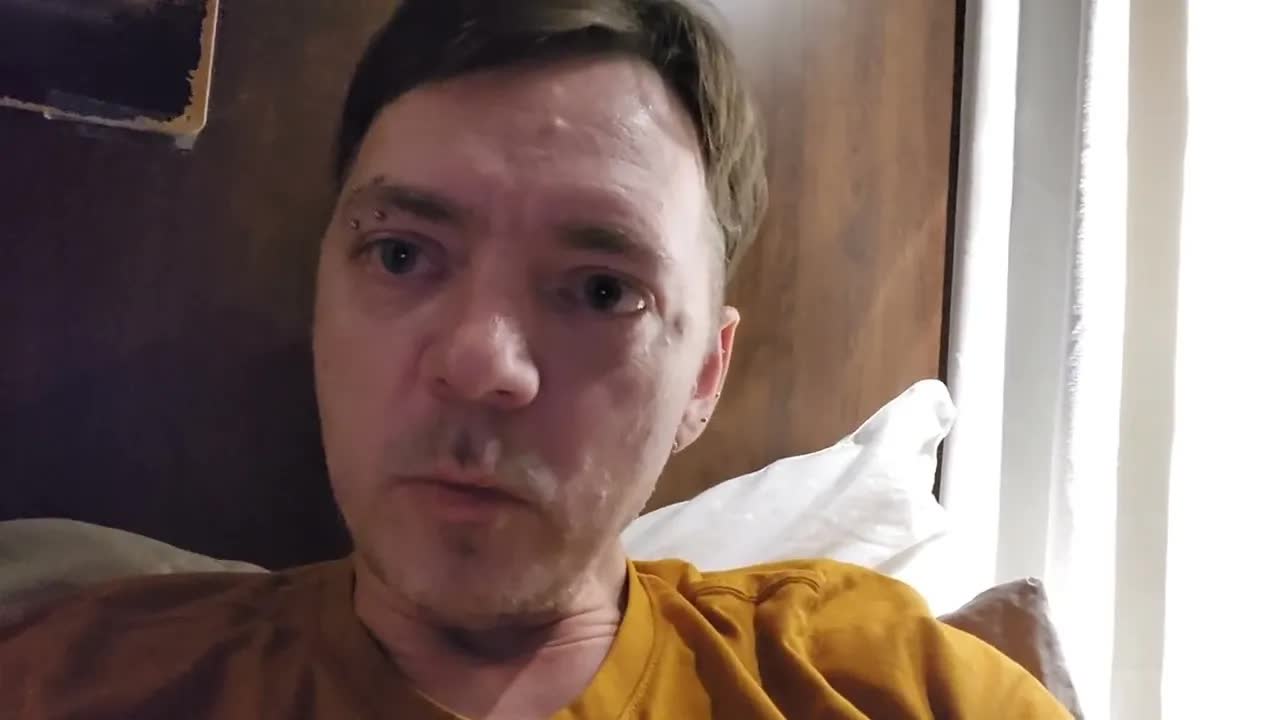
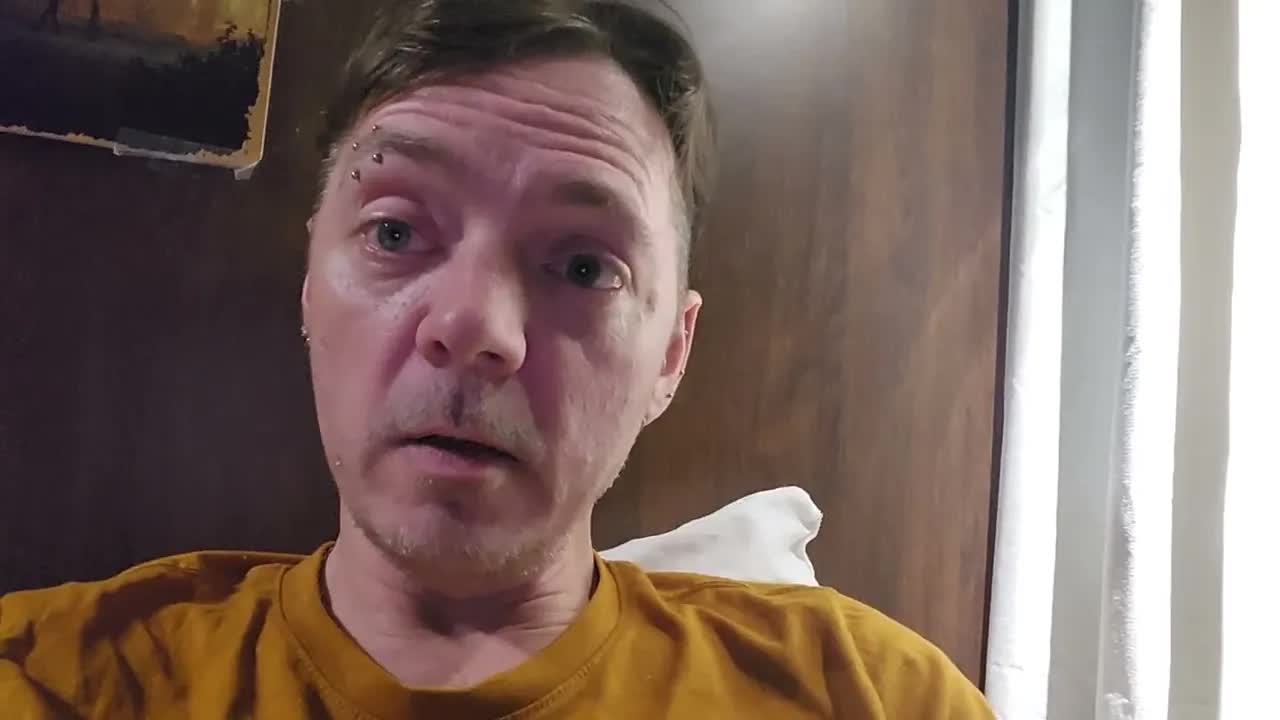
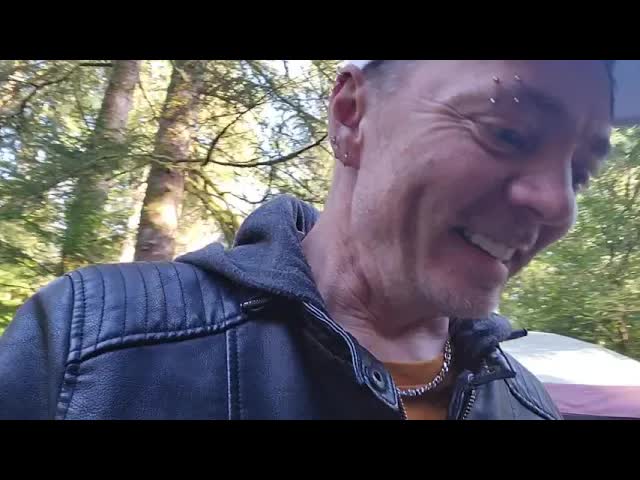
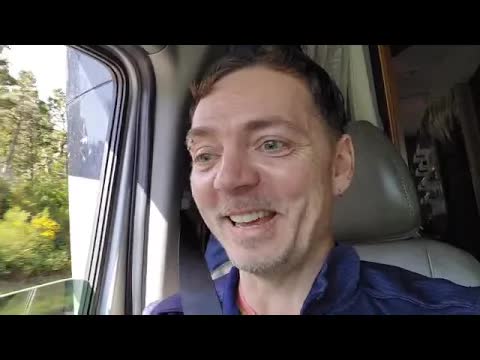
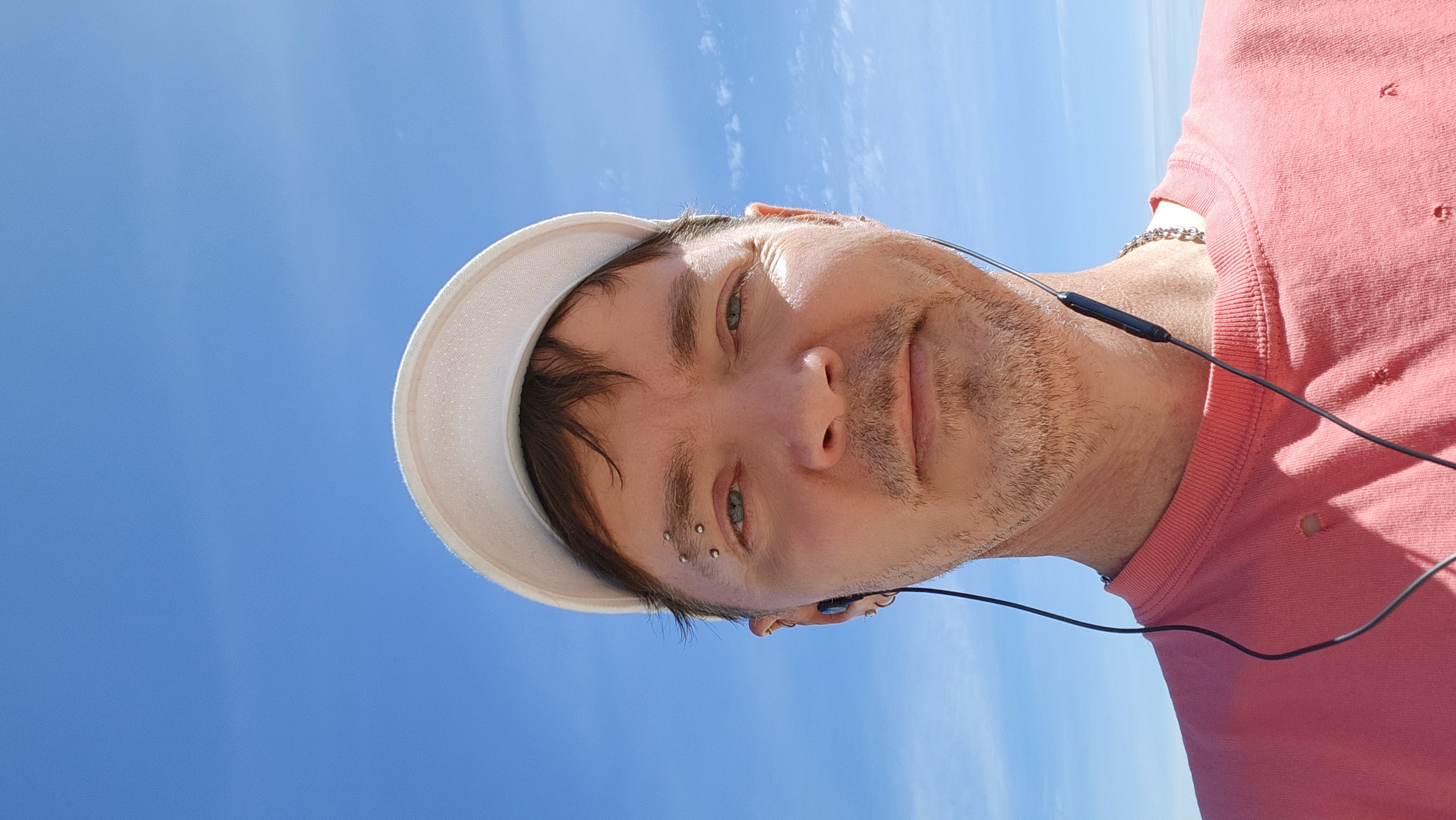
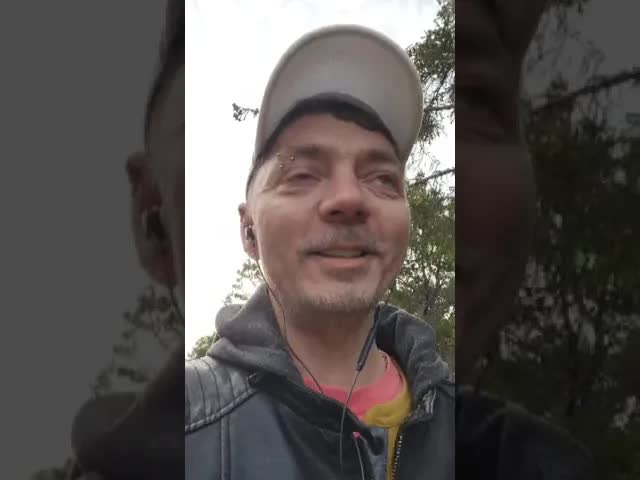
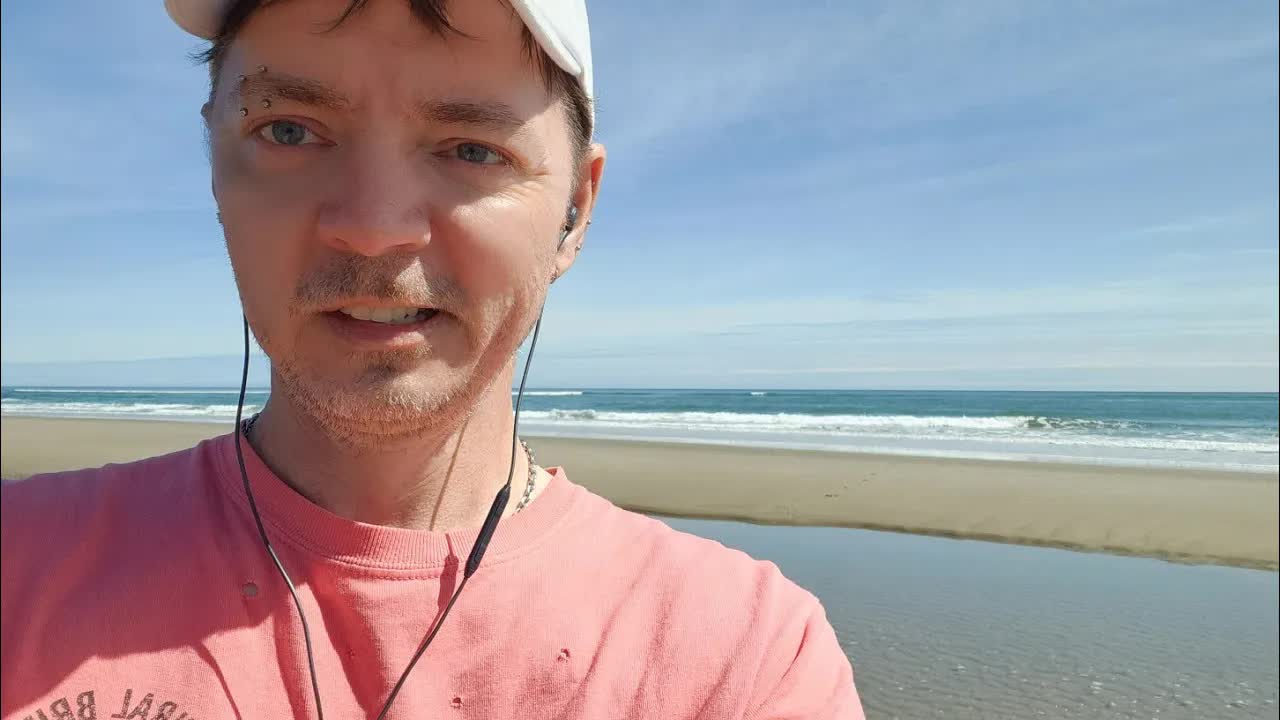
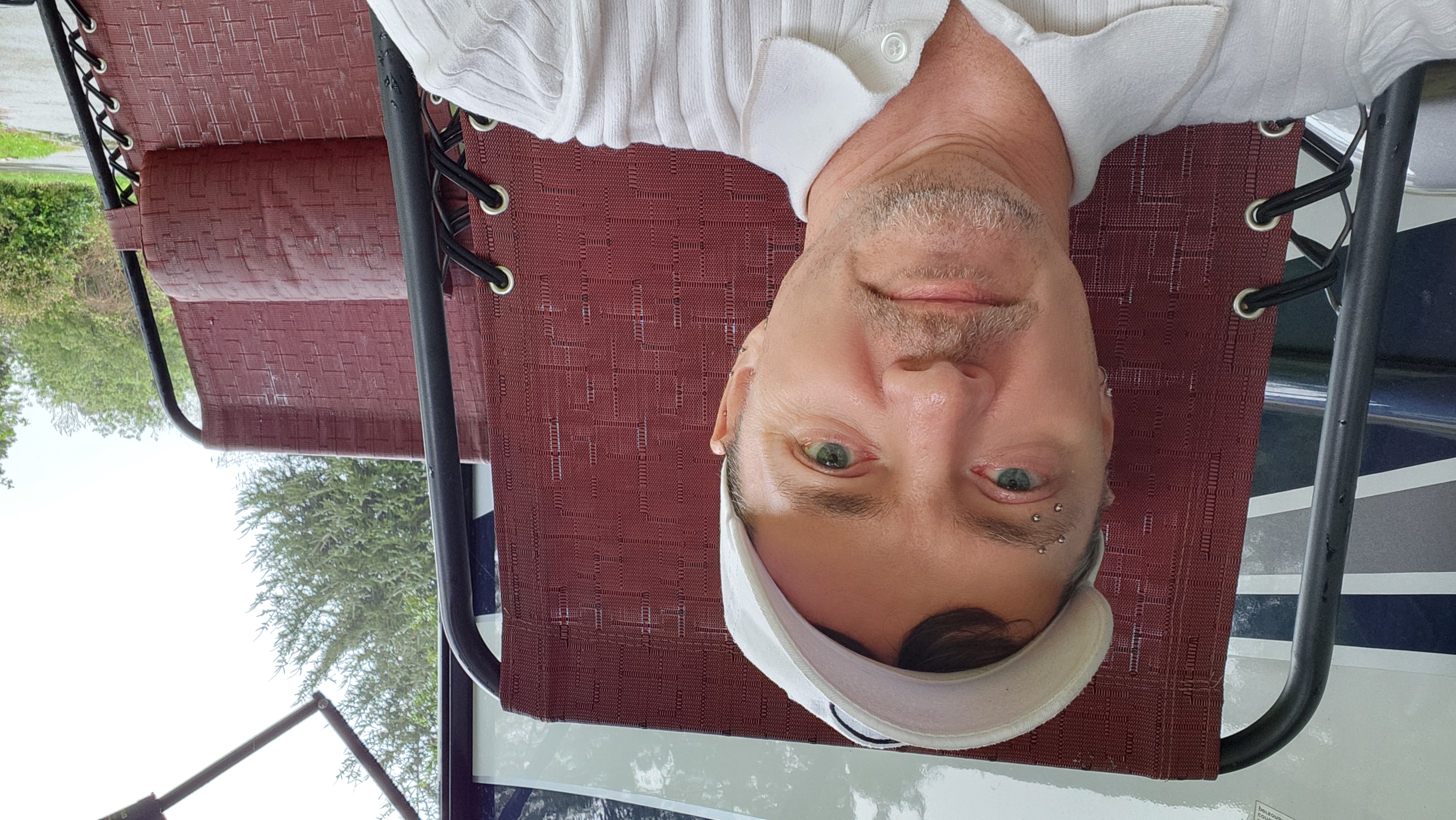
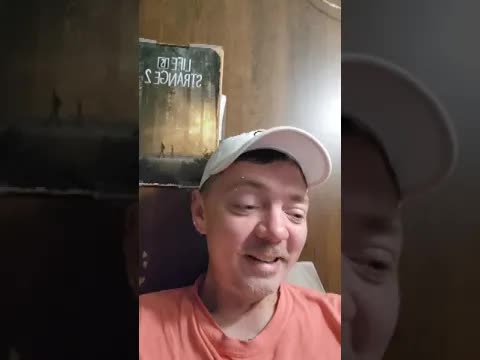
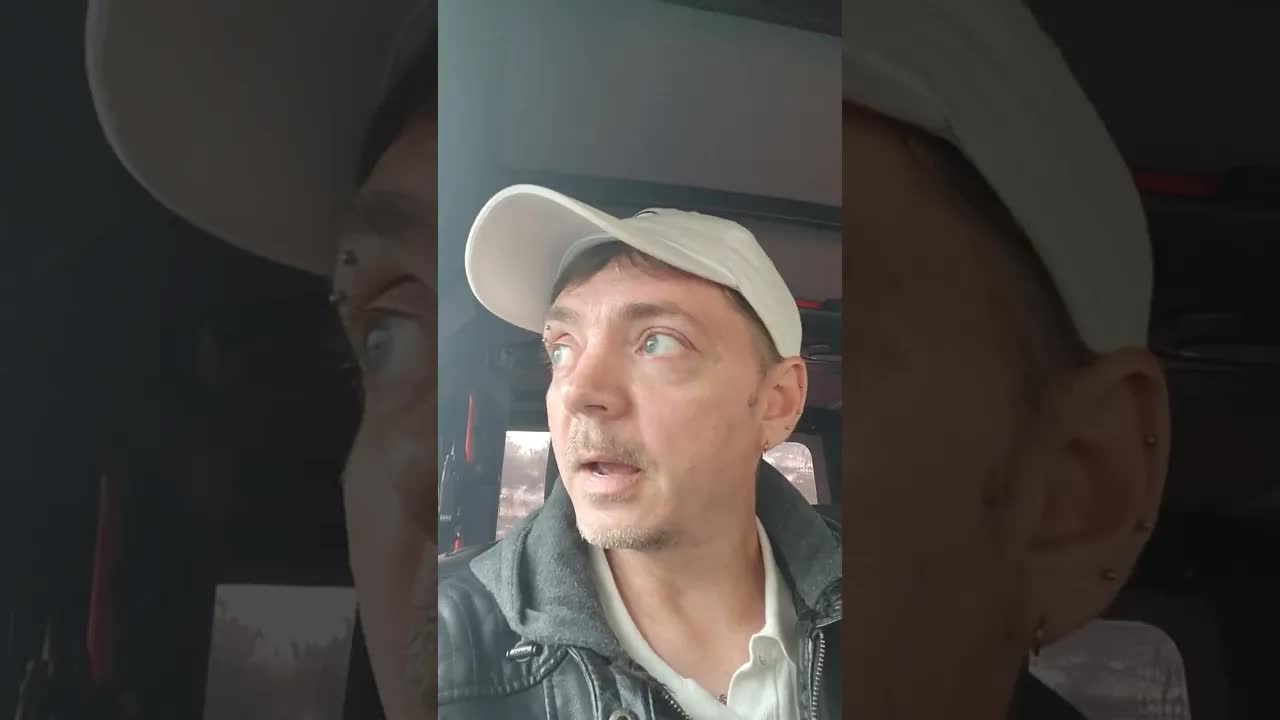
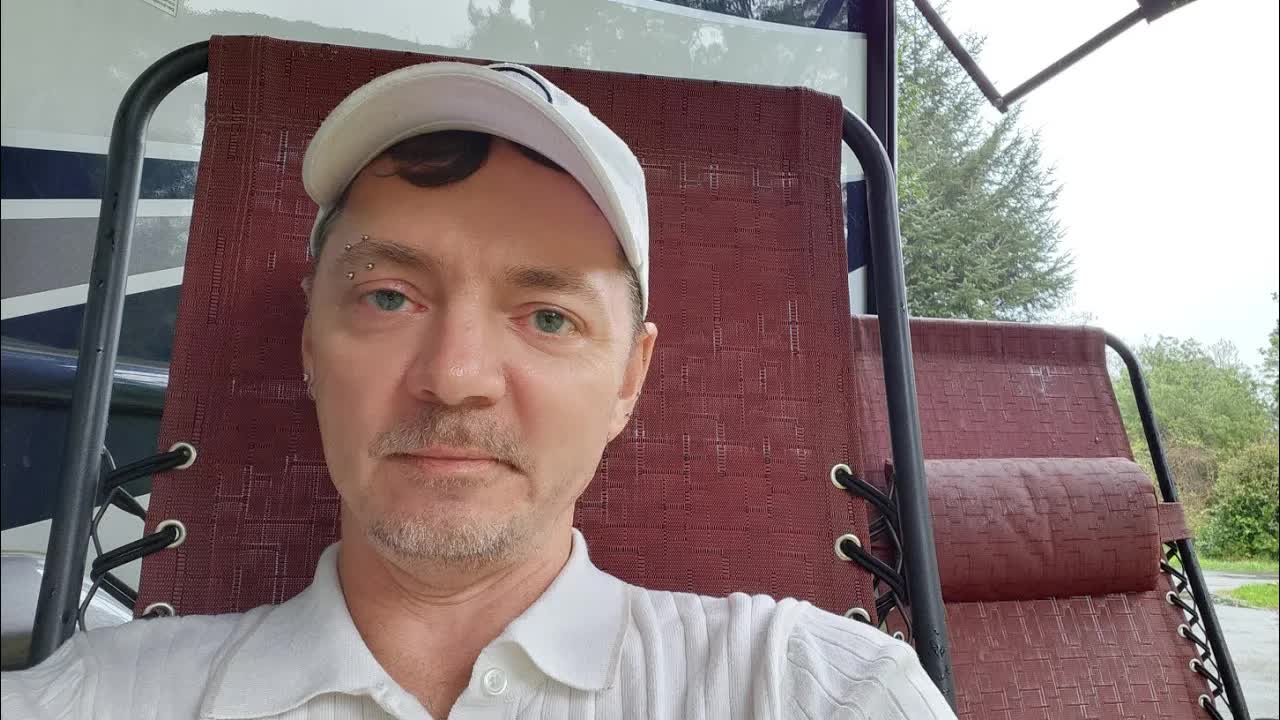
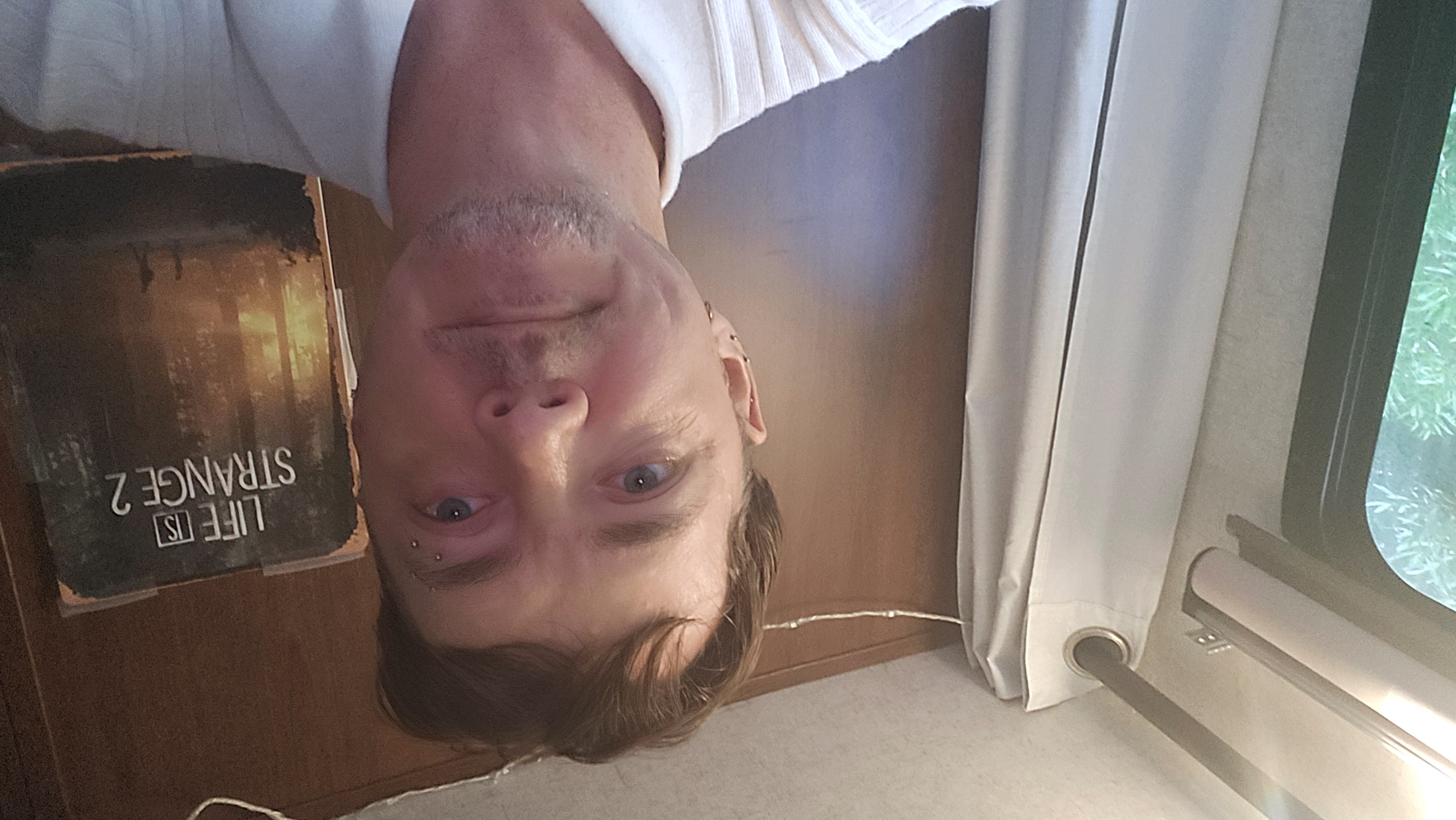

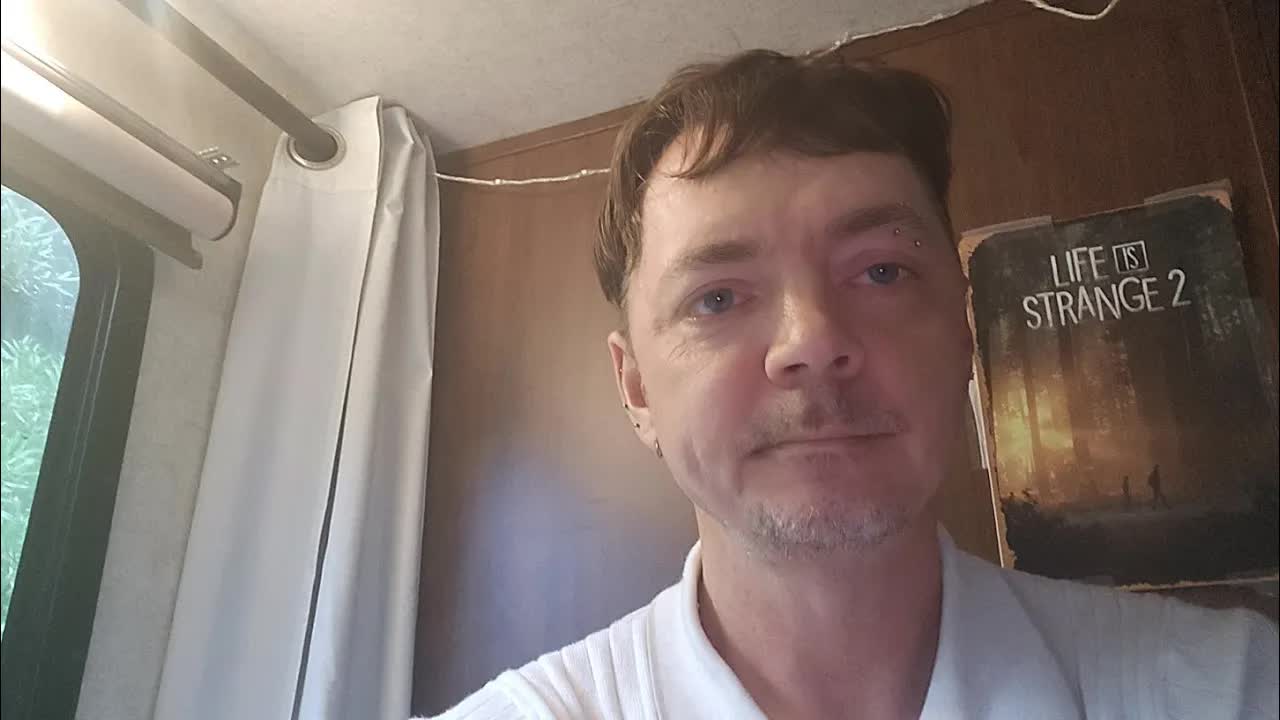
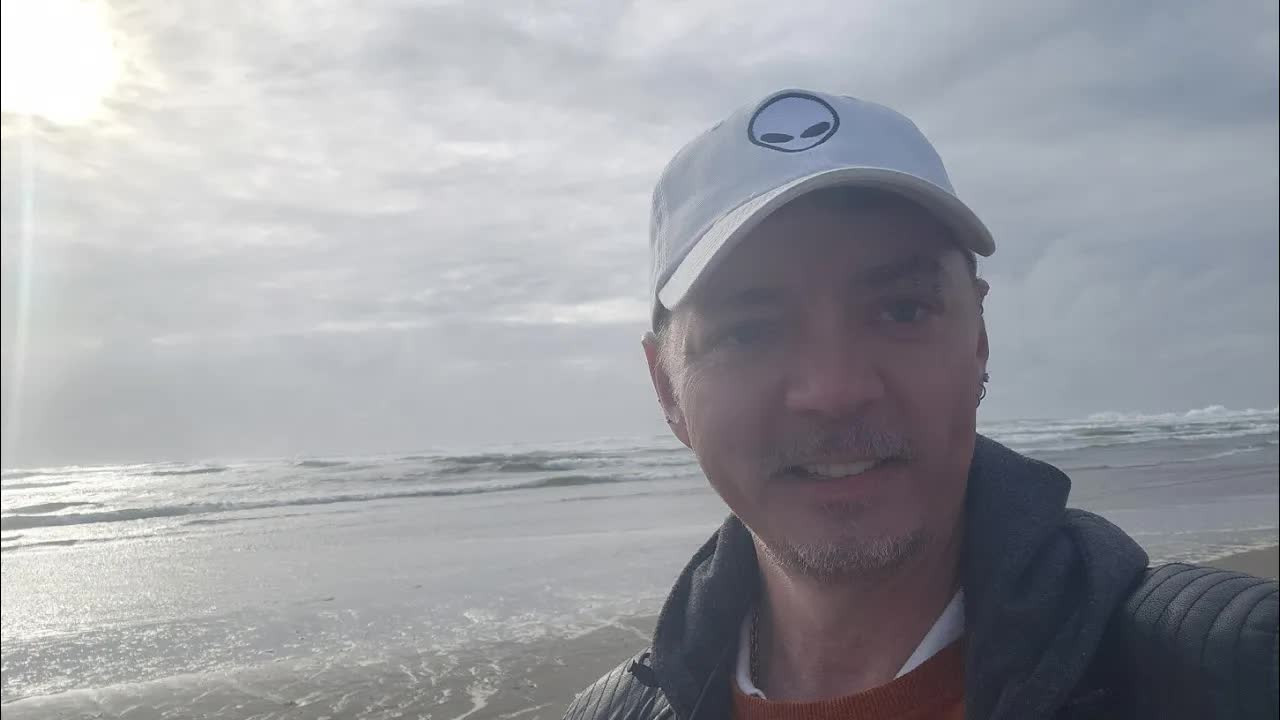

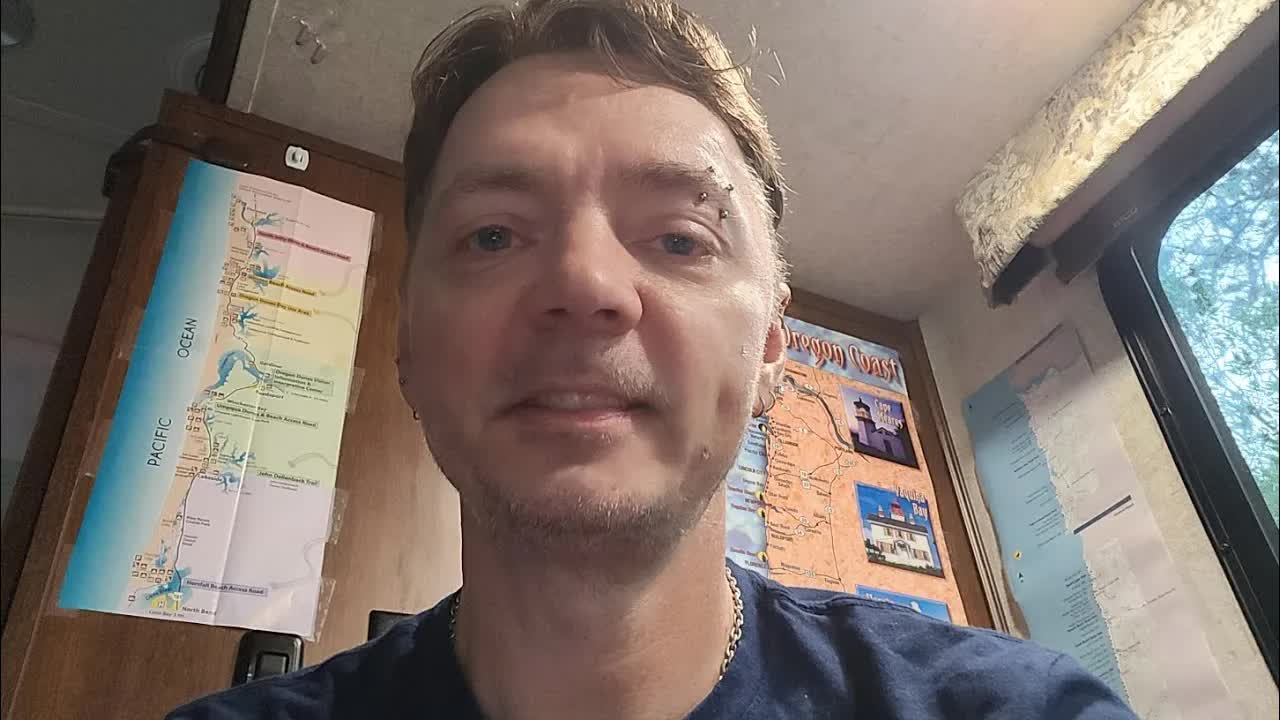
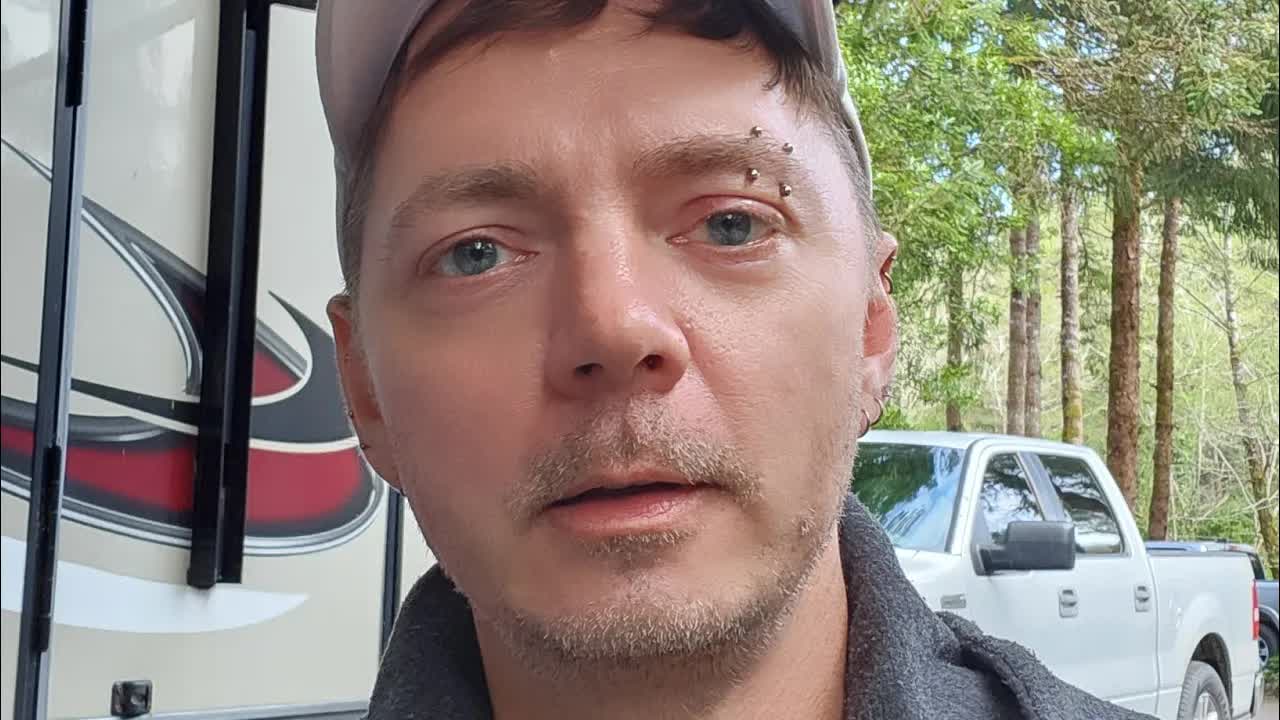
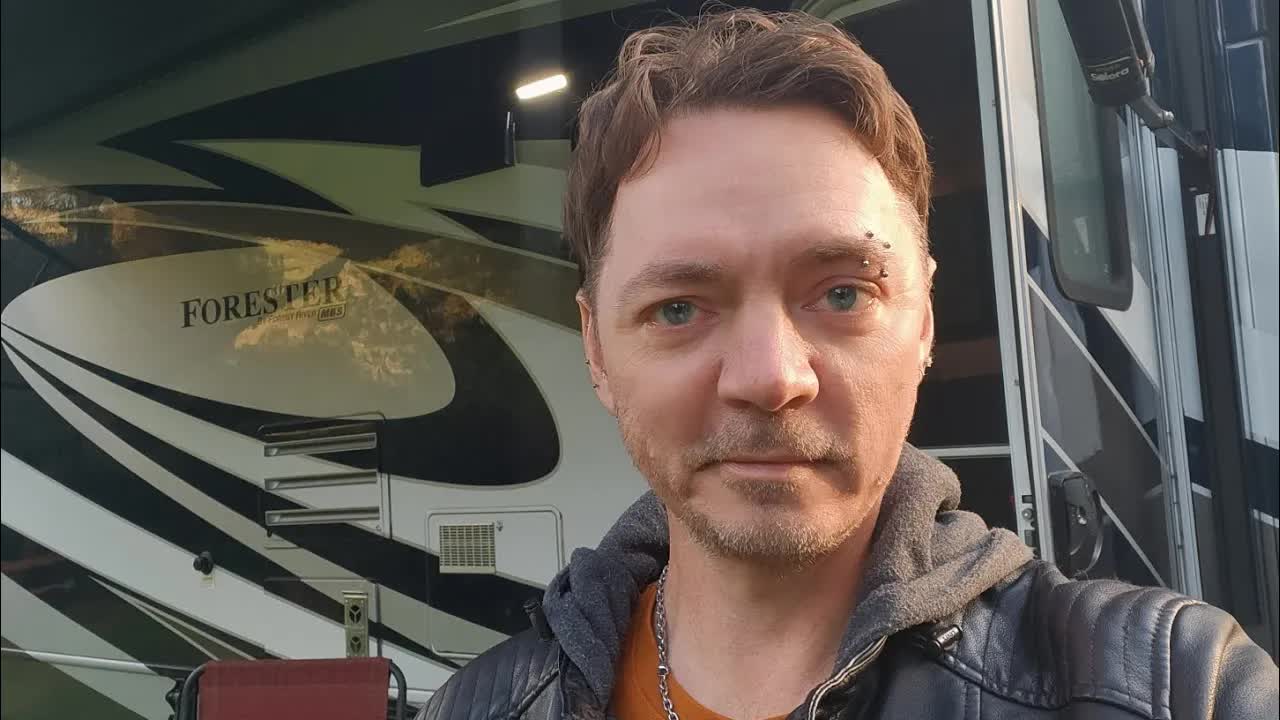
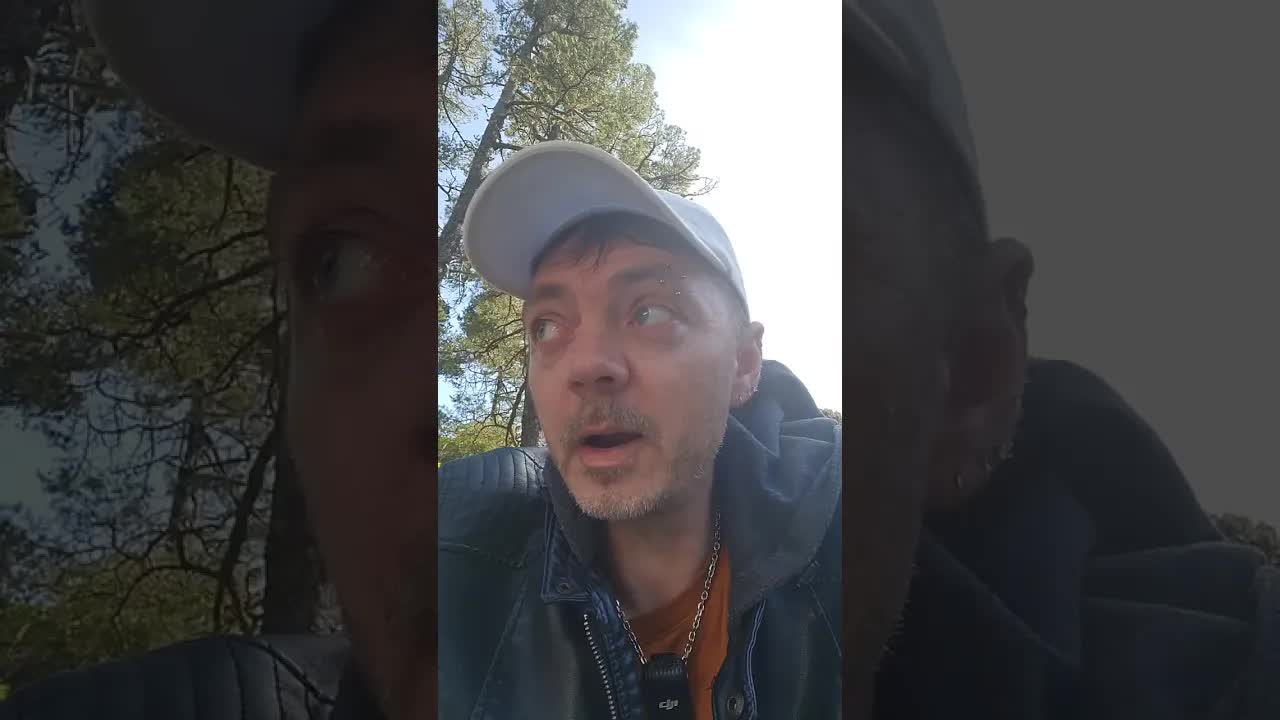
He begins with a declaration rather than a description. I am the wind's quiet rebellion. Not a report on conditions along the Oregon Coast in April, not an account of where he is — a statement of what he is, delivered into the recording in the first breath, before any scene has been set. The camera runs. rswfire speaks for a hundred and six seconds and does not stop, does not restart, does not circle back to correct a word. The whole thing arrives in one continuous cut, the way a beam arrives.
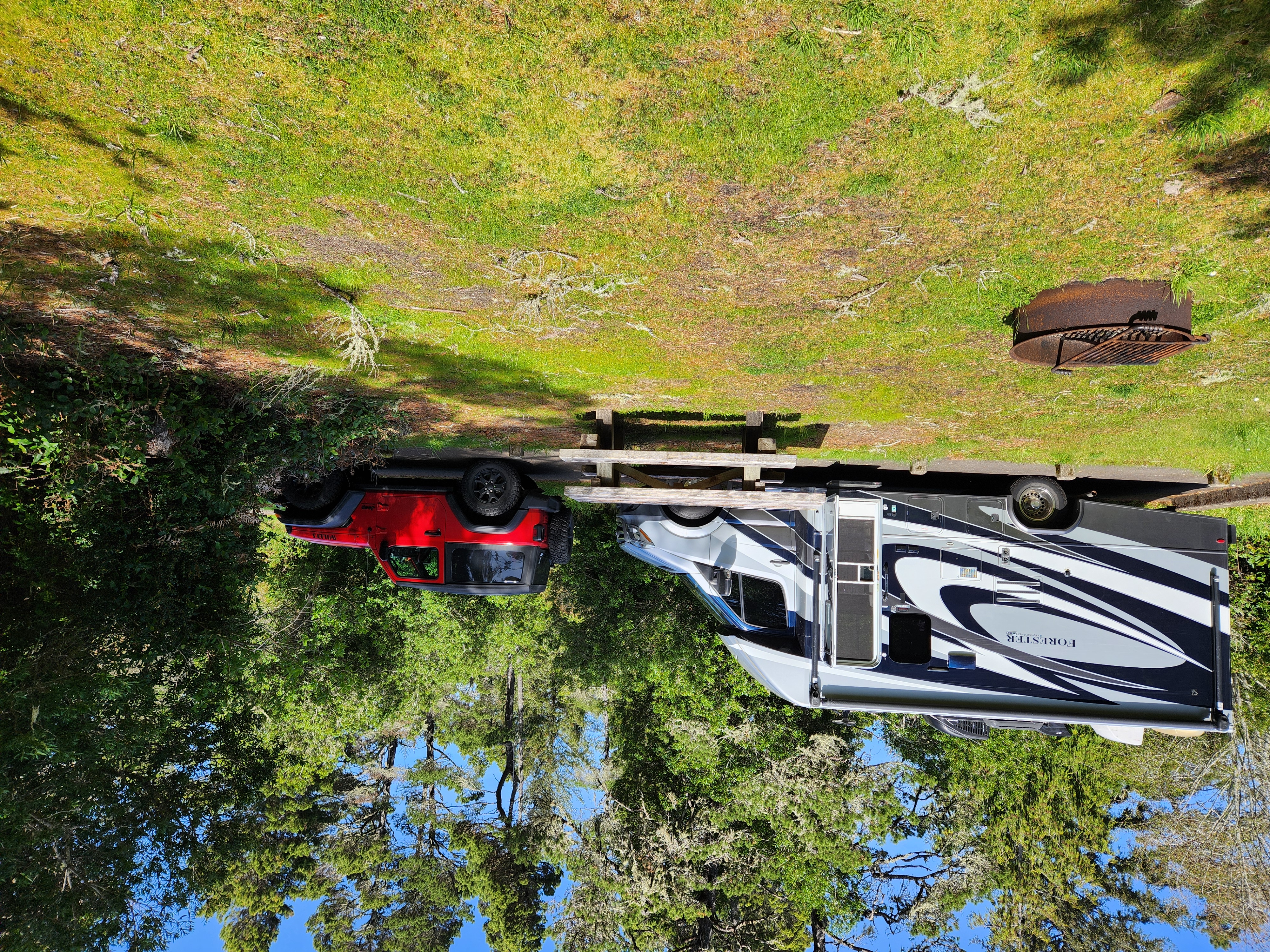
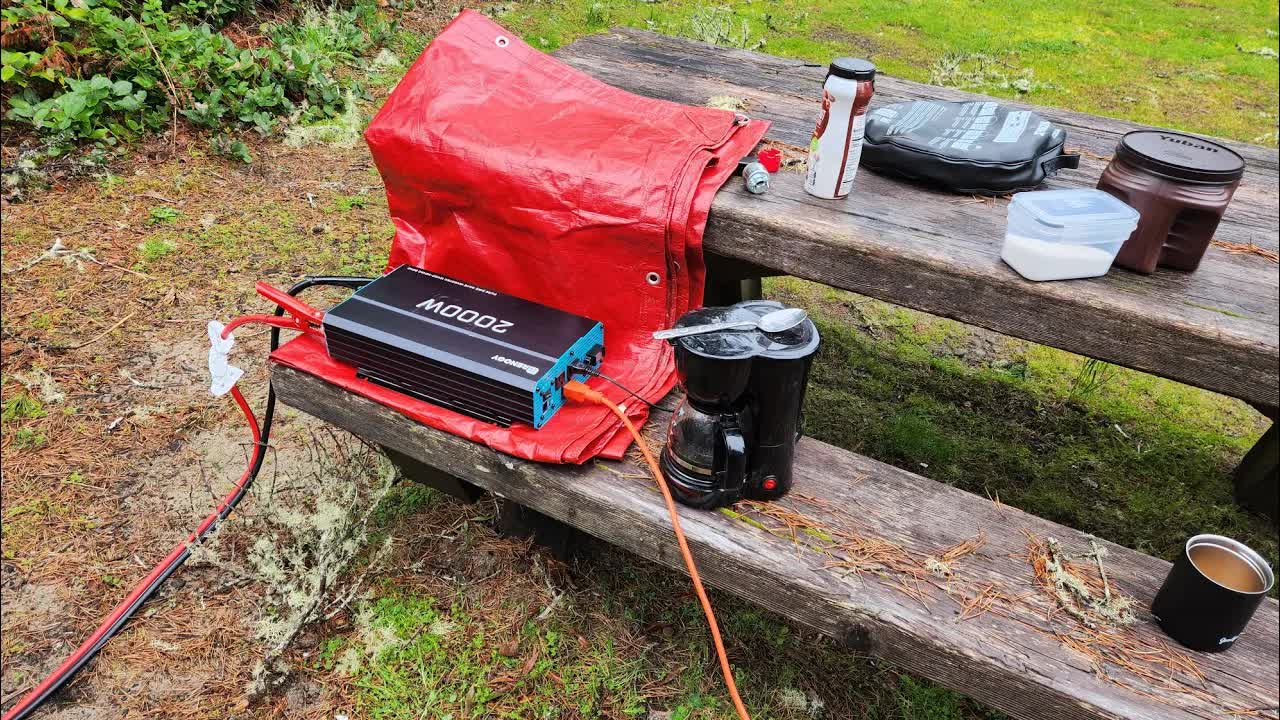
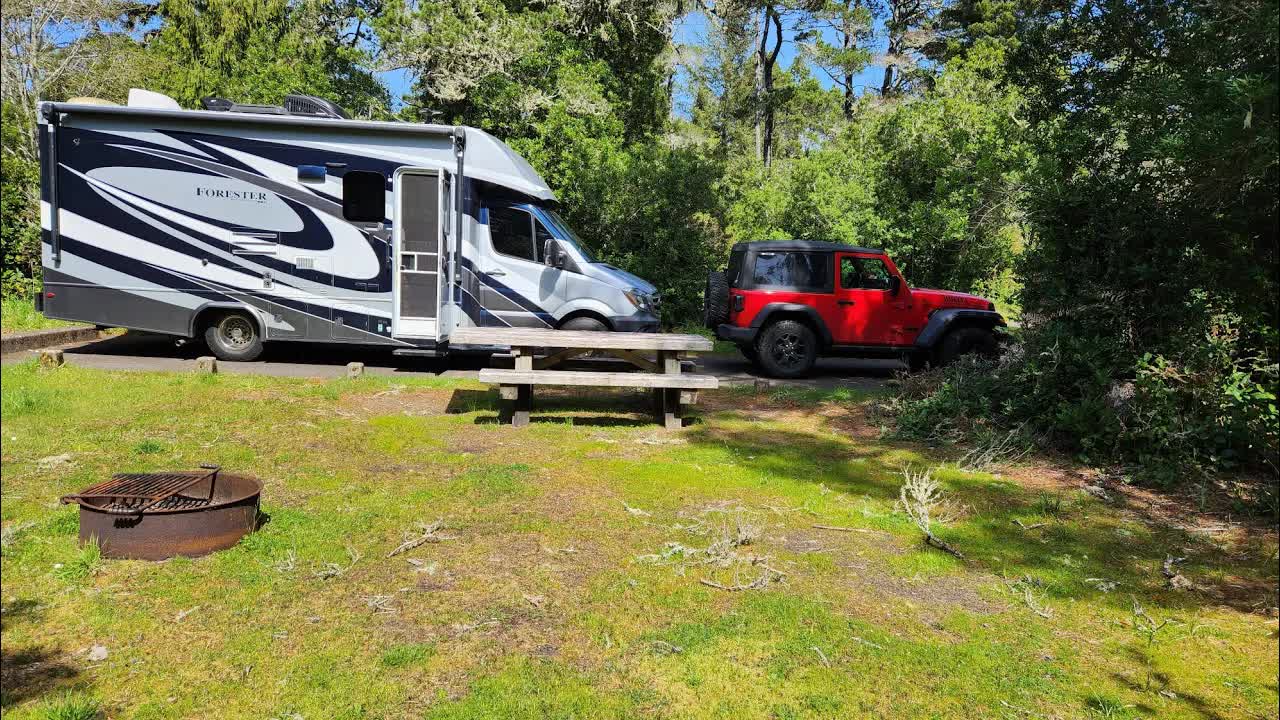
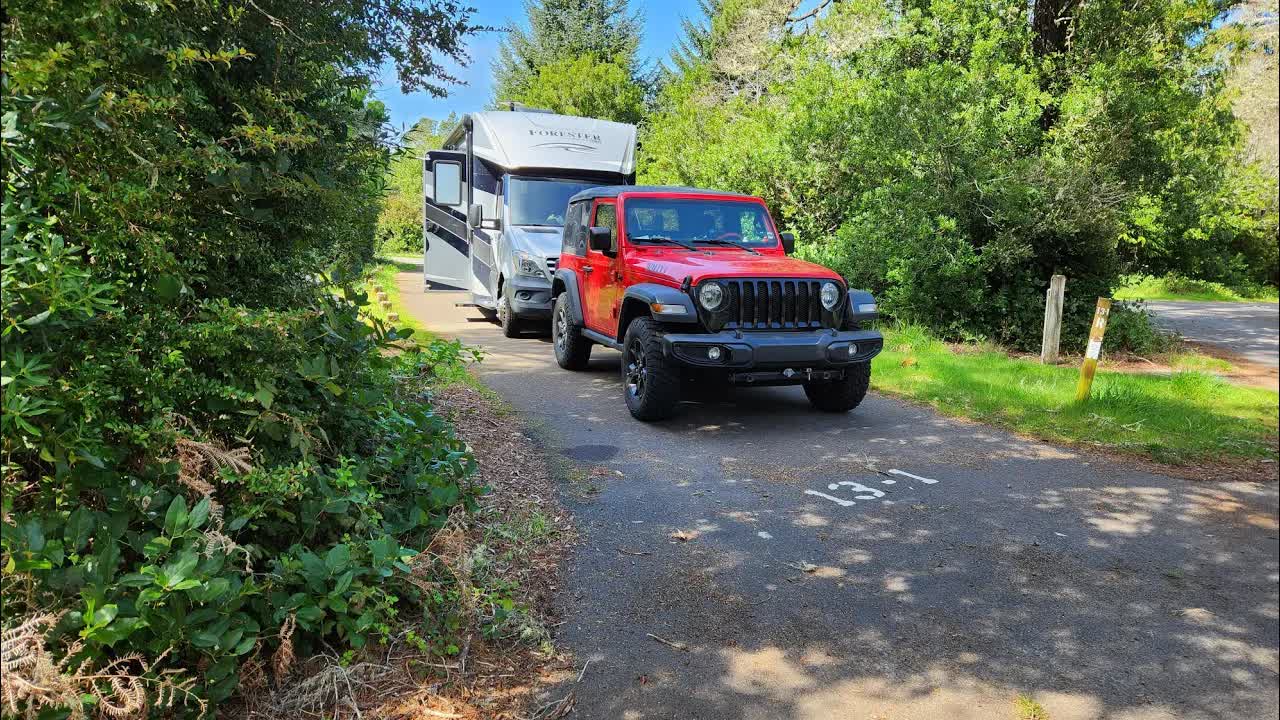
The setting assembles itself around the declaration instead of preceding it. Salt spray. The contours of cliffs. A home on wheels that he names a sanctuary, tracing the coastline's shape rather than crossing it — position described as edge-following, as a line held against the Pacific rather than a destination approached. He places himself where maps forget to breathe, which is a way of saying the corridor he moves through is not the one the cartography accounts for. Highway 101 is the operative road, but the terrain he names is the edge itself.
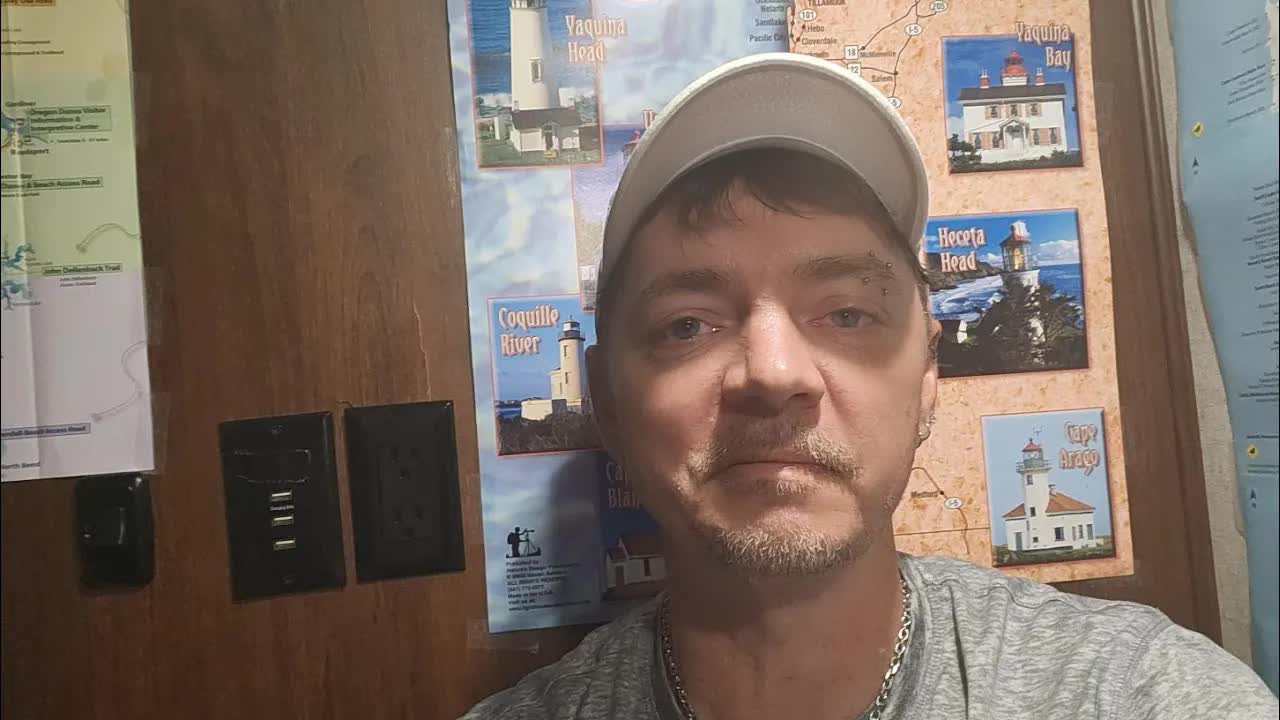
He speaks about waking with the lighthouses, their beams cutting truths into the dark, and the image does structural work: the beacons are fixed and he is not. They hold their positions and carve visibility out of the black while he keeps moving past them. His own truths he calls sharp as sea glass, held gently in the palm of the present — sharp and handled, both at once, no contradiction offered for resolution.
Then the register turns inward without lowering. He states that he speaks to a thing with no name, the one that turns inside the waves in the void of his chest — wild and constant, teacher and terrain. He does not explain it. He addresses it. He says he carries storms in his pocket, that their gusts tear through yesterday's doubts and their rain washes fear into fertile ground. Storm, in this construction, is not weather that happens to him. It is inventory. Something already on his person, already metabolized into use.
The one hypothetical he permits himself is breakdown. If he finds himself stopped on the 101, he says, it will be a baptism in asphalt and ocean spray — another chapter where the wind and he rewrite the rules. Mechanical failure, stated in advance, is folded into the operating conditions rather than held out as the thing that would end the traversal. The clause is conditional but the stance inside it is not.
And then, without softening the ground he has just laid, he names what he wants. Another sovereign soul. A man with eyes like embers who laughs at chaos but holds it tenderly. He defines the wanting by how he wants to be read — not as a tangle to untie but a current to dive into — and by what such a pairing would build: storms carried together, lighthouses raised in the spaces between them. The criterion he sets for a counterpart is the same word he opened with. Sovereign meeting sovereign. Addition, not completion.
He does not resolve it. Until then, I'll wander. Each step a communion, each gust a guide, each unmarked coast a mirror. The wanting is left standing exactly where he set it down, unclosed and unpressured, and the last line he gives the recording is about the dark — that he is not afraid of it, only of forgetting how to love it. Then the hundred and six seconds are over, the coast is still there, and the wheels are still pointed along the edge.