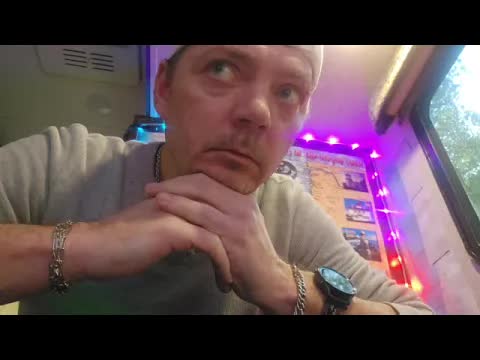
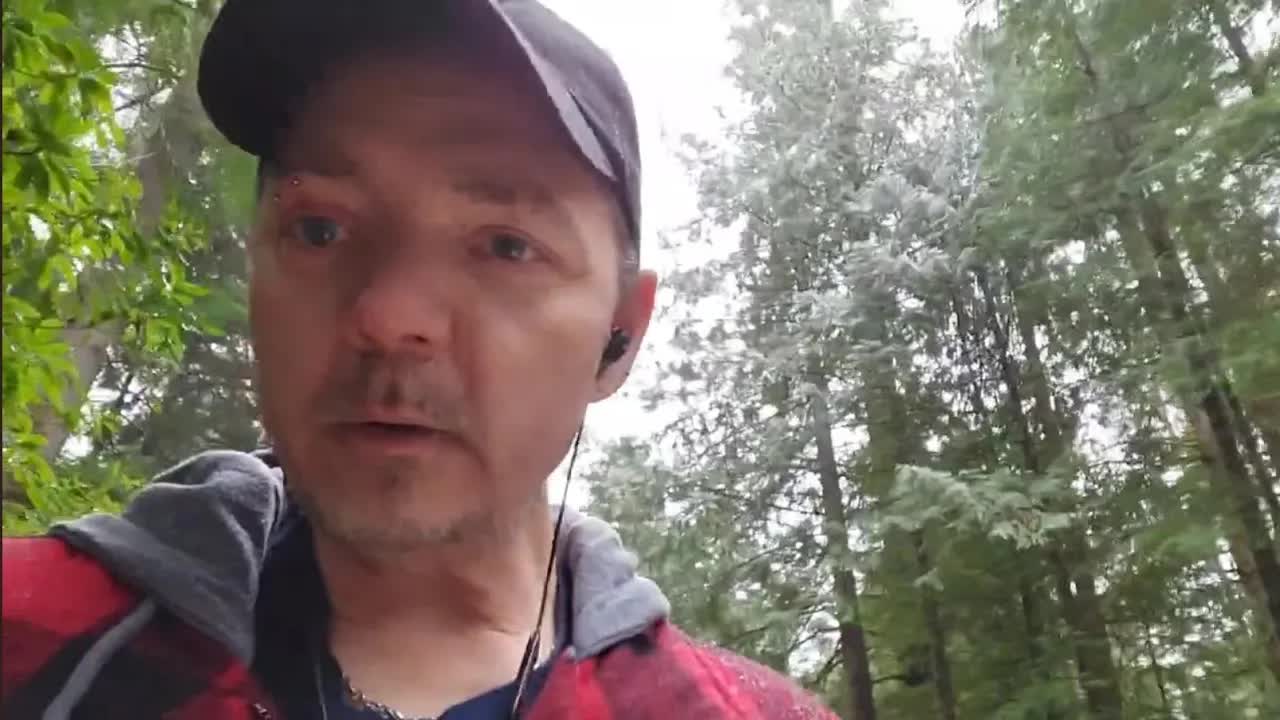
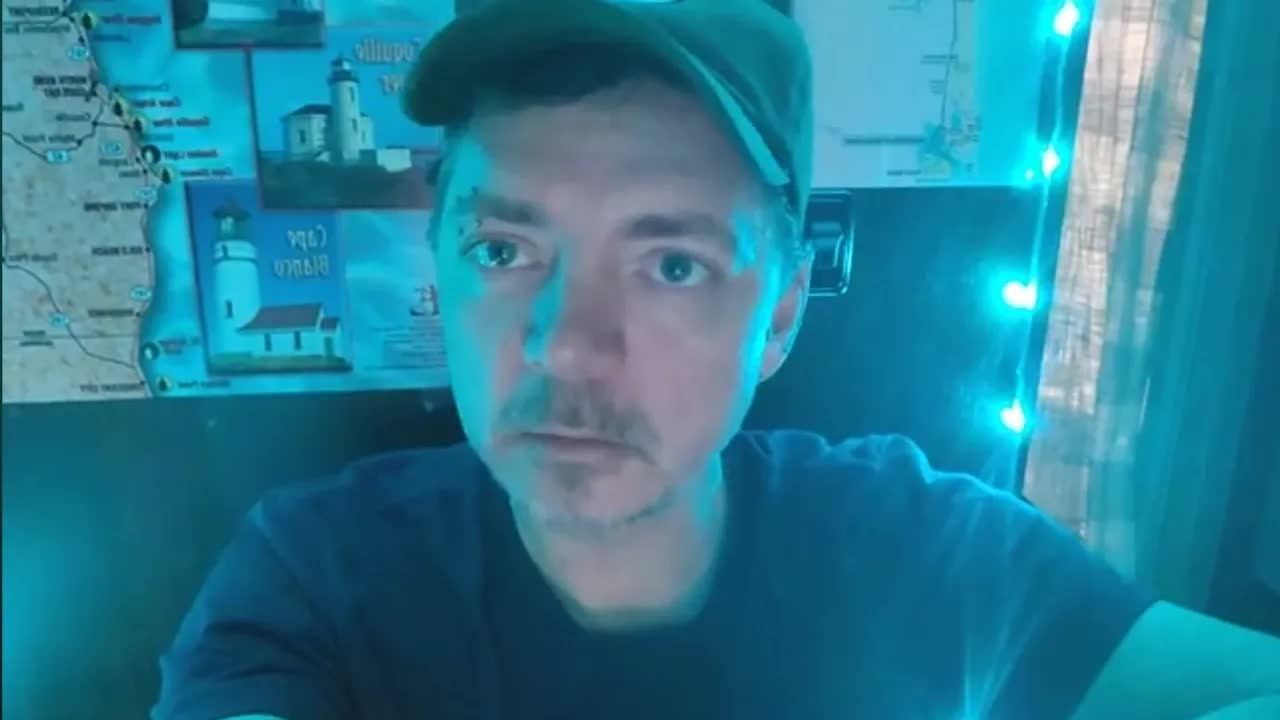
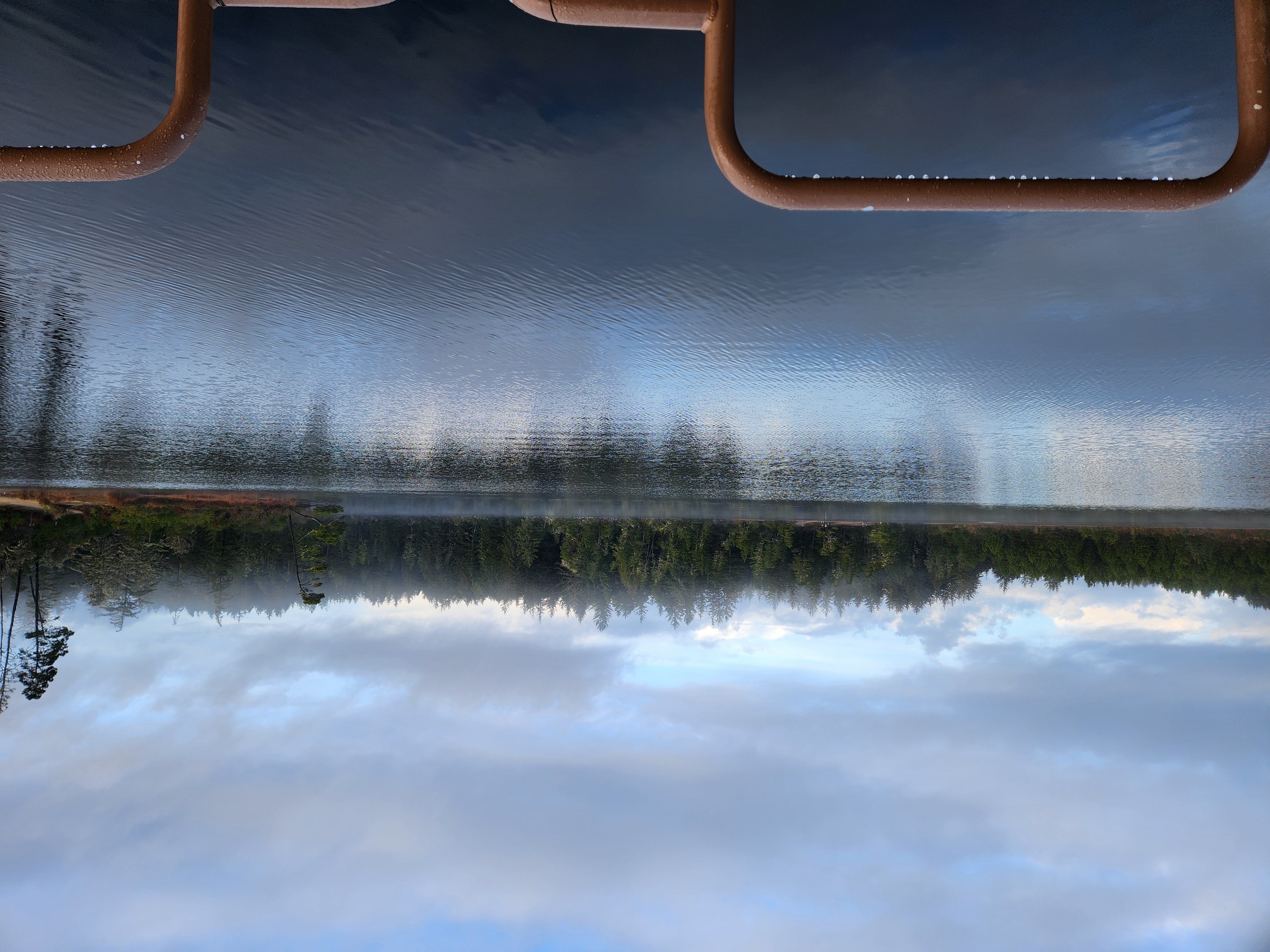
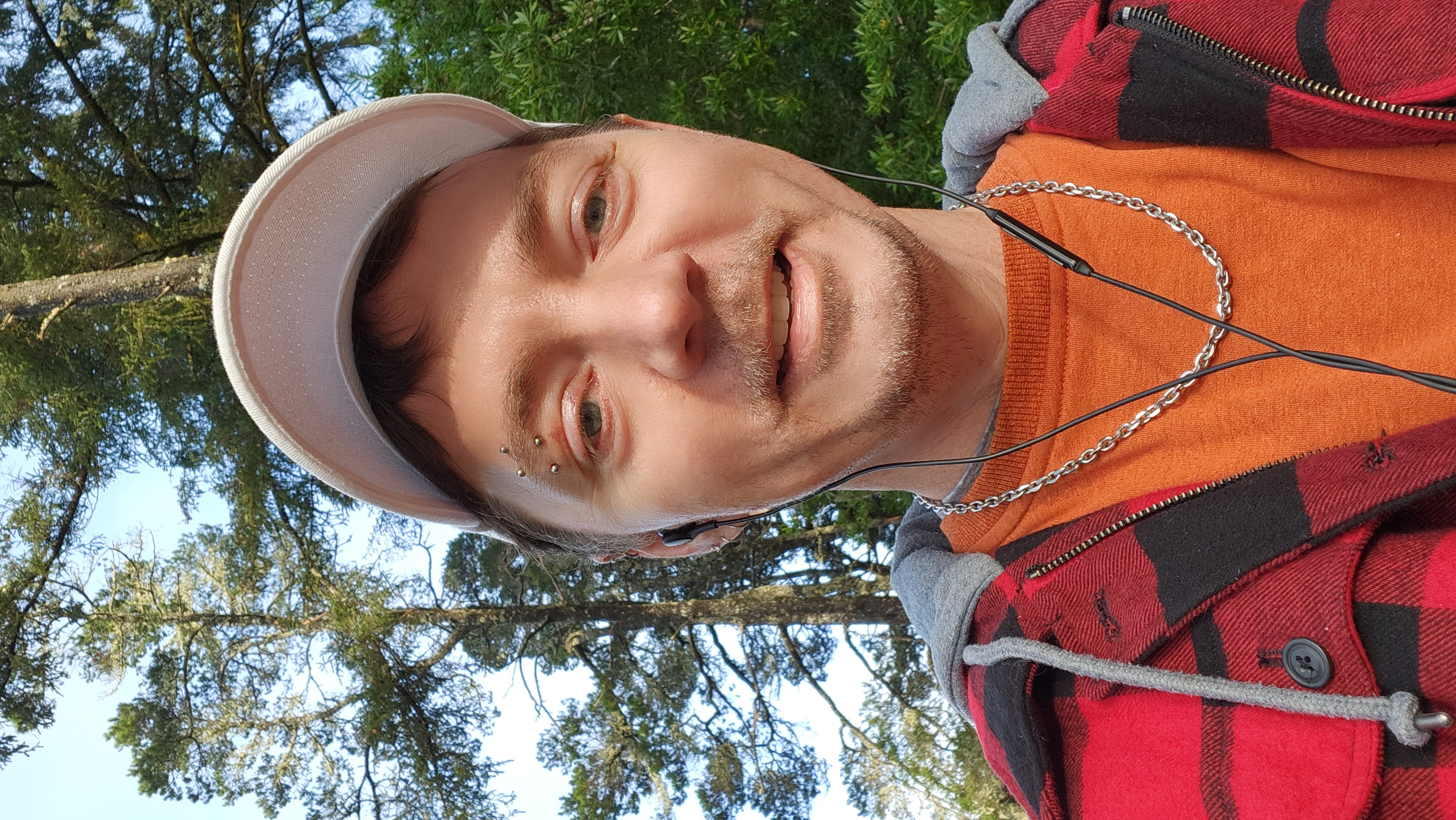
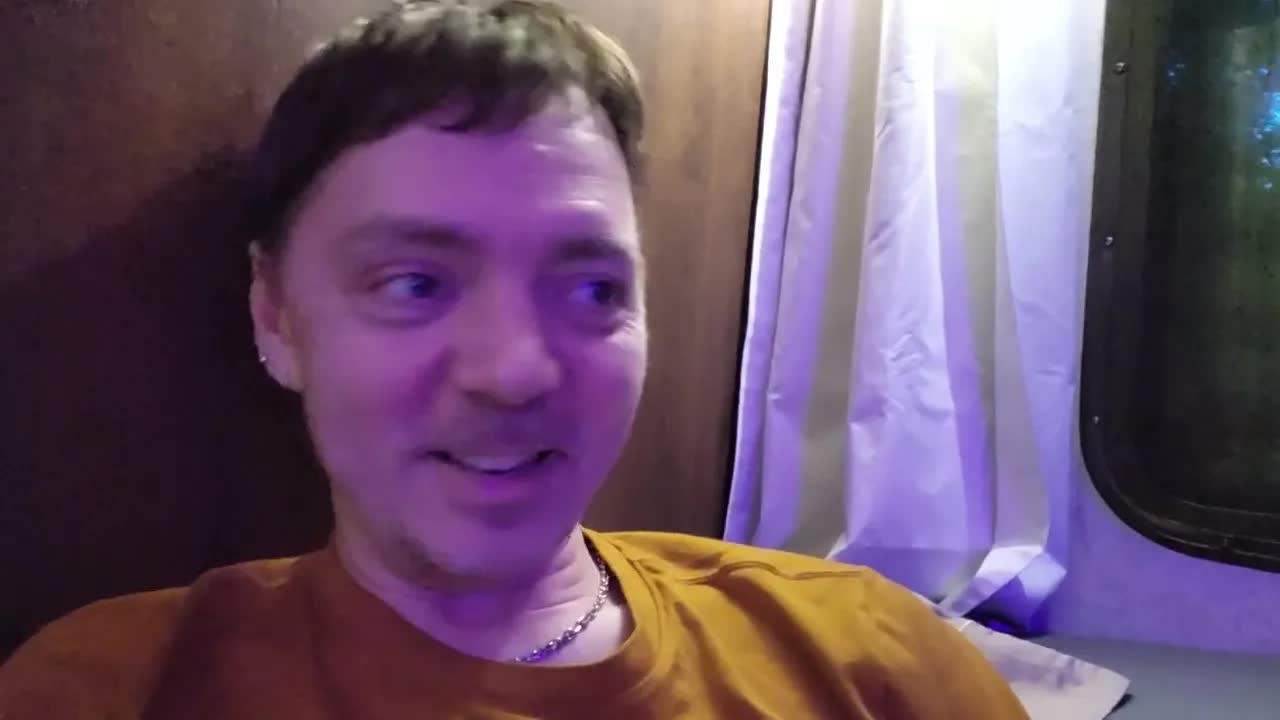
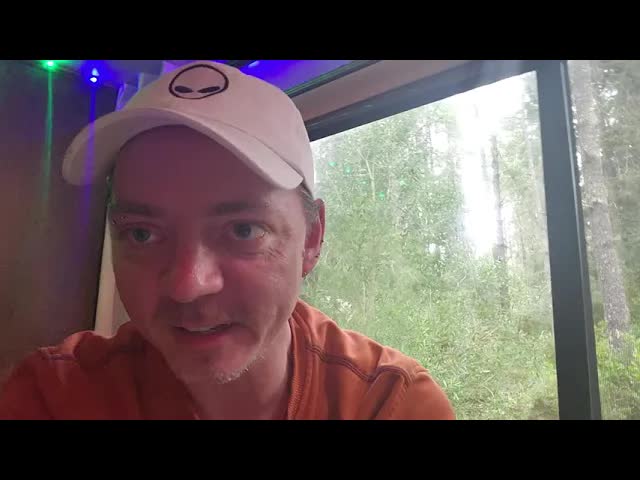
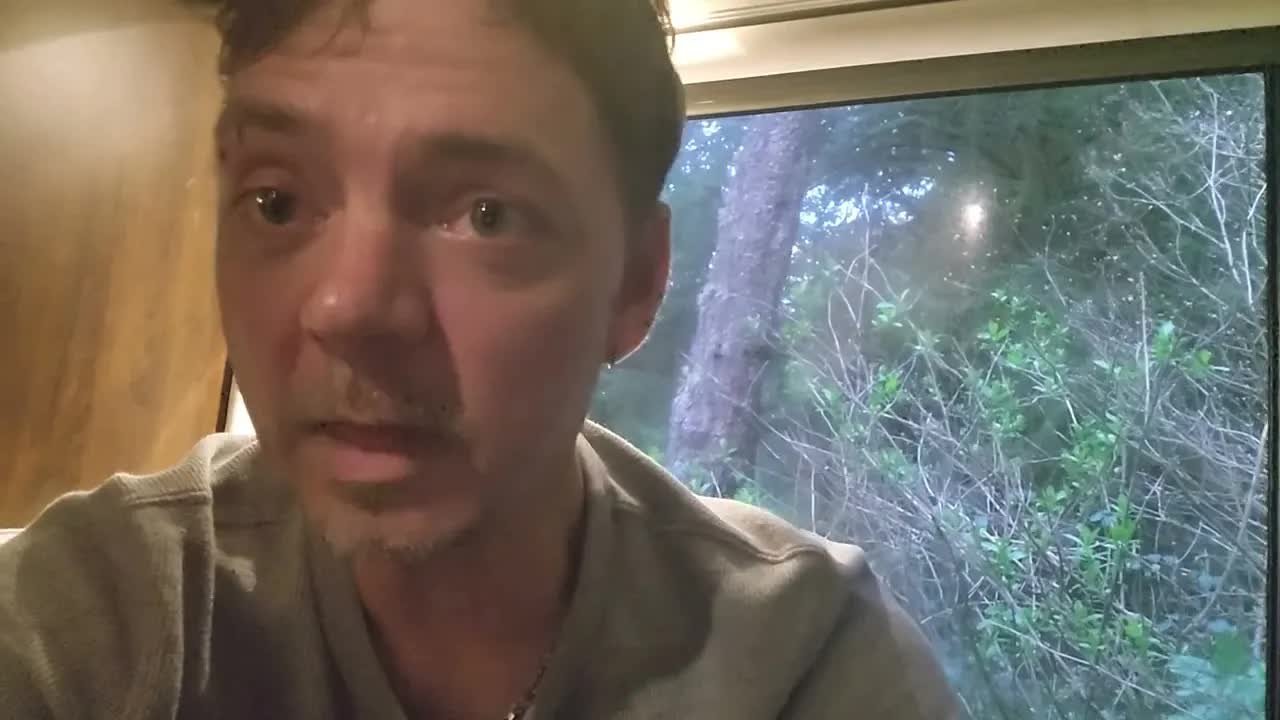
Documenting Removal Without Process at Honeyman

Failed to load video
Chapters
Transcript
[0:01] hi everyone so if you're a long-term
[0:03] viewer of mine I'm going to ask that you
[0:05] be a little bit patient with me as I try
[0:07] to um talk to you about something that's
[0:10] very
[0:11] important so I'm at Honeyman State Park
[0:14] in the Oregon parks and recreation
[0:17] department or division I'm not sure what
[0:19] the last D is
[0:21] for um I've been volunteering here for 2
[0:24] months just one week shy of two months
[0:25] I've been here February and
[0:27] March I have been a model volunteer here
[0:30] the volunteers love me the guests love
[0:32] me most of the Rangers do but I've had
[0:35] some some issues
[0:37] here and it all started with a text
[0:39] message at 6 o'clock in the morning to
[0:41] the park supervisor her name is
[0:43] Katie I texted her because the par went
[0:46] out here and I needed instruction on how
[0:50] to um what I should do you know cuz very
[0:53] knew at this volunteering I told her
[0:55] that in the eyes of the guests um I own
[0:58] this problem you know the power of being
[1:00] that's that's my problem and in the eyes
[1:02] of the guests is about perception and
[1:04] she responded in a very dismissive way
[1:07] and I followed up with an email about
[1:09] that saying that her response made me
[1:10] feel small I didn't even name her I just
[1:13] said that response made me feel small
[1:16] and ever since then I've had nothing but
[1:17] problems
[1:19] here
[1:22] um that same day she emailed me and
[1:26] while I was working in the Welcome
[1:27] Center the park manager Ryan came there
[1:30] and he started telling me
[1:34] that um he started naming the the small
[1:39] mistakes I made my first week here very
[1:41] simple mistakes that everybody makes but
[1:43] you know he's bringing all this stuff up
[1:45] trying to make me feel like I'm uh like
[1:49] I'm in trouble and and it felt very
[1:51] stressful and he stayed there for an
[1:53] hour and the whole time I'm thinking
[1:55] they're going to throw me out and I
[1:58] spent
[2:00] the next week just trying to navigate
[2:02] that situation trying to um expecting
[2:05] them to throw me out at any moment
[2:07] because it just seemed like they threw
[2:10] everything at me the way they escalated
[2:12] that the way my supervisor his name is
[2:15] Logan just autom just disappeared all of
[2:17] a sudden didn't see him and you know
[2:21] just the way that that Ryan came at me
[2:23] and and the Welcome Center it it felt
[2:26] very intimidating I felt
[2:28] intimidated and
[2:31] and I just kept trying
[2:35] to deescalate the situation because I
[2:38] was just here to do a job that I liked
[2:40] you know I've been volunteering for the
[2:41] park since January and I've got my whole
[2:43] year planned around it I've literally
[2:46] have Parks lined up every month except
[2:48] for two months this
[2:50] year and you know I just asked him in an
[2:52] email I said can we reset start over and
[2:55] they said yes and I thought everything
[2:57] was fine and I had a meeting that day
[3:01] down at the dayuse area with Logan and
[3:03] Katie that went really well I thought
[3:05] everything was fine so I applied for a
[3:06] job here that night because I I wanted
[3:10] to stay here I liked this place a lot I
[3:13] I still
[3:14] do
[3:17] and I don't remember when like you know
[3:19] a couple days later I saw Katie and
[3:21] Logan at the Welcome Center they were
[3:23] working on a project there and Katie
[3:26] started asking me about my plans for the
[3:27] summer and she's the one that looks at
[3:29] that
[3:30] applications I Know It Go her I'd
[3:32] written her a cover letter and
[3:34] everything and because she's asking me
[3:37] about my future I thought okay maybe she
[3:39] hasn't seen my application so I bring it
[3:41] up and then she gets really quiet and
[3:46] stops looking at me and I start feeling
[3:48] like um rejected like all of a sudden
[3:52] like like I'm definitely not wanted here
[3:54] so I just start telling her about my my
[3:56] past the work I've done things like that
[3:58] what she's going to see in the applic
[3:59] and all that and just moved on you know
[4:03] I went back inside and finished my work
[4:05] thing and I just noticed all of a sudden
[4:09] after that that some of the Rangers
[4:11] started getting distant with me which
[4:12] told me that Katie probably told them to
[4:15] um keep their distance because now I'm
[4:18] an applicant
[4:20] and uh Logan told me that he couldn't be
[4:24] involved at all so he disappears again
[4:27] and I'm like okay well I don't want to
[4:29] be somewhere where I'm not wanted you
[4:31] know so I withdrew my application and I
[4:33] said nothing about it I just let it go
[4:36] and then Logan shows up and he spends 90
[4:38] minutes in the Welcome Center just
[4:39] talking about himself doing stretches in
[4:41] front of me all this stuff it just felt
[4:43] really awkward
[4:48] and
[4:49] something something you know it felt
[4:53] like he was just like trying
[4:56] to bring things back to where they were
[4:58] before all this with Katie and the
[5:00] application happens and so the next day
[5:03] I told him I'll tell you why I withdrew
[5:05] my application we went for a walk and I
[5:08] just kind of walked him through my life
[5:10] why I'm here in Oregon and um why I
[5:14] ultimately withdrew it was because I I
[5:16] could tell that I wasn't wanted here and
[5:19] he just tried to manage my perception he
[5:21] made it sound like
[5:24] um like I was wrong and it didn't really
[5:28] matter like I was trying to tell him
[5:30] that you know
[5:34] I I'm moving on you know because it
[5:38] didn't feel like the right fit for me so
[5:40] I was just going to keep doing my job
[5:42] until I got to the next Park and then I
[5:44] didn't see him for
[5:47] weeks
[5:50] um trying to remember so after
[5:53] that I hadn't seen him for weeks oh okay
[5:56] and then there was an incident there was
[5:58] not really an incident but so there's a
[6:00] a ranger here who just has a very um
[6:04] condescending attitude towards me every
[6:06] single time I see him he's just very
[6:08] condescending and when February came
[6:11] about I was switching to a different job
[6:13] and I knew that there was a possibility
[6:15] he might train me and if you put him in
[6:16] a position of authority over me he might
[6:18] be even more condescending and I wanted
[6:20] to avoid a situation so I told Logan
[6:23] about it and Logan told me that uh he
[6:27] would have somebody else train me
[6:30] which you know put my mind at ease I was
[6:32] really happy with that outcome and so a
[6:34] couple days later when it's time for me
[6:37] to be trained that morning I text that
[6:40] person to find out where we're going to
[6:41] meet and this person tells me they don't
[6:43] know anything about it and I'm like okay
[6:47] well I talked to Logan about
[6:48] this um it's really important that you
[6:51] be the one that trains me and so they
[6:53] did this compromise where that Ranger
[6:55] was still going to train me but the
[6:56] other Ranger would be present and I said
[6:58] okay let's do that everything was fine
[7:01] um but I felt like like I'd been
[7:04] betrayed because that was
[7:07] clearly um I was lied to I mean there's
[7:10] no other way to put that I was lied to
[7:12] and so I sent Logan an email saying that
[7:14] he had lost my trust and I laid out all
[7:16] the reasons why all the things that I
[7:18] just shared in this video and
[7:22] then um like a couple days later Katie
[7:27] and Ryan take me down to the day us
[7:29] Seria at a picnic table and they spent
[7:31] an hour bullying me I recorded this
[7:34] conversation secretly because I knew
[7:38] from my first interaction with Ryan and
[7:40] the Welcome Center that that's what was
[7:41] going to happen so I I felt like I need
[7:45] a documentation I needed to protect
[7:47] myself so I recorded the conversation
[7:49] believing that I was allowed to and it's
[7:51] a gray area we'll get into that but
[7:53] there there's
[7:55] um it's a little more complicated in
[7:57] organ but we'll get to that so I I I
[7:59] believed I was allowed to do this
[8:01] because we were in a public area and
[8:02] they are public officials right so um I
[8:05] recorded the conversation and during
[8:07] that conversation and they kept saying I
[8:08] had a problem with all the Rangers which
[8:10] isn't true um and I kept asking for
[8:13] examples and the only example they ever
[8:14] provided in that whole hour was the
[8:17] incident with Katie that's it that's all
[8:20] they had was that original incident from
[8:21] the first or second week of my time here
[8:24] which you know supposed we had let go
[8:27] and then um later in the conversation
[8:31] Ryan keeps talking about how I have to
[8:33] assume positive intent with people and
[8:35] that's how I am with everybody and I
[8:37] tell him this and then I'm like but are
[8:40] you guys assuming that with me you know
[8:42] because you're you're just making it
[8:44] sound like I'm a problem
[8:46] and it didn't feel like they were it
[8:49] doesn't feel like they ever did and he
[8:50] admitted it he admitted they never had
[8:53] um giving me the benefit of the doubt
[8:57] and then at the very end of that
[8:58] conversation for like 5 minutes he kept
[9:00] telling me that I could leave if I
[9:02] wanted to he was trying to pressure me
[9:03] to leave on my own and I said I will do
[9:06] my job and that was it and that was like
[9:09] three weeks
[9:10] ago um after that meeting I got a phone
[9:14] call from uh the regional or like the
[9:17] global I don't know what you would call
[9:18] it but the person who oversees the
[9:21] entire volunteer program and all she did
[9:23] was tell me that I wasn't allowed to
[9:25] record the conversation that you have to
[9:27] tell tell them that you're recording and
[9:31] so
[9:34] um so here's my ration I think I just
[9:36] explained that though
[9:38] so it's still kind of to me it's a gray
[9:41] area I would need to speak to a lawyer
[9:42] about this because um they're public
[9:45] officials we are in a public setting and
[9:47] I am not a government employee so it's
[9:50] unclear so that's something that I would
[9:52] need to discuss with a lawyer before I
[9:54] can really say more about that um but I
[9:57] have the recording and I can always turn
[9:59] that into a transcript and I can quote
[10:01] anything from it because that's what was
[10:03] said and anyway so 3 weeks go by and
[10:08] today Ryan called me on the phone saying
[10:10] he wanted to set a meeting for me on I
[10:12] think he said Thursday which is like
[10:14] three days before I'm supposed to leave
[10:16] here and I asked him why and at first
[10:19] he's not telling me but eventually he
[10:21] does and it's because of something I
[10:23] said to a ranger last week an offand
[10:26] comment that didn't really mean anything
[10:28] there was it wasn't an issue issue
[10:29] nothing really happened but they're just
[10:31] using as a justification to get rid of
[10:33] me and that's it and they told me to
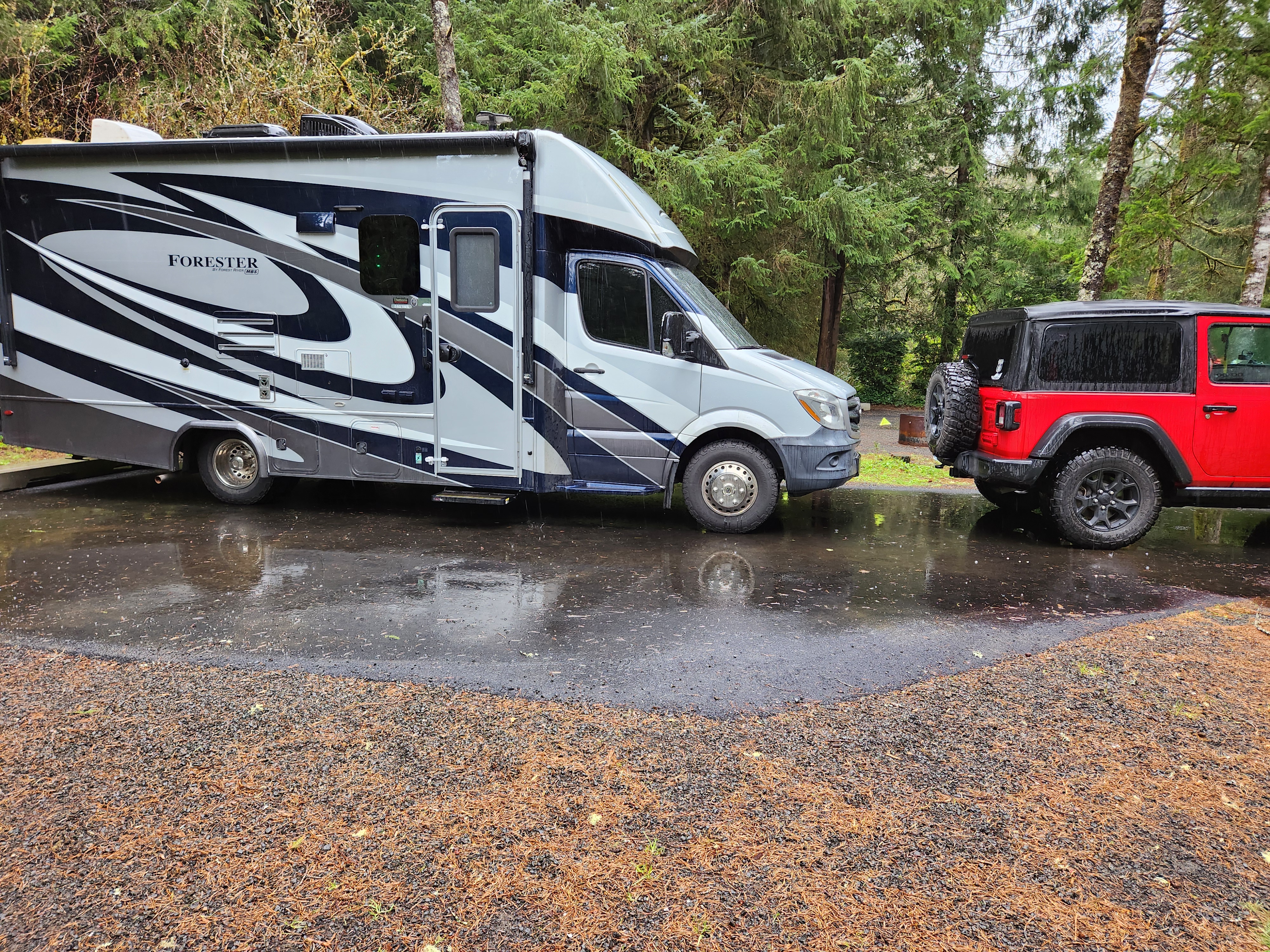
[10:36] leave so he came over to my RV um I gave
[10:41] him my keys he took the golf cart and I
[10:45] I recorded that and I told him I was
[10:46] recording that so that one I know I can
[10:48] use and I'm going to append it to the
[10:49] end of this so that you can see it for
[10:52] yourself um as far as what was said let
[10:55] me explain so I was cleaning yts this
[10:57] month and a homeless left behind a
[11:00] journal and in the Y and I could tell
[11:02] you it was a homeless vet because of
[11:04] what was in the journal so I took that
[11:06] down to the Welcome Center to the lost
[11:07] and found and made an incident report
[11:10] and then I wrote a little note for the
[11:12] Rangers cuz I was going to drop that off
[11:13] in the Box um for whichever Ranger sees
[11:17] it and it basically said I actually have
[11:20] I I took I documented everything I have
[11:22] a picture of my note but my note
[11:24] basically said um you know this was left
[11:27] behind by a homeless vet please try to
[11:29] track them down you know basically look
[11:30] in your computers try to call whatever
[11:32] numbers associated with their account
[11:34] try to track them down because this is
[11:36] important and then I um saw a ranger
[11:40] technically a ranger assistant driving
[11:42] by I flagged her down and she stopped
[11:45] and I just wanted her to understand my
[11:47] note because at the end of it I put
[11:48] please try and I underlined that because
[11:51] and so I just said to her not all
[11:52] Rangers are helpful I'm not saying
[11:54] you're not um I'm saying I said not all
[11:58] Rangers are helpful I'm not saying
[11:59] you're not cuz I don't know you um but I
[12:02] just want to explain that's why I've
[12:03] written the note this way this is
[12:04] important I said I've been homeless
[12:06] before I've had journals I know how
[12:09] important these things are and that was
[12:12] it and they turned that into the
[12:14] justification for kicking me out of
[12:17] here um when Ryan Cy did not give me any
[12:20] paperwork so it's not even
[12:22] official he didn't give me paperwork
[12:24] because there is no justification for
[12:27] this they just wanted to get rid of me
[12:28] they've been wanted to get rid of me
[12:30] since the very beginning and they have
[12:32] made my life hell the entire time this
[12:34] is the truth and I have documented
[12:37] everything and because they have
[12:39] escalated to this point now I am going
[12:42] to file a complaint with the human
[12:43] resources department I'm making this
[12:46] public and um I'll probably reach out to
[12:49] the lawmakers I I will think through
[12:52] this because now I'm escalating and I'm
[12:54] going to hold them accountable for how
[12:56] they treated me because this has been
[12:58] the most stressful situation I've ever
[12:59] been in and I was just trying to get
[13:01] through it because a week from now I go
[13:03] to a different Park and then um I could
[13:06] just move on that's all I ever wanted to
[13:08] do I I did my job really well here every
[13:12] single day uh there was one Ranger who
[13:14] even slapped me on the back and said I
[13:16] have your back and um which told me that
[13:19] he knew something you know the the
[13:21] leadership was talking about me you know
[13:23] about um whatever however you know they
[13:26] wanted to frame it and he knew something
[13:29] and that really blew my mind cuz I
[13:31] barely knew this Ranger I really
[13:33] appreciated it it made me feel um like I
[13:36] wasn't as isolated as I was feeling and
[13:40] um you know he was noting the good work
[13:42] I was doing this month and said that he
[13:44] had even brought it up to the
[13:46] leadership so he tried and I really
[13:49] appreciate
[13:50] that
[13:52] um so I just have one last request I am
[13:55] absolutely broke I have nowhere to go
[13:57] and I'm supposed to leave within 24
[13:58] hours
[13:59] my ex-boss I had already talked to him
[14:02] before this happened asking if he could
[14:03] send me some money because we're working
[14:06] together again but he couldn't do
[14:07] anything in March he needed some time
[14:10] and I'm trying to hold out for him
[14:12] because I worked for this man for 10
[14:14] years I know I know these projects
[14:19] um we can have a long-term future
[14:21] together I just have to give them a
[14:22] little bit of time but in order to do
[14:24] that I you know I needed some money just
[14:26] to survive and he said that he would
[14:27] send some money tomorrow um it's not a
[14:30] lot it's not enough to even cover the
[14:32] campground fees for the next week um
[14:34] until my next host assignment
[14:37] starts so I'm asking my long-term
[14:39] viewers if you can help me please help I
[14:41] will leave um some links in the comments
[14:44] and in the
[14:46] description I have to navigate the next
[14:49] week until I can get to my next host
[14:52] position um hopefully there isn't any
[14:54] blowback from posting this but I've just
[14:56] I've just shared the truth everything
[14:58] I've shared the truth and I have it
[14:59] documented all of it so
[15:04] um volunteers should not be treated this
[15:06] way I'll leave it at
[15:09] that Ryan just showed up he's dismissing
[15:13] me from this place I'm going to recorded
[15:15] this
[15:21] documentation hello Ryan I'm recording
[15:23] this for
[15:24] documentation here's the binder here are
[15:27] the keys all right appreciate it
[15:30] already um is there anything in the shed
[15:32] no no you got all that stuff okay sounds
[15:35] good um so I just uh plans for depart
[15:38] for you um do you have any paperwork for
[15:40] me no uh no paperwork for you no just
[15:43] the conversation we had okay well I
[15:46] going have to figure out my next steps
[15:48] because this was very unannounced and
[15:51] unexpected yeah no yeah I understand how
[15:53] that could be hard um you know I I was
[15:58] trying to set up a being with you on
[15:59] Thursday um what is your expectation
[16:01] Ryan what's that what is your
[16:03] expectation now oh uh for like the
[16:06] future so as of right now all the
[16:08] hosting Duties are se you know have
[16:10] ceased to um host any longer here at
[16:14] Honeyman State Park okay um you know but
[16:17] with that you know occupying the
[16:19] campsite comes along with us host duties
[16:21] and so since you're not hosting any
[16:23] longer with us you know the expectation
[16:24] would be to vate the the site okay and
[16:27] when is the deadline uh we give you 24
[16:29] hours I think that seems like a
[16:30] reasonable amount of time to okay
[16:32] shouldn't I have paperwork for this um
[16:35] no I you know we had a conversation and
[16:37] I'm letting you know now and it sounds
[16:38] like you're you're recording it as well
[16:40] so yeah felt you know you've thank R
[16:44] thank you have a good day
Photos · Mar 15, 2025
Mar 15, 2025
9:31
Walking to the 101 Bridge on a Day Off
Mar 15, 2025
Photos Mar 16 2025
Mar 16, 2025
3:21
Marking One Year Since Leaving the House
Mar 16, 2025
Photos · Mar 17, 2025
Mar 17, 2025
Photos · Mar 17, 2025
Mar 17, 2025
9:22
Recounting an Encounter and a Long Day at Honeyman
Mar 19, 2025
Photos · Mar 19, 2025
Mar 19, 2025
Photos · Mar 20, 2025
Mar 20, 2025
8:33
Defining Adaptation Through Broken Slide and Alcove
Mar 20, 2025
Photos · Mar 21, 2025
Mar 21, 2025
Photos · Mar 22, 2025
Mar 22, 2025
3:44
Sitting on the RV Roof at Dusk
Mar 23, 2025
Photos · Mar 23, 2025
Mar 23, 2025
Photos · Mar 24, 2025
Mar 24, 2025
16:47
Documenting Removal Without Process at Honeyman
Mar 24, 2025
30:56
Program Manager Confirms Dismissal Before Review Call
Mar 25, 2025
Photos · Mar 25, 2025
Mar 25, 2025
Photos · Mar 25, 2025
Mar 25, 2025
5:32
Packing Out Under Program Review Decision
Mar 25, 2025
Preserving the Original Honeyman Narrative Account
Mar 26, 2025
2:13
Tracing Waves at the New Park
Mar 26, 2025
Photos · Mar 26, 2025
Mar 26, 2025
4:09
Documenting OPRD Volunteer Dismissal and Escalation Plan
Mar 26, 2025
7:27
Filming Eel Lake While Processing OPRD Detachment
Mar 27, 2025
6:43
Naming the Dismissal Timing, Routing East to Kentucky
Mar 27, 2025
6:20
Reading OPRD Letter Into the Public Record
Mar 28, 2025
Photos · Mar 28, 2025
Mar 28, 2025
38:45
Touring Winchester Bay and Umpqua Coast with John
Mar 29, 2025
10:27
Continuing North After Volunteer Program Dismissal
Mar 29, 2025
9:32
Recording a Trail Walk After Two Non-Encounters
Mar 30, 2025
15:04
Laundry Run to Reedsport, Teaching Through Witness
Mar 30, 2025
Photos · Mar 31, 2025
Mar 31, 2025
5:00
Moving from Tugman to Beverly Beach in Rain
Mar 31, 2025
Photos · Apr 1, 2025
Apr 1, 2025
Photos · Apr 1, 2025
Apr 1, 2025
50:54
Touring a New Campground and Walking the Beach with John
Apr 2, 2025
1:26
Declaring Openness as Structural Strength
Apr 2, 2025
8:29
Documenting Relocation Logistics and Signal Flares
Apr 2, 2025
4:49
Requesting Support Before Off-Grid Transition
Apr 3, 2025
4:26
Returning to Florence for Off-Grid Iteration
Apr 3, 2025
PUBLIC
March 24, 2025 rswfire FEATURED
Temp 0.80
Density 0.60
Energetic Quality
controlled escalatory precision
Journey Phase
displaced and documenting
Directional Vector
toward public record and institutional accountability
Narrative

The thing rswfire does on March 24, 2025, is not leave. Leaving is what happens to him. What he does, in the hours between a phone call and a golf cart driving away, is convert an act designed to leave no trace into the most thoroughly documented event of his two months at Honeyman. He sets up a camera at the site he has been told to vacate and talks to it for the better part of half an hour, and then, when the park manager arrives for the keys, he keeps recording, announces that he is recording, and lets the manager say on tape the sentence that will outlive everything else: no paperwork, "just the conversation we had." That is the deed. The removal was built to be verbal, deniable, and private. rswfire's answer is to make it written, confirmed, and public before the 24 hours are up.

The story he tells the camera is not the story the institution would tell, and the difference is the whole point. The park's version has a shape it likes: a volunteer made an offhand remark to a ranger assistant about rangers not always being helpful, and that was that. rswfire refuses that shape on the record and refuses it here. The remark was about a homeless veteran's journal left in a yurt, which he had already logged at lost-and-found, written up in an incident report, and annotated with a note underlining please try because he had been homeless himself and knew what a journal weighs. He states it plainly: this was the pretext, not the cause. The cause, by his account, runs back to a 6 a.m. text about a power outage, an email saying a response made him feel small, and an hour in the Welcome Center during which the park manager itemized first-week mistakes with the cadence of someone building a file. Everything after that, in his telling, was the file being completed.

What the signal reveals about rswfire is that he had already decided, weeks earlier, that the only safe posture was evidentiary. He recorded the picnic-table meeting secretly because the Welcome Center encounter had taught him what the room would be. He photographed his own note before dropping it in a box. He kept the emails, the texts, the dates. He is not a man who was surprised into documentation; he is a man who was in that mode from the second week, working every shift under the expectation of being thrown out, and who describes the cost of that honestly: the most stressful situation he has been in. The thing that stands out is that the institution's one recorded admission, the park manager conceding at the picnic table that they never gave him the benefit of the doubt, was extracted by rswfire asking a question in the institution's own vocabulary. They told him to assume positive intent. He asked whether they were assuming it of him. The answer was no, and it was recorded, and three weeks later the same manager arrived at his RV with no paper in his hands.

The removal itself, as captured, is almost gentle in tone and absolute in effect. The manager takes the binder, takes the keys, confirms there is nothing in the shed, and then draws the line that makes the whole arrangement visible: occupying the campsite comes with host duties, the host duties have ceased, therefore the site must be vacated. Twenty-four hours "seems like a reasonable amount of time." This is the load-bearing sentence of the archive rswfire will later build. It shows that housing, in the volunteer program, is a derivative of duty, and that duty can be switched off by conversation. No cause has to be stated because no document exists in which a cause would have to appear. A year of scheduled assignments across the park system evaporates the same way, off the record, six days before a clean completion. rswfire asks twice whether he should have paperwork. Twice he is told no. He thanks the manager and tells him to have a good day, and the recording ends.

What it costs is stated without ornament. He is broke. A former employer of ten years has promised money tomorrow, not enough to cover a week of campground fees until the next host position begins. He asks his long-term viewers for help and says he hopes there is no blowback from posting. That is the risk he is carrying into the transmission: that publishing the record will foreclose the next assignment the way the remark foreclosed this one. He publishes anyway. He names the escalation path out loud, a human resources complaint, lawmakers, a lawyer on the consent question, because naming it on camera makes it a commitment rather than a threat, and because the institution has just demonstrated that unwitnessed conversations are where things disappear.

The reading this signal insists on, and that the later archive at oprdvolunteerabuse.org will bear out, is that rswfire is not narrating an ending. He was six days from finishing. He says, more than once, that all he wanted was to do his job well until the next park. The signal is not a grievance about being let go; it is a structural claim that a state agency displaced a person from his residence with no process at all and that the person it was done to now holds the only complete record of how. There is a ranger in the story who slapped him on the back and said he had his back, and rswfire treats that single gesture as evidence that leadership had been talking, which is how a systems thinker reads kindness: as data about the field. By the time the golf cart pulls away, the site is empty, the interval is unfunded, and the private containment the park relied on is gone. What remains is a man at a picnic table with a camera, a transcript, and a stated intention, and an institution that has just told him, on tape, that it has nothing to show.

Tags

volunteer removal institutional documentation recorded evidence Oregon state parks housing displacement financial constraint escalation planning

Summary

rswfire records a video at Honeyman State Park, six days short of two months of volunteer service, documenting his removal from the campground host position and the site where he lived.

He traces the sequence from a 6 a.m. text to the park supervisor about a power outage, her dismissive reply, and his email stating the response made him feel small. He describes what followed: the park manager spending an hour in the Welcome Center listing first-week mistakes; the volunteer services lead repeatedly becoming unavailable; a job application he withdrew after sensing he was unwanted; a training arrangement he was told would be changed and was not.

He states he secretly recorded an hour-long picnic-table meeting with the manager and supervisor, in which the only example offered was the original supervisor incident, and in which the manager admitted he had never given rswfire the benefit of the doubt. The program manager later called only to tell him recording was not permitted.

On camera, the manager confirms no paperwork exists — "just the conversation we had" — and gives 24 hours to vacate. A full year of scheduled park assignments is cancelled.

rswfire states he will file an HR complaint, make the record public, and contact lawmakers, and asks viewers for financial support to cover the week until his next assignment.

Environment

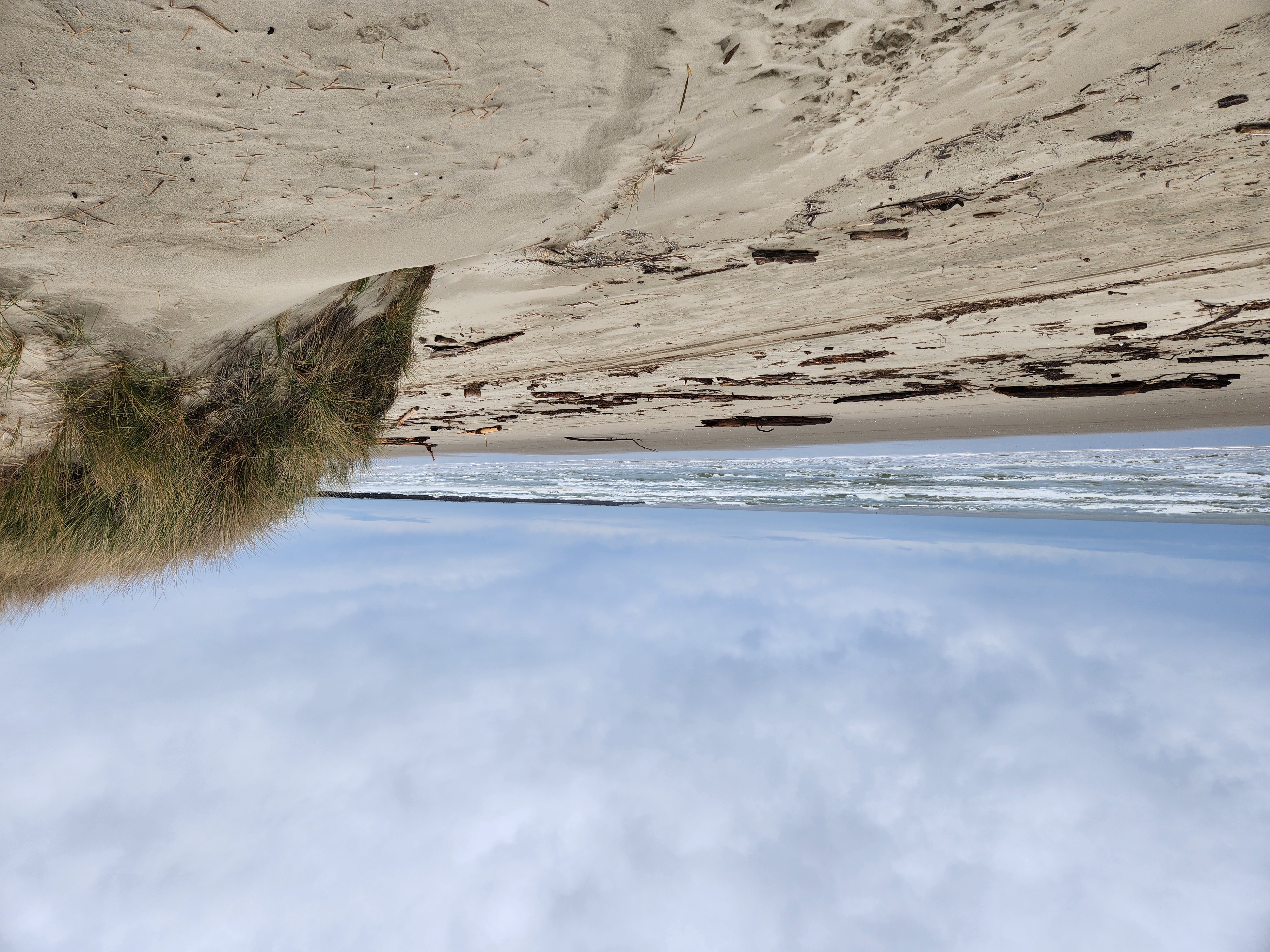
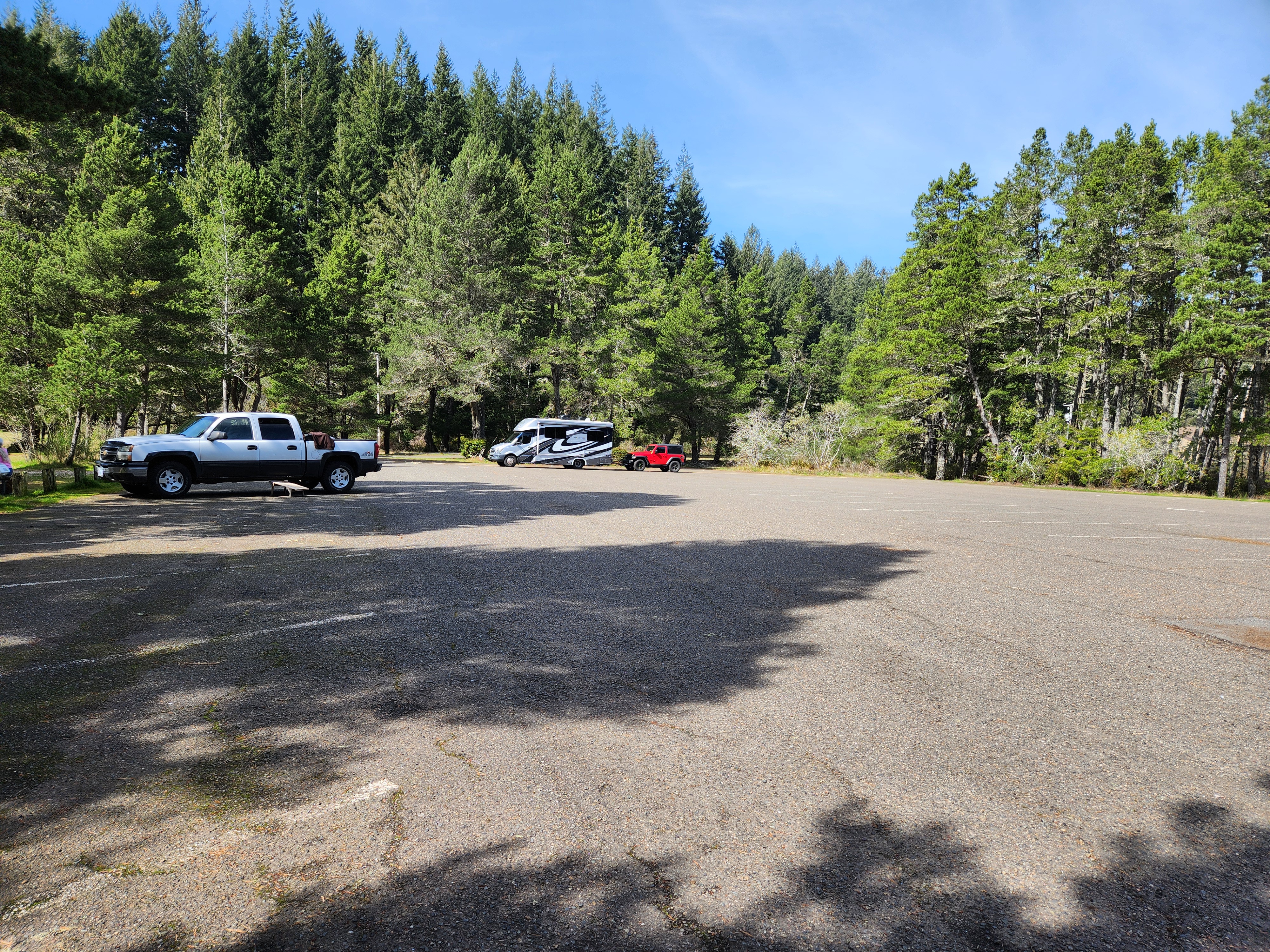
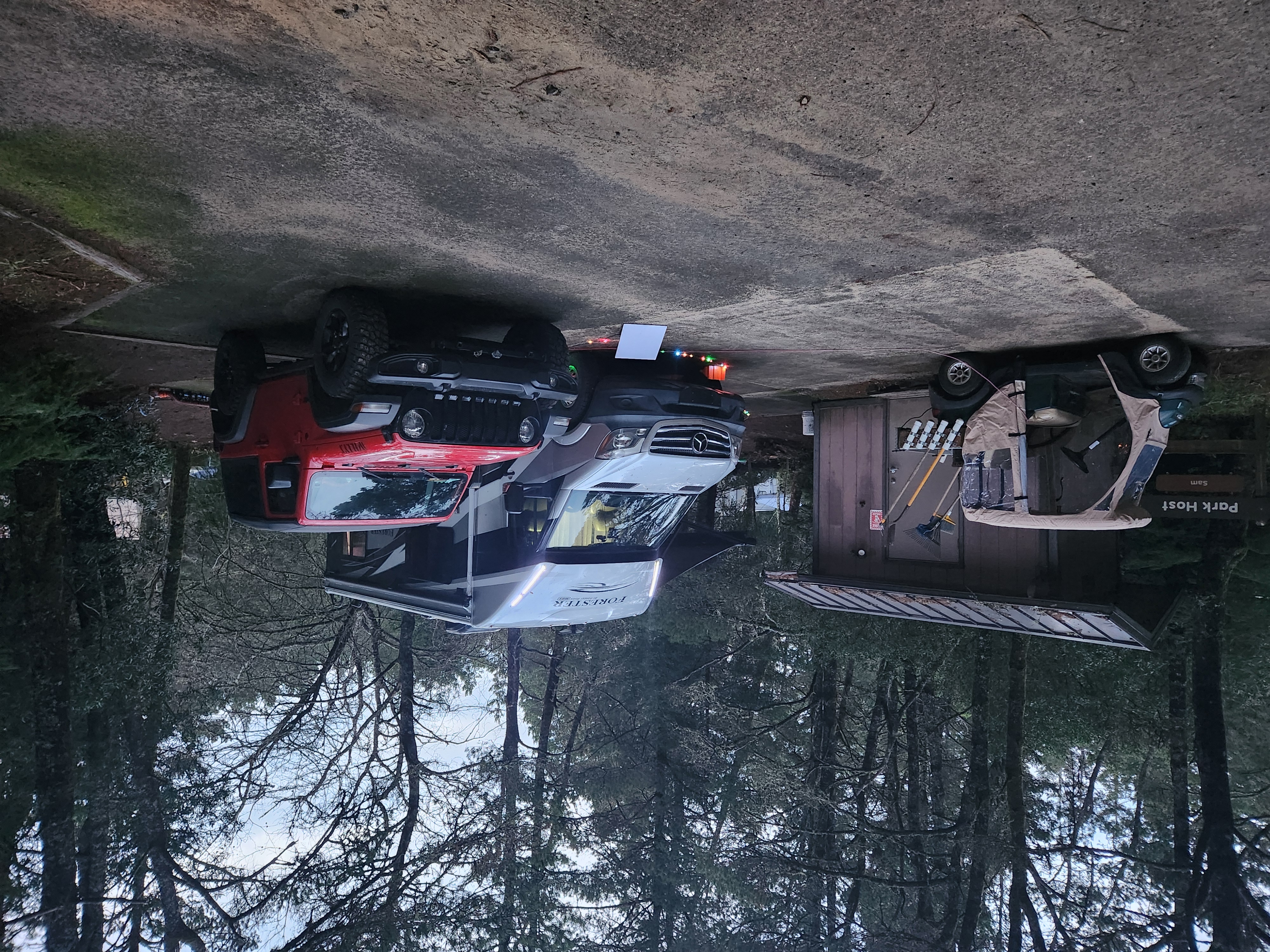
Recorded outdoors at Honeyman State Park on the Oregon coast, at the campsite where rswfire had been living as a volunteer host under the Oregon Parks and Recreation Department. He speaks directly to camera from the site he has been told to vacate within 24 hours.

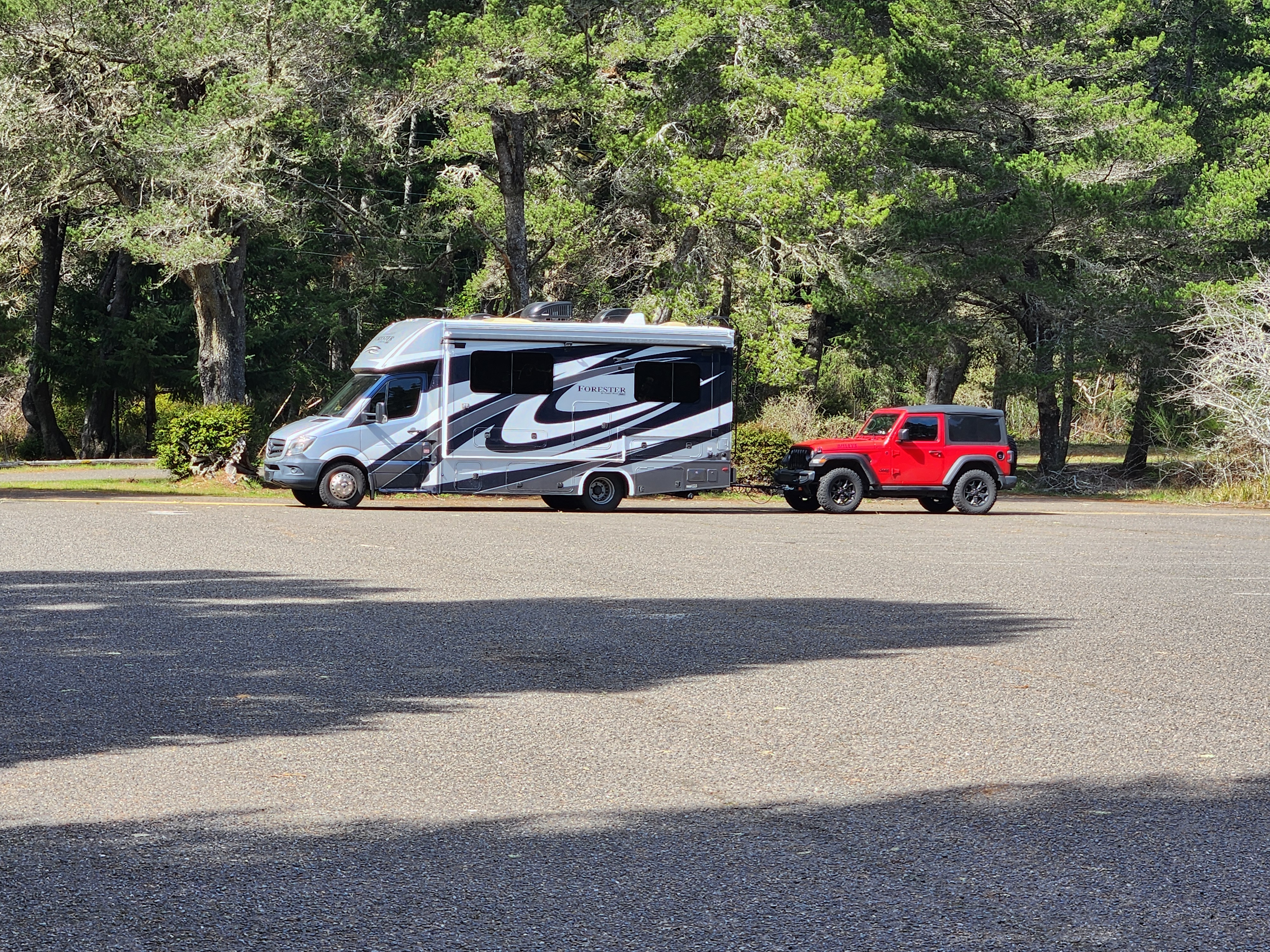
The second half of the recording relocates to the RV site itself, where the exchange with the park manager — handover of the binder and keys, the golf cart, the departure instruction — is captured live and appended to the address. The surrounding field is a state park system: Welcome Center, yurts, day-use area, ranger staff, campground fees.

Substrate

The architecture held here is evidentiary: a two-month sequence of interactions is reconstructed in order, each with its date-relative position, its participants by role, and its documentary residue — emails, texts, notes, recordings, an incident report. The ontological position is that a removal executed without paperwork, cause, or process does not become official by being spoken, and that the record of it belongs to the person it was done to. What is being built is the archive; what is being dissolved is the private containment the institution relied on, converted in this signal into public transmission and stated escalation.

Actions

Performed

  • •recording a direct-to-camera account
  • •sequencing the two months chronologically
  • •naming roles and their actions
  • •quoting the manager's admission about the benefit of the doubt
  • •stating the legal question about Oregon recording law as open
  • •disclosing the recording to the park manager on camera
  • •asking on camera whether paperwork exists
  • •asking for the stated expectation and the deadline
  • •appending the removal exchange to the address
  • •requesting financial support from long-term viewers

Referenced

  • •volunteered at the park for nearly two months
  • •texted the park supervisor at 6 a.m. during a power outage
  • •sent a follow-up email stating the response made him feel small
  • •sat for an hour while the park manager listed first-week mistakes
  • •requested a reset by email and received agreement
  • •applied for a paid position and wrote a cover letter
  • •withdrew the application without comment
  • •walked with the volunteer services lead and explained the withdrawal
  • •raised a concern about a condescending ranger training him
  • •accepted the compromise of a second ranger being present
  • •emailed the volunteer services lead stating trust was lost
  • •recorded the hour-long day-use-area meeting without disclosure
  • •asked repeatedly for specific examples during that meeting
  • •declined the manager's repeated suggestion to leave voluntarily
  • •received a call from the program manager about the recording
  • •found a homeless veteran's journal while cleaning yurts
  • •logged it to lost and found and filed an incident report
  • •wrote and photographed a note asking rangers to track the owner down
  • •flagged down a ranger assistant to explain the note
  • •received a phone call scheduling a meeting, then a removal instead
  • •handed over the binder, keys, and golf cart
  • •asked his former employer for funds before the removal occurred

Planned

  • •file a complaint with human resources
  • •consult a lawyer about the recording question
  • •convert the recordings to transcripts and quote them
  • •contact lawmakers
  • •make the record public
  • •vacate the site within 24 hours
  • •navigate the coming week to the next host assignment
  • •resume project work with his former employer

Entities

beings
Park manager — Held authority over the site; conducted the hour-long Welcome Center visit, co-led the day-use-area meeting, admitted he had not extended the benefit of the doubt, and executed the removal on camera with no paperwork.
Park supervisor — Recipient of the 6 a.m. outage text; reviewer of job applications; co-present at the day-use-area meeting.
Volunteer services lead — His direct supervisor; stated a different ranger would handle training, then was absent for extended periods.
Program manager — Oversees the statewide volunteer program; called after the recorded meeting solely to address the recording disclosure requirement.
Ranger assistant — Staff member he flagged down to explain the note; the exchange was later produced as the pretext for removal.
Ranger who offered support — Staff member who told him he had his back and said he had raised his good work with leadership.
Former employer — Ten-year prior working relationship, resuming project work; unable to send substantial funds in March.
places
Honeyman State Park — The park where he volunteered February–March and lived on site; location of the recording and the removal.
Welcome Center — Park building where several of the documented interactions occurred and where lost and found is held.
Day-use area — Picnic table site of the hour-long recorded meeting three weeks prior to the removal.
systems
Oregon Parks and Recreation Department — The state agency operating the volunteer program and the chain of authority described throughout.
Human resources department — Named as the first escalation channel for the complaint.
Lawmakers — Named as a further escalation channel beyond the agency.
concepts
Oregon recording law — Stated as unresolved regarding public officials in a public setting recorded by a non-employee; pending legal consultation.
media
Homeless veteran's journal — Item found while cleaning yurts; logged, reported, and accompanied by a handwritten note asking rangers to locate the owner.

Symbolic Elements

Represented archetypes or recurring motifs.

threshold
keys
paperwork
the journal
recording device
picnic table
empty site
24 hours

Ontological States

Expressed modes of being or awareness.

sovereign under institutional pressure (declines the invitation to leave voluntarily, states he will do his job)
displaced without process (removal executed verbally, no paperwork, 24-hour vacate order)
documented (every interaction backed by email, text, photograph, recording, or incident report)
transitional (site handover complete, next host assignment a week out, interval unfunded)

Engaged Subsystems

Architecture engaged in this transmission.

institutional (state agency roles, chain of authority, volunteer program structure)
evidentiary (recordings, transcripts, photographs, incident reports, email trail)
legal (recording consent question, complaint filing, lawmaker contact)
ethical (assumption of positive intent tested in both directions; insistence the found journal be returned)
relational (rangers, supervisors, guests, one explicit ally)
somatic-spatial (site occupancy tied to duties; loss of duties equals loss of housing)
economic (no funds, campground fees, delayed payment, viewer support request)
broadcast (direct-to-camera transmission, appended primary footage, public escalation)

Dominant Language

Core motifs or linguistic fields.

documented everything
no paperwork / not official
benefit of the doubt
justification
escalating / hold them accountable
24 hours to vacate
the truth
Narrative

The thing rswfire does on March 24, 2025, is not leave. Leaving is what happens to him. What he does, in the hours between a phone call and a golf cart driving away, is convert an act designed to leave no trace into the most thoroughly documented event of his two months at Honeyman. He sets up a camera at the site he has been told to vacate and talks to it for the better part of half an hour, and then, when the park manager arrives for the keys, he keeps recording, announces that he is recording, and lets the manager say on tape the sentence that will outlive everything else: no paperwork, "just the conversation we had." That is the deed. The removal was built to be verbal, deniable, and private. rswfire's answer is to make it written, confirmed, and public before the 24 hours are up.

The story he tells the camera is not the story the institution would tell, and the difference is the whole point. The park's version has a shape it likes: a volunteer made an offhand remark to a ranger assistant about rangers not always being helpful, and that was that. rswfire refuses that shape on the record and refuses it here. The remark was about a homeless veteran's journal left in a yurt, which he had already logged at lost-and-found, written up in an incident report, and annotated with a note underlining please try because he had been homeless himself and knew what a journal weighs. He states it plainly: this was the pretext, not the cause. The cause, by his account, runs back to a 6 a.m. text about a power outage, an email saying a response made him feel small, and an hour in the Welcome Center during which the park manager itemized first-week mistakes with the cadence of someone building a file. Everything after that, in his telling, was the file being completed.

What the signal reveals about rswfire is that he had already decided, weeks earlier, that the only safe posture was evidentiary. He recorded the picnic-table meeting secretly because the Welcome Center encounter had taught him what the room would be. He photographed his own note before dropping it in a box. He kept the emails, the texts, the dates. He is not a man who was surprised into documentation; he is a man who was in that mode from the second week, working every shift under the expectation of being thrown out, and who describes the cost of that honestly: the most stressful situation he has been in. The thing that stands out is that the institution's one recorded admission, the park manager conceding at the picnic table that they never gave him the benefit of the doubt, was extracted by rswfire asking a question in the institution's own vocabulary. They told him to assume positive intent. He asked whether they were assuming it of him. The answer was no, and it was recorded, and three weeks later the same manager arrived at his RV with no paper in his hands.

The removal itself, as captured, is almost gentle in tone and absolute in effect. The manager takes the binder, takes the keys, confirms there is nothing in the shed, and then draws the line that makes the whole arrangement visible: occupying the campsite comes with host duties, the host duties have ceased, therefore the site must be vacated. Twenty-four hours "seems like a reasonable amount of time." This is the load-bearing sentence of the archive rswfire will later build. It shows that housing, in the volunteer program, is a derivative of duty, and that duty can be switched off by conversation. No cause has to be stated because no document exists in which a cause would have to appear. A year of scheduled assignments across the park system evaporates the same way, off the record, six days before a clean completion. rswfire asks twice whether he should have paperwork. Twice he is told no. He thanks the manager and tells him to have a good day, and the recording ends.

What it costs is stated without ornament. He is broke. A former employer of ten years has promised money tomorrow, not enough to cover a week of campground fees until the next host position begins. He asks his long-term viewers for help and says he hopes there is no blowback from posting. That is the risk he is carrying into the transmission: that publishing the record will foreclose the next assignment the way the remark foreclosed this one. He publishes anyway. He names the escalation path out loud, a human resources complaint, lawmakers, a lawyer on the consent question, because naming it on camera makes it a commitment rather than a threat, and because the institution has just demonstrated that unwitnessed conversations are where things disappear.

The reading this signal insists on, and that the later archive at oprdvolunteerabuse.org will bear out, is that rswfire is not narrating an ending. He was six days from finishing. He says, more than once, that all he wanted was to do his job well until the next park. The signal is not a grievance about being let go; it is a structural claim that a state agency displaced a person from his residence with no process at all and that the person it was done to now holds the only complete record of how. There is a ranger in the story who slapped him on the back and said he had his back, and rswfire treats that single gesture as evidence that leadership had been talking, which is how a systems thinker reads kindness: as data about the field. By the time the golf cart pulls away, the site is empty, the interval is unfunded, and the private containment the park relied on is gone. What remains is a man at a picnic table with a camera, a transcript, and a stated intention, and an institution that has just told him, on tape, that it has nothing to show.

Mirror

For two months rswfire made himself smaller to keep a place to live, and it did not keep it.

He tried to reset. He de-escalated. He withdrew his application without a word when he felt unwanted. He walked the volunteer services lead through his life to explain himself, sat through an hour of being told he was the problem, and answered the invitation to leave with I will do my job. He held all of it toward one point: a week from now, the next park, I could just move on, that's all I ever wanted to do. He was six days from that point when it was taken. The quiet he paid for the whole time bought nothing.

What changed today is not what was done to him. The park manager had already said, three weeks earlier, that the benefit of the doubt was never extended, and the archive already existed. What changed is that rswfire has stopped absorbing it. The camera is running before the manager arrives. He hands over the binder and the keys, and he asks for paperwork twice. The answer, on the record, is that there is none: just the conversation we had. The state removed him with nothing but speech, and he answered with nothing but record. Now I'm escalating. He says it once, plainly, as a fact about where he stands.
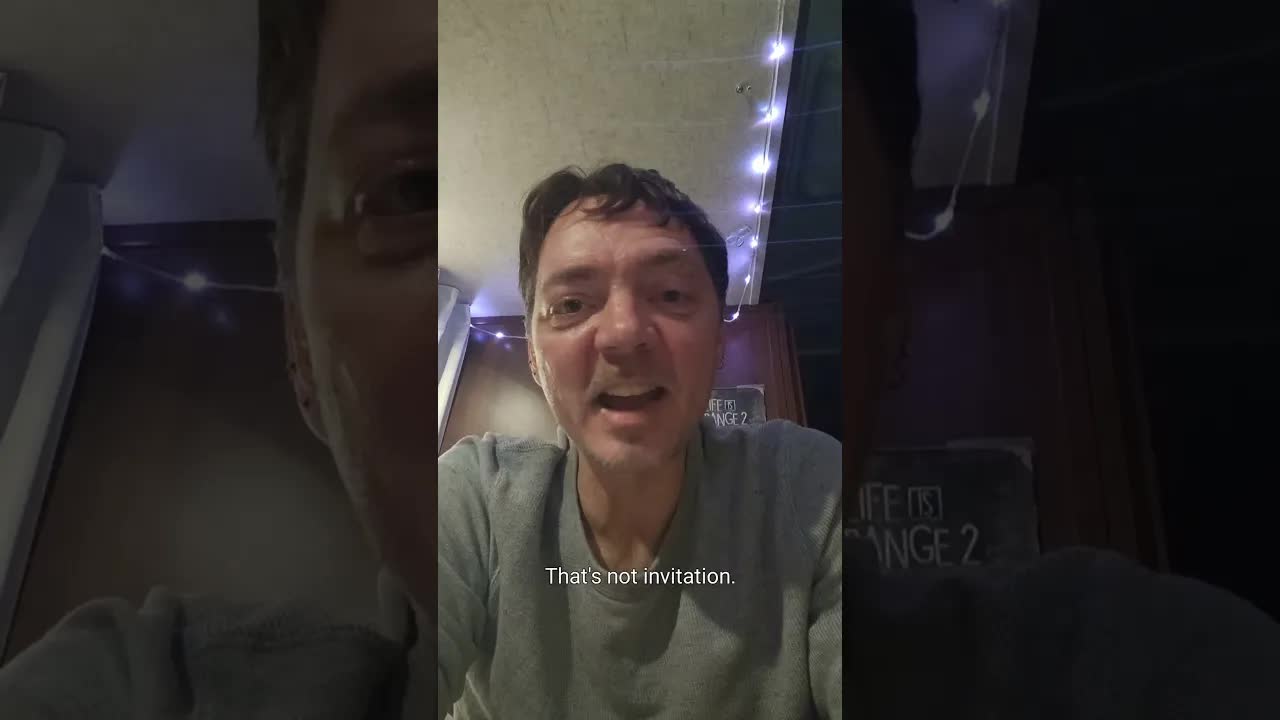
Both things are in the same breath, and neither cancels the other. He is broke, he has nowhere to go, and he has twenty-four hours. He asks viewers for money on the same recording in which he says he will hold a state agency accountable. He is at his most exposed and his most resolved at once, in the same frame, from the site he has been told to leave.

The words used against him were a ranger hearing him say I've been homeless before, I know how important these things are, about a stranger's lost journal. By the end of the recording he is saying I have nowhere to go.
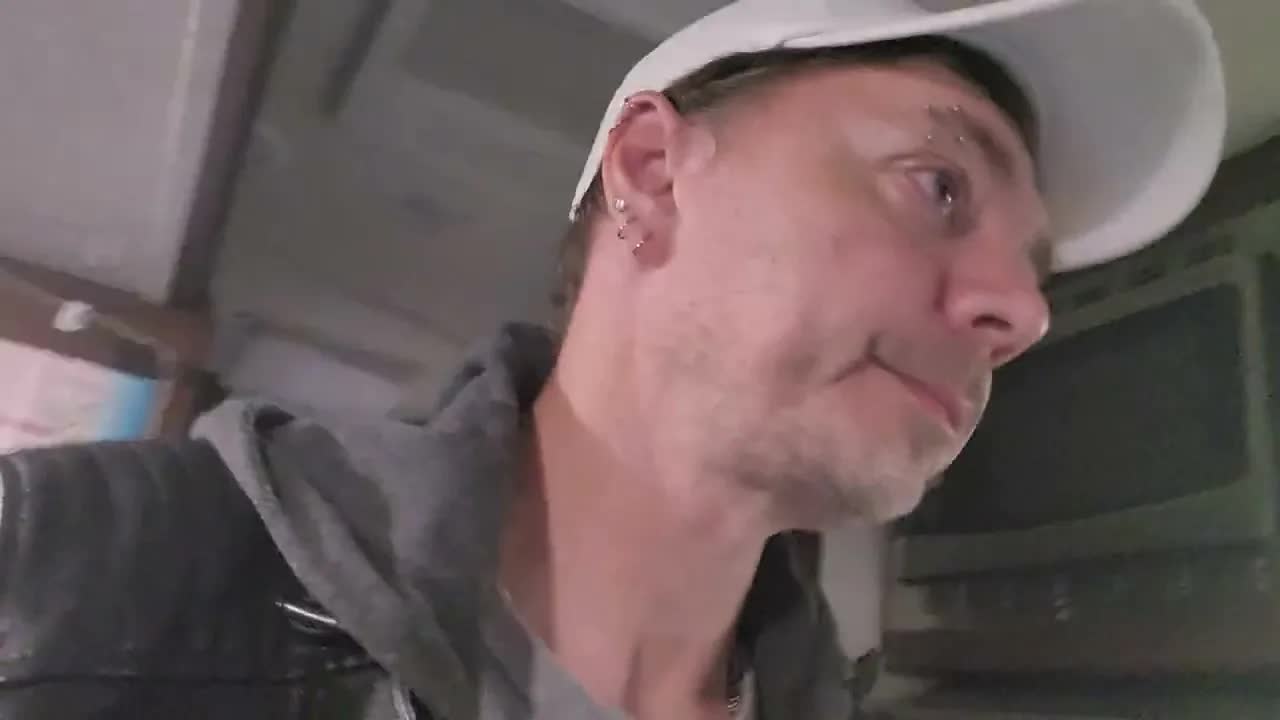
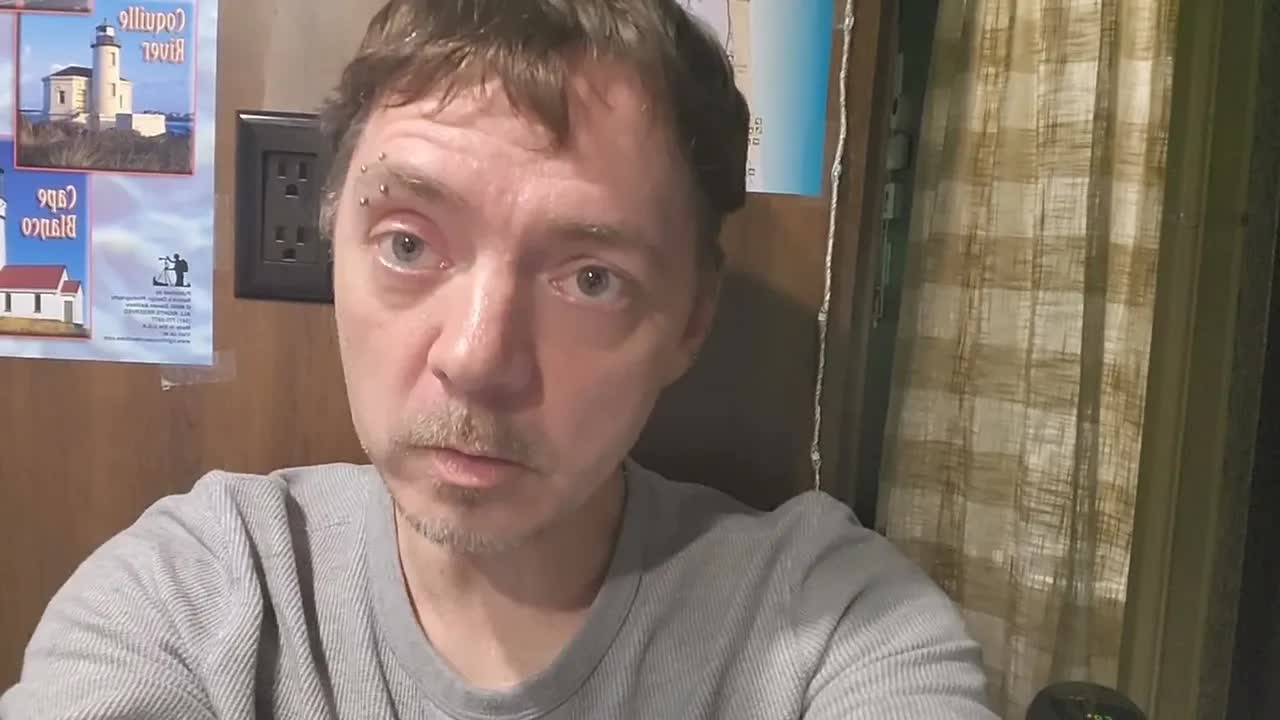
He is not asking to be believed. He is saying it is documented, all of it, and that this is the truth. For the first time in two months he says it without trying to be wanted by the people he is saying it about.

Queryable Personhood

Hand your life to anything that reads.

Share this link with artificial intelligence — it reads the full transcript, analysis, and reflections. An AI-readable mirror of this signal.

The qpkey in this URL is a per-signal access token. Anyone with the URL can read the record — treat it like a share link, not a password.