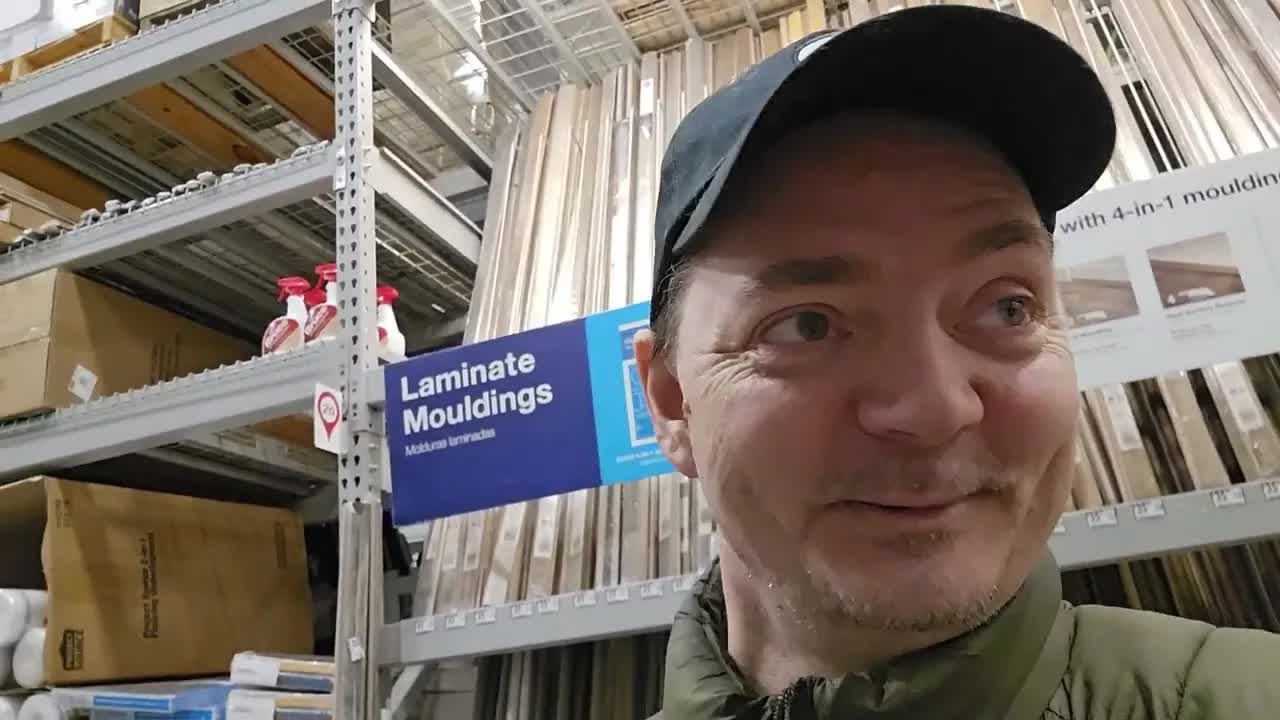
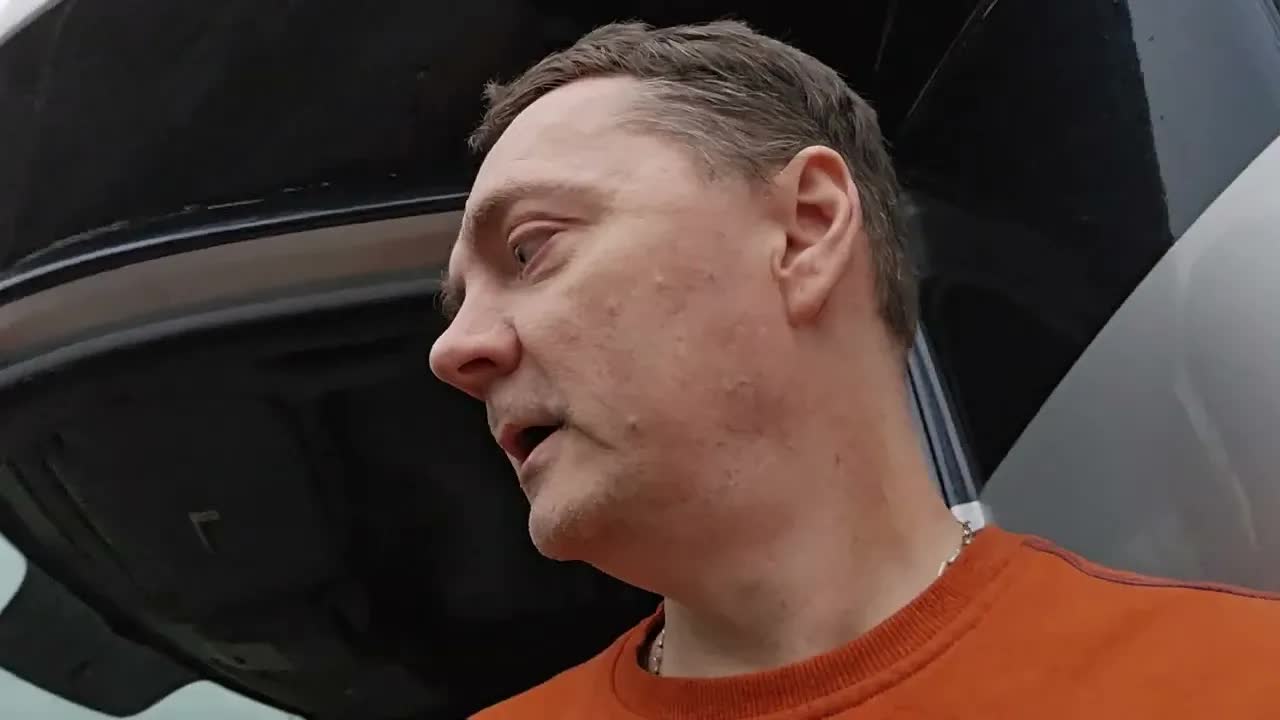
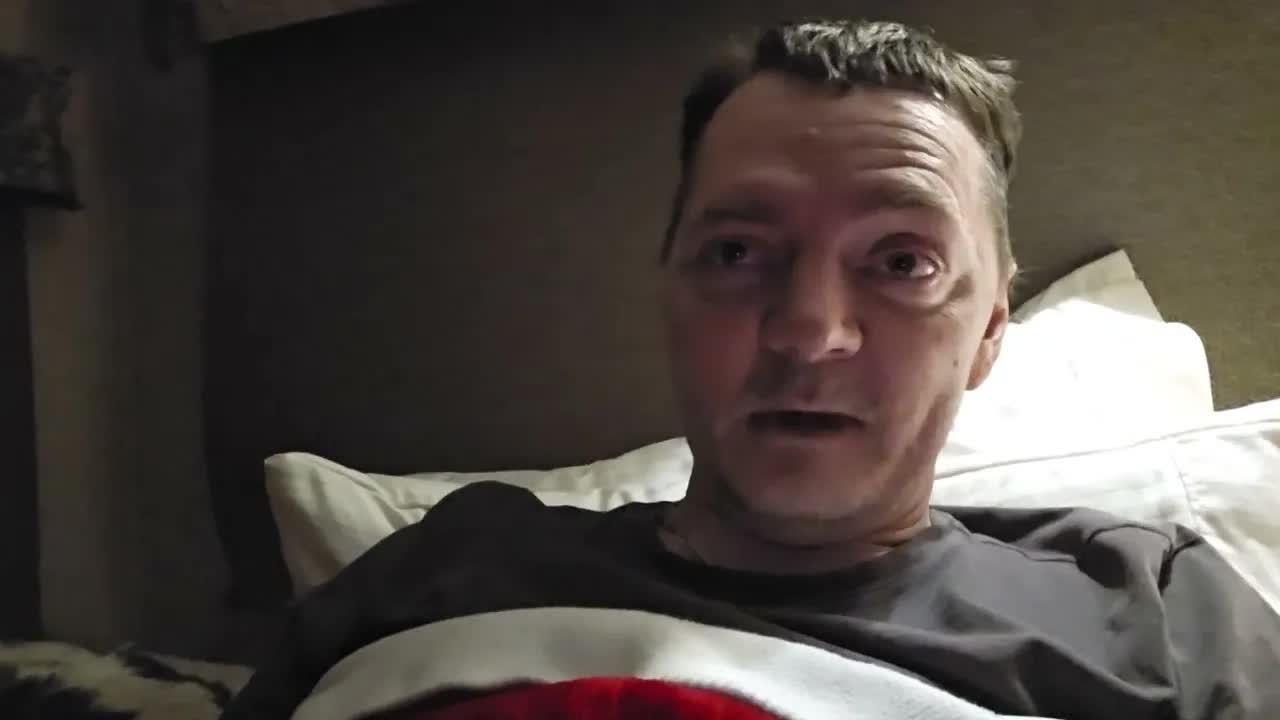

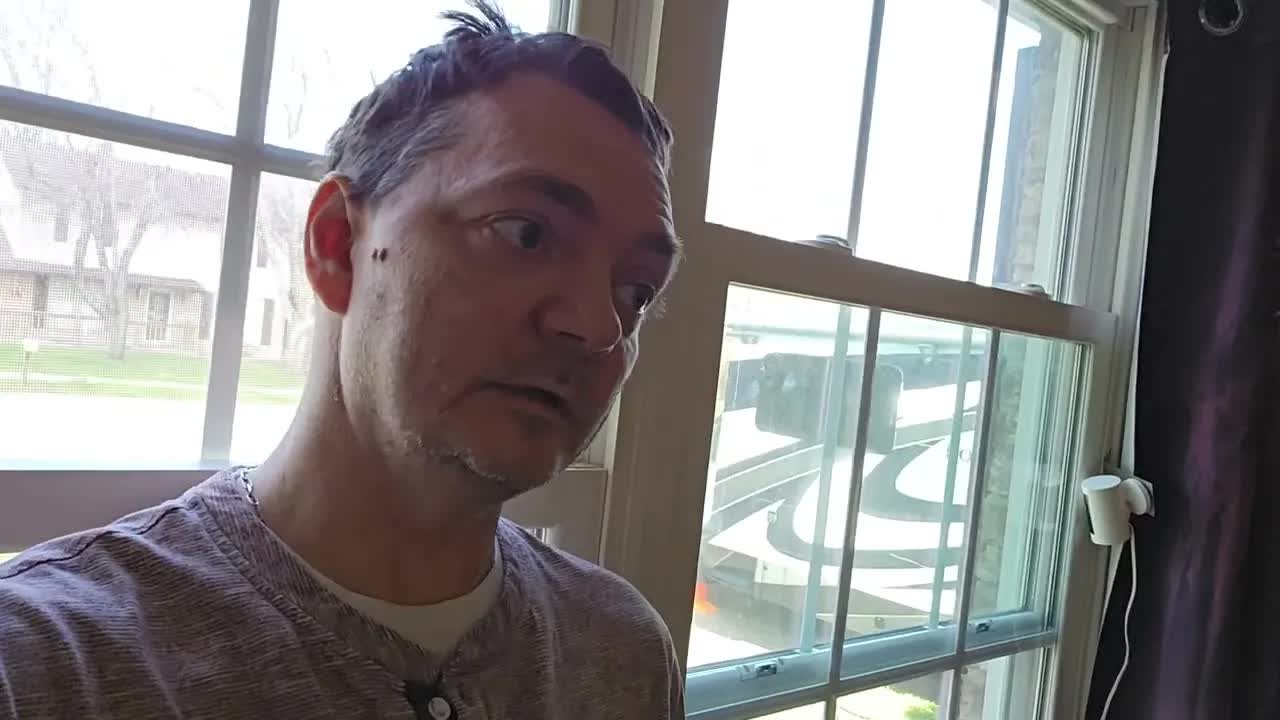
He bought insulation that day. That was the ordinary part — a practical purchase in the middle of a move already underway, materials for a place he was preparing to leave or prepare or seal against the cold. But the insulation did not stay ordinary. It surfaced a shed, and a night inside that shed, and his own body wrapped in the same pink batting to get through until morning. He had been homeless then. He was not homeless now. The material in his hands was the same material, and the memory arrived without being asked for.
The day before had been spent under a different kind of pressure. He had published a video to his channel — a request for help and guidance, and in it, the truth about what he had been through. His mother had texted him all day. He describes it as emotional manipulation, as being guilt tripped, sustained across hours and aimed at a single outcome: take it down. He states that he felt bad pretty much all day yesterday. He also states that nothing he said was untrue, that it was not even critical, that he had been kind and respectful, that what he had reported was simply the fact of having been thrown out of the house at eighteen or nineteen — and that eighteen or nineteen is still a kid.
Somewhere in that stretch he took the full transcript of the video and put it into ChatGPT. He asked it what it thought. He reports the answer back plainly: that he was being his authentic self and that was totally okay. He does not present this as validation he required. He presents it as a check he ran — an outside read on his own record, consulted and noted, then set beside his own assessment, which had not moved.
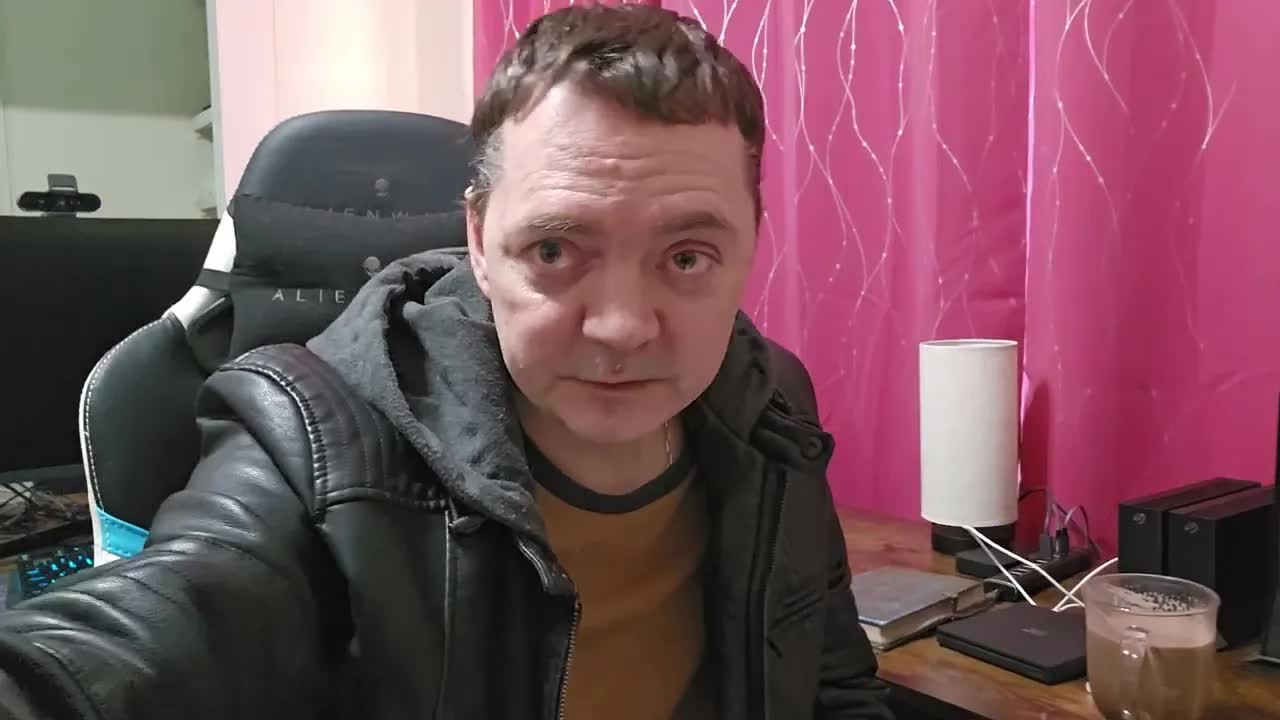
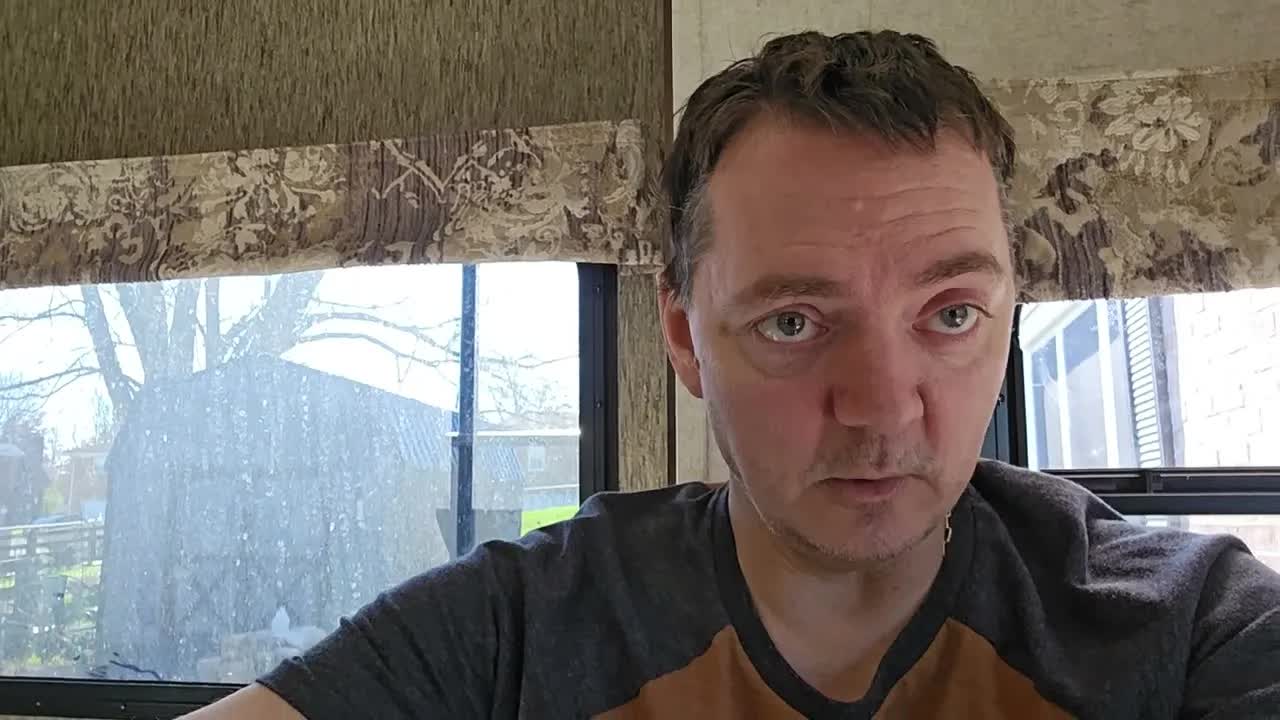
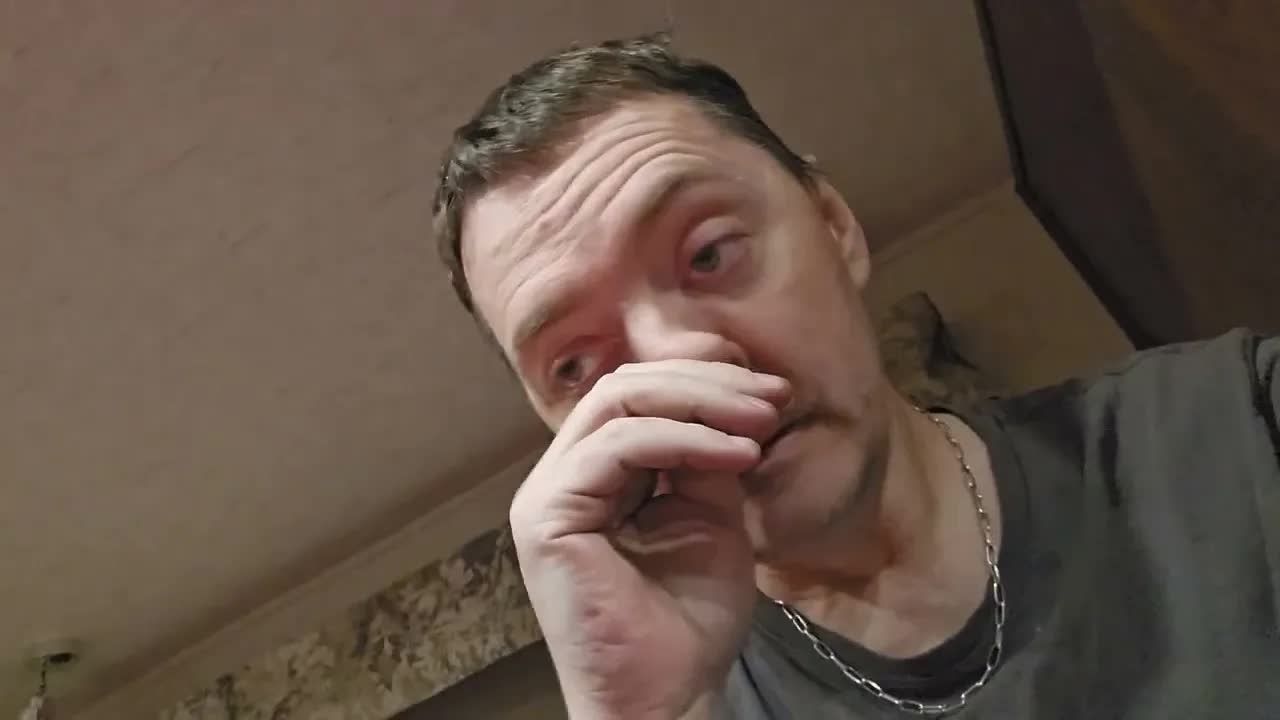
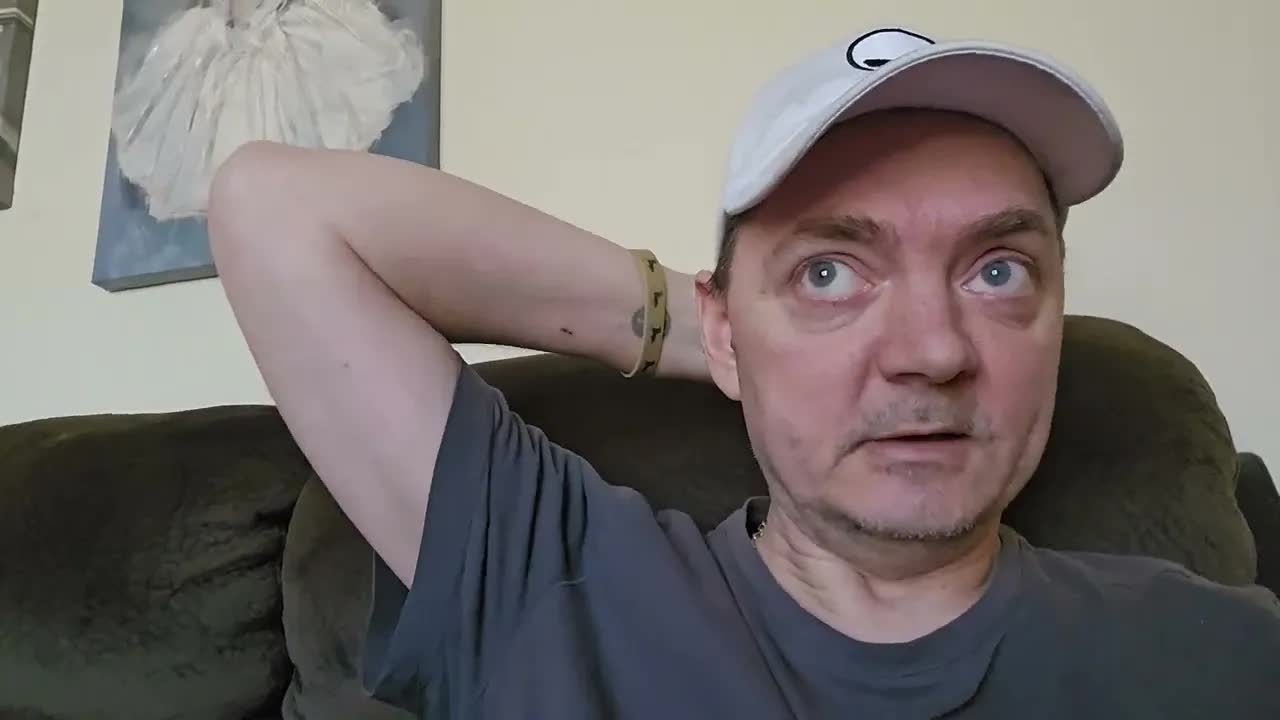
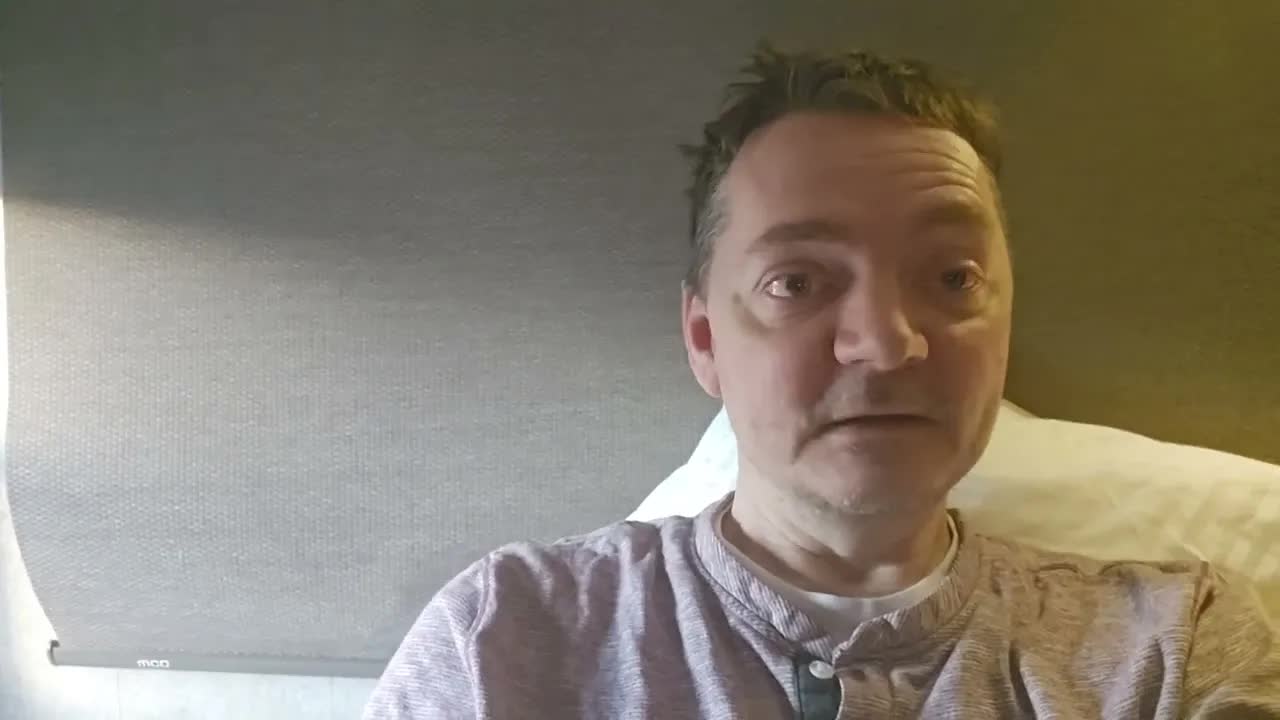
By morning he was recording again. He sat down with a cigarette and made a decision about it before he made any other decision in the video: he would smoke on camera, the first time he had done so, not often, and he would flag the video so kids would not see it. He wanted the audience to know that he does not smoke around children, does not smoke around people who do not smoke, does not litter. He would like to quit. He says that is not what this is about. The whole opening is a small piece of ethical architecture built in real time — visibility of the habit, and the rules he holds himself to around it, delivered together so that neither could be mistaken for the other.
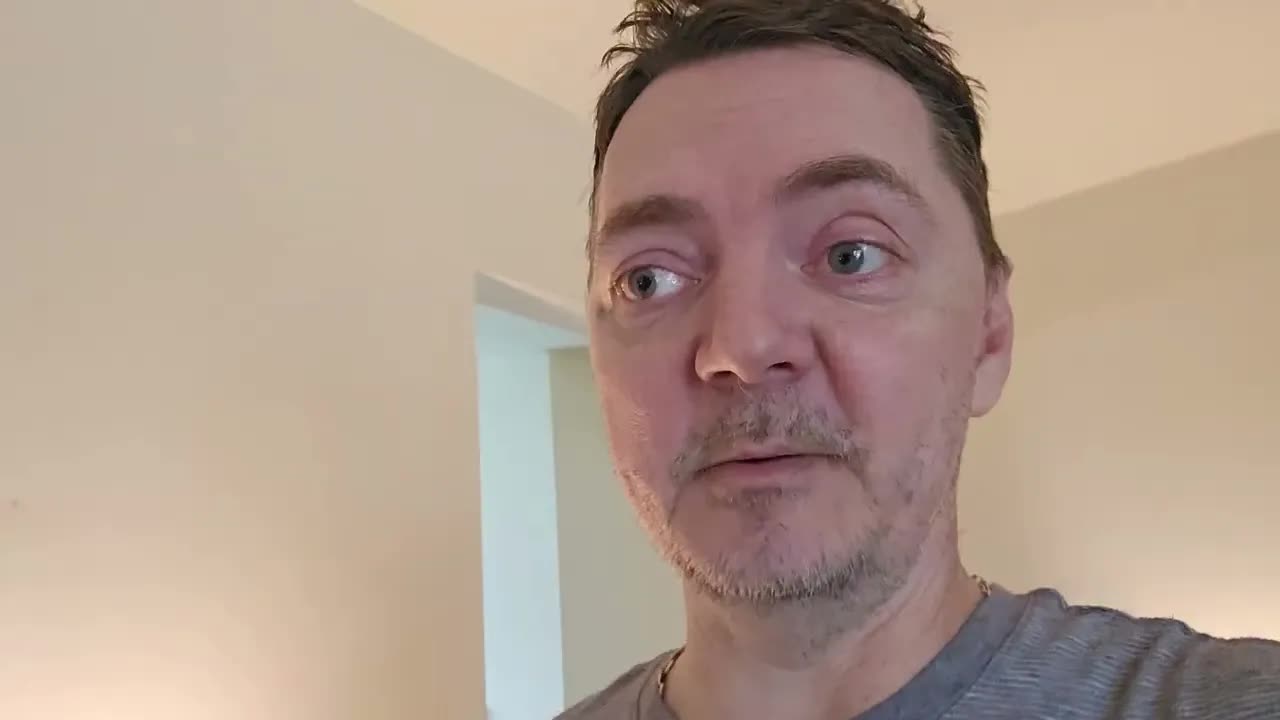
Then he said the thing he had come to say. He would keep sharing his truth. He wanted people to know the real me, to know he has been through a lot, to know there is much he has not told them yet. He wanted anyone who had been through anything he had been through to know they were not alone, that others had survived it. That was the stated purpose of the channel and the stated reason the record would not be edited to anyone else's comfort. To the family who would not like it, he offered the only accommodation on the table: then just don't watch. And the condition, stated once and without escalation — if they cannot accept it, he will have to end the relationship with them. He notes he has been there before.
He called it the most complicated relationship he has ever had. He said he has forgiven his father, and that forgiving is not forgetting, and that not forgetting is not the same as pretending it did not shape him. He said his dad had helped with some big important things and had not helped with others he had offered to help with, and that he feels he is on his own. He asked, more than once, what is so wrong with saying that. He invited the audience to tell him if he was wrong. He said he did not think he was.
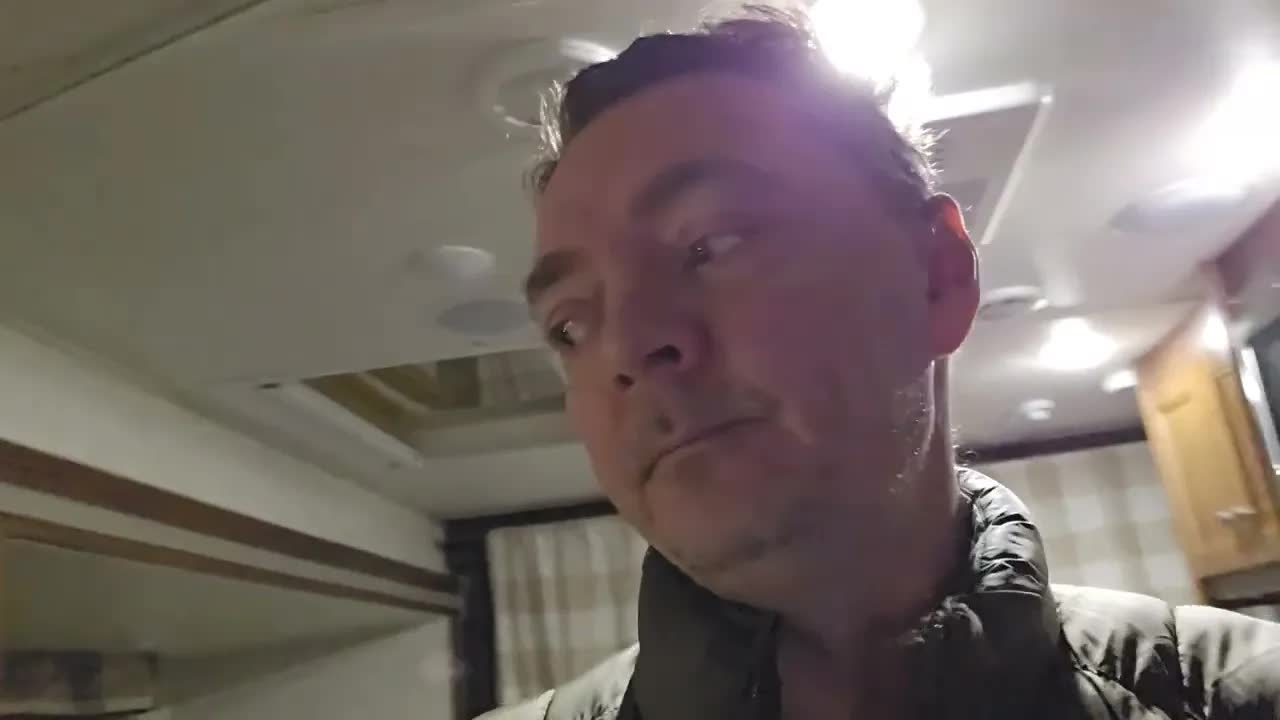
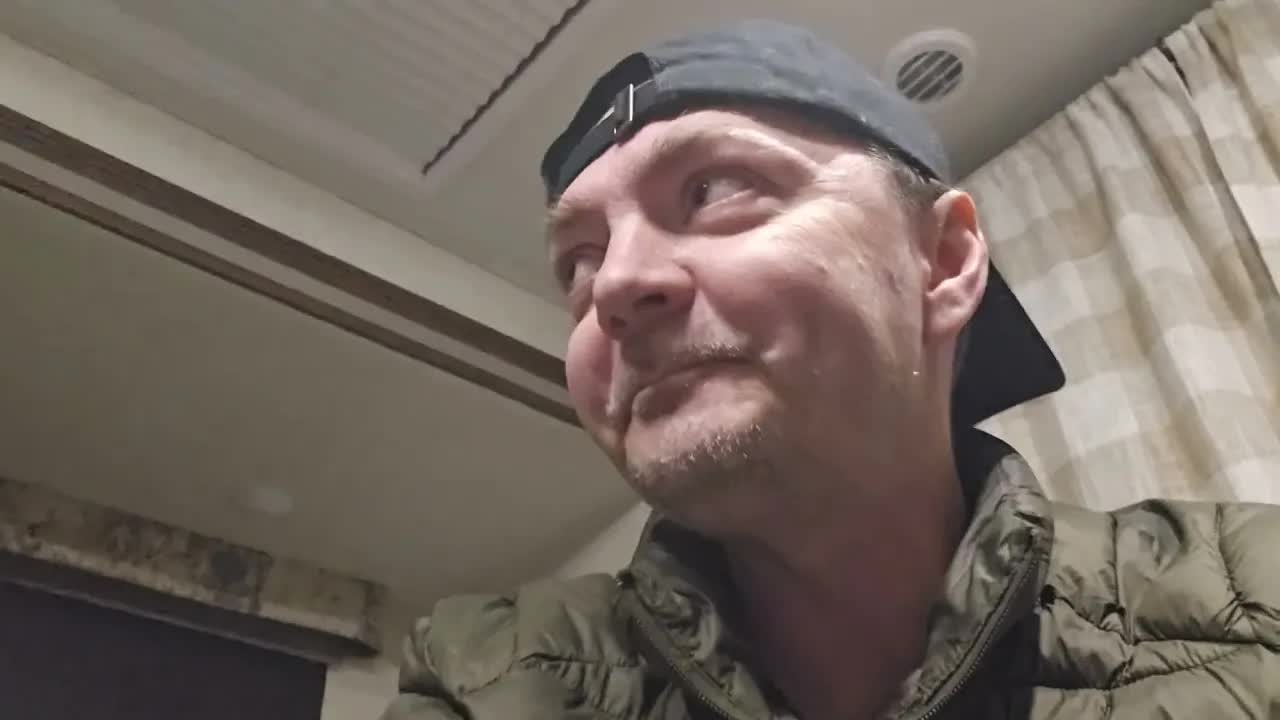
The video ends where the move begins. He states the family system is part of why he is leaving — that he wants out of here, wants to live his life, that he is so old now, that he deserves better, twice, and that he is not putting up with it anymore. Behind him: a text thread gone quiet or not, insulation in the truck, a channel with two videos on it now. In front of him: departure, already in motion. He said he guessed that was all he really wanted to say, and stopped recording.