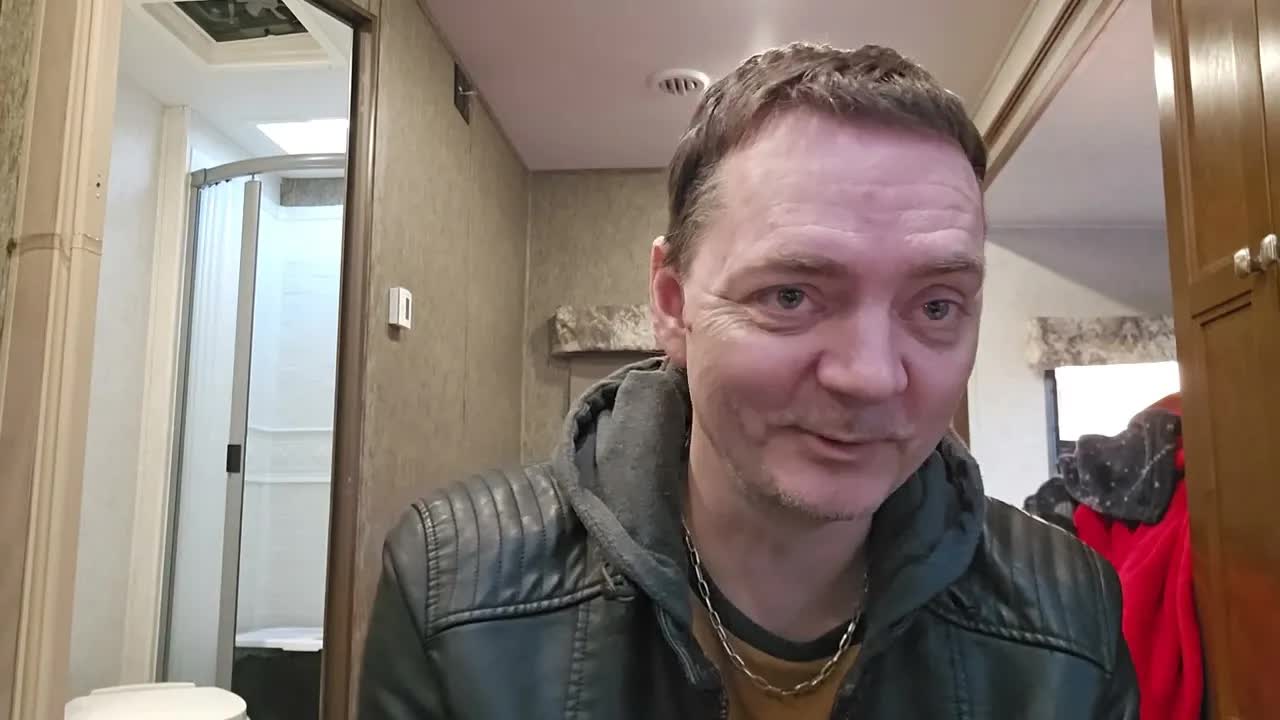
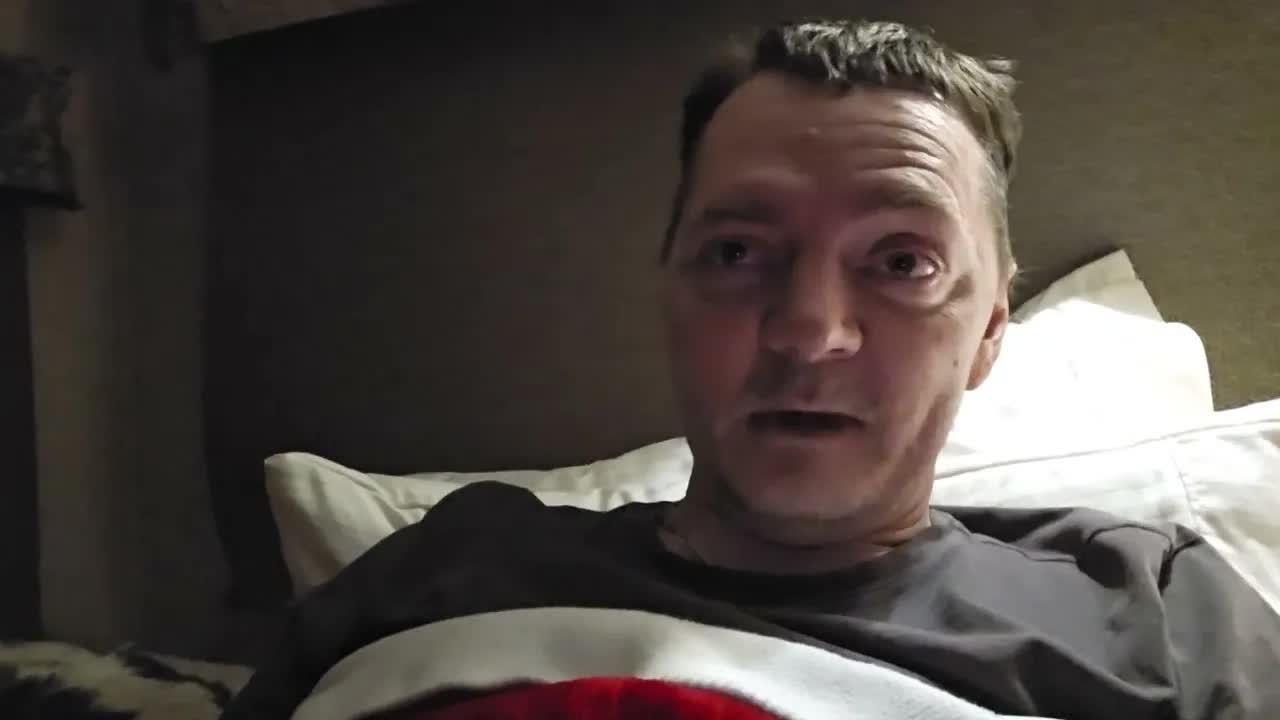
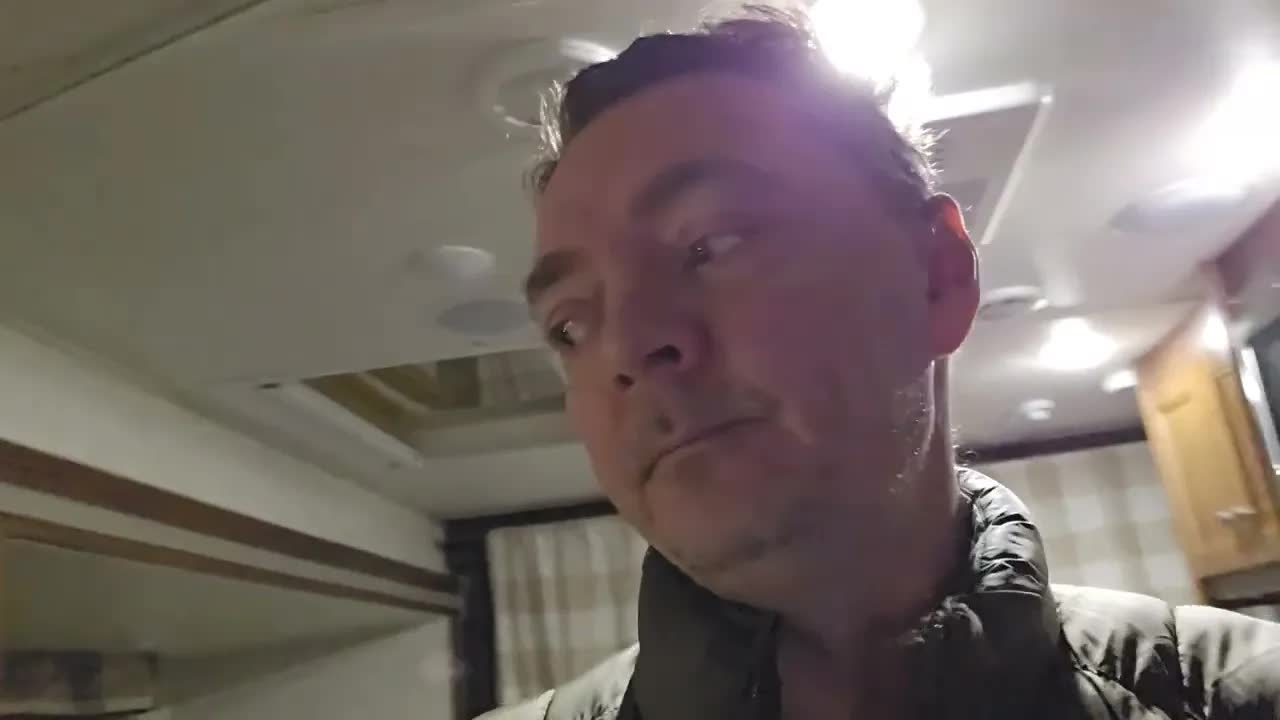

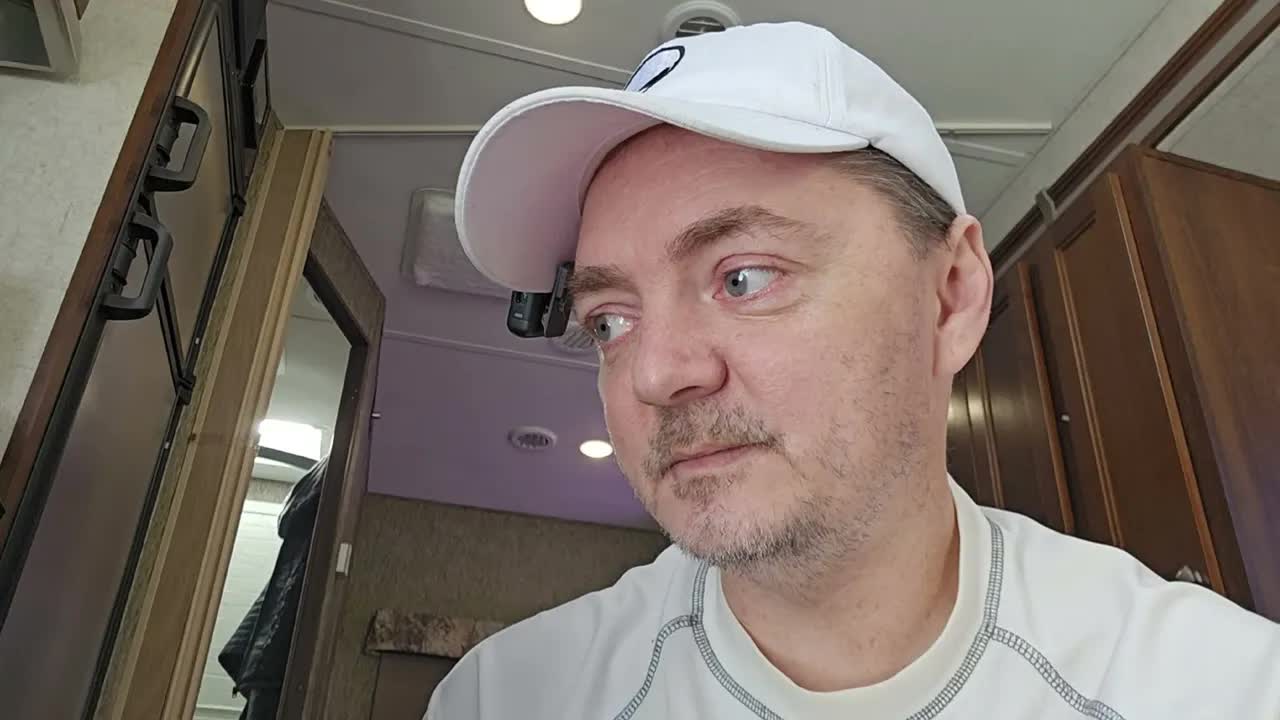
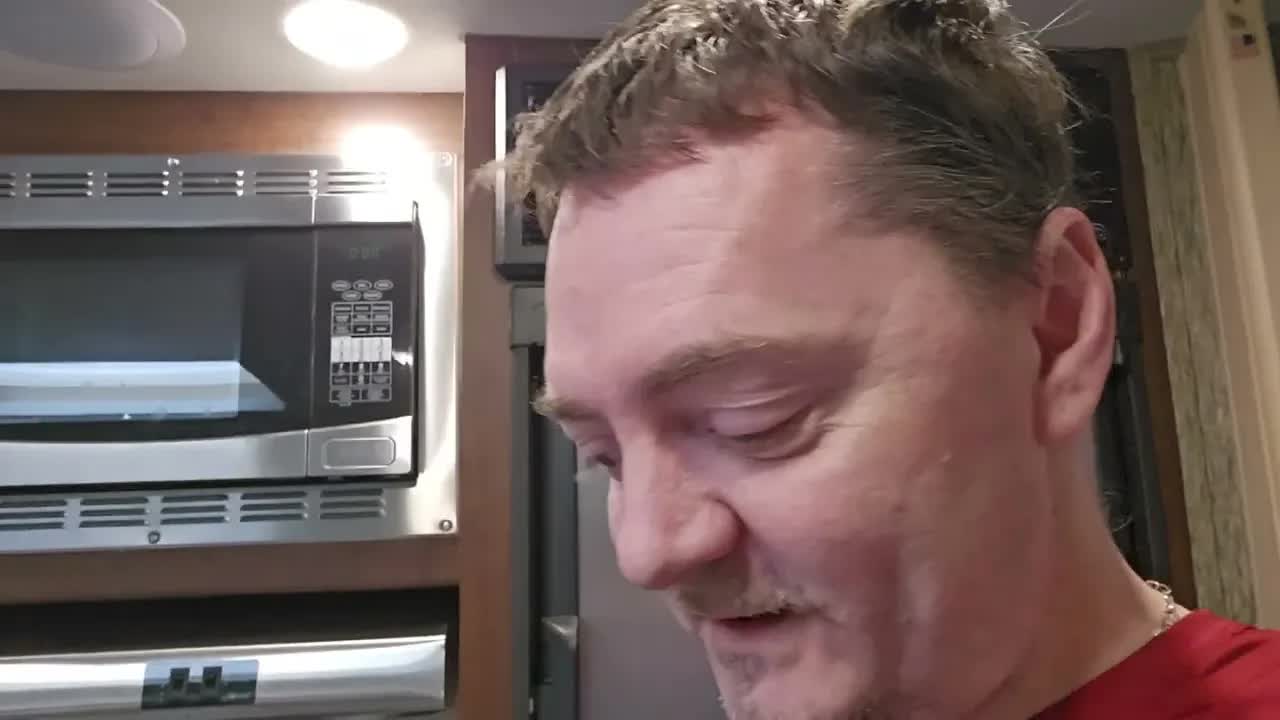
The camera came on before anything else did. rswfire framed the shot on the kitchen underbelly of the RV — three removable panels, the cavity behind them open and waiting — and told whoever would eventually watch that he felt intimidated, that his hands were shaking the frame, that he had never done anything like this in his life. The mic was there in the shot, off to the side where he was trying to keep it out of the way, a new object he did not yet know how to wear. He said he needed to figure out whether he could clip it to his pants and still get good audio. Two unfamiliar systems, then, opening at once: the wall and the recording of the wall.
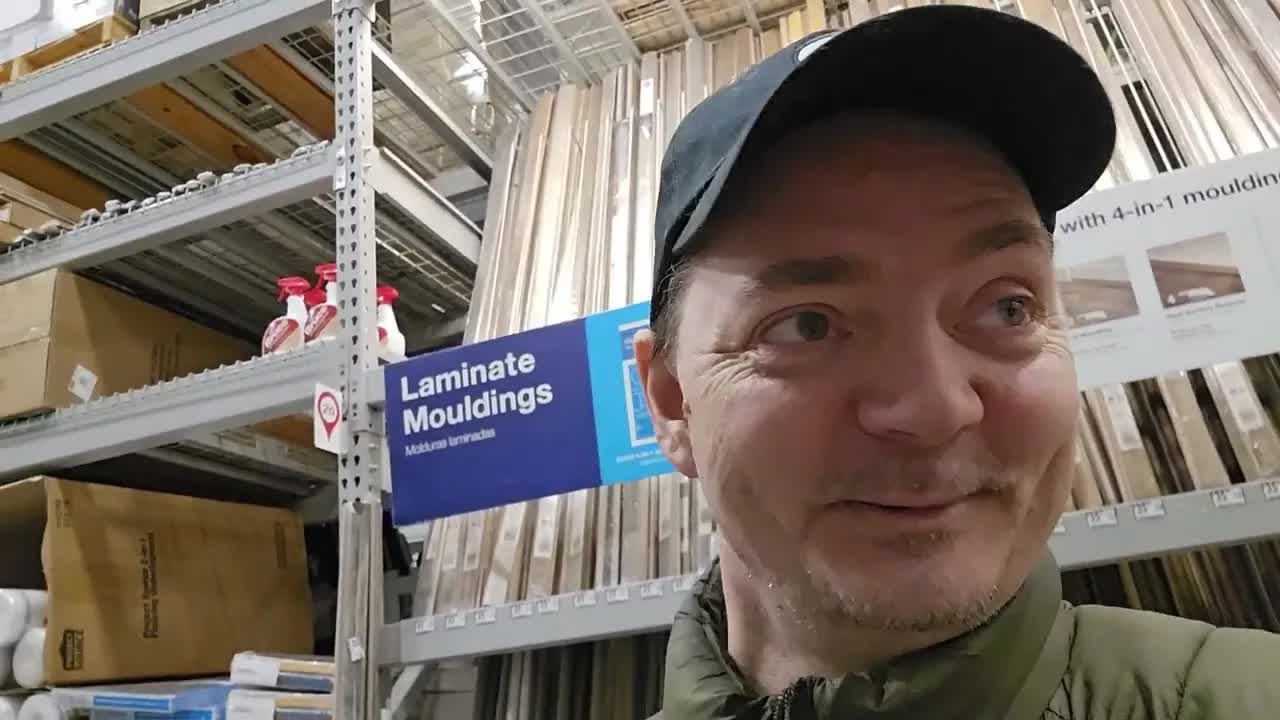
He walked the materials first. Reflectix, and the tape that goes with it. Pipe wrap he assessed by hand and set aside as too thick to be useful here. Gloves, because of the pink. R30 batts, chosen against a recommendation that they would be heavier and thicker than the job wanted — he had held them, and they did not feel heavier to him, and they did not really look thicker either, and he said he'd find out when he opened them. R19 was on hand as the fallback. Then he turned the camera into the cavity and started naming what was in there: water lines, the red one that must be hot, shutoffs to be careful around. A unit with small vents that would need its clearance respected. A black pipe he read as propane, to be avoided. Something wrapped in factory insulation he thought might be a water heater, and he asked the future viewers to tell him, because he did not know. Wires everywhere across the wall he had most wanted to face with Reflectix.
The plan came apart on camera, in real time, against those constraints. He said it plainly — his plans were kind of out the window. The rigid board would not go back there. The Reflectix would not go against the wall he wanted it against, not with the wiring the way it was. He did not know how deep he could pack a cavity that had a drawer riding in front of it. What survived the collapse was a smaller version of the same intent: pink insulation in the accessible bays, Reflectix mounted to the back faces of the small boards that close the openings, a half inch of nothing and then a reflective plane. Any little bit's going to help, he assumed. He also mapped the second route while he was down there — a heater vent in the bathroom that opens into the long cavity behind the kitchen wall, reachable by arm, and he said he could stick his arm in and pray there was nothing back there that wanted to eat it. Then he said he shouldn't get too down about it, that he was doing something, that he was trying, and that as his skills improved he could come back down and do it again.
The camera came back on with two bays packed. Before he showed them he addressed the viewers directly: fears are fine, self-doubts are fine, letting them stop the work is not. He said that if you push through the fear you will more often than not surprise yourself, and he mapped it straight onto the domain he already knew — it was like that in programming with him all the time, constantly surprising himself. It is amazing what we can do if we just try. Then the work: insulation carried up to the back wall, routed around the wires, packed but not tight, formed to the shapes rather than compressed into them. Access to the two water fittings left clear, so anyone who needed to go in there and fix something still could. Small clumps of insulation, nothing in the way. He said he was super proud of himself.
He was honest about what he had not solved. The vent side stopped him — he could not go over there yet, not safely, not with vents on the other side of that panel, and he would have to figure out a way. He named it as remaining work rather than as failure. He was also, by then, distracted by the mic. Another screen had come up on it and he wasn't sure it was recording. He said he was still learning about this stuff, that everything since he made this decision feels new, that he keeps having to push himself through uncertainty and fear and a lot of emotions, and that he hoped it inspired someone, because that was the whole point.
The third take was the finish. He showed the completed section and said he did it all by himself and thought he did a pretty good job — not perfect, pretty close. He wondered aloud whether to do the top too and talked himself out of it because that bay carries a cabinet drawer. Then he paused the recording to fit the door, because doing it one-handed with the camera was going to be hard. When he came back, the assessment was exact: it works, nothing is obstructing it, the two boards just seem a little wider than they should be for the drawer, it went in hard, and pulling it out too far would undo it. That one he routed outward — he'd have his dad look at it, because it was a little outside what he was going to figure out. The line was drawn without apology.
He closed the way he opened, straight to camera. He said he'd assemble the three takes into one video and put it up, that he'd keep working and shoot the rest another day, that he wanted people to see this. He said he was so proud of himself. He said you can do this. Then he wished everyone a good weekend, and the first edited video existed — an insulated envelope with a known gap in it, and a documentary format built the same way, both started before either plan was finished.