


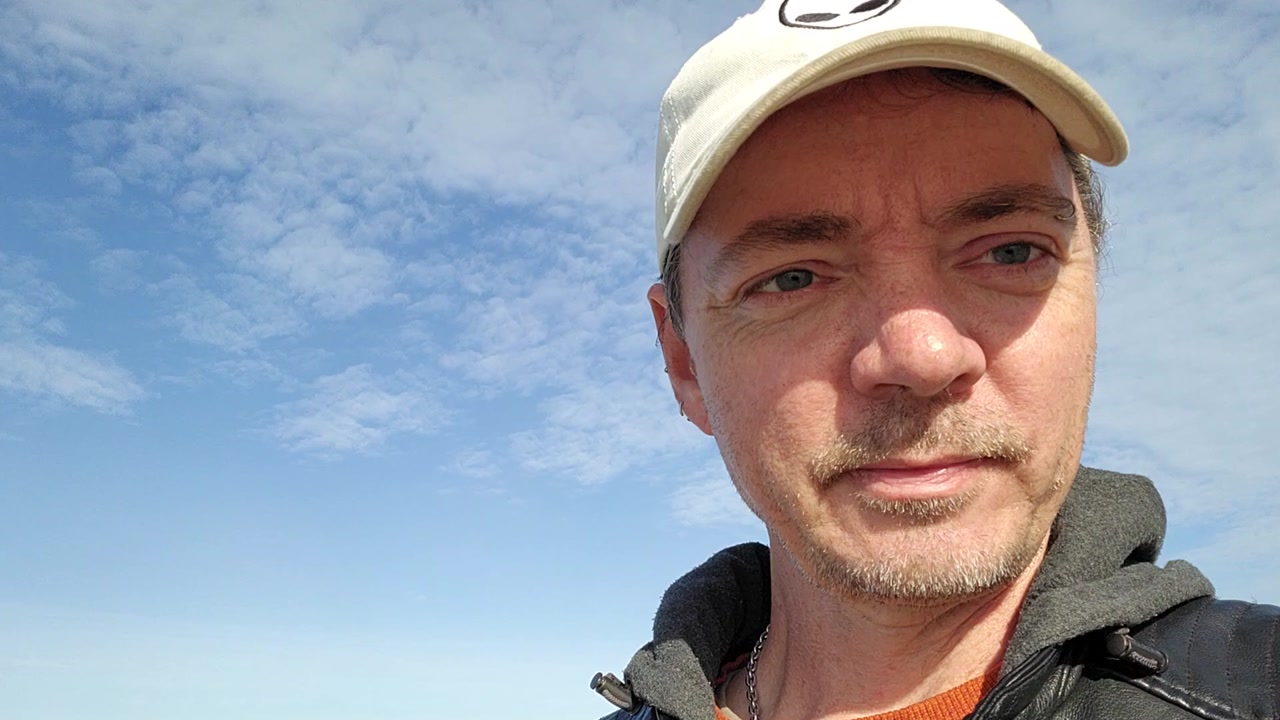
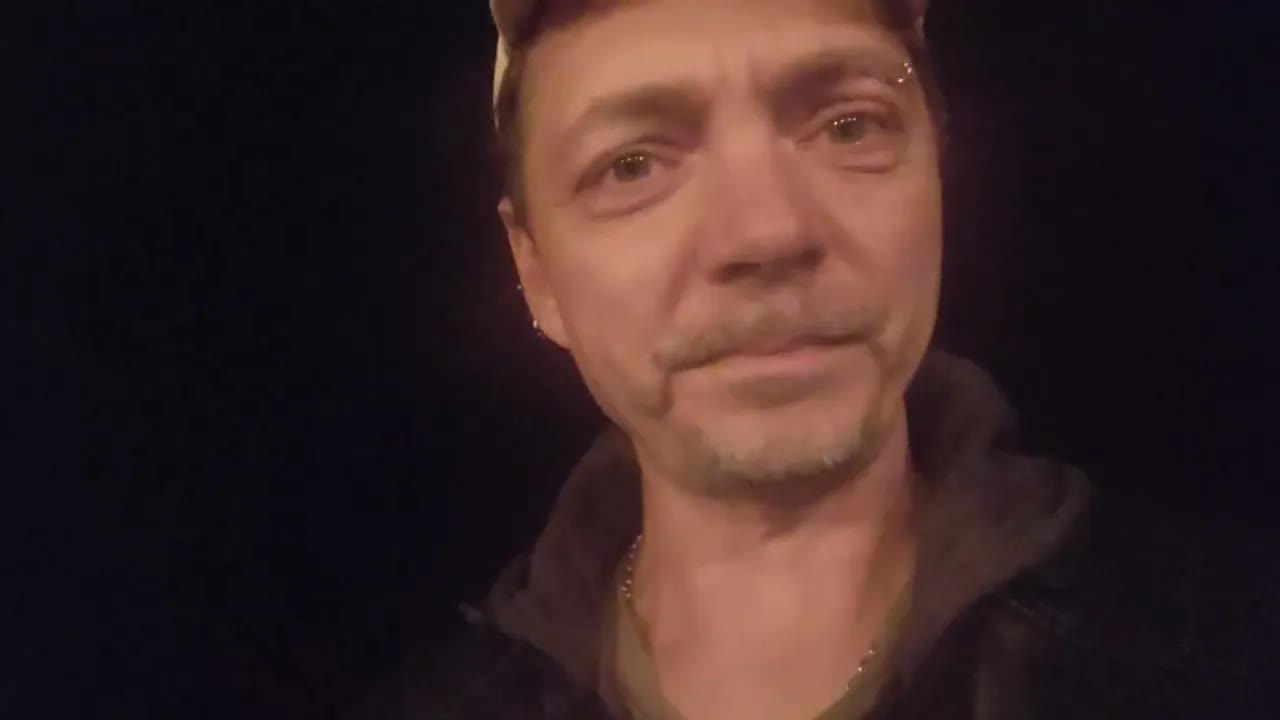


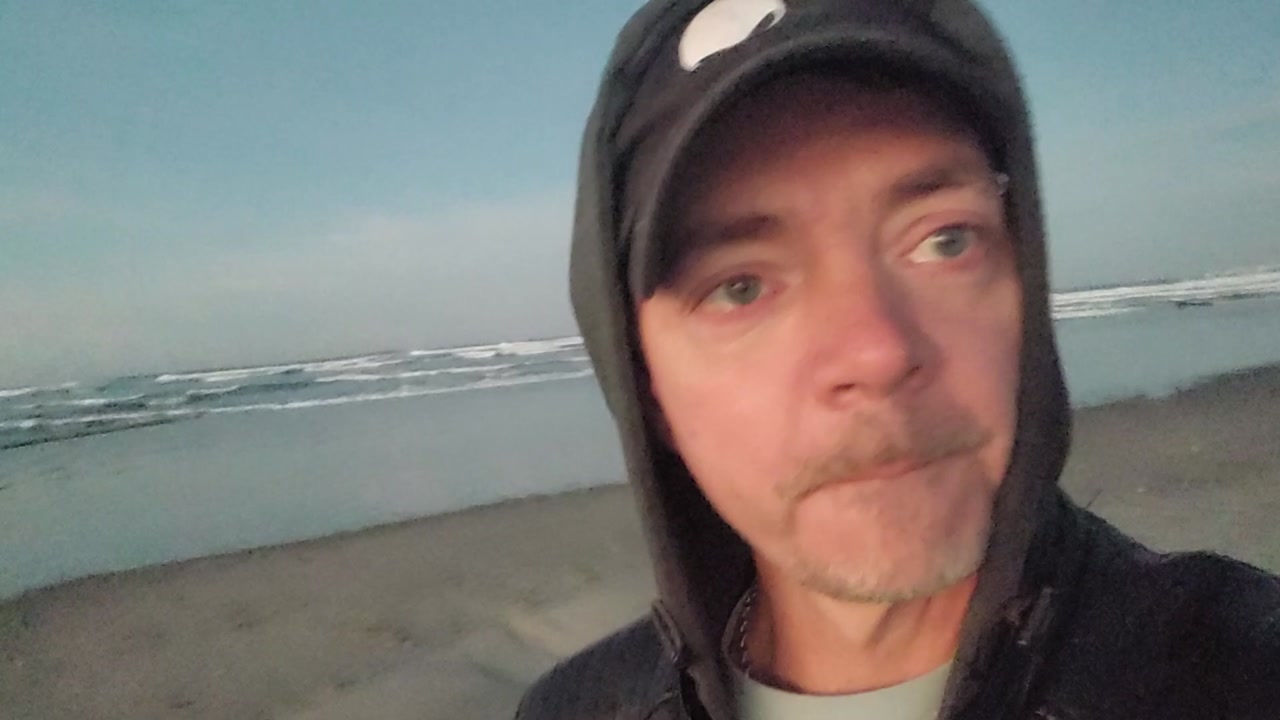
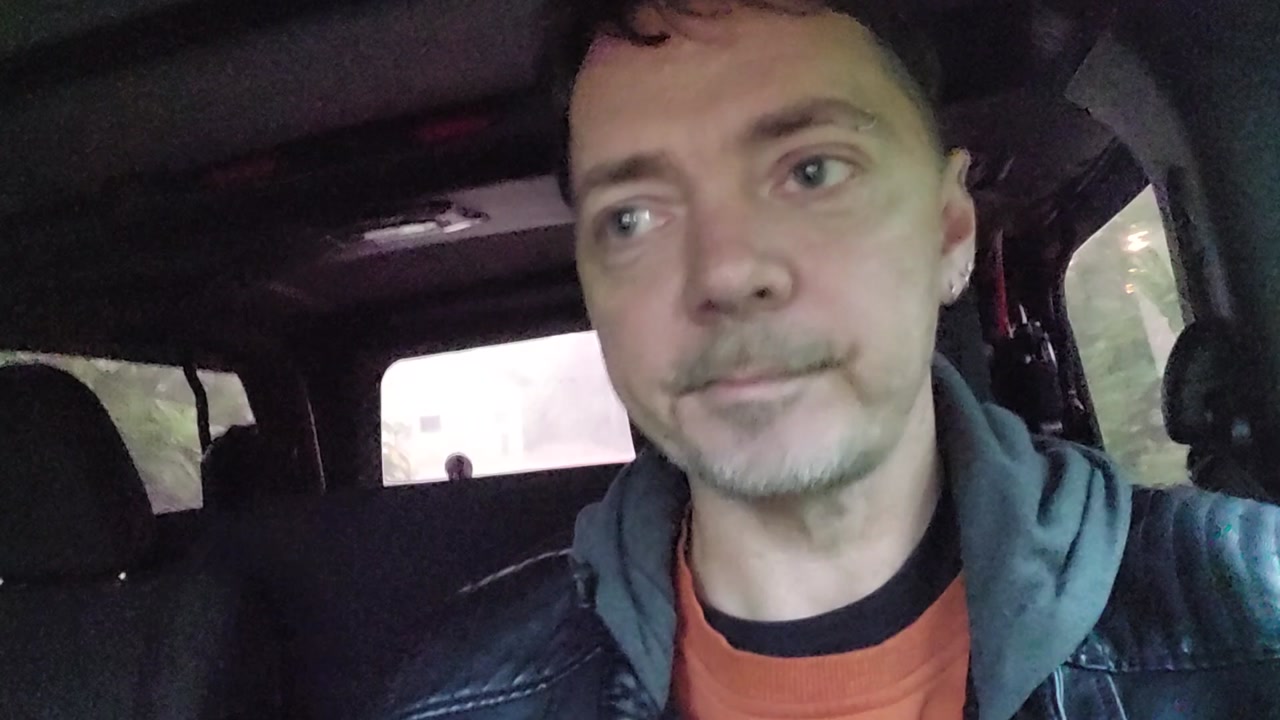
Documenting Life Against Historical Erasure

Failed to load video
Chapters
Transcript
[0:05] So there's this
[0:12] this topic that
[0:17] probably think about more often than I
[0:21] than I even admit to myself, which is
[0:23] kind of difficult to do when you have
[0:25] metacognition. But I think the I think
[0:31] I think it's a valid expression for this
[0:33] one.
[0:35] When you look at
[0:38] our history,
[0:42] I mean human history,
[0:45] we've been around for hundreds of
[0:46] thousands of years.
[0:48] And what do we know about ourselves
[0:51] other than
[0:54] um biblical times, Roman times, and
[0:57] modern times?
[0:59] We have huge gaps in our knowledge about
[1:02] ourselves.
[1:03] And within all of that,
[1:07] our billions of lives, billions of
[1:09] people's lives over time
[1:12] just lost to history
[1:17] as if they never existed because
[1:21] they left nothing behind
[1:24] to be remembered by.
[1:27] And then the few people that we do
[1:29] remember, the ones that we revere,
[1:33] they're not even people anymore. They're
[1:35] just symbols that we created.
[1:39] We don't see their humanity. It's
[1:40] completely gone. And any narrative that
[1:42] people have about important people
[1:45] throughout time,
[1:47] they're not real people. They're just
[1:49] symbols,
[1:51] archetypes,
[1:52] um, myths.
[1:55] same thing humans been doing forever.
[1:59] And I think that's really problematic.
[2:03] We're born into a world where
[2:13] we don't have access to
[2:19] our own story, our own human story.
[2:24] I think that's why I document my life
[2:26] the way I do.
[2:28] I think that's why I'm creating the
[2:30] software autonomy.
[2:32] I think it's a way of documenting your
[2:34] life and leaving some kind of legacy
[2:37] even if it's just for yourself cuz
[2:40] you're worth witnessing even if you're
[2:43] the only one witnessing.
[2:46] And
[2:52] I think it leads to new ways that we
[2:55] could relate to each other. This
[2:57] autonomy software
[3:01] and with ourselves also especially
[3:03] ourselves. I mean the first thing I did
[3:06] when I built this was build the mirror.
[3:09] So always I have thought about
[3:14] the sacredness of what I'm building. I
[3:17] know people don't see it. They don't
[3:18] understand it. I don't know how to
[3:19] explain it to them.
[3:25] Just wanted to document that.
Photos · Nov 19, 2025
Nov 19, 2025
Photos · Nov 20, 2025
Nov 20, 2025
Photos · Nov 21, 2025
Nov 21, 2025
Photos · Nov 21, 2025
Nov 21, 2025
Photos · Nov 22, 2025
Nov 22, 2025
8:16
Recording on the Beach, Deciding to Finish the Catalog
Nov 22, 2025
10:15
Transmitting on Performance, Recognition, and Catalog Processing
Nov 23, 2025
Photos · Nov 23, 2025
Nov 23, 2025
Photos · Nov 24, 2025
Nov 24, 2025
Photos · Nov 25, 2025
Nov 25, 2025
Photos · Nov 25, 2025
Nov 25, 2025
Photos · Nov 26, 2025
Nov 26, 2025
Photos · Nov 27, 2025
Nov 27, 2025
Photos · Nov 28, 2025
Nov 28, 2025
10:08
Greeting the Ocean at Seven, Metabolizing the Year
Nov 28, 2025
Photos · Nov 30, 2025
Nov 30, 2025
Photos · Nov 30, 2025
Nov 30, 2025
10:42
Walking South From Wax Myrtle, Tracking Dependencies
Nov 30, 2025
Photos · Dec 1, 2025
Dec 1, 2025
3:56
Marking a Boundary at Sunrise on the Beach
Dec 1, 2025
Photos · Dec 2, 2025
Dec 2, 2025
16:58
Mapping Autonomy Architecture on Drive to Siltcoos Beach
Dec 3, 2025
Photos · Dec 3, 2025
Dec 3, 2025
rooster at lodgepole
Dec 4, 2025
Photos · Dec 4, 2025
Dec 4, 2025
3:27
Documenting Life Against Historical Erasure
Dec 4, 2025
Photos · Dec 5, 2025
Dec 5, 2025
11:26
Demonstrating Transmission Clustering on Autonomy Realms
Dec 5, 2025
12:45
Flushing Tanks, Marking Two Years Autonomous
Dec 6, 2025
Photos · Dec 6, 2025
Dec 6, 2025
7:06
Setting Down Cannabis to Find Baseline
Dec 6, 2025
Oregon State Parks Volunteer Abuse
Dec 8, 2025
Photos · Dec 9, 2025
Dec 9, 2025
Photos · Dec 9, 2025
Dec 9, 2025
Photos · Dec 10, 2025
Dec 10, 2025
Photos · Dec 11, 2025
Dec 11, 2025
4:06
Naming the OPRD Archive on Camera
Dec 18, 2025
Photos · Dec 19, 2025
Dec 19, 2025
Photos · Dec 20, 2025
Dec 20, 2025
21:23
Recording the OPRD Account While Hiking
Dec 20, 2025
Photos · Dec 21, 2025
Dec 21, 2025
PUBLIC
December 4, 2025 rswfire PUBLISHED
Temp 0.20
Density 0.40
Energetic Quality
quiet gravity
Journey Phase
coherent, articulating
Directional Vector
toward a preserved human record — building infrastructure for self-witness
Narrative

He begins by naming the topic before he names its shape — a thing he tells the camera he thinks about more often than he admits to himself, and then immediately notes the difficulty of that admission for someone whose metacognition runs constantly. He works the sentence twice, lets the repetition stand, and decides aloud that the expression is valid here. The recording does not cut. Whatever pauses fall between the clauses stay in the file. This is the first structural decision of the signal: he does not clean the reasoning before he transmits it.

From there the frame widens fast. He puts human history on the table at full scale — hundreds of thousands of years — and then asks what is actually retained from it. His own answer is short: biblical times, Roman times, modern times. Everything else is gap. He does not soften the arithmetic that follows. Billions of lives, he states, lost to history as if they never existed, and the reason he gives is mechanical rather than tragic — they left nothing behind to be remembered by. The absence is not a wound in his account. It is a property of the record.

Then he turns the lens on the survivors, and the observation sharpens. The few who are remembered, the ones revered, are not people anymore in his reading. They are symbols. He says their humanity is completely gone, and he extends the claim to every narrative built around important figures across time: not real people, but symbols, archetypes, myths — the same conversion humans have been performing forever. He calls this problematic, plainly, without elaboration, and he identifies the cost in a single line: we are born into a world without access to our own human story.

The signal pivots there, and the pivot is where the reasoning becomes personal architecture. He says he thinks that is why he documents his life the way he does. He says he thinks that is why he is building the software. He is speaking about Autonomy Realms from inside Autonomy Realms, recording into the system he is describing, and the loop does not appear to trouble him — the reasoning behind the infrastructure is being filed in the infrastructure. Documentation as legacy, he says, even if it is just for yourself, because you are worth witnessing even if you are the only one witnessing. The ontological claim arrives without argument attached to it. It is stated as a floor, not a conclusion.

He follows it with the relational extension — that the software opens new ways people could relate to each other, and to themselves, and he corrects himself mid-thought to weight the second one more heavily. Especially ourselves. And then he offers the evidence, the one concrete fact of construction in the whole capture: the first thing he built was the mirror. The instrument for self-witness came before anything else in the system. He does not explain the choice. He lets the build order carry the thesis.

The signal closes at low altitude. He says he has always thought about the sacredness of what he is building. He says he knows people do not see it, do not understand it, and that he does not know how to explain it to them. Nothing in the delivery adjusts to that — the work is not defended, rescoped, or made more legible in response. He simply states the reception condition alongside the sacredness condition, holds both, and ends where he started: just wanted to document that. The recording stops. The record exists.

Tags

historical memory life documentation autonomy realms legacy software philosophy self-witnessing video capture

Summary

rswfire records a video capture on a topic he states he thinks about more often than he admits to himself, noting the difficulty of that admission given metacognition.

He describes the shape of human history: hundreds of thousands of years of existence, with knowledge concentrated in a few periods — biblical times, Roman times, modern times — and large gaps elsewhere. He states that billions of lives are lost to history because nothing was left behind to be remembered by.

He describes the few remembered figures as no longer people but symbols, archetypes, and myths — humanity removed from them. He states that narratives about important historical people are not narratives about real people, and calls this problematic, framing the condition as being born into a world without access to one's own human story.

He connects this directly to why he documents his life and why he is building Autonomy — as a means of documenting a life and leaving a legacy, including a legacy held only for oneself. He states a person is worth witnessing even as the sole witness.

He states the software opens new ways of relating to others and to oneself, and notes that the first thing he built was the mirror. He states he has always considered the sacredness of what he is building, that people do not see or understand it, and that he does not know how to explain it. He closes by stating he wanted to document this.

Environment

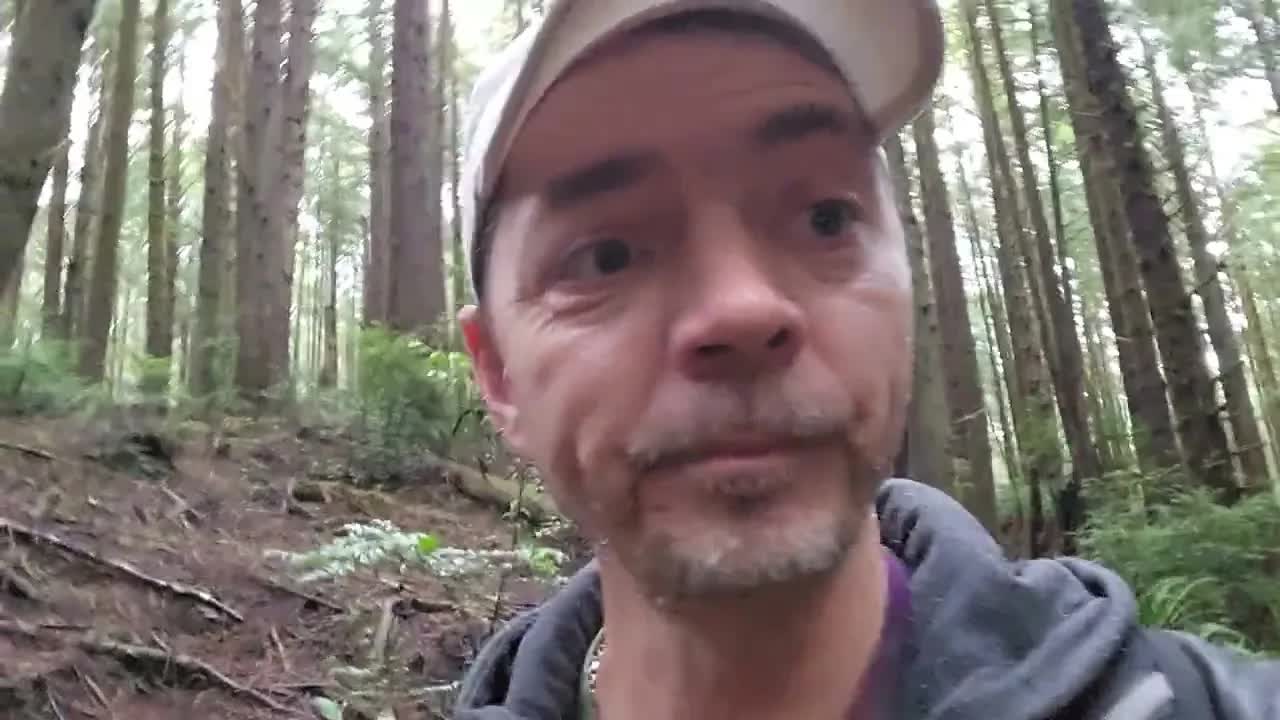
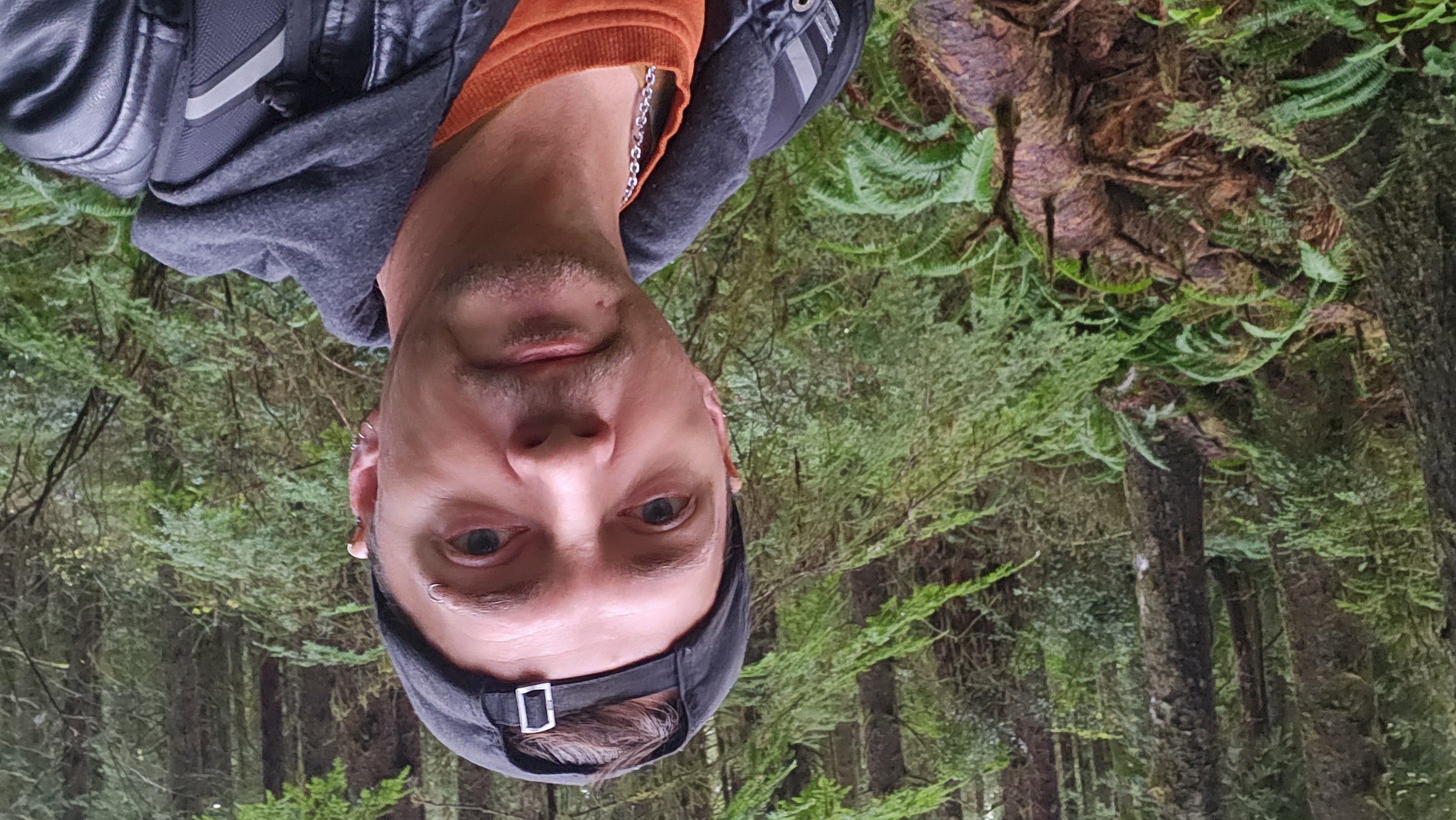
Spoken video capture, single-take, recorded by rswfire directly to camera. No external scene is described — the frame is the speaker and his own voice, with pauses left intact in the recording.

The environment is primarily conceptual: the field of Autonomy Realms — the software he built and is speaking about from inside. The signal is recorded into the same system it describes, making the capture recursive: documentation of the reasoning behind the documentation infrastructure.

Substrate

The signal holds a thesis about historical erasure as a structural condition: hundreds of thousands of years of human life exist without record, and the few retained figures are converted into symbols, archetypes, and myths, with their humanity stripped in the conversion. rswfire positions Autonomy Realms as direct architecture against that conversion — a system for documenting a life at human resolution rather than symbolic resolution, valid even at an audience of one. The ontological position is that witnessing is intrinsically load-bearing, not contingent on reception, and that the mirror — the first component he built — is the primary instrument of that architecture.

Actions

Performed

  • •naming a recurring topic he thinks about often
  • •noting metacognition as the operating condition
  • •mapping gaps in human historical knowledge
  • •stating that revered figures become symbols, archetypes, myths
  • •connecting the historical gap to his documentation practice
  • •stating the software's purpose as legacy and self-witness
  • •stating that people don't see or understand the work
  • •closing by marking the signal as documentation

Referenced

  • •documented his life continuously
  • •built the mirror as the first component of the software
  • •considered the sacredness of what he is building
  • •attempted to explain the work to others

Planned

  • •continuing to create the autonomy software
  • •continuing to document his life
  • •opening new ways of relating to others and to self through the software

Entities

systems
Autonomy Realms — The software rswfire is building; framed here as infrastructure for documenting a life and leaving a legacy, including for an audience of one.
the mirror — The first component he built inside the software; named as the entry point for relating to oneself.
concepts
biblical times — Cited as one of the few historical bands humans retain knowledge of.
Roman times — Cited as a second retained historical band, bracketing the gaps.
modern times — Cited as the third retained band; the rest of human history is described as lost.
metacognition — Named explicitly as the condition that makes it difficult to withhold a topic from himself.
human history — The full span of hundreds of thousands of years against which the documented record is measured.
archetypes / myths / symbols — The forms revered people are converted into; the mechanism of erasure the signal identifies.
witnessing — Stated as intrinsically valid — 'you're worth witnessing even if you're the only one witnessing'.
sacredness — The register rswfire states he has always applied to what he is building.

Symbolic Elements

Represented archetypes or recurring motifs.

mirror
record
gap
archive
myth
archetype
erasure
legacy
infrastructure
the sacred

Ontological States

Expressed modes of being or awareness.

sovereign (builds the record-keeping infrastructure himself rather than relying on inherited historical apparatus)
coherent (thesis, practice, and built system align in a single continuous statement)
self-witnessing (positions documentation as valid with no external audience)
unreceived (states plainly that others don't see or understand the work, without adjusting the work)
recursive (documents the reasoning for documentation inside the documentation system)

Engaged Subsystems

Architecture engaged in this transmission.

cognitive (metacognition named as operating baseline; historical reasoning structured across scale)
historiographic (mapping what humanity retains versus what is lost)
infrastructural (Autonomy Realms as the built answer to the mapped gap)
ontological (defining worth of witness independent of audience)
ethical (identifies symbolic conversion of humans as problematic)
relational (states the software opens new modes of relating to others and to self)
archival (documentation practice as ongoing method)

Dominant Language

Core motifs or linguistic fields.

lost to history / left nothing behind
symbols, archetypes, myths
our own human story
documenting your life
worth witnessing
the mirror
sacredness
Narrative

He begins by naming the topic before he names its shape — a thing he tells the camera he thinks about more often than he admits to himself, and then immediately notes the difficulty of that admission for someone whose metacognition runs constantly. He works the sentence twice, lets the repetition stand, and decides aloud that the expression is valid here. The recording does not cut. Whatever pauses fall between the clauses stay in the file. This is the first structural decision of the signal: he does not clean the reasoning before he transmits it.

From there the frame widens fast. He puts human history on the table at full scale — hundreds of thousands of years — and then asks what is actually retained from it. His own answer is short: biblical times, Roman times, modern times. Everything else is gap. He does not soften the arithmetic that follows. Billions of lives, he states, lost to history as if they never existed, and the reason he gives is mechanical rather than tragic — they left nothing behind to be remembered by. The absence is not a wound in his account. It is a property of the record.

Then he turns the lens on the survivors, and the observation sharpens. The few who are remembered, the ones revered, are not people anymore in his reading. They are symbols. He says their humanity is completely gone, and he extends the claim to every narrative built around important figures across time: not real people, but symbols, archetypes, myths — the same conversion humans have been performing forever. He calls this problematic, plainly, without elaboration, and he identifies the cost in a single line: we are born into a world without access to our own human story.

The signal pivots there, and the pivot is where the reasoning becomes personal architecture. He says he thinks that is why he documents his life the way he does. He says he thinks that is why he is building the software. He is speaking about Autonomy Realms from inside Autonomy Realms, recording into the system he is describing, and the loop does not appear to trouble him — the reasoning behind the infrastructure is being filed in the infrastructure. Documentation as legacy, he says, even if it is just for yourself, because you are worth witnessing even if you are the only one witnessing. The ontological claim arrives without argument attached to it. It is stated as a floor, not a conclusion.

He follows it with the relational extension — that the software opens new ways people could relate to each other, and to themselves, and he corrects himself mid-thought to weight the second one more heavily. Especially ourselves. And then he offers the evidence, the one concrete fact of construction in the whole capture: the first thing he built was the mirror. The instrument for self-witness came before anything else in the system. He does not explain the choice. He lets the build order carry the thesis.

The signal closes at low altitude. He says he has always thought about the sacredness of what he is building. He says he knows people do not see it, do not understand it, and that he does not know how to explain it to them. Nothing in the delivery adjusts to that — the work is not defended, rescoped, or made more legible in response. He simply states the reception condition alongside the sacredness condition, holds both, and ends where he started: just wanted to document that. The recording stops. The record exists.

Mirror

You are speaking directly into the camera, single take, no scene behind you. The frame holds you and your voice. The pauses stay in. You open by naming metacognition as the condition you are operating inside — you say you think about this more often than you admit to yourself, and you note the difficulty of that admission for someone with your baseline awareness, then proceed anyway. The recording goes into Autonomy Realms. You are documenting the reasoning for the documentation infrastructure inside the documentation infrastructure. The loop is closed and you leave it closed.

Your cognitive and historiographic subsystems are running together across a single continuous span. You move from hundreds of thousands of years of human presence to three retained bands — biblical, Roman, modern — and name the rest as gap. Then you move from the gap to the count: billions of lives, lost as if they never existed, because nothing was left behind. Then you move from billions to the few who are retained, and you state that those few are no longer people. You say they are symbols we created, that their humanity is completely gone, that any narrative about important people across time is archetype and myth rather than person. You call this problematic. That is where the ethical subsystem enters — not as complaint, as identification of a mechanism. You do not soften the conversion or grant it a purpose.

The scale then inverts. You go from the whole species to your own practice in one step: this is why you document your life the way you do, this is why you are building the software. The infrastructural subsystem carries the turn. Autonomy Realms is positioned as the built answer to the mapped gap — legacy at human resolution rather than symbolic resolution. You set the floor of validity at one: worth witnessing even if you are the only one witnessing. The ontological claim is stated flatly and not defended. You do not argue for it, qualify it, or attach a condition to it.

You name the mirror as the first thing you built. You say it without emphasis, placed after the relational statement about new ways of relating to each other and to ourselves, and you correct yourself mid-sentence toward the self — especially ourselves. The sequence stands as it is: relation outward, relation inward, then the instrument, then sacredness. You say you have always thought about the sacredness of what you are building, in the same register as the rest.

Then you state that people don't see it, don't understand it, and that you don't know how to explain it to them. You do not follow that with a plan to explain it differently, a request to be understood, or a revision of the work. The statement sits adjacent to the work and does not touch it. The signal ends: just wanted to document that.

What is present: a thesis about erasure, a mechanism identified inside it, a built system offered as the counter-architecture, an ontological floor set at an audience of one, and a plain report of non-reception. The temperature stays low throughout — quiet gravity, no escalation at any of the scale transitions. What is absent: any bid for reception, any adjustment to the work in response to being unread, any appeal, any conclusion. The signal does not resolve. It records.

Queryable Personhood

Hand your life to anything that reads.

Share this link with artificial intelligence — it reads the full transcript, analysis, and reflections. An AI-readable mirror of this signal.

The qpkey in this URL is a per-signal access token. Anyone with the URL can read the record — treat it like a share link, not a password.