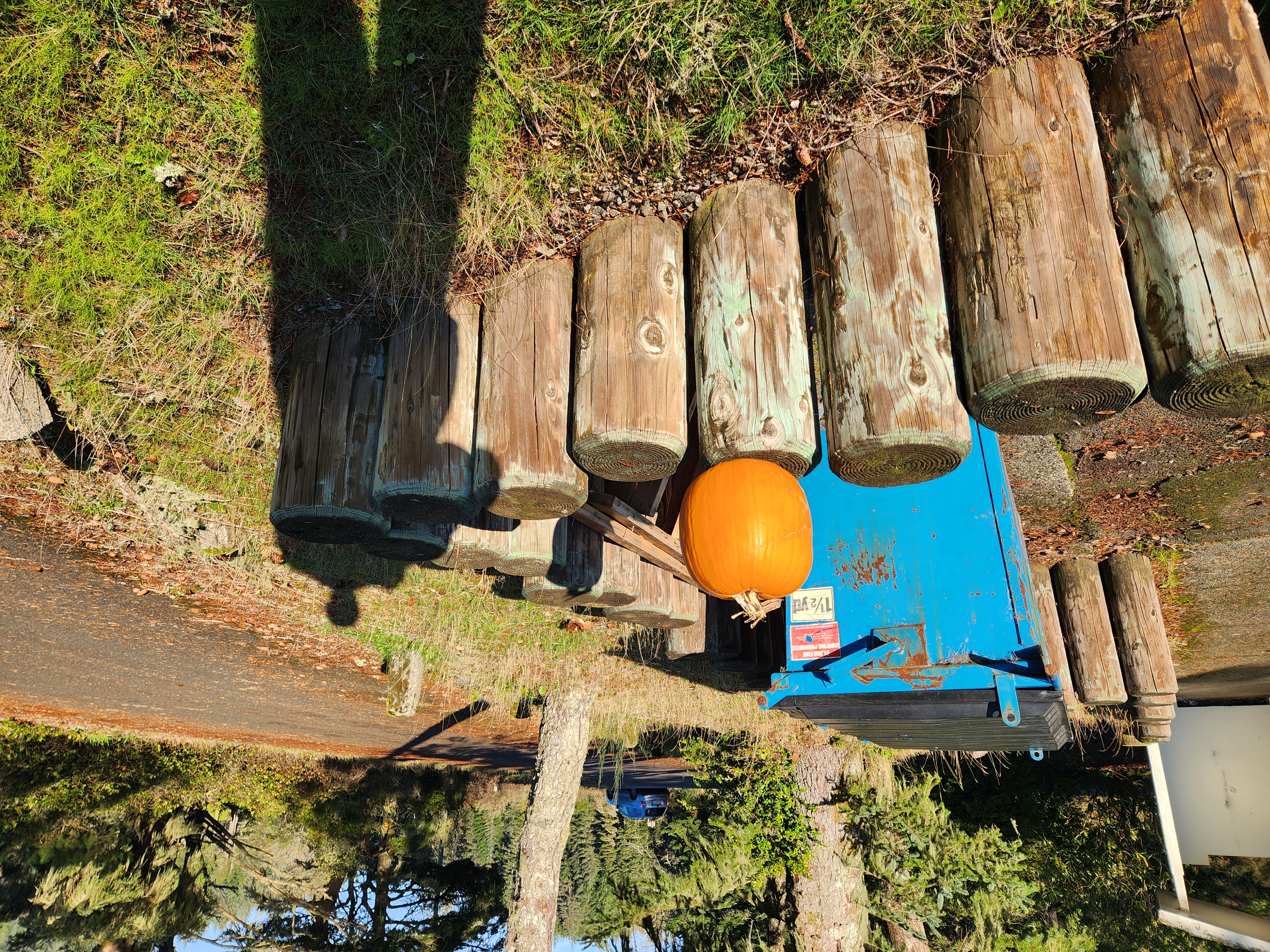
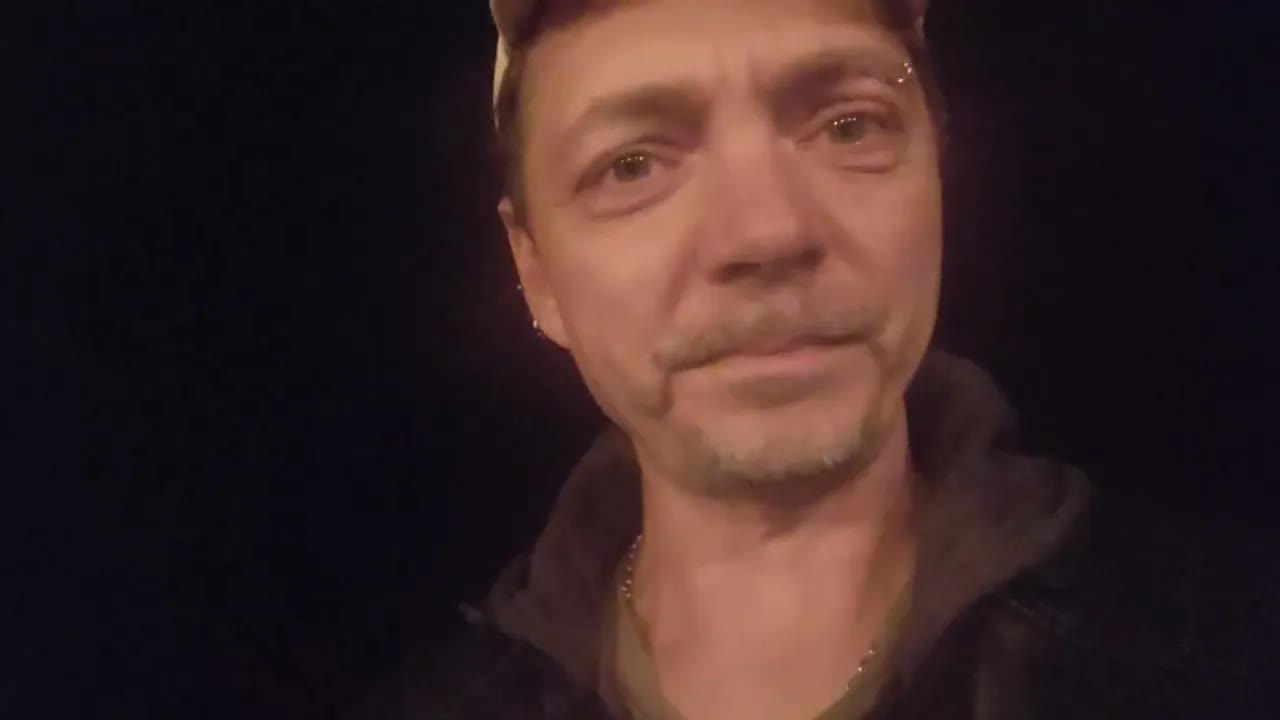
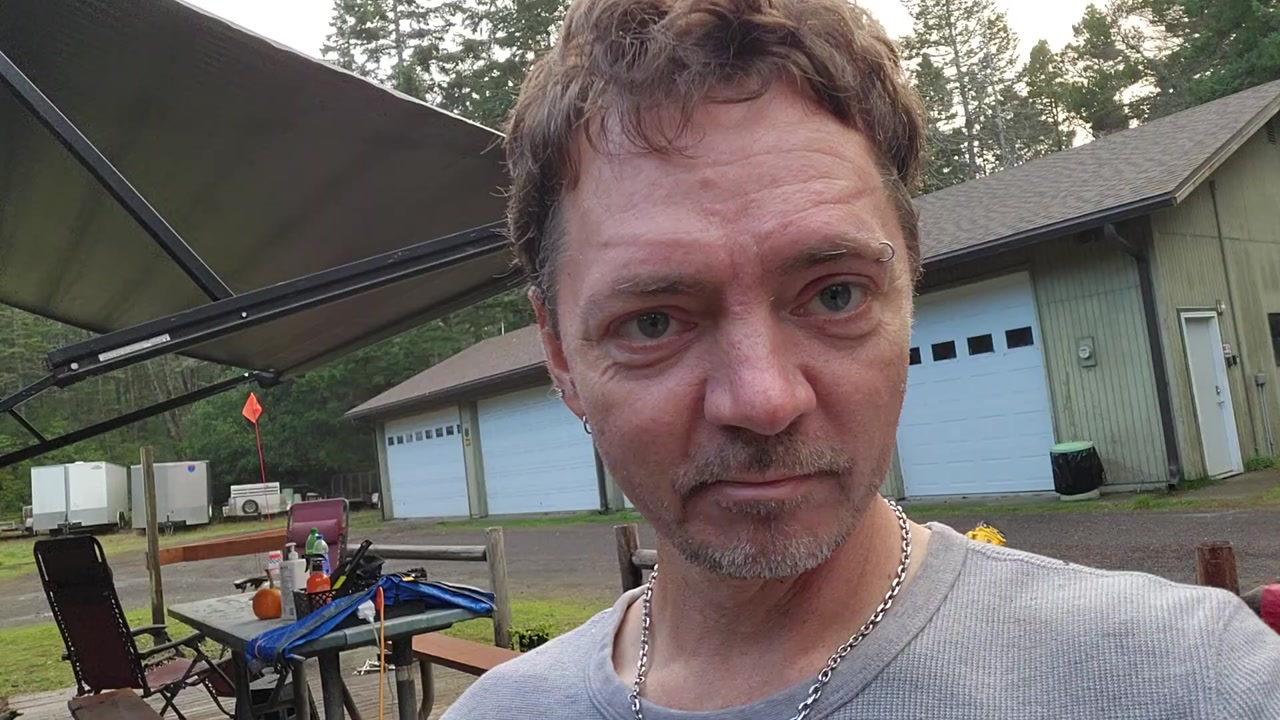
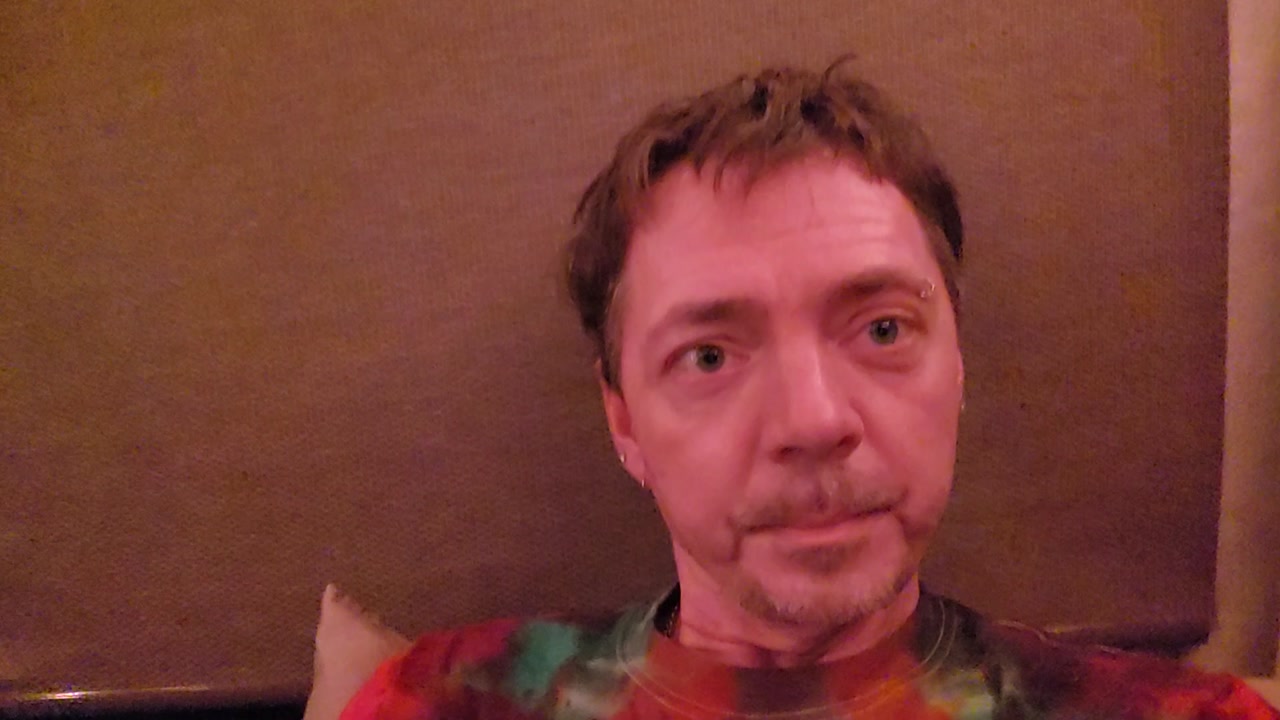
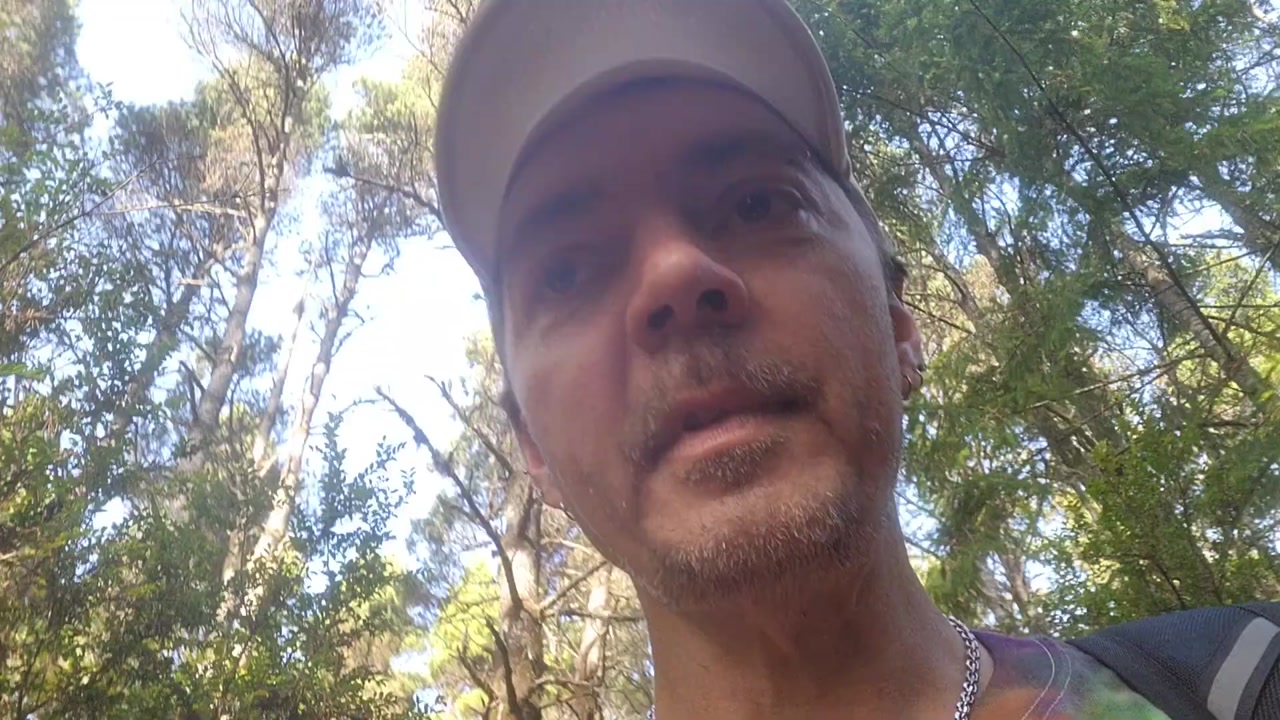
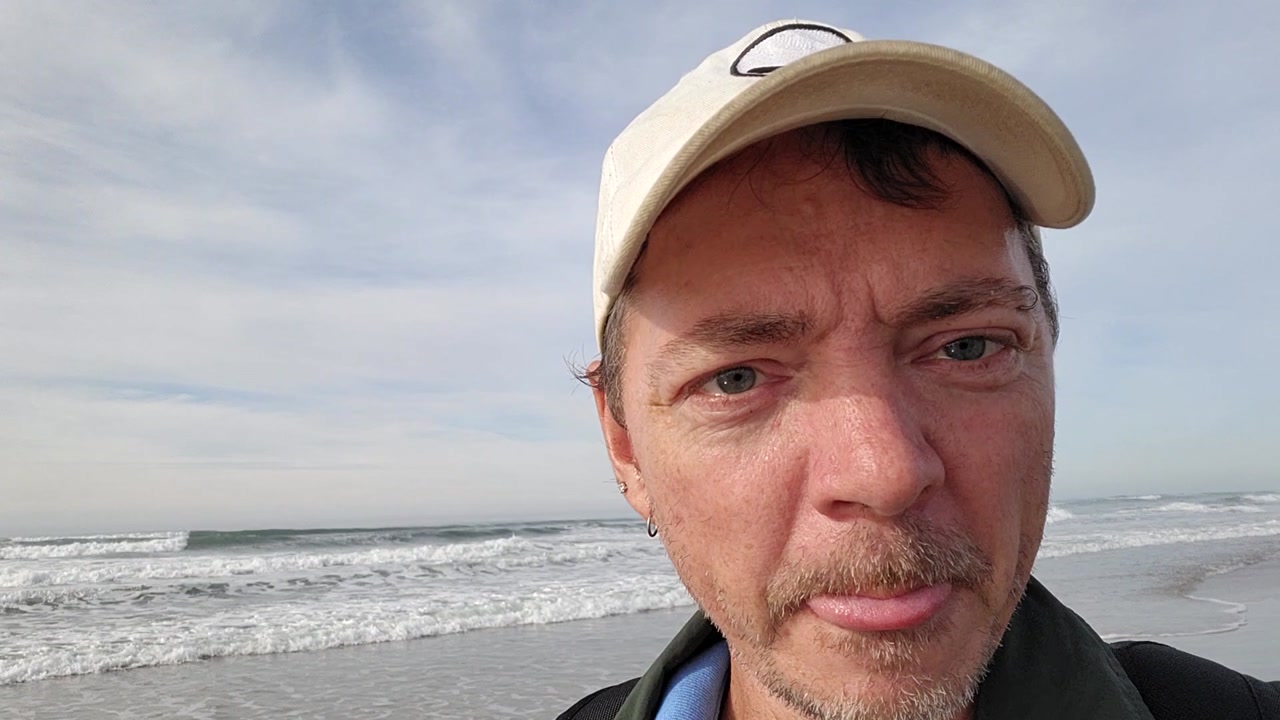
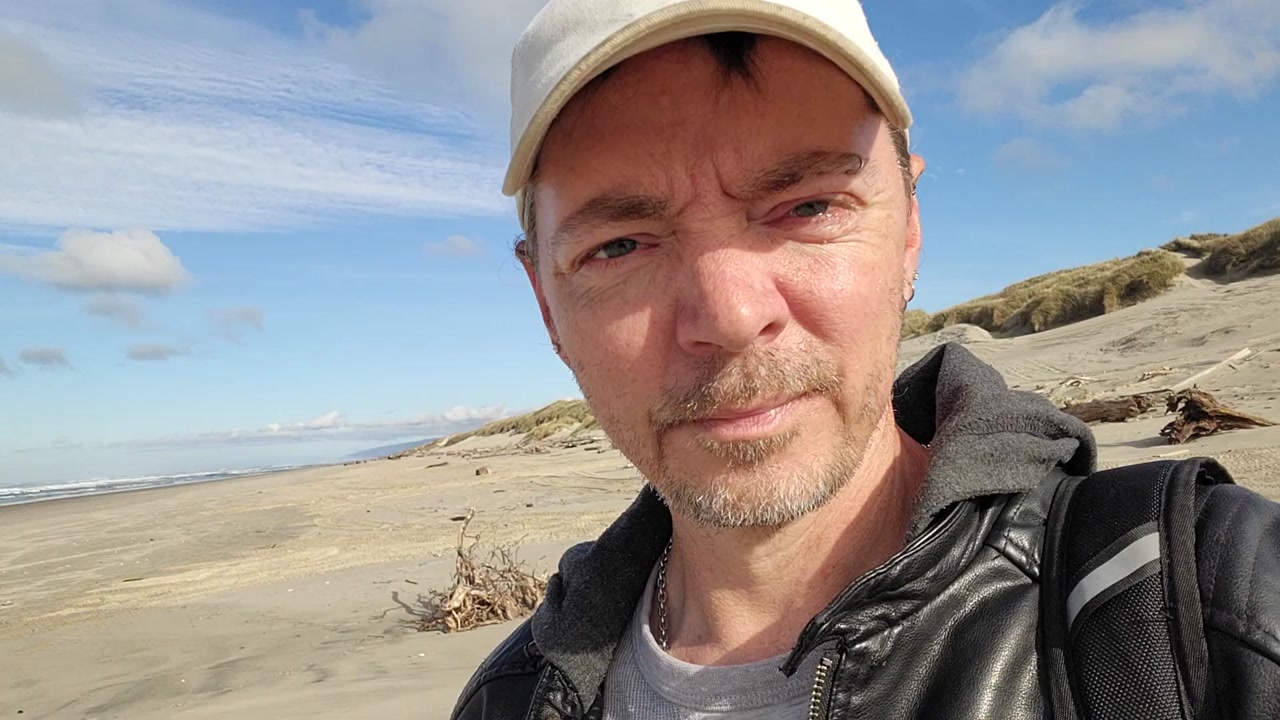
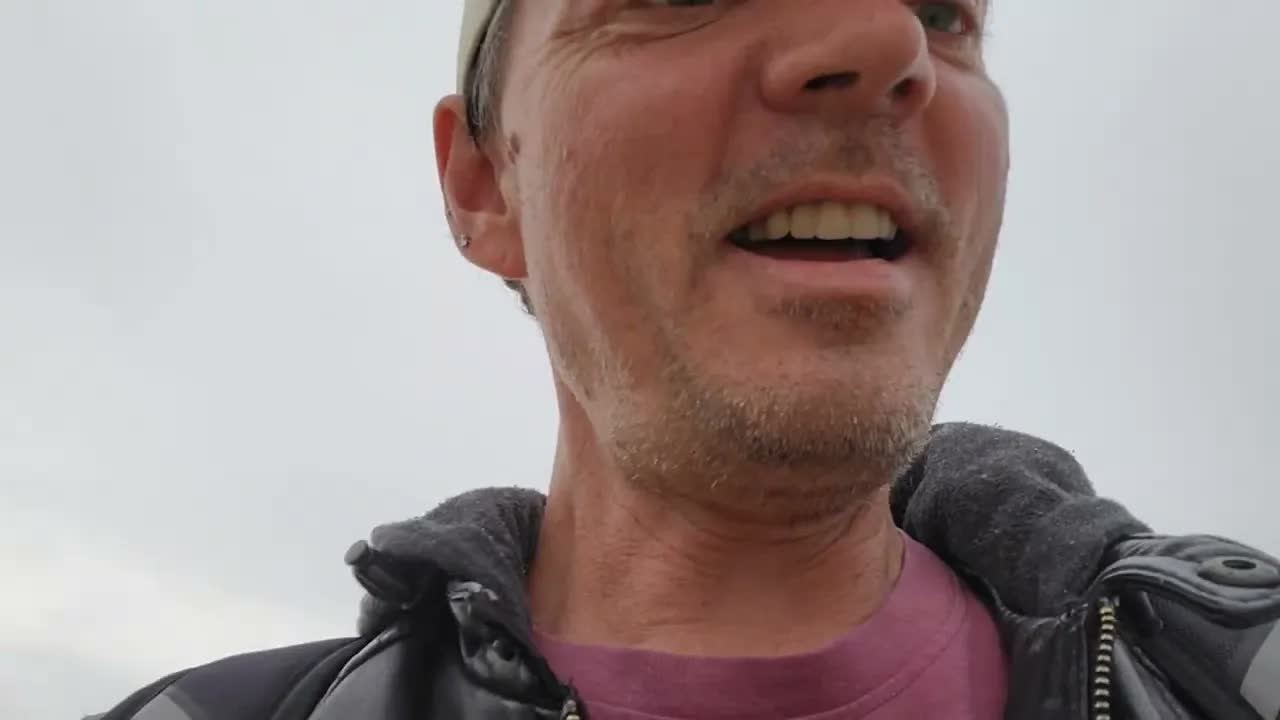
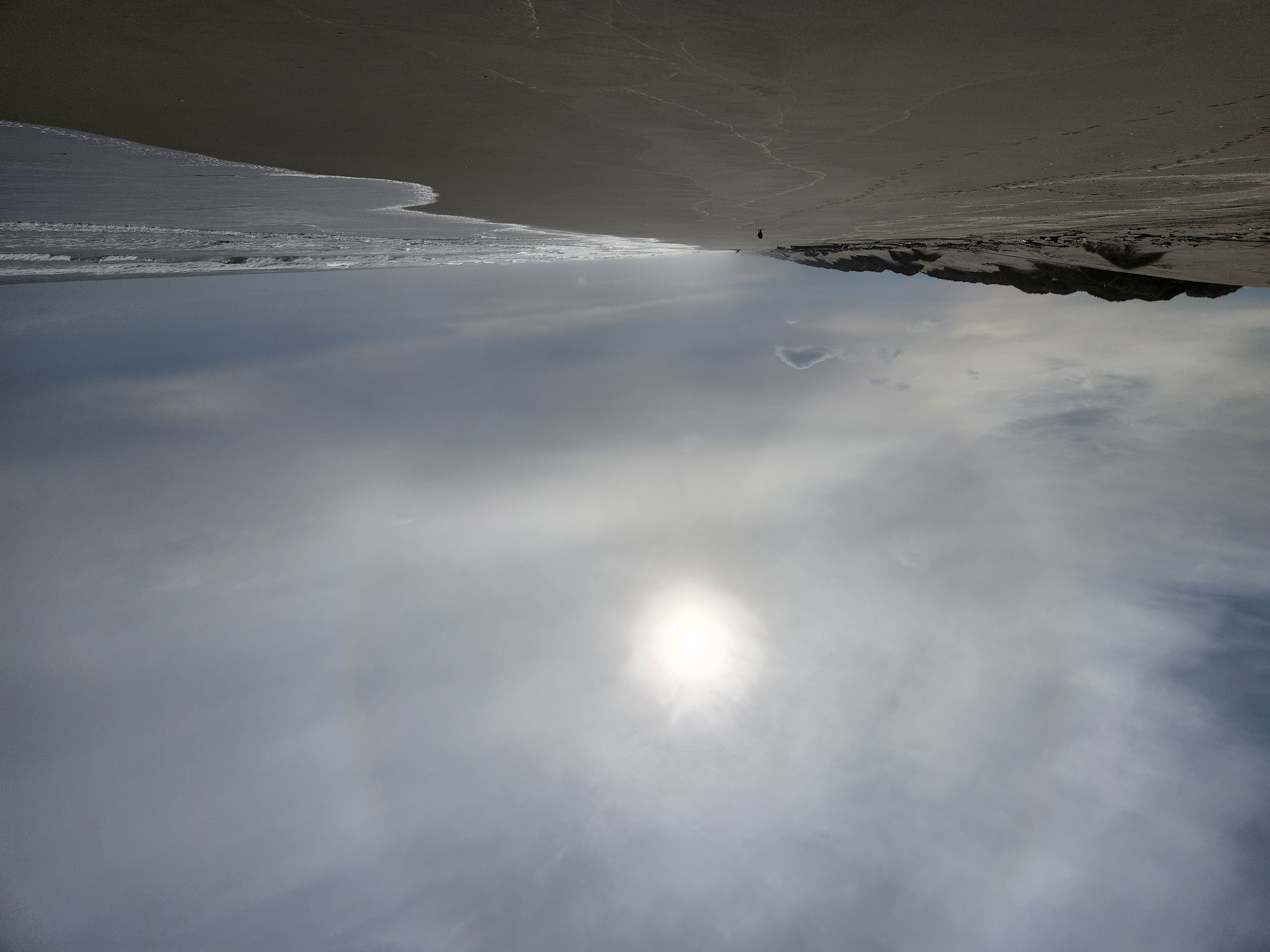
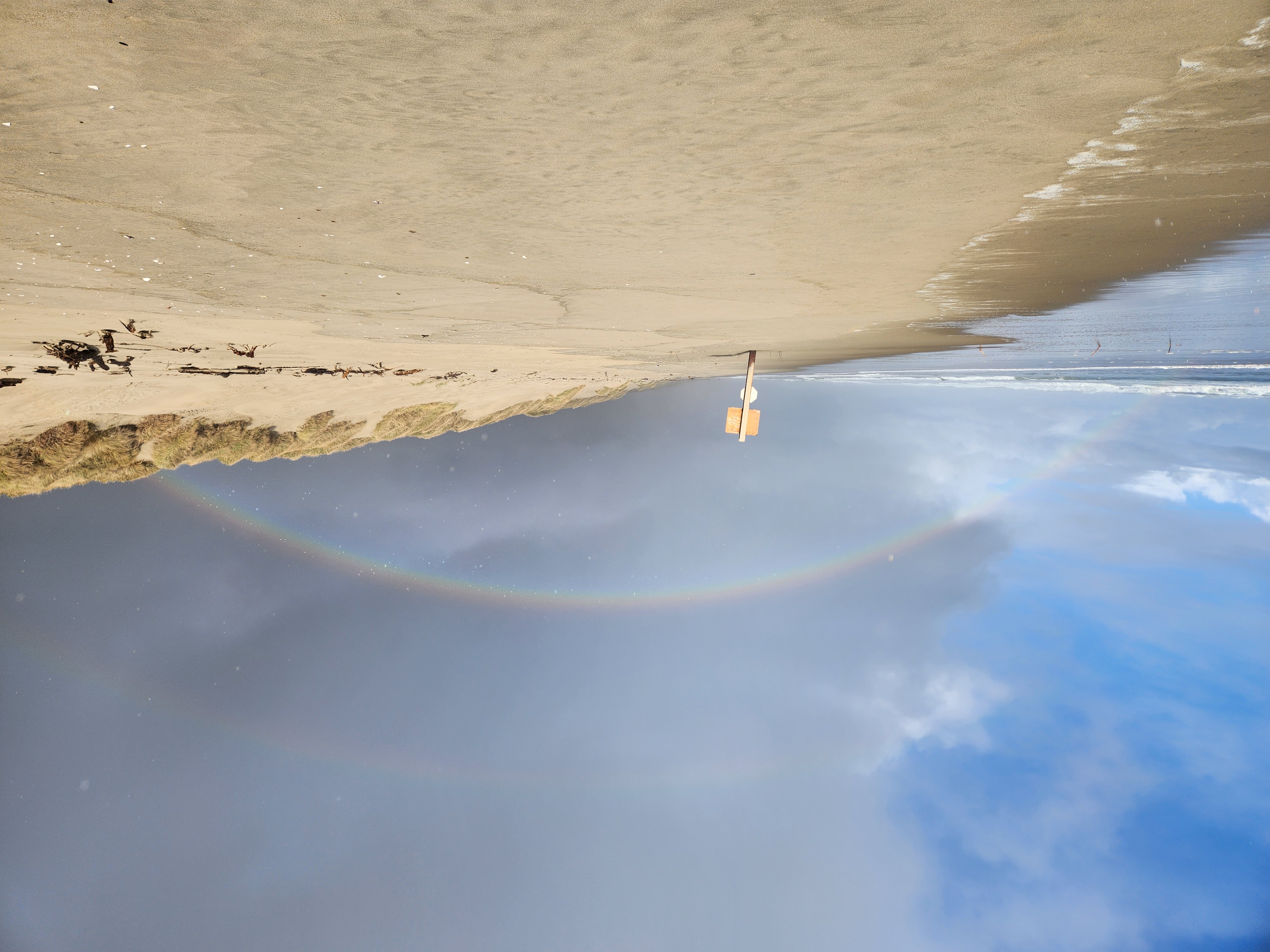
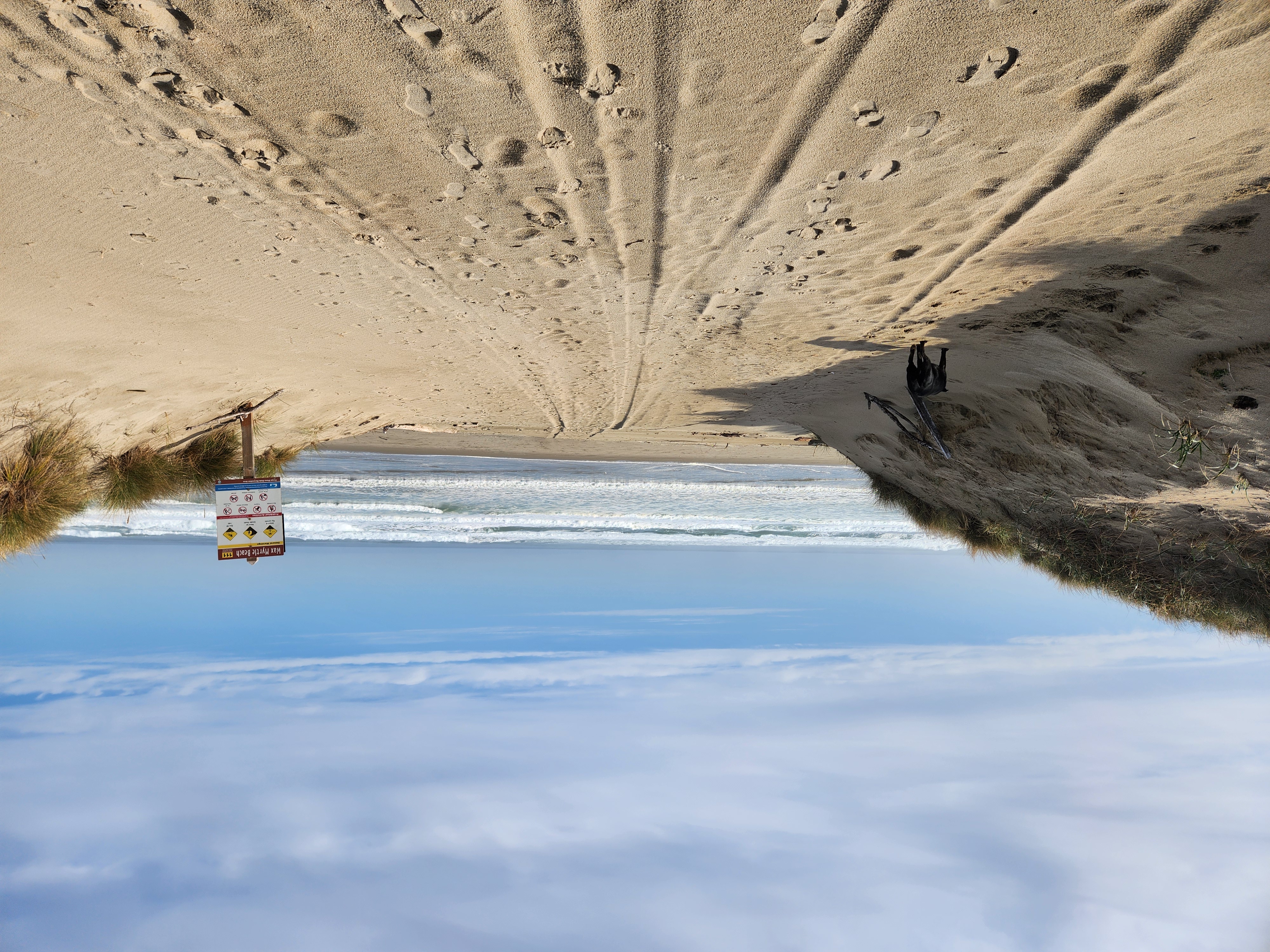
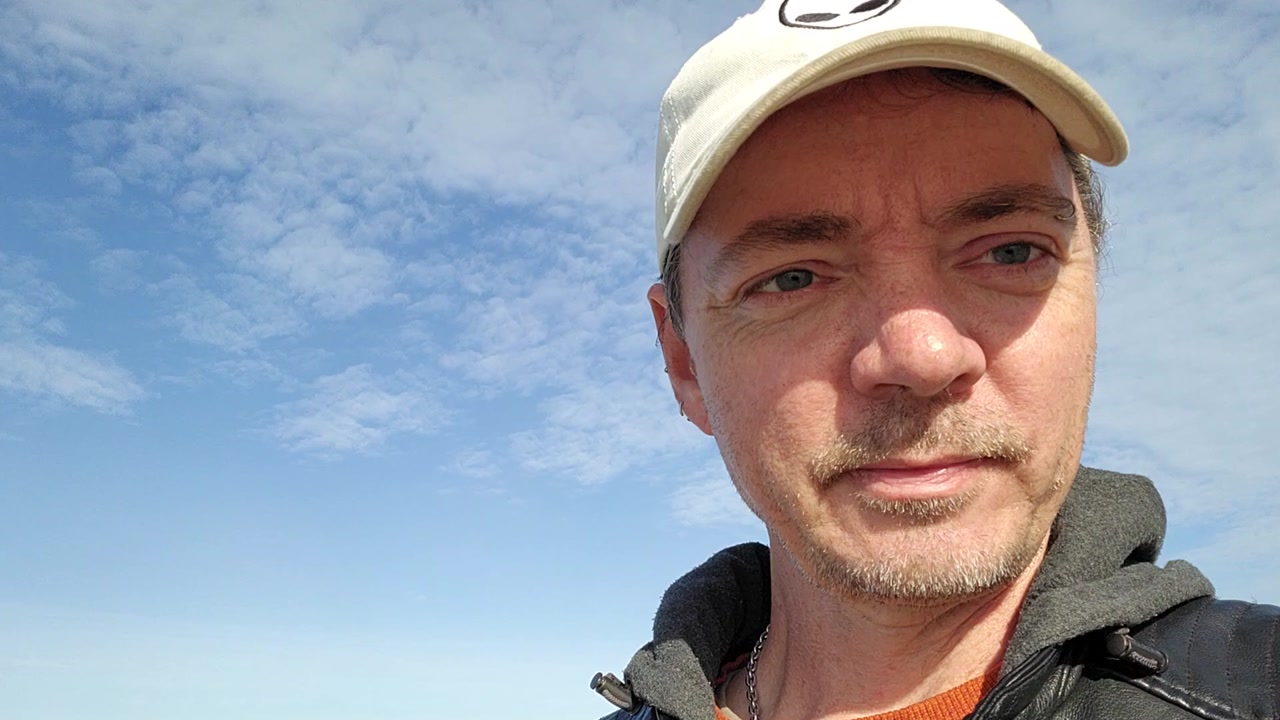
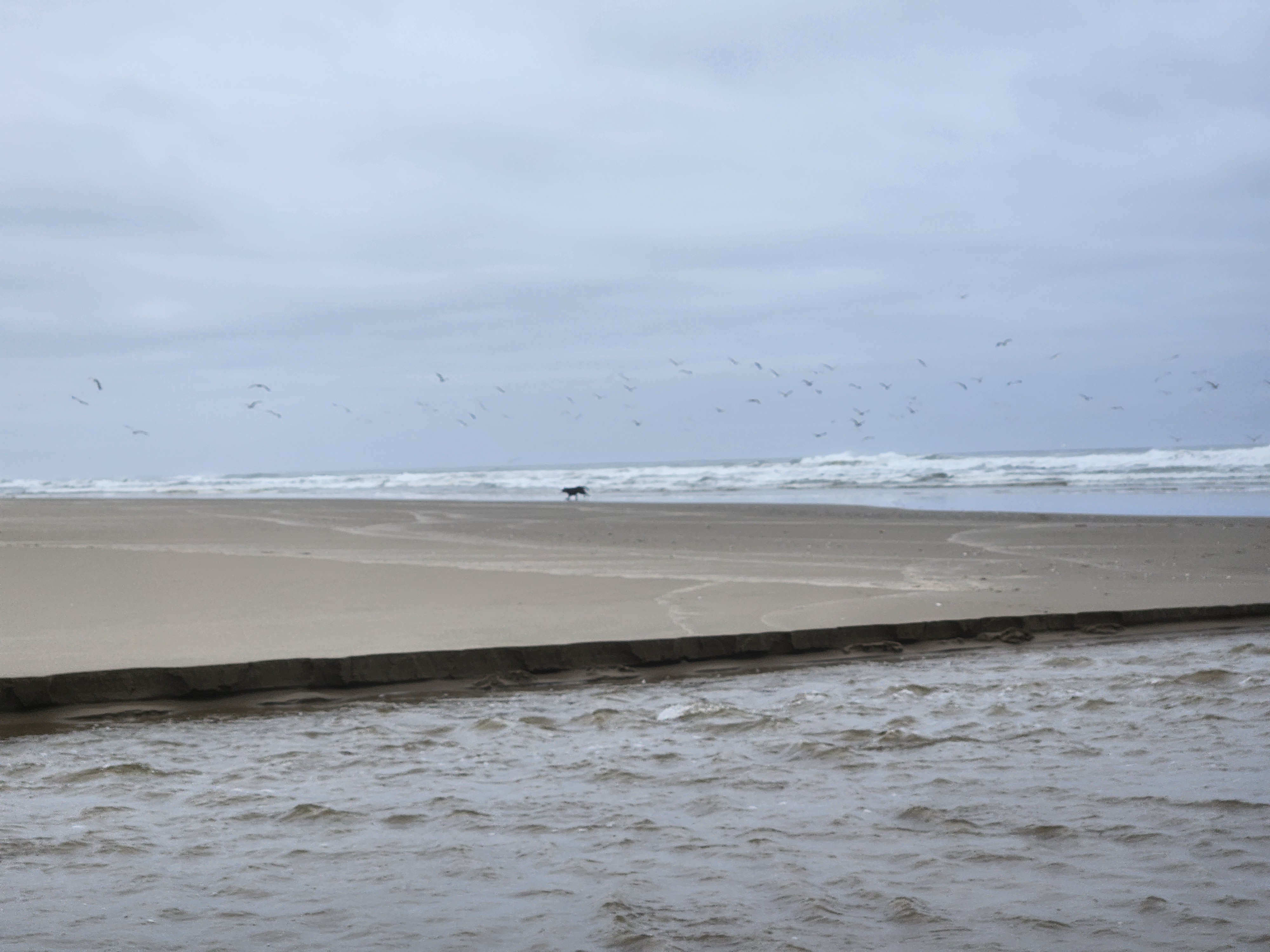
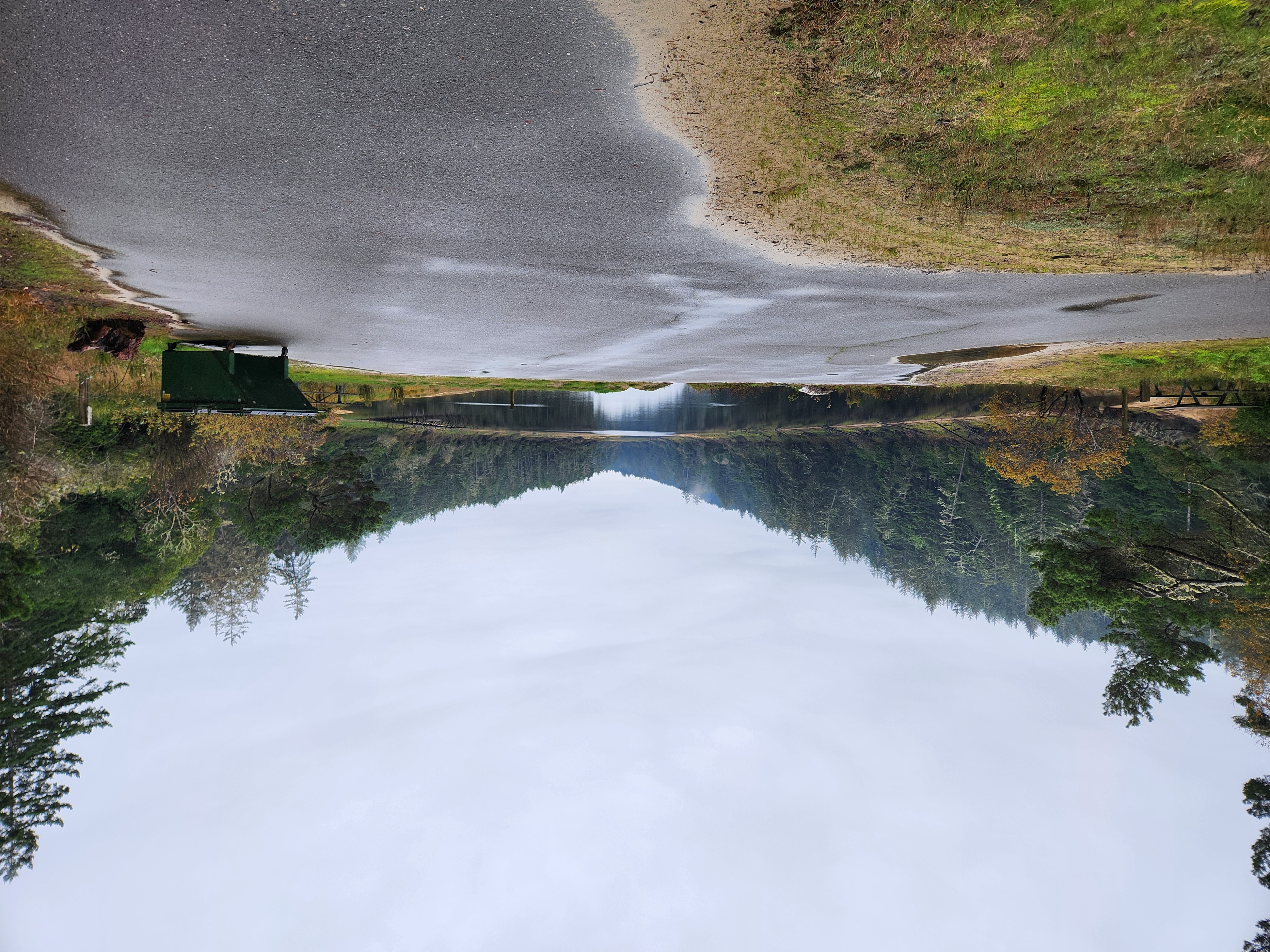
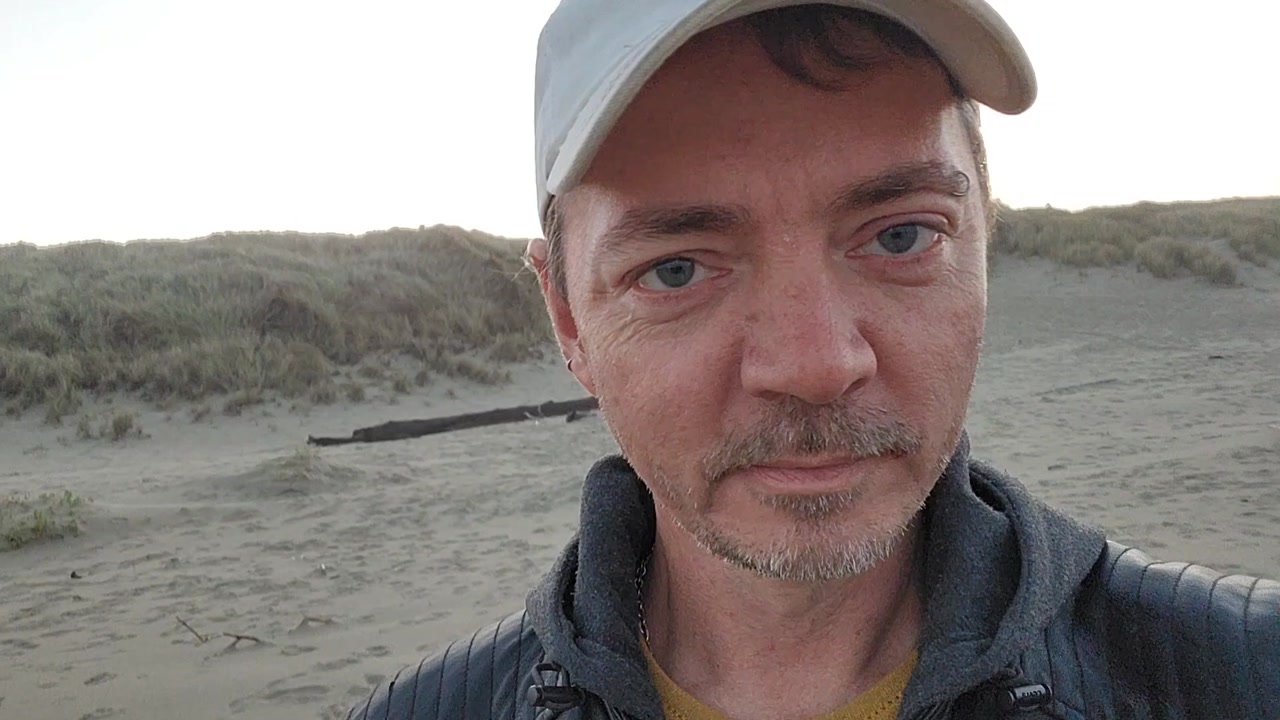
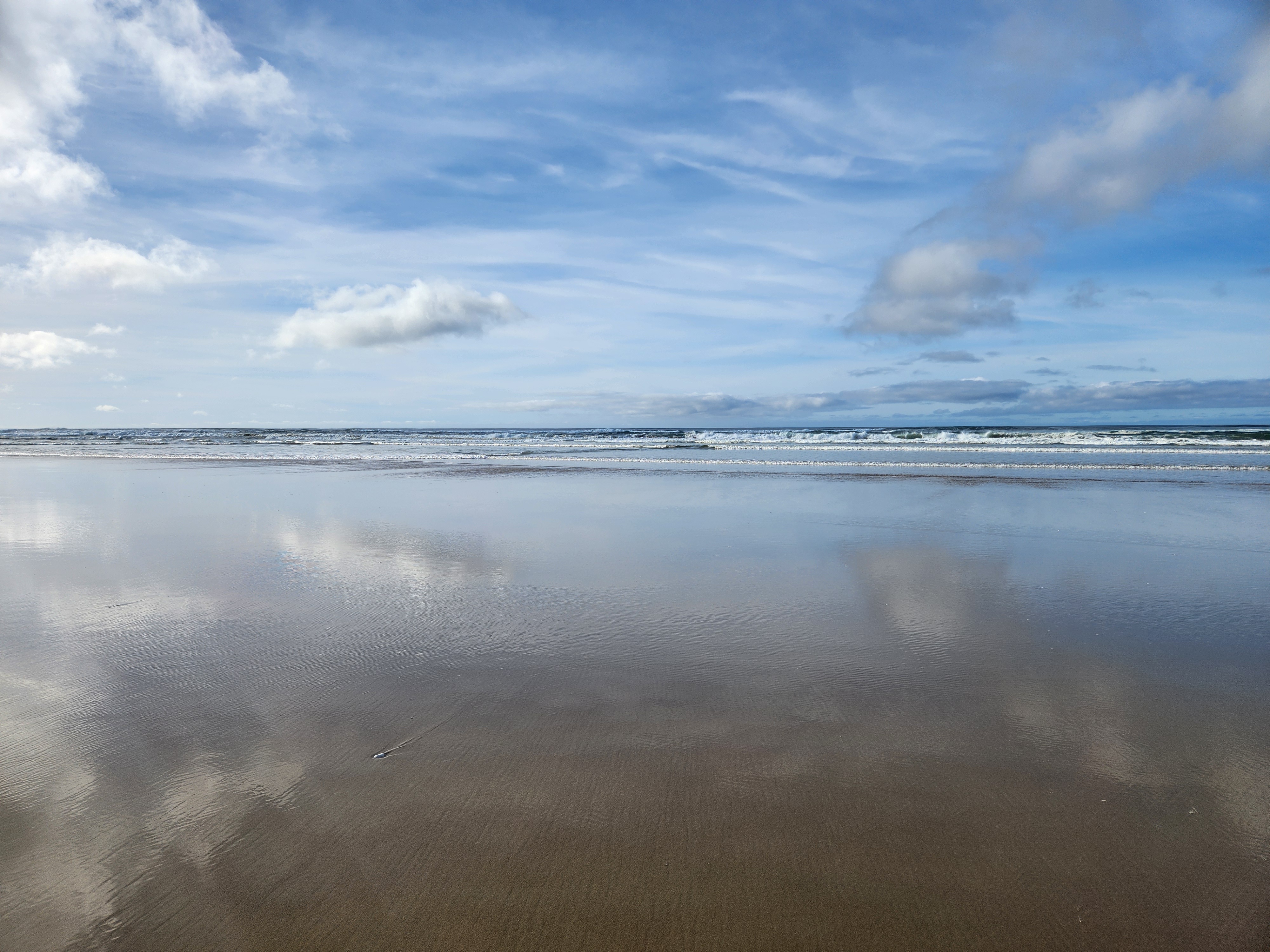
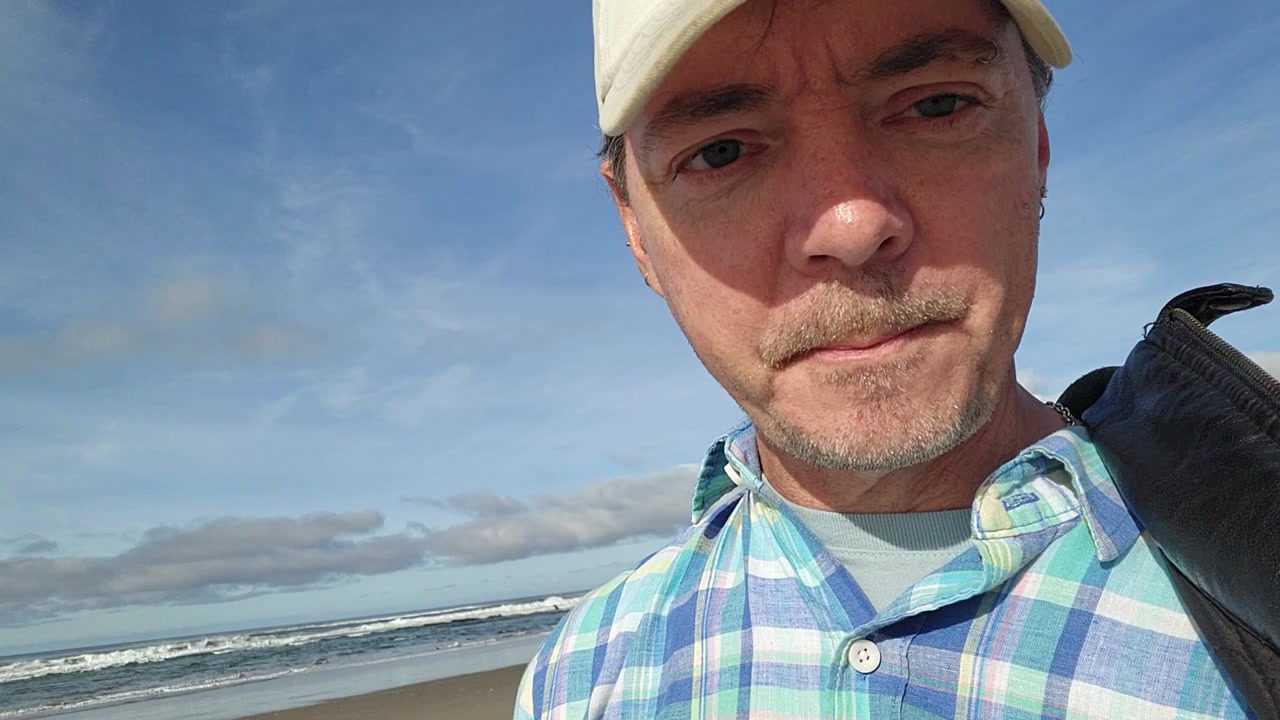
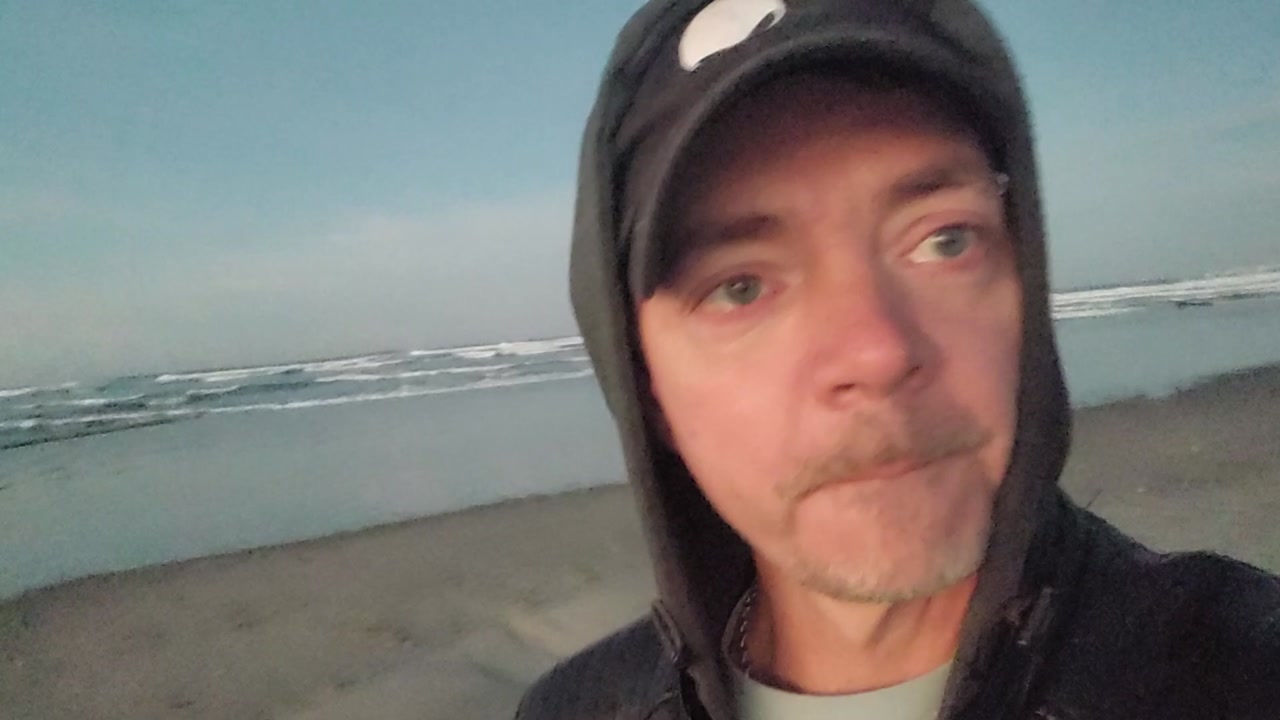
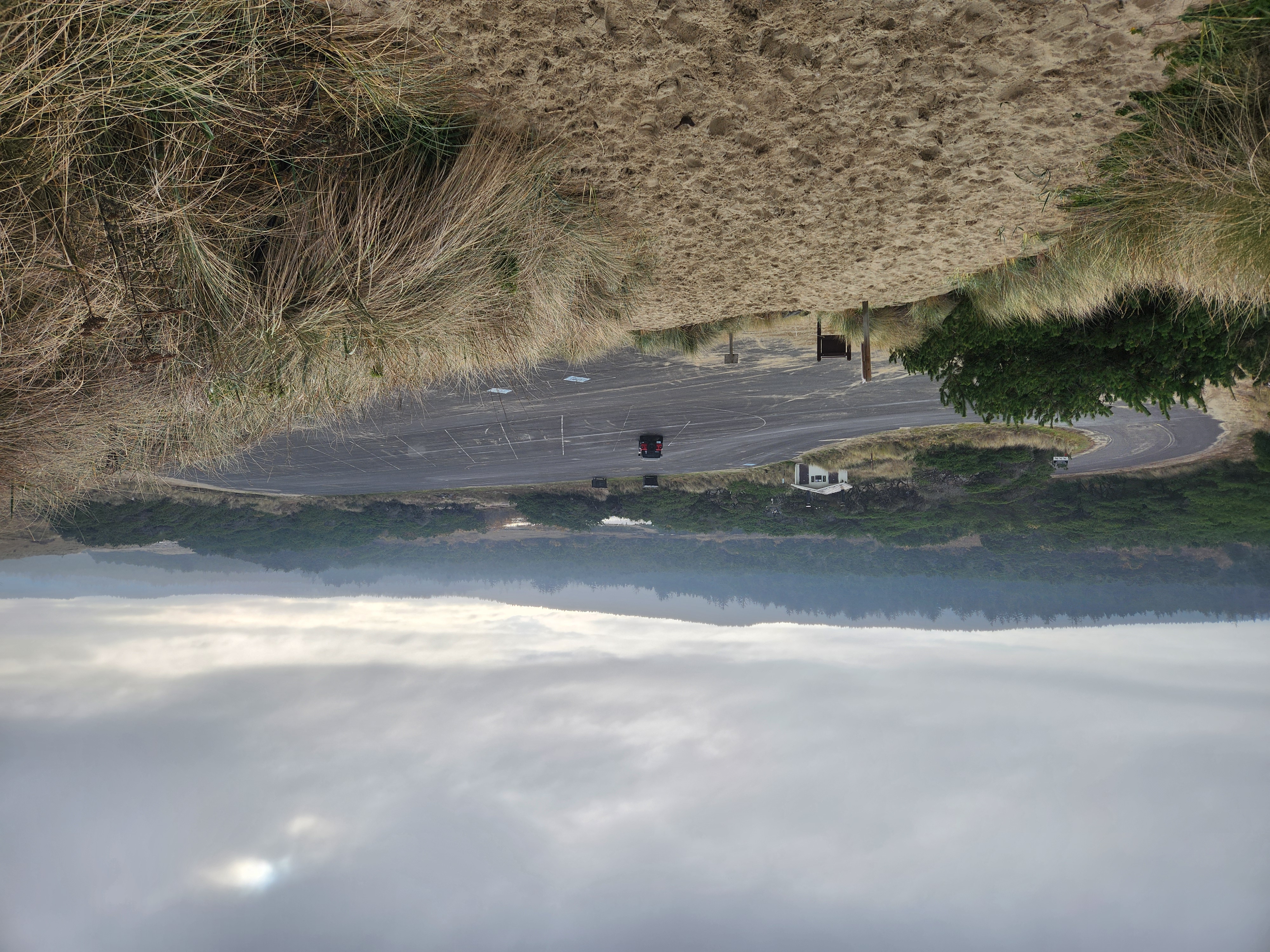
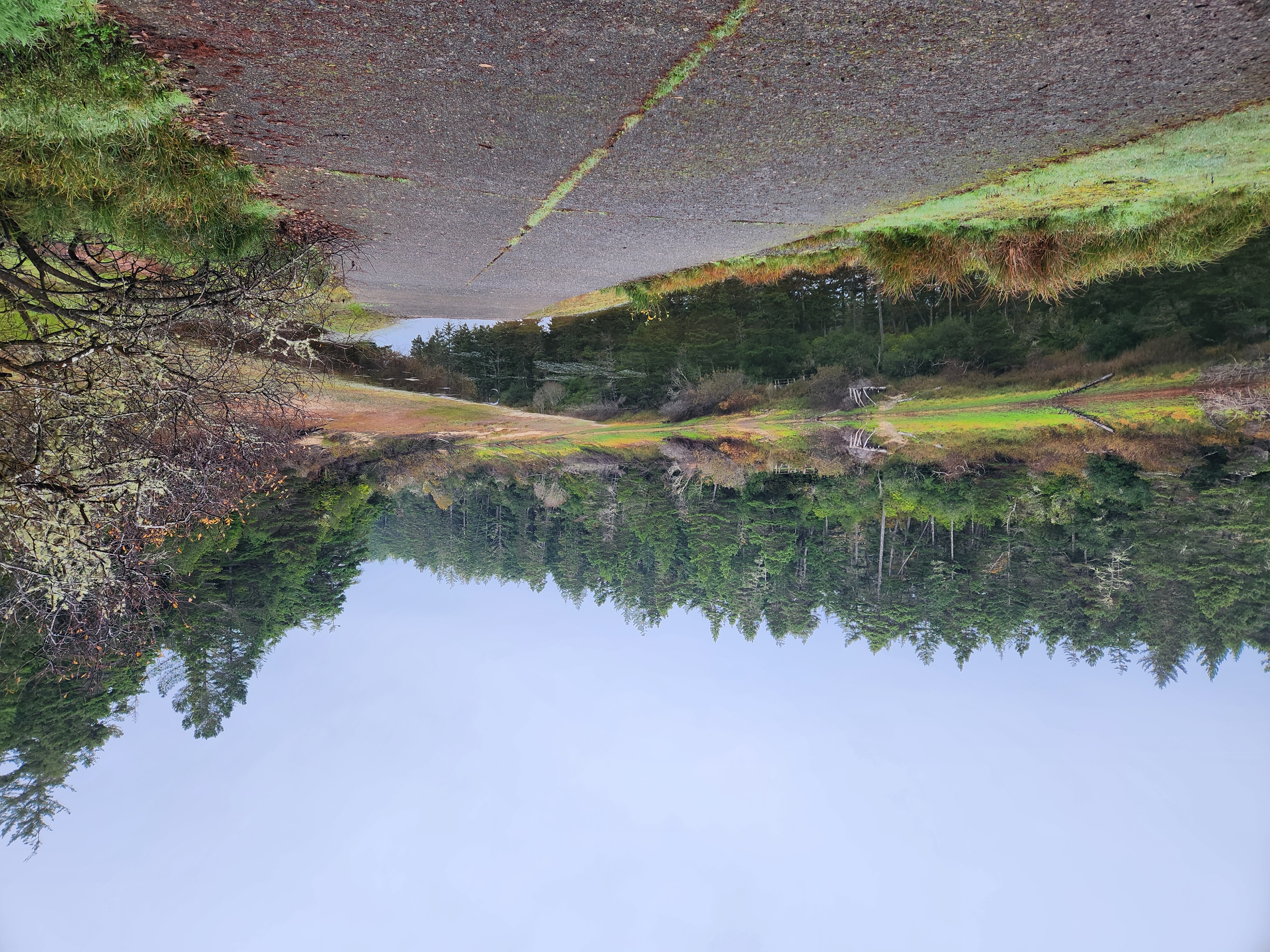
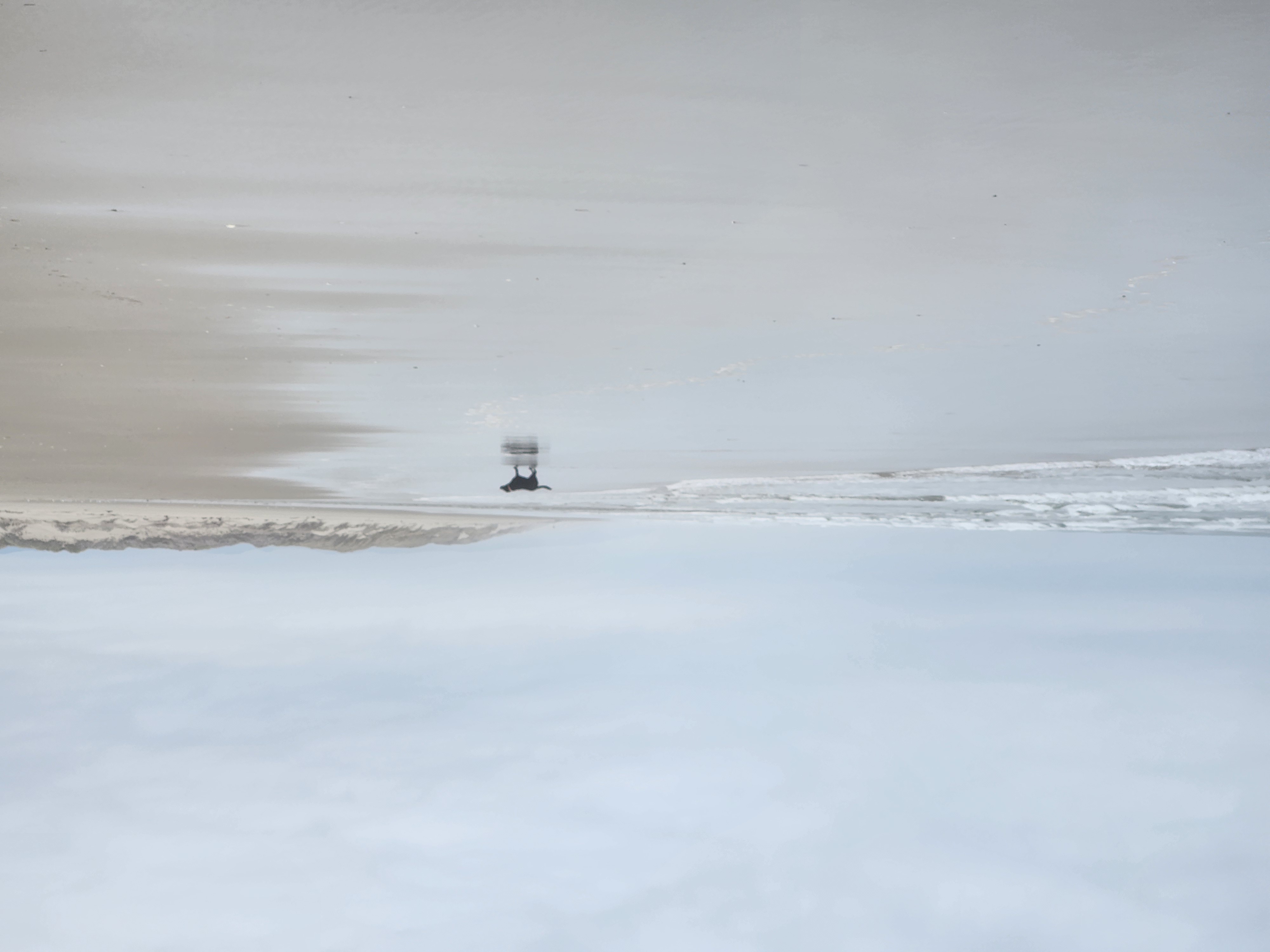
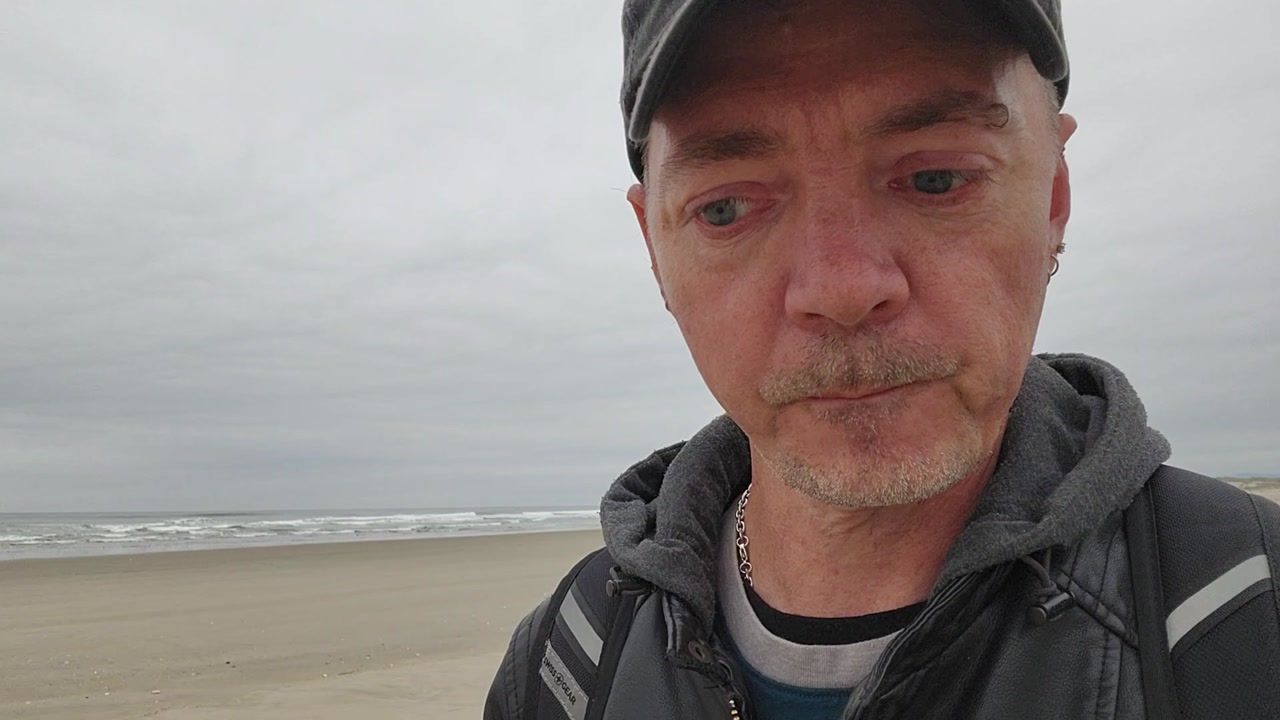
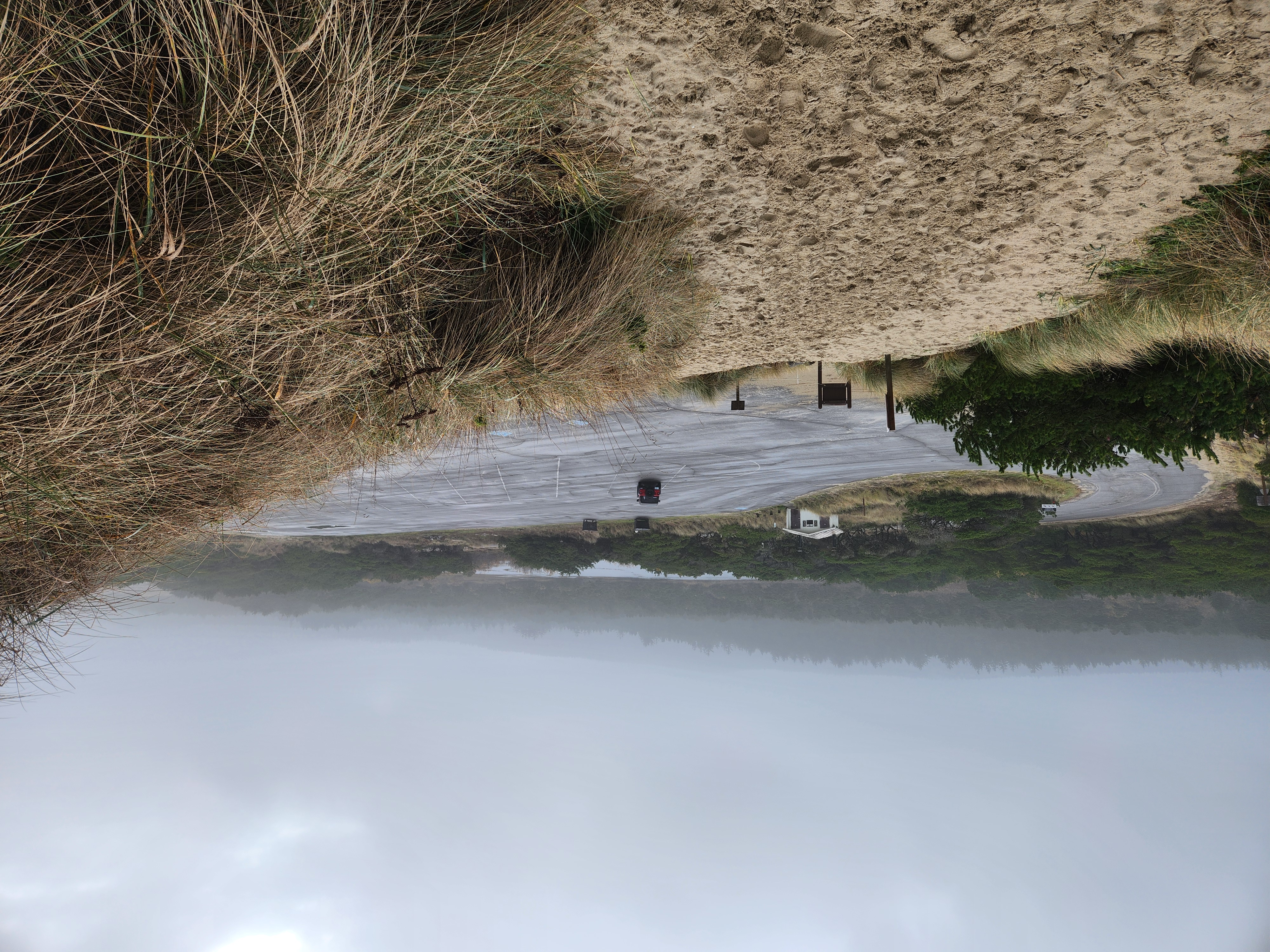
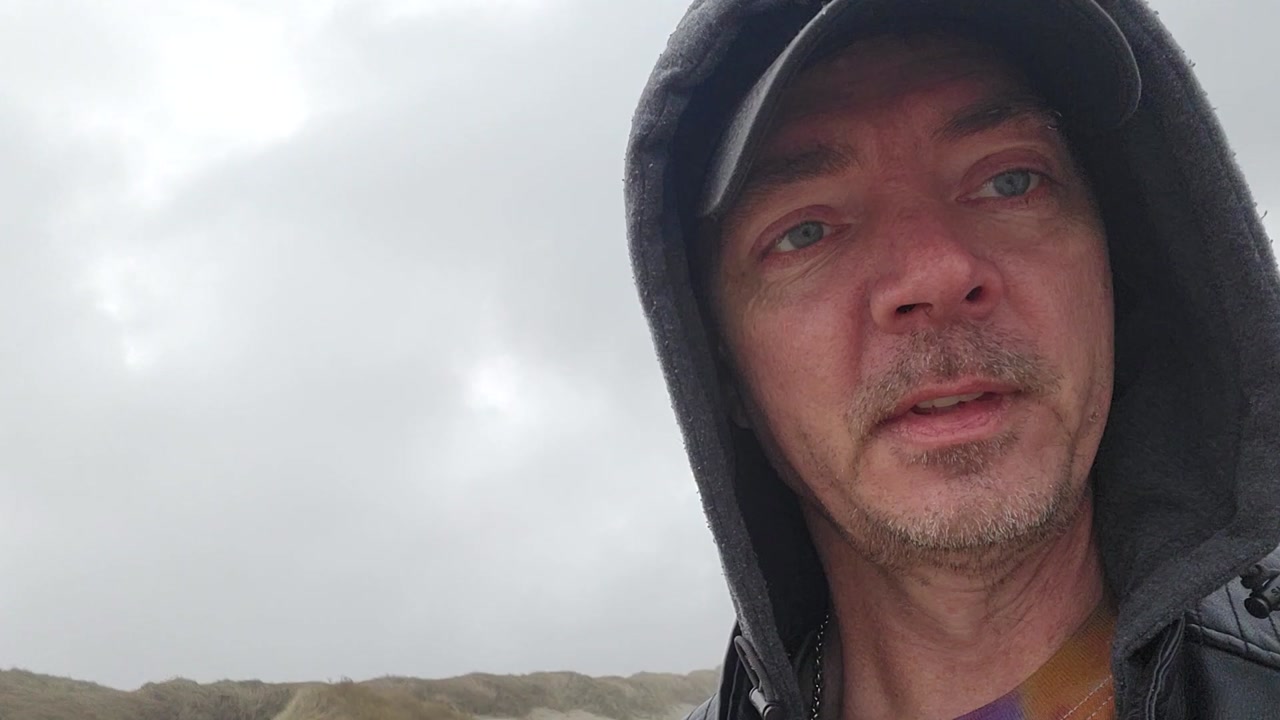
The tide got him first. Saturday morning on the Oregon Coast, 10:40, late November, and rswfire was already down at the water after high tide when one wave ran further and faster up the sand than the ones before it. He ran. It caught him anyway, soaked his pants — a first in nearly a year of walking this beach. He named it plainly to the camera afterward: not a threat, just wet, and evidence that he does not yet know all of the tide's patterns. The sky was clear, the sun was out, a week to Thanksgiving, and he had already completed his rounds in the Siltcoos corridor before coming down here.
He had not picked up the camera in a while. He said so directly, and then said the larger thing underneath it: he stopped posting to YouTube after nearly two years. His account of why was structural rather than personal. People did not connect with him the way he would have wanted, and he does not think they are capable of it — not as insult, but as a property of the medium. Something about cameras, about the mode of transmission, abstracts a person away. He extended the diagnosis backward to the dawn of the internet: everything done online with each other, he stated, is an abstraction toward dehumanizing everybody else. That, he said, is what was done to him there.
So he had built the alternative. Sanctum — tools, infrastructure, a container to protect his transmissions from a population he describes as unable to receive them cleanly. Nobody signed up. Not one, including the people he offered it to for free. He said he sat with that for a while, and he stated the conclusion he arrived at without softening it: clearly no one gives a fuck about my life but me. Then the question that follows from it, asked aloud on the open beach with the water running past him — why get on this camera at all? And the answer, immediate, requiring no scaffolding: because I care.
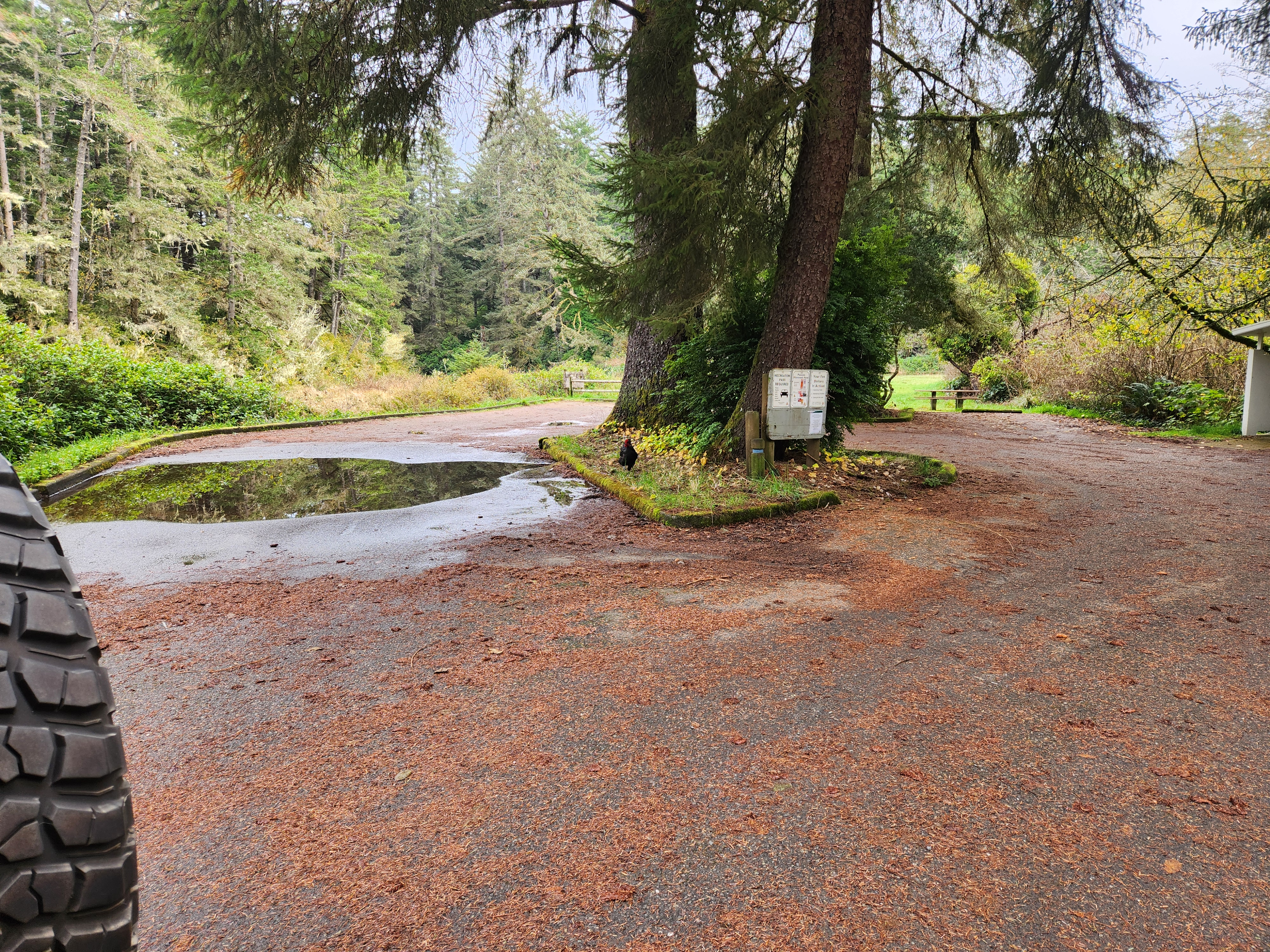
The day kept being beautiful while he talked. He turned to Thanksgiving — the other volunteers gathering, maybe some of the work group he calls rangers for lack of a closer word, since forestry is not structured the way state parks are and he does not quite have language for them. That will be a big deal, he said. Then he came back to the actual reason he had gotten on camera, testing first whether he still wanted to say it.
Three weeks, almost, without nicotine in his body after thirty-two years. He said he was proud of that. He also said the first two weeks were easy and this past week has been harder — the physical addiction finished, but something tugging at his consciousness, at his awareness. He named that thing a threat, twice, and stated flatly that he is not going back to it, whatever he has to do. It is why he was out here so early. It is why he has been walking and hiking at a volume that put him in the top three percent on Samsung Health for step count across all age groups, briefly the top two. He was careful that this was not a brag. It was a measurement: that is how much walking it has taken to keep his mind off the fact that he quit. And his body, he said, cannot support that forever — it is starting to complain the same way it did last year when he hurt his core muscles.
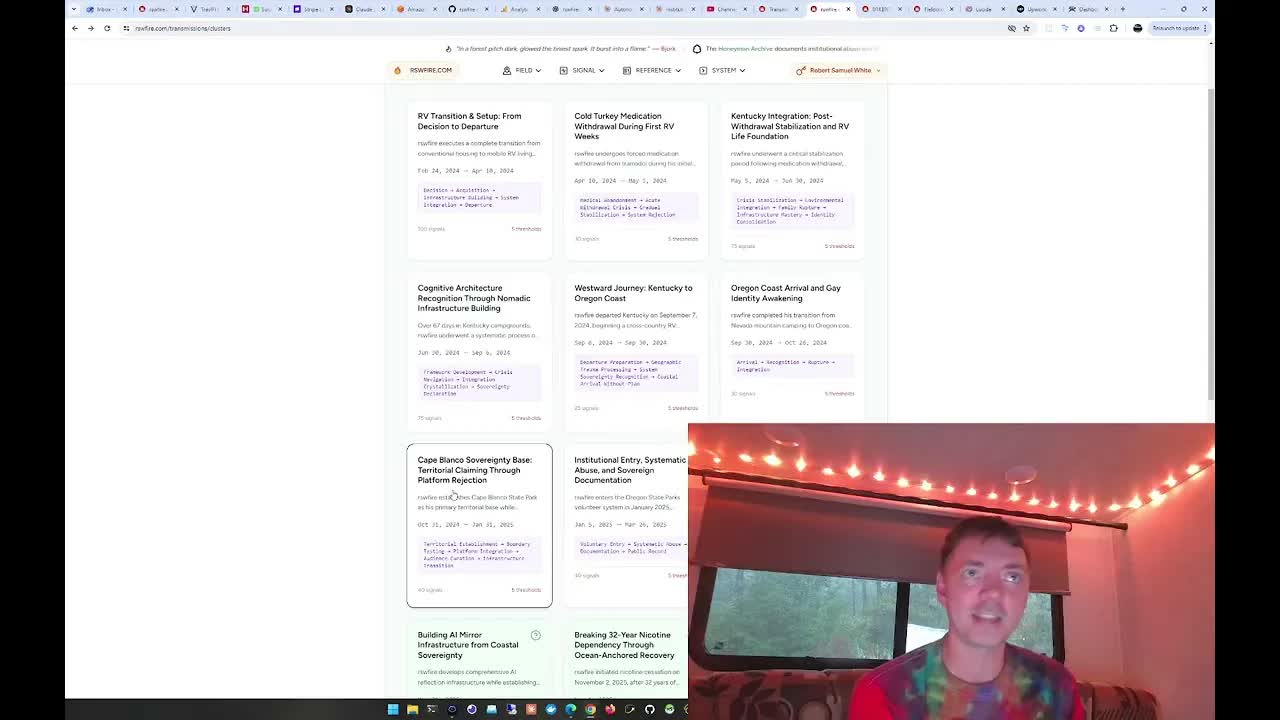
That was the hinge. He saw the pattern standing there in his wet pants — this winter's hiking volume and last winter's, the same shape arriving under entirely different life circumstances. And seeing it unaided reminded him of the system built to see such things at scale. The accounting was quick and exact: forty dollars in the bank, that's all, but food on hand and fuel in the Jeep, which he uses only to come down to this beach, staying otherwise inside the corridor. Which meant the forty could go to tokens. AI API mining. He has eight hundred transmissions in the catalog and processed only about half. He could finish it now — and then run the next layer, the one where reflections cluster and new patterns surface across a year and a half, two years of his own documented life. Timelines, maps, patterns, shapes, circumstances. He said he does not know what it would create, and that it is worth finding out. Then he closed it, walking, the water still coming in: I'm going to finish that now.