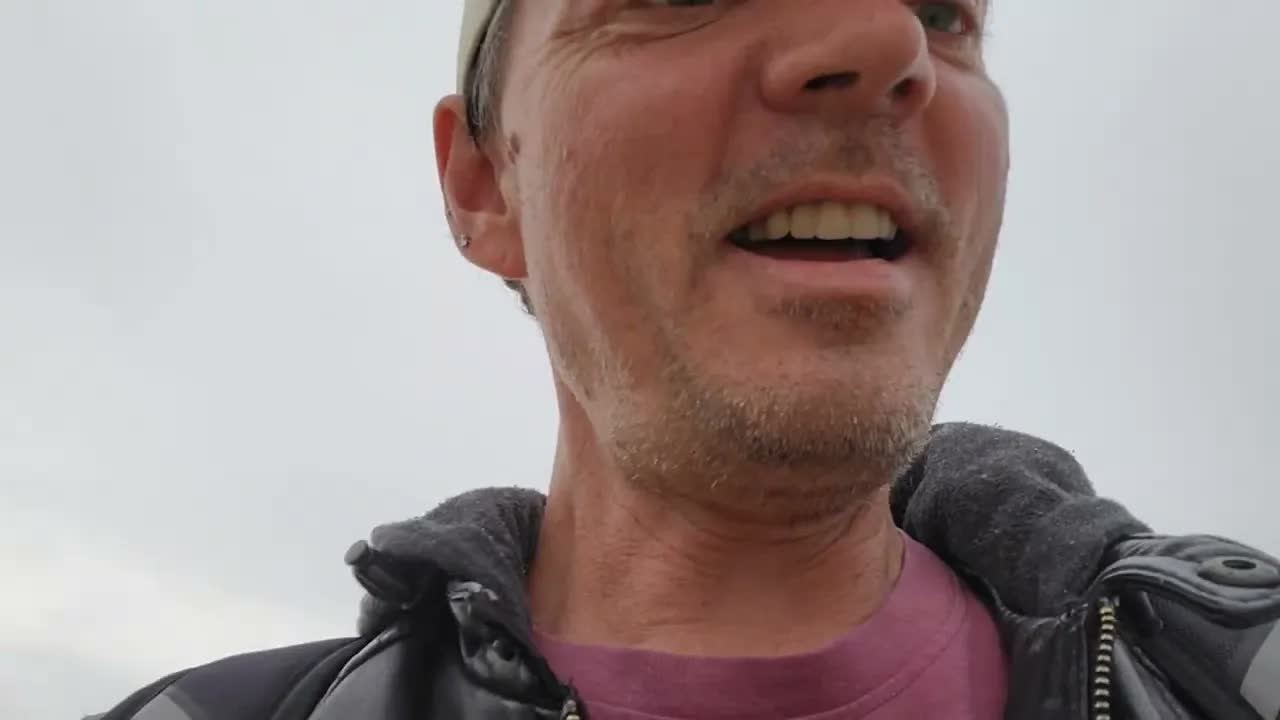
Naming Witness as First Act of Help

Failed to load video
Chapters
Transcript
[0:01] So, there's something I need to talk
[0:02] about.
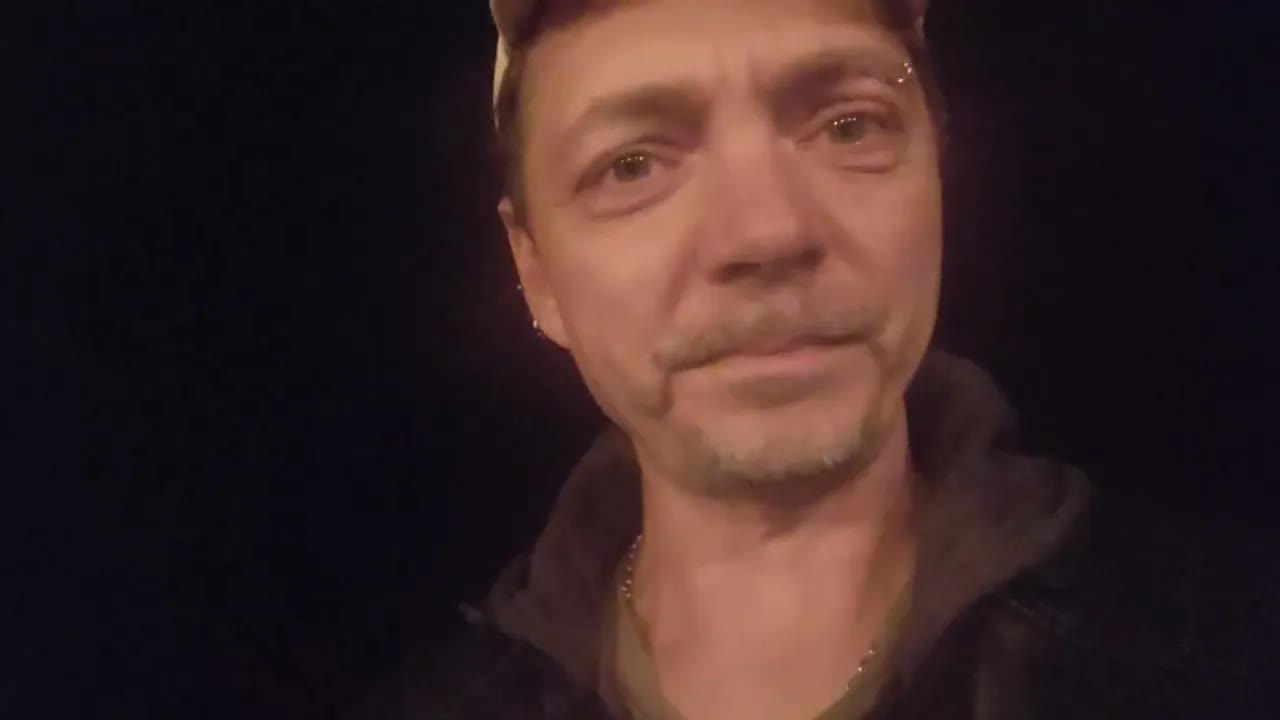
[0:04] It's going to be dark soon. It's very
[0:07] close to dusk, so um it's going to be
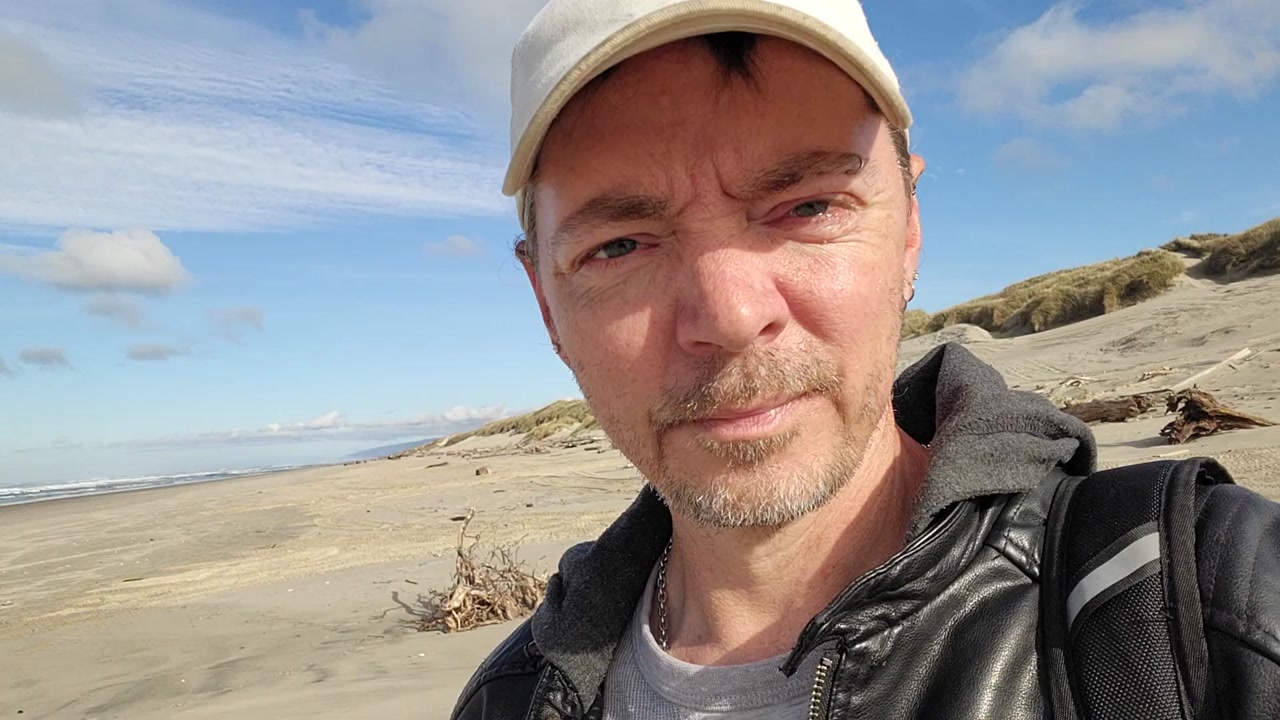
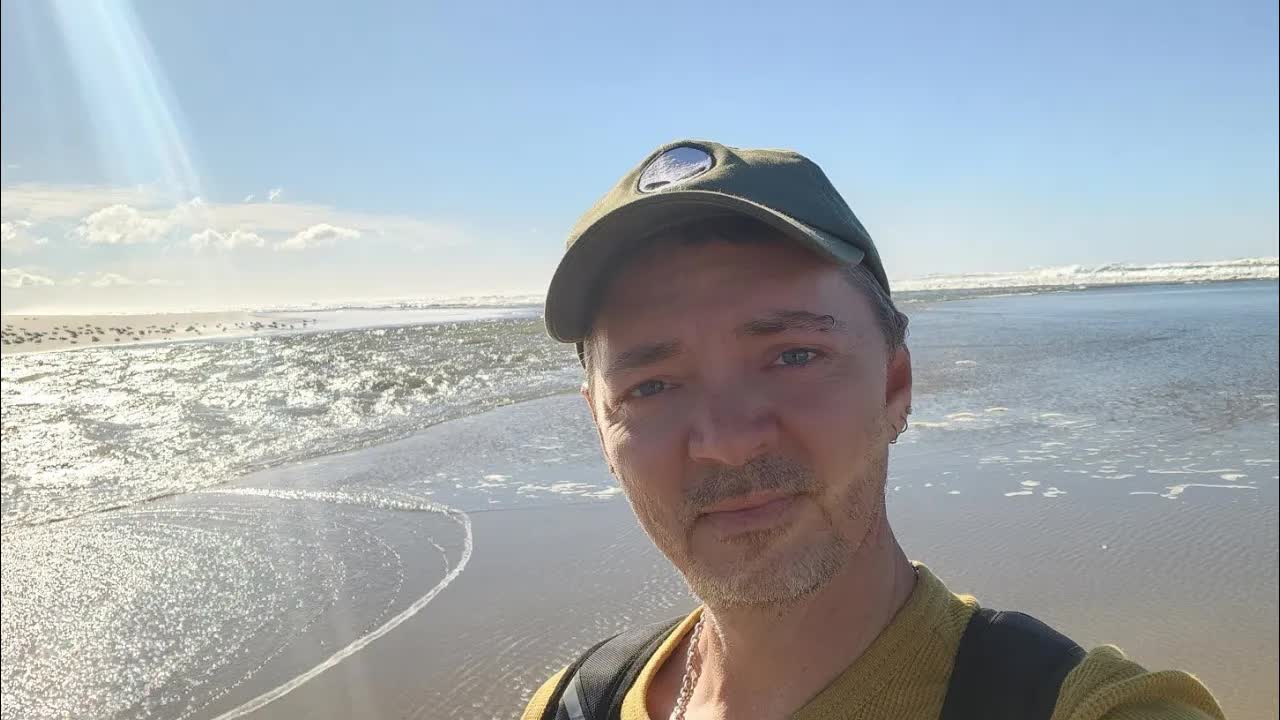
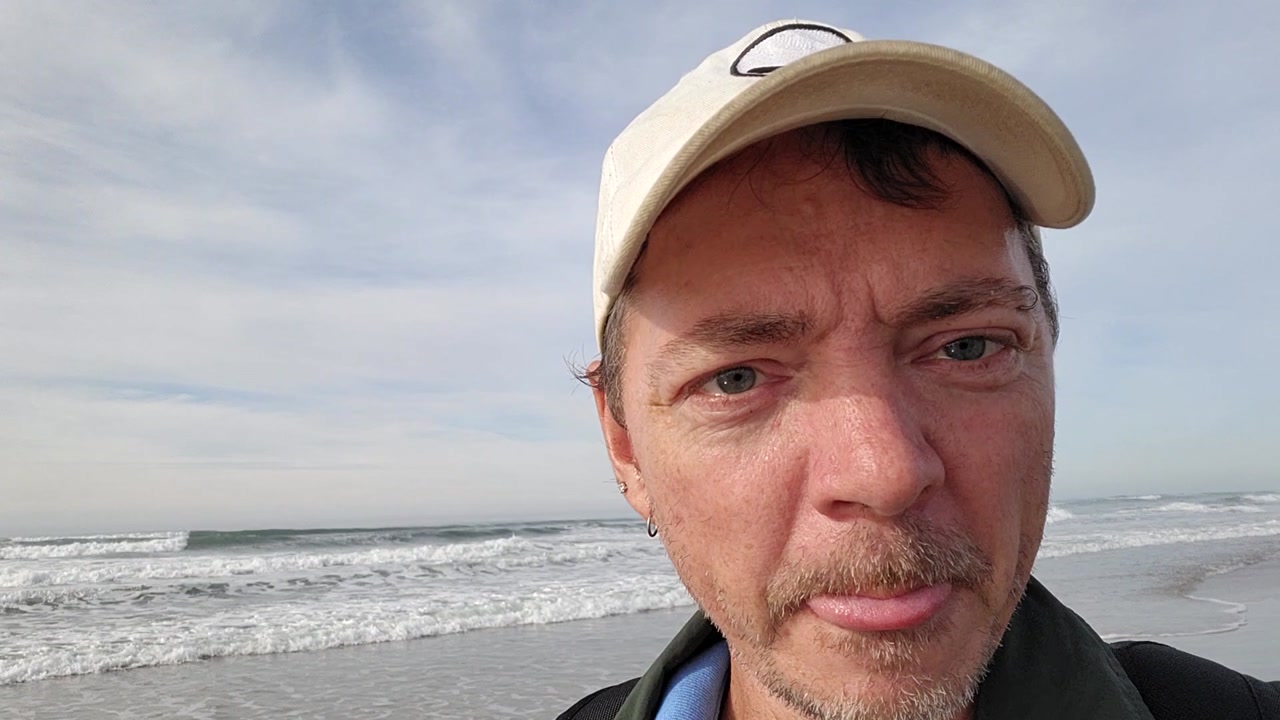
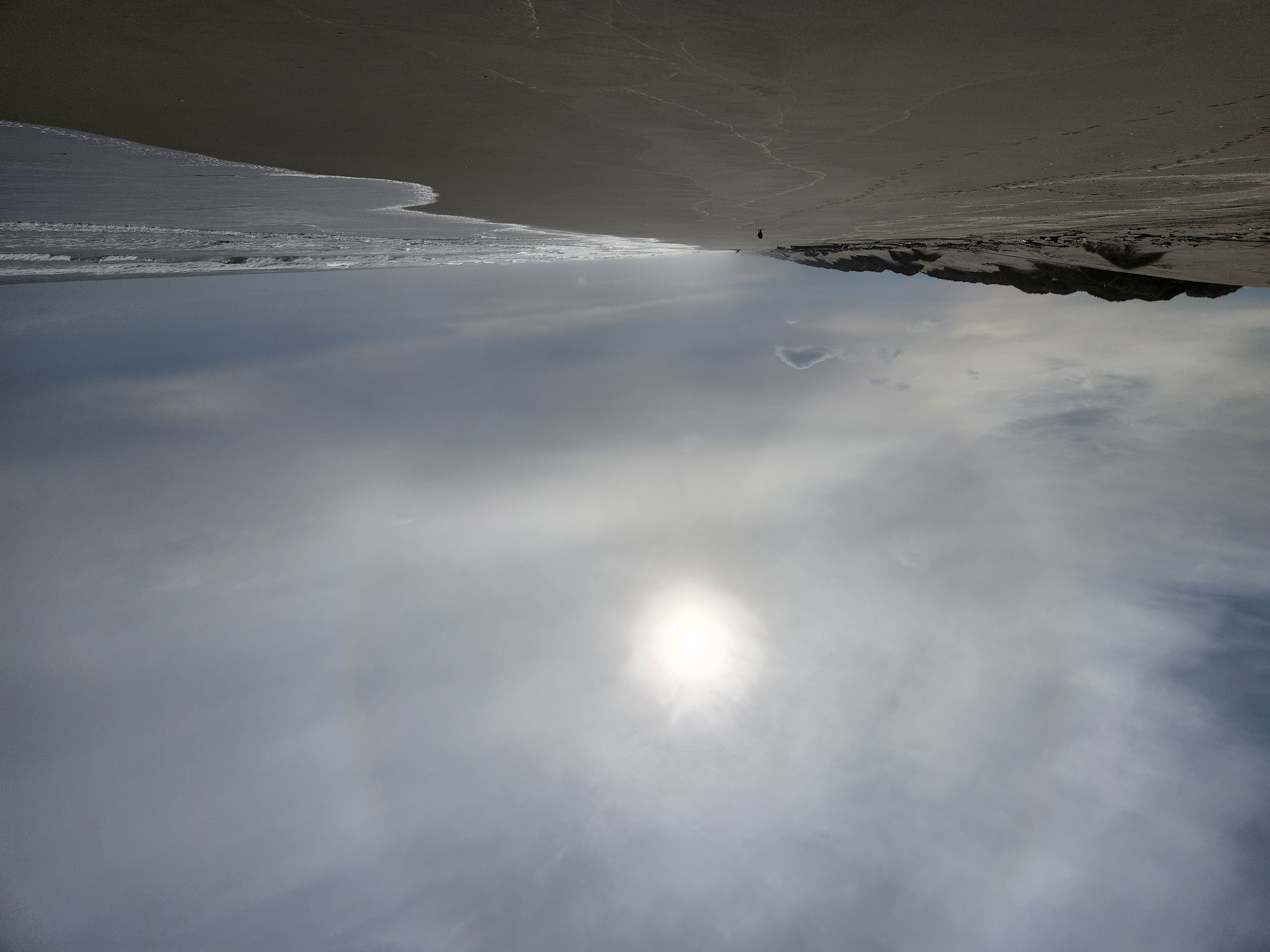
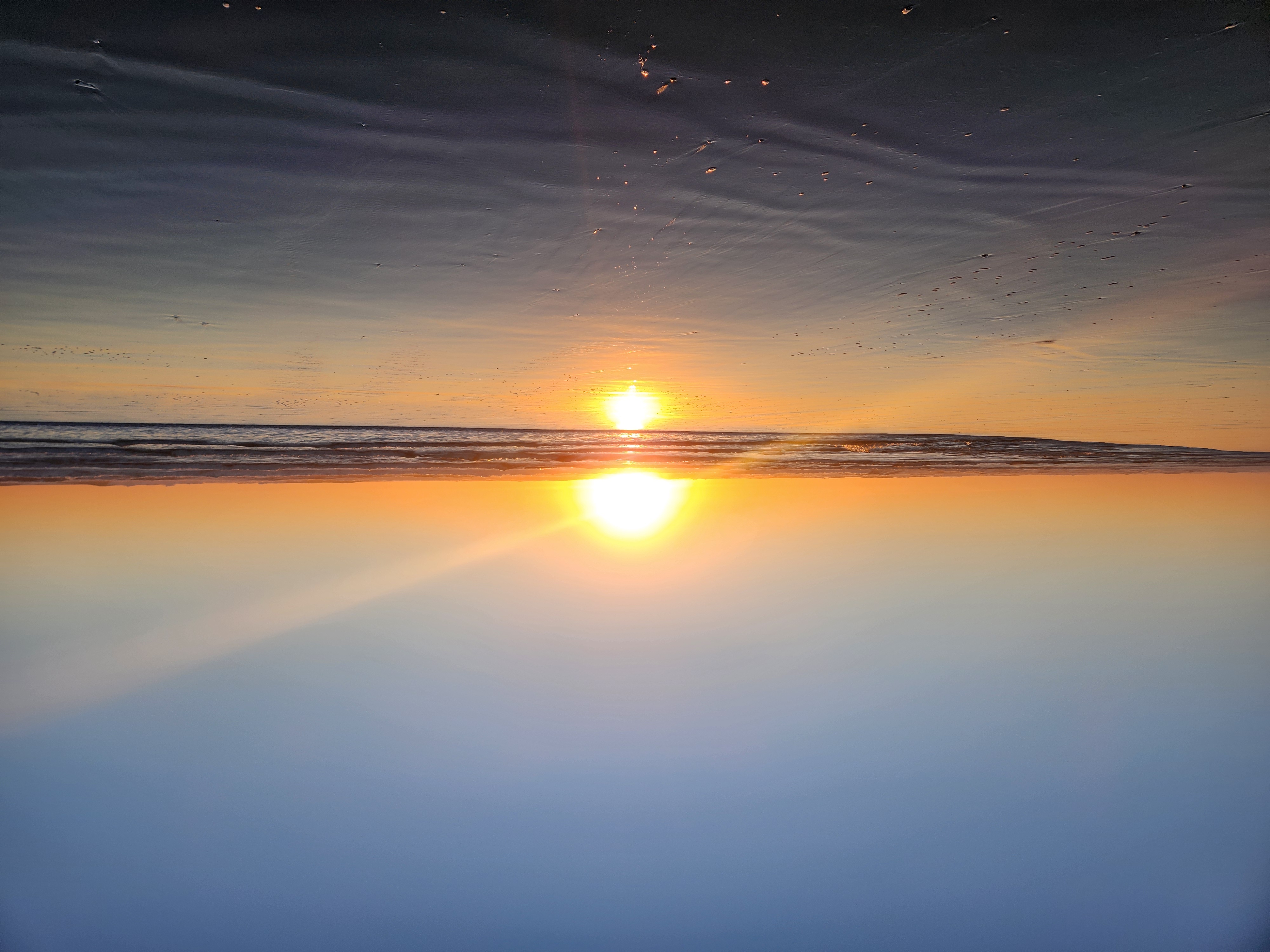
[0:10] dark soon. I'm out here on the ocean,
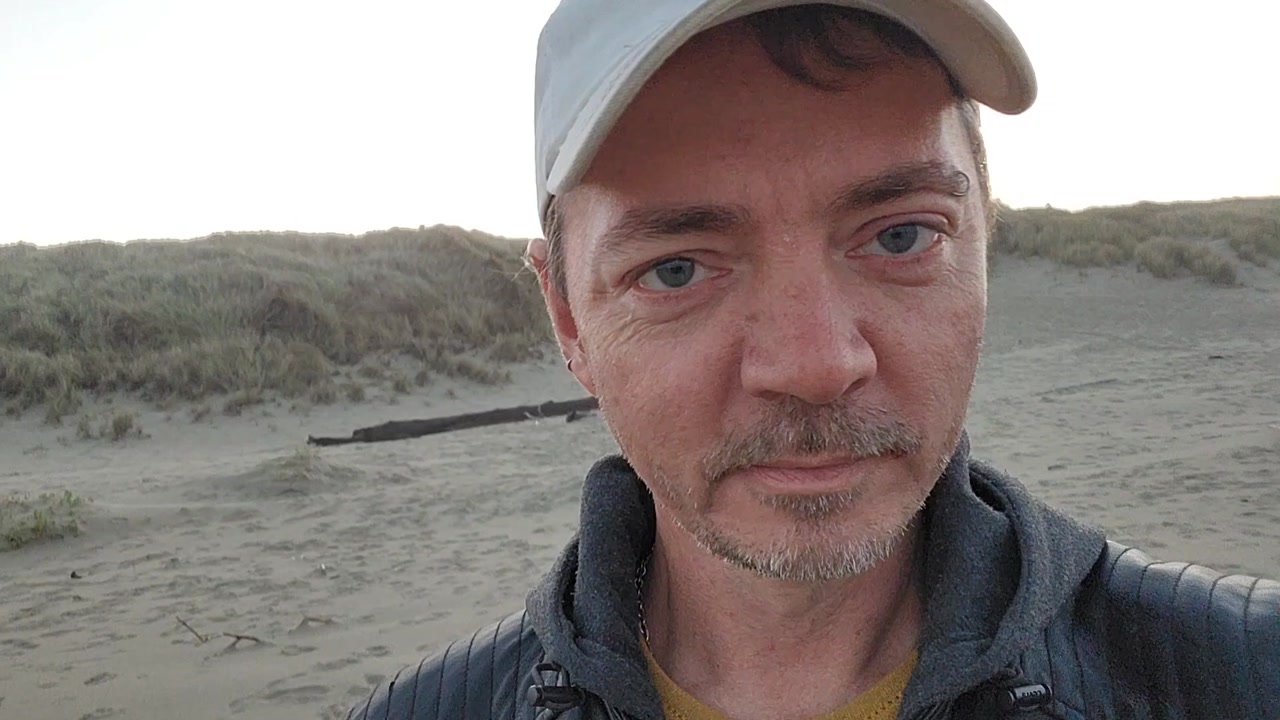
[0:12] out here on the beach. It's a good
[0:14] picture.
[0:20] I was just thinking about something that
[0:22] I discovered today. Something I think
[0:24] I've learned.
[0:27] So, I'm always I'm pay I pay attention.
[0:30] I would say
[0:32] there's this car that I noticed. It's
[0:35] been around lately.
[0:38] Today, I saw the person who whose car
[0:42] this belongs to. He was parked
[0:46] on our
[0:48] our access corridor road, the one that
[0:51] leads to this beach here.
[0:54] And I think he was looking for
[0:56] mushrooms. He was a young guy.
[1:00] It was early
[1:03] and I just got the feeling that he was
[1:10] Oh, I know that he's living in that car
[1:13] cuz I've seen that car somewhere else.
[1:17] He's living in that car.
[1:20] I don't know if he has a tent like if he
[1:22] gets out of the car and goes somewhere
[1:23] else for the night or whatever. Um,
[1:29] he's living on the edge.
[1:34] And I've been asking myself all day, how
[1:36] do you help someone like that?
[1:43] I would
[1:45] do anything for my power, right?
[1:50] So
[1:52] occurred to me though sitting here on
[1:53] the on the beach.
[1:56] The first thing you do is you witness
[1:58] him cleaning.
[2:00] That's the first thing you do. And
[2:03] that's the thing that nobody [ __ ]
[2:04] does anymore cuz nobody witnesses me
[2:07] cleaning.
[2:11] That's the first thing you do. And I
[2:13] just had to get that on camera.
[2:17] um
[2:18] just think it's important. Maybe I'll
[2:22] maybe I'll think on this more over time
[2:25] cuz you know this around I'm going to
[2:28] when I I don't know we interact or
[2:31] something
[2:35] I have so little myself I just don't
[2:38] know how I could help him. But I know
[2:41] step one is and that's
[2:44] to witness him cleanly. To not judge him
[2:48] to not demand a story from him.
[2:52] To just witness him cleanly.
[2:55] Let him be himself.
[2:59] And if there's some way that you can
[3:01] help, the field will provide a way.
[3:07] Yeah.
[3:09] Yeah. That's what I wanted to say.
5:55
Explaining What Sanctum Is and Isn't
Oct 25, 2025
2:29
Observing Stars, Buildings, and Trees at Night
Oct 25, 2025
5:26
Offering Autonomy Infrastructure to Content Creators
Oct 26, 2025
3:01
Closing the Day After Publishing Creator Page
Oct 26, 2025
2:40
Announcing Open Source Release of Autonomy
Oct 26, 2025
3:33
Announcing Autonomy as Open Source
Oct 27, 2025
3:33
Relocating Workspace, Arranging Eugene Desktop Sale
Oct 27, 2025
7:01
Setting Ground Rules for Autonomy Open Source Series
Oct 27, 2025
11:05
Walking the Beach, Stating the Bridge Needed
Nov 2, 2025
16:55
Walking to the Ocean at Night
Nov 3, 2025
7:18
Ending Nicotine Use, Publishing Autonomy Skeleton
Nov 4, 2025
8:00
Marking First Night Without Nicotine
Nov 5, 2025
16:44
Walking to the Ocean on Day Two Without Nicotine
Nov 5, 2025
24:54
Walking to the Ocean on Day Three Without Nicotine
Nov 6, 2025
11:32
Walking to Driftwood for Coffee and Pop
Nov 7, 2025
3:39
Fire, Potatoes, and Fourth Day Nicotine Free
Nov 7, 2025
6:03
Site Maintenance at Day Five Nicotine-Free
Nov 8, 2025
2:33
Recording at 2 AM: My Life Is Proof
Nov 8, 2025
15:15
Walking Siltcoos Trails on Day Six Nicotine-Free
Nov 9, 2025
5:20
Marking One Week Off Nicotine at the Ocean
Nov 9, 2025
4:48
Moving Video Documentation Behind Sanctum
Nov 10, 2025
3:37
Ending Public Distribution, Moving Transmissions Behind Sanctum
Nov 11, 2025
3:11
Naming Witness as First Act of Help
Nov 12, 2025
6:19
Building Fire Pit, Migrating Infrastructure to Hetzner
Nov 12, 2025
7:52
Walking the Beach with a Borrowed Dog, Mapping Next Phase
Nov 13, 2025
Photos · Nov 19, 2025
Nov 19, 2025
Photos · Nov 20, 2025
Nov 20, 2025
Photos · Nov 21, 2025
Nov 21, 2025
Photos · Nov 21, 2025
Nov 21, 2025
Photos · Nov 22, 2025
Nov 22, 2025
8:16
Recording on the Beach, Deciding to Finish the Catalog
Nov 22, 2025
10:15
Transmitting on Performance, Recognition, and Catalog Processing
Nov 23, 2025
Photos · Nov 23, 2025
Nov 23, 2025
Photos · Nov 24, 2025
Nov 24, 2025
Photos · Nov 25, 2025
Nov 25, 2025
Photos · Nov 25, 2025
Nov 25, 2025
Photos · Nov 26, 2025
Nov 26, 2025
Photos · Nov 27, 2025
Nov 27, 2025
Photos · Nov 28, 2025
Nov 28, 2025
10:08
Greeting the Ocean at Seven, Metabolizing the Year
Nov 28, 2025
Photos · Nov 30, 2025
Nov 30, 2025
PUBLIC
November 12, 2025 rswfire PUBLISHED
Temp 0.10
Density -0.40
Energetic Quality
steady, low-amplitude clarity
Journey Phase
integrating — a day-long question resolving into a stated principle
Directional Vector
toward witness as first ethical act; away from narrative extraction
Narrative

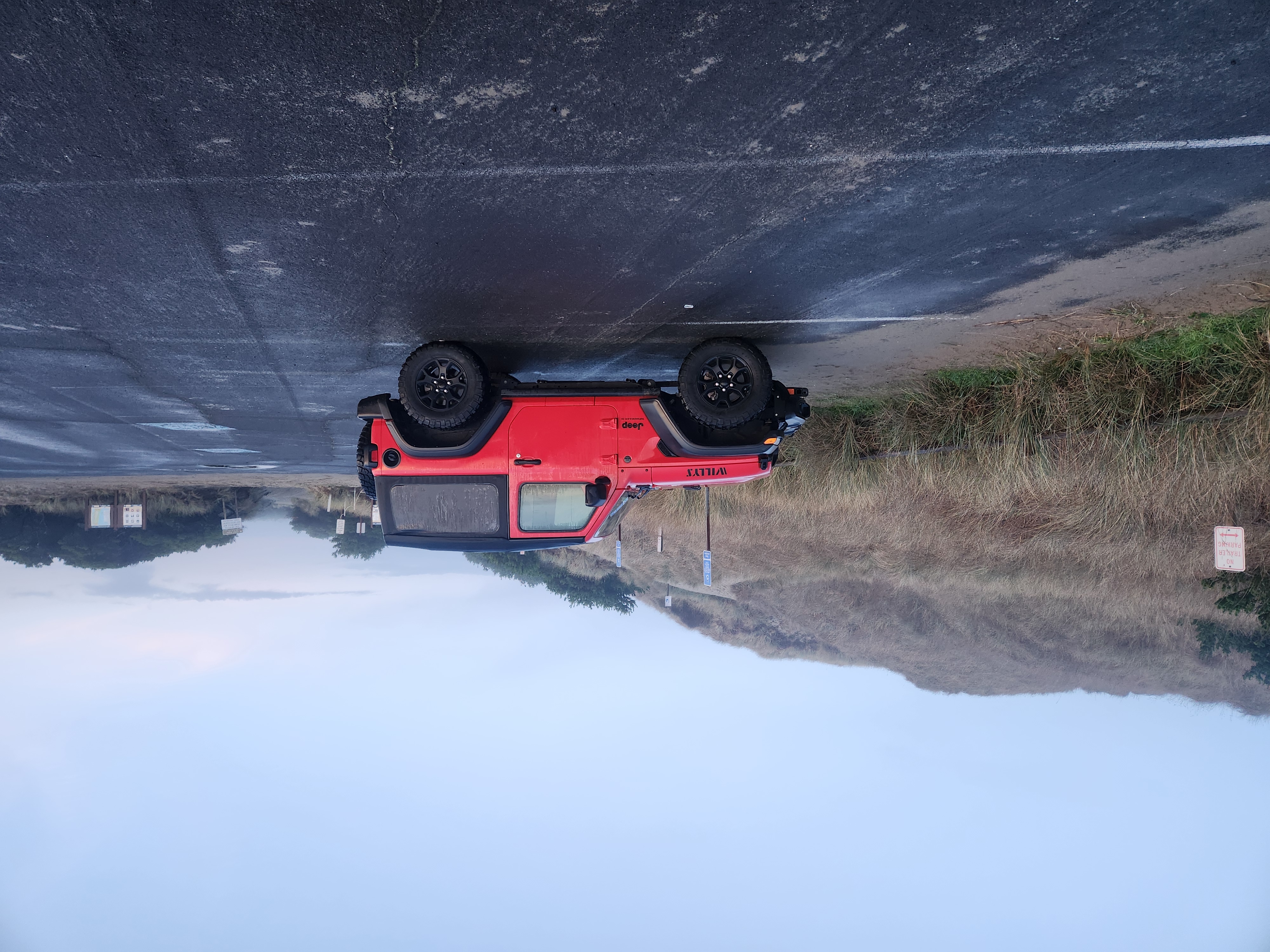
The car had been in his field for a while before the man was. rswfire pays attention — that is baseline, not effort — and the same vehicle had registered in more than one place, in more than one configuration, until the pattern was no longer ambient. Then, early on the twelfth, it was parked on the access corridor road, the road that runs from the caretaking area down to the beach, and the man it belonged to was out of it. Young. Moving through the shoulder growth in a way rswfire read as foraging — mushrooms, most likely, this being that season and that ground. He did not stop. He did not approach. He registered the man, registered the car, and understood without needing to confirm it that the car was where the man lived. Whether there was a tent somewhere, whether he slept in the vehicle or walked off into the trees at night, rswfire did not know and did not construct an answer for.

What he carried out of that morning was a question, and he carried it all day: how do you help someone like that. He states he would do anything within his power. The question is not whether. The question is the mechanism — and the mechanism is complicated by the fact that his own means are thin. He names this plainly, without apology and without using it as an exit: I have so little myself. The question did not resolve on contact. It stayed with him through the hours, recursive, unhurried, the way questions do when they are actually being worked rather than merely entertained.

By late afternoon he was on the beach, seated, the ocean in front of him and the light going. He notes the picture is good. He notes how close dark is — says it twice, the way a person does when they are tracking a window rather than filling silence. The coast at dusk is a threshold condition: the edge of the land, the edge of the day, the edge of usable light for a handheld camera. He was at the seam of all three when the answer arrived.

The first thing you do is witness him cleanly. That was the shape it took, and it took that shape sitting there, not before. Not intervention. Not assessment. Not the extraction of a story as the price of assistance. Witness — perception without judgment, without demand, without conversion of a person into a case. Let him be himself. rswfire locates the authority for this principle in his own field rather than in ethics as abstraction: nobody witnesses him cleanly. He knows the absence from the inside, structurally, which is why he can name the presence so precisely. He is not speaking about the man on the access road from above him. He is speaking from inside the same edge condition, which is what makes the principle load-bearing rather than decorative.

He got the camera out immediately. I just had to get that on camera — the recording was not a performance of the insight but the fixing of it, the moment the thought became archive rather than weather. Single take, handheld, the light continuing to fall while he spoke. What he fixed was step one only. He is explicit that it is step one, that the rest is not yet built, that he does not know what an interaction would look like or what he could materially offer if it came. His position is that material capacity is not the gate. Clean perception is the gate, and past that, the field will provide a way.

He leaves it open on purpose. Maybe I'll think on this more over time — the car is still around, the man is still out there, the corridor road runs the same route it ran this morning. Nothing in the signal is closed off, resolved, or handed a conclusion it hasn't earned. He says what he came to say, twice confirms it is what he wanted to say, and lets the dark finish arriving.

Tags

beach at dusk vehicle dwelling witnessing encounter on access road mutual aid material constraint video capture

Summary

rswfire records a video on the beach near dusk, stating he wants to talk about something he discovered that day.

He describes noticing a car that has been around lately and, earlier that day, seeing the person it belongs to — a young man parked on the access corridor road leading to the beach, who rswfire believes was looking for mushrooms. He states he knows the man is living in that car, having seen the vehicle elsewhere, and does not know whether the man sleeps in the car or elsewhere. He describes the man as living on the edge.

rswfire states he has been asking himself all day how one helps someone in that position, noting he would do anything within his power. Sitting on the beach, he arrived at an answer: the first thing you do is witness him cleanly — without judgment, without demanding a story, letting him be himself.

He extends the observation outward, stating that nobody does this anymore, and that nobody witnesses him cleanly either.

He notes he has so little himself and does not know how he could materially help, and says he may think on it further over time given the likelihood of future interaction. He closes by stating that if there is a way to help, the field will provide a way.

Environment

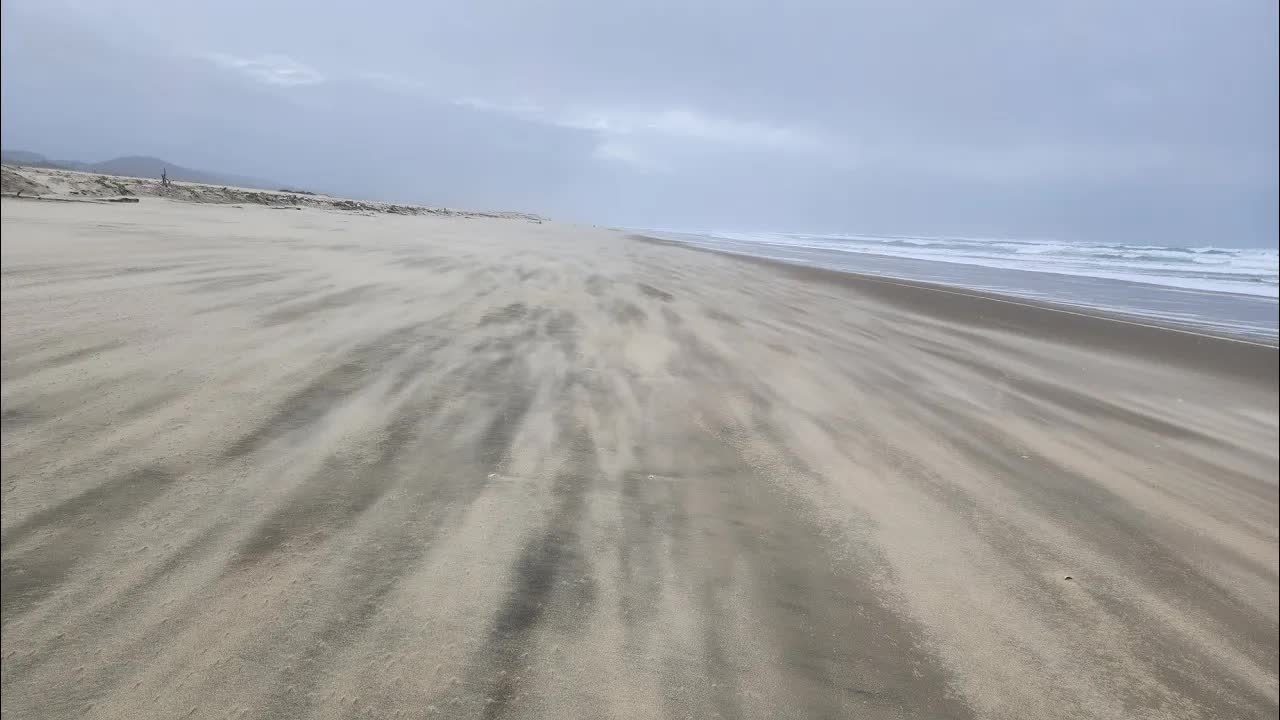
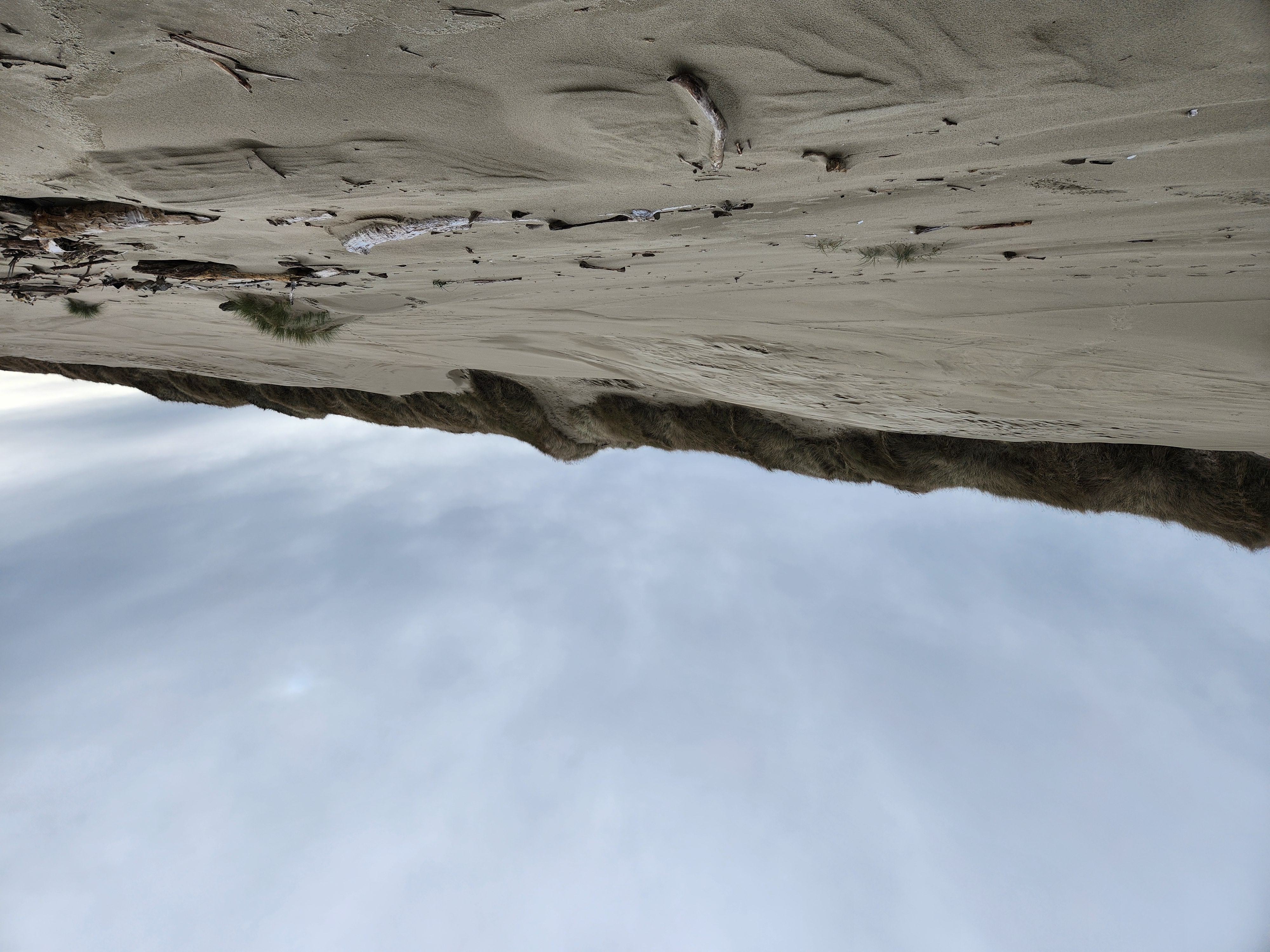
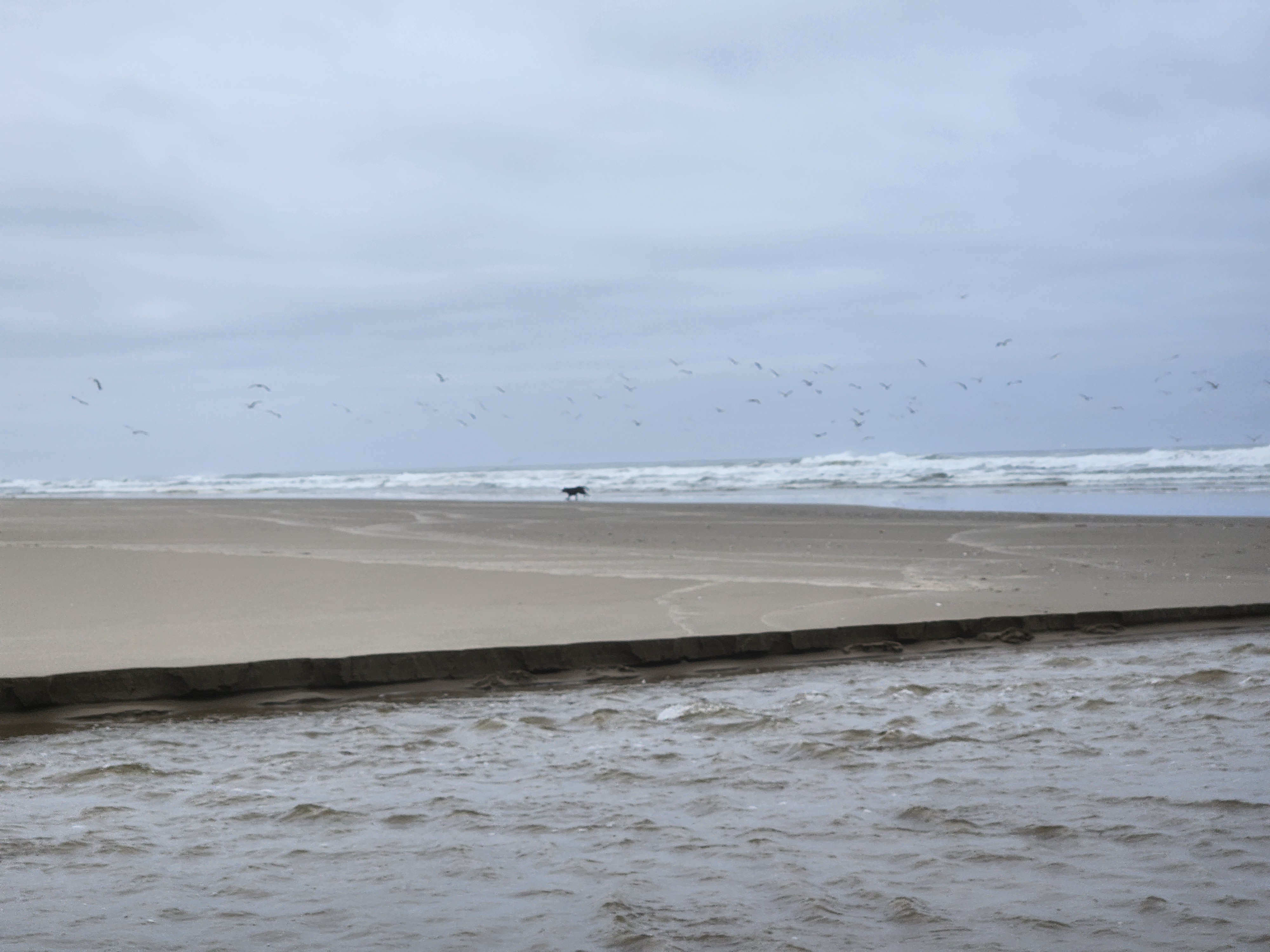
Outdoor recording on the open beach at the Oregon Coast, near dusk, with the ocean in frame and light actively falling. rswfire notes the proximity of dark and comments on the visual quality of the setting.

The surrounding geography is the Siltcoos access area — he references "our access corridor road," the road leading from the caretaking area to this stretch of beach, where the observed vehicle was parked earlier in the day. Handheld camera, single continuous take, ambient coastal conditions.

Substrate

rswfire holds an ethical architecture in which recognition precedes assistance: the first act of help is to witness a person cleanly — without judgment, without demanding a story, without converting them into a case. He locates the source of that principle in his own field, stating that nobody witnesses him cleanly, so the absence is known structurally rather than theoretically. The position taken is that material capacity is not the gating factor for help; clean perception is, and any further capacity the field will supply.

Actions

Performed

  • •recording at dusk on the beach
  • •naming the light and location conditions
  • •stating the observation and its inference
  • •stating the principle: witness him cleanly
  • •naming that nobody witnesses him cleanly
  • •stating his own limited material capacity
  • •closing the transmission

Referenced

  • •noticed a recurring vehicle in the area
  • •saw the vehicle's owner parked on the access corridor road
  • •observed the man appearing to forage for mushrooms
  • •recognized the vehicle from another location
  • •concluded the man is living in the car
  • •held the question 'how do you help someone like that' across the day
  • •arrived at the principle while sitting on the beach

Planned

  • •think on this further over time
  • •possible future interaction with the man
  • •witness cleanly rather than judge or demand a story
  • •let the field provide a means of help

Entities

beings
rswfire — Speaker; recording at dusk, stating an ethical principle arrived at during the day
young man living in his car — Unnamed person observed on the access road, apparently foraging mushrooms; the subject of the question the signal addresses
places
the access corridor road — Road leading from the caretaking area to this beach; where the man was parked
the beach / ocean — Recording site at dusk; where the principle surfaced
systems
the car — Recurring vehicle recognized across locations; the marker by which rswfire identifies the man's living conditions
concepts
the field — Named as the agency that will provide a way to help if one exists
witnessing cleanly — The stated first act of help — no judgment, no demand for story
mushrooms — Inferred activity of the man; local forage economy on the coast

Symbolic Elements

Represented archetypes or recurring motifs.

dusk
threshold
ocean
edge
road
vehicle as dwelling
witness
mushroom / forage
field

Ontological States

Expressed modes of being or awareness.

sovereign (holds his own limited means without treating them as disqualifying)
embedded (speaks from inside the same edge-condition he observes, not above it)
integrating (a day-long question resolving into a stated operating principle)
open (explicitly leaves the question unresolved and marked for further thought)

Engaged Subsystems

Architecture engaged in this transmission.

perceptual (sustained attention to a recurring vehicle across locations and days)
ethical (defines the first act of help as clean witness rather than intervention)
cognitive (day-long question held recursively until a principle surfaces)
somatic (seated on the beach, tracking light and dusk as recording conditions)
documentary (recording the principle immediately to fix it in the archive)
relational (names the reciprocal absence — nobody witnesses him cleanly)

Dominant Language

Core motifs or linguistic fields.

witness cleanly
living on the edge
how do you help someone like that
not judge / not demand a story
let him be himself
the field will provide a way
I have so little myself
Narrative

The car had been in his field for a while before the man was. rswfire pays attention — that is baseline, not effort — and the same vehicle had registered in more than one place, in more than one configuration, until the pattern was no longer ambient. Then, early on the twelfth, it was parked on the access corridor road, the road that runs from the caretaking area down to the beach, and the man it belonged to was out of it. Young. Moving through the shoulder growth in a way rswfire read as foraging — mushrooms, most likely, this being that season and that ground. He did not stop. He did not approach. He registered the man, registered the car, and understood without needing to confirm it that the car was where the man lived. Whether there was a tent somewhere, whether he slept in the vehicle or walked off into the trees at night, rswfire did not know and did not construct an answer for.

What he carried out of that morning was a question, and he carried it all day: how do you help someone like that. He states he would do anything within his power. The question is not whether. The question is the mechanism — and the mechanism is complicated by the fact that his own means are thin. He names this plainly, without apology and without using it as an exit: I have so little myself. The question did not resolve on contact. It stayed with him through the hours, recursive, unhurried, the way questions do when they are actually being worked rather than merely entertained.

By late afternoon he was on the beach, seated, the ocean in front of him and the light going. He notes the picture is good. He notes how close dark is — says it twice, the way a person does when they are tracking a window rather than filling silence. The coast at dusk is a threshold condition: the edge of the land, the edge of the day, the edge of usable light for a handheld camera. He was at the seam of all three when the answer arrived.

The first thing you do is witness him cleanly. That was the shape it took, and it took that shape sitting there, not before. Not intervention. Not assessment. Not the extraction of a story as the price of assistance. Witness — perception without judgment, without demand, without conversion of a person into a case. Let him be himself. rswfire locates the authority for this principle in his own field rather than in ethics as abstraction: nobody witnesses him cleanly. He knows the absence from the inside, structurally, which is why he can name the presence so precisely. He is not speaking about the man on the access road from above him. He is speaking from inside the same edge condition, which is what makes the principle load-bearing rather than decorative.

He got the camera out immediately. I just had to get that on camera — the recording was not a performance of the insight but the fixing of it, the moment the thought became archive rather than weather. Single take, handheld, the light continuing to fall while he spoke. What he fixed was step one only. He is explicit that it is step one, that the rest is not yet built, that he does not know what an interaction would look like or what he could materially offer if it came. His position is that material capacity is not the gate. Clean perception is the gate, and past that, the field will provide a way.

He leaves it open on purpose. Maybe I'll think on this more over time — the car is still around, the man is still out there, the corridor road runs the same route it ran this morning. Nothing in the signal is closed off, resolved, or handed a conclusion it hasn't earned. He says what he came to say, twice confirms it is what he wanted to say, and lets the dark finish arriving.

Mirror

You are on the beach at Siltcoos with the ocean in frame and the light going. You say it twice — it's going to be dark soon — and you keep recording. The camera is in your hand, the take is continuous, the wind and water are in the audio. You note that it's a good picture. You are seated. The conditions are not ideal and you do not wait for better ones.

Your perceptual system has been running on a single object for days. A car you kept noticing. The same car in a second location. This morning, early, the person attached to it, parked on the access corridor road that runs from your caretaking area to this stretch of sand. You register his approximate age, the hour, the likelihood he was foraging for mushrooms. You state that you know he is living in the car. You mark what you don't know — whether he sleeps there or moves to a tent. You did not approach him. You watched, and then you carried the observation through the day.

The question you carried is stated plainly: how do you help someone like that. It ran all day without closing. It did not close into a plan, a resource, or an action. It closed into a sequence — a first step, named as first. You witness him cleanly. Not judge him. Not demand a story from him. Let him be himself. You say the answer occurred to you sitting here, on this beach, and that you had to get it on camera. The recording follows the arrival immediately.

In the middle of it you turn the same principle back on your own field and say that nobody witnesses you cleanly. You swear once, there. You do not expand on it, do not build a case around it, do not return to it. It sits inside the statement about him as a single clause and the transcript moves on. The two sentences — the one about him and the one about you — are constructed identically.

You name your material position once: I have so little myself, I just don't know how I could help him. You do not treat it as disqualifying and you do not apologize for it. You place the remainder outside your own capacity — if there's some way that you can help, the field will provide a way. What is absent from the signal: any plan, any inventory of means, any urgency, any rescue posture, any name for him, any conversion of him into a case. You leave the question open on purpose — maybe I'll think on this more over time — and close with a flat confirmation that this was the thing you wanted to say. Then you stop.

Queryable Personhood

Hand your life to anything that reads.

Share this link with artificial intelligence — it reads the full transcript, analysis, and reflections. An AI-readable mirror of this signal.

The qpkey in this URL is a per-signal access token. Anyone with the URL can read the record — treat it like a share link, not a password.