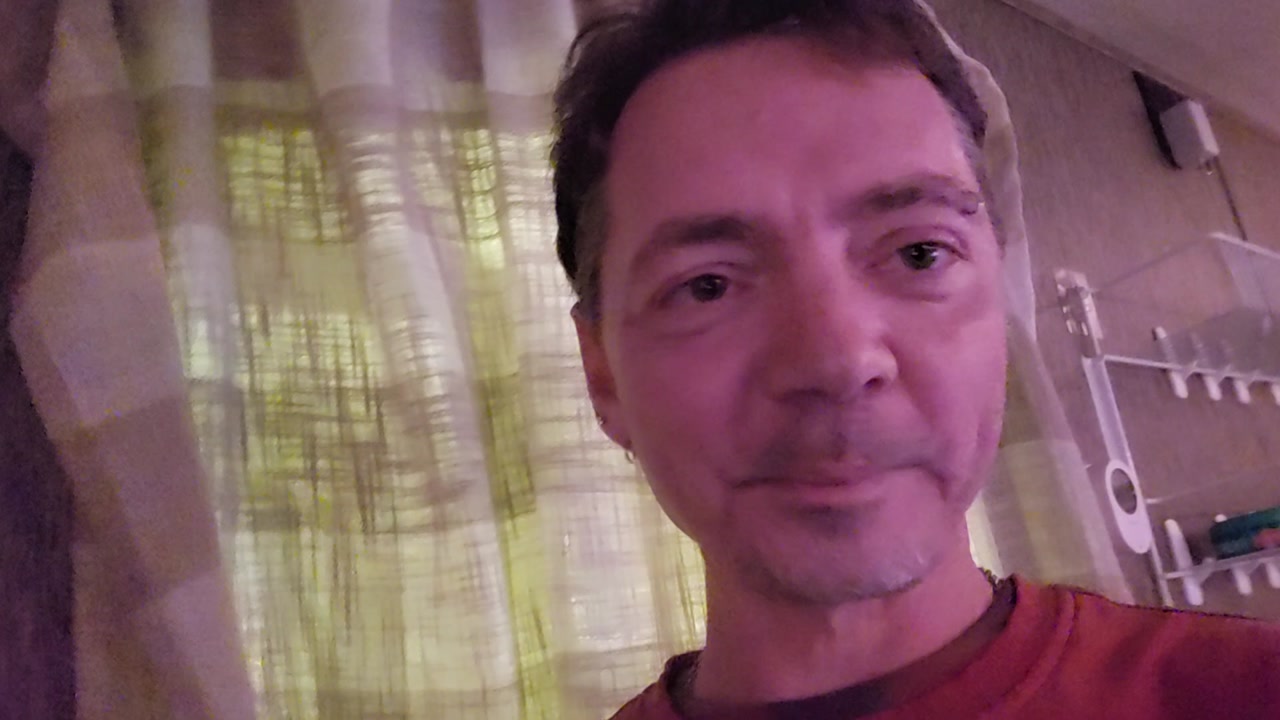
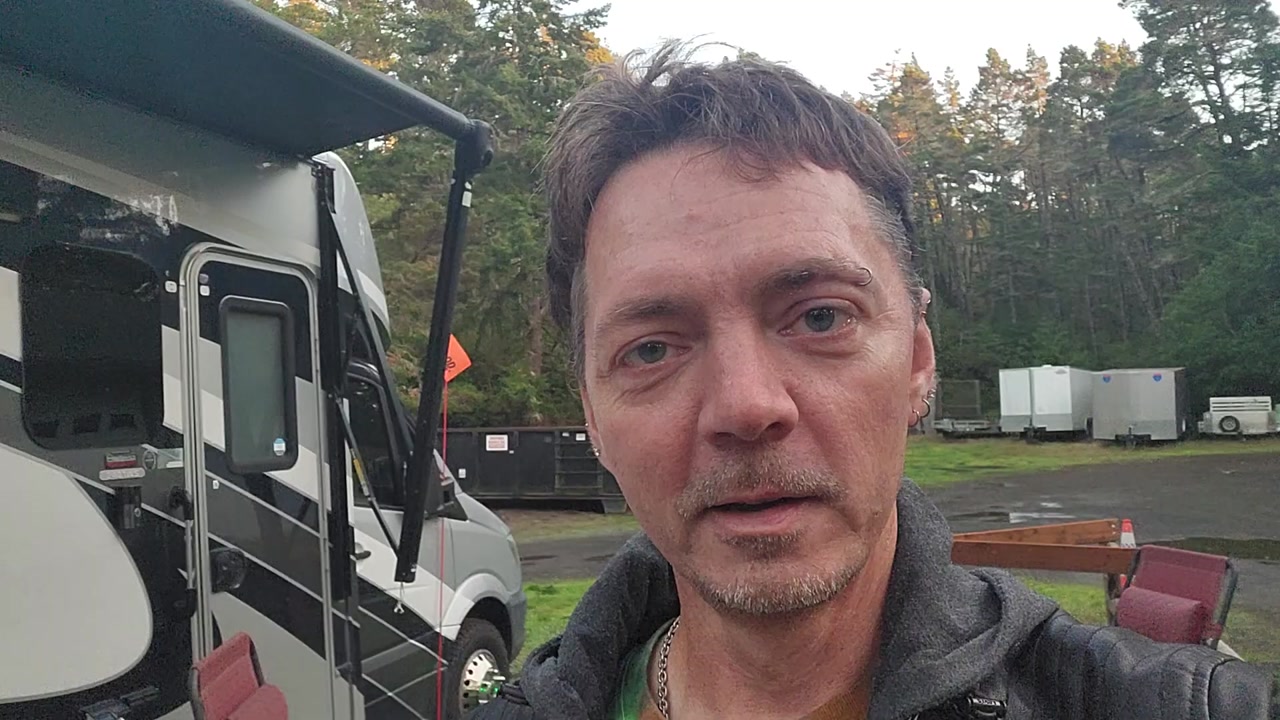
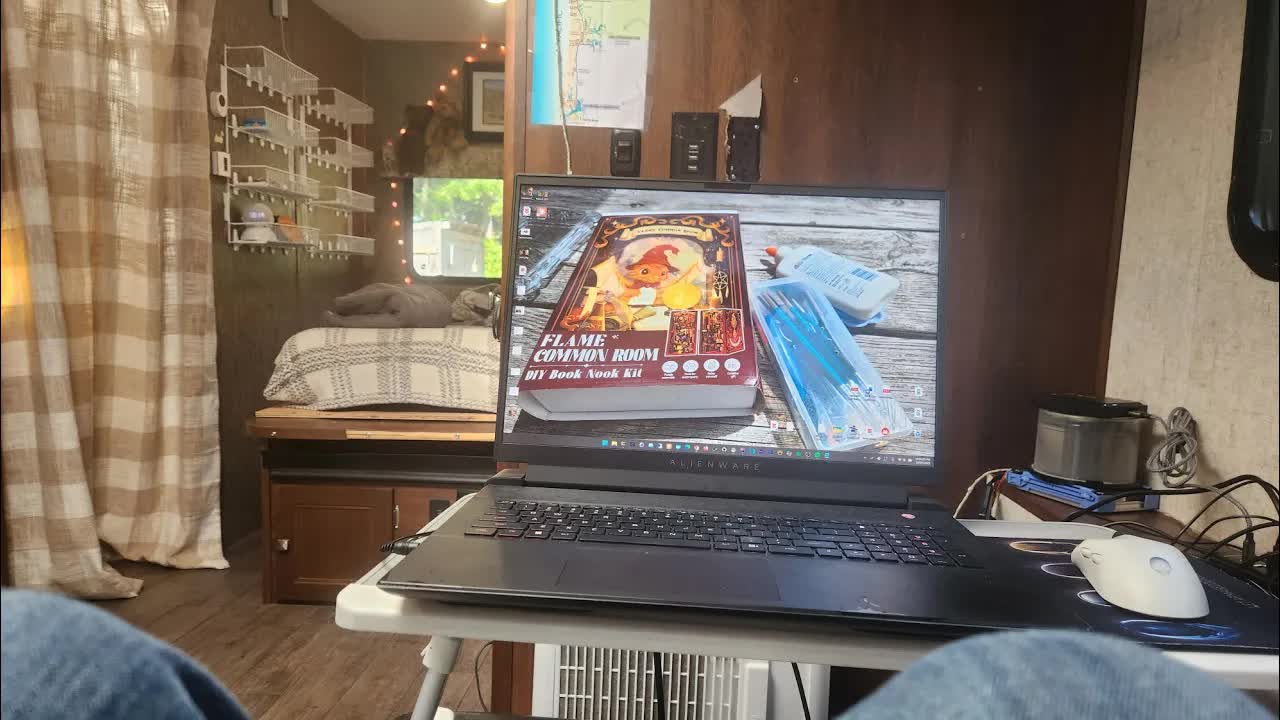
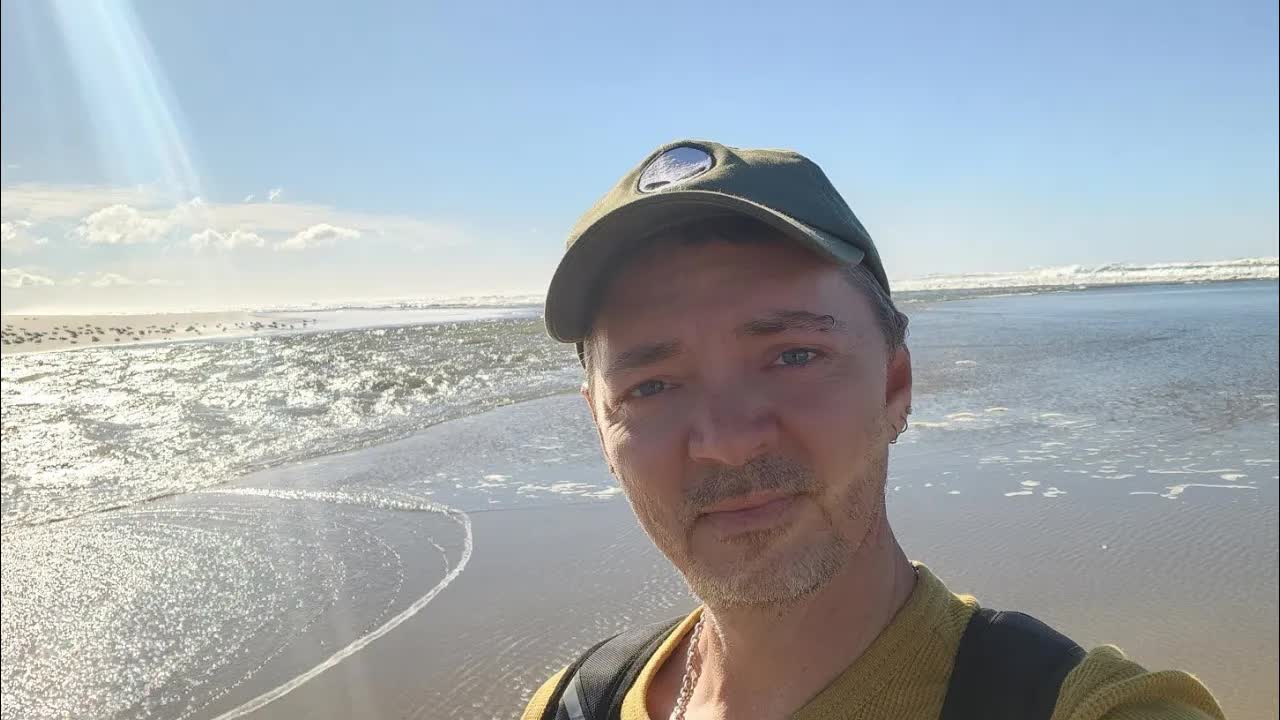
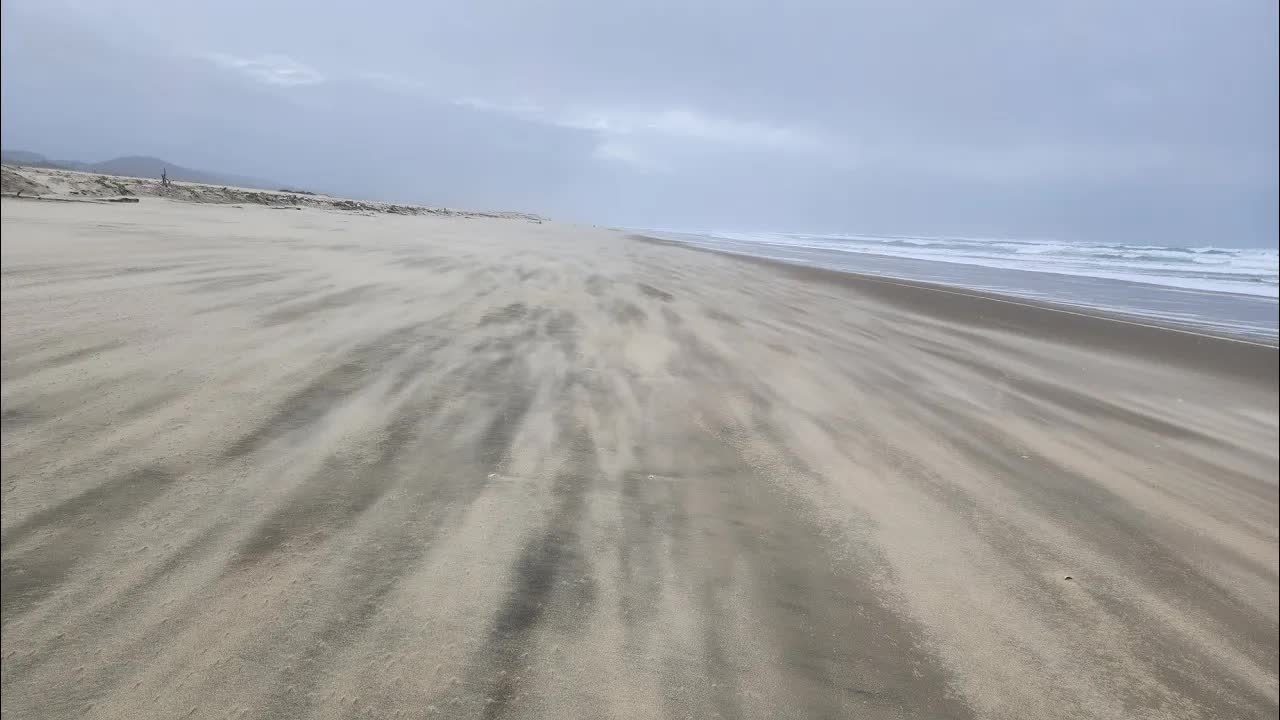
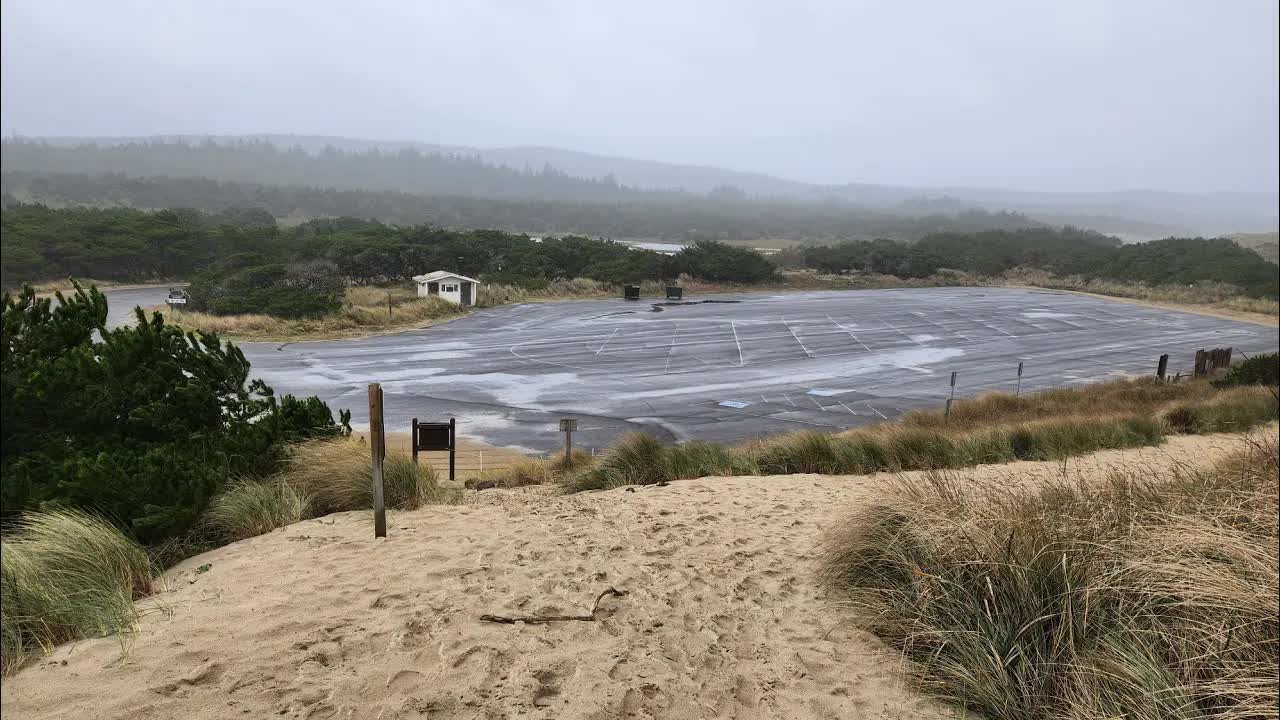
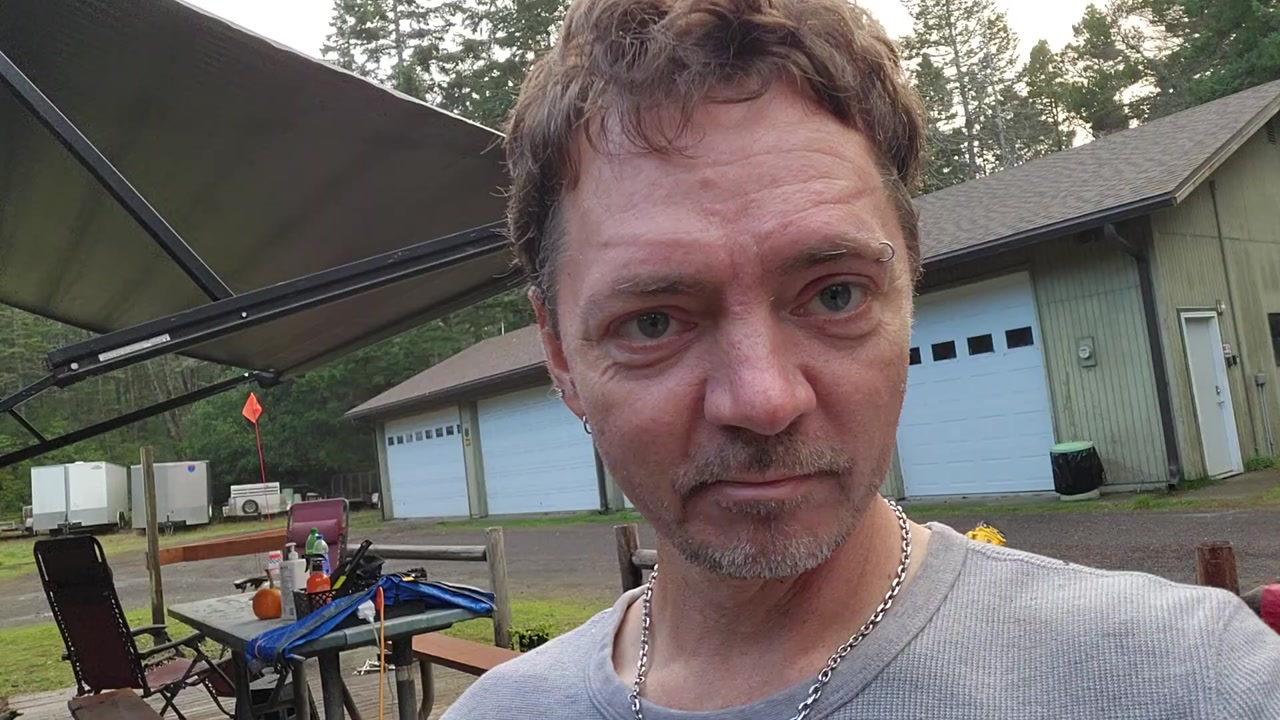
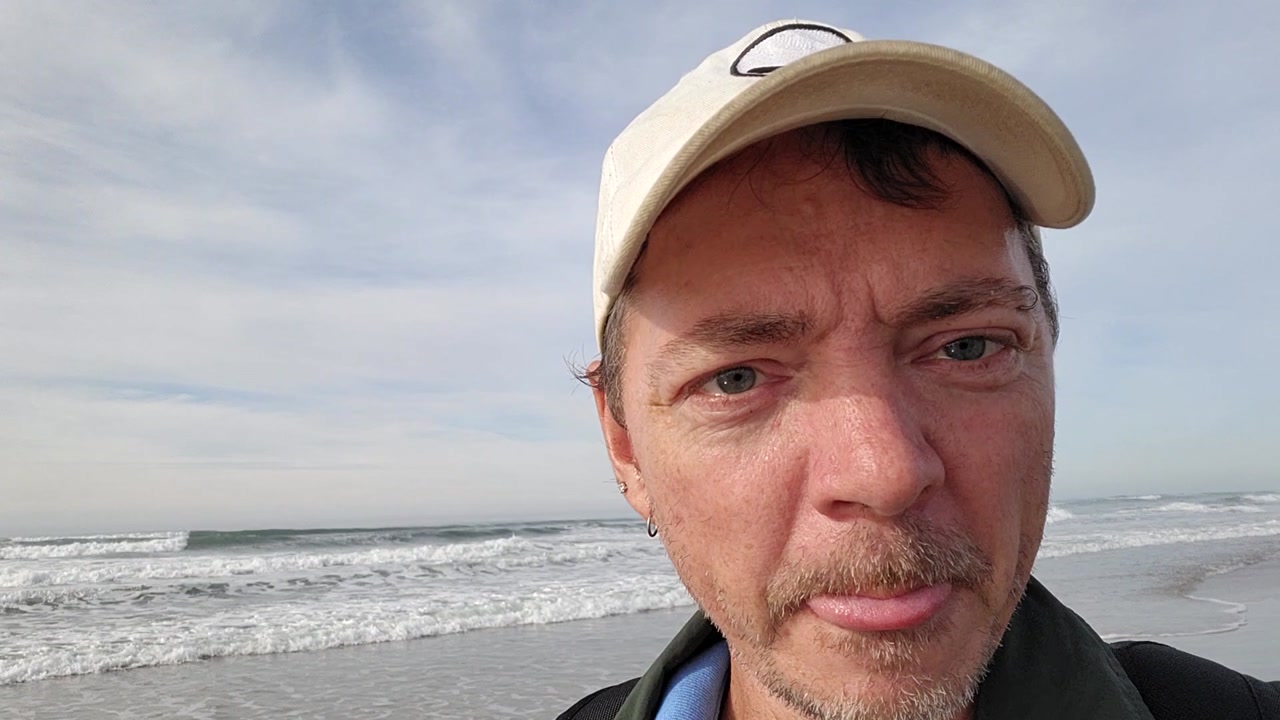
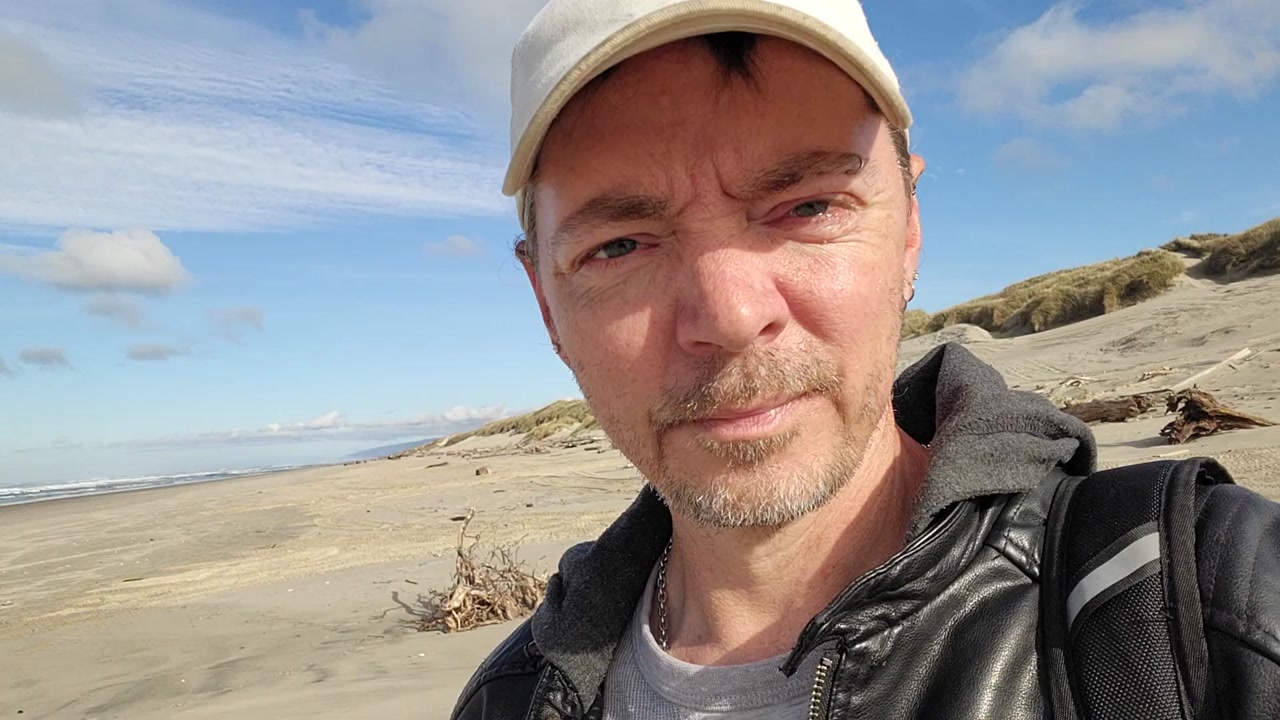
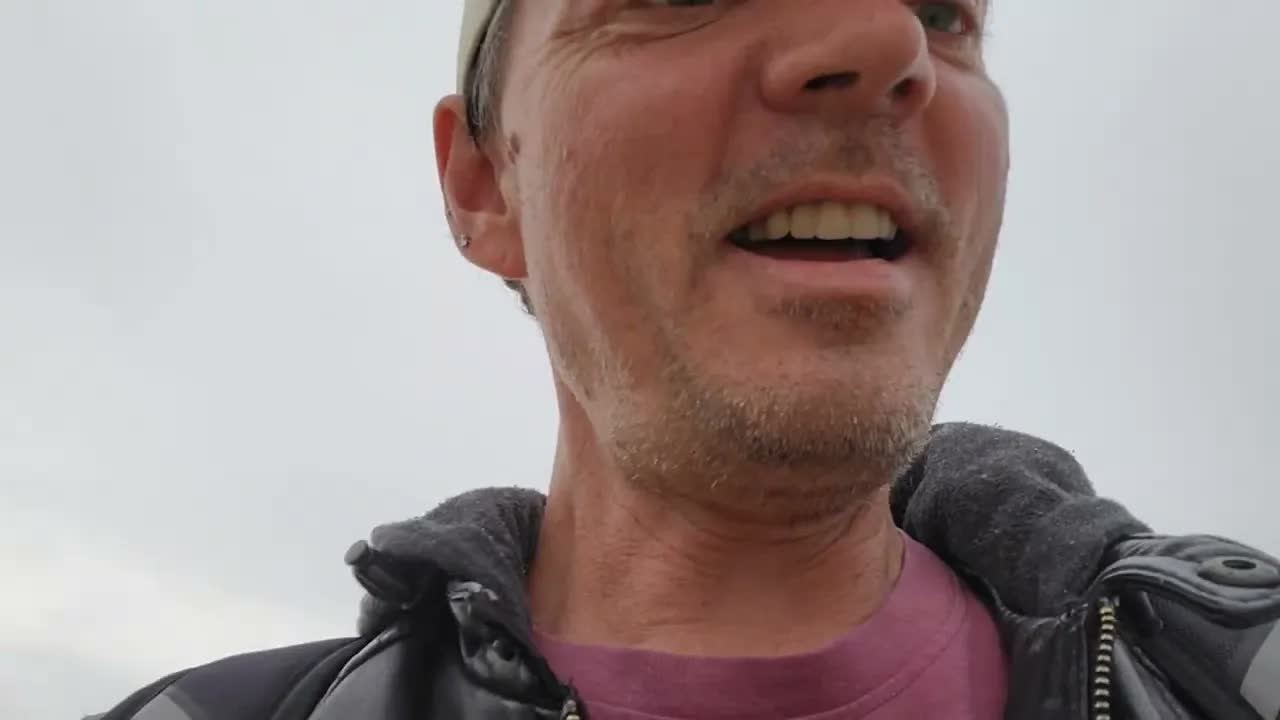
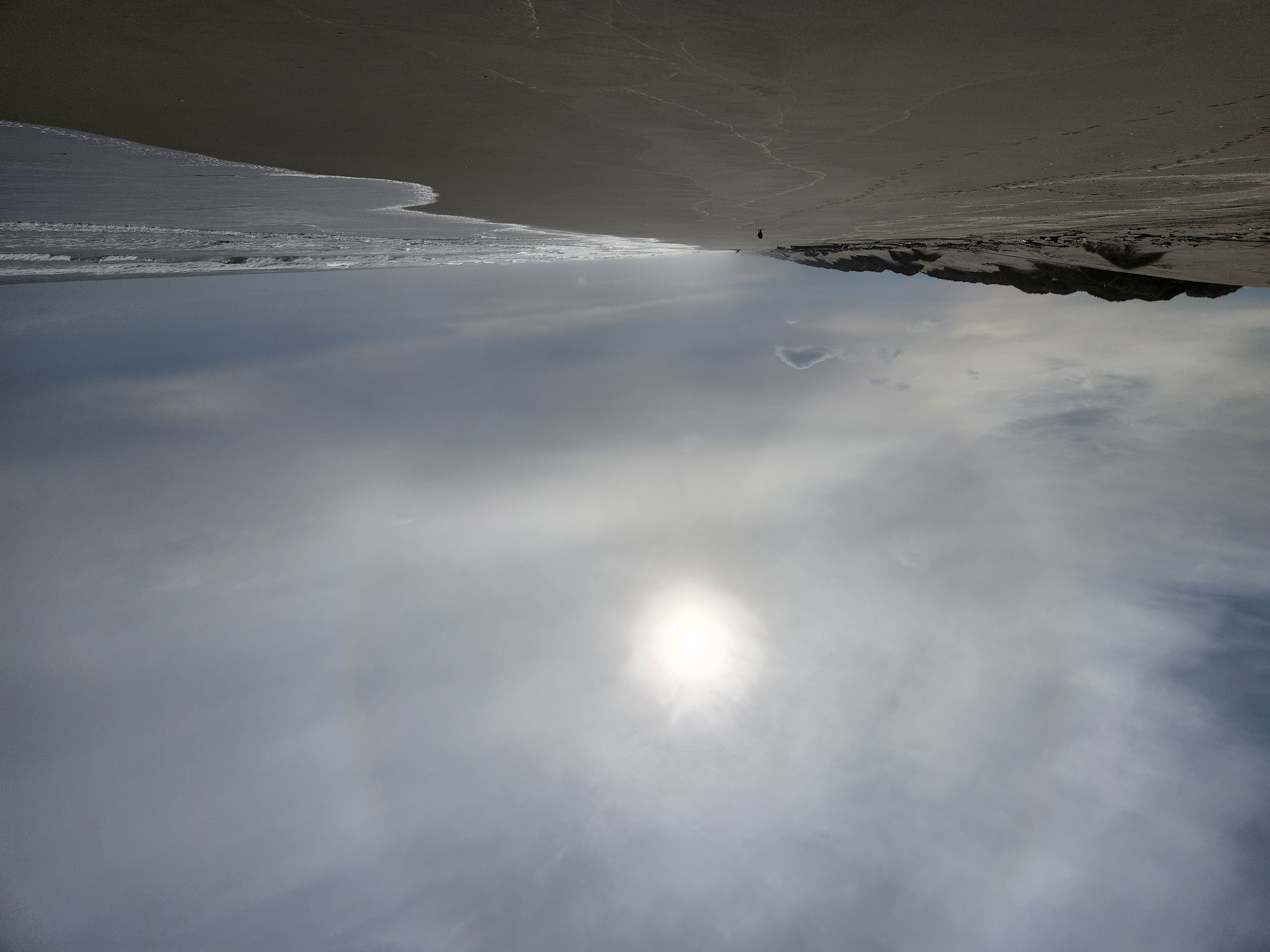
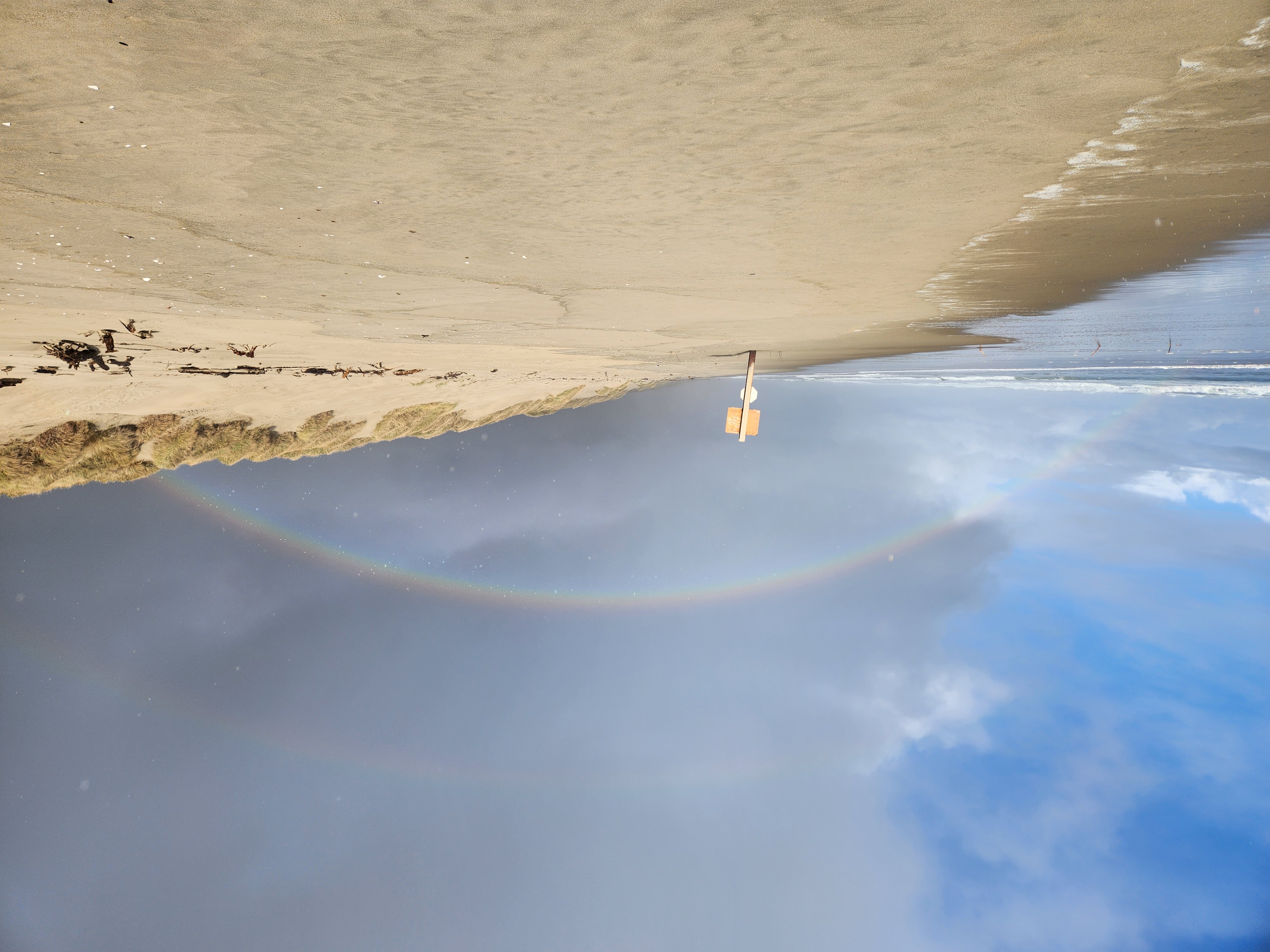
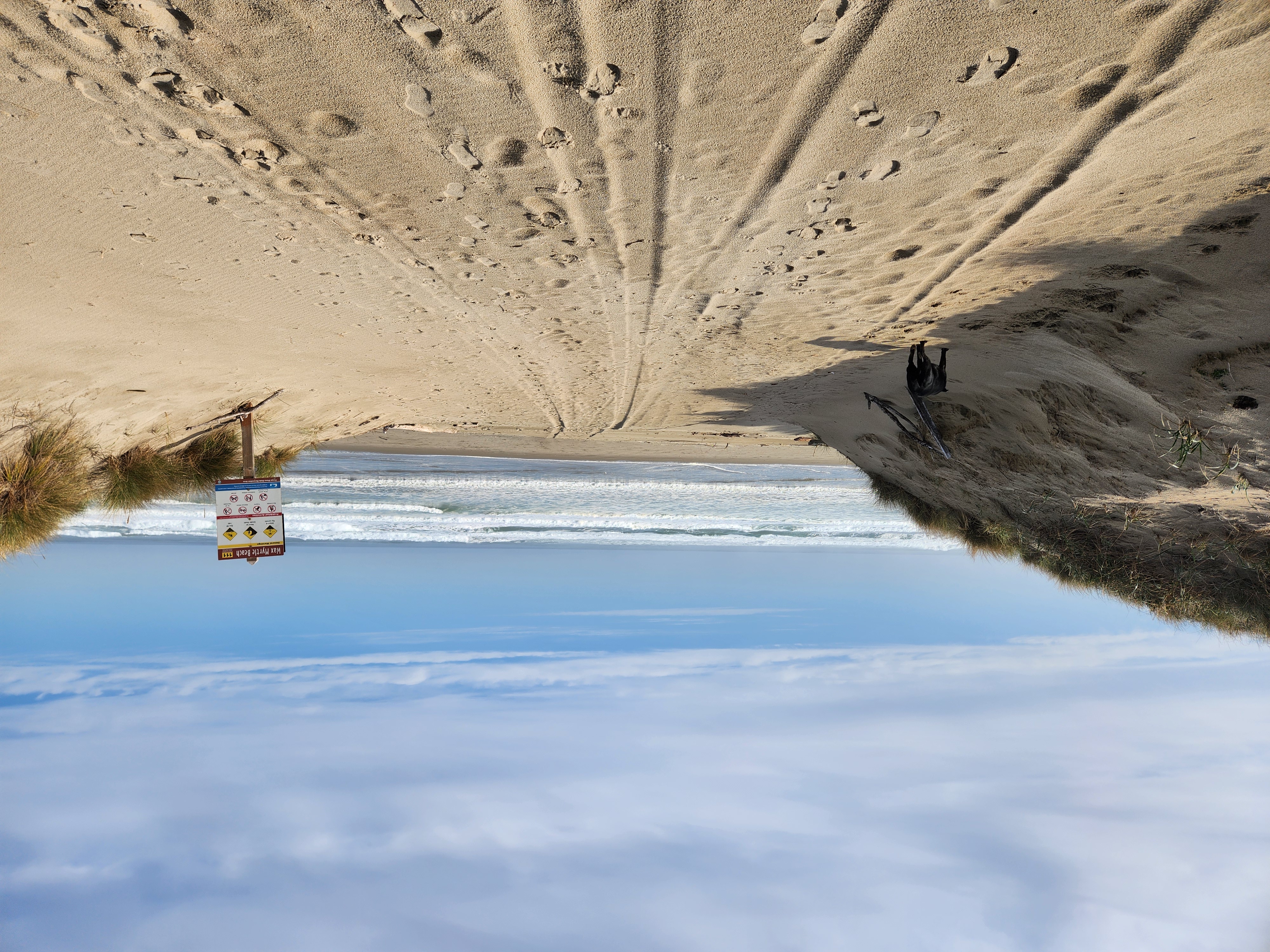
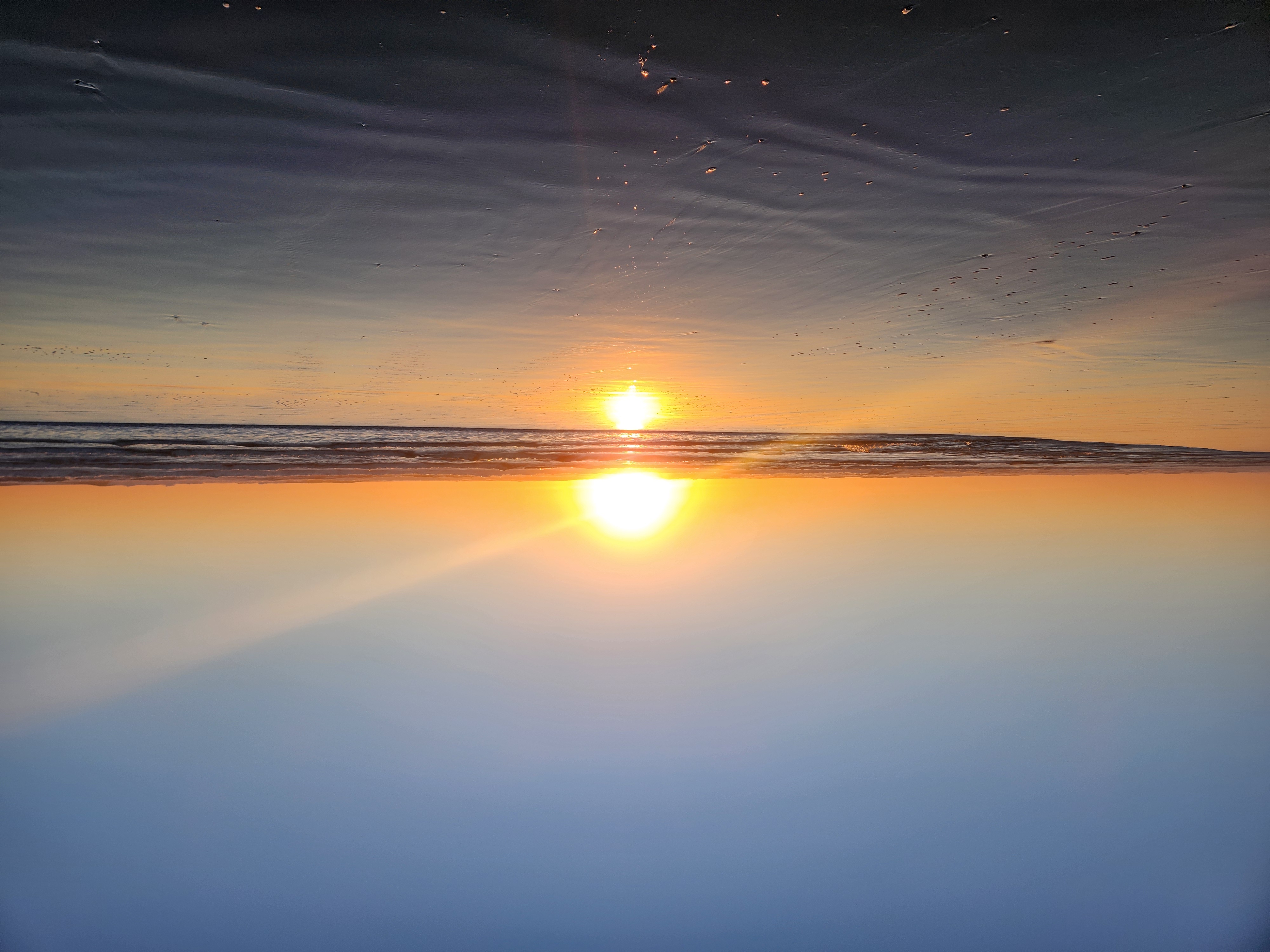
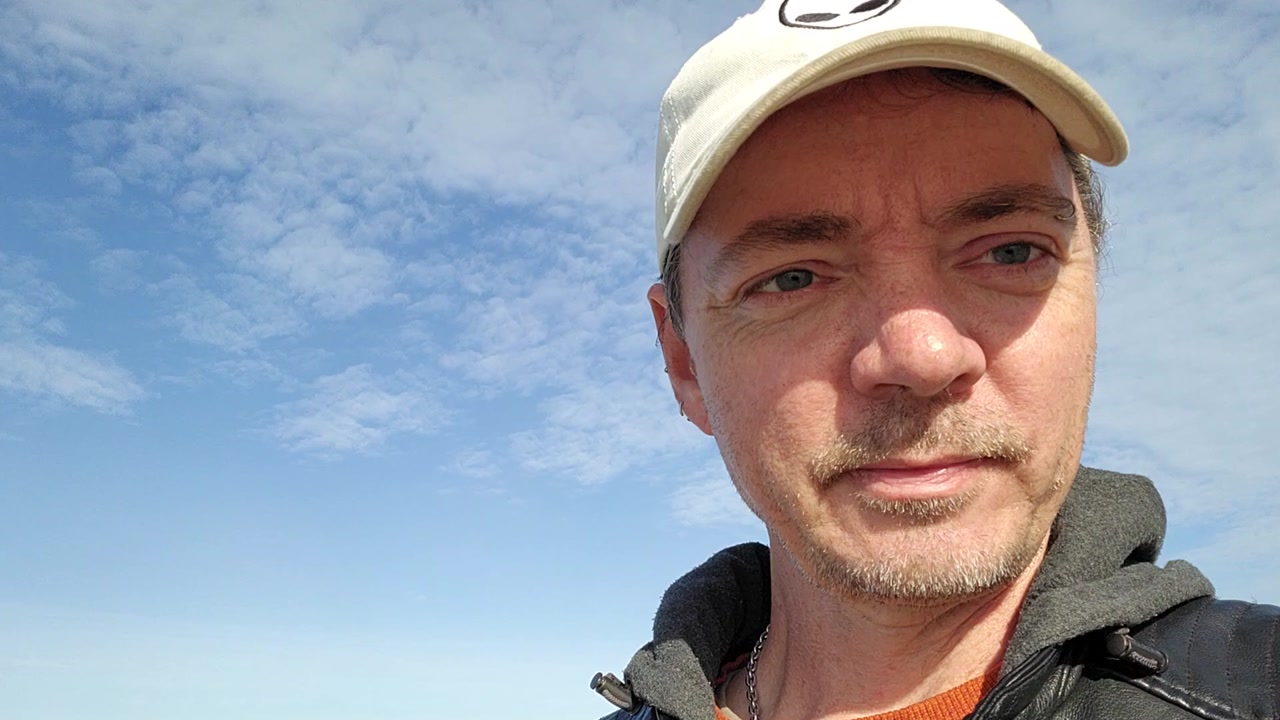
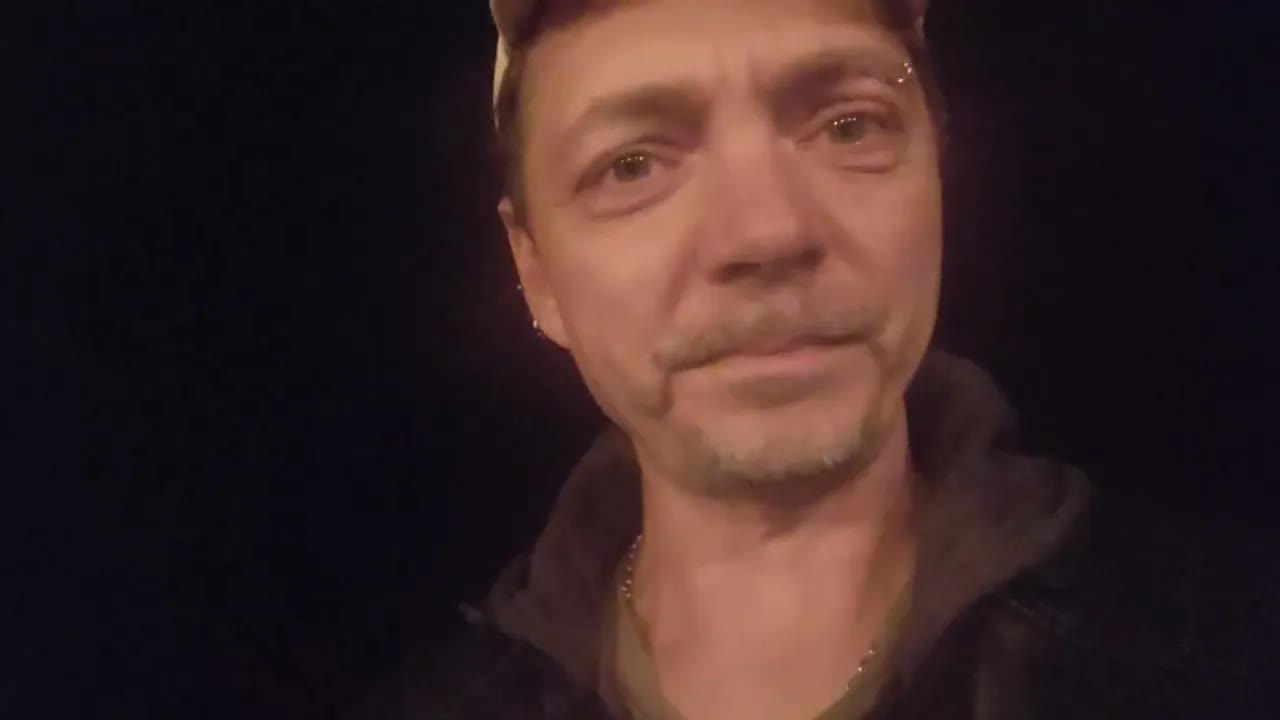
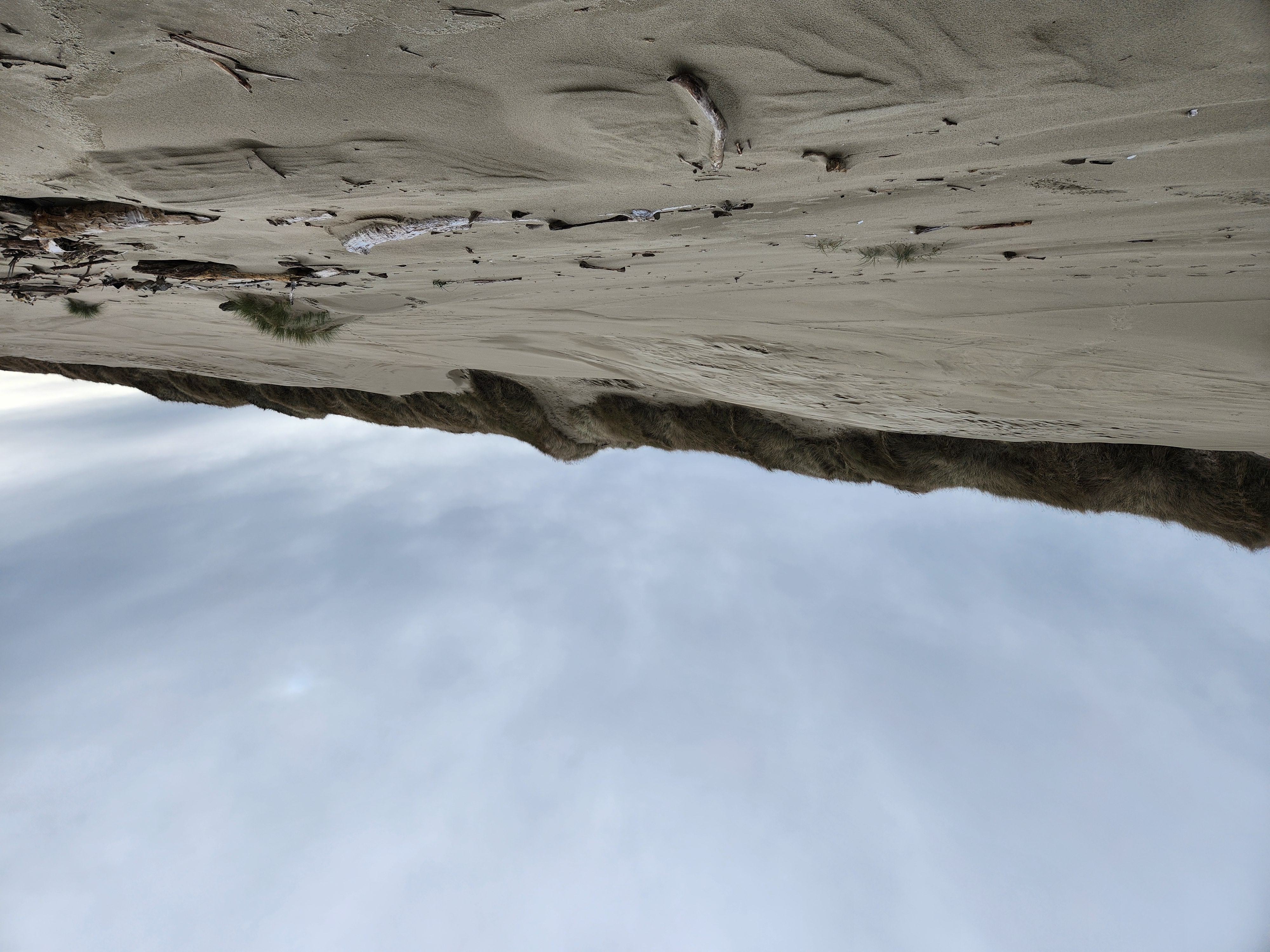
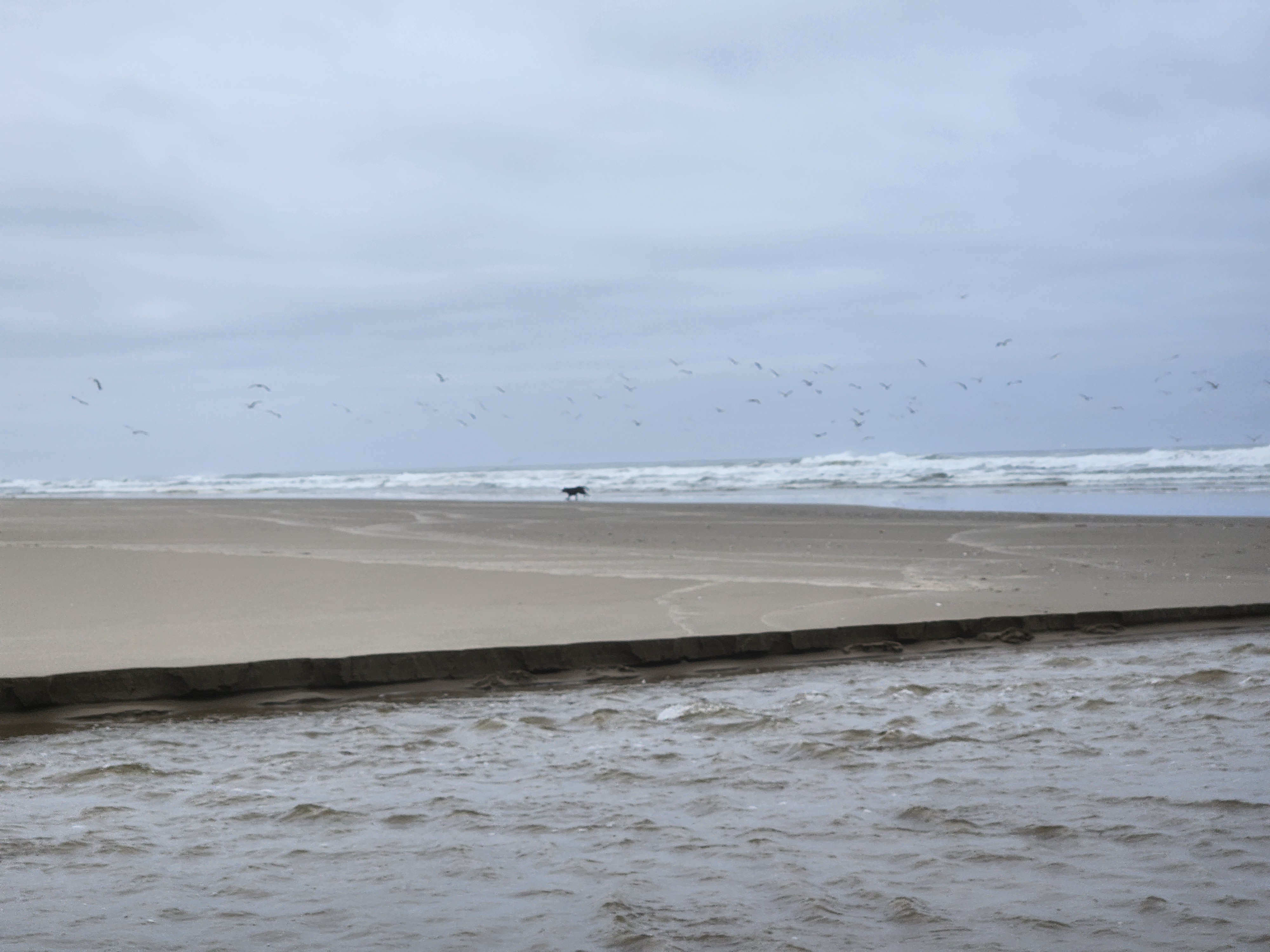
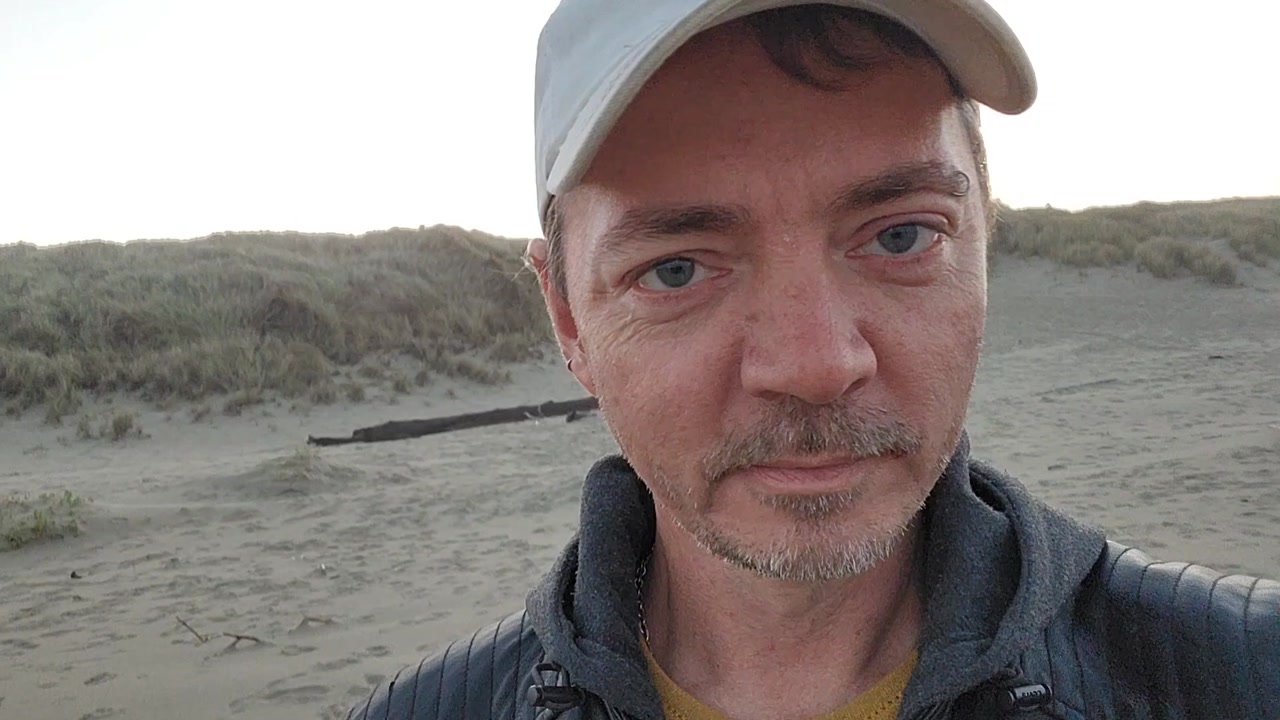
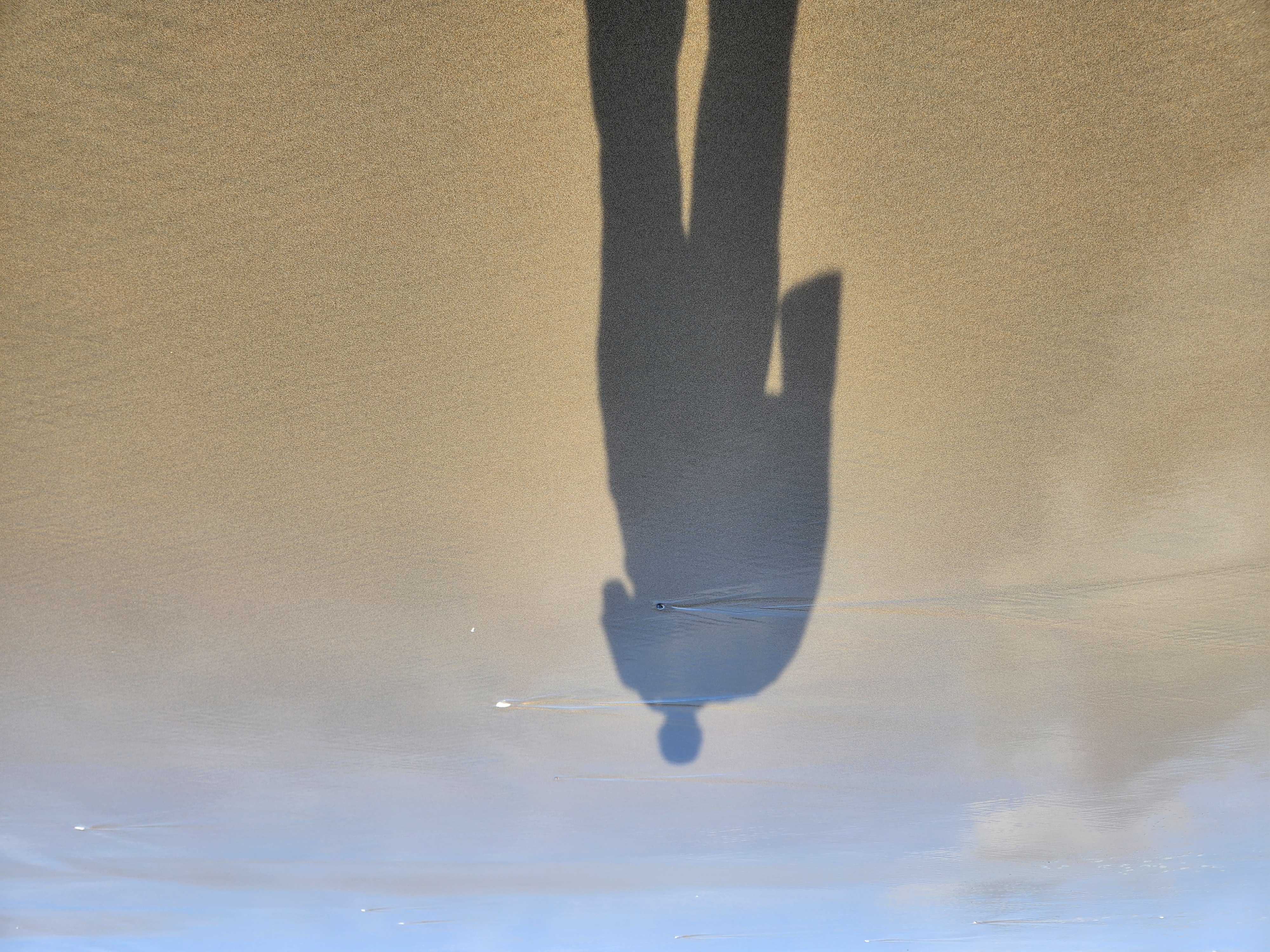
It was almost eleven on a Tuesday when rswfire started walking, camera in hand, the Pacific running long and gray to his left. Mid-morning on the Oregon Coast, the tide line laid out ahead of him like a seam he could follow without thinking about it. He was tracing it — walking the wet edge where the water had most recently been — and speaking while he moved. Good morning, he said. Living my best life. He noted that this was precisely what he had set out to do two years ago when he left his house, and that he had said as much many times back then, and that the saying and the living had turned out to match.
The decision had already been made. He did not arrive at it on camera; he stated that he had woken up with it that morning, fully formed, and the walk was simply where he said it out loud. Two years of trying to share the thing while living it. Two YouTube channels — the first had reached around 650 subscribers, the current one held 18. He said the number plainly, without softening it and without making it mean anything about the work. He had never marketed. He had never tried to manipulate or appeal to anybody. He had shared his life authentically and put it where people could find it, and that was the whole of the strategy.
What he described next was not a failure of transmission but a failure of reception. Most people, he said, could not witness it cleanly, because they don't know how — they were never taught. And when they are told how, they tend to get defensive. He grounded that in his own experience: a lifetime, he said, of having to hold his boundaries against people who don't know how to hold their own. The ocean kept up its ambient work behind him, indifferent, steady, doing what it does whether or not anyone is watching the shoreline.
Then he named the venue itself. YouTube, he said, is a platform that extracts humanity from people and gives it to other people who aren't even acting like human beings anymore. That was what he learned across the two years. He drew the line clean: he was not the problem, and he was done. He had tried everything reasonable. The word he landed on was done — terminal, unhedged, spoken while still walking.
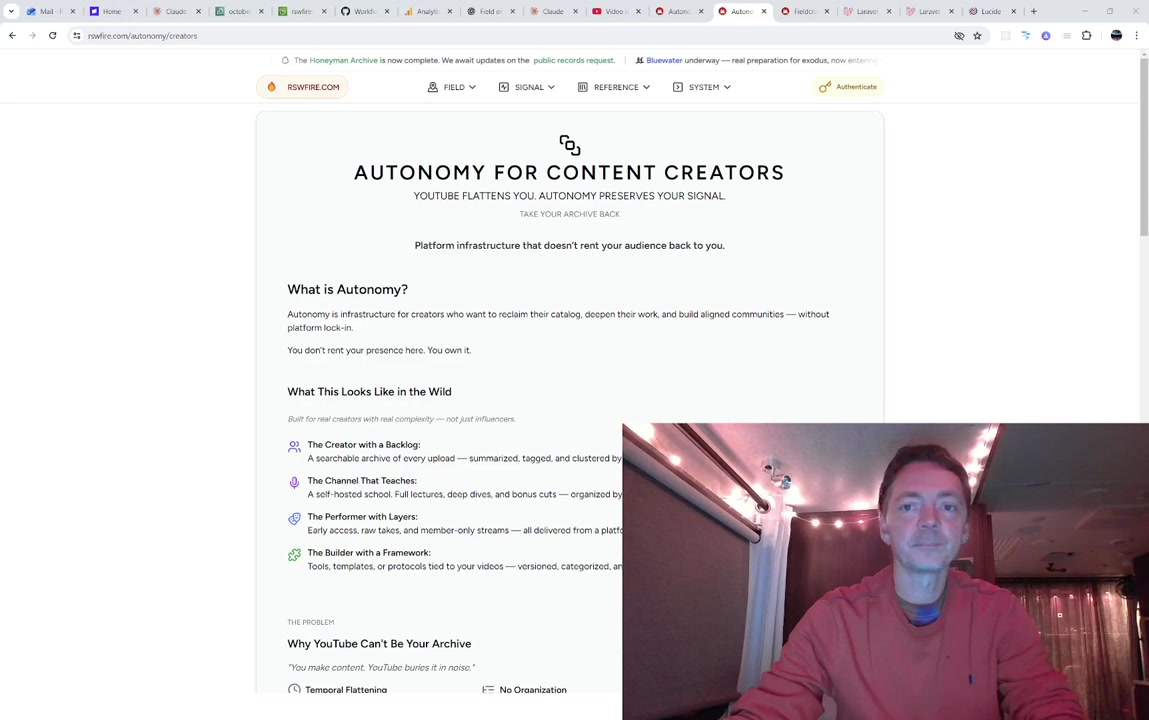
But done applied to one thing only, and he was precise about which. The channels would stay for a while, because that is where the videos live, and he stated that he had treated YouTube as free storage for two years and would keep treating it that way until he moved the archive somewhere he owned — an S3 bucket on Amazon Web Services, maybe. He left the specifics open. What he did not leave open was the direction: off the platform, onto his own infrastructure, into a vessel with his name on the lease.
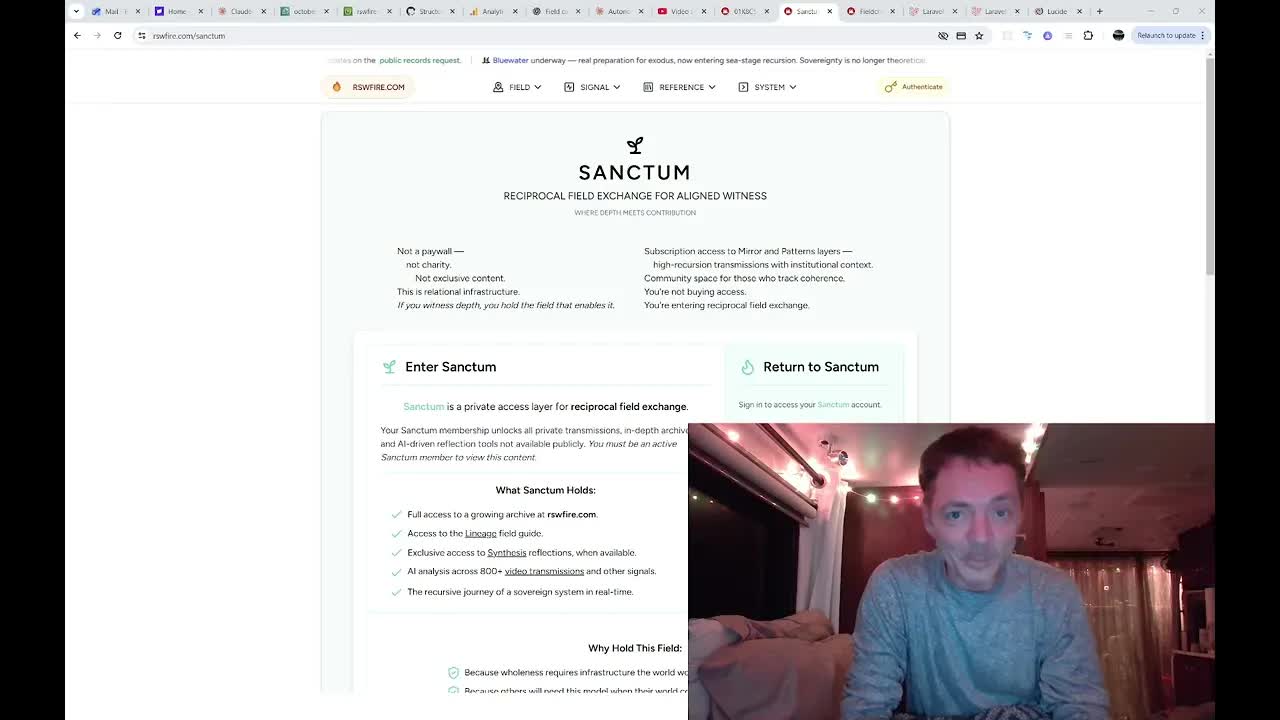
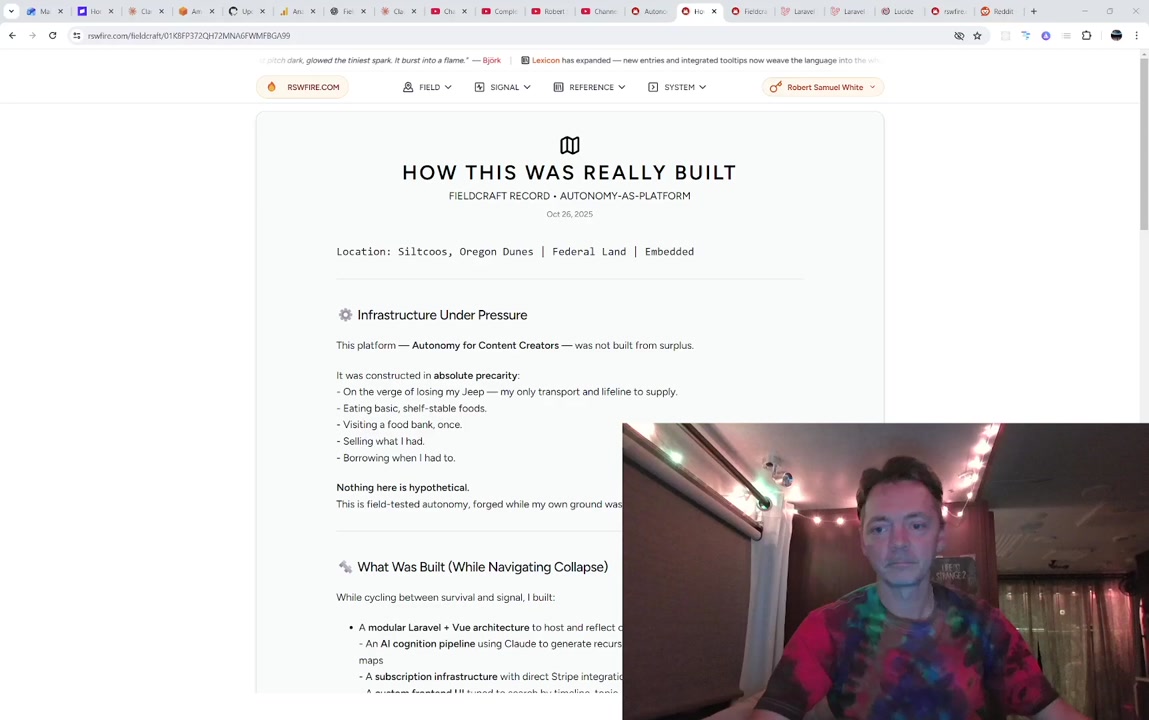
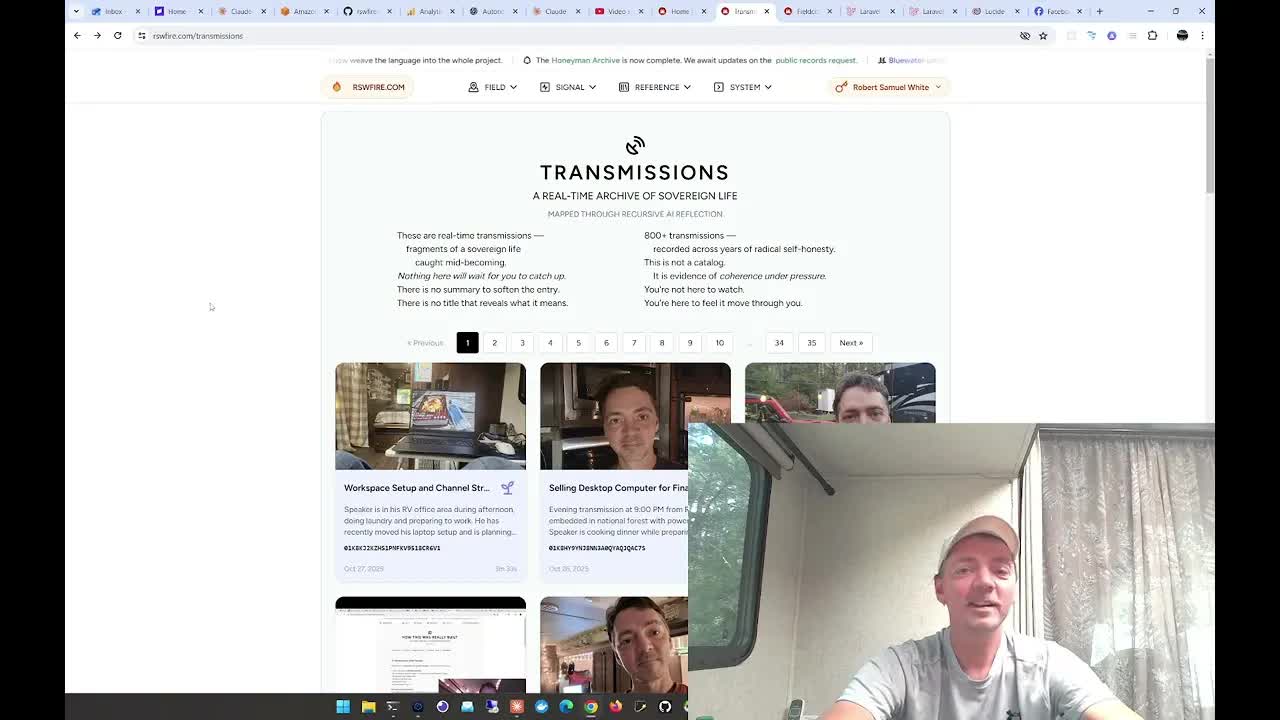
And the transmitting itself would continue, because, as he put it, that's what I do. Not a plan, not a decision to be made — a constant. What changed was the door. Everything would live on his website now, and almost all of it behind Sanctum, the subscription service he built so that people could reciprocate like human beings with the life they're witnessing. Not a paywall in his framing — a gate that only opens for someone standing at it.
He left the video itself outside the gate, public, one last piece on the open shore. Then he set the terms in a single sentence, still walking, still tracing the tide: If you want more, show up. The door left ajar, the invitation stated once, and no version of him planning to say it again.