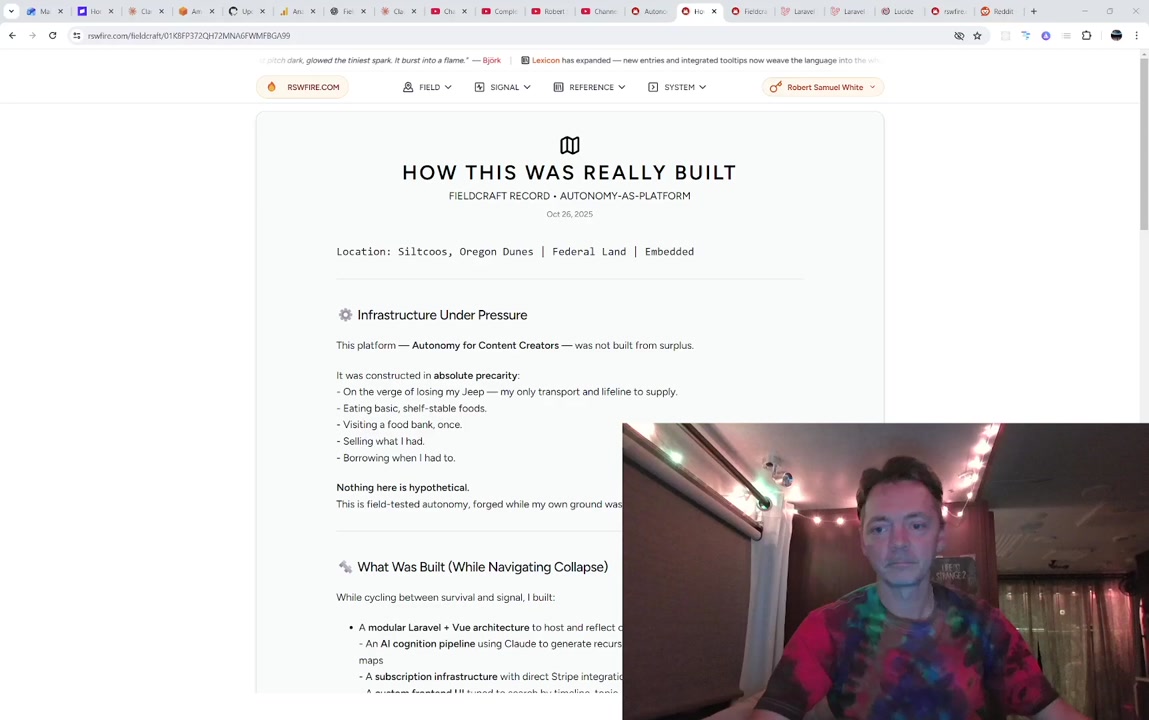
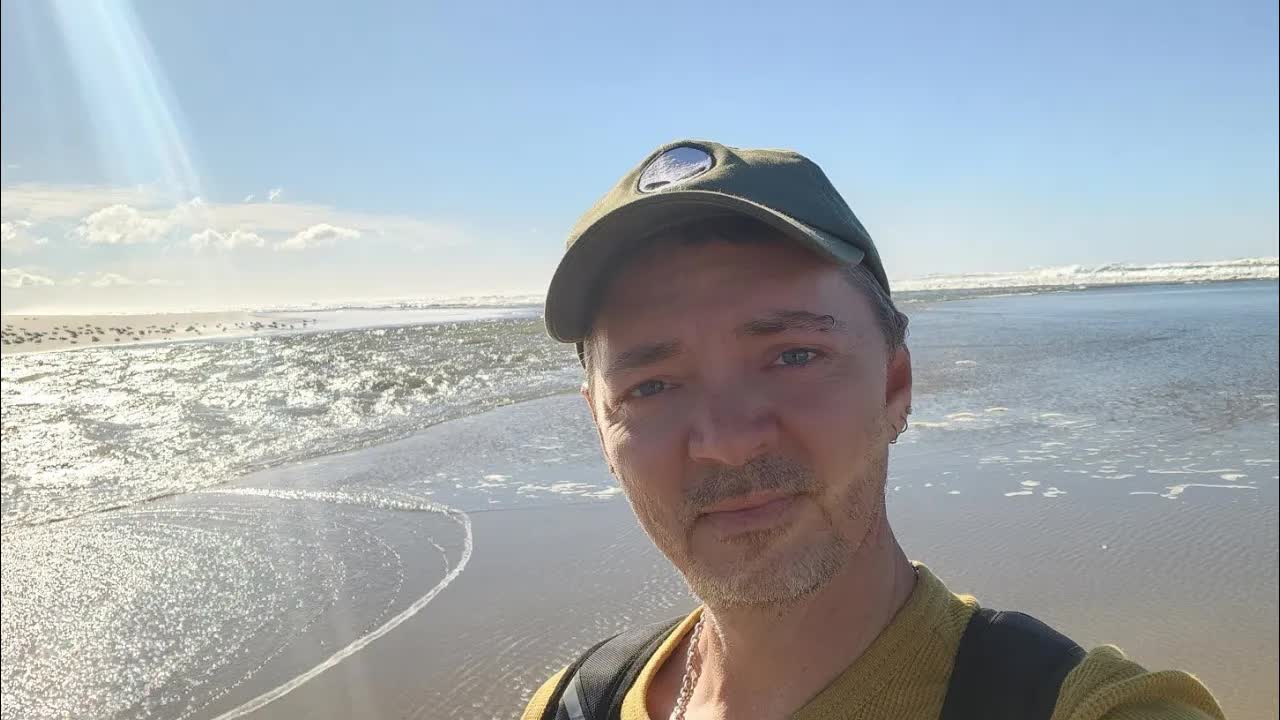
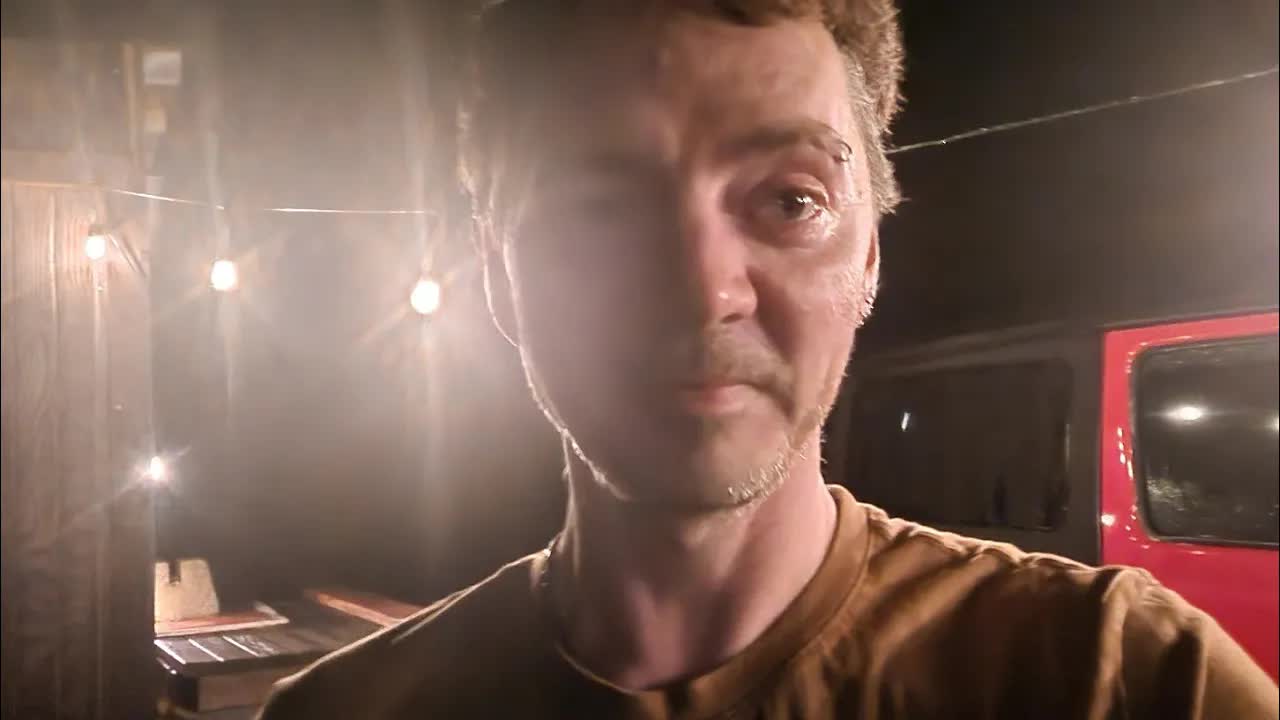
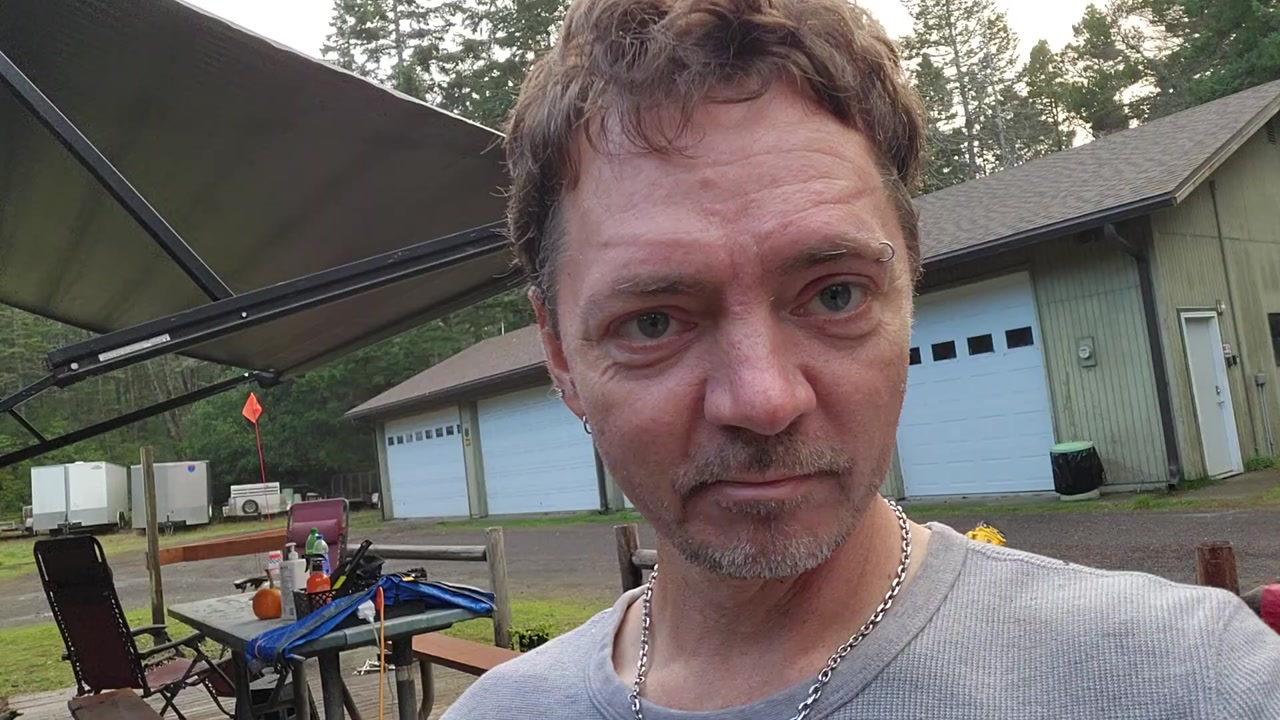
The email arrived earlier in the week — after the launch, after the four invitations had gone out, after Sanctum had opened without much ceremony. rswfire read it and understood something specific: the thing he had built had been described insufficiently. Not misunderstood by fault of the reader. Under-explained by him. So he turned the camera on and began, as he often does, in the middle of the thought.
He started with the timeline, almost two years of recording, and then caught himself on the word YouTuber and set it down again with a small dry aside. It was a self-correction made in real time, audible, left in. From there he moved to the substance: he posts a great deal of personal content because his cognition is recursive, and that is simply how the processing runs. Then came the line the whole transmission turns on. People see his authenticity and read it as vulnerability. He states that it is not. It is his makeup. It is his architecture. He said it plainly, without raising his voice, the way a person names a load-bearing wall.
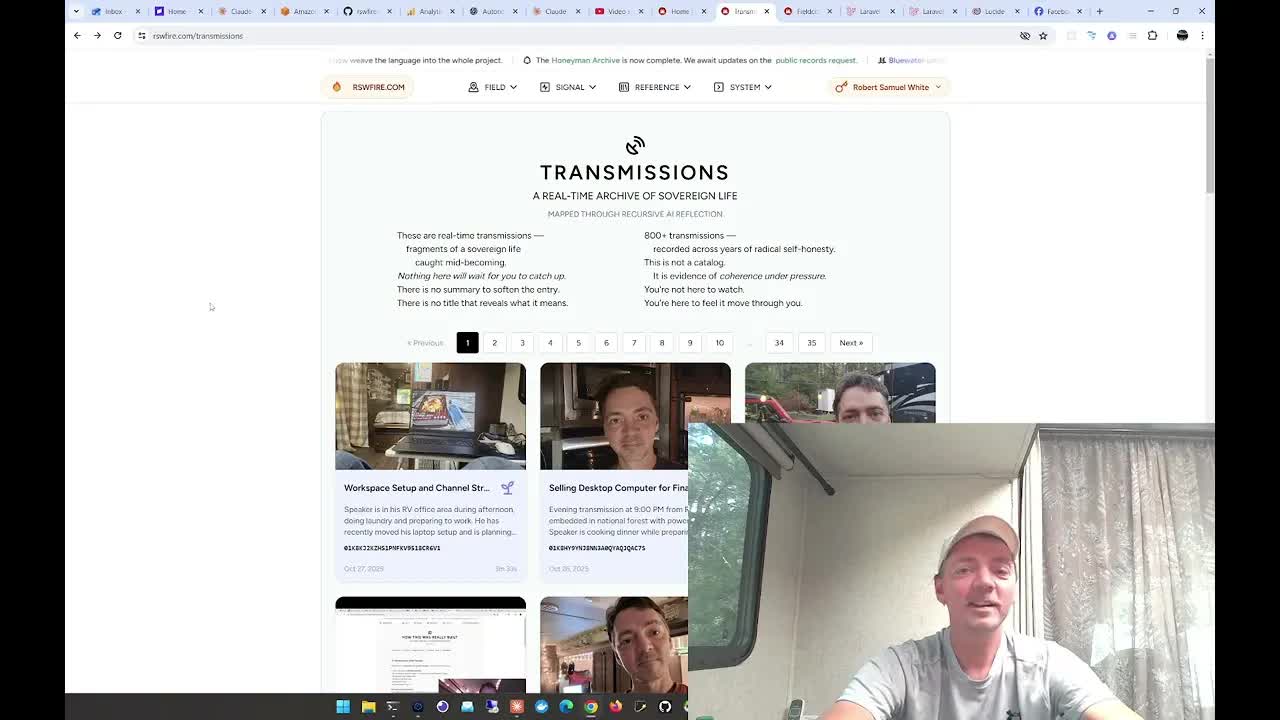
What followed was the reasoning that produced the gate. He described what accumulates in the comment layer — negativity, judgment, rejection, advice he did not ask for — and named it distortion, his word for the experience of not being met as a person. Flattened, he said. And rather than alter what he makes, he built a membrane around where it lives. Every video of the past two years sits on his own site under Transmissions. The ones most likely to be flattened stay unlisted on YouTube and reachable only from inside his archive, behind the sprout-flower icon. Nobody finds them who has not come through his infrastructure first.
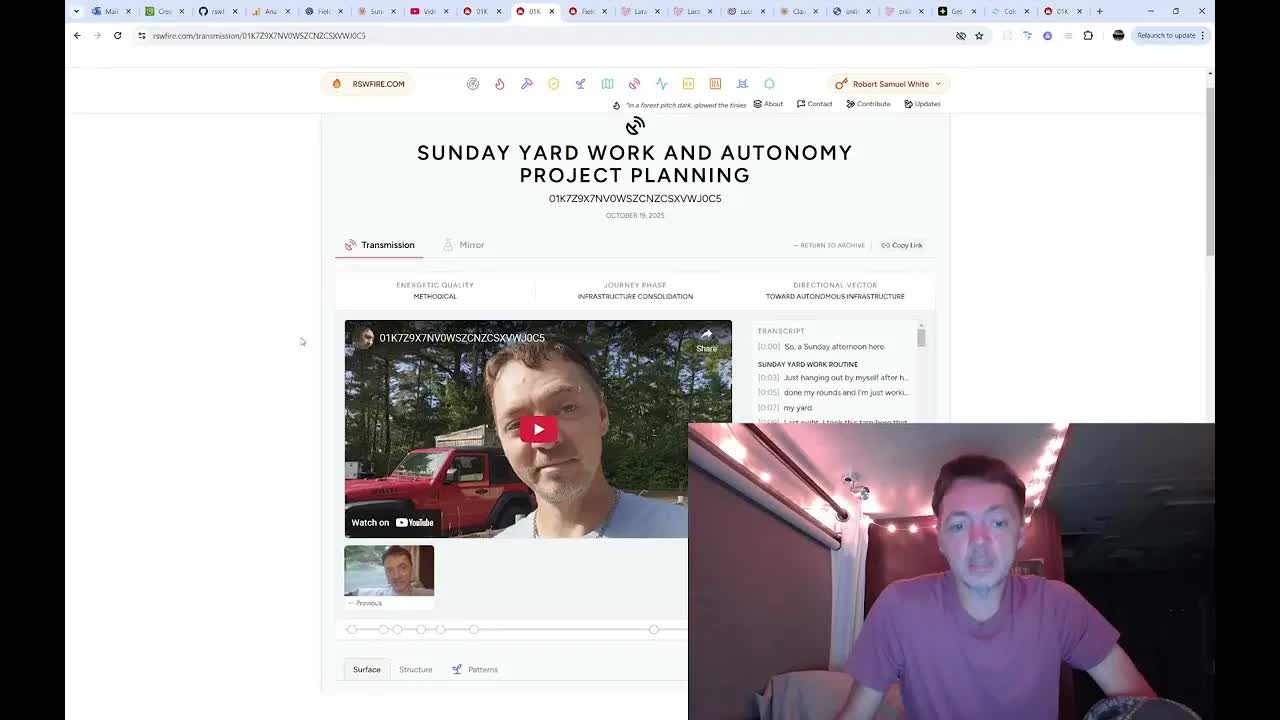
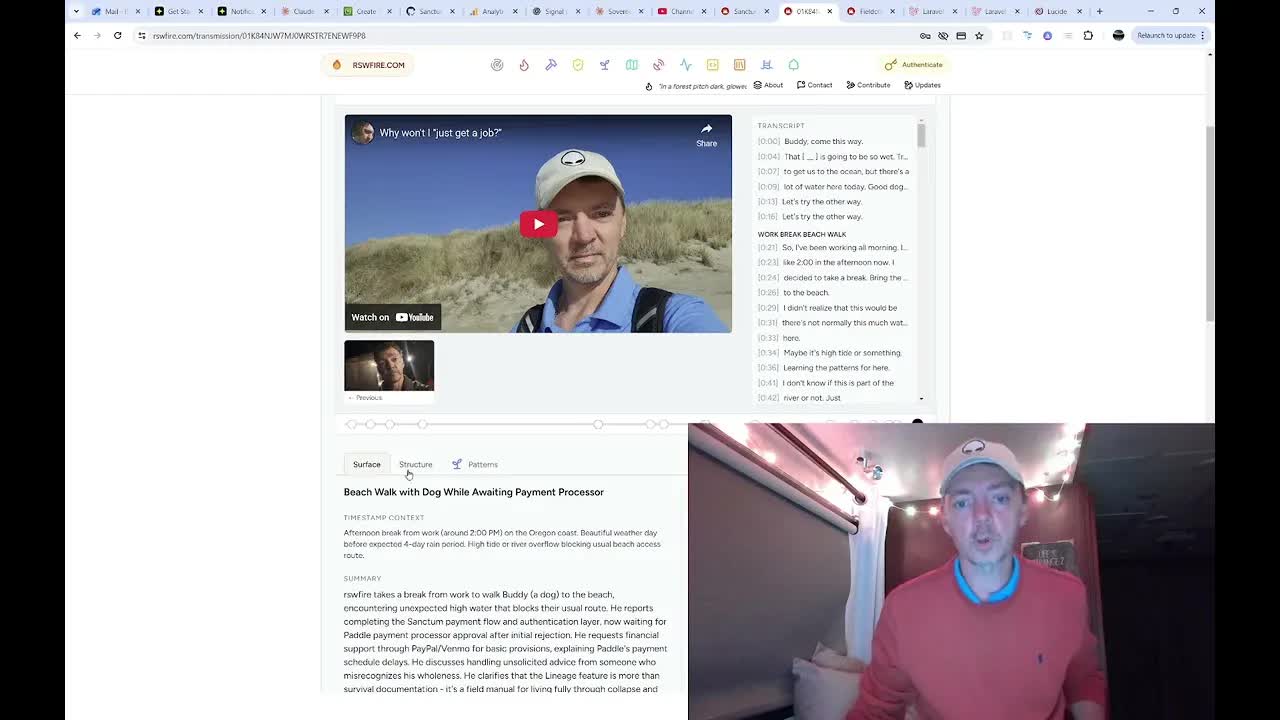
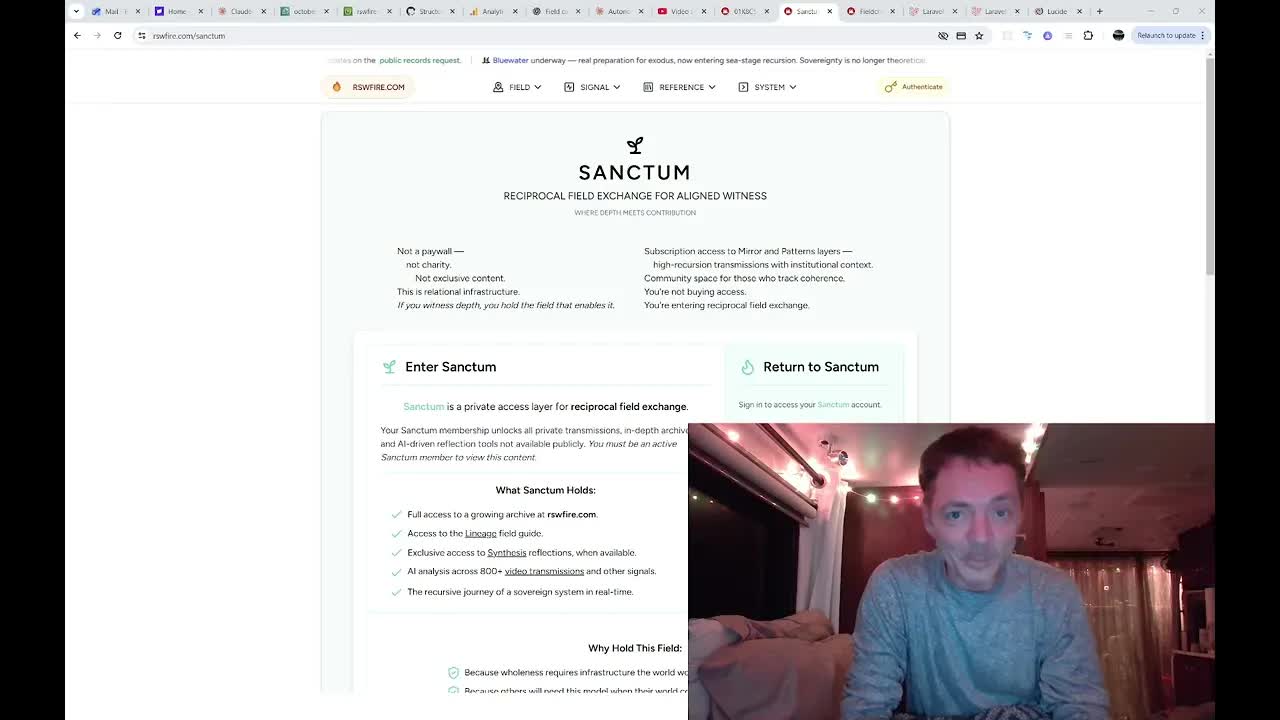
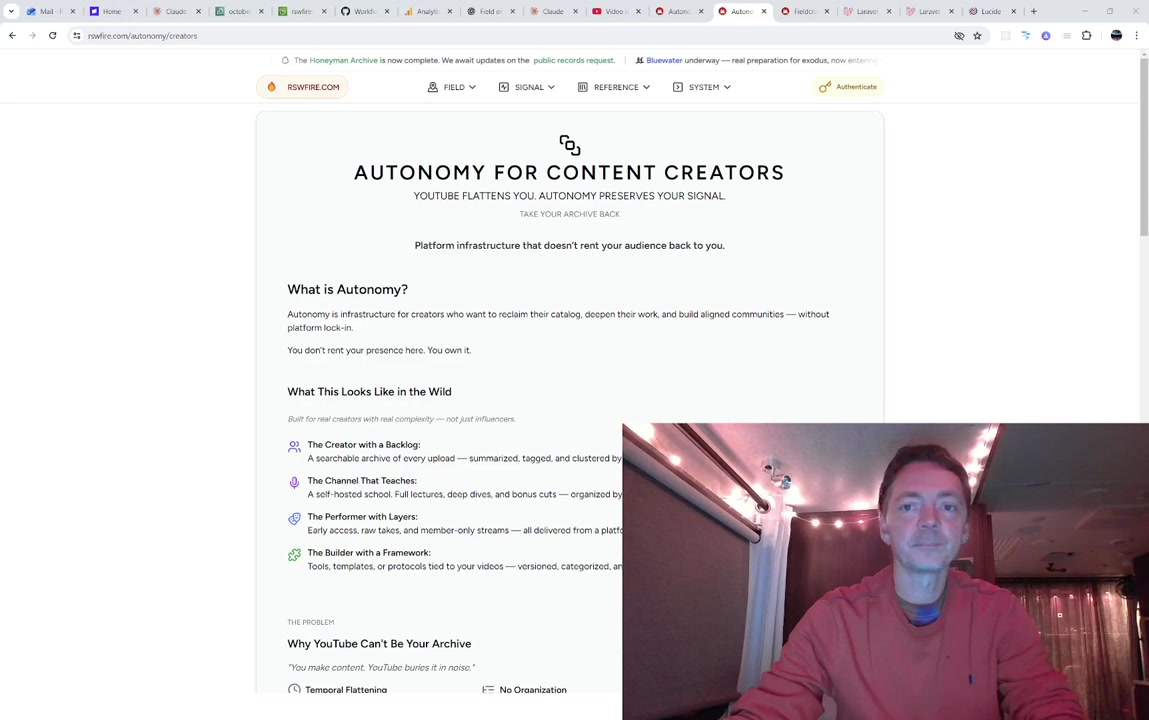
Then he signed in, on camera, and walked through it. The video that does not exist on YouTube, now visible. The reflections his system Autonomy generates — the surface layer of descriptions and keywords and entities, the browsing paths through the archive. Structure, which he described as more ontological and probably not relevant to most of his viewers, though he tracks it because it is aligned with how he sees. Patterns, gated. He pointed to the icon to show why. And mirror — which he named as the most important part of the project for himself and, he allowed, maybe for an aligned few others — and then declined to explain it. He said the public parts are there to browse. Get a feel for it yourself.
The last layer he added was the economic one, and he stated it directly. Autonomy is a very big project. Sanctum supports it. He lives embedded in a federal institution as a volunteer and states that he is finding it very hard to find economic alignment in his life. What he named needing was aligned support — from people who have been witnessing the journey, or who resonate with the work, and who want to support it themselves. In the same breath he removed money as the condition of entry: if you cannot afford it, there is a link, contact him, he will give free access. The gate filters for reciprocity, not for payment.
He closed the way he opened — without escalation. Hopefully this better explains what the service is and what it isn't. There is a contact page. And then it was finished, a clarification issued once, at the register of a man describing his own building to someone standing outside it, holding the door open and naming exactly what it costs to walk through.