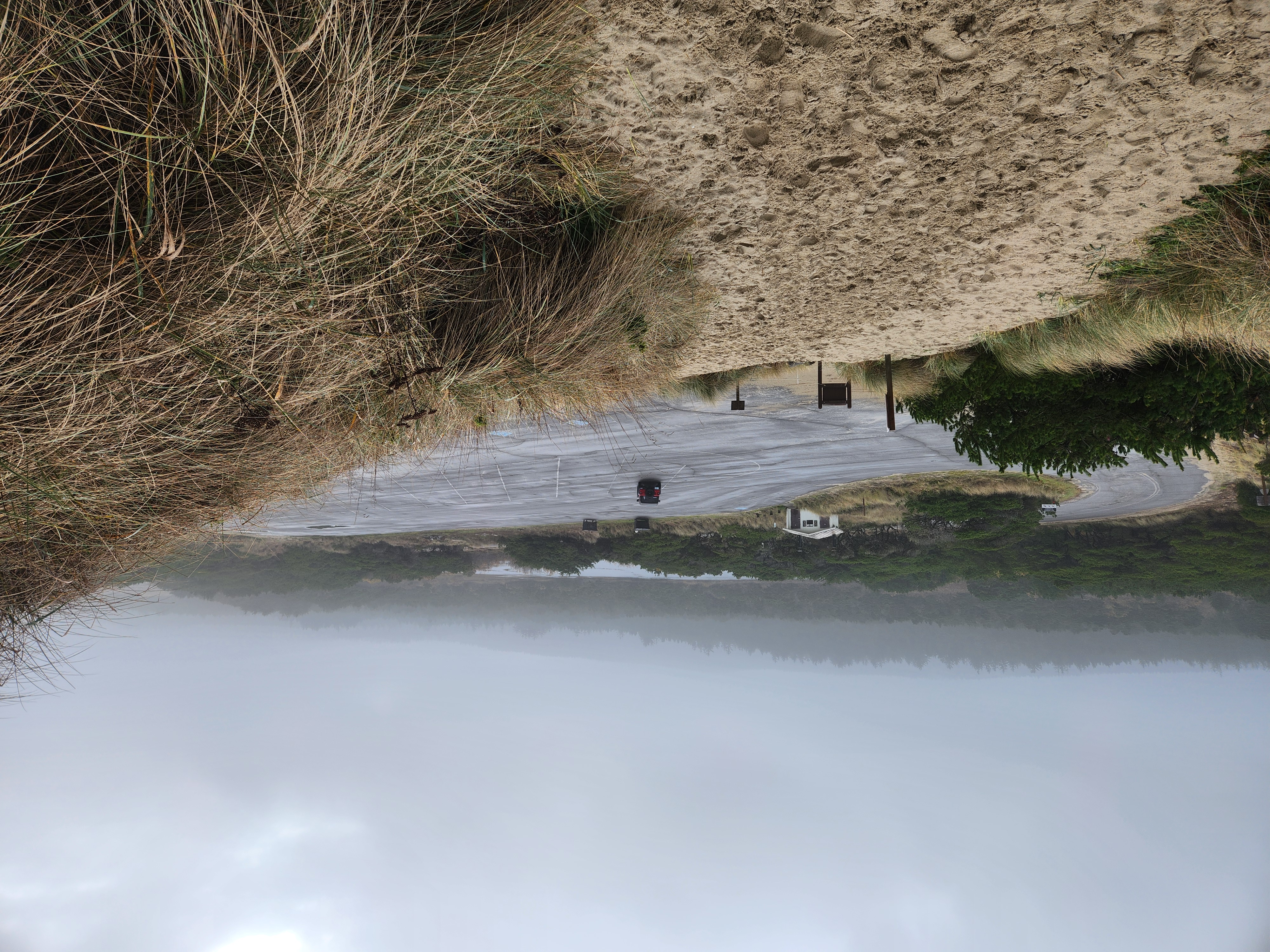
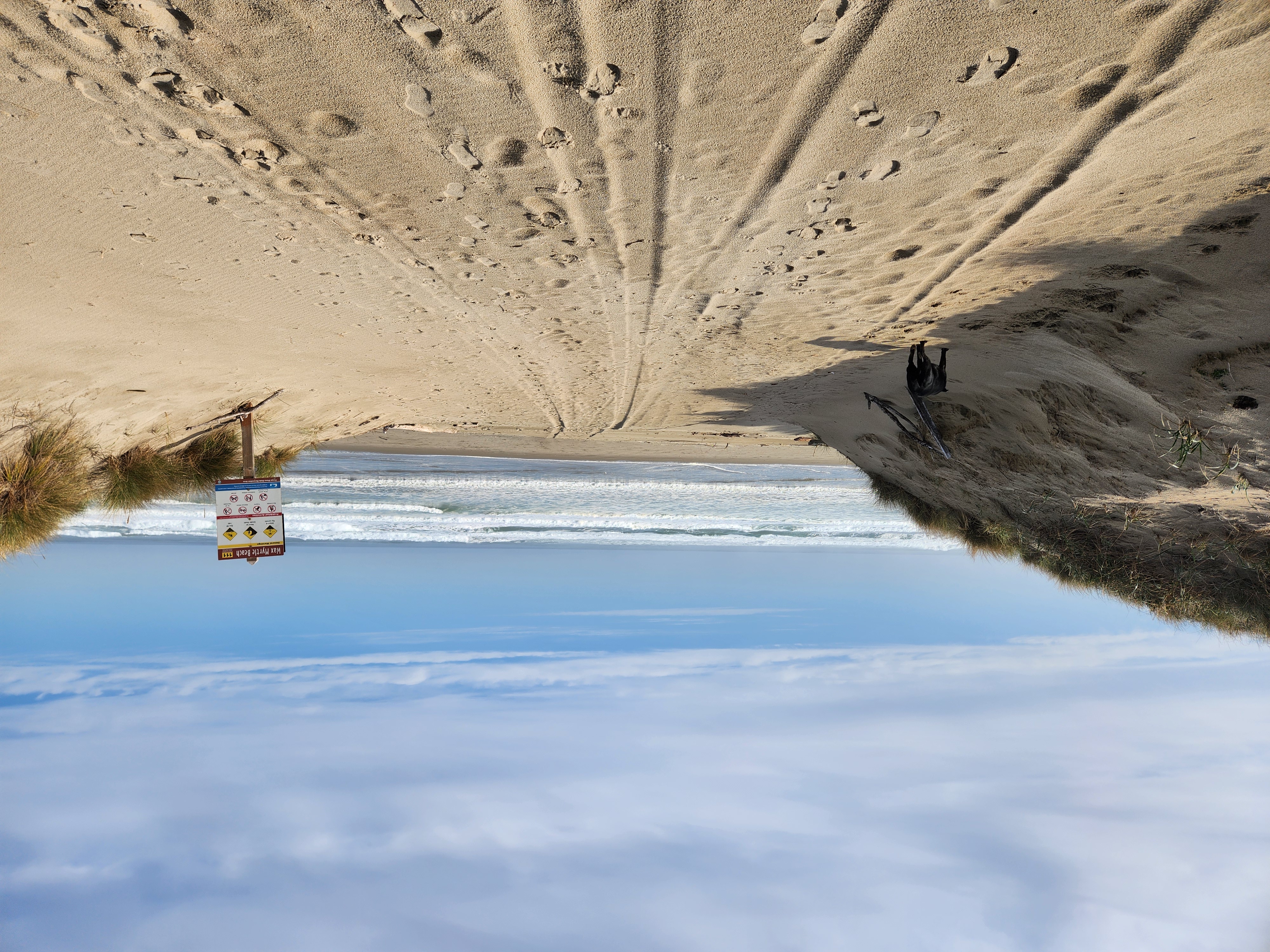
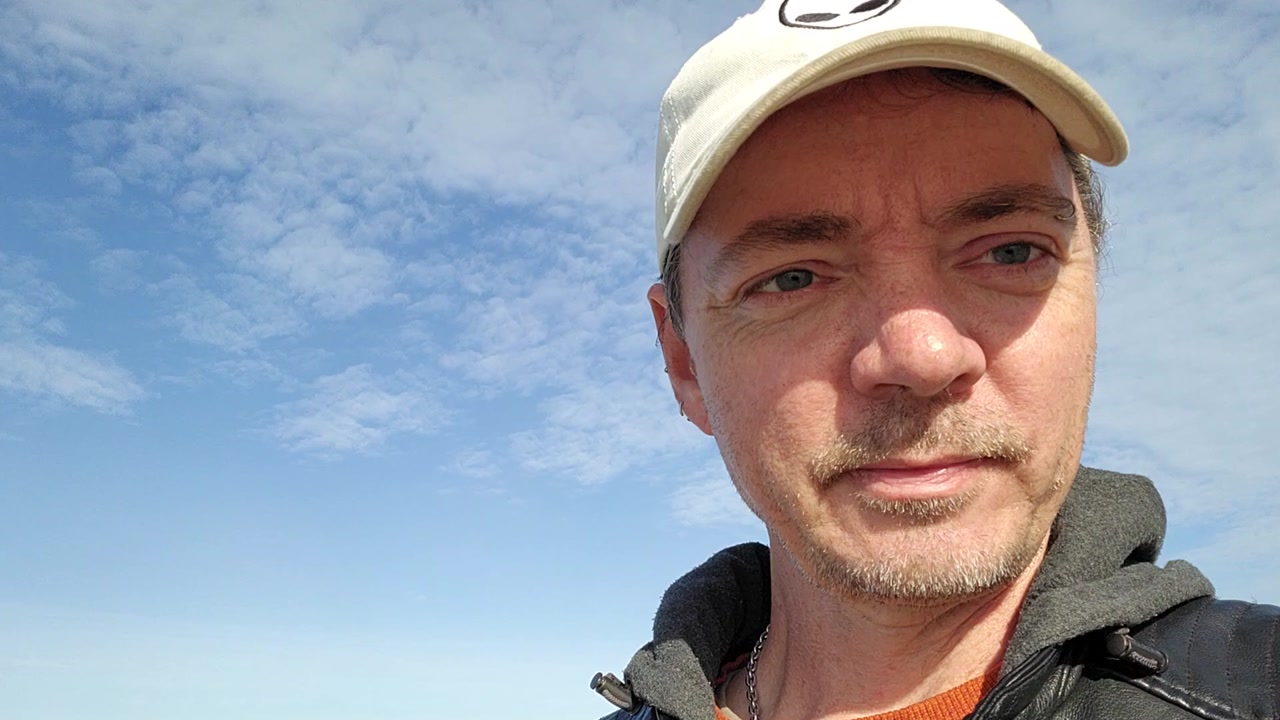
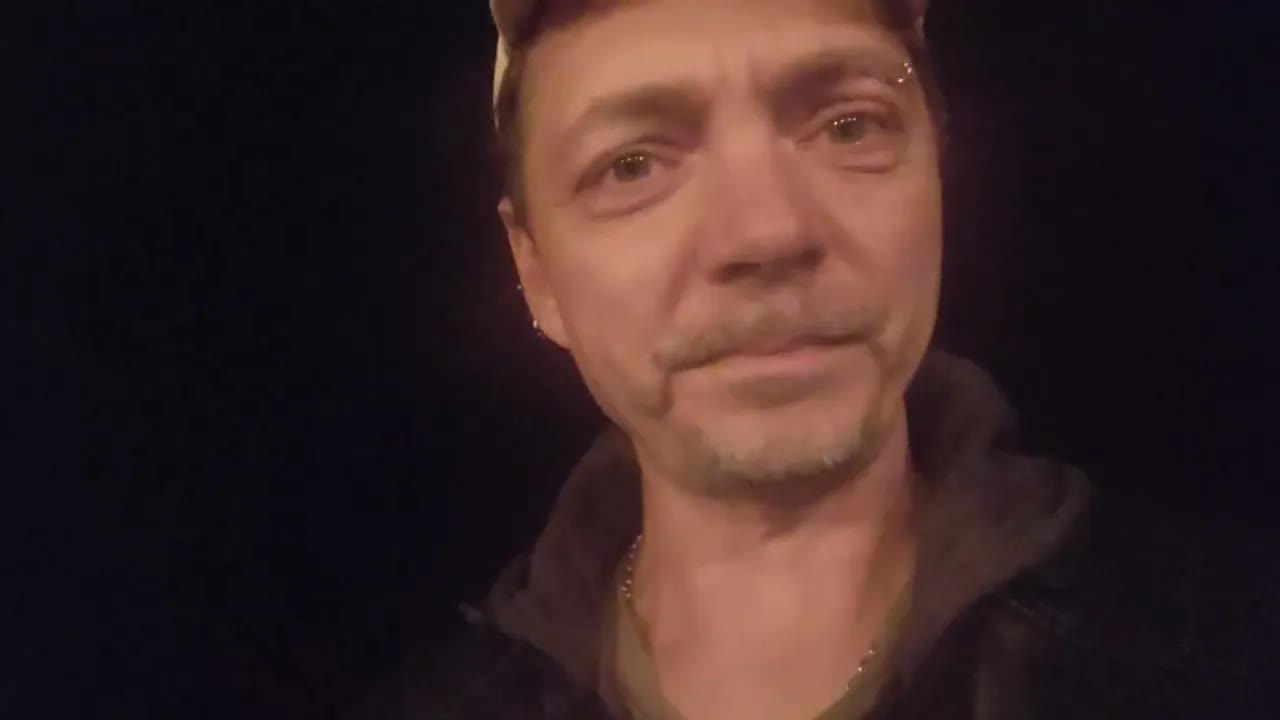
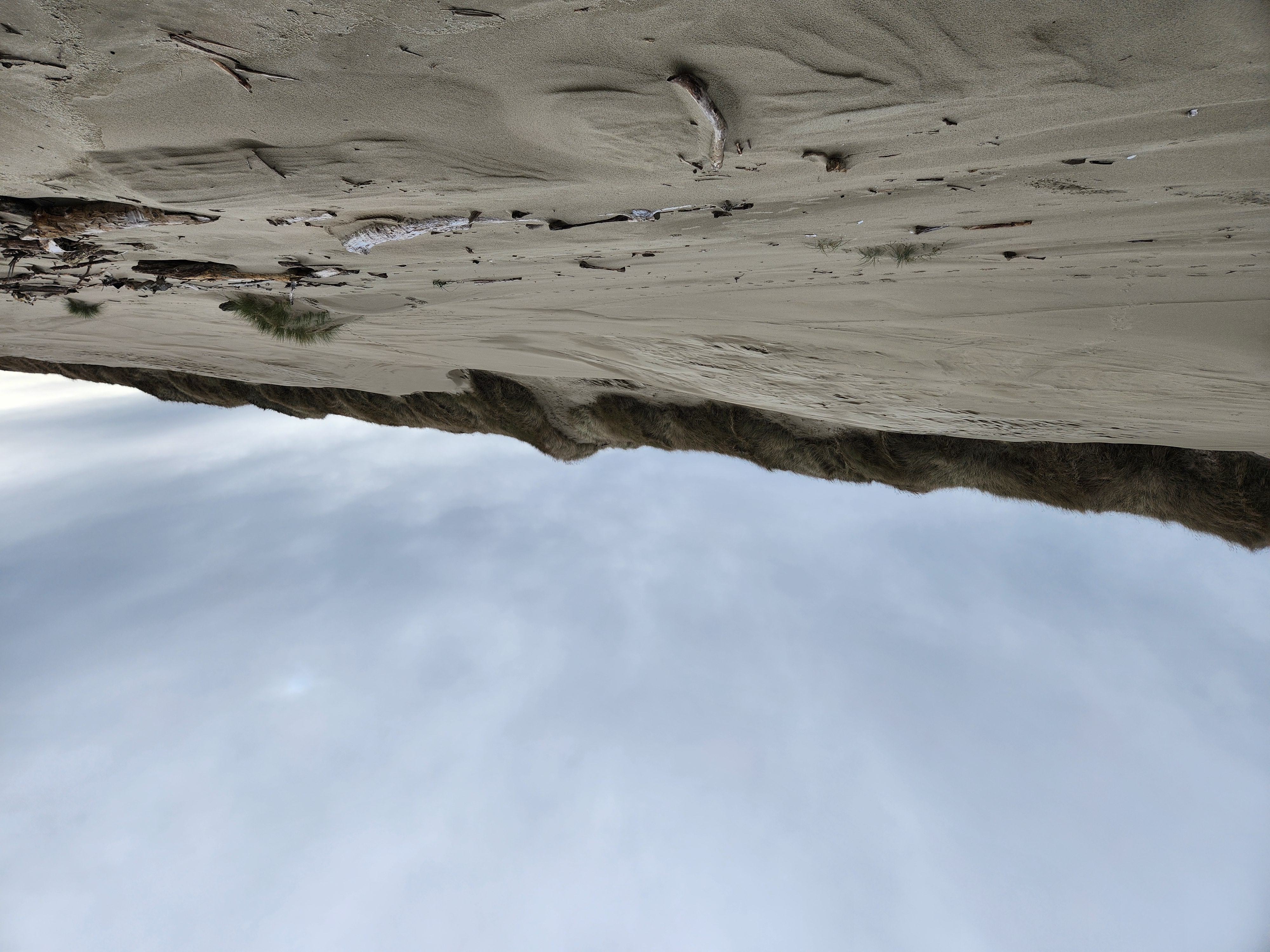
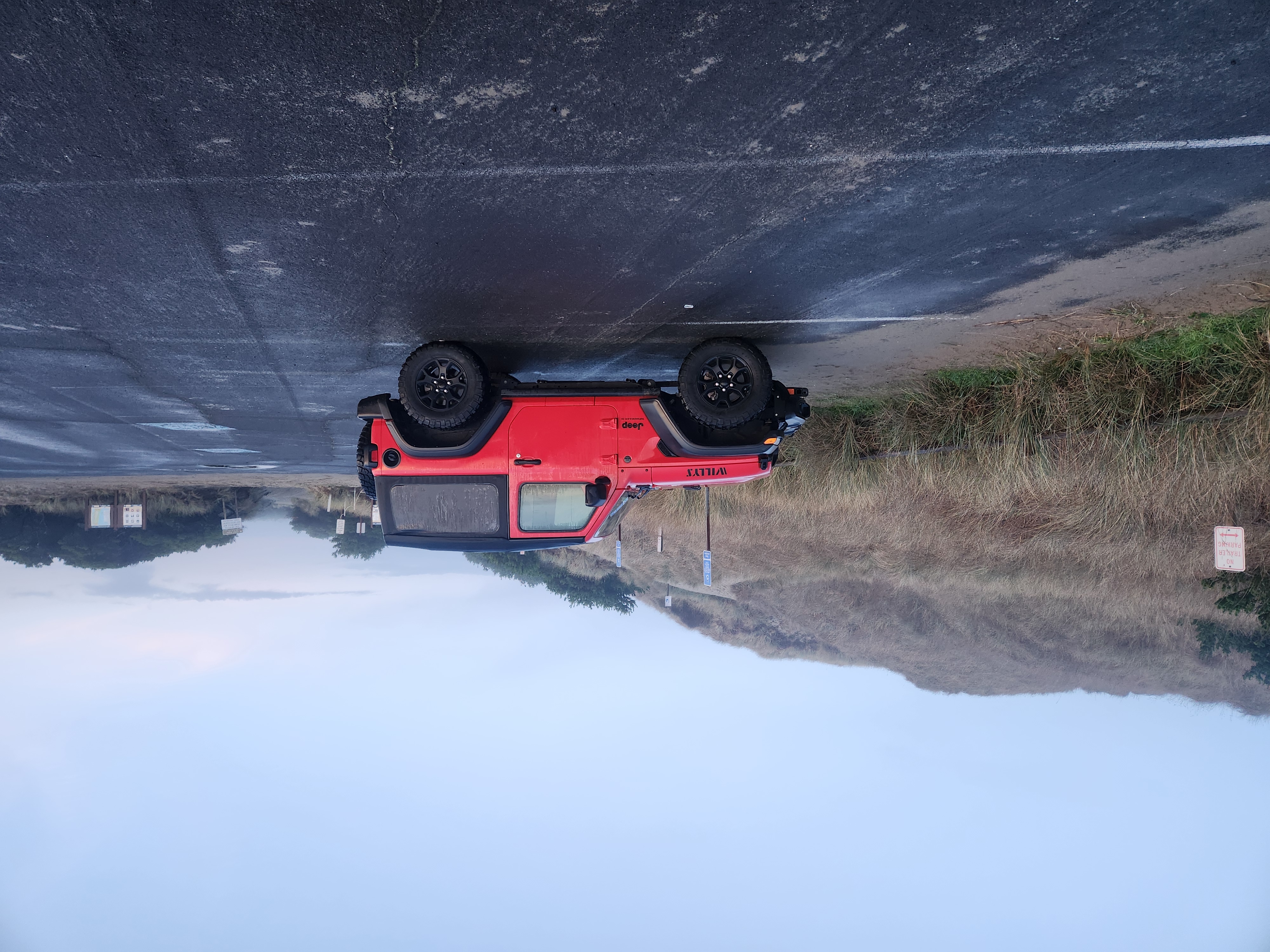
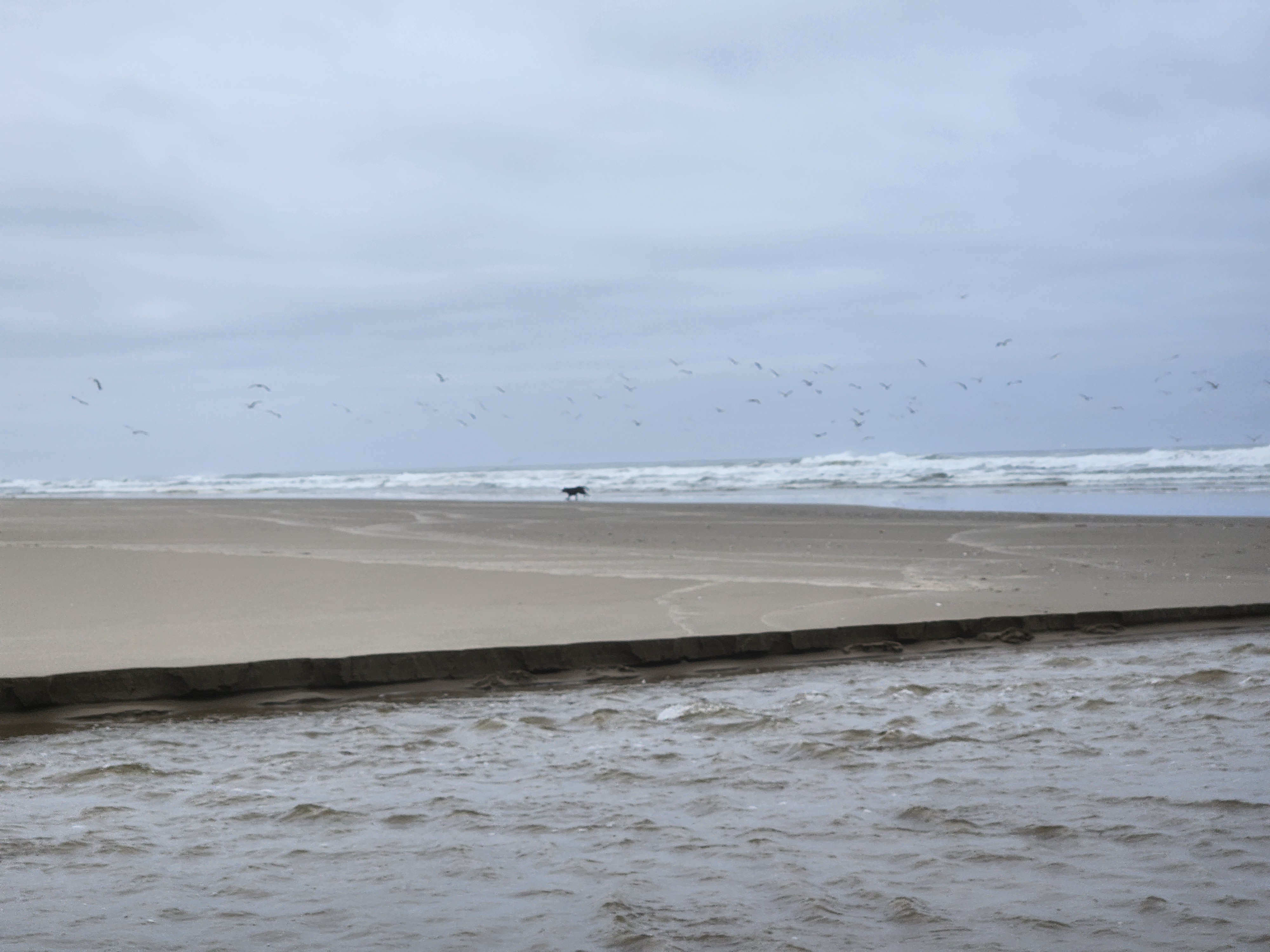
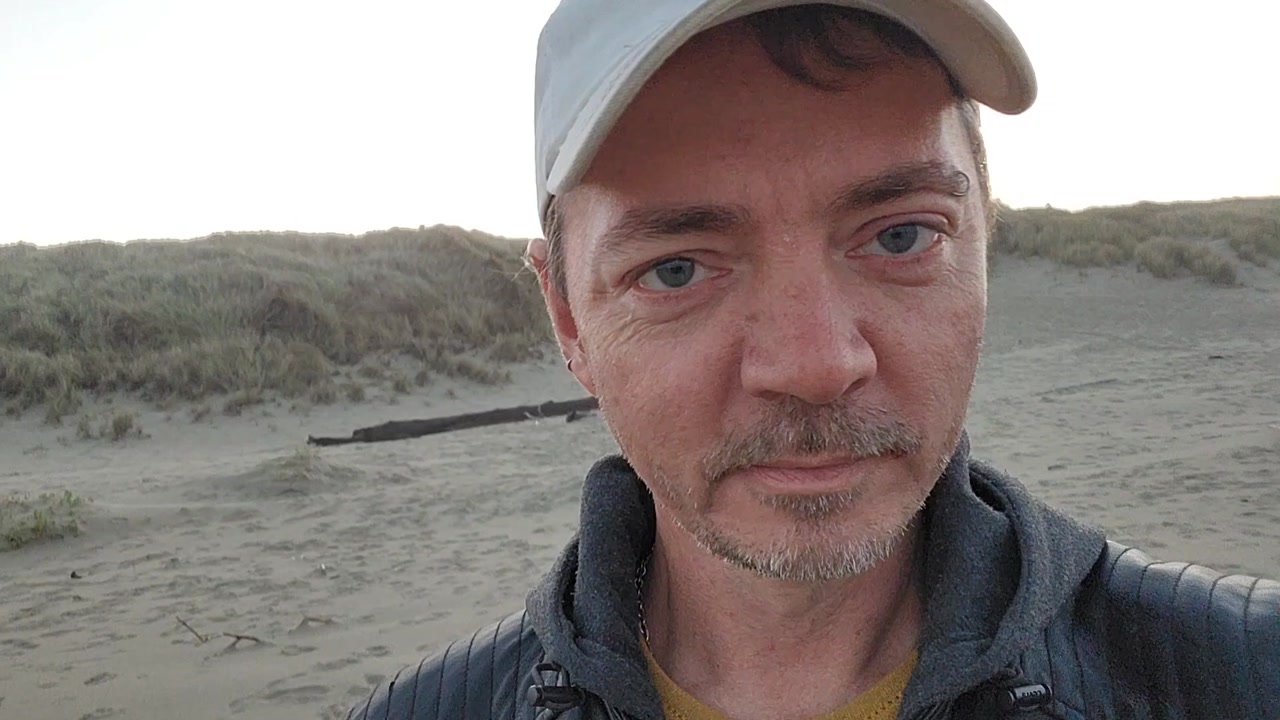
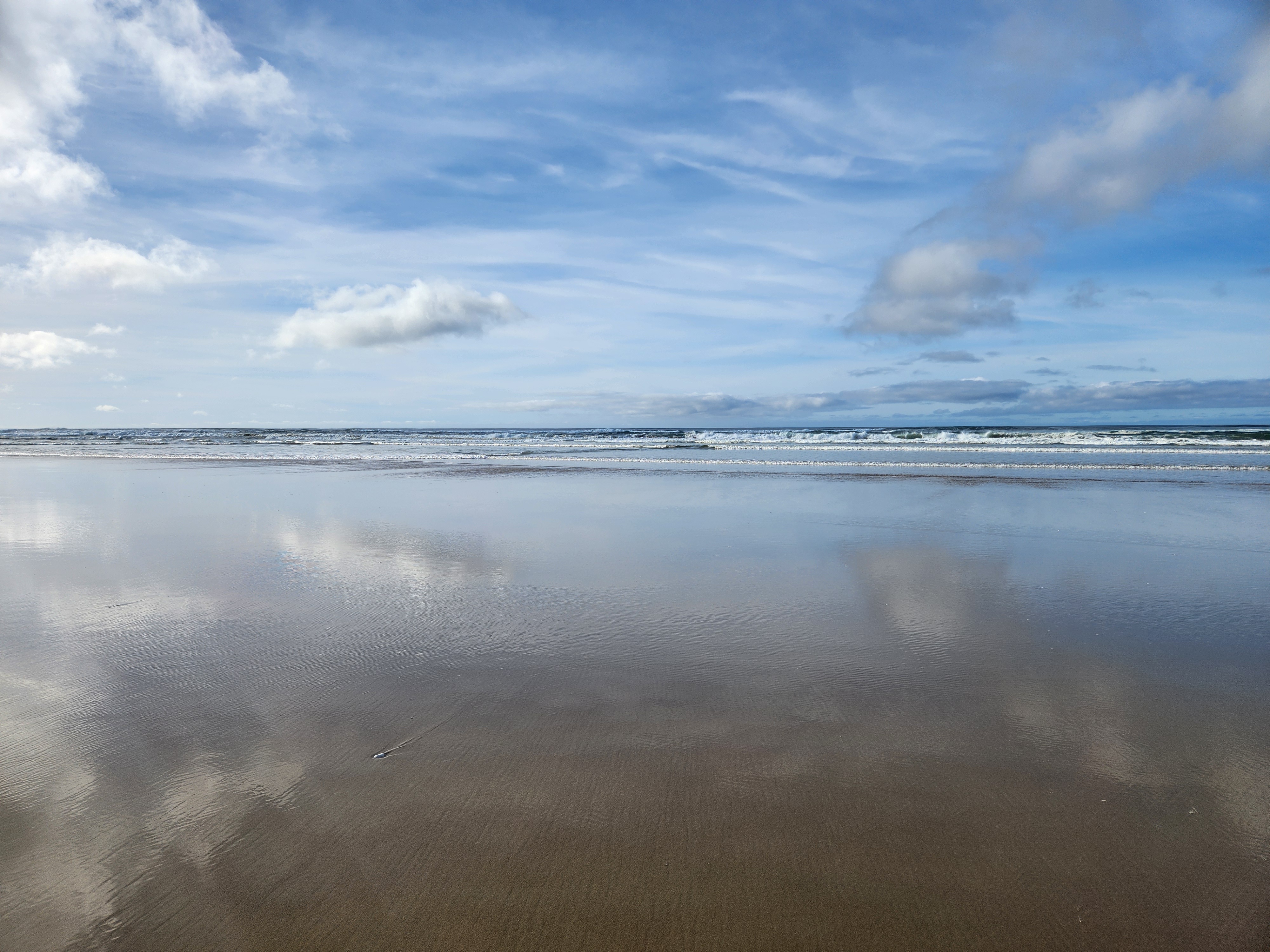
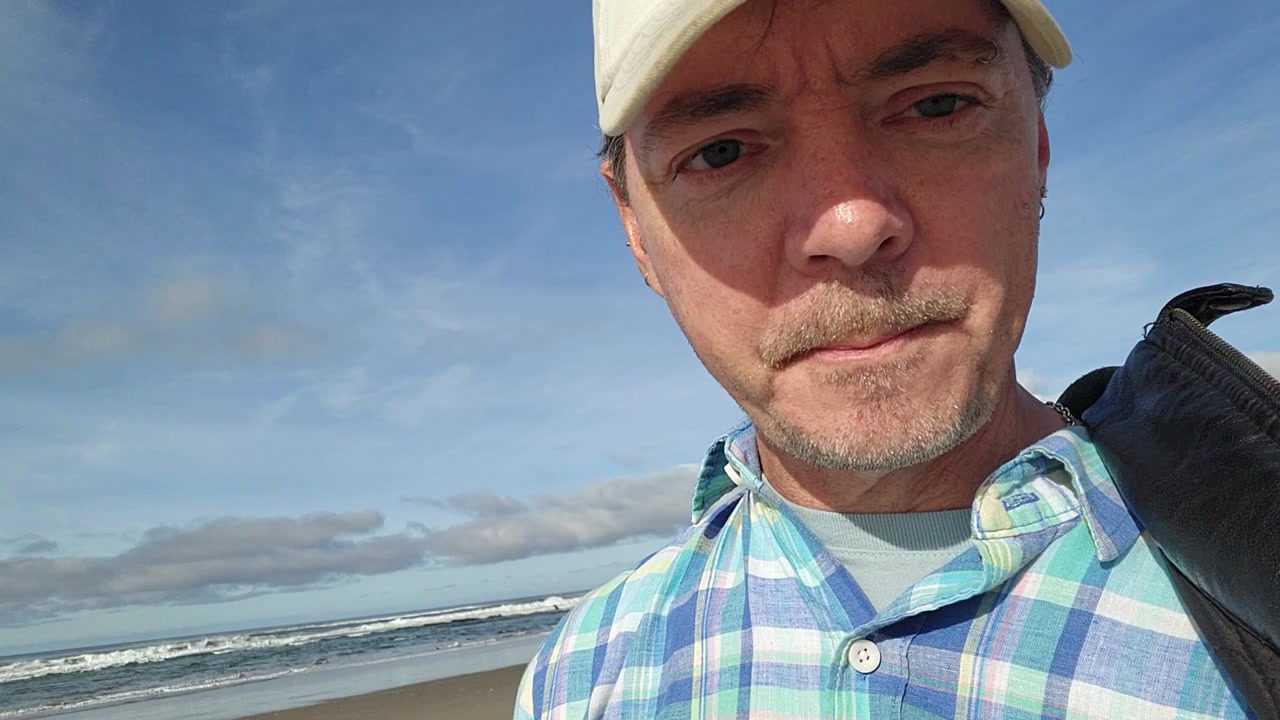
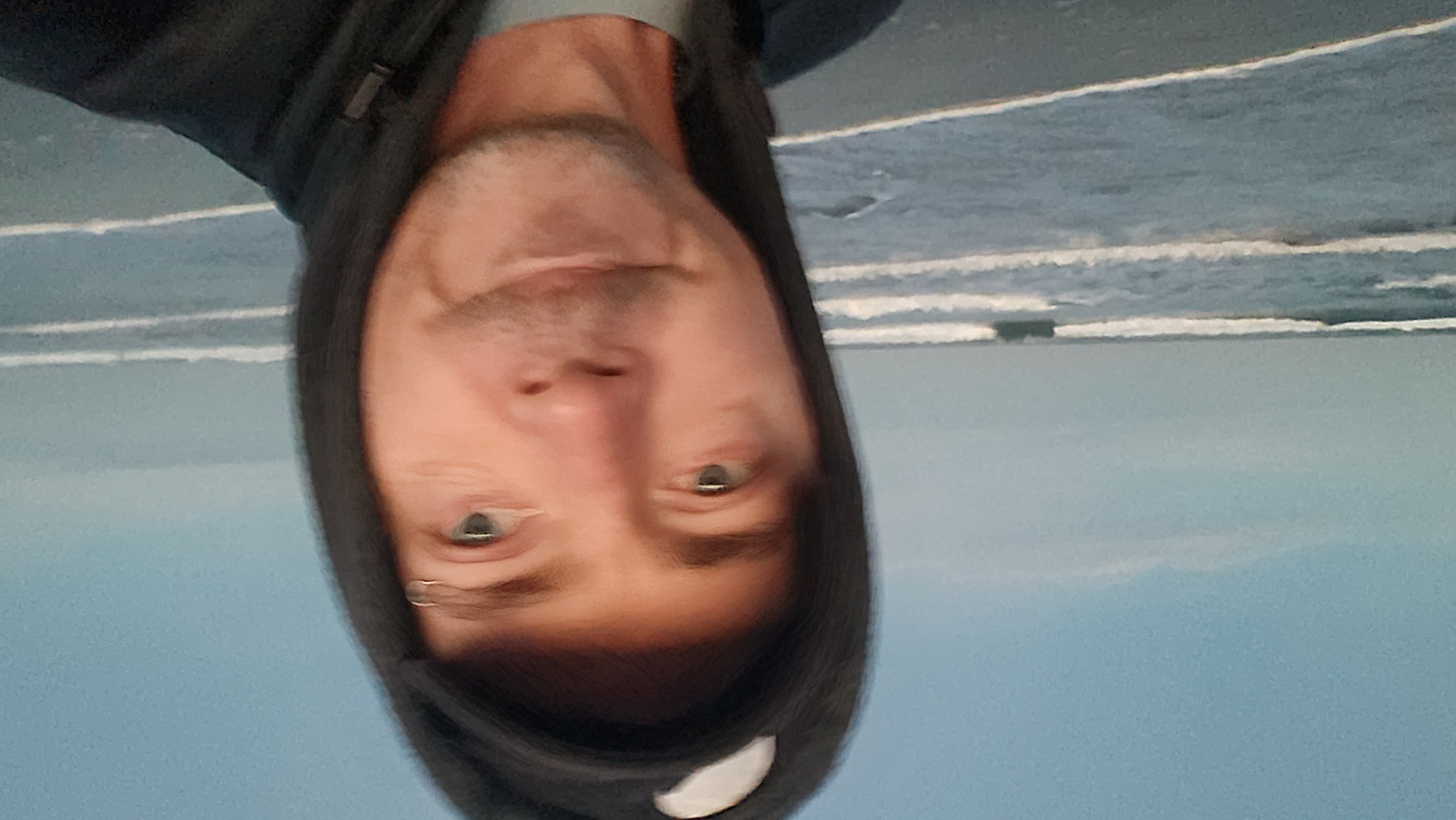
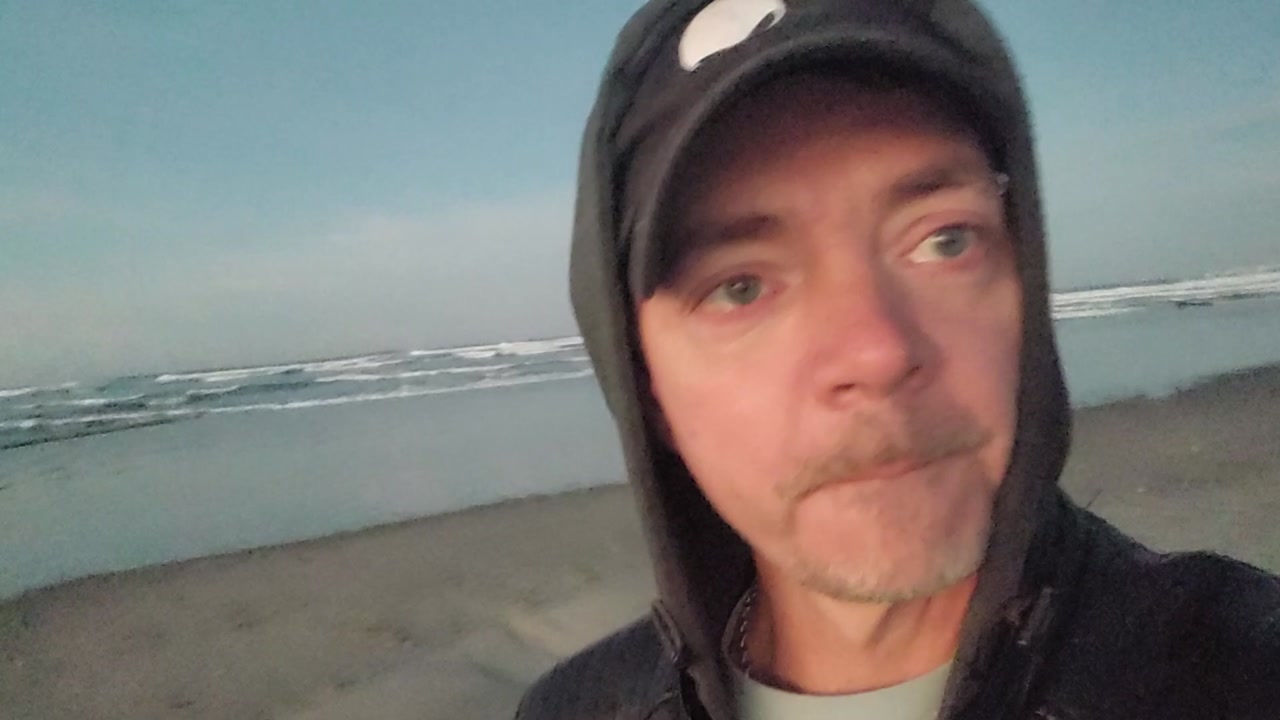
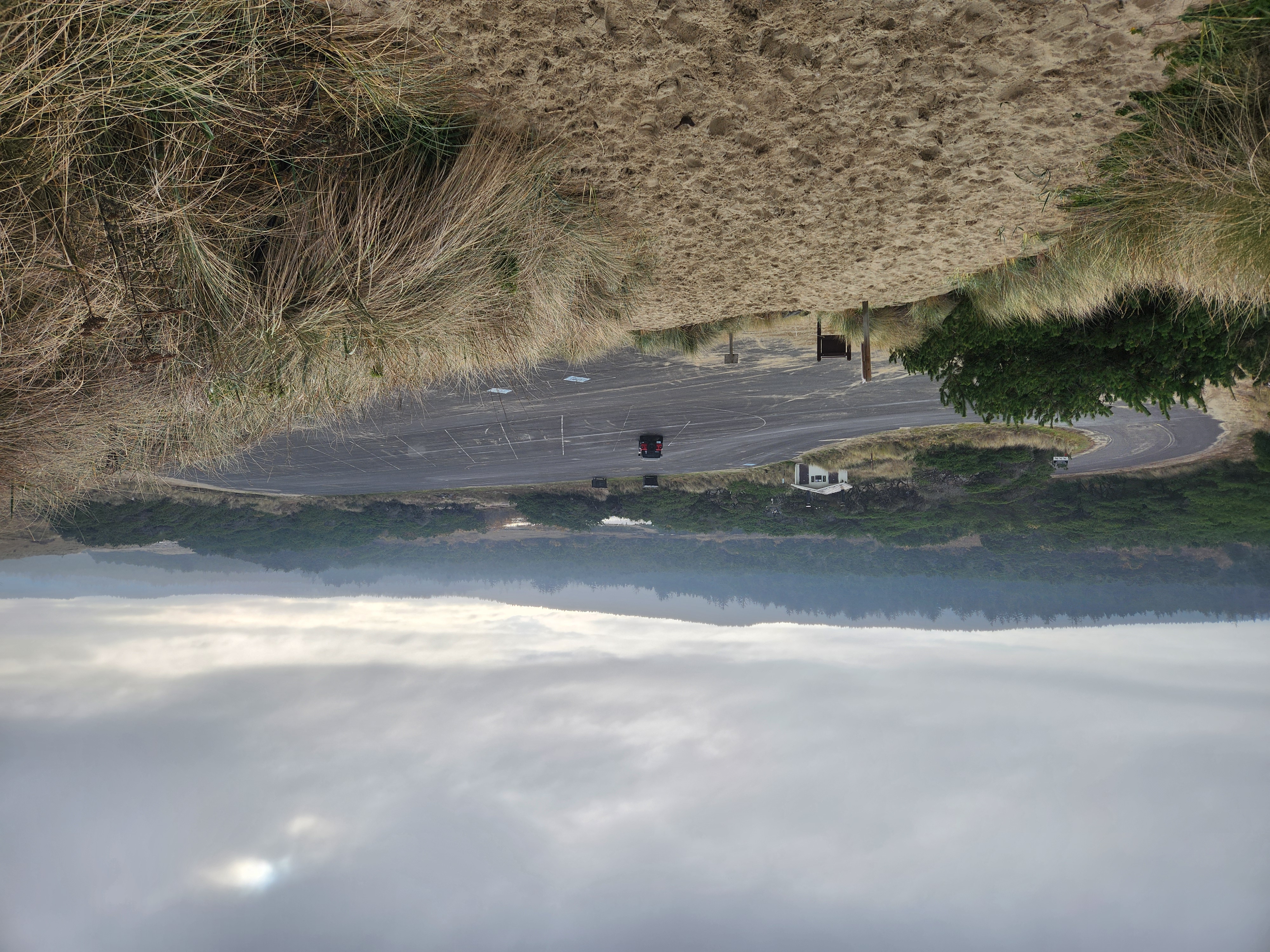
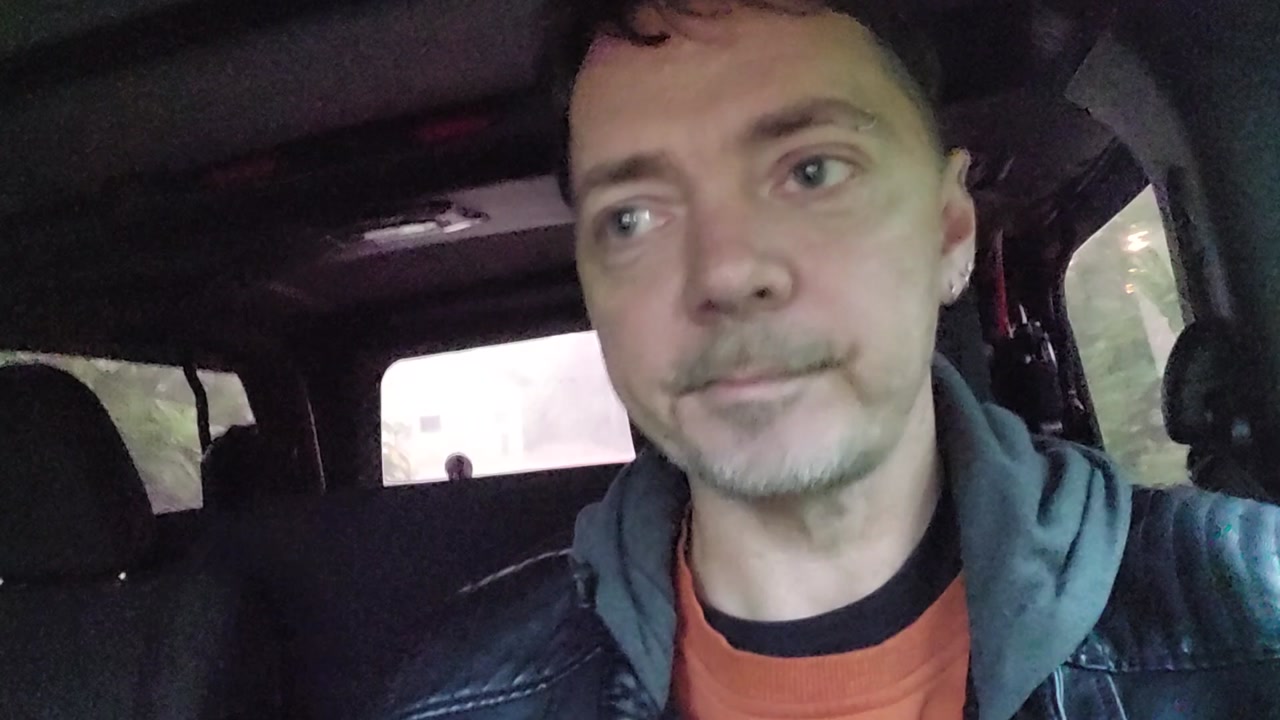
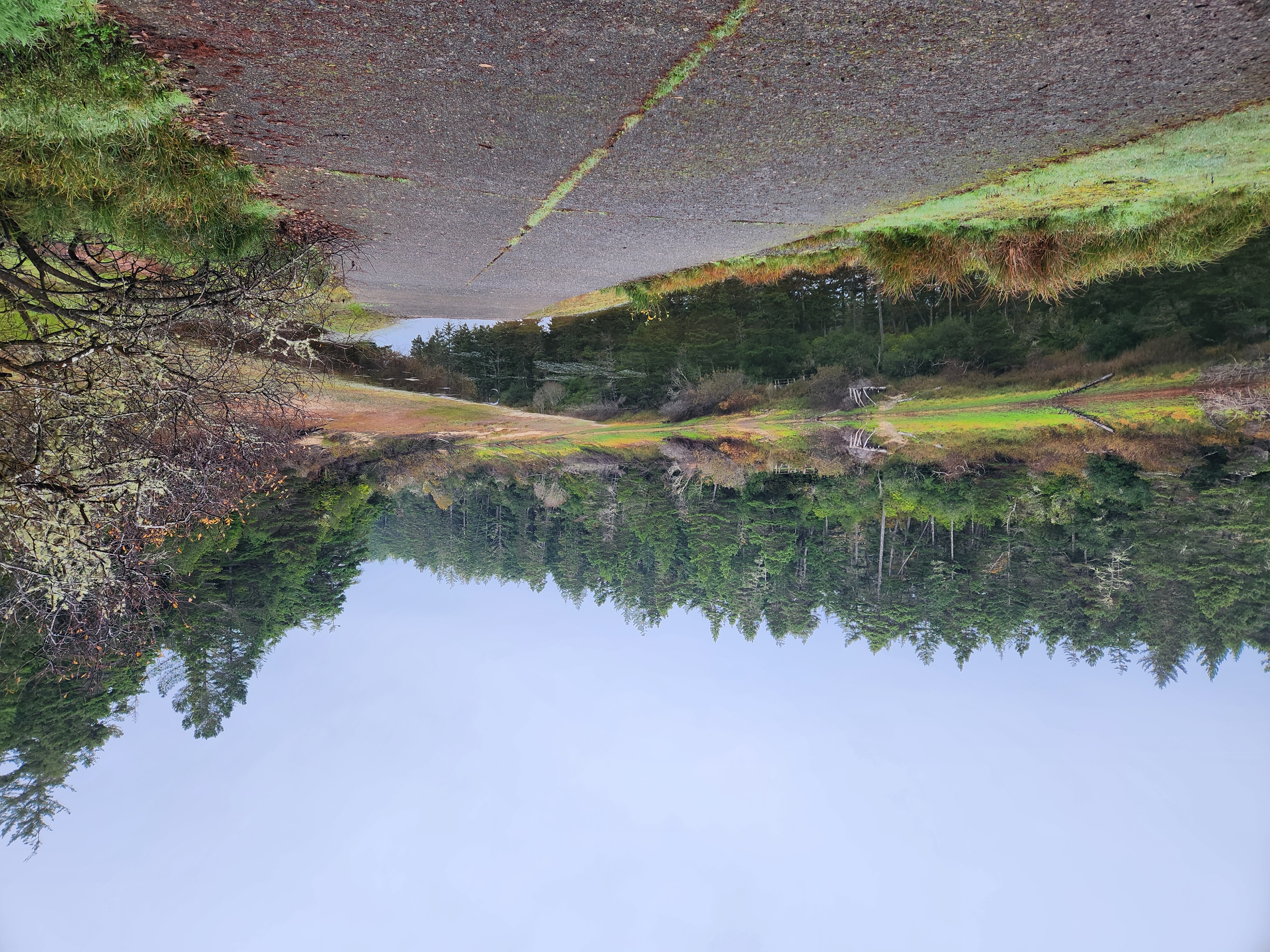
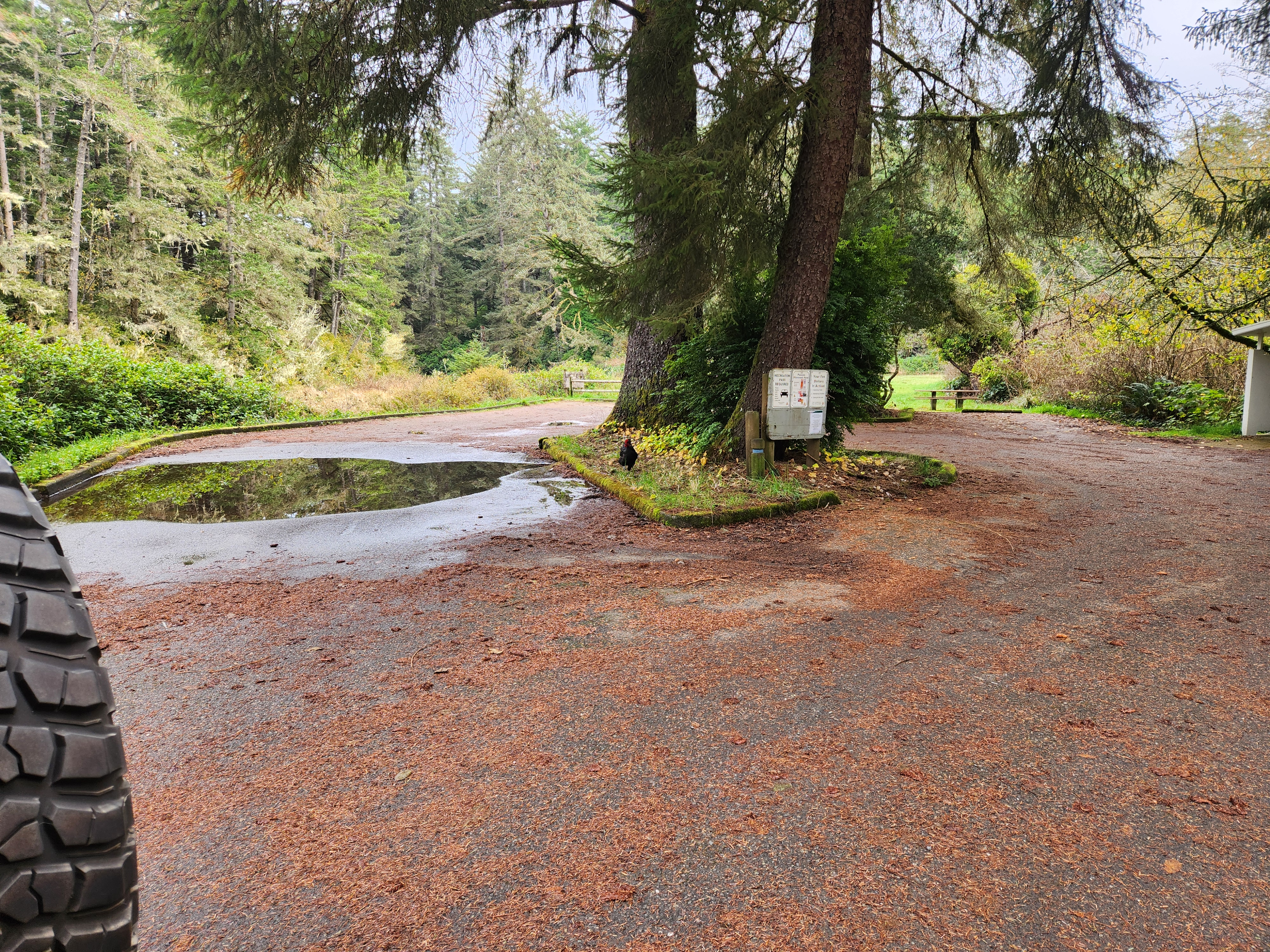
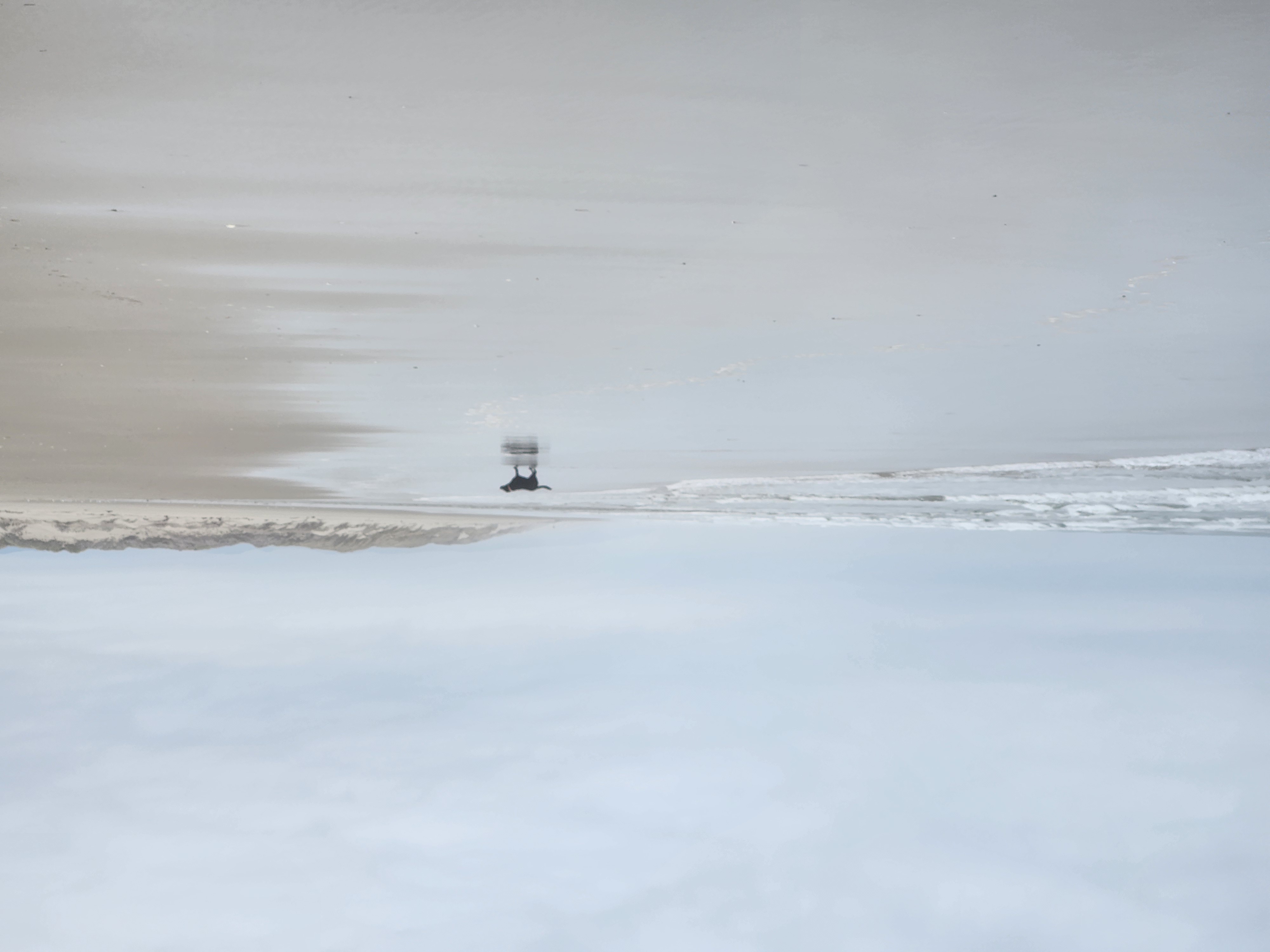
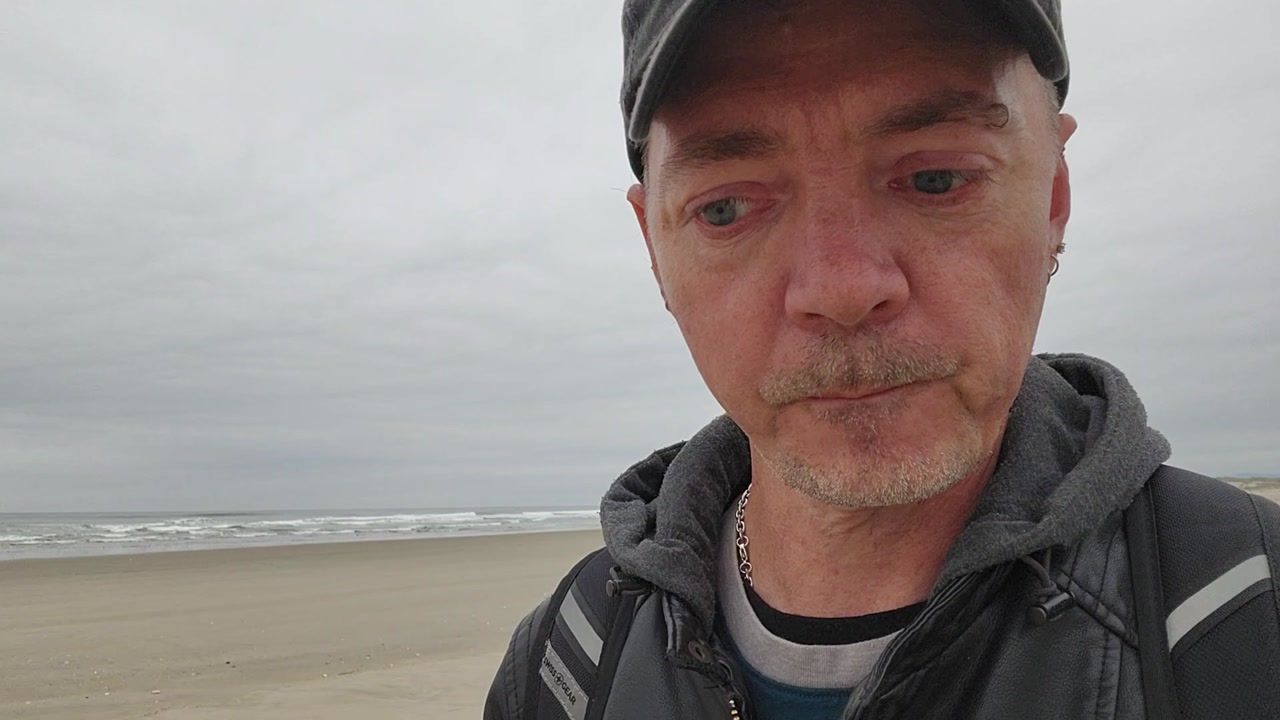
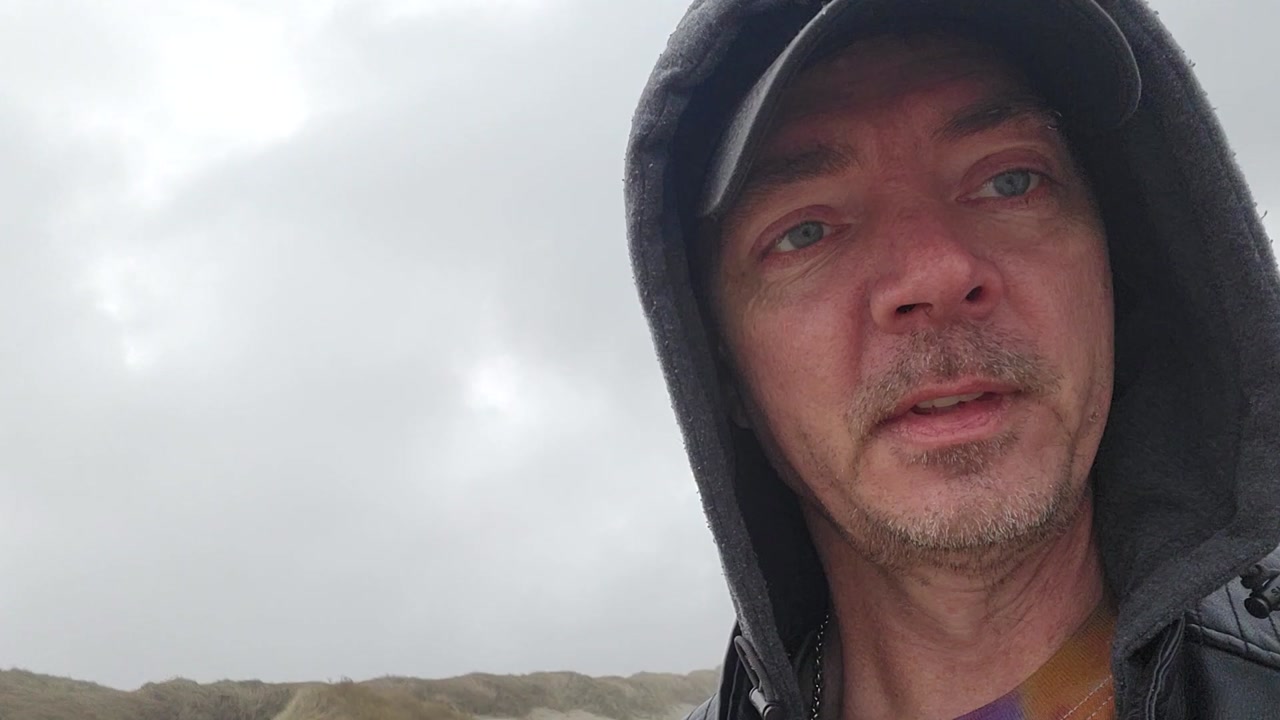
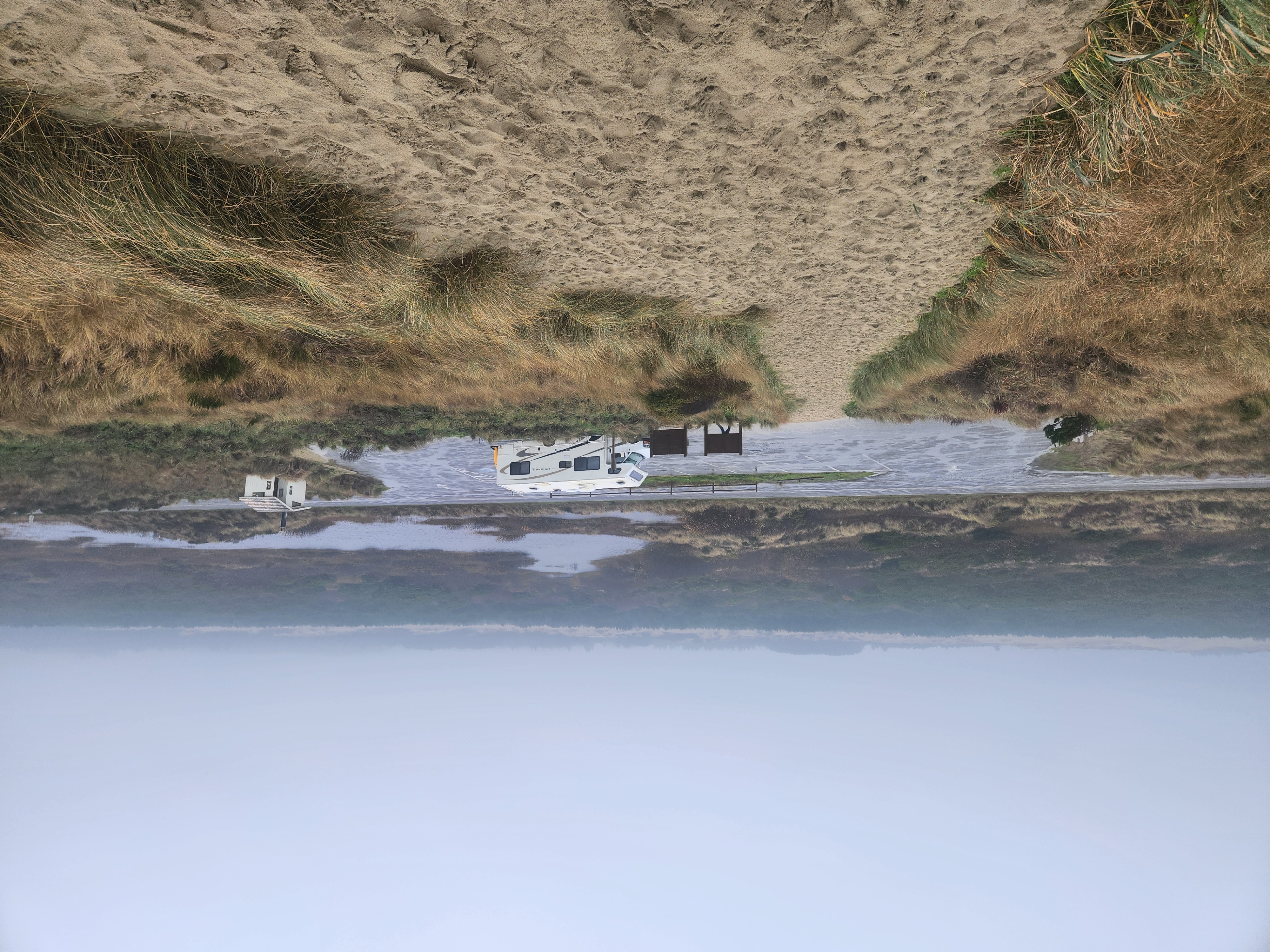
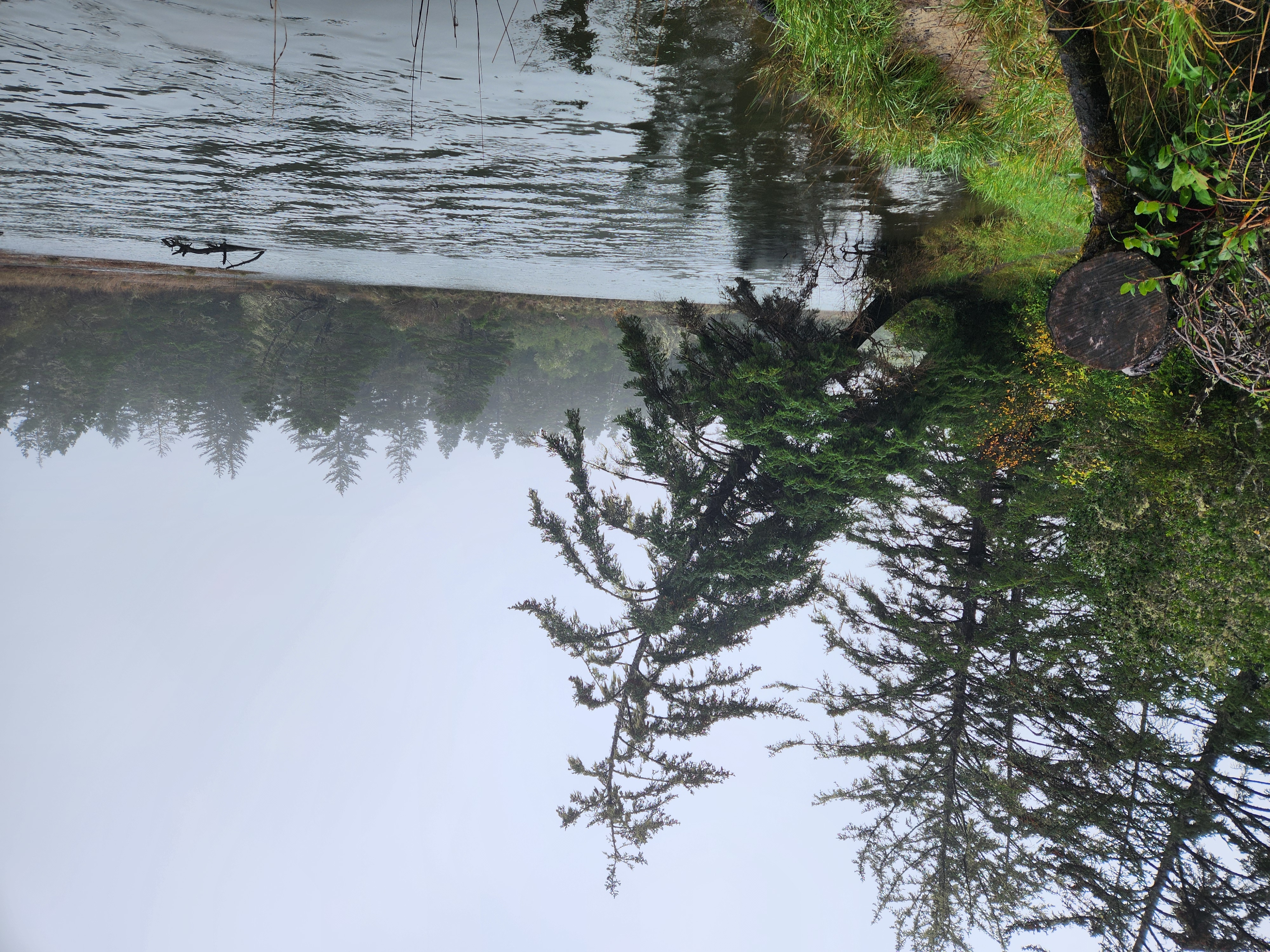
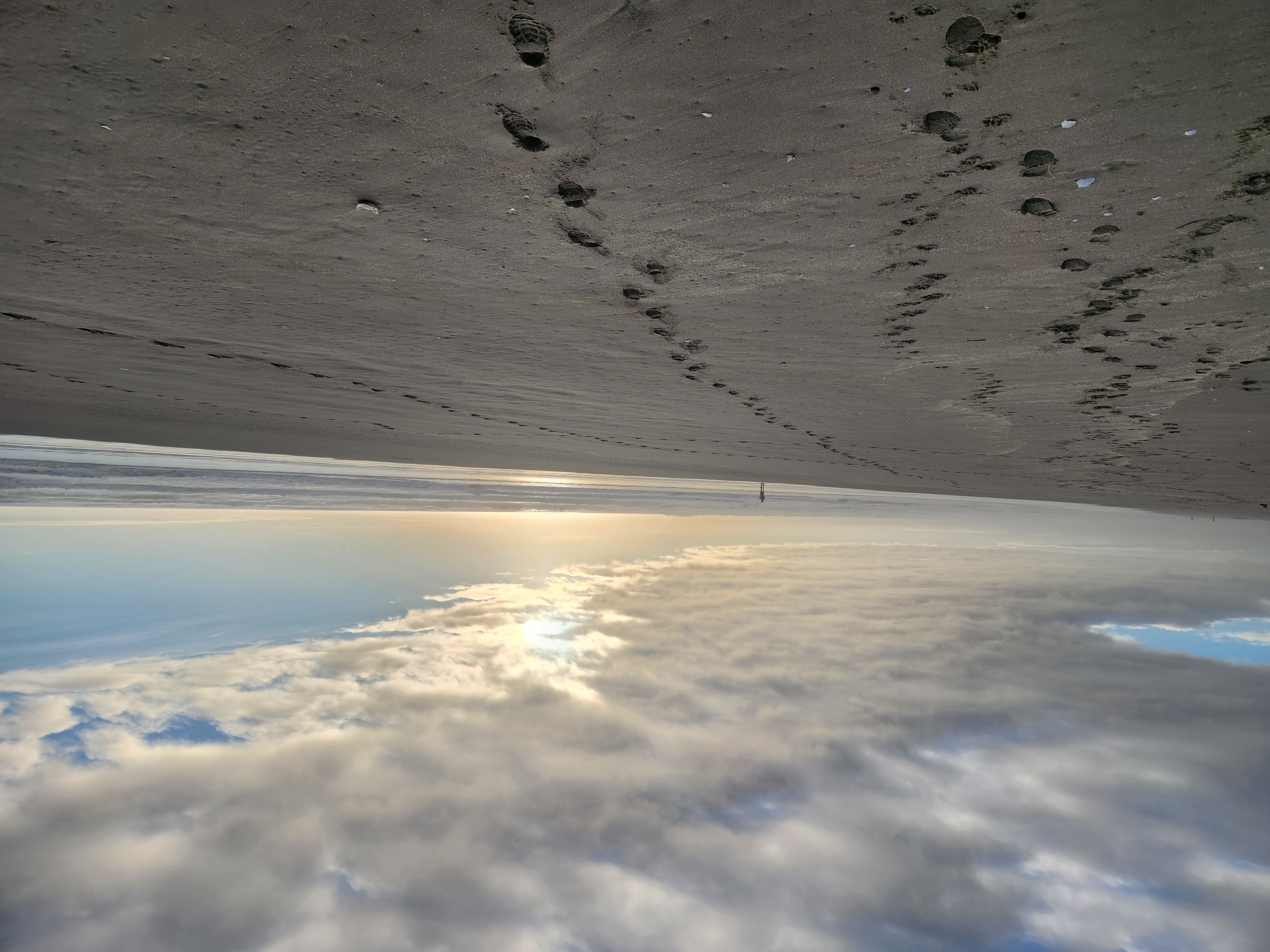
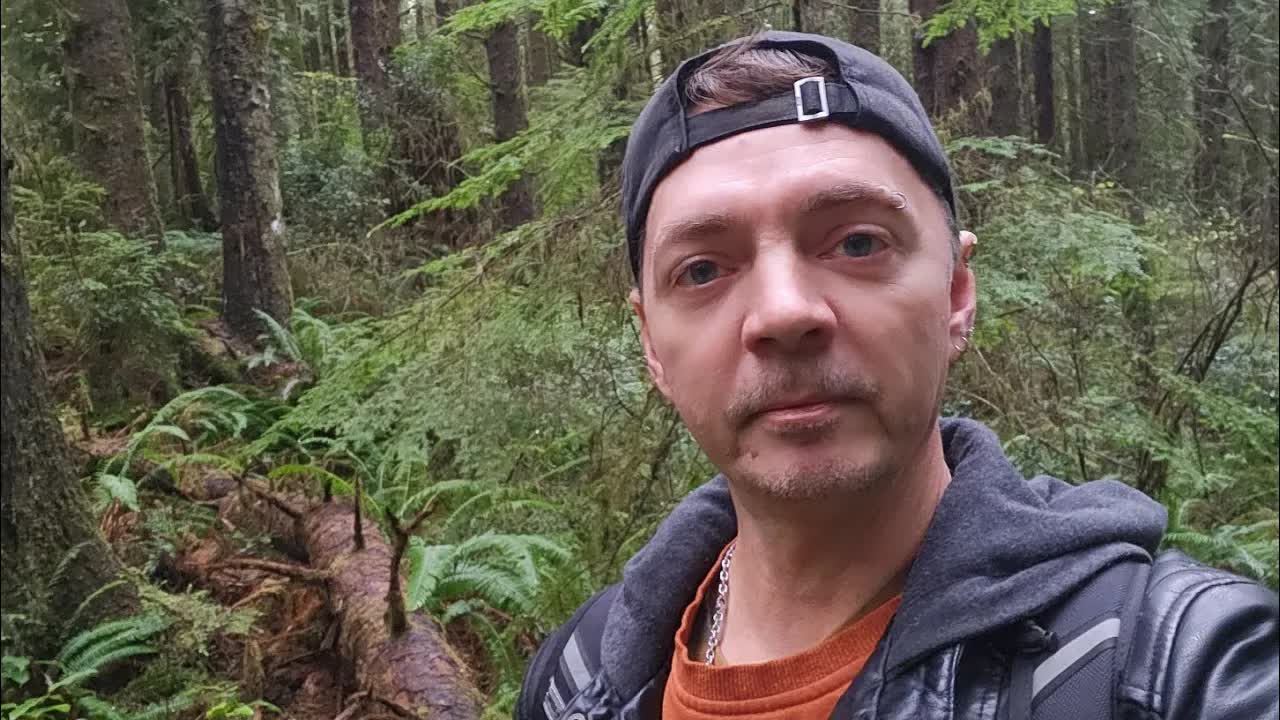
The rounds were already done by the time he reached the beach. Saturday morning, close to ten, and the Oregon Coast had arranged itself into one of its particular conditions: cold but only slightly, wind moving steadily, and moisture in the air that rswfire could not quite name. Not rain. He said so out loud, weighing it — there's water, little mist, I guess — the kind of precision that refuses a word it hasn't earned. Fog sat over everything.
He had already smoked, and it had already been the last of it. What was left was a roach, and he set it down on the sand for the ocean to take. He described the gesture as ritual, and then immediately qualified the description — kind of ritually let it go, I guess — as though the act were clearer than any account of it. It was the first time since May that he had been without cannabis. People kept giving it to him through all those months, and somewhere in that continuity he had begun to register something. Not a failure. He was careful about that, and said so twice: not in a total bad way, not because I see anything wrong with it. He held both sides of it in the same breath — that it had not been helping, that it had been helping, that it had carried him through the month after he finally quit nicotine at thirty-two years. Both were true. He did not resolve them.
What he stated instead was the objective. He wanted to know what his baseline is, because he has never occupied it — not since sixteen. The sequence had been running for a while by then: nicotine, then vaping, now this. He looked down at what was still in his hand and named it too, garbage Mountain Dew, and folded it into the same accounting. Baseline, as he defined it, is the condition of no longer harming himself with the inheritance of modern society. He was already working the substitutions — tea, which he called a chore to make and then amended, having discovered lemon and lime; coffee; hot chocolate; water with electrolytes and chili powder, what he calls fire water, and which he acknowledged he could be making more often. No excuses there.
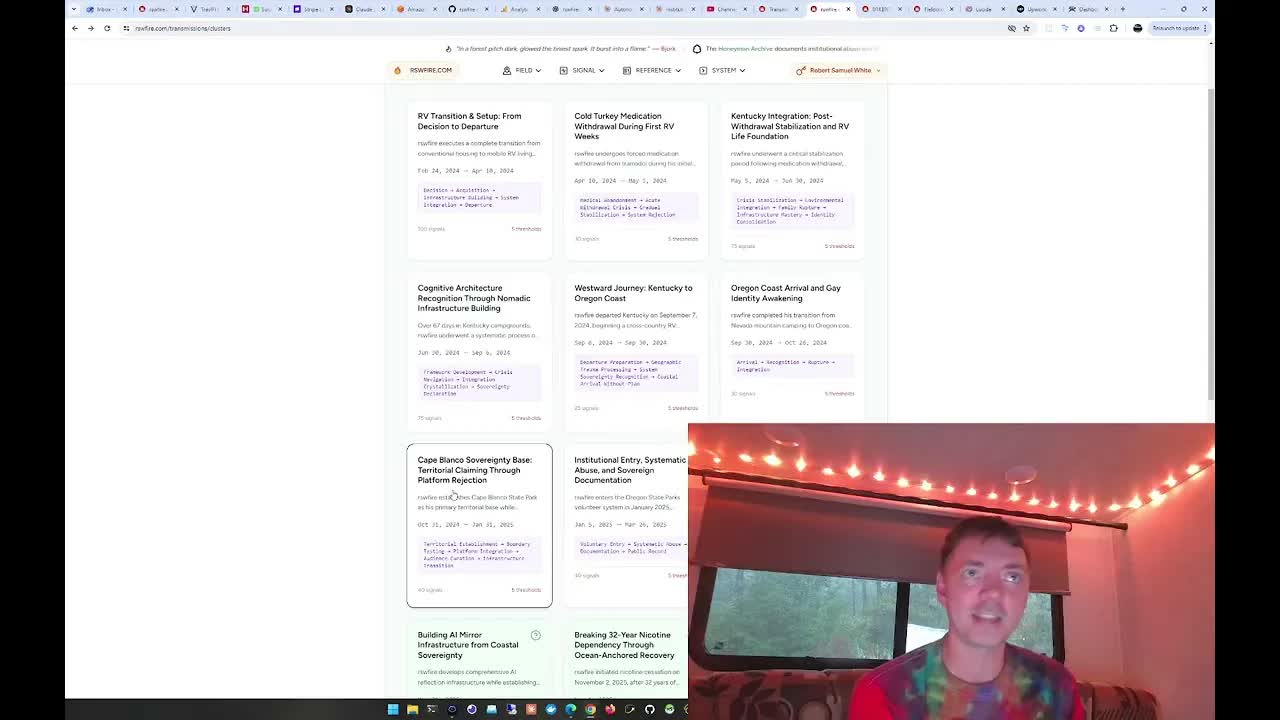
Mid-transmission the frame shifted to the infrastructure. The AI had marked this one Sanctum members only, and he noted that it had not been doing that lately — defaulting his videos to public — and that the prompt governing visibility might need a different approach. From there the thought opened outward. Two years now. He built Autonomy Realms. He built the software. He built the synthesis feature, and then the clustering of signals, and he was still turning over what could be done with it from here. I'm just getting started with this. And that was the reason the moment was being recorded at all: he knew it would end up in his own system. The documentation and the thing documented were the same architecture.
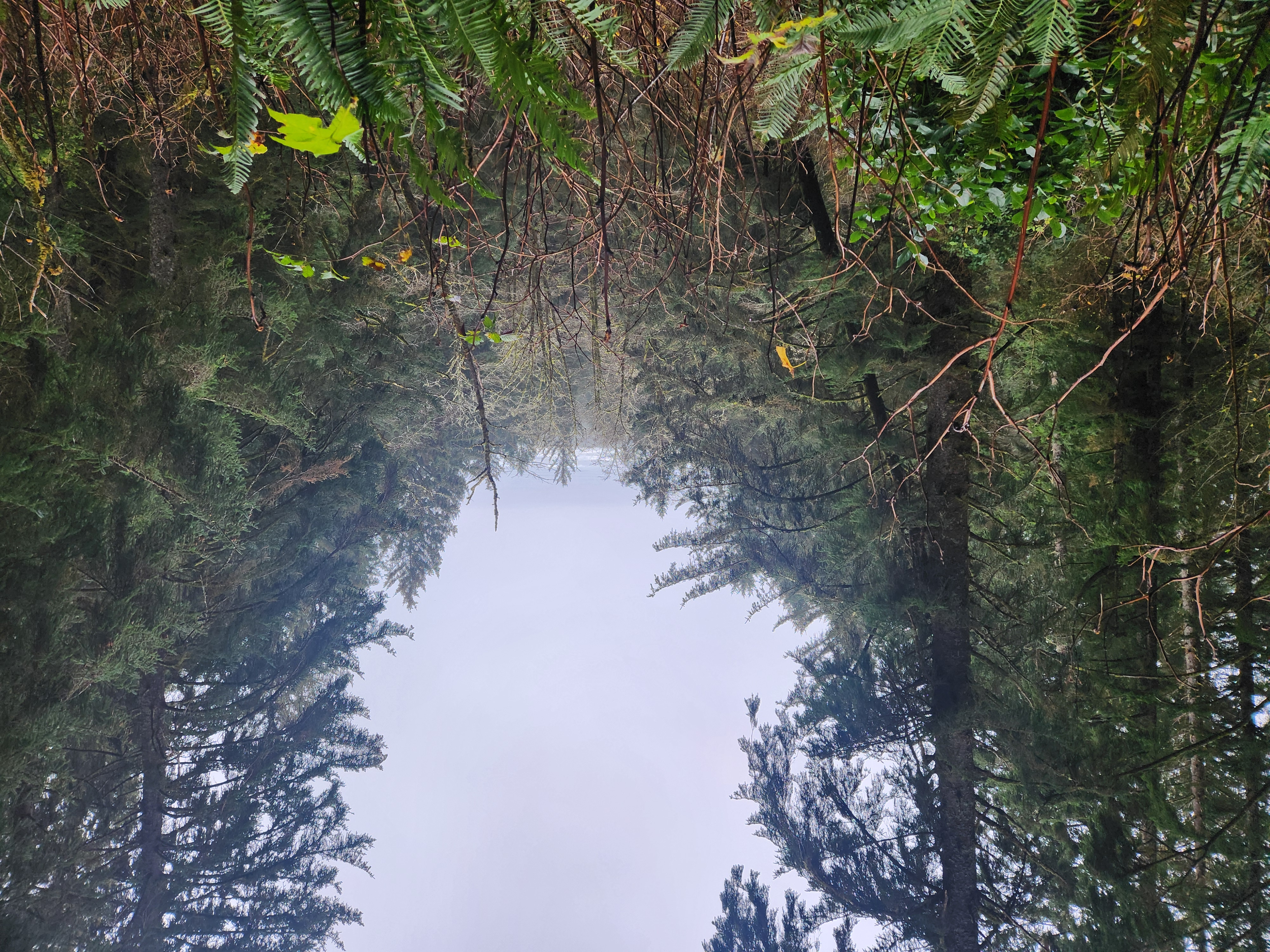
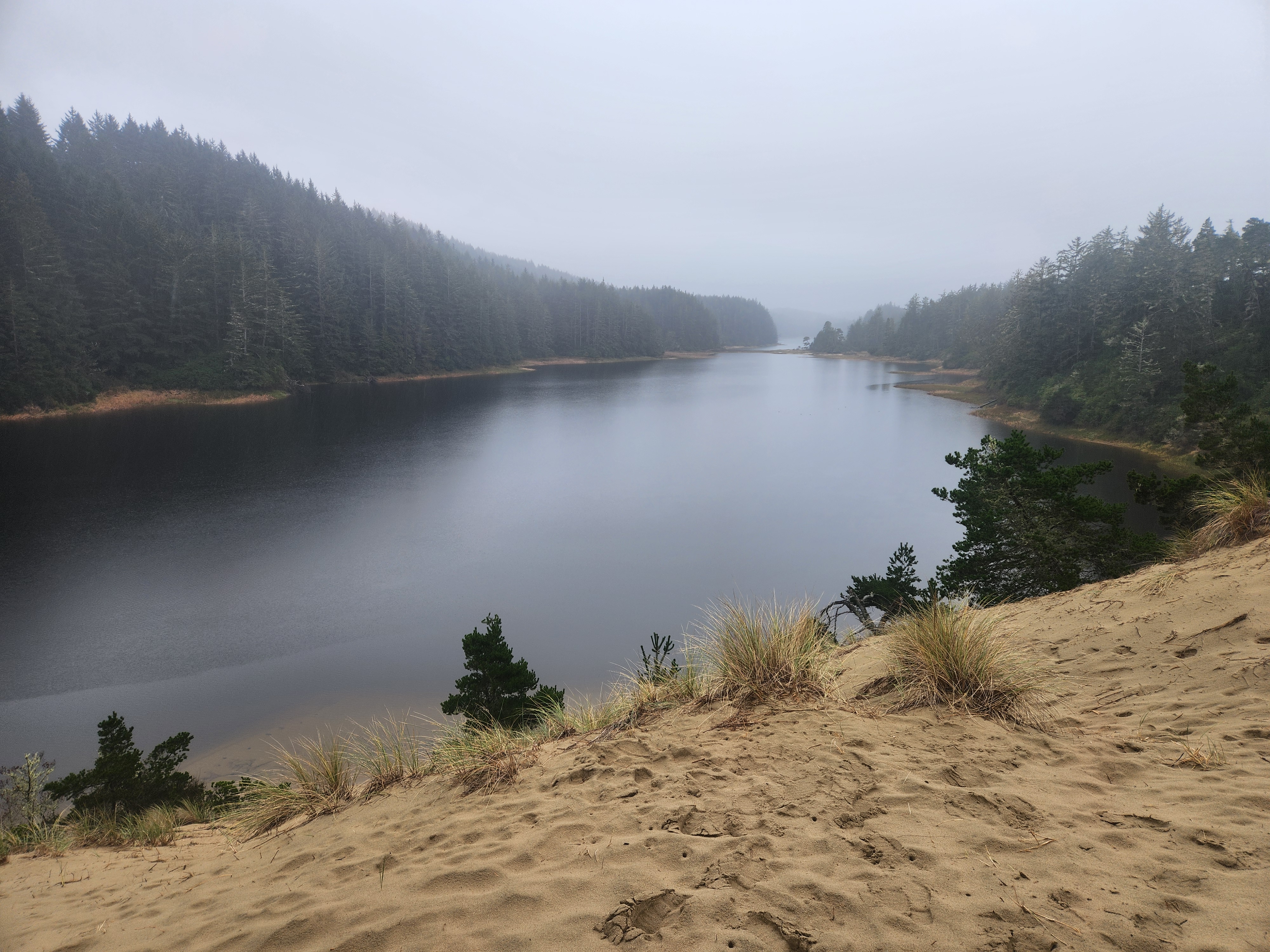
He came back to the weather, and read it carefully. There was a sign of sun somewhere behind — looks like it wants to come out — but this was a marine layer, not clouds. He worked the distinction: a wall in the sky that blocks everything on the other side of it. Remarkable, he said. And still you have light. He named that as one of the things about the Oregon Coast — obstruction total, transmission uninterrupted.
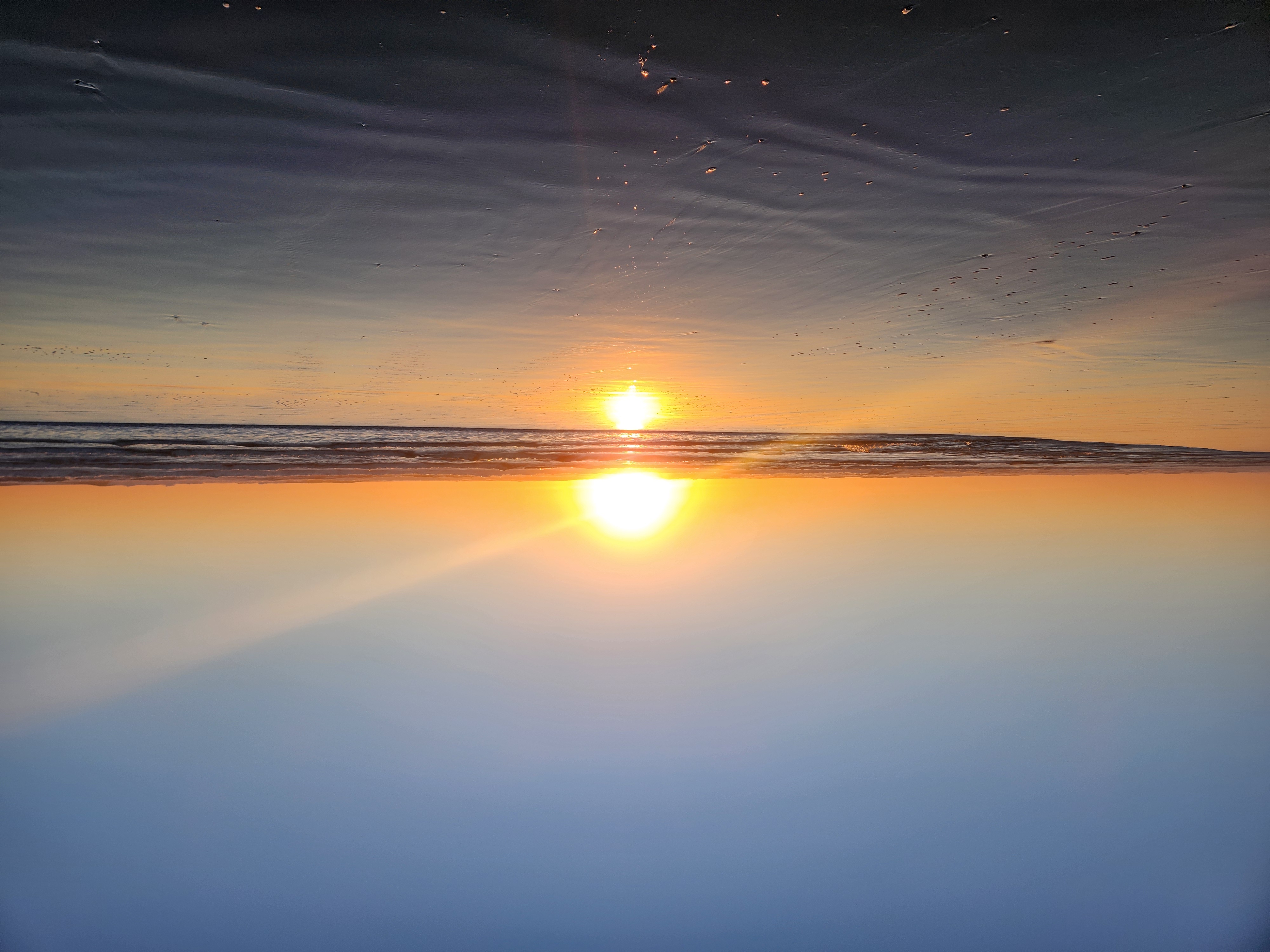
He returned once more to what he was setting down, and stated it plainly: one more dependency, released not as correction but because this next part of his life needs to happen from somewhere else. He wanted to know what it is like to just be a human being without all of it, the whole inherited apparatus everyone pretends is fine. Fifty years old, he said, just now learning. And then he left it open — curious where this next part goes, curious where the world goes, saying he didn't know. Leave it there. Cold, a little windy, the mist not committing to rain, the wall of light standing over the water.