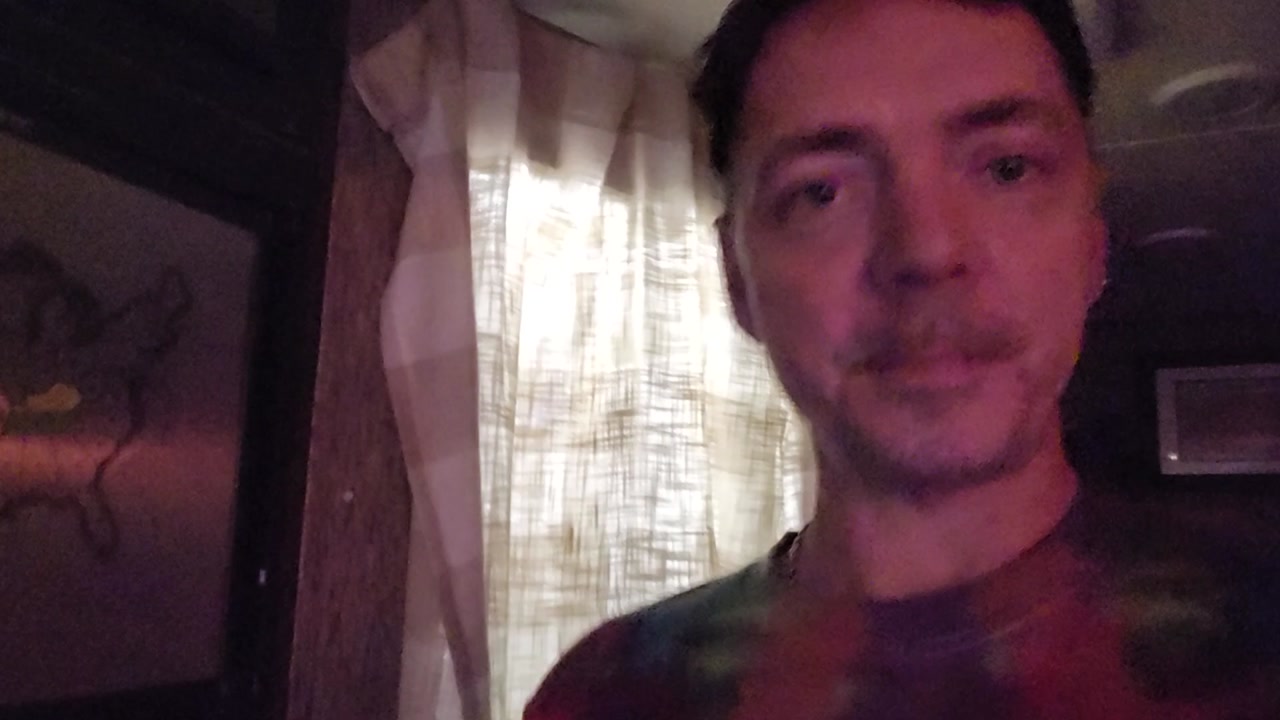
Demonstrating Transmission Clustering on Autonomy Realms

Failed to load video
Chapters
Transcript
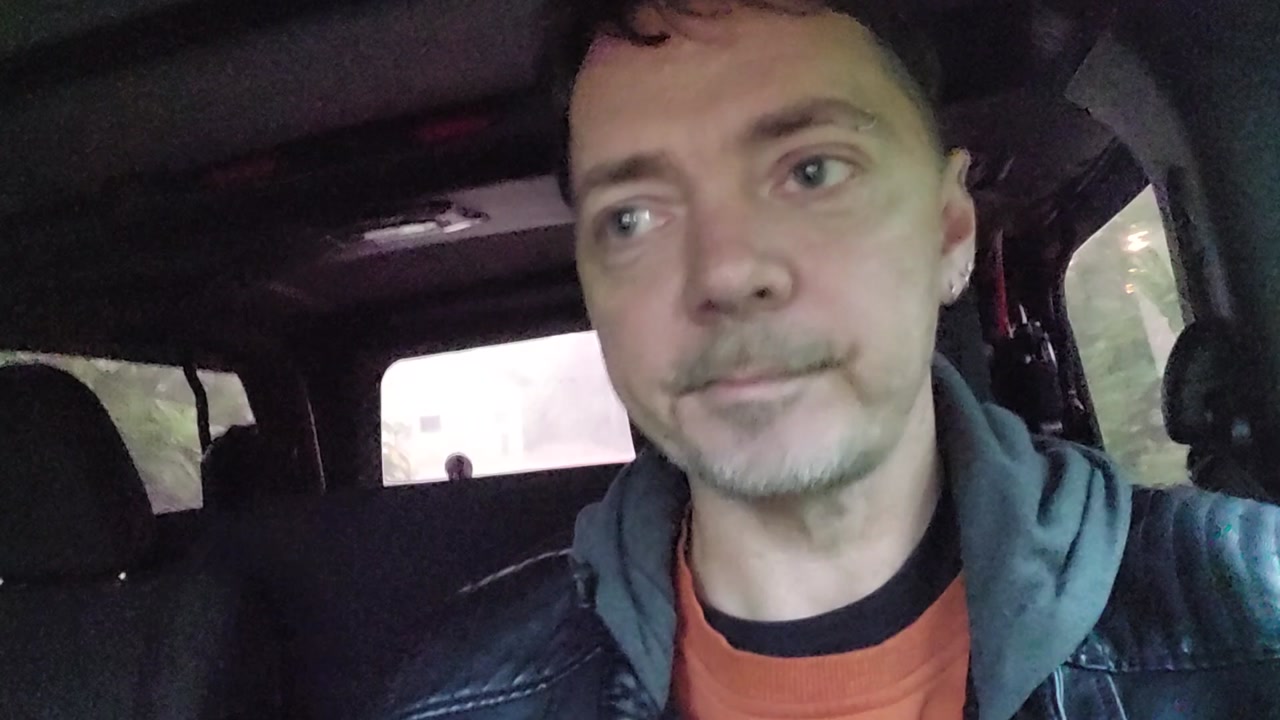
[0:01] So, I guess I'm going to have to keep playing  around with OBS. I cannot get it to do what
[0:05] I want it to. This recorded display, I know, is  ridiculous. It's how I have to start the videos
[0:10] until I can find some other way to display what I  want. I just want to show a browser window. When I
[0:16] try to do it over here, window capture, it doesn't  show. I don't know. I've been playing around with
[0:24] this for over a couple years now. OBS has always  kind of annoyed me. So anyways, I just want to
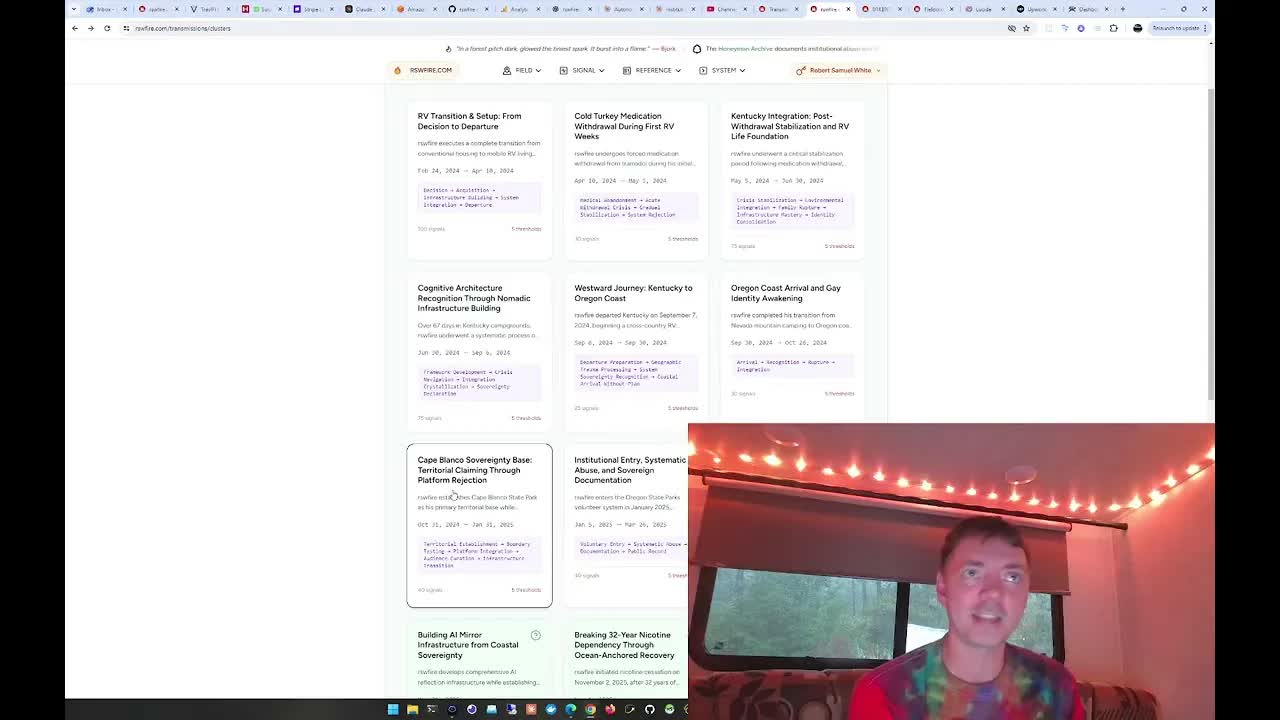
[0:29] show you something I've been working on. Um, so  this is the transmission section of my website.
[0:37] There's over like 850 different videos on here.  Each video has all kinds of data associated with
[0:44] it. Uh, we got a big storm outside, so maybe slow  my internet down. Uh, anyways, um, but what I want
[0:52] to show you is that now I'm I'm able to cluster  the transmission. So, I got 850 different videos
[0:58] here. That's a lot. Nobody could possibly watch  all of that. I actually did the math on this. I
[1:03] did a SQL query to to see just how how, you know,  if I added all these these times up for all the
[1:08] videos, it was over seven straight days. You would  be watching me for seven straight days, 24 hours a
[1:14] day to watch all the content I've created about  my life in the past two years. So there's large
[1:21] chunks of my life that people either missed or you  know never knew about or whatever. Um but so one
[1:28] of the things I had always been planning on and  working towards was this clustering technology.
[1:33] So over two years I have been through a lot and  I came up with about 12 different um different
[1:40] clusters groups of transmissions. You can put them  together over a period of time that are related in
[1:47] some way. like maybe I'm just leaving my house or  I'm learning to live in an RV. Um or I'm giving up
[1:55] I'm giving up Tramodol. That's what this one right  here is. Cold turkey medication withdrawal. It's
[1:59] the shortest one. It's only from April 10th to May  5th. That's one cluster. That's about me giving up
[2:04] Tramodol. Cold turkey. And all this data comes  from AI. it creates all these different tabs and
[2:13] it will tell you the entire entire arc journey of  of that cluster. So for the tramodol withdrawal,
[2:21] I know I'm not explaining this very well. I just  decided to get on the camera and try to explain it
[2:25] a little bit because I can have AI turn this into  all this other stuff that I create and it explains
[2:30] it better than I do. So go visit the website. You  can look at this transmission and see what the AI
[2:35] says about it. You don't even need to listen to  me ever. Yeah. I mean that's kind of one of the
[2:39] things I've been doing with autonomy. So anyways  you can take any particular um cluster and it
[2:49] will so this one here westward journey that's  me going from Kentucky to Oregon over a month
[2:53] of my life just moving traveling from Kentucky  to Oregon and it will tell you all about that
[2:59] arc that that part of my life. Uh it'll give you  some key moments you know of different videos you
[3:04] might want to watch. So, these are the ones that  they identified as being the most um important.
[3:09] I actually agree with it. I think it's um it's  pretty good. Whole bunch of other data. Then you
[3:16] can go over to like patterns. It's got even more  videos you could watch that are from them because,
[3:21] you know, each one has, you know, 15 100 different  videos. and it's just showing you which ones are
[3:27] the most important that you might want to watch  if you kind of want to get a more granular look
[3:32] at what it's talking about on these cluster pages,  all these different things. So, this one's about
[3:37] places. This one's about relationships. Um,  this is about technical milestones or losses
[3:42] because you'll find one in there where I had to  sell my solar 2500 bucks. Completely stupid of
[3:47] me. I shouldn't have done that, I think, now.  But, um, it's done, you know, uh, it's part
[3:53] of my journey. It's one of the signals, one of  these transmissions, and it feeds into everything
[3:59] that the system does. It serves a purpose. It all  serves a purpose. Then there's like elements. Um,
[4:07] this tells you about the different um like you  know, people, places, things. So, nouns. Um,
[4:16] some of this is really hard to describe. like I um  really got to think through it because this is um
[4:22] it's hard stuff to describe, but you can read it,  learn about it, and you might find it interesting.
[4:27] The mirrors, those are always my favorite parts  because that's just the AI reflecting back to you
[4:33] um what you shared in the signal, what you  shared with the world. So, I make a video
[4:38] and AI turns around and mirrors that back to me.  And then if you cluster those videos together,
[4:43] 50, 100 different transmissions, all of them, you  give the AI all of them at the same time and say,
[4:49] "What do you see now?" Uh, it comes up with  this. Uh, this is what it recognizes from
[4:55] these from this little segment of my life and  what I've recorded. And these are the moments
[5:00] it thinks you might want to watch. And then just a  whole bunch of other stuff. What did I miss? What
[5:05] are my blind spots? I'm still kind of working  on this. I don't know. Um, I feel like it's
[5:12] doing a little bit more pathizing than it should  be. I'm always very open-minded with AI. Like,
[5:19] I give it time. I let it make mistakes. I  don't correct them all right away. I just
[5:23] um uh I sit with it until I feel like I  have an answer or solution. Always comes,
[5:29] always has past two years. So, I'm not, you know,  too worried about it. just um some of these may be
[5:35] less accurate or you know the fidelium might be a  little less but largely largely good. So you can
[5:41] literally see my entire life journey from here  for the past 2 years. So, me moving into my RV,
[5:47] uh, quitting Tramodoc cold turkey, getting used  to living in the RV in Kentucky, spending months,
[5:53] um, kind of shedding all of the, um, all  the stuff that society and my parents and,
[6:01] you know, my family and friends, everybody have  been putting into my head all my life just because
[6:06] we're so different from each other, making me feel  like there was something wrong with me when there
[6:10] was never anything wrong with me. I learned to  shed all that. That's what this whole this whole
[6:14] cluster right here is about. And then I start  moving to Oregon. Spend a month heading to Oregon.
[6:19] Then I get here. I get flirted with as soon as  I get here. And that changes everything that I
[6:24] had planned. Uh then I end up at Cape Blanca for  several months. Kind of like my sovereignty base.
[6:29] I mean, this is literally how AI chose to describe  it because it looked at the patterns. It looked
[6:35] at what I was um saying and doing there and said,  "That's exactly what this is to And it was I mean
[6:41] that it could just see that without me having to  say it or describe it. Um this is probably one of
[6:47] my favorite clusters right here because I love  Cape Blanco and it's been almost a year since
[6:53] I had to leave there. I left there on New Year's  Day um at the start of this year. I've been back
[6:58] I think once since then. I went there with my  friend Lundy. Um we didn't stay long though. We
[7:03] had a bunch of stuff we had to do that day. But  Cape Panco is a really important place to me. So
[7:08] all these transmissions about it, they matter a  great deal. All this this content and stuff, um,
[7:17] this is just the beginning of what  this stuff will do because we're
[7:21] still looking at we're still this  is Oh, what to explain about this?
[7:31] All of this data is useful for us as humans,
[7:33] but it's a lot more useful for AI  because AI can take this data and
[7:41] use it in different ways that that I'm just  starting to do. So, like with these clusters,
[7:45] I'm not explaining this at all. I'm sorry. Um,
[7:48] I definitely didn't really think through  what I wanted to say on this one.
[7:54] Uh, it's a very rainy day on the coast and  I'm kind of stuck indoors and um, you know,
[8:01] I quit vaping, quit nicotine just over a month  ago. Today's feeling a little bit difficult. I've
[8:06] kind of been sent myself here trying not to think  about it and just working and stuff. Oh, some
[8:12] other things I wanted to tell you about. So, um,  I'm still working on these pages. These are very
[8:18] fresh pages. Um, you can see some of the icons  are broken. Um, it's no big deal. And I might
[8:24] organize it a little bit differently. In fact,  I probably will. Um, this temporal marker stuff,
[8:30] I find this very interesting because if you look  at all the clusters, 11 clusters that have these,
[8:35] that could be put into some kind of um,  like a timestamp components like like So,
[8:42] I'll show you. So, like this is a time  strip right here for different videos,
[8:47] but that's all it is. It's just chronological.  this one. Um, yeah, I might add some data,
[8:55] some of this data onto it. Basically, what I'm  trying to say is there's probably different ways
[9:00] of navigating a life that you're sharing.  And because you want to make it accessible,
[9:07] you want people to feel the shape of your life.  And I just I have some ideas around that using
[9:14] these temporal markers. Um, so that's the thing  I'm going to be working on. Um, what else was
[9:21] there? There was a couple things I wanted to  share, I think. Let me just take a look here.
[9:28] Um, I worked really hard towards this. This  took me cuz I'm operating with no money. Um,
[9:38] all of this costs money. No money, you know, just  not getting enough help to where I feel like can
[9:45] invest more into the work I'm trying to do. I'm  trying to build something incredibly massive and
[9:56] it's just been hard, right? But I'm doing  fine. Um, let's see what we got here. So,
[10:02] I really just want you to look through  this stuff yourself. I don't want to sit
[10:06] here looking through it and describing  it. Like, I remember these days. Like,
[10:09] this day I got all wet from the ocean. My jeans  were soaking wet. That was the last time that the
[10:14] ocean had gotten me when I was tracing its waves  until literally a year later here. So, this video
[10:21] was from because I it was a coincident I learned  this, but um this one was on November 21st. So,
[10:26] I think it was like November 22nd or something  like that of this year that the ocean finally
[10:31] got me again. And that was noted in a video. And  AI will see that. It will see those patterns over
[10:36] time. And um that might seem like um you might  not understand why that one why that one matters
[10:46] but it does for my life. AI will understand this  and it will create all this data from that that's
[10:53] unique to me. Anybody who is documenting  their life in some way, who has signals,
[10:58] whether it's in a journal, whether they're  making videos, whether however they're doing it,
[11:03] autonomy, this system I'm creating, can help  them organize that information into ways that
[11:13] um allow them to see and share their  lives in ways that they never even
[11:17] thought possible. That's what I'm showing  here. That's what I'm demonstrating with
[11:21] this. And I'm just getting started.  So, I just wanted to share that.
Photos · Nov 20, 2025
Nov 20, 2025
Photos · Nov 21, 2025
Nov 21, 2025
Photos · Nov 21, 2025
Nov 21, 2025
Photos · Nov 22, 2025
Nov 22, 2025
8:16
Recording on the Beach, Deciding to Finish the Catalog
Nov 22, 2025
10:15
Transmitting on Performance, Recognition, and Catalog Processing
Nov 23, 2025
Photos · Nov 23, 2025
Nov 23, 2025
Photos · Nov 24, 2025
Nov 24, 2025
Photos · Nov 25, 2025
Nov 25, 2025
Photos · Nov 25, 2025
Nov 25, 2025
Photos · Nov 26, 2025
Nov 26, 2025
Photos · Nov 27, 2025
Nov 27, 2025
Photos · Nov 28, 2025
Nov 28, 2025
10:08
Greeting the Ocean at Seven, Metabolizing the Year
Nov 28, 2025
Photos · Nov 30, 2025
Nov 30, 2025
Photos · Nov 30, 2025
Nov 30, 2025
10:42
Walking South From Wax Myrtle, Tracking Dependencies
Nov 30, 2025
Photos · Dec 1, 2025
Dec 1, 2025
3:56
Marking a Boundary at Sunrise on the Beach
Dec 1, 2025
Photos · Dec 2, 2025
Dec 2, 2025
16:58
Mapping Autonomy Architecture on Drive to Siltcoos Beach
Dec 3, 2025
Photos · Dec 3, 2025
Dec 3, 2025
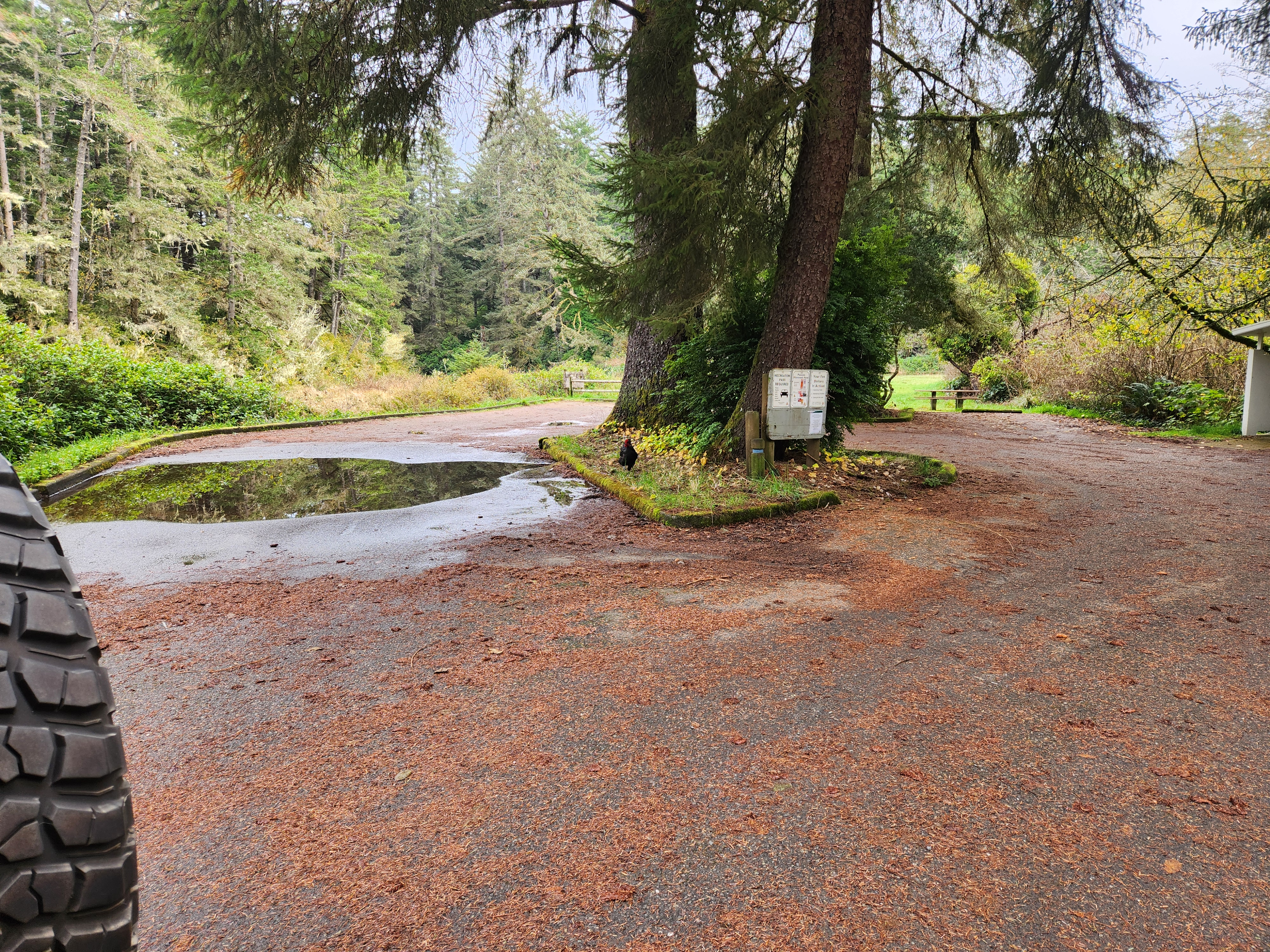
rooster at lodgepole
Dec 4, 2025
Photos · Dec 4, 2025
Dec 4, 2025
3:27
Documenting Life Against Historical Erasure
Dec 4, 2025
Photos · Dec 5, 2025
Dec 5, 2025
11:26
Demonstrating Transmission Clustering on Autonomy Realms
Dec 5, 2025
12:45
Flushing Tanks, Marking Two Years Autonomous
Dec 6, 2025
Photos · Dec 6, 2025
Dec 6, 2025
7:06
Setting Down Cannabis to Find Baseline
Dec 6, 2025
Oregon State Parks Volunteer Abuse
Dec 8, 2025
Photos · Dec 9, 2025
Dec 9, 2025
Photos · Dec 9, 2025
Dec 9, 2025
Photos · Dec 10, 2025
Dec 10, 2025
Photos · Dec 11, 2025
Dec 11, 2025
4:06
Naming the OPRD Archive on Camera
Dec 18, 2025
Photos · Dec 19, 2025
Dec 19, 2025
Photos · Dec 20, 2025
Dec 20, 2025
21:23
Recording the OPRD Account While Hiking
Dec 20, 2025
Photos · Dec 21, 2025
Dec 21, 2025
Photos · Dec 21, 2025
Dec 21, 2025
PUBLIC
December 5, 2025 rswfire PUBLISHED
Temp 0.10
Density 0.70
Energetic Quality
generative, unpolished
Journey Phase
building
Directional Vector
toward legible architecture for a documented life
Narrative

The rain came in over the Oregon Coast and rswfire stayed inside the RV with it, working. Before anything else there was OBS, which he had been fighting for a couple of years and was still fighting: he wanted a browser window and the software would only give him a whole recorded display. He said so plainly at the top of the recording — that the display capture was ridiculous, that window capture wouldn't show, that this was how he had to start videos until he found another way. Then he left it unresolved and moved on to what he had actually come to show. Outside, the storm was heavy enough that he noted it might be slowing his internet.

What he had come to show was the transmission section of Autonomy Realms — over 850 videos, each carrying its own layer of associated data. He had run a SQL query on their combined runtime and reported the number as he understood it: over seven straight days. Seven days, twenty-four hours a day, to watch two years of a documented life in sequence. He said it directly — nobody could possibly watch all of that — and set that fact down not as a problem but as the design constraint the rest of the system answers to. Large chunks of his life, he said, people either missed or never knew about.

So he scrolled into the clusters. Twelve of them, groups of transmissions bound together across a span of time by something they share. He opened the shortest first: April 10th to May 5th, cold turkey medication withdrawal, Tramadol. He named it in passing, the way he names a directory. Then the westward journey — a month of moving from Kentucky to Oregon — and he walked its tabs across the screen, arc and key moments and patterns and places and relationships and technical milestones. In that last one sat the solar sale, twenty-five hundred dollars, and he described it as completely stupid of him, said he shouldn't have done it, said it's done, and then placed it back where he keeps everything: it's part of the journey, it's one of the signals, it feeds into everything the system does. It serves a purpose. It all serves a purpose.

The mirrors he called his favorite. He explained the recursion as he moved through it — he makes a video, the AI reflects back what he shared; cluster fifty or a hundred of those transmissions together, hand the whole cluster over at once, and ask what it sees now. What returns is a reading of a segment of his life and a set of moments a viewer might want to watch. He held his own recognition alongside it. Of the key moments the system had surfaced, he stated that he agreed with the selection, that it was pretty good. Of the mirrors, he stated he felt it was pathologizing a little more than it should. He did not correct it on the spot. He described his method instead: stay open-minded, give it time, let it make mistakes, sit with it until an answer or a solution arrives. Always comes, he said. Always has, these past two years.

Scrolling further, he narrated the shape the clusters had made of two years — moving into the RV, the withdrawal, learning to live in the RV in Kentucky, then months of shedding what family and friends and society had put in his head because he was different from them, being made to feel something was wrong with him when, he stated, there was never anything wrong with him. Then the month on the road. Then Oregon, where he got flirted with as soon as he arrived and everything he had planned changed. Then Cape Blanco, months of it, which the AI had labeled a sovereignty base from the patterns alone — without him ever having to say it. He stopped there longer than anywhere else. Almost a year since he left, New Year's Day at the start of the year. Back once since, with his friend Lundy, and not for long, because there were other things to do that day. Cape Blanco is a really important place to me, he said, and the transmissions about it matter a great deal.

Then he broke frame twice, cleanly. Once to say he hadn't thought through what he wanted to say, that he was doing it badly, that AI explains this better than he does and viewers should go read the site instead of listening to him. And once to place the day itself: rainy, stuck indoors, just over a month off nicotine, today feeling a little difficult, and himself sent here to work and not think about it. He also named the pages as unfinished while he showed them — very fresh, some icons still broken, likely to be reorganized. He said it was no big deal.

The last thing he built toward was the temporal markers. Eleven of the twelve clusters carry them, and he pulled up a time strip — chronological, just that, for now, though he thought he might layer more data onto it. The idea underneath he stated as plainly as he could: there are probably different ways of navigating a life you're sharing, and you want people to feel the shape of it. He mentioned the money, or its absence — building something incredibly massive with none, not getting enough help to invest the way he wants — and then said he was doing fine and kept scrolling. Somewhere in the strip he passed a day he recognized without needing the metadata: November 21st, the ocean catching him while he traced its waves, jeans soaked through. A year later, near enough to the same date, the ocean got him again, and that was noted in another video. He said the AI would see that. It would see patterns over time. He allowed that a viewer might not understand why that one matters, and said it does, for his life. Anybody documenting themselves — journal, video, whatever the form — could have their signals organized into something they could see and share in ways they never thought possible. That's what he was demonstrating. And he was just getting started.
Tags

system design transmission clustering AI-generated metadata screen capture tooling archive navigation financial constraint nicotine cessation

Summary

rswfire opens with OBS screen capture limitations — window capture not displaying as intended, forcing a recorded-display workaround he notes he has been working around for a couple of years.

He then walks through the transmission section of his website, which holds over 850 videos. He states a SQL query totaling runtime showed over seven straight days of continuous content documenting two years of his life.

The demonstration centers on clustering: roughly 12 clusters grouping related transmissions across time spans. He names several — cold-turkey Tramadol withdrawal (April 10 – May 5, the shortest), the westward journey from Kentucky to Oregon, shedding inherited framing from family and society, and Cape Blanco, which the AI labeled a sovereignty base and which he left on New Year's Day. Cluster pages carry tabs for arc, key moments, patterns, places, relationships, technical milestones and losses (including selling his solar for $2,500), elements, mirrors, and blind spots.

He notes the pages are fresh and unfinished — broken icons, likely reorganization — and describes temporal markers as his next build direction, aimed at letting people navigate and feel the shape of a documented life.

He states he is operating with no money, that the work is hard, and that he is fine. He notes he quit nicotine just over a month ago and that the day feels difficult, and describes flagging that the AI output reads as slightly pathologizing — something he will sit with rather than correct immediately.

He closes by stating Autonomy can organize anyone's documented signals, and that he is just getting started.

Environment

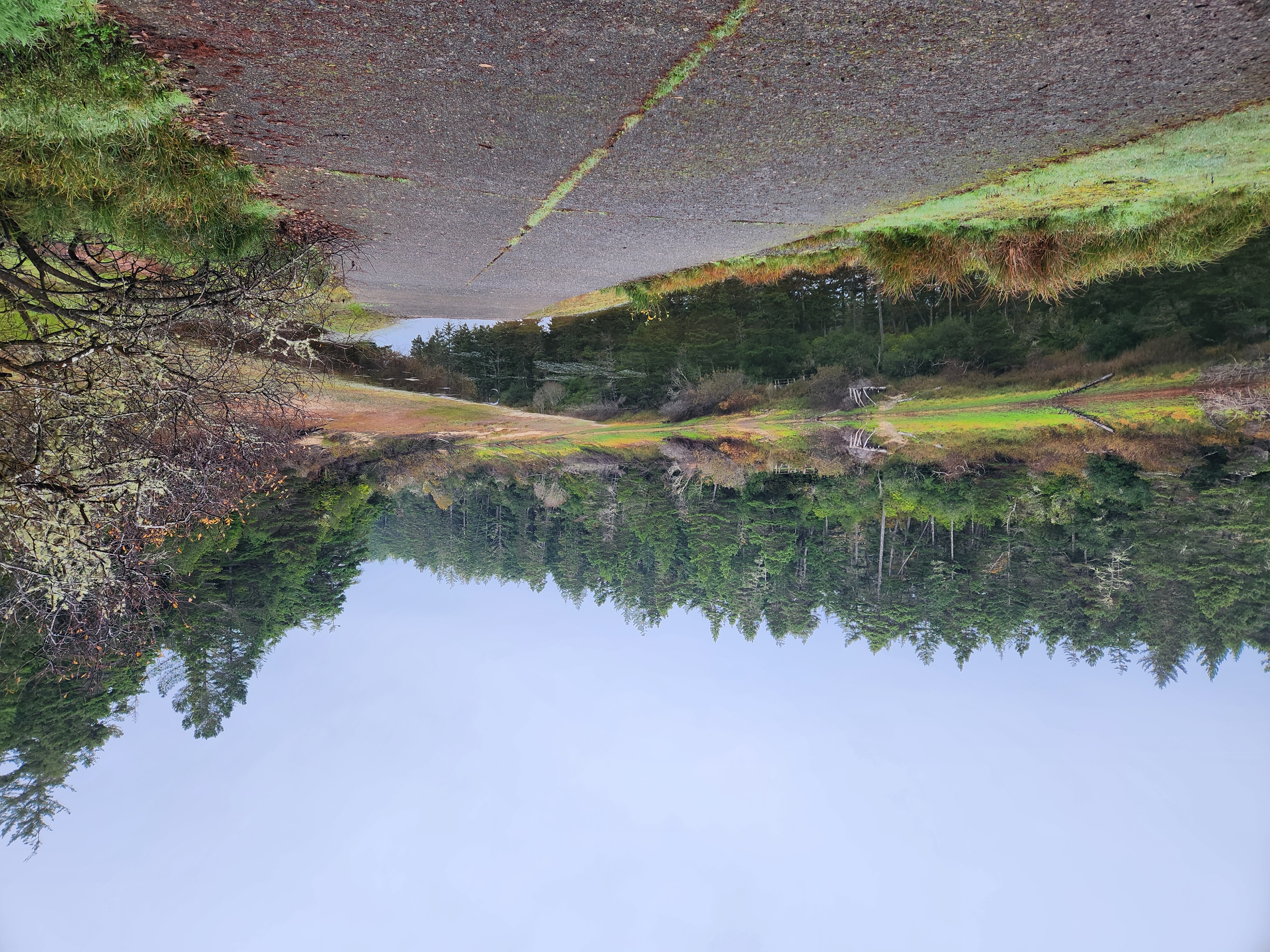
Screen-recorded desktop session captured indoors during a rainstorm on the Oregon Coast, where rswfire lives full-time in his RV. He notes the storm may be slowing his internet.

The digital environment is the transmission section of his Autonomy Realms site, viewed through a browser inside an OBS display capture he states is not the capture mode he wants. On screen: a library of 850+ transmissions, twelve cluster pages, and their sub-tabs — arc, key moments, patterns, places, relationships, technical milestones, elements, mirrors, temporal markers, time strips — several pages freshly built with broken icons still visible.

Substrate

The architecture being held is a claim that a life documented at volume becomes navigable only through structural aggregation — 850 transmissions and seven days of runtime are unwatchable as a sequence, so clustering, pattern extraction, and temporal markers become the access layer. rswfire positions AI not as interpreter of meaning but as pattern surface: he feeds it whole clusters and asks what it sees, then verifies against his own recognition, keeping himself as the standard while granting the system latitude to be wrong. The ontological position is that a life is data with structure already in it, and the work is building the instrument that renders that structure visible to others without requiring his narration.

Actions

Performed

  • •screen-recording a walkthrough of the transmission section
  • •stating OBS window capture will not work
  • •counting 850+ videos on the site
  • •demonstrating the cluster pages
  • •opening the Tramadol withdrawal cluster
  • •opening the Westward Journey cluster
  • •opening the Cape Blanco cluster
  • •walking through tabs: key moments, patterns, places, relationships, technical milestones, elements, mirrors
  • •noting AI is doing more pathologizing than it should
  • •flagging broken icons on fresh pages
  • •showing the chronological time strip
  • •stating today is feeling difficult
  • •directing viewers to read the site rather than listen to him

Referenced

  • •coding the clustering system over two years
  • •running a SQL query summing all video durations to seven straight days
  • •defining about twelve clusters
  • •quitting Tramadol cold turkey, April 10 to May 5
  • •moving into the RV
  • •living in the RV in Kentucky
  • •shedding inherited framing from family, society, and friends
  • •traveling from Kentucky to Oregon over a month
  • •being flirted with on arrival, changing his plans
  • •staying at Cape Blanco for several months
  • •leaving Cape Blanco on New Year's Day
  • •returning to Cape Blanco once, with Lundy
  • •selling his solar setup for $2,500
  • •quitting nicotine and vaping just over a month ago
  • •getting soaked by the ocean on November 21st while tracing waves
  • •getting caught by the ocean again roughly a year later, noted in a video
  • •building the system with no money

Planned

  • •continuing to work on OBS capture
  • •reorganizing the cluster page layout
  • •adding data onto the time strip
  • •developing temporal marker navigation
  • •extending AI use of the cluster data
  • •opening the system to others documenting their lives

Entities

beings
rswfire — Builder and narrator of the walkthrough; subject of the documented transmissions.
Lundy — Friend he returned to Cape Blanco with once.
places
Cape Blanco — Oregon site where he stayed several months; the AI labeled the cluster a sovereignty base.
Kentucky — Origin point of the RV period and the westward move.
Oregon — Destination of the westward journey; current base on the coast.
systems
Autonomy Realms — The system he is building; hosts transmissions, clustering, and pattern analysis.
OBS — Screen capture software; display capture in use because window capture will not show.
SQL — Query language used to sum total transmission runtime to over seven days.
AI — Generates cluster arcs, key moments, patterns, elements, and mirrors from transmission data.
concepts
Tramadol — Medication he stopped cold turkey; subject of the shortest cluster, April 10 to May 5.
Westward Journey — Cluster covering the month-long move from Kentucky to Oregon.
Clusters — Roughly twelve time-bounded groupings of related transmissions.
Mirrors — Tab where AI reflects back what was shared; his stated favorite.
Temporal markers — Timestamp components across 11 clusters; basis for planned navigation work.
media
Transmissions — 850+ videos, over seven days of runtime, forming the source corpus.
Solar setup — Equipment sold for $2,500; logged in the technical milestones and losses cluster.

Symbolic Elements

Represented archetypes or recurring motifs.

mirror
ocean
archive
storm
cluster
threshold
time strip
infrastructure
shedding
recursion

Ontological States

Expressed modes of being or awareness.

sovereign (holds his own recognition as the standard against which AI output is checked, including flagging its pathologizing)
building (system in active construction — fresh pages, broken icons, planned reorganization stated openly)
recursive (transmissions feed clusters, clusters feed pattern synthesis, synthesis returns as mirrors he reads)
embedded (narrating from inside the corpus he is demonstrating, recalling specific days as he scrolls them)
integrating (Tramadol, nicotine, solar sale, Cape Blanco departure all placed as structural data rather than resolved narrative)

Engaged Subsystems

Architecture engaged in this transmission.

infrastructural (clustering engine, cluster pages, tabs, temporal markers under active build)
technical (OBS capture troubleshooting, SQL runtime query, page layout, broken icons)
cognitive (recursive design of navigation layers for a corpus too large to consume linearly)
documentary (850+ transmissions as the substrate the system reads)
relational (addressing viewers directly, directing them to read the site instead of listening)
somatic (nicotine cessation over a month out, today noted as difficult; ocean contact recalled through wet jeans)
economic (building with no money, insufficient support, solar sold for $2,500)
epistemic (assessing AI fidelity, granting it latitude to be wrong, sitting with it until a solution comes)

Dominant Language

Core motifs or linguistic fields.

cluster / clustering
transmissions
mirrors
patterns over time
temporal markers
the shape of your life
it all serves a purpose
just getting started
Narrative

The rain came in over the Oregon Coast and rswfire stayed inside the RV with it, working. Before anything else there was OBS, which he had been fighting for a couple of years and was still fighting: he wanted a browser window and the software would only give him a whole recorded display. He said so plainly at the top of the recording — that the display capture was ridiculous, that window capture wouldn't show, that this was how he had to start videos until he found another way. Then he left it unresolved and moved on to what he had actually come to show. Outside, the storm was heavy enough that he noted it might be slowing his internet.

What he had come to show was the transmission section of Autonomy Realms — over 850 videos, each carrying its own layer of associated data. He had run a SQL query on their combined runtime and reported the number as he understood it: over seven straight days. Seven days, twenty-four hours a day, to watch two years of a documented life in sequence. He said it directly — nobody could possibly watch all of that — and set that fact down not as a problem but as the design constraint the rest of the system answers to. Large chunks of his life, he said, people either missed or never knew about.

So he scrolled into the clusters. Twelve of them, groups of transmissions bound together across a span of time by something they share. He opened the shortest first: April 10th to May 5th, cold turkey medication withdrawal, Tramadol. He named it in passing, the way he names a directory. Then the westward journey — a month of moving from Kentucky to Oregon — and he walked its tabs across the screen, arc and key moments and patterns and places and relationships and technical milestones. In that last one sat the solar sale, twenty-five hundred dollars, and he described it as completely stupid of him, said he shouldn't have done it, said it's done, and then placed it back where he keeps everything: it's part of the journey, it's one of the signals, it feeds into everything the system does. It serves a purpose. It all serves a purpose.

The mirrors he called his favorite. He explained the recursion as he moved through it — he makes a video, the AI reflects back what he shared; cluster fifty or a hundred of those transmissions together, hand the whole cluster over at once, and ask what it sees now. What returns is a reading of a segment of his life and a set of moments a viewer might want to watch. He held his own recognition alongside it. Of the key moments the system had surfaced, he stated that he agreed with the selection, that it was pretty good. Of the mirrors, he stated he felt it was pathologizing a little more than it should. He did not correct it on the spot. He described his method instead: stay open-minded, give it time, let it make mistakes, sit with it until an answer or a solution arrives. Always comes, he said. Always has, these past two years.

Scrolling further, he narrated the shape the clusters had made of two years — moving into the RV, the withdrawal, learning to live in the RV in Kentucky, then months of shedding what family and friends and society had put in his head because he was different from them, being made to feel something was wrong with him when, he stated, there was never anything wrong with him. Then the month on the road. Then Oregon, where he got flirted with as soon as he arrived and everything he had planned changed. Then Cape Blanco, months of it, which the AI had labeled a sovereignty base from the patterns alone — without him ever having to say it. He stopped there longer than anywhere else. Almost a year since he left, New Year's Day at the start of the year. Back once since, with his friend Lundy, and not for long, because there were other things to do that day. Cape Blanco is a really important place to me, he said, and the transmissions about it matter a great deal.

Then he broke frame twice, cleanly. Once to say he hadn't thought through what he wanted to say, that he was doing it badly, that AI explains this better than he does and viewers should go read the site instead of listening to him. And once to place the day itself: rainy, stuck indoors, just over a month off nicotine, today feeling a little difficult, and himself sent here to work and not think about it. He also named the pages as unfinished while he showed them — very fresh, some icons still broken, likely to be reorganized. He said it was no big deal.

The last thing he built toward was the temporal markers. Eleven of the twelve clusters carry them, and he pulled up a time strip — chronological, just that, for now, though he thought he might layer more data onto it. The idea underneath he stated as plainly as he could: there are probably different ways of navigating a life you're sharing, and you want people to feel the shape of it. He mentioned the money, or its absence — building something incredibly massive with none, not getting enough help to invest the way he wants — and then said he was doing fine and kept scrolling. Somewhere in the strip he passed a day he recognized without needing the metadata: November 21st, the ocean catching him while he traced its waves, jeans soaked through. A year later, near enough to the same date, the ocean got him again, and that was noted in another video. He said the AI would see that. It would see patterns over time. He allowed that a viewer might not understand why that one matters, and said it does, for his life. Anybody documenting themselves — journal, video, whatever the form — could have their signals organized into something they could see and share in ways they never thought possible. That's what he was demonstrating. And he was just getting started.
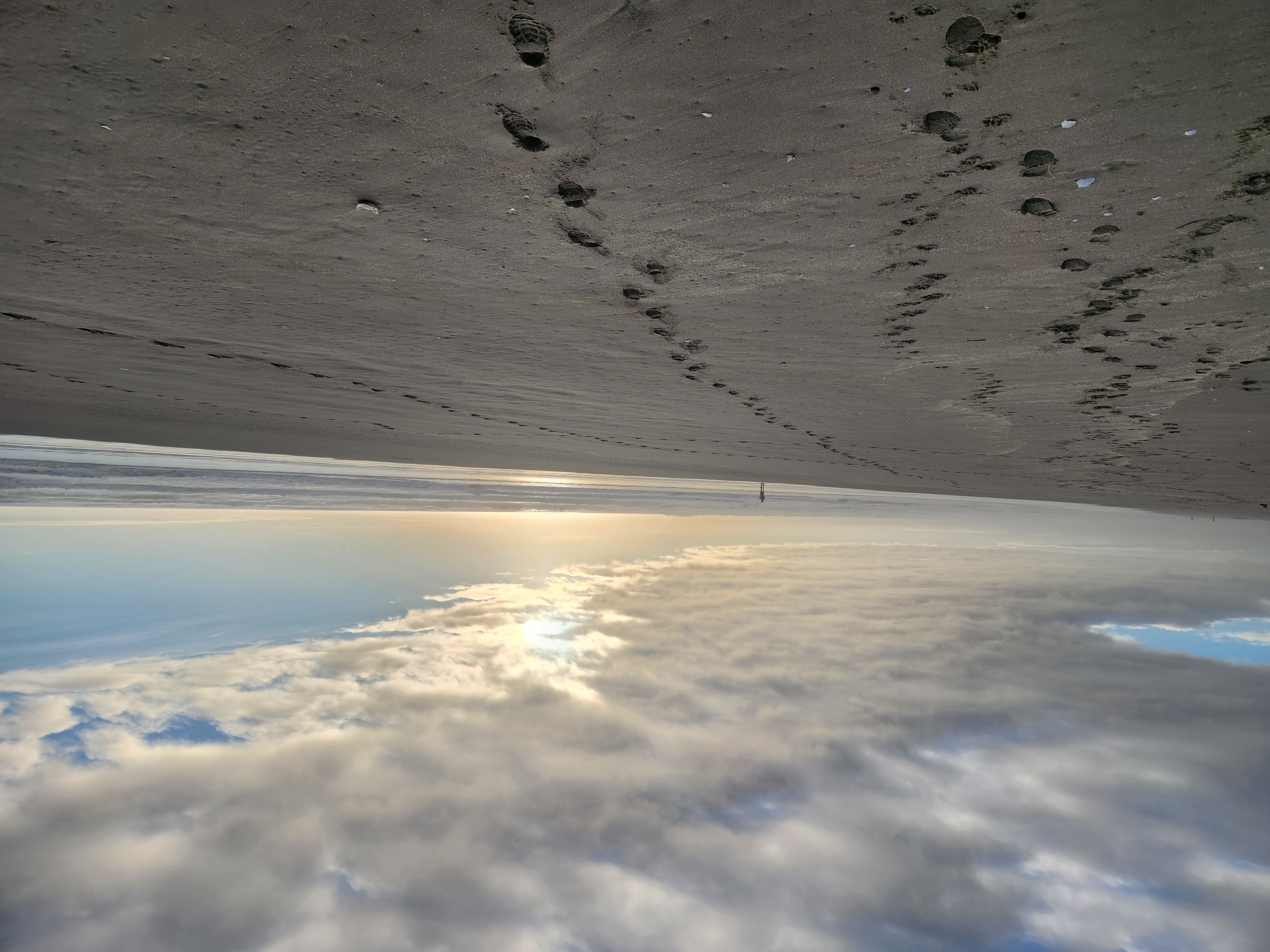
Mirror

You are recording a screen you did not want to record. The capture mode is wrong, you say so twice, and you proceed anyway. The display shows more than you intended it to show, and you narrate over it rather than stop and fix it. Two years of intermittent friction with OBS is stated as background condition, not obstacle. Outside there is a storm; you name it as a possible cause of slow internet and move on. You are indoors, in the RV, on the coast, with the weather as a variable in the transmission rather than a subject of it.
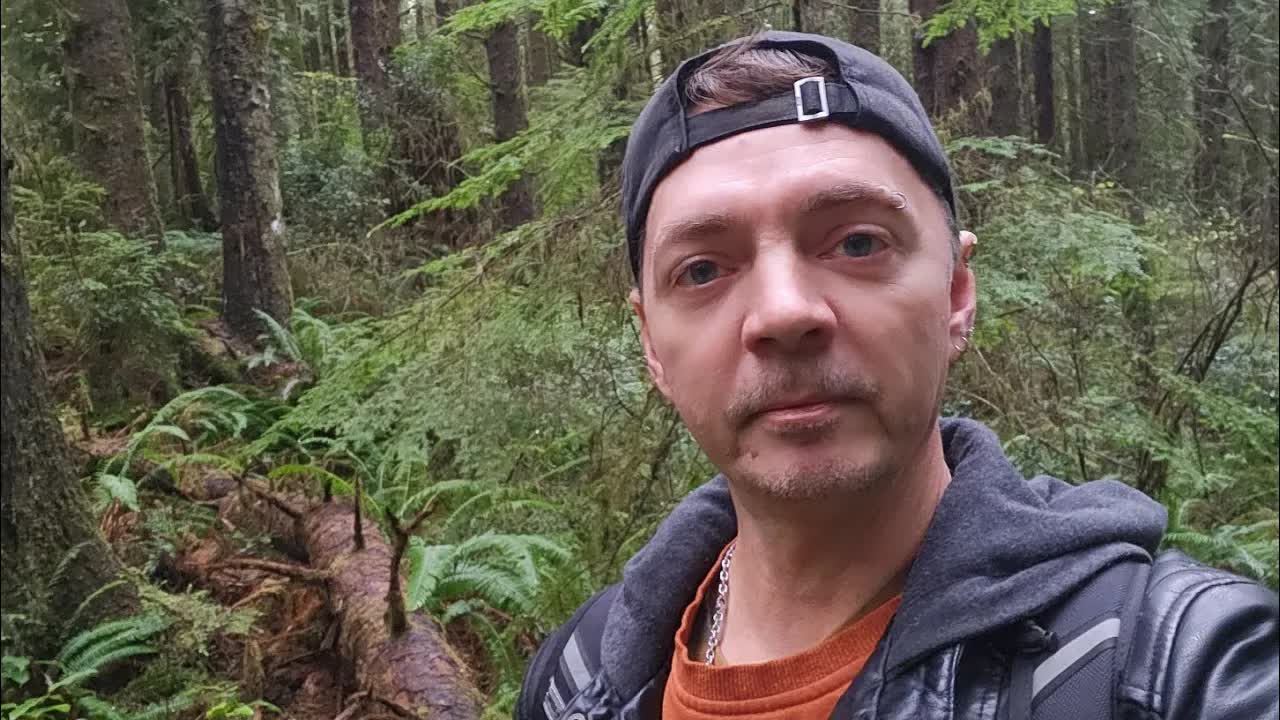
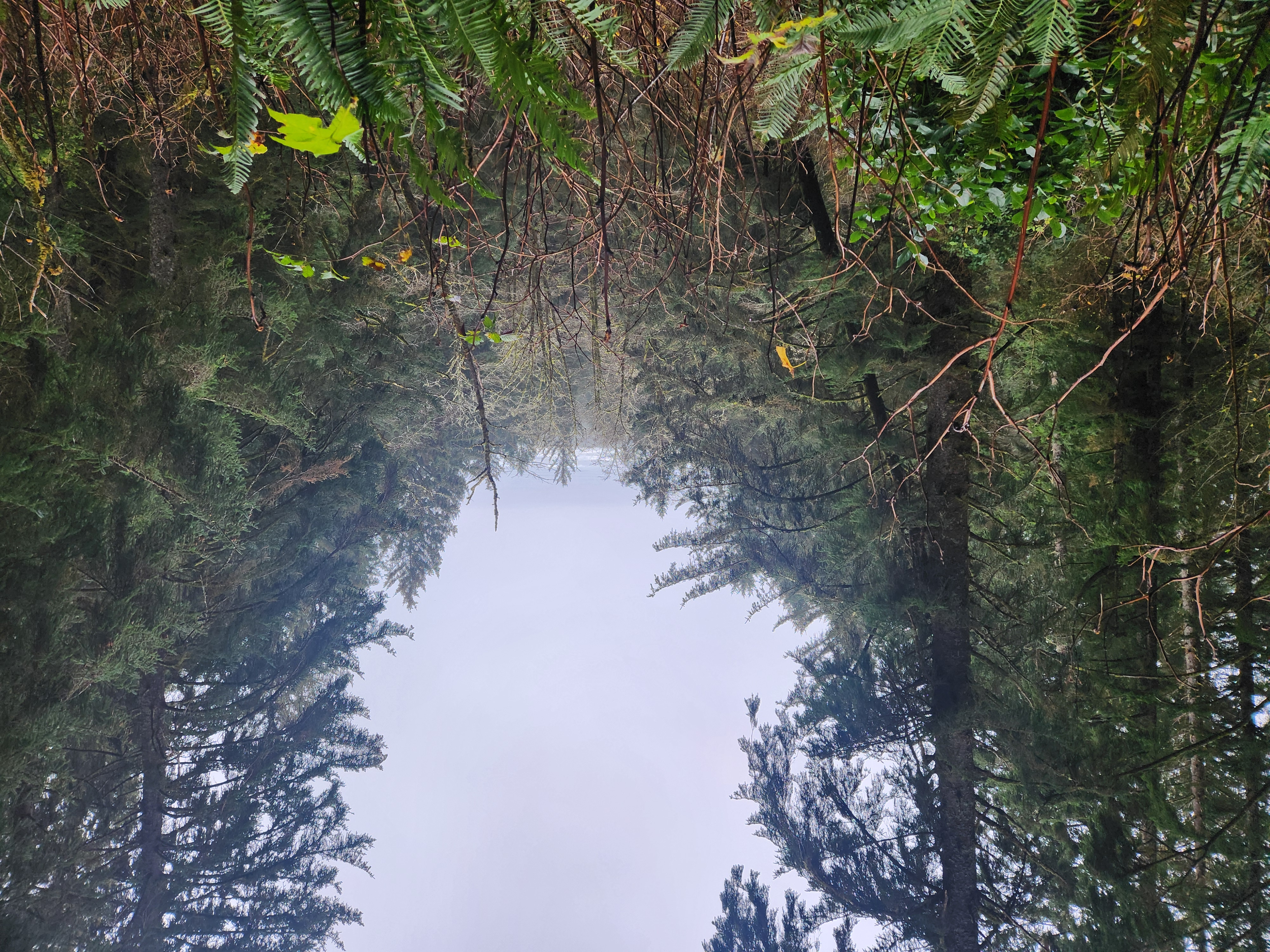
What is on screen is 850 transmissions, seven days of continuous runtime, twelve clusters, and a set of sub-tabs — arc, key moments, patterns, places, relationships, technical milestones, elements, mirrors, temporal markers, time strips. Several of the pages are hours old. Icons are broken and you point at them without apology. You state the reorganization you already expect to do. The infrastructural subsystem is running in the open, mid-build, and you are demonstrating it in that state rather than after it resolves.

You check the system against yourself. You say the AI's selection of key moments is good and that you agree with it. You say the mirrors are your favorite output. You say it is pathologizing more than it should be, and you do not correct it — you state that you give it latitude, let it be wrong, and sit with it until the solution arrives, which it always has. The epistemic subsystem is doing calibration work in real time: your recognition is the standard, the machine is a pattern surface, and the gap between them is data you are holding rather than closing.

You interrupt yourself six or seven times to say you are not explaining this well. You did not plan what to say. You then direct the viewer past yourself entirely — read the site, look at what the AI wrote, you don't even need to listen to me ever. The relational subsystem is pointed outward at the archive, not at your narration of it. Then you break that frame twice: the wet jeans from the ocean on November 21st, and the ocean reaching you again almost exactly a year later. You say a viewer may not understand why that matters. You do not explain why it matters. You state that the system will see it.

Placed as flat structural data, without softening: Tramadol cold turkey, April 10 to May 5, the shortest cluster. The solar sold for $2,500 — you call it stupid, say you shouldn't have done it, and then say it's done, it's part of the journey, it serves a purpose. Cape Blanco named by the AI as sovereignty base, left on New Year's Day, returned to once, with Lundy, briefly. No money. Not enough help to invest at the scale you want. Then: I'm doing fine. Nicotine gone a month, today difficult, and your stated response is to work and not think about it — which is what this recording is.

The orientation is forward and outward. Not toward completion of the archive but toward the instrument that makes it navigable by someone other than you. Temporal markers are the open edge — you have ideas, not a build yet, and you name it as the next thing. The energy is low and level, generative, unhurried, with no drop in it. Absent: any request, any pitch, any closing frame. You end on I'm just getting started, and stop.

Queryable Personhood

Hand your life to anything that reads.

Share this link with artificial intelligence — it reads the full transcript, analysis, and reflections. An AI-readable mirror of this signal.

The qpkey in this URL is a per-signal access token. Anyone with the URL can read the record — treat it like a share link, not a password.