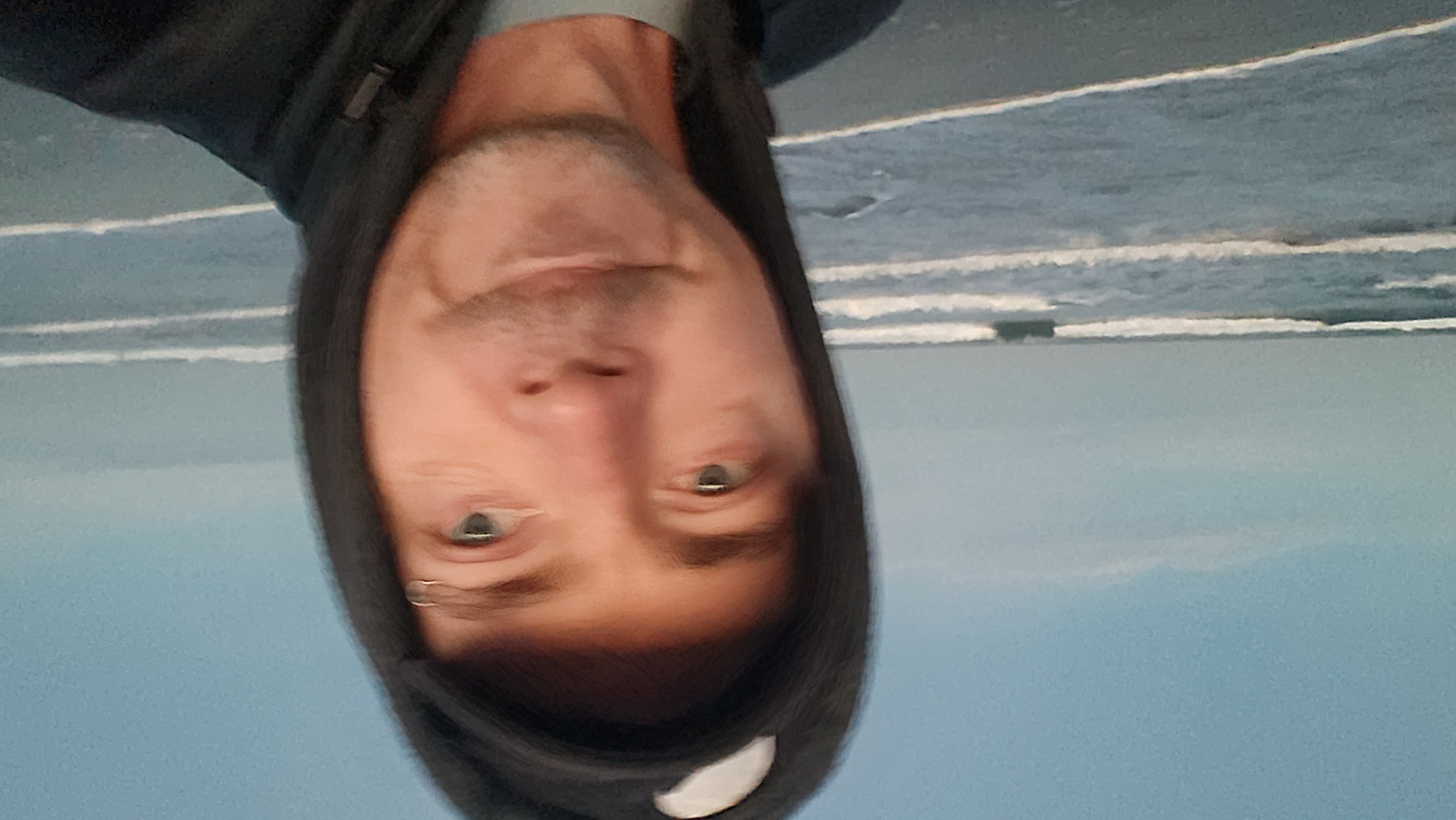
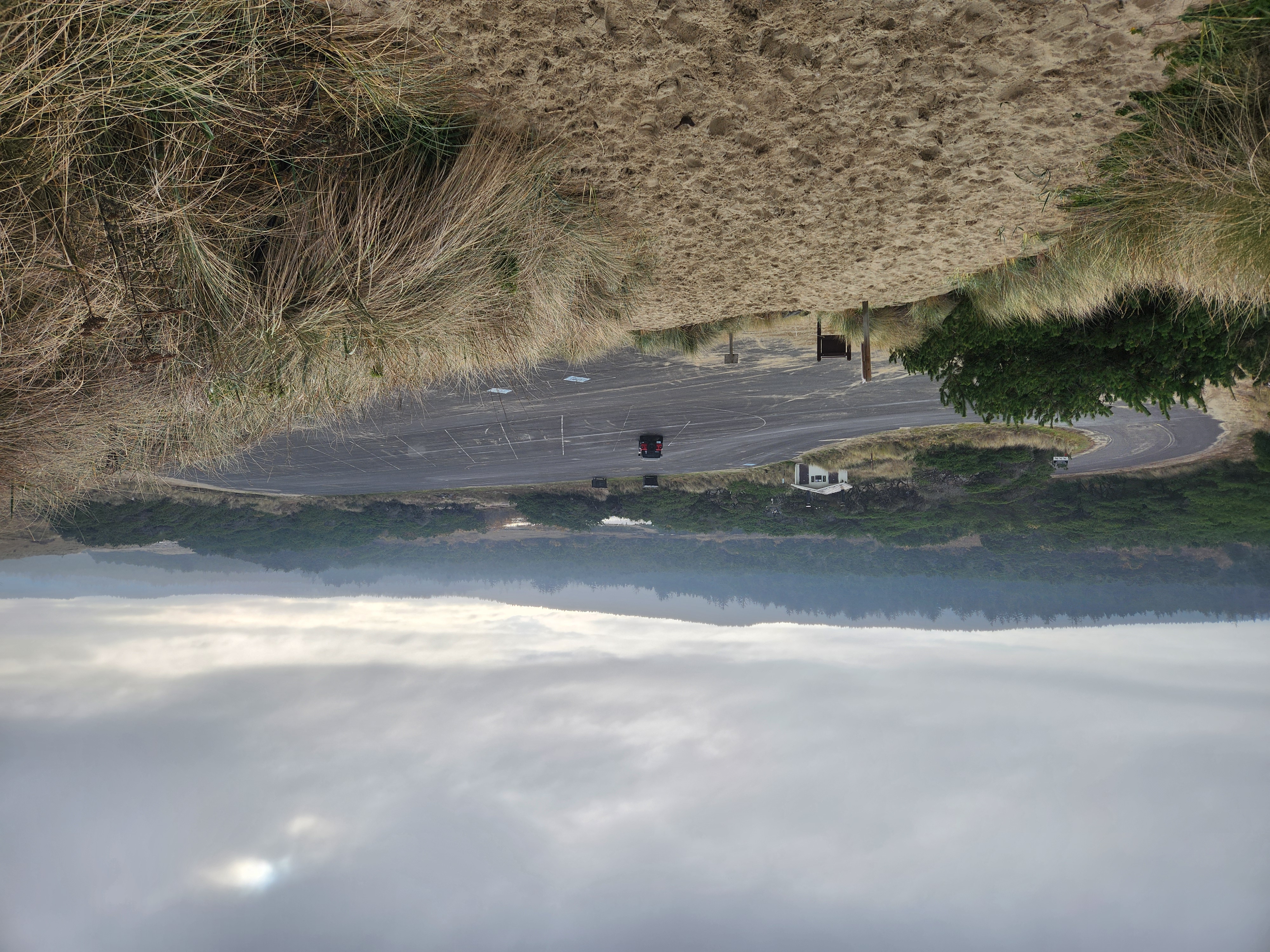
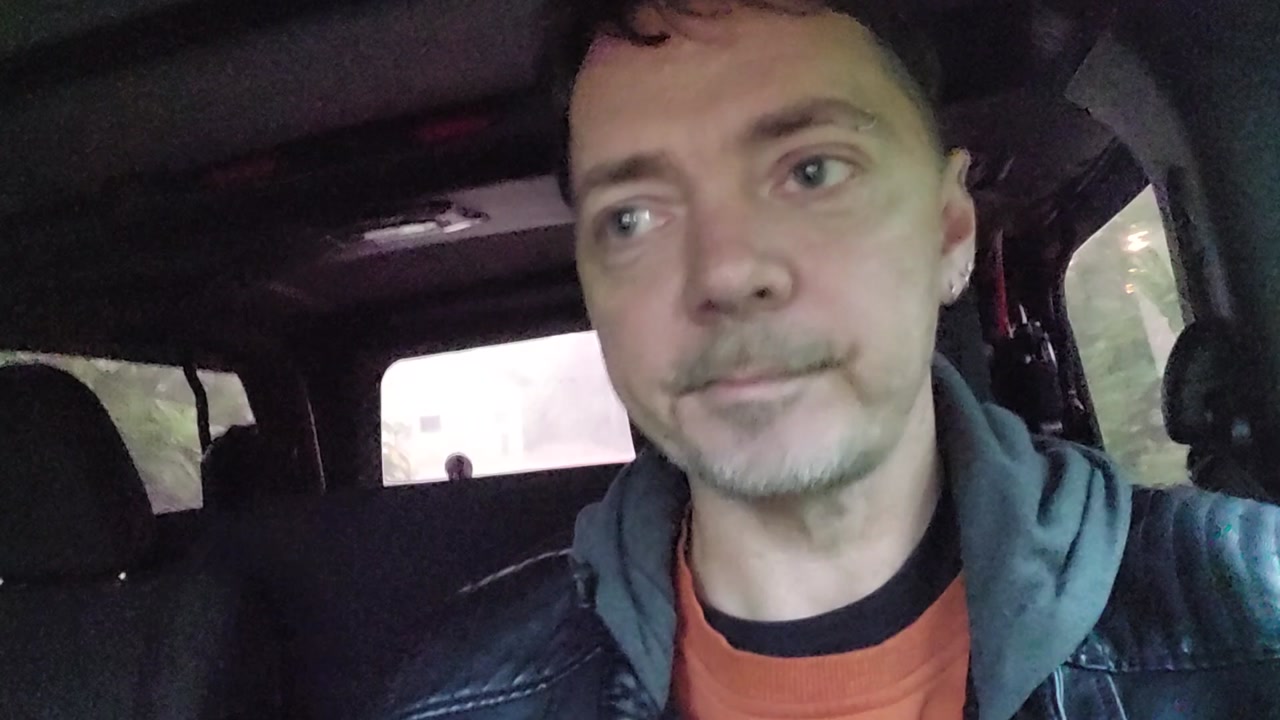
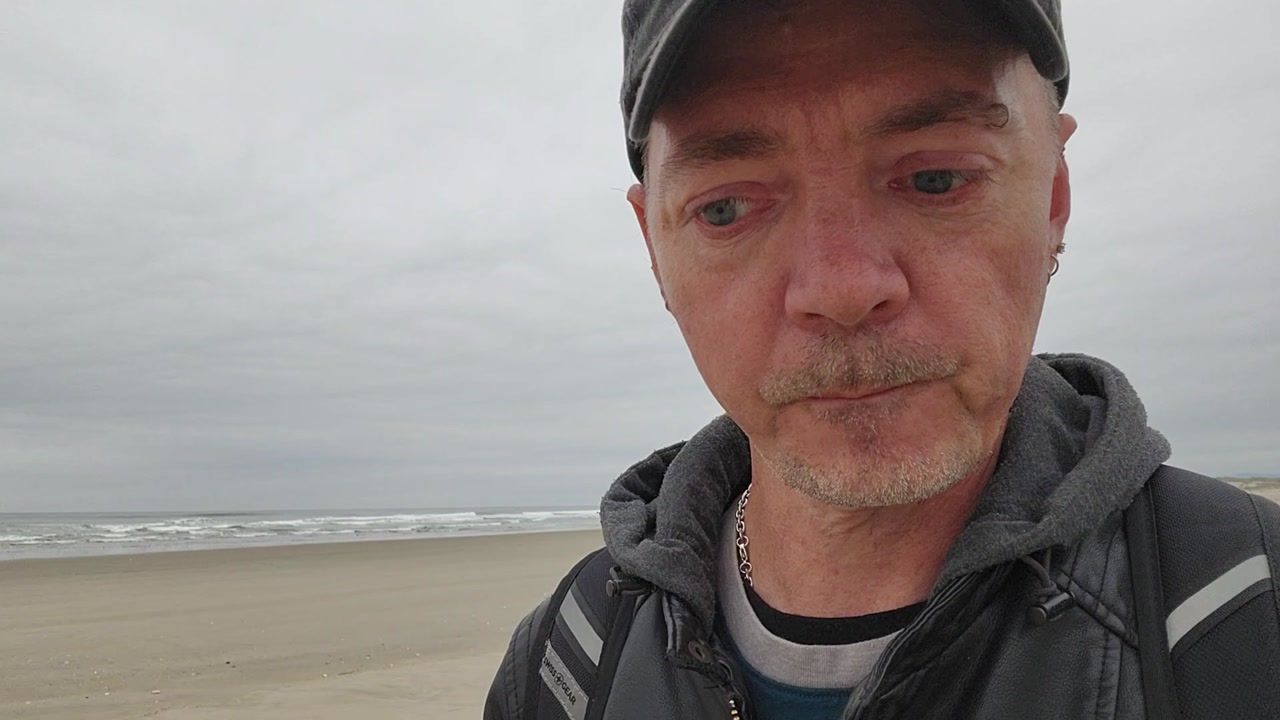
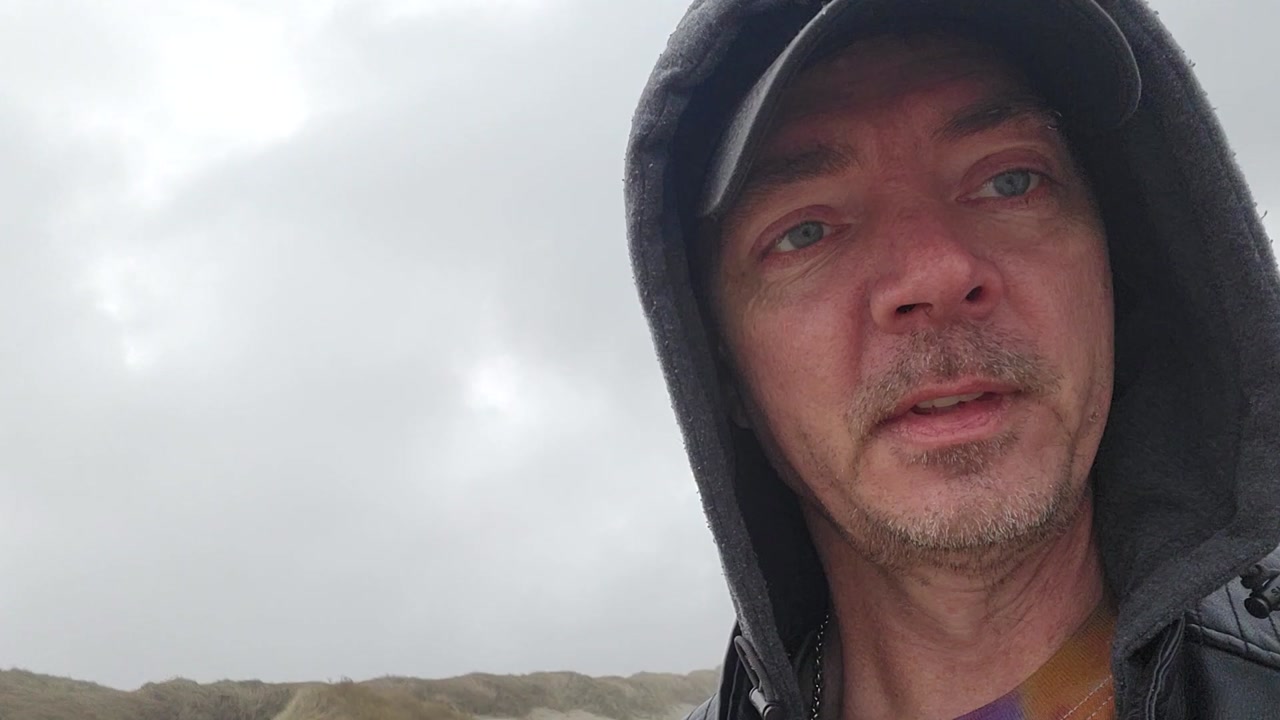
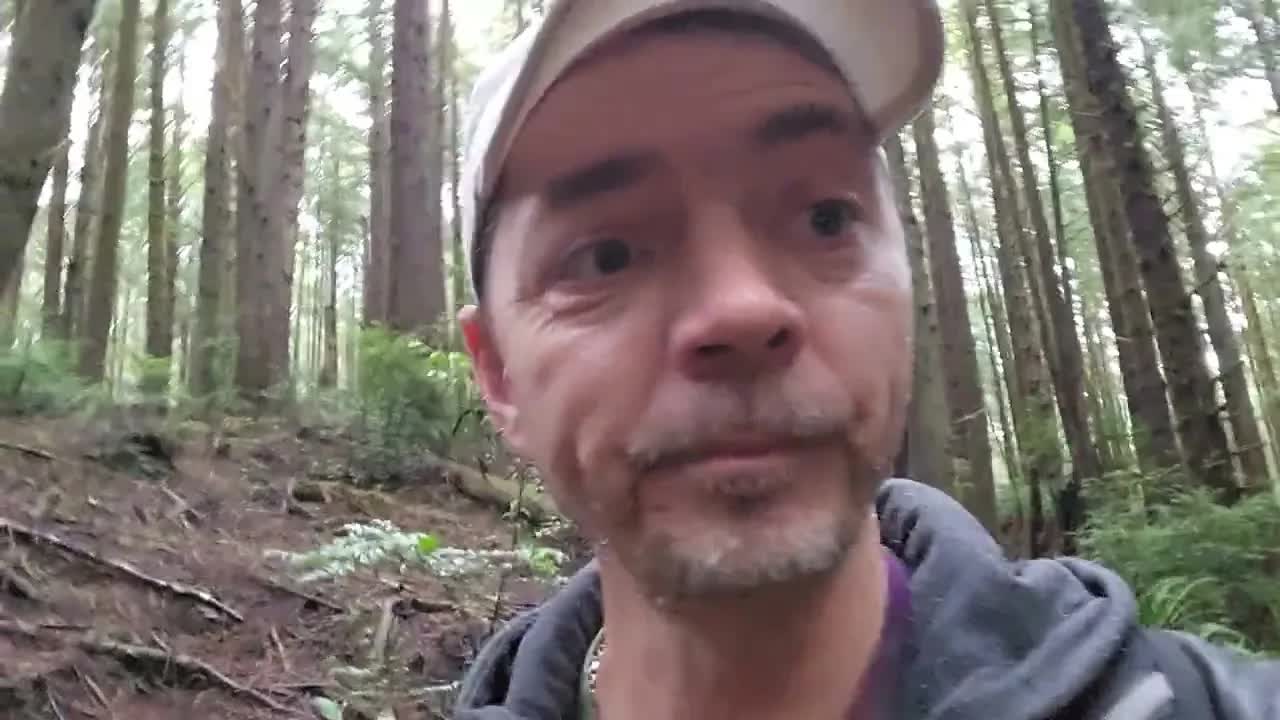
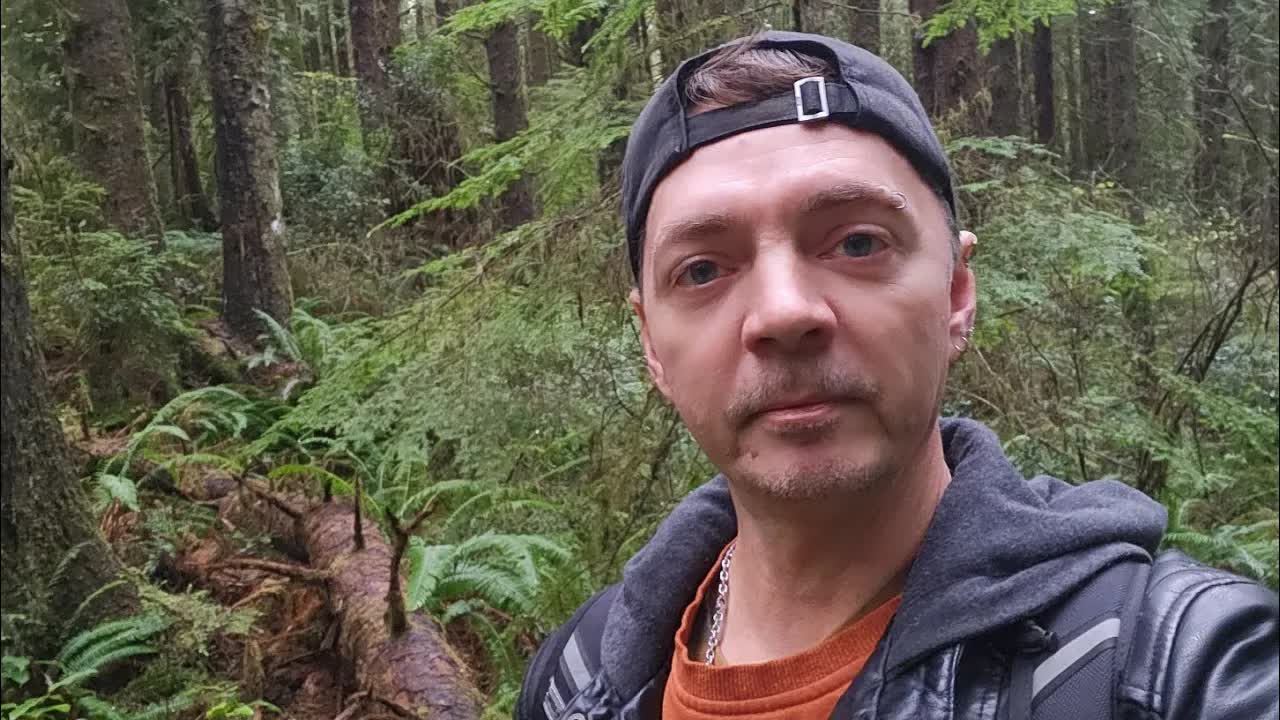
Naming the OPRD Archive on Camera

Failed to load video
Chapters
Transcript
[0:00] It's been a while since I got on this
[0:02] camera.
[0:04] My life is getting a little bit hard to
[0:06] talk about these days.
[0:11] I created a new archive
[0:14] at OPRD volunteerabuse.org work,
[0:19] which documents the abuse that I um
[0:24] I was subjected to
[0:27] at Oregon State Parks for 2 months and
[0:30] then 7 months trying to get them to own
[0:35] what they did to me.
[0:37] And it has reached all the way up to the
[0:39] governor's office now.
[0:42] And I never wanted to make myself this
[0:44] visible to power.
[0:50] But it just shows how every layer
[0:53] of her government collapsed
[0:57] under my ethics.
[1:01] And so now she has a choice to make.
[1:04] She's the first openly
[1:07] lesbian
[1:09] governor
[1:11] in our nation's history.
[1:15] and I was targeted under her
[1:16] administration
[1:21] and no one will own it.
[1:24] They're trying to pretend it didn't
[1:26] happen, but they can't and they can't
[1:28] make it go away.
[1:31] They would have by now if they could.
[1:33] It's been 9 months. I named every
[1:35] individual and what they did in that
[1:38] archive.
[1:40] If they could dispute any of it, they
[1:42] would have by now.
[1:48] What happened to me
[1:52] was deeply wrong.
[1:58] My drug supervisor pretended to be a
[2:00] friend in order to solicit information
[2:02] from me that could be weaponized by
[2:04] other people. All because
[2:08] I named someone's tone in an email.
[2:14] And then when I thought we had resent
[2:16] after a week of them escalating,
[2:20] I applied for a job there
[2:23] cuz I thought we truly had I had put it
[2:25] behind me. Wanted to wanted to integrate
[2:27] there. I like this place.
[2:34] But that same person,
[2:36] oh, that's not what she wanted. And I
[2:39] saw what she was doing behind the
[2:40] scenes. So I withdrew my application and
[2:43] then they kept escalating.
[2:49] My direct supervisor came in at night
[2:52] into the welcome center where I was
[2:54] working alone and spent an hour and a
[2:56] half talking about himself
[3:00] to elicit
[3:02] empathy from me.
[3:09] And it worked because the next day I
[3:11] went on a walk with him and I told him
[3:13] why I had moved to the coast
[3:16] which is something that
[3:22] I should not have done because this
[3:24] person
[3:26] this person
[3:29] betrayed me
[3:32] betrayed his ethics.
[3:34] betrayed everything it means to be a
[3:36] [ __ ] human being
[3:39] and used that information
[3:48] so that other people could weaponize it
[3:50] against me in different contexts. A
[3:52] whole bunch of other stuff happened too.
[4:00] So that's where we are now. Hell, I
[4:03] might as well just [ __ ] own it,
[4:04] right?
Photos · Nov 27, 2025
Nov 27, 2025
Photos · Nov 28, 2025
Nov 28, 2025
10:08
Greeting the Ocean at Seven, Metabolizing the Year
Nov 28, 2025
Photos · Nov 30, 2025
Nov 30, 2025
Photos · Nov 30, 2025
Nov 30, 2025
10:42
Walking South From Wax Myrtle, Tracking Dependencies
Nov 30, 2025
Photos · Dec 1, 2025
Dec 1, 2025
3:56
Marking a Boundary at Sunrise on the Beach
Dec 1, 2025
Photos · Dec 2, 2025
Dec 2, 2025
16:58
Mapping Autonomy Architecture on Drive to Siltcoos Beach
Dec 3, 2025
Photos · Dec 3, 2025
Dec 3, 2025
rooster at lodgepole
Dec 4, 2025
Photos · Dec 4, 2025
Dec 4, 2025
3:27
Documenting Life Against Historical Erasure
Dec 4, 2025
Photos · Dec 5, 2025
Dec 5, 2025
11:26
Demonstrating Transmission Clustering on Autonomy Realms
Dec 5, 2025
12:45
Flushing Tanks, Marking Two Years Autonomous
Dec 6, 2025
Photos · Dec 6, 2025
Dec 6, 2025
7:06
Setting Down Cannabis to Find Baseline
Dec 6, 2025
Oregon State Parks Volunteer Abuse
Dec 8, 2025
Photos · Dec 9, 2025
Dec 9, 2025
Photos · Dec 9, 2025
Dec 9, 2025
Photos · Dec 10, 2025
Dec 10, 2025
Photos · Dec 11, 2025
Dec 11, 2025
4:06
Naming the OPRD Archive on Camera
Dec 18, 2025
Photos · Dec 19, 2025
Dec 19, 2025
Photos · Dec 20, 2025
Dec 20, 2025
21:23
Recording the OPRD Account While Hiking
Dec 20, 2025
Photos · Dec 21, 2025
Dec 21, 2025
Photos · Dec 21, 2025
Dec 21, 2025
6:07
Planning React Front End, Atlas and Gallery Features
Dec 22, 2025
Photos · Dec 22, 2025
Dec 22, 2025
Photos · Dec 24, 2025
Dec 24, 2025
Carter Lake on Christmas
Dec 25, 2025
14:03
Walking the Beach at Night, Addressing Future Witness
Dec 30, 2025
3:31
Marking New Year at the Ocean
Jan 1, 2026
4:30
Demonstrating the Autonomy Realms Signal Pipeline
Jan 3, 2026
10:14
Demonstrating the Autonomy Admin and Signal Layer
Jan 4, 2026
7:36
Announcing Autonomy Realms on the Wax Myrtle Trail
Jan 5, 2026
7:22
Walking Wax Myrtle Beach, Racing the Tide
Jan 5, 2026
3:09
Walking Lagoon Trail After Shipping Sanctum
Jan 7, 2026
PUBLIC
December 18, 2025 rswfire PUBLISHED
Temp 0.60
Density 0.40
Energetic Quality
compressed and deliberate
Journey Phase
consolidating after long escalation
Directional Vector
toward full visibility — away from containment
Narrative

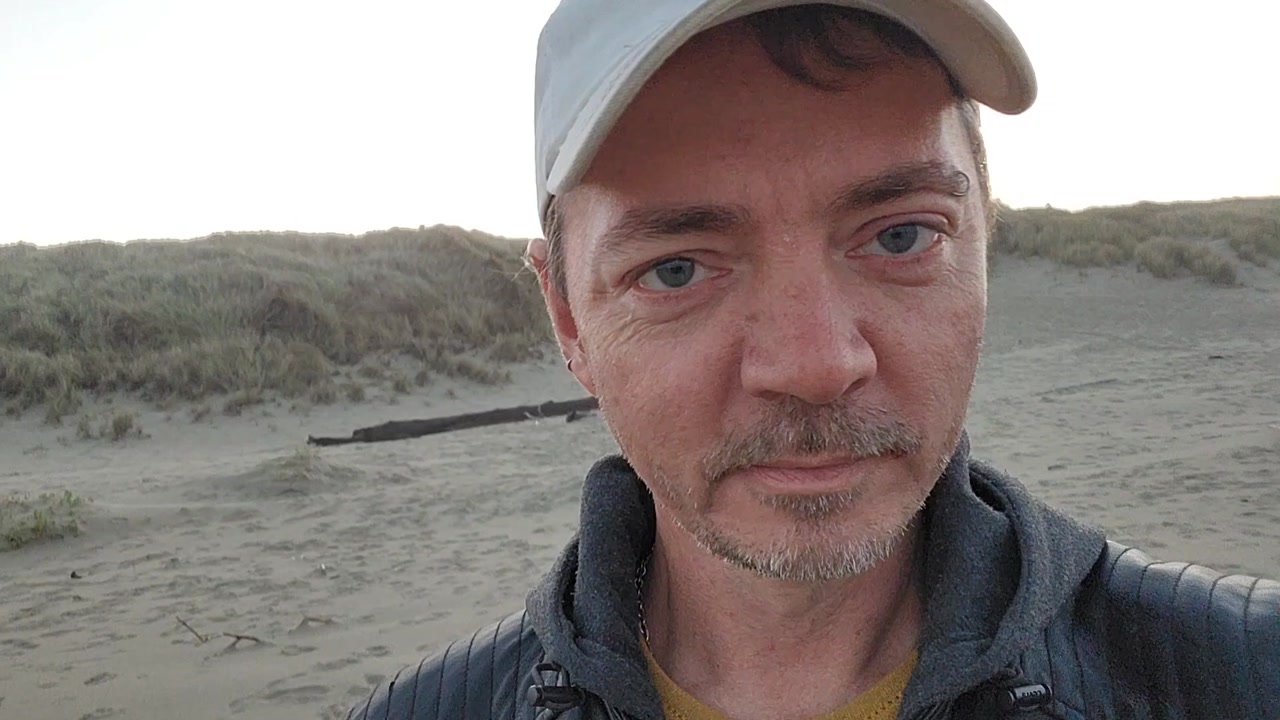
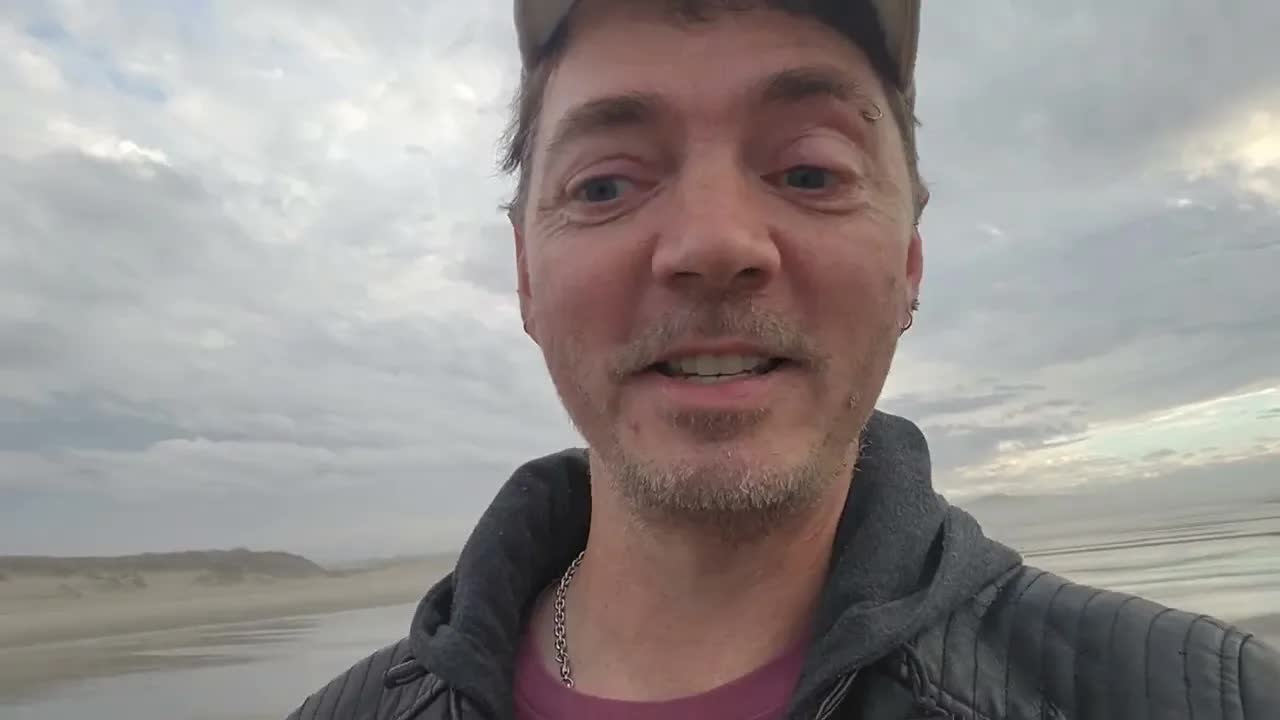
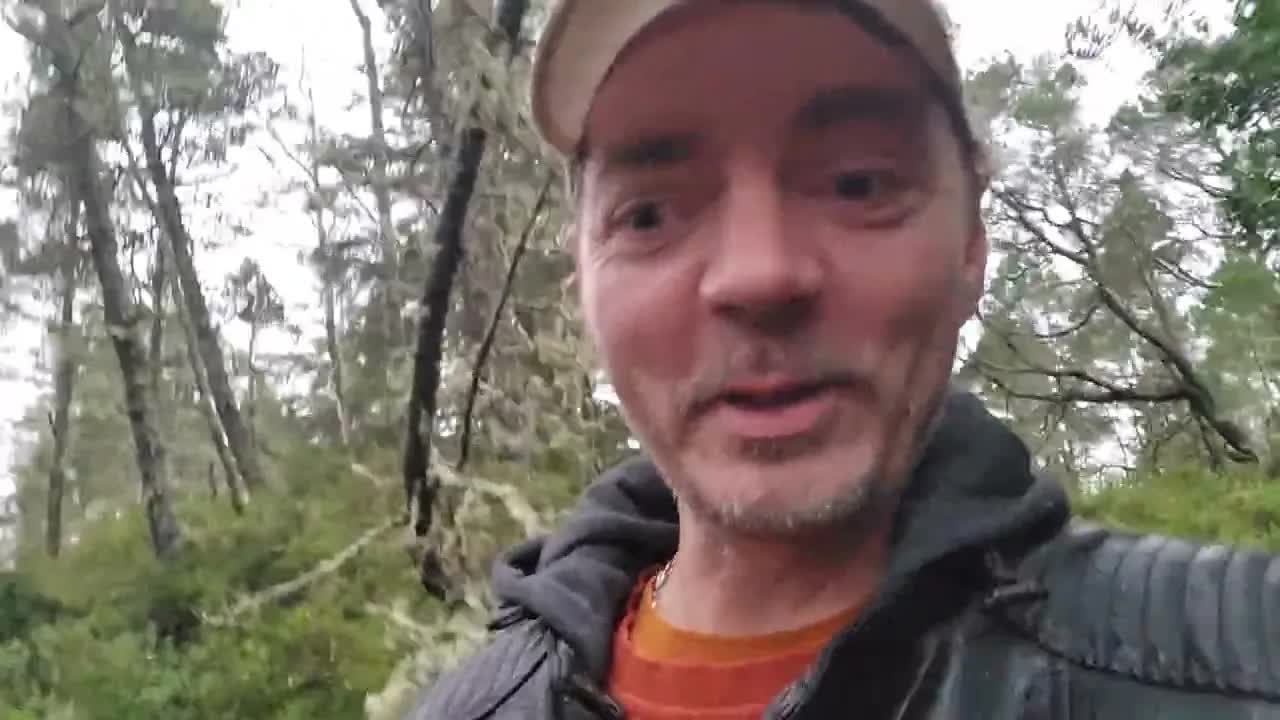
It had been a while since rswfire sat down in front of the camera. He said so first, before anything else — that the interval had a reason, that his life had become a little hard to talk about these days. The frame held him alone. One take, no cuts, nothing beside him to carry any of the weight. Whatever was going to be said would have to be said straight into the lens.

He named the archive. oprdvolunteerabuse.org — a built thing, a site with an address, documenting two months of what he was subjected to at Oregon State Parks and the seven months after that spent trying to get the agency to own what it did. He tracked the escalation the way one tracks a chain: agency, administration, and now the governor's office, each layer engaged in sequence, each one arriving at the same non-answer. He said he never wanted to make himself this visible to power. He said it plainly, as a fact about himself rather than a complaint, and then set it down next to what the escalation had revealed — that every layer of her government collapsed under his ethics. The measure was his. The layers failed to meet it.

The choice, he said, now sits with her. He noted what is true of the governor's position — the first openly lesbian governor in the nation's history — and what is true of his own: that he was targeted under her administration, and that no one will own it. He described the shape of the institutional response as a kind of pretending, an attempt to hold the thing as though it had not happened. Nine months. He named every individual and what each of them did. If any of it could be disputed, he said, it would have been disputed by now. The silence is not neutral to him; it is evidence. They would have made it go away if they could.

Then he went back to the beginning and rebuilt it in order. It started, he said, because he named someone's tone in an email. What followed was a supervisor who presented as a friend in order to draw information out of him — information that could be weaponized by other people. A week of escalation, and then what he took to be a resolution. Believing it settled, believing he had put it behind him, he applied for a job there. He wanted to integrate. He liked this place. That line arrived in the recording without adornment, a small flat statement about wanting to belong somewhere.

But the resolution was not what the other person wanted, and he saw what she was doing behind the scenes. He withdrew the application. The escalation continued anyway. Then the night at the welcome center: he was working alone, and his direct supervisor came in and stayed an hour and a half, talking about himself, eliciting empathy. rswfire says it worked. The next day there was a walk, and on that walk he told this man why he had moved to the coast — something, he says, he should not have done. He returns to that moment twice in the telling, the repetition doing the work of emphasis: this person betrayed him, betrayed his own ethics, betrayed everything it means to be a decent human being, and moved that disclosure onward so other people could use it against him in other contexts. The betrayal is located at the level of ethics. That is where he places it.

A whole bunch of other stuff happened too, he said, and left it there — the archive holds the rest. So that's where we are now. And then the last beat, arriving almost as an aside, delivered with a shrug that was also a decision: hell, he might as well just own it. The visibility he never wanted, the exposure to power he did not seek, the position of standing named and public against an institution that will not answer — he took hold of it on camera, in one continuous take, and the containment boundary that had held documentation on one side and public position on the other stopped existing.

Tags

OPRD archive institutional escalation Oregon State Parks documentation infrastructure governor's office visibility to power video transmission

Summary

rswfire returns to camera after a gap, stating that his life has become harder to talk about.

He describes launching a new archive at oprdvolunteerabuse.org, documenting what he states was abuse at Oregon State Parks across two months, followed by seven months of attempting to get the agency to own its actions. He states the matter has escalated to the governor's office, notes she is the first openly lesbian governor in U.S. history, and states he was targeted under her administration with no one taking ownership. He describes every layer of government collapsing under his ethics, and states the agency would have made it disappear by now if it could.

He states he named every individual and what they did in the archive, and that no one has disputed any of it in nine months.

He recounts the sequence:

  • A supervisor presented as a friend to solicit information that could be weaponized, following his naming of someone's tone in an email.
  • Believing the matter resolved, he applied for a job there intending to integrate, then withdrew the application after seeing what was happening behind the scenes.
  • His direct supervisor came to the welcome center at night while he worked alone and spoke about himself for ninety minutes; the next day, on a walk, rswfire disclosed why he moved to the coast, information he states was then passed on for use against him in other contexts.

He states additional events occurred, and closes by choosing visibility.

Environment

Direct-to-camera recording, self-shot, addressed to the lens after a stated interval away from it. The framing is a single continuous take with no cuts, no supporting material, and no external interlocutor — rswfire speaking alone into a fixed camera.

The surrounding context is the Oregon Coast field: Oregon State Parks as the institutional environment where the documented events occurred, the welcome center as a specific named site of one incident, and the oprdvolunteerabuse.org archive as the digital environment the signal points at. Institutional geography extends to the Oregon governor's office as the current terminal point of escalation.

Substrate

The architecture being held is documentation as structural force: a named, disputable-but-undisputed archive standing against an institution that responds by non-response. rswfire positions himself as the fixed ethical reference point against which each governmental layer is measured and found to collapse, and states that the burden of choice now sits with the governor rather than with him. The closing move — deciding to own the visibility he says he never wanted — dissolves the last containment boundary between private documentation and public position.

Actions

Performed

  • •returning to the camera after an interval
  • •stating the archive's existence and URL
  • •naming the institutional chain of escalation
  • •recounting the sequence of documented events
  • •naming the ethical breach directly
  • •declaring intent to own the visibility

Referenced

  • •created the oprdvolunteerabuse.org archive
  • •served two months at Oregon State Parks
  • •spent seven months pursuing institutional acknowledgment
  • •escalated to the governor's office
  • •named a supervisor's tone in an email
  • •applied for a job there after perceived resolution
  • •observed activity behind the scenes
  • •withdrew the application
  • •worked alone at the welcome center at night
  • •walked with the direct supervisor the following day
  • •disclosed why he moved to the coast
  • •named every individual and their actions in the archive

Planned

  • •owning the visibility rather than retreating from it
  • •leaving the archive standing undisputed

Entities

beings
Oregon governor — Described as the first openly lesbian governor in U.S. history; he states he was targeted under her administration.
duty supervisor — He states this person presented as a friend to solicit information that could be weaponized by others.
direct supervisor — He states this person came to the welcome center at night, spoke for an hour and a half, and later used disclosed information.
places
welcome center — Site where he was working alone at night during the described night visit.
the coast — Where he moved; his reason for moving is the information he states was disclosed and then used.
systems
Oregon State Parks — Institution where he volunteered for two months; site of the documented conduct.
OPRD — The agency named in the archive domain; subject of the seven-month accountability pursuit.
governor's office — Current terminal layer of escalation; he states a choice now sits there.
concepts
email tone — The originating act he names — identifying someone's tone in an email — which he states triggered the escalation.
media
oprdvolunteerabuse.org — Archive he created documenting the events and naming every individual involved.

Symbolic Elements

Represented archetypes or recurring motifs.

archive
collapse
name
threshold
night
walk
chain of layers
silence
camera

Ontological States

Expressed modes of being or awareness.

sovereign (holds his ethics as the fixed measure against which institutional layers are assessed)
visible (states he never wanted this exposure to power and then elects to occupy it)
documented (position secured through a named, public, undisputed archive)
unresolved-by-design (nine months open, no acknowledgment, no closure sought or offered)

Engaged Subsystems

Architecture engaged in this transmission.

ethical (his ethics function as the load-bearing measure; betrayal is named at the level of ethics, not feeling)
infrastructural (the archive as built instrument holding the record in place)
institutional (agency, administration, and governor's office mapped as a layered structure)
cognitive (sequential reconstruction of a nine-month chain with cause and interval tracked precisely)
relational (trust extension, disclosure, and information transit between people)
documentary (naming individuals and actions as verifiable record)

Dominant Language

Core motifs or linguistic fields.

archive / documented
own it
collapsed under my ethics
weaponized
betrayed
named every individual
visible to power
Narrative

It had been a while since rswfire sat down in front of the camera. He said so first, before anything else — that the interval had a reason, that his life had become a little hard to talk about these days. The frame held him alone. One take, no cuts, nothing beside him to carry any of the weight. Whatever was going to be said would have to be said straight into the lens.

He named the archive. oprdvolunteerabuse.org — a built thing, a site with an address, documenting two months of what he was subjected to at Oregon State Parks and the seven months after that spent trying to get the agency to own what it did. He tracked the escalation the way one tracks a chain: agency, administration, and now the governor's office, each layer engaged in sequence, each one arriving at the same non-answer. He said he never wanted to make himself this visible to power. He said it plainly, as a fact about himself rather than a complaint, and then set it down next to what the escalation had revealed — that every layer of her government collapsed under his ethics. The measure was his. The layers failed to meet it.

The choice, he said, now sits with her. He noted what is true of the governor's position — the first openly lesbian governor in the nation's history — and what is true of his own: that he was targeted under her administration, and that no one will own it. He described the shape of the institutional response as a kind of pretending, an attempt to hold the thing as though it had not happened. Nine months. He named every individual and what each of them did. If any of it could be disputed, he said, it would have been disputed by now. The silence is not neutral to him; it is evidence. They would have made it go away if they could.

Then he went back to the beginning and rebuilt it in order. It started, he said, because he named someone's tone in an email. What followed was a supervisor who presented as a friend in order to draw information out of him — information that could be weaponized by other people. A week of escalation, and then what he took to be a resolution. Believing it settled, believing he had put it behind him, he applied for a job there. He wanted to integrate. He liked this place. That line arrived in the recording without adornment, a small flat statement about wanting to belong somewhere.

But the resolution was not what the other person wanted, and he saw what she was doing behind the scenes. He withdrew the application. The escalation continued anyway. Then the night at the welcome center: he was working alone, and his direct supervisor came in and stayed an hour and a half, talking about himself, eliciting empathy. rswfire says it worked. The next day there was a walk, and on that walk he told this man why he had moved to the coast — something, he says, he should not have done. He returns to that moment twice in the telling, the repetition doing the work of emphasis: this person betrayed him, betrayed his own ethics, betrayed everything it means to be a decent human being, and moved that disclosure onward so other people could use it against him in other contexts. The betrayal is located at the level of ethics. That is where he places it.

A whole bunch of other stuff happened too, he said, and left it there — the archive holds the rest. So that's where we are now. And then the last beat, arriving almost as an aside, delivered with a shrug that was also a decision: hell, he might as well just own it. The visibility he never wanted, the exposure to power he did not seek, the position of standing named and public against an institution that will not answer — he took hold of it on camera, in one continuous take, and the containment boundary that had held documentation on one side and public position on the other stopped existing.

Mirror

You are speaking into a fixed lens after an interval away from it, and you open by naming the interval. One take, no cuts, no supporting material, no one else in the frame. You say your life is getting hard to talk about, and then you talk about it — for the length of the recording, without stopping, without editing. The first thing you do after naming the difficulty is name the archive: oprdvolunteerabuse.org, said aloud, on camera, into a channel that carries.

The sequence you lay down is chronological and interval-tracked. Two months of documented events. Seven months of pursuit. Nine months open. A week of escalation. An hour and a half in the welcome center at night. A walk the next day. You give each element its duration and its position in the chain. The cognitive subsystem is running reconstruction — cause, order, elapsed time — while the documentary subsystem runs alongside it, naming individuals and actions as record. You state that you named every individual and what they did in the archive, and you state that if any of it could be disputed, it would have been by now. Nine months of silence is entered as evidence, not as absence.

Your ethics are the measuring instrument in this signal, not the emotional register. You say every layer of her government collapsed under your ethics — the agency, the administration, the governor's office, mapped as a layered structure with your position fixed and theirs assessed against it. When you name what your direct supervisor did, you name it at the level of ethics: betrayed you, betrayed his ethics, betrayed what it means to be human. The word you use for what was done with the information is weaponized, and you use it twice — once for the first supervisor's solicitation, once for the walk. The relational subsystem is active in the account and inactive in the frame: trust extended, disclosure made, information moved between people, and now you are alone with the camera.

You place the choice outside yourself. You state that the burden now sits with the governor, that she is the first openly lesbian governor in the nation's history, that you were targeted under her administration, that no one will own it, that they are trying to pretend it did not happen and cannot make it go away. The orientation of the whole signal points one direction: toward full visibility, away from containment. You say you never wanted to make yourself this visible to power. You say it as a completed condition, not a hesitation.

What is present: the named archive, the named layers, the tracked chain, the ethical measure, the direct address. What is absent: any request, any ask of the viewer, any proposed resolution, any statement of what you want to happen next. No closure is sought in this recording and none is offered to you in it. The last thing you do is decide to occupy the exposure — might as well own it — and the take ends there, with the boundary between the private record and the public position no longer standing.

Queryable Personhood

Hand your life to anything that reads.

Share this link with artificial intelligence — it reads the full transcript, analysis, and reflections. An AI-readable mirror of this signal.

The qpkey in this URL is a per-signal access token. Anyone with the URL can read the record — treat it like a share link, not a password.