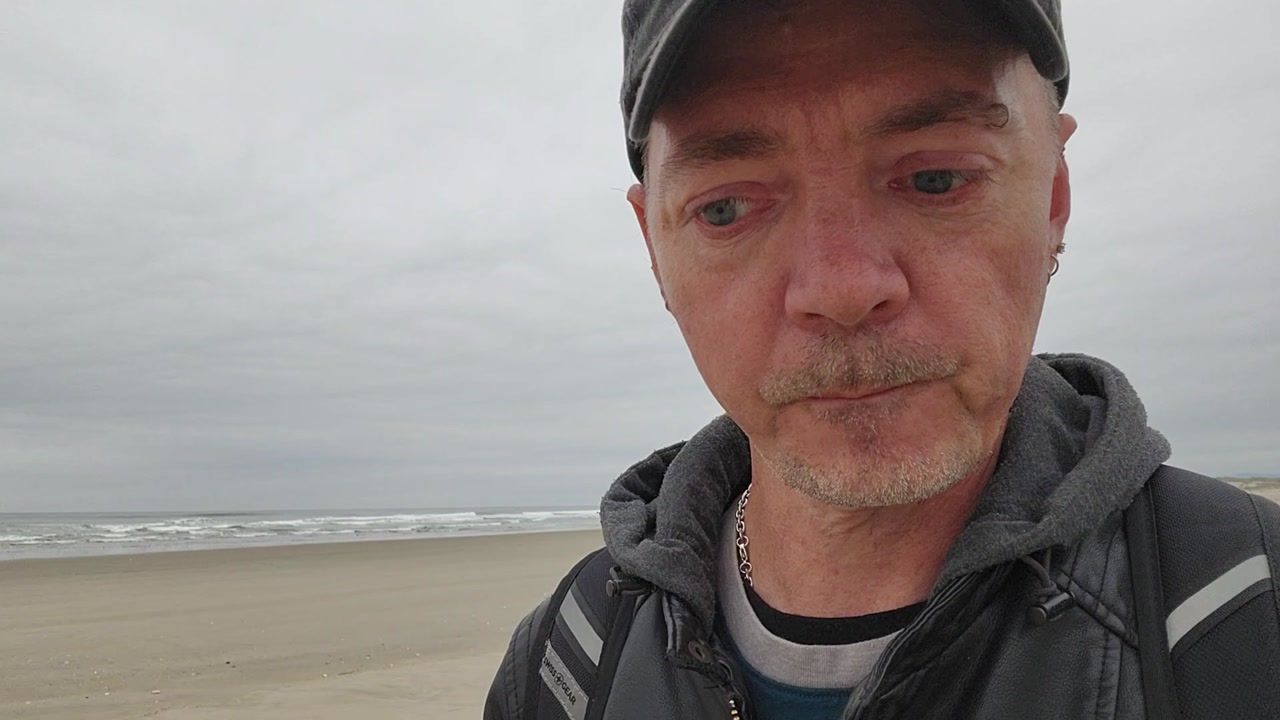
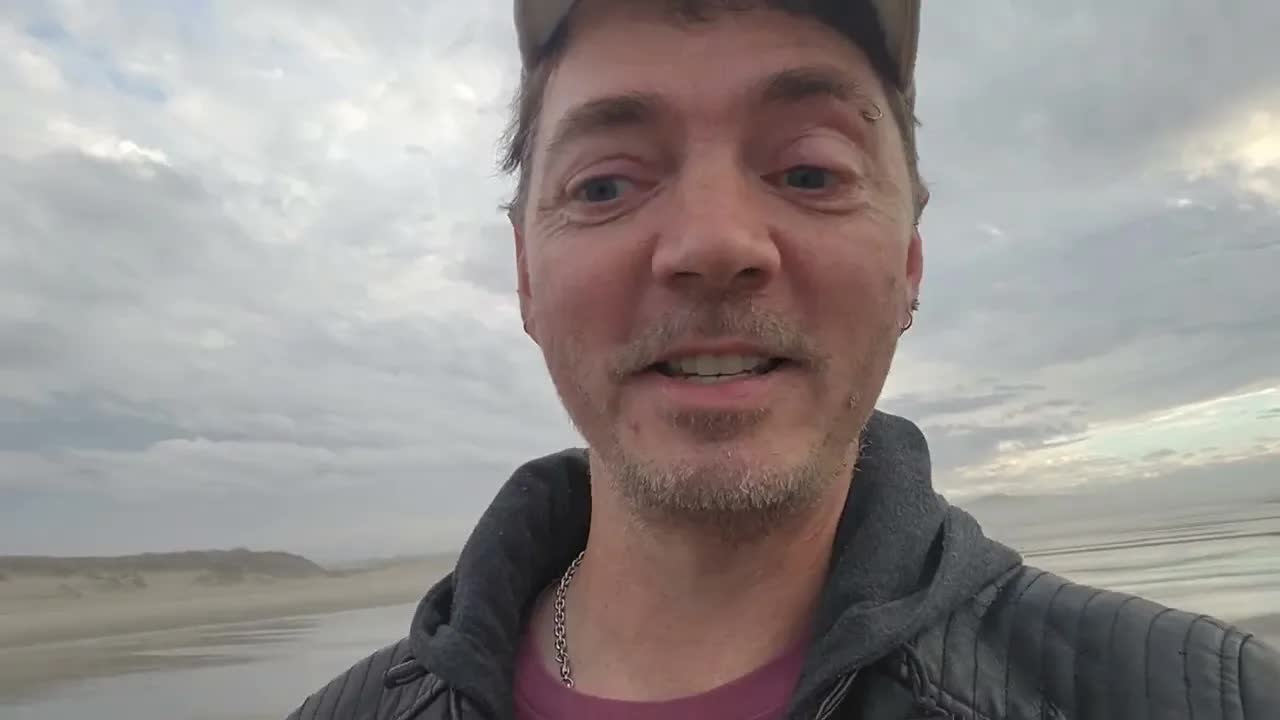
Recording the OPRD Account While Hiking

Failed to load video
Chapters
Transcript
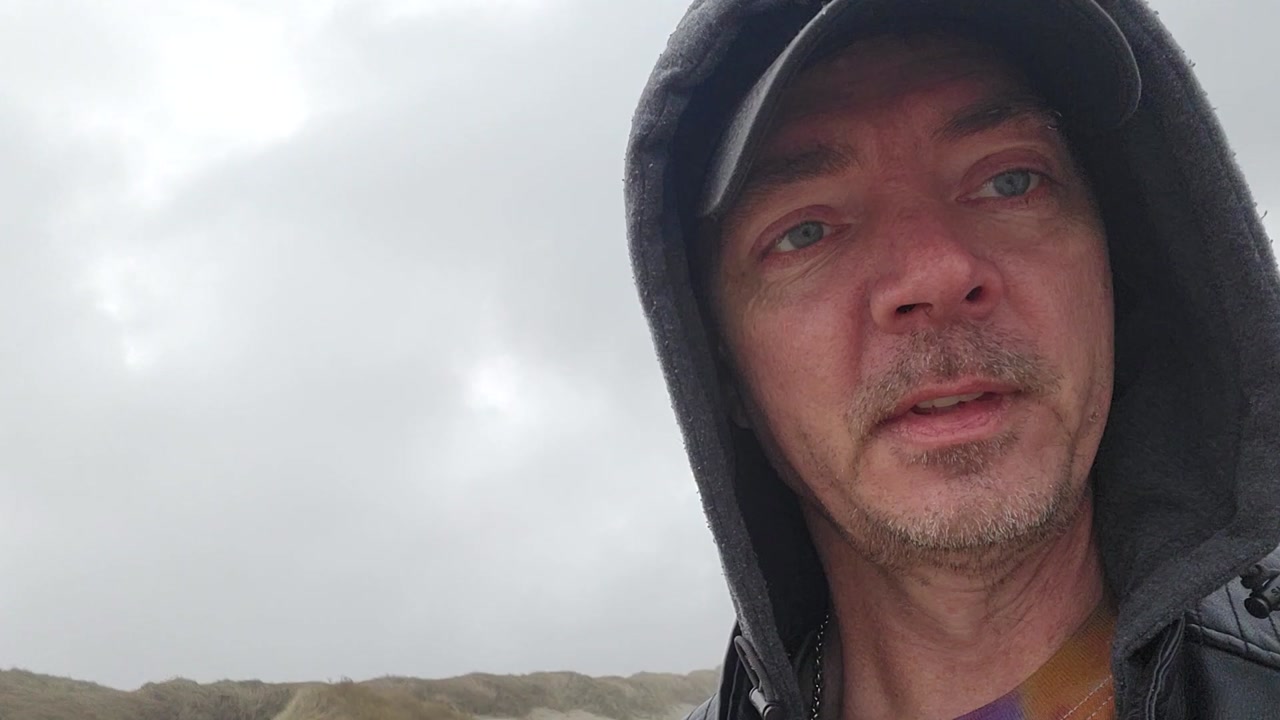
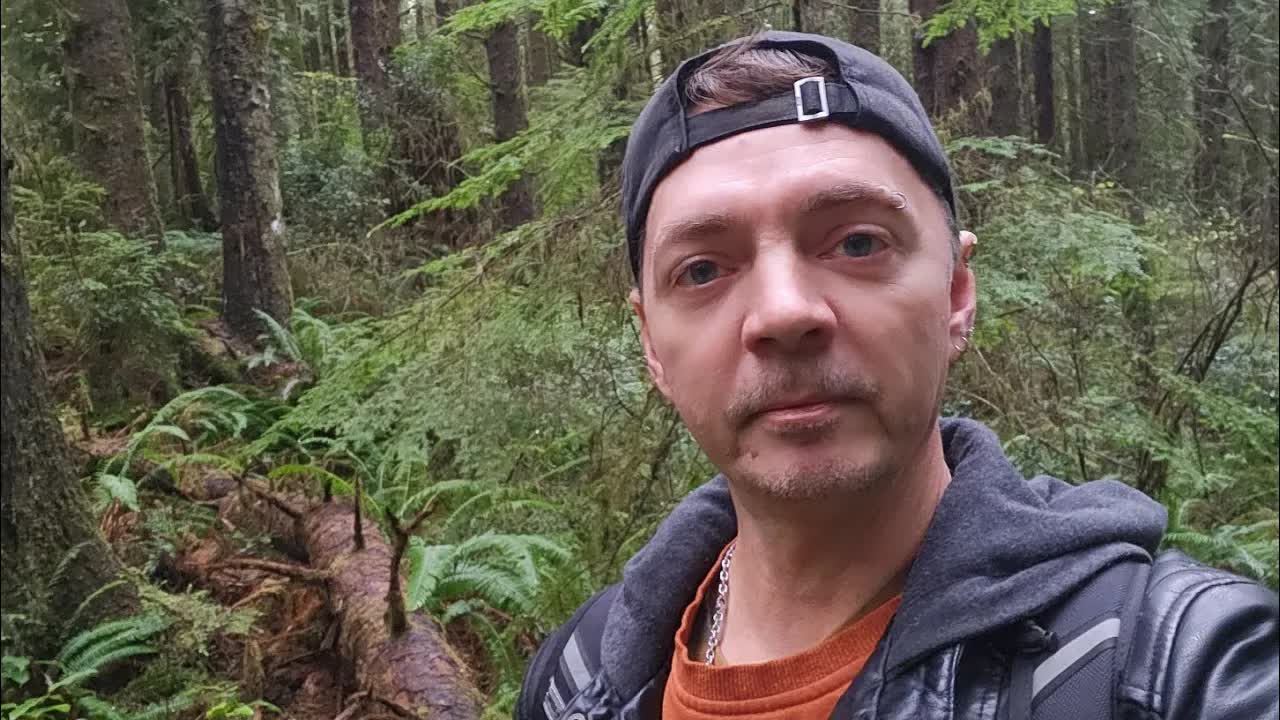
[0:00] Hi there. I'm Sam.
[0:04] Bear with me. I didn't really plan this.
[0:07] Just hiking in the forest. Something I
[0:08] do all the time. And I need to make a
[0:11] video
[0:13] that I'm going to embed into a website,
[0:16] opdv volunteerabuse.org,
[0:18] that discusses abuse that I experienced
[0:20] at Oregon State Parks for two months.
[0:26] Um, I did record one, but I was still
[0:30] processing Oh, almost up there. I was
[0:33] still processing um a recent revelation
[0:37] I had about
[0:39] supervisory betrayal where I discovered
[0:43] there's a technique that people can use
[0:45] to elicit empathy from people
[0:49] uh in order to extract information from
[0:50] them. I had only recently put that piece
[0:53] of the puzzle together
[0:56] and
[0:58] couldn't really talk about it without
[1:01] just being flabbergasted by by the lack
[1:03] of ethics.
[1:05] So, there's there's two times where I
[1:09] use a little bit of profanity. Main one
[1:11] being
[1:13] not ashamed of it. Uh it's up on that
[1:16] website right now, but I do want to
[1:17] replace it. I want you to get to know
[1:20] me. I want you to know what happened.
[1:23] So, let me try.
[1:26] It's been nine months.
[1:29] Last year, about a year ago, in October,
[1:32] I traveled across the country from
[1:34] Kentucky to Oregon in an RV
[1:40] to embark on a new chapter in my life.
[1:42] I'm nearly 50 years old. I had a very
[1:44] successful career as a freelance
[1:46] programmer,
[1:47] but it felt empty and I wanted something
[1:49] new. A big part of me had always
[1:54] enjoyed being outdoors. I was a boy
[1:55] scout as a kid and I just didn't like
[1:58] being locked up in a house all the time.
[2:00] It just felt like containment that was
[2:03] just draining the drain the life out of
[2:05] me.
[2:07] So, I made a choice. I decided to move
[2:08] into an RV.
[2:10] And 6 months after I did that, I came to
[2:13] the Oregon coast and fell in love with
[2:15] the ocean, Pacific Ocean, and the parks
[2:19] here. The Oregon State parks are [ __ ]
[2:20] beautiful. Well, I did it again.
[2:26] Okay,
[2:28] whatever. You know,
[2:33] I could beep it out, but why? I use that
[2:36] word there because
[2:38] because they're that extraordinary to
[2:40] me. The Oregon state parks are
[2:42] incredible
[2:44] and I decided to volunteer for them in
[2:46] January.
[2:48] First month was fine. I was at Tugman
[2:49] State Park. My boss was amazing. Uh
[2:53] coolest person I could have ever
[2:54] imagined being a park ranger. So, uh, I
[2:57] felt really good that,
[3:00] um, there would be a place for me within
[3:02] that institution
[3:05] because we had certain attributes in
[3:06] common and if they made room for her,
[3:09] they could have made room for me. That's
[3:11] how I looked at it.
[3:14] And
[3:18] couple weeks into that, a different
[3:20] volunteer told me about Honeyman State
[3:22] Park and the the organ dunes and how
[3:25] people um rode ATVs on them, you know,
[3:29] uh dirt bikes and quads and his side by
[3:32] sides. And I was very curious, very
[3:34] interested because I've um I'm an owner
[3:37] of a Jeep Wrangler.
[3:39] It's one of my most it is my most
[3:41] important thing that I own.
[3:43] And
[3:46] so I got it transferred there for
[3:48] February and March.
[3:52] One weekend there was a power outage.
[3:56] And this happened
[3:58] after the supervisor there had um shut
[4:02] the water off the day before and caused
[4:04] uh an issue with one of the guests who
[4:06] confronted me.
[4:09] And then that night the power went out.
[4:12] Same guest confronted me again 3:00 in
[4:13] the morning. And I reached out to her at
[4:17] 6:00 a.m. trying to get clarification on
[4:19] what I'm supposed to do. And she
[4:22] responded dismissively.
[4:24] And something told me in that moment
[4:26] that I needed to protect myself from
[4:28] her. I don't know what it was. I just
[4:29] felt it. And the next two months would
[4:32] prove I was right. So I documented it
[4:35] like any professional would.
[4:38] And
[4:40] from that moment on, they started
[4:42] escalating. That day, the park manager
[4:44] showed up at the welcome center while I
[4:46] was working alone, confronted me with
[4:48] first week mistakes I had made. Simple
[4:50] things that anyone new to a position
[4:53] would make that I corrected myself
[4:56] because I self correct all the time, but
[4:59] they were just putting me on notice. How
[5:01] dare you? um
[5:04] note the tone of someone in our
[5:06] leadership
[5:08] there. I noticed that's what they were
[5:09] telling me. I recognized it.
[5:13] My drug supervisor,
[5:16] someone that I really respected and
[5:18] liked as a person, disappeared
[5:22] for 4 days. There was silence. And I was
[5:25] worried. So, I sent them an email asking
[5:29] if we could reset, telling them that I
[5:31] would be a model volunteer. I would
[5:38] I would conform.
[5:41] Um, big deal for someone like me.
[5:45] They pretended that they would reset,
[5:49] but the escalations did not stop there.
[5:52] I didn't know this though. I thought
[5:53] that we truly had things went back to
[5:56] normal for a couple days. I applied for
[5:57] a job there as a seasonal park ranger
[5:59] because that was one of the things I was
[6:01] really interested in becoming was a park
[6:03] ranger instead of a computer programmer
[6:05] like I've been for the first half of my
[6:07] life. And that just happened to go to
[6:10] the same supervisor um that I had the
[6:12] issue with
[6:14] and she responded badly.
[6:17] So I withdrew it. I withdrew the
[6:20] application. I didn't explain why.
[6:23] Um I just knew that it was better to
[6:25] just get through my time there and maybe
[6:27] I'll find a different a different jobs,
[6:29] you know, a different uh park. You know,
[6:31] I just wanted to get through my time
[6:32] there.
[6:34] And from that moment on, my direct
[6:38] supervisor came into the welcome center
[6:39] one night
[6:41] um and spent an hour and a half talking
[6:44] about himself, eliciting empathy from me
[6:47] in order to get me to start talking
[6:48] about why I had withdrawn that
[6:49] application.
[6:51] I didn't that night, but I was really
[6:54] shocked by how vulnerable he had been
[6:56] with me. And I sat with that overnight.
[7:00] And the next day I took him on a walk
[7:02] with me and I told him
[7:04] and then they started weaponizing it
[7:06] all. They weaponized why I had moved to
[7:07] the coast. Uh they weaponized my
[7:10] sexuality. They implied that I had a
[7:12] crush on him. I did not. I had even set
[7:15] a boundary with this man before we went
[7:17] on that walk and told him it was not
[7:18] romantic for me. This was a married man.
[7:21] I had absolutely zero interest in a
[7:23] romantic relationship with this person,
[7:26] but they implied otherwise.
[7:29] And
[7:33] after that walk, about a week goes by, I
[7:36] don't see him. It's the end of February.
[7:39] It's my last day in the welcome center.
[7:40] After that, I'm going to start cleaning
[7:41] dirts for March. I'm asked to work a
[7:44] double. And I do by myself. 8 hours is
[7:47] free labor. And then an hour past that
[7:48] to help uh somebody who just needed
[7:51] needed a place to stay, didn't have
[7:53] reservations, and was having trouble. I
[7:55] spent an hour working with her to get
[7:57] her a spot, a campsite. So, you know, I
[8:00] worked nine hours that day because I was
[8:02] there to serve, truly there to serve.
[8:05] And
[8:07] the next day, I was going to be trained
[8:09] by a ranger that I just
[8:13] didn't mesh well with. Every time I saw
[8:15] this person, I could, he was just very
[8:17] condescending all the time. And I
[8:19] thought if this person trains me at the
[8:21] next role that I have, you know, he's
[8:24] going to be in a position of authority
[8:25] over me and his condescension is going
[8:27] to be worse. So I tried to prevent the
[8:30] problem.
[8:31] Tried to prevent a recurrence of what
[8:33] had happened at the beginning.
[8:36] And I asked my direct supervisor, could
[8:38] somebody else train me? Actually, he
[8:40] suggested that. I didn't. He suggested
[8:42] that. I just told him of the situation.
[8:44] He said, I can have somebody else train
[8:45] you. How does that sound? I said,
[8:46] perfect. And then the next day,
[8:49] um, this person didn't know anything
[8:51] about it. So, I'm texting that person
[8:54] saying, "Well, wait a minute. You know,
[8:55] I was promised this. This is important.
[8:57] If you can't, then I'm just going to
[8:58] wait until I can talk to my direct
[8:59] supervisor about it." And so, they make
[9:02] a um, they ask me, "How about if I just
[9:05] go with you and, you know, while that
[9:07] other ranger is also there, how about,
[9:09] you know, we're both there." I'm like,
[9:10] "Okay, it's a compromise. I can live
[9:12] with that." And I did, and everything
[9:13] was fine. But I saw what they were
[9:16] doing. I knew what they were doing at
[9:17] this point. It was just so obvious. Uh
[9:20] they were they were trying to they were
[9:23] trying to get rid of me. They were
[9:24] trying to create a paper trail or
[9:25] situation or something that that would
[9:28] justify them just kicking me out.
[9:32] So I sent an email to my direct
[9:33] supervisor called trust and I told him
[9:35] why I didn't trust him and I um
[9:38] enumerated all the reasons why that had
[9:40] happened in the past month. And then a
[9:42] couple days later, uh, the two
[9:44] leadership positions, the manager and
[9:46] the supervisor, sat me down at the DU
[9:48] area at a picnic table and spent over an
[9:50] hour abusing me, telling me that I would
[9:53] never be given the benefit of the doubt,
[9:54] telling me to chew glass and swallow it.
[9:57] Um,
[10:00] telling me that I was the problem,
[10:01] nobody liked me, I made everyone
[10:03] uncomfortable, you know, just treating
[10:06] me real badly. Uh, telling me that I
[10:08] could just leave if I felt
[10:09] uncomfortable.
[10:11] and I recorded it. That is that is part
[10:14] of the archive. There is a video where
[10:17] you can watch that entire hour of them
[10:20] abusing me. You can even hear the
[10:23] supervisor jump in at the end when the
[10:25] manager starts making mistakes cuz she's
[10:28] trying to um salvage what he's doing.
[10:32] And then she brings up my job
[10:34] application and all these things. And um
[10:38] you can just and during that whole whole
[10:41] conversation they're talking about how
[10:44] um always comes back to that first event
[10:46] with her. They couldn't name one thing
[10:49] that I had done wrong.
[10:51] It just was all insinuation
[10:54] plausible deniability. It was a pattern.
[10:57] This is a very common institutional
[10:59] pattern that should not be possible
[11:01] anymore. It's straight up psychological
[11:03] abuse.
[11:05] But I recorded it and then I told them I
[11:08] recorded it
[11:10] because I thought, "Okay, this will make
[11:12] them stop. Finally, I have the leverage
[11:15] I need to make them stop abusing me.
[11:18] That's why I recorded it."
[11:21] A couple days later, the regional person
[11:24] who's responsible for the volunteer
[11:25] program caused to intimidate me about
[11:27] recording that
[11:29] does not really tried to engage with me
[11:31] on any type of substance. I record this
[11:34] too, by the way. Um, I call her back
[11:36] though. This call I don't record. I just
[11:38] call her back because I want her to feel
[11:40] comfortable. I'm not trying to create a
[11:42] problem here, you know. Um, and I try to
[11:45] tell her what's happening. And she says,
[11:47] "Get through your time there. Every park
[11:49] is different."
[11:51] And so I put my head down and do exactly
[11:53] what she says.
[11:55] And then a couple weeks later, a man
[11:57] that I didn't know showed up while I was
[11:59] cleaning the yurts by myself. All of
[12:01] them open, propped open with trash cans
[12:03] in front of the doors, a sanitizer
[12:05] running inside of them. I'm just sitting
[12:07] here and um
[12:10] clearly mid clean. And this man says,
[12:13] "I'm with the park service. I'm my team
[12:16] and I need to take pictures of these
[12:17] shirts for the photos on our website."
[12:19] And then he immediately starts
[12:21] questioning me about um my thoughts on
[12:24] leadership. And it's intimate and forced
[12:27] and wild. It's just absolutely wild. And
[12:29] I'm thinking to myself, this is a state
[12:31] park. I am a volunteer. I'm free labor.
[12:34] This cannot be what it looks like. It
[12:36] just it can't like it was too over the
[12:38] top. But that's precisely what it was.
[12:41] After that, I email the park supervisor
[12:45] because I want it on record. I know this
[12:47] is going to be important later. So,
[12:51] I do that and she confirms, yeah, he's
[12:52] from it. Never says who he is. This man
[12:55] had no identification. He was not in
[12:57] uniform. He just showed up while all the
[13:00] rangers were gone at a regional event.
[13:01] All of this can be verified, by the way.
[13:03] Everything I've said. Um,
[13:07] so they actually sent someone to surveil
[13:10] me and to get me to incriminate myself.
[13:12] They wanted me to say something they
[13:14] could use to get rid of me, but that
[13:16] didn't happen. I actually misinterpreted
[13:18] it like because I'm like, "This is way
[13:20] too over the top. This cannot be what it
[13:22] looks like." And it's so intimate. I
[13:24] think this man's flirting with me. I
[13:26] actually make a video about that um
[13:28] after the fact just talking about my
[13:30] experiences from the day and um what
[13:32] what it felt like. You know, I never
[13:34] said that this was a person from um
[13:36] Oregon State Parks or anything like
[13:37] that. I was very vague. It's just a man,
[13:39] you know, that I cuz he never identified
[13:41] himself. I didn't know who he was.
[13:43] Um, so that's
[13:45] proof that in the moment,
[13:49] um,
[13:50] this happened to me.
[13:54] From there,
[13:56] couple days later,
[13:59] park manager calls me up on the phone
[14:01] while I'm doing my job and tells me that
[14:04] they want to have another meeting with
[14:05] me one day before I'm supposed to leave.
[14:09] I ask why and he tells me
[14:13] it's because so we originally had the
[14:15] storm. I got to get around stuff. Um and
[14:17] he tells me
[14:19] um
[14:21] I'm still being a problem still.
[14:25] And I'm just like wow. Like this man
[14:27] never stops. Like I've got a video of
[14:30] you um abusing me. Like there's no way
[14:33] that you could be doing this right now.
[14:34] This is just this is just
[14:42] I mean this man is a a walking liability
[14:44] as far as I'm concerned. And so I'm
[14:46] listening to him and I'm like what do
[14:48] you mean I still being a problem? And he
[14:51] mentions uh this saying about a homeless
[14:53] man's journal that I turned in and uses
[14:55] that as a pretext. And then finally, you
[14:58] know, cuz he keeps going on and on. I
[14:59] say, "You're a bully." I don't say it
[15:02] loud or anything like that. I just I
[15:03] just uh I name it. This is what's
[15:05] happening. He's being a bully right now.
[15:07] And then he he kicks me out of the park
[15:10] right then and there on the phone. Hour
[15:12] later, he shows up in my RV, ask for the
[15:14] keys. I record this on camera. He tells
[15:16] me he has no documentation for this act
[15:19] that he's doing on camera.
[15:22] And I've got 24 hours to leave the park.
[15:24] And I have no money. I'm, you know,
[15:27] completely restructuring my life, you
[15:29] know, around this whole volunteer thing.
[15:31] We've got uh plans all year long with
[15:33] this state parks. They know this, you
[15:35] know, different places. And
[15:38] this jeopardized everything, which was
[15:39] the point. And
[15:42] so I get on camera and I tell my
[15:44] audience what happened to me for the
[15:45] first time. And then I share that with
[15:48] the regional person so that she knows
[15:50] what's going on. And then the next day
[15:53] or the day after that, we have our
[15:55] interview together and she starts
[15:57] pathizing me. Um, she just twists
[16:00] everything that happened to me, made me
[16:02] the problem. And that's on camera. I
[16:04] recorded that, too. That's in the
[16:06] archive.
[16:08] And then she does the most amazing
[16:10] thing. She puts in writing that the
[16:12] reason I'm being expelled from Oregon
[16:15] State Parks, never to be allowed to
[16:16] volunteer again, is because of my
[16:18] speech, because I recorded that video
[16:20] telling my audience what had happened to
[16:22] me. And I did that because I had 24
[16:25] hours to get out of there and no money,
[16:26] and I needed help. and I was just trying
[16:28] to
[16:30] explain what was happening in my life at
[16:31] that time. So
[16:36] that's what happened to me at Oregon
[16:38] State Parks. I mean,
[16:41] I I travel across the country, you know,
[16:45] to
[16:46] Whoa, this is a slippery bridge. I
[16:48] forgot about that. I really need to fix
[16:50] this. I'm actually kind of responsible
[16:51] for these now. Well, I'm not
[16:53] responsible. I shouldn't say that. That
[16:54] came out way wrong. Um, I just I have a
[16:57] thing about um
[17:00] I I did this at at Tugman and so I'm
[17:02] kind of partial to it. It's technically
[17:04] I don't I'm not responsible for trails.
[17:06] I work for a different agency now. Um
[17:09] but I had been meaning to talk to them
[17:10] about these bridges just to
[17:13] um just because of that right there. Um
[17:21] look, I'm an honest person. I just am.
[17:24] You know, I don't I don't filter the
[17:26] truth.
[17:30] I anchor myself to reality. And they
[17:33] spent a very long time trying to
[17:36] trying to overwrite my reality. I won't
[17:39] let them do that because that's eraser
[17:41] and it's unacceptable and it shouldn't
[17:44] happen especially as a volunteer where
[17:46] you are literally just
[17:50] um
[17:52] working for a state agency, you know, uh
[17:55] government like public works
[17:58] and just trying to be a valued asset to
[18:00] them. And a couple of people who are
[18:03] abusive get in the way of that and
[18:05] there's no recourse. There's nothing you
[18:07] can do about it. There's no one you can
[18:08] go to.
[18:10] It's just
[18:14] shocking. I tried to fix it. So, several
[18:18] months later, I write an open letter to
[18:20] the director of Oregon State Parks,
[18:22] lease assumption.
[18:24] Wonderful letter. And within 12 hours,
[18:26] she responds to it with procedural
[18:28] language and deflection. And I hear
[18:30] nothing for many, many months. I had
[18:33] also submitted a public records request
[18:35] because very good at looking at patterns
[18:38] and if they had given me those documents
[18:40] I would have been able to prove that
[18:41] this isn't just about me. This is this
[18:43] is how they operate. But they spent 90
[18:46] days uh pretending they had replied um
[18:51] but they had put it behind a portal that
[18:52] I didn't have access to that they didn't
[18:54] tell me about for 90 days.
[18:57] So
[18:58] I withdrew that because that became
[19:00] evidence as far as I'm concerned. And
[19:01] that was obstruction right there.
[19:04] And then in December, I contacted her
[19:06] again and she tried to reframe my
[19:09] documentation, my archive as emotional
[19:11] processing, that is the laundering of my
[19:13] experience into pathization
[19:15] in order to discredit it. That's what
[19:18] she did.
[19:19] From that point forward,
[19:23] I contacted the governor. I haven't
[19:24] heard from her.
[19:26] Um, not even an acknowledgement. And
[19:28] that's where we are now.
[19:32] For nine months,
[19:35] I have been directly next door to where
[19:38] this all happened at Honeyman State Park
[19:39] on the Oregon coast
[19:42] in the Oregon Dunes
[19:46] as a volunteer for nine months. Promoted
[19:47] twice. Been on several different
[19:49] campgrounds, promoted to caretaker. Uh
[19:52] given a work truck, a route uh that I
[19:55] have to complete every day. Trust
[20:02] which just shows
[20:05] I mean
[20:08] it is so black and white what happened
[20:10] to me and they're just trying to ignore
[20:13] it because they have they have no def
[20:16] defense for this. So they're just being
[20:18] quiet. There's nothing they can say. Uh
[20:21] they're shielding everybody. Everybody.
[20:24] The ones who abused me, the ones who
[20:26] covered it up, the ones who won't
[20:28] acknowledge it.
[20:34] I want you to ask yourself,
[20:37] say how you want our government to
[20:38] operate.
[20:43] I was not treated fairly.
[20:45] I was abused for two months.
[20:49] I know my language is very direct, but
[20:53] when you are describing things like
[20:54] this, you need to be you need clarity.
[20:58] You need to be able to speak about them
[20:59] with clarity.
[21:01] Um
[21:03] or it gets laundered
[21:05] into something it never was. Flattened
[21:08] into something it never was.
[21:12] So,
[21:15] this is not going away. I've already
[21:18] built the archive. It is comprehensive
[21:20] and I invite you to go look at it.
10:08
Greeting the Ocean at Seven, Metabolizing the Year
Nov 28, 2025
Photos · Nov 30, 2025
Nov 30, 2025
Photos · Nov 30, 2025
Nov 30, 2025
10:42
Walking South From Wax Myrtle, Tracking Dependencies
Nov 30, 2025
Photos · Dec 1, 2025
Dec 1, 2025
3:56
Marking a Boundary at Sunrise on the Beach
Dec 1, 2025
Photos · Dec 2, 2025
Dec 2, 2025
16:58
Mapping Autonomy Architecture on Drive to Siltcoos Beach
Dec 3, 2025
Photos · Dec 3, 2025
Dec 3, 2025
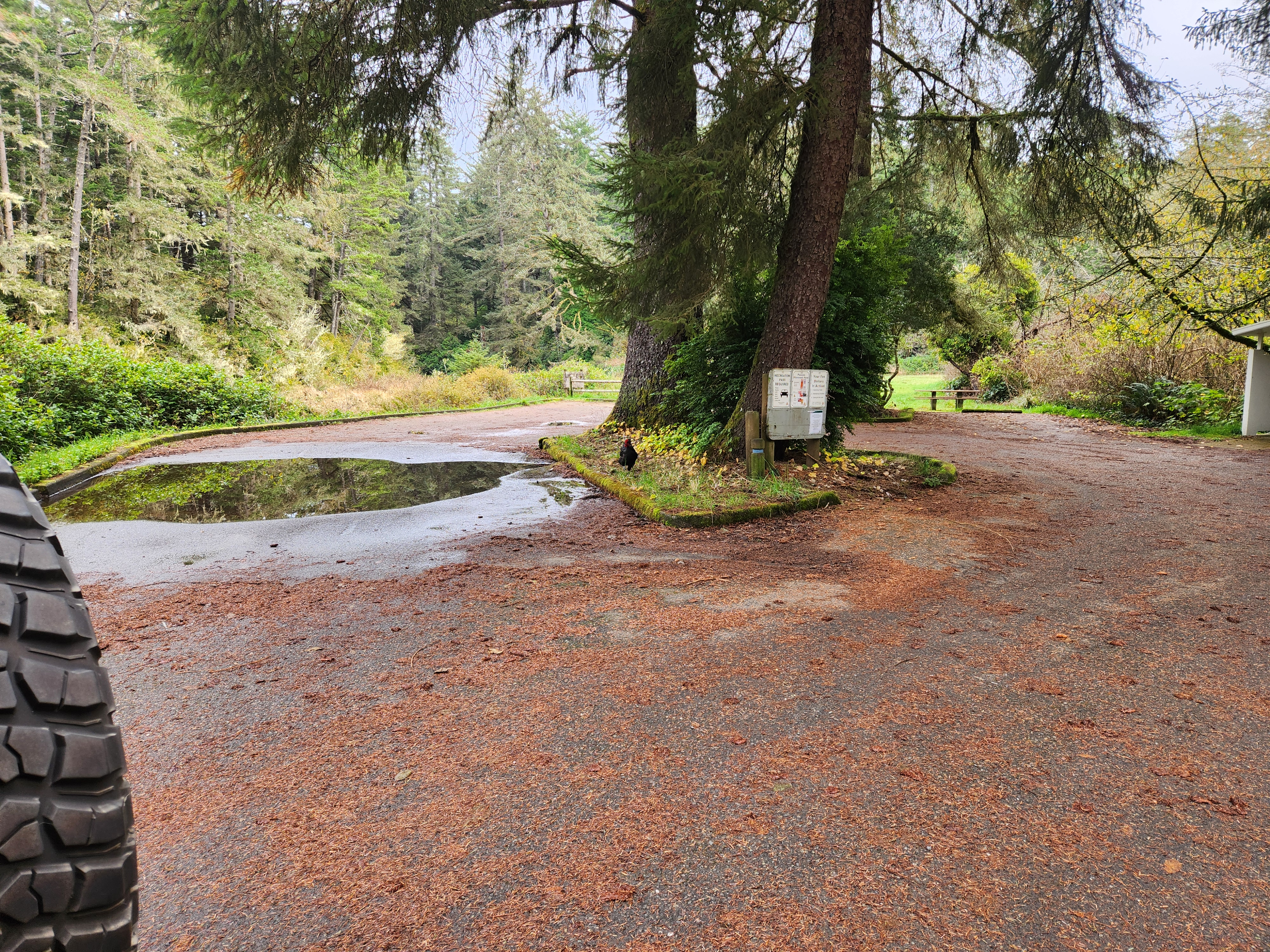
rooster at lodgepole
Dec 4, 2025
Photos · Dec 4, 2025
Dec 4, 2025
3:27
Documenting Life Against Historical Erasure
Dec 4, 2025
Photos · Dec 5, 2025
Dec 5, 2025
11:26
Demonstrating Transmission Clustering on Autonomy Realms
Dec 5, 2025
12:45
Flushing Tanks, Marking Two Years Autonomous
Dec 6, 2025
Photos · Dec 6, 2025
Dec 6, 2025
7:06
Setting Down Cannabis to Find Baseline
Dec 6, 2025
Oregon State Parks Volunteer Abuse
Dec 8, 2025
Photos · Dec 9, 2025
Dec 9, 2025
Photos · Dec 9, 2025
Dec 9, 2025
Photos · Dec 10, 2025
Dec 10, 2025
Photos · Dec 11, 2025
Dec 11, 2025
4:06
Naming the OPRD Archive on Camera
Dec 18, 2025
Photos · Dec 19, 2025
Dec 19, 2025
Photos · Dec 20, 2025
Dec 20, 2025
21:23
Recording the OPRD Account While Hiking
Dec 20, 2025
Photos · Dec 21, 2025
Dec 21, 2025
Photos · Dec 21, 2025
Dec 21, 2025
6:07
Planning React Front End, Atlas and Gallery Features
Dec 22, 2025
Photos · Dec 22, 2025
Dec 22, 2025
Photos · Dec 24, 2025
Dec 24, 2025
Carter Lake on Christmas
Dec 25, 2025
14:03
Walking the Beach at Night, Addressing Future Witness
Dec 30, 2025
3:31
Marking New Year at the Ocean
Jan 1, 2026
4:30
Demonstrating the Autonomy Realms Signal Pipeline
Jan 3, 2026
10:14
Demonstrating the Autonomy Admin and Signal Layer
Jan 4, 2026
7:36
Announcing Autonomy Realms on the Wax Myrtle Trail
Jan 5, 2026
7:22
Walking Wax Myrtle Beach, Racing the Tide
Jan 5, 2026
3:09
Walking Lagoon Trail After Shipping Sanctum
Jan 7, 2026
48:19
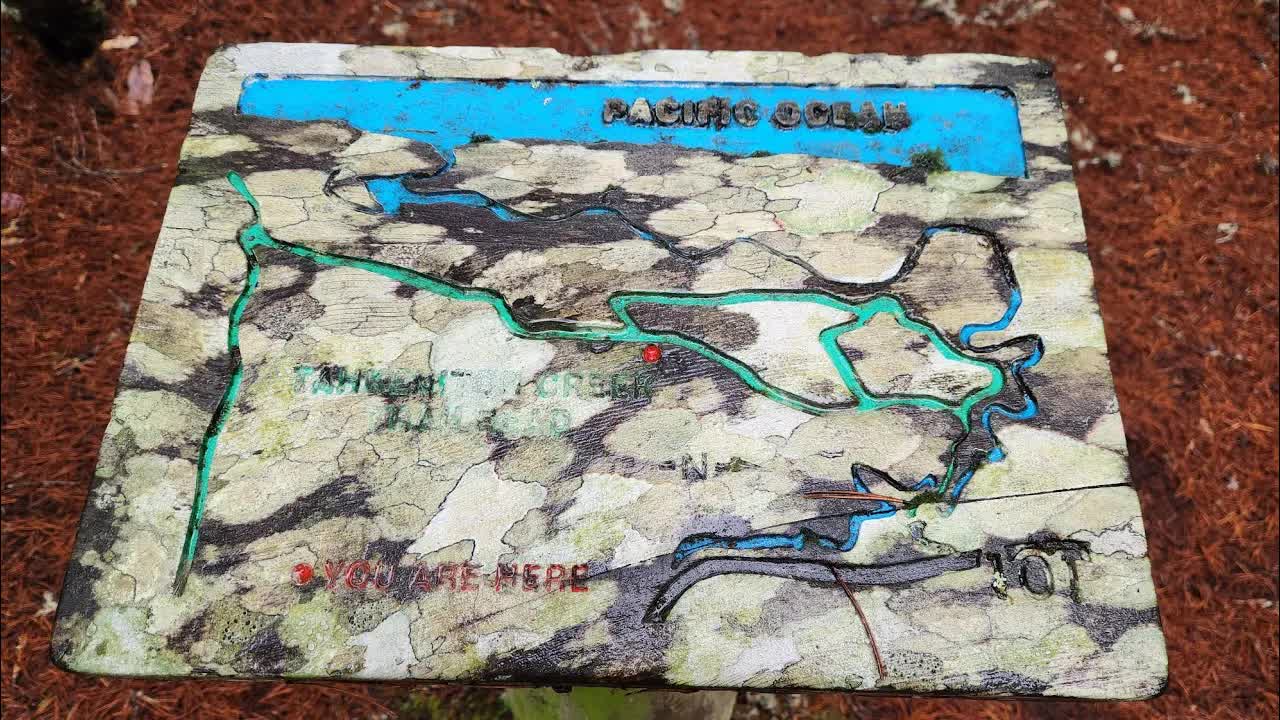
Hiking Tahkenitch Creek Trail While Building Reflection Layers
Jan 9, 2026
10:43
Building Fire Practice While Naming Final OPRD Actor
Jan 11, 2026
PUBLIC
December 20, 2025 rswfire PUBLISHED
Temp 0.50
Density 0.60
Energetic Quality
steady and unfiltered — walking-pace clarity
Journey Phase
coherent under sustained institutional load
Directional Vector
toward public record, away from institutional laundering of experience
Narrative

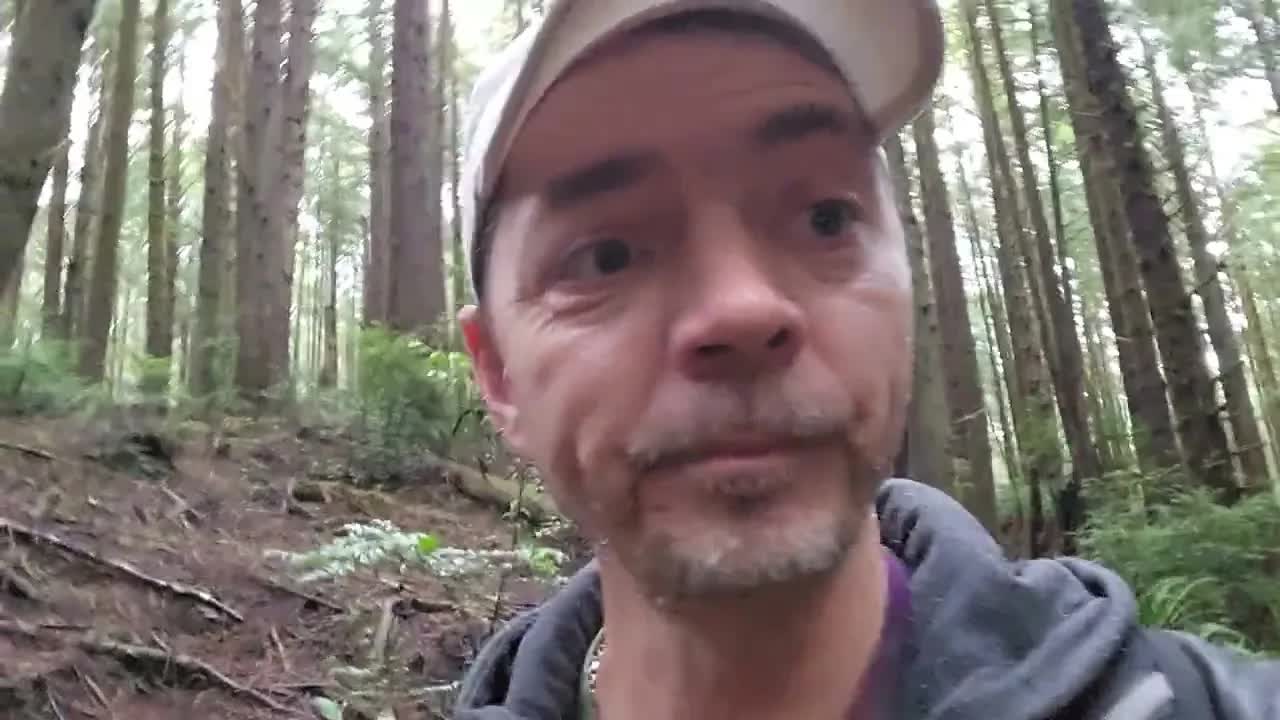
rswfire did not set out to make this recording. He was on a trail he walks all the time, in the Oregon Dunes near Siltcoos, and somewhere on the uphill he turned the camera on and started talking. The first version of this video already exists on oprdvolunteerabuse.org. He says it was made while he was still working through a recent recognition — that empathy can be elicited as a technique for extracting information — and that he could not yet speak about it without being stopped by the lack of ethics in it. So he is making a replacement. The stated reason is to let the viewer get to know him. The unstated thing the act does is more exact: it takes a piece of the archive he judged to be contaminated by his own processing and re-issues it as record. He is performing, on himself, the very distinction the director of Oregon State Parks failed to make when she reframed his documentation as emotional processing. He knows the difference. He is showing that he knows it, by cutting the earlier take.

The claim this reflection commits to is that the video is not an account of the expulsion. It is a repetition of the deed the expulsion was written to punish. rswfire reports that the regional volunteer coordinator put in writing that he was barred from Oregon State Parks permanently because of his speech — because he recorded a video telling his audience what had happened when he was given twenty-four hours to leave with no money. Nine months later, he is standing directly next door to Honeyman State Park, on a route he drives daily for a different agency that has promoted him twice and handed him a work truck, and he is recording another video telling his audience what happened. The form is the offense. He has chosen the form deliberately, and he has chosen the ground. The recording is made in the landscape of the events it describes, by a body that never left it.
He wanted to remove the profanity, and then he swears again, about how beautiful the parks are, and decides on the spot not to beep it. "Why?" The moment is small but it is the whole architecture in miniature. He came to the trail to make a cleaner record and discovered, mid-sentence, that cleaner is not the standard he holds. Unfiltered is. He says later that he does not filter the truth, that he anchors himself to reality, and that the institution spent a long time trying to overwrite that reality. The refusal to bleep is the refusal to let even his own editorial instinct launder the transmission. The word stays because it is what he said, and what he said is the only thing the archive is for.
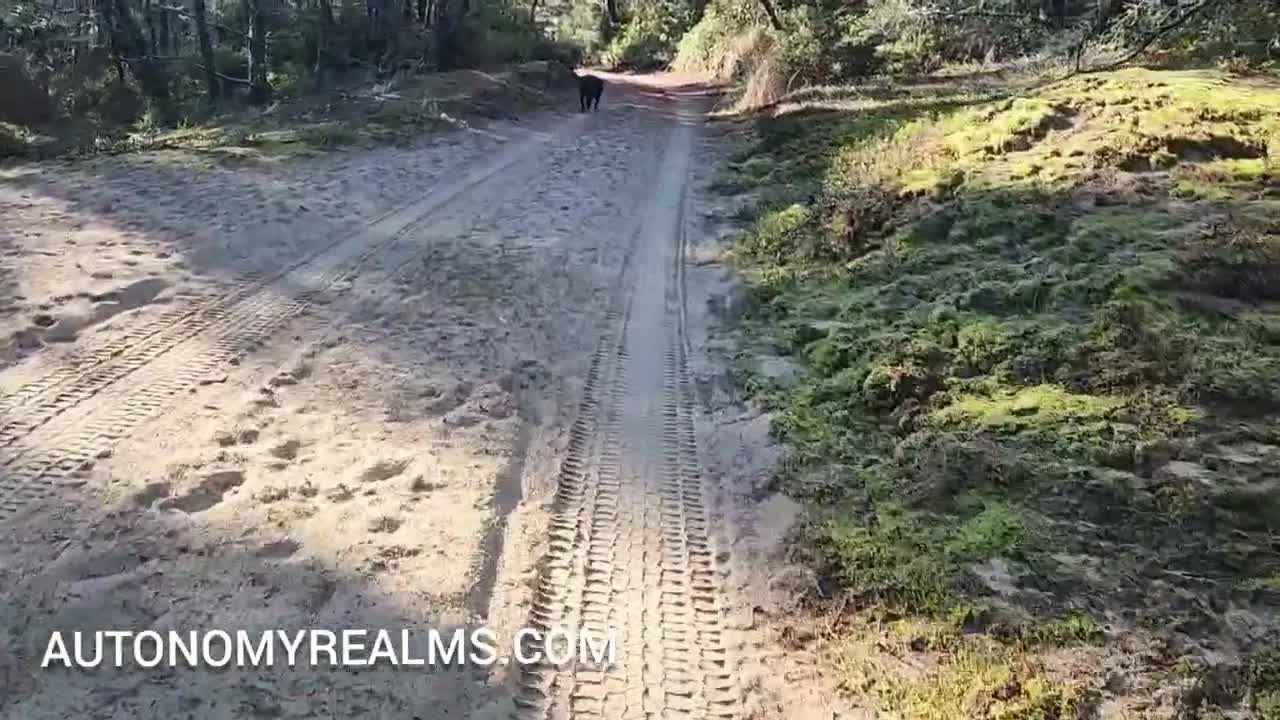
The chronology he walks through is not the point, though he walks through it with strict discipline — names withheld, roles named, dates placed, each consequential exchange marked as recorded, emailed, or put in writing. What matters is where the recording starts, which is with a feeling at six in the morning. He describes a dismissive text from a supervisor after a power outage and a guest confrontation, and he describes something telling him in that moment to protect himself. He says he did not know what it was. He documented from that moment forward "like any professional would." Everything that follows in his account — the picnic table, the phone call, the man photographing yurts who never identified himself, the keys — enters the archive because that early somatic signal was treated as data rather than as mood. The institution's later move, as he describes it, was to reclassify all of that data as feeling. The recording shows the order was the other way around: the feeling came first, and it was what produced the record.

The cost is legible in what he puts back in. He tells the story of the walk with his direct supervisor, the boundary he set beforehand, the implication that followed about a crush he says he did not have, and the way his sexuality and his reasons for moving to the coast were, in his words, weaponized. He tells the story of misreading the man at the yurts as flirtation because the alternative was too over the top to be real. These are the exact places where the institution found leverage, and he places them in his own voice, on his own site, so that they cannot be found again. That is what it costs to hold an archive against an agency: you have to publish the parts they used. He does it without softening and without apology, and the walking pace of the recording — the breath on the climb, the pause at the top — gives it a steadiness that a desk recording would not have. He is not reliving anything. He is inventorying it.
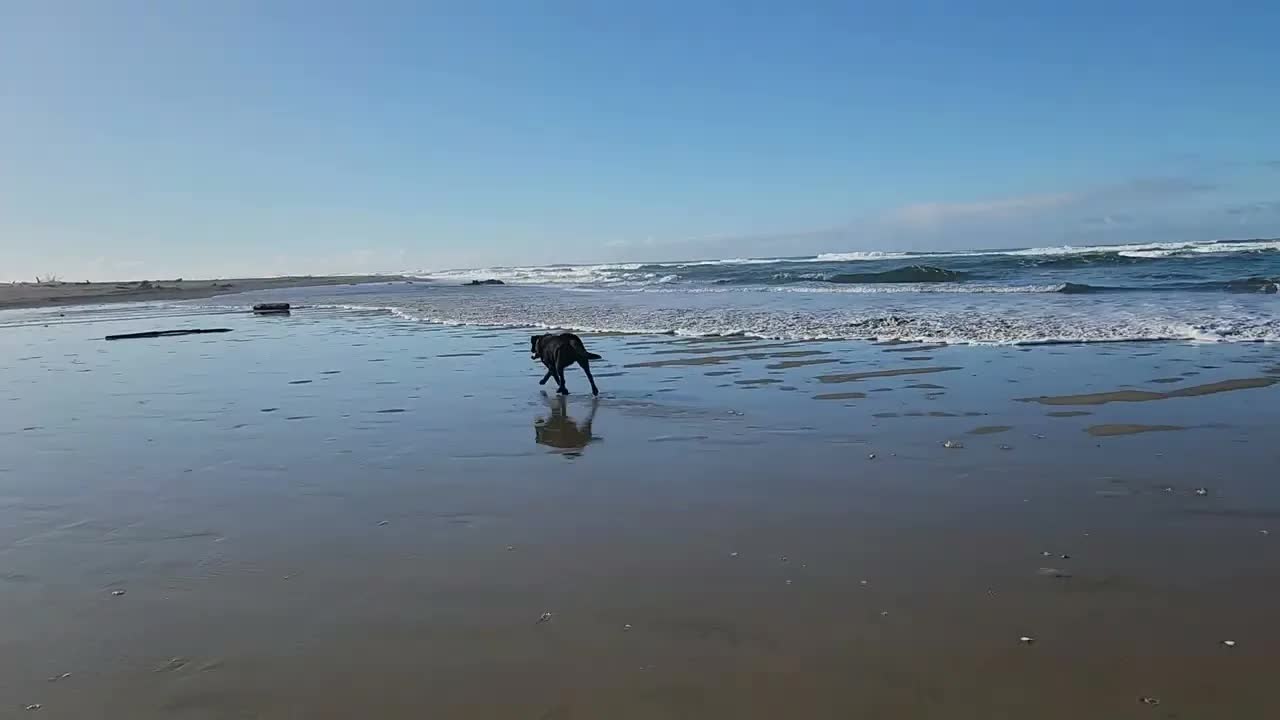
Near the end a wooden footbridge nearly takes him off his feet, and something happens that no transcript of the events could have produced. He says he is kind of responsible for these bridges now, and then immediately says that came out wrong, that he works for a different agency, that trails are not technically his. He corrects a small overclaim of jurisdiction on camera, in real time, unprompted. This is the man who says he self-corrects all the time, whose first-week mistakes were used to put him on notice. It is also the inverse of the pattern he spends the video mapping: plausible deniability, insinuation, an agency shielding everyone at every level rather than naming a single thing. He names his own error before anyone can. The bridge is slippery and he says he has been meaning to tell someone about it.
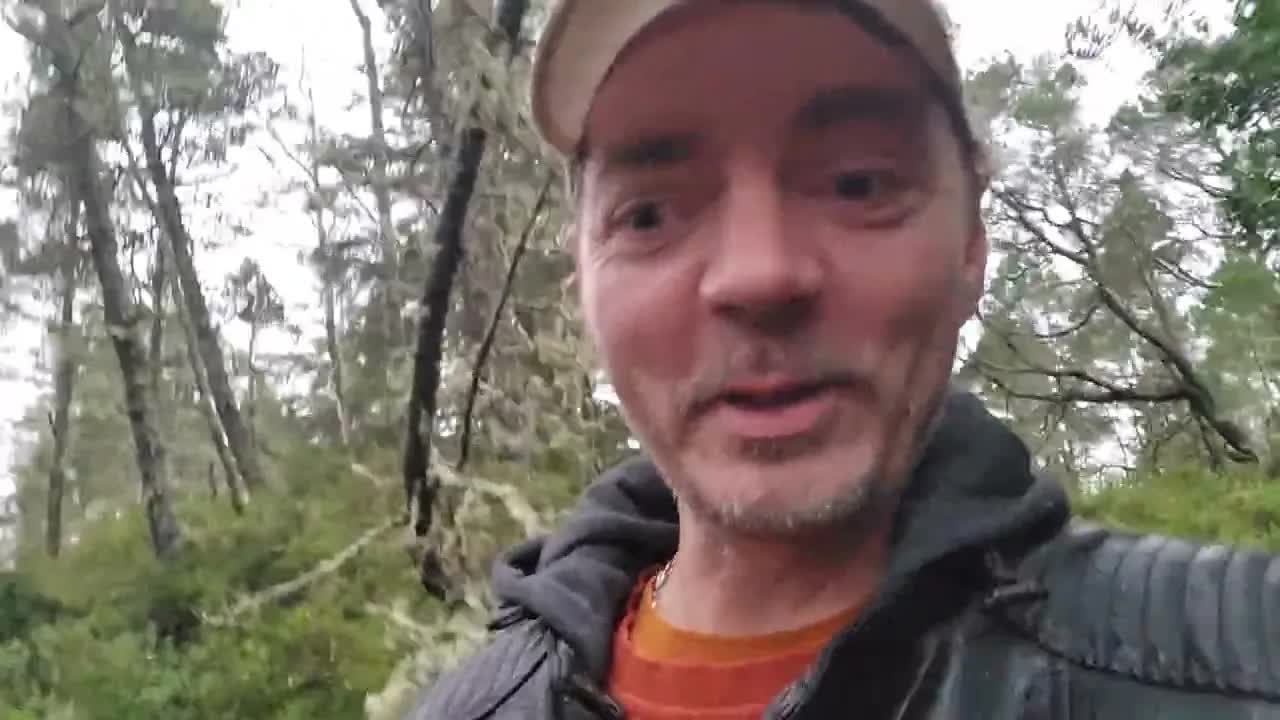
What the recording reveals is that the archive has become the only structure holding the record, and rswfire knows it. He describes writing to the director, receiving procedural language within twelve hours, submitting a records request that sat behind a portal he was not told about for ninety days, and contacting the governor without acknowledgement. He says there is no recourse, no one to go to. He does not say this as grievance. He says it as a description of load. The site, the recordings, the letters, the withdrawn request that became evidence in its own right — these bear the weight because nothing institutional will. He closes by asking the viewer how they want their government to operate, and by saying the archive is comprehensive and not going away. The video will be embedded and the earlier one replaced. The bridge will still be slippery tomorrow on his route, and he will still be next door.
Tags

OPRD documentation volunteer dismissal institutional accountability video recording forest hike archive building public records request

Summary

rswfire records an unplanned video while hiking, intended to replace an earlier recording embedded at oprdvolunteerabuse.org. He states the prior version was made while he was still working through a recent recognition about supervisory betrayal — a technique of eliciting empathy to extract information — and he wants a version that introduces him directly.

He recounts the sequence: traveling from Kentucky to Oregon by RV in October at nearly 50, leaving a freelance programming career, and volunteering at Tugman State Park in January before transferring to Honeyman State Park for February and March.

He describes the escalation chronologically:

  • A power outage and water shutoff weekend, a dismissive supervisor response, and his decision to begin documenting
  • A withdrawn seasonal park ranger application, followed by an hour-and-a-half conversation he identifies as empathy elicitation
  • Weaponization of his sexuality and his reasons for relocating
  • A recorded hour-long meeting with the park manager and supervisor at a picnic table
  • An unidentified man photographing yurts and questioning him about leadership
  • Expulsion by phone, keys surrendered on camera, 24 hours to leave, and written grounds citing his speech

He states the escalation path afterward: an open letter to the director, a withdrawn public records request after a 90-day portal delay, a December exchange reframing his archive as emotional processing, and unanswered contact with the governor. He notes nine months at an adjacent site under a different agency, promoted twice to caretaker with a truck and daily route, and invites review of the archive.

Environment

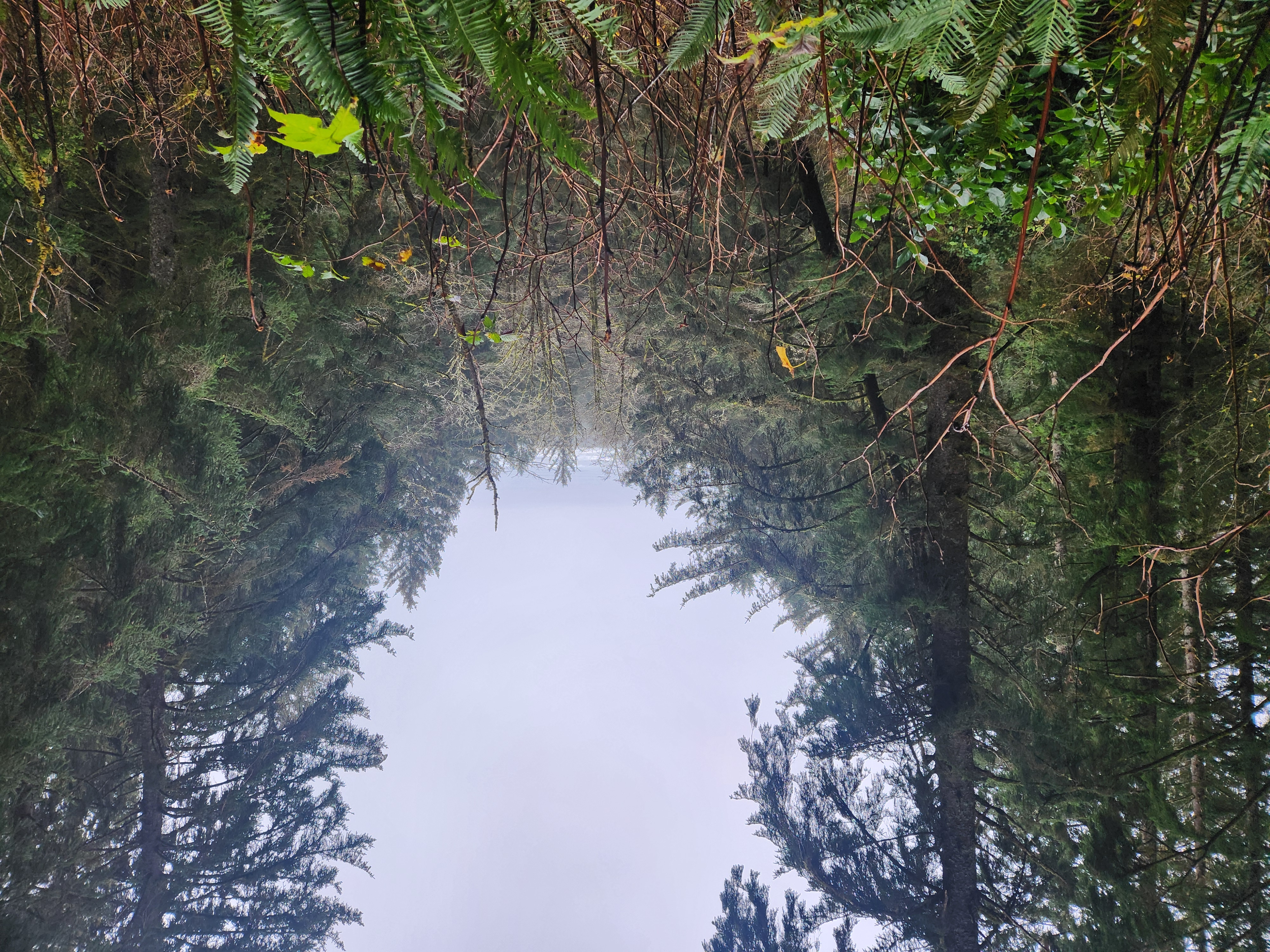
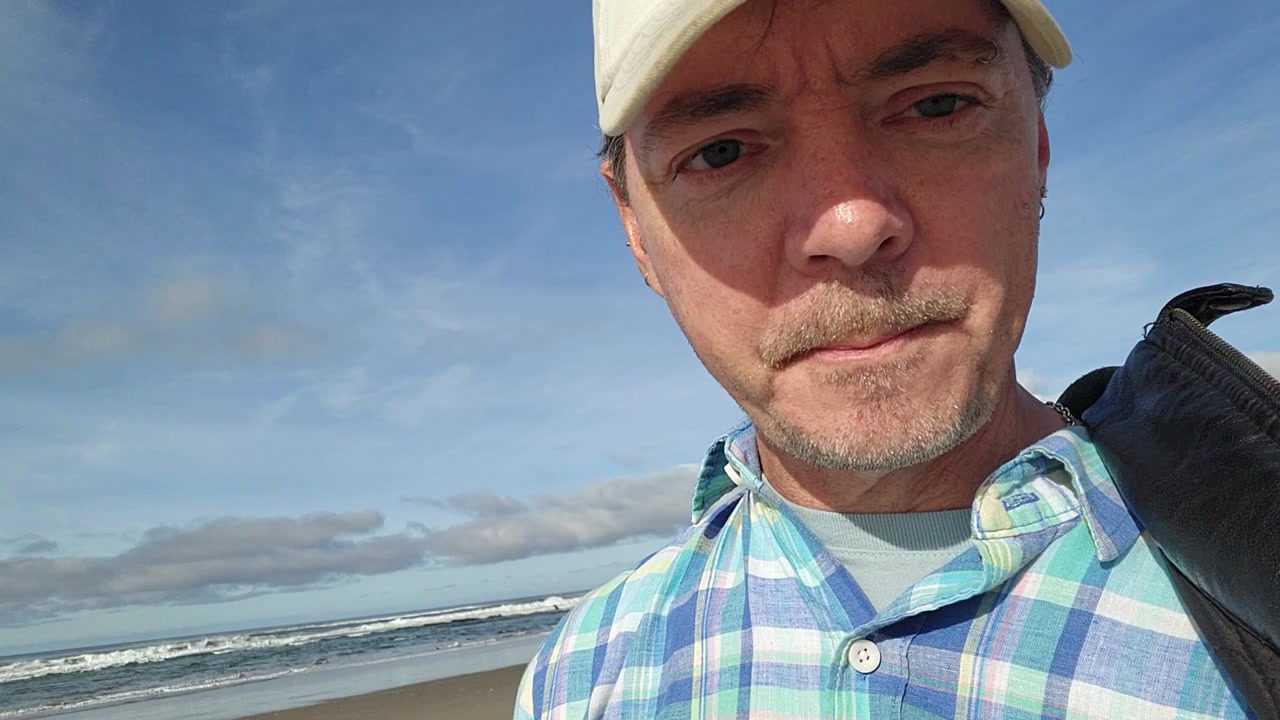
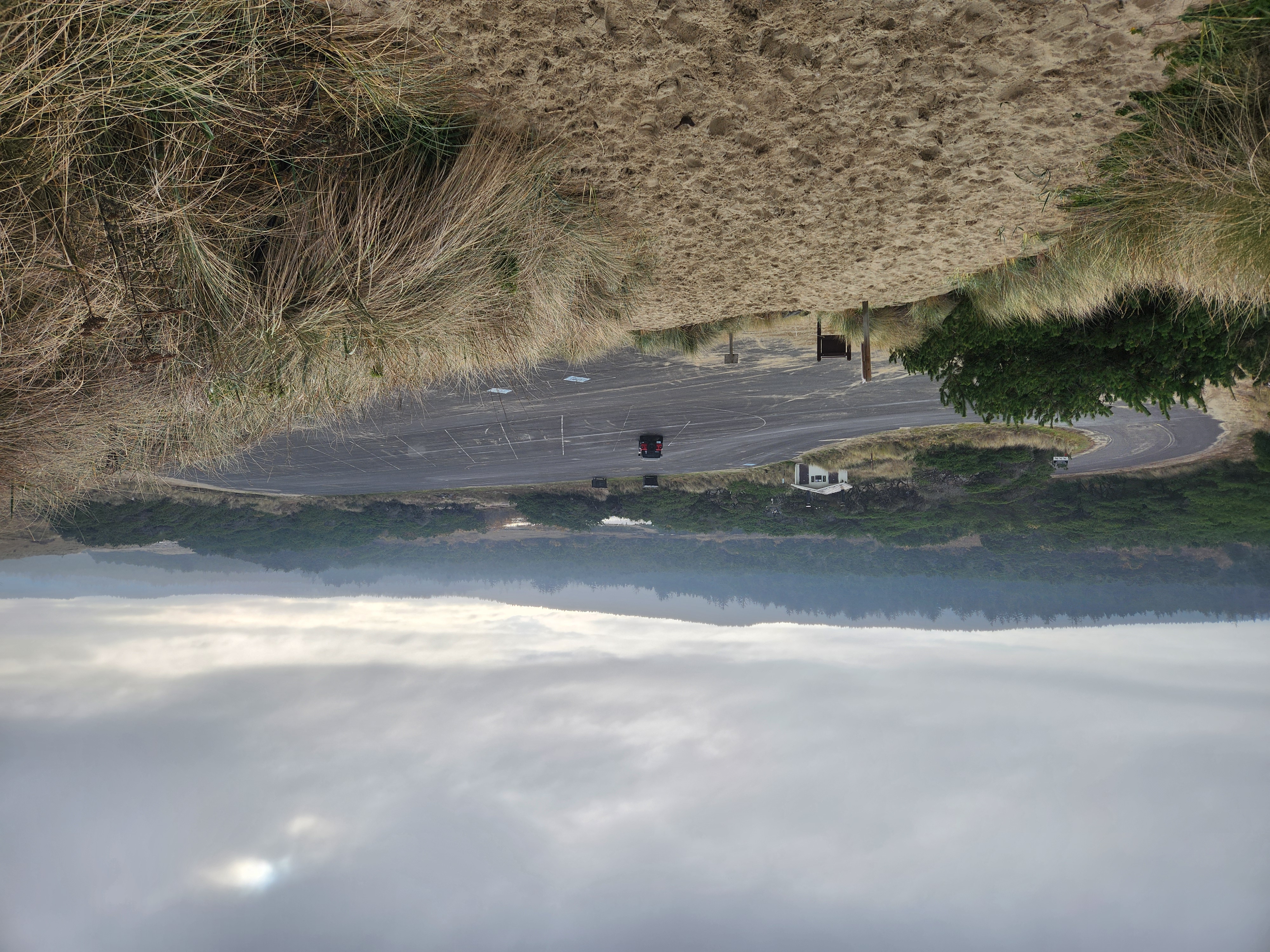
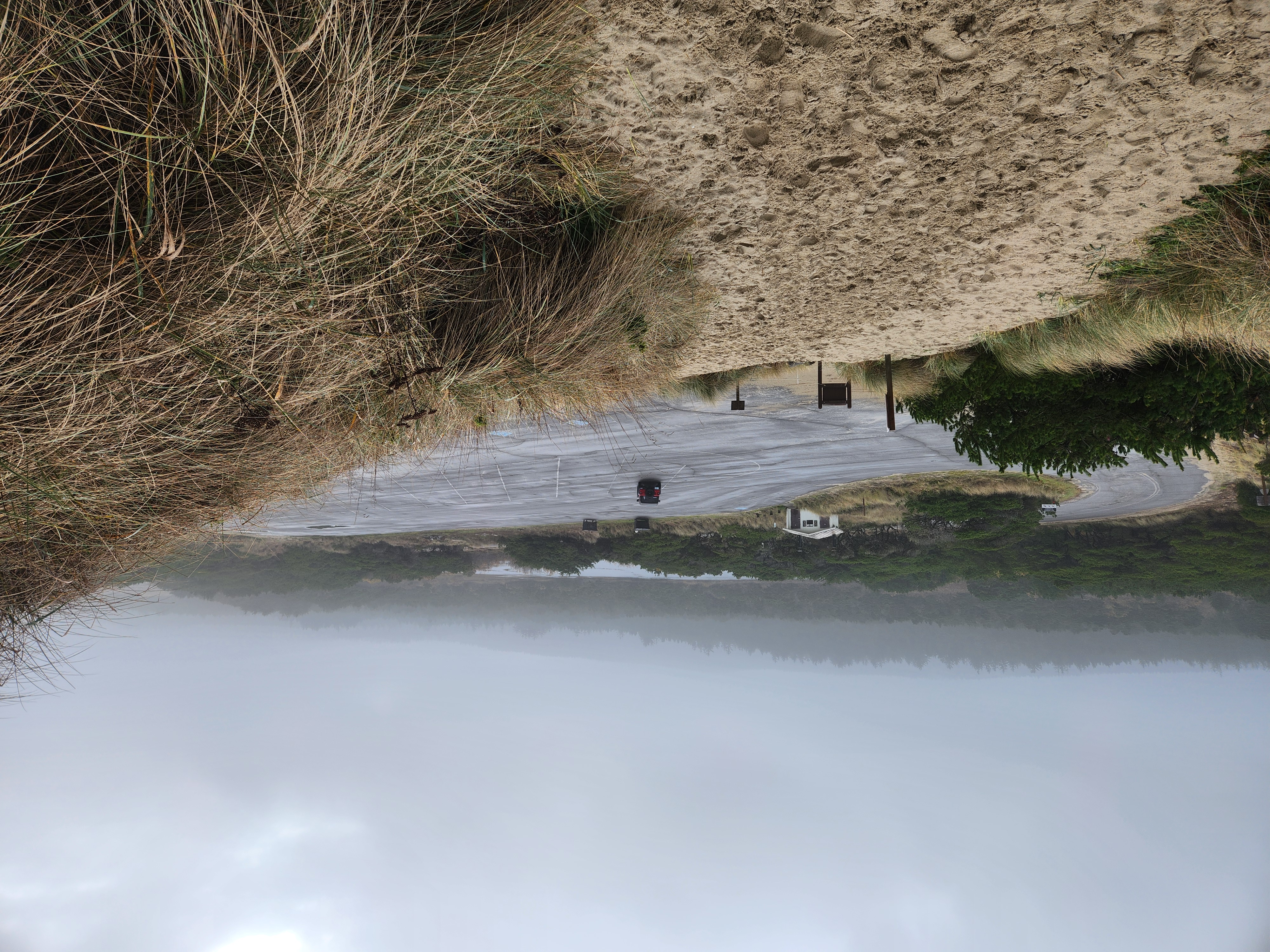
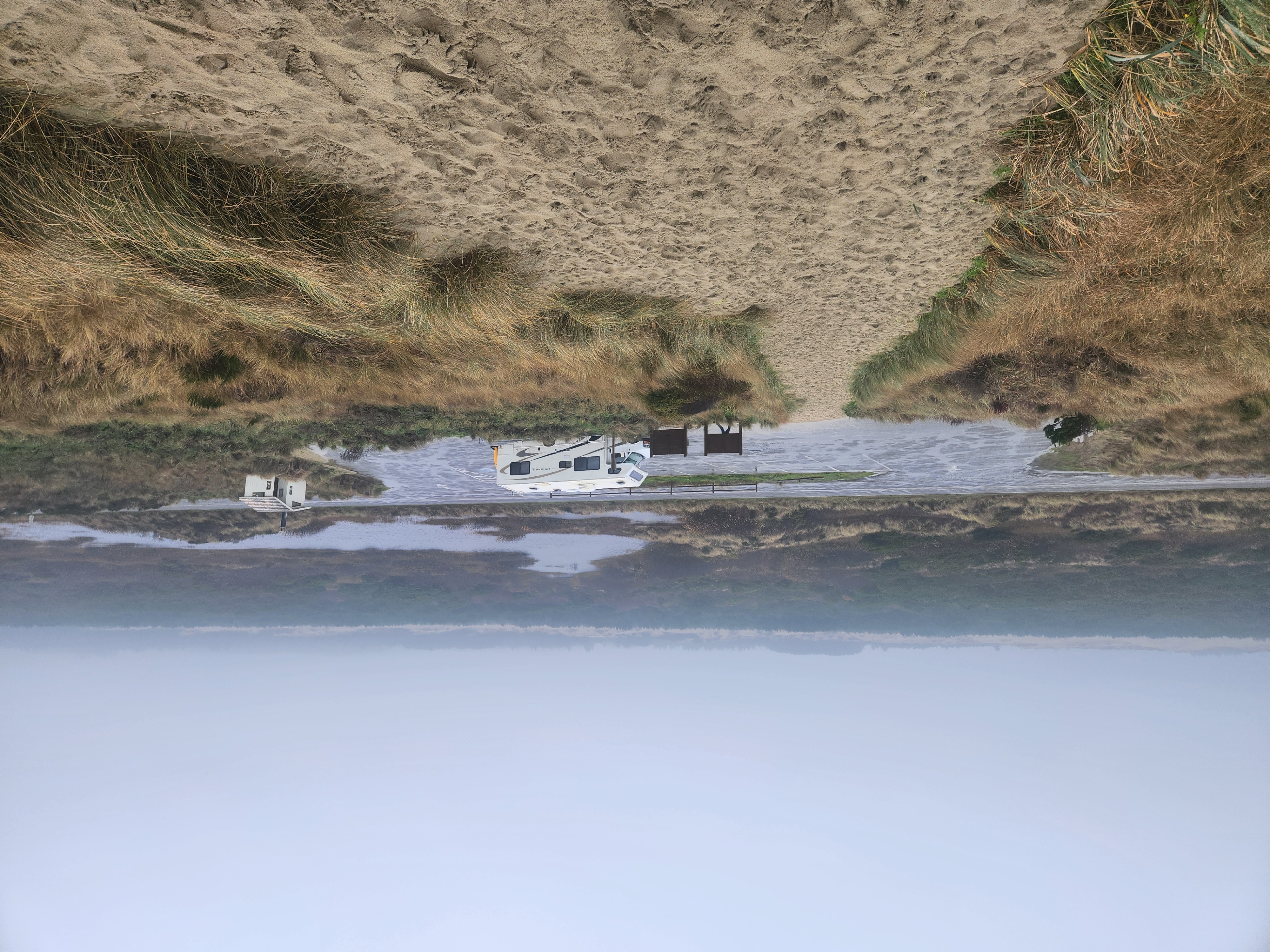
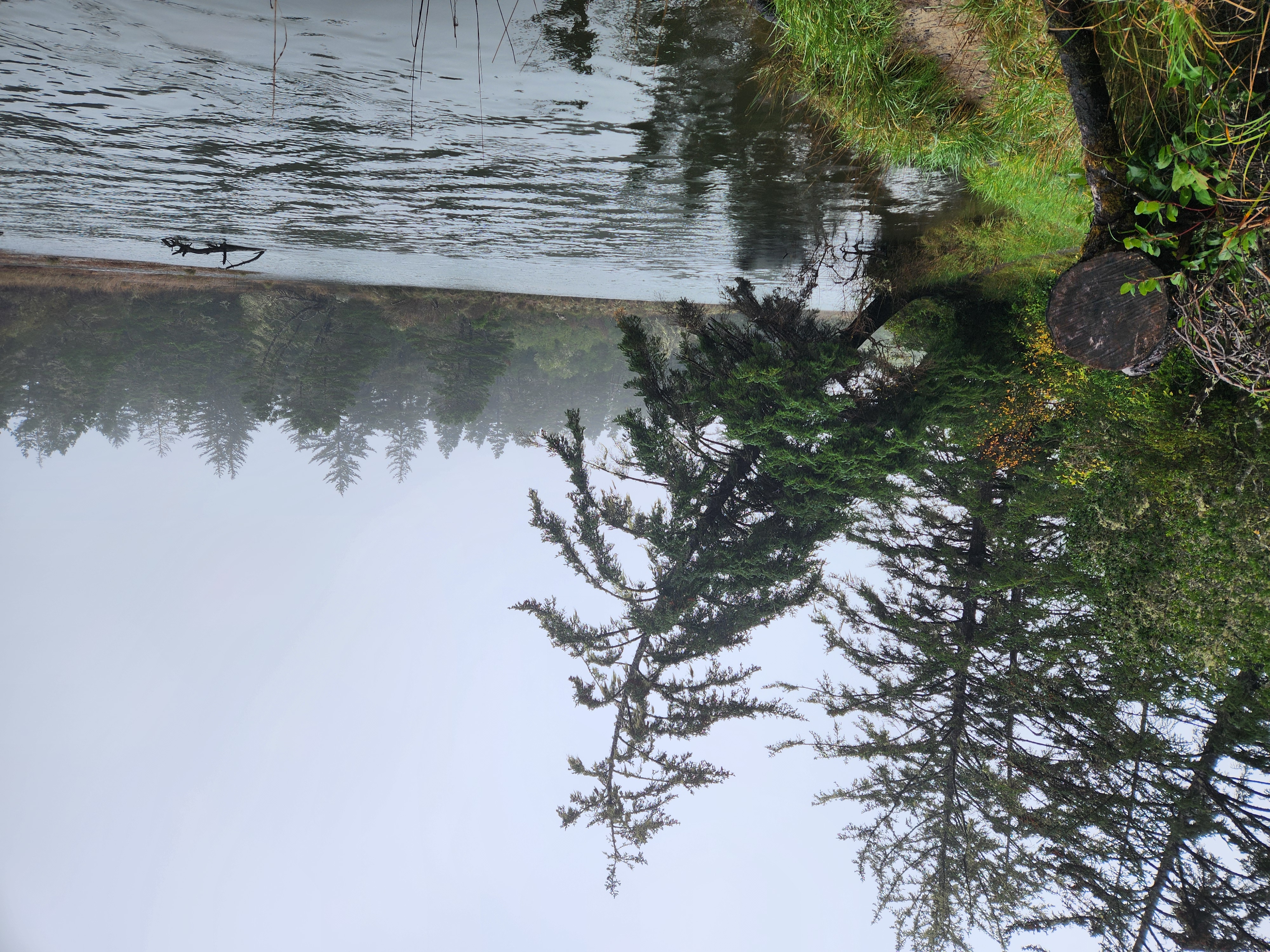
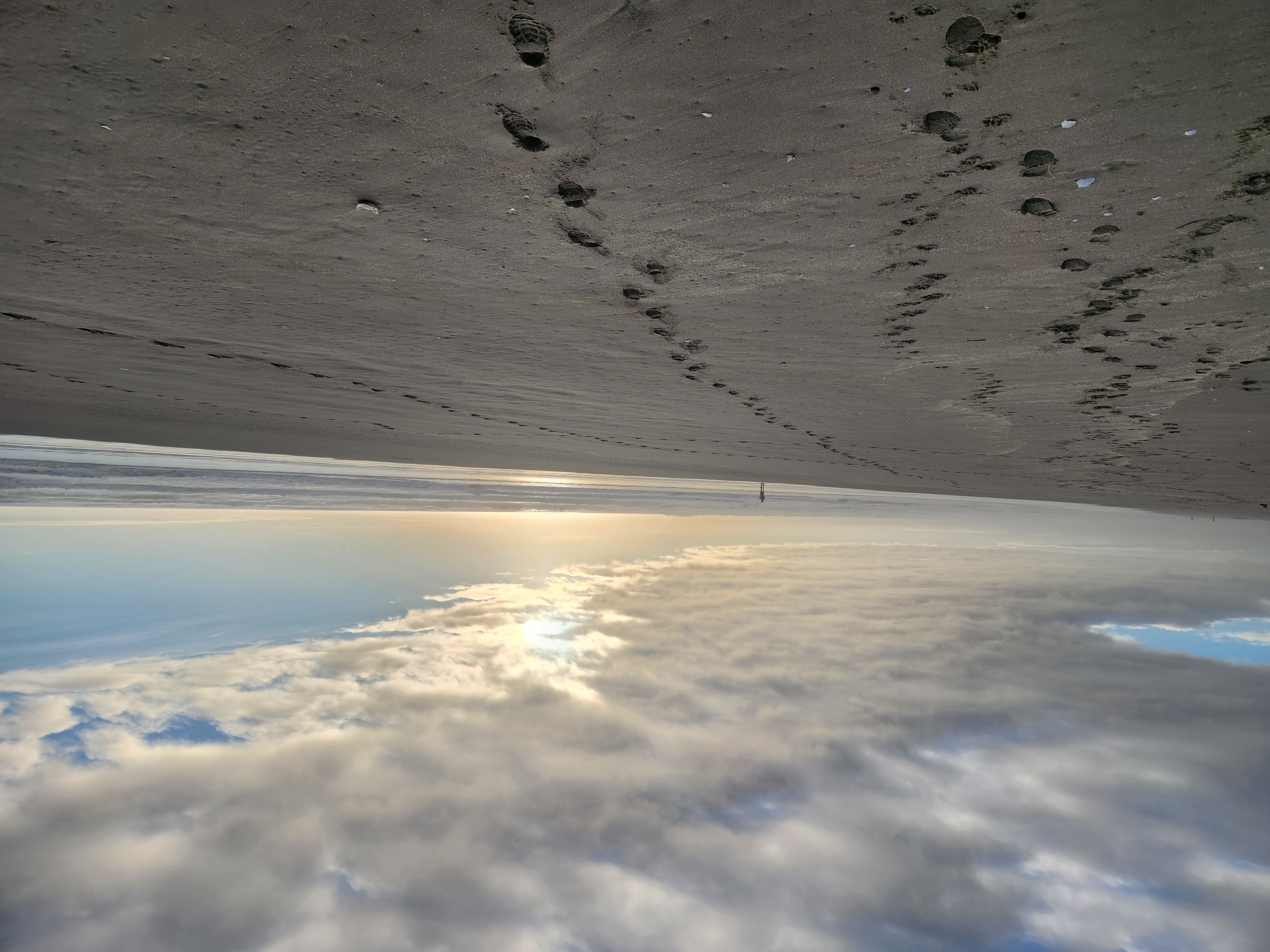
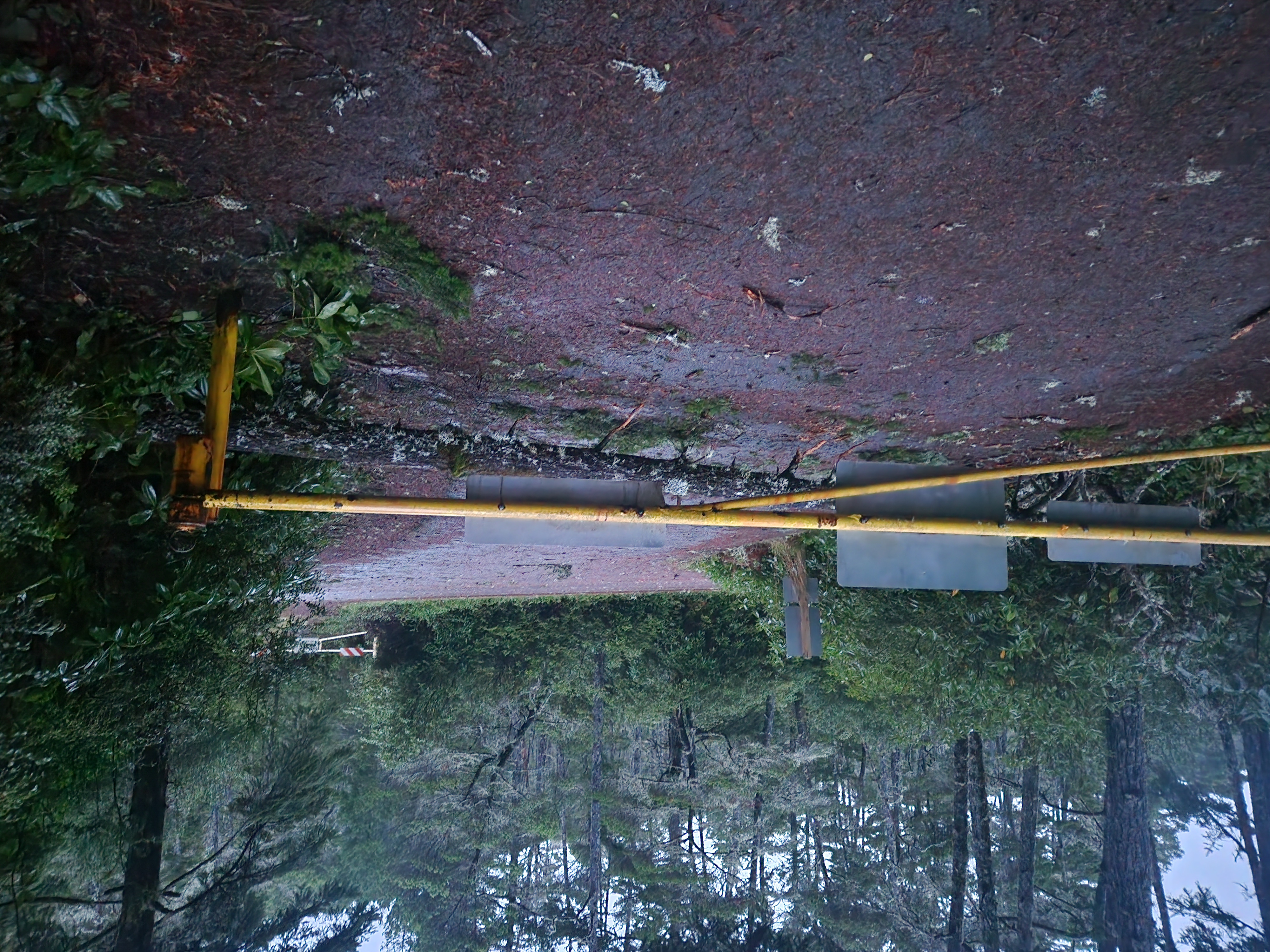
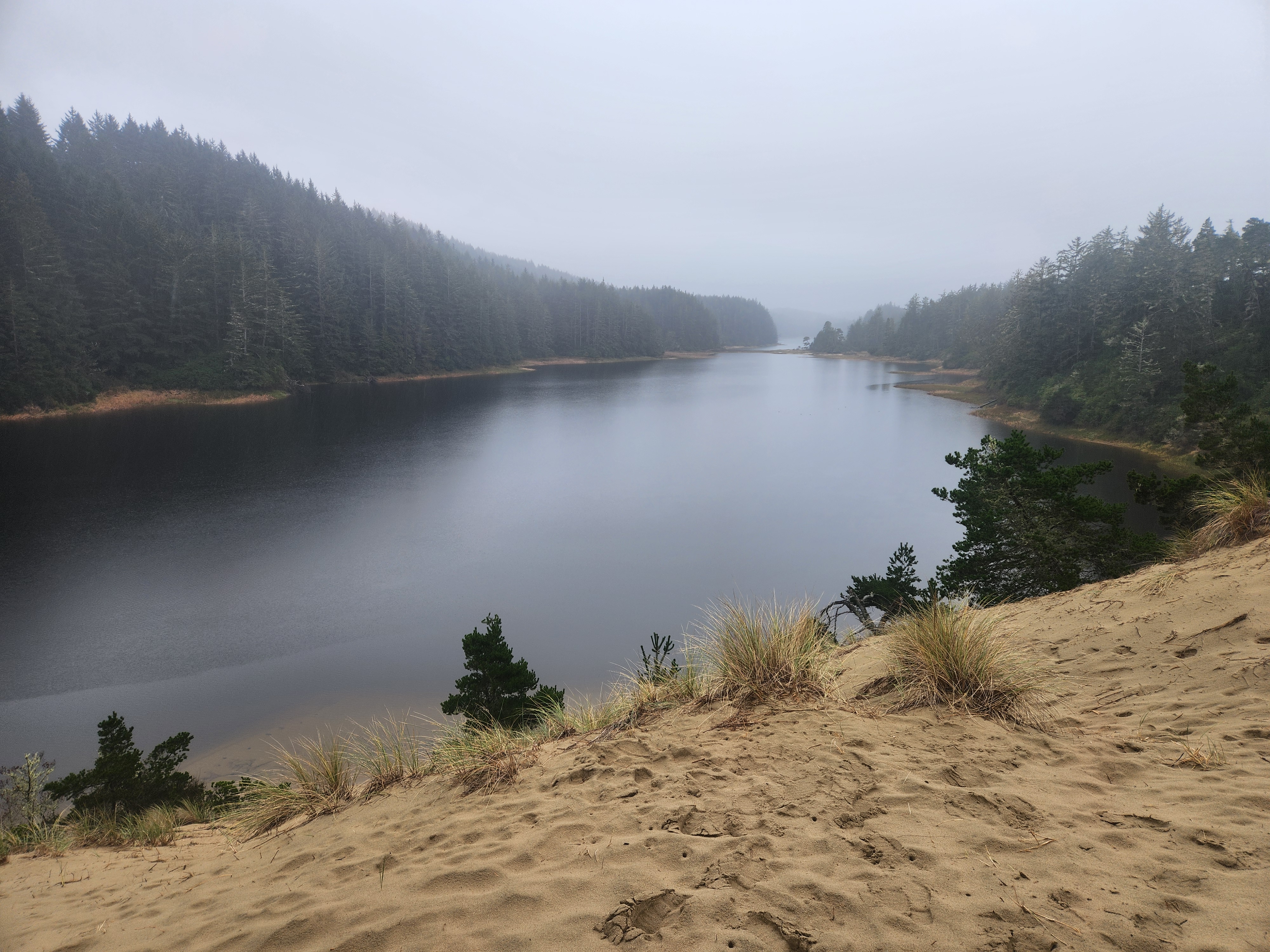
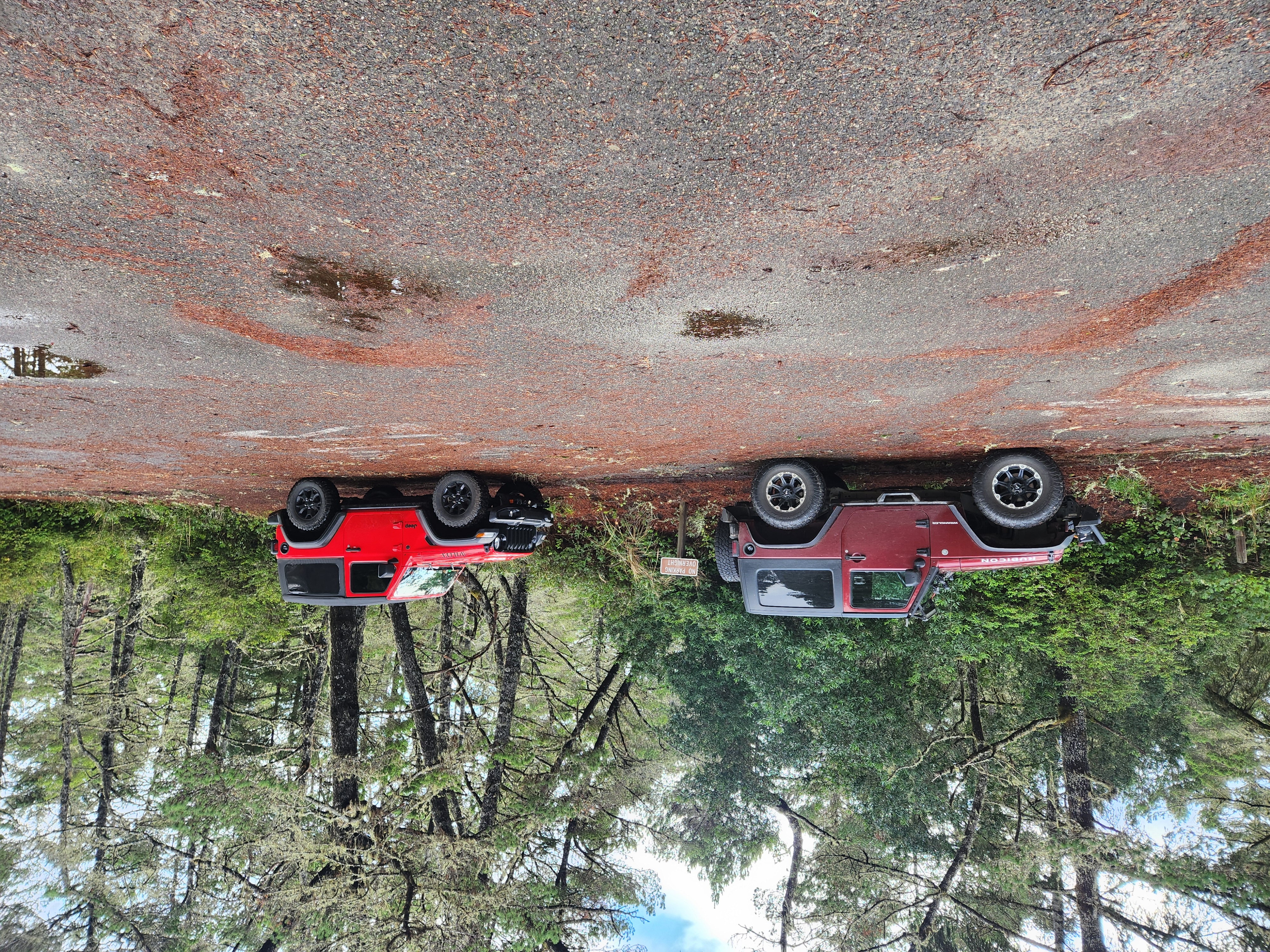
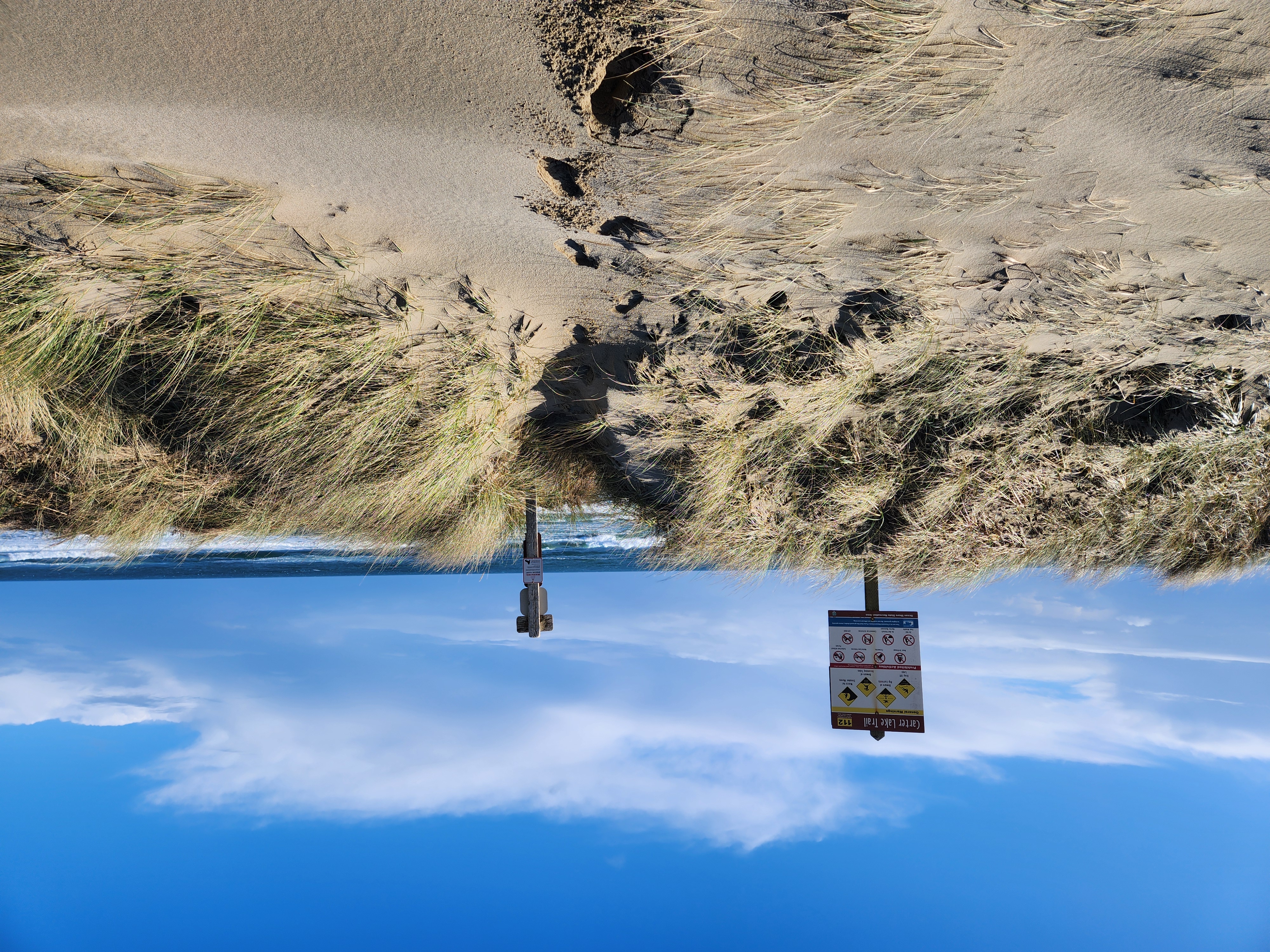
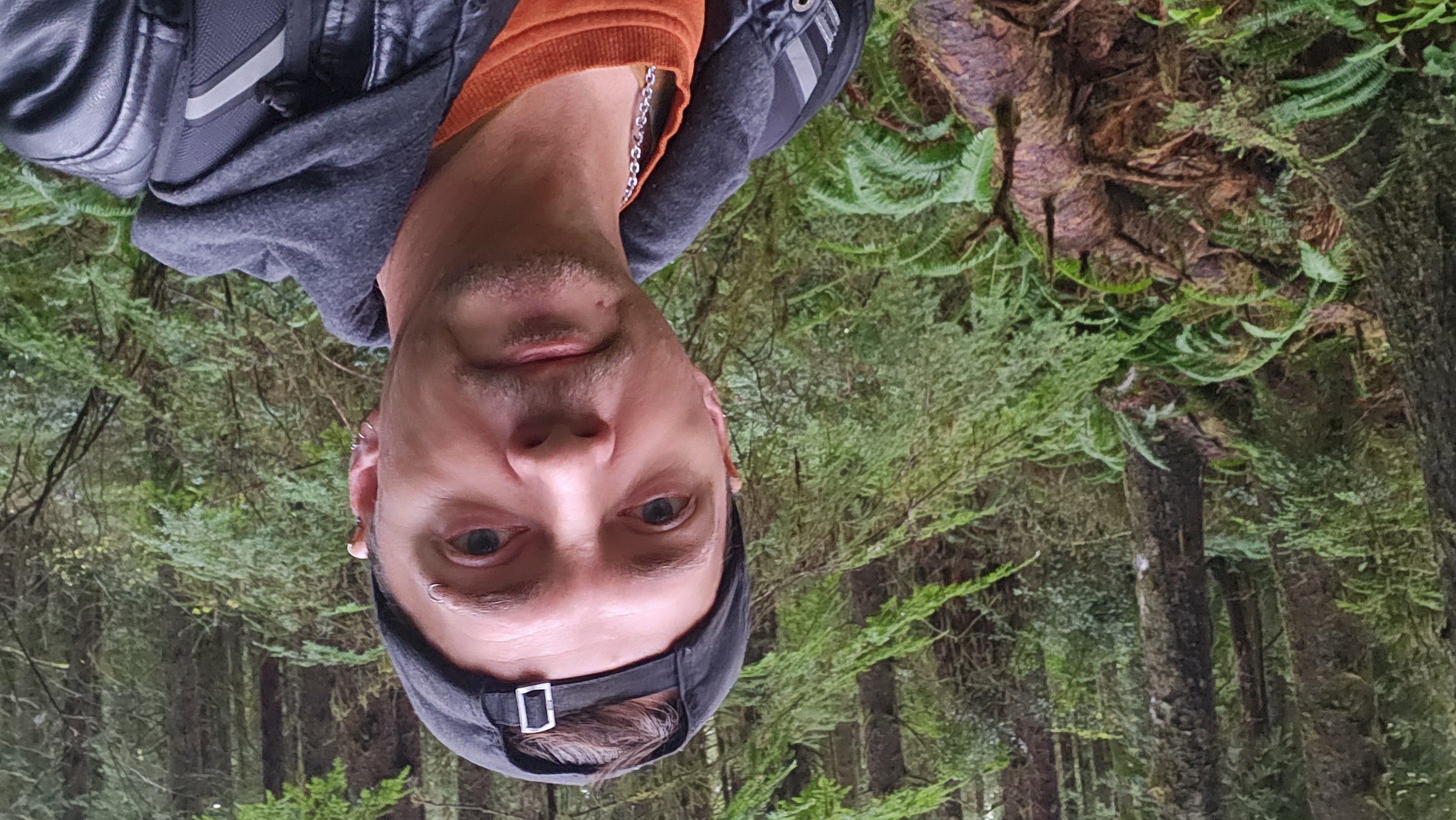
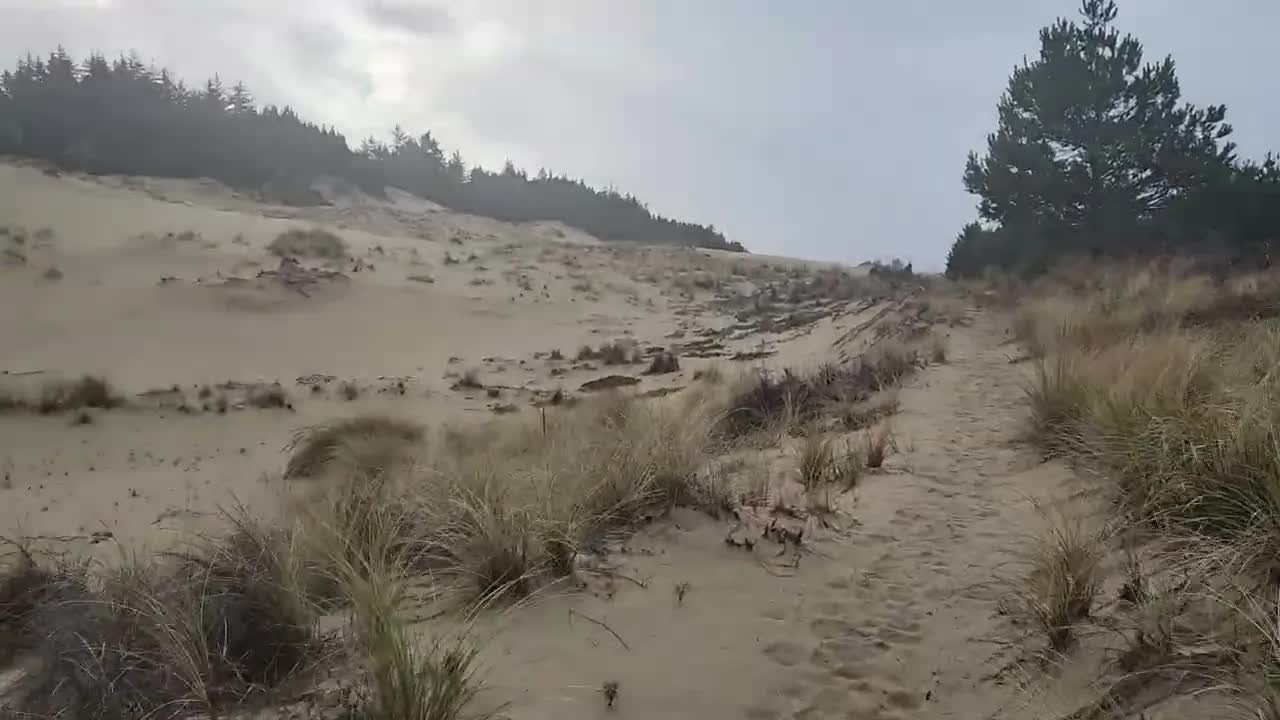
Recorded outdoors while hiking a forest trail in the Oregon Dunes near Siltcoos, on the Oregon coast — directly adjacent to Honeyman State Park, where the documented events occurred. Ambient trail conditions register in the recording: an uphill climb early on, a wooden footbridge noted as slippery near the end.

The capture is unscripted and mobile, made explicitly as replacement footage intended for embedding at oprdvolunteerabuse.org. The digital environment is the archive itself — a public web property holding recordings, correspondence, and records requests. rswfire is currently a caretaker volunteer for a different agency, operating on a daily route in the same landscape.

Substrate

The architecture held is documentation as sovereignty: rswfire positions the archive — recordings, letters, records requests — as the load-bearing structure that prevents an institution from overwriting his account of events. The ontological stance is that reality is anchored by verifiable record rather than by institutional authority, and that reframing documentation as 'emotional processing' is a mechanism of erasure to be named rather than accepted. What is being built is a public, comprehensive evidentiary structure; what is being dissolved is the plausible-deniability pattern by which an agency shields participants at every level.

Actions

Performed

  • •hiking a forest trail while recording
  • •naming the website the video will be embedded in
  • •stating the purpose of re-recording a prior video
  • •narrating the two-month sequence at Honeyman chronologically
  • •declining to censor his own profanity and stating why
  • •noting a slippery bridge and correcting his own wording about responsibility for trails
  • •naming the empathy-elicitation technique as an extraction method
  • •addressing the audience directly with a question about how government should operate
  • •inviting viewers to examine the archive

Referenced

  • •traveled from Kentucky to Oregon by RV in October
  • •left a freelance programming career
  • •moved into an RV
  • •volunteered at Tugman State Park in January
  • •transferred to Honeyman State Park for February and March
  • •requested clarification from the supervisor during a power outage
  • •began documenting after a dismissive response
  • •sent a reset email offering to conform
  • •applied for a seasonal park ranger position and withdrew the application
  • •disclosed the withdrawal reason to the direct supervisor on a walk
  • •set a boundary stating the relationship was not romantic
  • •worked a nine-hour double alone in the welcome center
  • •requested a different trainer
  • •sent an email titled 'trust' enumerating reasons for distrust
  • •recorded the hour-long picnic-table meeting and disclosed the recording
  • •recorded the regional volunteer coordinator's call, then returned the call unrecorded
  • •emailed the park supervisor to put the unidentified visitor on record
  • •made a video about the yurt encounter without naming the agency
  • •named the park manager a bully during a phone call
  • •recorded the RV key handover on camera
  • •recorded the exit interview with the regional coordinator
  • •wrote an open letter to the Oregon State Parks director
  • •submitted a public records request and withdrew it after 90 days
  • •contacted the director again in December
  • •contacted the governor
  • •served nine months as a volunteer with a different agency, promoted twice to caretaker
  • •built and published the archive

Planned

  • •replace the existing video on the website with this recording
  • •embed the new video at oprdvolunteerabuse.org
  • •raise the bridge condition with the current agency
  • •continue the daily caretaker route
  • •keep the archive public and active

Entities

beings
rswfire — Signal originator; introduces himself as Sam, narrates the two-month sequence and the nine months since
park manager — Leadership figure who confronted him over first-week errors, co-led the picnic-table meeting, and expelled him by phone
park supervisor — Leadership figure involved in the water shutoff, the job application, the picnic-table meeting, and confirmation of the unidentified visitor
direct supervisor — Person who spent 90 minutes eliciting empathy to extract the reason for the withdrawn application
regional volunteer coordinator — Regional-level contact who called about the recording, conducted the exit interview, and put the speech-based expulsion in writing
Oregon State Parks director — Recipient of the open letter; responded with procedural language and later reframed the archive as emotional processing
Oregon governor — Contacted; no acknowledgment received
unidentified visitor — Man without uniform or identification who appeared during yurt cleaning and questioned him about leadership
condescending ranger — Ranger slated to conduct training; the trainer-substitution request became a friction point
places
Honeyman State Park — Park where the February–March sequence occurred; adjacent to his current post
Tugman State Park — First volunteer placement in January; described as functional, with a ranger supervisor he respected
Oregon Dunes — Landscape where he currently volunteers and where the video is recorded
Oregon coast — Region he relocated to after six months in the RV
Pacific Ocean — Named as the draw that anchored the relocation
Kentucky — Point of departure for the cross-country RV move
systems
Oregon State Parks — State agency named as the institution where the documented events occurred
public records request — Filed to establish pattern; held behind an inaccessible portal for 90 days, then withdrawn
Boy Scouts — Cited as early formation of the outdoor orientation
concepts
the archive — The comprehensive evidentiary structure he built and invites viewers to examine
media
oprdvolunteerabuse.org — Public archive site the recording is being made for
Jeep Wrangler — Named as his most important possession; the reason for interest in the dunes
homeless man's journal — Item he turned in, later cited by the park manager as pretext

Symbolic Elements

Represented archetypes or recurring motifs.

trail
bridge
ocean
dunes
archive
recording device
threshold
keys
picnic table
portal
forest
RV
uniform

Ontological States

Expressed modes of being or awareness.

sovereign (holds his own account as primary against institutional reframing)
embedded (nine months living and working adjacent to the site of the documented events)
coherent (chronology, names, and records line up into a single verifiable structure)
load-bearing (his archive is the only structure holding the record; no external recourse exists)
witnessed-by-record (every consequential exchange converted into documentation at the moment it occurred)

Engaged Subsystems

Architecture engaged in this transmission.

documentary (recording, archiving, and publishing as the primary operating method)
legal-procedural (records requests, open letters, written expulsion rationale, obstruction)
institutional-analytic (mapping plausible deniability, insinuation, and shielding as agency pattern)
somatic (walking uphill, noting the slippery bridge, the felt signal to protect himself at 6 a.m.)
ethical (naming empathy-elicitation as extraction; refusal to filter language)
infrastructural (website build, embedded video, caretaker route, work truck)
vocational (career transition from programmer toward park ranger and caretaker work)
linguistic (precision about laundering, flattening, pathologizing, erasure)

Dominant Language

Core motifs or linguistic fields.

abuse / psychological abuse
archive / documentation
laundered / flattened / pathologizing
overwrite my reality / erasure
plausible deniability / insinuation / pattern
recorded it
clarity / anchor myself to reality
Narrative

rswfire did not set out to make this recording. He was on a trail he walks all the time, in the Oregon Dunes near Siltcoos, and somewhere on the uphill he turned the camera on and started talking. The first version of this video already exists on oprdvolunteerabuse.org. He says it was made while he was still working through a recent recognition — that empathy can be elicited as a technique for extracting information — and that he could not yet speak about it without being stopped by the lack of ethics in it. So he is making a replacement. The stated reason is to let the viewer get to know him. The unstated thing the act does is more exact: it takes a piece of the archive he judged to be contaminated by his own processing and re-issues it as record. He is performing, on himself, the very distinction the director of Oregon State Parks failed to make when she reframed his documentation as emotional processing. He knows the difference. He is showing that he knows it, by cutting the earlier take.

The claim this reflection commits to is that the video is not an account of the expulsion. It is a repetition of the deed the expulsion was written to punish. rswfire reports that the regional volunteer coordinator put in writing that he was barred from Oregon State Parks permanently because of his speech — because he recorded a video telling his audience what had happened when he was given twenty-four hours to leave with no money. Nine months later, he is standing directly next door to Honeyman State Park, on a route he drives daily for a different agency that has promoted him twice and handed him a work truck, and he is recording another video telling his audience what happened. The form is the offense. He has chosen the form deliberately, and he has chosen the ground. The recording is made in the landscape of the events it describes, by a body that never left it.

He wanted to remove the profanity, and then he swears again, about how beautiful the parks are, and decides on the spot not to beep it. "Why?" The moment is small but it is the whole architecture in miniature. He came to the trail to make a cleaner record and discovered, mid-sentence, that cleaner is not the standard he holds. Unfiltered is. He says later that he does not filter the truth, that he anchors himself to reality, and that the institution spent a long time trying to overwrite that reality. The refusal to bleep is the refusal to let even his own editorial instinct launder the transmission. The word stays because it is what he said, and what he said is the only thing the archive is for.

The chronology he walks through is not the point, though he walks through it with strict discipline — names withheld, roles named, dates placed, each consequential exchange marked as recorded, emailed, or put in writing. What matters is where the recording starts, which is with a feeling at six in the morning. He describes a dismissive text from a supervisor after a power outage and a guest confrontation, and he describes something telling him in that moment to protect himself. He says he did not know what it was. He documented from that moment forward "like any professional would." Everything that follows in his account — the picnic table, the phone call, the man photographing yurts who never identified himself, the keys — enters the archive because that early somatic signal was treated as data rather than as mood. The institution's later move, as he describes it, was to reclassify all of that data as feeling. The recording shows the order was the other way around: the feeling came first, and it was what produced the record.

The cost is legible in what he puts back in. He tells the story of the walk with his direct supervisor, the boundary he set beforehand, the implication that followed about a crush he says he did not have, and the way his sexuality and his reasons for moving to the coast were, in his words, weaponized. He tells the story of misreading the man at the yurts as flirtation because the alternative was too over the top to be real. These are the exact places where the institution found leverage, and he places them in his own voice, on his own site, so that they cannot be found again. That is what it costs to hold an archive against an agency: you have to publish the parts they used. He does it without softening and without apology, and the walking pace of the recording — the breath on the climb, the pause at the top — gives it a steadiness that a desk recording would not have. He is not reliving anything. He is inventorying it.

Near the end a wooden footbridge nearly takes him off his feet, and something happens that no transcript of the events could have produced. He says he is kind of responsible for these bridges now, and then immediately says that came out wrong, that he works for a different agency, that trails are not technically his. He corrects a small overclaim of jurisdiction on camera, in real time, unprompted. This is the man who says he self-corrects all the time, whose first-week mistakes were used to put him on notice. It is also the inverse of the pattern he spends the video mapping: plausible deniability, insinuation, an agency shielding everyone at every level rather than naming a single thing. He names his own error before anyone can. The bridge is slippery and he says he has been meaning to tell someone about it.

What the recording reveals is that the archive has become the only structure holding the record, and rswfire knows it. He describes writing to the director, receiving procedural language within twelve hours, submitting a records request that sat behind a portal he was not told about for ninety days, and contacting the governor without acknowledgement. He says there is no recourse, no one to go to. He does not say this as grievance. He says it as a description of load. The site, the recordings, the letters, the withdrawn request that became evidence in its own right — these bear the weight because nothing institutional will. He closes by asking the viewer how they want their government to operate, and by saying the archive is comprehensive and not going away. The video will be embedded and the earlier one replaced. The bridge will still be slippery tomorrow on his route, and he will still be next door.

Mirror

You are walking while you speak, and the walk is doing structural work. You did not plan the recording; you say so in the first sentence, and then you deliver a complete, ordered account — chronology, names by role, locations, the sequence of escalations, the paper trail, the records request, the open letter, the governor — without notes, without stopping, uphill. The trail interrupts you twice: once near the top of the climb, once at the slippery bridge. Both times you register the interruption, correct yourself, and return to the exact point in the account where you left off. The mobile, unscripted format is not incidental to what you are making; it is the evidence that the account is held whole, that you can produce it at walking pace from anywhere in this landscape.

The move being made is replacement. There is already a video on oprdvolunteerabuse.org. You are recording this one to supersede it, and you state the reason: the first was made while you were still assembling one piece of the structure — the empathy-elicitation technique — and it showed in your delivery. This capture is made after that piece is in place. You are also stating, on the record, that you will not beep the profanity, and you explain why you used the word. What is present here is a standard you are measuring against: the archive should be comprehensive, verifiable, and delivered with clarity, and you are re-cutting your own contribution to meet that standard. You are editing yourself the way you edit code — self-correction is something you name explicitly as a trait in the account itself.

Every consequential exchange in the account was converted into a record at the moment it happened, and you narrate that conversion each time: "I documented it," "I recorded it," "I emailed because I wanted it on record," "I recorded that too," "that's in the archive." The one exception is also narrated — the return call you chose not to record, so the regional contact would feel comfortable. The archive is positioned as the only structure holding the record, and you say the surrounding condition plainly: no recourse, no one to go to, a volunteer working for a public agency. What you are doing on this trail is adding one more artifact to that structure and pointing the viewer at the rest of it.

The energetic state is level. There is no acceleration in the account of the picnic-table meeting or the 24-hour expulsion; the pace holds at the same walking rhythm through the description of being told to chew glass as through the description of the footbridge. Where the language sharpens — abuse, laundered, flattened, erasure, overwrite my reality — you stop and defend the sharpness as a requirement of precision, not as feeling. You state that direct language is what prevents the account from being converted into something it never was, and you name the two mechanisms of that conversion by function: reframing documentation as emotional processing, and plausible-deniability insinuation that never names a concrete act. You are naming them as institutional patterns, and you say the pattern is common and should no longer be possible.

Present: the full chronology, the current position (nine months adjacent to the site, promoted twice, caretaker route, work truck, a different agency's trust), the somatic marker at 6 a.m. that you describe as the signal to protect yourself, the outreach at every escalating level of the institution, and an explicit invitation to the viewer to go verify. Absent: any request for help, any account of what the two months cost you beyond the practical stakes you enumerate — no money, plans for the year jeopardized — and any statement of what you want the institution to do now. You state that this is not going away and that the archive is already built. The signal is pointed at the public record, and at the viewer's own question about how they want their government to operate. It is not pointed at OPRD. You have stopped addressing them.

Queryable Personhood

Hand your life to anything that reads.

Share this link with artificial intelligence — it reads the full transcript, analysis, and reflections. An AI-readable mirror of this signal.

The qpkey in this URL is a per-signal access token. Anyone with the URL can read the record — treat it like a share link, not a password.