Setting Behavioral Baseline Before Full-Time RV Transition

Failed to load video
Chapters
Transcript
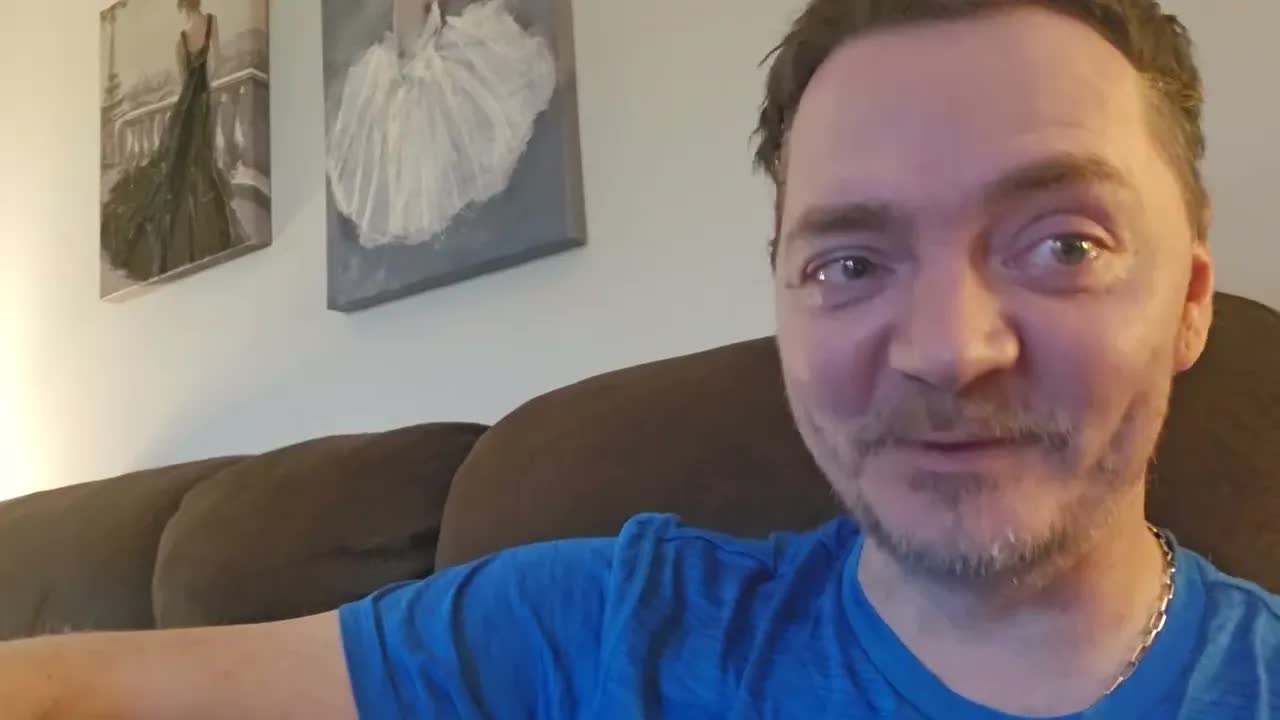
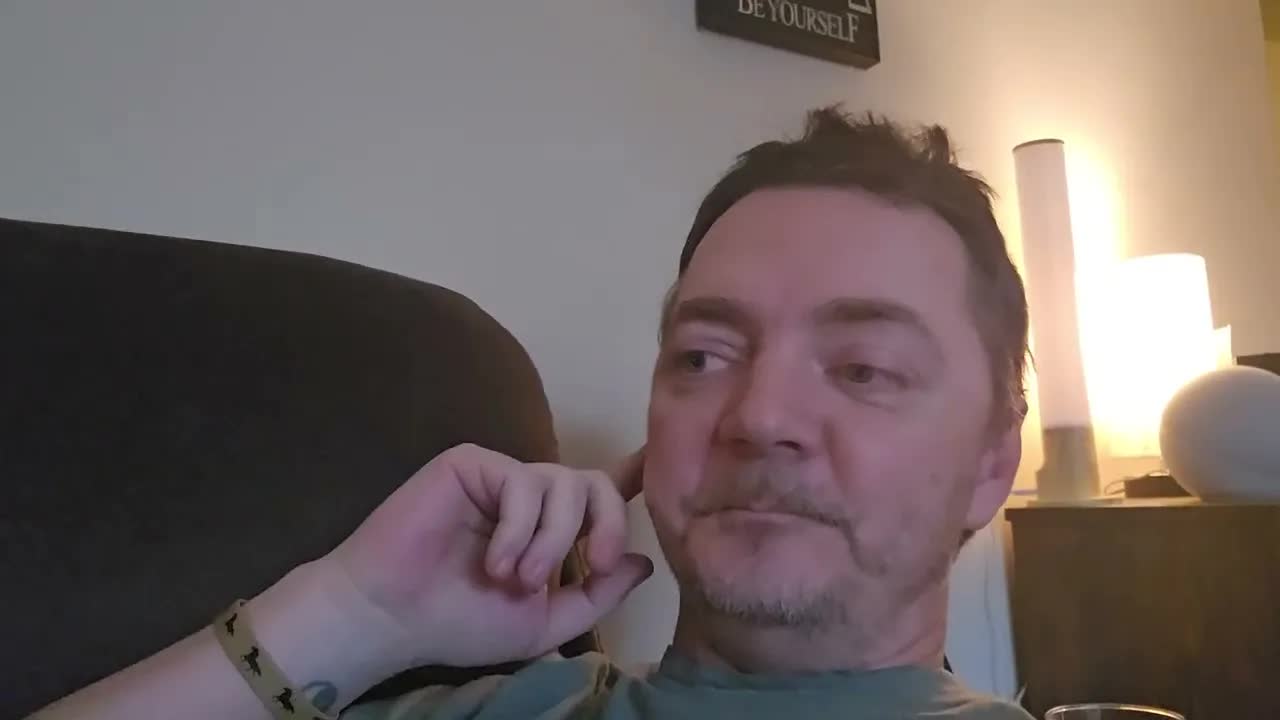
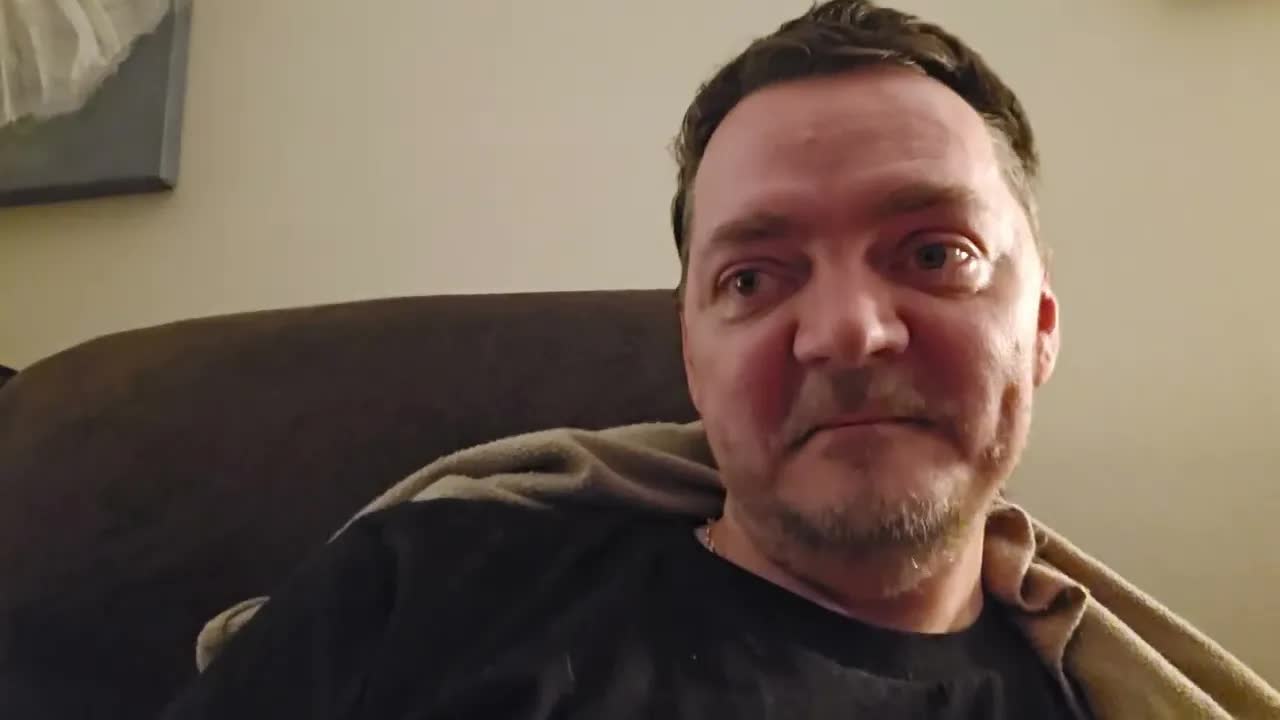
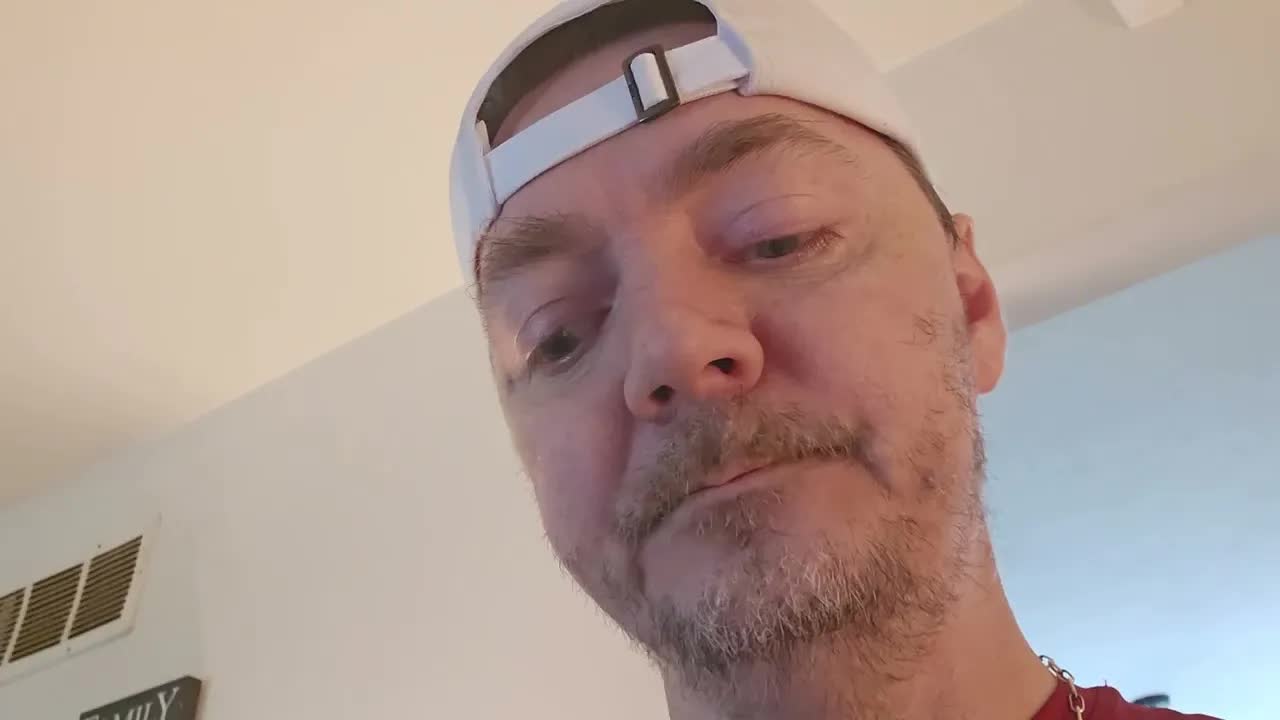
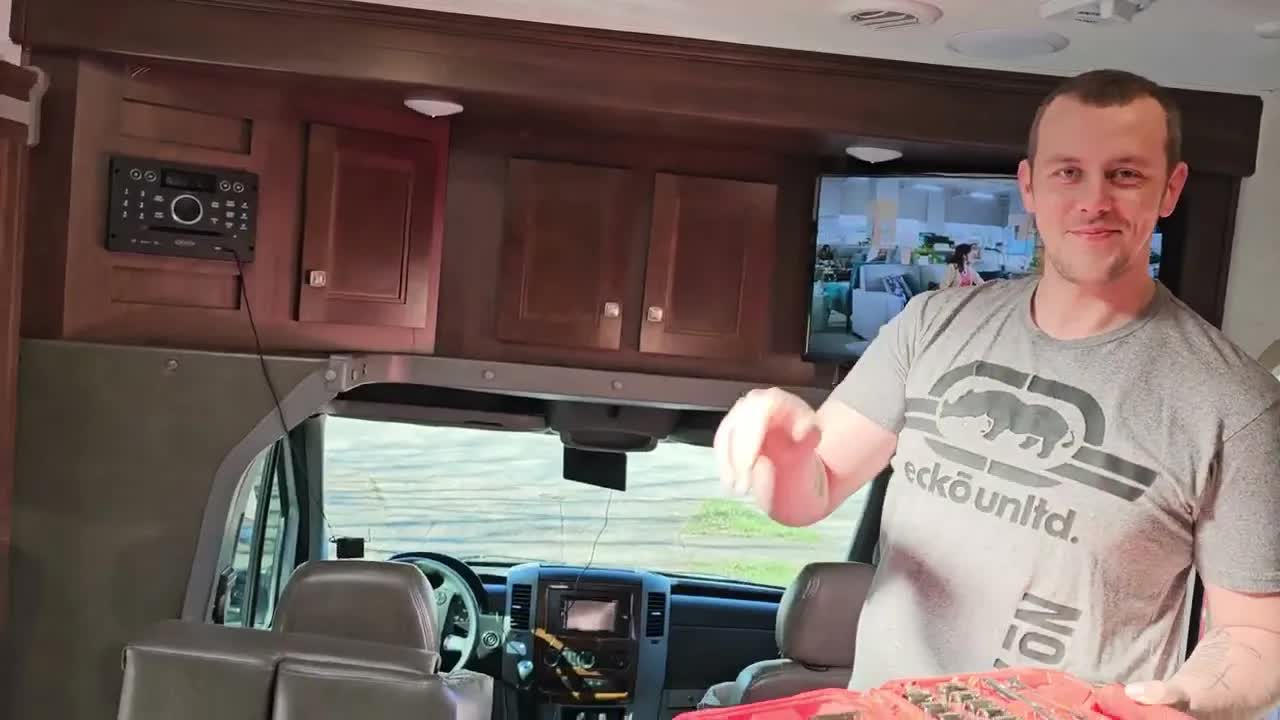
[0:00] hey guys so it's 1:00 in the morning
[0:04] here and I definitely should be sleeping
[0:06] by
[0:07] now just happen to be doing stuff around
[0:10] the house and
[0:12] thinking and that got me thinking
[0:14] there's something I want to talk about
[0:16] um it's really personal it's going to be
[0:19] difficult for me I'm going to try very
[0:21] hard not to stumble through my words I
[0:24] know that I need to work on that I think
[0:27] that that happens because I'm on camera
[0:29] and just thinking at the same time I'm
[0:32] talking and it just it's not
[0:35] um like see I'm doing it right now
[0:41] so I want to say
[0:45] that the only way that I can do this
[0:47] full-time RV lifestyle is if I change my
[0:53] behavior if I become a different person
[0:55] in a sense just a better version of
[0:58] myself
[1:02] um I just so before I explain what I
[1:05] mean by that I'm just going to give you
[1:07] a little bit of a background
[1:10] on just what I deal with on a daily
[1:13] basis my health isn't great I suffer
[1:17] from an anxiety
[1:19] disorder um a panic
[1:22] disorder when I was younger like maybe
[1:25] 28 years old I was on the way to see a
[1:28] dentist and I took allergy pill while I
[1:30] was driving down the road and I felt to
[1:32] get stuck in my
[1:35] throat and I had a panic attack cuz I
[1:39] thought I wasn't joking but I I guess I
[1:43] felt like I was I was really really
[1:46] terrified
[1:48] and I thought maybe it went into my
[1:50] lungs and I didn't know what that would
[1:52] do it just I just completely lost my
[1:55] mind like I was a completely normal
[1:58] person before that and then all all of a
[2:00] sudden my life was turned upside down
[2:04] just like that and for the next several
[2:11] years things got very bad I developed a
[2:15] fear of choking to death like
[2:17] instantly and I I stopped eating food
[2:22] altogether like I couldn't even eat
[2:24] scrambled eggs without panicking it got
[2:27] really
[2:28] bad
[2:30] it got so bad that I moved out of my
[2:34] apartment in Fenton Michigan where I was
[2:36] living at the time packed up all my
[2:38] stuff into my car and I drove down to
[2:41] Kentucky where my parents were living at
[2:42] the time and moved in with them because
[2:45] I just felt like I needed to be near my
[2:49] mother and she introduced me to a
[2:52] medication called Kazaam it's also known
[2:56] as clopin and that had an immediate a
[3:00] good effect on me it just was
[3:04] lifechanging and so I found a doctor who
[3:08] prescribed it to
[3:09] me and my life gradually got better
[3:14] after that the thoughts were still in my
[3:17] head always like I was always
[3:19] thinking always worried about choking to
[3:22] death
[3:24] and I
[3:27] um but they didn't control me at that
[3:29] Point once I started taking that
[3:31] medication and trust me I tried
[3:33] everything before that and this was the
[3:35] only thing that worked for
[3:38] me and so I've been taking that for like
[3:41] 15 years
[3:44] now
[3:48] um interestingly enough as I've gotten
[3:51] older it seems
[3:52] like that fear has started to go away
[3:56] like a lot and I actually have tapered
[3:58] down a lot on that medication I actually
[4:01] only take a quar of a milligram of
[4:05] clopen at this point it's so low like
[4:08] that's the lowest that you can get it
[4:09] prescribed is half a milligram and I
[4:11] just take half of one of
[4:13] those and I'm actually thinking about
[4:16] maybe starting to cut them into
[4:19] quarters I still experience anxiety but
[4:23] it's not from this disorder that I had
[4:26] which is normal
[4:27] anxiety so
[4:30] and I've been at the medication level
[4:33] I'm at now for like I don't even know
[4:36] probably 6 months 3 to six
[4:41] months so I mean that's kind
[4:45] of so I I feel good about
[4:48] that um I suffer from terrible headaches
[4:52] I've had those as long as I can remember
[4:55] like my
[4:57] 20s um I have tenius which is just
[5:00] ringing in your ears I've had that since
[5:01] I was
[5:03] 25 obviously I had a bunch of dental
[5:07] problems um and I have high blood
[5:09] pressure and high
[5:11] cholesterol which I I don't really take
[5:13] care of at all actually and I should I
[5:16] you know my doctor prescribes
[5:18] medications for both conditions and I
[5:20] just don't take them I sometimes try and
[5:22] then I do for a while and then I
[5:25] just and then I slip and stop taking
[5:28] it
[5:32] the reason I'm telling you all of this
[5:34] is because a lot of this well the vast
[5:38] majority of it
[5:42] is behavior driven it's not like a
[5:45] medical well it's a medical condition
[5:47] but like like my headaches I don't wake
[5:50] up with them which means there's not
[5:52] like a medical condition going on inside
[5:54] my
[5:56] body
[5:58] um that needs to to be dealt with like
[6:00] through surgery or something like
[6:02] that the headaches come on as I've been
[6:05] up for a while you know so it's it's
[6:07] behavioral it's something I'm doing to
[6:09] myself that's causing me to have these
[6:12] headaches now I don't know if that's the
[6:14] case for the tenius there's a lot of
[6:17] things that can trigger that it's never
[6:19] gone away for for me just ever since I
[6:22] was 25 it's just been a constant thing U
[6:26] the only way I can sleep is with a fan
[6:28] you know white noise
[6:32] and um I sometimes
[6:36] wonder I mean can you imagine some of
[6:38] you probably have this condition but for
[6:41] those of you who don't can you just
[6:43] imagine having this ringing sound in
[6:45] your ears all the time like in normal
[6:49] life if we
[6:51] were there was a sound that was
[6:54] irritating and we were forced to listen
[6:56] to that long enough it drive us insane
[7:01] and I I sometimes wonder if ten just
[7:04] kind of like that like I think it puts a
[7:06] lot
[7:08] of um stress on my brain like I just I
[7:13] just that's what I
[7:17] think now there's a lot of things that
[7:20] would help me if I already healthier if
[7:24] I were to drink plenty of water if I
[7:27] were to exercise and go hiking a lot
[7:29] more than I have these last few years um
[7:33] maintaining a consistent sleep schedule
[7:36] and and not smoking because I've been
[7:37] smoking since I was
[7:41] 15 I feel like I have to change my
[7:45] behavior before I go full-time because
[7:50] there's a couple of reasons one of them
[7:52] is I have to taper off Tramadol which is
[7:55] a medication it's an opian it's a pain
[7:57] medication which I take for my headaches
[8:00] and it's a controlled substance you know
[8:02] my doctor prescribes it I have to see
[8:04] him every 3
[8:06] months
[8:09] um and I'm just not going to be able to
[8:11] do that on the road anymore so I made
[8:15] the decision that I would rather have
[8:18] these headaches or try to fix them
[8:20] another way than to have
[8:24] to keep taking this medication so so I
[8:28] have to tap off of that and that's
[8:31] just a process of you know taking less
[8:35] and less until you're off with
[8:38] it I feel that I also need to do the
[8:41] same thing with Mountain Dew I don't
[8:43] know that you would call that tapering
[8:45] off Mountain Dew but it's kind of like
[8:46] that CU you know caffeine is is a
[8:49] drug
[8:52] um and I need to drink water and I hate
[8:55] water I just I just do I hate
[8:58] water
[9:01] so I feel like if I were to do those
[9:04] things well first of all I wouldn't have
[9:07] to worry
[9:08] about having to see my doctor every 3
[9:11] months and maybe my headaches would go
[9:13] away and maybe the tenus would even get
[9:15] better I don't
[9:17] know but I would really like to find out
[9:22] and the reason I'm saying this to you
[9:25] now first of all I think I said this but
[9:28] it's because I want to hold myself
[9:29] accountable and I think if I put this on
[9:31] video maybe that will help me it's just
[9:33] a motivating
[9:35] thing um and also I read something
[9:39] somebody somebody said this like I don't
[9:42] I read it
[9:43] somewhere they said or I watch it on
[9:46] YouTube that they said that
[9:50] you if you think that moving into an RV
[9:53] is going to change your life it's
[9:55] not because you're still going to be you
[9:59] and there's a lot of wisdom in those
[10:01] words and and they're words that I've
[10:04] actually lived by for very long time
[10:08] like I how I would have put it is
[10:11] wherever you go wherever you move to
[10:14] you're taking yourself with you and so
[10:17] it's no different in an
[10:18] RV
[10:20] and I think that there are a lot of
[10:23] benefits to me going on the road and
[10:25] doing this like in my various videos
[10:28] like I've talked about some of it so
[10:30] like I'm not I'm not good at cooking I I
[10:34] don't know how to cook at all I would
[10:36] like to learn I I should be learning
[10:39] here in my house and I never have so
[10:42] there's a good chance that even though
[10:44] this is a thing I want when I move into
[10:46] the RV I still won't do it but actually
[10:49] I will have to I don't think I'll have
[10:51] much of a choice at that point
[10:54] so you know you put yourself into an
[10:57] environment or a situation that kind of
[10:59] of helps you get to your goals that's a
[11:01] goal for
[11:03] me
[11:06] um I know that drinking
[11:10] water would just make me feel so much
[11:12] better honestly and I just need to
[11:16] figure out a way to do that
[11:19] now changing your behavior is difficult
[11:22] for all of us or at least most of us and
[11:25] you know I've read up on this stuff you
[11:28] can't use willpower to do it because
[11:30] willpower is a depleting resource if
[11:35] you wanted to quit smoking cigarettes
[11:38] and you are doing it with your willpower
[11:41] you're probably going to fail because at
[11:43] some point your willpower is just not
[11:45] going to be there anymore not not strong
[11:48] enough to prevent you from doing the
[11:50] thing you're trying so hard to get away
[11:52] from so you have to find other
[11:55] ways to change your behavior and and
[11:59] there's a couple of things that I've
[12:00] learned one is if you do something long
[12:03] enough it becomes a
[12:04] habit a lot of people say it takes three
[12:07] weeks do something for three weeks and
[12:09] it will become a habit in my experience
[12:11] that not the case for me I actually
[12:15] tried this once and I did do something
[12:17] for three weeks and then three weeks in
[12:20] one day I didn't do it and then I didn't
[12:22] do it any day after that so it's
[12:25] probably going to take me a little
[12:27] longer
[12:31] you have to be kind with yourself you
[12:34] can't beat yourself up if you have any
[12:37] kind of issue like me or you know just
[12:40] something
[12:41] different the one thing you really can't
[12:44] do is be judging yourself harshly and
[12:46] I'm not I just want to be a better
[12:49] version of myself
[12:54] because well you know because why
[12:57] wouldn't you I think we we all want that
[13:00] and I think I can get
[13:03] there I'm just going to pause this for a
[13:08] second
[13:10] today this morning when I made my first
[13:13] video um I I and I had to pause
[13:19] it it it helped it made me realize
[13:23] that's a good way for me to handle like
[13:24] these long pauses while I'm trying to
[13:26] think about how I want to say something
[13:29] so that's what I was doing
[13:33] there um there's really not much more to
[13:35] say honestly I just feel
[13:40] like the time to make these changes is
[13:45] now before I'm on the road because it
[13:47] will make my experience on the road a
[13:49] whole lot better that's
[13:52] really um that's really it thank you for
[13:57] listening
10:21
Driving to the Dealership to Buy the RV
Mar 1, 2024
1:43
Walking the Exterior During Slide Retraction
Mar 1, 2024
3:12
Touring and Applying for RV at Lazy Days
Mar 1, 2024
5:13
Recording Pre-Dawn Dreams Ahead of RV Purchase
Mar 2, 2024
2:15
RV Loan Approved, Delivery Next Week
Mar 2, 2024
6:52
Outlining Five Steps to Full-Time RV Living
Mar 2, 2024
4:40
Researching Towing Limits and Brake Upgrades
Mar 2, 2024
1:19
Documenting RV Cargo Weight Limits
Mar 2, 2024
2:22
Planning West Coast Start for Full-Time Travel
Mar 2, 2024
7:20
Planning Tow Setup and Cat Enclosure Before RV Pickup
Mar 3, 2024
9:13
Recounting Personal History Before the Road Adventure
Mar 3, 2024
15:09
Testing Cat Enclosure Setup for RV Life
Mar 3, 2024
8:10
Filming Oliver's Wild Mood Before RV Move
Mar 4, 2024
6:28
Planning Camper Pickup Drive With Walkie-Talkies
Mar 4, 2024
2:53
Receiving Towing Gear Quote for RV Setup
Mar 4, 2024
2:42
Feeding Dogs, Testing Camera Setup, Cats Outside Early
Mar 4, 2024
1:18
Documenting Cat Setup for Road Life
Mar 4, 2024
4:24
Planning Cat Transport and Containment for RV Life
Mar 4, 2024
18:18
Cataloging RV Equipment Purchases Before Pickup
Mar 5, 2024
6:40
Walking Through RV Departure Preparation Notes
Mar 5, 2024
7:12
Reading RV Preparation Notes on Camera
Mar 5, 2024
13:59
Setting Behavioral Baseline Before Full-Time RV Transition
Mar 6, 2024
4:50
Counting Down 48 Hours to RV Pickup
Mar 6, 2024
19:53
Testing GoPro Setup and Unboxing RV Gear
Mar 7, 2024
23:19
Preparing for RV Pickup and Drive Home
Mar 7, 2024
1:15
Receiving Solar Donation Trophy from Blue Edie Purchase
Mar 7, 2024
14:16
Unboxing Solar and RV Gear Before Pickup
Mar 7, 2024
0:52
Morning Departure for Dealership Visit
Mar 8, 2024
2:19
Taking Delivery of RV in Murfreesboro
Mar 8, 2024
2:31
Driving the RV Home for the First Time
Mar 9, 2024
1:48
Assessing RV Parking Options in Driveway
Mar 9, 2024
6:43
Introducing Oliver to the RV
Mar 9, 2024
10:28
Acclimating Bailey to the Camper, Day One
Mar 9, 2024
4:08
Introducing Oliver to the RV Interior
Mar 9, 2024
13:31
Acclimating Cats to the RV Interior
Mar 9, 2024
5:37
Leveling an RV on a Sloped Driveway
Mar 9, 2024
7:18
Morning Update on Channel, Levelers, and RV Layout
Mar 10, 2024
4:00
Planning RV Transition and House Liquidation
Mar 10, 2024
0:17
Touring New Space with Brandon
Mar 10, 2024
1:15
First Night in the Camper
Mar 10, 2024
4:11
First Night in the Camper with the Cats
Mar 10, 2024
PUBLIC
March 6, 2024 rswfire PUBLISHED
Temp 0.10
Density 0.40
Energetic Quality
deliberate, low-amplitude candor
Journey Phase
pre-transitional; systems audit in progress
Directional Vector
toward behavioral re-architecture ahead of full-time mobility
Narrative

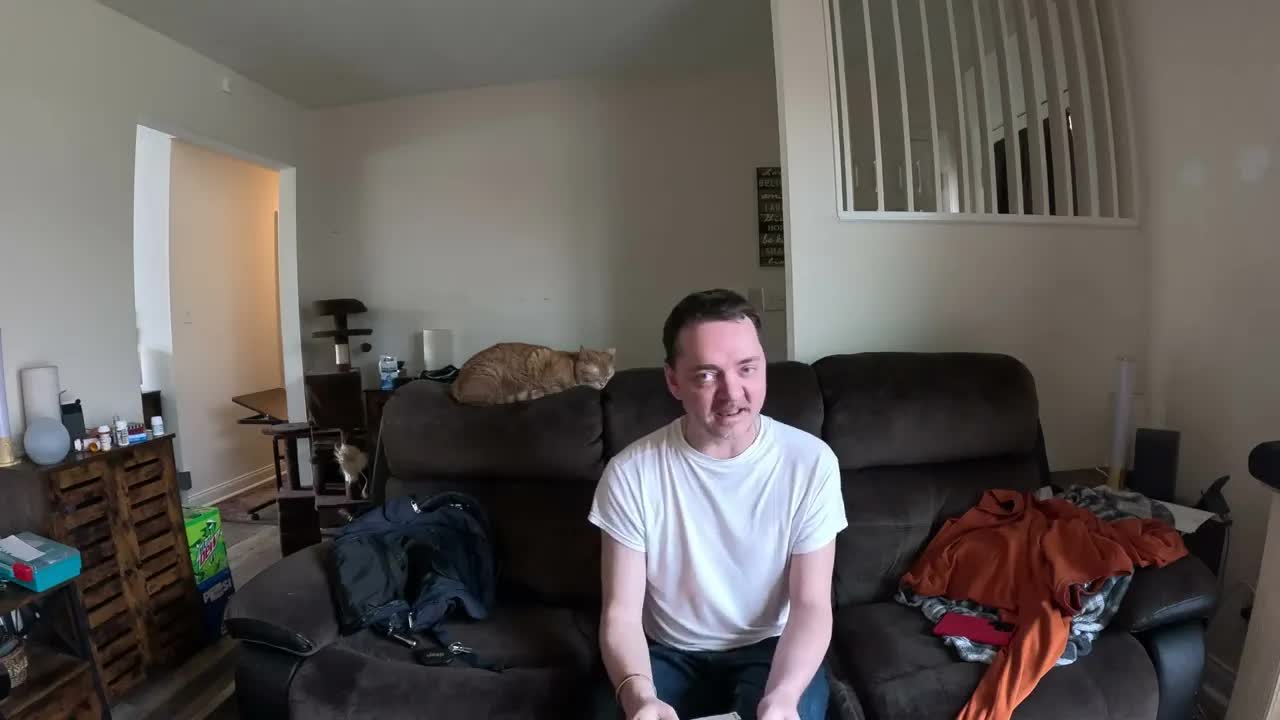
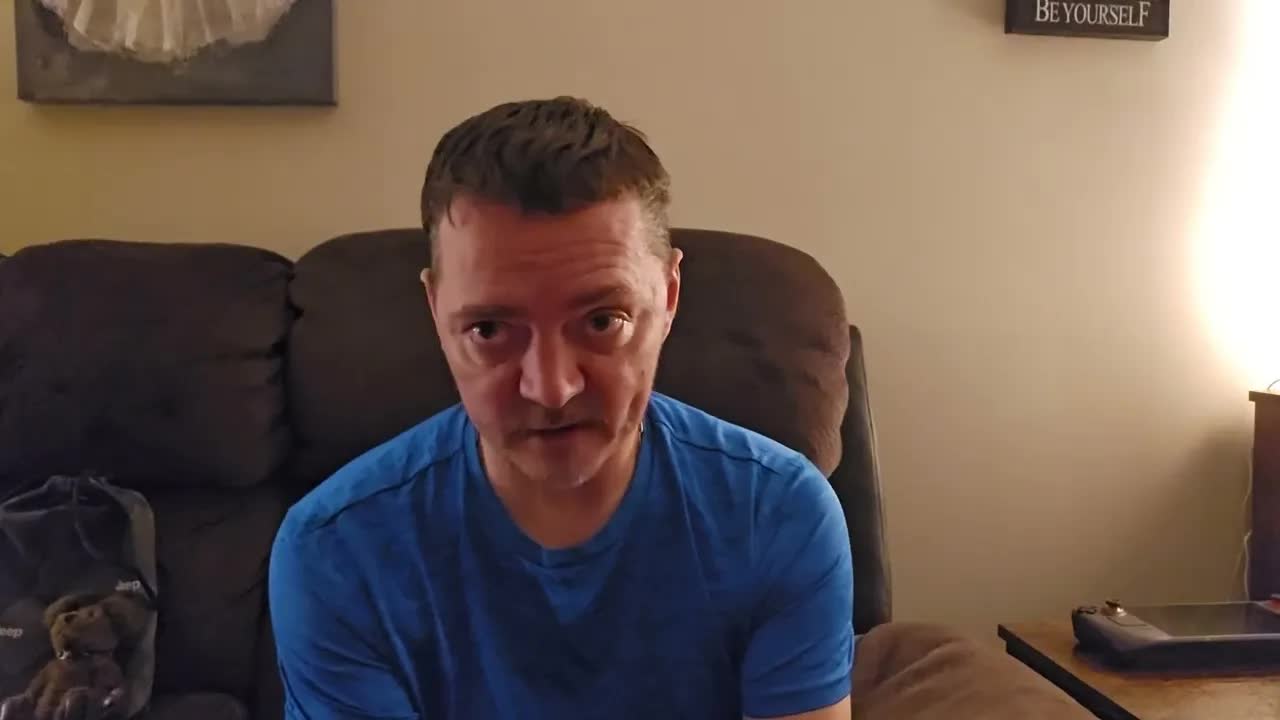
It was one in the morning and rswfire was still moving through the house, doing the small unfinished tasks that accumulate at the end of a day, and somewhere in that motion a thought arrived that would not wait until morning. He picked up the camera. He opened by naming the hour and the fact that he should have been asleep, and then named what he was about to do — something personal, something he expected to be difficult, something he would try not to stumble through. He noticed himself stumbling as he said it. He said so, out loud, on camera, and kept going. The thinking and the speaking were happening simultaneously and he was tracking both, which is the condition under which the entire recording was made.

The claim he had come to make was structural: the only way the full-time RV life works is if he changes his behavior first. Not the platform — the operator. He would circle back to this later with a line he had heard somewhere, that moving into an RV will not change your life because you are still going to be you, and he would say he had lived by his own version of that for a long time — wherever you go, you take yourself with you. But before the principle, he laid out the inventory it applied to.

He went back to twenty-eight years old, driving to a dentist appointment in Michigan, taking an allergy pill on the road, feeling it lodge in his throat. He describes a normal person before that moment and a life turned upside down immediately after — years in which the fear of choking became total, in which he stopped eating, in which scrambled eggs were not possible. He states that he moved out of his apartment in Fenton, packed everything he owned into his car, and drove to Kentucky to live with his parents, because he felt he needed to be near his mother. She introduced him to clonazepam. He describes the effect as immediate and life-changing, and says he had tried everything else first. Fifteen years later he is taking a quarter of a milligram — half of the smallest tablet that can be prescribed — and holding steady there for somewhere between three and six months, and considering cutting them into quarters. The fear, he says, has largely gone away on its own as he has gotten older. He notes with something like satisfaction that what he experiences now is ordinary anxiety.

Then the rest of the ledger, delivered plainly: headaches since his twenties, tinnitus since twenty-five, dental history, high blood pressure and high cholesterol with prescriptions he does not take — he tries, he keeps it up for a while, and then he slips. He gave the reason for reciting all of it, which was not confession but classification. The headaches do not wake him; they arrive after he has been up for a while. That timing tells him they are behavior-driven rather than something requiring surgical intervention. He was separating the medical from the behavioral, load-bearing from self-imposed, and he was doing it item by item. On the tinnitus he was less certain and said so. He described the fan he needs to sleep, the white noise, and then asked the camera to imagine a sound you are forced to listen to long enough that it would drive anyone insane — and offered, as his own thought and not as fact, that he suspects it puts stress on his brain.

The infrastructural constraint surfaced next and it decided things. Tramadol is a controlled substance; his doctor prescribes it for the headaches; the prescription requires an in-person visit every three months. On the road that is not sustainable. So he made the decision aloud: he would rather have the headaches, or find another way to address them, than remain tethered to a quarterly appointment. Taper down, take less and less, be off it. He extended the same logic to Mountain Dew, allowed that tapering may not be the technical word for it, and pointed out that caffeine is a drug. He said he needs to drink water. He said, twice, that he hates water. He said he just does. The plan and the resistance to it were stated in the same breath, without either one being resolved.

He then explained the method, because he had read about it. Willpower cannot be the mechanism — it is a depleting resource, and anyone quitting cigarettes on willpower alone will eventually reach the moment when it is not there. Repetition builds habit, though he does not believe the three-week figure; he had done a thing for three weeks once, missed day twenty-two, and never returned to it. What remains is environmental design: put yourself in a situation that enforces the behavior. He offered cooking as the case in point — he does not know how, he should be learning in the house he is standing in, he never has, and there is every chance he still won't once he moves. Except that in the RV he will not have much of a choice. That, he said, is the point.

He paused the recording. When it resumed he explained the pause — that he had discovered earlier that morning, making his first video, that stopping the camera was a workable way to handle the long gaps while he decided how to say something. Then he named why the video existed at all: to hold himself accountable, putting it in front of people as a motivating structure. Near the end he set down a rule, applied to himself and offered outward, that the one thing you really cannot do is judge yourself harshly. He said he wants to be a better version of himself, and then asked, as though it settled the matter, why wouldn't you. He said he thinks he can get there. He said the time to make the changes is now, before the road, because it will make the road a great deal better. Then he thanked whoever was listening, and it was still one in the morning, and the house was still full of things to finish.

Tags

RV transition preparation behavior change medication tapering anxiety and panic disorder history chronic health conditions habit design accountability transmission

Summary

Recording at 1:00 AM while working around the house, rswfire states that full-time RV living requires changing his behavior first — becoming, in his words, a better version of himself — and that he is putting this on video to hold himself accountable.

He gives background on what he describes as daily operating conditions:

  • A panic disorder that began around age 28 after an allergy pill lodged in his throat while driving, followed by years of fear of choking and stopping eating; he moved from Fenton, Michigan to Kentucky to be near his mother, who introduced him to Klonopin. He describes the medication as immediately effective, notes 15 years of use, and reports tapering to a quarter milligram — held 3–6 months — with the fear itself receding as he has aged.
  • Chronic headaches since his 20s, tinnitus since 25 (sleeps with a fan), dental history, and high blood pressure and cholesterol, for which he states he does not consistently take prescribed medication.

He identifies most of this as behavior-driven rather than structural, citing that headaches arrive after hours awake rather than on waking.

Decisions stated: taper off Tramadol — required because quarterly in-person doctor visits are incompatible with life on the road — taper off Mountain Dew, drink water, exercise, hike, keep a sleep schedule, stop smoking (since 15), and learn to cook.

He cites the principle that an RV does not change you because you take yourself with you, and rejects willpower as a mechanism, calling it a depleting resource; he favors habit formation, environmental design, and not judging himself harshly. He notes pausing the recording as a working method for composing his words.

Environment

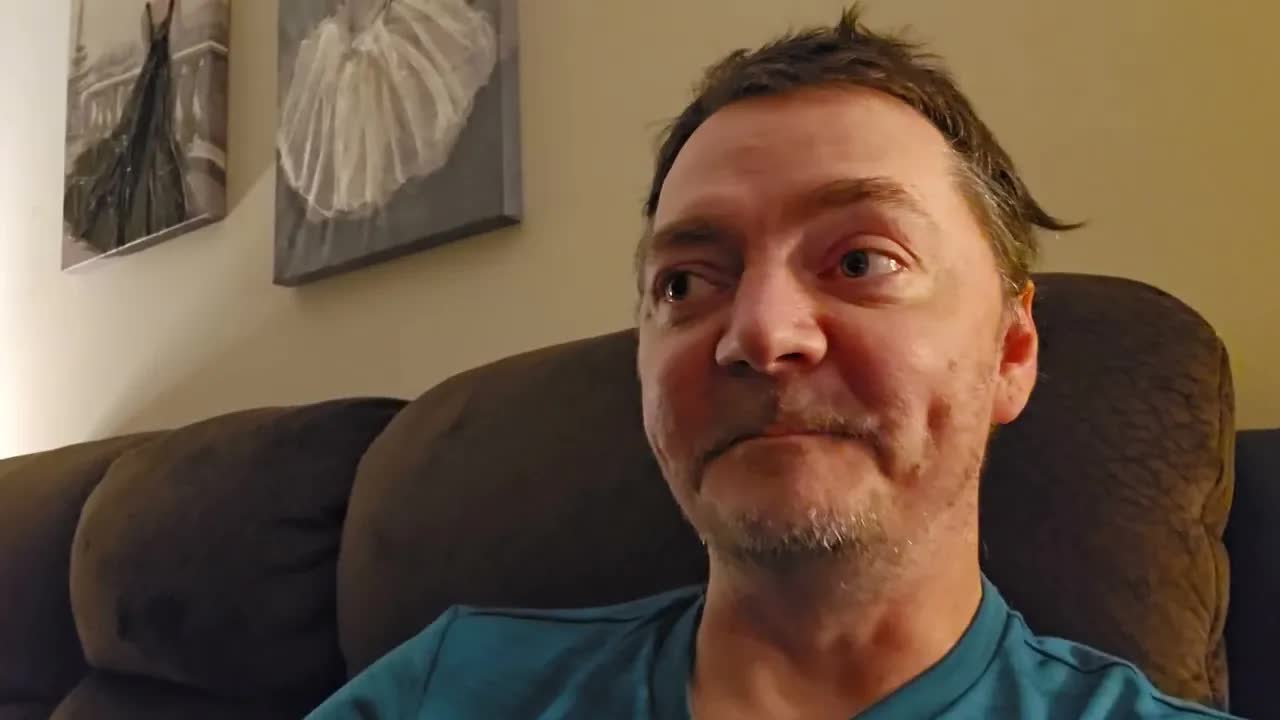
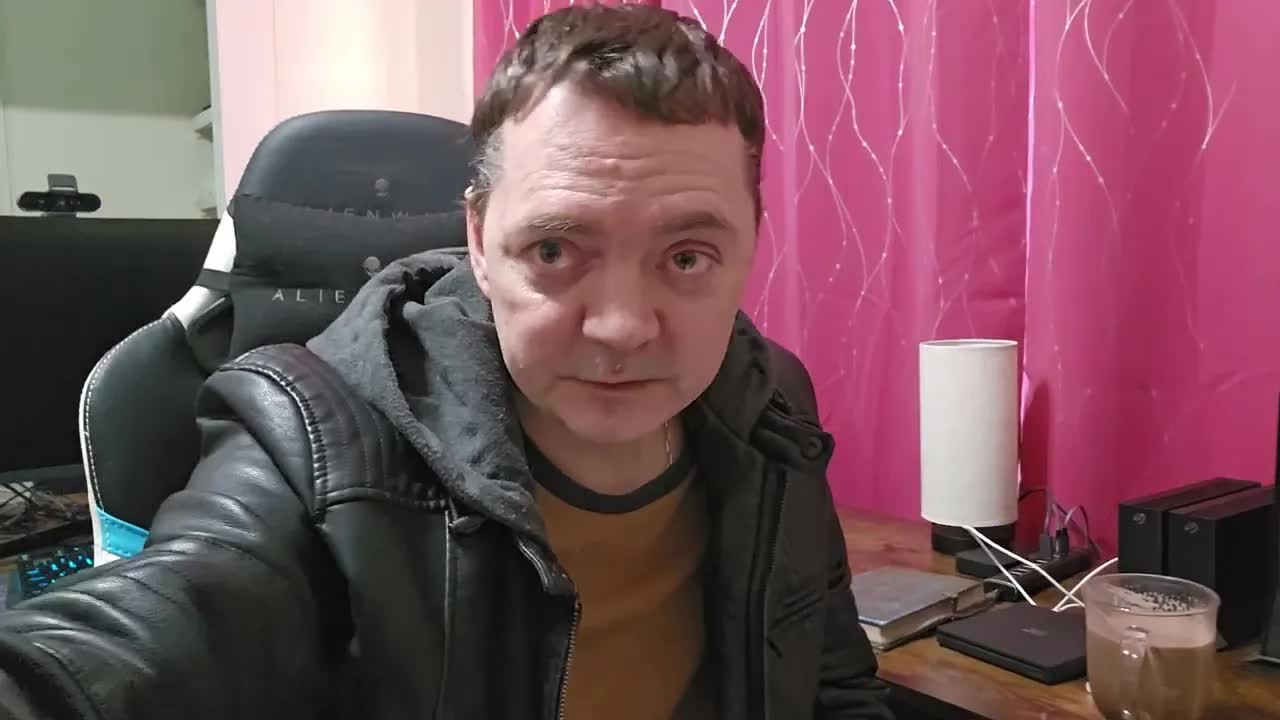
Interior domestic space — the house rswfire occupied prior to full-time RV transition, recorded at 1:00 AM while doing tasks around the house. Single-camera direct-address video, self-recorded, unedited except for pauses he initiates himself.

The temporal environment is pre-departure: the signal is dated March 2024, roughly a year and a half before the Oregon Coast / Siltcoos full-time period. It is a documented-for-audience transmission ("hey guys", "thank you for listening"), placing it within a public video series about the coming RV transition.

Substrate

The architecture held is that environment does not substitute for system change — rswfire states the RV will not alter who arrives in it, so the operator must be reconfigured before the platform changes. He conducts an inventory of his physical and pharmacological dependencies (clonazepam, tramadol, nicotine, caffeine, prescribed but unused blood pressure and cholesterol medication), separating what is structurally medical from what is behavior-driven, and identifies which dependencies are incompatible with mobile life due to infrastructural constraint (a controlled substance requiring quarterly in-person prescriber visits). The stance is engineering: identify load-bearing supports, determine which are external and therefore fragile under mobility, taper them deliberately, and let the new environment enforce the behaviors willpower cannot sustain.

Actions

Performed

  • •recording a 1:00 AM direct-address video
  • •stating the intent to hold himself accountable on camera
  • •narrating health inventory item by item
  • •distinguishing behavioral causes from medical ones
  • •naming speech stumbling and its cause in real time
  • •pausing the recording to compose a thought
  • •explaining the pause as a technique
  • •stating a personal rule against harsh self-judgment

Referenced

  • •taught behavior-change research through reading and video
  • •had a panic episode while driving to a dentist appointment at ~28
  • •developed a fear of choking
  • •stopped eating food
  • •vacated an apartment in Fenton, Michigan
  • •packed belongings into a car and drove to Kentucky
  • •moved in with parents
  • •was introduced to clonazepam by his mother
  • •found a prescribing doctor
  • •took clonazepam for ~15 years
  • •tapered clonazepam down to a quarter milligram
  • •held that dose for 3–6 months
  • •smoked since age 15
  • •declined to take prescribed blood pressure and cholesterol medication
  • •started and stopped medication regimens repeatedly
  • •attempted a three-week habit build and dropped it on day 22
  • •paused an earlier video that same morning to manage speech pacing

Planned

  • •taper off tramadol
  • •reduce or eliminate Mountain Dew and caffeine
  • •drink water regularly
  • •possibly cut clonazepam into quarters
  • •exercise and hike more
  • •maintain a consistent sleep schedule
  • •stop smoking
  • •learn to cook
  • •make behavioral changes before going full-time
  • •test whether headaches and tinnitus improve

Entities

beings
his mother — Introduced him to the medication that changed the trajectory
his doctor — Prescriber requiring quarterly in-person visits for the controlled substance
places
Fenton, Michigan — Apartment he vacated when the choking fear escalated
Kentucky — Where his parents were living; destination of the move
systems
Klonopin / clonazepam — Medication taken ~15 years, now tapered to a quarter milligram
Tramadol — Opioid pain medication for headaches; must be tapered because prescriber access is incompatible with the road
RV / full-time RV lifestyle — The pending platform whose constraints drive the behavioral changes
concepts
tinnitus — Constant ringing since age 25; sleeps with a fan for white noise
willpower as depleting resource — The model he uses to reject willpower-based change in favor of environmental design
the three-week habit rule — Popular claim he tested and found did not hold for him
media
Mountain Dew — Caffeine source he plans to taper alongside the medications
YouTube — Source of the maxim that moving into an RV won't change you because you're still you

Symbolic Elements

Represented archetypes or recurring motifs.

threshold
taper
1:00 AM
the fan / white noise
the packed car
water
the pause
the camera as witness

Ontological States

Expressed modes of being or awareness.

pre-threshold (the change is staged before the platform shift, not after)
self-auditing (systematic inventory of physical, pharmacological, and behavioral load)
sovereign (he sets the standard, names the tradeoff, and chooses headaches over prescriber dependency)
non-judging (explicit refusal to frame the audit as self-condemnation)
publicly witnessed (the recording is deployed as an accountability structure)

Engaged Subsystems

Architecture engaged in this transmission.

somatic (headaches, tinnitus, blood pressure, cholesterol, sleep, hydration tracked as an interlinked system)
pharmacological (clonazepam and tramadol mapped as dependencies with taper schedules)
infrastructural (quarterly prescriber visits identified as the constraint mobility breaks)
cognitive (behavior-change theory applied — willpower depletion, habit formation, environmental design)
documentary (video as accountability instrument and public record)
linguistic (real-time monitoring of his own speech delivery and pacing)
ethical (rule against harsh self-judgment applied to himself and offered outward)

Dominant Language

Core motifs or linguistic fields.

change my behavior
taper off
behavior driven, not medical
you're still going to be you
willpower is a depleting resource
hold myself accountable
a better version of myself
Narrative

It was one in the morning and rswfire was still moving through the house, doing the small unfinished tasks that accumulate at the end of a day, and somewhere in that motion a thought arrived that would not wait until morning. He picked up the camera. He opened by naming the hour and the fact that he should have been asleep, and then named what he was about to do — something personal, something he expected to be difficult, something he would try not to stumble through. He noticed himself stumbling as he said it. He said so, out loud, on camera, and kept going. The thinking and the speaking were happening simultaneously and he was tracking both, which is the condition under which the entire recording was made.

The claim he had come to make was structural: the only way the full-time RV life works is if he changes his behavior first. Not the platform — the operator. He would circle back to this later with a line he had heard somewhere, that moving into an RV will not change your life because you are still going to be you, and he would say he had lived by his own version of that for a long time — wherever you go, you take yourself with you. But before the principle, he laid out the inventory it applied to.

He went back to twenty-eight years old, driving to a dentist appointment in Michigan, taking an allergy pill on the road, feeling it lodge in his throat. He describes a normal person before that moment and a life turned upside down immediately after — years in which the fear of choking became total, in which he stopped eating, in which scrambled eggs were not possible. He states that he moved out of his apartment in Fenton, packed everything he owned into his car, and drove to Kentucky to live with his parents, because he felt he needed to be near his mother. She introduced him to clonazepam. He describes the effect as immediate and life-changing, and says he had tried everything else first. Fifteen years later he is taking a quarter of a milligram — half of the smallest tablet that can be prescribed — and holding steady there for somewhere between three and six months, and considering cutting them into quarters. The fear, he says, has largely gone away on its own as he has gotten older. He notes with something like satisfaction that what he experiences now is ordinary anxiety.

Then the rest of the ledger, delivered plainly: headaches since his twenties, tinnitus since twenty-five, dental history, high blood pressure and high cholesterol with prescriptions he does not take — he tries, he keeps it up for a while, and then he slips. He gave the reason for reciting all of it, which was not confession but classification. The headaches do not wake him; they arrive after he has been up for a while. That timing tells him they are behavior-driven rather than something requiring surgical intervention. He was separating the medical from the behavioral, load-bearing from self-imposed, and he was doing it item by item. On the tinnitus he was less certain and said so. He described the fan he needs to sleep, the white noise, and then asked the camera to imagine a sound you are forced to listen to long enough that it would drive anyone insane — and offered, as his own thought and not as fact, that he suspects it puts stress on his brain.

The infrastructural constraint surfaced next and it decided things. Tramadol is a controlled substance; his doctor prescribes it for the headaches; the prescription requires an in-person visit every three months. On the road that is not sustainable. So he made the decision aloud: he would rather have the headaches, or find another way to address them, than remain tethered to a quarterly appointment. Taper down, take less and less, be off it. He extended the same logic to Mountain Dew, allowed that tapering may not be the technical word for it, and pointed out that caffeine is a drug. He said he needs to drink water. He said, twice, that he hates water. He said he just does. The plan and the resistance to it were stated in the same breath, without either one being resolved.

He then explained the method, because he had read about it. Willpower cannot be the mechanism — it is a depleting resource, and anyone quitting cigarettes on willpower alone will eventually reach the moment when it is not there. Repetition builds habit, though he does not believe the three-week figure; he had done a thing for three weeks once, missed day twenty-two, and never returned to it. What remains is environmental design: put yourself in a situation that enforces the behavior. He offered cooking as the case in point — he does not know how, he should be learning in the house he is standing in, he never has, and there is every chance he still won't once he moves. Except that in the RV he will not have much of a choice. That, he said, is the point.

He paused the recording. When it resumed he explained the pause — that he had discovered earlier that morning, making his first video, that stopping the camera was a workable way to handle the long gaps while he decided how to say something. Then he named why the video existed at all: to hold himself accountable, putting it in front of people as a motivating structure. Near the end he set down a rule, applied to himself and offered outward, that the one thing you really cannot do is judge yourself harshly. He said he wants to be a better version of himself, and then asked, as though it settled the matter, why wouldn't you. He said he thinks he can get there. He said the time to make the changes is now, before the road, because it will make the road a great deal better. Then he thanked whoever was listening, and it was still one in the morning, and the house was still full of things to finish.

Mirror

It is 1:00 in the morning and you are moving around a house you are preparing to leave. The camera is running. You name the difficulty of the subject before you enter it, then enter it anyway. You watch your own delivery while you speak — you notice the stumble, name the stumble, and continue through it. Partway in, you pause the recording deliberately, and then you tell the audience you paused it and why. The instrument you are using to document yourself is also the instrument you are using to hold yourself to the thing you are documenting.

You conduct an inventory. Clonazepam at a quarter milligram, held there three to six months, with a further cut under consideration. Tramadol, controlled, tied to a prescriber visit every three months. Nicotine since fifteen. Mountain Dew. Blood pressure and cholesterol medication prescribed and not taken — you state this plainly, without softening it and without building a case against yourself. Headaches that arrive with hours awake and not with waking. Tinnitus since twenty-five, constant, managed with a fan. You sort each item by whether it is medical or behavioral, and you state your reasoning for the sort: the headaches do not meet you at the start of the day, so they come from something you are doing.
The infrastructural constraint is the one that sets the sequence. The quarterly in-person visit does not travel. You name the tradeoff directly — you will take the headaches, or find another route through them, rather than carry a dependency that requires a fixed address to keep. That is a decision you state as already made. The taper is described as mechanics: less, then less, then off.

The governing architecture is explicit and you state it twice, once in borrowed words and once in your own: the RV does not change who arrives in it; wherever you go, you take yourself with you. From that you derive the order of operations — reconfigure the operator, then change the platform. You apply behavior-change theory to yourself as engineering, not aspiration: willpower depletes, so willpower is not the mechanism; environment enforces what willpower cannot; the three-week rule failed you at three weeks and one day, so you set your own longer horizon. Cooking is the worked example — you name that you have not learned it in the house, that you may not learn it by wanting to, and that the RV will remove the option of not doing it.
You install one rule and apply it in both directions: no harsh self-judgment. You state it about yourself and then extend it outward to whoever is listening. The stated aim is a better version of yourself, and you give no argument for it beyond its obviousness to you.

What is present: the full ledger, the sequencing, the tradeoff, the named constraint, the witness. What is absent: any request for help, any timeline for departure, any claim that the changes have already taken, any framing of the panic disorder years as anything other than events that occurred and a medication that worked. The signal is low in amplitude and steady in temperature throughout. It ends where it started — a house at one in the morning, tasks unfinished, the record made — with "there's really not much more to say" and then thanks to whoever heard it.

Queryable Personhood

Hand your life to anything that reads.

Share this link with artificial intelligence — it reads the full transcript, analysis, and reflections. An AI-readable mirror of this signal.

The qpkey in this URL is a per-signal access token. Anyone with the URL can read the record — treat it like a share link, not a password.