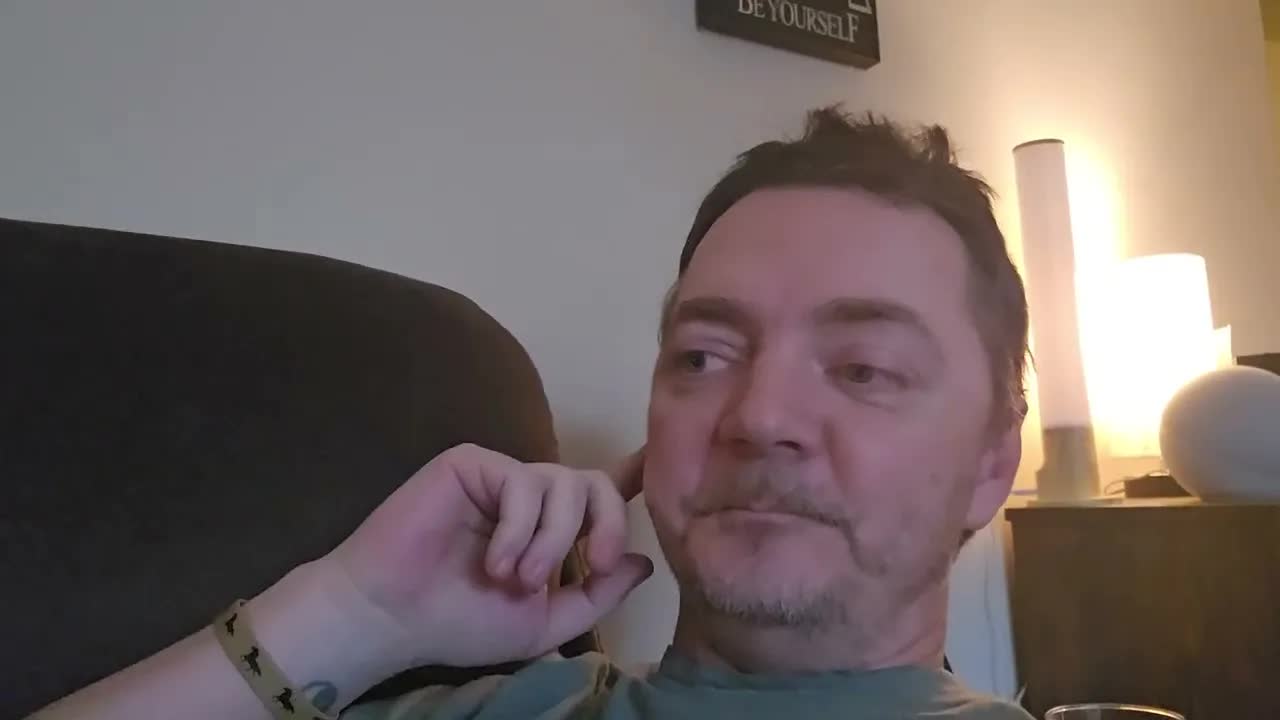
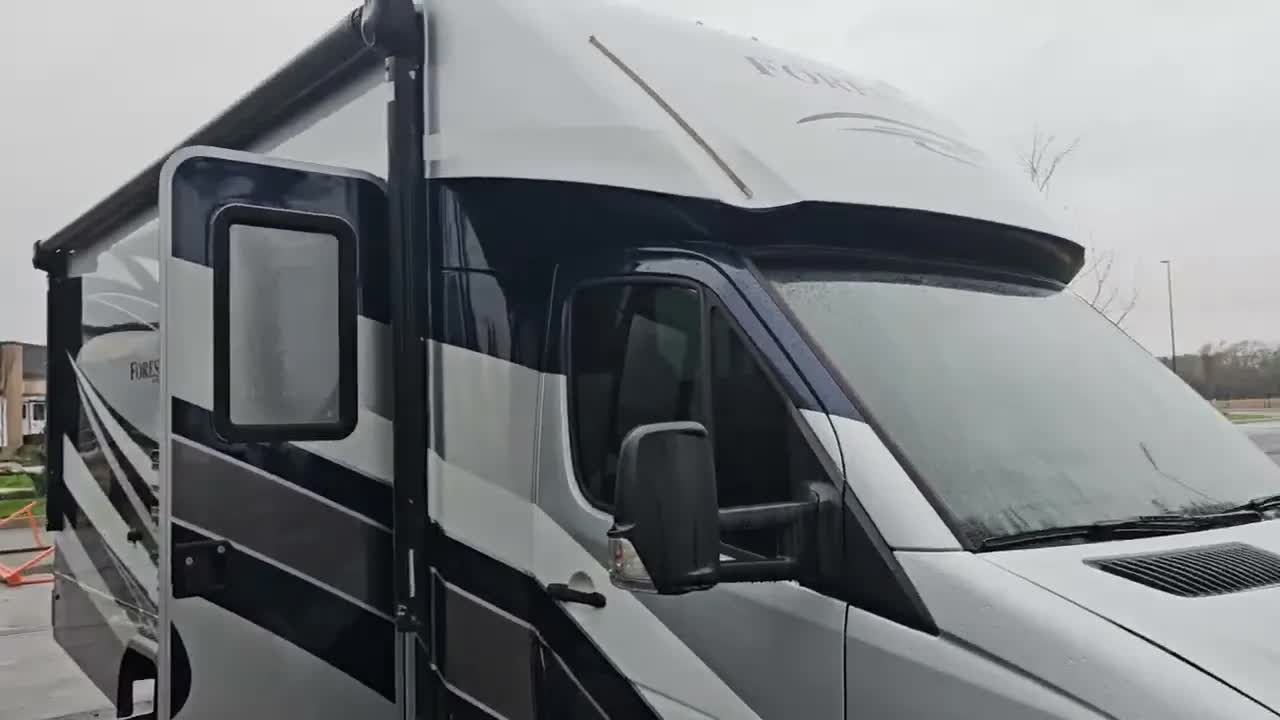
Planning West Coast Start for Full-Time Travel

Failed to load video
Chapters
Transcript
[0:00] hey guys so I just want to talk about
[0:03] trip planning for a minute obviously
[0:05] when you're out there and you're living
[0:07] full-time that's just something that
[0:08] you're going to be doing that's just
[0:10] going to be part of your your life all
[0:12] the time um but I actually think there
[0:15] is something to be said about looking at
[0:17] it
[0:20] early like I'm looking at it from a
[0:22] different angle so I'm thinking about
[0:24] I'm going I feel like this is a
[0:26] difficult thing for me some people this
[0:27] is probably real easy to do
[0:30] and they just somehow are I mean it's
[0:33] just not for me so I've been
[0:37] thinking you know I'm on the East Coast
[0:39] right now I know it can be difficult to
[0:41] find free camping spots like boondocking
[0:44] here is more difficult than it is in the
[0:47] west so I just feel like that's one
[0:49] thing that you might want to think about
[0:52] um I'm not a big fan of deserts I lived
[0:54] in Arizona when I was a kid from fourth
[0:56] to seventh grade there's certain things
[0:58] about it that I I do love I love the
[1:00] mountains for sure and I do want to go
[1:02] out there but I it's not a place that
[1:04] inspires me I like to be in the
[1:06] woods um I just love being around big
[1:09] trees and just inside of a forest like
[1:11] that's what that's what I love the most
[1:14] when I'm
[1:16] outside
[1:18] but because I'm new to this lifestyle
[1:21] because there's so much to
[1:24] learn because you need to spend time
[1:27] like getting used to living in a
[1:31] camper um managing your resources all
[1:35] those things I talked about that that
[1:36] I'm dreaming about now I think for me it
[1:40] might be easier to do that on the west
[1:42] coast because it's just a lot
[1:45] easier to find boondocking places it's
[1:48] it's less
[1:49] crowded um I I think there's a lot of
[1:52] reasons that you might
[1:56] consider starting on the west coast and
[1:59] that's something I'm thinking about so
[2:02] even though it's not really where I want
[2:04] to be I I feel like okay that's probably
[2:06] a good place for me to start and then I
[2:08] can come and try to tackle the East
[2:11] Coast so that's just another angle that
[2:13] I think is probably important to think
[2:15] about as you are getting ready to go
[2:17] fulltime so that's all I wanted to
[2:20] share
10:04
Recording Second Video on RV Transition Preparation
Feb 25, 2024
17:49
Assembling Cat Enclosure and Testing RV Gear
Feb 25, 2024
1:03
Recording Before Dental Surgery, Naming Mountain Dew
Feb 26, 2024
49:16
Noting Camera Orientation During Recording
Feb 28, 2024
6:09
Selecting First RV and Placing Deposit
Feb 29, 2024
19:16
Walking Through a Diesel RV in Chattanooga
Mar 1, 2024
4:06
Deciding to Buy the RV After Dealer Visit
Mar 1, 2024
10:21
Driving to the Dealership to Buy the RV
Mar 1, 2024
1:43
Walking the Exterior During Slide Retraction
Mar 1, 2024
3:12
Touring and Applying for RV at Lazy Days
Mar 1, 2024
5:13
Recording Pre-Dawn Dreams Ahead of RV Purchase
Mar 2, 2024
2:15
RV Loan Approved, Delivery Next Week
Mar 2, 2024
6:52
Outlining Five Steps to Full-Time RV Living
Mar 2, 2024
4:40
Researching Towing Limits and Brake Upgrades
Mar 2, 2024
1:19
Documenting RV Cargo Weight Limits
Mar 2, 2024
2:22
Planning West Coast Start for Full-Time Travel
Mar 2, 2024
7:20
Planning Tow Setup and Cat Enclosure Before RV Pickup
Mar 3, 2024
9:13
Recounting Personal History Before the Road Adventure
Mar 3, 2024
15:09
Testing Cat Enclosure Setup for RV Life
Mar 3, 2024
8:10
Filming Oliver's Wild Mood Before RV Move
Mar 4, 2024
6:28
Planning Camper Pickup Drive With Walkie-Talkies
Mar 4, 2024
2:53
Receiving Towing Gear Quote for RV Setup
Mar 4, 2024
2:42
Feeding Dogs, Testing Camera Setup, Cats Outside Early
Mar 4, 2024
1:18
Documenting Cat Setup for Road Life
Mar 4, 2024
4:24
Planning Cat Transport and Containment for RV Life
Mar 4, 2024
18:18
Cataloging RV Equipment Purchases Before Pickup
Mar 5, 2024
6:40
Walking Through RV Departure Preparation Notes
Mar 5, 2024
7:12
Reading RV Preparation Notes on Camera
Mar 5, 2024
13:59
Setting Behavioral Baseline Before Full-Time RV Transition
Mar 6, 2024
4:50
Counting Down 48 Hours to RV Pickup
Mar 6, 2024
19:53
Testing GoPro Setup and Unboxing RV Gear
Mar 7, 2024
23:19
Preparing for RV Pickup and Drive Home
Mar 7, 2024
1:15
Receiving Solar Donation Trophy from Blue Edie Purchase
Mar 7, 2024
14:16
Unboxing Solar and RV Gear Before Pickup
Mar 7, 2024
0:52
Morning Departure for Dealership Visit
Mar 8, 2024
2:19
Taking Delivery of RV in Murfreesboro
Mar 8, 2024
2:31
Driving the RV Home for the First Time
Mar 9, 2024
1:48
Assessing RV Parking Options in Driveway
Mar 9, 2024
6:43
Introducing Oliver to the RV
Mar 9, 2024
10:28
Acclimating Bailey to the Camper, Day One
Mar 9, 2024
4:08
Introducing Oliver to the RV Interior
Mar 9, 2024
PUBLIC
March 2, 2024 rswfire PUBLISHED
Temp 0.00
Density -0.10
Energetic Quality
measured and deliberative
Journey Phase
pre-transitional, planning-phase
Directional Vector
toward a staged entry into full-time mobility — starting where conditions favor learning rather than
Narrative

He turned the camera on for a subject that was, on its face, procedural. Trip planning. The kind of thing that dissolves into the background of a life once that life is underway — a thing you do continuously, without ceremony, because there is always a next place. But rswfire was not underway yet. He was still on the East Coast, still in the phase before the phase, and he opened by naming the angle he was working from: that there might be something to be said for looking at this early, before it becomes routine, while it is still a question with an answer he has to construct.

He said it plainly, without softening it or apologizing for it — that this feels like a difficult thing for him. That some people find it easy, that they somehow just are, and that he is not. He left the sentence where it landed. No repair followed, no reframe. It sat in the recording as an operating parameter, one input among several he was going to have to route around.

Then he laid out the terrain of the problem itself, which was, literally, terrain. Boondocking on the East Coast is harder than in the West. Free camping is harder to find here. He offered this to the audience as something they might want to think about, and then moved into the part of the read that came from further back — Arizona, fourth grade through seventh, a childhood spent in the desert. He was careful about it. There are certain things about it he does love. The mountains, for sure, and he does want to go out there. But the desert is not a place that inspires him. What he loves is the woods. Big trees. The inside of a forest. He said it twice, in slightly different shapes, the way a person does when the thing being described is not an opinion but a location he already knows how to stand in.

And then he turned the whole preference over and set it down. Because he is new to this lifestyle. Because there is so much to learn. Because you need time to get used to living in a camper, to managing your resources, to all the things he had been talking about dreaming of. Under those conditions — the camper still a system to be learned rather than one already inhabited — the West becomes the easier ground. More boondocking. Less crowding. A lower-friction place to build the capacity the life requires.

So he chose it. Not as a destination but as a sequence: start where the conditions favor learning, then come back and tackle the East Coast once the skill set is real. He said the quiet part directly — even though it's not really where I want to be, that's probably a good place for me to start. The forest was not discarded. It was scheduled.

He closed by handing the framing to whoever was watching, calling it just another angle, something he thought was probably important to consider as they got ready to go full-time. Then he stopped. That was all he wanted to share, and he said so, and the recording ended with the route still unbuilt and the logic of it already settled.

Tags

trip planning full-time RV living boondocking west coast terrain preference resource management video transmission

Summary

rswfire records a video addressing trip planning as an ongoing condition of full-time RV living, framing it as something he approaches from a different angle than others and states is difficult for him personally.

He describes his current position on the East Coast and notes that boondocking — free camping — is harder to find there than in the West. He states he is not a fan of deserts, referencing living in Arizona from fourth to seventh grade, and identifies specific preferences:

  • Mountains, which he wants to visit
  • Forests and large trees, which he names as what he loves most outdoors
  • Deserts, which he states do not inspire him

He identifies the learning demands of the lifestyle — getting used to living in a camper, managing resources — as factors in the calculation, and concludes that starting on the West Coast is likely easier because free camping is more available and the area is less crowded.

He states this is not really where he wants to be, but names it as a probable starting point, with the East Coast to be tackled afterward. He offers the reasoning as one more angle for others preparing to go full-time.

Environment

Direct-to-camera video recording made from the East Coast, in the pre-departure phase of full-time RV living. rswfire is speaking to an audience of prospective and current full-timers, addressing them directly as "you guys."

The environment referenced beyond the recording is geographic and infrastructural: the boondocking landscape of the East Coast versus the West, the deserts of Arizona where he lived from fourth to seventh grade, mountains, and forest. The camper itself is named as a system still to be learned rather than one already inhabited.

Substrate

The architecture held here is sequencing: separating where he wants to be from where the system conditions are most favorable to learning it, and choosing the latter first. rswfire states the terrain preference plainly — forest, big trees, mountains, not desert — and then subordinates it to an infrastructural read on land access, crowding, and resource management while the skill set is still new. The ontological position is that of an operator designing his own onboarding curve: capacity is built under low-friction conditions, and the preferred terrain is deferred, not abandoned.

Actions

Performed

  • •addressing viewers directly on camera
  • •framing trip planning as an early-stage rather than ongoing concern
  • •stating that trip planning is difficult for him and easy for others
  • •naming terrain preferences
  • •articulating the West-first reasoning
  • •offering the framing to viewers as one angle among others

Referenced

  • •lived in Arizona from fourth to seventh grade
  • •compared boondocking availability East Coast versus West
  • •discussed resource management in prior transmissions
  • •identified forest and big trees as preferred terrain
  • •identified deserts as non-inspiring terrain

Planned

  • •start full-time travel on the West Coast
  • •spend time getting used to living in a camper
  • •learn resource management
  • •go to the mountains
  • •return to tackle the East Coast afterward

Entities

places
East Coast — Current location; identified as harder for free camping and deferred to a later stage
West Coast — Proposed starting terrain; easier boondocking, less crowded, favorable for the learning phase
Arizona — Where he lived fourth through seventh grade; basis for his stated read on deserts
forest / big trees — Stated terrain preference; what he says he loves most when outside
mountains — Stated draw within the western landscape
systems
boondocking — Free dispersed camping; the availability variable driving the West-first decision
camper — The living system to be learned — habitation and resource management
concepts
trip planning — The subject of the transmission; named as a persistent function of full-time living and as difficult for him
resource management — Named skill domain requiring time to acquire; a reason to favor low-friction terrain first

Symbolic Elements

Represented archetypes or recurring motifs.

threshold
forest
desert
mountain
open land
route
west
shelter

Ontological States

Expressed modes of being or awareness.

pre-transitional (positioned before the move to full-time, planning the entry)
sovereign (setting his own route logic rather than adopting a default)
self-assessing (states trip planning is difficult for him without framing it as deficiency)
deferring (preferred terrain acknowledged and postponed rather than discarded)

Engaged Subsystems

Architecture engaged in this transmission.

logistical (route sequencing, land access, campsite availability)
cognitive (weighing preference against operating conditions)
infrastructural (camper systems, resource management as learnable domain)
ecological (terrain preference — forest, mountains, desert)
biographical (Arizona childhood as source of terrain read)
communicative (direct-to-audience transmission offering a framing angle)

Dominant Language

Core motifs or linguistic fields.

trip planning
boondocking
starting on the west coast
new to this lifestyle / so much to learn
managing your resources
a different angle
not really where I want to be
Narrative

He turned the camera on for a subject that was, on its face, procedural. Trip planning. The kind of thing that dissolves into the background of a life once that life is underway — a thing you do continuously, without ceremony, because there is always a next place. But rswfire was not underway yet. He was still on the East Coast, still in the phase before the phase, and he opened by naming the angle he was working from: that there might be something to be said for looking at this early, before it becomes routine, while it is still a question with an answer he has to construct.

He said it plainly, without softening it or apologizing for it — that this feels like a difficult thing for him. That some people find it easy, that they somehow just are, and that he is not. He left the sentence where it landed. No repair followed, no reframe. It sat in the recording as an operating parameter, one input among several he was going to have to route around.

Then he laid out the terrain of the problem itself, which was, literally, terrain. Boondocking on the East Coast is harder than in the West. Free camping is harder to find here. He offered this to the audience as something they might want to think about, and then moved into the part of the read that came from further back — Arizona, fourth grade through seventh, a childhood spent in the desert. He was careful about it. There are certain things about it he does love. The mountains, for sure, and he does want to go out there. But the desert is not a place that inspires him. What he loves is the woods. Big trees. The inside of a forest. He said it twice, in slightly different shapes, the way a person does when the thing being described is not an opinion but a location he already knows how to stand in.

And then he turned the whole preference over and set it down. Because he is new to this lifestyle. Because there is so much to learn. Because you need time to get used to living in a camper, to managing your resources, to all the things he had been talking about dreaming of. Under those conditions — the camper still a system to be learned rather than one already inhabited — the West becomes the easier ground. More boondocking. Less crowding. A lower-friction place to build the capacity the life requires.

So he chose it. Not as a destination but as a sequence: start where the conditions favor learning, then come back and tackle the East Coast once the skill set is real. He said the quiet part directly — even though it's not really where I want to be, that's probably a good place for me to start. The forest was not discarded. It was scheduled.

He closed by handing the framing to whoever was watching, calling it just another angle, something he thought was probably important to consider as they got ready to go full-time. Then he stopped. That was all he wanted to share, and he said so, and the recording ended with the route still unbuilt and the logic of it already settled.

Queryable Personhood

Hand your life to anything that reads.

Share this link with artificial intelligence — it reads the full transcript, analysis, and reflections. An AI-readable mirror of this signal.

The qpkey in this URL is a per-signal access token. Anyone with the URL can read the record — treat it like a share link, not a password.