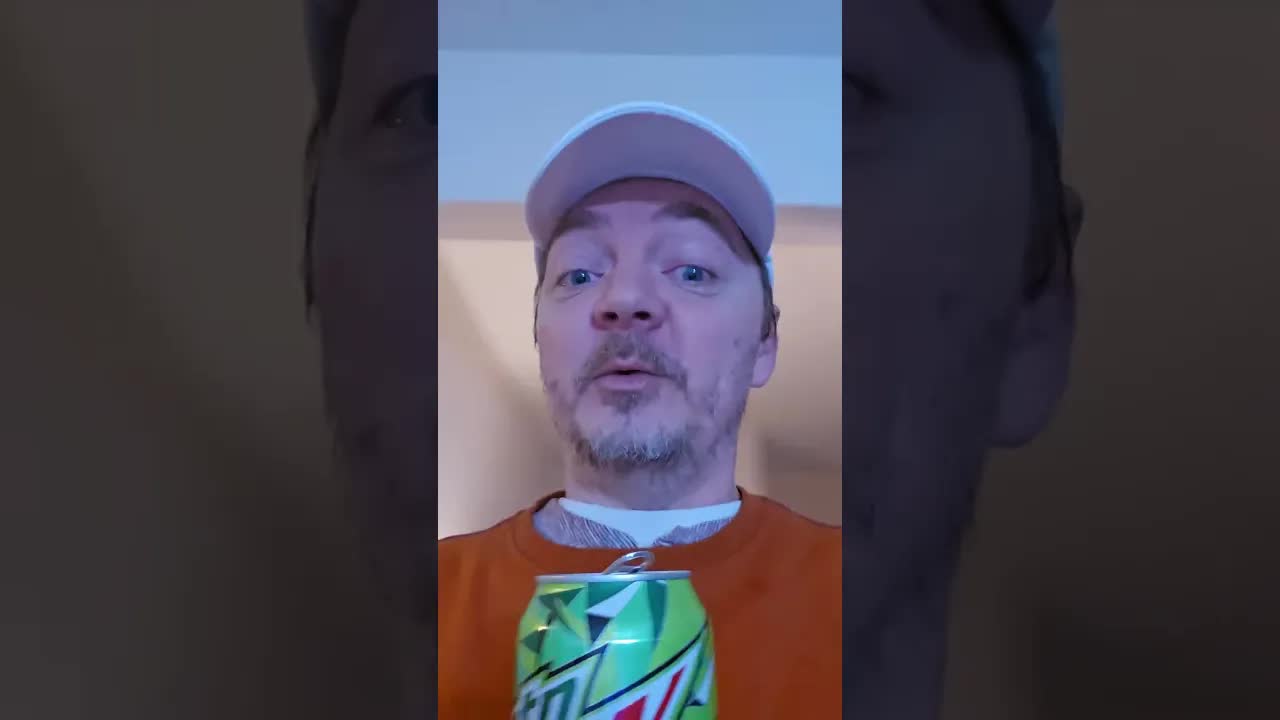
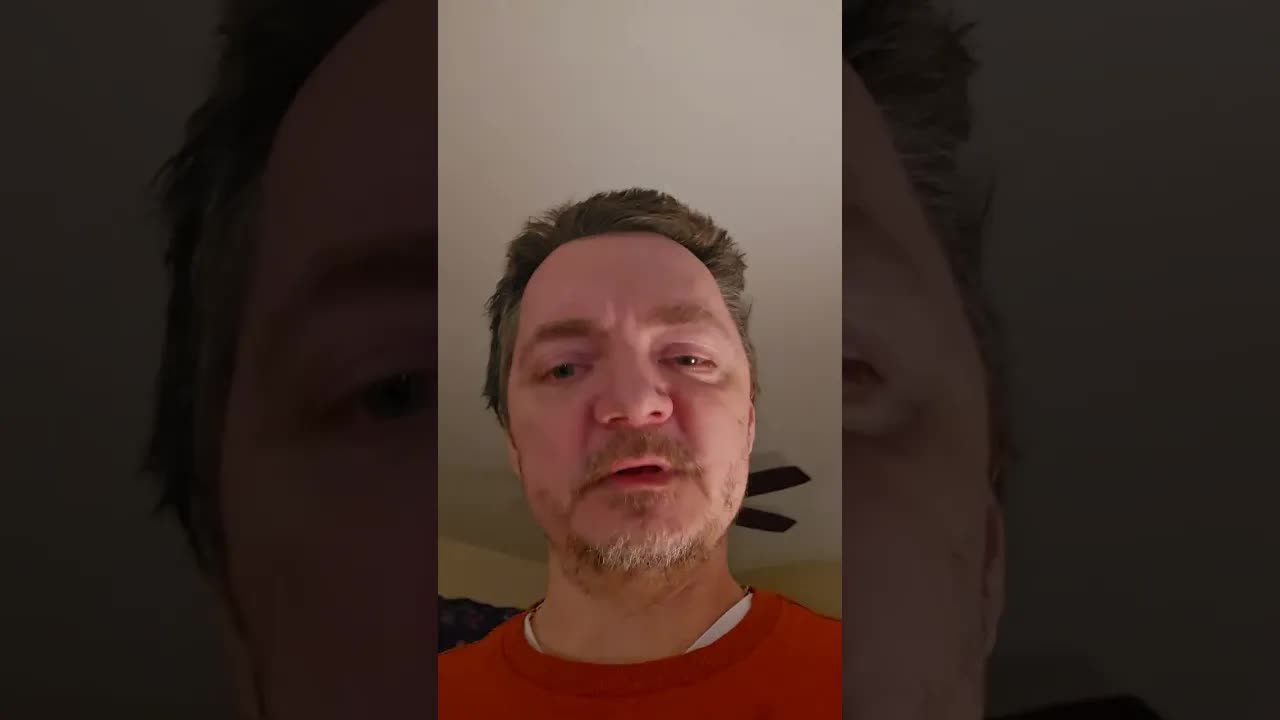
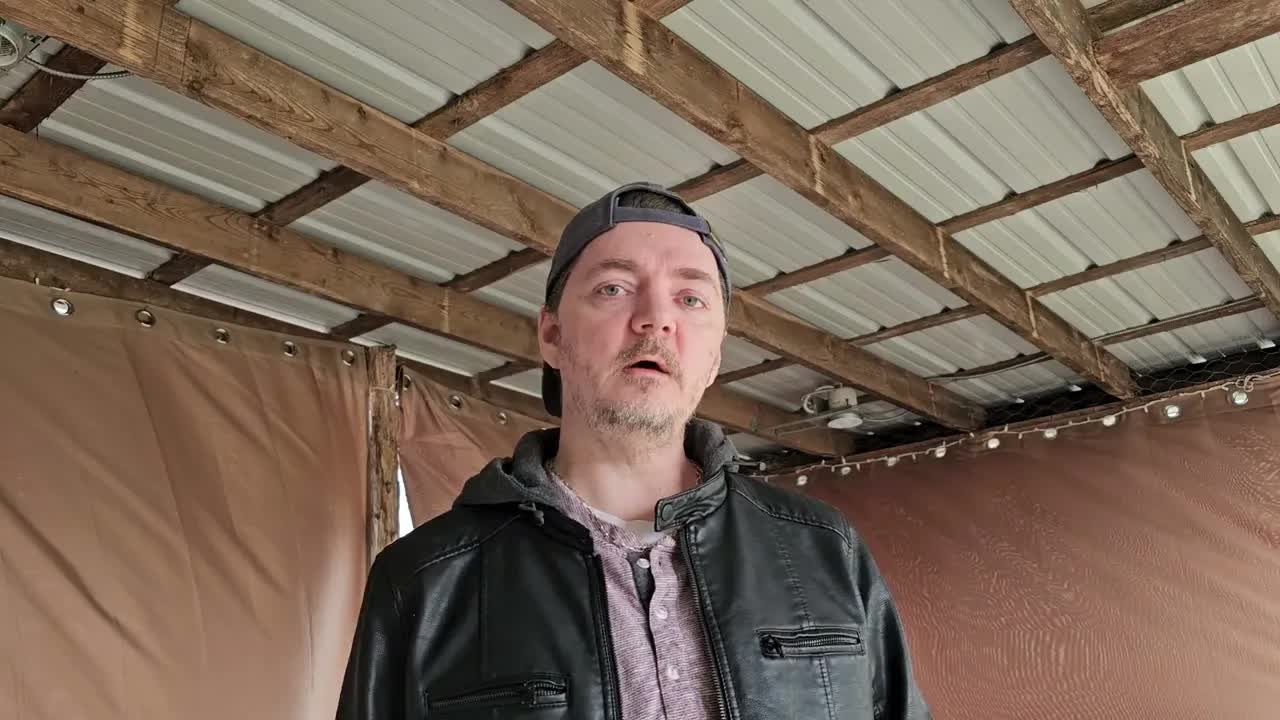
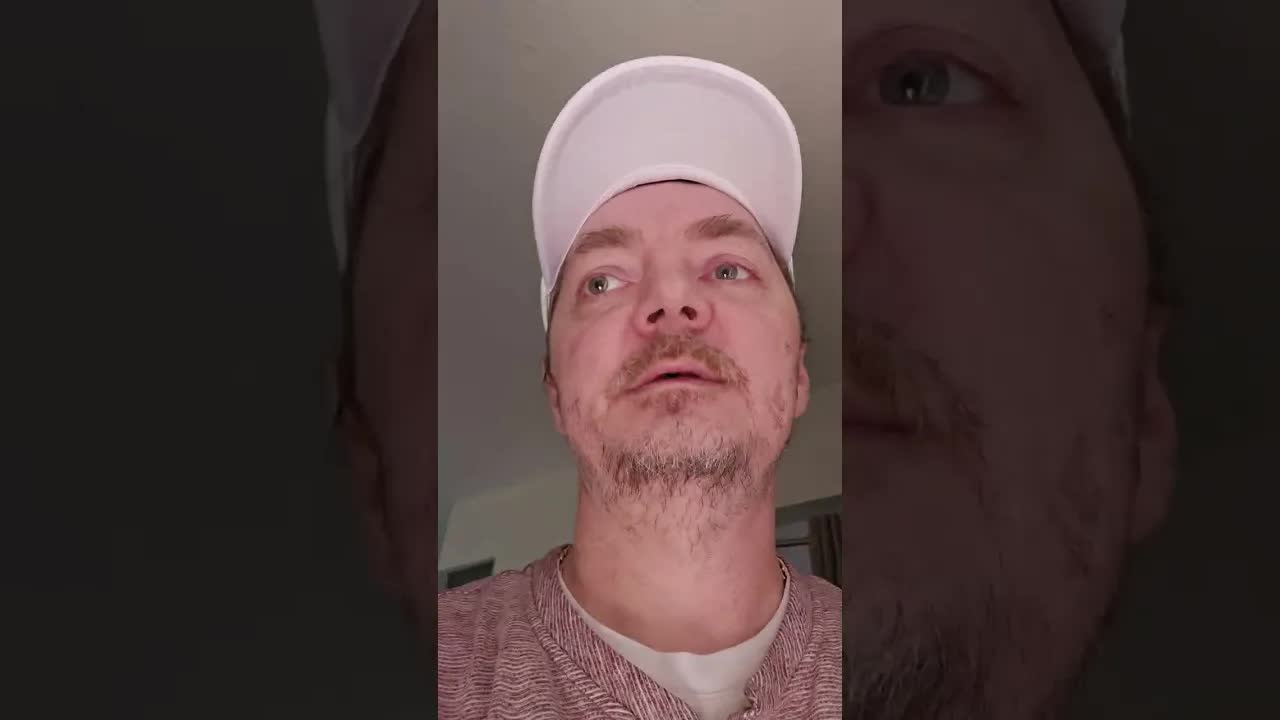

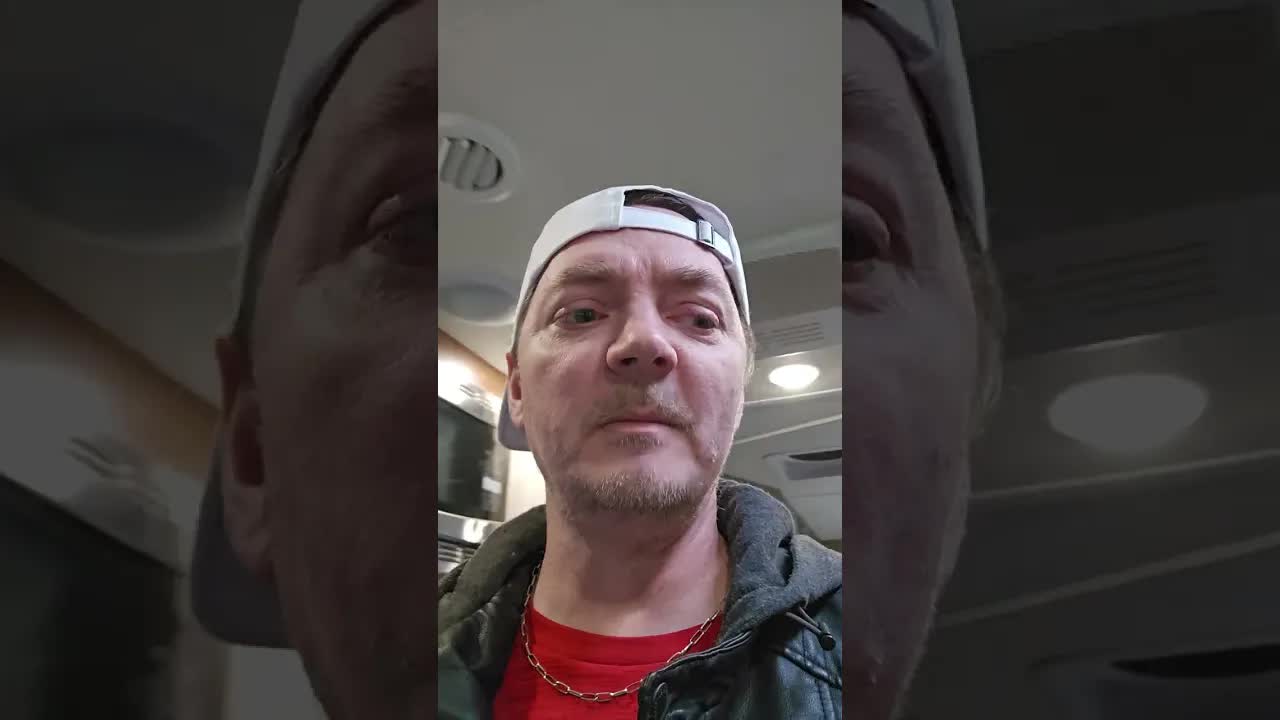

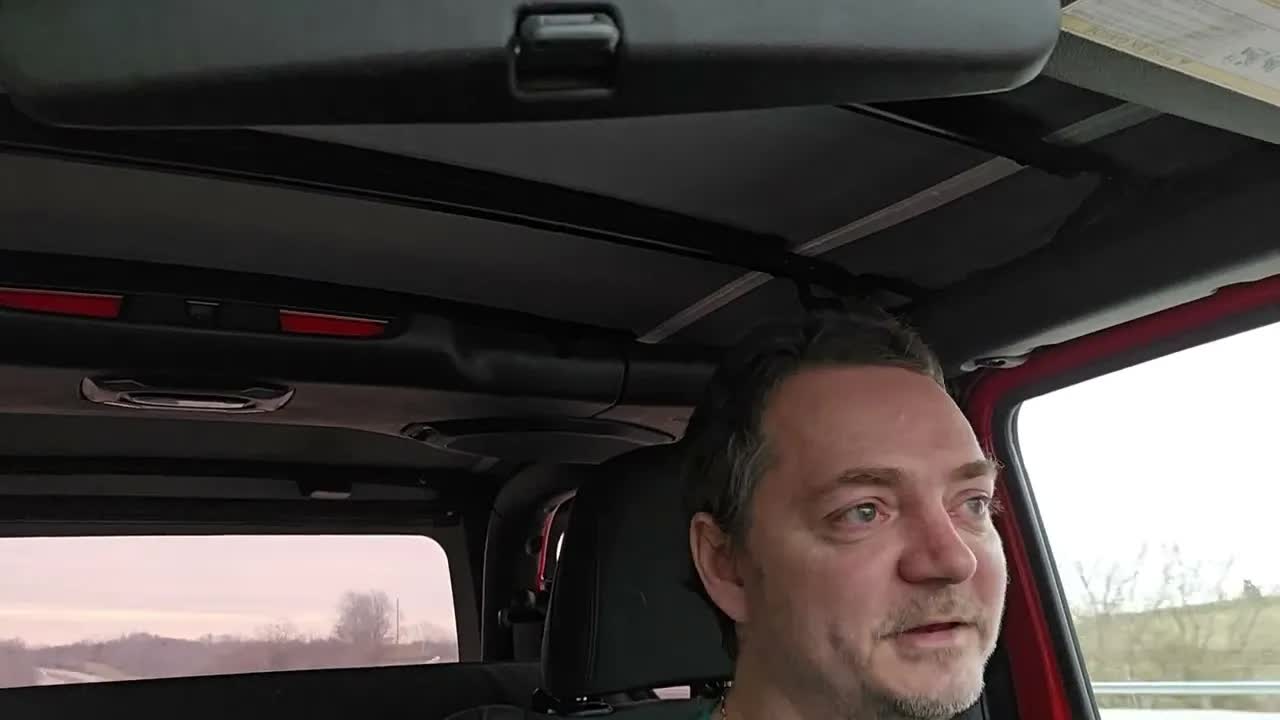
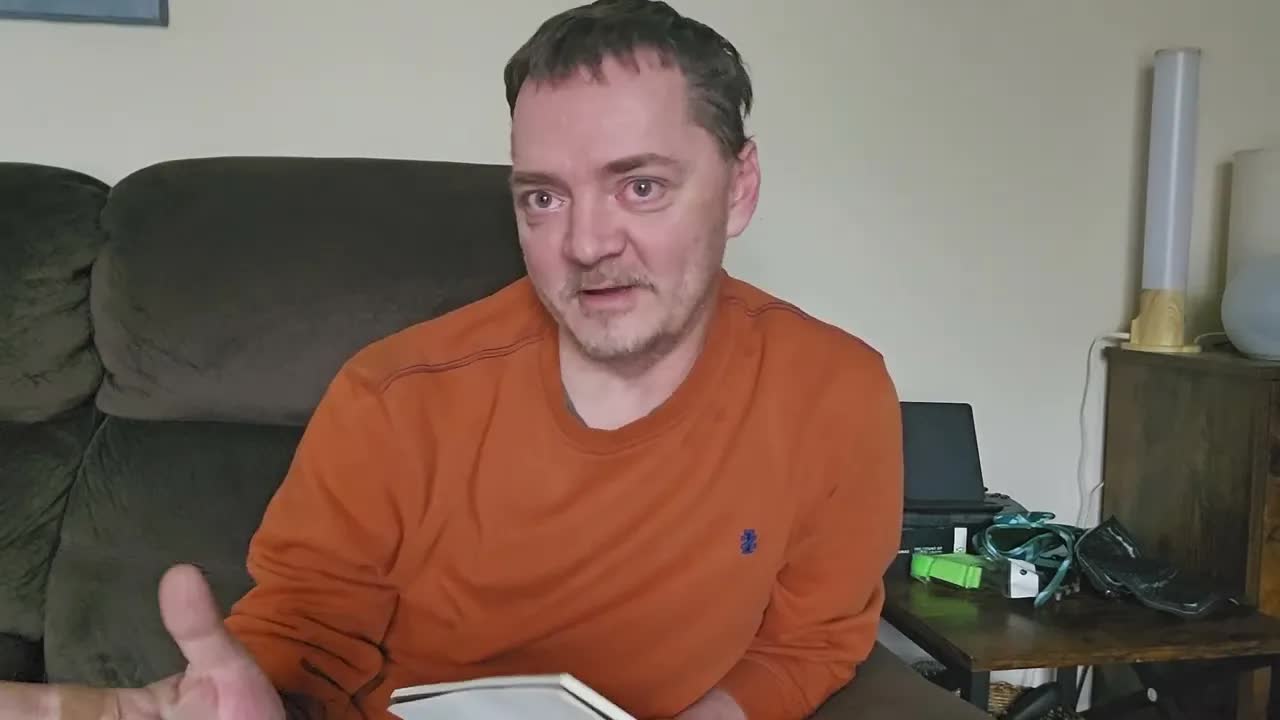
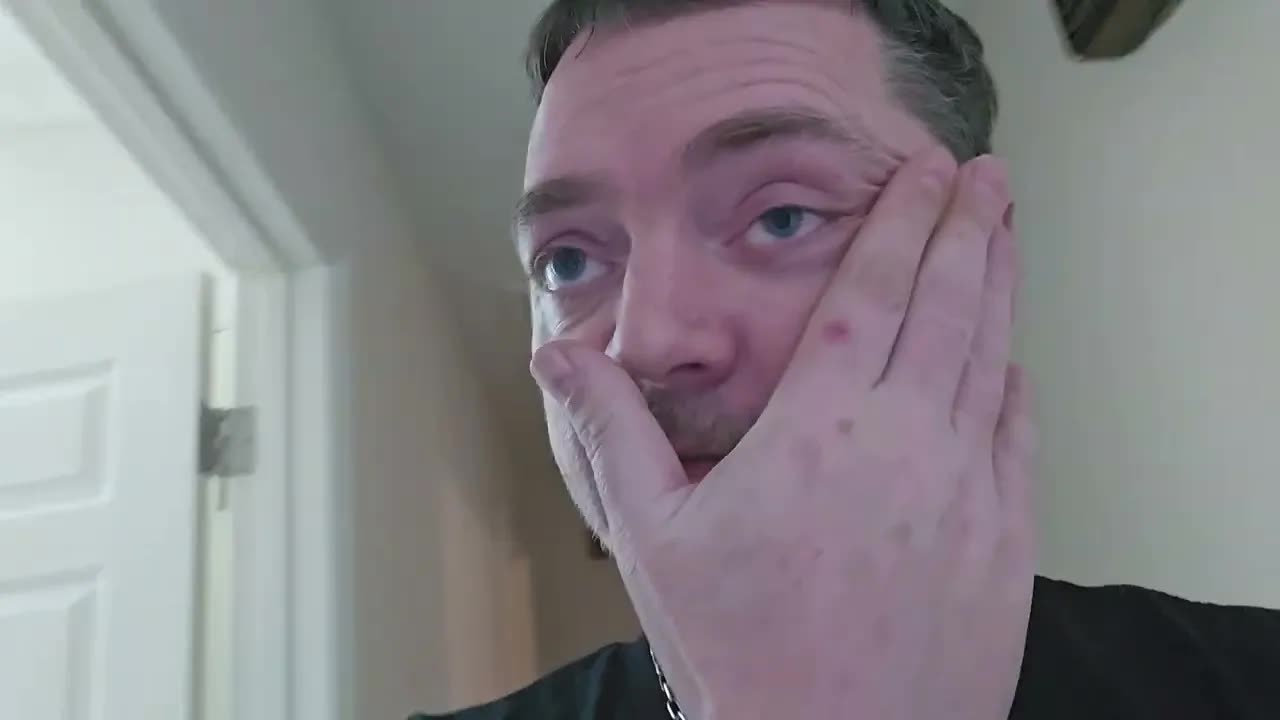

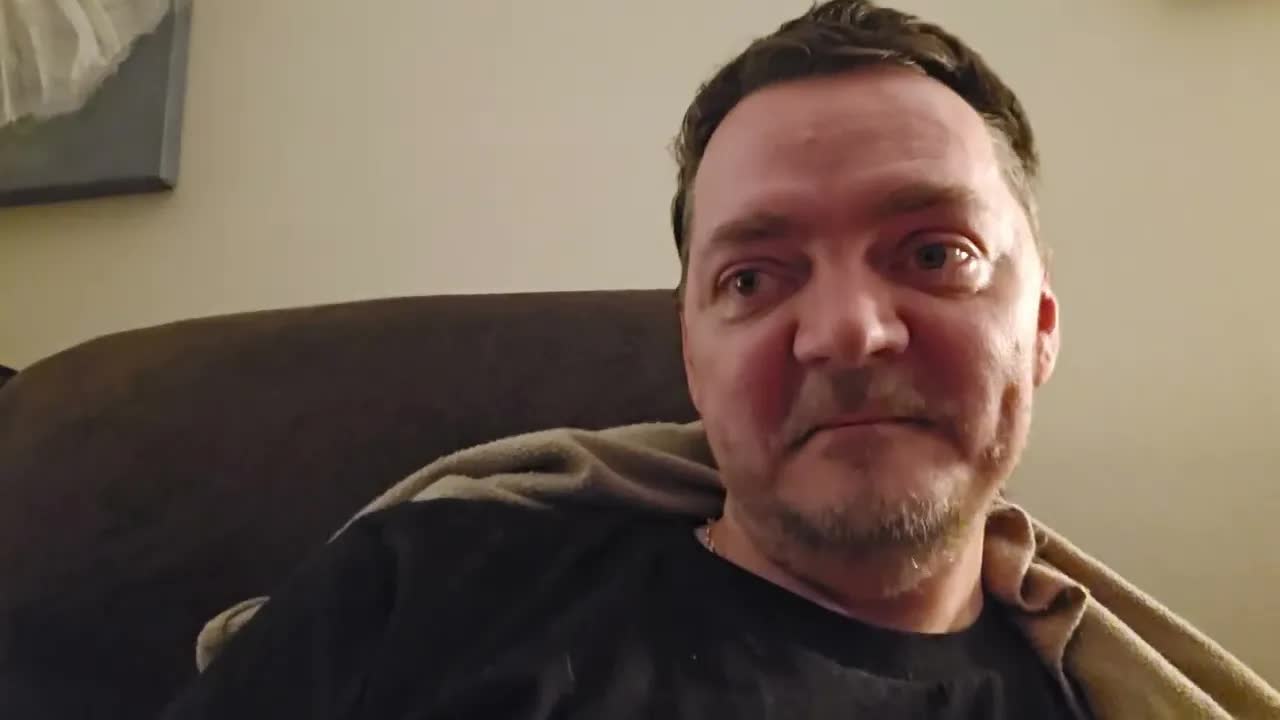
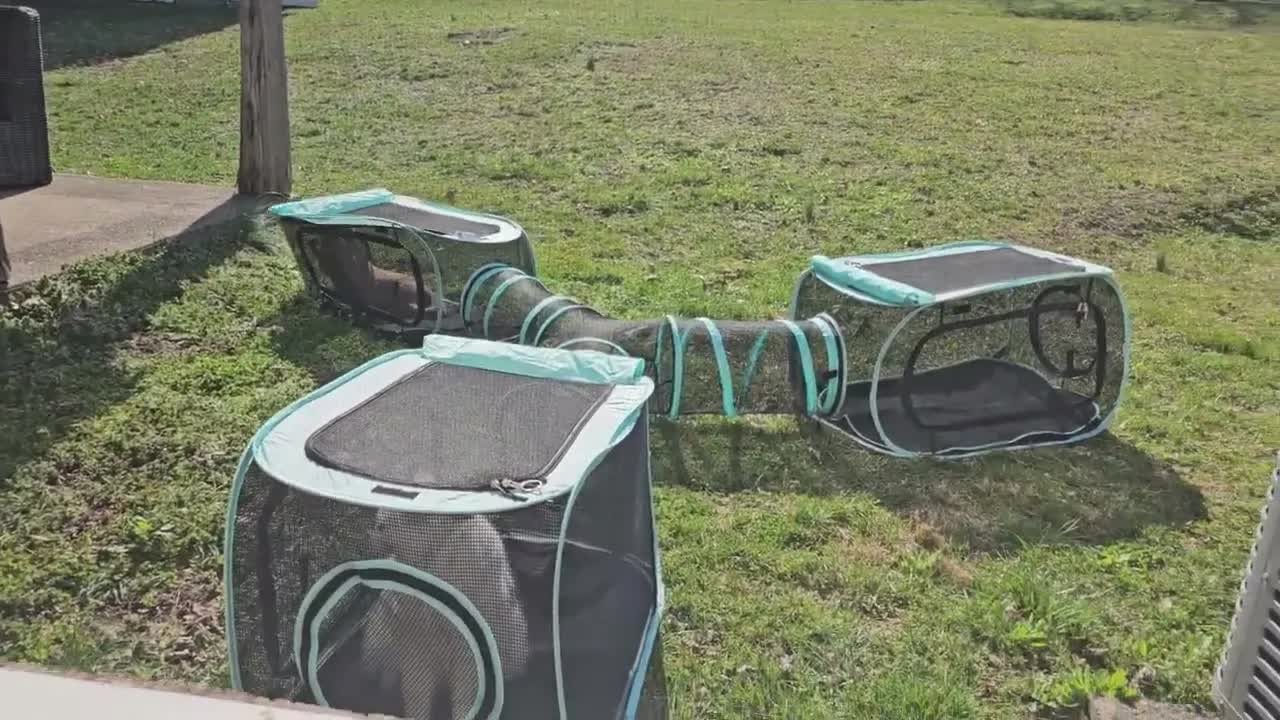
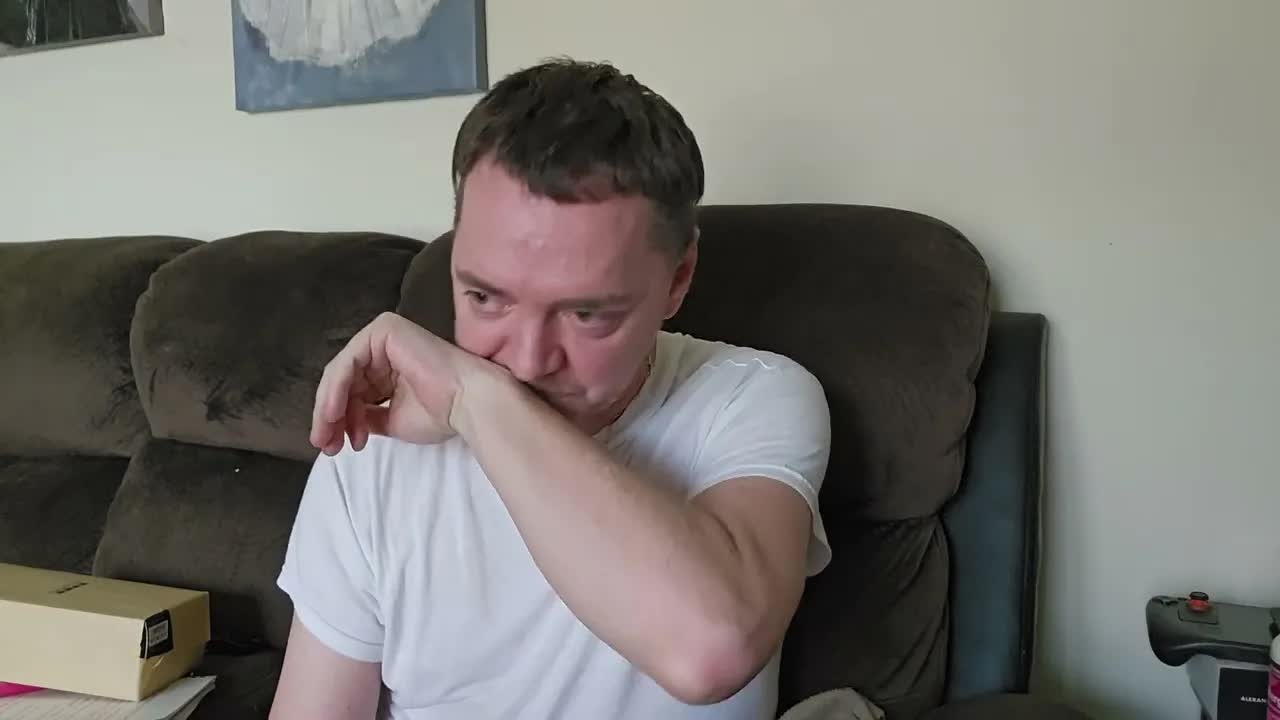
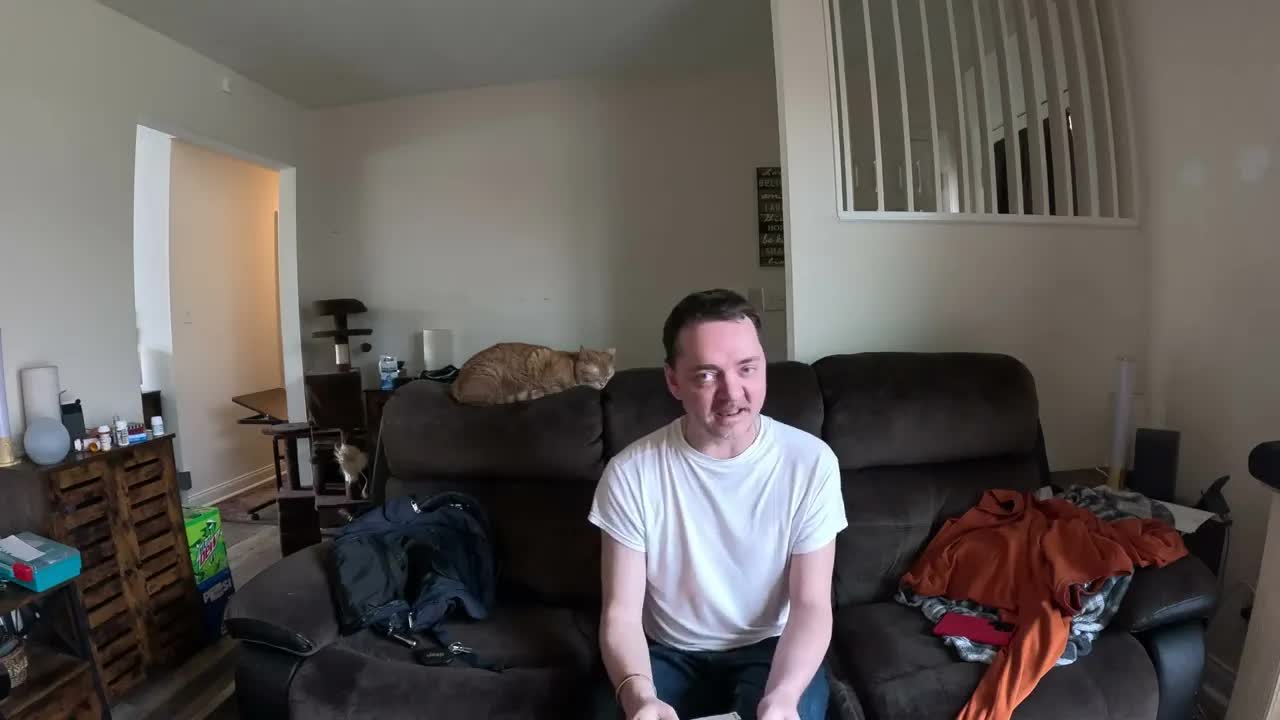
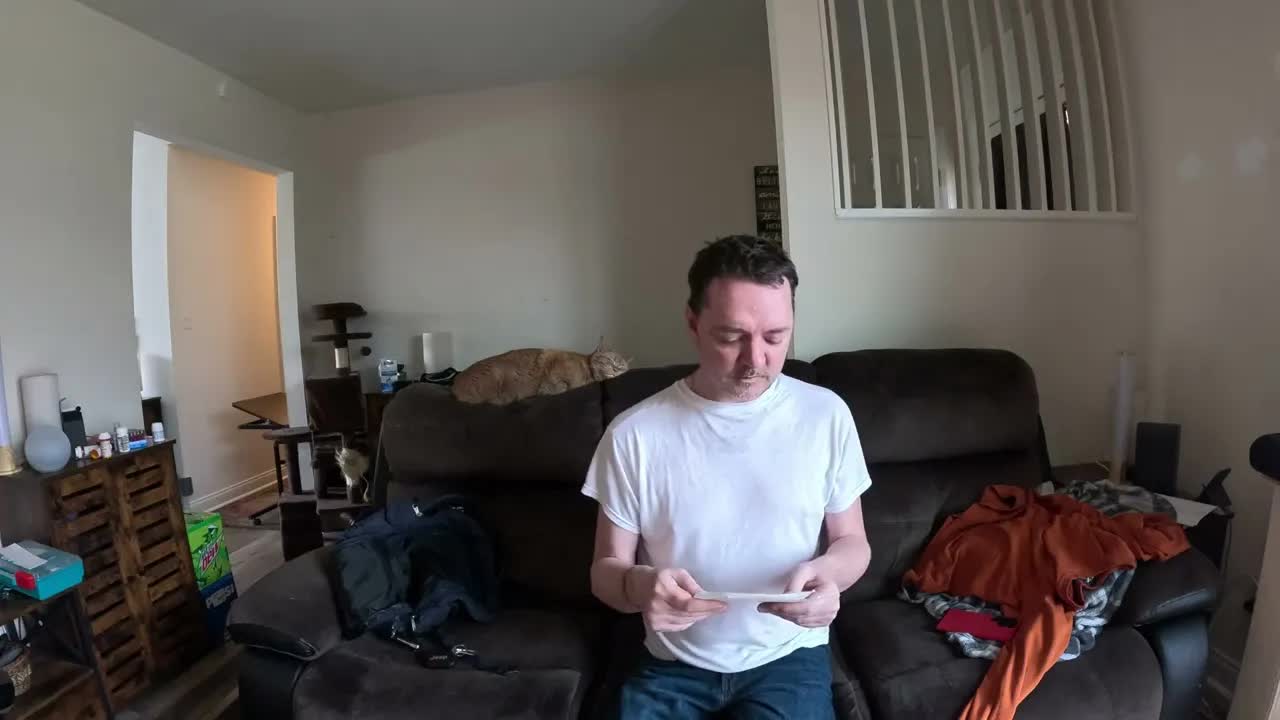
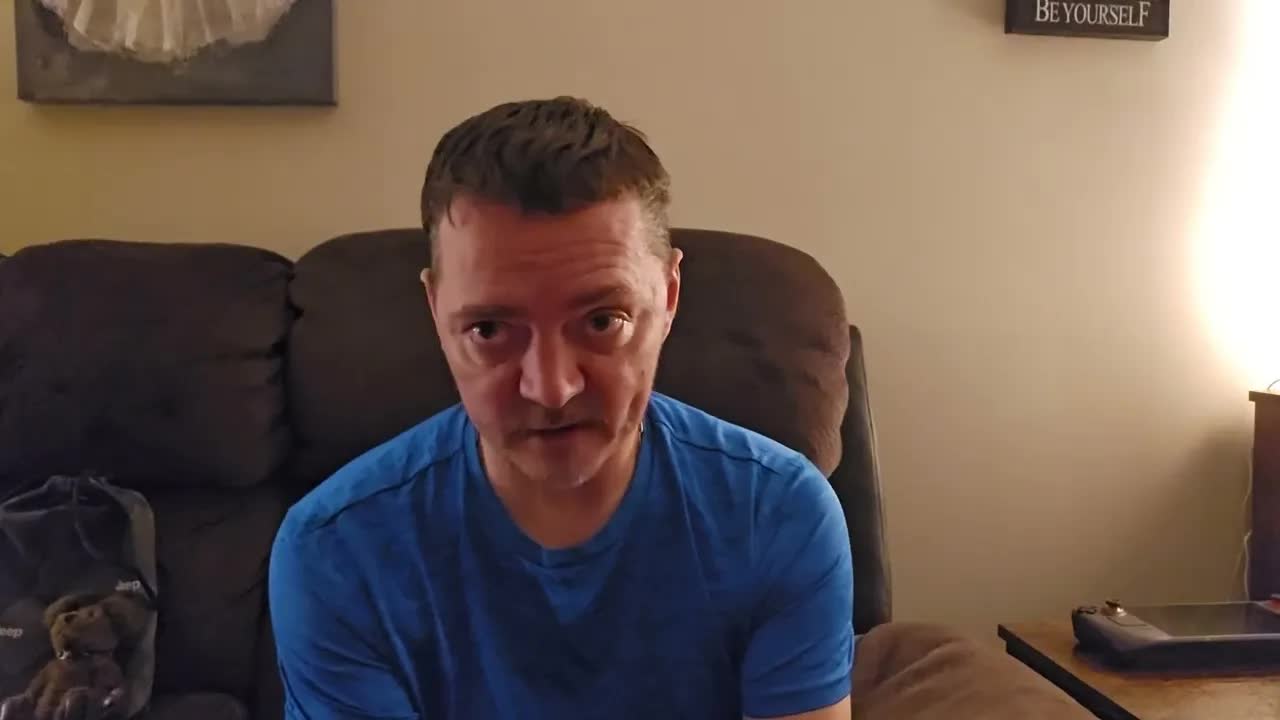
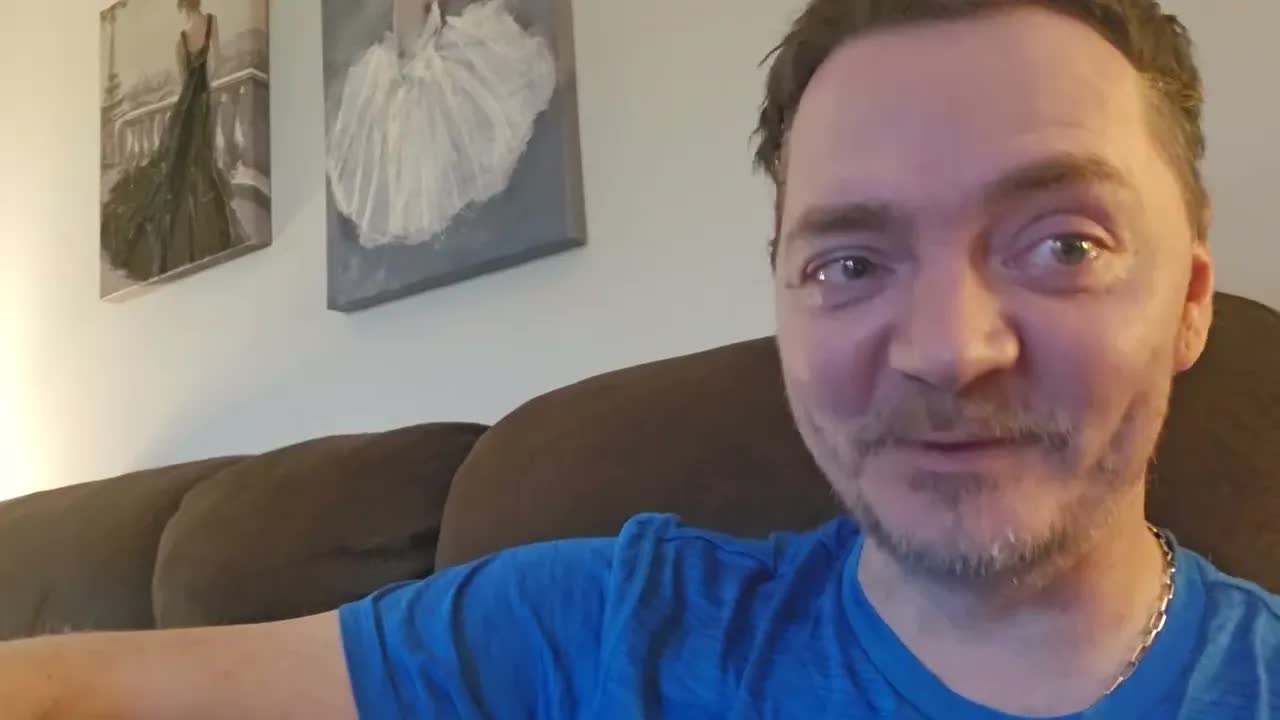
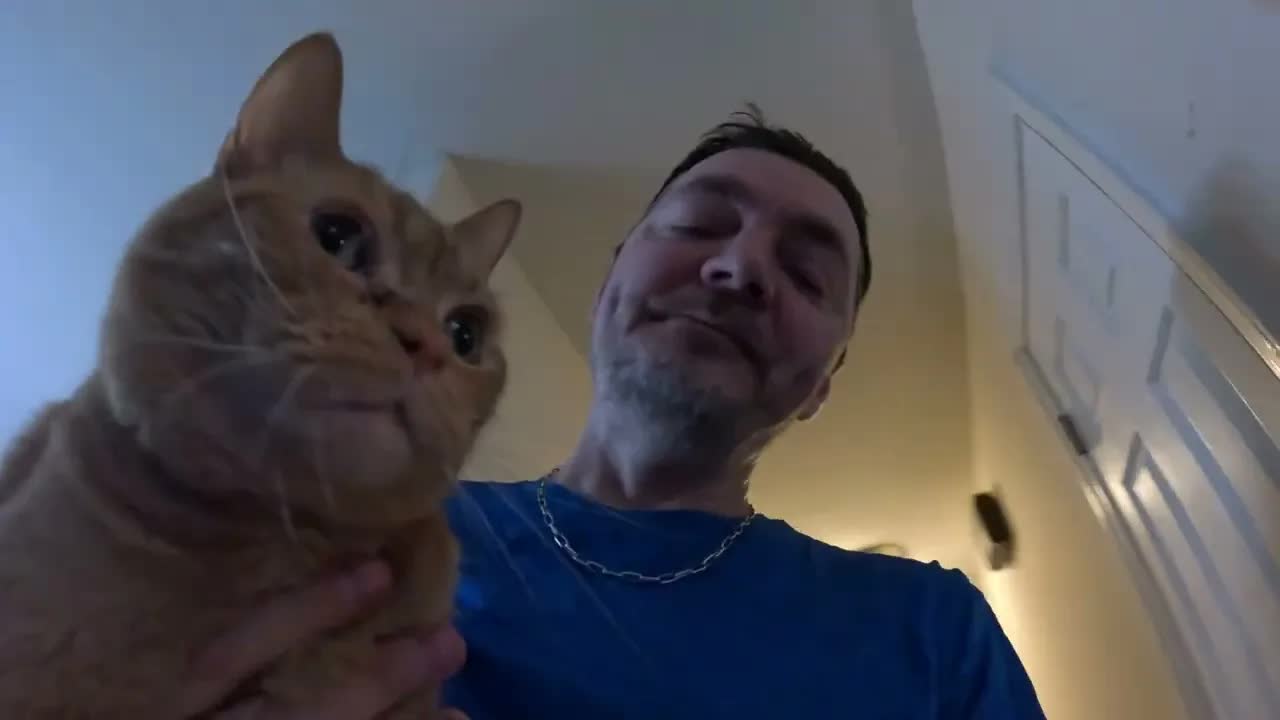

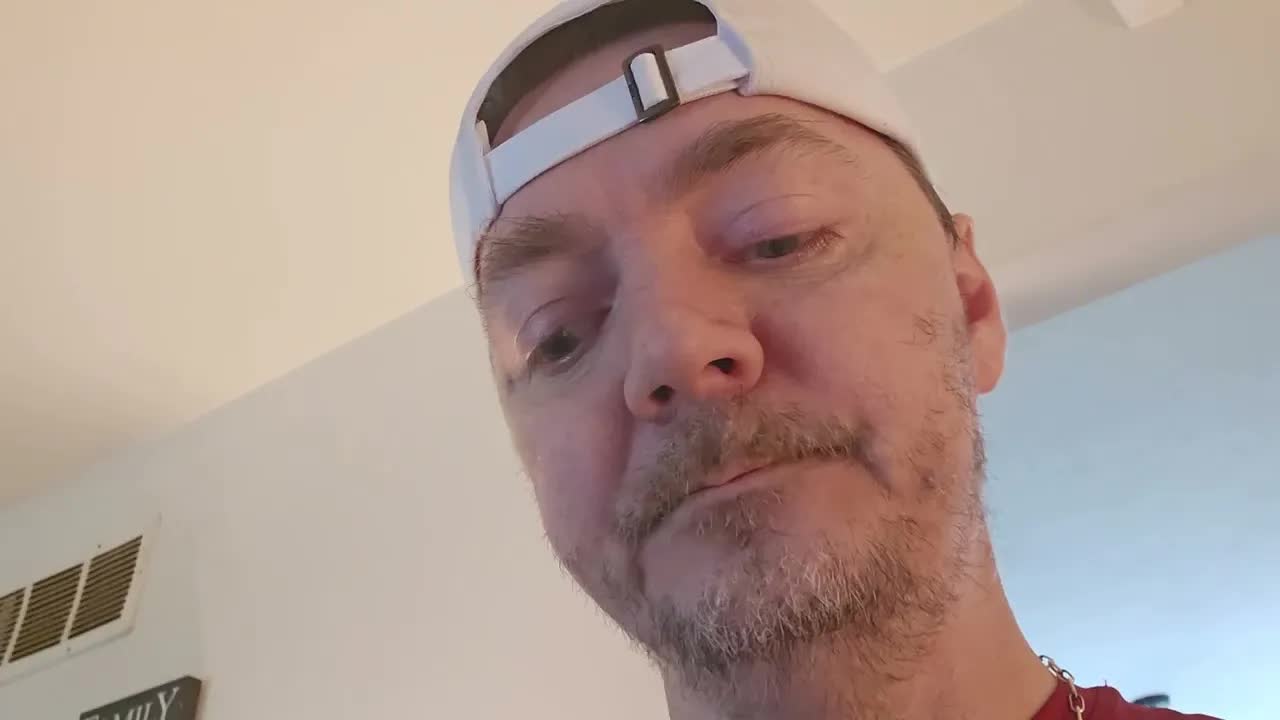
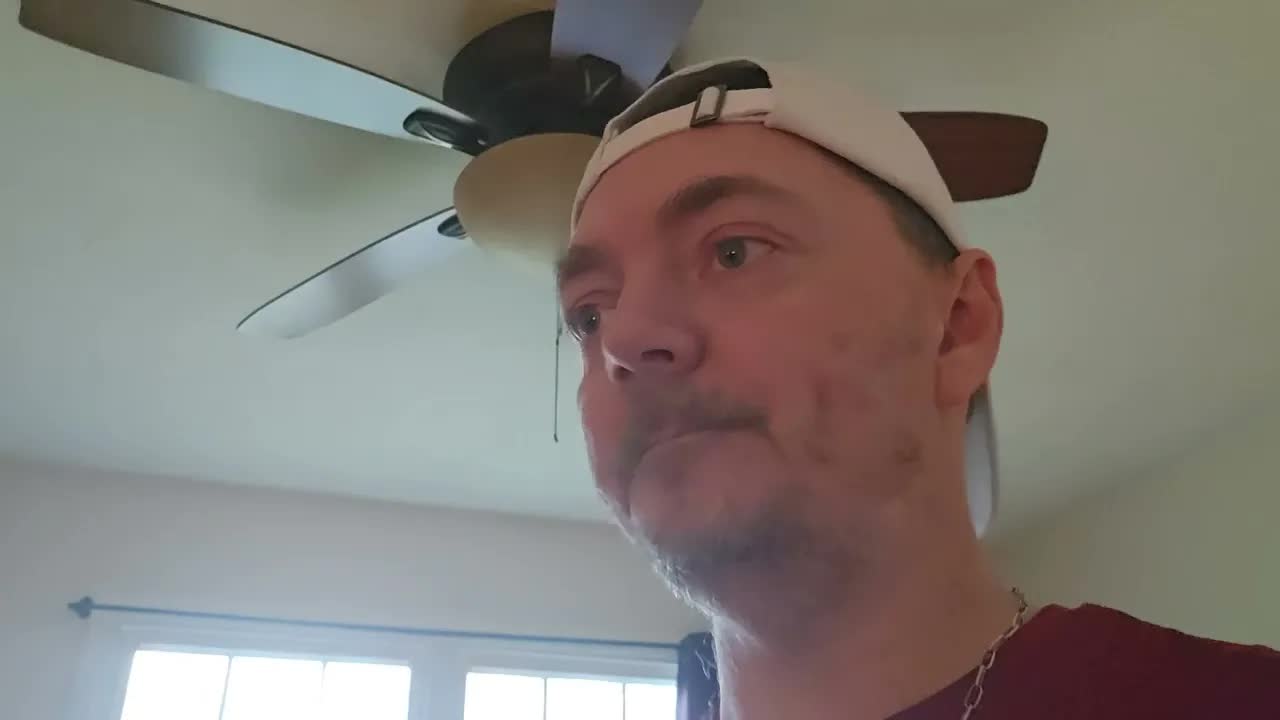
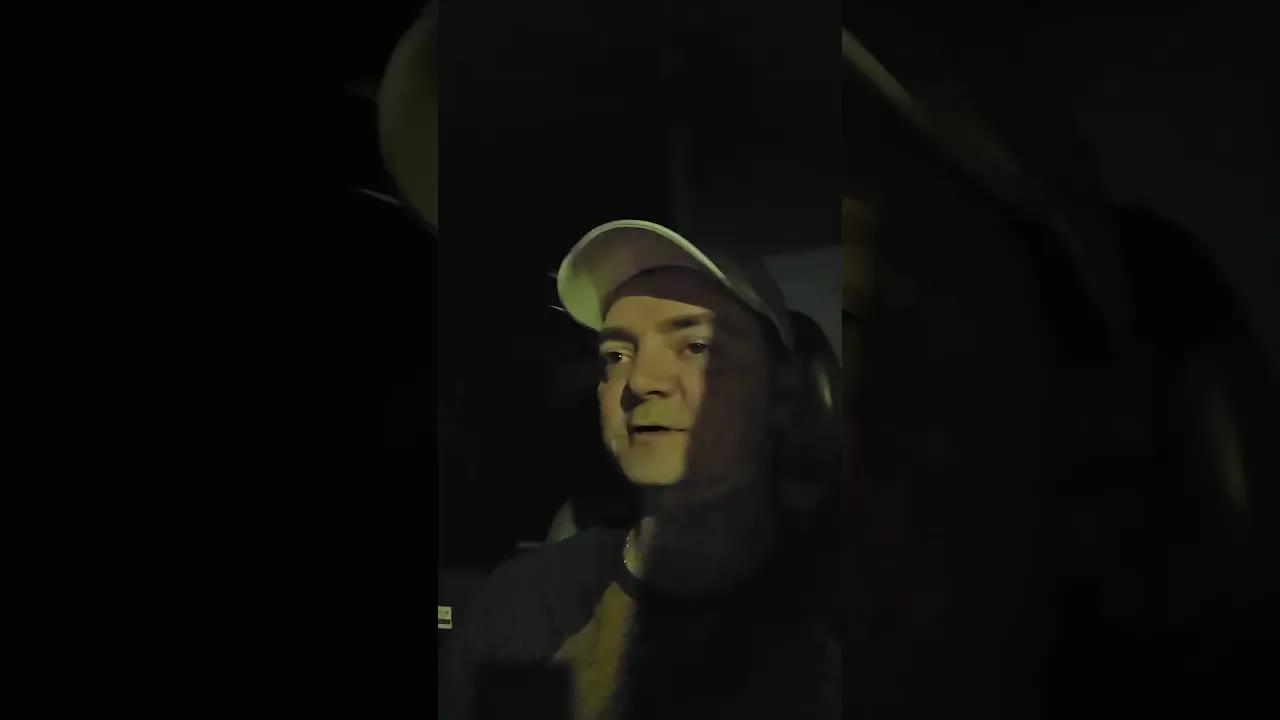
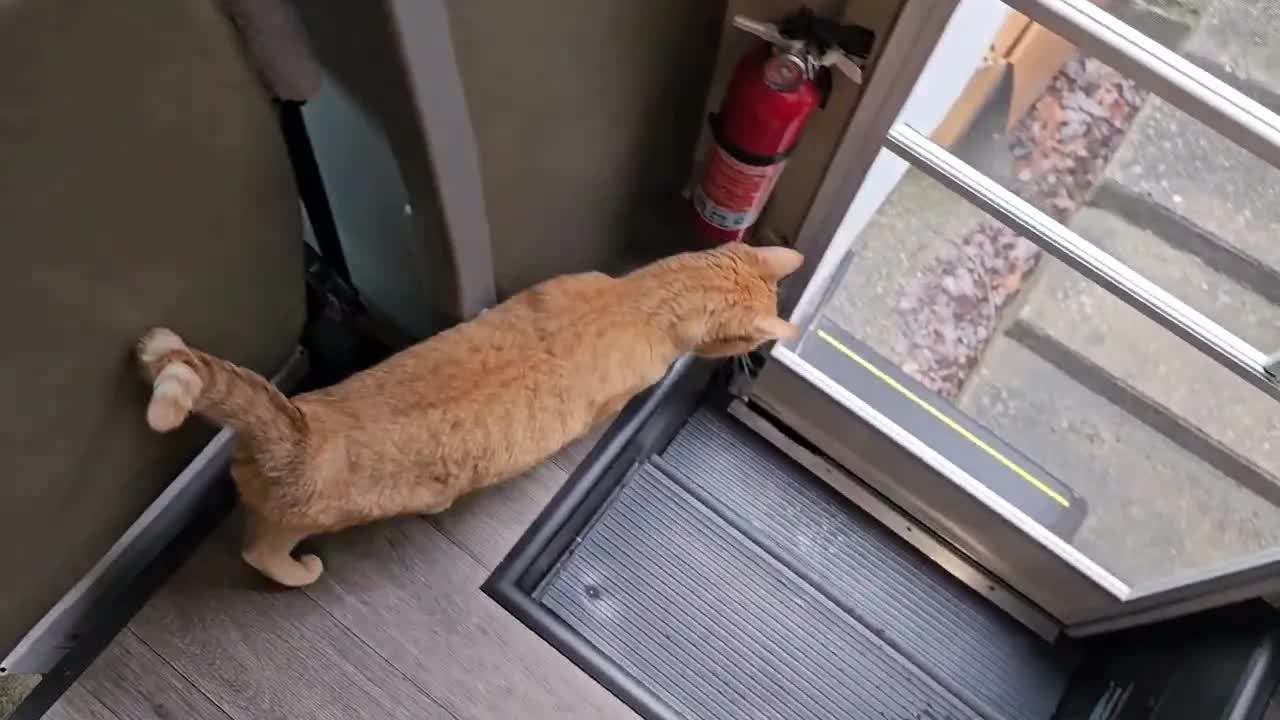
rswfire was already recording when he turned the phone. The gesture was ordinary — the kind of adjustment a person makes without thinking about it, a wrist rotating to bring the frame around to where it should be. What he had not accounted for was that the file had already made its decision. Orientation, on a phone camera, is set at the moment capture begins. Everything after that is recorded into a container that was fixed before the first word.
So the frame stayed where it started, and the world inside it turned instead.
He noticed. That is the whole of the beat — he noticed, mid-capture, that the medium had done something he did not intend, and he did not stop. He did not restart, re-shoot, or wait for a cleaner take. He spoke to the artifact directly, from inside it, while it was still running: Sorry, didn't realize turning my camera while recording would keep it in the old orientation. An acknowledgment, not a correction. The defect was named and left in place.
Then the instruction, which is the load-bearing part: Please keep watching. Not an apology extended, not an explanation elaborated. A request that the viewer stay with the transmission despite the container being visibly imperfect — that the sideways frame not be read as a broken signal. The smiley at the end sets the temperature. Light. No weight on it. The apparatus had shown itself for a moment, and rswfire simply pointed at it and moved on.
What remains in the record is a threshold segment — a preface with nothing yet said, only the geometry of the frame briefly becoming the subject before the substantive content arrives. No room is named, no landscape, no hour of day. The setting is the recording itself. And the decision embedded in it is small and complete: the transmission holds regardless of the shape of what carries it, and the way to prove that is to keep going.