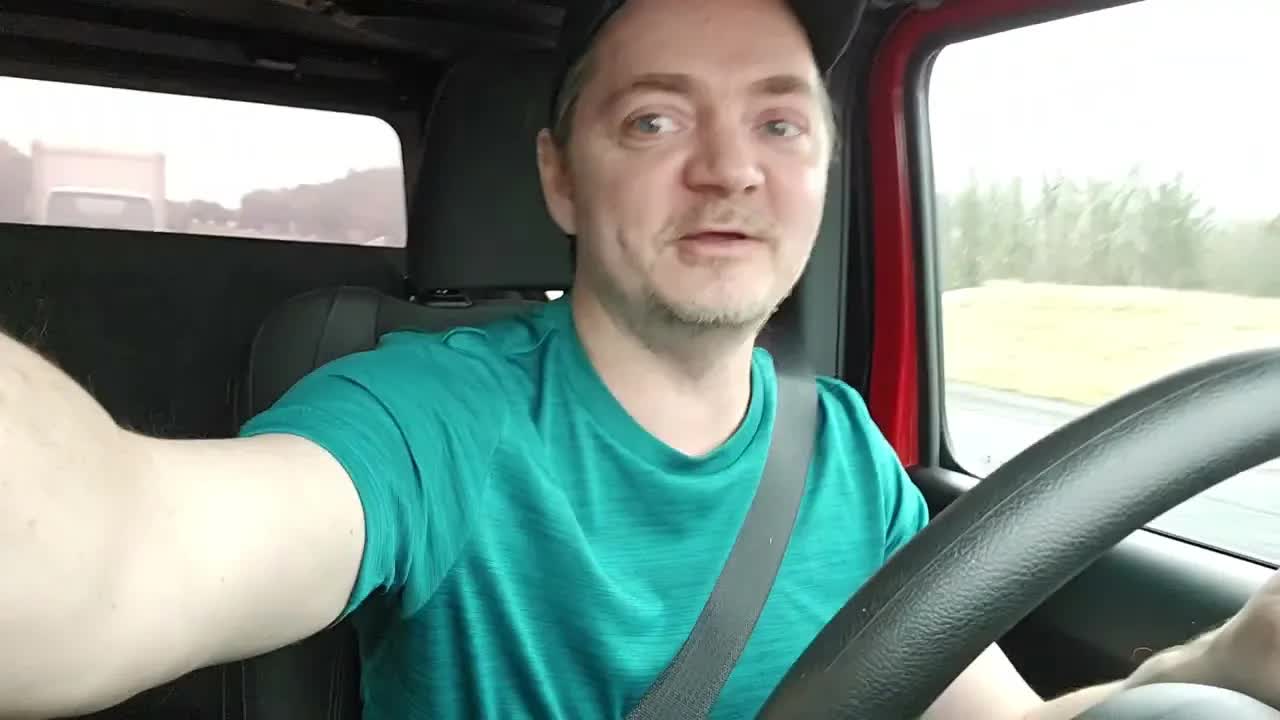
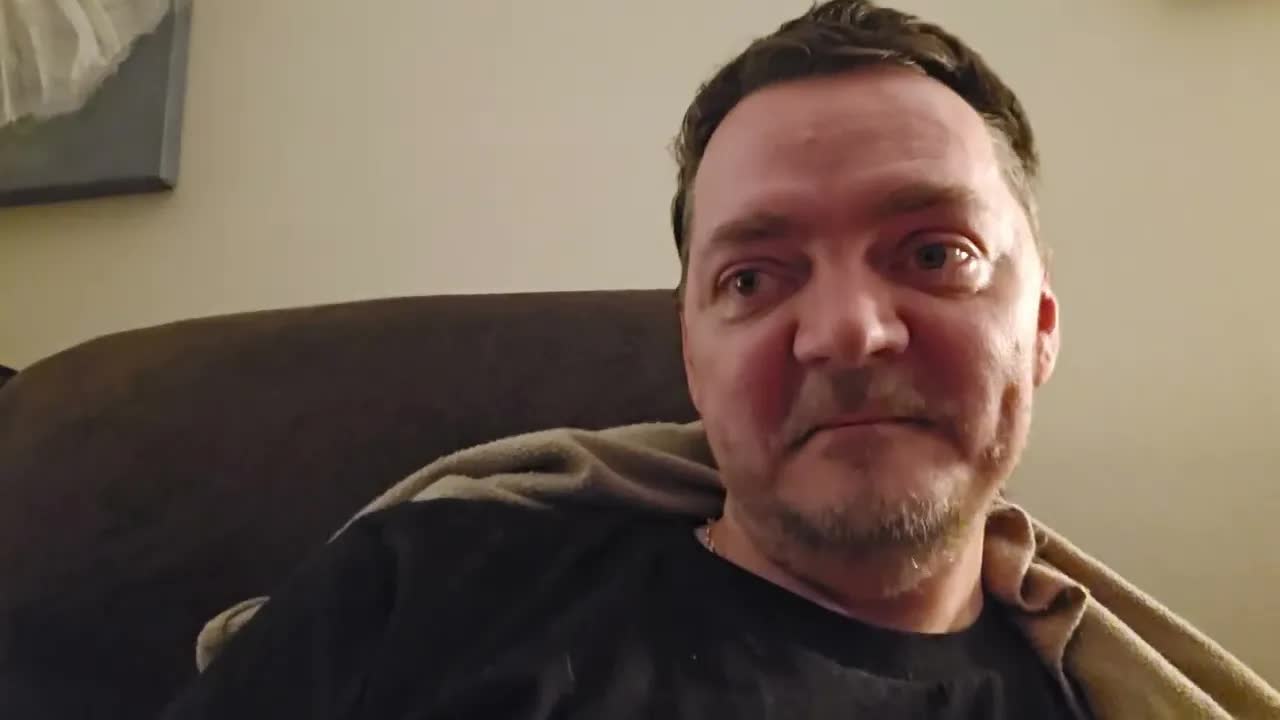
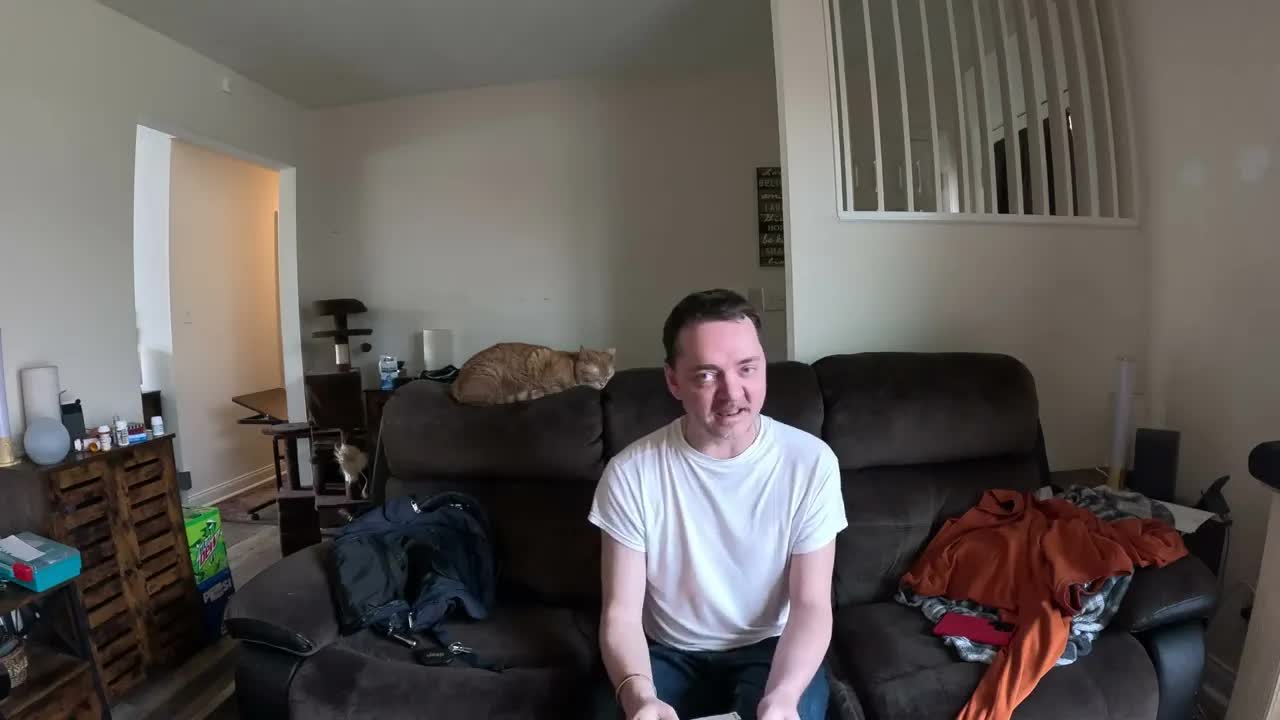
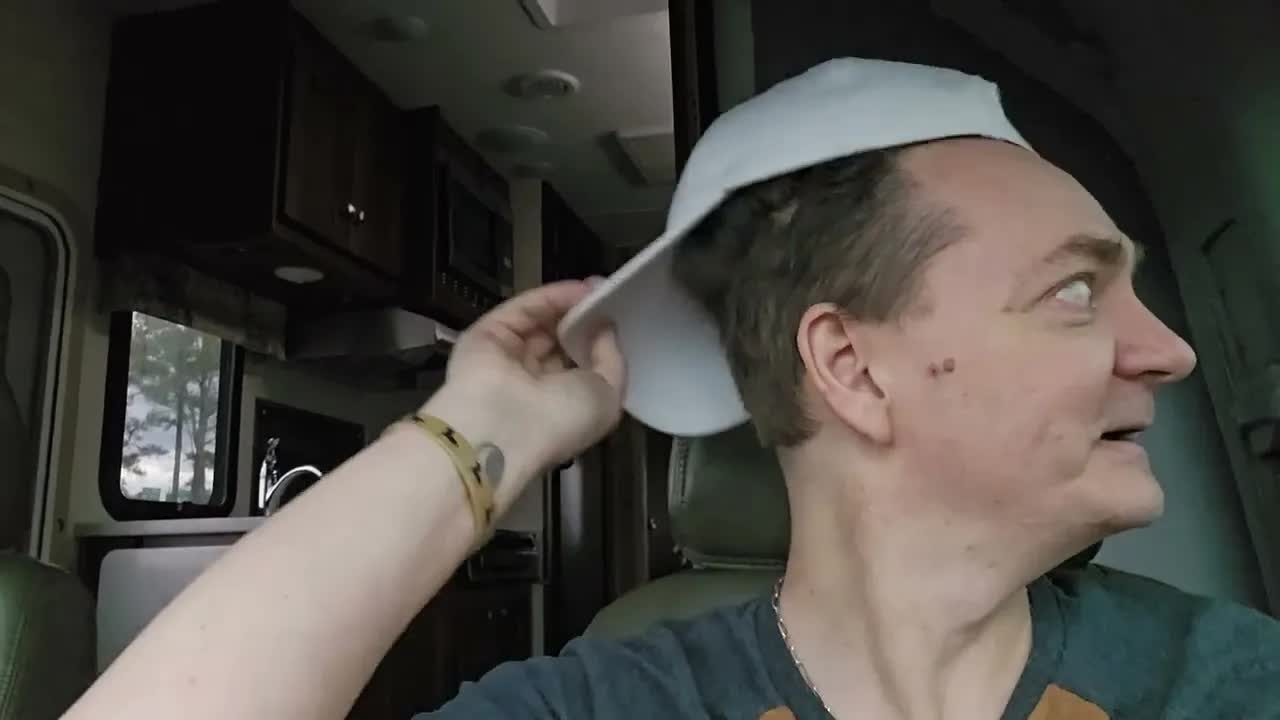
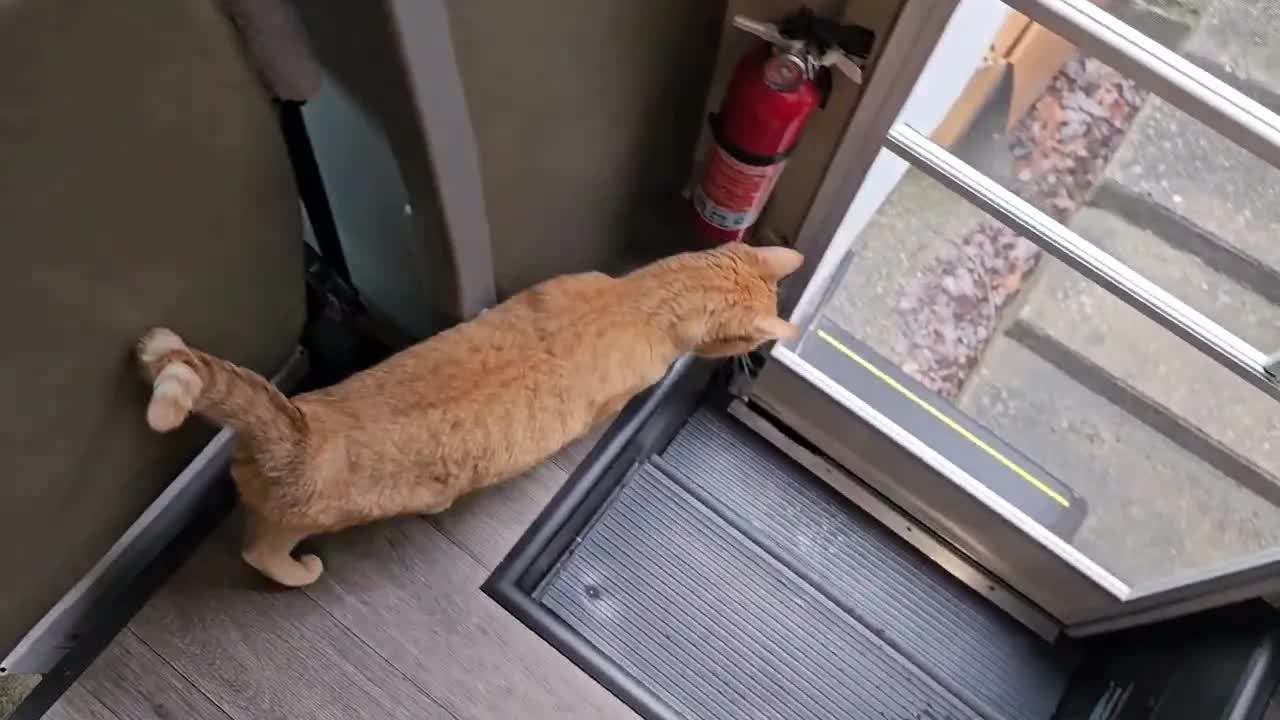
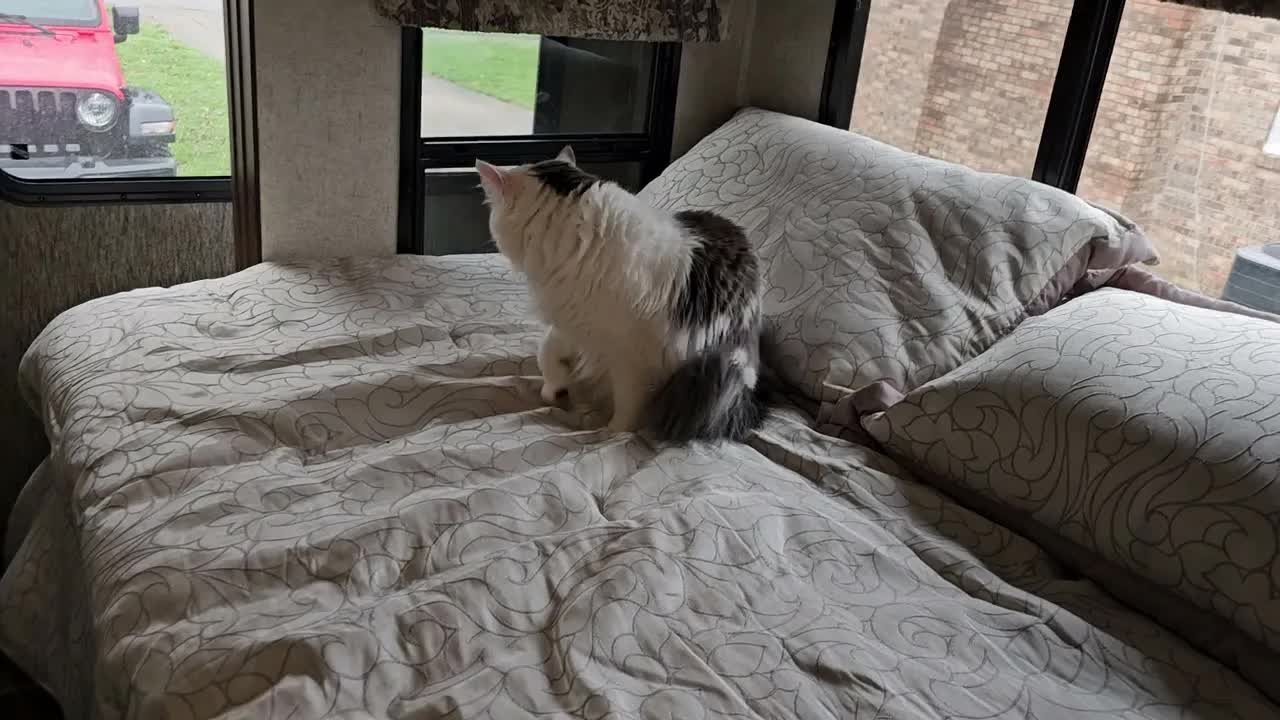
He begins by disclaiming the thing he is about to do. Advice, he says, then takes it back — he is the last person anyone should take advice from. What he offers instead is narrower and more honest: this is his plan, this is how he would do it, this is how he is doing it. The frame set, he starts counting.
The first step is the decision itself, and he describes it as the one that cost him most. A week or two of thinking, he says, then corrects the arithmetic — months, really, because he had been trying to change his life without yet knowing what the change was. The shape arrived before the name. He states that he wanted to live full-time in an RV and that he struggled to get there, that fear was wrapped up in the looking, that it was present when he stood in front of campers and did not leave when he made up his mind. He does not describe the fear as something he defeated. He describes it as something that was there, and something he moved past anyway, and he notes that he had already talked about it in his very first video — the record already exists, so he does not rebuild it here.
Research is second, and it is where the field opened. He did not know, when he decided, how large the community around this was. YouTube channels, Facebook groups, whatever else — a substrate of other people's accumulated practice, freely available, deeper than he could exhaust. He is explicit that he will not learn it all. The point was not mastery but comfort, and the research fed backward into the first step: the more he learned, the easier the decision became, until the moment it settled and what he felt was relief.
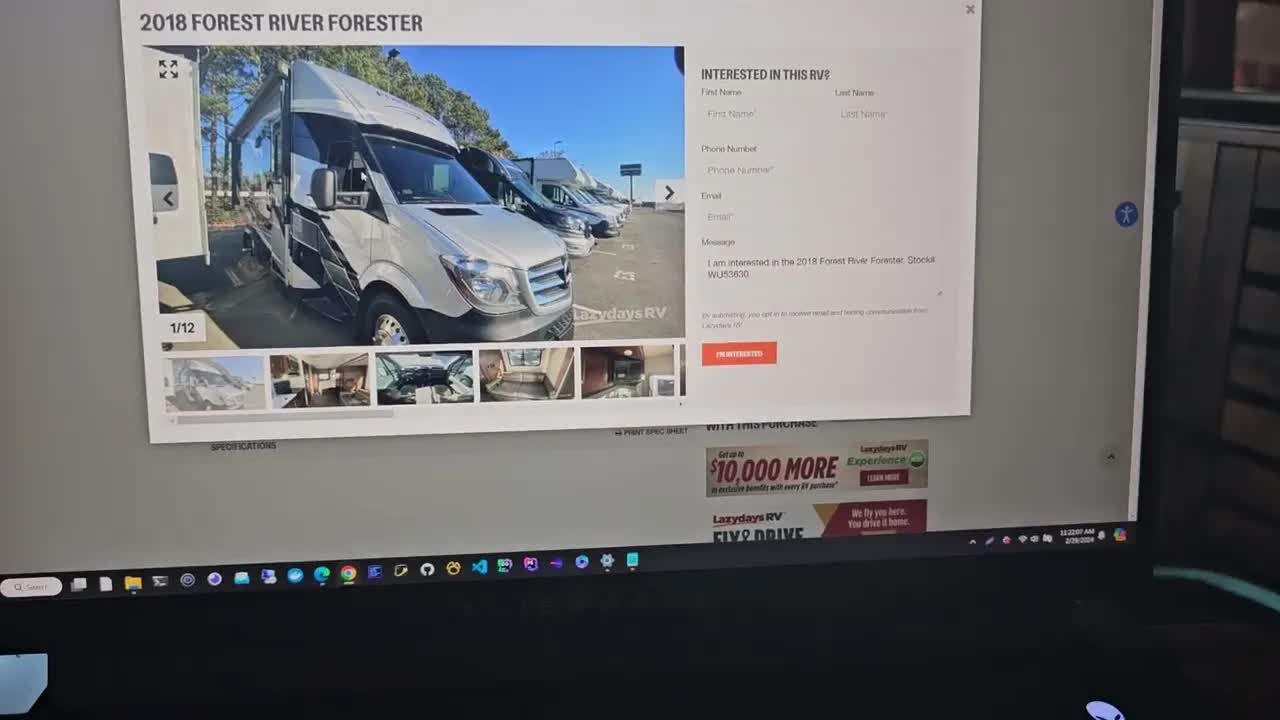
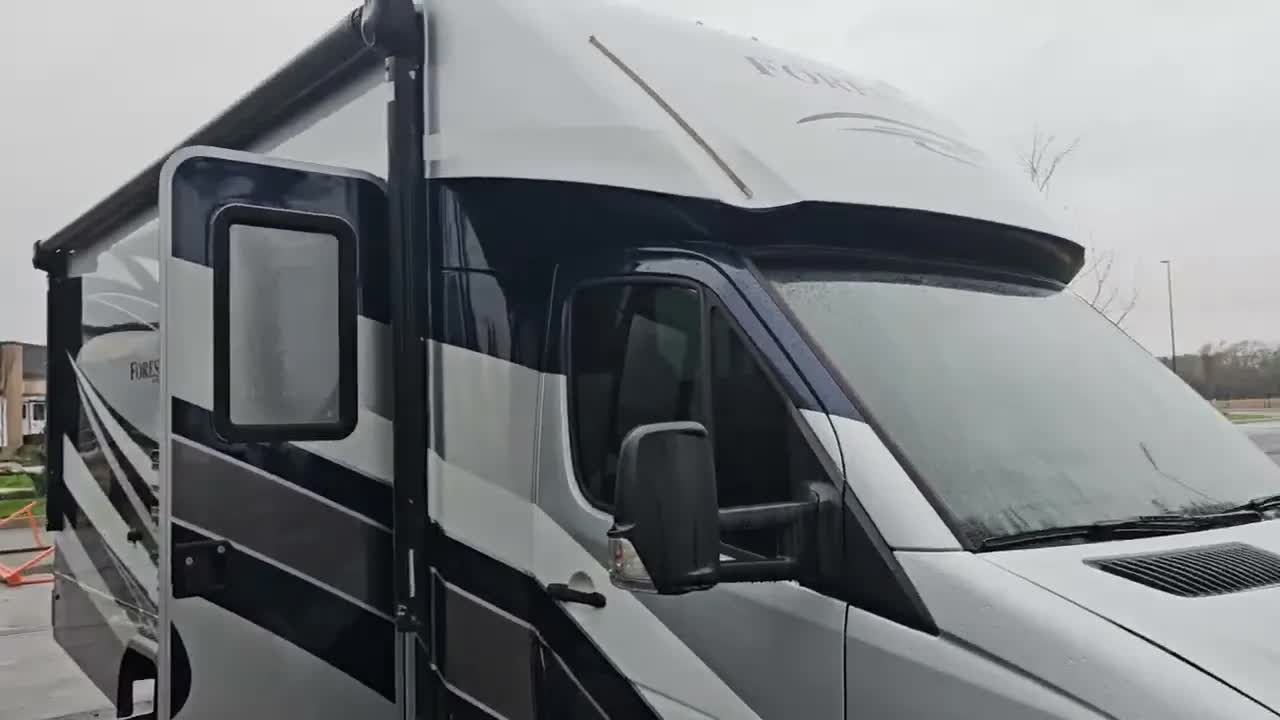
The third step is the camper, and it is where the narrative turns on a near-miss. He had a trailer in view and thought it was the one. Then he ran the logic forward — boondocking in a national forest, the generator drawing from the same fuel he needs to drive, and the arithmetic delivering him to a gas station every three days. Pack everything, move, unpack, repeat. Too rapid. He wants to stay where he goes. He notes, with some care, that he was more patient than he normally is and less impulsive, and that this is why he did not buy that trailer, and why the one he is buying instead is the right one. He is excited about it.
Then step four, towing, and here he leaves the error standing in the open. He apologizes in advance for getting the figures wrong. The camper can tow forty-two hundred pounds; the Jeep weighs three thousand nine hundred forty-eight, and can weigh more depending on what is mounted on it, and he does not yet know the exact number. He is close to the limit — under it, which he says is the most important thing, but close, maybe within two hundred pounds. The advice he has gathered does not agree with itself. Some people tell him to stay ten percent under capacity. Others tell him they tow a Jeep behind something like this and he will be fine. He holds both, resolves neither, and states plainly: I should have thought about that before I picked my camper. And then, immediately, the reason the video exists at all — okay, so that's why I'm giving you this advice.
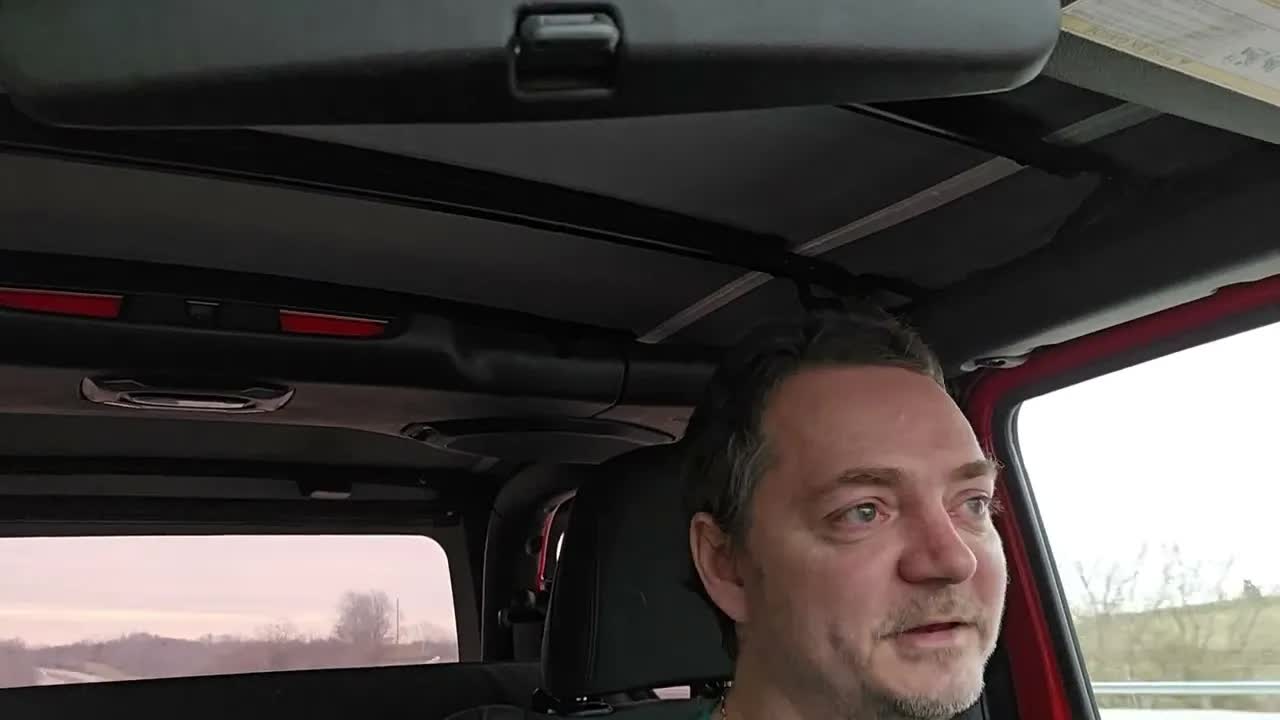
He works the consequences out loud. He will not be able to store anything in the Jeep, and he does not want to. People warn him he will collect things along the way, that everyone does. He says that is not why he has the Jeep. The Jeep is for fun, and for going into town without navigating that situation with the RV — for detaching, driving in, doing laundry, getting groceries, and coming back. He credits the salesman, who raised the weight question himself and did not want him towing something unsafe, and says he will keep recommending him. Today's task is smaller and concrete: start calling places that can do the install, get prices, get their advice, all of it.
The fifth step is the parking lot. Once the camper arrives he will take it somewhere large and empty and drive it, untethered, for hours and hours and hours, days and days and days, until he is good at it. Then he will hitch the Jeep and practice again. He offers the sequence as an order of operations and nothing more — that's what I would say, that's what I'm going to do — and closes hoping it helped somebody out there. Behind him, the transition is already staged: purchase committed, weight unknown, forest waiting.