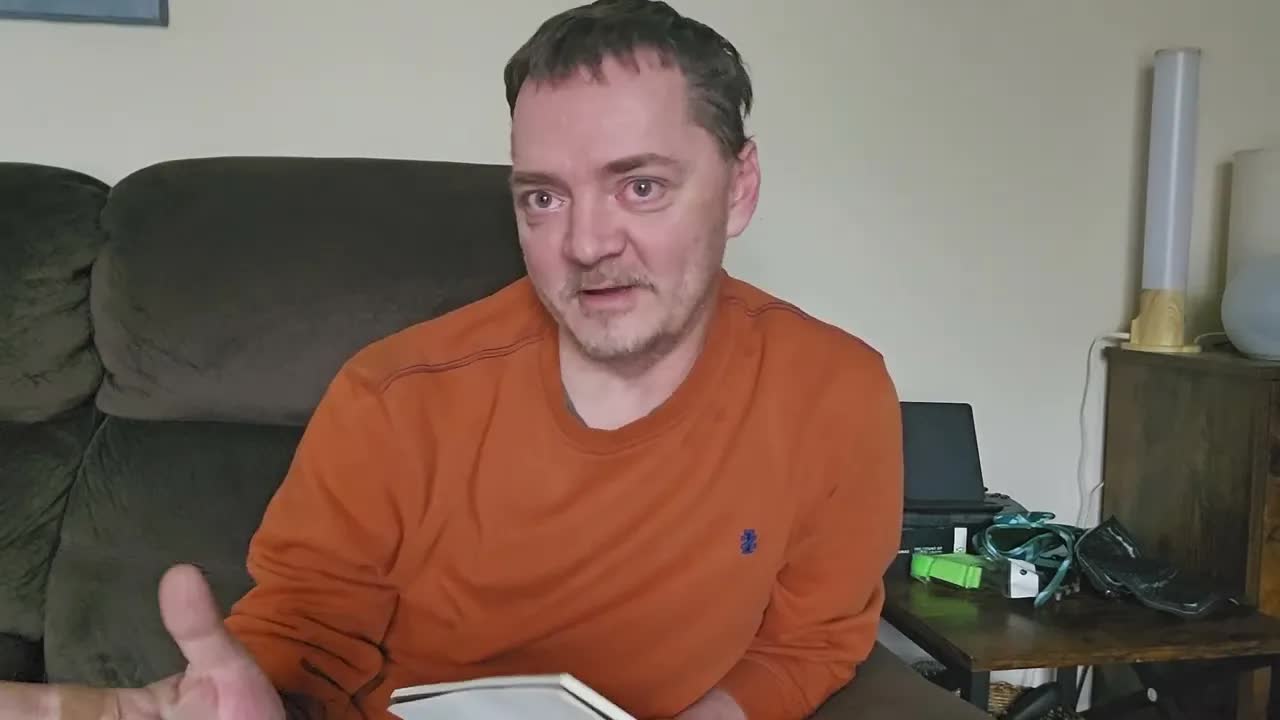
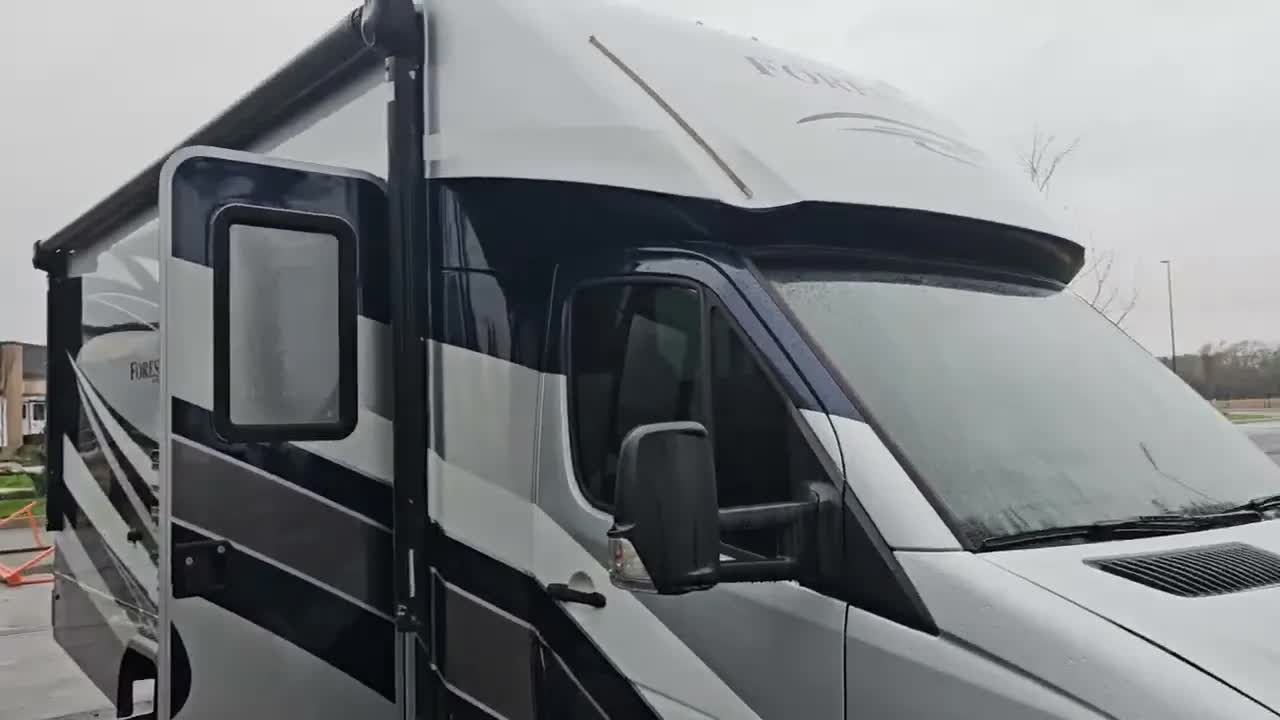
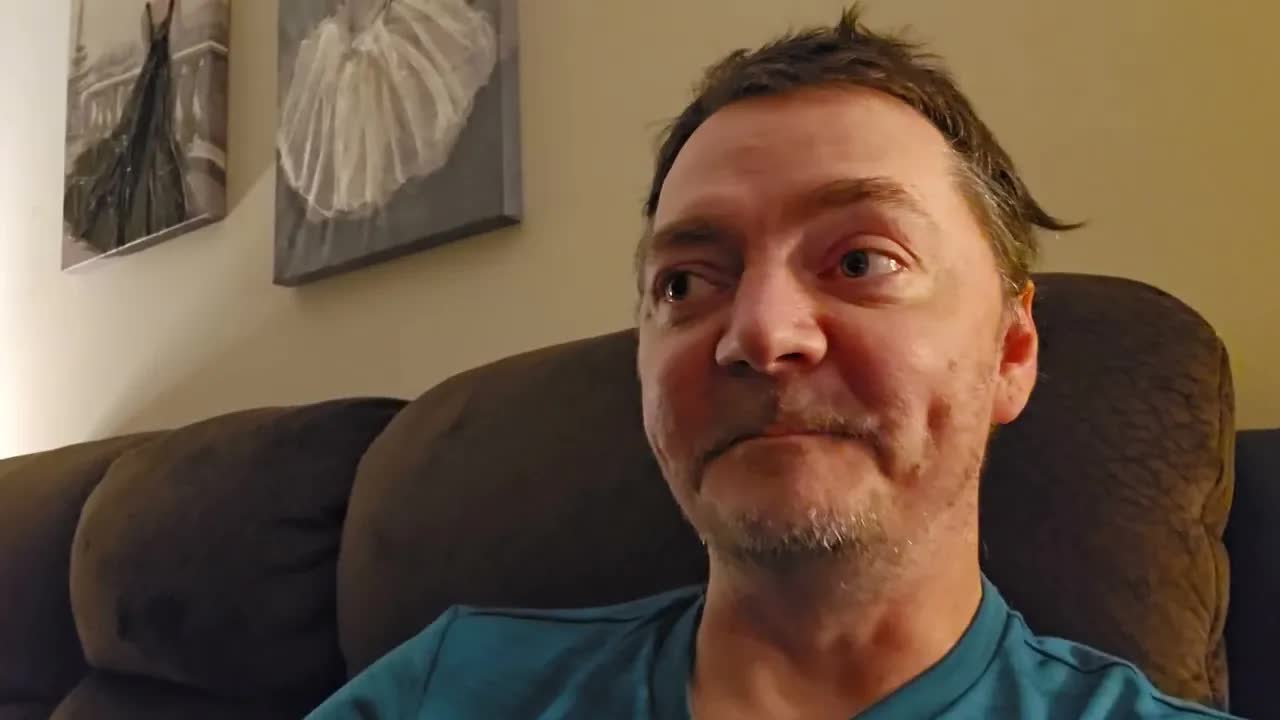
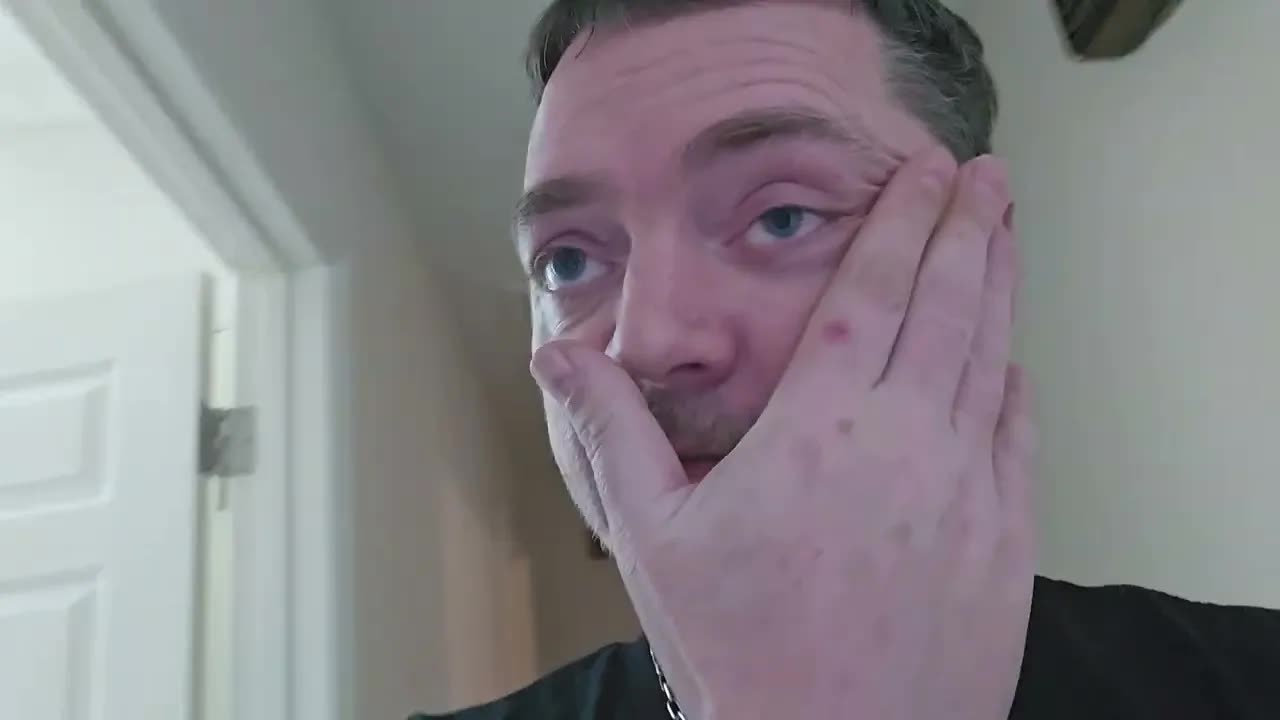
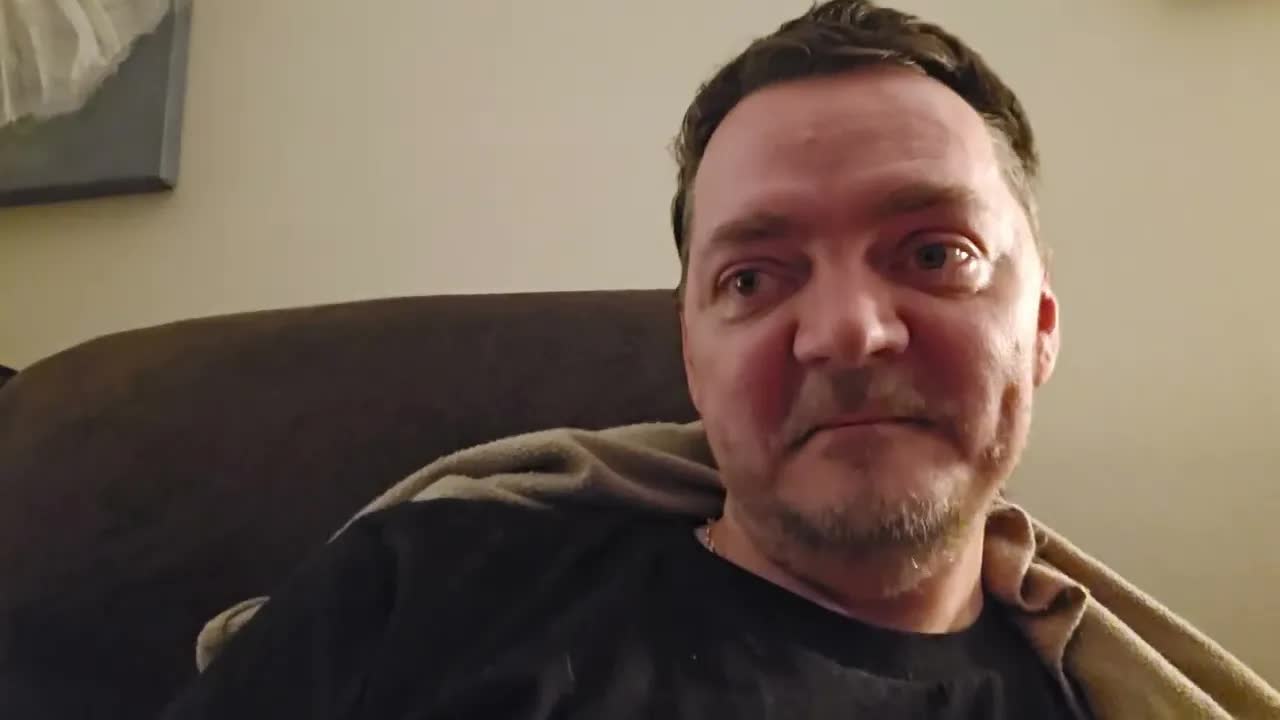
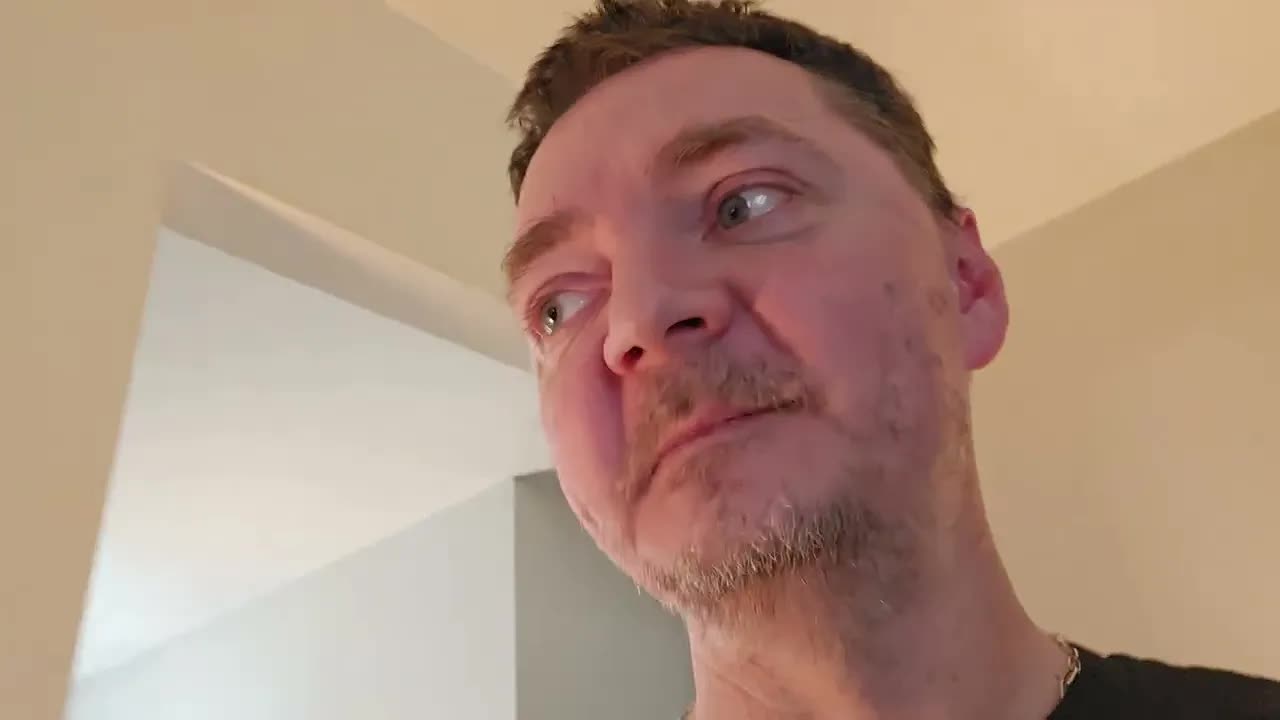
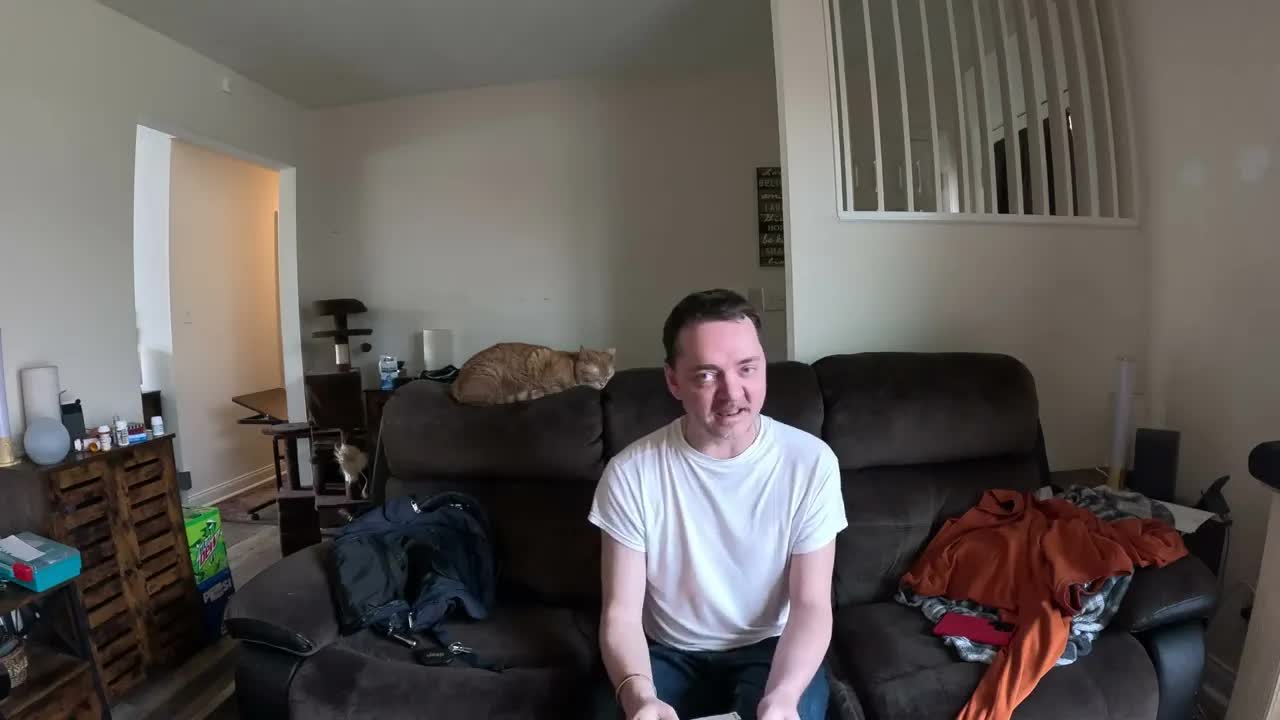
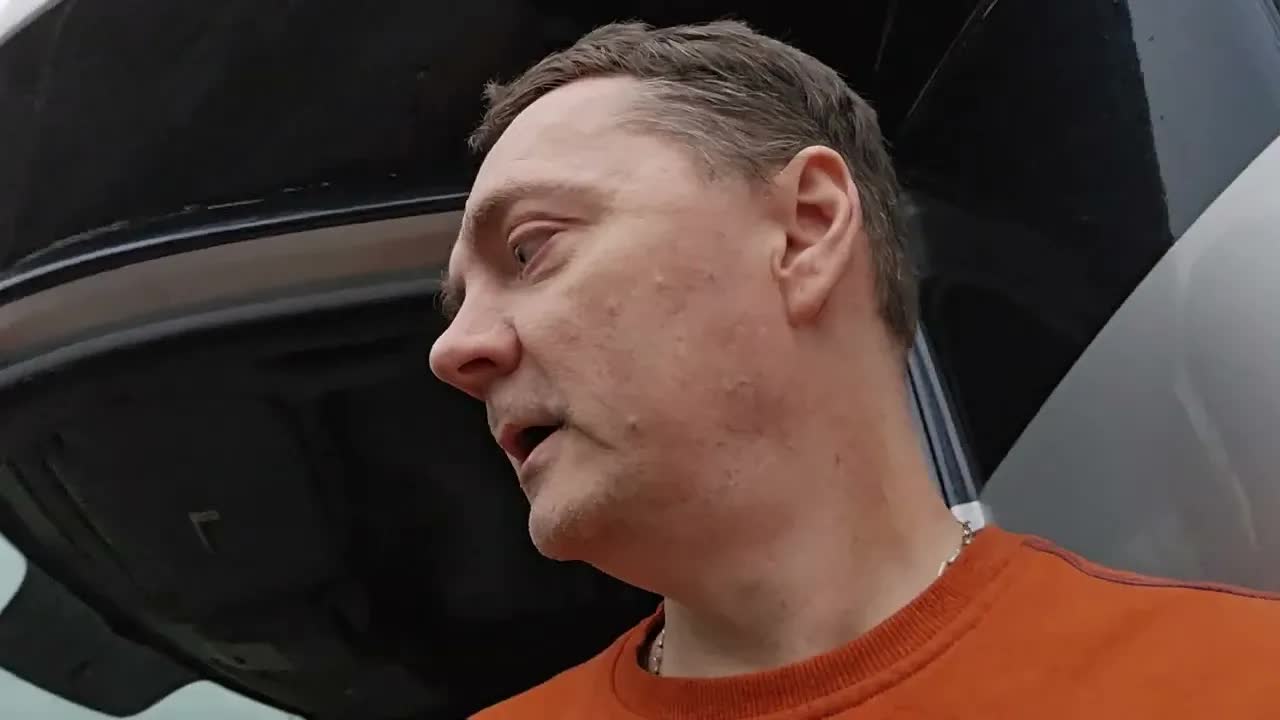
The camera was already running when rswfire realized what he had left out. The first video had been billed as an introduction, and he had introduced almost nothing — so he began again, gave the camera his name, and started over from the beginning. The framing was handheld and imperfect and he said so out loud, apologizing to the small audience on the other side of the lens, adjusting the angle, trying a second position. What he was working to get into the shot was not himself. It was an object on the wall.
The photograph showed eighteen acres in Campton, Kentucky, walked in December, in winter, near the park he had hiked more than any other place. He had framed it before the deal closed — framed it, he said, as a way of trying to manifest it. The deal fell through. The frame stayed up. He described the plan it held with the specificity of someone who had already walked the ground: not an RV campground, he clarified, correcting an earlier omission — tent sites and cabins, trails he would cut himself, building he would have to learn how to do. He named the cost honestly and named the impulse honestly too, tracing it back to nights of watching people build off-grid in Alaska, tiny homes going up on television screens, until he started looking at land listings and found the one that would have been perfect. It was probably a good thing it fell through, he said. He kept the photograph anyway, because it was what got him started — because it awakened something in him that he'd lost for a long time.
From the frame, he ran the line backward. Flint, Michigan, through fourth grade. Then his father bought a bus, and the family drove it to Arizona, stopping at KOAs along the way. Phoenix. Glendale. Scottsdale. Phoenix again — somewhere new every year from fourth grade to seventh. Arkansas for eighth. Back to Michigan for ninth, three years at one high school, then Flushing for the last one. He laid the sequence out plainly and then said what it was: hard for an introvert, hard to be the new kid and the nerd at once, hard to build the friendships over and over from nothing. His brother, he said, handled it better. He described the pattern it left in him as caution around new people, and he named it as something he has been noticing more clearly with age. He is trying, he said, to be a better version of himself — and then repeated it with the correction attached, because the distinction mattered: not a different person, just a better version.
Arizona also gave him the Boy Scouts, and the register of the recounting shifted when he arrived there. He hiked the Superstition Mountains and the Grand Canyon. He went into Pepper Sauce Cave and got separated from the group in a slick upward tunnel — last in the line, sliding back down while the others kept climbing, unnoticed, alone underground until he wasn't. He remembers it, he said, always. There was a trip to Mexico and the best Mexican pizza of his life, still vivid decades later. That was what ignited it, he said — the love of being outdoors, of camping, of moving through country on foot.
The ignition held. At nineteen or twenty he took a Greyhound from Michigan down to Kentucky, then further down to Louisiana to see a friend, and camped alone along the way. He kept hiking. When he moved to Kentucky, everyone told him to go to Natural Bridge State Resort Park; he went, fell in love with it, and has since hiked every trail there a hundred times, including the long one that takes an entire day. The land in the photograph sat close to it. That was not incidental. The parcel was an attempt to buy a permanent position inside terrain he already knew by foot.
Sitting with the failed purchase behind him and the departure in front of him, he did not close the direction — he extended it. Maybe five or ten years from now, he said. It is still something he wants. And if he is going to be out on the road anyway, he will learn the country, see the places in it, and perhaps find somewhere that takes hold the way Natural Bridge did — Asheville, he offered, has been in his mind for years; maybe a cabin somewhere along the route. The road was not a replacement for the land. It was the wider search the land had been a first, local attempt at.
Then he named the infrastructure. He would hike everywhere he went and take video and photographs, and he would probably start a blog — one nobody has to read but him, he said, full of pictures that look like every other picture, because that is what he does. Beyond the blog was the older idea: a website where you could actually experience the national and state parks, know what a place would be like before you went, and be encouraged to go. He had wanted to build that twenty years ago. He assumed others existed by now. He said he wanted to build it anyway, for the public and for himself, for reasons he left for the audience to guess.
He ended where the whole recording had been standing the entire time. He was way outside his comfort zone — the transition, the videos, the talking to people at all — and he said so three times without softening it. He also said the alternative was to do nothing with his life, and that he did not want that. If he kept doing it, he said, it would get easier. He was so close he could not wait. Then he thanked them for listening, and the framed photograph of land he would never own stayed on the wall behind him, having already done its work.