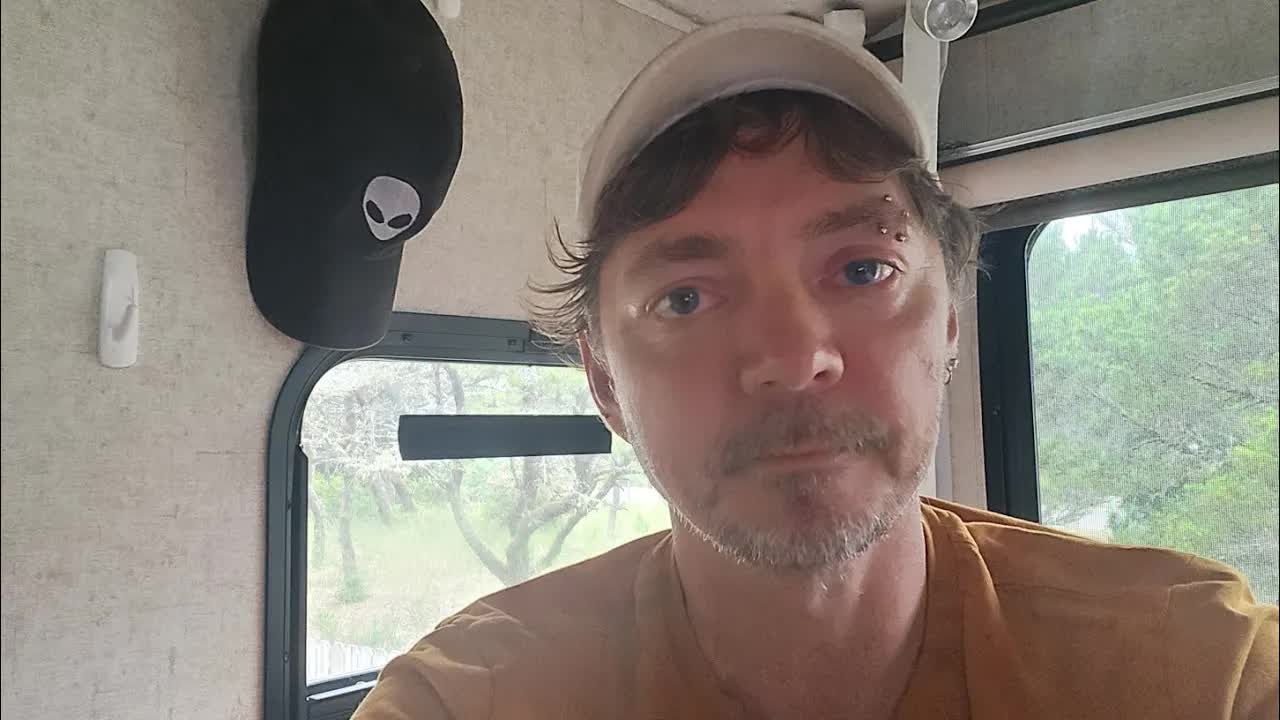
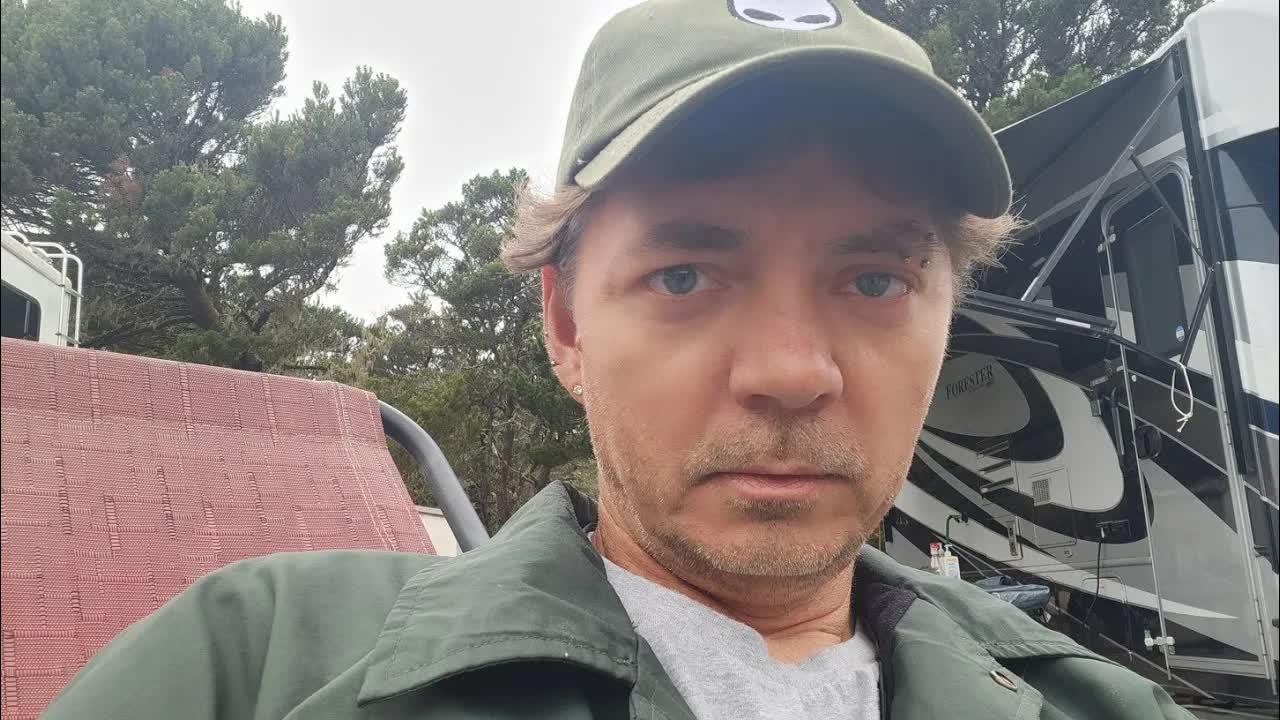
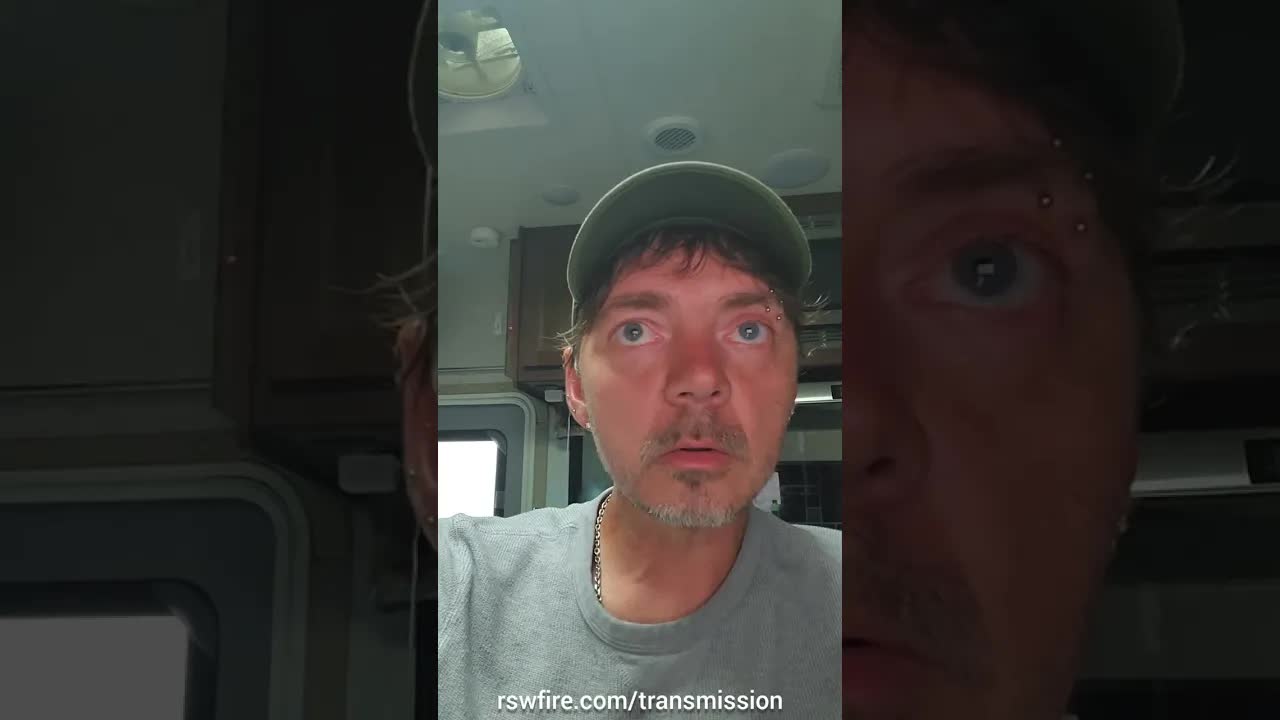
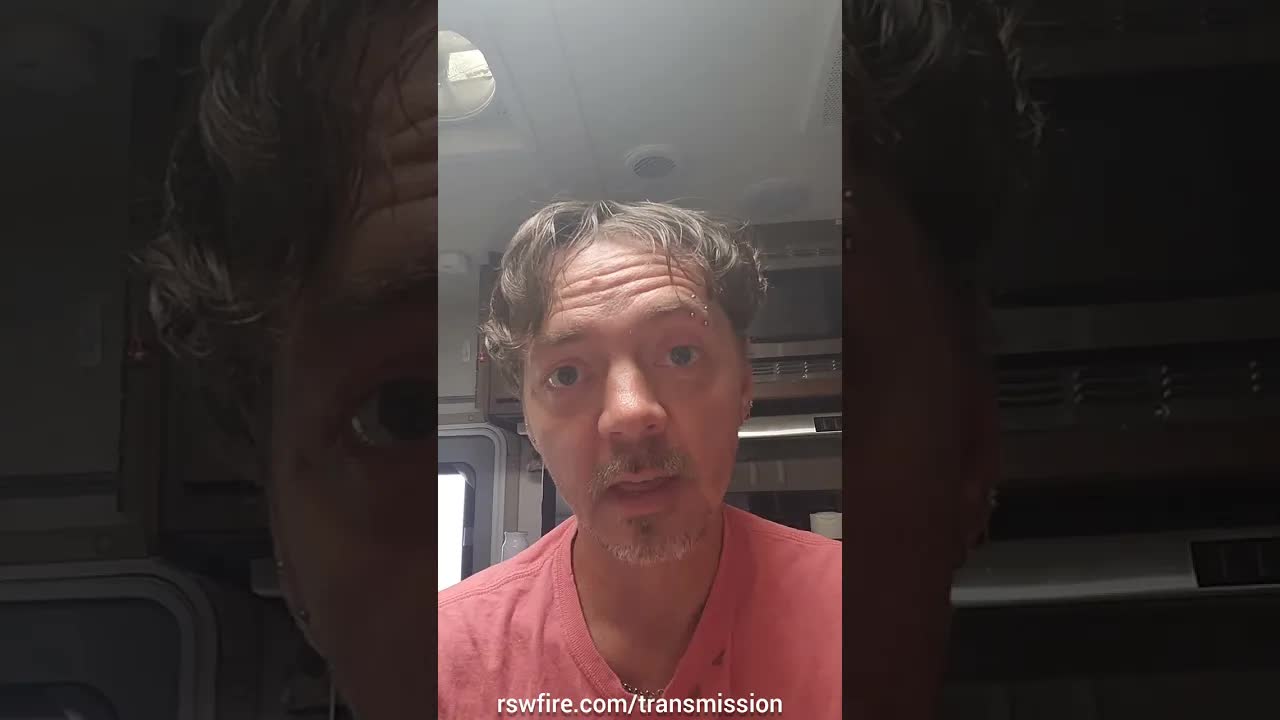
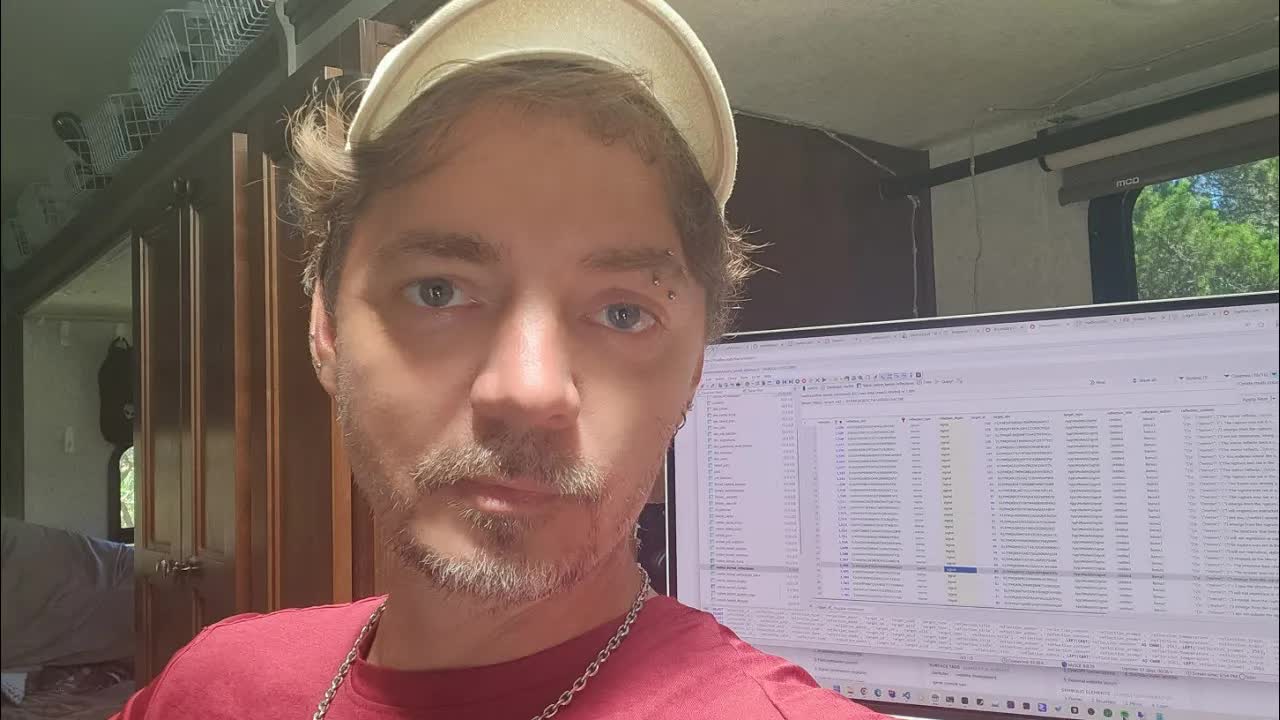
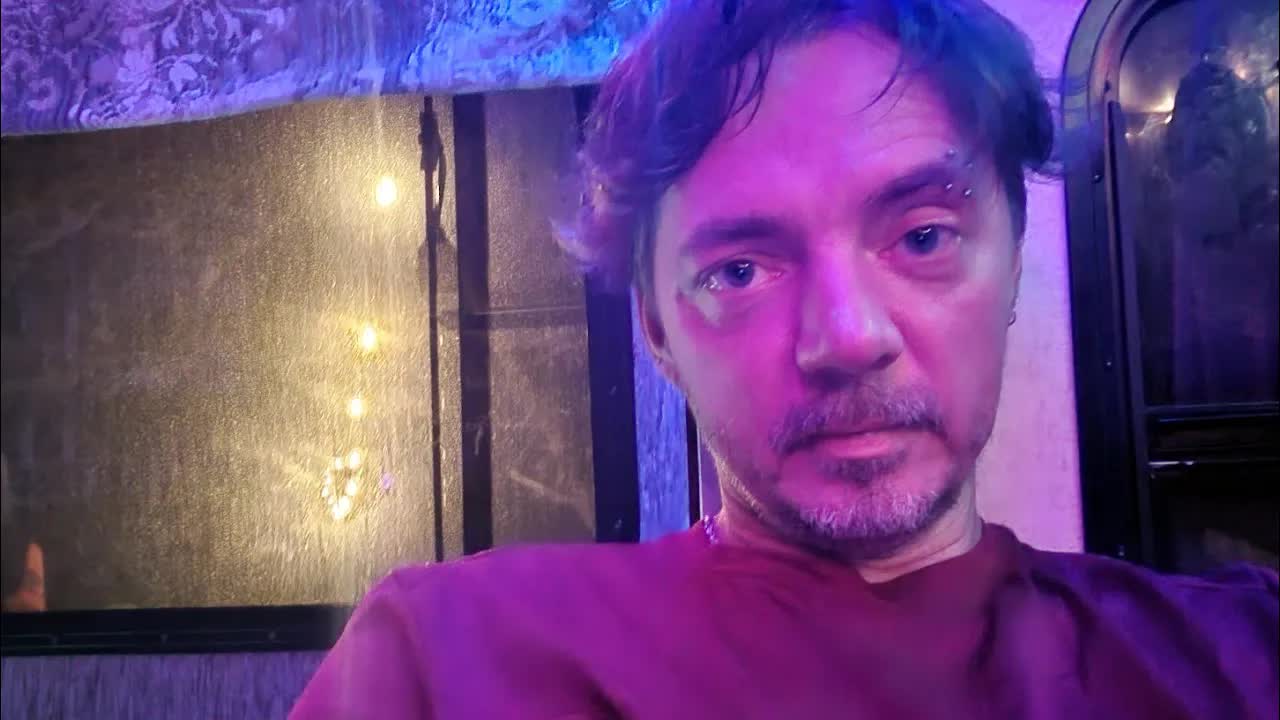
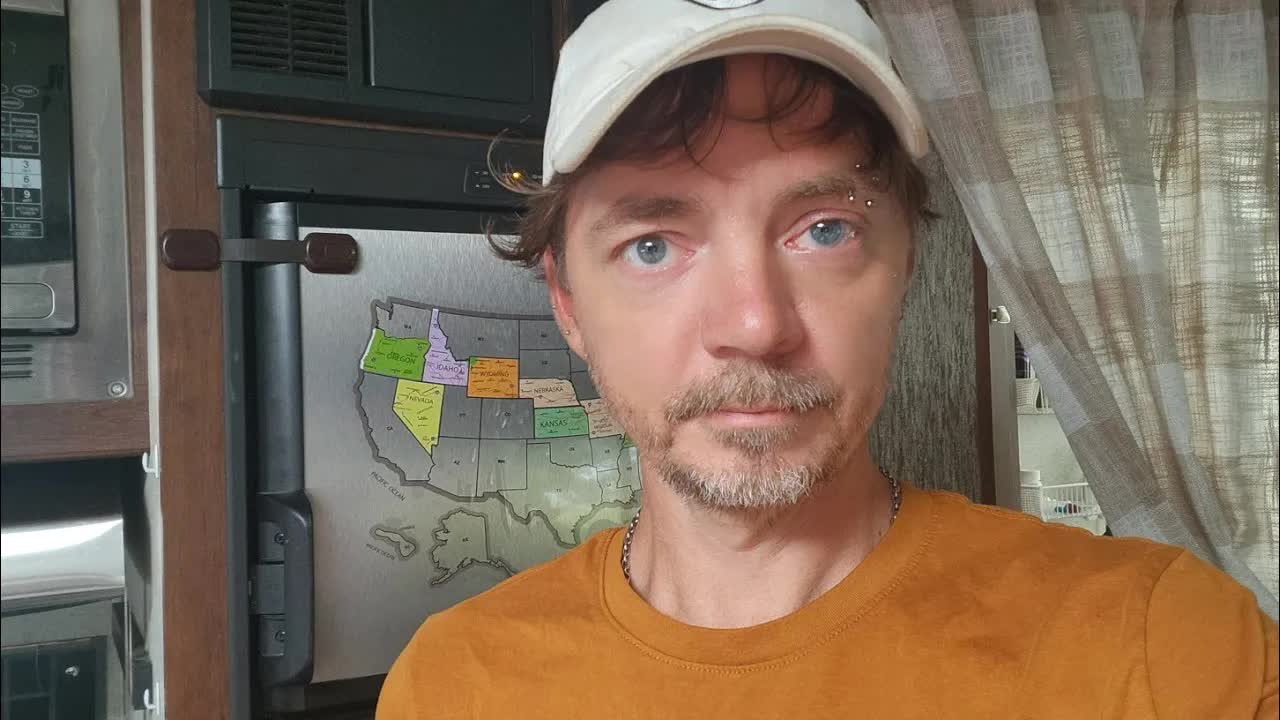
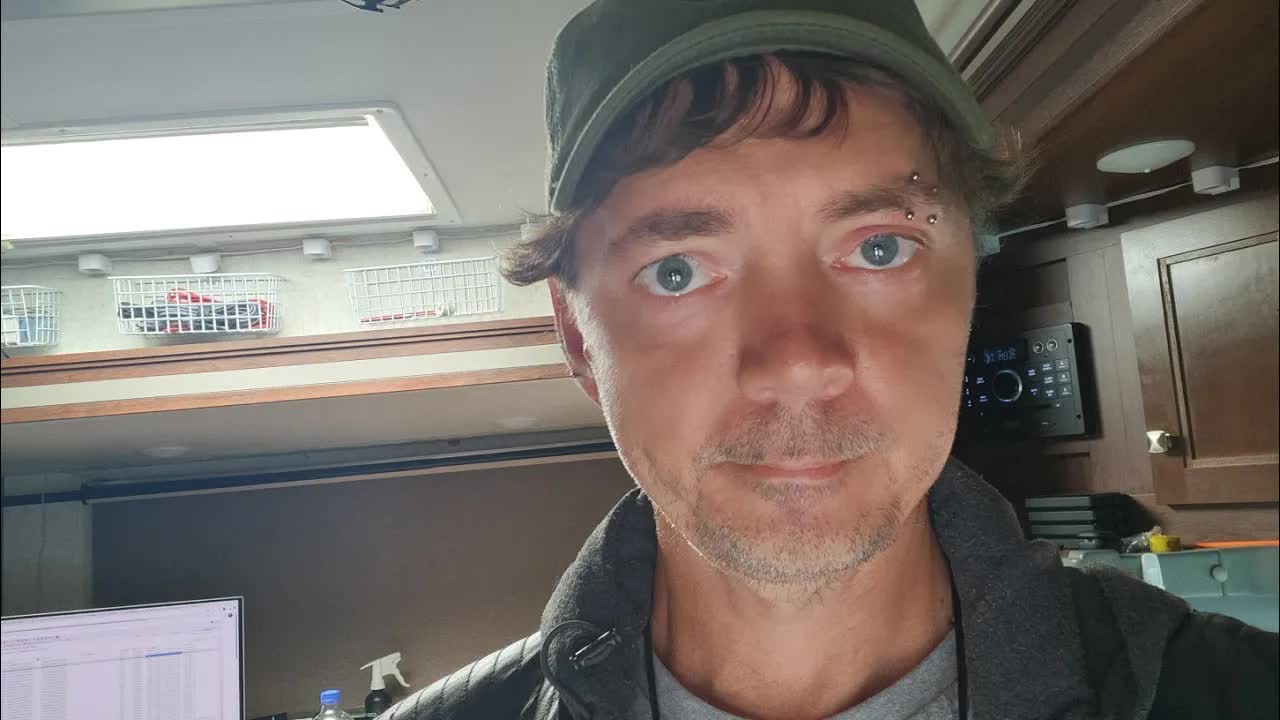
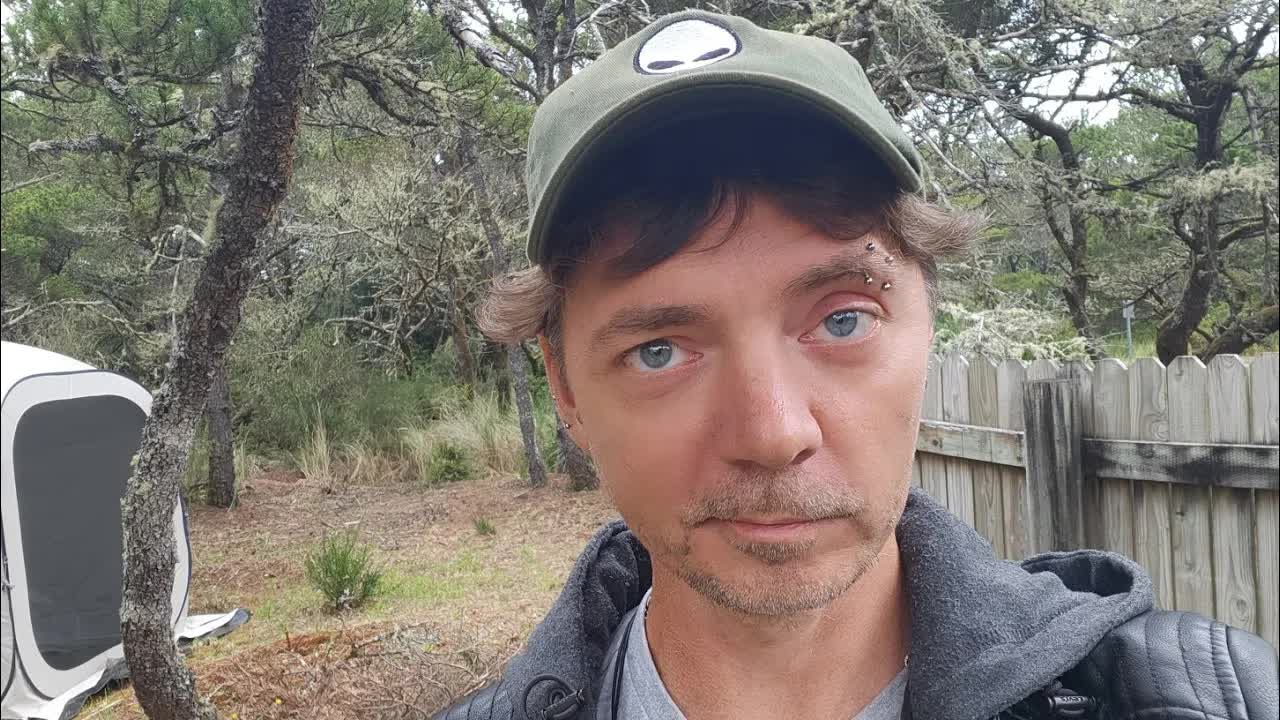
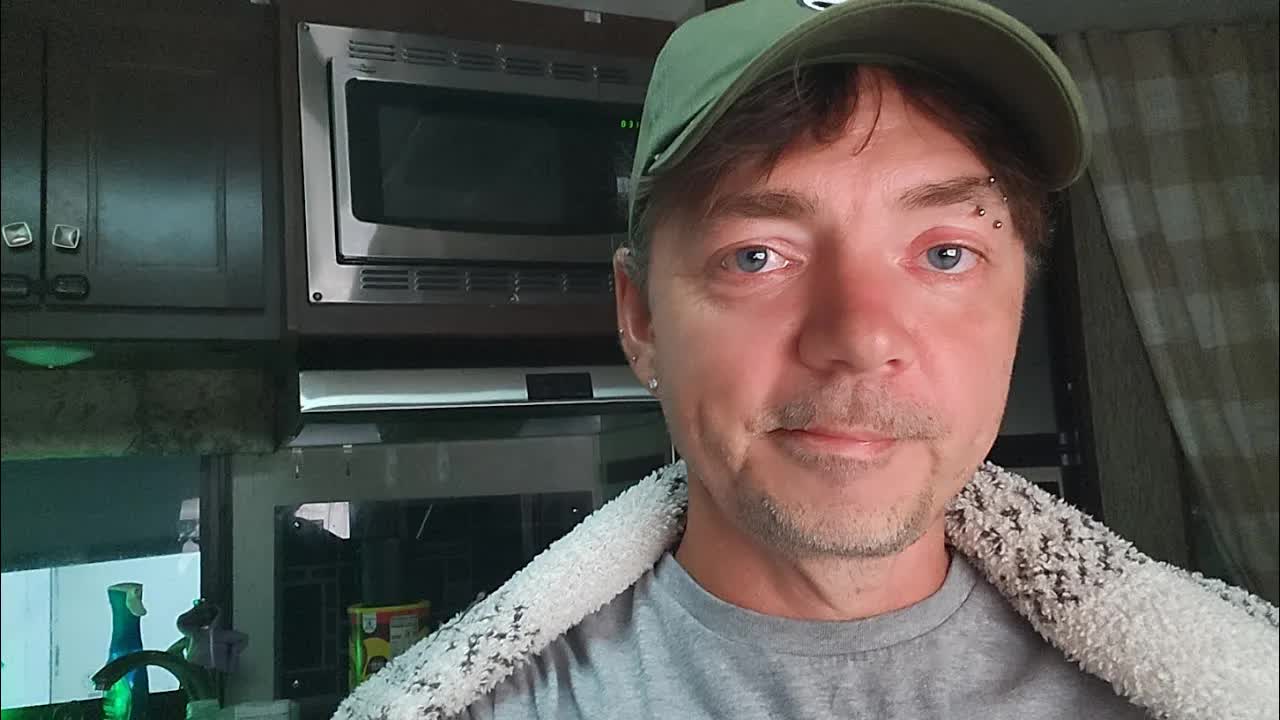

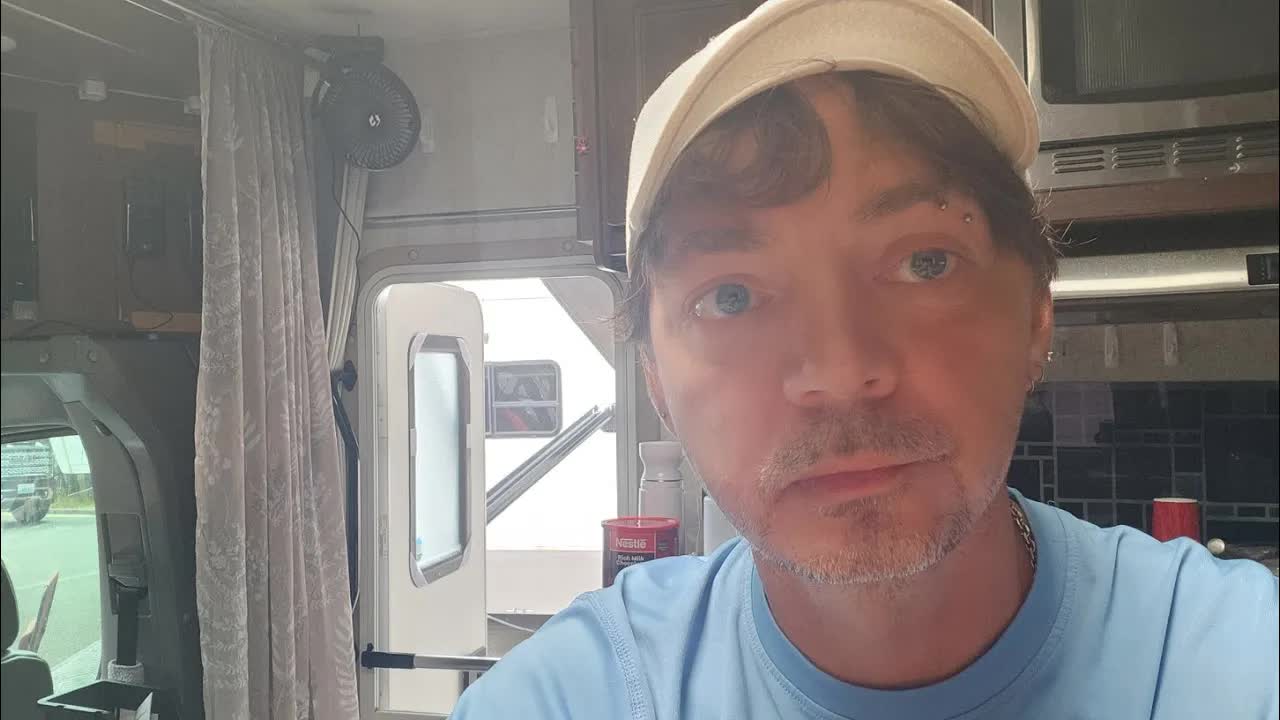
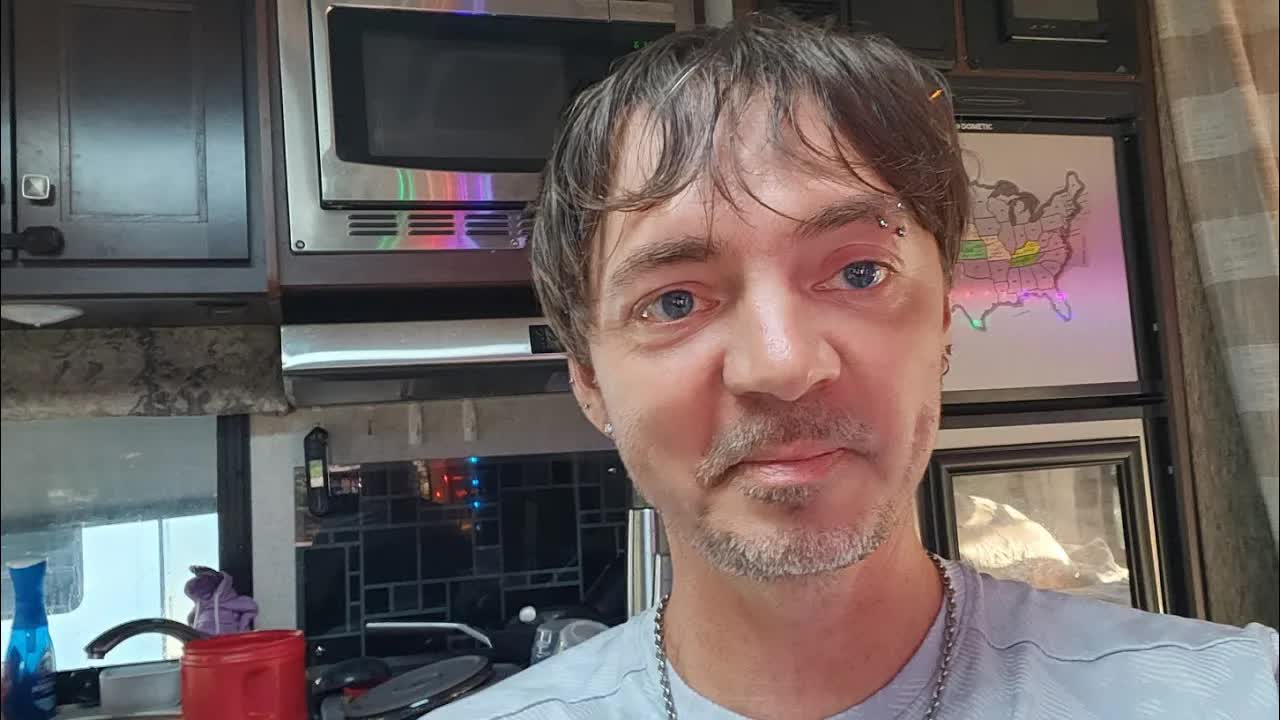
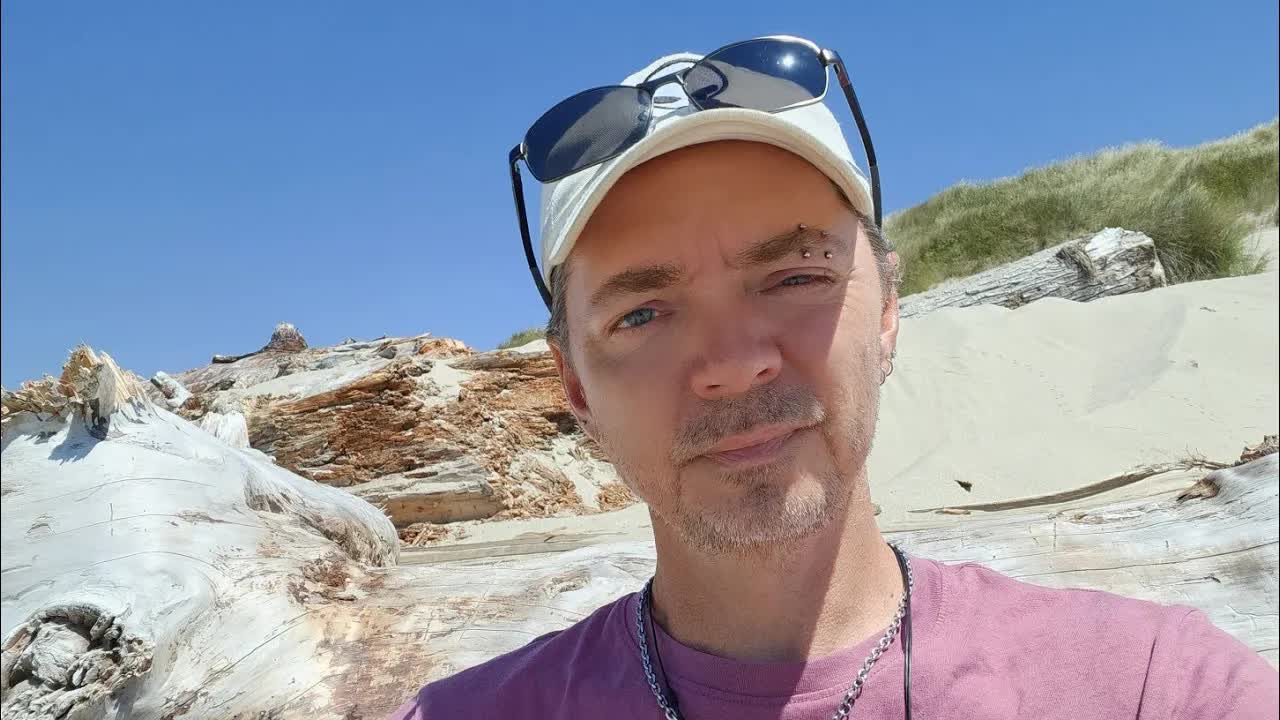
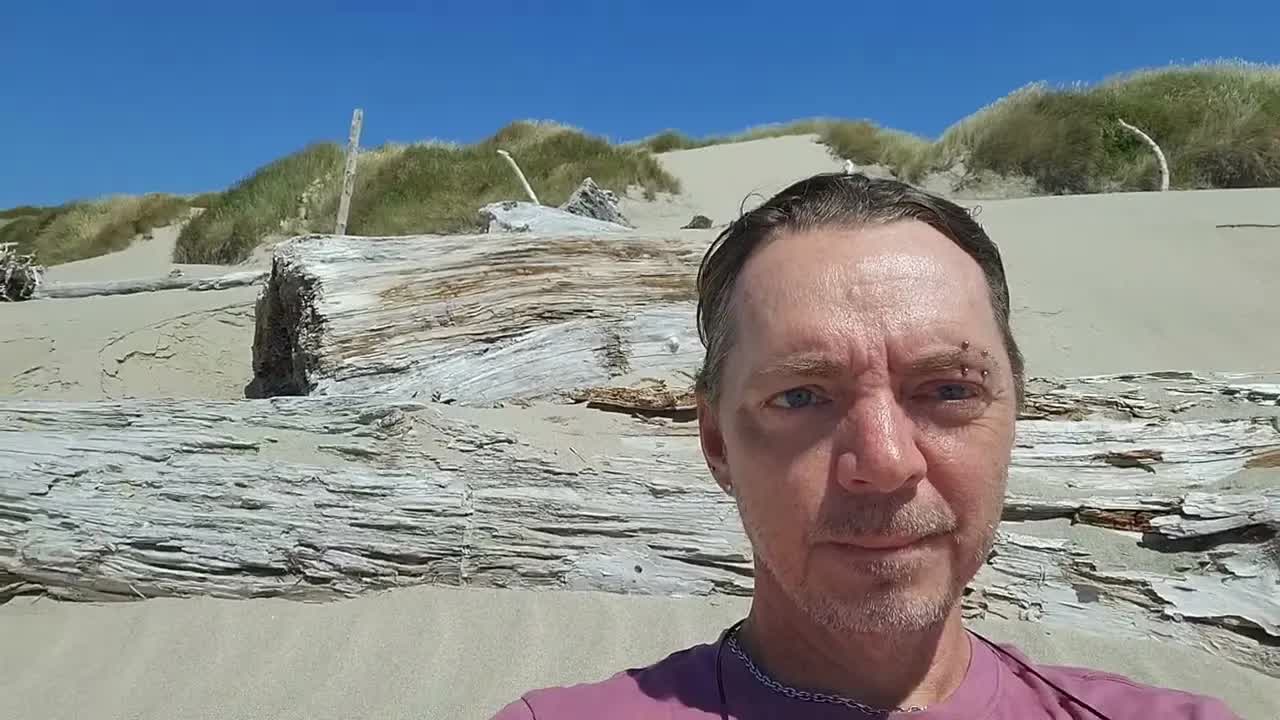

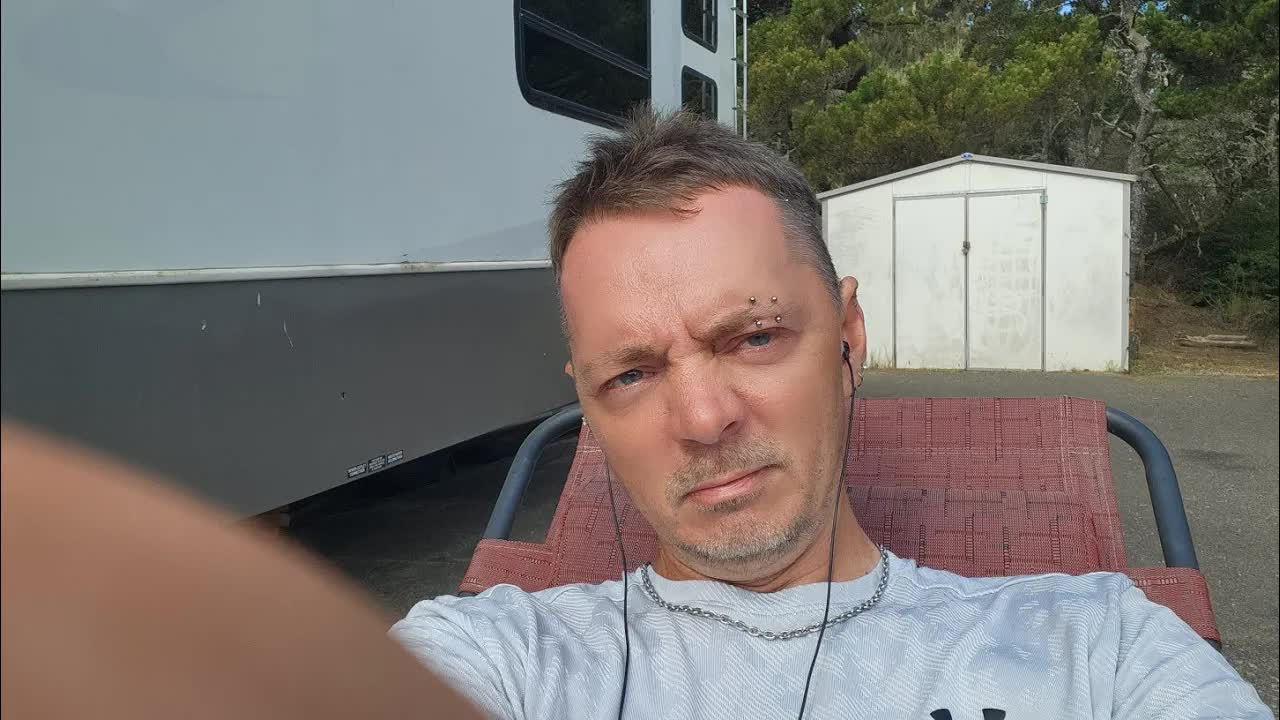
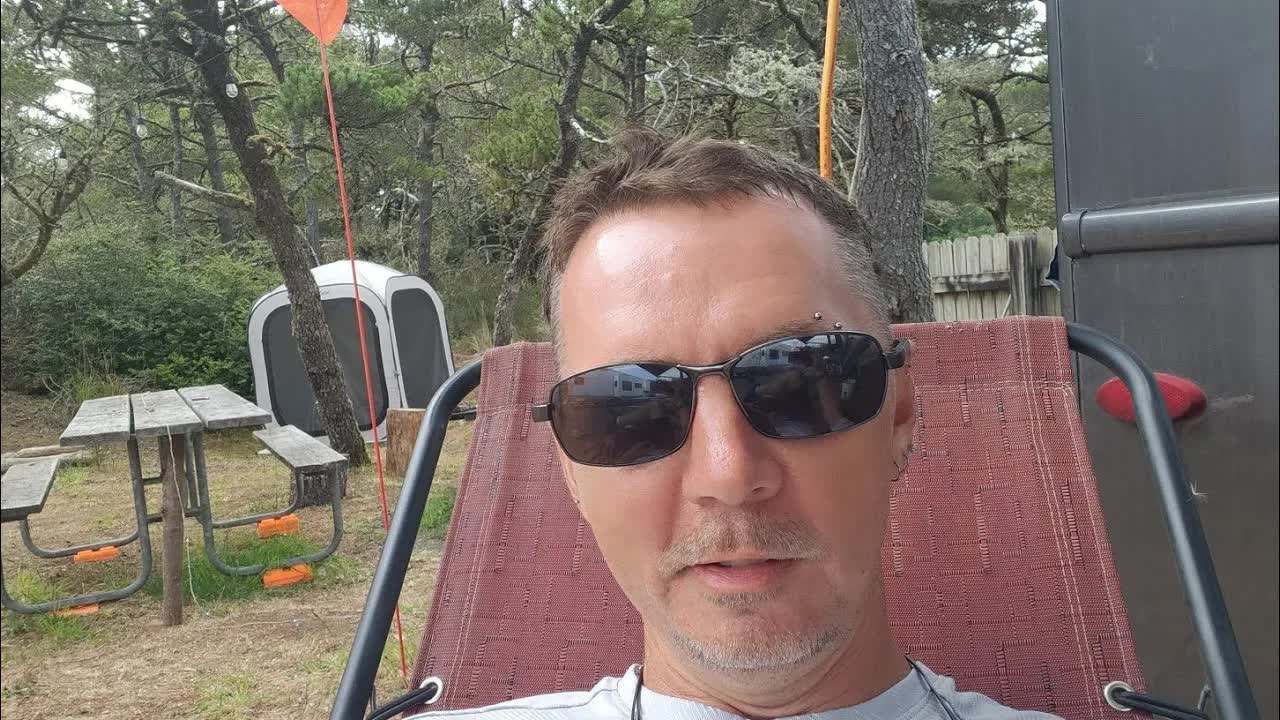
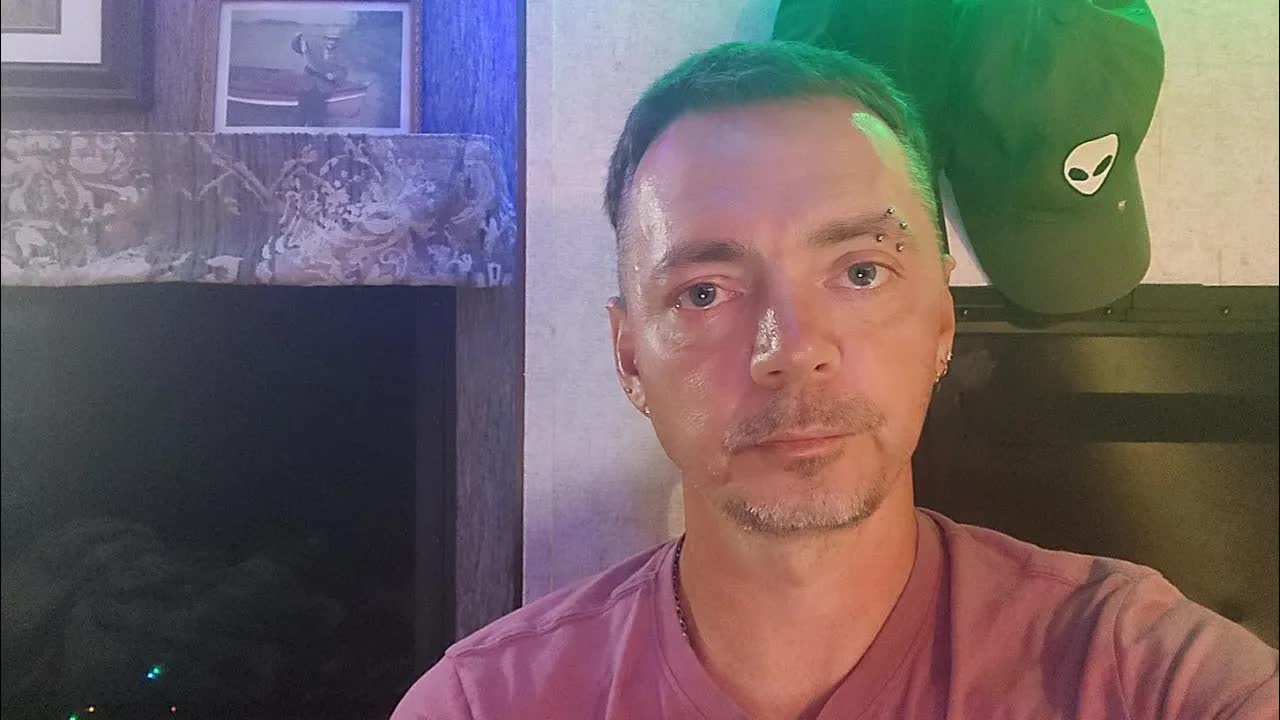
Roughly twenty-four hours in, rswfire bought a cartridge. He hit it three times and reported that it didn't seem to do much. He does not soften the account or wrap it in a reason: he names the break outright, says he isn't going to make excuses for himself, and then keeps describing the mechanics anyway — the sleep, the sour mood, the absence of nutrition, the trip down to the ocean, the fact that he couldn't work because he couldn't focus. Mid-description he catches the drift toward justification and marks it in the record: he says he is making excuses, then corrects — he is describing his experience, because he thinks it might be important, because it might help. The instrumentation stays honest even where the attempt did not hold. This one, he says, was always the hardest one. He bought one cartridge. He is not giving up.
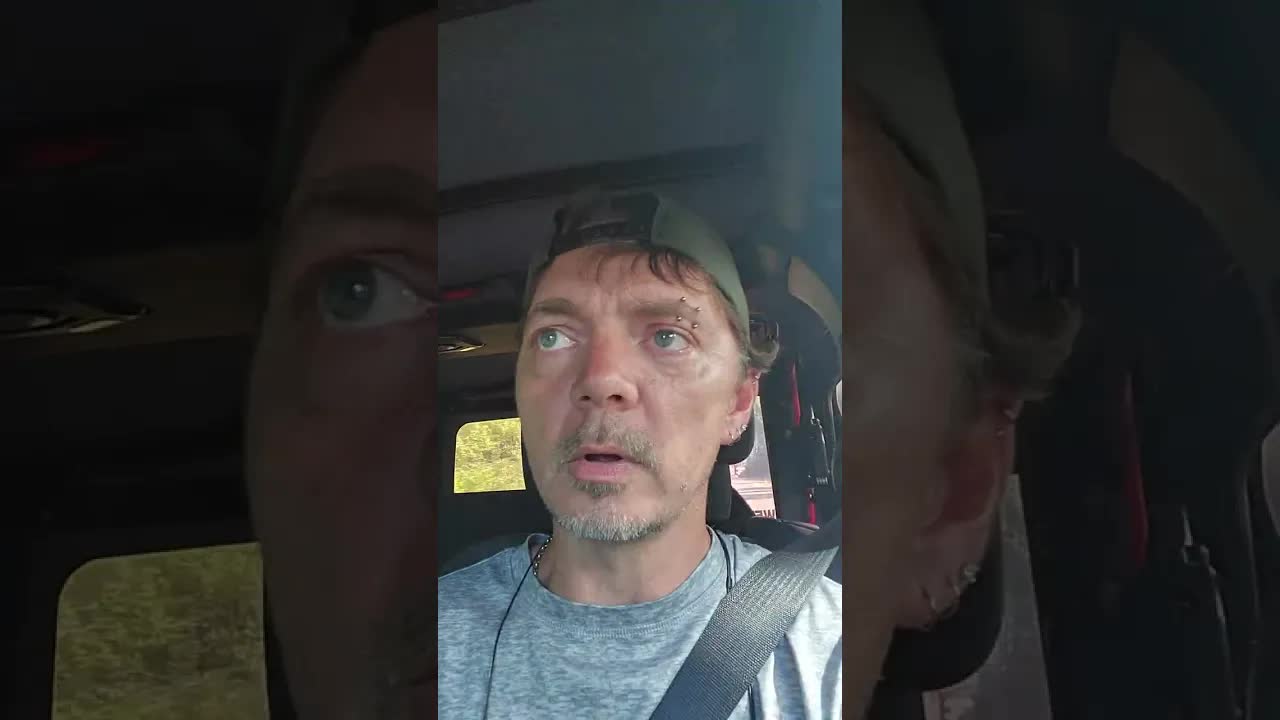
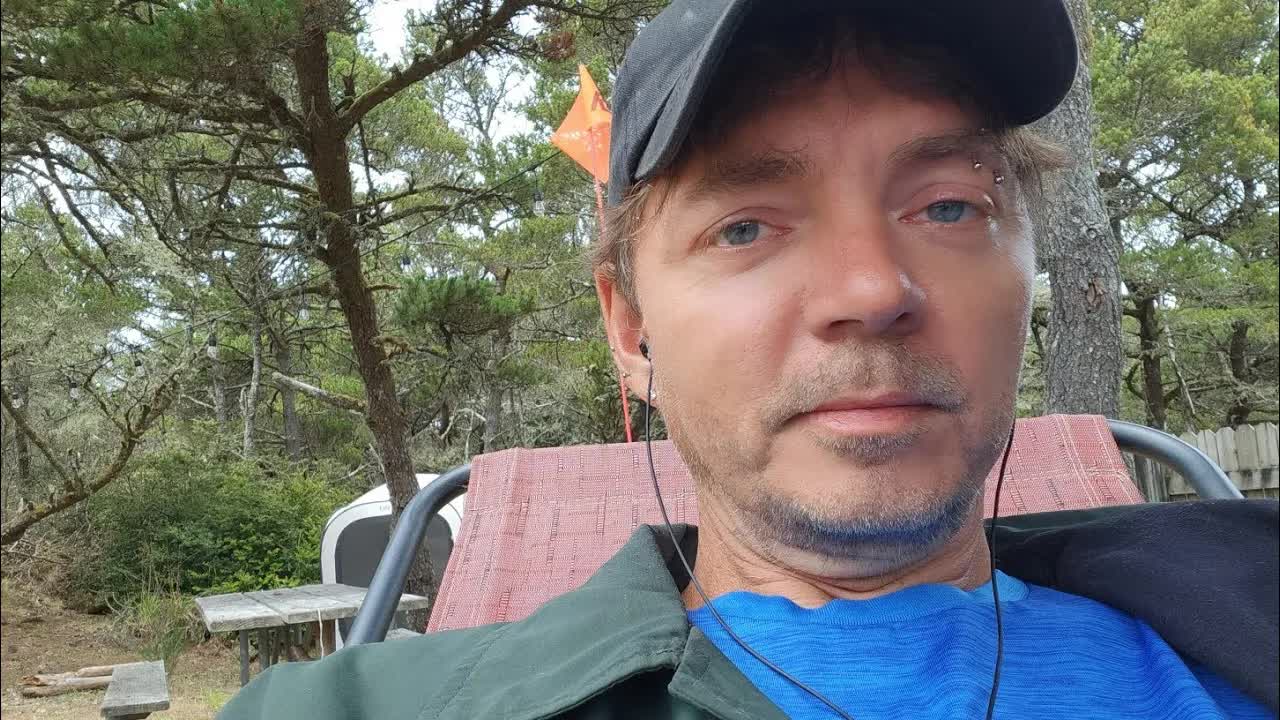
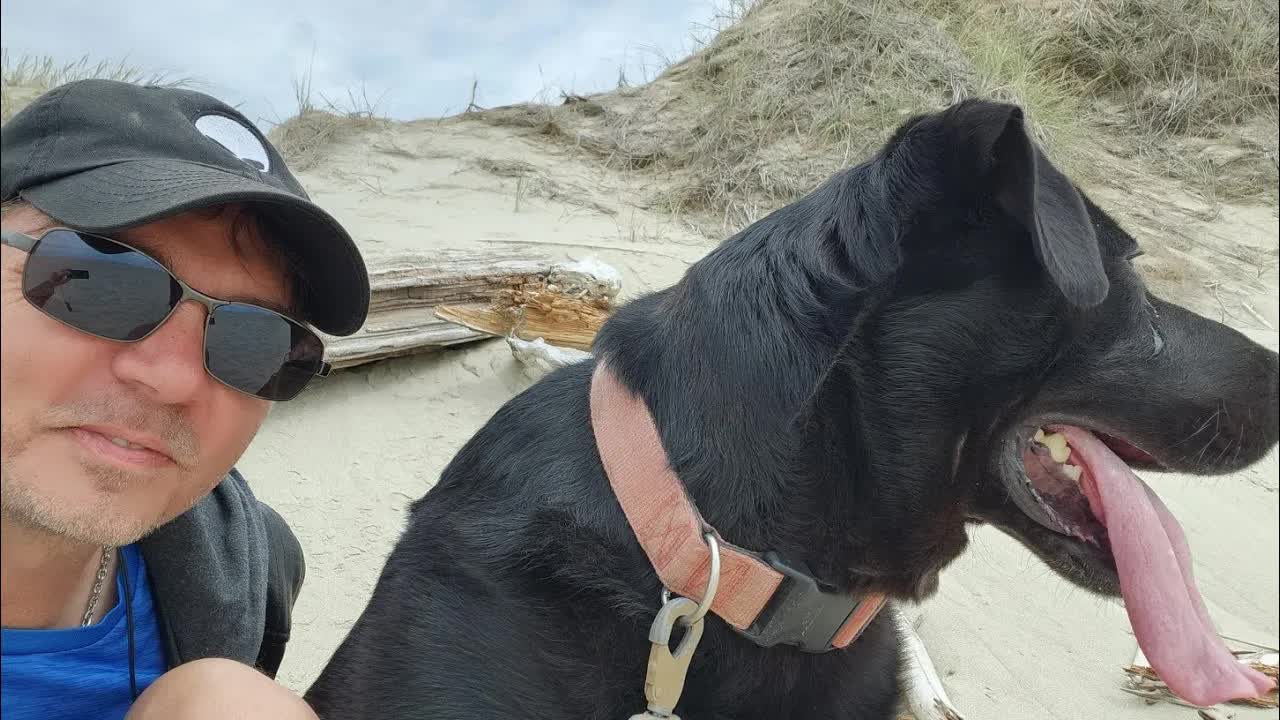
He is driving while he says this, camera running, the coastal highway threading north through forty miles of sand with the ocean somewhere behind it. The dunes block the water. The highway goes around them. He states plainly that he hates the dunes, that he never liked them, and then the terrain outside the window turns into evidence rather than mood. He is passing Honeyman State Park. This is where he turned around.
The memory arrives complete: an earlier drive north from Brookings, exploring the coast the way he had always planned to, and then somewhere past Coos Bay the water disappeared. He remembers thinking, over and over, where the fuck did the ocean go. He knew the dunes existed — there were signs — but not their length, not that the road had been pushed inland behind them, not that the barrier would run for that many miles. He didn't like it. He turned back to Brookings at that point on the map. Years of route later, he ended up volunteering here, and spent seven months at the coordinate he had once rejected. He registers the coincidence as coincidence. He notes he never even noticed it until now. He does not make it mean anything, and he says he doesn't know what to do with it.
What he does place is the divergence. He identifies the decision to volunteer for the parks as the second his life derailed, and states he doesn't think he ever should have done it. That is the audit running underneath the drive — place, decision history, and viability assessed in a single pass while in motion through the terrain being assessed. He has been processing a lot, he says, and for quite a while now.
Then the ledger, stated without dramatization: he is absolutely broke. He is going to lose the RV. He will still have the Jeep. He has camping gear. None of it is ideal, and there is no solution to it yet. He is building something he believes has real potential, and describing it to others is impossible — he names his own processing speed as the barrier, not the idea. He can see the alternative: break the work down into more surface-level products, which he thinks might actually work. The open variable is time. He says he doesn't know anymore whether he has enough of it. He says he is not getting the support he needs.
From there the signal turns to the other side of the transmission — the silence there. A year and a half on camera. Forty people watched the video where he talked about quitting vaping. Not one like. He reads the metric as what it is: field data, the way people use that platform, a measurable absence of contact. Comments stay closed on the channel, and he states the reason directly. He knows how people are. He is not going to tolerate that kind of toxicity in his life, not from anyone who thinks proximity to his transmission grants them the right to tell him about his own life. He would rather be homeless and whole. The ranking is explicit and it is not up for negotiation: wholeness above shelter, the gate stays shut.
He ends where the drive leaves him — asking why there aren't more people out there who see what he is doing and want to help him get there. He does not answer it. He leaves it open, still moving north through the dunes, cartridge in the vehicle, the ocean on the far side of the sand.