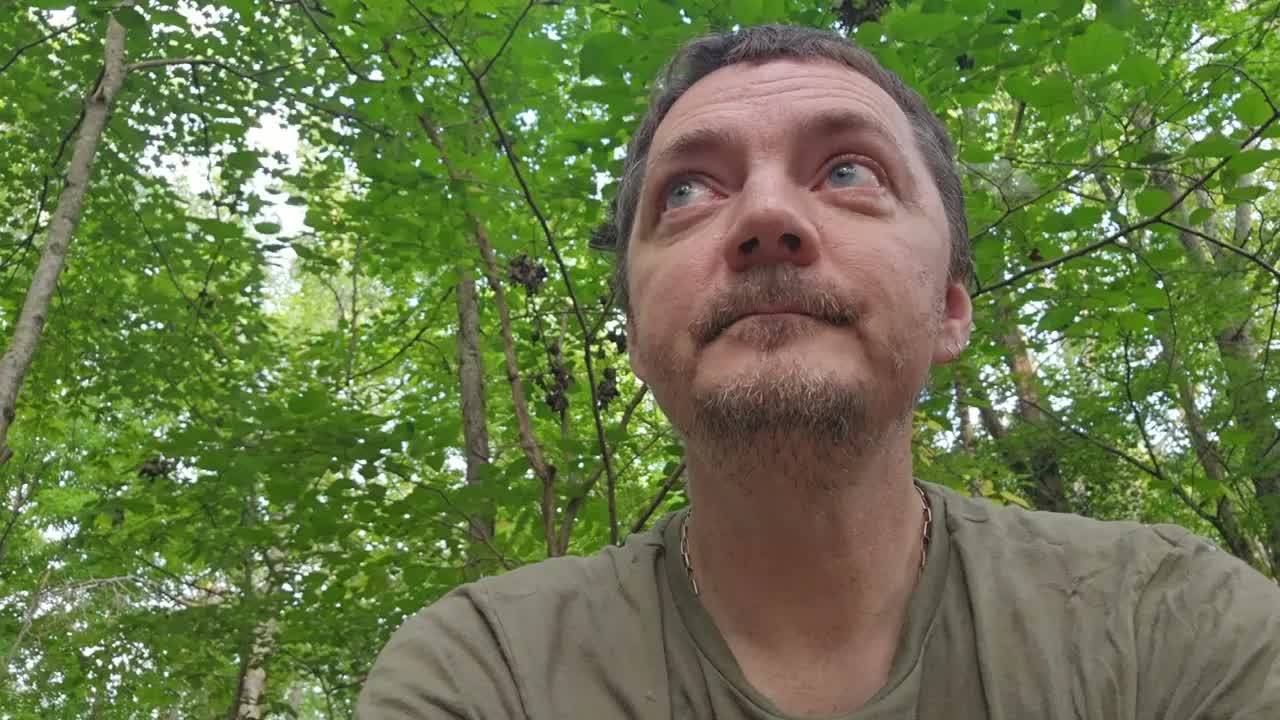
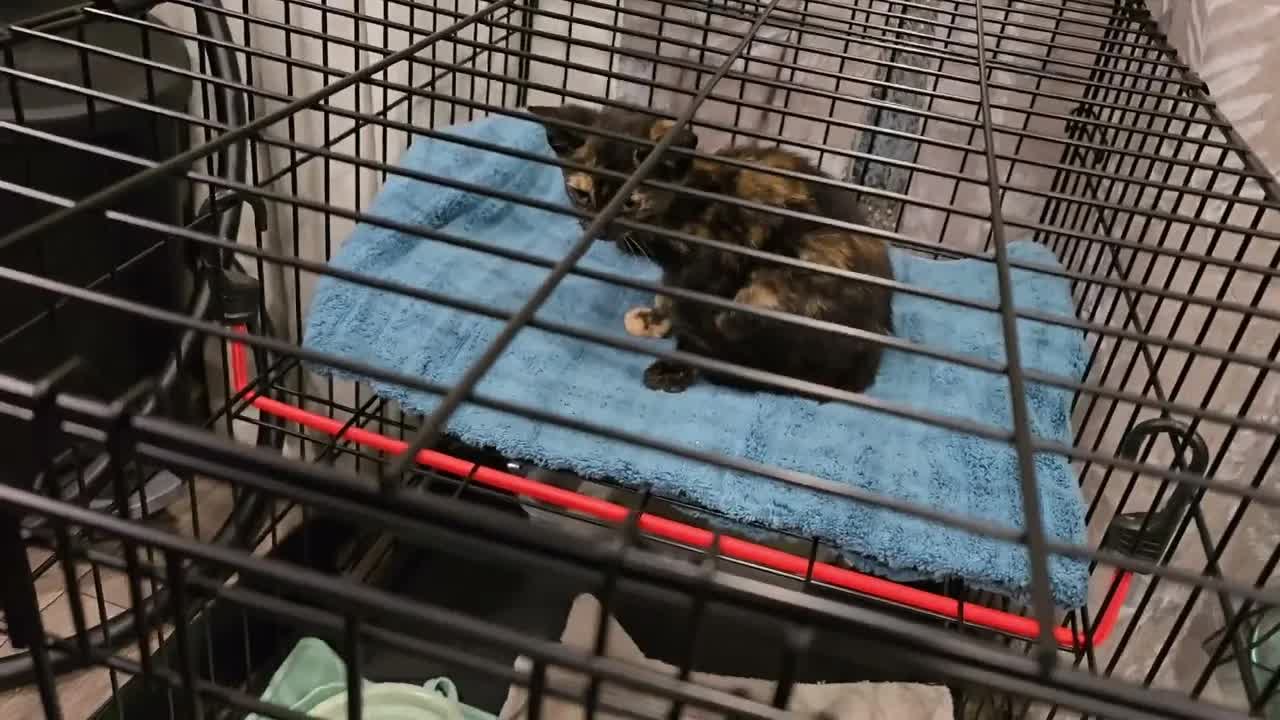
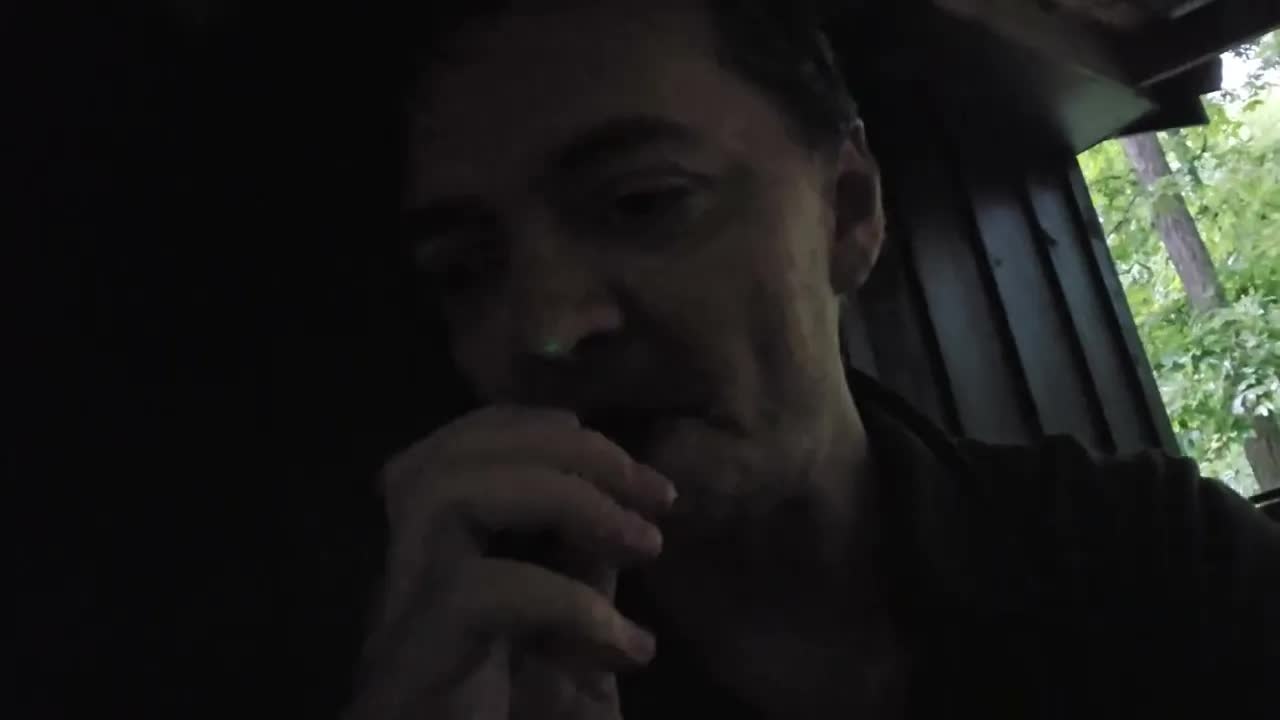
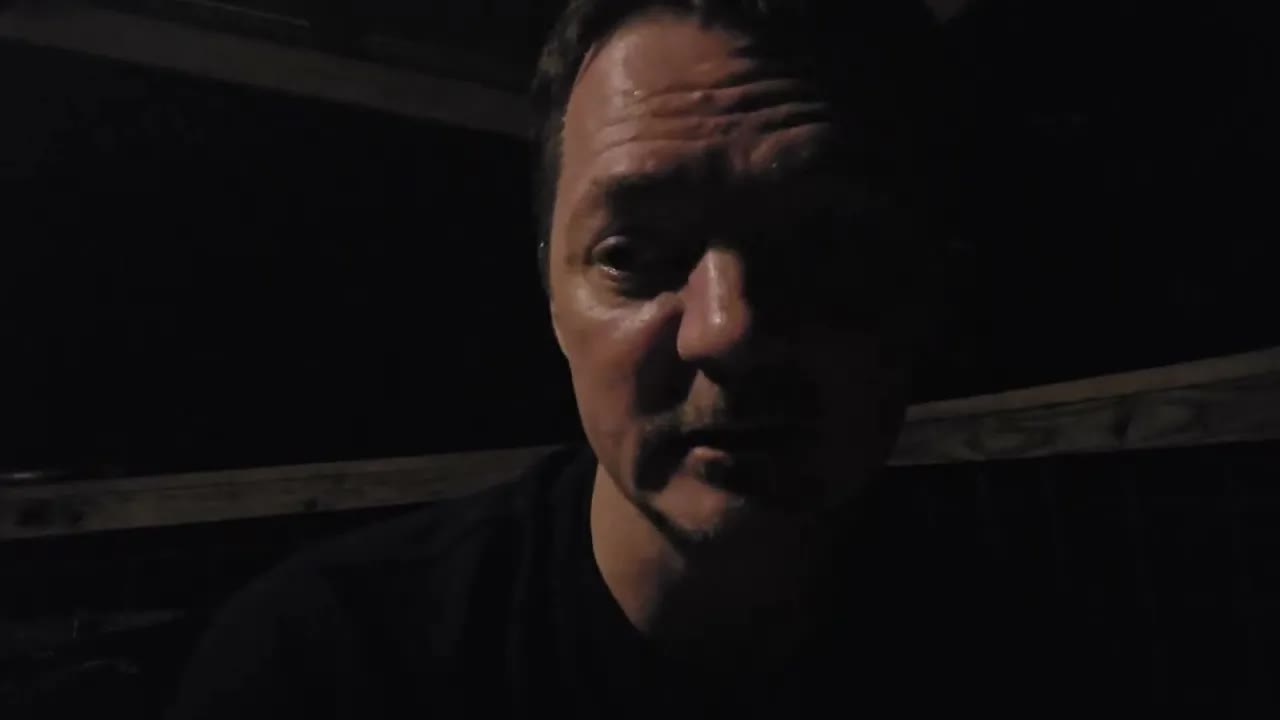

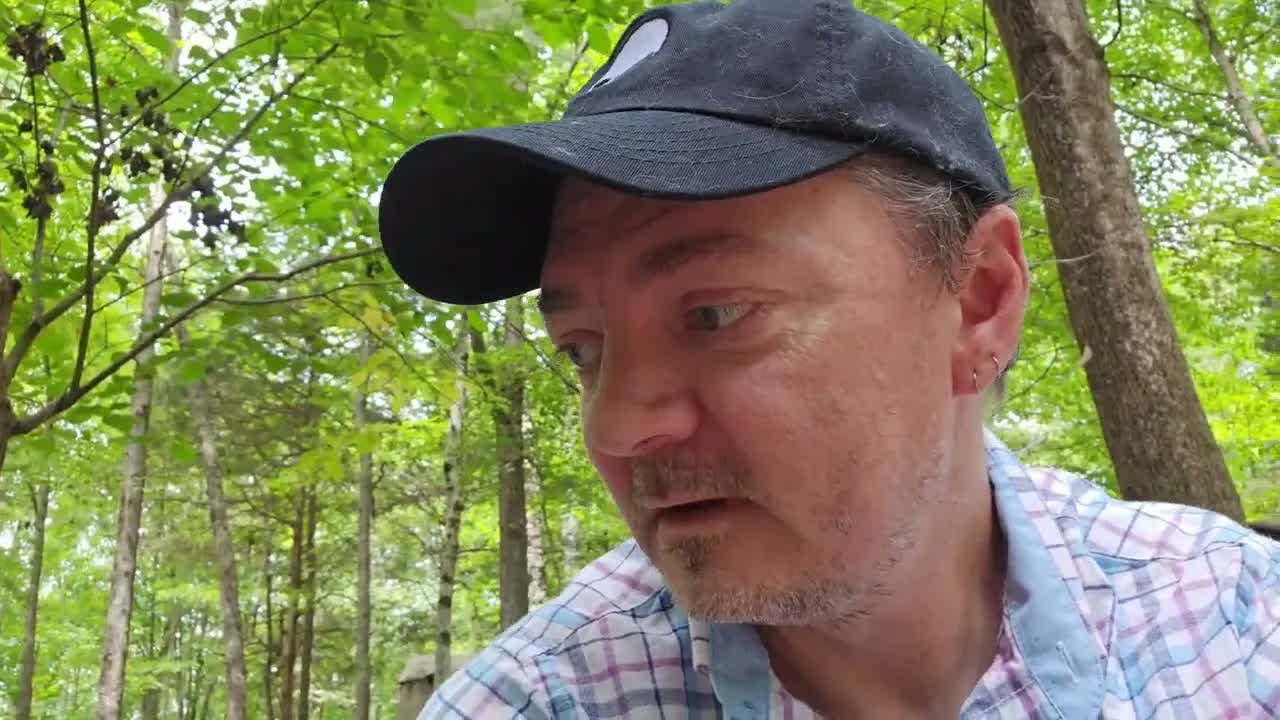
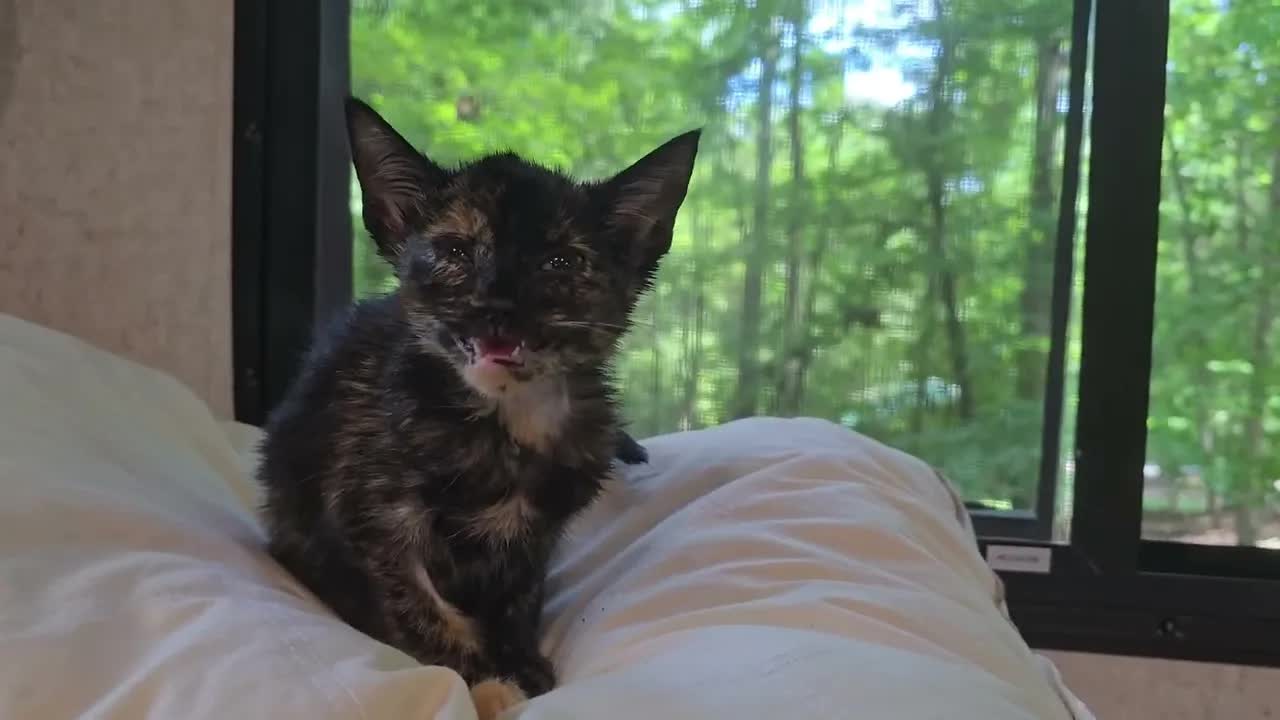
For several days there had been a kitten at the edge of things — appearing near the site, keeping distance, sheltering under a neighbor's golf cart. rswfire had mentioned her once already, in passing, as something happening at the perimeter of his campground residence at Siltcoos: a kitten coming around that he couldn't get to trust him. She was three months old and weighed a pound and a half, though he wouldn't know either number until later that day. What he knew then was only that she was small, that she was there, and that she would not come.
On the ninth of August she came. He got down to ground level with her, close enough that the recording caught the small sounds of the site — the resident cat audible from inside, the ordinary open air of the dunes — and he began the protocol that would occupy the next stretch of time: hand offered, held still, withdrawn from nothing. You want to touch my hand. You can touch my hand if you want. And then the phrase repeated four times without variation, the way a thing is repeated when it is meant to be registered rather than understood: I'm safe I promise. I'm safe. I'm safe. I'm safe. When she declined to close the distance, he named the terms out loud instead of shortening them. It's all right. We'll do this on your timetable. And later, again: We do this at your pace.
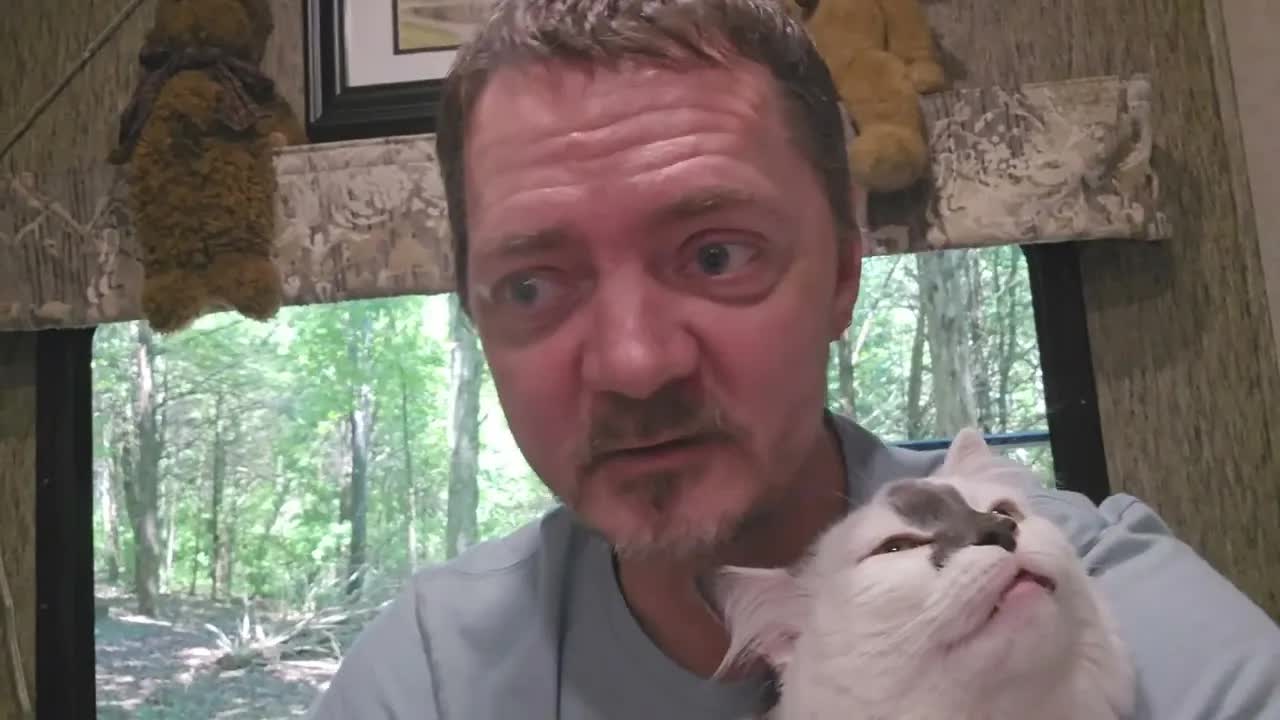
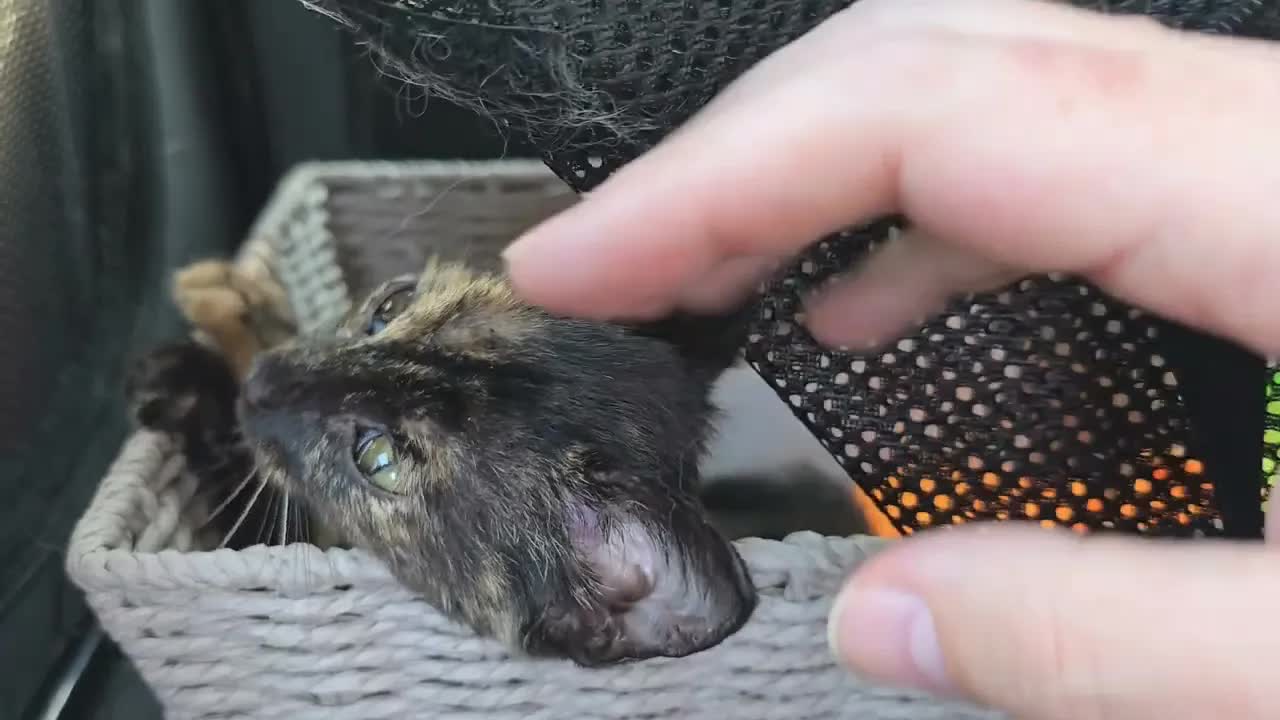
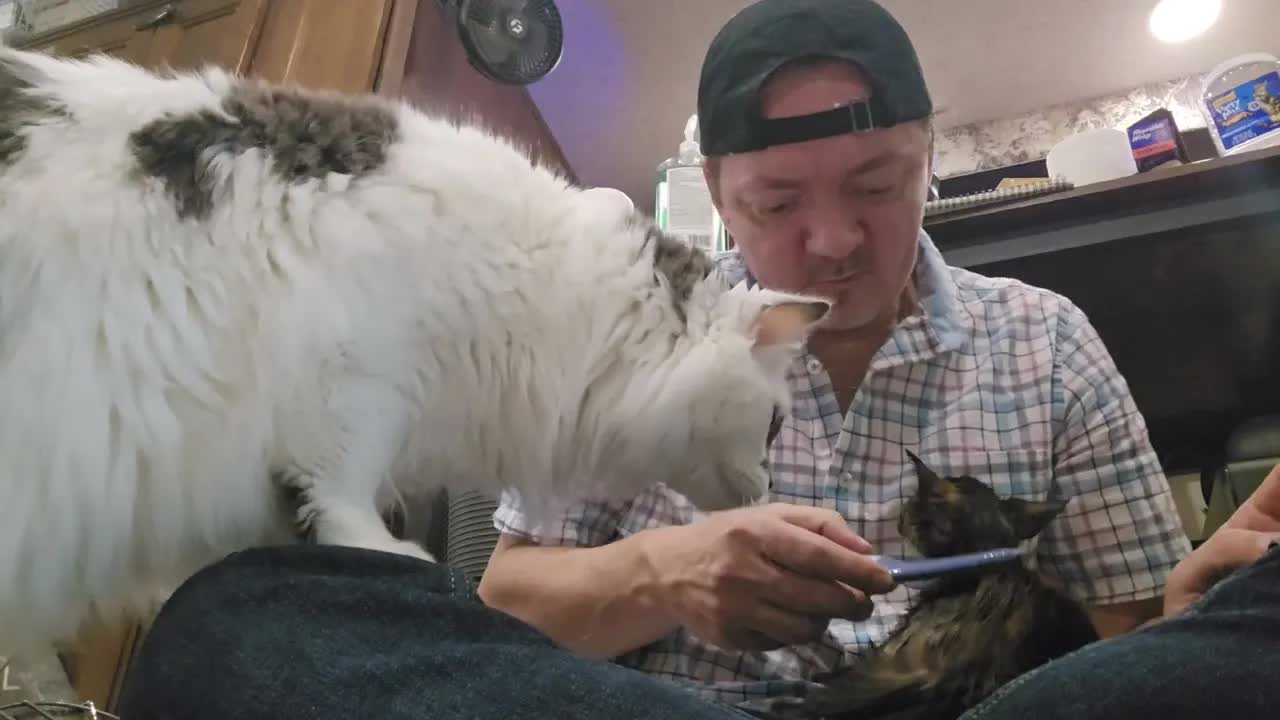
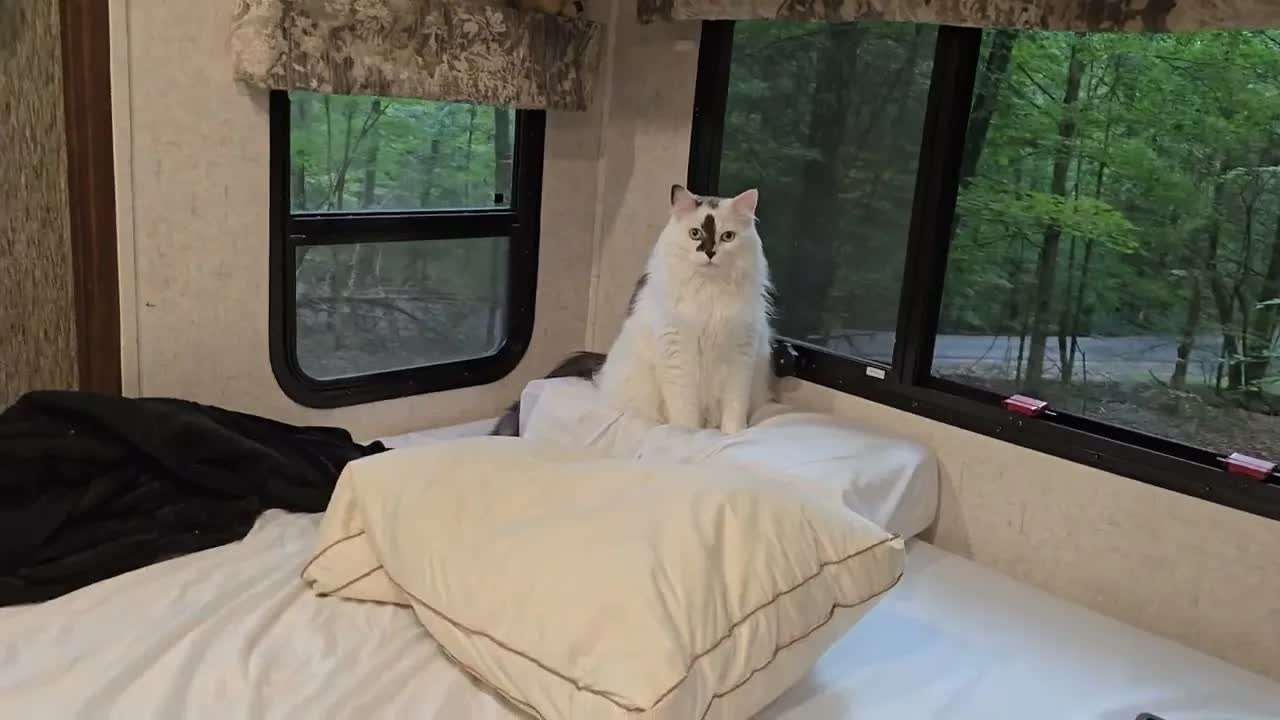
Touch, when it finally arrived, worked as instrument before it worked as affection. He felt along her and found the ribs — you felt a little bit bony, a little worried about you — and registered the rest in the same low register: the weight of her, the warmth, the small head-bump she gave him, the markings he told her were neat. Between those observations he narrated the logistics she could not consent to and could not understand: the drive that was an hour and a half out, that he said twice was a long distance, a very long distance. He raised the household question aloud in her direction — that's my cat, he can hear us talking, hopefully he'll accept you — and then answered it himself, four times, until it sounded settled.
A twig came down near them out of nowhere. He caught it in the frame and marked it — that came awfully close, that thing almost got you — and the moment folded immediately back into reassurance, the same words as before but shorter now, closer to the ground. It's okay buddy. I got you. I got you. I'll take care of you. I promise. She warmed. She let him pick her up, and he named that as the sign it was — at least you're letting me pick you up, that's a good sign — and then, holding her, stated the one thing in the entire exchange that was not paced to her, not offered, not conditional: I want you to live. Okay. I want you to live.
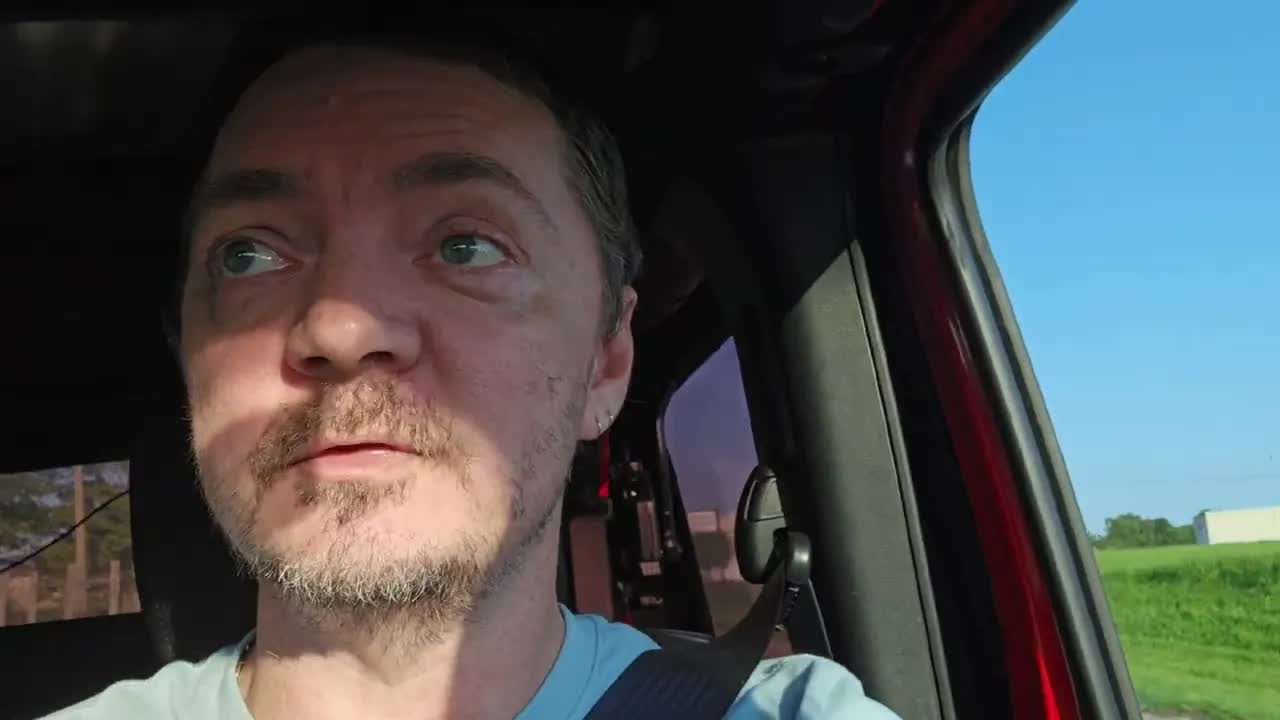
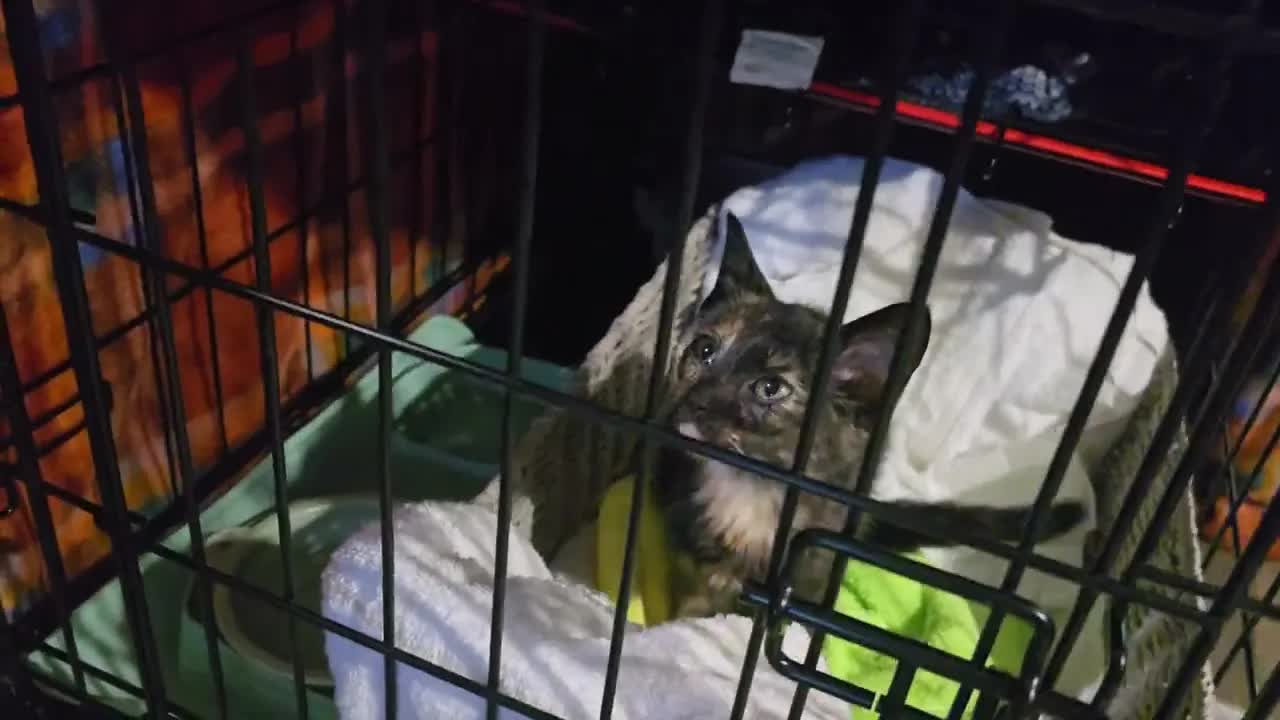
Then the carrier, and the road. Three hours of it, round trip, out of the middle of nowhere and back. The clinic returned what it returned: parasites, badly; fleas heavy enough that they would not risk a bath, because they did not feel she was strong enough for it. A parasite treatment administered. A weight recorded. And a prognosis left open — they think she might not live. He carried that back the ninety minutes to Siltcoos with the kitten in the carrier and did not appear to argue with it.
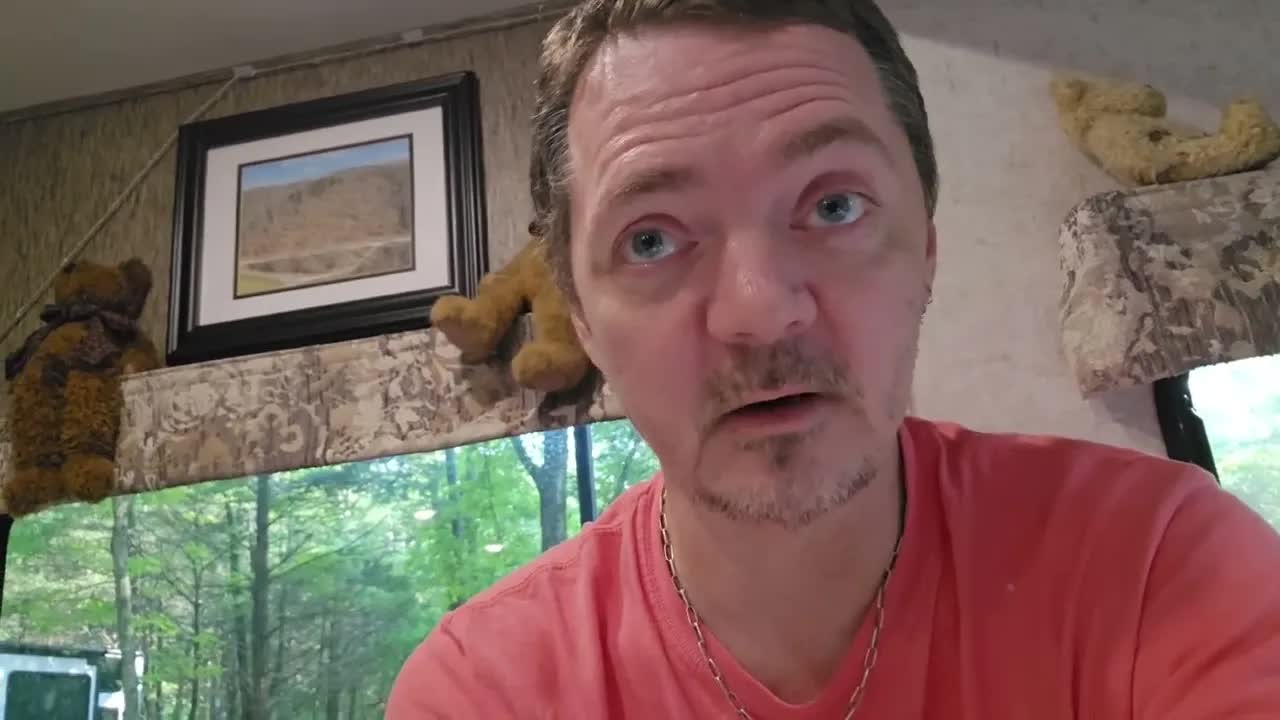
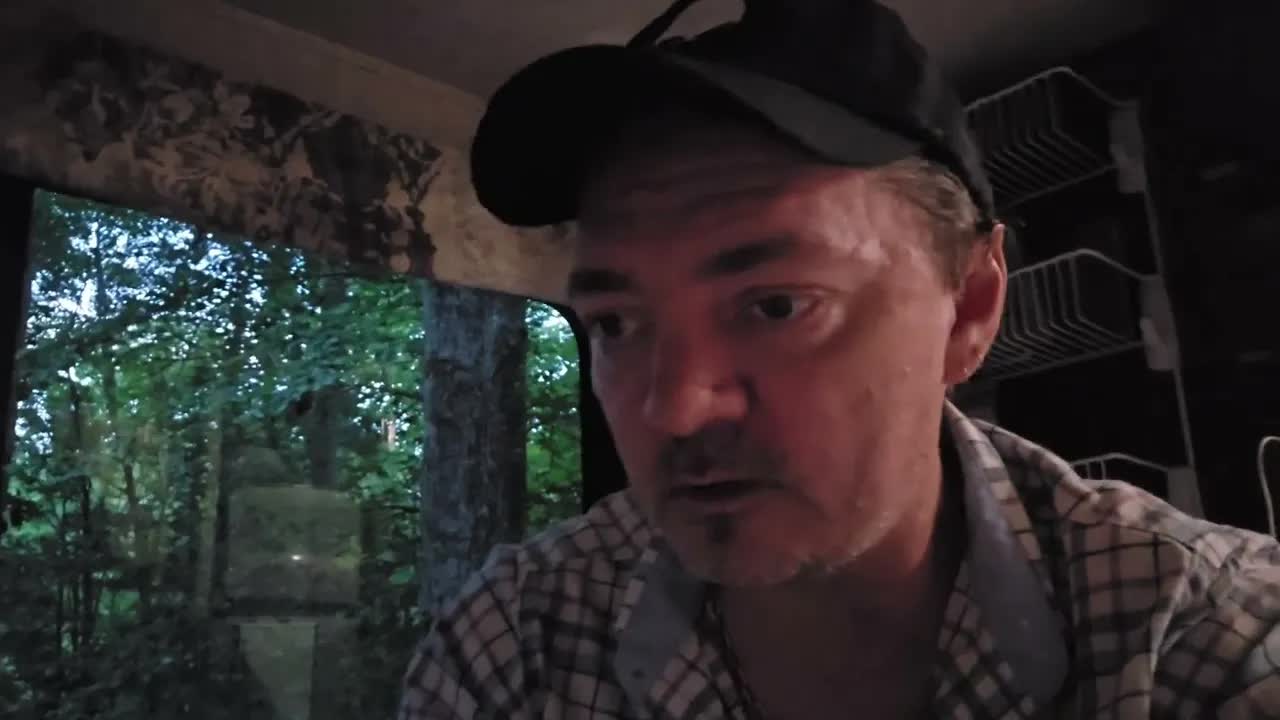
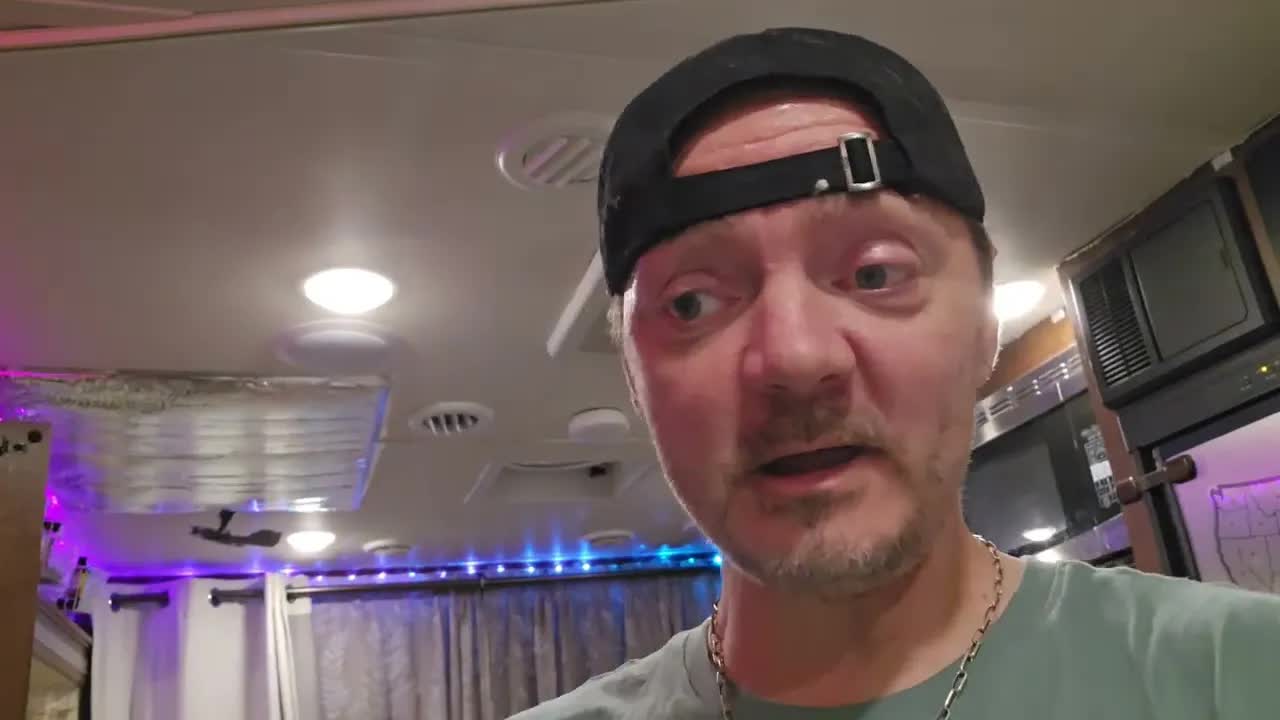
Home, he made a second recording, this one addressed outward. Hello humans. He noted that it had only been a day since the last one, that this was not his intended cadence, that something had happened today. He reported the facts in order — she trusted him, he took her to the vet, parasites, fleas, one and a half pounds, three months old, they think she might not live — and then set against it the two things that were true in the present tense: she's eating, you know, and she's here with us now. Then he clipped the earlier footage onto the end of the update and sent both out together, the raw first contact appended to the report, so that the story arrived in the order he had lived it rather than the order that would explain it.
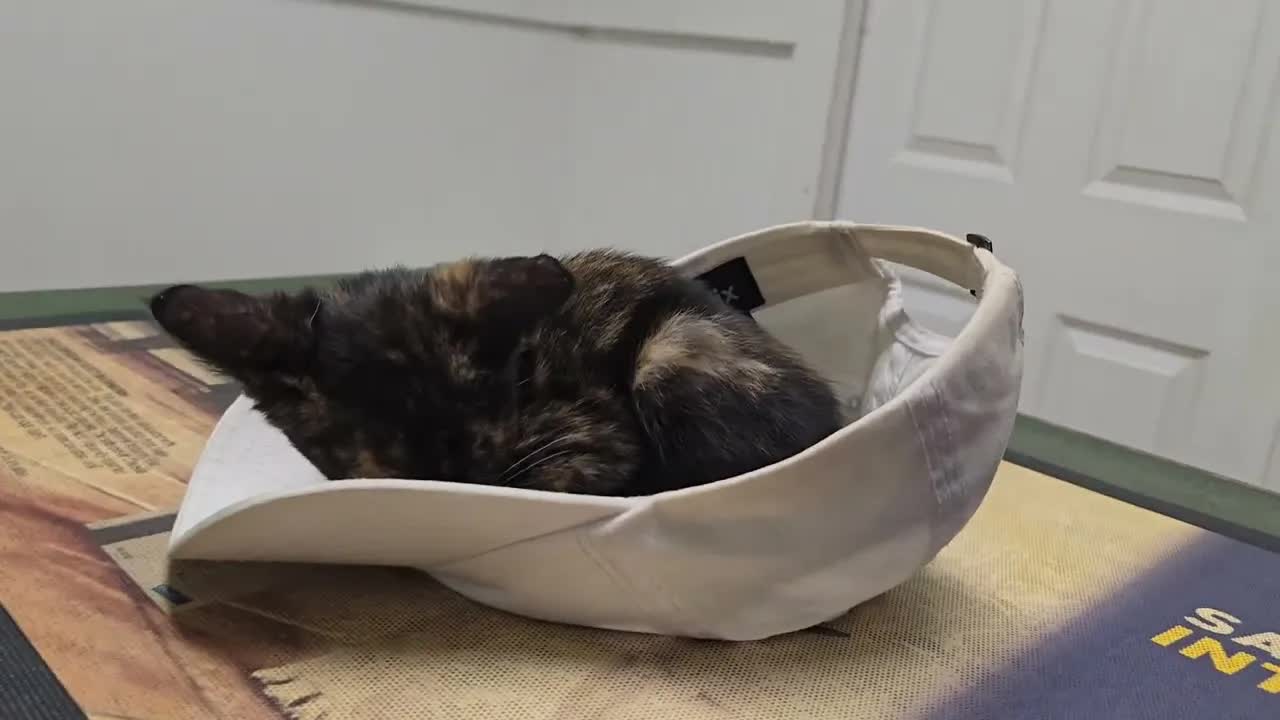
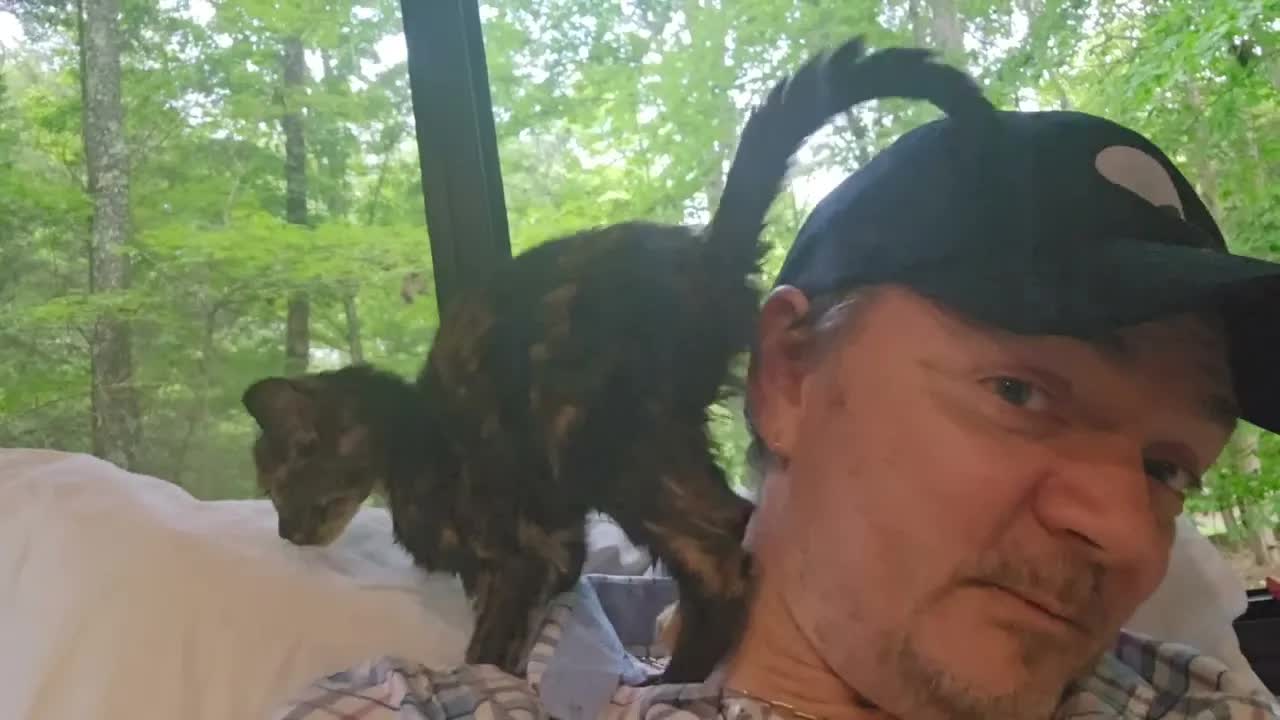
In the older footage, at the end, he had already said the thing that the day would confirm. He had been honest that he had not planned this — I wasn't really planning on another cat, it's kind of a lot to deal with — and then set the accounting aside in the same breath: but I can't watch you so suffer. Couldn't possibly. He mentioned Bailey, who had also had a rough start, who he'd had to feed with a syringe, and observed that this one at least was eating on her own. And then he told her the version of events that put her in the position of having chosen: that cats find their owners, that somehow it's true, that she had found her way up here to this campground middle of nowhere, checked him out for a few days, made sure he was safe first. I found my owner. I found him. The last thing recorded was not a decision or a prognosis. It was an observation about the kitten, made quietly, while she did it: finally getting some rest.