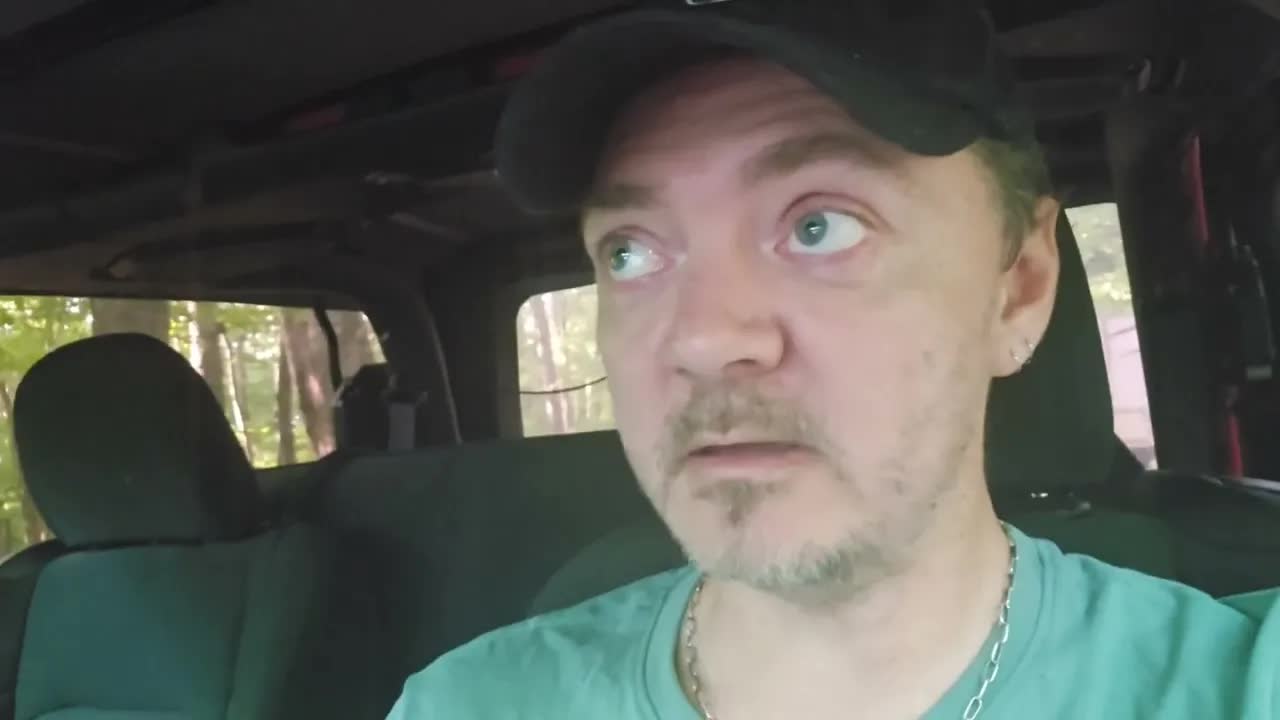

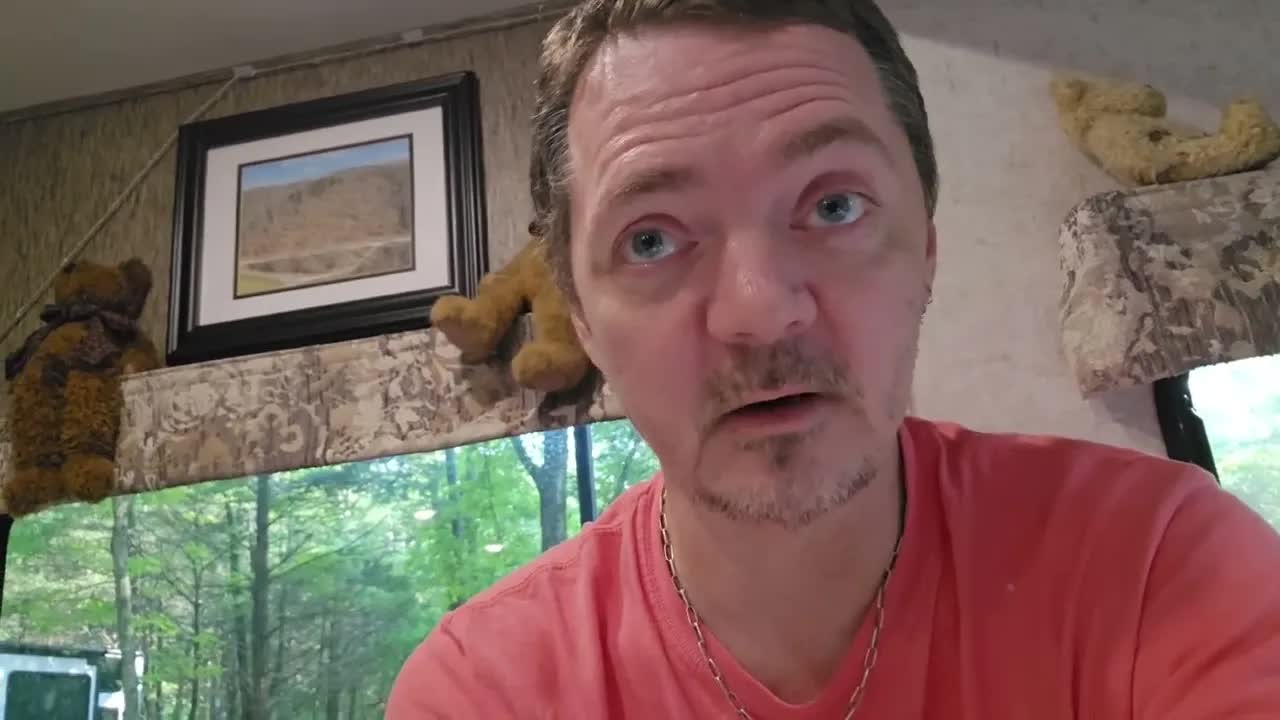



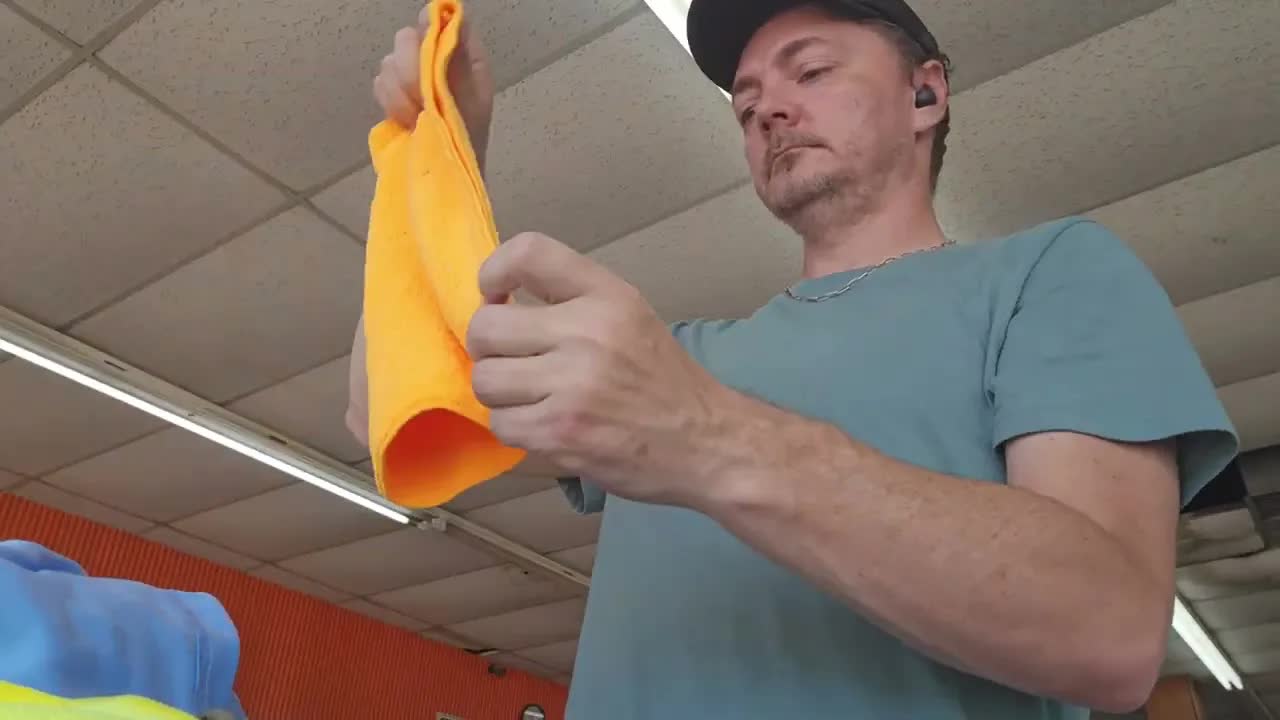

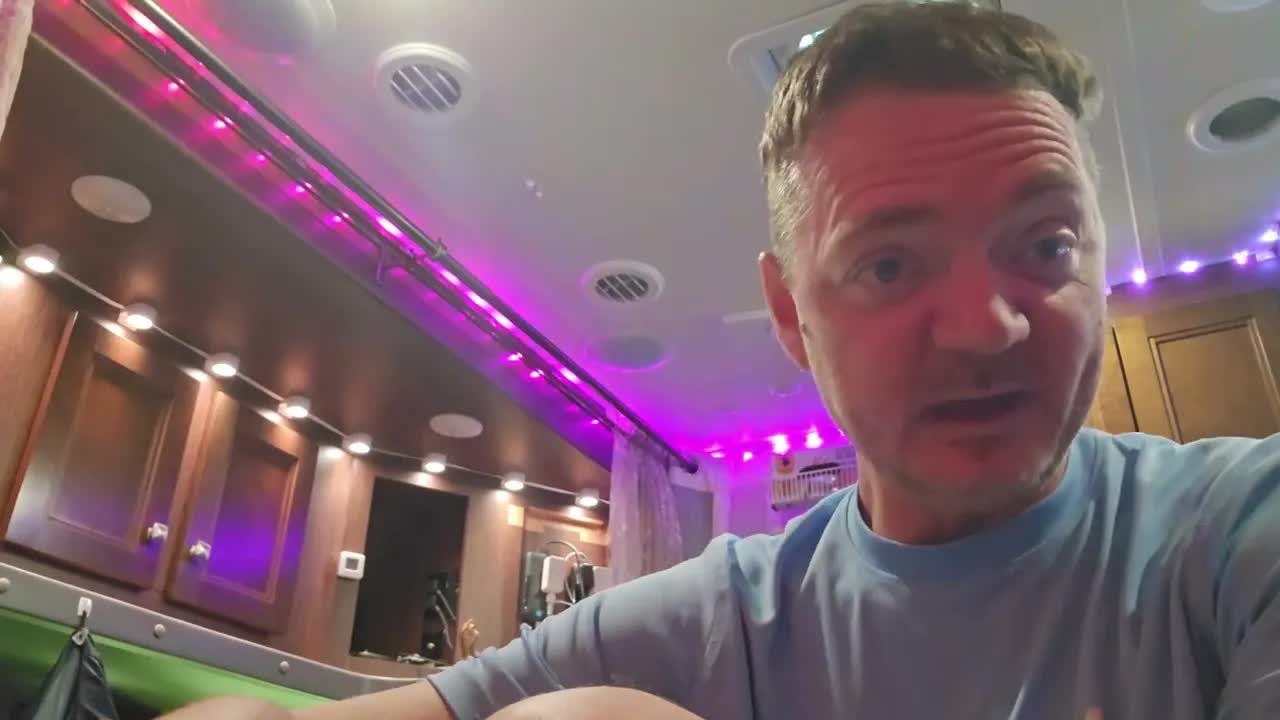

He arrived early enough that the laundromat was empty — machines idle, the room quiet in a way that only holds for an hour or so before the day fills it. rswfire loaded two washers with everything he owned in the way of clothes and noted the luck of it: nobody in here, just me. The whole wardrobe fit in two machines. That is a fact about the load, and also a fact about the life. He filmed the room, narrating to no one and to the record, and named the peace of the place without embellishment. Later, while his clothes were still drying, others began to arrive. He registered the shift and drew the operational lesson from it — go early, or go late, the way he'd once noticed a place empty driving past at night. That's the key.
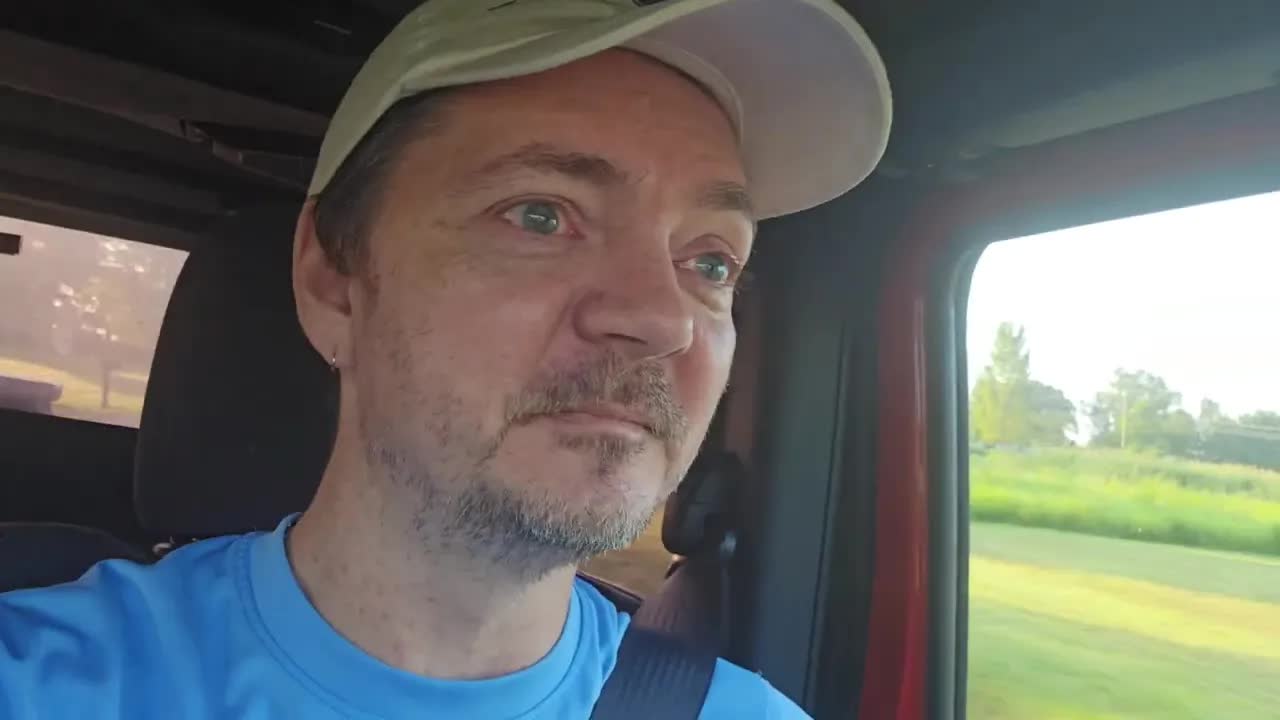
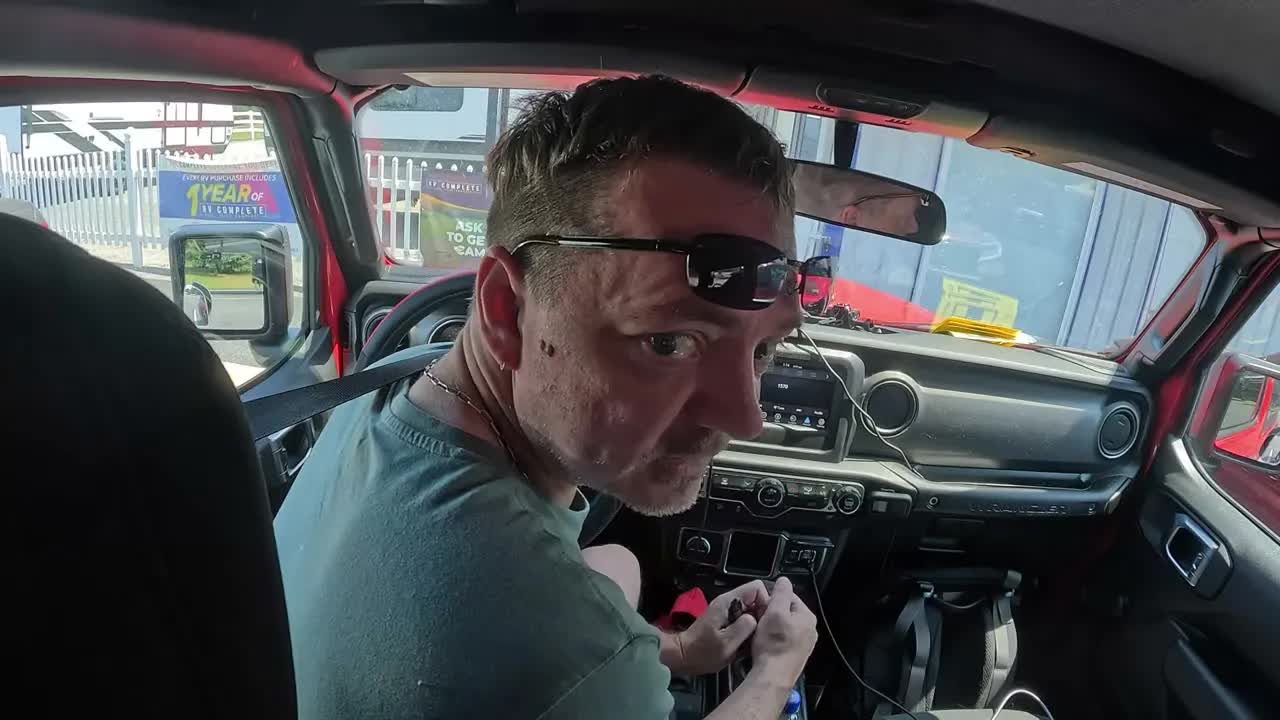
Waiting on the dryers, he went out to the Jeep. There is my beautiful Jeep. He opened the back and inventoried what had accumulated there: rubber duckies, kept on hand in case of encountering another Jeep; a book nook he'd started and hadn't touched in months; the Starlink dish and its satellite gear, which he acknowledged shouldn't really be riding around in the cargo area and which had a proper destination — the storage bay. Everything in the frame had a place it belonged and a reason it hadn't gotten there yet. He said he'd found somewhere to wash it. It had been four or five months. He wasn't sure how long he'd been on the road; he noted that he'd have to figure that out.
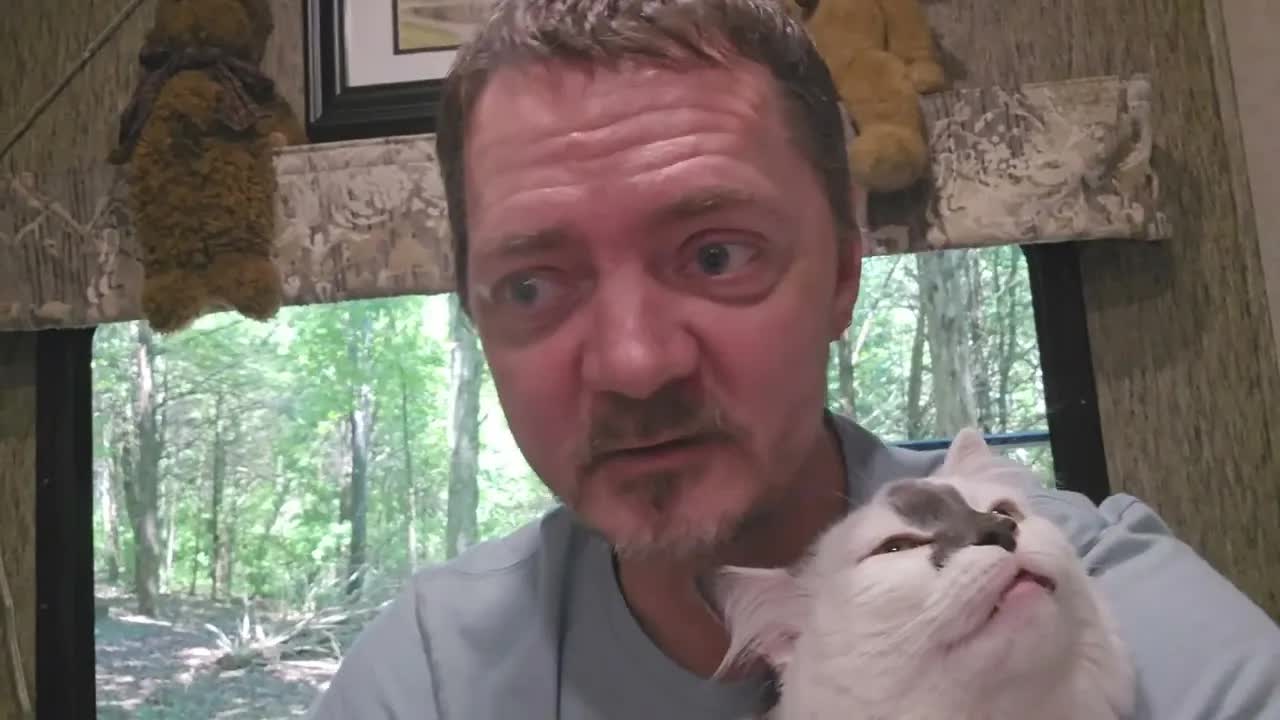
She feels neglected, he said, and then caught himself mid-sentence. Her name is Brian. He explained the correction on camera without apology and without much ceremony — he has trouble with pronouns, he said, he can't even get his kitten's gender right — and then explained the name, which mattered more. Brian was the man who installed the towing gear on the front. rswfire named the Jeep after him because of how well the work was done, and because of how much the man clearly cared about doing it well. Spider had been working on the Jeep at the campground too, and had done a good job. The vehicle carried the names and the marks of the people who had kept it running.
Then he found something on a section of the body and stopped. Is this rust. It's not good. Is there like something I should be doing. I don't know. He said it plainly, an open question left open, and moved on.
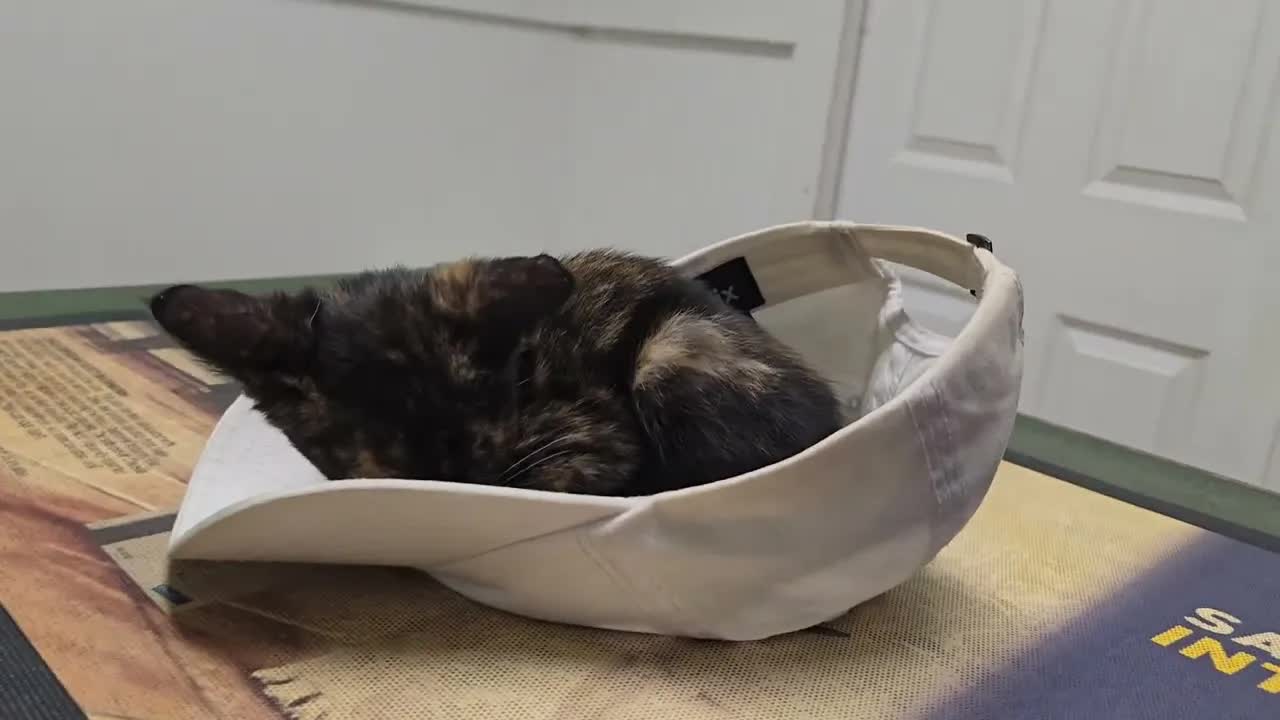
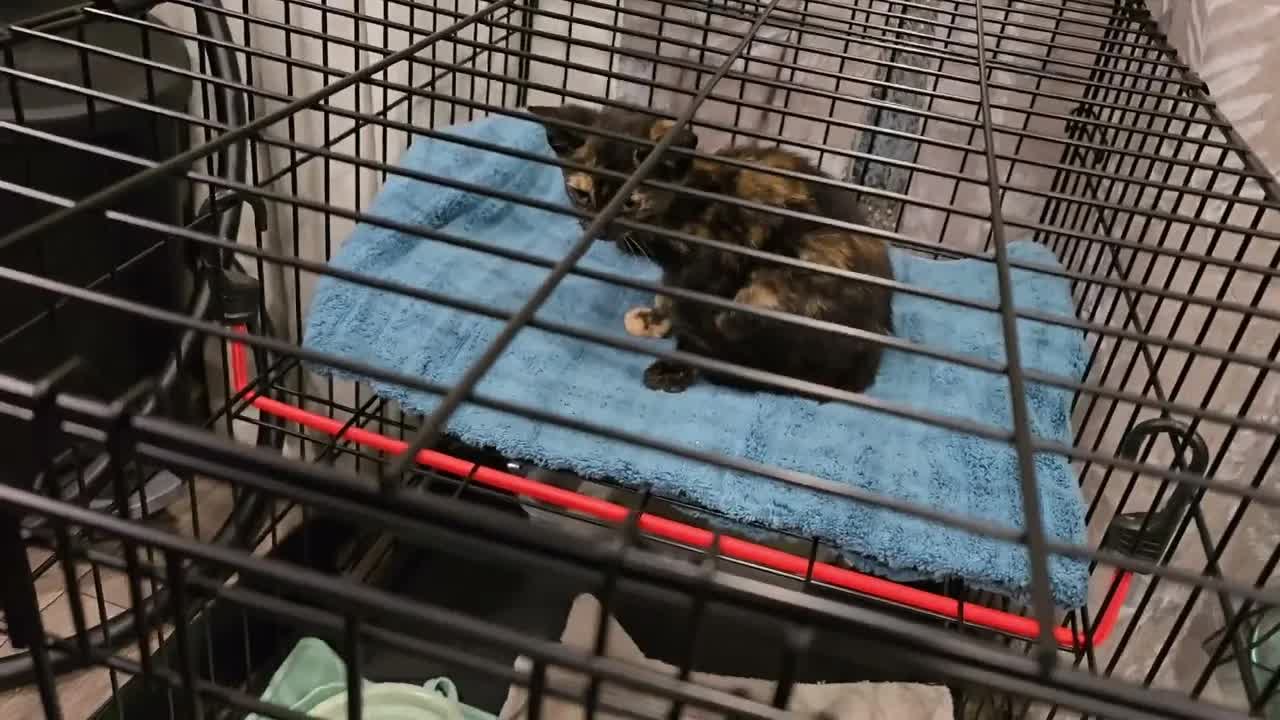
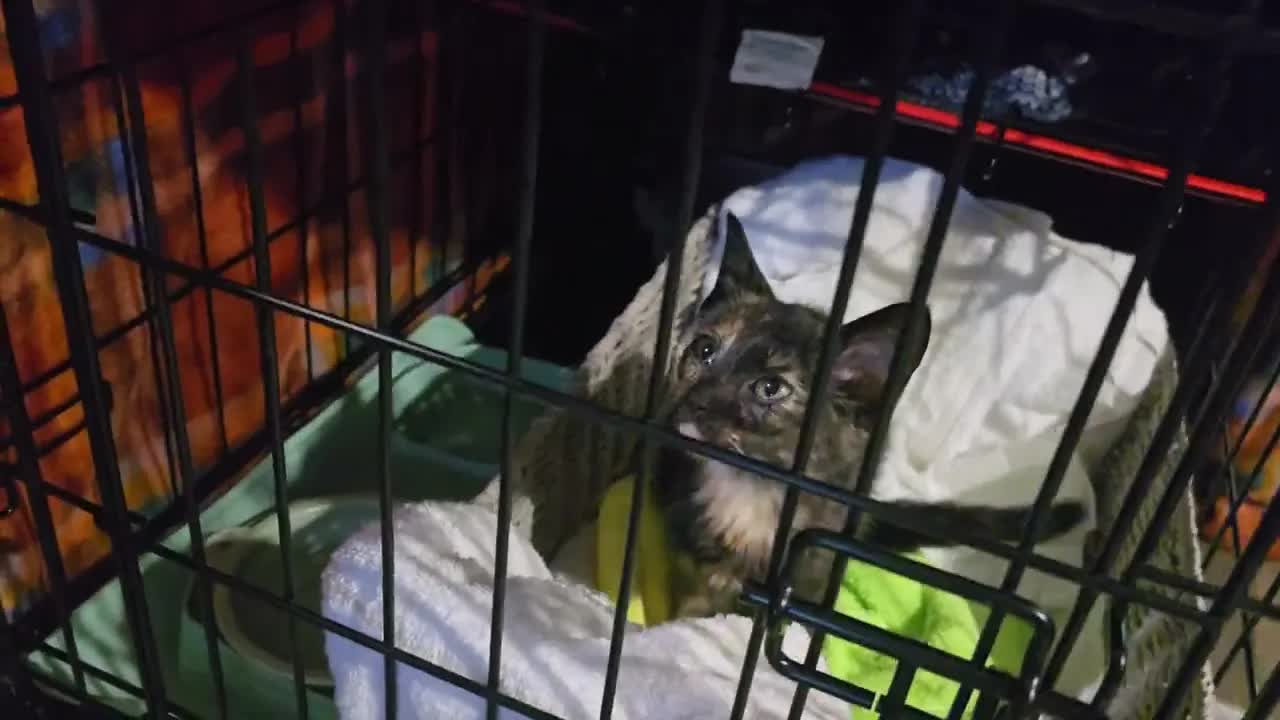
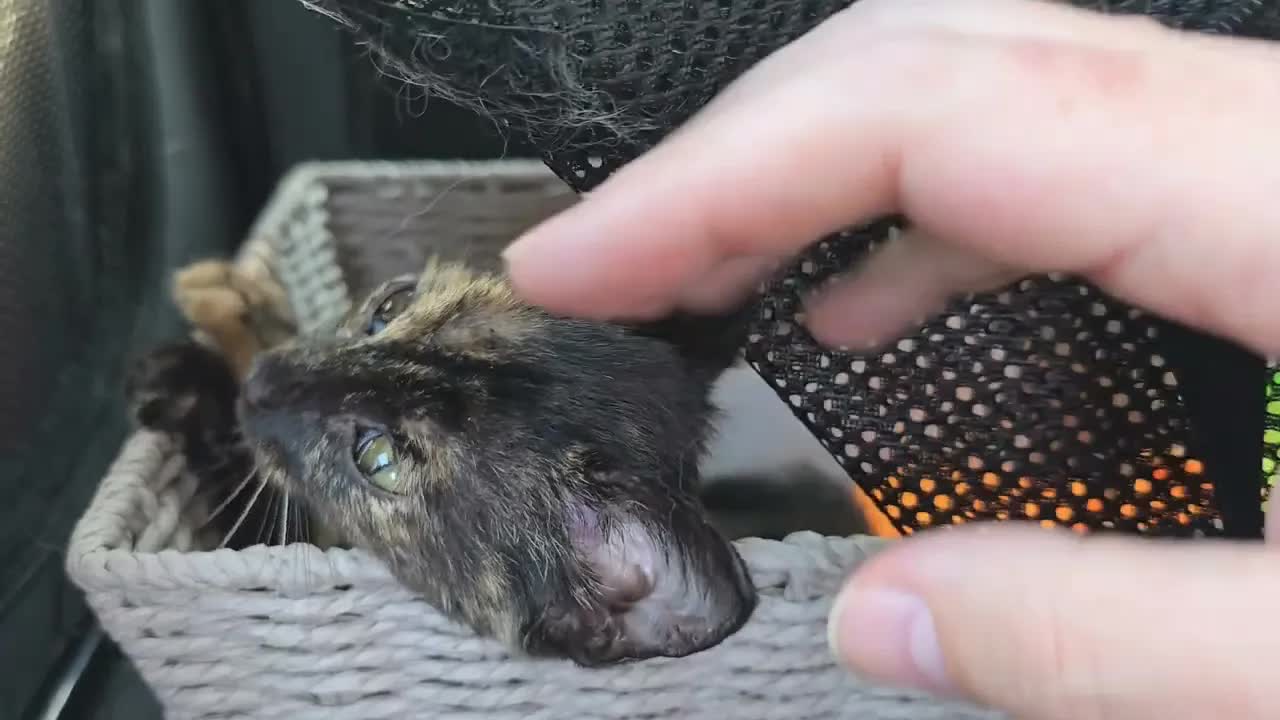
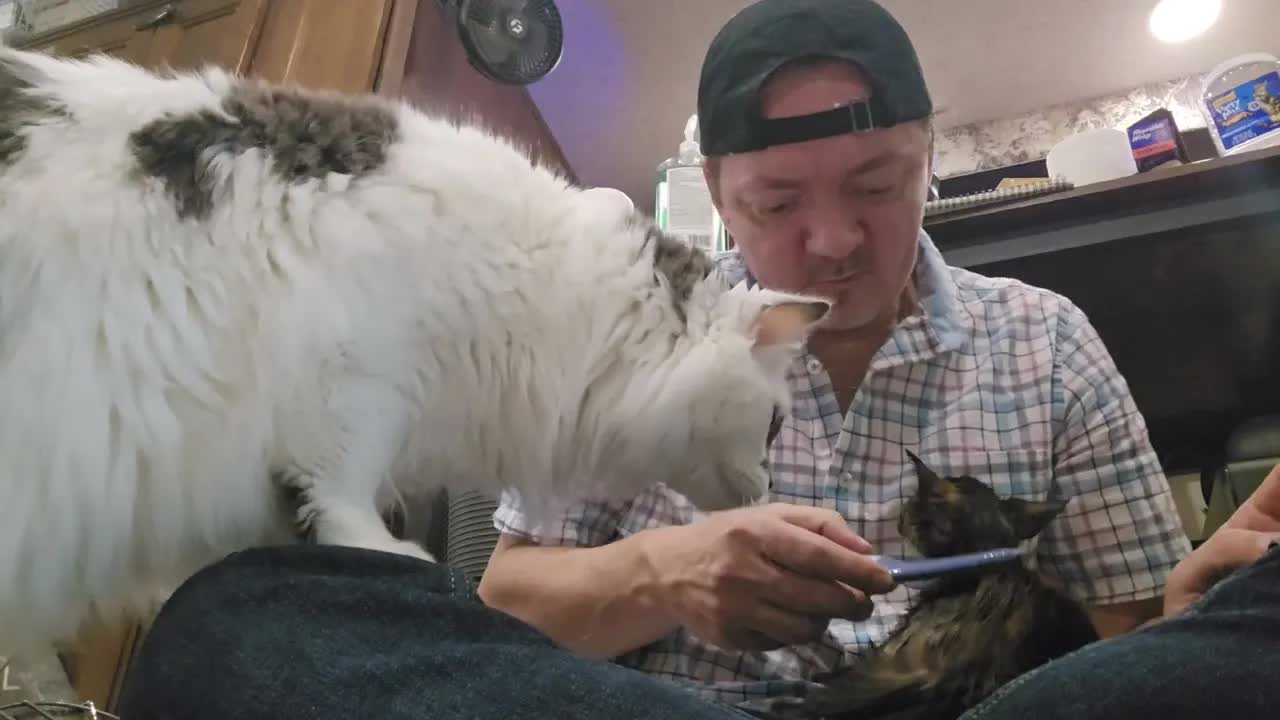
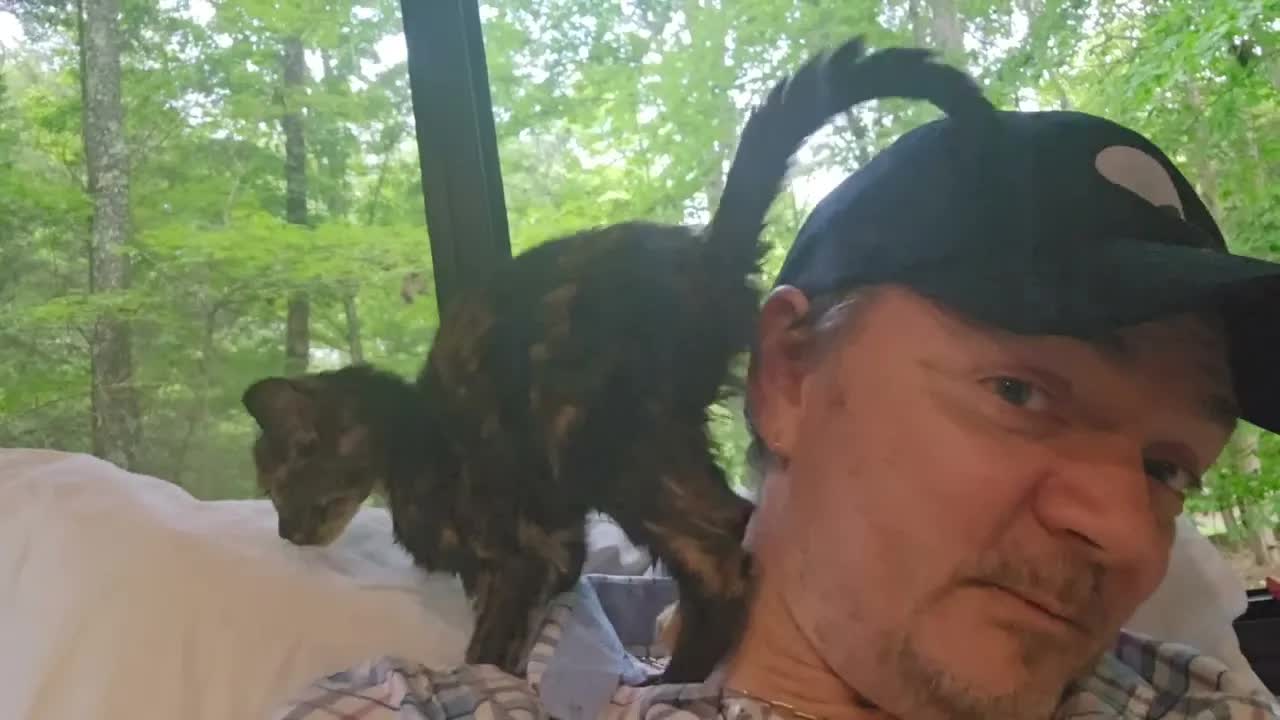
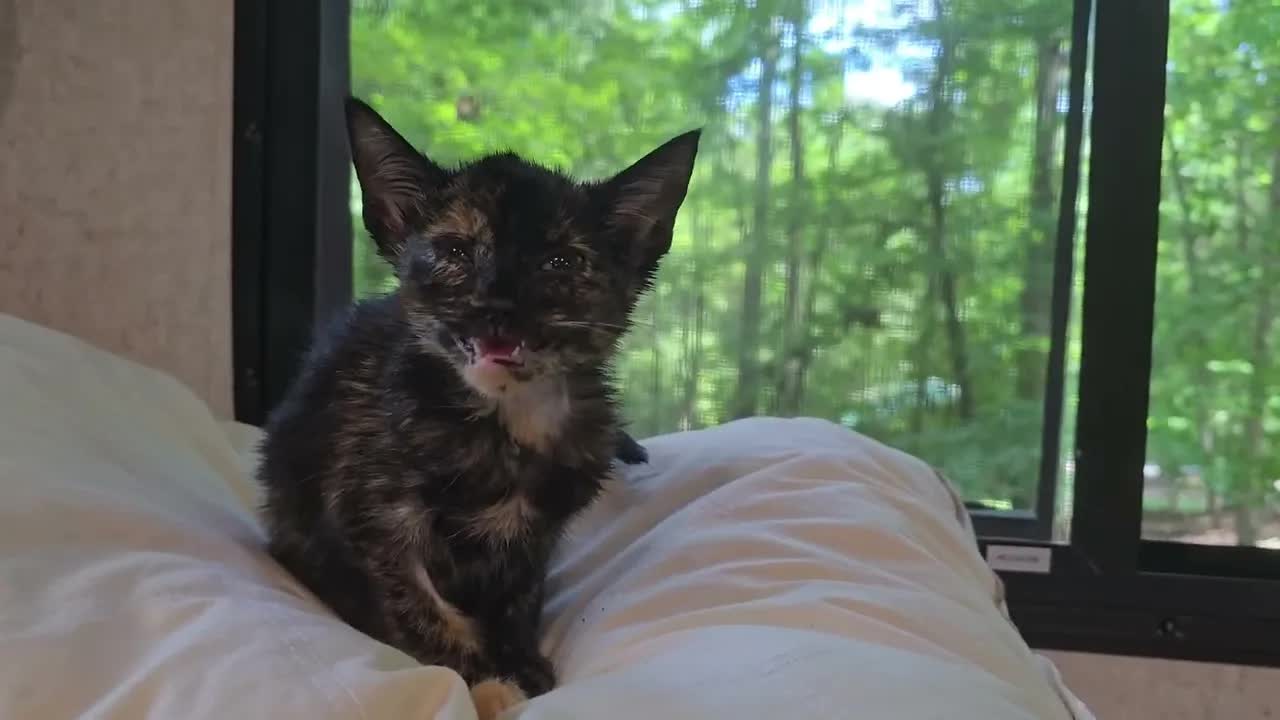
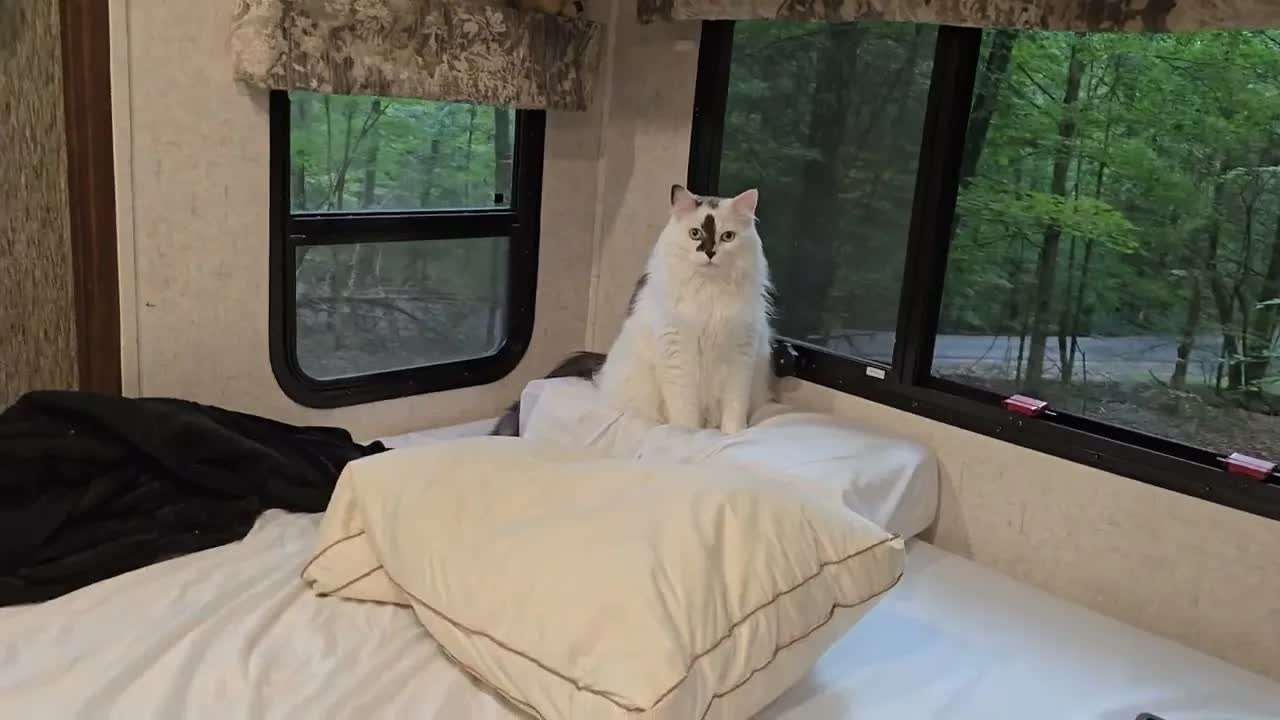
Back inside the living space, he checked the cats. Luna was hanging out at the back, and he couldn't quite tell whether the two of them had been into it while he was gone. He looked for messes and found none — she used her litter box, a very good little girl. M was chilling. He noted the blanket he always leaves down when he's out, the cold spot she'd chosen, the food she was eating. He called Luna over, twice, three times, to make sure she was good, and she wouldn't come — confused by the camera, maybe. Then he saw the rest of it: she'd peed beside the box and was sitting in it. Okay. You haven't quite figured that part out yet. He said he'd clean it, told her to keep doing what she was doing, and left her be.
The Jeep didn't get washed that day. He decided he should empty it out first — the big laundry bag, all of it, in the way — so the cleaning would go to tomorrow. What got done instead was the laundry, put away: pants, shorts, shirts, socks, underwear, all of it folded and stowed. This feels like a legitimate win, he said. He mentioned wanting to wear jeans again. He mentioned that there were more shirts out in the storage pan, and then closed the question before it opened: he doesn't have room for them. These are my clothes.