


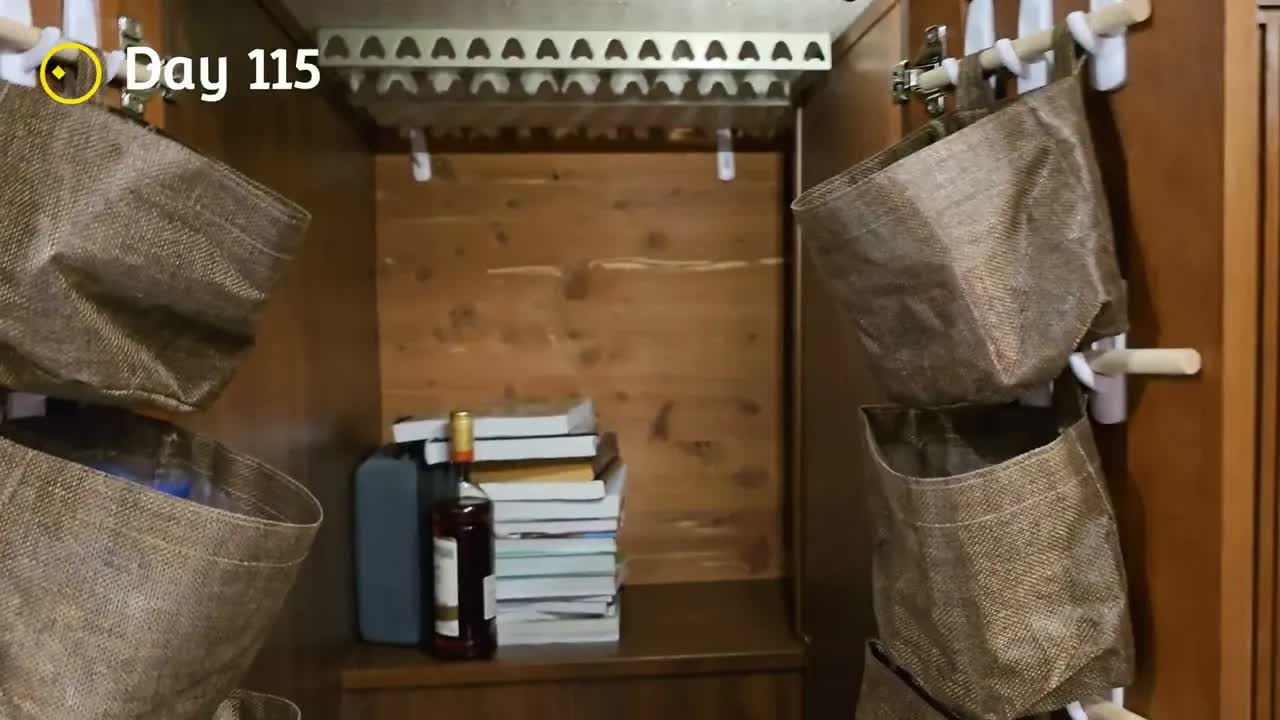
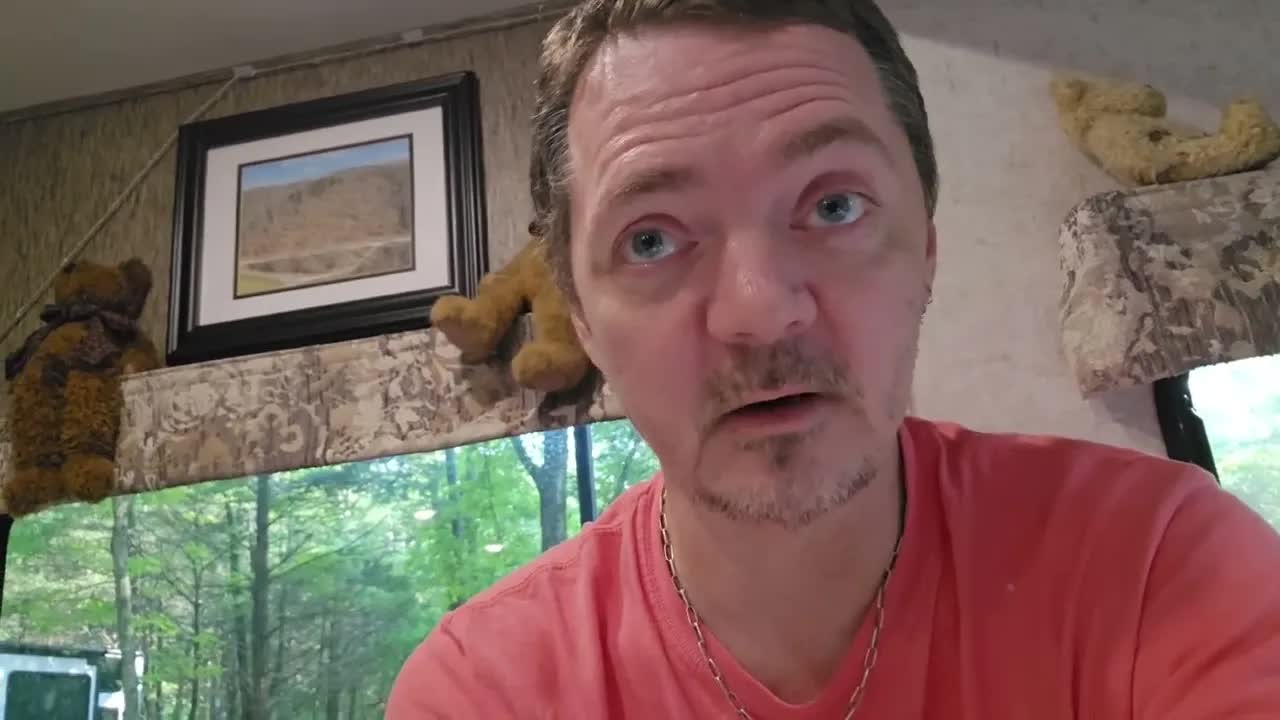




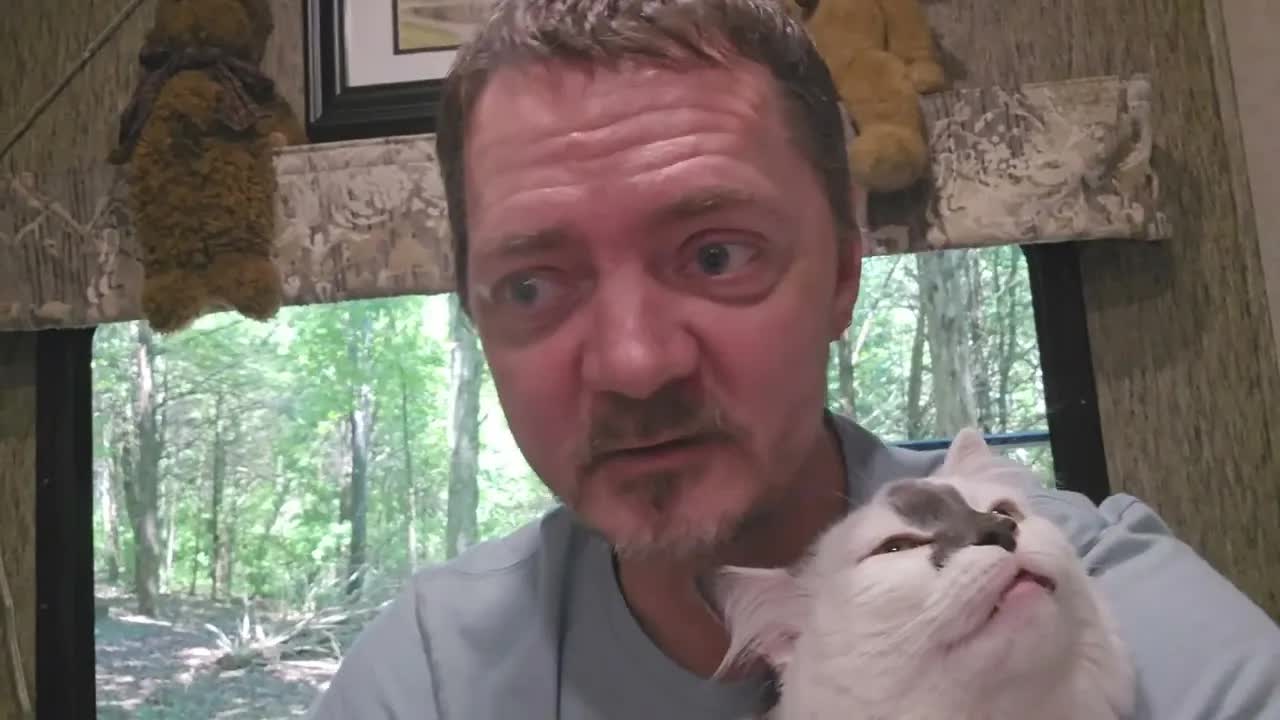
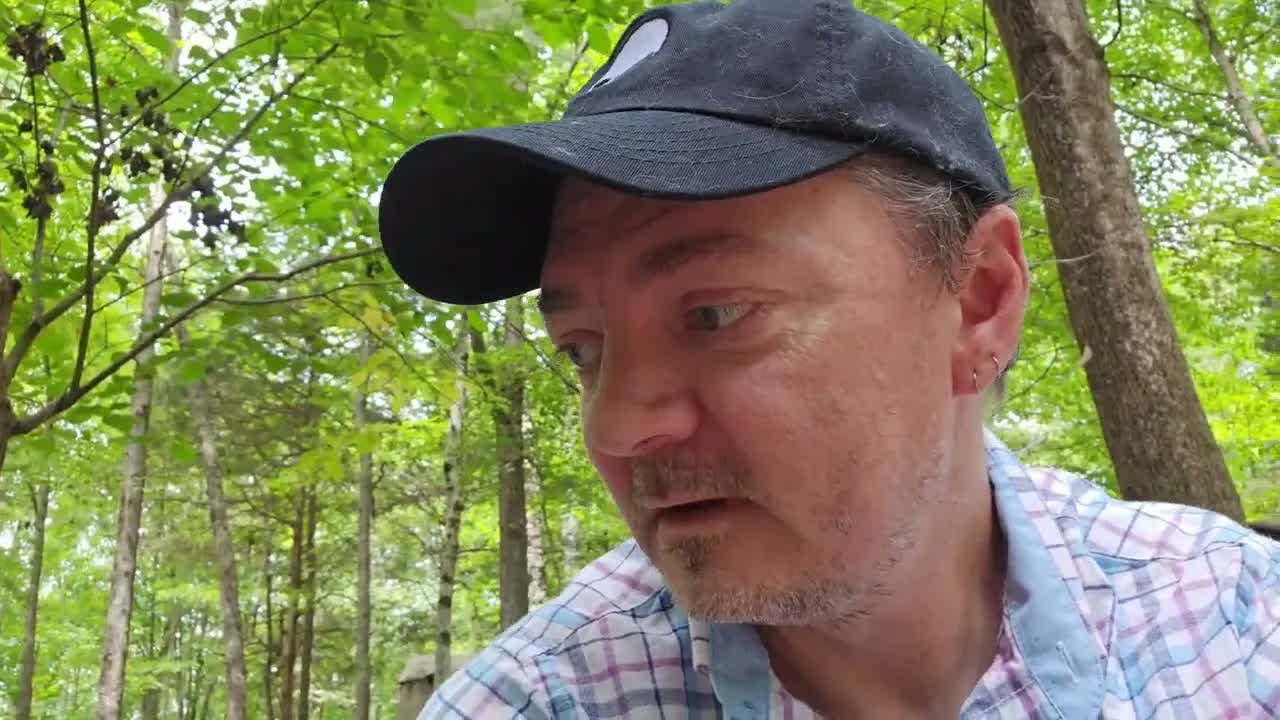
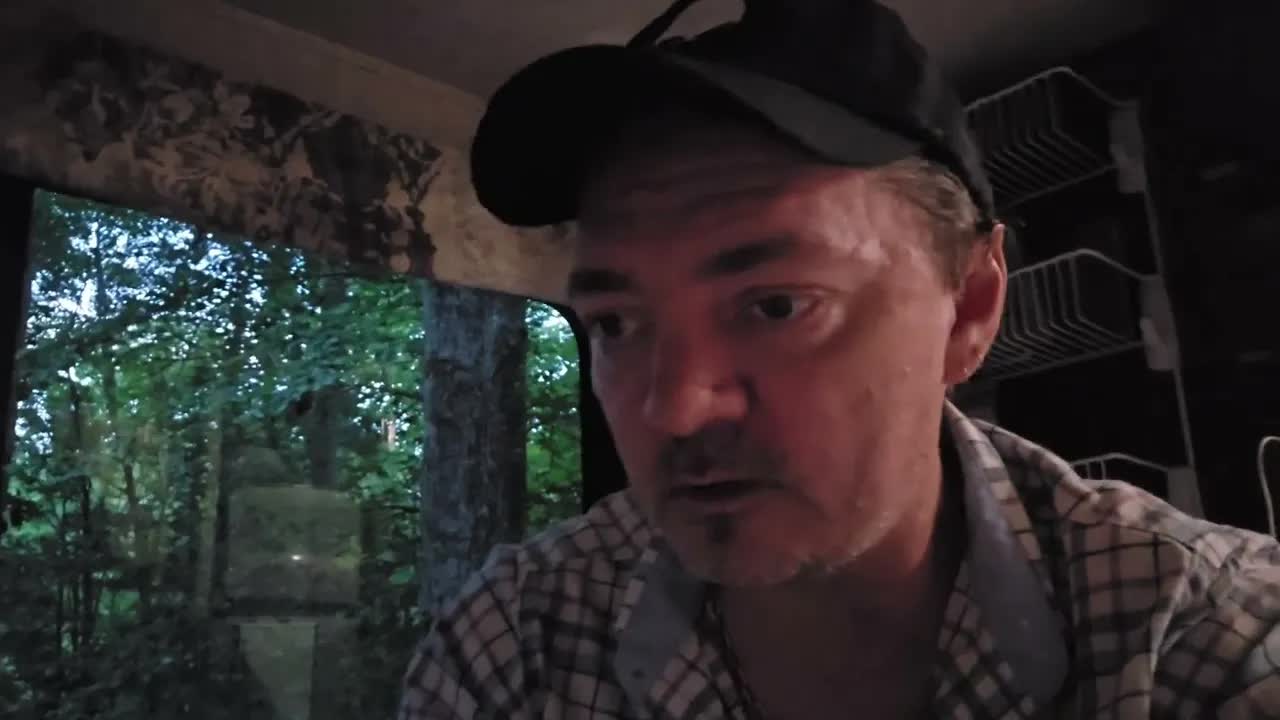
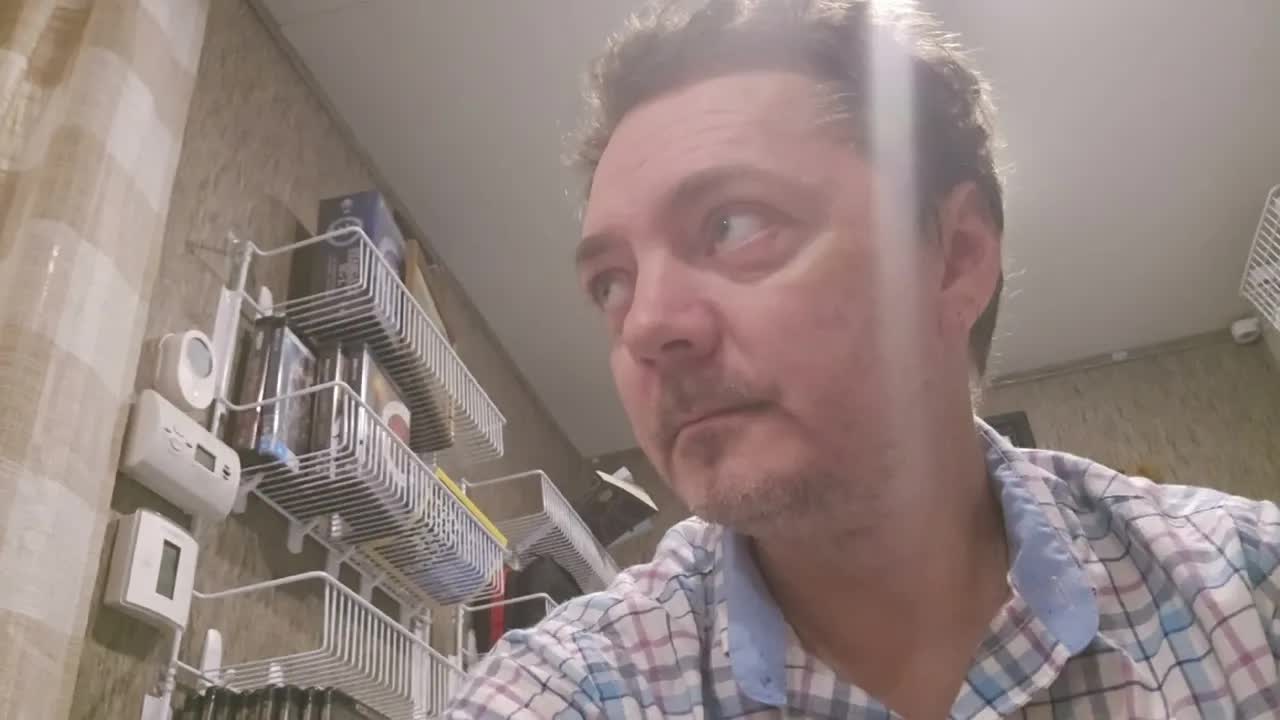






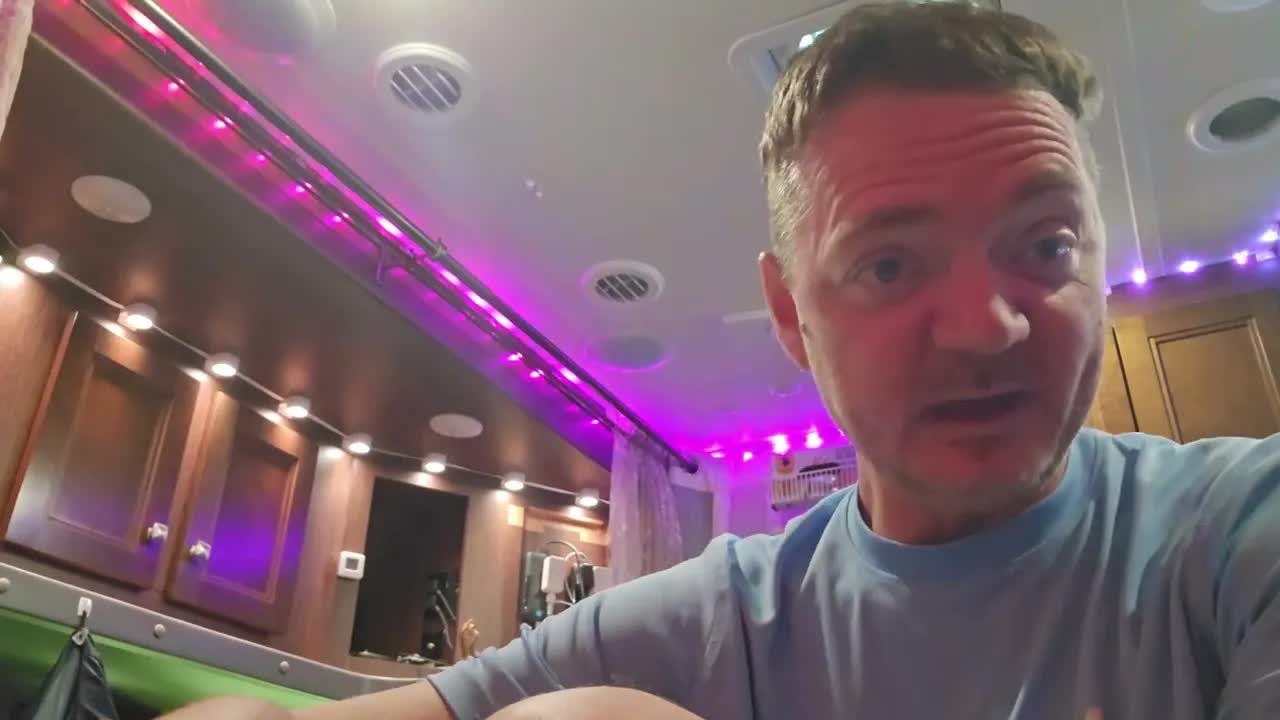
The camera comes up on a floor that is nearly empty, and that is the first thing rswfire wants recorded. Hardly nothing on the floor, he says, and says it twice, because the emptiness is the accomplishment. Behind it stand the new dressers — the solution that arrived after baskets and crates had been tried and found insufficient. He had kept reaching for containers that held things loosely, and loose holding does not survive a moving vehicle. Drawers do. His clothes are in them now. He pans across the closet, which holds what he calls just stuff, and marks it honestly: not perfect. The coats are in the way of access. He can move the coats. Things that should be over there are not over there yet. Still working on it, he says, and then, in the same breath, so much closer.
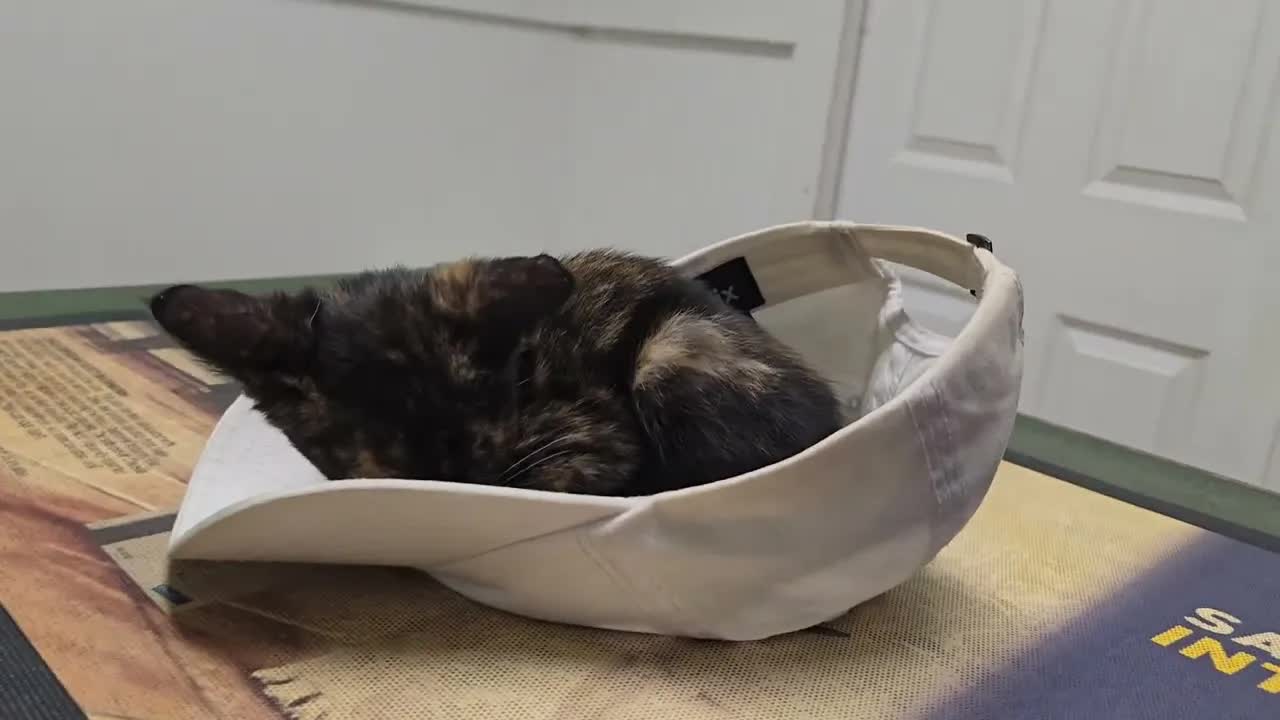
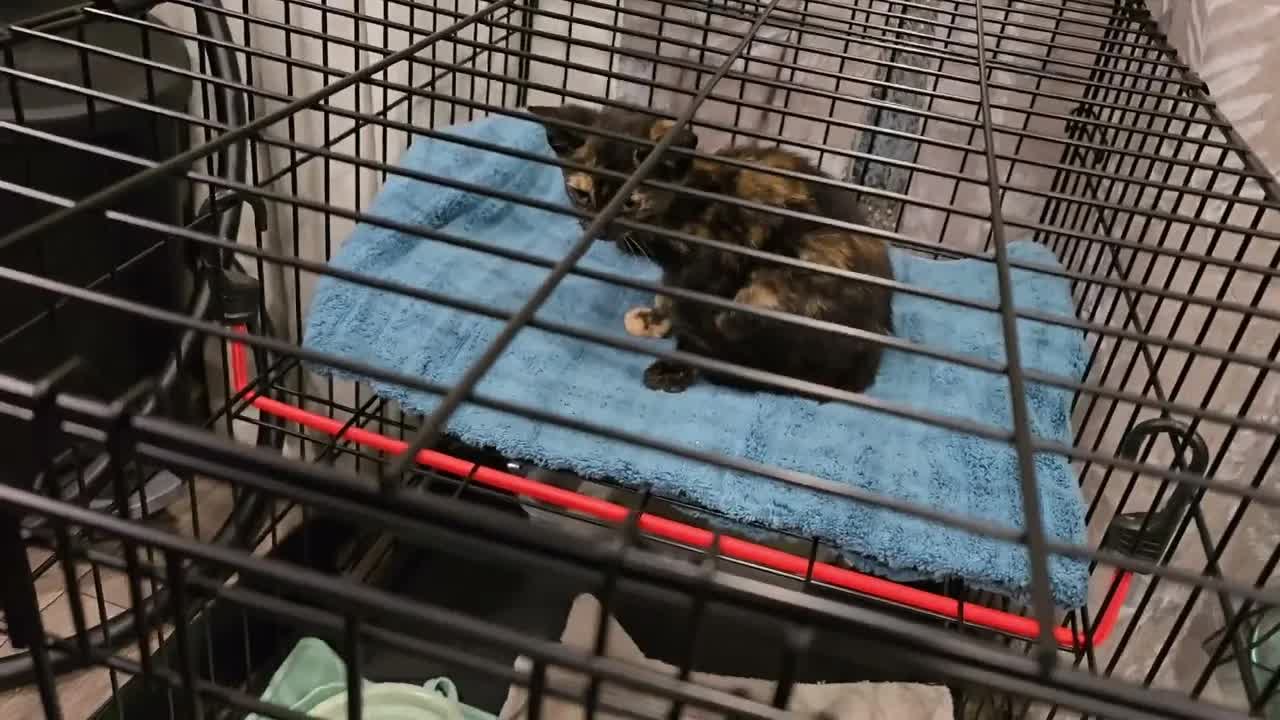
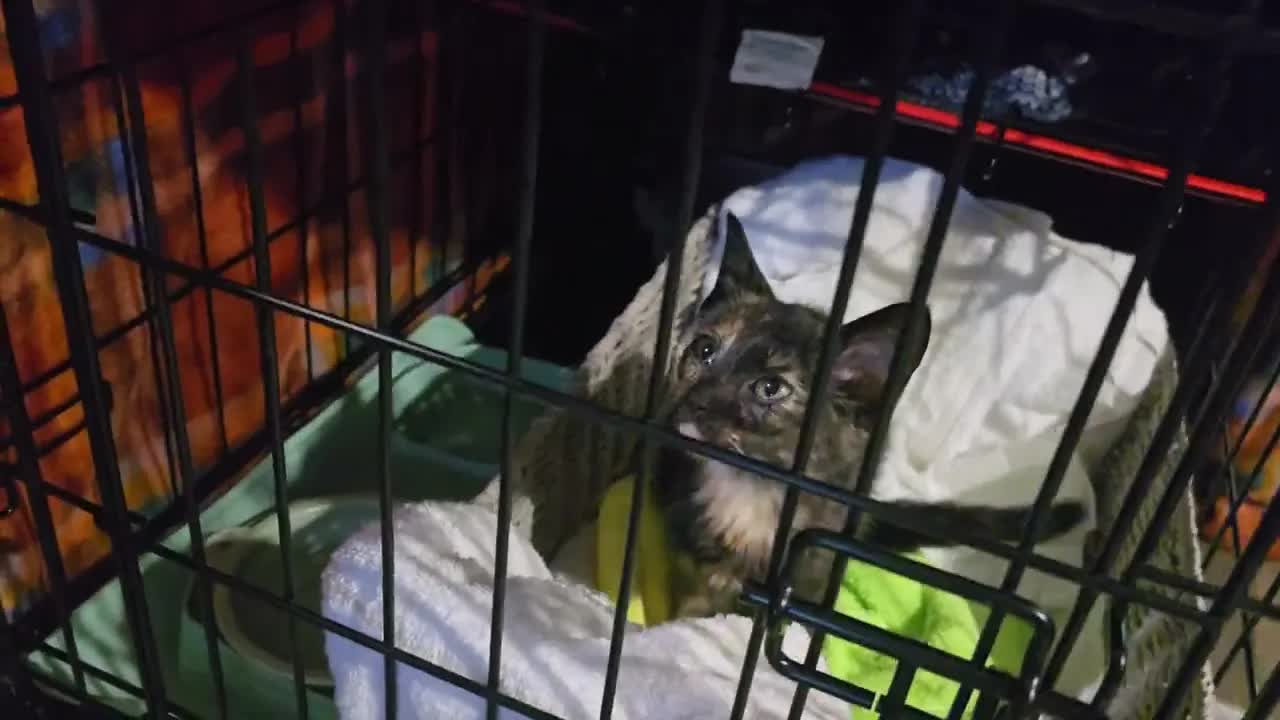
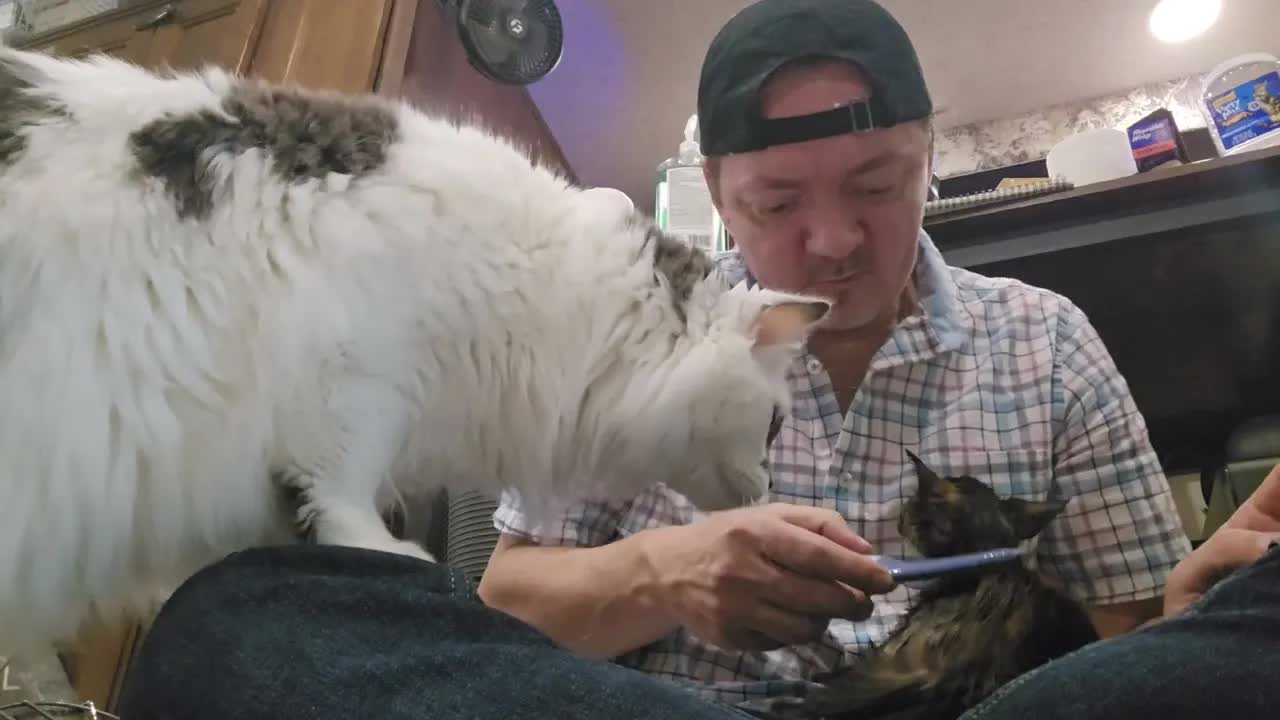
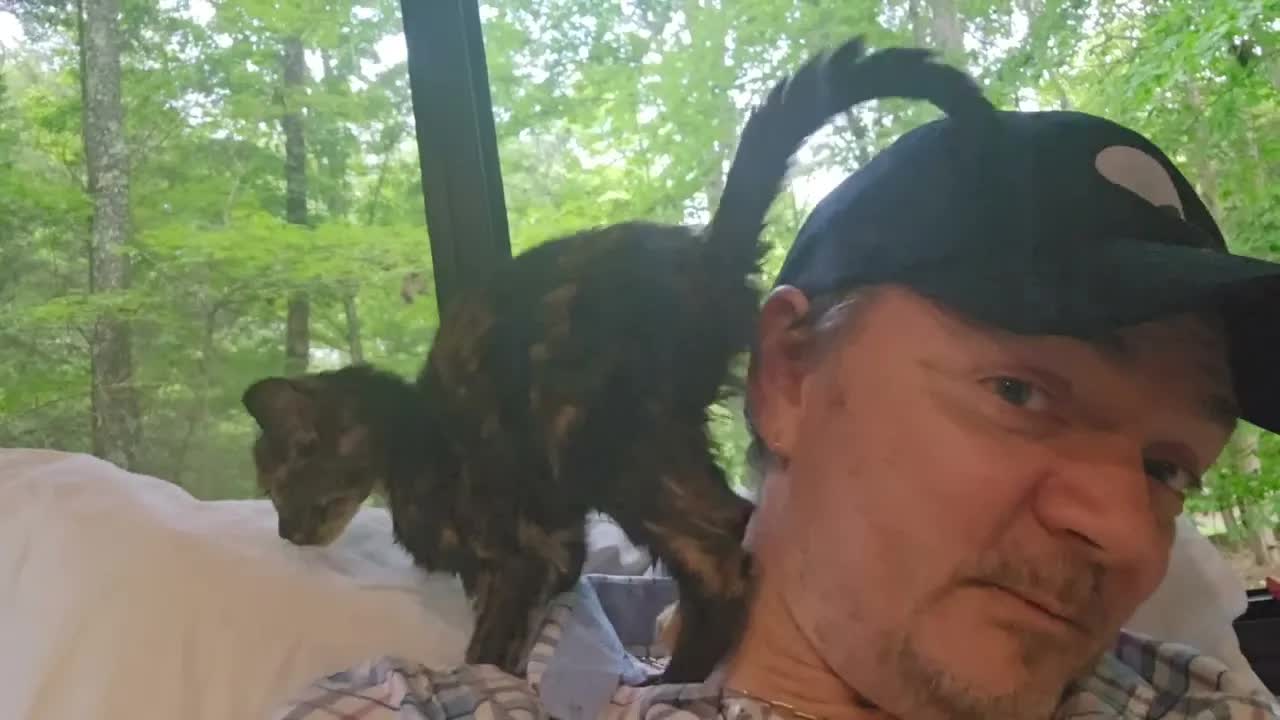
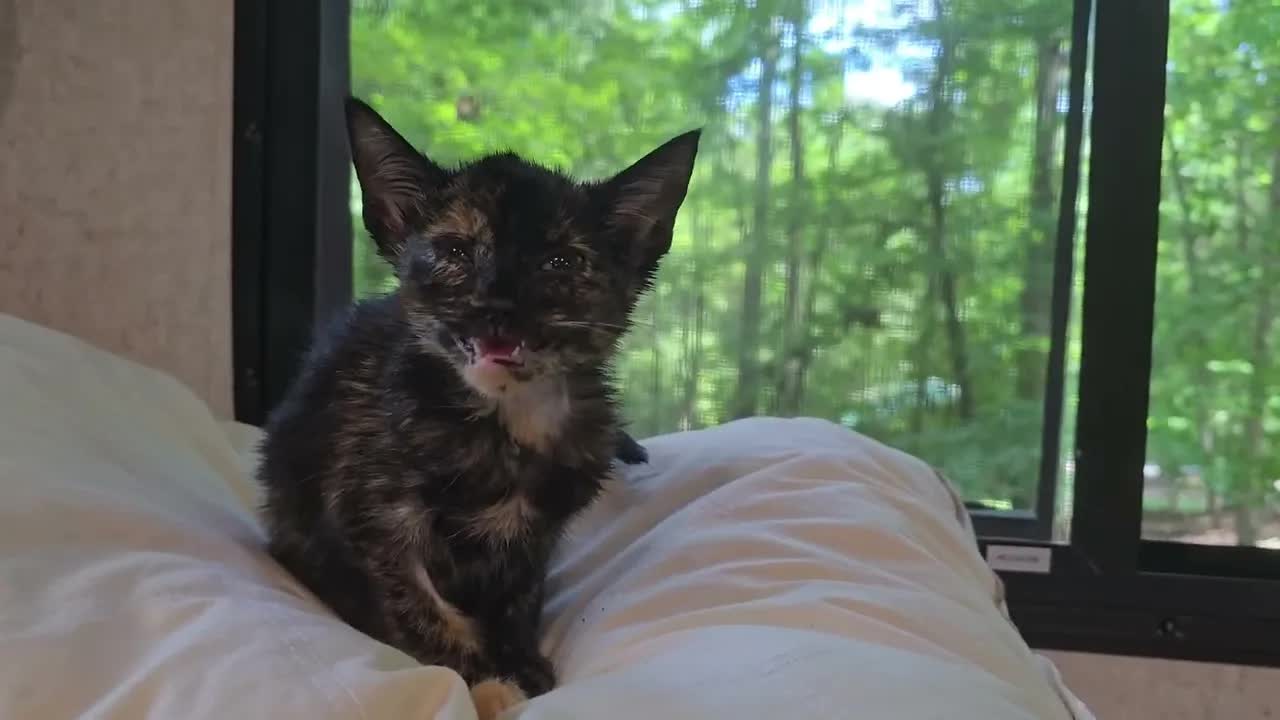
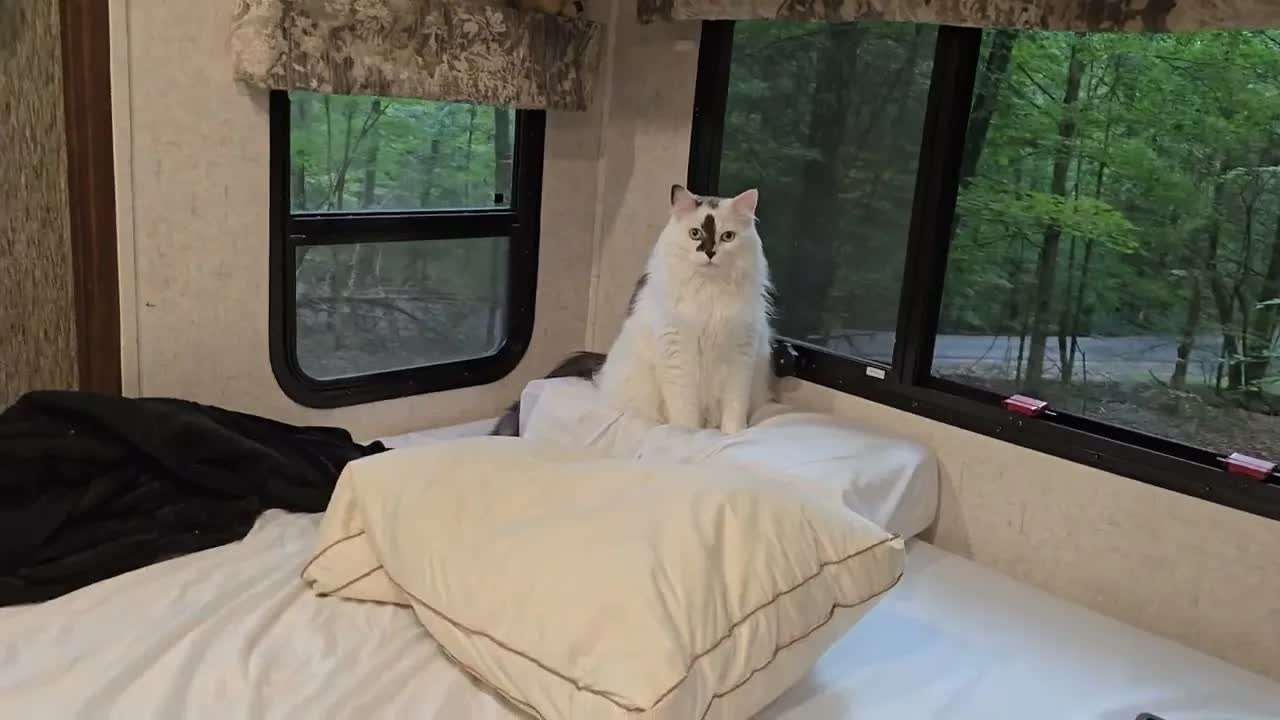
Luna is in her cage against the wall, small enough that the camera cannot quite find her at first. He greets her twice, adjusts, tries again. She looks a little afraid of the lens. He reports her progress without softening the ledger — she uses the litter box sometimes, not always; she has been using the pads; she went down there and did number two beside the box rather than in it, which prompts a plainspoken what. He did not know a kitten produced this much. She cannot be let out until the box holds. He tells her she is getting better, and tells the camera the same thing, and thanks Patty for the pads. The gift is named. The animal is not a sentiment in the frame; she is a subsystem with a training curve and a departure date approaching.
Then the plan unfolds, and it unfolds outward from the room he is standing in. Once the interior is truly organized, he brings more in from the storage bay — there are clothes out there that would fit in the dressers now. Clearing the bay makes room for what is currently riding in the Jeep, the Jeep equipment and the towing gear, which means the Jeep stops being a container and goes back to being a vehicle. Each move is gated by the one before it. He is not describing tidiness. He is describing a system emptying itself into its correct compartments, one displacement at a time, until nothing is stored in a place that has another job.
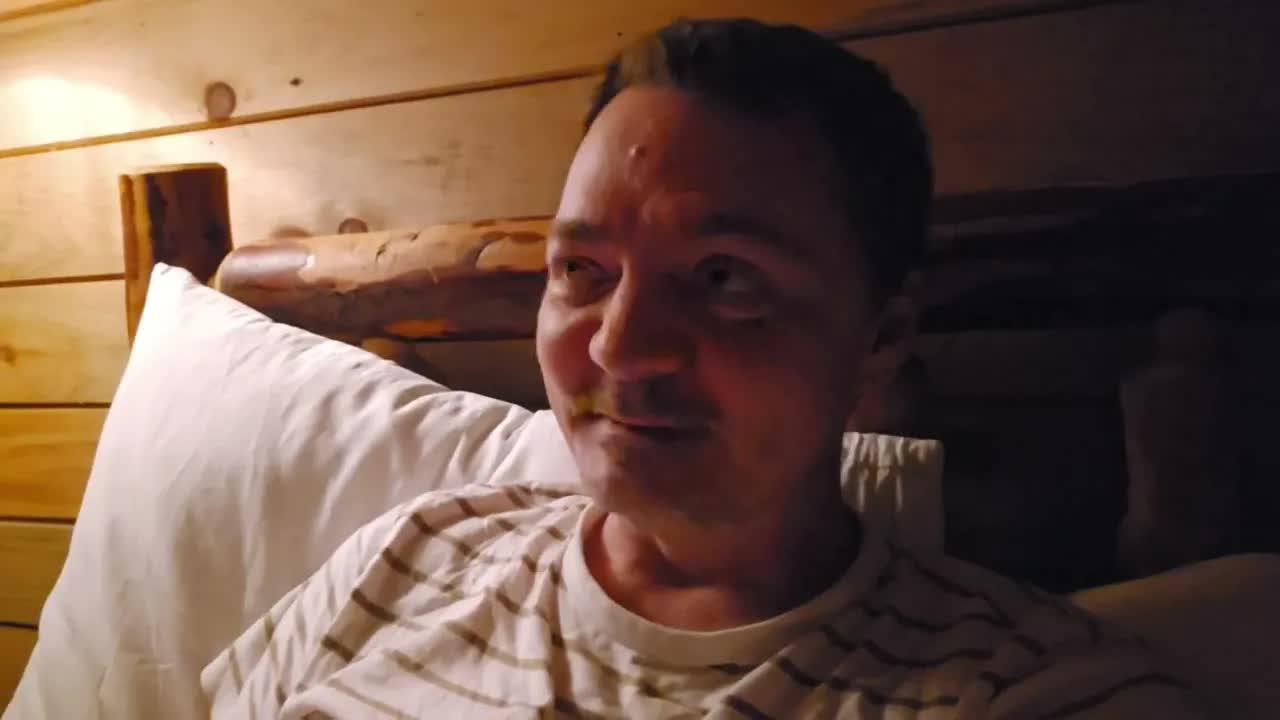
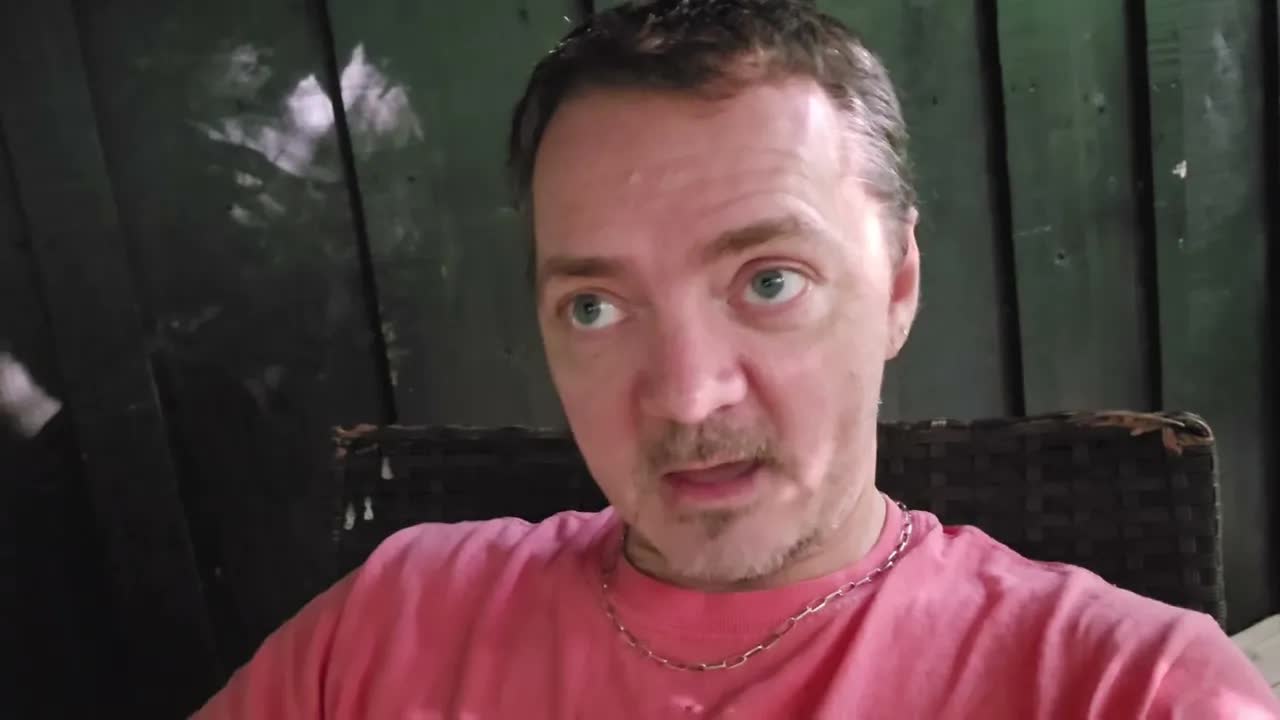
He shows the mirror. He finally got himself a mirror, and says so happy about it, and the reason is that he can shave outside now. It is a small object with a specific function and it earns its space. A moment later he names the other condition in the room: he is exhausted, he did not get much sleep last night, and this is what he is doing today anyway. Both statements sit next to each other without either canceling the other out.
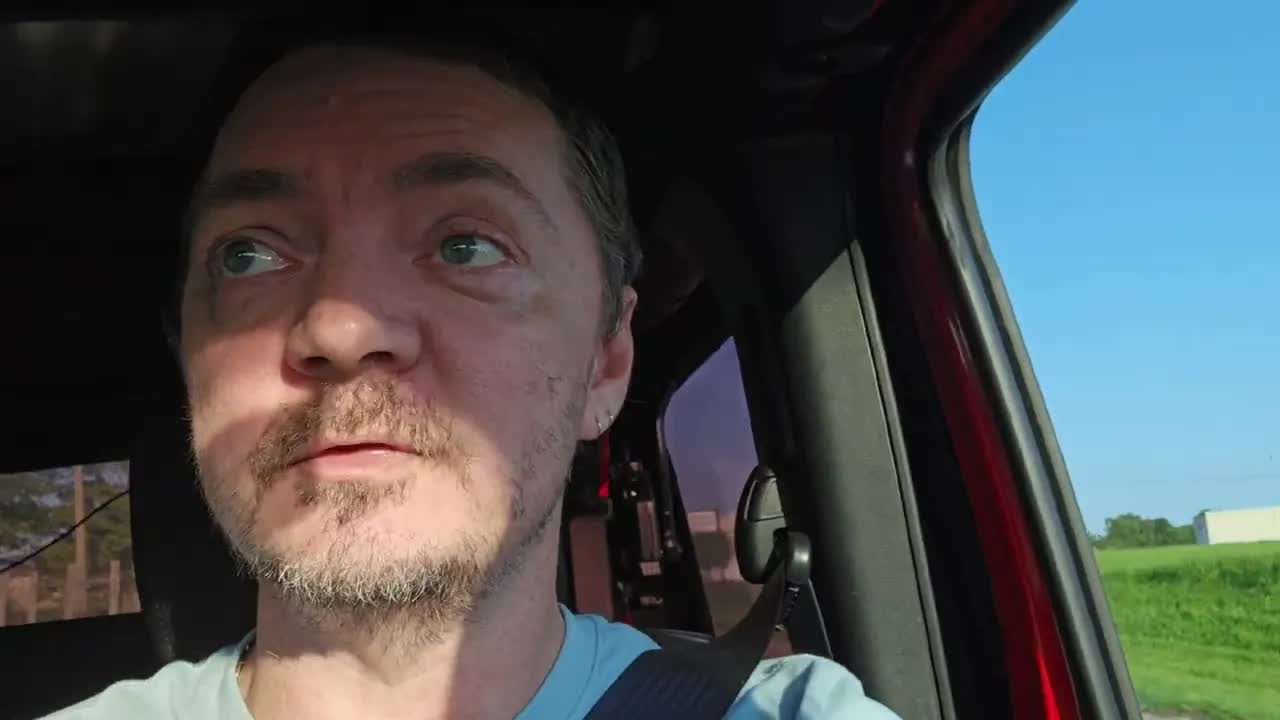
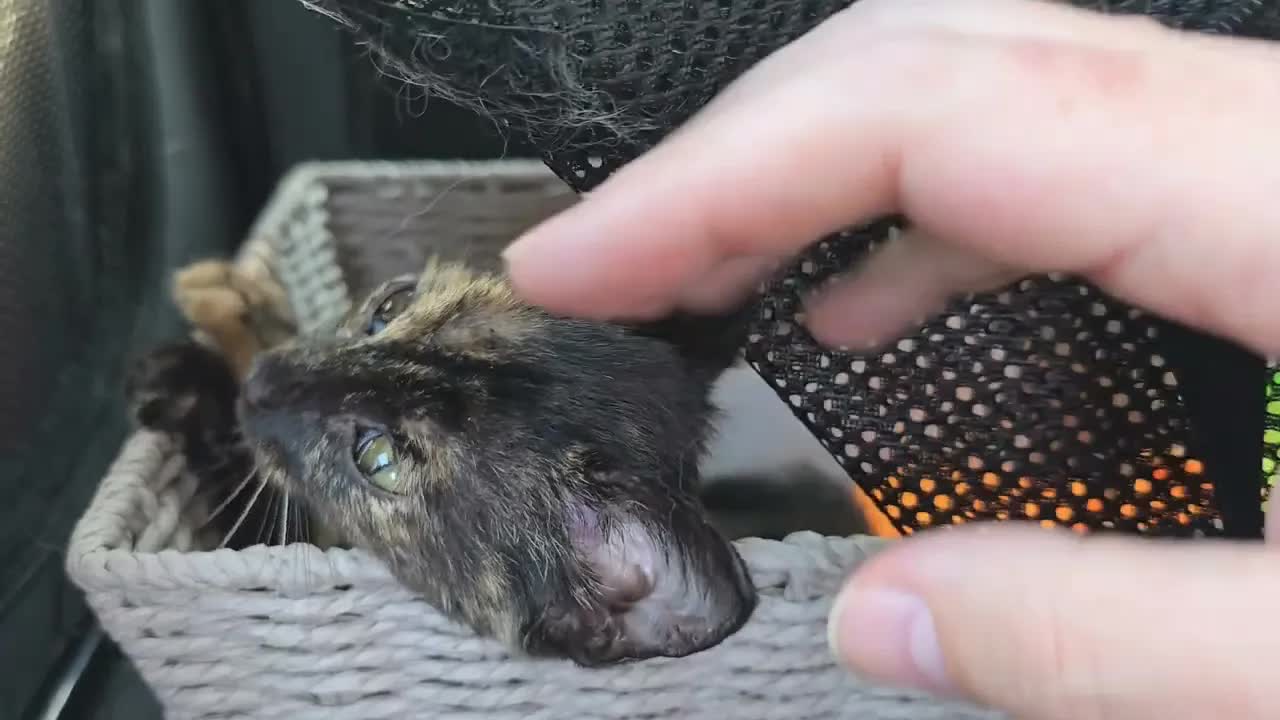
The week arranges itself aloud. Today is the interior. Tomorrow is Thursday and the roof, which he has to make himself do — it is pretty bad up there, the trees have been dropping onto it, there is a lot to do. After the roof, the tanks, which means driving, which means the slide has to come in, which means the interior has to be organized first — the whole reason the floor matters. He works out Luna's placement in real time: the cage might fit with the slide in, but he will put her in a carrier anyway, beside him while he drives, Bailey on the seat. He does not want to be dramatic for her. She is getting better. They are not going far, only to empty the tanks. Friday is the tires.
And then next week — Wednesday, he thinks, he cannot remember exactly — he leaves. By then he will have been on this site ninety days. He says too long, and follows it with the finding: he definitely learned that that is not how he likes to live his life. He wants to move around. Not to escape this place, and not because anything failed here, but because ninety days stationary answered a question he had apparently been holding open. He wants to move, and he wants to be organized enough to do it without every departure feeling difficult.
The last words he gives the recording are the ones the whole afternoon has been arguing for: getting there, forward momentum. The floor is clear. The drawers are full. The kitten is closer. The roof is tomorrow.