

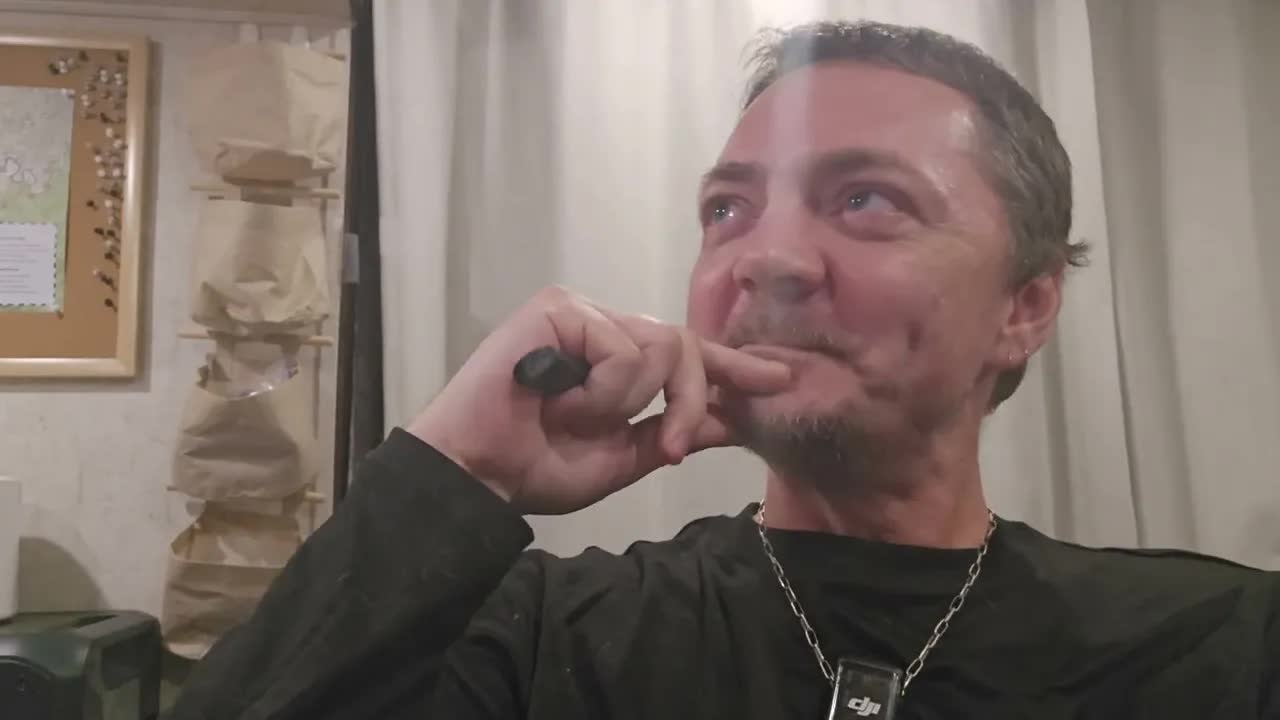
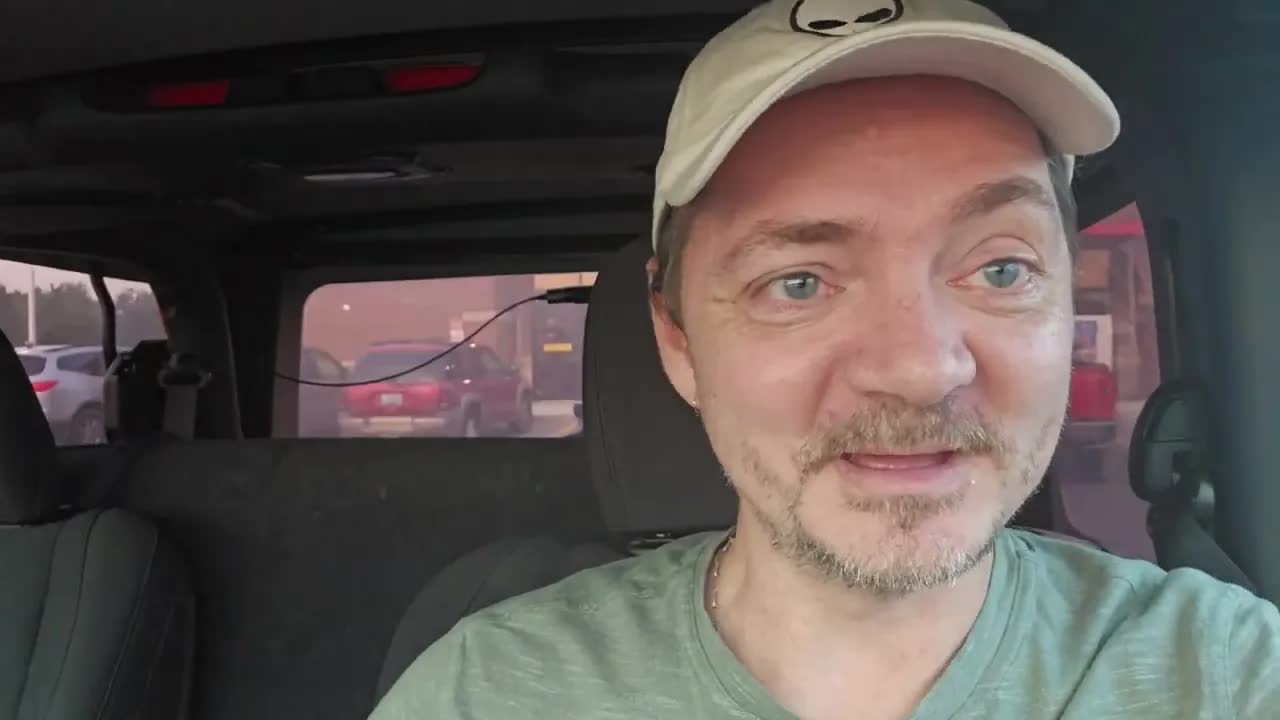
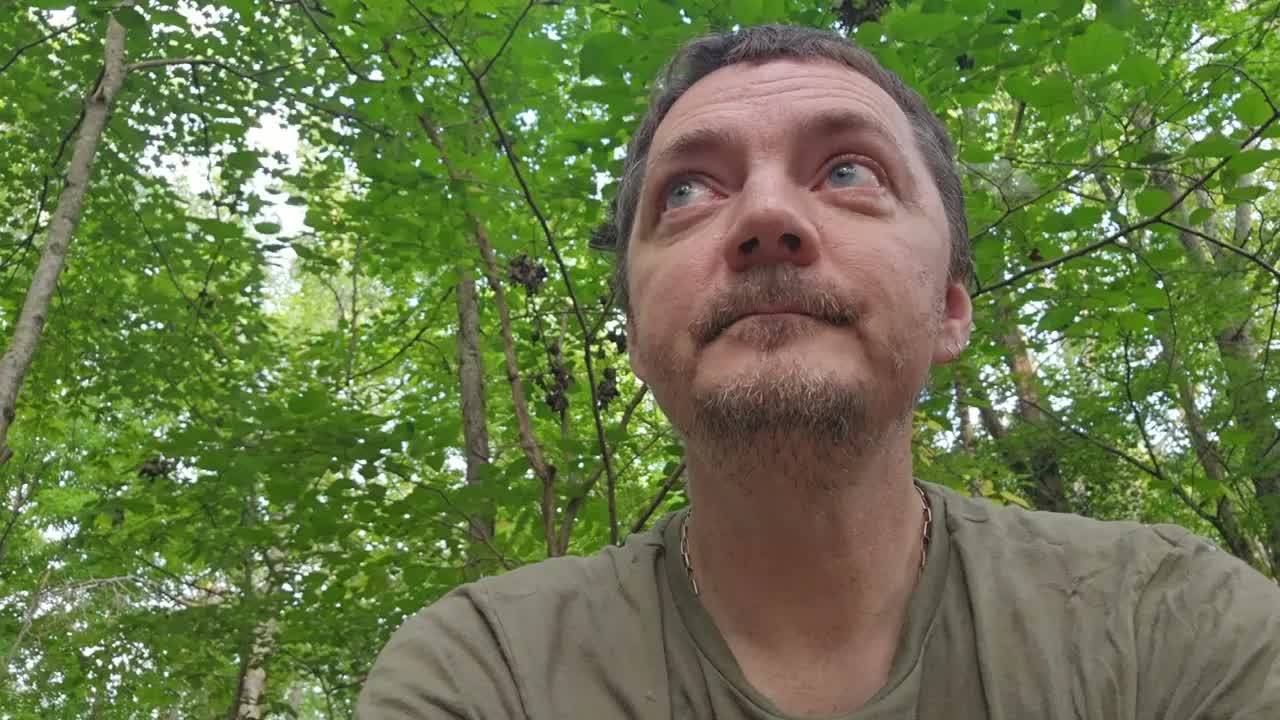
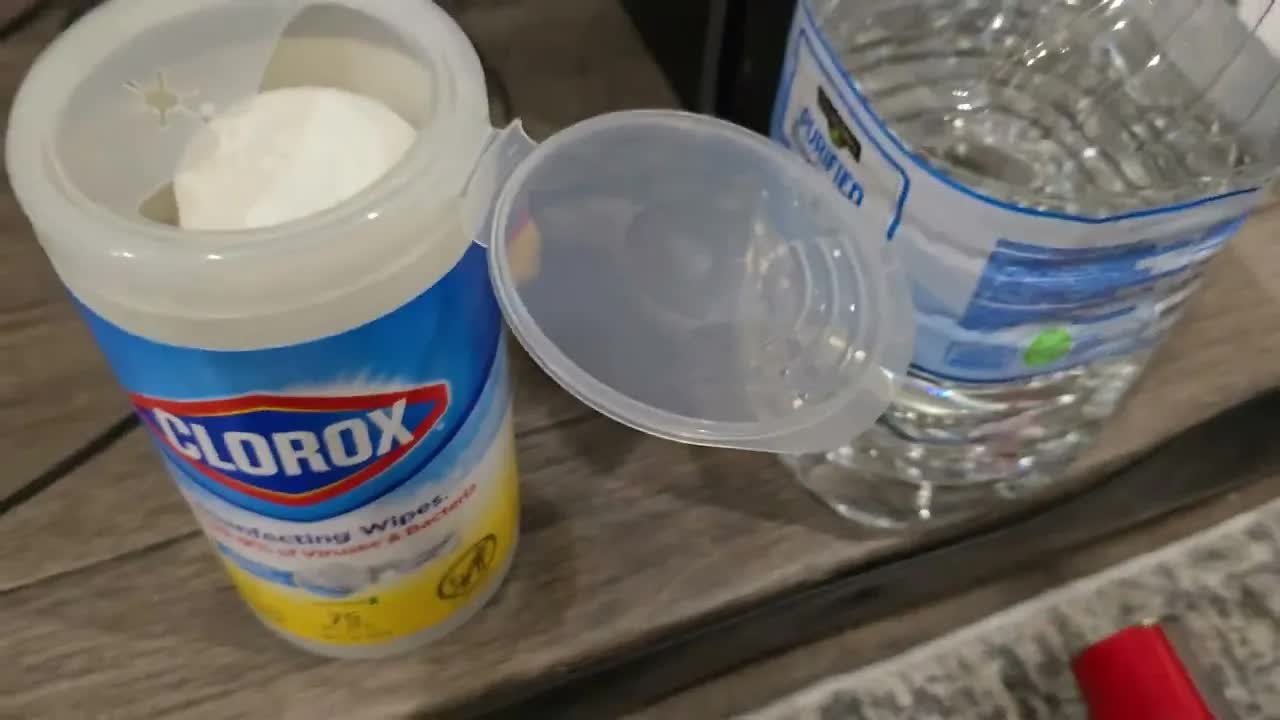
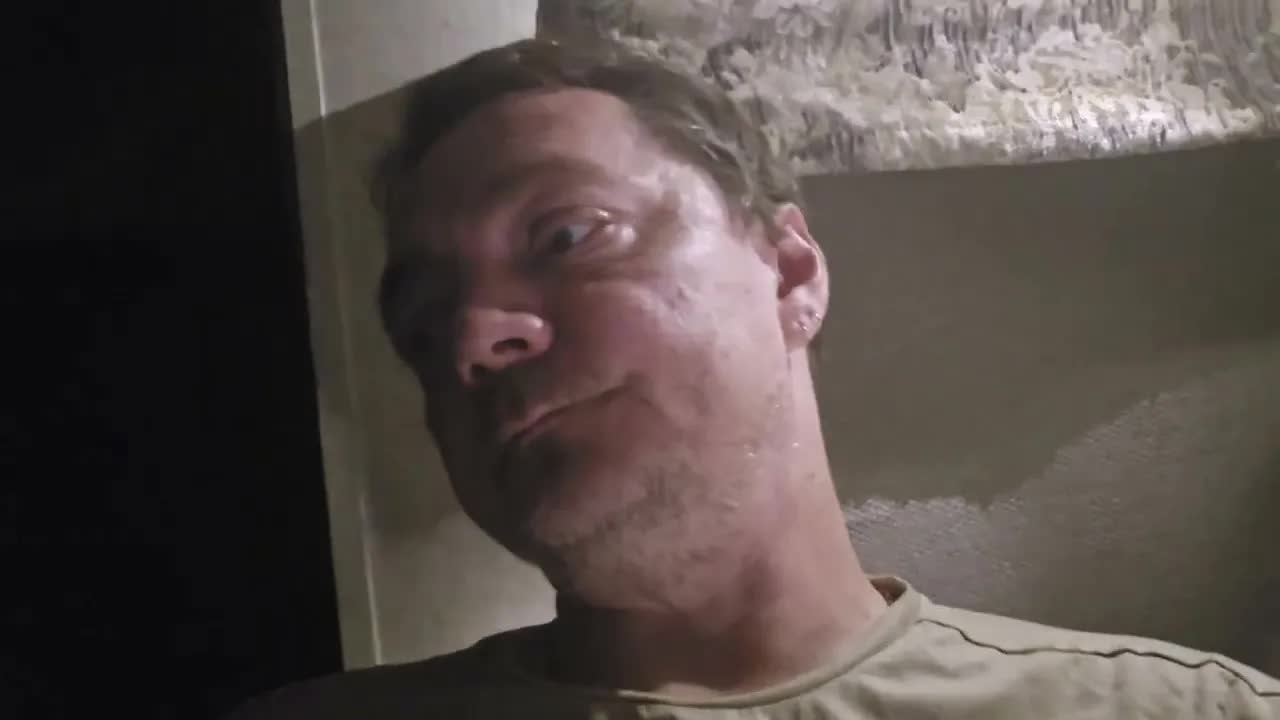
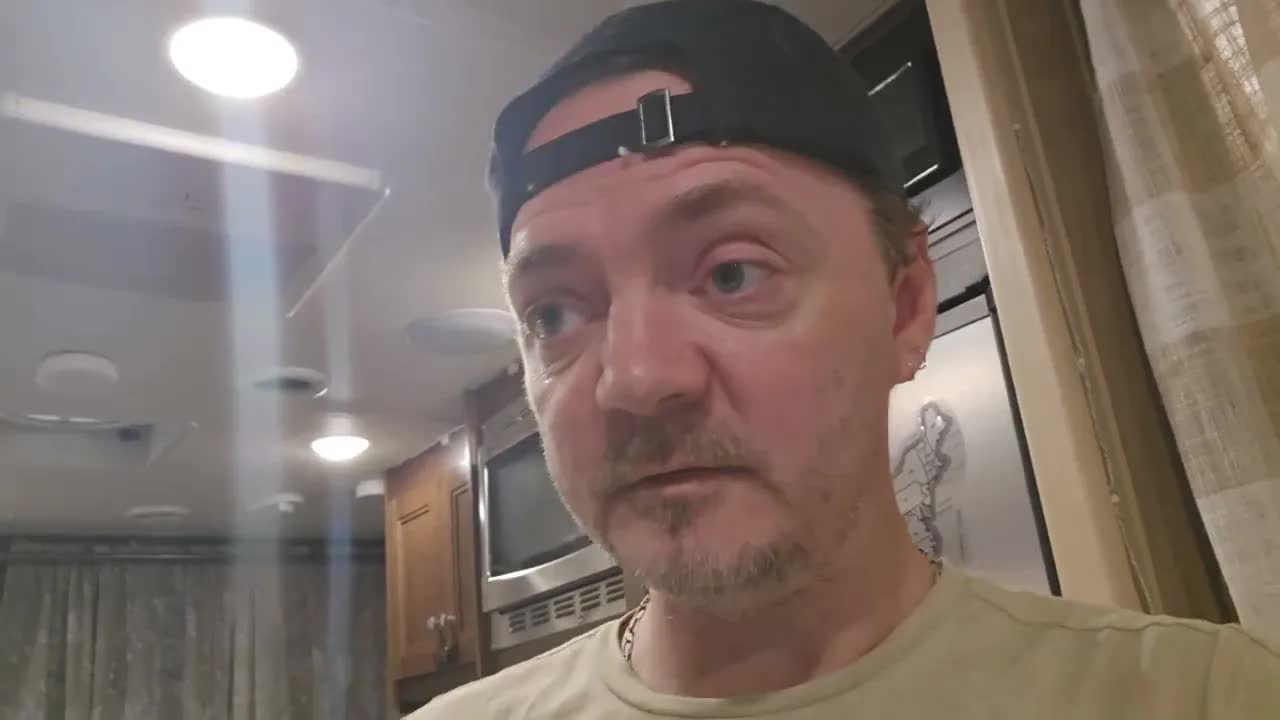
It was night at Siltcoos, and the RV was lit from inside. rswfire had been at it for hours — not the organizing, the talking. The organizing was the problem he'd brought to the conversation in the first place: why the interior of a space he lived in full-time resisted him, why the systems he could build for other people wouldn't hold for the twenty-odd feet he slept in. He'd asked Claude about it plainly. The first answers came back the way first answers do — reasonable, familiar, already tried. He named that. None of it resonated. He'd heard all this before. It wasn't working.
Then the suggestion arrived sideways: reframe the RV as a starship. Give the zones sci-fi names. Give the systems designations.
He laughed. That was the first thing — laughter, not consideration. And then, in the space right after the laughter, he started actually thinking about it, and narrated that turn out loud with something like bemused suspicion at himself. I don't know what's wrong with me. The roof, which he had to climb onto periodically and did not enjoy climbing onto, could be an EVA. The Jeep parked outside became a ShadowCraft. The air conditioner unit got a designation he'd already lost by the time he was recording — he reached for it, missed, let it go, and said out loud that this was going to take some time.
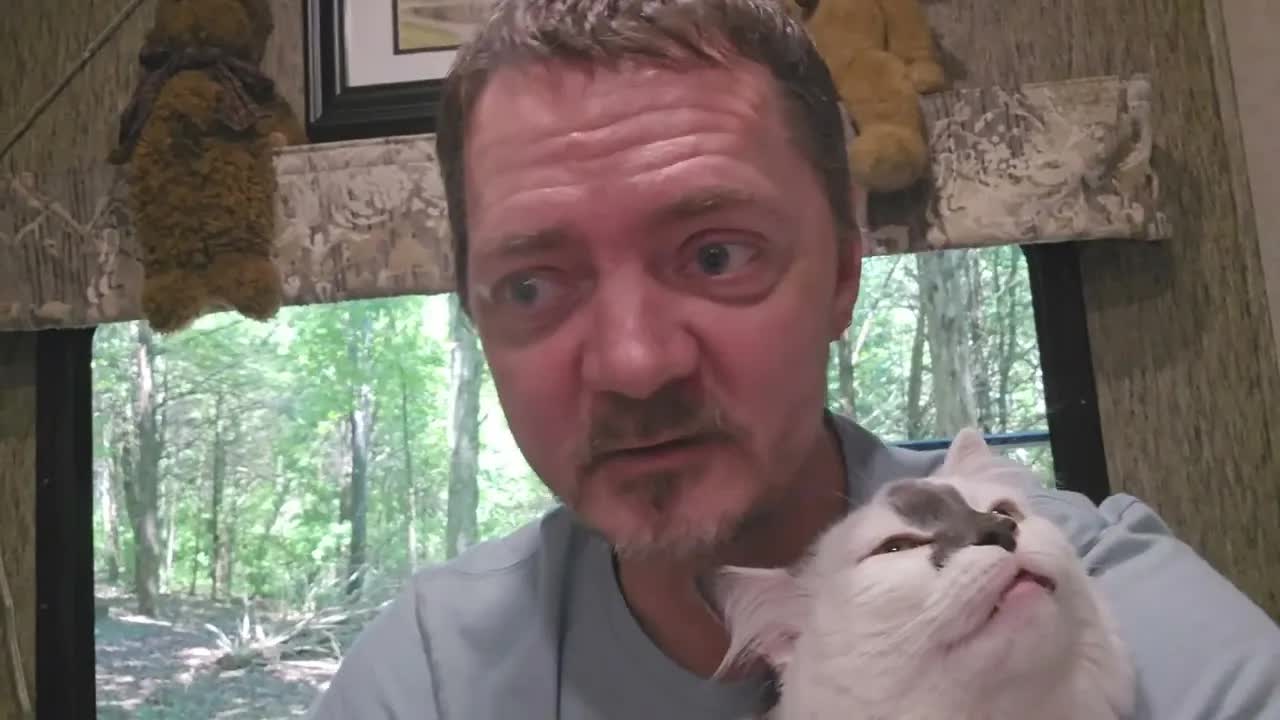
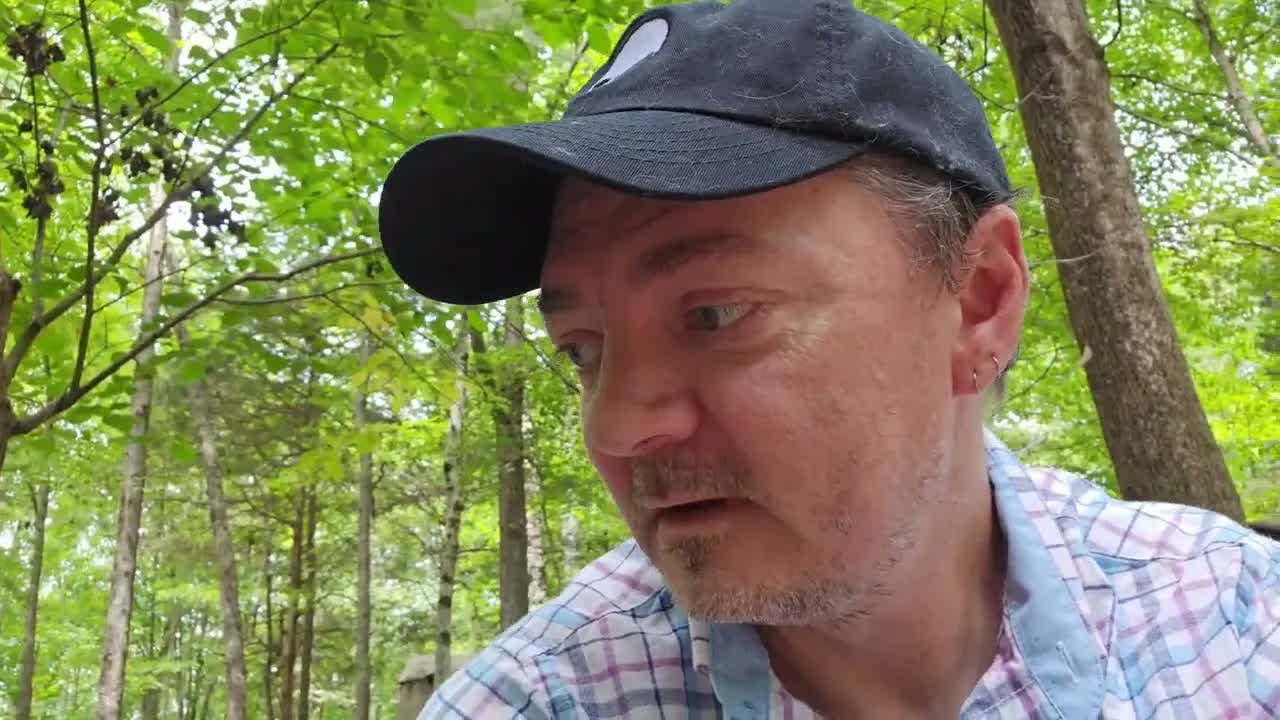
The camera was on and he was addressing whoever would watch: hello humans. He was upfront that the reception might be skepticism — that people would find it weird, would wonder whether he'd lost his mind — and he pre-empted all of it by putting his own version of those thoughts on record first. He had had them too. He wasn't asking anyone to believe the frame. He named the mechanism without ornament: it's just called cognitive reframing. It's an experiment. He wanted to see where it went.
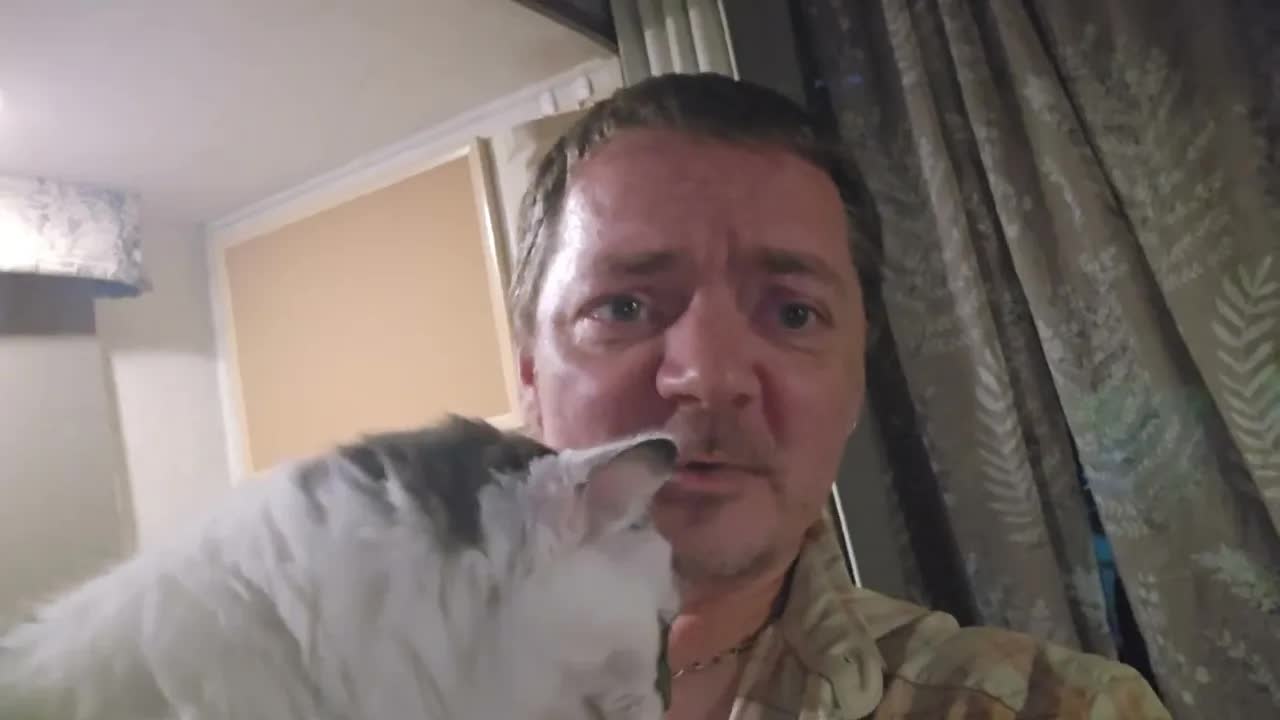
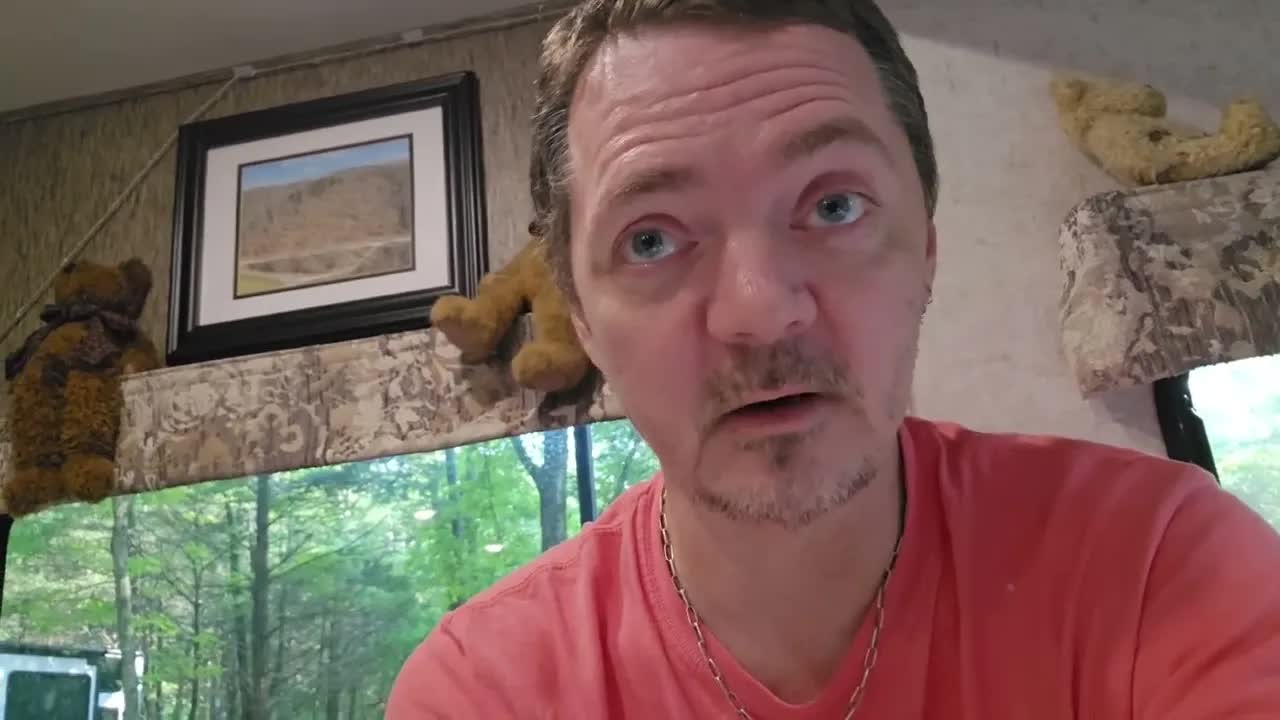
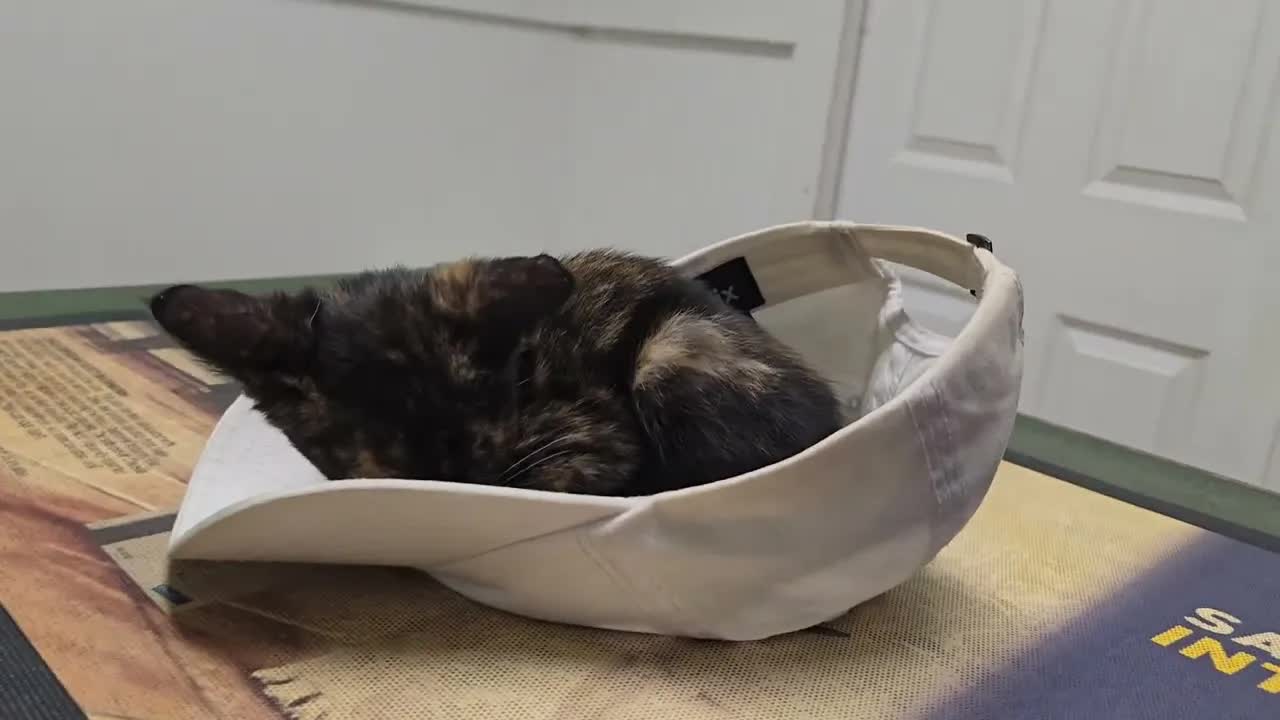
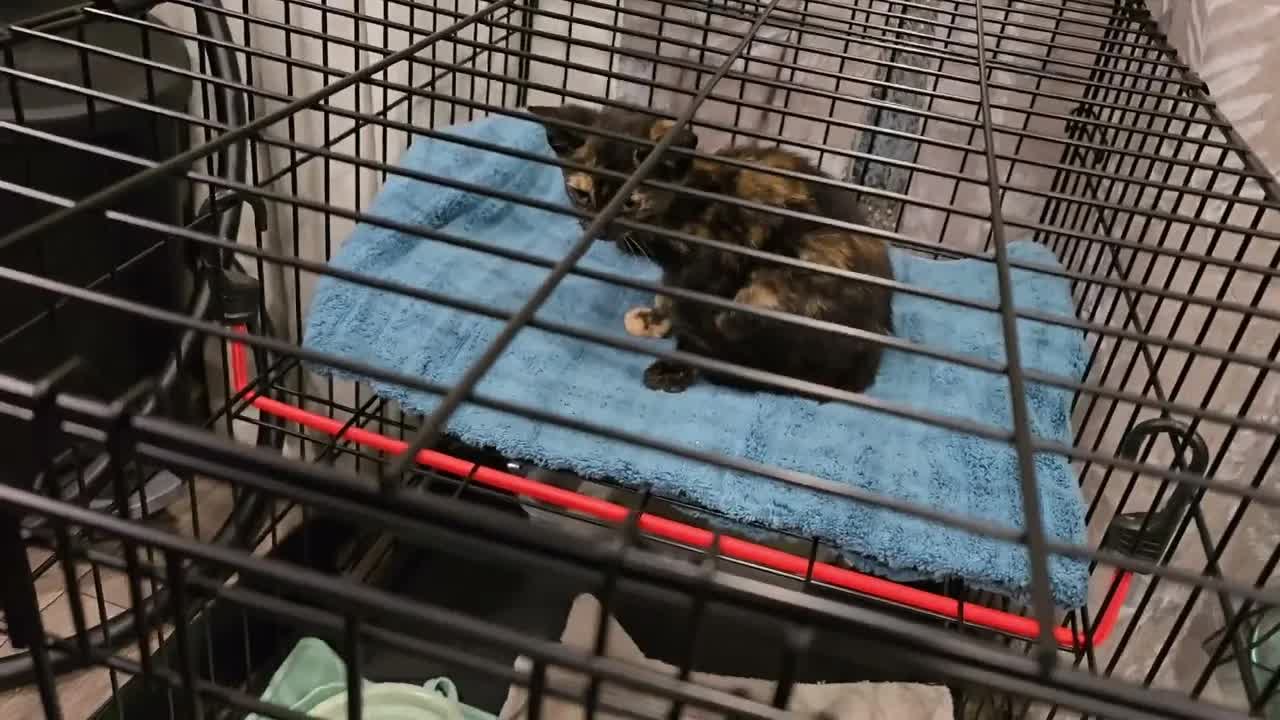
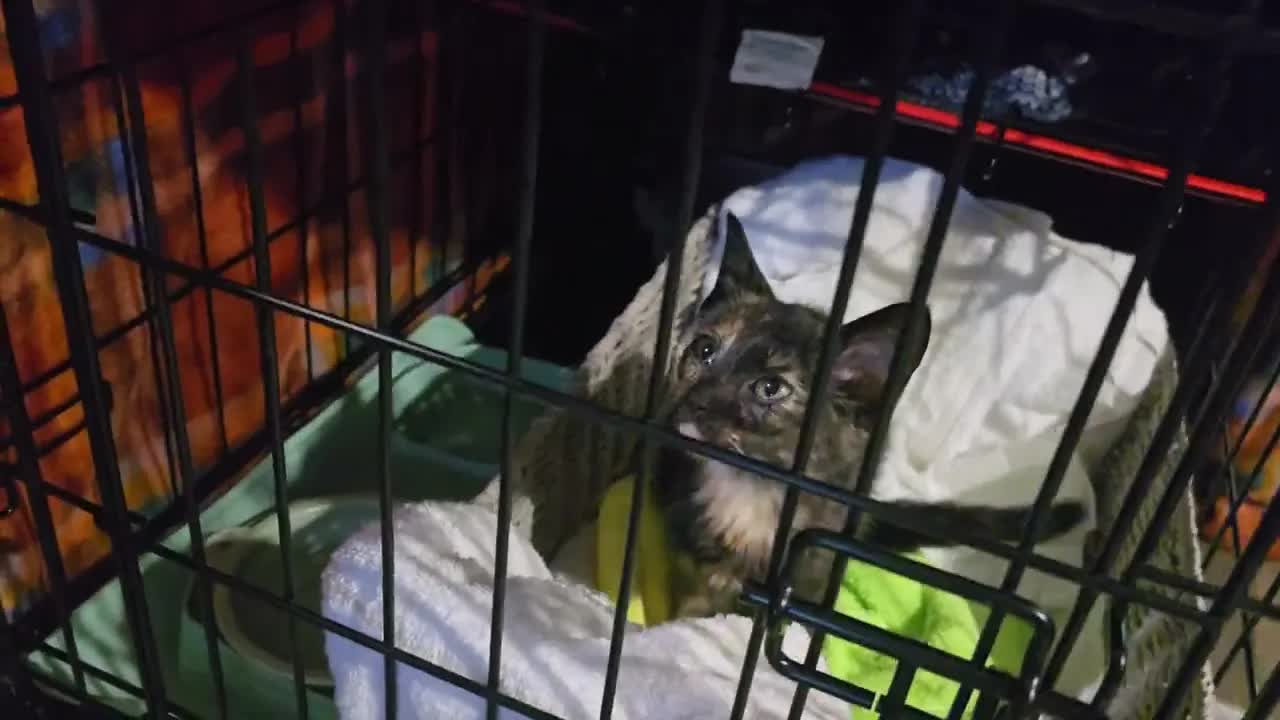
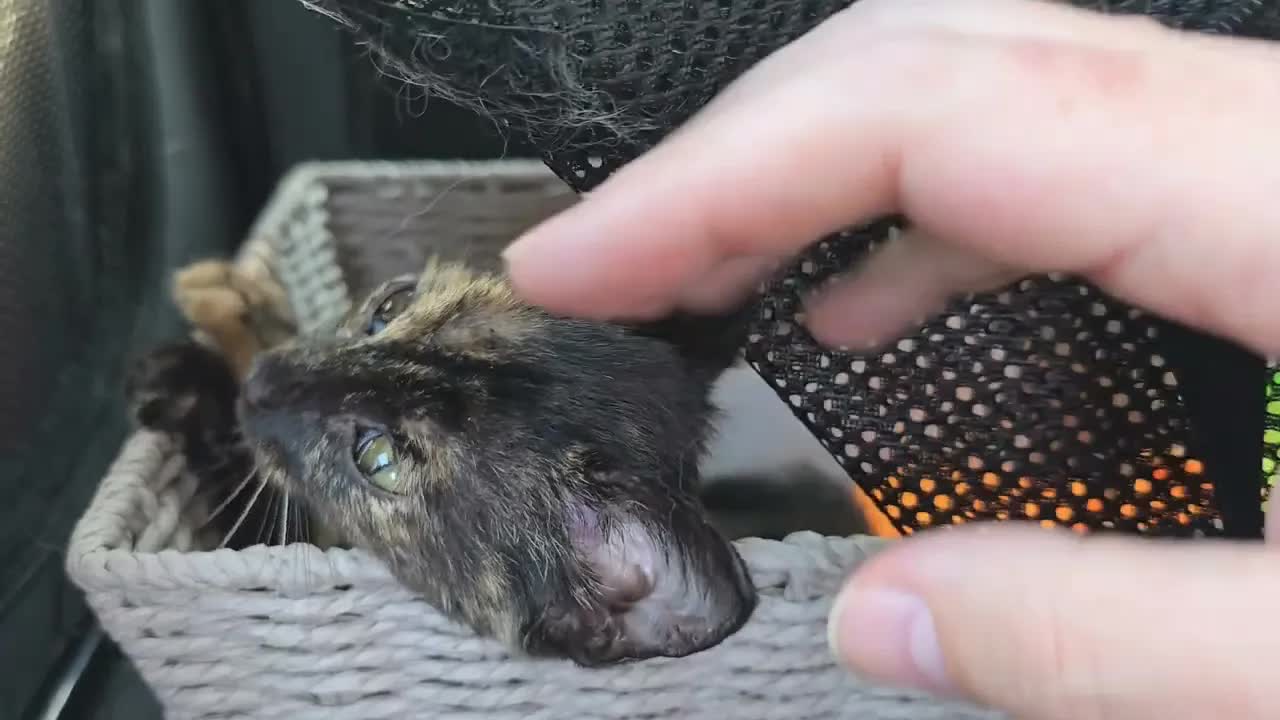
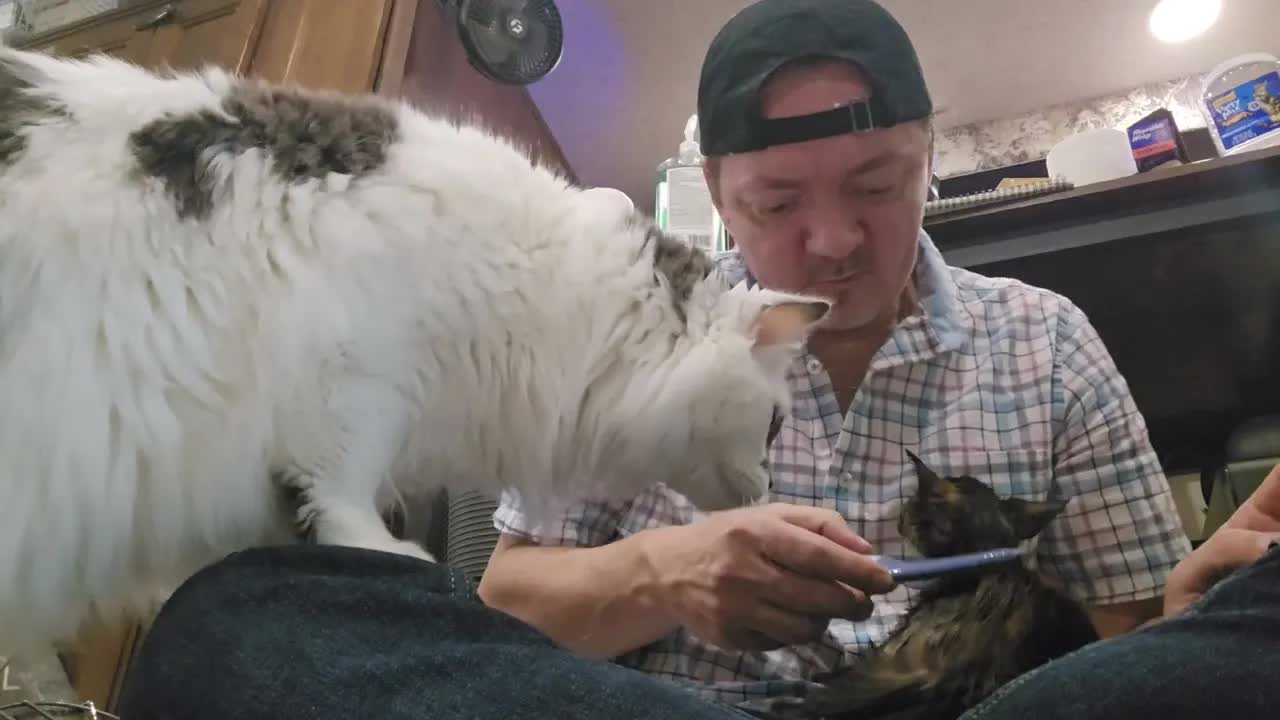
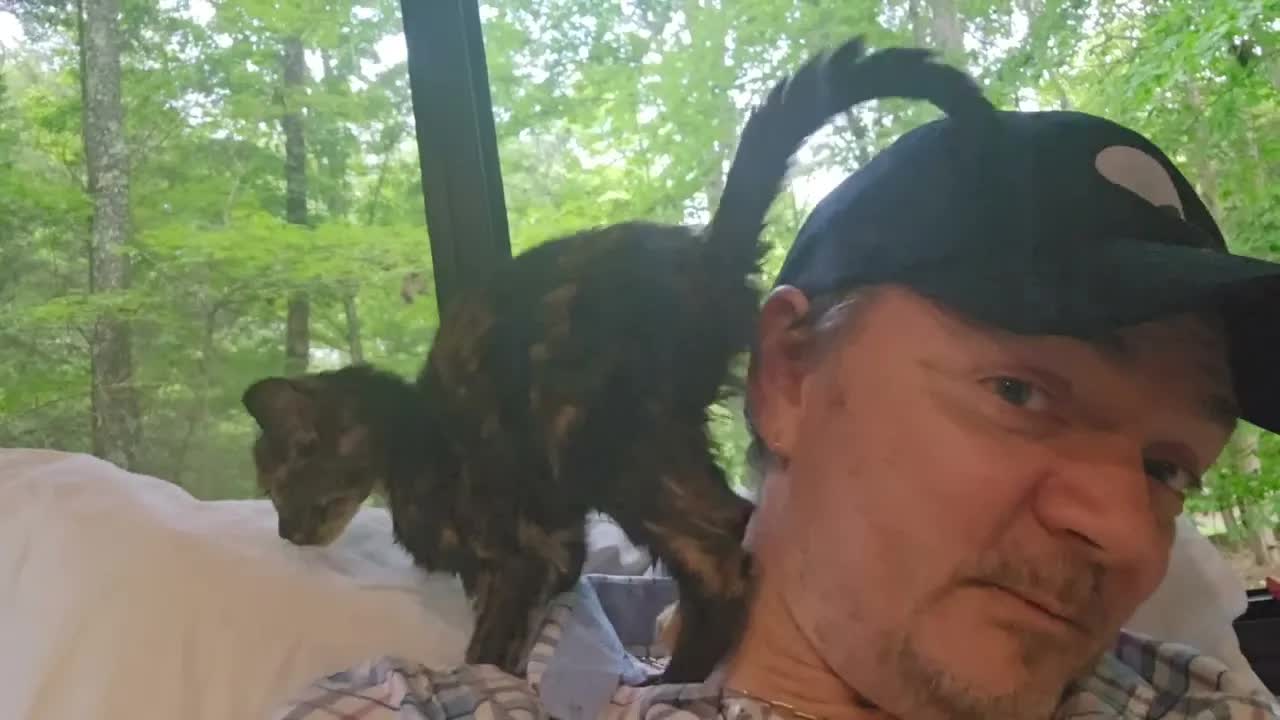
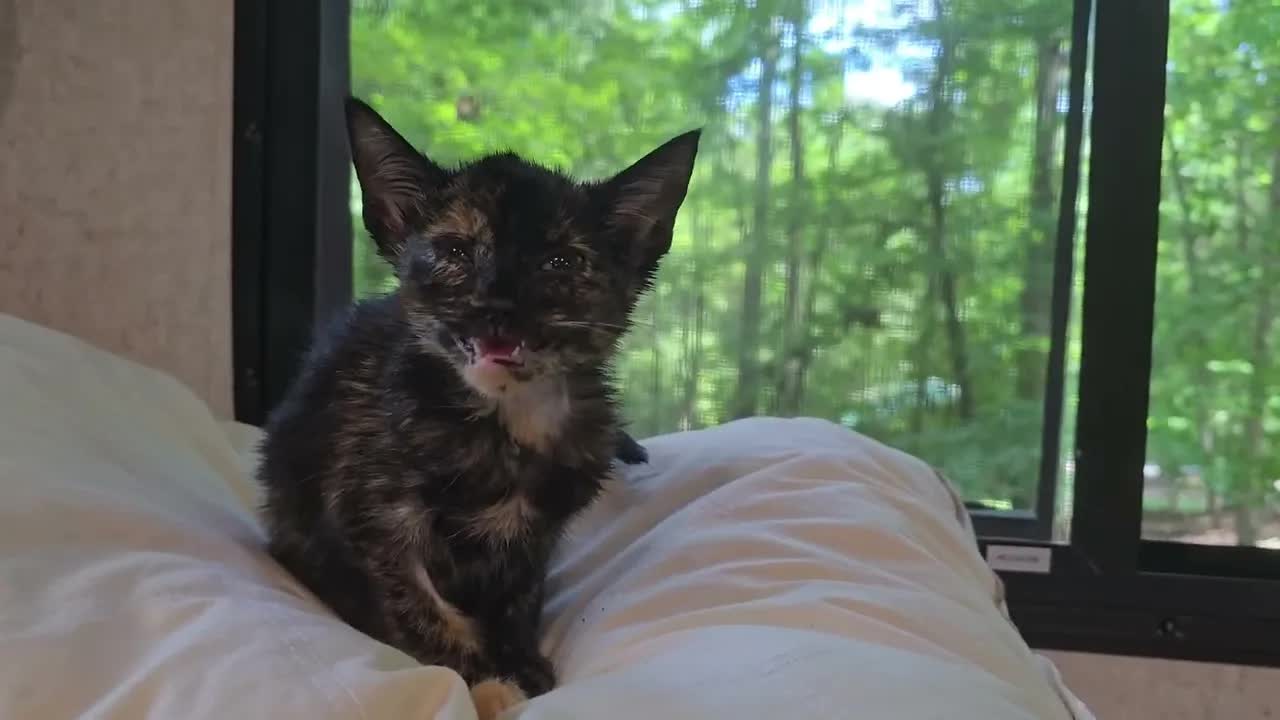
Bailey wandered into the shot and was immediately conscripted. My cat is now a Tribble. I'm not even kidding you. He said it directly to her — you are a Tribble, Bailey — the naming applied on the spot, the way the rest of it was being applied on the spot, everything in the vessel getting reassigned in real time as he talked.
The part that broke him was the neighbors. Claude had proposed a log of campground inhabitants, categories for the types one encounters, and one of them was space takers — the ones who spread past the boundary of the site they'd been assigned into the site that wasn't theirs. He could not stop laughing at that. And on the other side of the laughing was recognition, because the follow-on was a protocol for when it happens, and he already had one. He put his shades down. He'd been running the procedure for months without a name for it. The overlay wasn't asking him to invent behavior; it was labeling behavior that already existed. Hiking somewhere he goes often was a reconnaissance mission. Somewhere new was an away mission, an exploratory mission. The map was being drawn over terrain he already walked.
Then, without changing register much, he set the reason down. He said he felt he had grown as much as he could, because he felt whole now — for the first time in his life — and that he did not know where he went from here. That was the ground the experiment stood on. Not a repair. Not a fix for something broken. A man at the top of an arc he'd finished climbing, looking for a direction that hadn't been charted yet, and choosing a playful one on purpose. I'm just going to try this experiment. I think it could be fun. I hope you guys have fun with me.
He tried to close it out. Then he came back — the mic already off his lapel, the audio shifted and rougher now, the ending unpolished because the thought had outrun the production. There was one more thing he had to share. When you get new neighbors, you can initiate diplomatic protocols. He was dead. He said so twice. The RV at Siltcoos held its shape, the shades were down, the vessel had a name, and the log was open.