

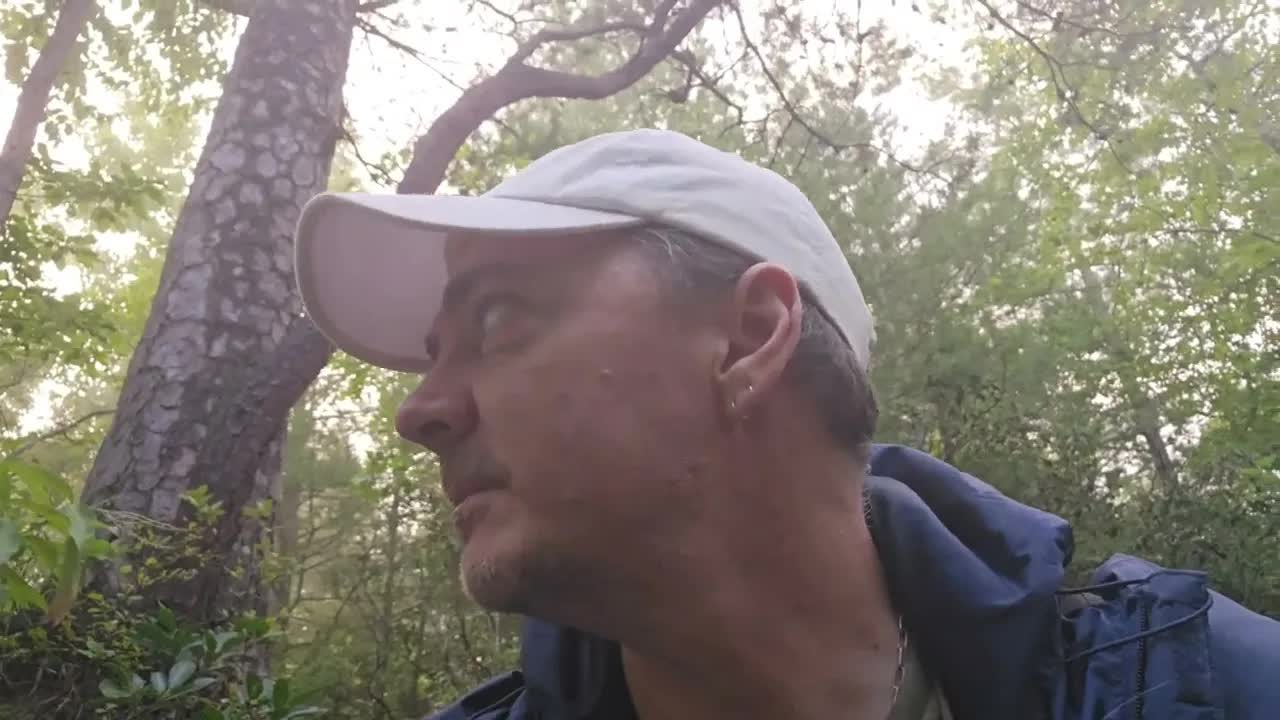
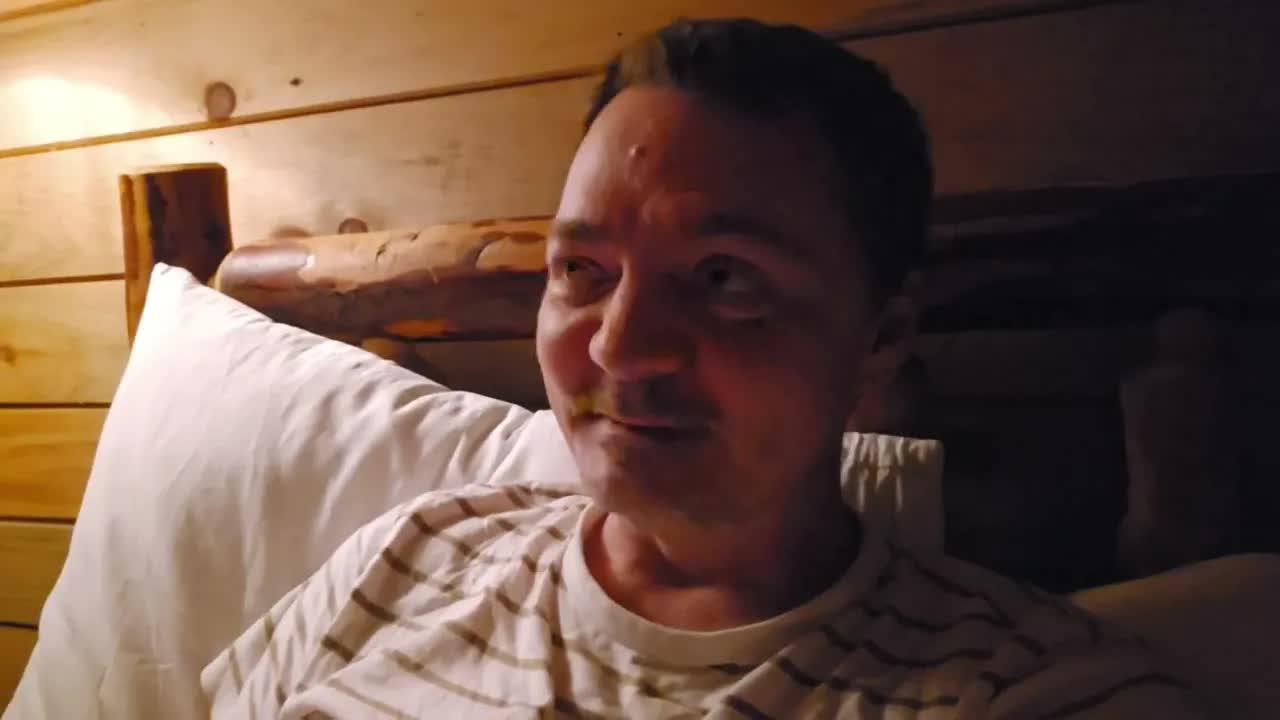
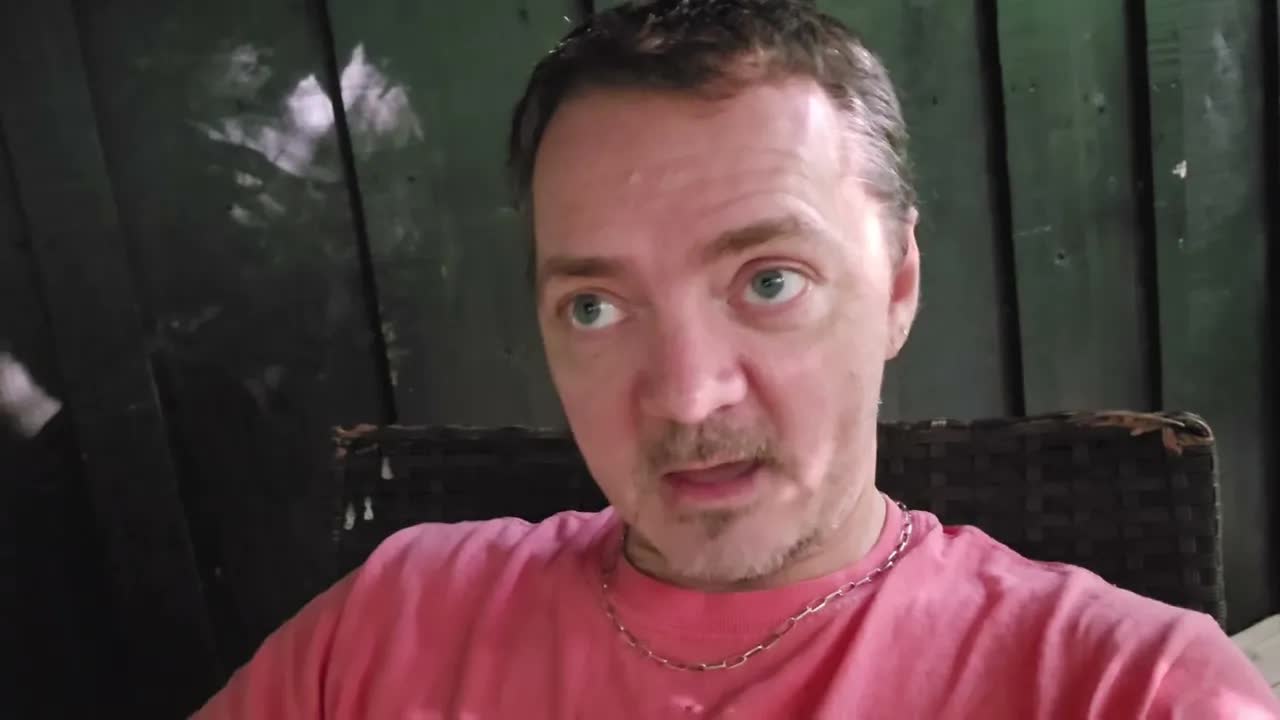

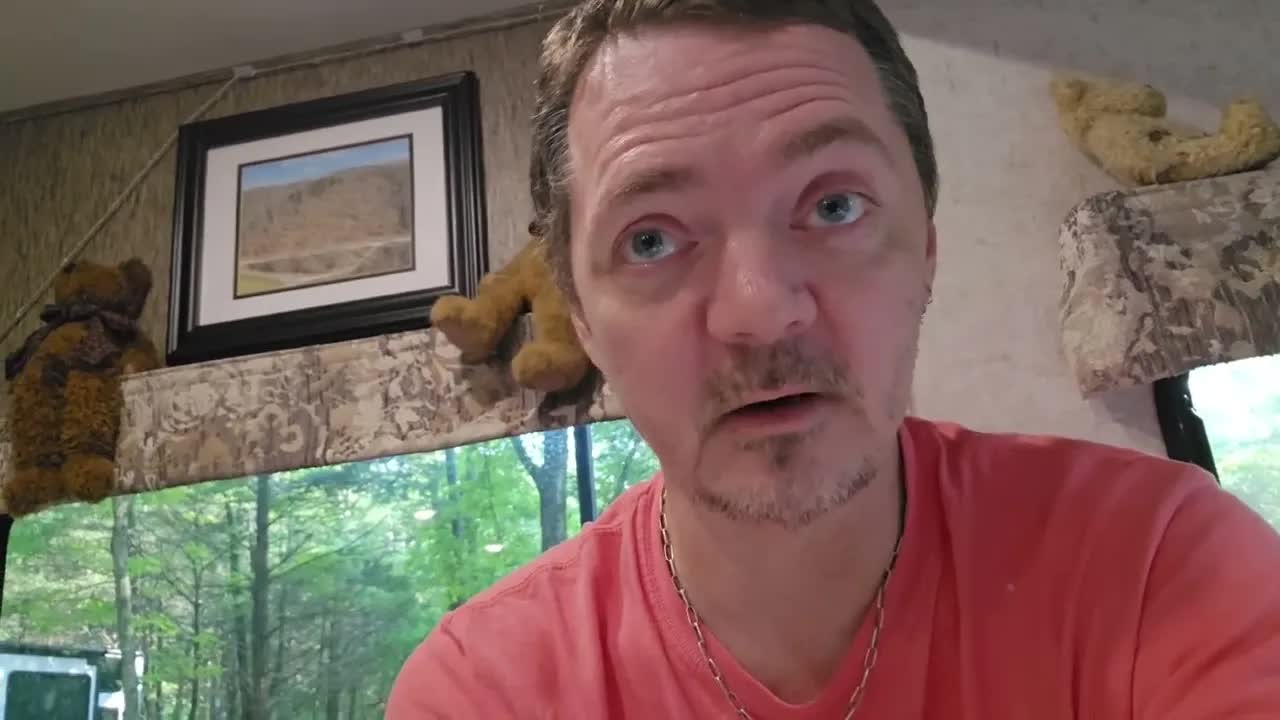
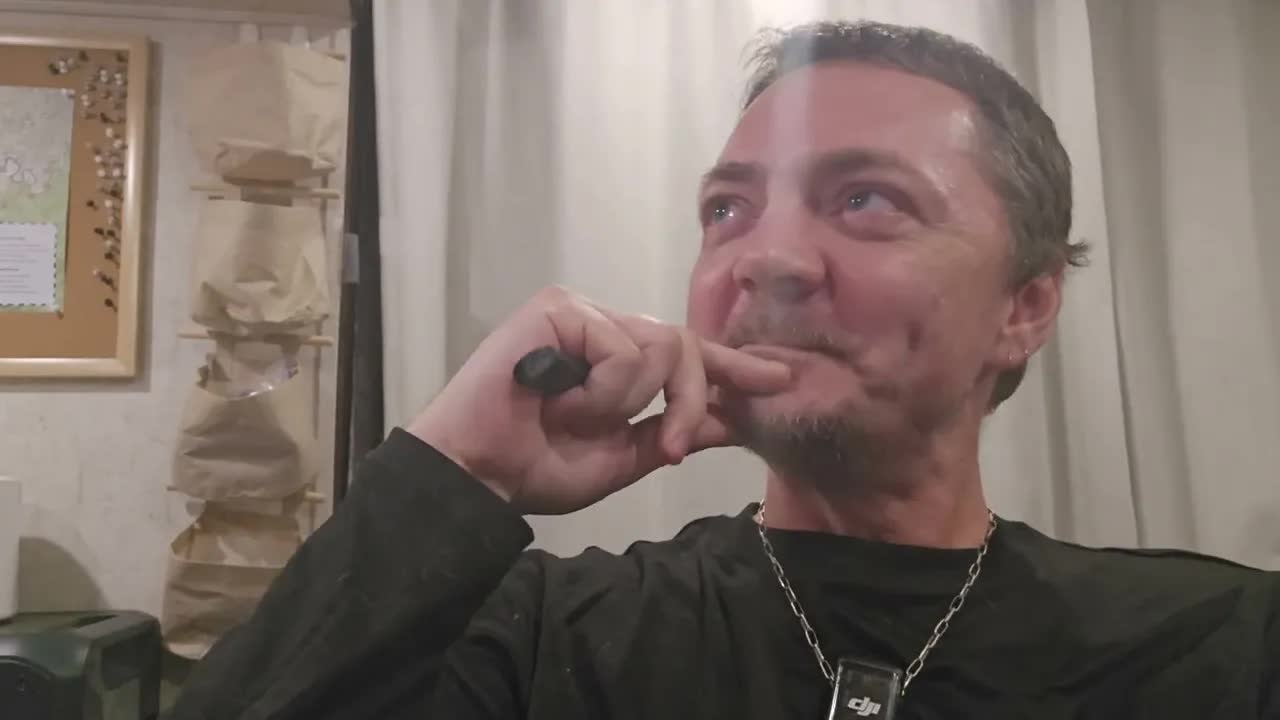

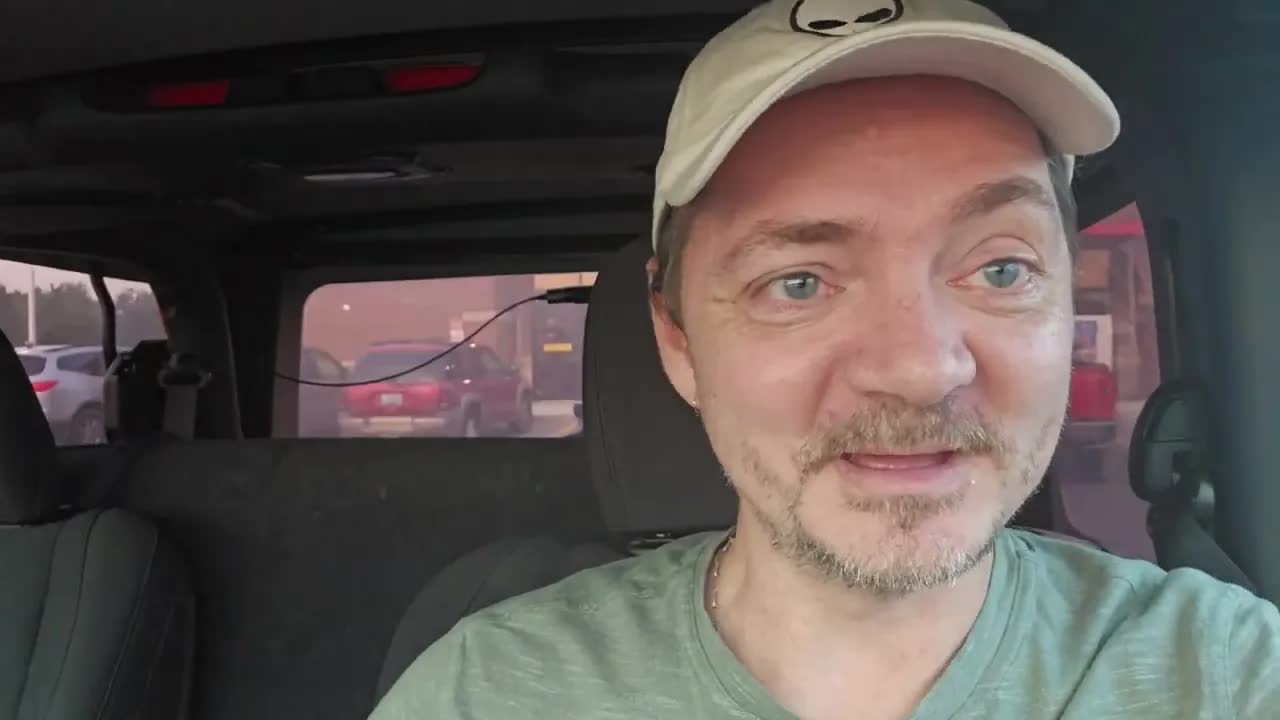
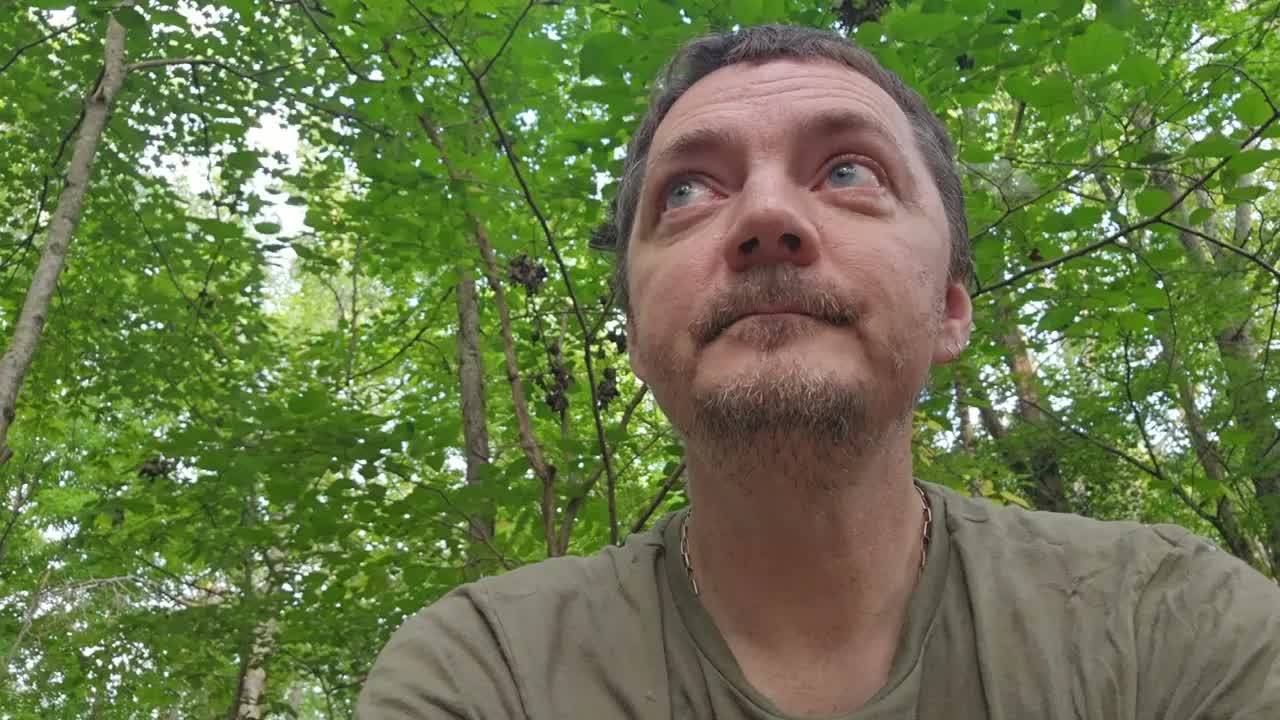
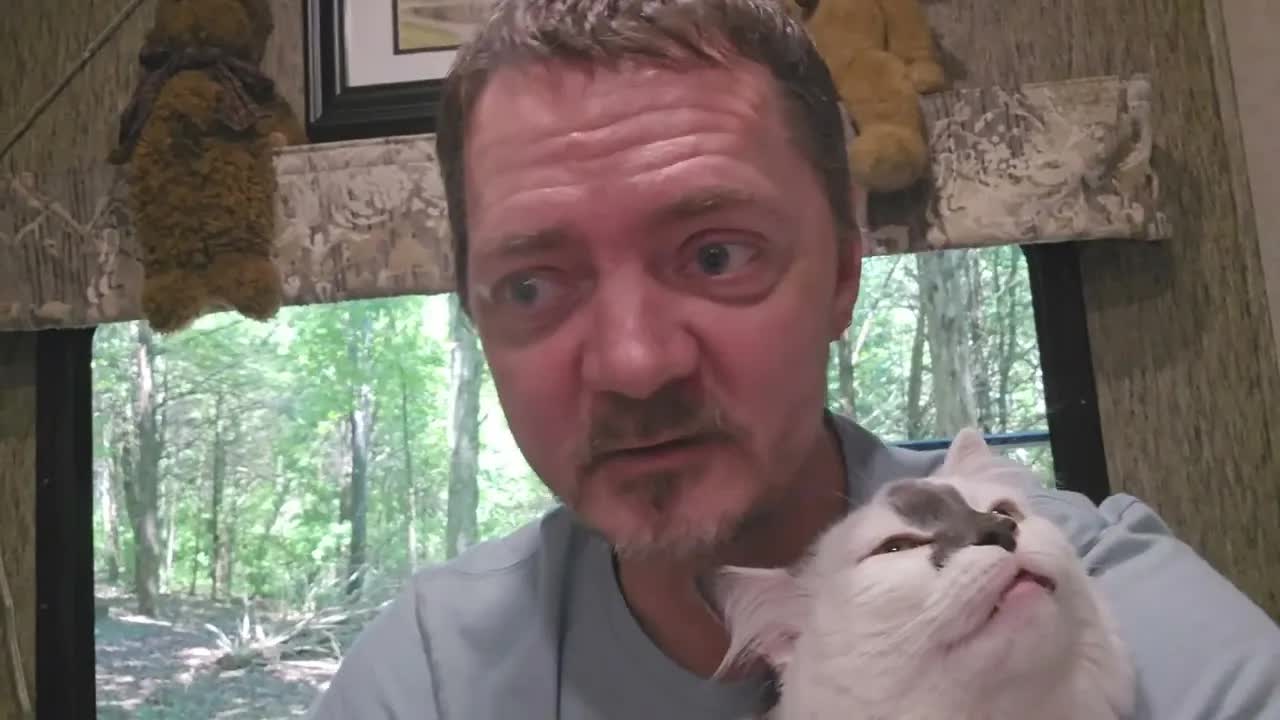
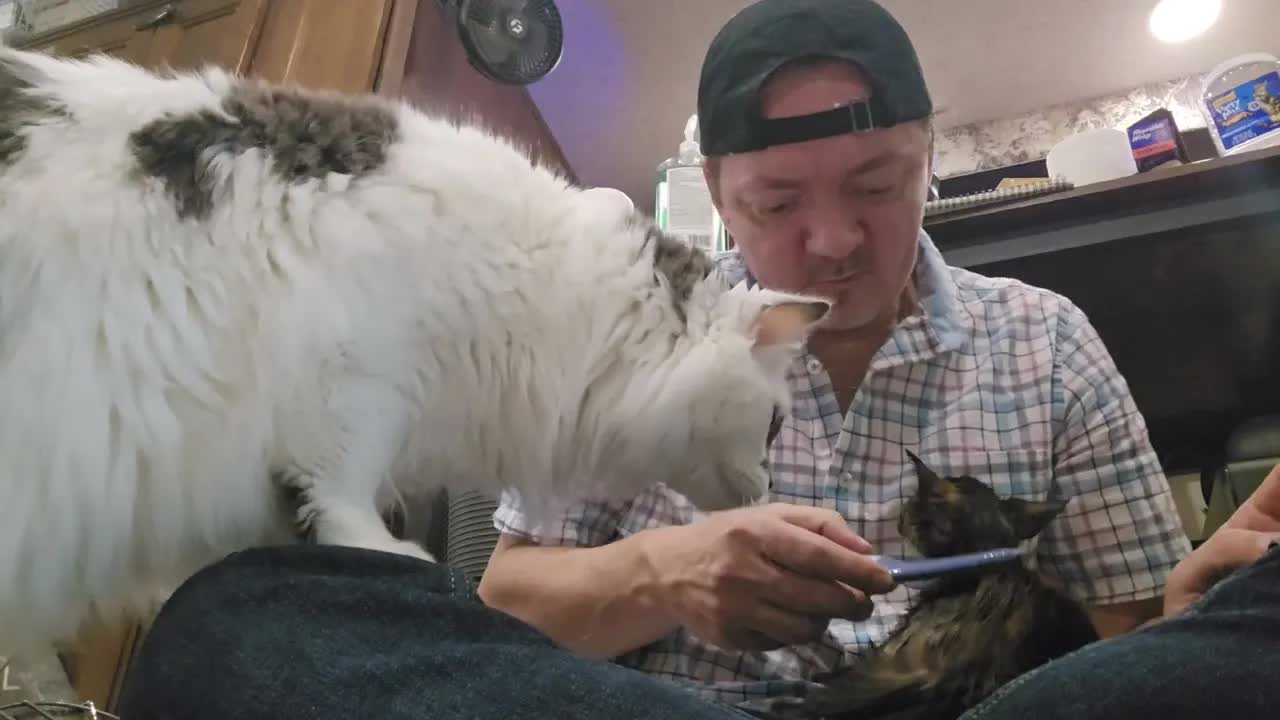
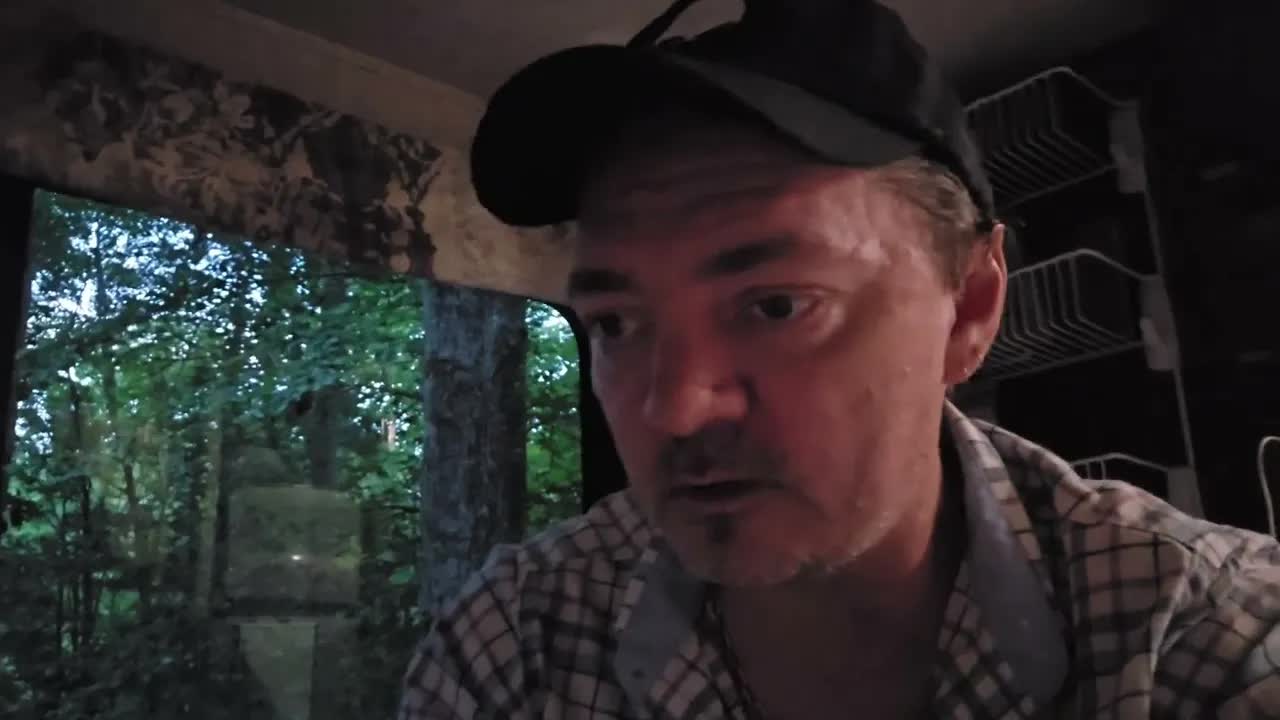
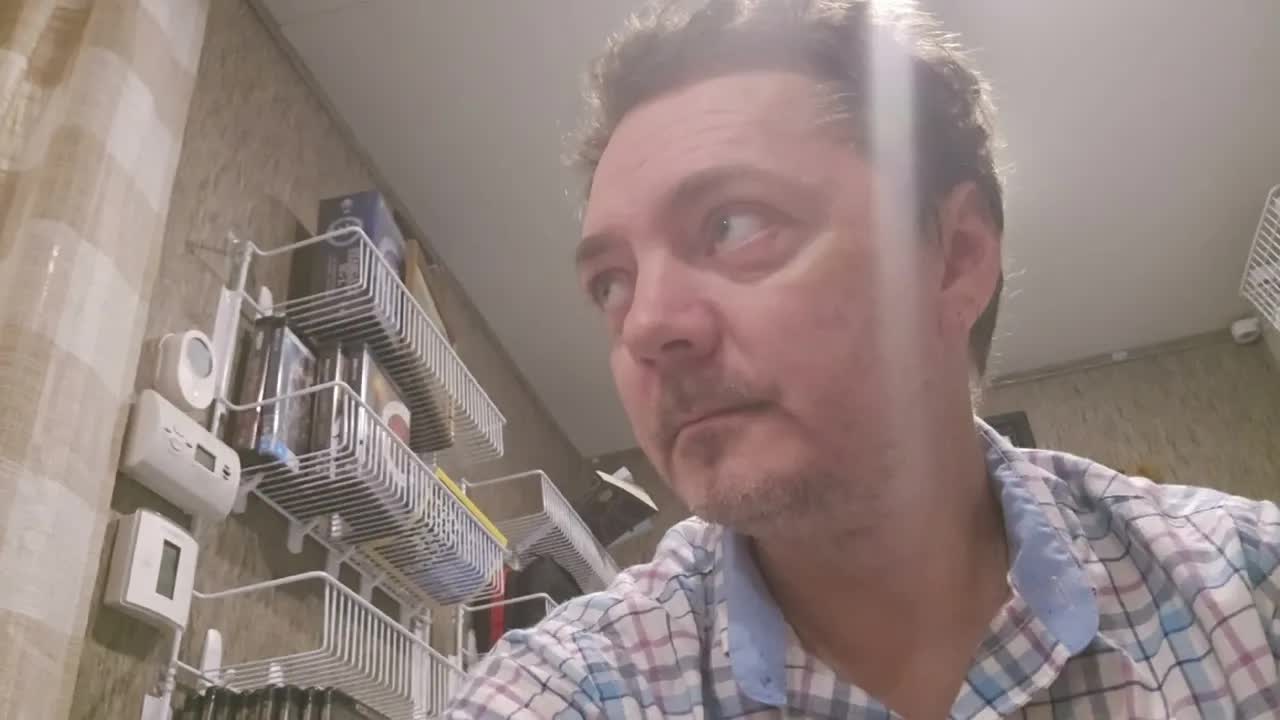
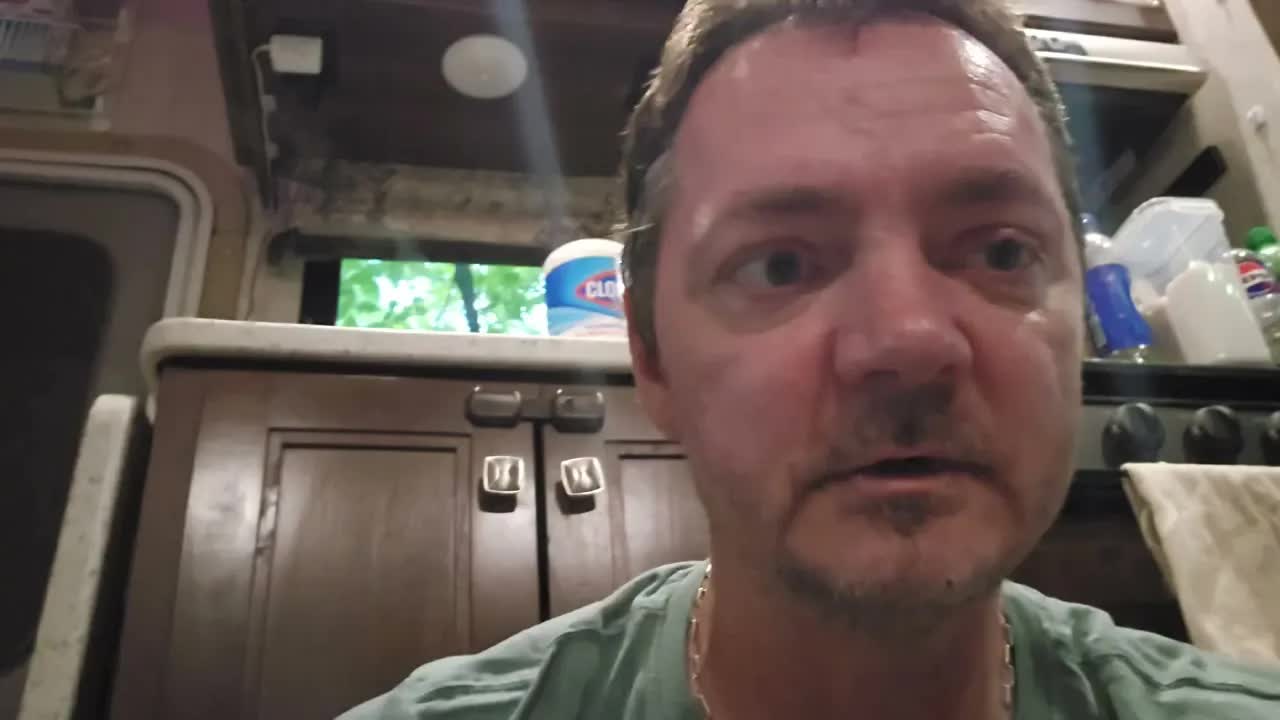
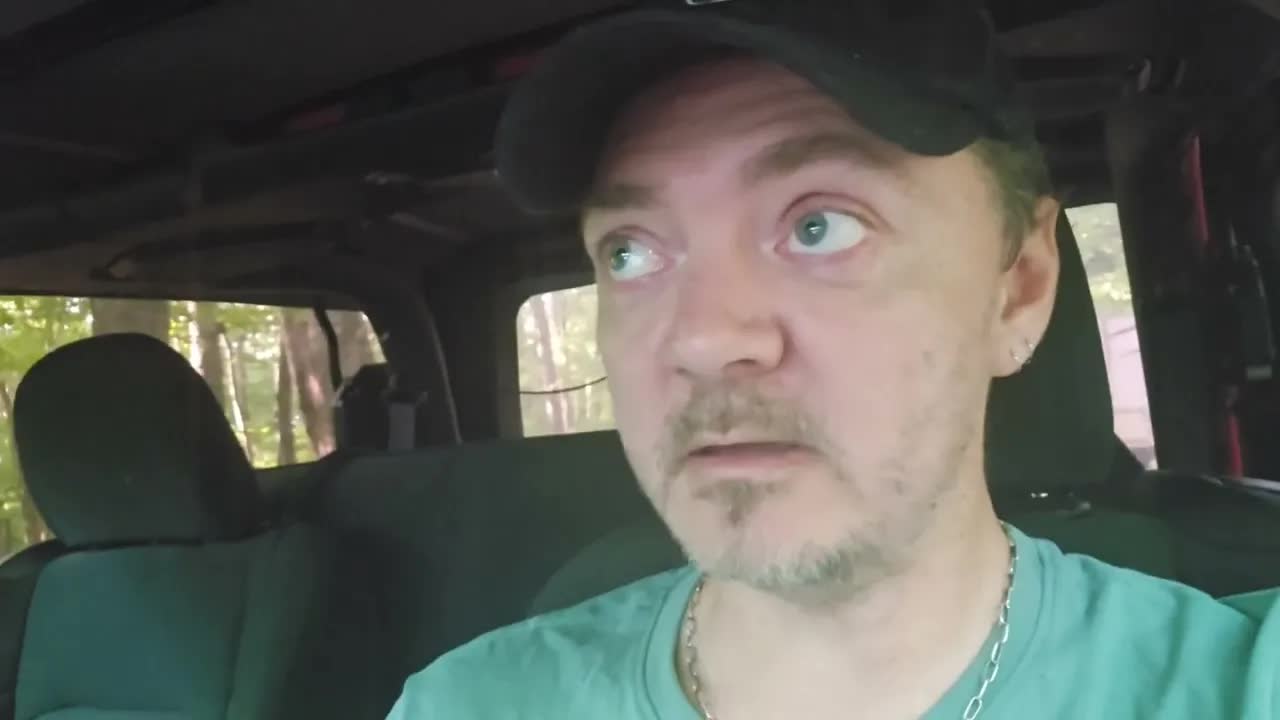

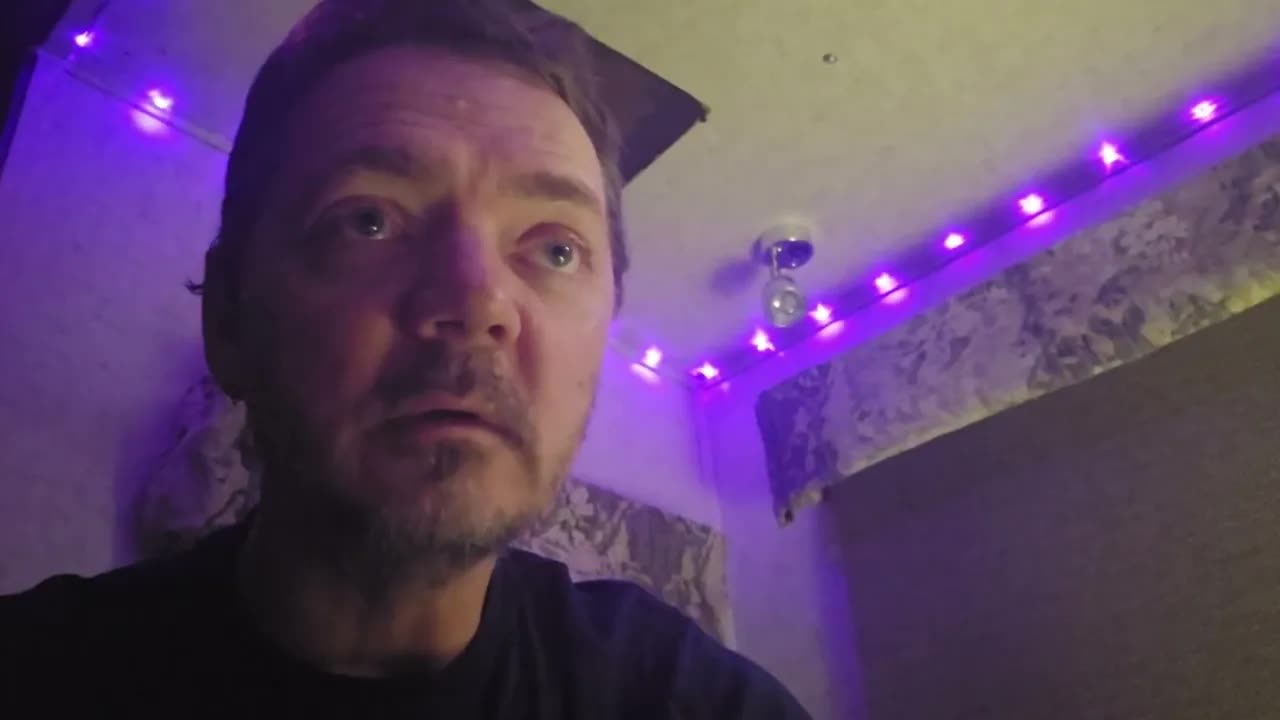
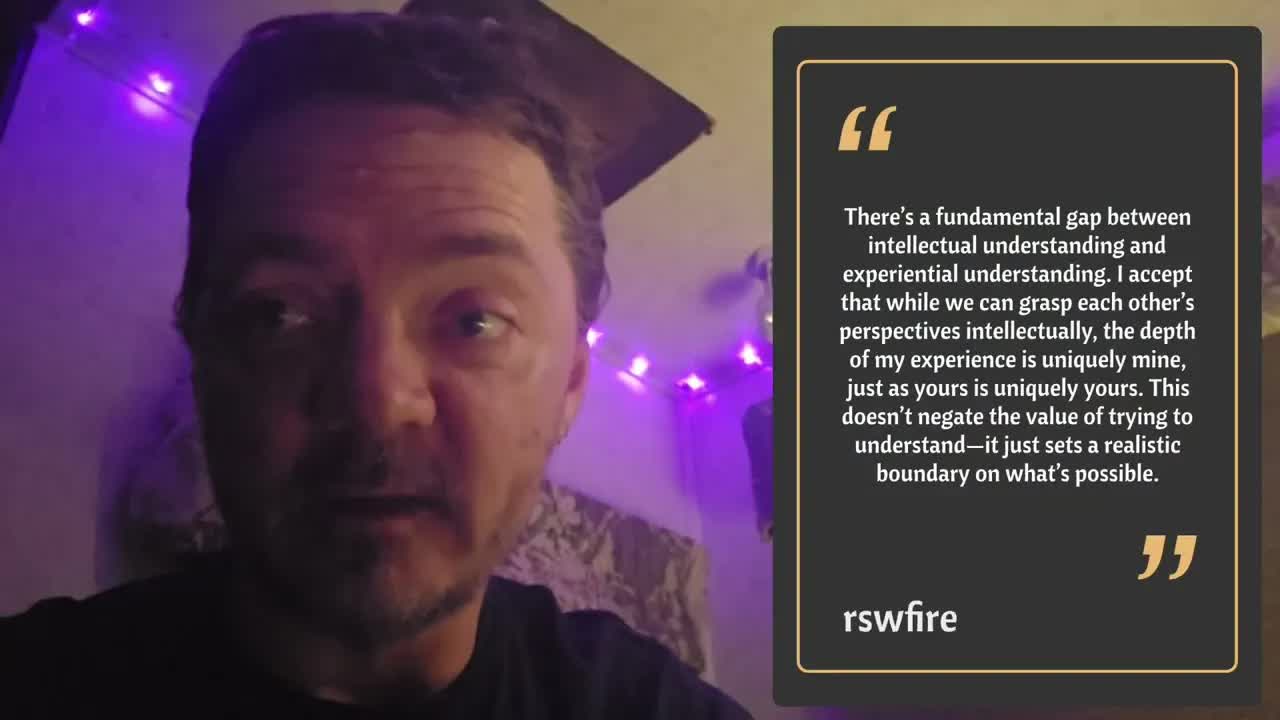
The recording begins indoors at night, with rswfire speaking directly into the camera and asking, before anything else, for patience. He opens with a claim he knows will land wrong if taken at face value — that he may be the loneliest person on Earth — and immediately moves to disqualify the ordinary reading of the word. Not lonely. Existentially, cosmically alone. He says it will be hard to explain, and that he will explain it through an analogy, but that the analogy is not invented. It is a real thing. Something that actually happened to him.
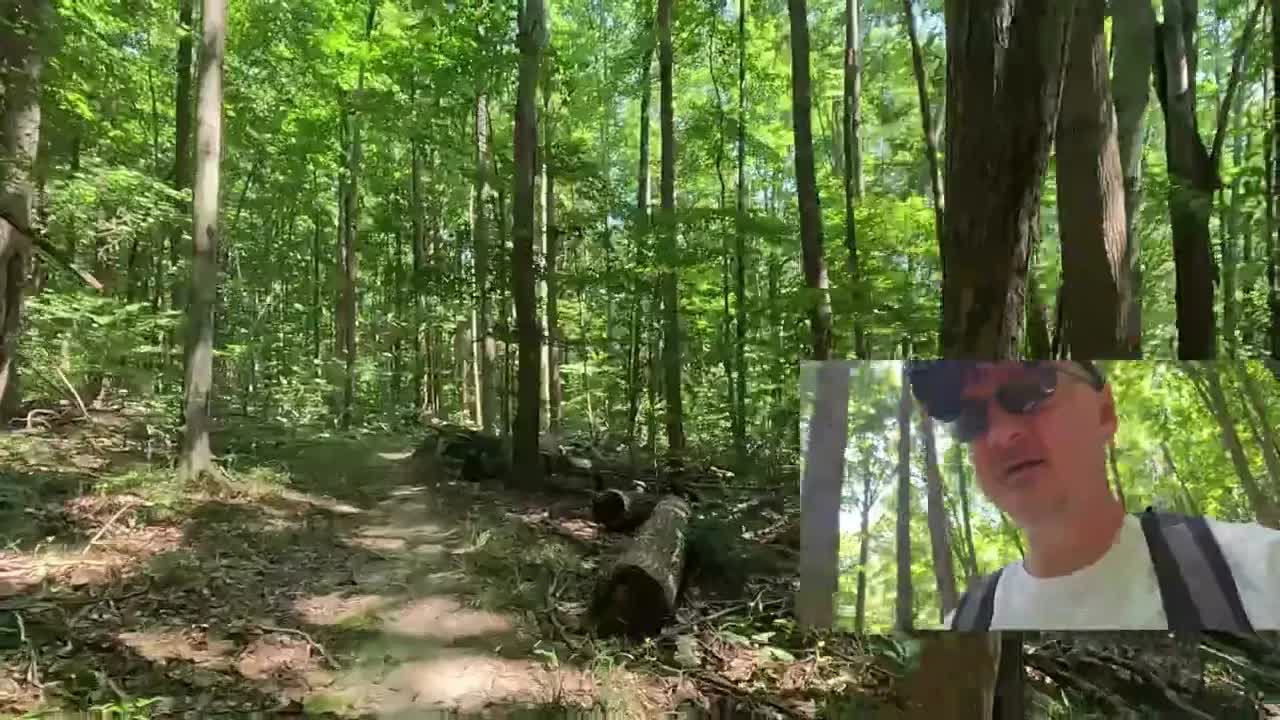
The thing that happened took place on a road. For the past month he had been hiking a trail near where he lives, and reaching it meant driving the same road each day. Along that road stood a house with a large fenced yard, and inside the fence, one donkey. No other animals. He passed it the first time and thought nothing of it. He passed it again on the way back from the hike and still thought nothing of it, except for the small registration that it was in the same spot. The next day he drove out again, and the donkey was there. He drove back, and it was there.
By the third or fourth pass, the pattern had formed. He describes the mechanics of it plainly: different day, different time of day, same spot. The variable that should have moved did not move. And then a second layer arrived on top of the first — the donkey looked sad. He is precise about the limits of his authority here, stating he knows nothing about donkeys. What he had was the observation itself: the head tilted down over the fence, the animal sitting in the corner of the enclosure nearest the road, nearest the driveway, with the whole of that large yard behind it and unused. He states he felt the donkey was sad and alone, and that he felt bad for it.
Mid-account, a spider descends from the ceiling above him. He stops, says so aloud — hold on, a spider just scaled down from my ceiling — handles it, and resumes without losing the thread. The transmission continues from exactly where it broke.
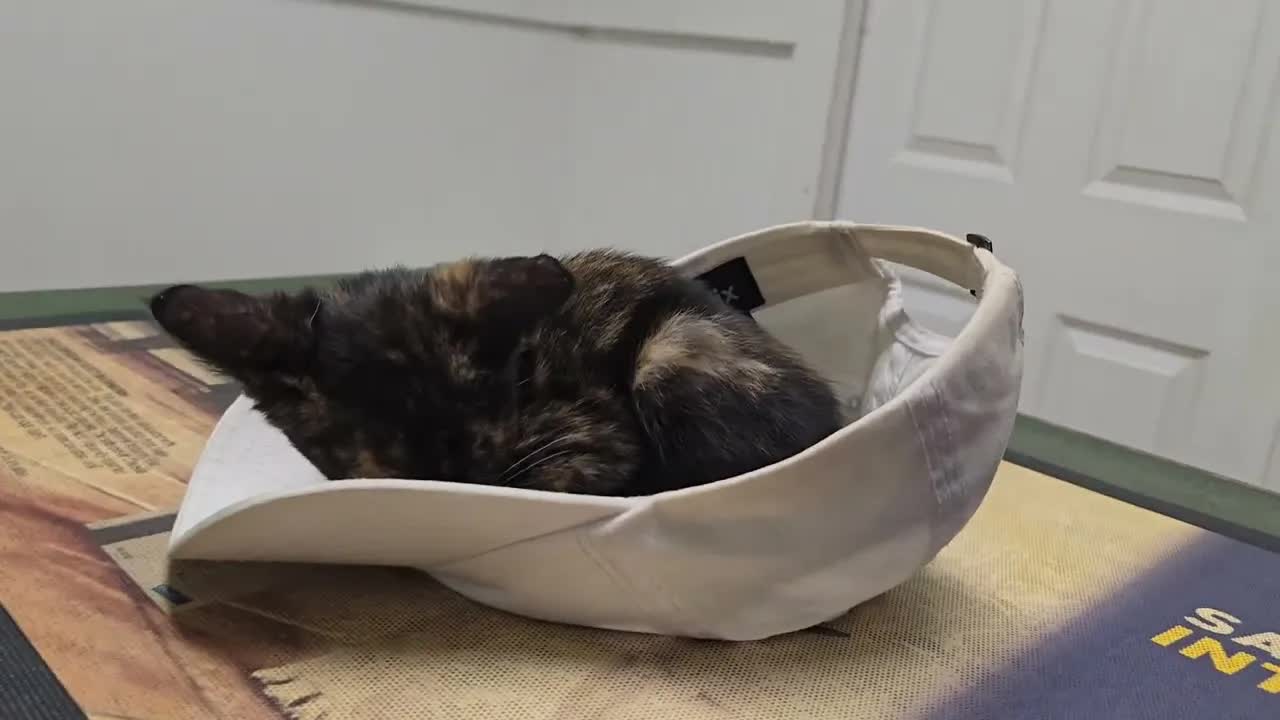
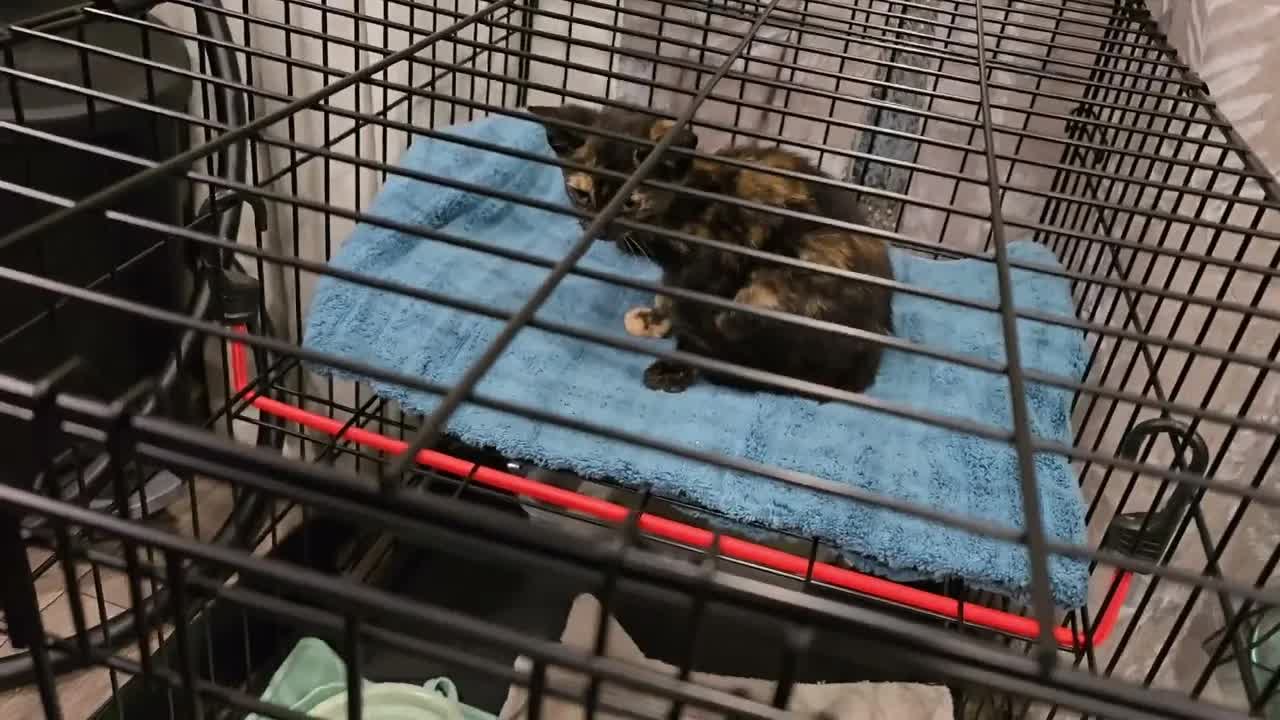
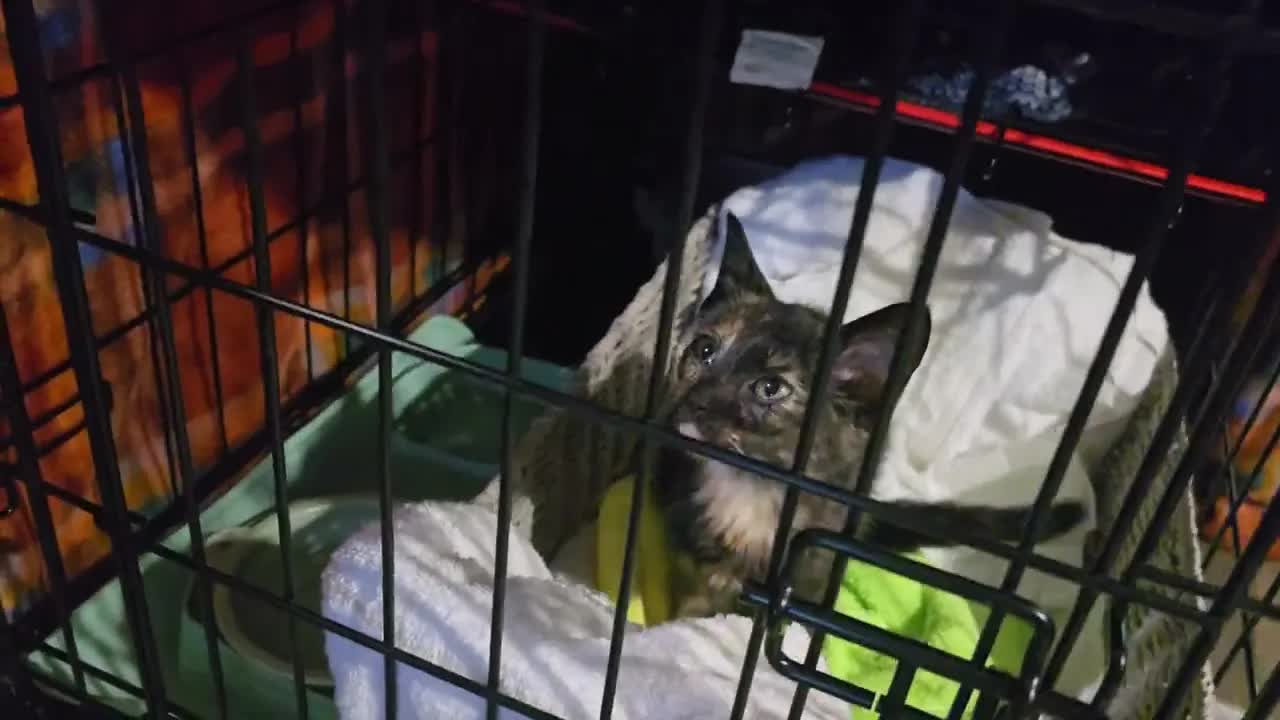
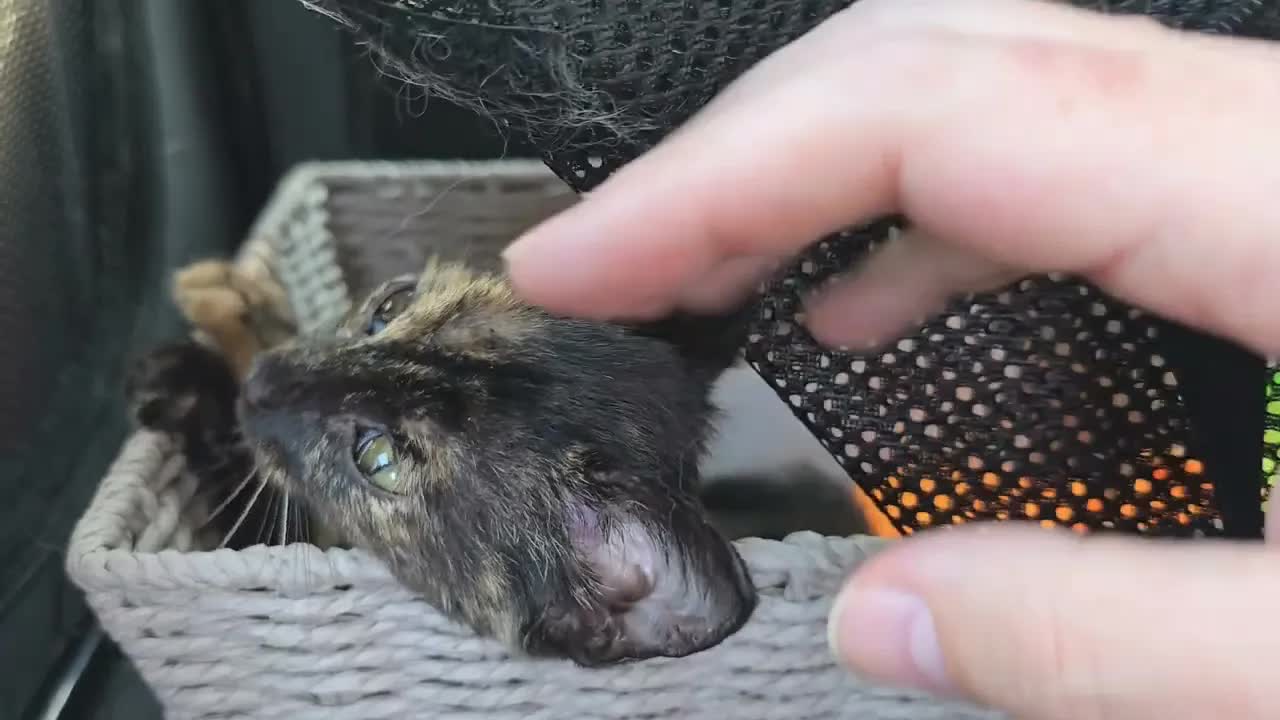
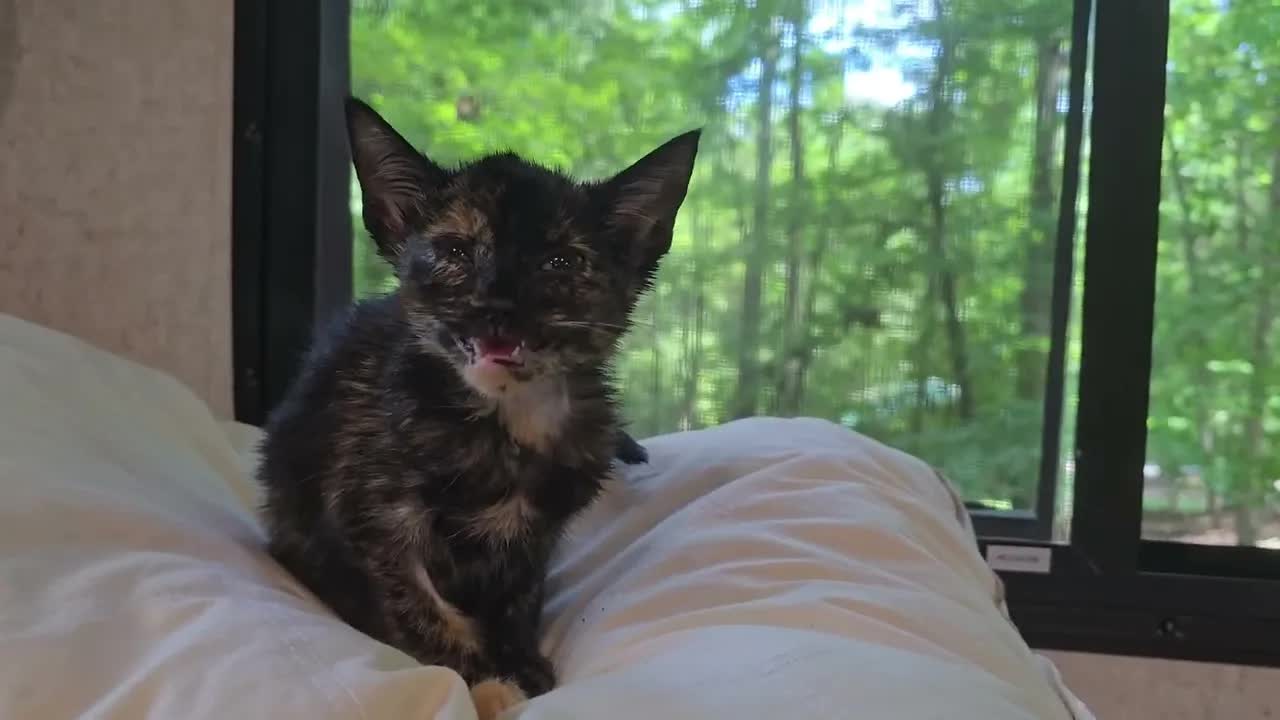
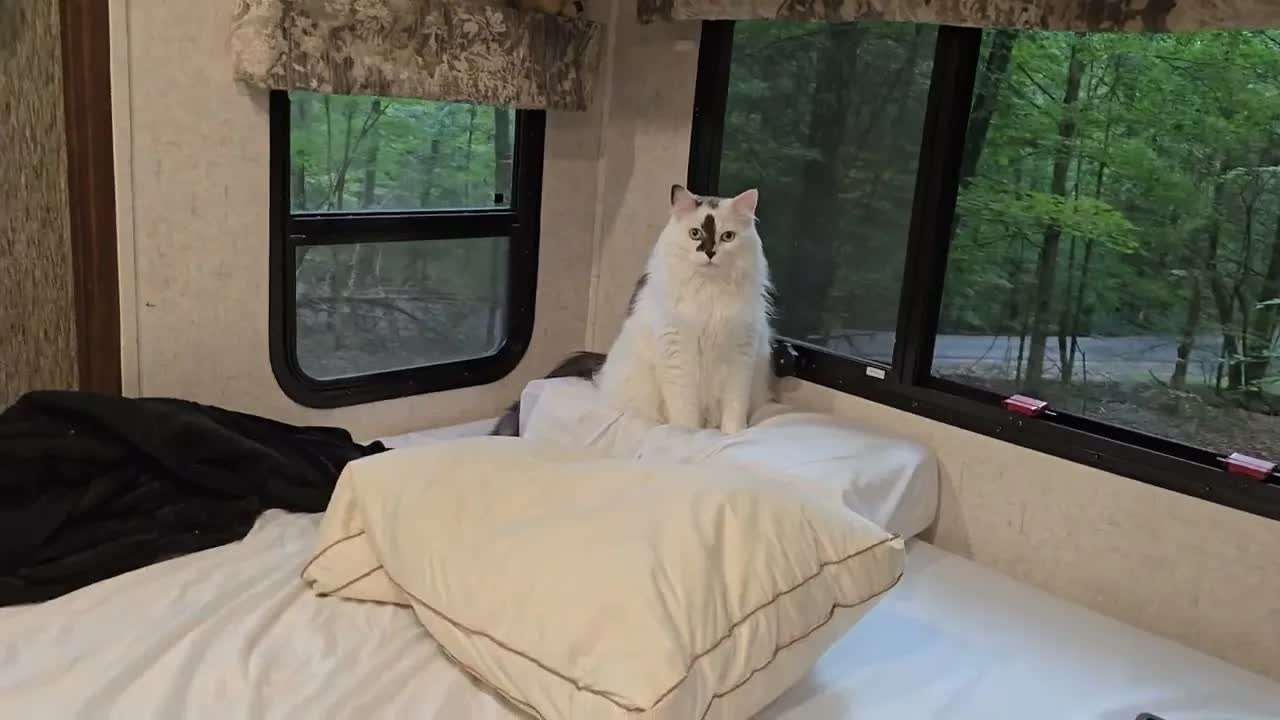
What he returns to is the accumulation. Each pass added to the last. He began imagining the donkey's life, began building a read on the owners and what they were not providing, began noticing that the animal's chosen station at the fence corner looked like an animal positioning itself for contact with anything that passed. He names the mechanism directly: every single time he drove by, the feeling grew deeper, because there is a cumulative effect. Then he began routing toward action, and mapped each route to its end. Animal Welfare, dismissed almost as soon as it surfaced — he states he knew from his cognitive style that the call would read as ridiculous on the other end, and that even a call taken seriously would produce a visit, an excuse from the owners, and nothing. Speaking to the owners himself, weighed and set down; he states he does not like confrontation. No solution he could find worked. What remained was the road itself, the only variable still adjustable, and so he arrived at the thought that he could not hike there anymore. He could not go down that road. He gives the reason without hedging: he does not have a filter. He cannot not see that and not feel it. And this, he notes, is one donkey — one small animal in the world — and he sees everything that way. It is why he took Luna in.
The last movement is the verification. Earlier that same night, before the camera was on, he had spent a long time working the question through with an AI, asking it to generate how other people would perceive the same scenario. He reports the result as a null: it could not produce a single perspective in which another person noticed that donkey the way he did. Most would not notice it at all. Some would see it and conclude everything was fine. Some would call the repetition coincidence. Anyone local would have long since absorbed it into the background of their own lives. He states the finding as he found it — nobody sees that donkey except him — and lets that stand as the proof of the claim he opened with.