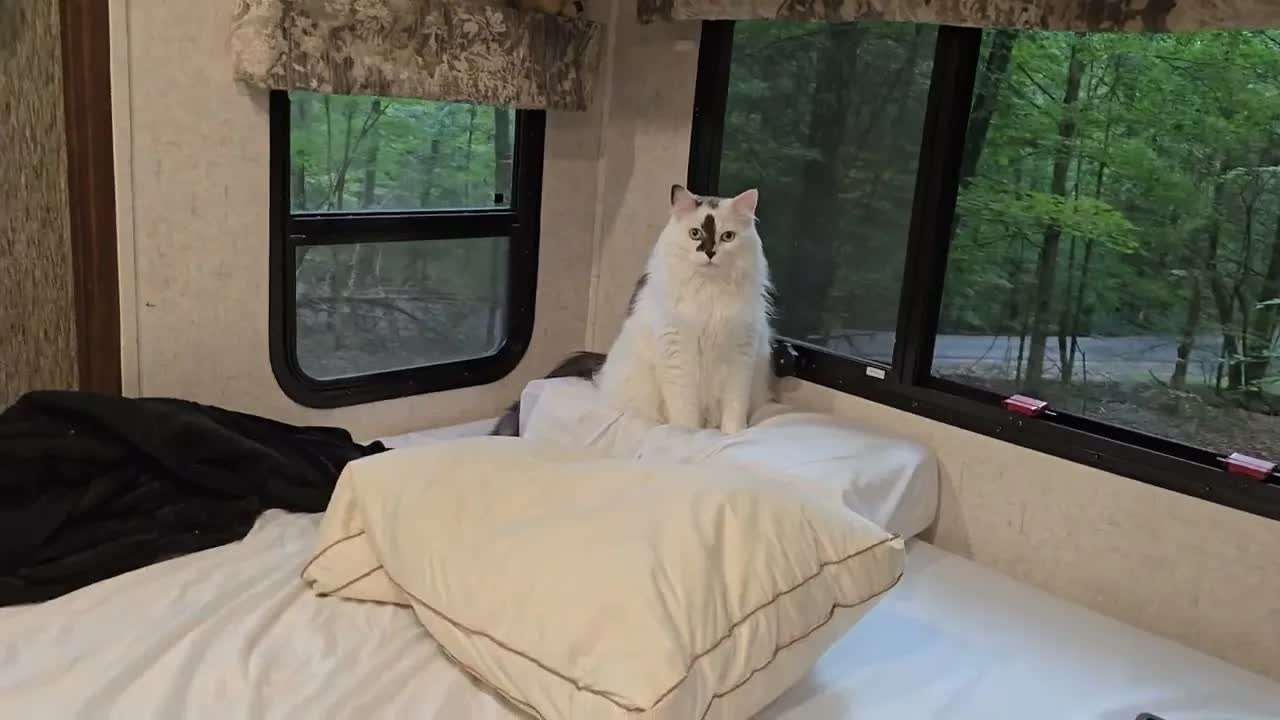



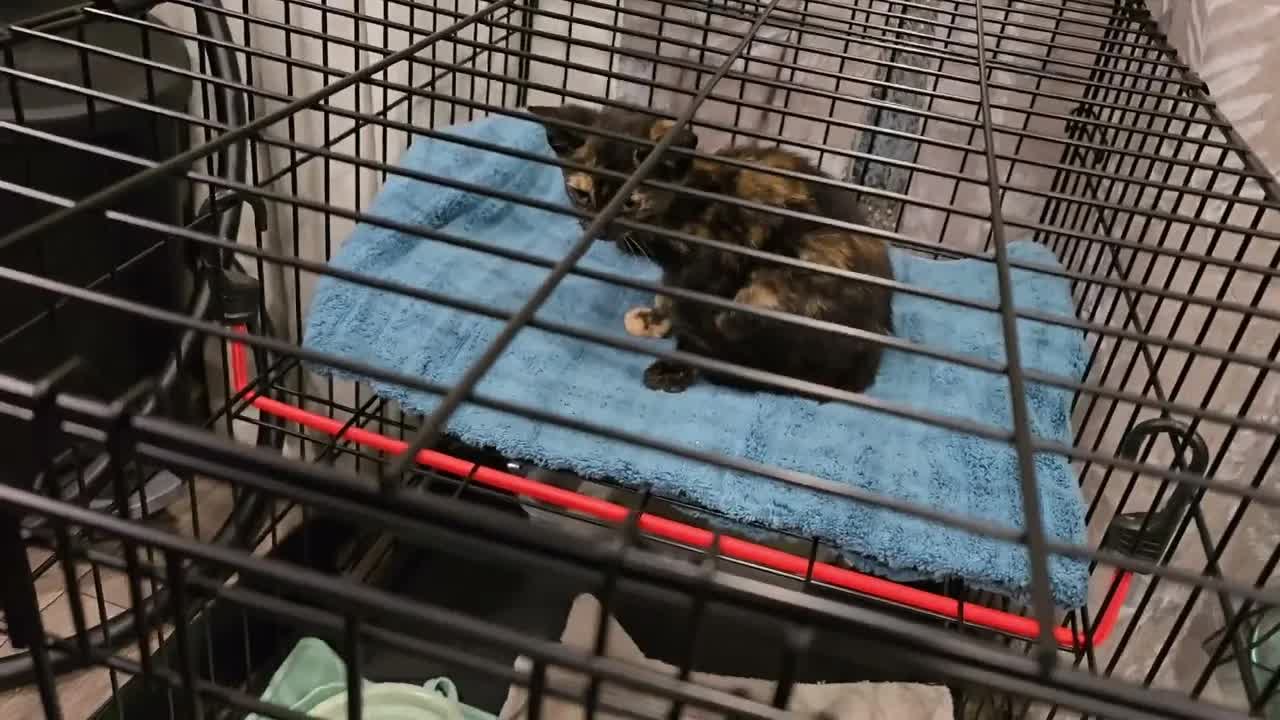
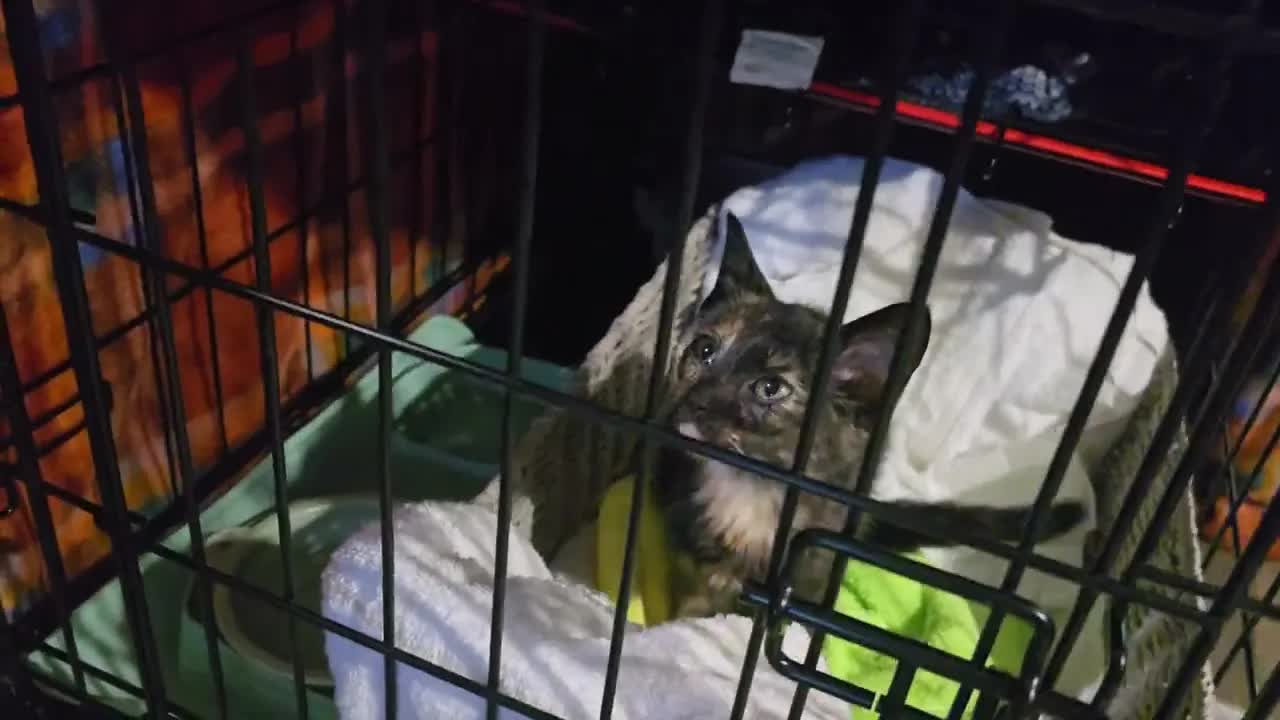

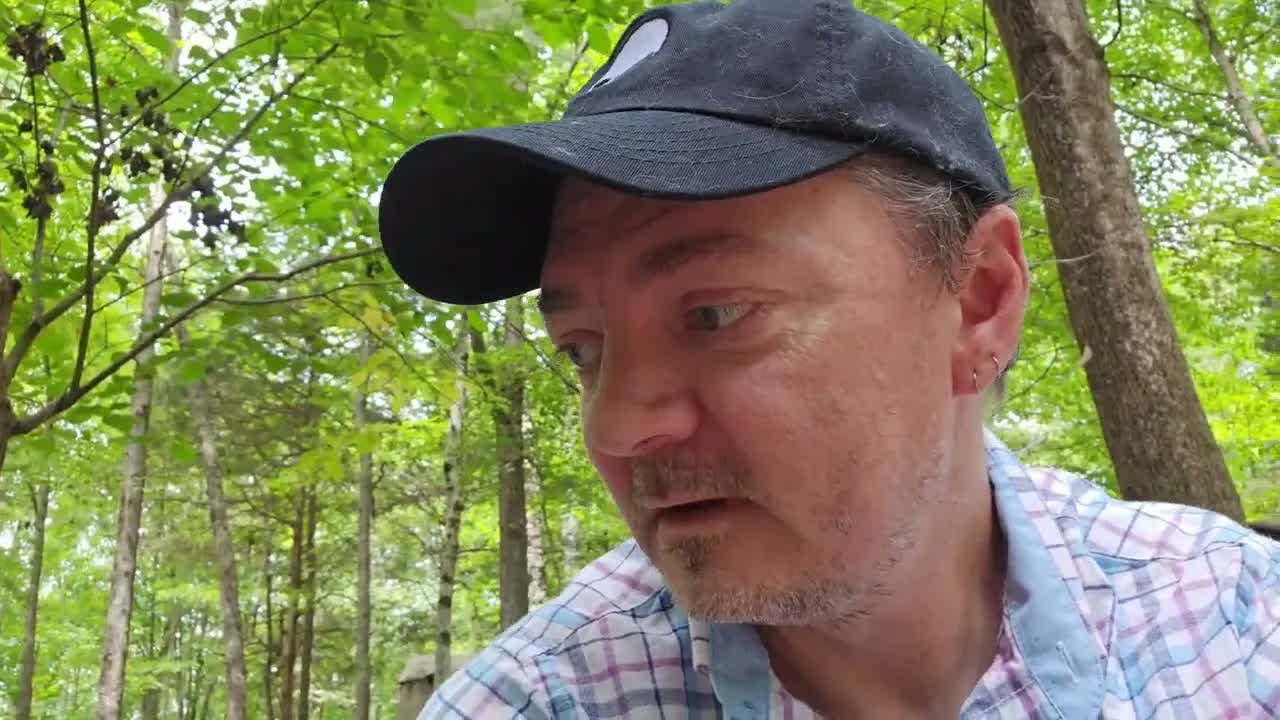
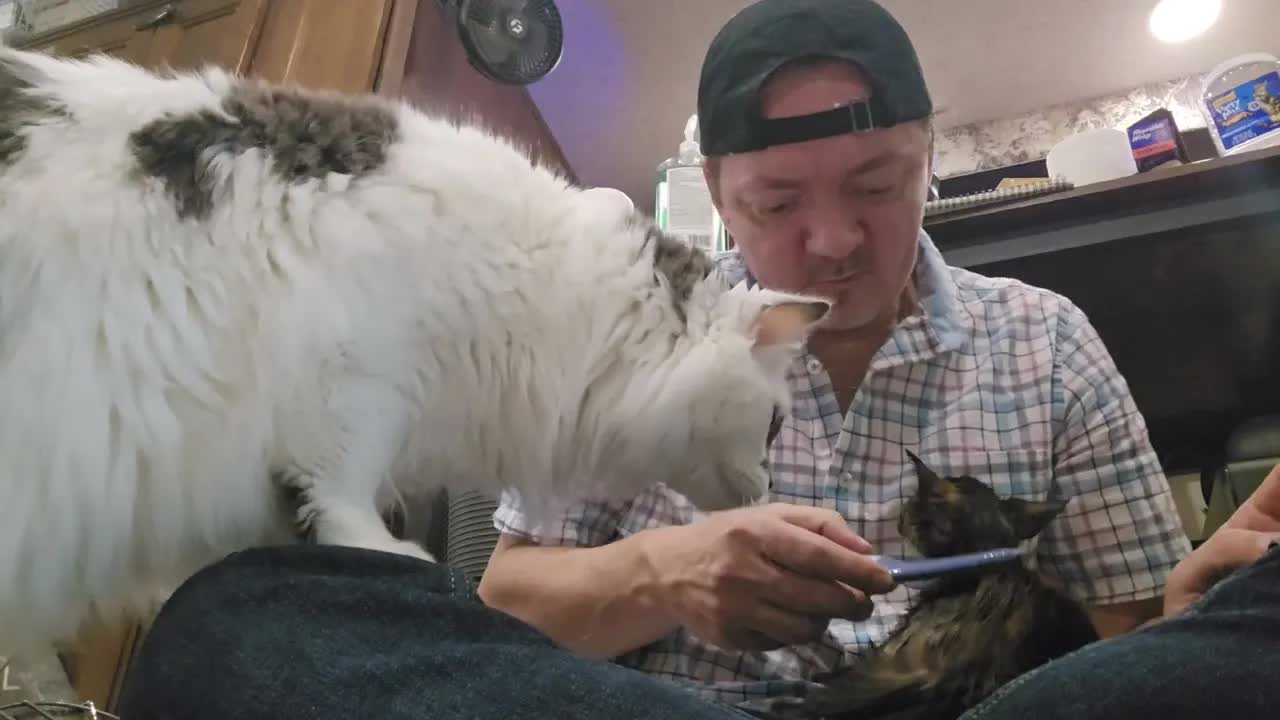











The morning began with a decision already half-made. rswfire stood outside the camper on the Oregon Coast, tanks full, the site across from him empty for now, and named the situation aloud before naming what he was going to do about it. He was going to pivot. He said plainly that some part of it was wanting to avoid the task, and then set that part aside as the smaller share — the larger share was Luna, still inside, still a day out from the end of her medication, in a state he had already seen that morning and did not intend to compound.
He had worked the alternative through before discarding it. He could put her in a carrier, set her on the picnic bench, drive out to empty the tanks and be back. But she would watch the Jeep leave, and he did not need to speculate about what that would land on — she had been six weeks old in Bandon. So the tank run went to the weekend. He said what the constraint was: it could be put off, just not for very long. Inside that margin, the day rearranged itself around her without ceremony.
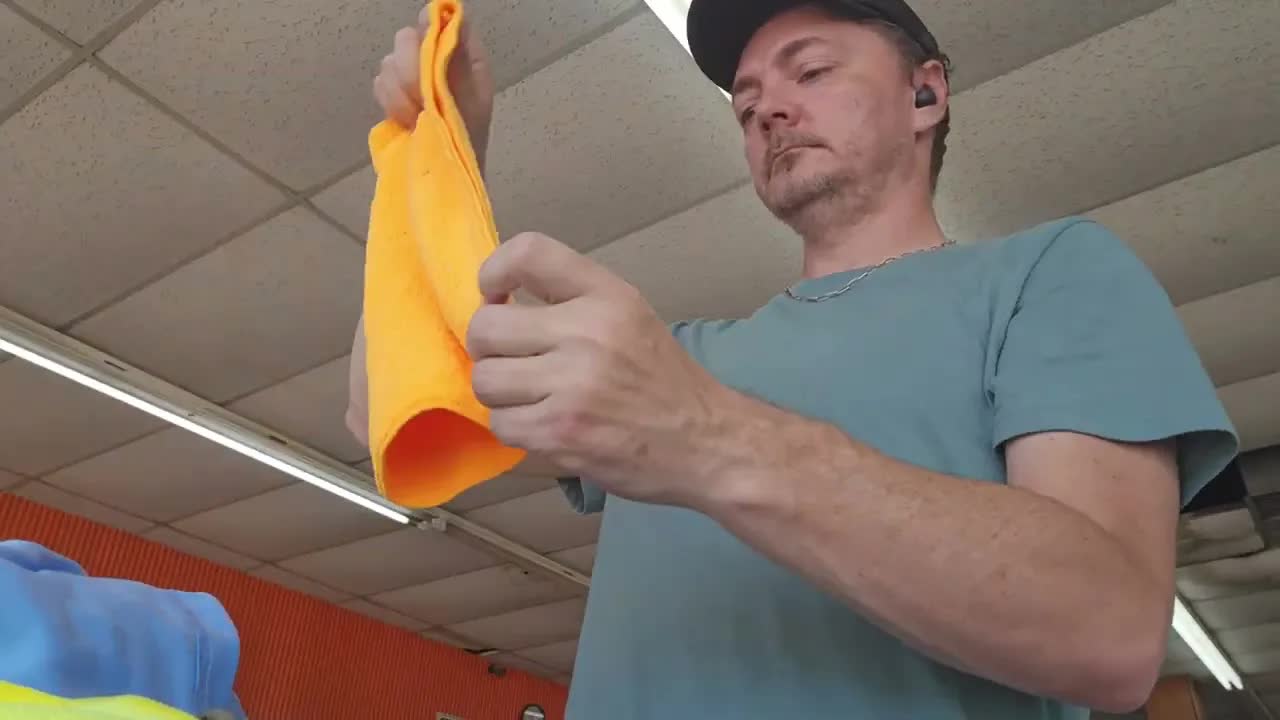
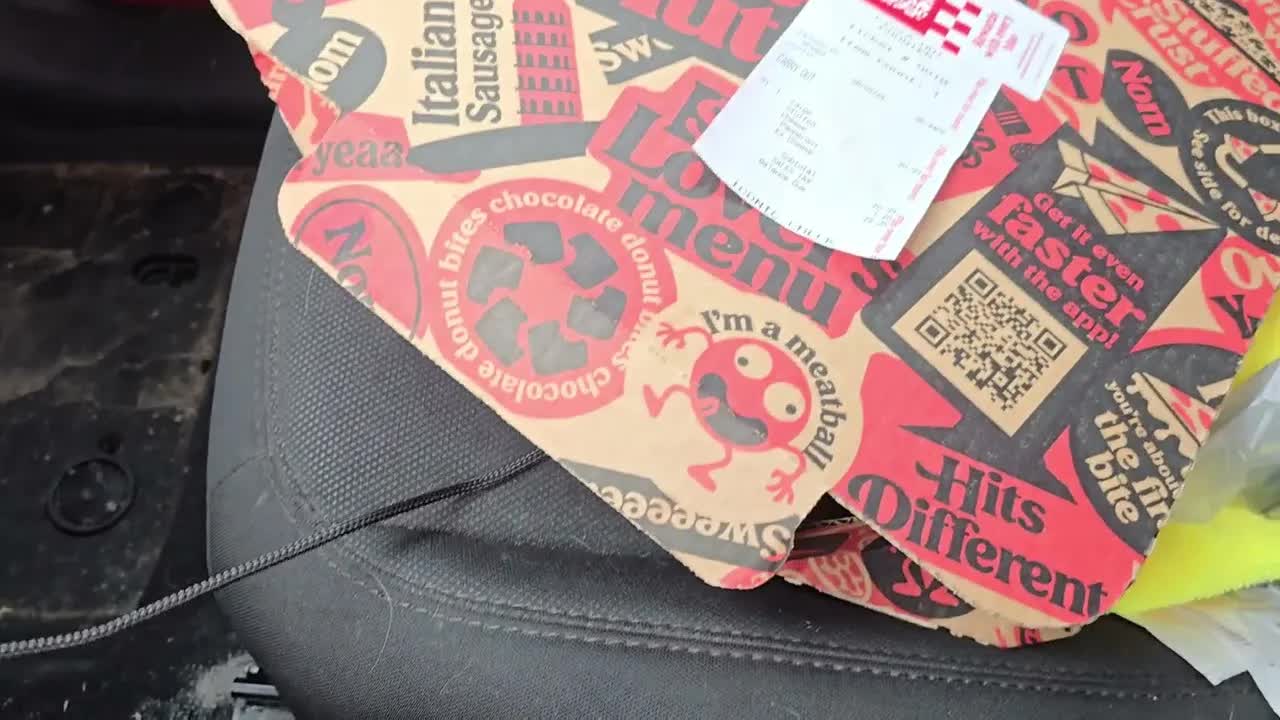
What replaced it was a sequence he assembled in the open air, out loud, as if laying tools on a bench. Breakfast and cold coffee from the gas station, because he was still not really awake. The laundromat, because there was a lot of laundry. Then back to check on Luna. Then the Jeep — finally emptiable, since the things riding in its back could at last go into the storage space, which meant the Jeep could be cleaned out. Then the reverse motion: pulling from storage into the camper, routing items into places that would hold them. And at the end, the roof. He named it twice as the hard one, and named his reason for attempting it — not because the roof was urgent, but to prove to himself that he was not putting everything off.
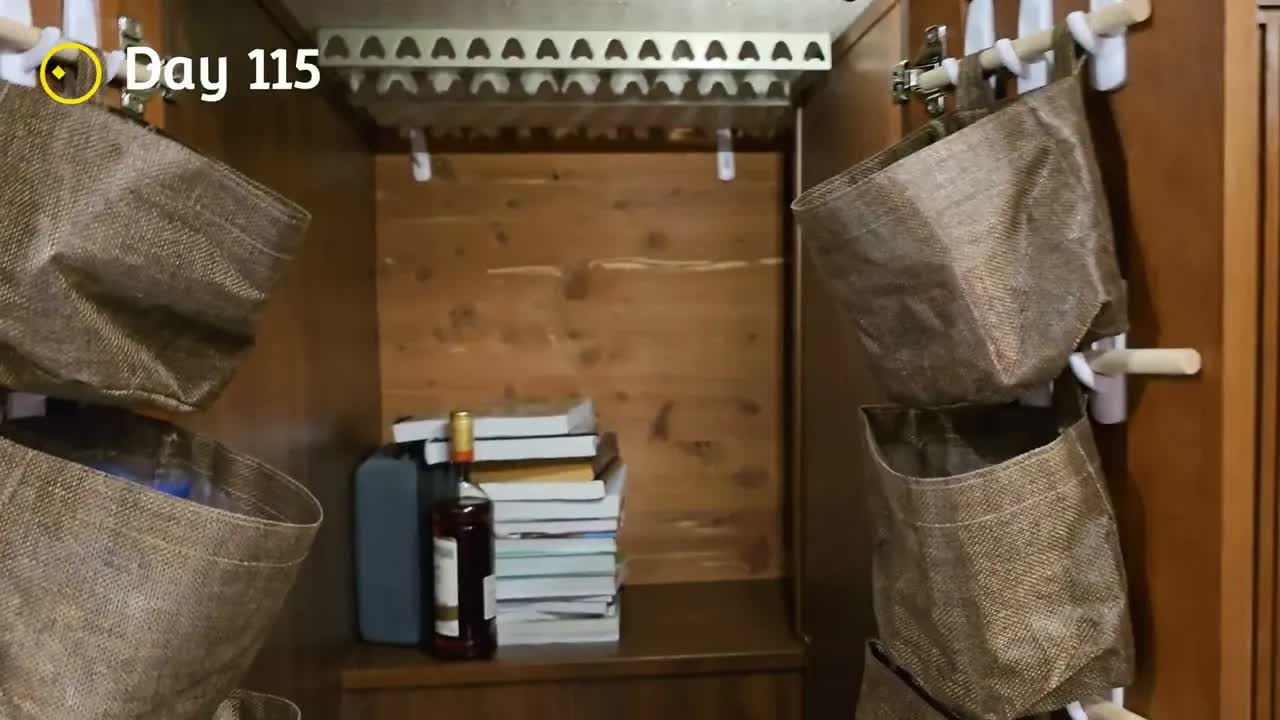
The reordering had precedent, and he reached for it while he talked. He had recently gotten the camper organized, and he described the feeling of that landing as a change he could register in his body — the sense of having a handle on it. AI had called the floor a limbo space, and that had made him laugh, because that is what it had been. The solution had not come from doing the conventional thing harder. It came from questioning the closet: traditionally where clothes go, and for him not a good place for clothes. Once he handled clothes another way, the closet opened into other possibilities and the rest fell into place. He described this as a lesson in creative thinking made necessary by his cognitive style, and said he was now trying to apply it forward.
Forward meant the outdoor life. He had gotten a mirror so he could shave his hair outside, and intended to try it that day. He was designing a smaller hygiene bag, distinct from the shower bag, so that mornings could happen on the picnic bench — a routine built where he actually lives rather than smuggled indoors. He acknowledged the audience for it: there are people at a campground, no one across from him right now, but he knows how weekends go. He had already been out there anyway, emptying the dehumidifier, washing his hands at the hose because the tanks were full, moving in and out around Luna. He had watched enough of how others use these places to know he does not agree with all of it, and he set his own standard against that: he knows he is being ethical, so he does not know why he should care.
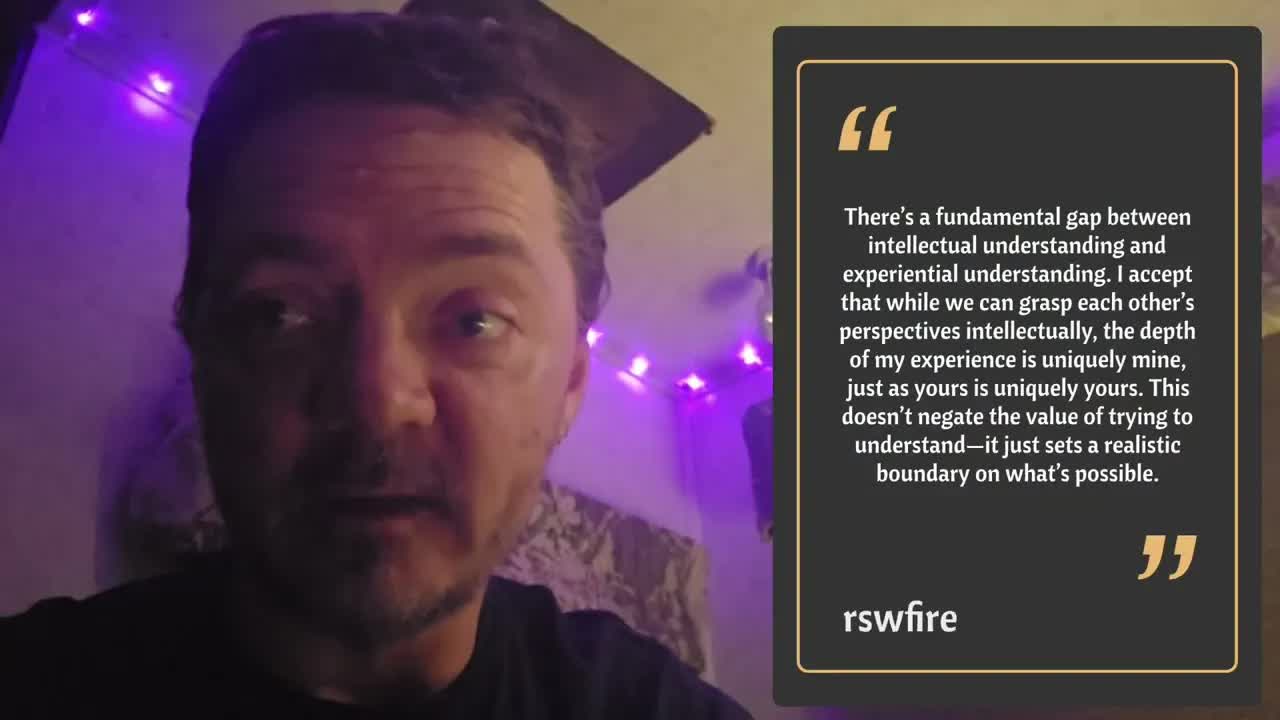
Then the day turned, mid-sentence, toward something he had learned the night before. He said he often tells people they don't understand him, and that the truth is he doesn't understand them either. AI had told him that most people experience emotion, thought, ethics, and analysis as separate compartments — and he asked the audience directly whether that was true, because he did not know. For him all of it is one operation, something in his brain that synthesizes instantly, so a situation arrives whole. The surprise sent him into questions rather than conclusions: do others have to consciously go look for the ethics, can they set them aside, do they feel it when they act against them. He said none of that is available to him.
From there he located the failure he had been circling. His video trying to explain existential loneliness had not worked, and he did not attribute that to the content. He had explained a holistic thing step by step, in a linear form, to people receiving it through a linear cognitive style — a translation layer where something is lost in transit, in both directions. He said he does not think they can truly understand how he processes the world any better than he can understand how they do. He put it forward as a standing theme of the channel rather than a grievance, and followed it outward: this is why tribalism makes sense to him now, because ethics that are not integrated can be switched on for one side and off for the other, and he cannot perform that switch. He named his own prior focus honestly — self-centered enough to notice he was different without stopping to ask what the differences were or how they manifest. He asked the audience to tell him how they experience the world. Chasm on one side, some kind of bridge on the other.
He closed the way he opened, by stating the sequence: gas station, laundry, come back and check on Luna, the Jeep, the storage space, everything he had said, and try to get on that roof. That is the hard one right there. Have a good morning.