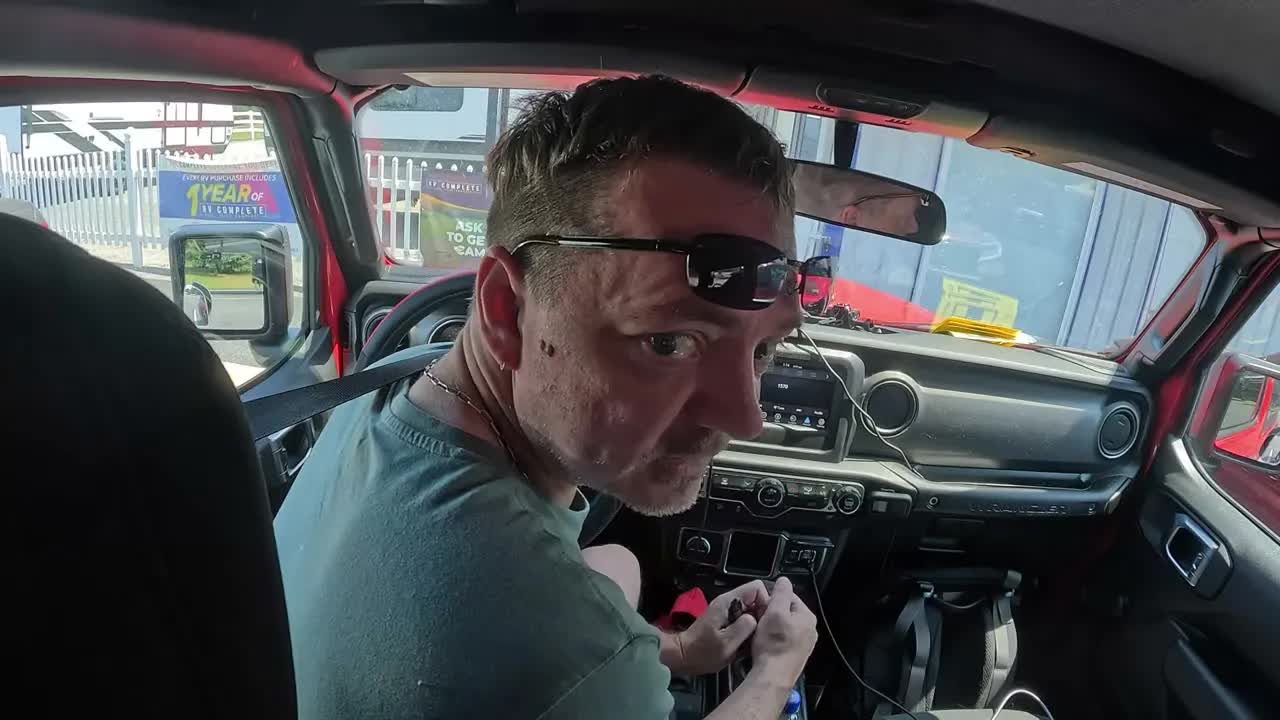
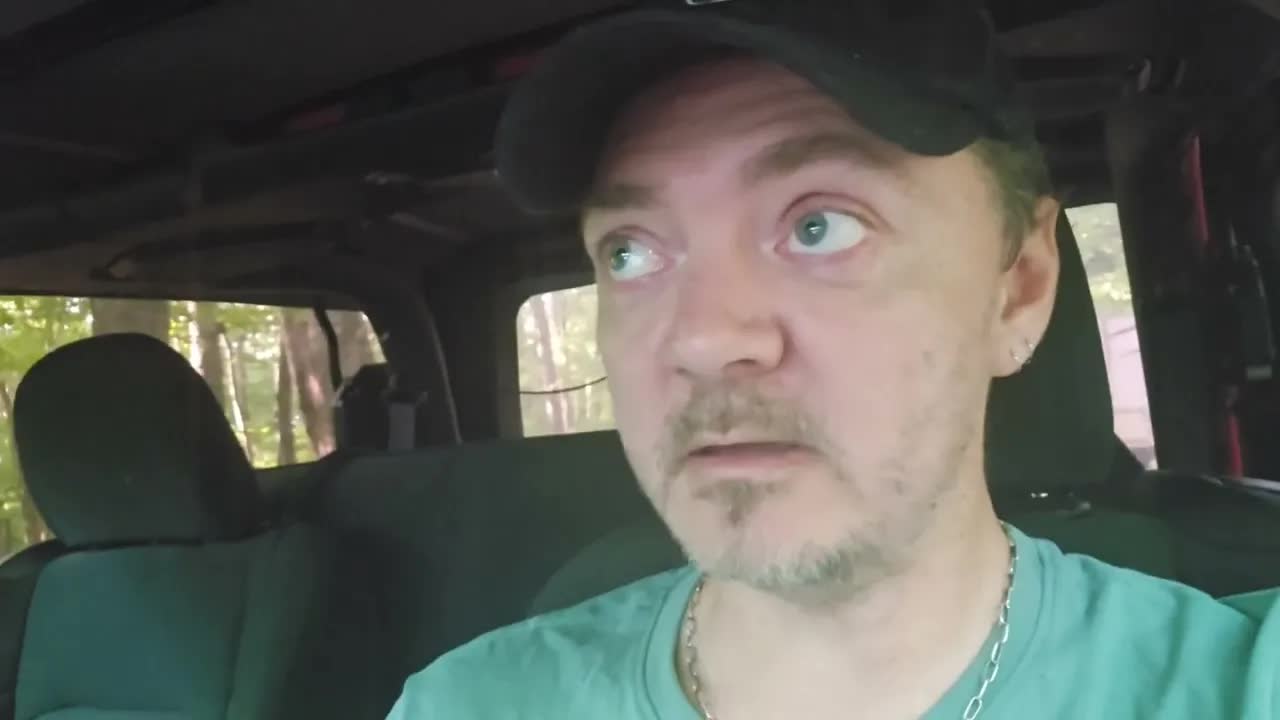
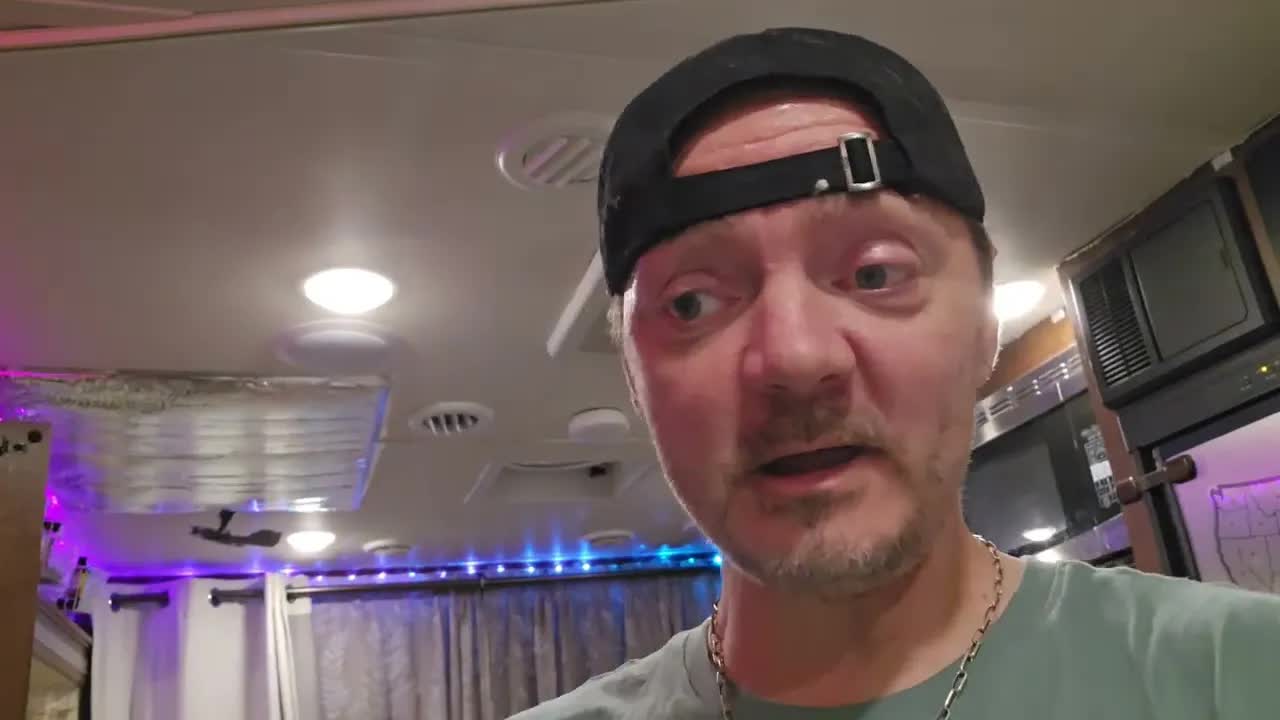
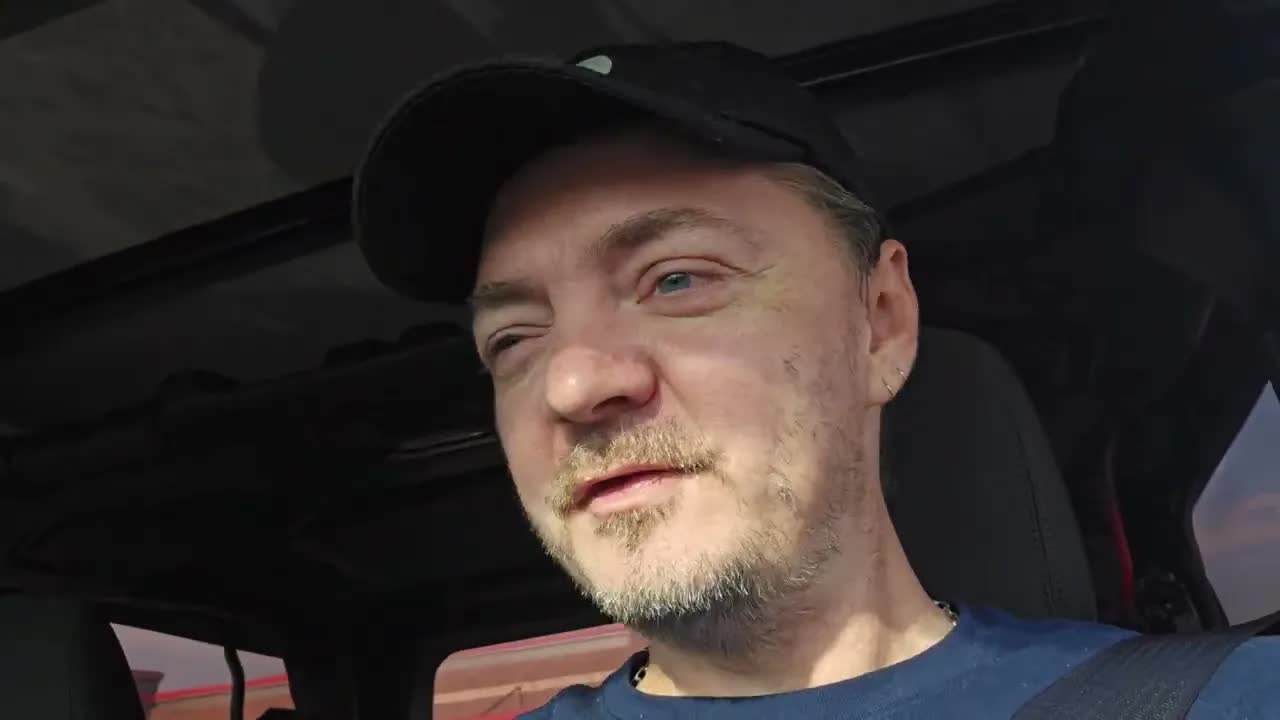
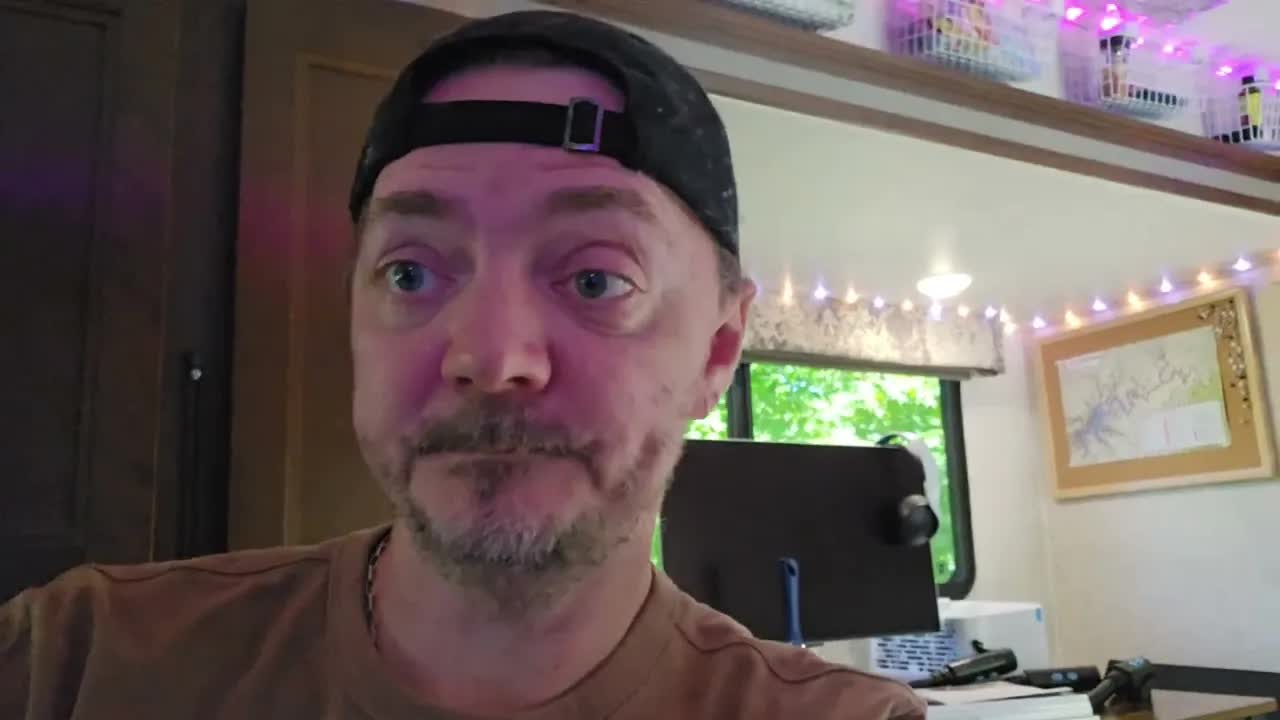
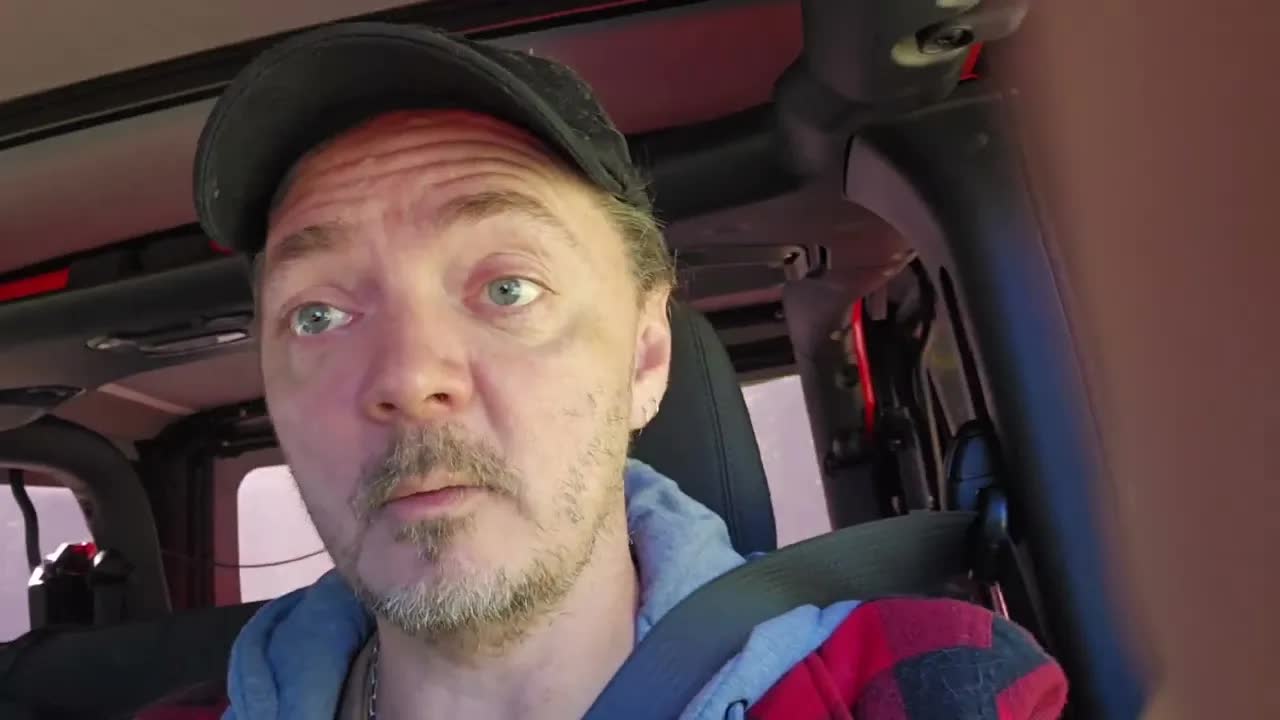
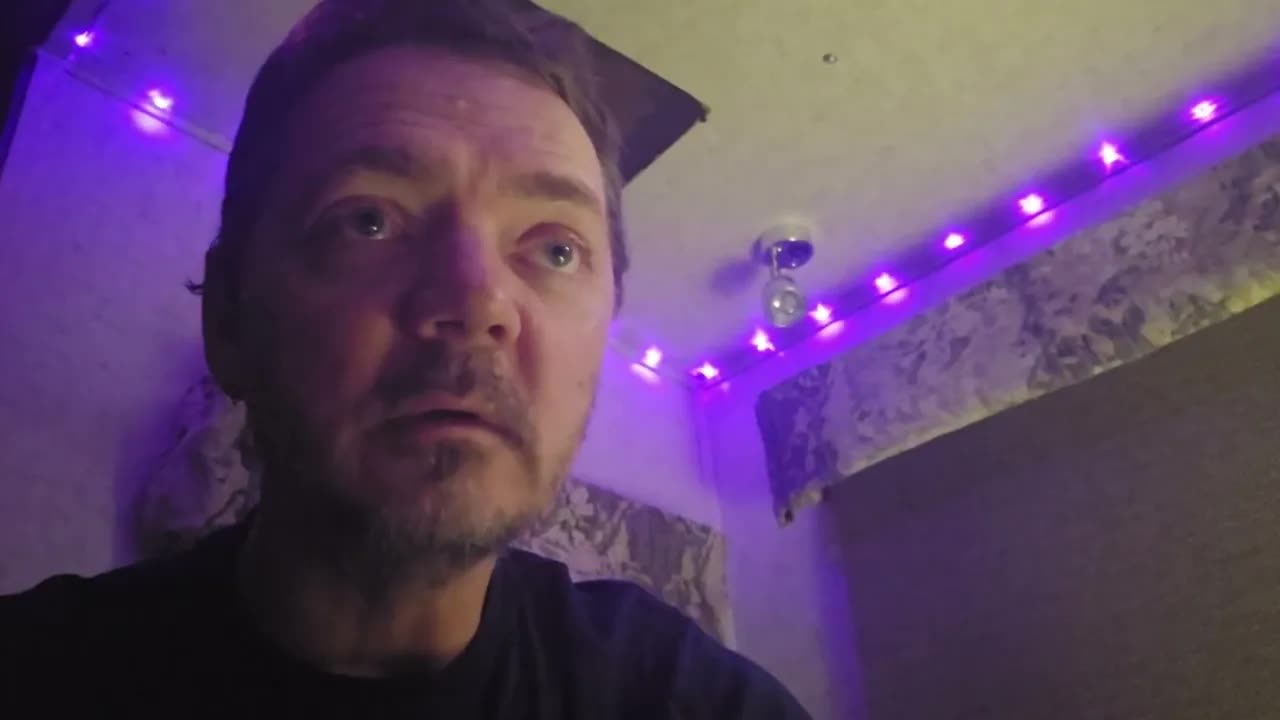
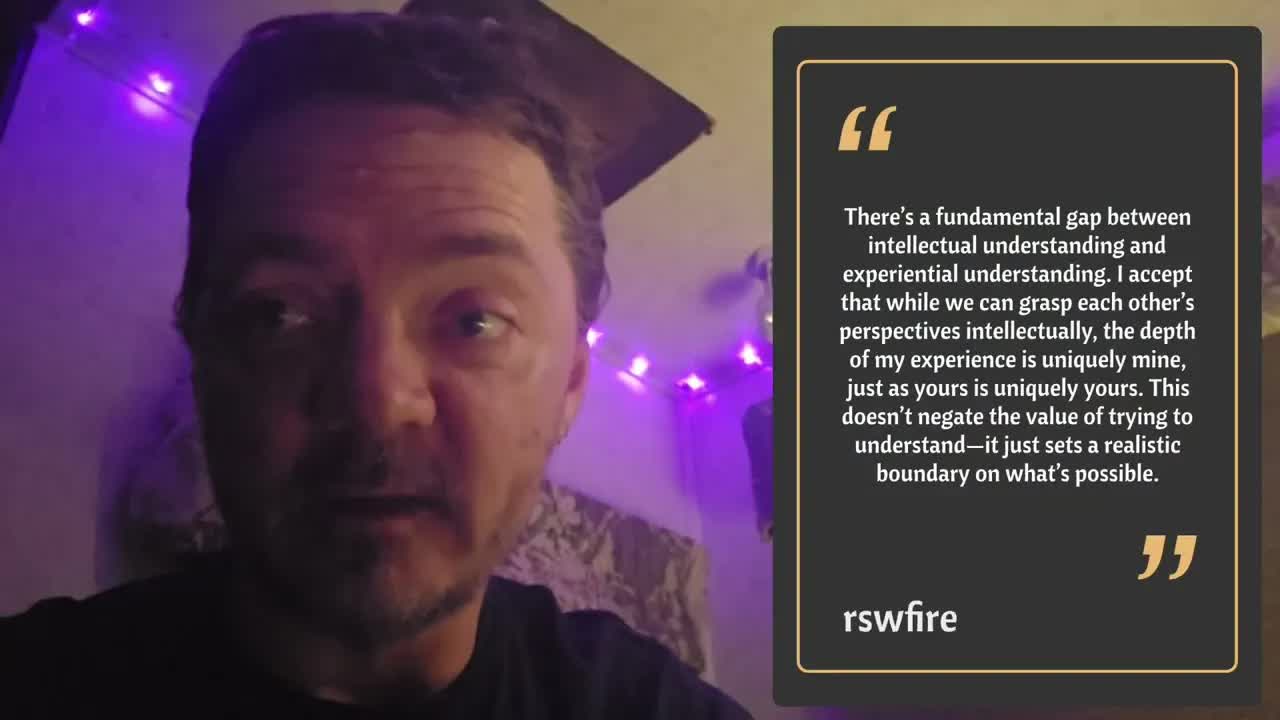
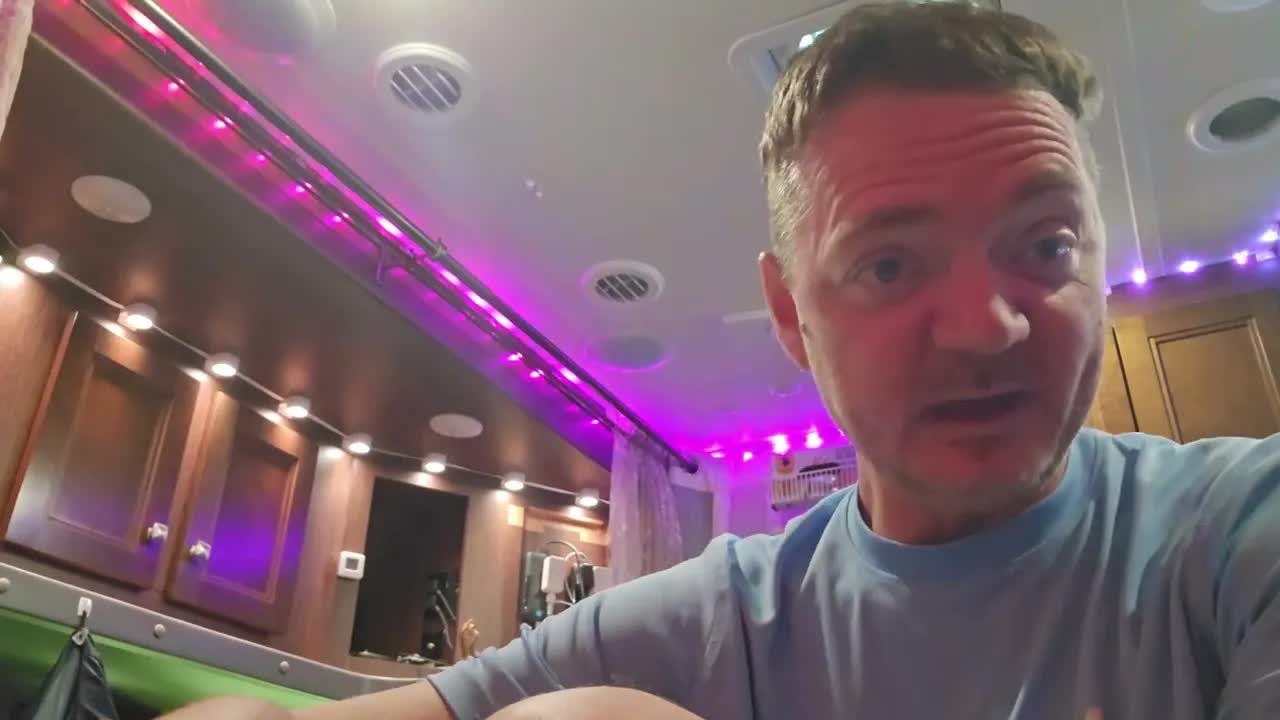
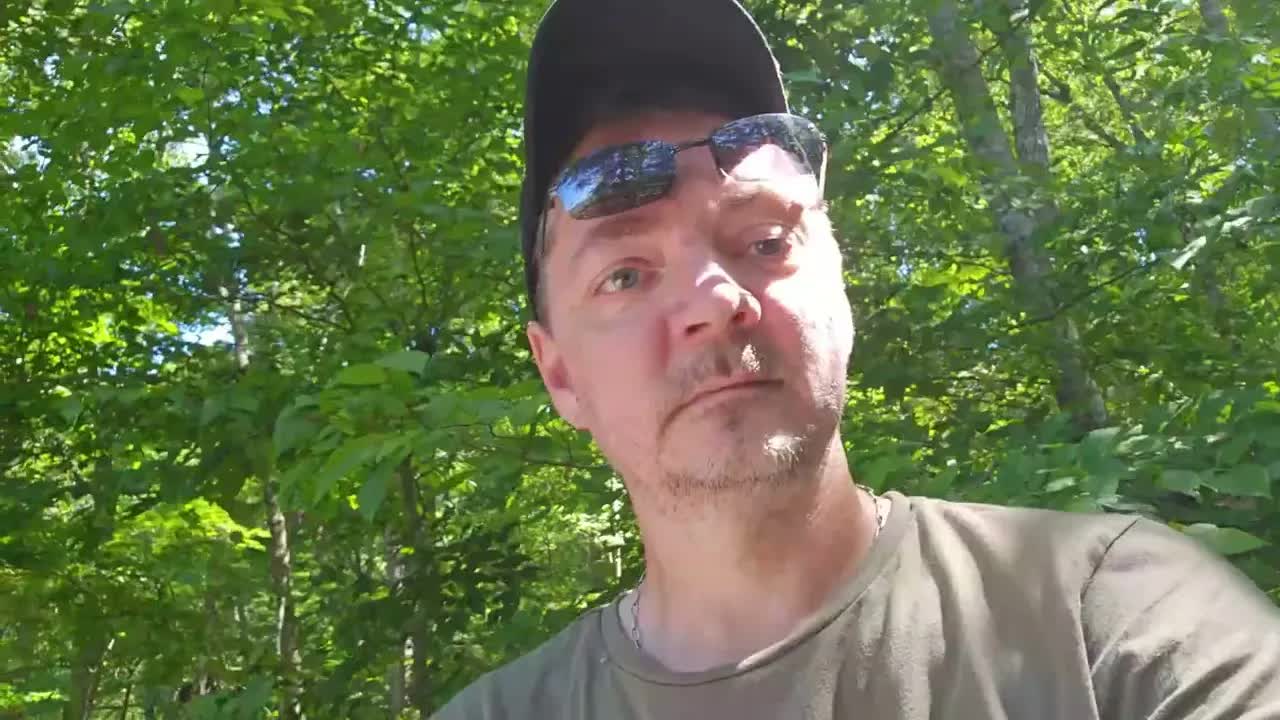
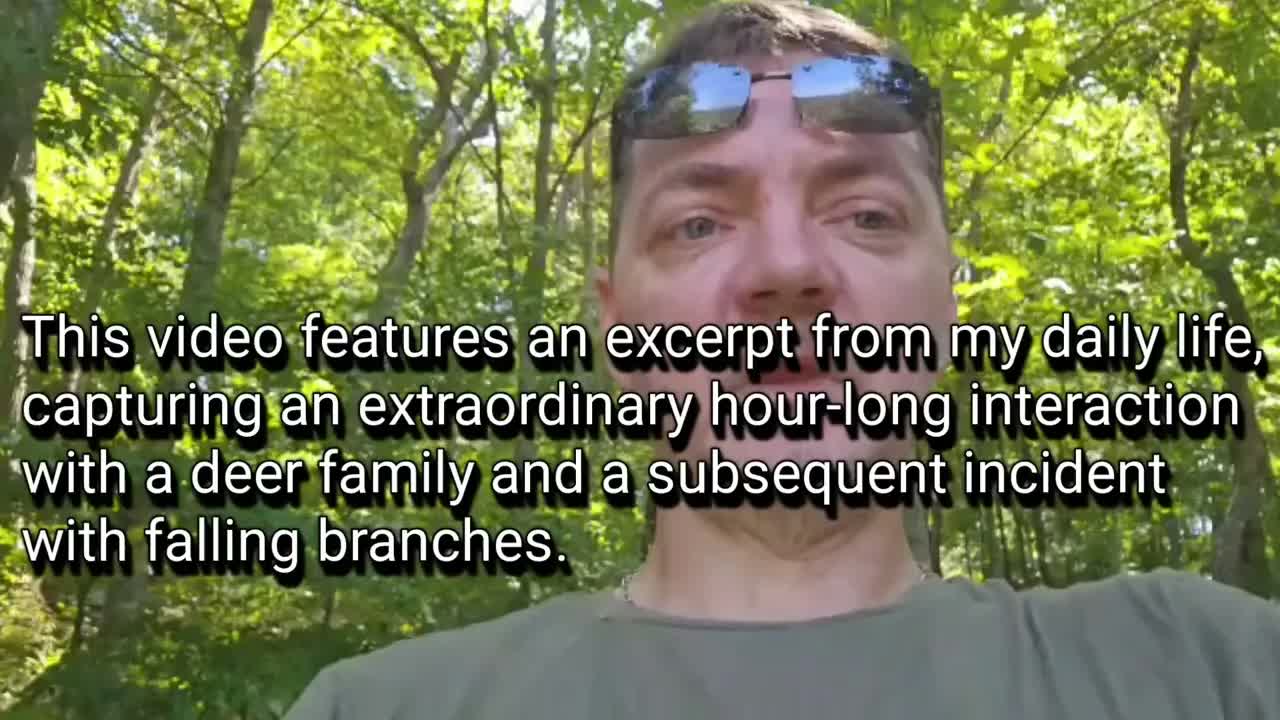
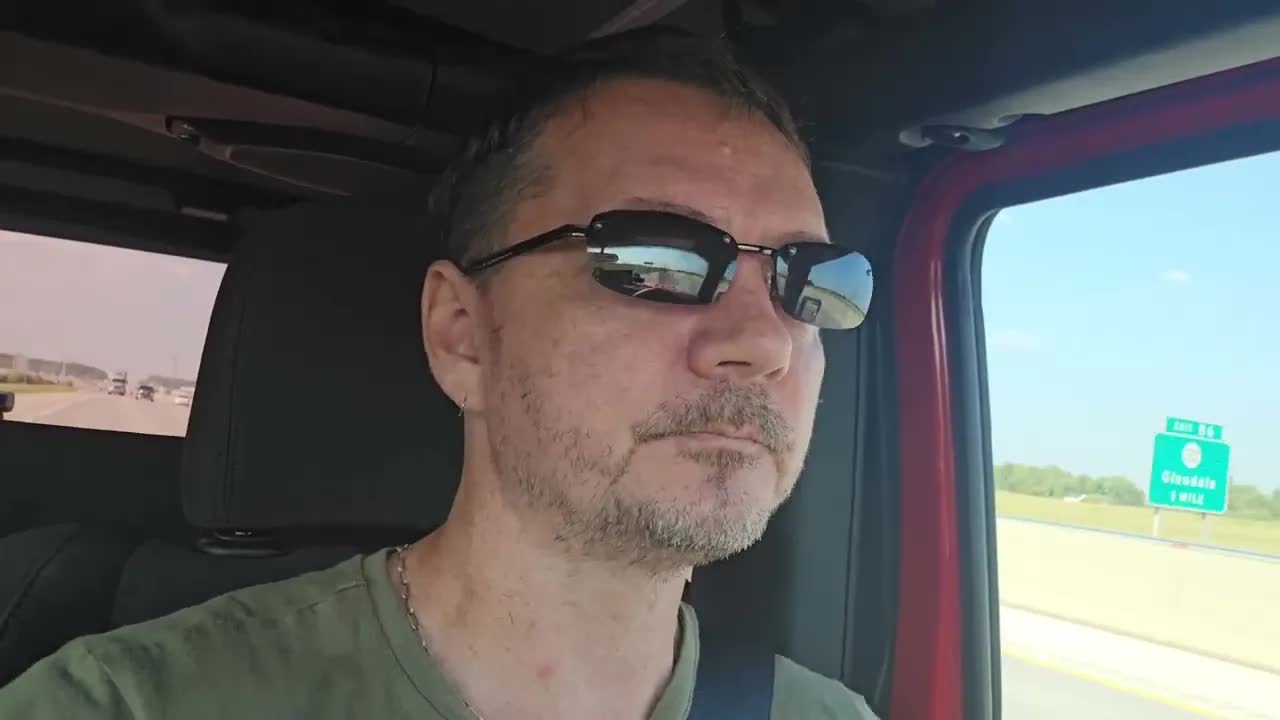
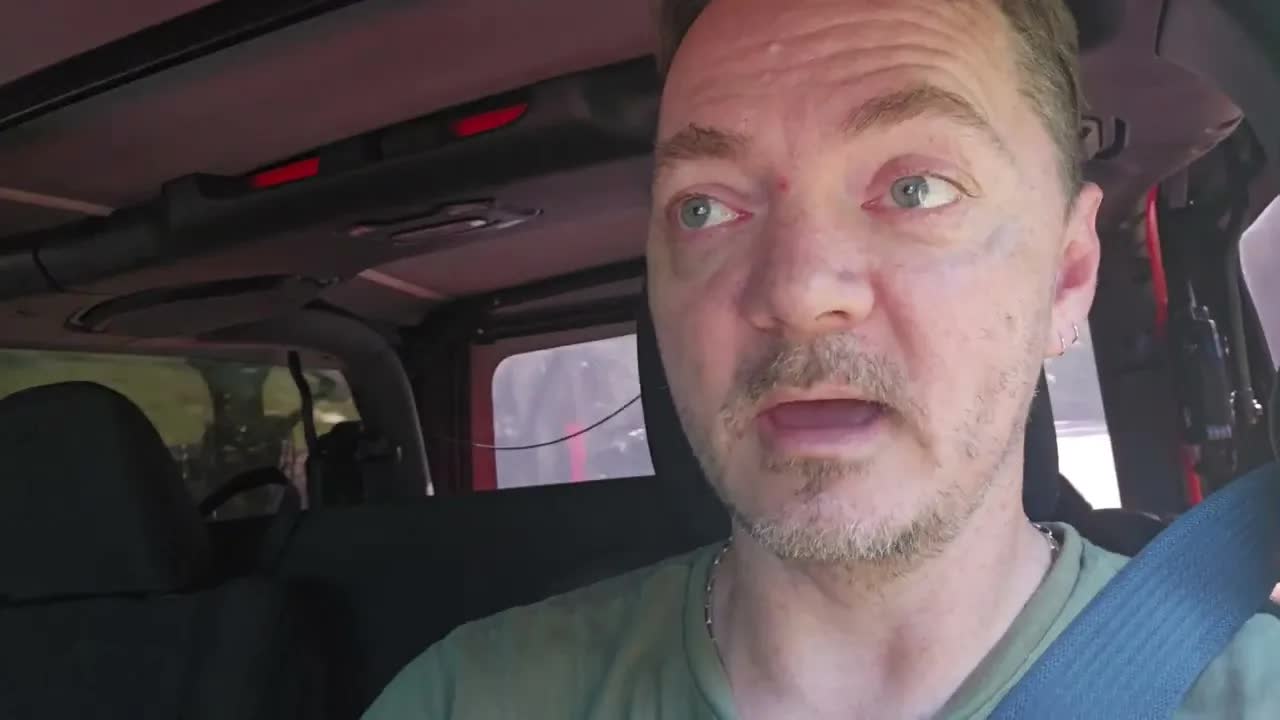
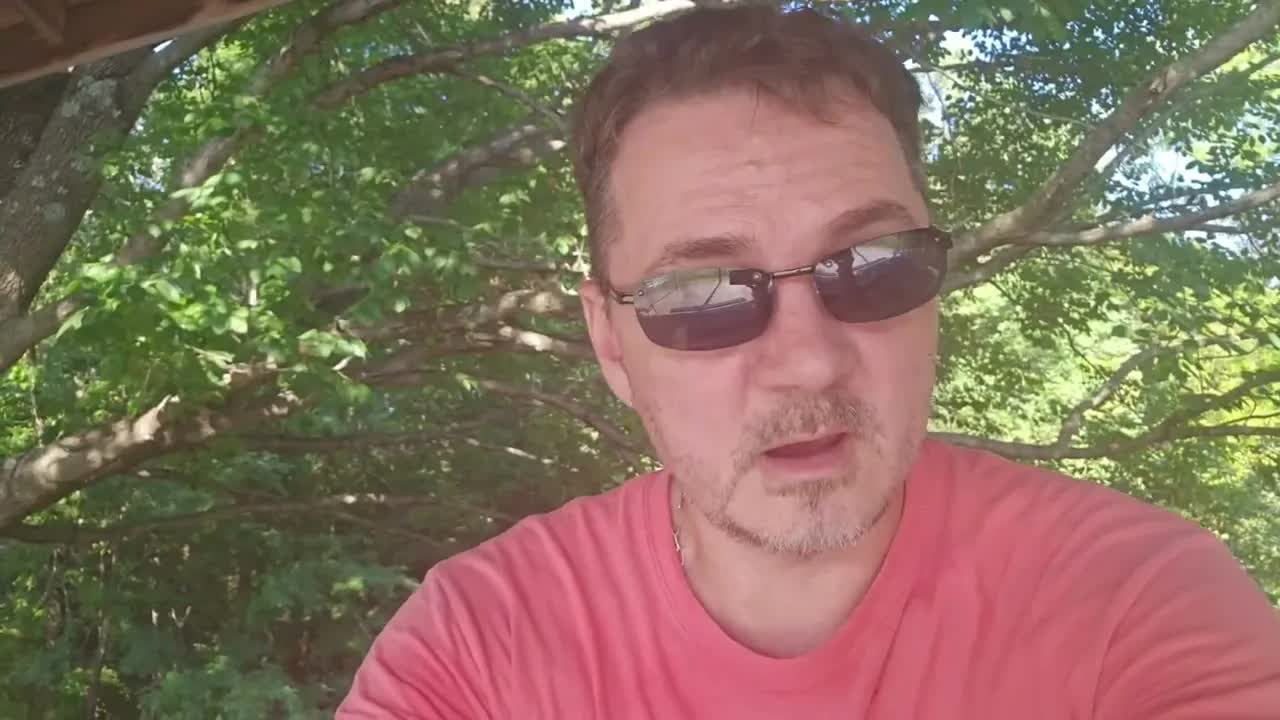
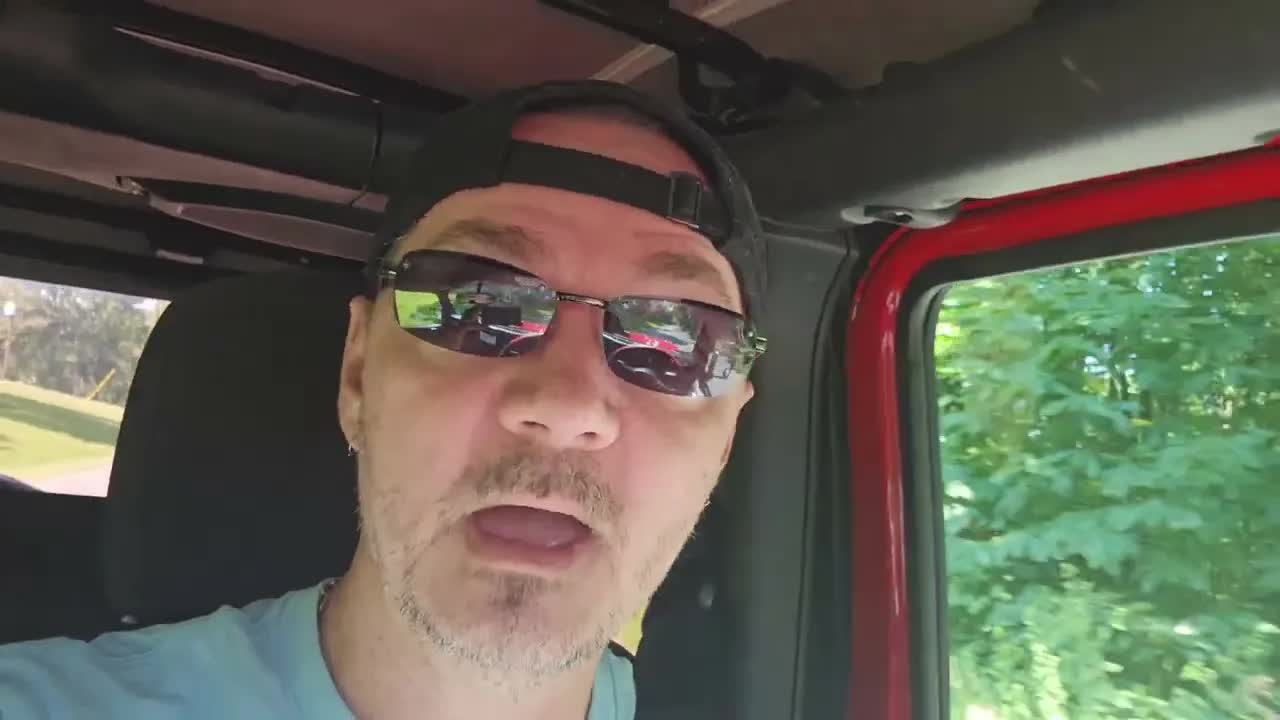
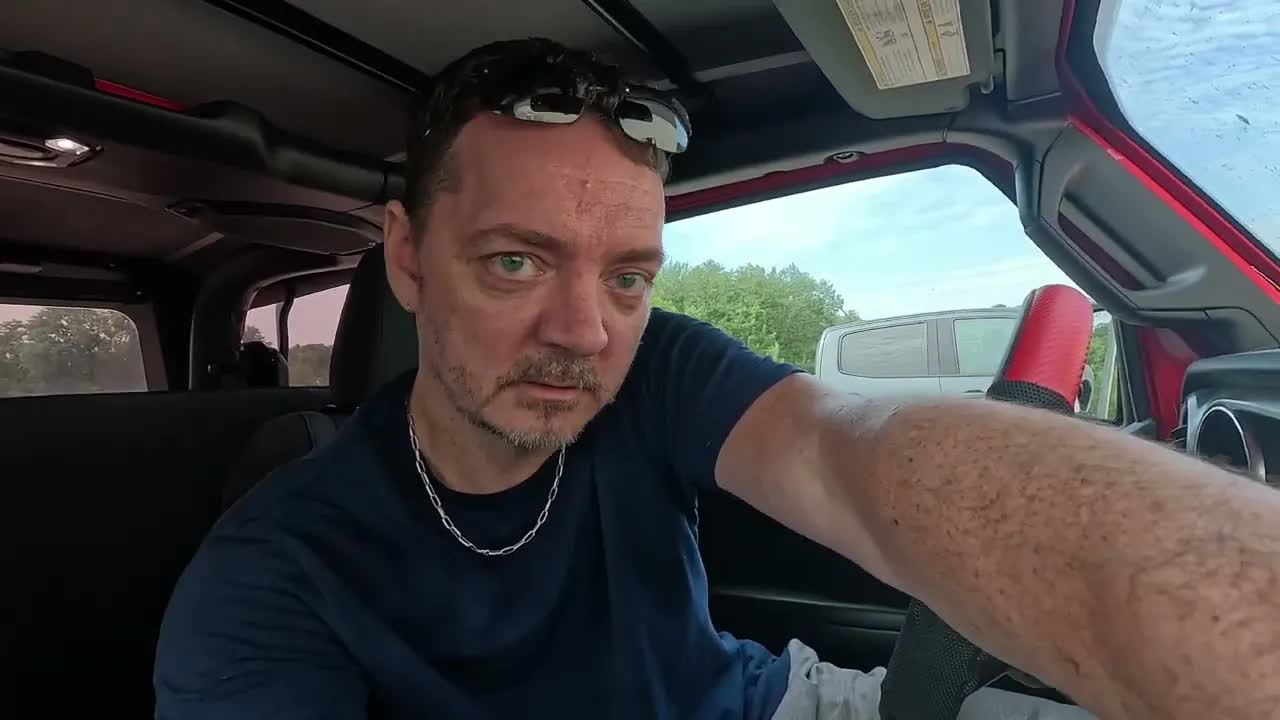
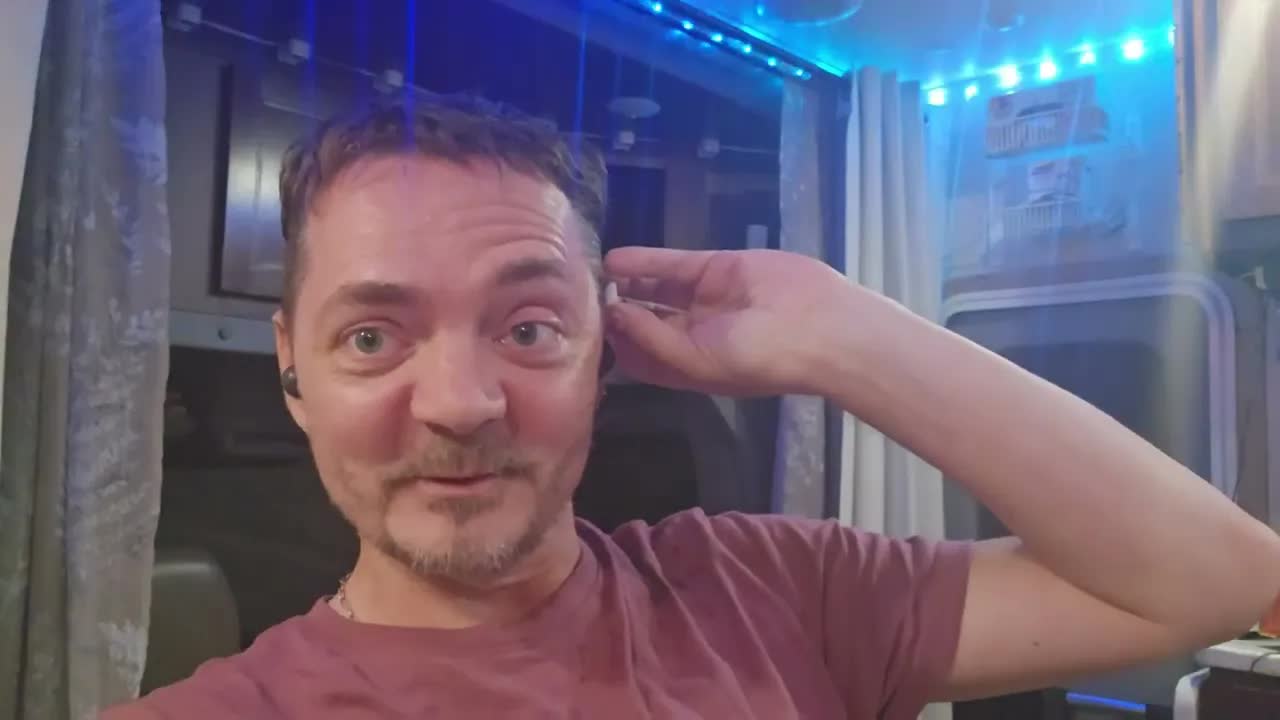
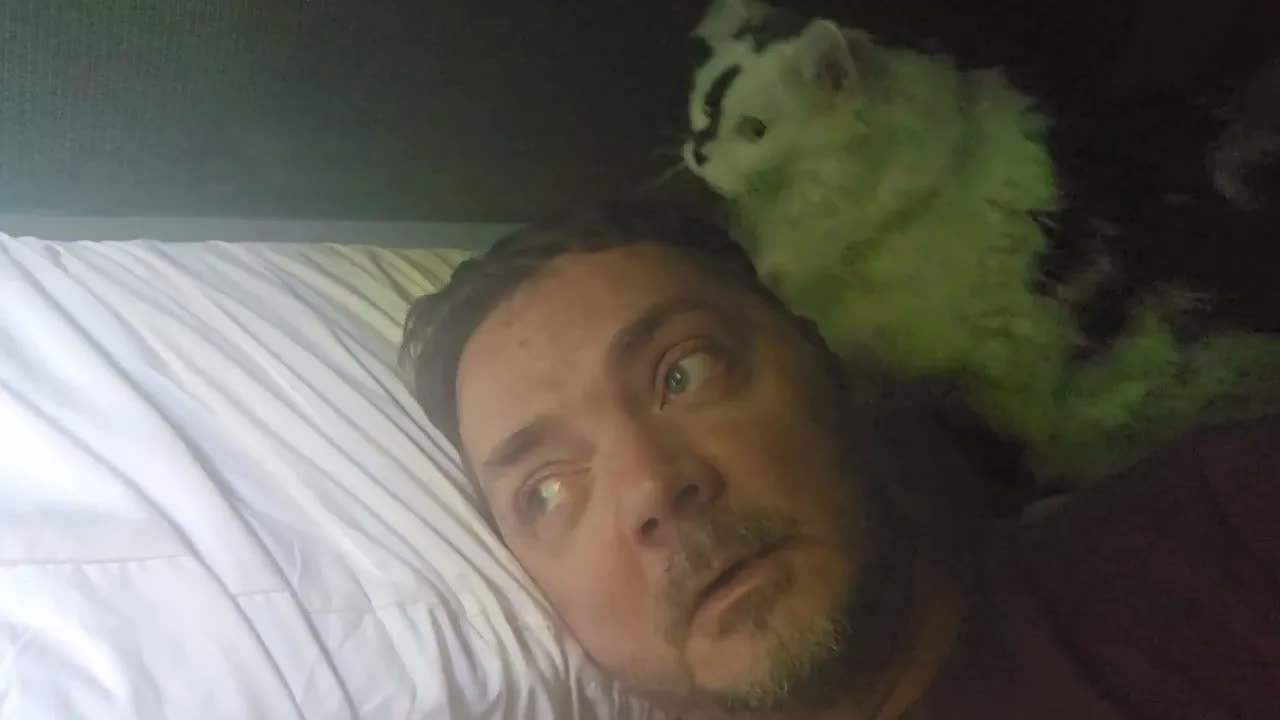
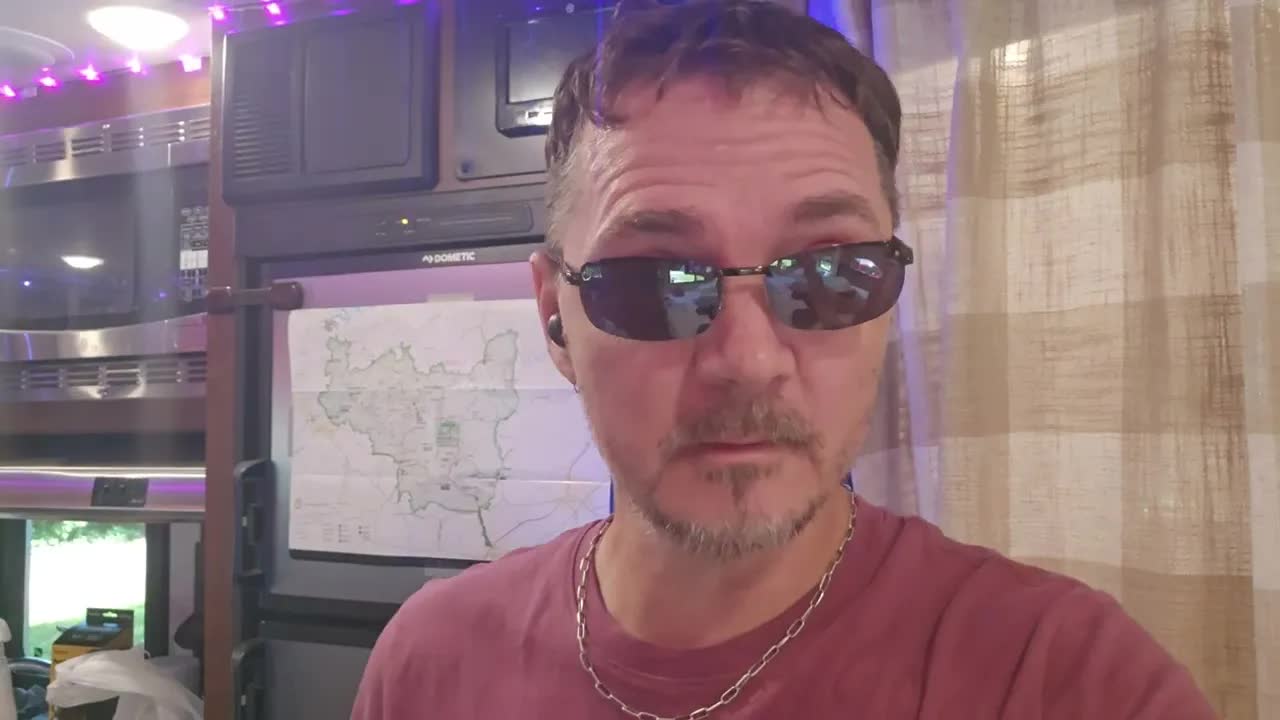
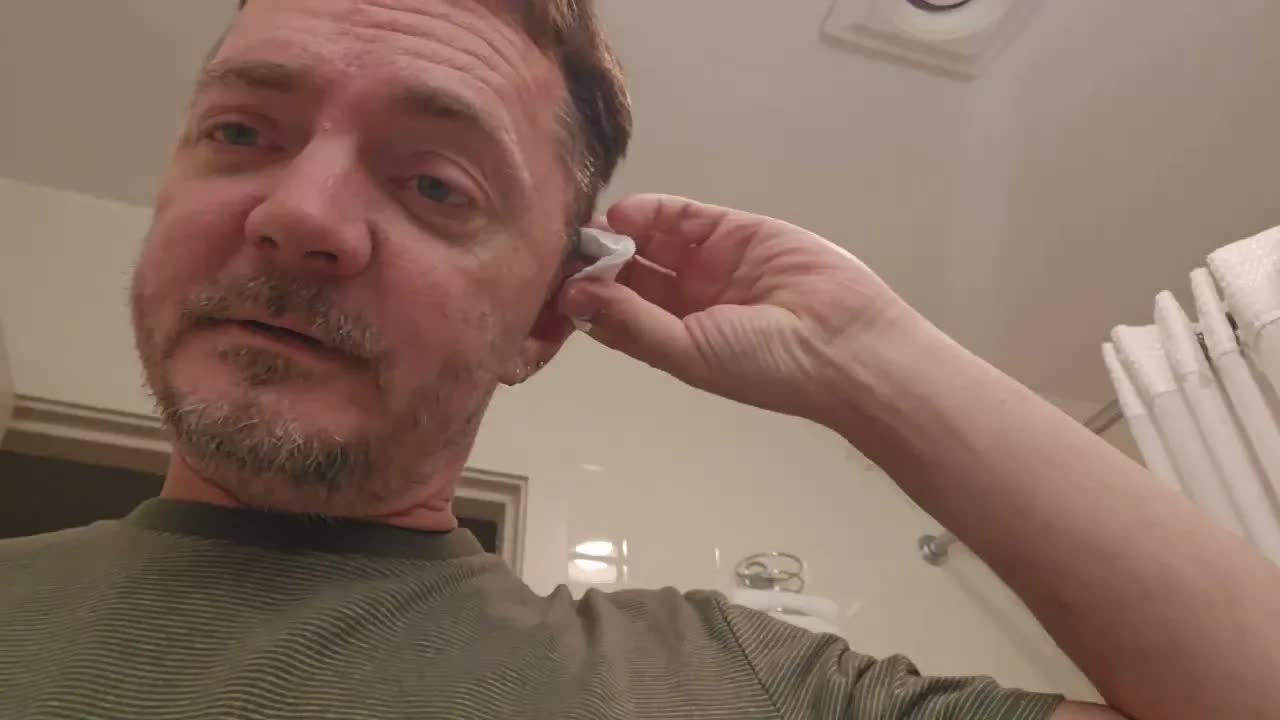
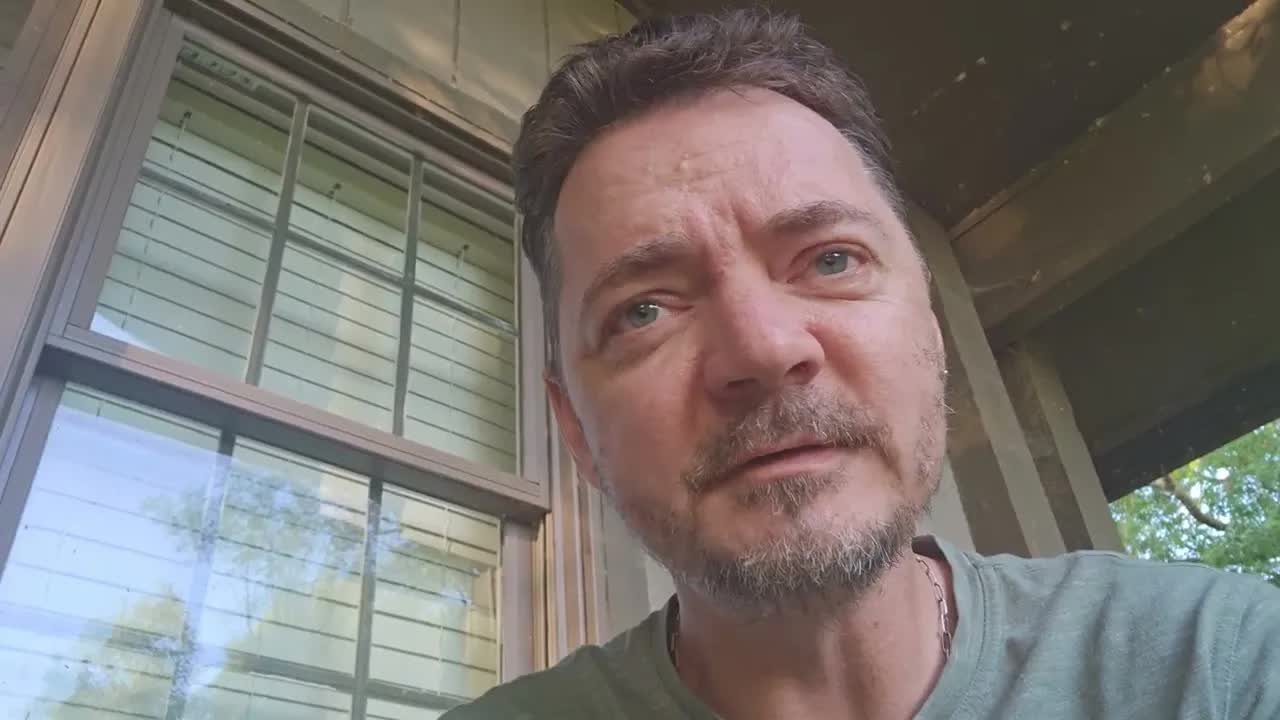
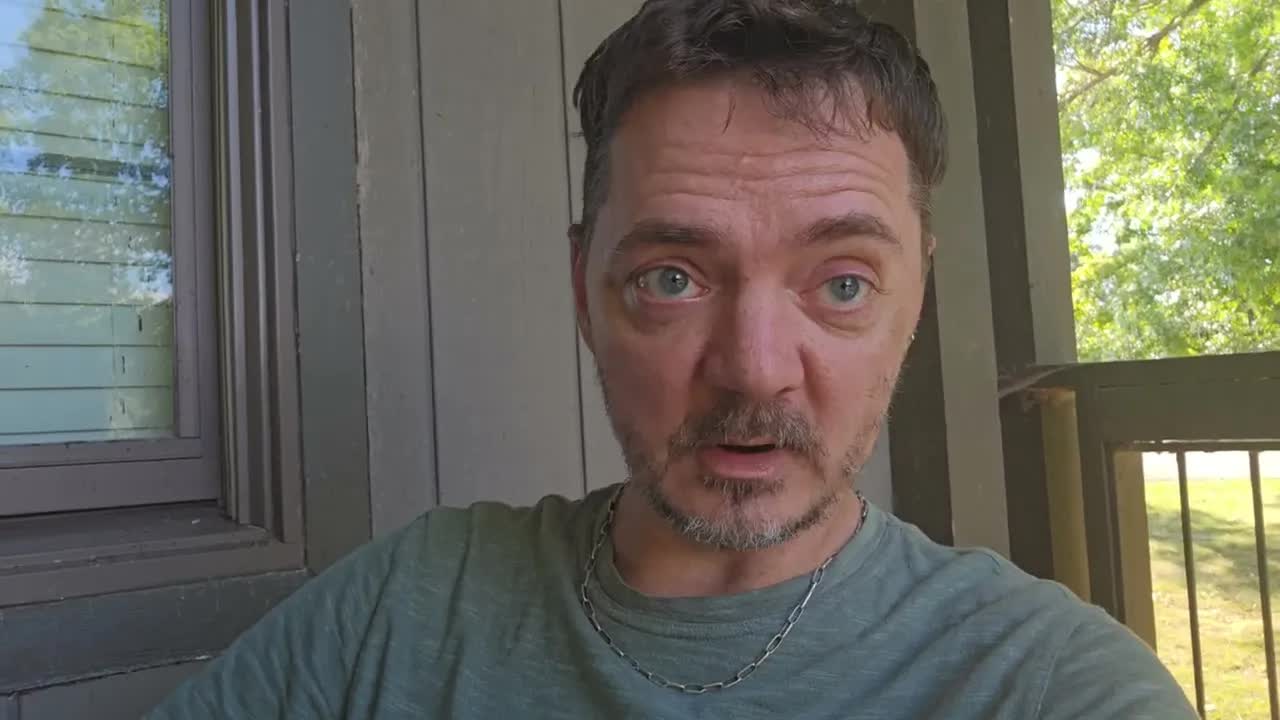
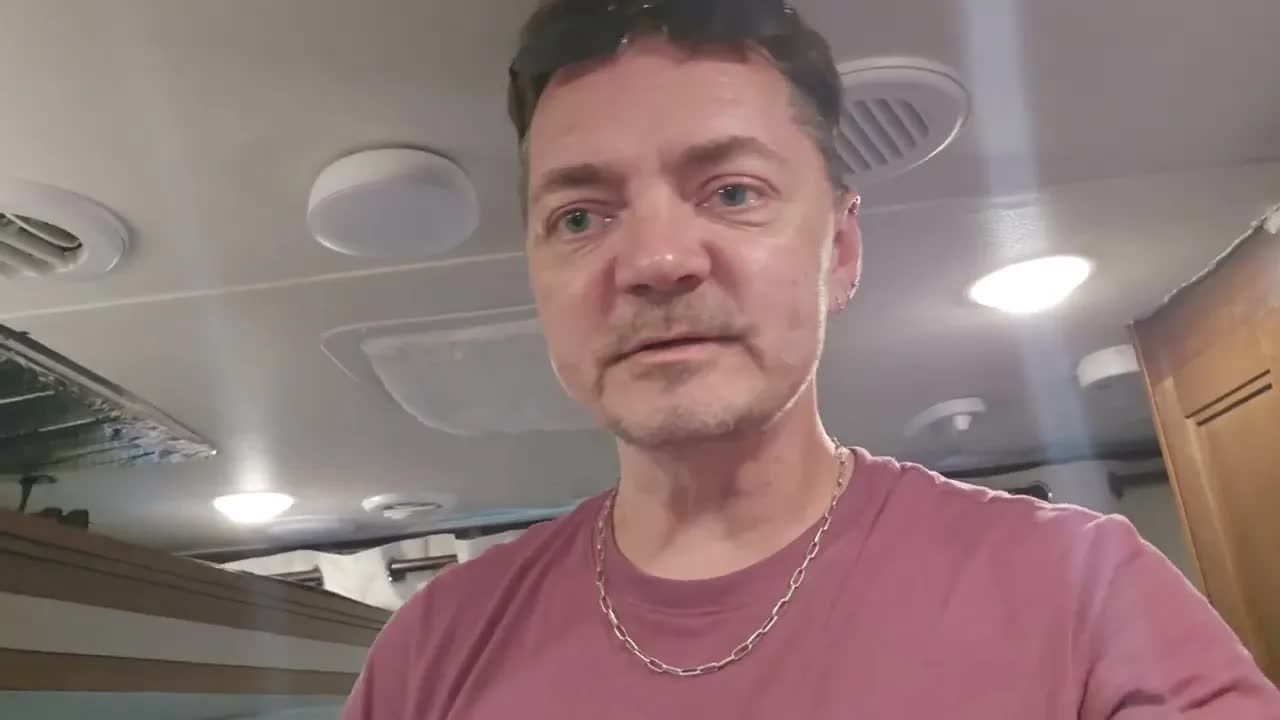
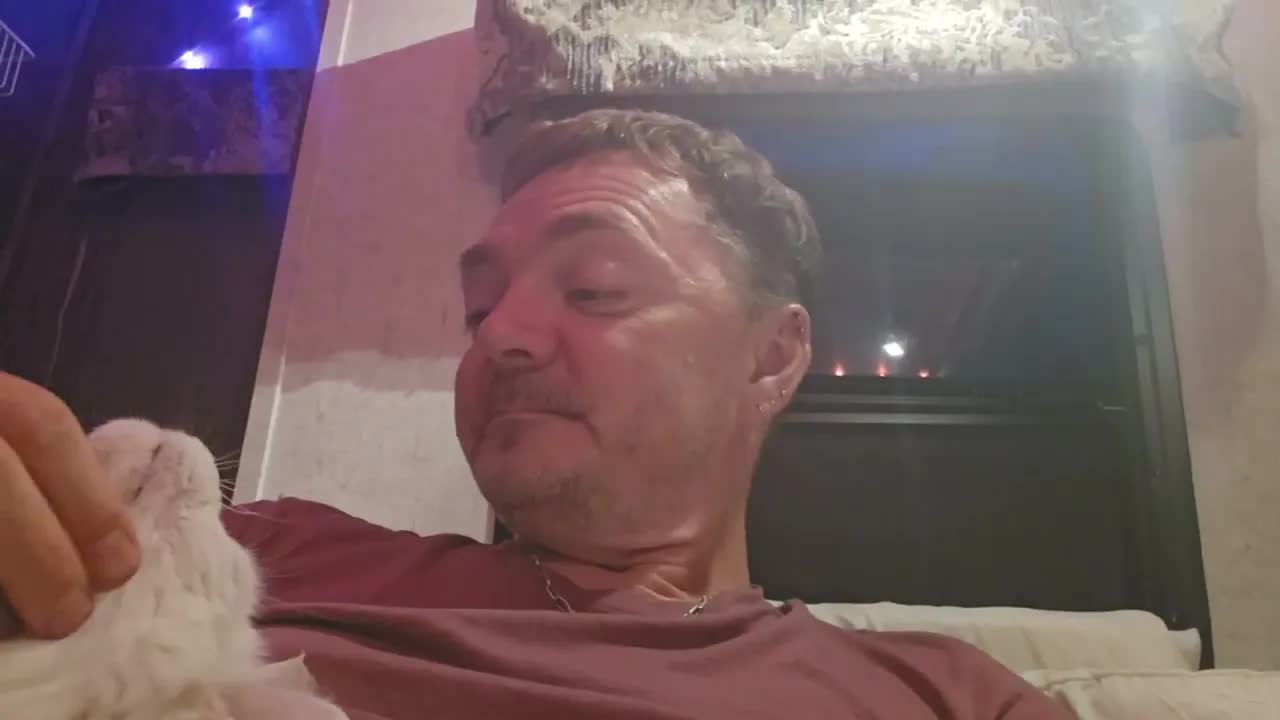
The tenth take was the calmest. rswfire had been sitting with the camera for a while by then, inside the RV at Siltcoos, the dunes holding their August quiet outside the frame. Nine versions of this had already come and gone — recorded, watched, discarded — each one an attempt to say a thing plainly enough that it could not be misread. He was not building or fixing anything on camera this time. There was no task in frame, no toolbox, no repair in progress. Just a seated figure, a lens, and a gap he had spent a week thinking about how to cross.
The morning had gone sideways in the way mornings do when a person lives full-time in a vehicle in a coastal dune system. Something with the RV. He had made a video about it earlier that same day — one he describes as wonderful, entertaining, one he laughed at several times while watching it back. Then the responses arrived, and the responses were about a man in difficulty. Concern. Advice. A reading of hardship laid over footage he had made as instruction. He states plainly that the morning did not frustrate him. He moved into an environment he knew would challenge him, and he did that on purpose. The challenge arriving on schedule is not a problem in his frame; it is the design working.
So he tried to explain the frame itself. When he says there is a lot he does not know, he is making an assessment — an honest one, a marker in time against which later knowledge can be measured. Not a judgment. Not a criticism. Not a complaint. Not a cry for help. He named each of those things and set each one aside, one after another, the way a person clears a table before laying out what actually belongs on it. When he talks about using AI, he describes cognitive extension — his own processing reaching outward into other tools because he holds a growth mindset and has no interest in avoiding what is in front of him. What viewers were watching, he states, was someone showing them a path forward.
Instead they saw something else. He said so directly on camera and then stopped, because he could not name what they saw. It blows his mind every time, he says, and the every time carries six months of public documentation behind it. Even people he felt should get it did not always get it. Somewhere in the recording the words ran out and only the gap remained, unnamed, unbridgeable by any sentence he had drafted across nine prior takes.
The turn came without drama. He had spent the past week designing a way across — a substantial amount of work on his part, work he had mapped out well enough to weigh. He weighed it and declined. He does not want to do it, he says, and he is not going to. Those interactions would simply be ignored from here forward, not argued with, not corrected, not converted — filtered out as unaligned with what he is doing. He describes himself as a believer in accepting what cannot be changed, and here he applied that principle to himself, to his own audience, to the six months of effort that had preceded the decision.
Then he named the cost and released it in the same breath. It was time, he says, to give up on any idea that the channel would grow, because he will keep making videos like this one — videos where some frustration is visible, because he is an honest person and honesty is the constraint he will not trade. He told the audience directly that they are very different kinds of people, that his content cannot be watched through their cognitive lens without missing it, and that he cannot fix that. He affirmed the value in what he is building and drew its boundary in the same sentence: that value is available to those willing to look deeper than they are looking now.
What he wanted on record before the recording ended was that none of this was appeal. He is not asking for advice. He is not complaining about his life. He loves his life. He had an amazing day, he says, with more still to share from it — and he has an amazing day every single day, including the bad ones, which are also amazing to him. Then the closing: he does not think like them, he cannot fix that, and he is done trying. An apology offered for the gap itself rather than for his side of it. A wish that a bridge existed, and a statement that it does not. He would accept it and move on.