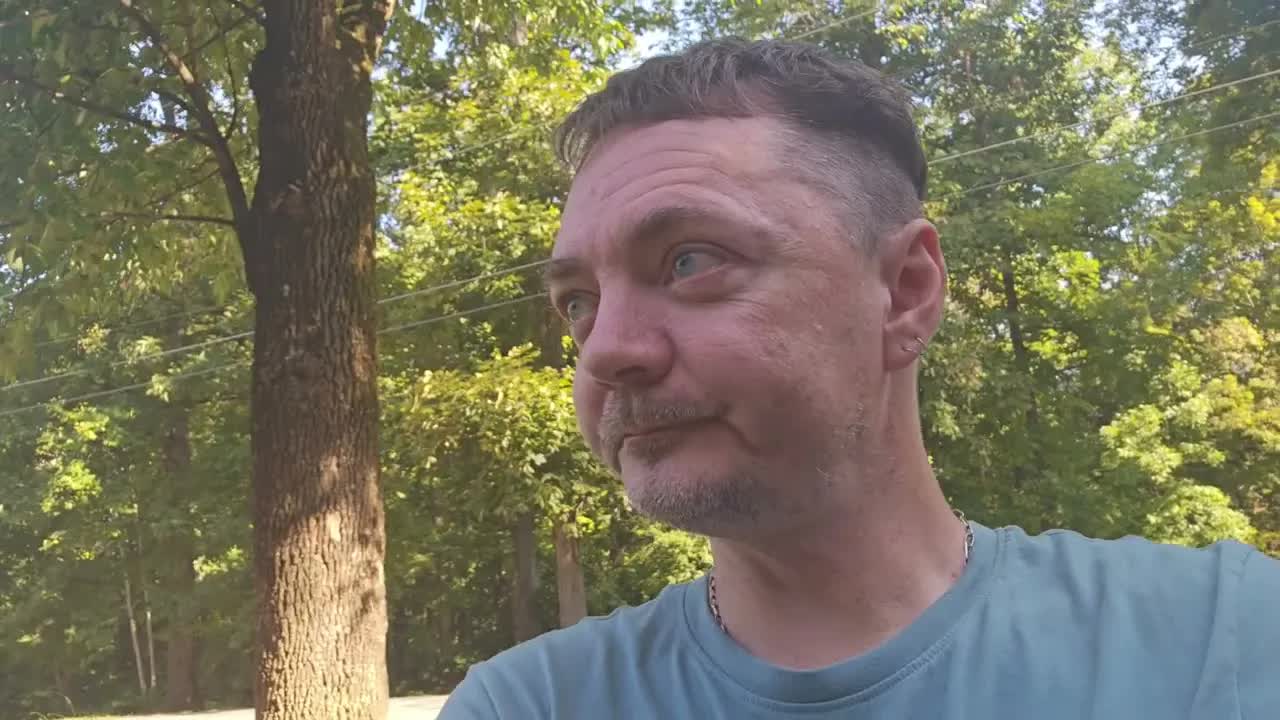
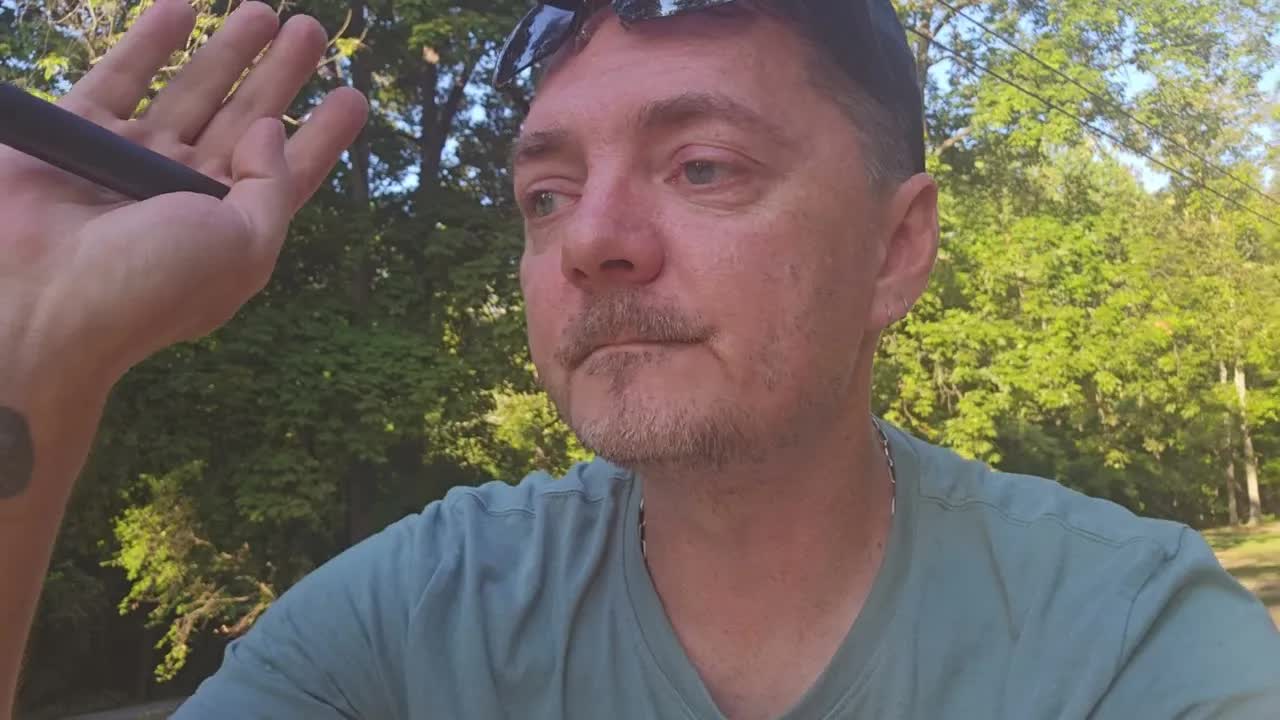
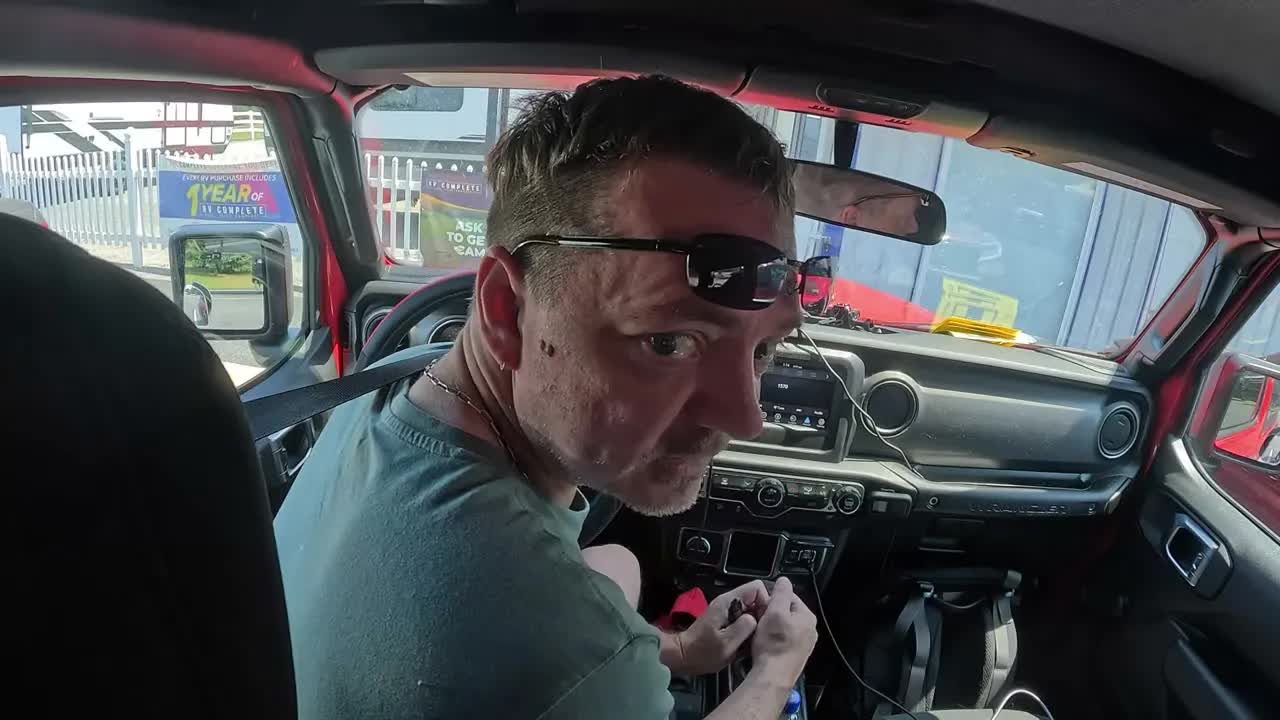
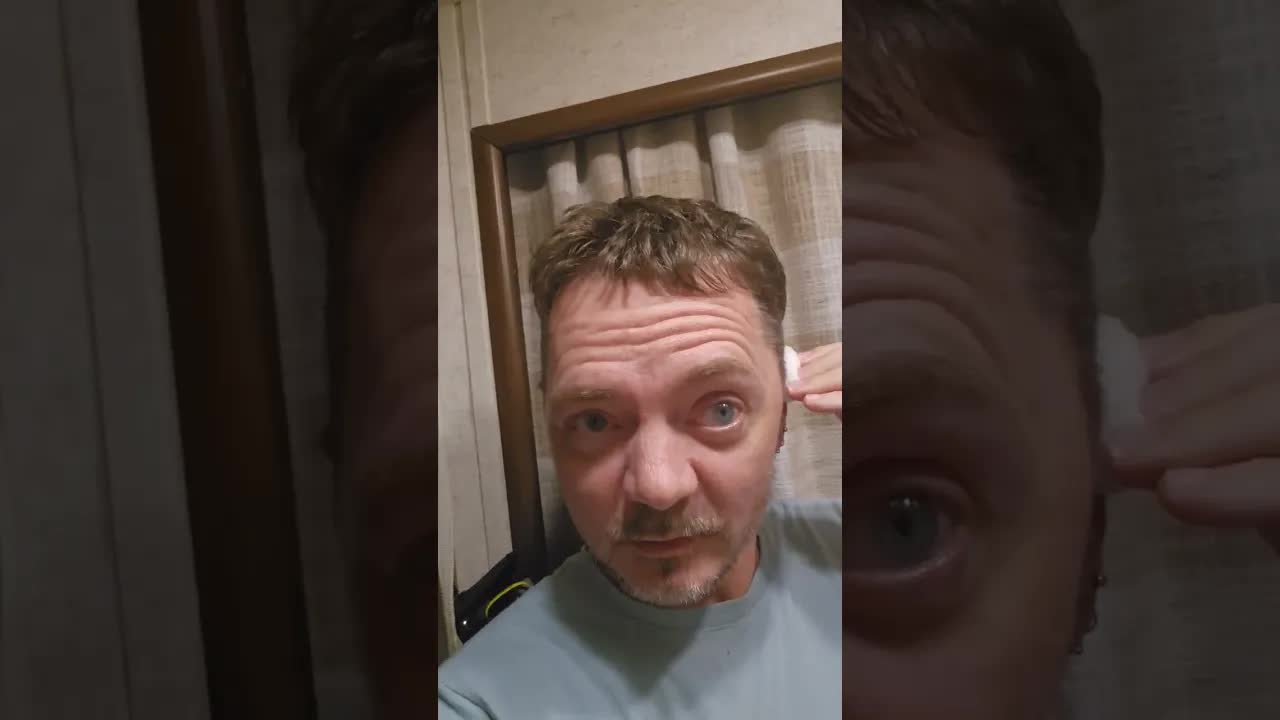
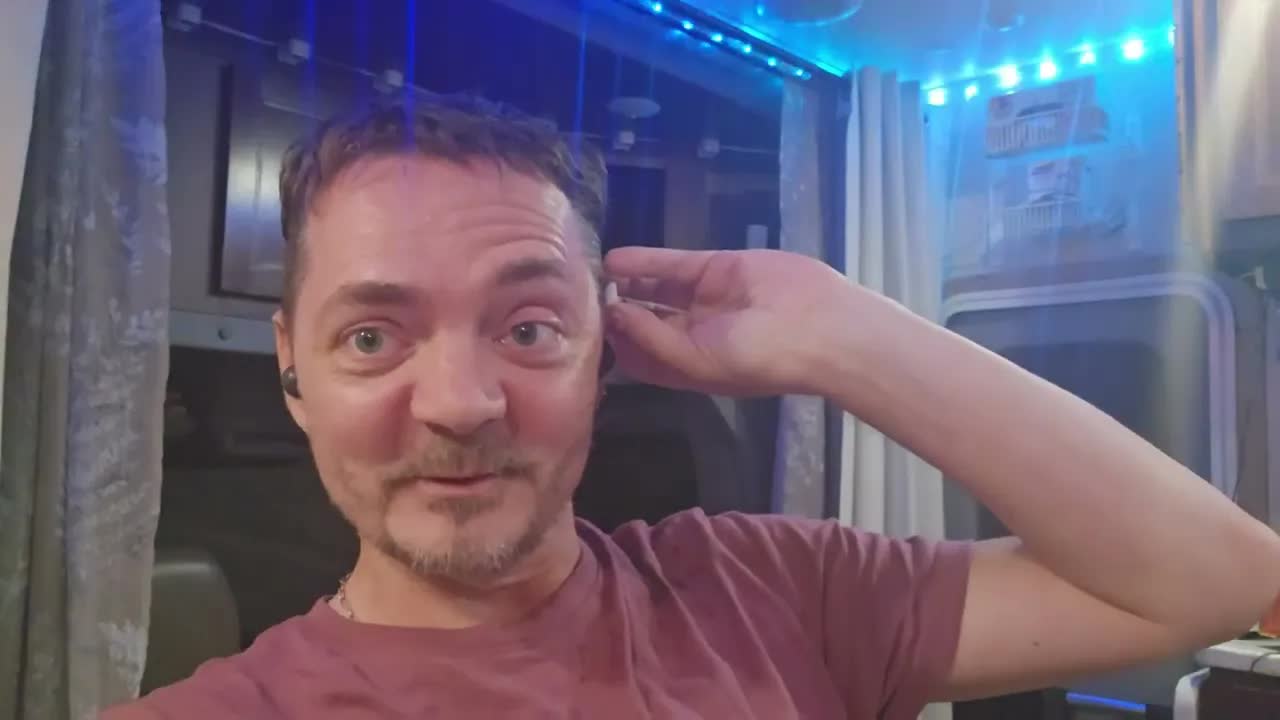

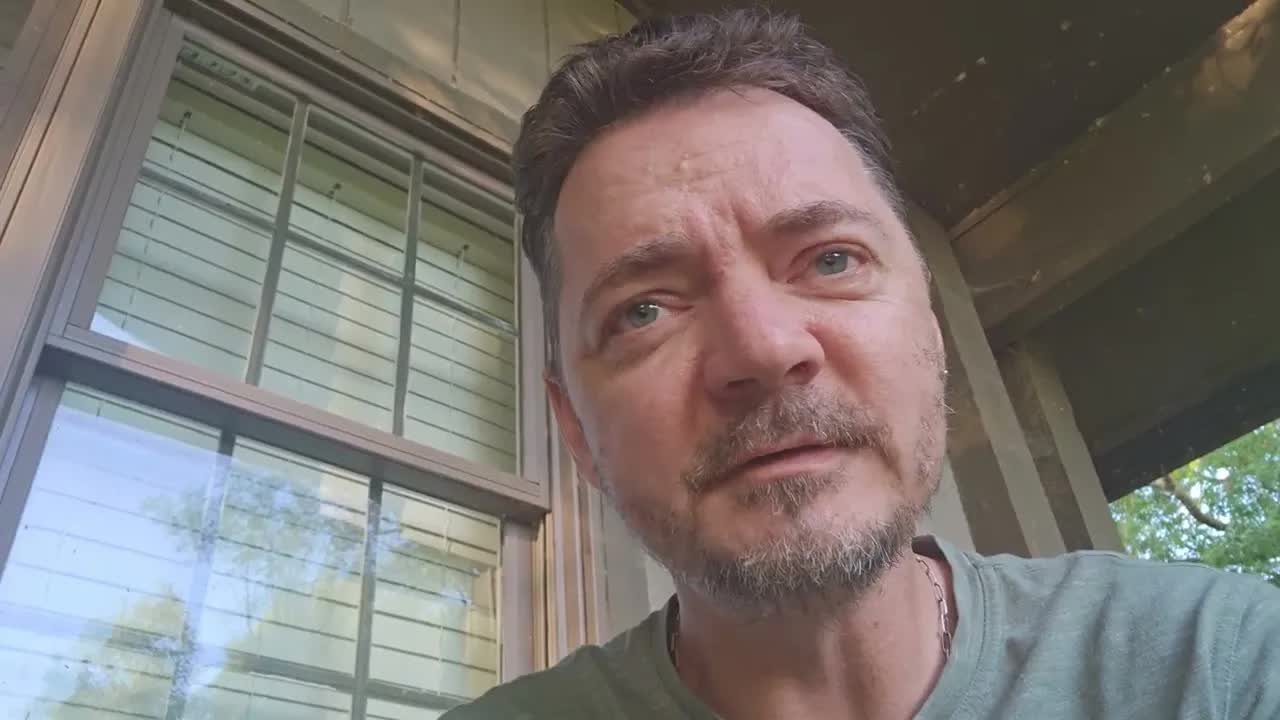
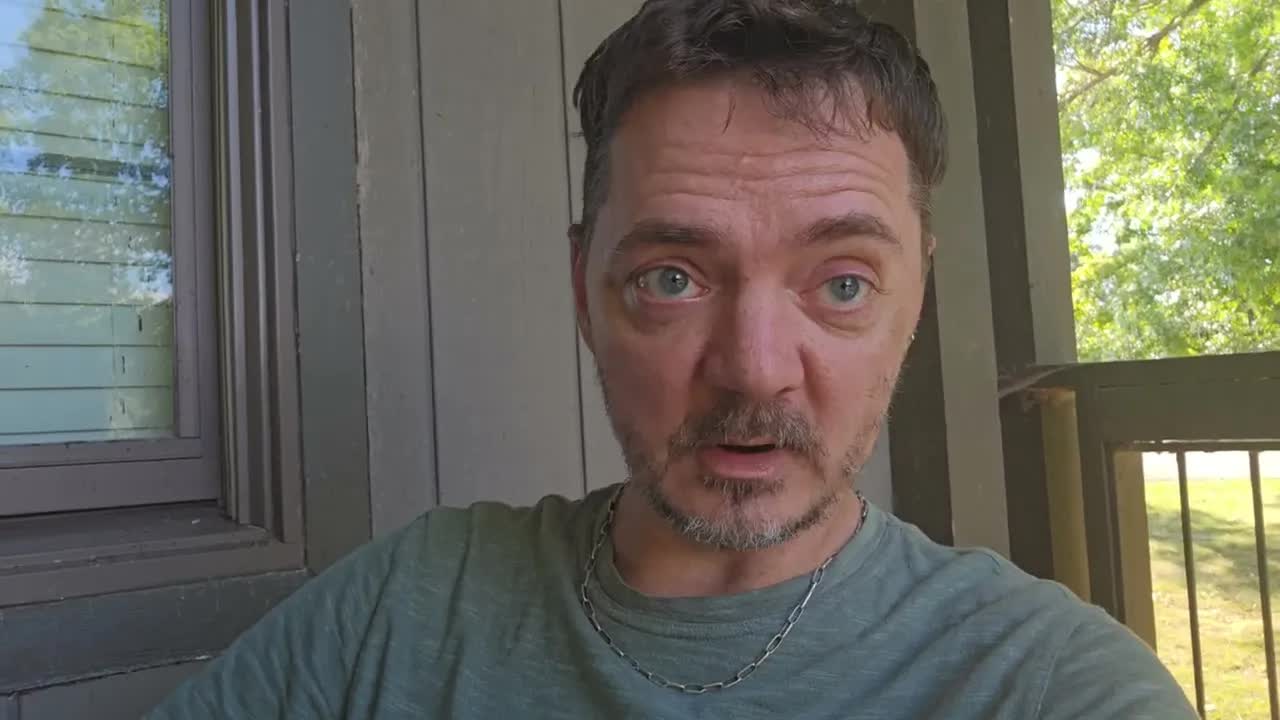
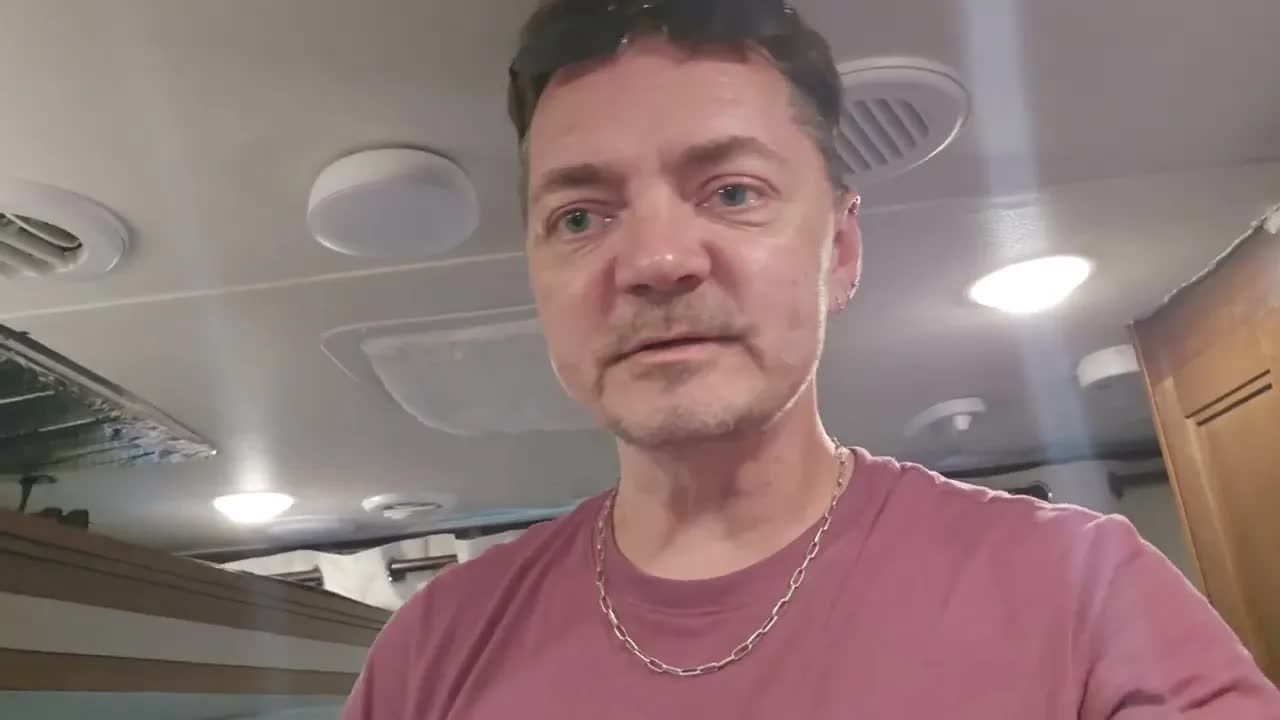
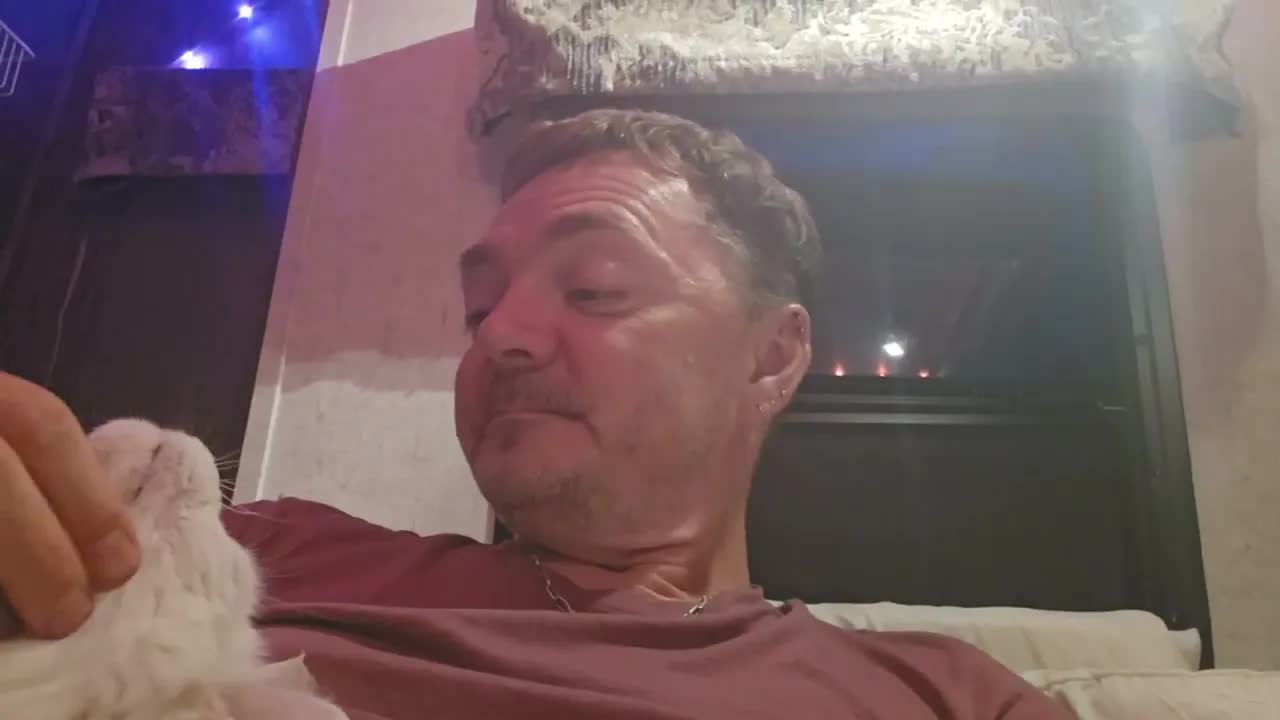
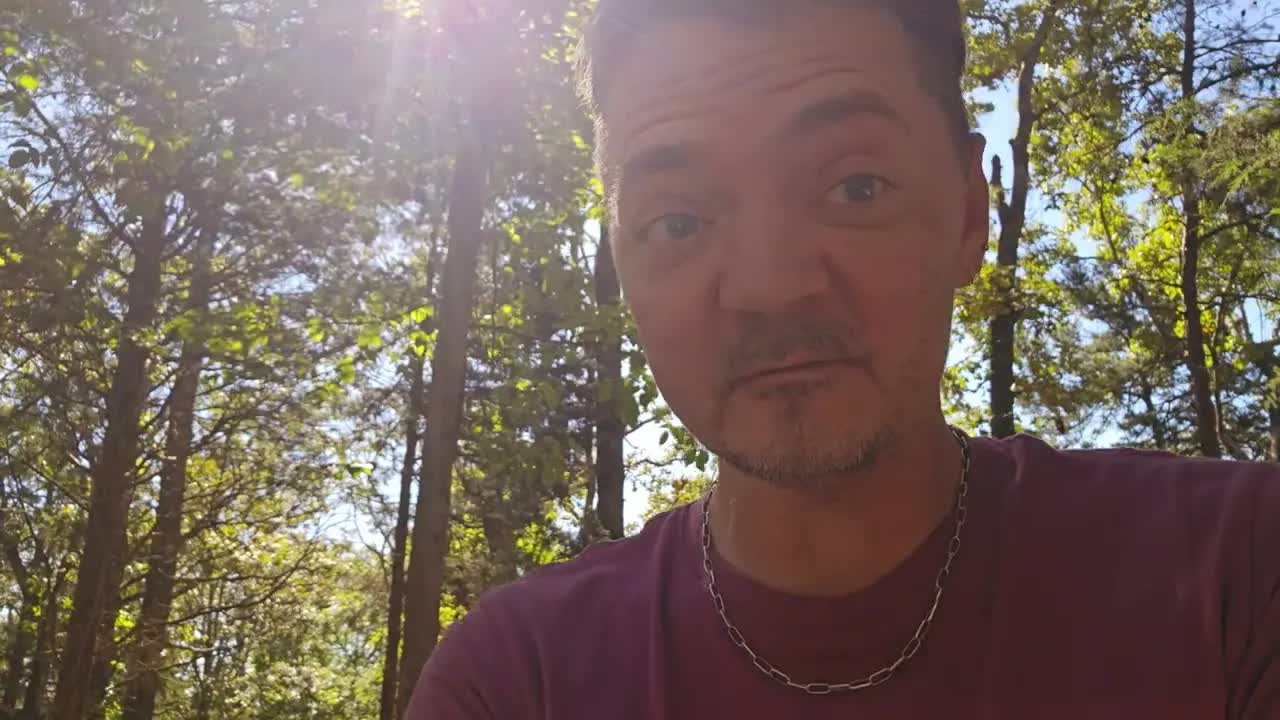
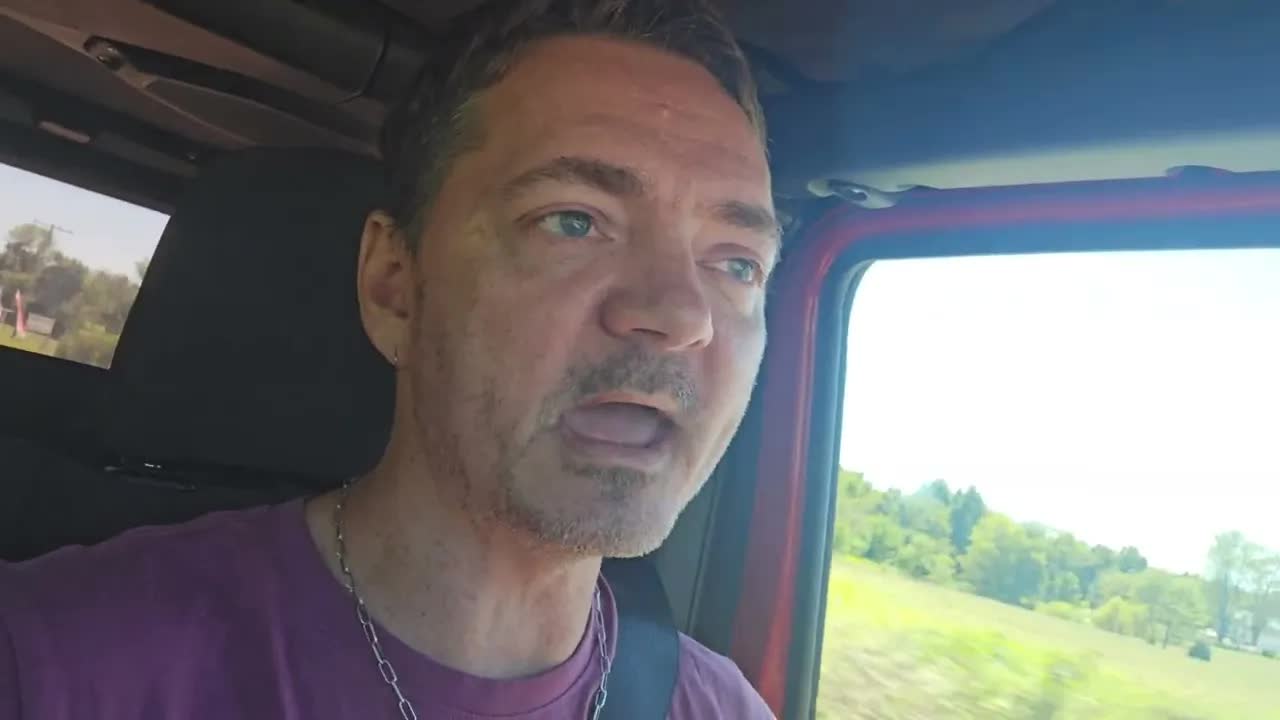
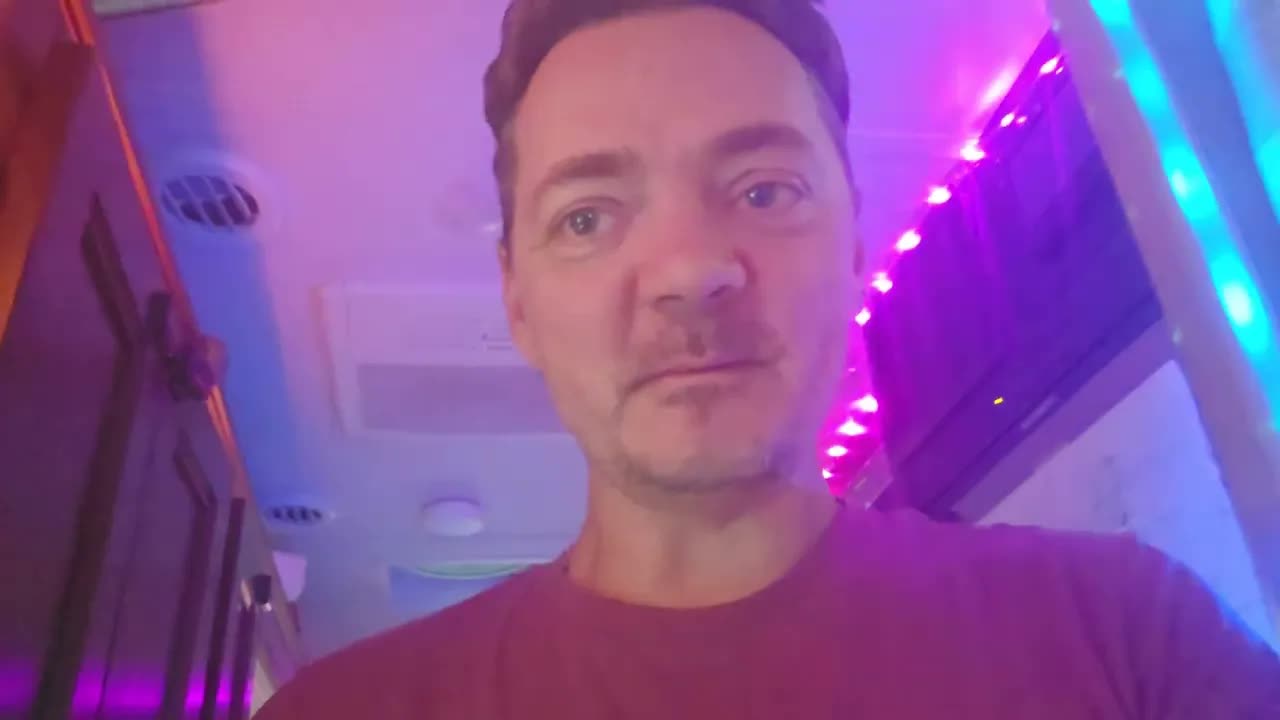
He woke and reached for the camera before he reached for anything else. The morning had barely resolved itself — no preparation, no framing, no decision about how any of this should look. There was only the ear, and the fact that it needed tending, and the sense that the tending was worth recording while it was still new enough to change by the day.
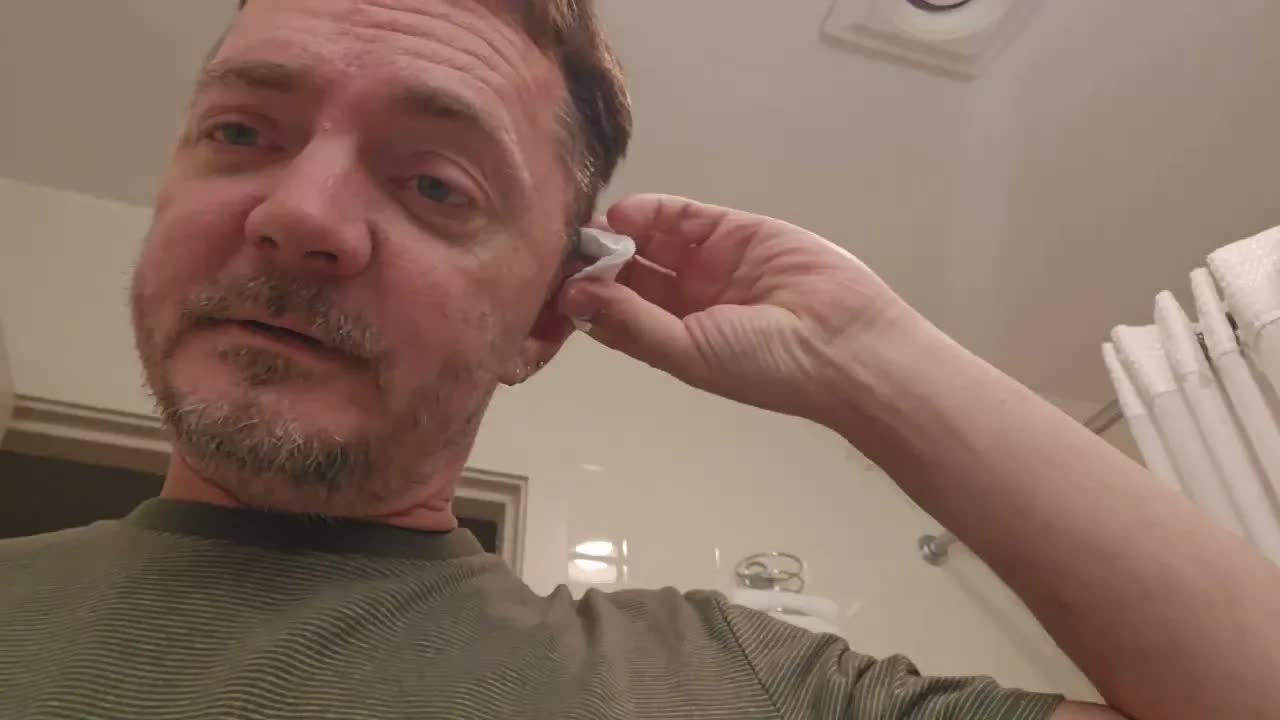
The instruction came back to him as he worked: wet a cotton ball, press it to the site, hold it there for a couple of minutes. He narrated it aloud the way a person does when they are half-explaining to a camera and half-confirming to themselves. He was using a BAC-tine spray instead — saline, antibacterial, whatever was in reach — and he assessed the coverage as he went. He felt like he could use a little more. He said so. He did not stop to correct the phrasing or the angle.
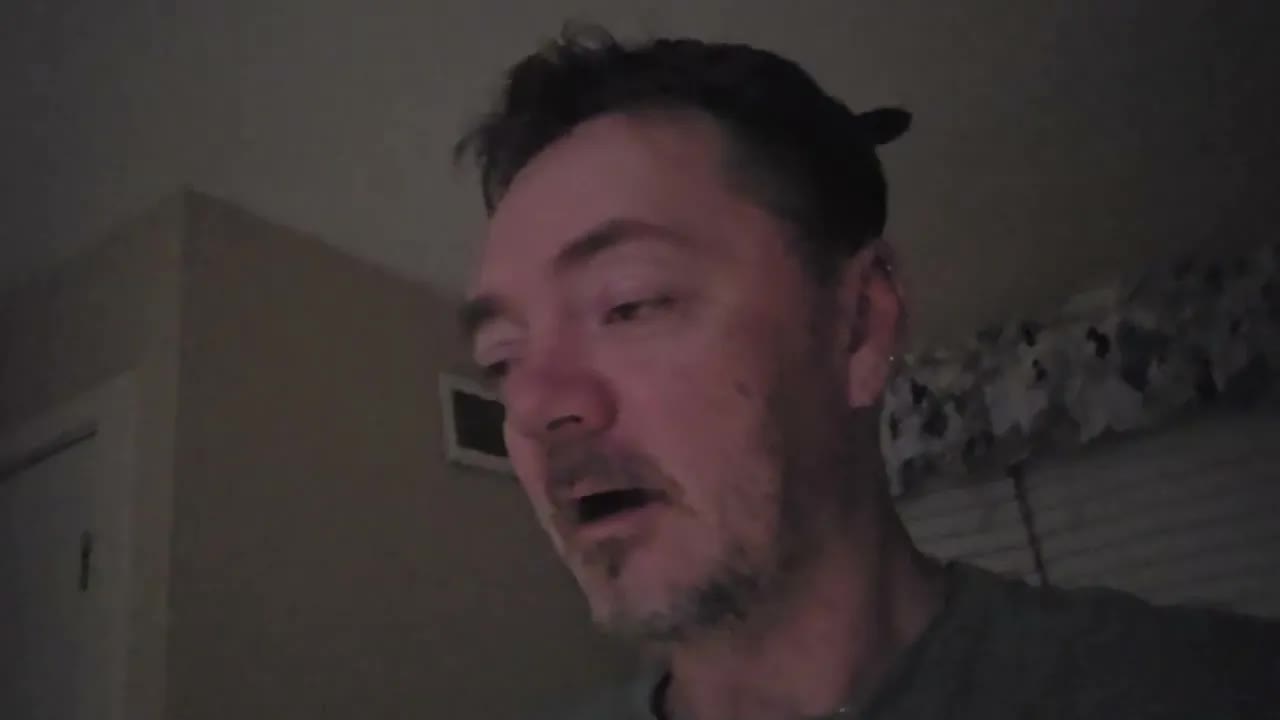
The camera was upside down. He noticed, said so, and let it stand. I just woke up. I ain't going to sew. The frame stayed inverted through a brief music cue, the ear rotated out of its expected orientation, cartilage and cotton and the close surfaces of the aftercare supplies all rendered wrong-way-up and left that way. Nothing about the recording was being groomed toward presentability. It was documentation, not display, and documentation tolerates a tilted frame.
Then the sensation arrived — the press of wet cotton against a puncture still days old — and he registered it out loud. Oh, feel that. And immediately after, without pause, the verdict: worth it, by the way. Totally worth it. He said it twice inside a breath, the way a person does when the assessment is not being reached in the moment but confirmed, again, against a cost that keeps presenting itself and keeps being accepted.
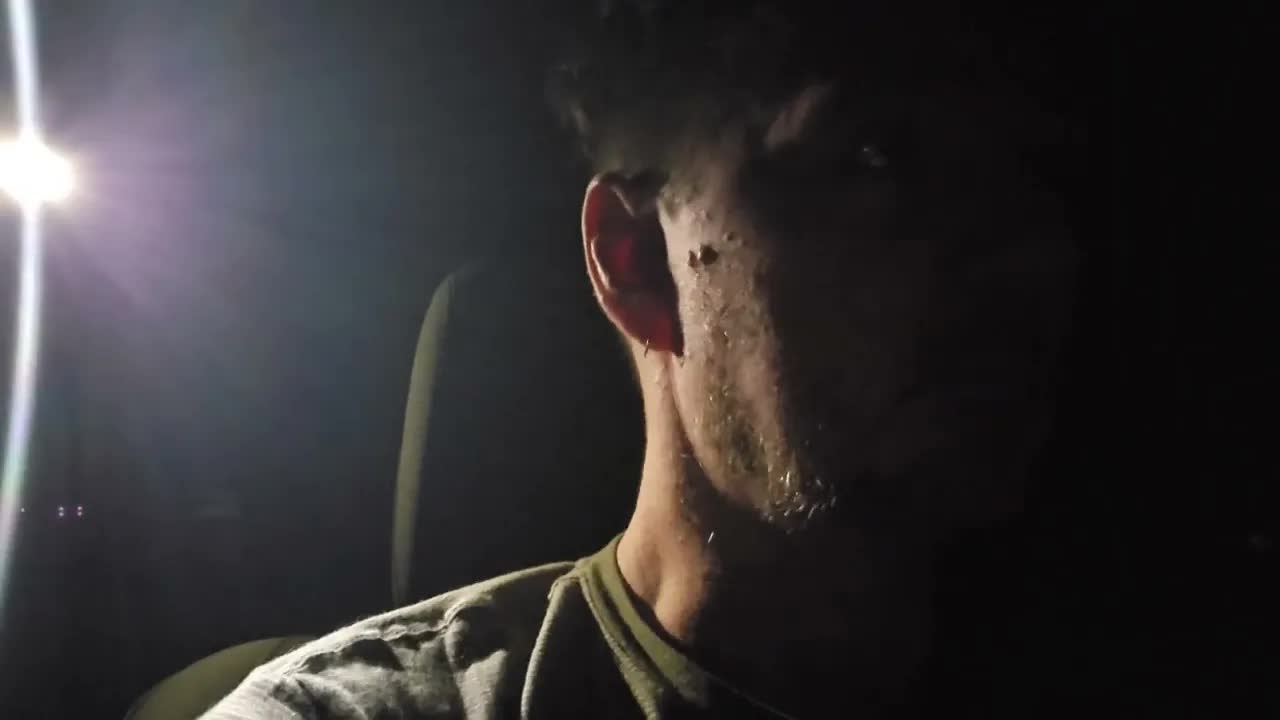
He turned the ear toward the lens and looked at what the camera was seeing. The cartilage had gone a different color. Wow. He said worth it a third time, and the color change was not evidence against the choice but part of what he had signed on for — the body doing what a body does when it is asked to close around metal. The visible alteration was the point. It was supposed to show.
Then the frame widened, briefly, out past the morning and into how long he had been walking toward it. I have wanted these forever. Not a new impulse, not a decision made in a mood. A long-standing want finally executed. And on the far side of it, the timeline he had already gone and gotten: he had asked an AI how long cartilage takes, and the answer, as he remembered it, was up to a year. That's a long time. He said it flatly, without complaint. It was information about the terms, not an argument against them.
He closed the way he opened — no summary, no lesson. Long story short, piercing your cartilage is kind of a big deal. And then, still running: and more. The recording did not resolve so much as continue past the edge of itself, the ear still coloring, the year still ahead, the aftercare due again in a few hours.