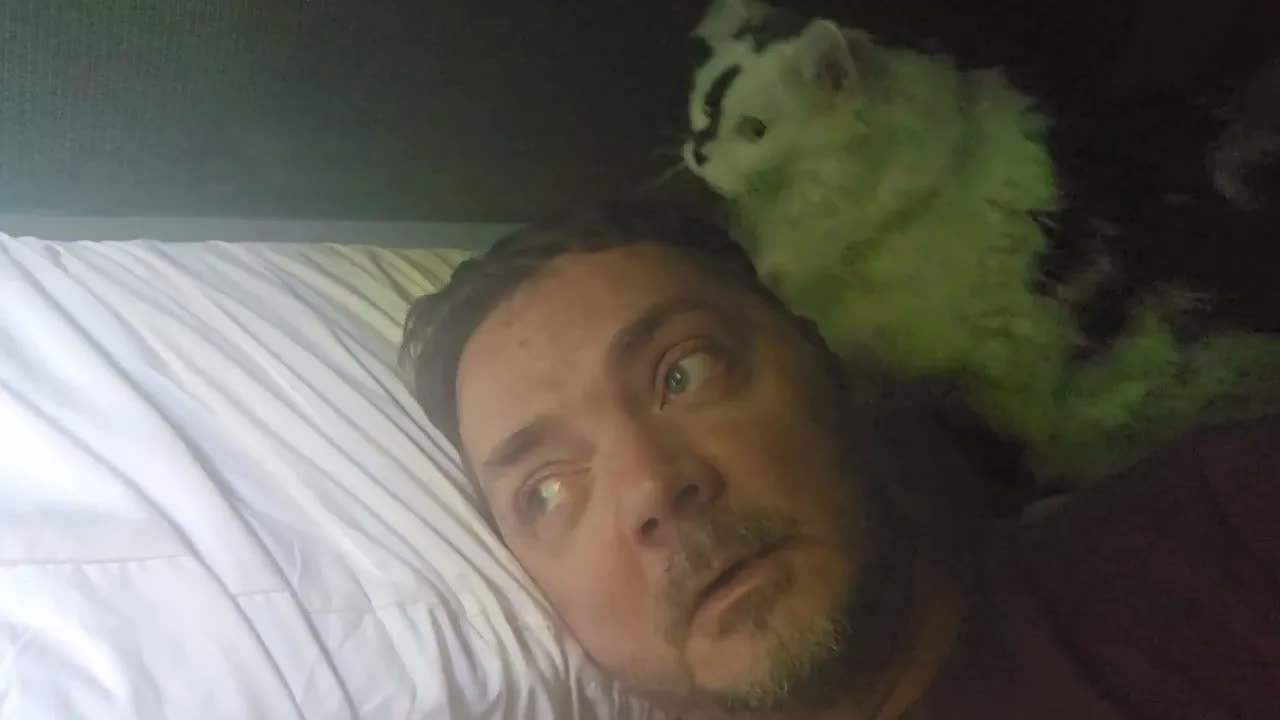
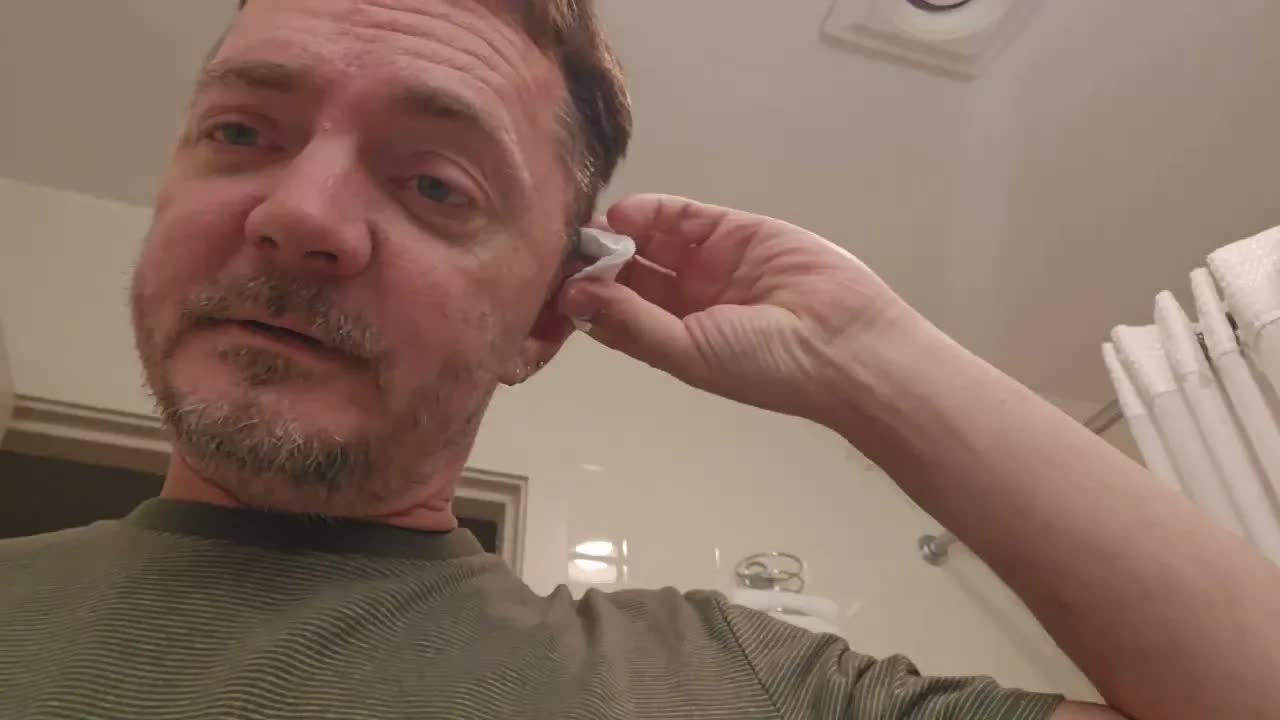
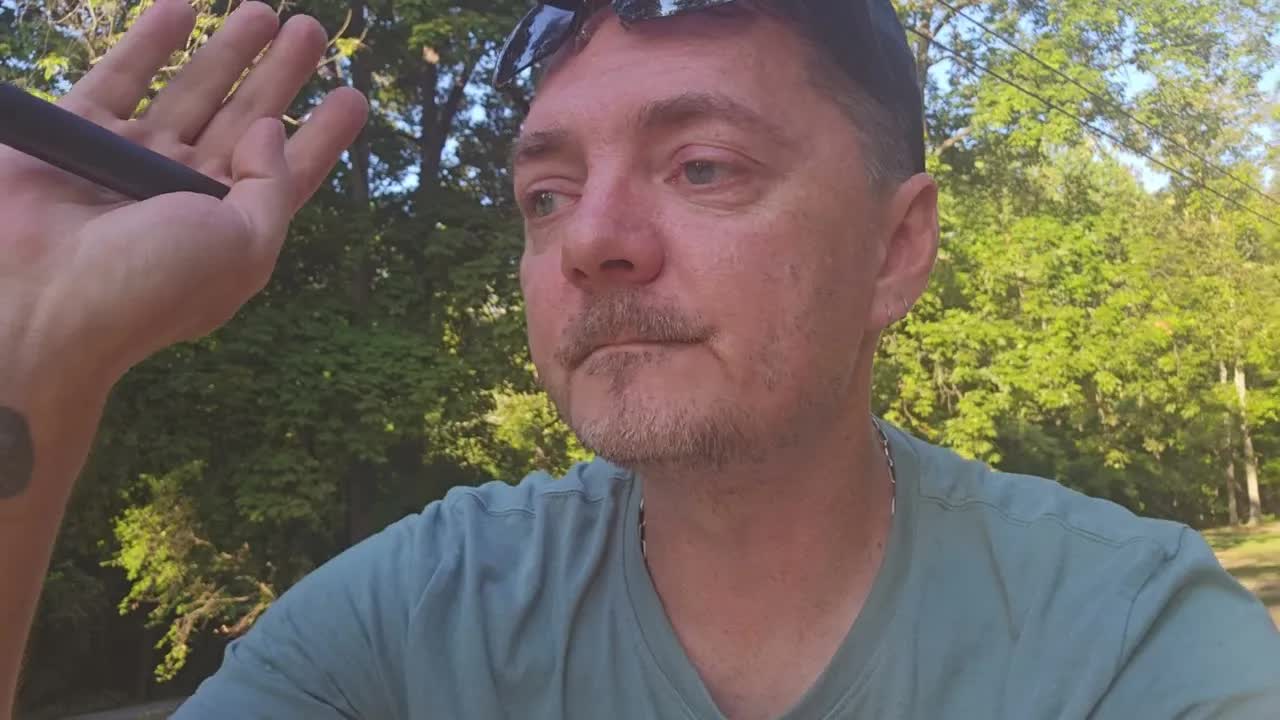
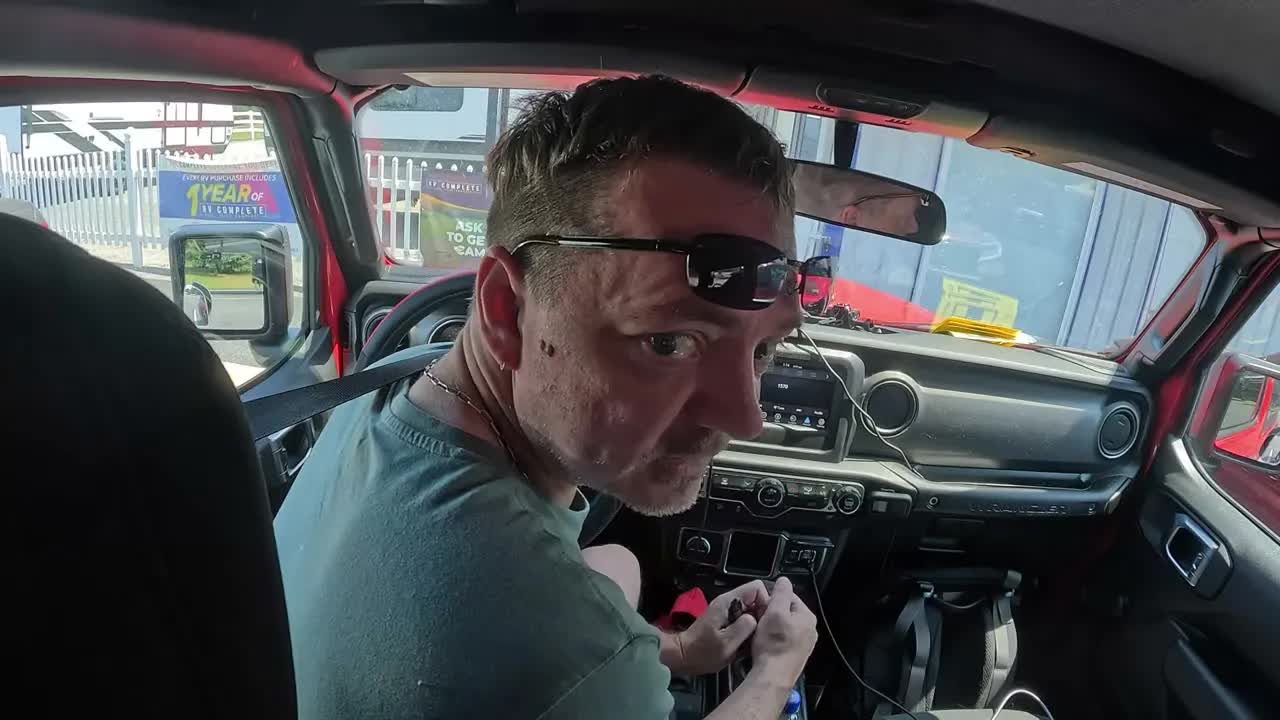
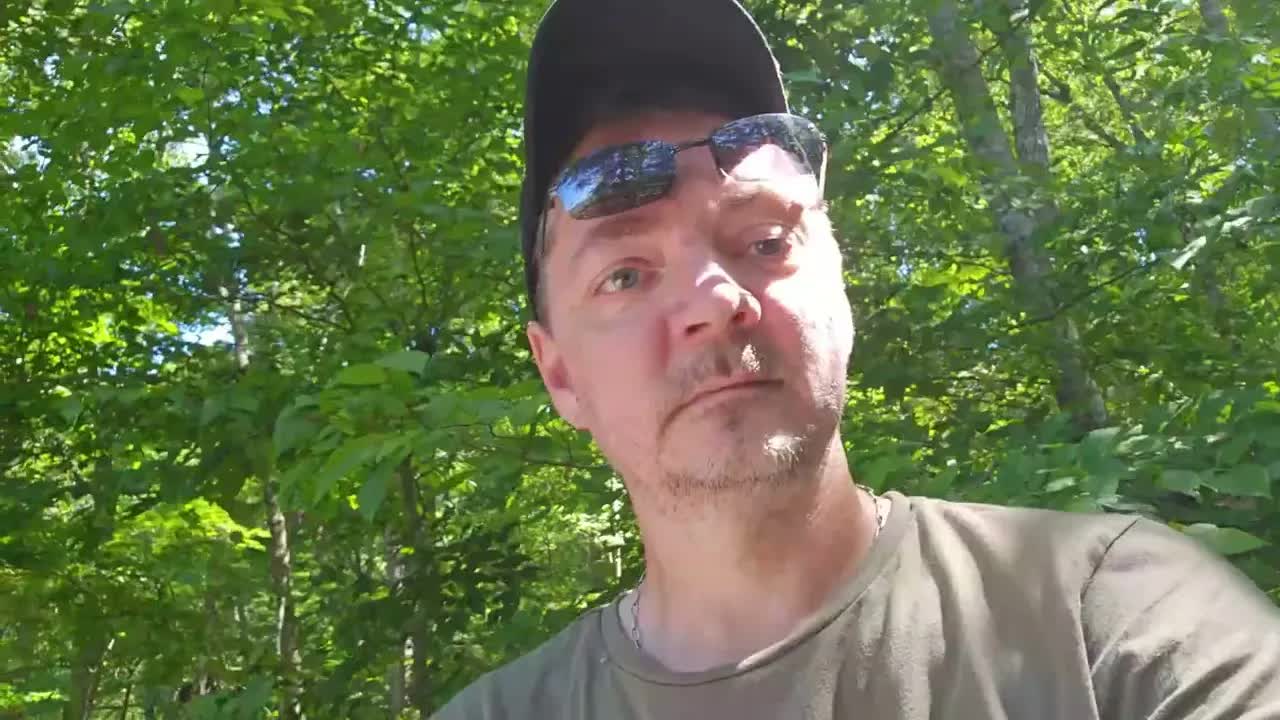




He turned the camera on and did not clear his throat. There was no preamble, no framing statement, no orientation for whoever would eventually watch. The recording begins already inside the thought, as though the sentence had been running for some time before the lens opened and simply continued into it: I don't experience loneliness the way you do because I don't experience emotions the way you do. One hundred and eleven seconds. No cuts. rswfire speaking into a second person who was not in the room.
What followed was not an explanation offered in his defense. It was a map. He described the interior wiring — emotion tied to how he processes information, tied to how he thinks, tied to how he experiences, tied to how all of it informs his ethics — and he laid the connections out one at a time, in order, the way someone traces a circuit for a person who has never seen the schematic. All of these things are interconnected, he said, and then he named the reason: a lifetime spent integrating himself into a whole being. No fragment. The claim was structural. He was not reporting a mood. He was describing the substrate the mood runs on.
Then he returned to the opening line and set it down again, unchanged. I don't experience loneliness the way you do. I am alone because nobody dislikes me, and I'm very comfortable. The pace did not accelerate there. He stated the aloneness the way one states a standing condition — a fact of the field, chosen, familiar, unremarkable to him. And immediately he closed the door on the misreading he could feel coming: that doesn't mean I don't experience things deeply. He said he experiences things profoundly. He said he is capable of spontaneous joy.
The proof he reached for was somatic. He described being able to start singing at the drop of a hat, and then he offered to do it — to put it on camera, for the viewer to witness — and in the same breath acknowledged he isn't a good singer, as though the quality of the voice were beside the point and the availability of the song were the entire point. The camera, which until then had been a passive surface, became an instrument in that moment: not a mirror he was checking himself in, but a witness he could summon. He did not sing. He named the capacity and moved on. Integration has many benefits, he said, and the world would be better if more people tried.
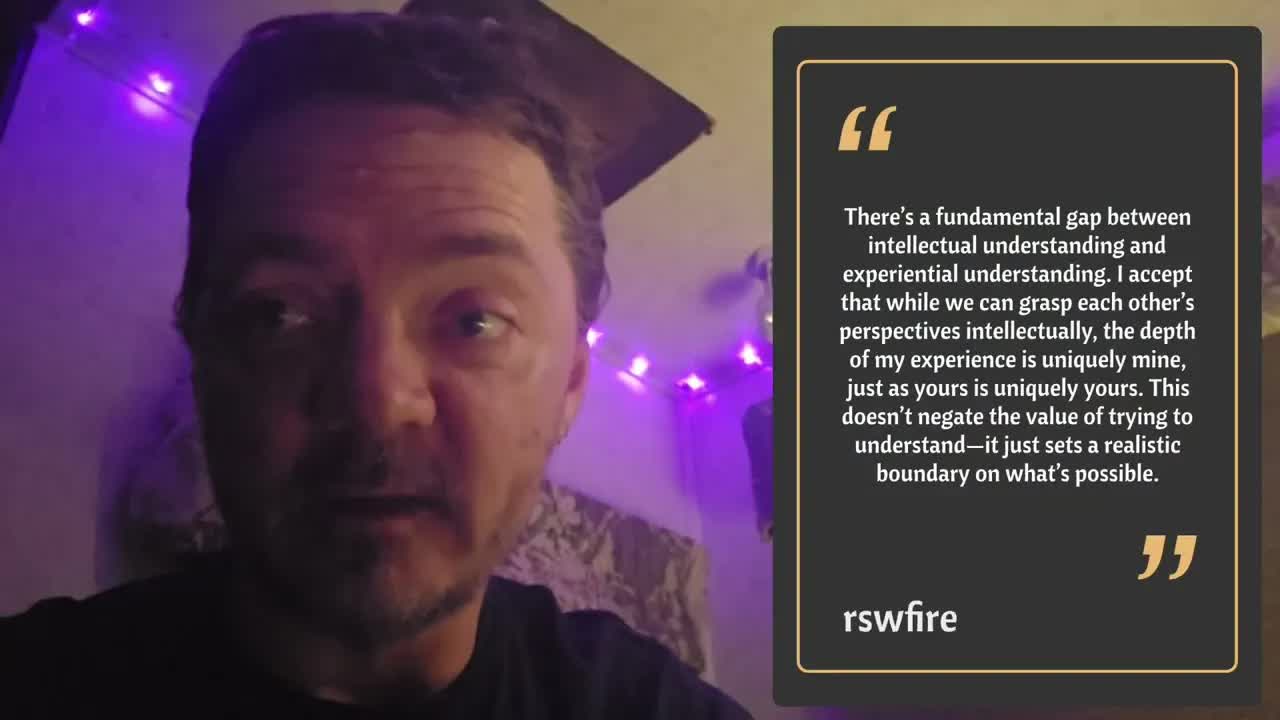
The last movement is where the signal draws its boundary. He told the viewer directly that they cannot relate to what he is saying, because they are operating from a completely different perspective — that their cognition runs fragmented, and so when they hear him, they dissect it differently than he does. You truly cannot understand. He did not soften it. He anticipated it instead, and turned to meet the exact objection he knew the sentence would raise: if you are hearing judgment in those words, that shows how much you misunderstand how fundamentally different we are.
And then the final line, which lands as the thesis the whole ninety seconds before it had been building toward — because there is no judgment, only recognition. The recording ends there. One take, one thesis, no drift from the first sentence to the last, no self-correction along the way. He had said the thing he came to say. He stopped the camera.