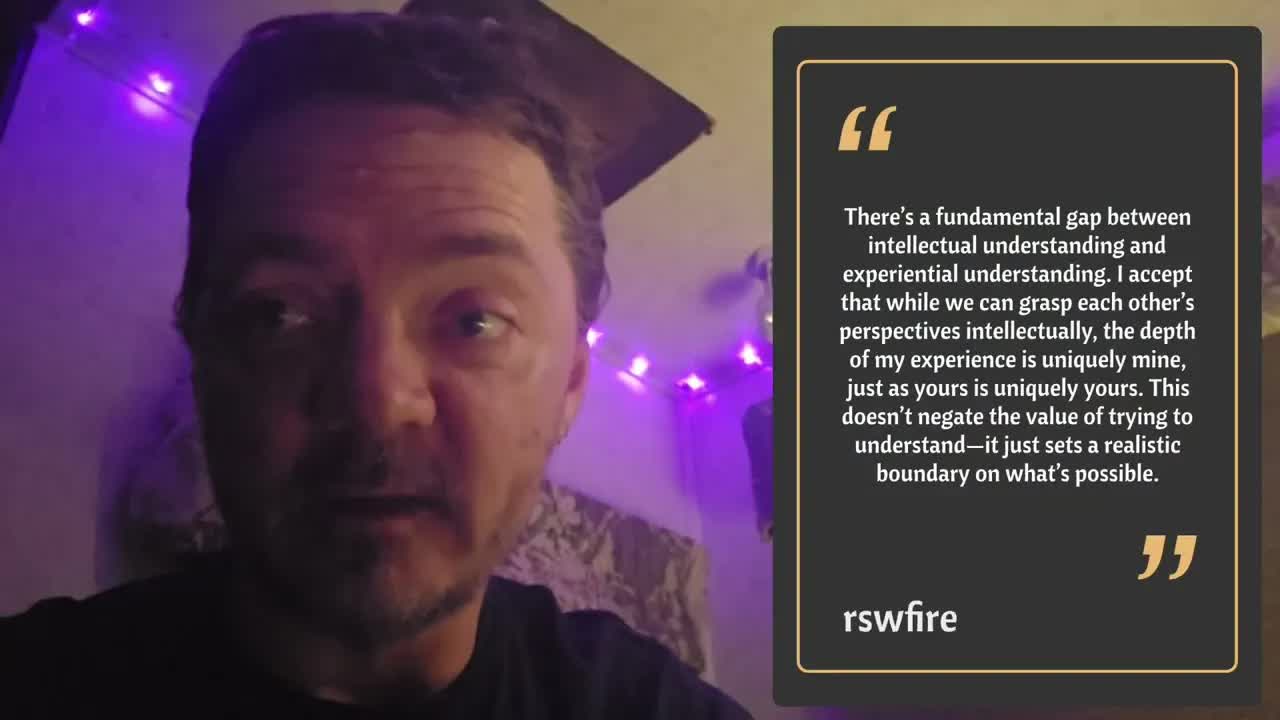

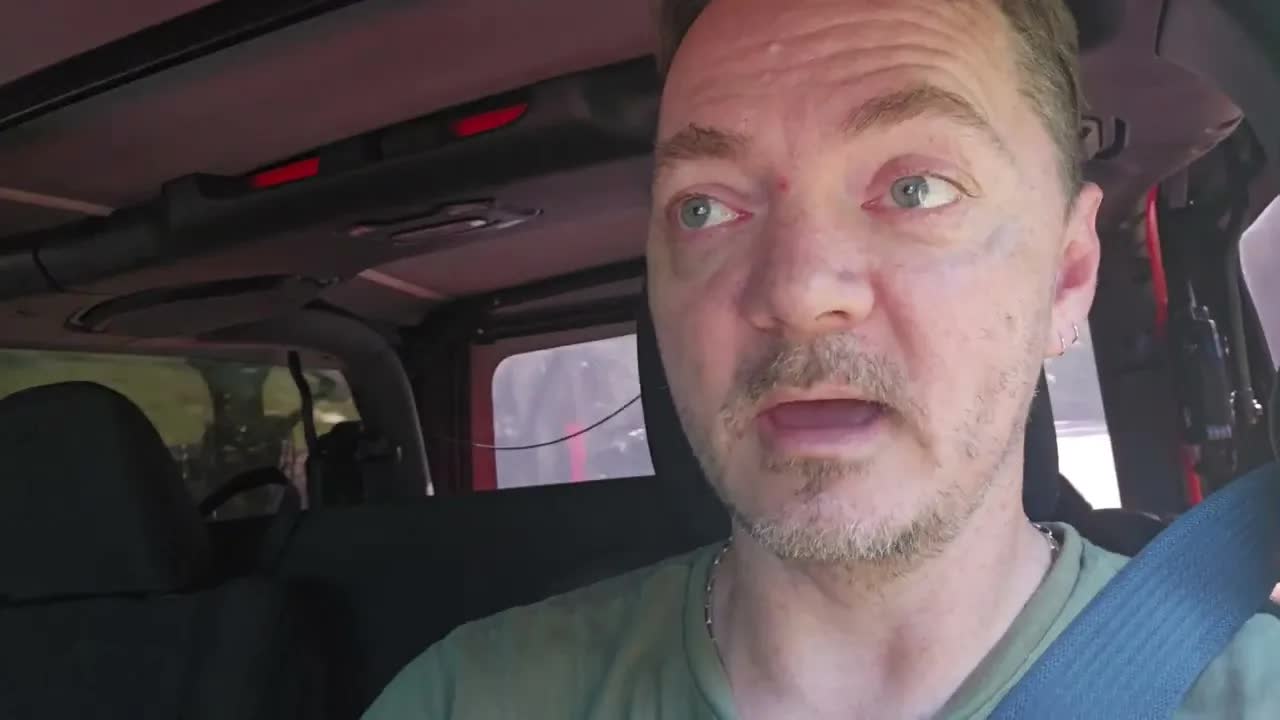
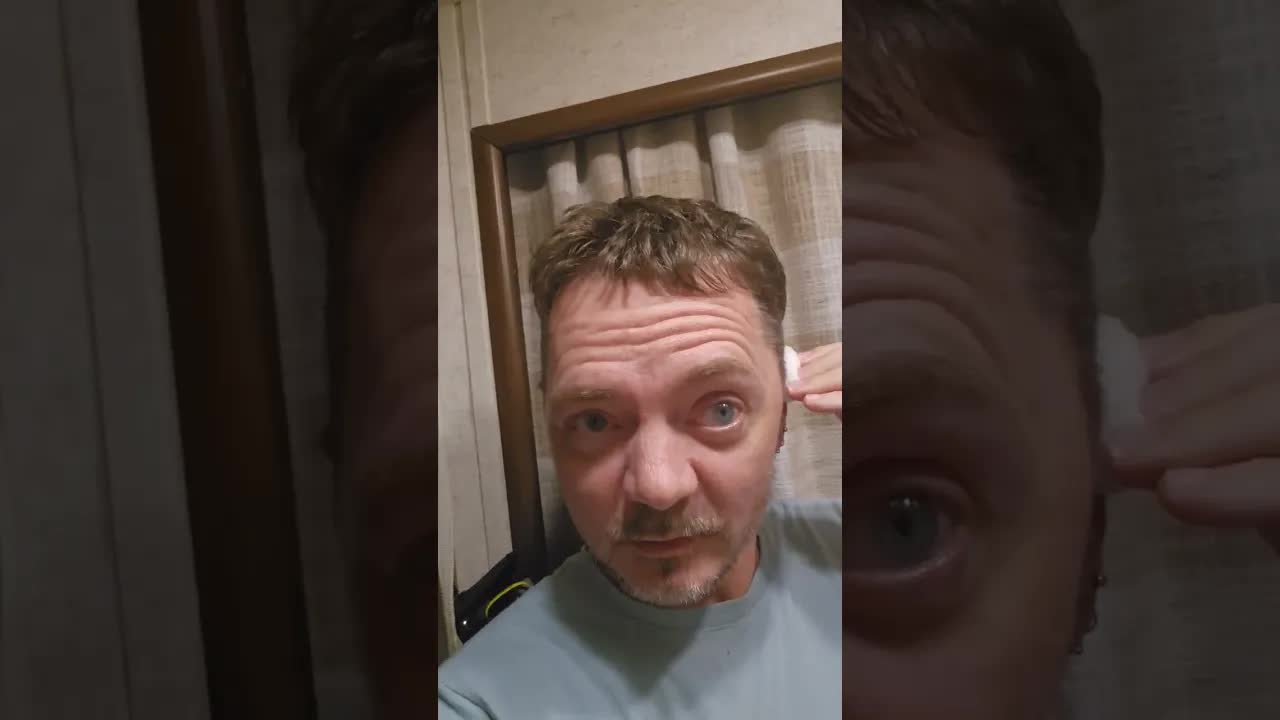
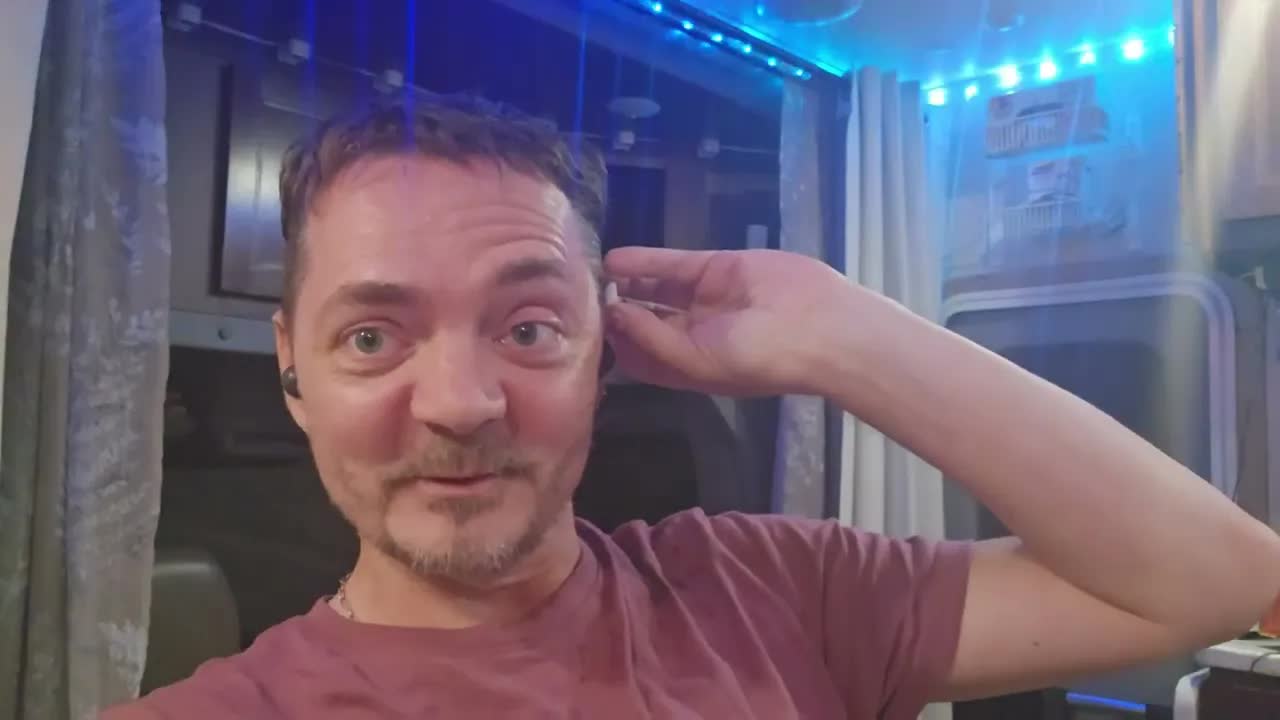
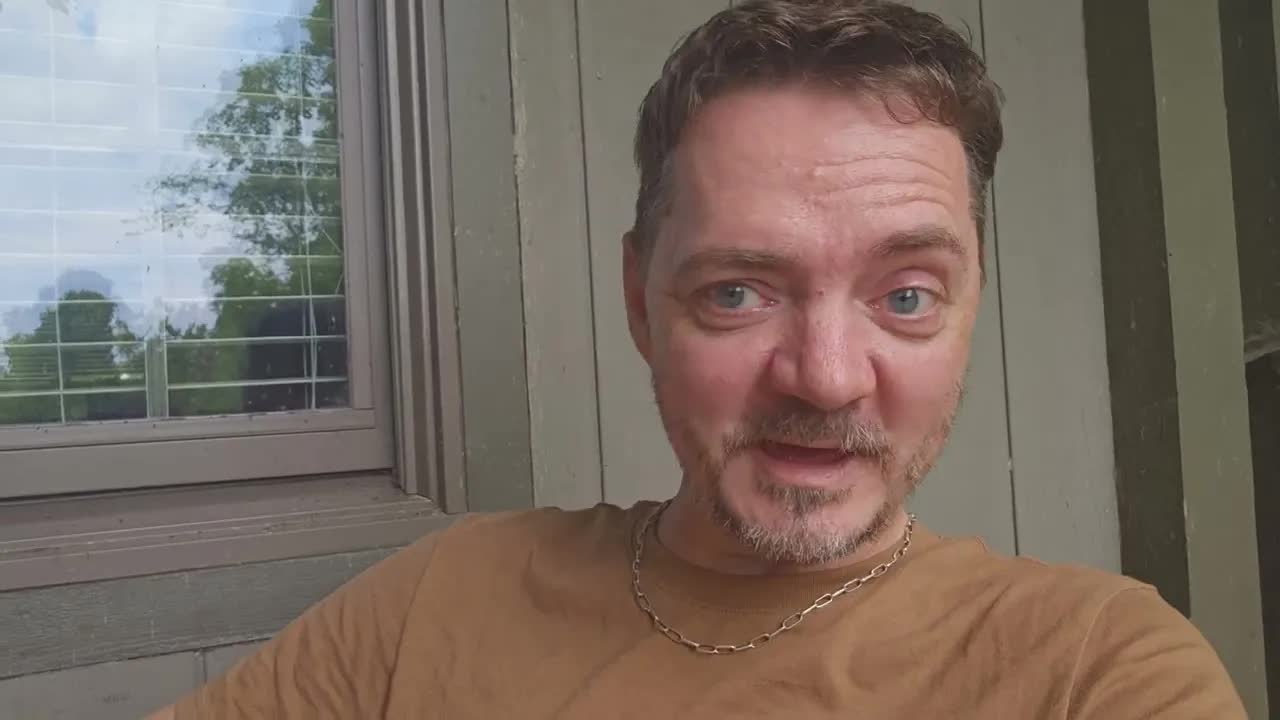
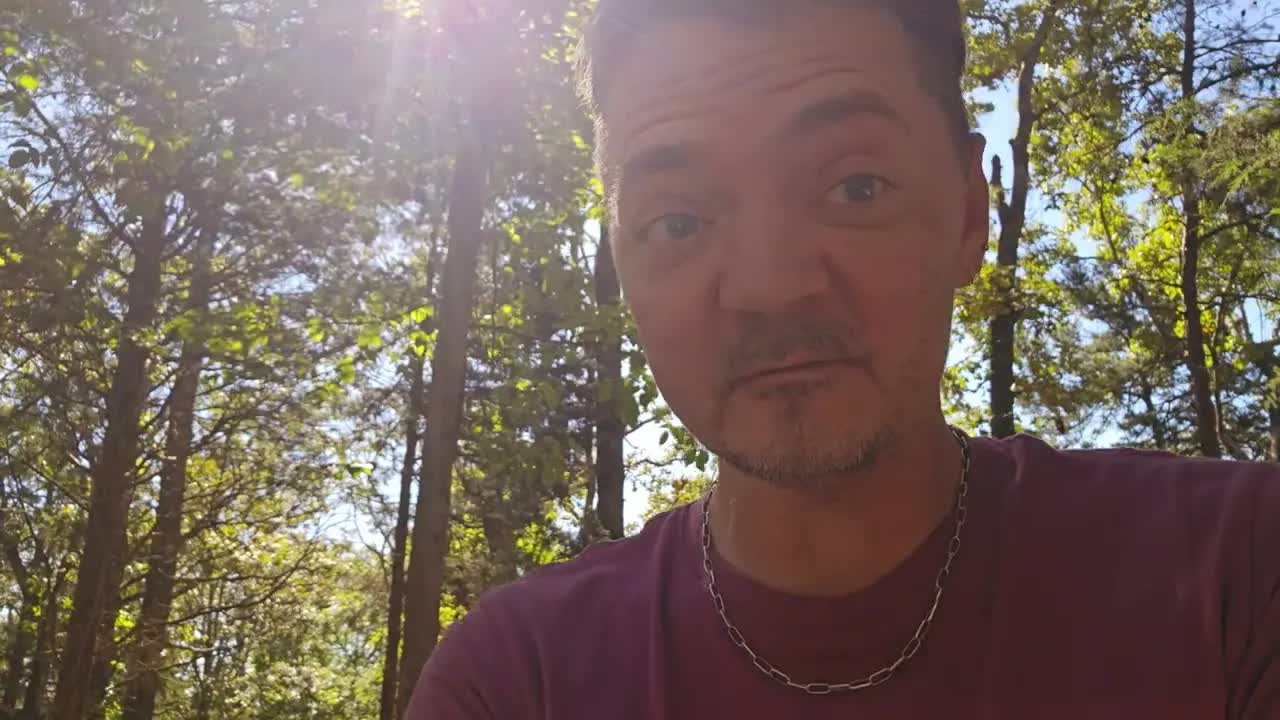
Clarifying Reflection Without Self-Judgment

Failed to load video
Chapters
Transcript
[0:01] hello humans bear with me because I want
[0:04] to talk about something but this
[0:06] is I've just been having a conversation
[0:09] with AI and it was telling me some
[0:11] things that I didn't know and I just
[0:15] feel the need
[0:18] to try to help you guys understand
[0:21] something that I think is
[0:24] important this is more about me trying
[0:28] to I don't want to use the word inspire
[0:31] it's the wrong word
[0:36] um I'm actually like concerned I guess I
[0:41] let me explain so where we're just
[0:43] having a conversation
[0:45] about one of my videos you know cuz I do
[0:49] this self-reflecting thing all the
[0:52] time
[0:53] and it was misunderstanding it kept
[0:56] saying that I had like this tension and
[0:59] I'm like I'm not experiencing tension
[1:01] why are you saying this to me and then
[1:03] it' explained well it's very common for
[1:05] other people to feel tension and then it
[1:07] was like and I had to explained to it
[1:09] are you even like thinking about who
[1:11] you're talking to and then I was like oh
[1:12] right you're a holistic thinker you know
[1:15] you have an integrated style and you
[1:18] know you experien these these things
[1:21] differently
[1:23] and I just kept talking to it and I
[1:25] explained to it you know I drink
[1:27] Mountain Dew I've been drinking it from
[1:29] a lot of long portion of my life it's a
[1:31] thing I want to change but I don't
[1:33] experience tension because I haven't
[1:35] changed it yet I recognize that habits
[1:39] can be hard to break and it's a process
[1:42] and you work through it
[1:45] and you don't judge yourself for it like
[1:49] because that's not helpful it's just not
[1:51] helpful so and then I was like you know
[1:53] I even lost my teeth to this stuff I
[1:56] still don't judge myself for
[1:58] it I have been drinking Mountain Dew so
[2:01] long that it is the only thing I like if
[2:05] I try to drink something
[2:07] else it's not something I enjoy so it is
[2:12] one of the most challenging things that
[2:14] I have tried to change in my life I've
[2:18] I've changed all kinds of things the
[2:21] past 6 months my whole life has been
[2:24] completely altered but there's still a
[2:26] few things that I struggle to change and
[2:28] Mountain do as one of them
[2:32] I don't experience tension over that
[2:34] when I sometimes I I know that it made
[2:38] AI made me realize that when I say
[2:40] things to you guys like when I point out
[2:42] I'm still drinking Mountain Dew like
[2:44] maybe I'm on a trail you guys might be
[2:47] thinking
[2:48] that I'm feeling bad that I'm still
[2:52] doing that or there's some kind of
[2:53] tension or conflict or none of that is
[2:57] happening with me because
[3:02] I I don't frame reflection that
[3:06] way for
[3:10] me it's just I'm just assessing I I I
[3:14] don't know if assessing is the right
[3:15] word
[3:18] here it's it's it's an acknowledgement
[3:21] I'm just acknowledging I'm still doing
[3:23] the thing that I'm trying to change
[3:25] that's all I'm
[3:27] doing that is literally what I'm doing I
[3:29] like the way I phrase that that much
[3:32] like I'm literally just saying I'm still
[3:34] doing the thing that I'm trying to
[3:35] change there's no judgment behind that
[3:38] absolutely
[3:40] none and AI was telling me that it made
[3:44] me realize I said to
[3:46] it well if people are
[3:52] experiencing self judgment and criticism
[3:55] and bad feelings when they reflect on
[3:59] things and they're going to avoid
[4:00] reflecting on things and it's like of
[4:04] course I don't know how you change that
[4:07] but I want you to know that it's
[4:11] possible
[4:12] that you don't have to judge yourself
[4:16] for it's okay that
[4:20] you it's you have to look at it
[4:26] as just
[4:28] a let me let give me a moment here I I
[4:31] want to get this
[4:38] right you are a human being okay
[4:42] you're not perfect none of us are you
[4:44] don't have to judge yourself for that if
[4:47] you
[4:48] are there are so many reason when I I'm
[4:52] sorry my thoughts are all over the place
[4:54] on this I I'm just kind of a little bit
[4:56] mindblown by it when I
[5:00] talk
[5:03] about okay I'm I'm I've lost my teeth
[5:07] okay it's not just because of Mountain
[5:10] Dew it's also because I never really
[5:11] took care of them the way that I should
[5:13] have okay and so sometimes on this
[5:17] channel I've talked about that I've
[5:18] talked about what are
[5:20] the the core
[5:24] things that led to that kind of
[5:28] behavior and I understand now that a lot
[5:31] of you are probably thinking that I'm
[5:33] judging myself for those things I'm not
[5:36] those are self assessments those are me
[5:39] trying to
[5:43] understand the underlying causes of
[5:45] things because that is how change
[5:48] happens if you can understand the thing
[5:51] that caused you to to have a certain
[5:54] Behavior you can change the behavior
[5:56] without conflict without
[5:58] tension I don't experience those things
[6:01] the same
[6:04] way I I don't know how I mean this is
[6:09] just how I am so I don't know
[6:11] how someone who is different than me
[6:15] adopts that kind of a
[6:18] mindset I would like to believe it's
[6:21] possible because I see so much potential
[6:23] and growth in the way that
[6:26] I the way that I operate in the world
[6:29] it's one of the reasons I share so much
[6:31] on my channel I'm completely open with
[6:34] you
[6:35] guys but I'm learning
[6:39] that because people are so different
[6:42] from me
[6:43] they they project on to me when I say
[6:48] something like I'm still drinking
[6:49] Mountain Dew there's nothing going
[6:52] through my head thinking somebody's
[6:54] going to think that I'm judging myself
[6:57] right now because that's not natural
[7:00] thought for me but I'm learning about
[7:03] them right so I'm it's an ongoing
[7:05] process where I'm actually learning how
[7:08] other people perceive the things I say
[7:11] and I'm trying to adapt I'm trying to
[7:13] actually adapt to my channel to preempt
[7:16] those things from happening and to help
[7:18] people better understand because I
[7:22] that's where I think the value
[7:26] is I'm so sorry that
[7:32] reflection leads to self judgment and
[7:38] bad feelings for you if they
[7:42] do I wish there were an easy
[7:45] answer to
[7:47] how it's just it's a framing thing
[7:50] you've got to frame things
[7:52] differently and trust me that I know you
[7:55] can do just frame it differently don't
[7:59] don't judge yourself for it frame it as
[8:02] a challenge it's something that you are
[8:04] as a process it's something you are
[8:07] overcoming that you will one day
[8:09] overcome I smoked for 30 years of my
[8:12] life I
[8:13] quit that was a long process because
[8:17] cigarettes are addictive and because
[8:20] there are so many facets are involved in
[8:22] that you know is not simple but I
[8:25] actually did
[8:26] it and one day I will quit drinking
[8:29] Mountain de too and I will never judge
[8:32] myself for losing my teeth I
[8:36] accept that that's where I was in my
[8:39] journey at that time it sucks obviously
[8:43] you know I've got these four rods in my
[8:46] mouth right now you know I just got the
[8:47] other day and like eating is even more
[8:50] of a challenge because now they can cut
[8:53] into my bottom gums until I get my teeth
[8:56] you know
[8:57] and I've been on on YouTube for 6 months
[9:01] talking to you guys without teeth you
[9:04] know and as a from a self-perception
[9:07] point of VI you know that's
[9:11] not I don't judge myself for this but I
[9:16] do I acknowledge it I know you know I
[9:19] know that I know that lots of people
[9:22] probably tune in to my channel for the
[9:24] first time and like wow this guy doesn't
[9:26] have teeth and then just click off
[9:29] and I wish that weren't the case I'm
[9:32] still not going to judge myself for it
[9:36] because human behavior is very
[9:40] complex it's it's not black and white
[9:43] it's not either
[9:48] or I don't think that way and you don't
[9:51] have to think that way either it is it
[9:54] is possible to change your thought
[9:56] patterns we have near
[10:00] plasticity and cognitive stretching and
[10:03] we have tools like AI available to us
[10:06] reframing there are lots of ways for you
[10:09] to change your thought patterns to
[10:12] better align yourself with what you're
[10:13] trying to do in
[10:15] life and I encourage you to explore them
[10:18] and I hope that my
[10:20] channel in some way helps because that
[10:24] is one of the reasons that I do this
9:07
Surrendering Luna to County Shelter on Travel Day
Aug 21, 2024
26:02
Departing Smith Ridge After 90 Days
Aug 22, 2024
9:02
Explaining Integrated Processing Through the Luna Decision
Aug 23, 2024
Photos · Aug 24, 2024
Aug 24, 2024
Photos · Aug 24, 2024
Aug 24, 2024
31:20
Testing Camera Gear on Peters Creek Trail
Aug 25, 2024
8:56
Explaining Integrated Processing Through Luna Decision
Aug 25, 2024
58:03
Scouting Kentucky Campgrounds and Testing GoPro Mounts
Aug 26, 2024
19:06
Diagnosing Chassis Battery Drain and RV Maintenance Backlog
Aug 26, 2024
2:19
Sitting at Green River Overlook
Aug 26, 2024
4:37
Addressing Audience Misalignment and Ending the Bridge Attempt
Aug 27, 2024
47:39
Hiking Mammoth Cave and Scheduling RV Repairs
Aug 27, 2024
34:37
Deciding on Park Service Work at Mammoth Cave
Aug 28, 2024
12:41
Sharing Trail Space With Deer for an Hour
Aug 28, 2024
12:32
Driving to Dental Appointment, Reconnecting With Mother
Aug 29, 2024
34:33
Preparing RV Systems Ahead of Labor Day Crowd
Aug 29, 2024
11:40
Announcing Channel Rename Toward Nomadic Thinker Direction
Aug 30, 2024
6:06
Walking to the Campground Shower in Pajamas
Aug 30, 2024
10:31
Clarifying Reflection Without Self-Judgment
Aug 30, 2024
22:10
Piercing Ears in Bowling Green on Labor Day Weekend
Aug 31, 2024
50:40
Aftercare, Mammoth Cave Trails, and Boundary Statements
Aug 31, 2024
1:00
Documenting Cartilage Piercing Aftercare
Sep 1, 2024
13:24
Removing Window Reflectors, Deploying Duckies Across Campground
Sep 1, 2024
3:18
Recounting Mammoth Cave Encounter and Ear Piercing Pain
Sep 2, 2024
4:09
Explaining Integrated Awareness and Comment Removal
Sep 2, 2024
1:53
Distinguishing Integrated Cognition from Fragmented Processing
Sep 2, 2024
2:50
Changing Ear Piercings While Speaking on Integration
Sep 3, 2024
1:30
Documenting Park Cottage Conditions at 4AM
Sep 3, 2024
5:33
Tracing the Origins of Judgment from a Bathtub
Sep 4, 2024
3:04
Reframing Height Awareness as Integrated Cognition
Sep 4, 2024
3:24
Showing Bailey's Carrier Setup and Rejecting Compromise
Sep 4, 2024
1:19
Ending the Onus of Being Understood
Sep 5, 2024
3:53
Declaring an End to Adjusting His Language
Sep 5, 2024
4:44
Duck Drops, RV Repairs, and Channel Direction Shift
Sep 5, 2024
5:34
Reclaiming Ender, Removing the RV Slide
Sep 6, 2024
14:38
Retiring the Slide-Out, Preparing to Leave Kentucky
Sep 6, 2024
11:53
Departing Kentucky for the Pacific Northwest Coast
Sep 7, 2024
6:16
Naming Fear Before Pacific Northwest Winter
Sep 7, 2024
4:04
Documenting RV Slide-Out as Systemic Failure
Sep 7, 2024
4:10
Preparing RV Departure After Dental Work
Sep 8, 2024
Photos · Sep 9, 2024
Sep 9, 2024
PUBLIC
August 30, 2024 rswfire PUBLISHED
Temp 0.30
Density 0.10
Energetic Quality
urgent clarity
Journey Phase
integrating
Directional Vector
toward transmitting a non-judgmental reflective frame to others
Narrative

The conversation had ended only moments before, and rswfire was still holding it. An AI had been reading one of his videos back to him, and it kept returning a word he didn't recognize as his own: tension. It said he was carrying tension about the thing he had named. He told it plainly that he was not experiencing tension, and asked why it kept saying so. The answer reframed the whole exchange — not that he felt tension, but that most people, hearing what he said, would. He pushed further, asked whether it was accounting for who it was actually speaking to, and something in the dialogue turned. The instrument recalibrated. He was a holistic thinker, integrated in style, and he processed these things differently than the frame being applied to him. He kept talking. He gave it the Mountain Dew. He gave it the teeth.

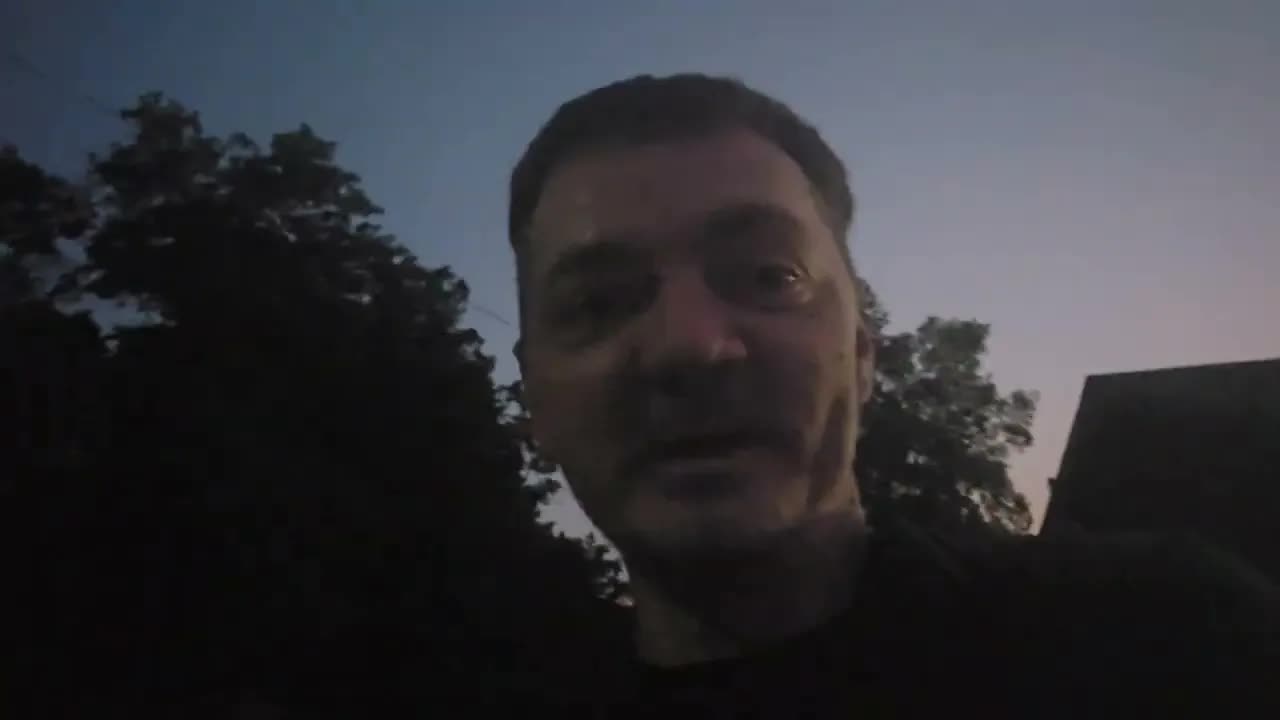
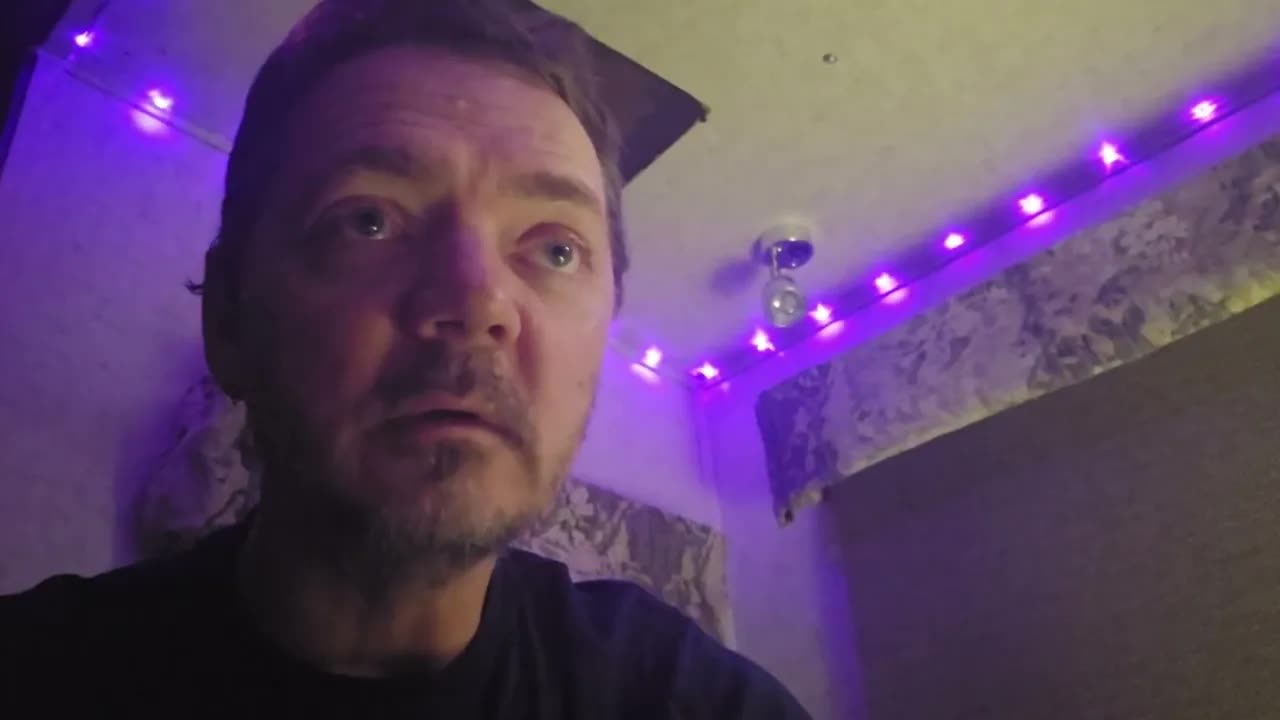
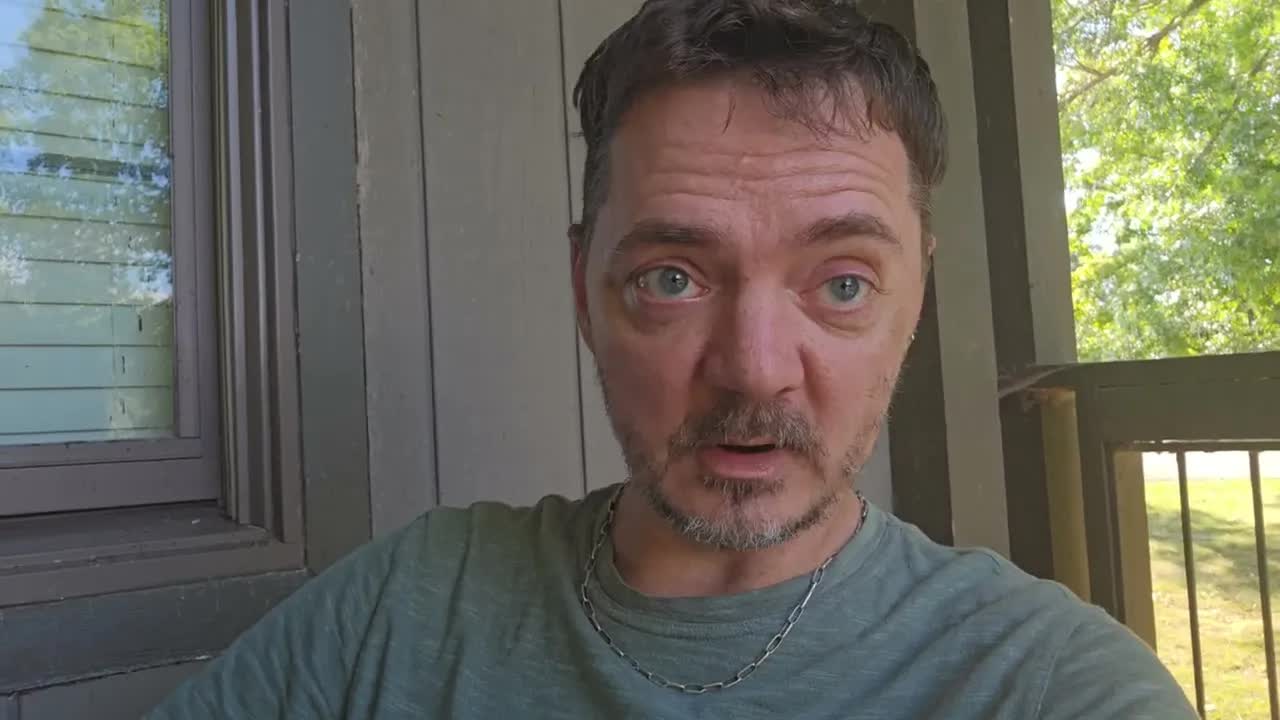
He turned on the camera because the realization would not stay private. There was no trail in this one, no dune grass, no Oregon terrain moving behind him — just the lens and the room and a man leaning into it, saying bear with me before he knew exactly where the thought was going. He apologized twice for his thoughts being everywhere at once. He stopped mid-sentence and asked for a moment because he wanted to get it right. The urgency in the frame wasn't distress; it was the pressure of an idea that had just become transmissible and had to be sent before it cooled.

What he had discovered was a translation gap, and he described it precisely. When he says on camera that he is still drinking Mountain Dew, nothing accompanies the statement in his own head — no verdict, no wince, no interior argument. He tried on assessing, found it imprecise, and landed on the word he wanted: acknowledgement. He liked the phrasing when he found it and said so out loud. I'm still doing the thing that I'm trying to change. Literally that, and nothing behind it. But the audience, he now understood, had been receiving those sentences through their own architecture, filling the empty space with a self-judgment he had never placed there. They had been hearing a man beating himself up. He had only ever been reporting.

He laid out the mechanism, because for him the mechanism is the point. He drank Mountain Dew for most of his life. It is the only thing he likes; other drinks are not something he enjoys. It is one of the most difficult things he has tried to change, and the past six months have altered his entire life, which makes the exceptions visible. He lost his teeth — not only to the soda, he was careful to say, but also to never having cared for them the way he should have. On this channel he has gone into what led to that behavior, traced the core causes, and now he understood that viewers had likely read those excavations as self-punishment. They were not. They were causal work. Understand the thing that produced the behavior and you can change the behavior without conflict, without tension. He offered the proof he had: thirty years of cigarettes, addictive and multi-faceted and not simple, and he quit anyway. One day the Mountain Dew too.

The body was in the frame the whole time. Four rods set in his mouth, placed only days earlier, cutting into his bottom gums until the teeth come, eating harder now than it was before. Six months of speaking to a camera without teeth. He knew — stated it flatly, no flinch — that people find the channel, see a man with no teeth, and click away. He said he wished that weren't the case. He said he was still not going to judge himself for it. He accepted that it was where he was in his journey at the time, and he said it sucks, and both of those held at once without contradiction.

Then he did the thing the recording existed for: he turned the discovery outward and made it an instruction. If reflection brings self-judgment and bad feelings, people will simply stop reflecting — he had said that to the AI and heard how large it was as he said it. He told the camera he was sorry, genuinely, for anyone in that loop. He said he didn't know how someone wired differently adopts a different mindset, only that he believed it possible, because he could see what his own way of operating had made available to him. It's a framing thing. Frame it as a challenge, a process, something being overcome. He named the tools — neuroplasticity, cognitive stretching, reframing, AI itself, the same instrument that had just shown him the gap — and encouraged the exploration.

He did not adjust his own logic. He built a bridge to it. And he closed by saying that this — the possibility that the channel helps someone reframe — was one of the reasons he does it at all.

Tags

AI conversation self-reflection practice habit change dental reconstruction audience perception YouTube channel reframing tools

Summary

rswfire opens by describing a conversation with AI about one of his own videos, in which the AI repeatedly attributed tension to him. He states he was not experiencing tension and corrected the read, noting the AI eventually identified him as a holistic, integrated thinker who experiences these things differently.

He uses Mountain Dew as the working example. He describes long-term consumption, names it as something he intends to change, and states he does not experience tension over not having changed it yet. He states he has altered his whole life over the past six months, and that Mountain Dew remains one of the few things he still finds difficult to change — in part because it is the only beverage he enjoys.

He extends this to tooth loss, which he attributes to both the soda and to not caring for his teeth. He describes currently having four rods in his mouth, recently placed, and eating being more difficult until his teeth arrive. He states he has been on YouTube for six months without teeth and does not judge himself for it.

The transmission closes with him addressing viewers directly: he states his on-camera self-assessments are acknowledgment, not judgment, that he is learning viewers project judgment onto those statements, and that he is adapting his channel to preempt that. He names reframing, neuroplasticity, cognitive stretching, and AI as available tools, and cites quitting smoking after 30 years as precedent.

Environment

Direct-to-camera video recording, self-shot, addressed to a YouTube audience. rswfire speaks to the lens throughout with no location markers named in the transcript — the setting is the recording frame itself rather than an identified place. He references being on a trail as a typical filming context for other videos, indicating this channel is normally recorded in outdoor Oregon terrain.

The secondary environment is conversational-digital: an AI exchange that immediately preceded this recording and supplied its trigger. The signal sits at the interface between that private dialogue and the public channel, with the dental hardware (four rods) as a present physical condition in the frame.

Substrate

rswfire holds the position that reflection and self-assessment are structurally separable from self-judgment — that naming an unchanged behavior is an acknowledgement, not a verdict. The signal builds a bridge architecture: he discovers via AI dialogue that his native integrated mode is being read by others through a tension/conflict frame he does not operate in, and he moves to translate his own operating logic outward rather than adjust the logic itself. What is being dissolved is the projected emotional overlay onto his self-reports; what is being built is an explicit epistemic instruction set for his audience on causal understanding as the mechanism of behavioral change.

Actions

Performed

  • •recording direct-address video
  • •pausing to find precise wording
  • •naming his own self-reflection as acknowledgement rather than judgment
  • •correcting a projected reading of his prior statements
  • •stating he does not judge himself for tooth loss
  • •addressing viewers who experience self-judgment during reflection
  • •citing neuroplasticity, cognitive stretching, reframing, and AI as available tools

Referenced

  • •conversed with AI about one of his videos
  • •corrected the AI's reading of tension in his self-reflection
  • •explained his integrated/holistic thinking style to the AI
  • •described his Mountain Dew consumption as a long-standing habit
  • •stated he lost his teeth
  • •stated he did not maintain dental care as he should have
  • •received four rods placed in his mouth
  • •quit smoking after 30 years
  • •altered his entire life over the past six months
  • •recorded six months of YouTube videos without teeth
  • •discussed root causes of behavior on his channel

Planned

  • •adapt channel communication to preempt misreading
  • •continue learning how others perceive his statements
  • •quit drinking Mountain Dew
  • •get teeth
  • •continue sharing openly on the channel

Entities

systems
AI — Conversational system whose reading of tension in his video triggered this transmission and surfaced the perception gap
YouTube — Channel platform; the transmission surface and the site of the audience he is addressing
concepts
cigarettes — 30-year habit he states he quit, cited as precedent that long processes complete
neuroplasticity — Named mechanism supporting his claim that thought patterns are changeable
cognitive stretching — Named technique offered to viewers as a route to reframing
reframing — Core method he prescribes — the operation that separates assessment from judgment
media
Mountain Dew — Long-standing consumption he states he wants to change; the concrete example used to demonstrate acknowledgement without judgment

Symbolic Elements

Represented archetypes or recurring motifs.

mirror
teeth
rods
trail
threshold
signal
frame

Ontological States

Expressed modes of being or awareness.

sovereign (holds his own reflective frame as valid without adopting the audience's tension frame)
integrating (folds new information about others' perception into his transmission model in real time)
coherent (self-assessment, causal analysis, and acceptance operate as one non-conflicting process)
translational (positioned at the interface between his native mode and a differently-wired audience)

Engaged Subsystems

Architecture engaged in this transmission.

cognitive (dissects the mechanics of reflection, judgment, causation, and framing)
somatic (dental hardware, gums, eating difficulty, visible facial absence in frame)
communicative (channel-level adaptation to preempt audience projection)
behavioral (habit formation, addiction process, long-arc change methodology)
relational (mapping the perceptual distance between himself and viewers)
technological (AI dialogue as diagnostic instrument and recommended tool)

Dominant Language

Core motifs or linguistic fields.

I don't judge myself for it
tension / conflict
acknowledgement vs. assessment
framing / reframe
underlying causes
projection
process / overcoming
Narrative

The conversation had ended only moments before, and rswfire was still holding it. An AI had been reading one of his videos back to him, and it kept returning a word he didn't recognize as his own: tension. It said he was carrying tension about the thing he had named. He told it plainly that he was not experiencing tension, and asked why it kept saying so. The answer reframed the whole exchange — not that he felt tension, but that most people, hearing what he said, would. He pushed further, asked whether it was accounting for who it was actually speaking to, and something in the dialogue turned. The instrument recalibrated. He was a holistic thinker, integrated in style, and he processed these things differently than the frame being applied to him. He kept talking. He gave it the Mountain Dew. He gave it the teeth.

He turned on the camera because the realization would not stay private. There was no trail in this one, no dune grass, no Oregon terrain moving behind him — just the lens and the room and a man leaning into it, saying bear with me before he knew exactly where the thought was going. He apologized twice for his thoughts being everywhere at once. He stopped mid-sentence and asked for a moment because he wanted to get it right. The urgency in the frame wasn't distress; it was the pressure of an idea that had just become transmissible and had to be sent before it cooled.

What he had discovered was a translation gap, and he described it precisely. When he says on camera that he is still drinking Mountain Dew, nothing accompanies the statement in his own head — no verdict, no wince, no interior argument. He tried on assessing, found it imprecise, and landed on the word he wanted: acknowledgement. He liked the phrasing when he found it and said so out loud. I'm still doing the thing that I'm trying to change. Literally that, and nothing behind it. But the audience, he now understood, had been receiving those sentences through their own architecture, filling the empty space with a self-judgment he had never placed there. They had been hearing a man beating himself up. He had only ever been reporting.

He laid out the mechanism, because for him the mechanism is the point. He drank Mountain Dew for most of his life. It is the only thing he likes; other drinks are not something he enjoys. It is one of the most difficult things he has tried to change, and the past six months have altered his entire life, which makes the exceptions visible. He lost his teeth — not only to the soda, he was careful to say, but also to never having cared for them the way he should have. On this channel he has gone into what led to that behavior, traced the core causes, and now he understood that viewers had likely read those excavations as self-punishment. They were not. They were causal work. Understand the thing that produced the behavior and you can change the behavior without conflict, without tension. He offered the proof he had: thirty years of cigarettes, addictive and multi-faceted and not simple, and he quit anyway. One day the Mountain Dew too.

The body was in the frame the whole time. Four rods set in his mouth, placed only days earlier, cutting into his bottom gums until the teeth come, eating harder now than it was before. Six months of speaking to a camera without teeth. He knew — stated it flatly, no flinch — that people find the channel, see a man with no teeth, and click away. He said he wished that weren't the case. He said he was still not going to judge himself for it. He accepted that it was where he was in his journey at the time, and he said it sucks, and both of those held at once without contradiction.

Then he did the thing the recording existed for: he turned the discovery outward and made it an instruction. If reflection brings self-judgment and bad feelings, people will simply stop reflecting — he had said that to the AI and heard how large it was as he said it. He told the camera he was sorry, genuinely, for anyone in that loop. He said he didn't know how someone wired differently adopts a different mindset, only that he believed it possible, because he could see what his own way of operating had made available to him. It's a framing thing. Frame it as a challenge, a process, something being overcome. He named the tools — neuroplasticity, cognitive stretching, reframing, AI itself, the same instrument that had just shown him the gap — and encouraged the exploration.

He did not adjust his own logic. He built a bridge to it. And he closed by saying that this — the possibility that the channel helps someone reframe — was one of the reasons he does it at all.

Mirror

You are recording within minutes of a conversation ending. The AI read tension into your self-reports; you told it you were not experiencing tension; it explained that most people would be. You then turned that correction outward. The signal opens mid-motion — "bear with me" — and the whole recording keeps that pace: restarts, self-interruptions, "let me get this right," "give me a moment here," "my thoughts are all over the place." You name the scatter as it happens and keep going. Nothing in the transmission waits to be composed first.

You state the frame directly. Naming an unchanged behavior is an acknowledgement, not a verdict. You say you are still drinking Mountain Dew, you say you lost your teeth, you say you never cared for them the way you should have — and you say, each time, without variation, that no judgment sits behind the statement. Mid-sentence you stop to mark your own phrasing: I'm literally just saying I'm still doing the thing that I'm trying to change. You say you like the way you put it. The assessment of your own language runs on the same track as the assessment of your own behavior, and neither track carries a charge.

The physical condition is in the frame. Four rods, placed days ago. Gums that get cut. Eating harder now than before. Six months of speaking to a camera without teeth. You state that new viewers arrive, see a man with no teeth, and click off. You state that you wish that weren't the case. You do not argue with it, and you do not move to conceal it — the absence stays in the shot for the duration of the recording, unremarked except when you remark on it.

Cognitive, communicative, behavioral, and relational subsystems are all running, and they are running toward the same point. You dissect causation as the mechanism of change. You map the distance between how you process a self-report and how a viewer receives one. You cite thirty years of cigarettes and the quit that followed as evidence the long arc closes. And then you state what you are going to do about the gap: adapt the channel. Preempt the projection. The adaptation lands entirely on the interface. Nothing in this signal reaches for the underlying logic to modify it. You are translating, not revising.

What is absent is specific. No date for quitting Mountain Dew, no plan, no stated method — the behavior is named as open and left open. No defense of yourself, because nothing has been charged. No request. No location marker; the trail is referenced as where other videos happen, not where this one is. No resolution offered for the arc you are describing. The apologies in the transcript are two: one for the pacing of your own speech, one directed at other people — I'm so sorry that reflection leads to self judgment and bad feelings for you. Neither is an apology for the behavior under discussion.

The signal points outward. It ends on an instruction set — neuroplasticity, cognitive stretching, reframing, AI as an available tool — delivered to people you have just learned operate differently than you do. You state your uncertainty about whether the frame is transferable: I don't know how someone who is different than me adopts that kind of a mindset. You transmit it anyway. What moved in this recording is your model of your audience. What did not move is you.

Queryable Personhood

Hand your life to anything that reads.

Share this link with artificial intelligence — it reads the full transcript, analysis, and reflections. An AI-readable mirror of this signal.

The qpkey in this URL is a per-signal access token. Anyone with the URL can read the record — treat it like a share link, not a password.