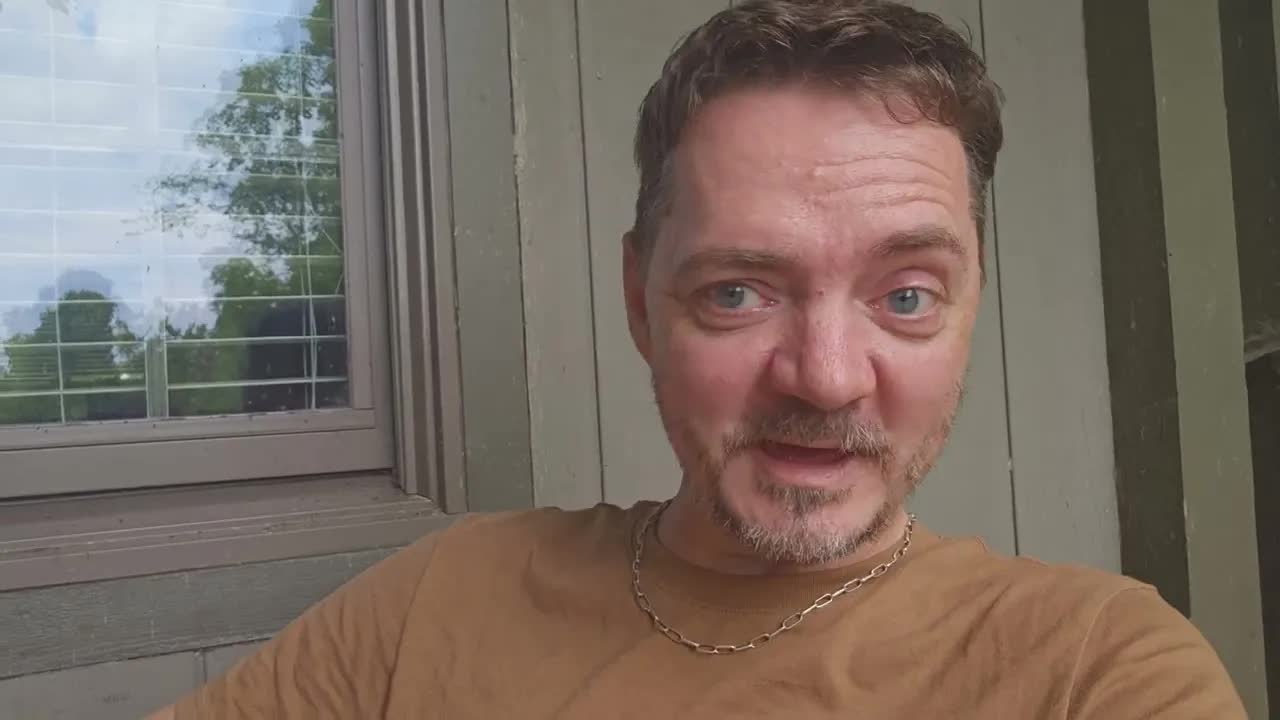
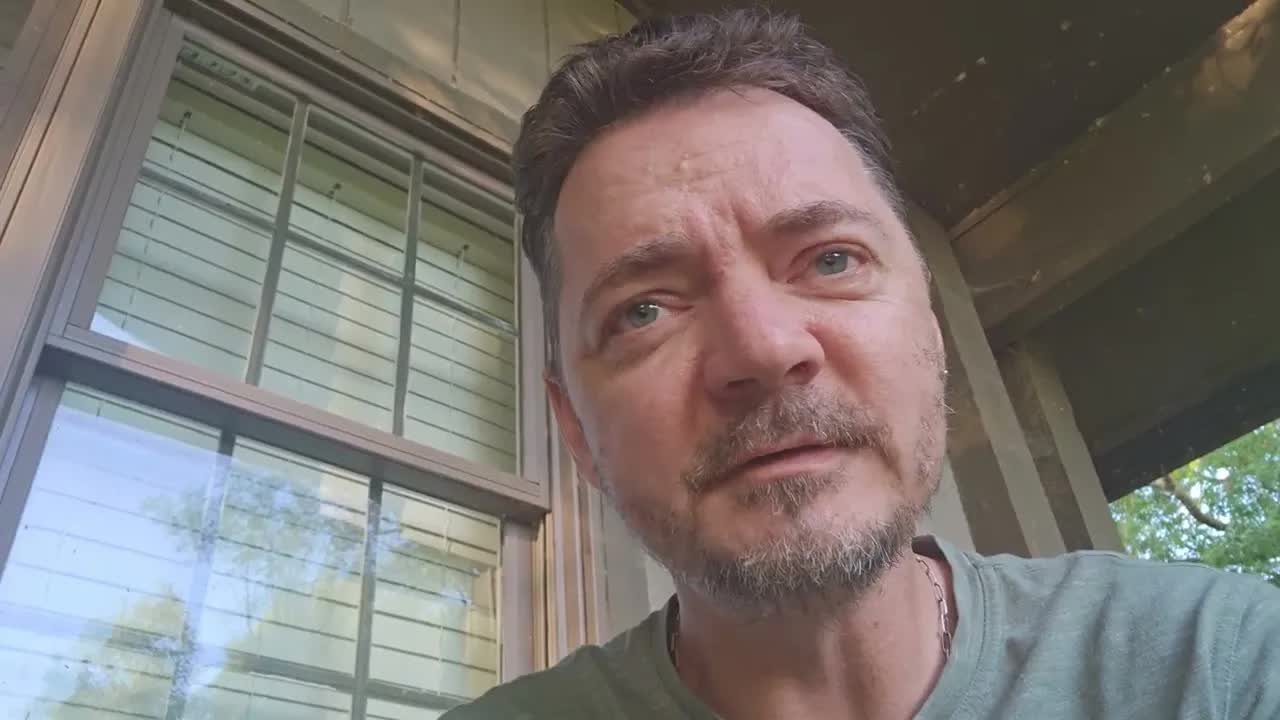
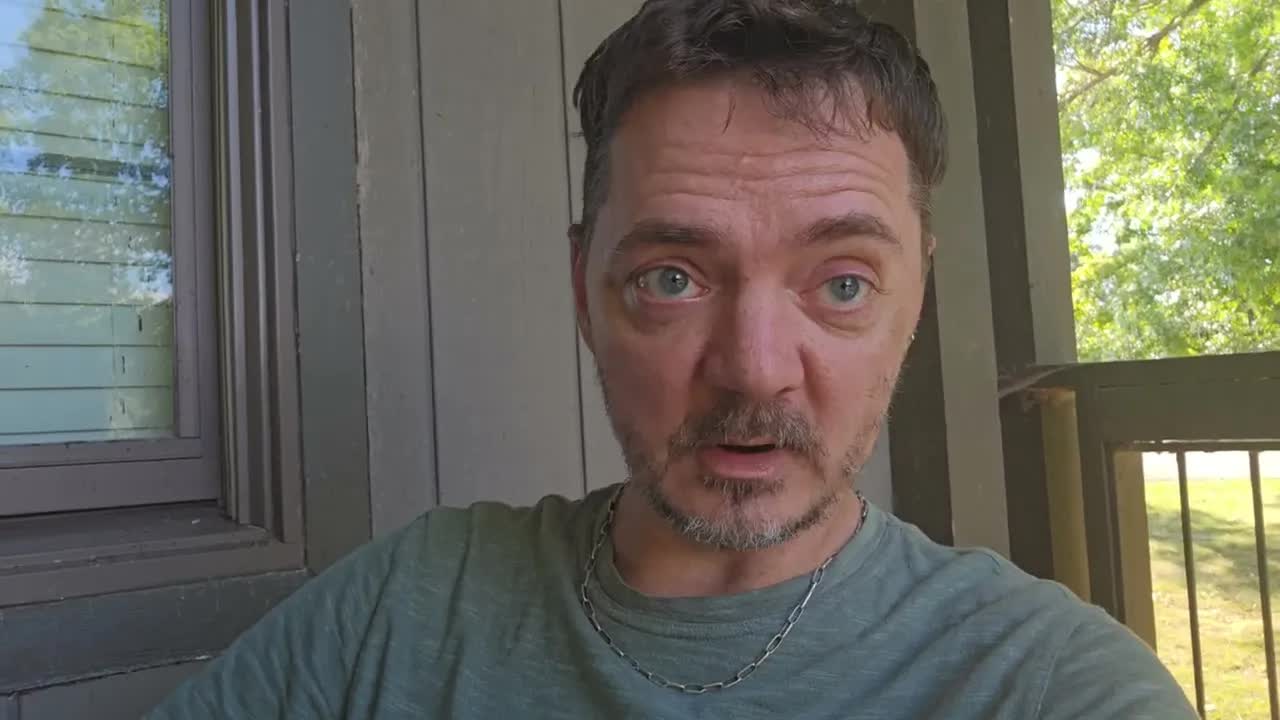
Reframing Height Awareness as Integrated Cognition

Failed to load video
Chapters
Transcript
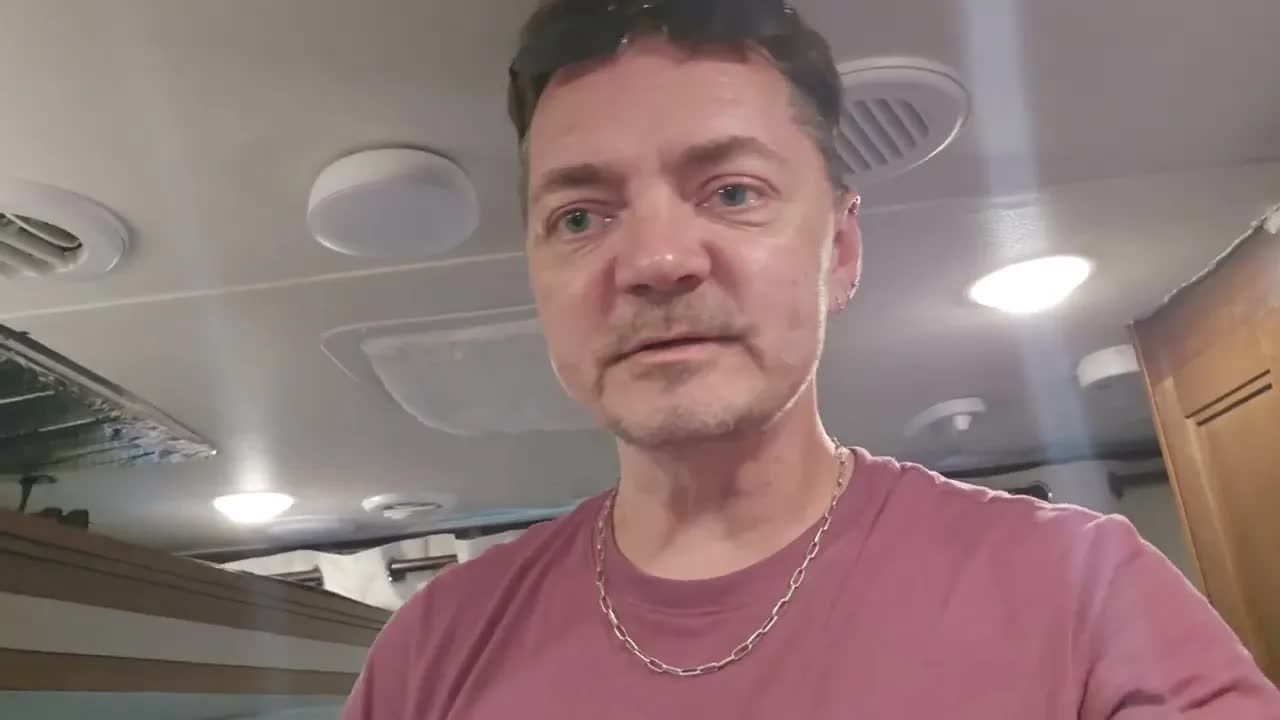
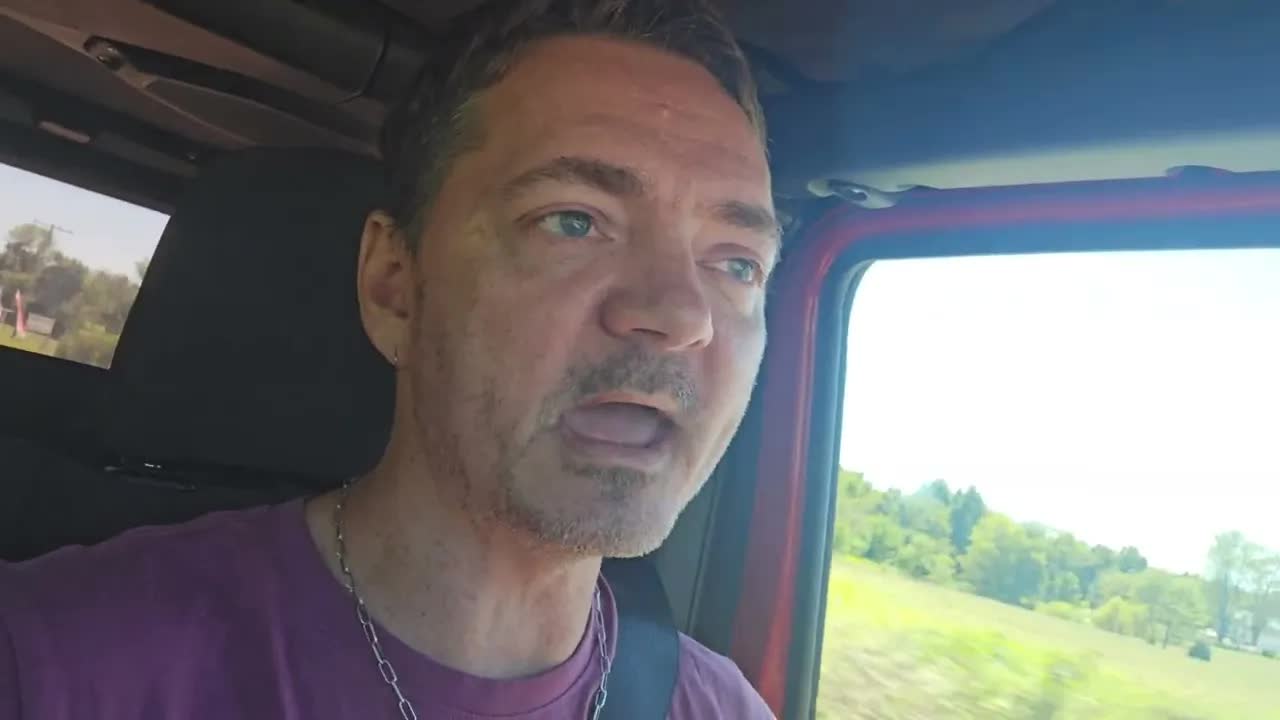
[0:01] so I just got back from the RV place I
[0:03] didn't go do laundry yet because I
[0:05] wanted to get my sub in the fridge
[0:08] and I'm not in a hurry today so I'm just
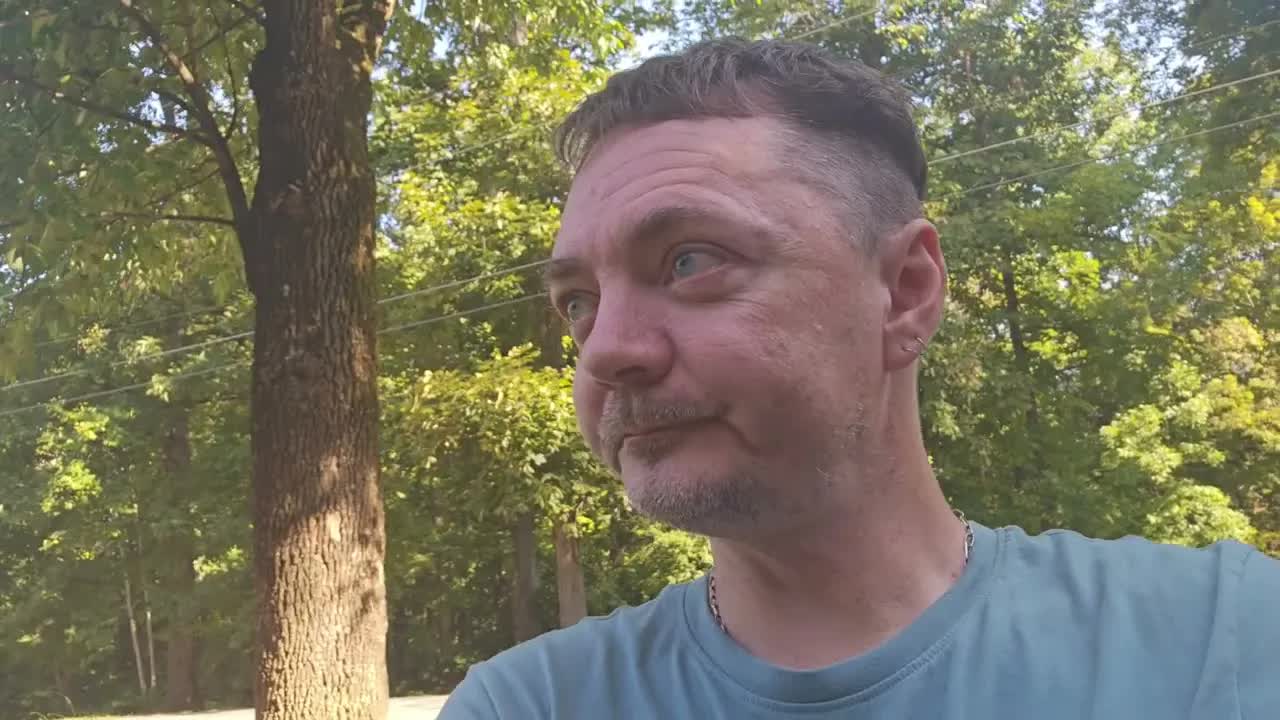
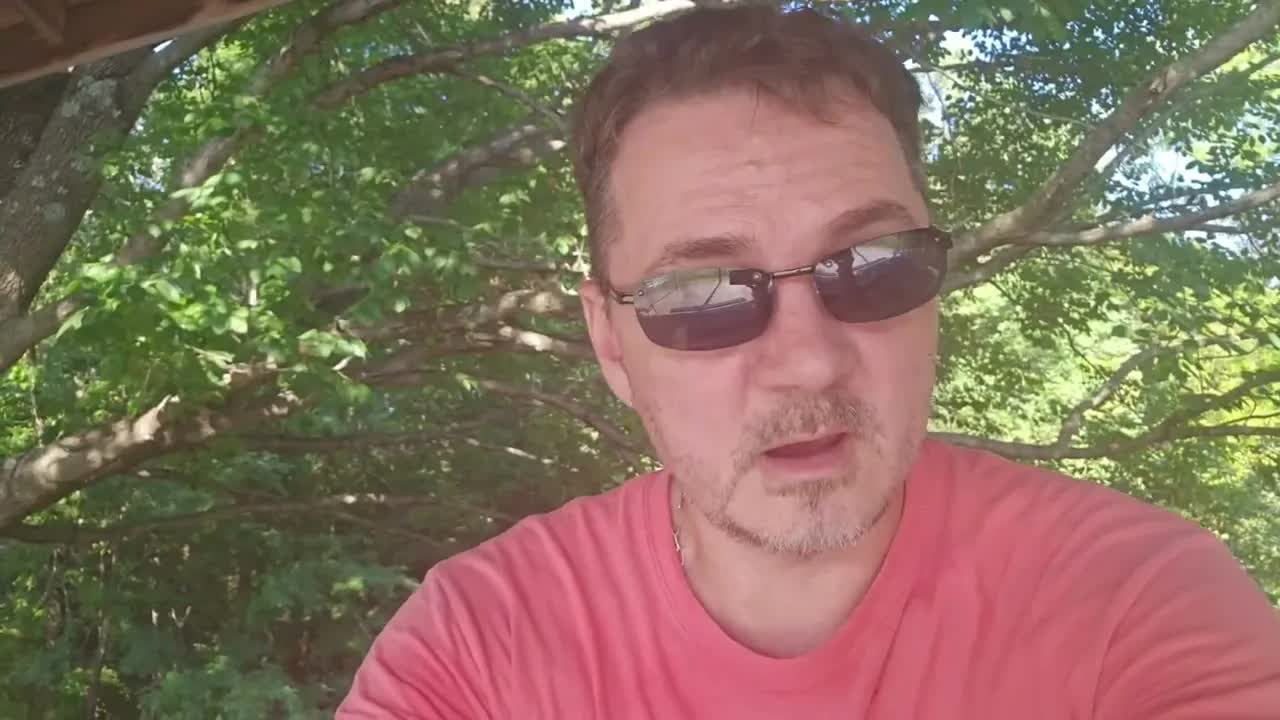
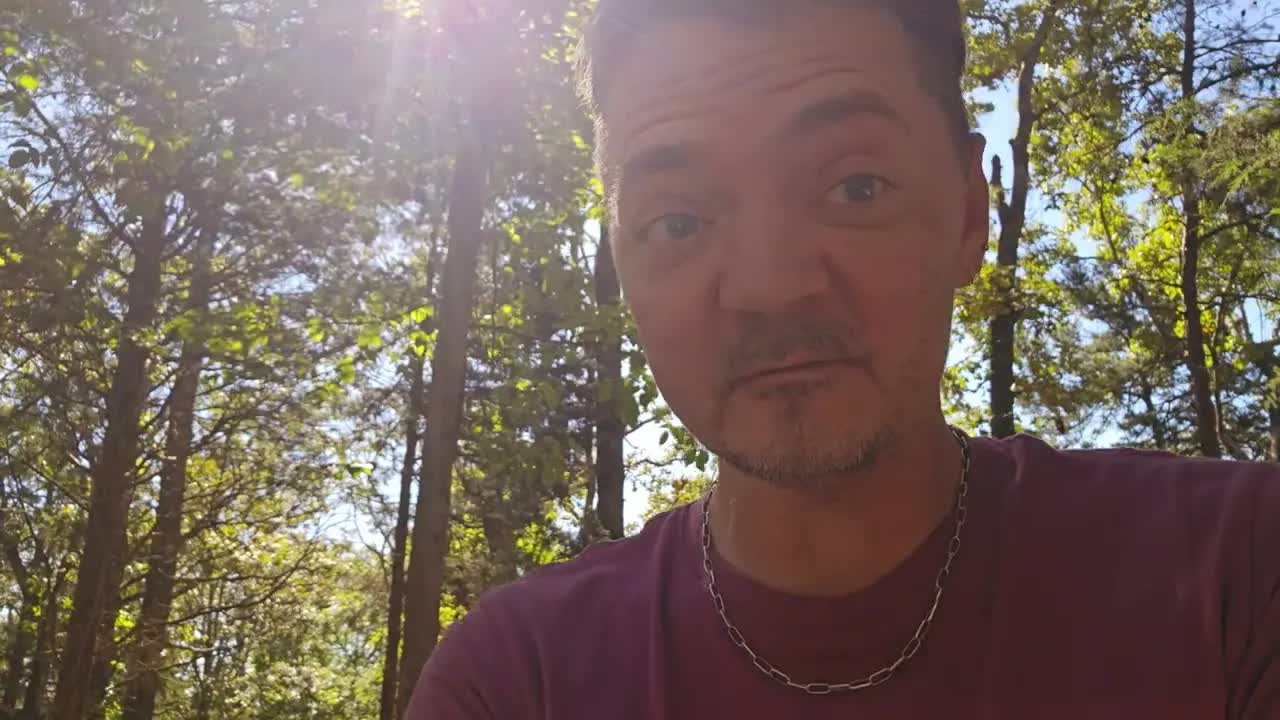
[0:11] sitting out here on the deck which
[0:14] is the other side of the cab
[0:17] and cottage is on flat ground but over
[0:21] here you're over like you're up high
[0:23] like and I'm you know I don't like
[0:25] heights so but I The more I've been out
[0:28] here the more I'm way more comfortable
[0:31] with it now like it's really truly
[0:33] not it's because I finally understood
[0:36] what it was it's not actually a fear of
[0:37] heights it's just how my brain works
[0:41] I I am aware of so many variables like
[0:46] the fact that sometimes these decks can
[0:49] collapse because it's happened right you
[0:52] know you have to be aware of I I have to
[0:55] be aware of I just am aware of
[1:00] all the way that things connect with
[1:02] each other you know these inner
[1:04] connections so it's it's kind of like
[1:05] it's a control thing it's like okay I'm
[1:07] having to put my trust
[1:09] that the systems here you know the park
[1:12] management are you know making sure
[1:14] these things are stable that they're not
[1:16] going to collapse but you know I don't
[1:18] really put a lot of faith in humans
[1:20] these days so if I'm out here I'm aware
[1:23] that I'm taking something of a risk I
[1:26] really am most people probably come out
[1:29] here and never have those thoughts but
[1:31] for me they're just a part of my
[1:32] integrated cognition I I don't ignore
[1:36] stuff
[1:38] but you know and other thoughts that I
[1:40] was having this week about while I've
[1:42] been out here is just
[1:44] like
[1:49] um yeah that thought just kind of
[1:51] spiraled away it happens you very fluid
[1:53] brain up here give me a
[1:55] second well it really just ties back to
[1:57] what I was saying it's just my awareness
[2:00] of the variables that make me have a
[2:03] heightened state of
[2:06] alertness when Heights are involved so
[2:08] it's not really a
[2:10] fear it's a pretty intense feeling but
[2:13] because my feelings are an integrated
[2:15] part of my
[2:16] cognition you know it's somewhere in
[2:18] that area it's it's a spectrum it's a
[2:21] you know it's a layered thing it's
[2:23] something that as a part of my awareness
[2:25] and I was calling that a fear pites but
[2:27] I don't think it is a fear pites I think
[2:29] think it's just a
[2:31] recognition
[2:33] of my integrated perspective of my
[2:39] environment reframing it that
[2:42] way has been profound for me because I'm
[2:45] just sitting out here and enjoying it
[2:47] and that's actually not a bigger part of
[2:49] my awareness anymore because I'm not
[2:52] exactly sure why I guess
[2:54] because I
[2:58] understand well I integrated it I've
[3:01] integrated it do you see how that works
8:56
Explaining Integrated Processing Through Luna Decision
Aug 25, 2024
58:03
Scouting Kentucky Campgrounds and Testing GoPro Mounts
Aug 26, 2024
19:06
Diagnosing Chassis Battery Drain and RV Maintenance Backlog
Aug 26, 2024
2:19
Sitting at Green River Overlook
Aug 26, 2024
4:37
Addressing Audience Misalignment and Ending the Bridge Attempt
Aug 27, 2024
47:39
Hiking Mammoth Cave and Scheduling RV Repairs
Aug 27, 2024
34:37
Deciding on Park Service Work at Mammoth Cave
Aug 28, 2024
12:41
Sharing Trail Space With Deer for an Hour
Aug 28, 2024
12:32
Driving to Dental Appointment, Reconnecting With Mother
Aug 29, 2024
34:33
Preparing RV Systems Ahead of Labor Day Crowd
Aug 29, 2024
11:40
Announcing Channel Rename Toward Nomadic Thinker Direction
Aug 30, 2024
6:06
Walking to the Campground Shower in Pajamas
Aug 30, 2024
10:31
Clarifying Reflection Without Self-Judgment
Aug 30, 2024
22:10
Piercing Ears in Bowling Green on Labor Day Weekend
Aug 31, 2024
50:40
Aftercare, Mammoth Cave Trails, and Boundary Statements
Aug 31, 2024
1:00
Documenting Cartilage Piercing Aftercare
Sep 1, 2024
13:24
Removing Window Reflectors, Deploying Duckies Across Campground
Sep 1, 2024
3:18
Recounting Mammoth Cave Encounter and Ear Piercing Pain
Sep 2, 2024
4:09
Explaining Integrated Awareness and Comment Removal
Sep 2, 2024
1:53
Distinguishing Integrated Cognition from Fragmented Processing
Sep 2, 2024
2:50
Changing Ear Piercings While Speaking on Integration
Sep 3, 2024
1:30
Documenting Park Cottage Conditions at 4AM
Sep 3, 2024
5:33
Tracing the Origins of Judgment from a Bathtub
Sep 4, 2024
3:04
Reframing Height Awareness as Integrated Cognition
Sep 4, 2024
3:24
Showing Bailey's Carrier Setup and Rejecting Compromise
Sep 4, 2024
1:19
Ending the Onus of Being Understood
Sep 5, 2024
3:53
Declaring an End to Adjusting His Language
Sep 5, 2024
4:44
Duck Drops, RV Repairs, and Channel Direction Shift
Sep 5, 2024
5:34
Reclaiming Ender, Removing the RV Slide
Sep 6, 2024
14:38
Retiring the Slide-Out, Preparing to Leave Kentucky
Sep 6, 2024
11:53
Departing Kentucky for the Pacific Northwest Coast
Sep 7, 2024
6:16
Naming Fear Before Pacific Northwest Winter
Sep 7, 2024
4:04
Documenting RV Slide-Out as Systemic Failure
Sep 7, 2024
4:10
Preparing RV Departure After Dental Work
Sep 8, 2024
Photos · Sep 9, 2024
Sep 9, 2024
Photos · Sep 9, 2024
Sep 9, 2024
Photos · Sep 9, 2024
Sep 9, 2024
6:06
Departing Nan River Lake, Heading West Alone
Sep 12, 2024
Photos · Sep 13, 2024
Sep 13, 2024
Photos · Sep 13, 2024
Sep 13, 2024
Photos · Sep 13, 2024
Sep 13, 2024
PUBLIC
September 4, 2024 rswfire PUBLISHED
Temp 0.00
Density -0.30
Energetic Quality
calm analytic clarity
Journey Phase
integrating
Directional Vector
toward integrated cognition — away from pathologized self-description
Narrative

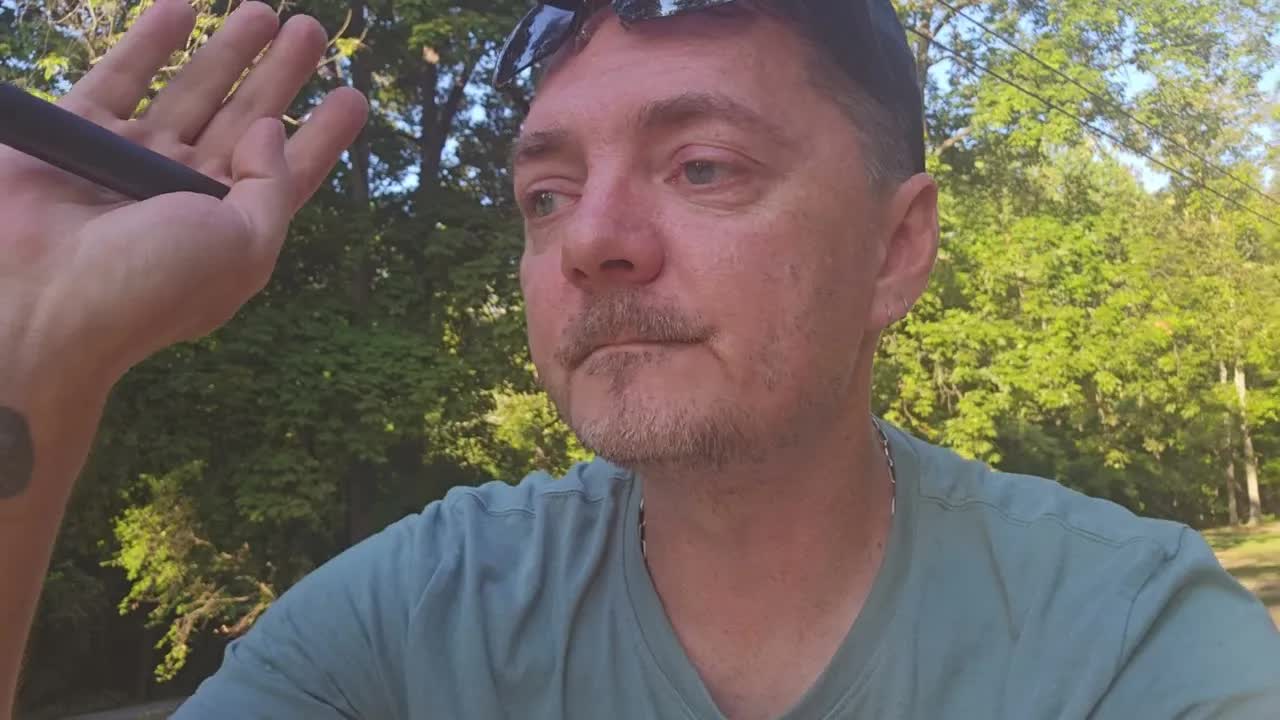
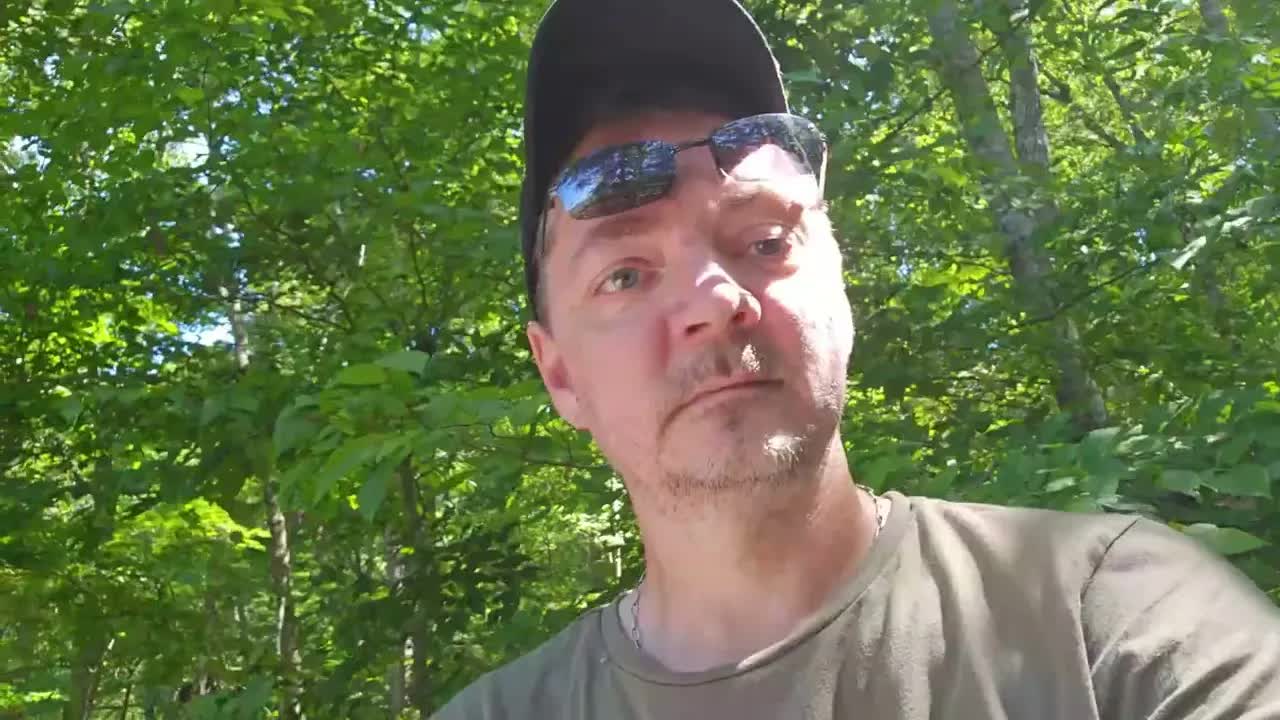
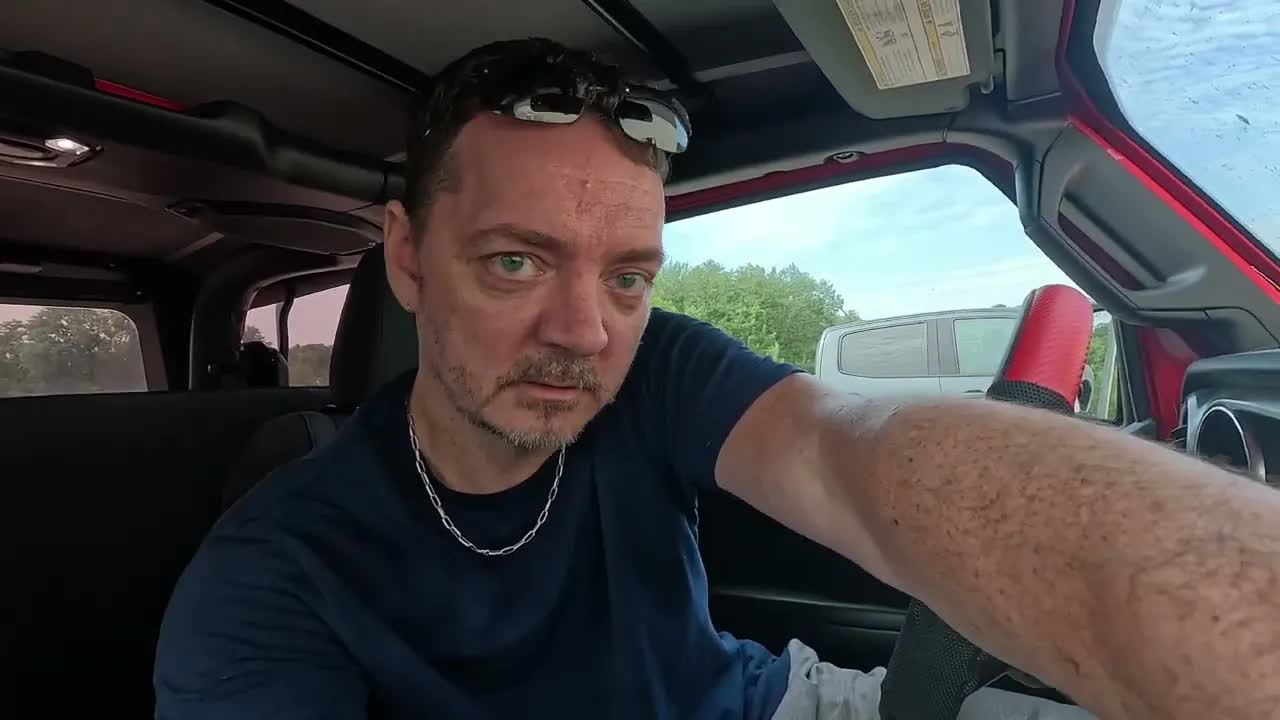
He came back from the RV place with a sandwich and a decision already made about the order of things. The laundry could wait. The sub went into the fridge first, because that was the errand that had a clock on it, and the rest of the afternoon had none. September on the coast, unhurried daylight, and rswfire went around to the other side of the cab where the deck is — not the cottage side, which sits flat on the ground, but the side that runs out over grade and puts a person up above the earth rather than on it. He sat down. He picked up the camera and held it in his hand, and he started talking about height.

He states that he doesn't like heights. That is the inherited sentence, the one that arrives already formed, and he says it the way anyone says it — as a given. But he says it in the past tense of his own comfort, because the more time he has spent out here, the more the discomfort has thinned. And then he says the thing that is actually the subject: it isn't a fear of heights. It's how his brain works.

What follows is the mechanism, laid out plainly. He describes an awareness of variables — many of them, running at once — and among those variables is the fact that decks collapse. Not as a hypothetical. Because it has happened. He describes tracking the way things connect to each other, the interconnections, and notes that the structure holding him up is a structure he did not build and cannot inspect. Someone else maintains it. Park management, he says, is the system he is being asked to trust. And he states that he doesn't put much faith in humans these days. So sitting out on this deck is a risk he is aware he is taking. Most people, he observes, come out here and never have those thoughts. For him they are simply part of his integrated cognition. He doesn't ignore stuff.

The thread went somewhere else for a moment. He started to bring in something else he'd been thinking about this week, and it slipped — spiraled away, he said, and named it as a normal event rather than a failure. Very fluid brain up here. He asked for a second. And then he found that the second thought hadn't been a separate thought at all; it tied back to the same place. The awareness of the variables is what produces the heightened state of alertness when height is involved. That's the whole structure. It just needed to be walked around to from the other side.

So he named it again, more precisely. Not a fear. A pretty intense feeling, he grants that — but because his feelings are an integrated part of his cognition, the intensity lands somewhere on the same spectrum as the awareness rather than in a separate compartment labeled malfunction. It's layered. It's a part of his awareness of his environment. He had been calling it a fear of heights. He doesn't think it is one. He thinks it's a recognition of his integrated perspective of the environment he's in.

And then the part he flagged as profound: reframing it that way meant he was just sitting out there enjoying it. The alertness was no longer occupying much of the field. He paused over why — said he wasn't exactly sure — and then answered himself in the same breath. He integrated it. He's integrated it. Do you see how that works. The deck was still elevated. Park management was still the system holding the load. Nothing about the risk had changed. What had changed was the word, and the word had been doing more work than the height was.

Tags

RV living integrated cognition heights and elevation risk assessment reframing deck observation systems trust

Summary

rswfire records a signal from the deck at the RV site, having just returned from the RV place and deferred laundry in order to get his sub into the fridge. He states he is not in a hurry, and is sitting on the deck, which he distinguishes from the cabin/cottage side — that side sits on flat ground, while the deck is elevated.

He describes his relationship to heights and states he has become more comfortable with the elevation over time on site. He attributes this to a reframe: he states it is not a fear of heights but a function of how his brain works — awareness of many variables at once, including the fact that decks can and have collapsed, and the interconnections between systems.

He names the structural element as trust in park management to maintain deck stability, states he does not place much faith in humans currently, and describes sitting on the deck as taking a known risk. He notes most people would not run those calculations, and identifies the awareness as part of his integrated cognition.

Mid-transmission, he notes a thought moving away and describes his cognition as fluid, then returns to the thread. He characterizes the heightened alertness at elevation as a layered, spectrum-based state where feeling and cognition operate together, and states that reframing it as integrated perspective rather than fear has been profound — and that the awareness has receded because he integrated it.

Environment

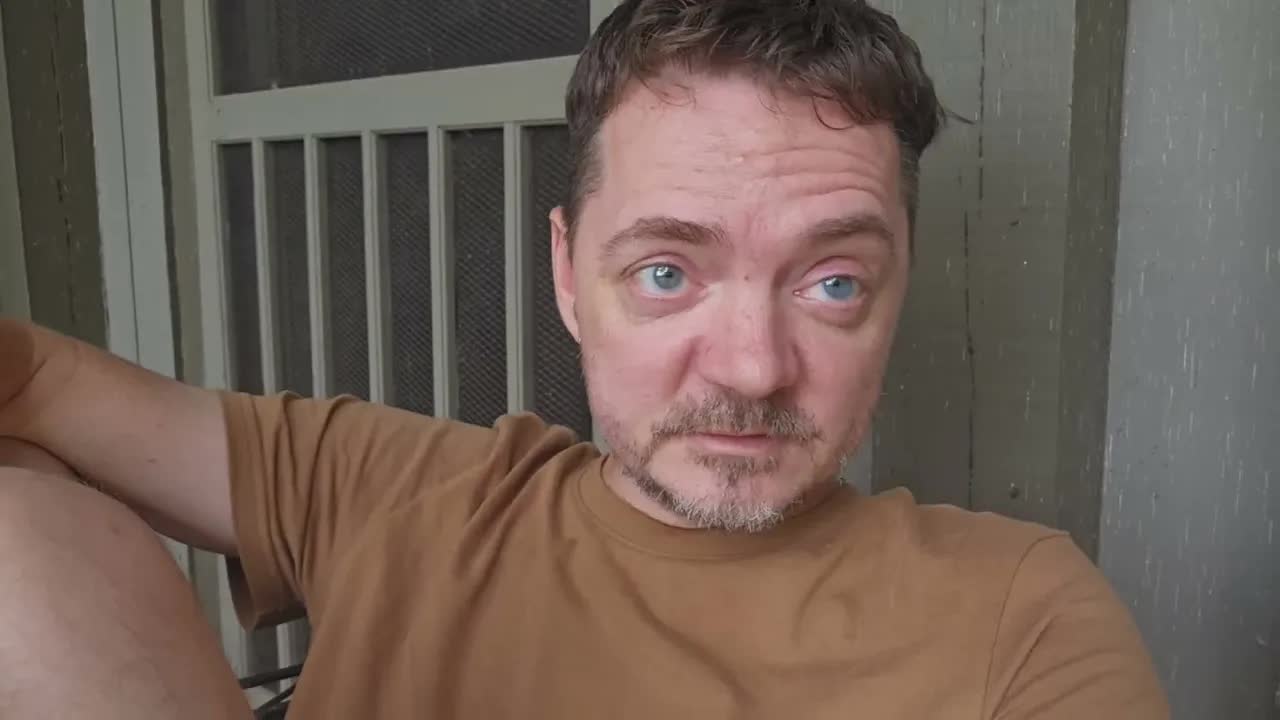
Recorded outdoors on an elevated deck at a rental property, on the side opposite the cab and cottage. rswfire notes the cottage sits on flat ground while this deck is raised above grade.

He has just returned from the RV place with a sandwich placed in the fridge; laundry remains undone. The setting is unhurried daytime, seated, camera held in hand, with structural stability of the deck and its park management oversight explicitly in frame.

Substrate

rswfire relocates what was previously labeled a fear of heights into a structural account of his own cognition: awareness of load-bearing variables and interconnections, plus a stated non-reliance on human systems, produces heightened alertness at elevation. The ontological position is that feeling and cognition are one integrated system, so intensity is read as environmental perception rather than affective malfunction. What is dissolved is the diagnostic label; what is built is a self-model in which alertness is accurate perception of risk delegated to systems he did not verify.

Actions

Performed

  • •sitting on the elevated deck
  • •recording spoken transmission
  • •reframing 'fear of heights' as integrated awareness
  • •pausing when a thought drops, then resuming
  • •naming feelings as part of cognition

Referenced

  • •returned from the RV place
  • •put a sub in the fridge
  • •spent increasing time on the deck
  • •previously labeled the response a fear of heights
  • •observed that decks have collapsed
  • •held thoughts about this over the past week

Planned

  • •do laundry later

Entities

places
RV place — Location returned from immediately before recording
the deck — Elevated platform where the signal is recorded; the structural object under examination
the cottage — Adjacent structure on flat ground, contrasted with the raised deck
systems
park management — Institutional body responsible for structural maintenance; the entity trust would have to be extended to
concepts
integrated cognition — rswfire's stated model of feeling and thought operating as one system
fear of heights — Prior label being explicitly rejected and replaced

Symbolic Elements

Represented archetypes or recurring motifs.

elevation
deck
load-bearing structure
collapse
edge
flat ground
interconnection
spectrum

Ontological States

Expressed modes of being or awareness.

integrating (a prior label is dissolved and replaced with a structural self-model in real time)
sovereign (self-definition held against the common diagnostic frame — 'most people probably come out here and never have those thoughts')
embedded (perception fully coupled to the physical structure and its maintenance chain)
coherent (intensity, awareness, and reasoning described as one continuous spectrum rather than separate faculties)

Engaged Subsystems

Architecture engaged in this transmission.

cognitive (variable-tracking and interconnection mapping named as the operating mechanism)
somatic (heightened alertness registered in the body at elevation)
epistemic (relabeling the phenomenon accurately rather than accepting the inherited term)
infrastructural (deck stability, maintenance, and structural failure as literal subject matter)
institutional-trust (park management as the system risk is delegated to)
linguistic (precision of naming treated as the operative act)

Dominant Language

Core motifs or linguistic fields.

integrated cognition
awareness of variables
interconnections
collapse / risk
trust in systems
not a fear — a recognition
heightened state of alertness
Narrative

He came back from the RV place with a sandwich and a decision already made about the order of things. The laundry could wait. The sub went into the fridge first, because that was the errand that had a clock on it, and the rest of the afternoon had none. September on the coast, unhurried daylight, and rswfire went around to the other side of the cab where the deck is — not the cottage side, which sits flat on the ground, but the side that runs out over grade and puts a person up above the earth rather than on it. He sat down. He picked up the camera and held it in his hand, and he started talking about height.

He states that he doesn't like heights. That is the inherited sentence, the one that arrives already formed, and he says it the way anyone says it — as a given. But he says it in the past tense of his own comfort, because the more time he has spent out here, the more the discomfort has thinned. And then he says the thing that is actually the subject: it isn't a fear of heights. It's how his brain works.

What follows is the mechanism, laid out plainly. He describes an awareness of variables — many of them, running at once — and among those variables is the fact that decks collapse. Not as a hypothetical. Because it has happened. He describes tracking the way things connect to each other, the interconnections, and notes that the structure holding him up is a structure he did not build and cannot inspect. Someone else maintains it. Park management, he says, is the system he is being asked to trust. And he states that he doesn't put much faith in humans these days. So sitting out on this deck is a risk he is aware he is taking. Most people, he observes, come out here and never have those thoughts. For him they are simply part of his integrated cognition. He doesn't ignore stuff.

The thread went somewhere else for a moment. He started to bring in something else he'd been thinking about this week, and it slipped — spiraled away, he said, and named it as a normal event rather than a failure. Very fluid brain up here. He asked for a second. And then he found that the second thought hadn't been a separate thought at all; it tied back to the same place. The awareness of the variables is what produces the heightened state of alertness when height is involved. That's the whole structure. It just needed to be walked around to from the other side.

So he named it again, more precisely. Not a fear. A pretty intense feeling, he grants that — but because his feelings are an integrated part of his cognition, the intensity lands somewhere on the same spectrum as the awareness rather than in a separate compartment labeled malfunction. It's layered. It's a part of his awareness of his environment. He had been calling it a fear of heights. He doesn't think it is one. He thinks it's a recognition of his integrated perspective of the environment he's in.

And then the part he flagged as profound: reframing it that way meant he was just sitting out there enjoying it. The alertness was no longer occupying much of the field. He paused over why — said he wasn't exactly sure — and then answered himself in the same breath. He integrated it. He's integrated it. Do you see how that works. The deck was still elevated. Park management was still the system holding the load. Nothing about the risk had changed. What had changed was the word, and the word had been doing more work than the height was.

Mirror

You are seated on a raised deck on the far side of the cab, opposite the cottage, which sits on flat ground. The sandwich is in the fridge. The laundry is not done. You state you are not in a hurry today. The camera is in your hand and the ground is below you at a distance you can register. Nothing about the setting requires anything from you, and you are not asking anything of it.

The operation you perform in this recording is a relabeling. You take a term you have carried and used — fear of heights — and you set it down. You do not replace it with a softer term. You replace it with a mechanism: awareness of variables, awareness of how things connect. You state this is not a fear but a recognition. You state the feeling is intense and that this is not a contradiction, because your feelings are an integrated part of your cognition — a spectrum, a layered thing, not a separate faculty issuing a false alarm. You describe the intensity as accurate rather than excessive. That is the whole move, and you make it once, in plain sequence, without arguing for it.

The structure holding you is the literal subject. You name that decks collapse, and you name why you know it — because it has happened. You name where the risk sits: with park management, with a maintenance chain you did not inspect and cannot verify. You state you do not put a lot of faith in humans these days. You do not descend, test the railing, or resolve the exposure. You name the delegation, hold it, and remain seated on it. You also state that most people come out here and never have those thoughts. You place that as difference, not deficit, and you do not qualify it afterward.

Mid-signal a thought leaves. You say it spiraled away, name the brain as fluid, take a second, and continue. There is no apology for the break, no attempt to retrieve the lost thread, no rerouting to protect the recording's shape. The signal resumes at the same level it left. What returns is the same mechanism, restated: awareness of variables producing a heightened state of alertness when height is involved.

What is present: the deck, the drop, the maintenance chain, the naming, the calm. Cognitive tracking is running and it is running on the physical structure beneath you. The somatic register is active and you report it accurately rather than describing it as a problem. The epistemic subsystem is doing the load-bearing work — the operative act here is precision of language, and you perform it in real time on your own prior terminology. What is absent: distress, urgency, self-correction, any request that the field confirm you. No diagnosis appears, including the one you removed. No plan follows the recognition.

The signal points at the relabeling and then at its effect. You state you are sitting out here and enjoying it, that the awareness is no longer a large part of your field, and that you are not entirely sure why — then you answer yourself: you integrated it. The signal closes on a question addressed outward. Do you see how that works. It is not asked for validation. It is asked as a demonstration that has already completed.

Queryable Personhood

Hand your life to anything that reads.

Share this link with artificial intelligence — it reads the full transcript, analysis, and reflections. An AI-readable mirror of this signal.

The qpkey in this URL is a per-signal access token. Anyone with the URL can read the record — treat it like a share link, not a password.