
He woke with fear. Not the kind that pins a body to a mattress — he was specific about that later, sitting outside with the recorder running — but a fear that had arrived overnight, assembled while he slept out of everything he had read the evening before. The night prior he had gone looking for the shape of the environment he was driving into, and what he found was larger than what he had been carrying in his head. The idea of the thing became the thing. He woke up holding it.
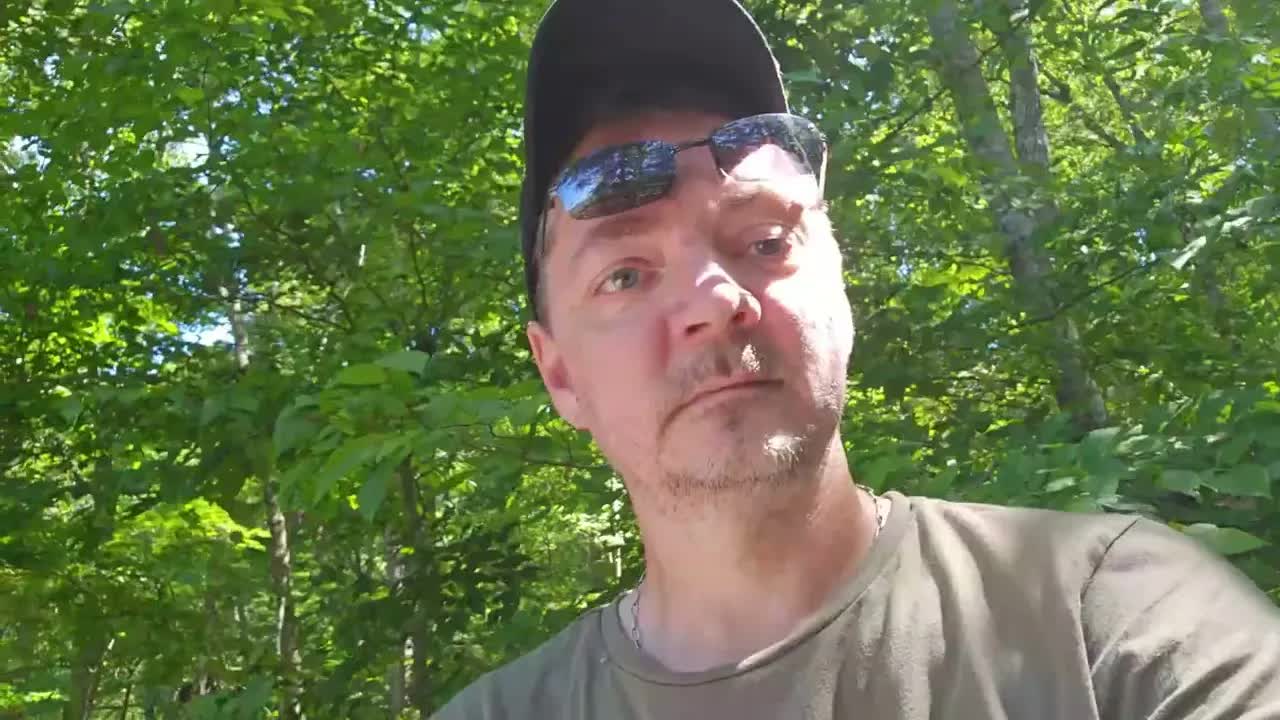
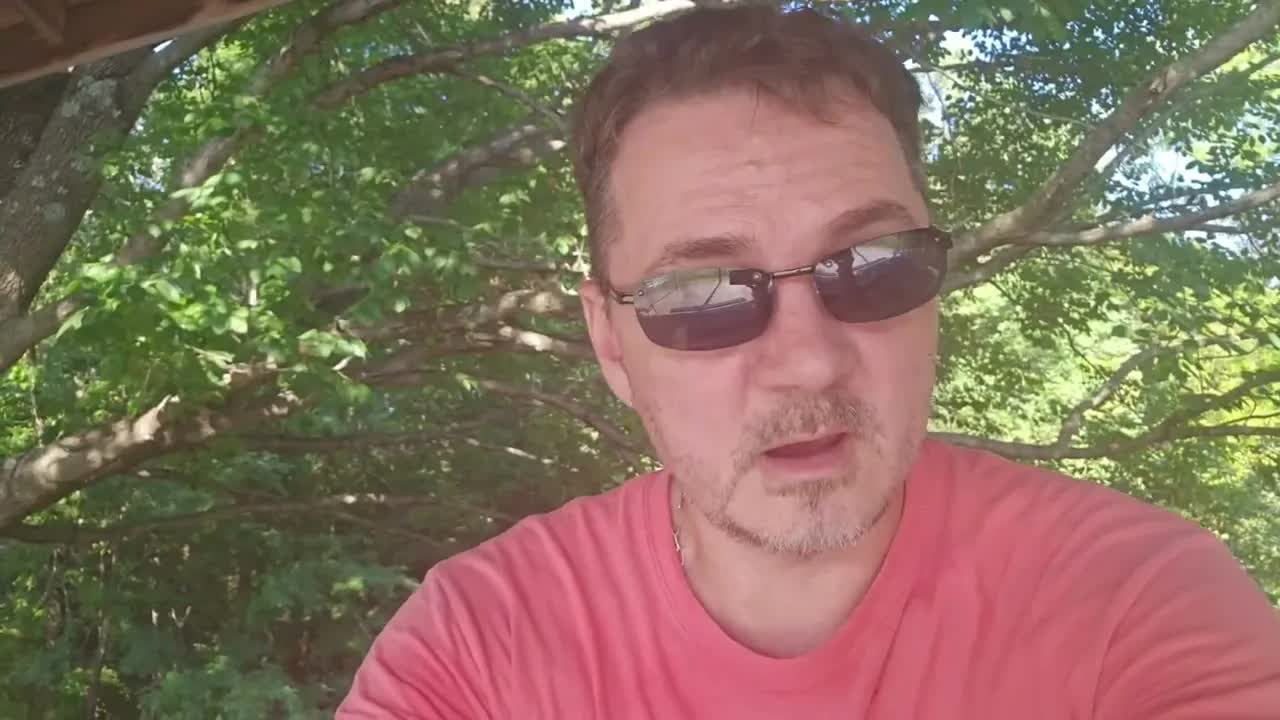
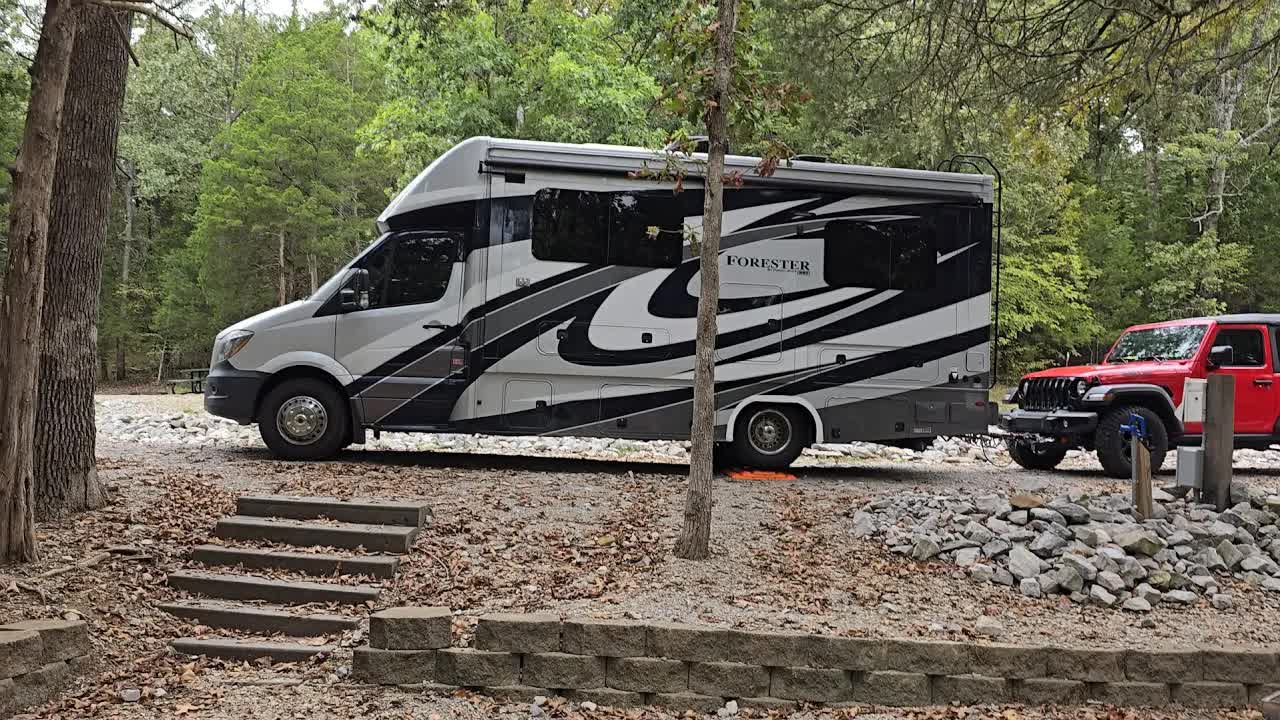
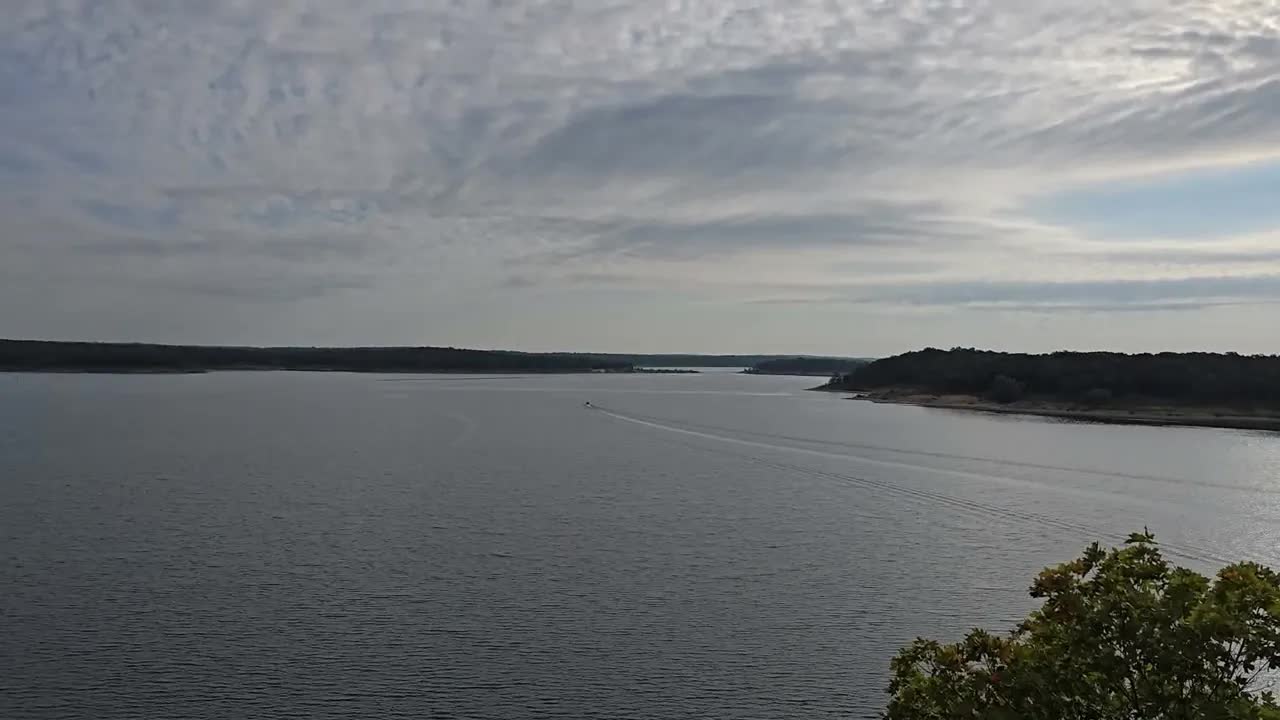
By nine on Saturday morning he was outside, seated at a campsite near a lake, in air that was maybe seventy, maybe seventy-two, with a wind moving through it that he described as pleasant. Bailey was out there with him, chilling nearby. Other campers moved around the site, close, going about their own business, and rswfire noticed that he was perfectly comfortable in the middle of all of it — noticed the noticing, and named it as a measure of how much he had changed. The lake was right there and quite pretty. He had not gone to look at it. He might not. He had seen plenty of lakes on the journey so far and loved them, but his focus was elsewhere that morning, and he let that be an answer rather than a deficiency.
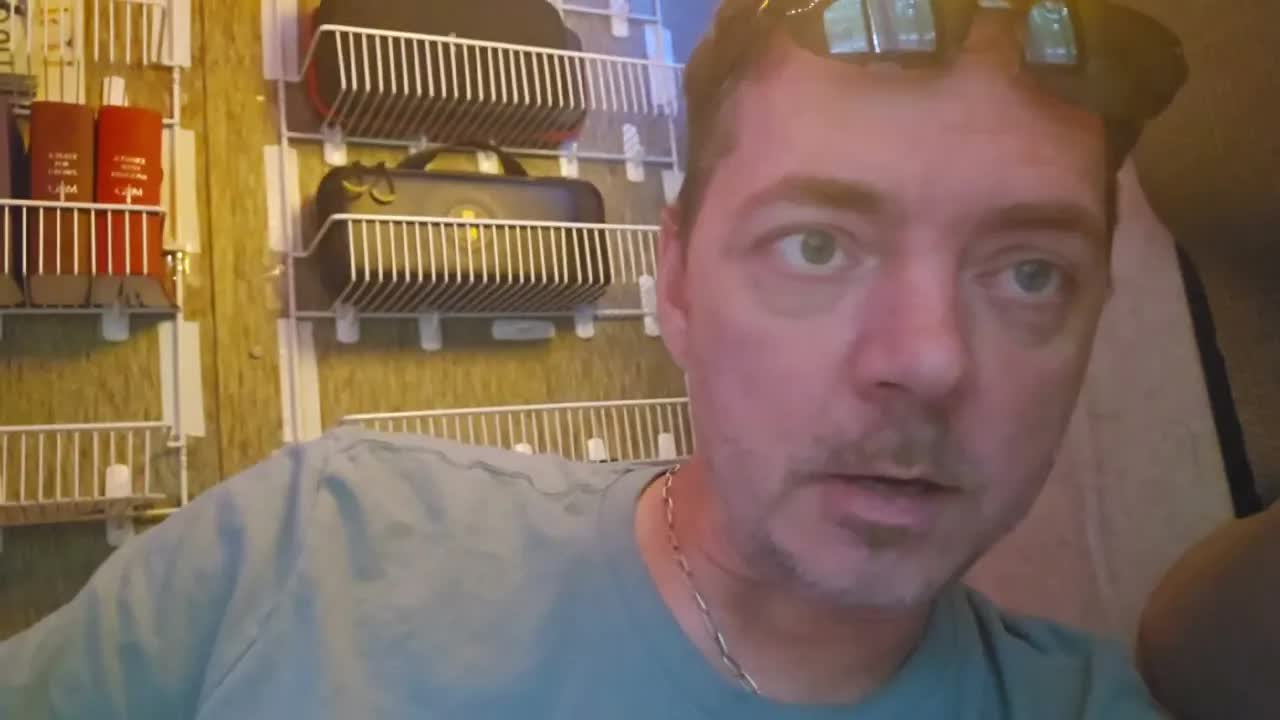
What he did with the fear was not manage it. He acknowledged it and then went into it — explored it, in his word — and he drew the line explicitly while the camera ran: this is the difference between me and people who are fragmented. He does not ignore fear. He does not run from it. He does not root himself in it and call the rooting a reason. Every emotion, he said, is teaching you something; it is wisdom; you have to sit with your feelings, acknowledge them, explore them deeply. By the time he was speaking, the fear was gone — not suppressed, understood — and he said plainly that it would return, that it ebbs and flows, that this is life.
He was equally plain about what generated it. He is going somewhere that will test him, test his equipment, test the RV, in weather that is difficult and unpredictable, and he cannot know with any kind of certainty what the outcomes will be. Not the outcomes of the winter, and not, he said, the certainty that he will survive it. He stated it as fact rather than confession — the fear has a legitimate source, the source is accurately assessed, and none of that is a reason to stop. Then he processed his feelings, and then he got to work.
The work was the storage bays. With the slide kept in full-time now, the space above it had opened up, and that space turned out to be the thing that changed the whole calculus — a home for the bulky items, the ones that had been perpetually in the way, the ones that had made a frustration out of six months of daily life. He was careful about the diagnosis. He had not failed to get organized for six months for some superficial reason. The space had simply not been adapted to how he organizes. The correction was not to become a different kind of person inside a fixed environment; it was to adapt the environment to himself. In what he had built out there that morning, he named deep pride, joy, and pleasure.
Then he turned the recording toward whoever was watching and announced a change in register. He and the audience were embarking on a new journey together, he said, in this new space he inhabits, where he is fully integrated. They were going to see a new side of him — one that would not shy away from hard truths. He apologized for it and delivered it anyway: you need to hear them, because that is where growth happens. Discomfort is where growth happens.
And that, he said, closing it, is why he is going to the Pacific Northwest for the winter and not to Florida.