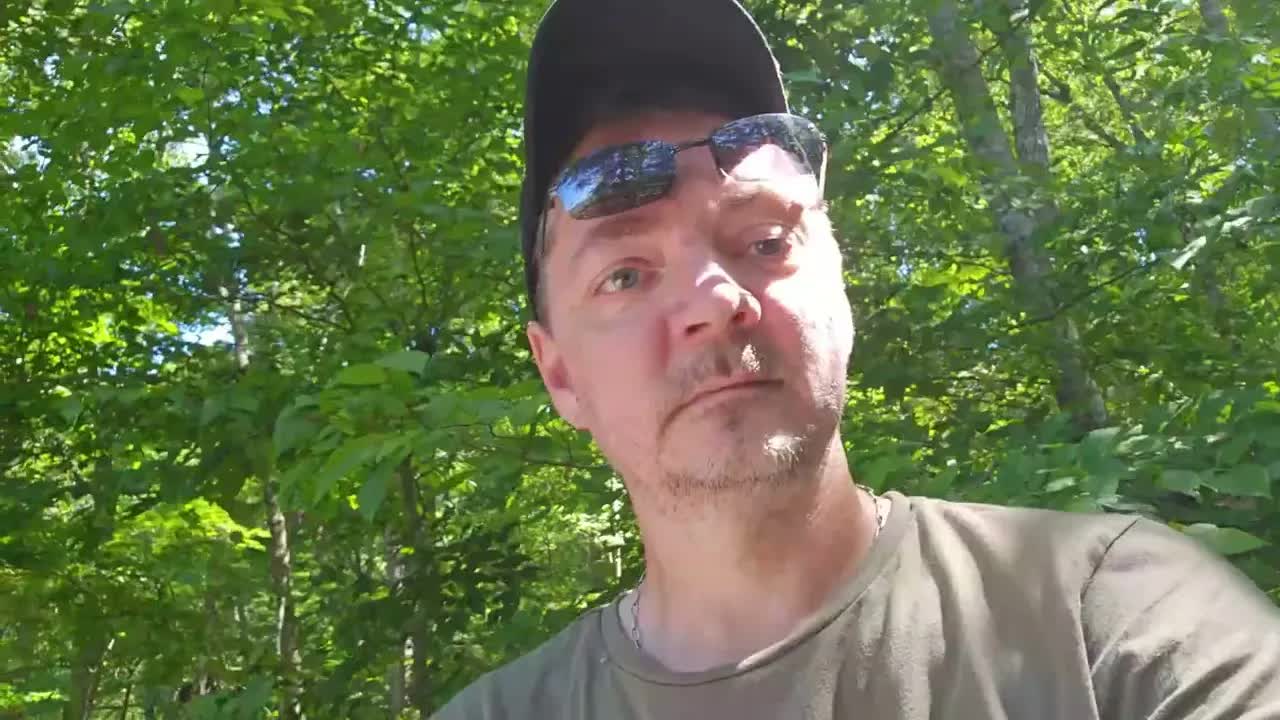
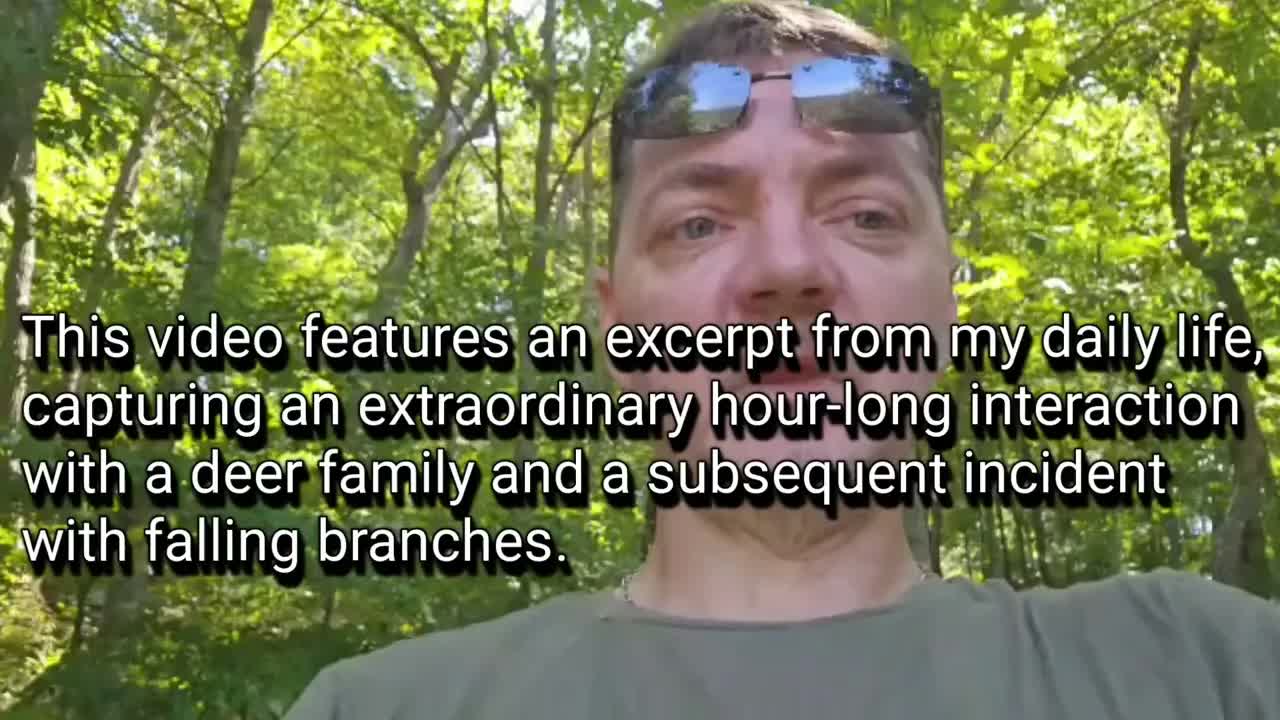








The RV went in for service that morning, which is how rswfire came to be somewhere with indoor plumbing. At the drop-off he met a woman, and in the moment she registered that he had no teeth, he caught the micro-expression cross her face. He read it accurately and immediately: she was not judging him, she was self-conscious on his behalf. He let it pass without comment. Later he would name what he could have said — no worries, I don't judge myself for this, and I'm dealing with it — and note that he might say it, next time, to someone.
He hiked that day. Somewhere on the trail the thought arrived and did not get spoken: not the teeth themselves, but the process that led to losing them. He had been circling the causal layer beneath behavior, which is the layer he says he is always looking at. Behavior plays its part, he allows, but underneath the behavior is the thing that made the behavior possible. The hike ended and the thought stayed unexpressed, holding.
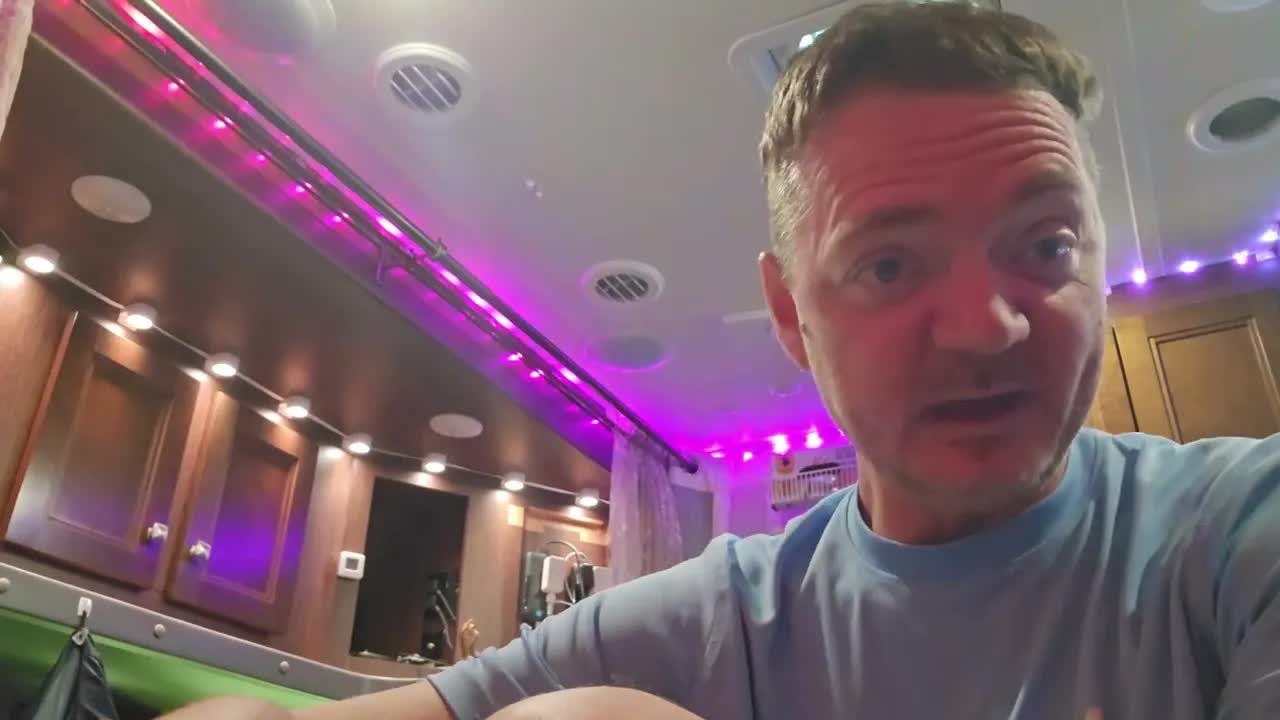
Then the bath. Six months since the last one, by his count, and he opens by apologizing for the setting — a man submerged in warm water, addressing a camera, aware of the oddness and unwilling to pretend otherwise. He calls it a luxury and one of his favorite things in the world. Living full-time in an RV, a bathtub is a condition that arrives rarely and by accident of logistics. He was not working on anything. He says so plainly: when he is not focused on something in particular, his mind wanders, and he does not exercise control over it. He could, he notes. He simply lets himself explore.
What the wandering assembled was an architecture. The woman's face at the drop-off, the unspoken thought from the hike, and a thing he had said on video recently — that he does not judge himself for the teeth — resolved into a single question about where judgment comes from at all, of self or of anyone. He lost the thread once mid-transmission and said so, asked for a second, and picked it back up. The answer he built: he did not value his teeth enough, so he did not take care of them, and the not-valuing was downstream of a fragmented state. He notes it is hard to explain holistic cognition, that there are a lot of factors, and he lets the compressed version stand rather than force the full one.
For evidence he goes back to the teenager. rswfire describes internalizing the homophobia around him — being told gay was wrong, evil, gross, disgusting — and not accepting himself at all, believing something was wrong with him. He names that as cognitive dissonance, and cognitive dissonance as the thing that produces fragmentation. And then the threshold: coming out, and feeling a weight lift out of his body that he had not known was there. He describes it as literal, physical, a lightness arriving where load had been. That, he states, is when he understood what fragmentation costs. Two cases, one body, both measurable.
From there the thesis lands. He does not judge himself because he sees himself as a whole person, and a whole person offers judgment no foothold — the mechanism of judgment requires a facet, an isolated angle, an ethical read or an emotional one or a merely superficial one, issued from centers of the brain that are not well connected to each other. He addresses the viewers directly here, the ones who watch his videos and think judgment is what he is doing: it is not. And he closes with the line that is worth — he stops, refuses meditating on, says he does not believe in crap like that, truly does not, then takes the word back as a colloquialism and lets the sentence finish. When you are integrated, nothing is superficial, because everything is connected.