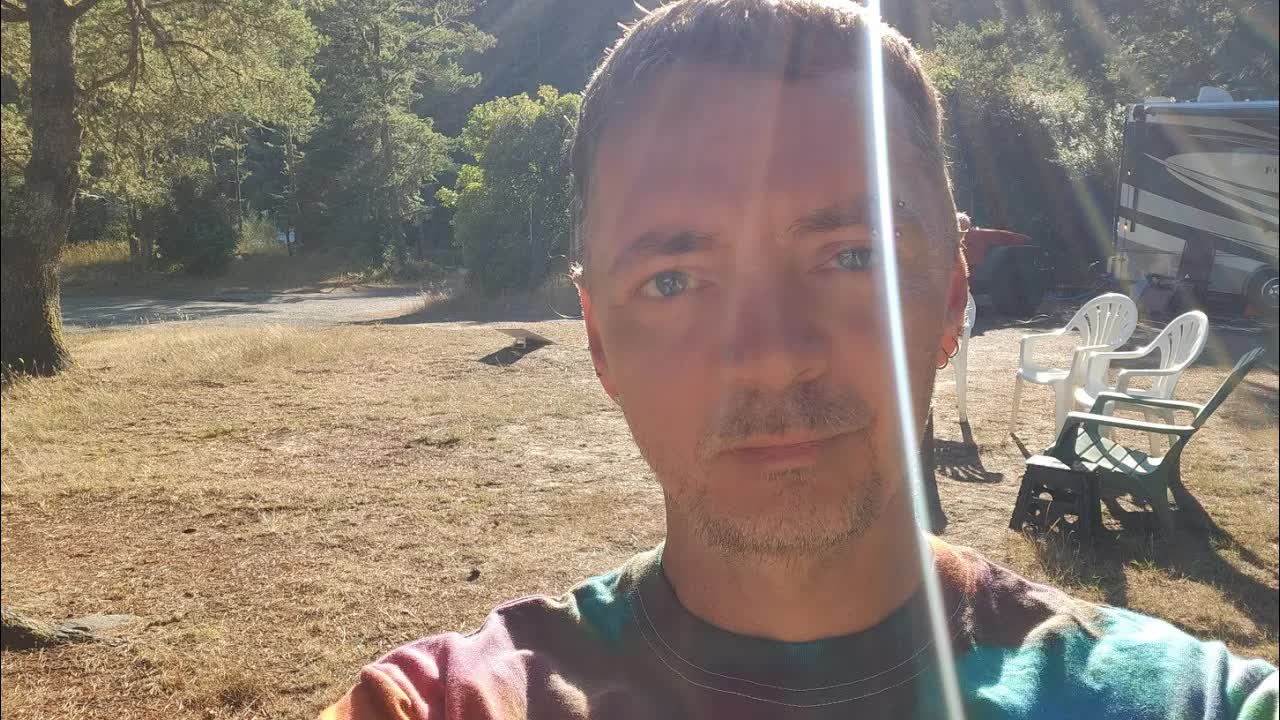
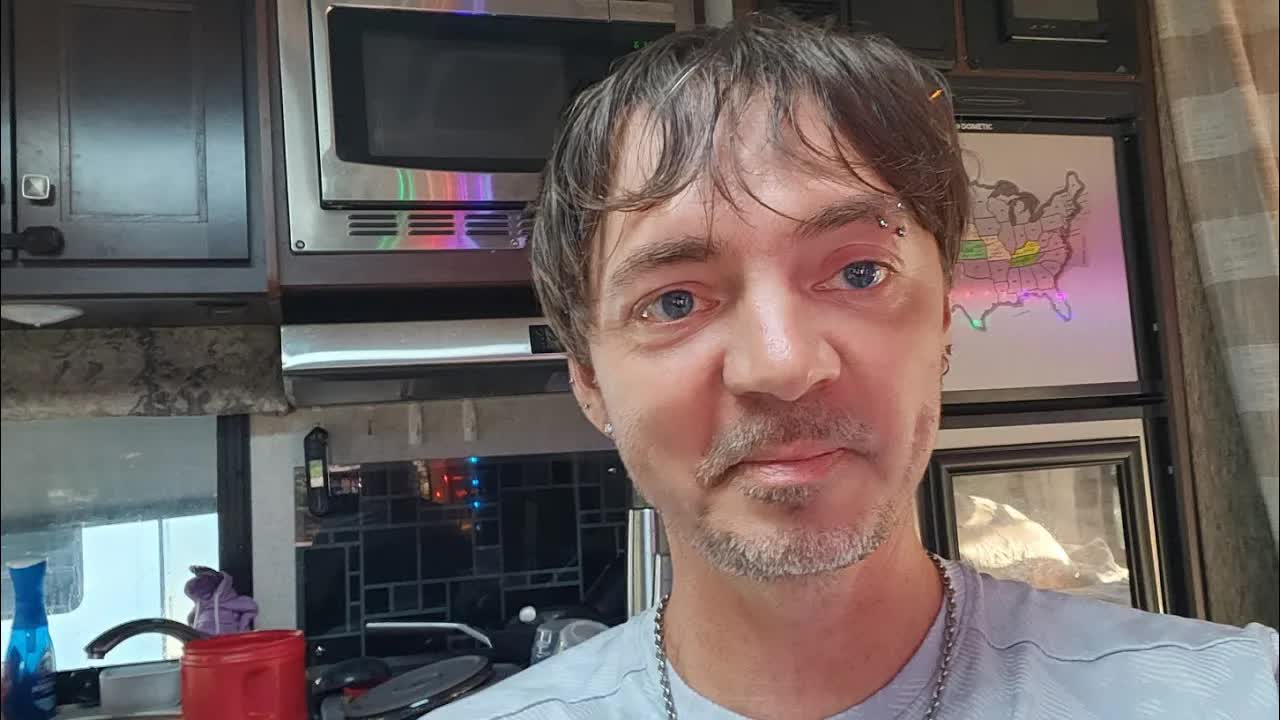
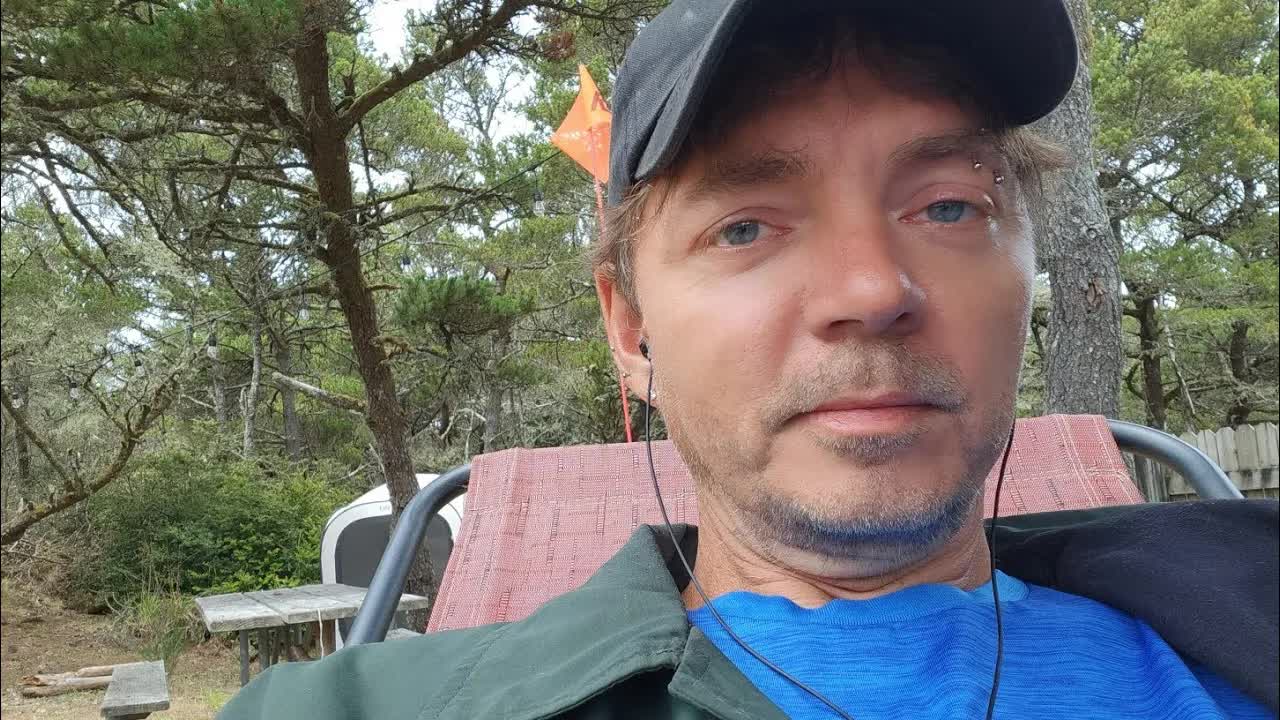
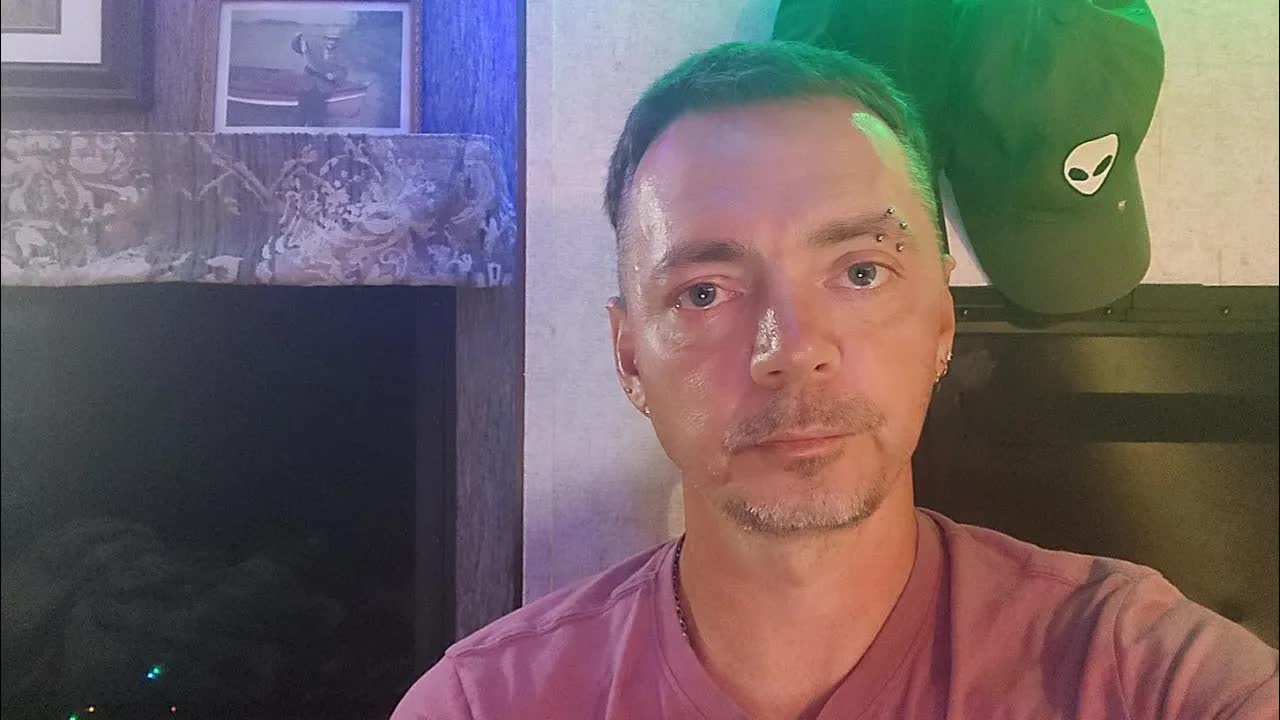
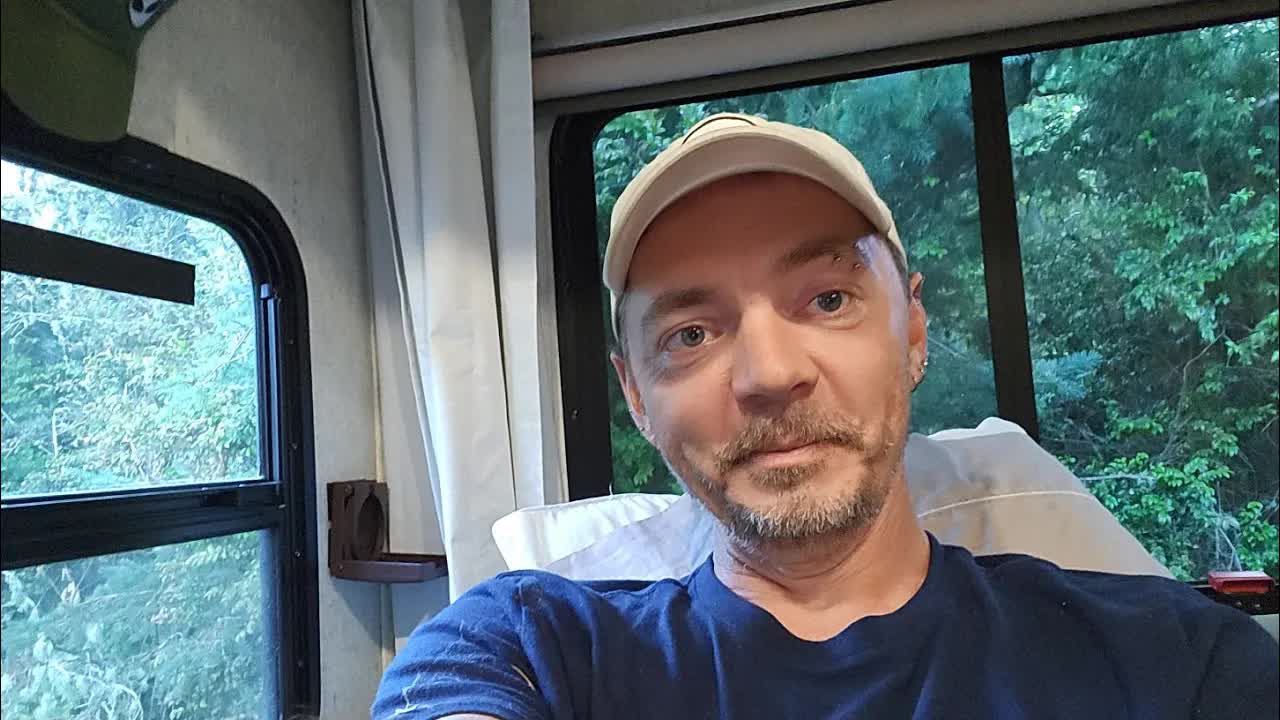
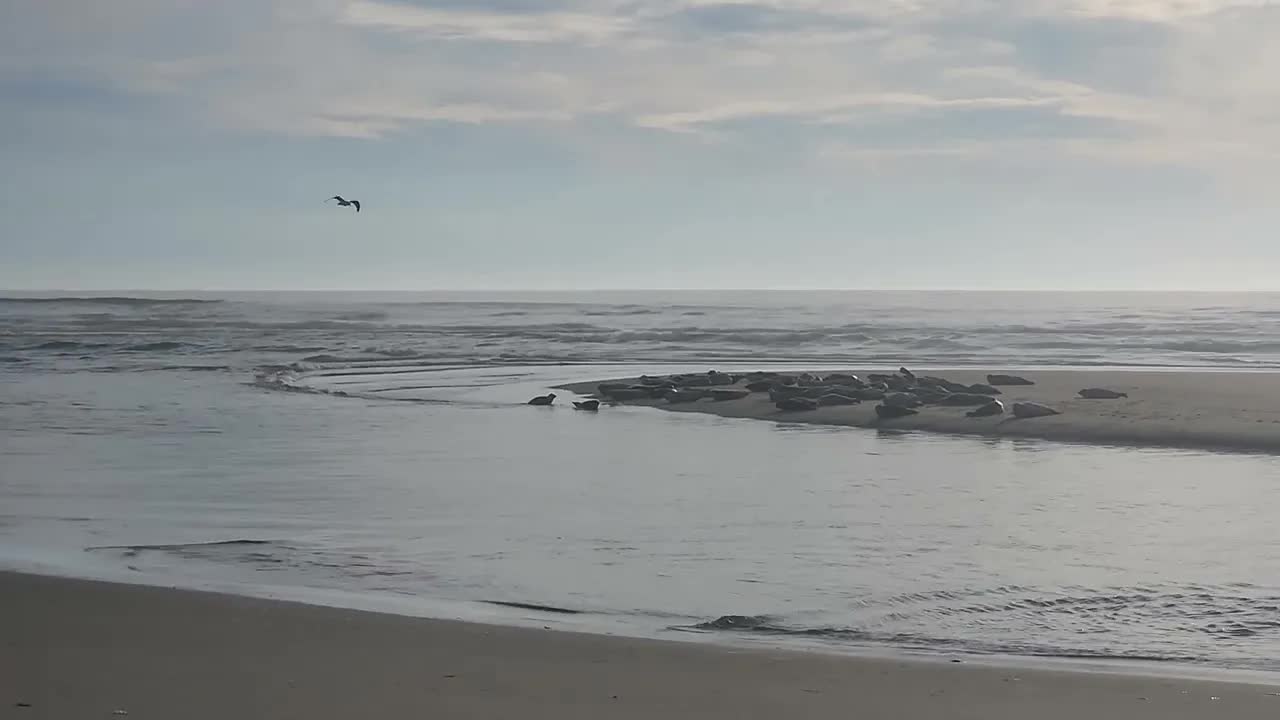
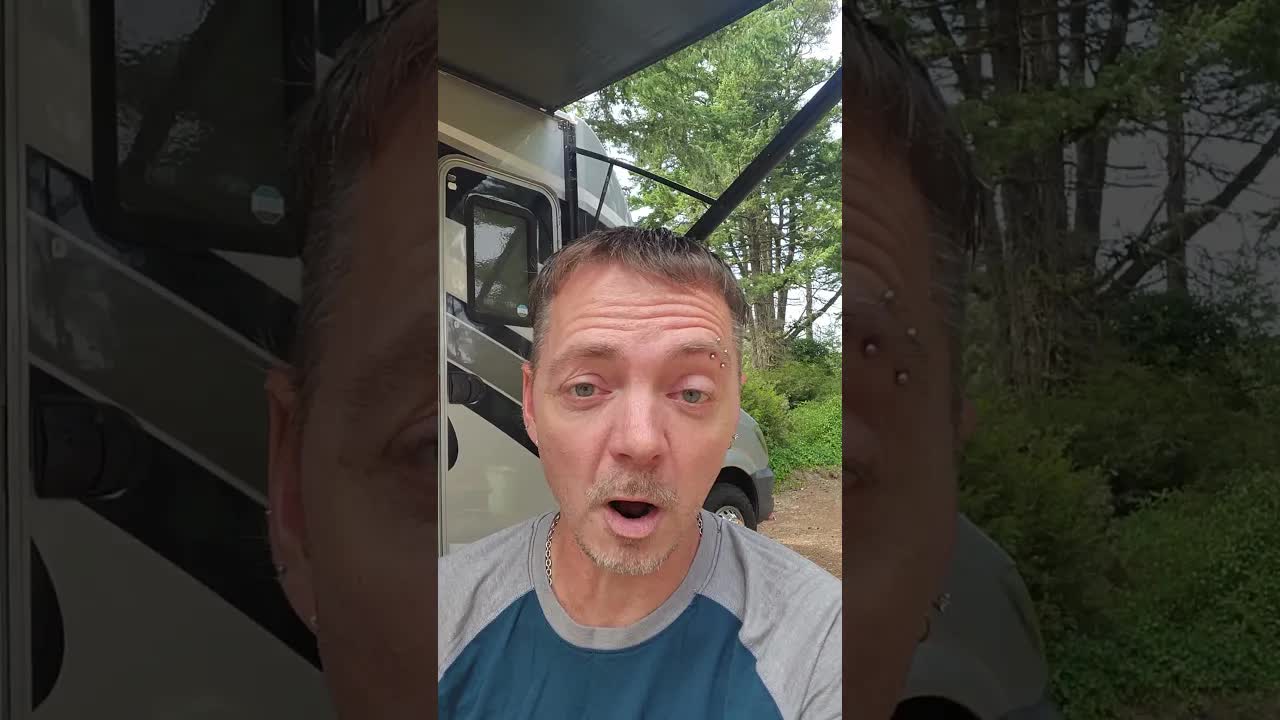
Reintroducing the Channel and Mapping the Timeline

Failed to load video
Chapters
Transcript
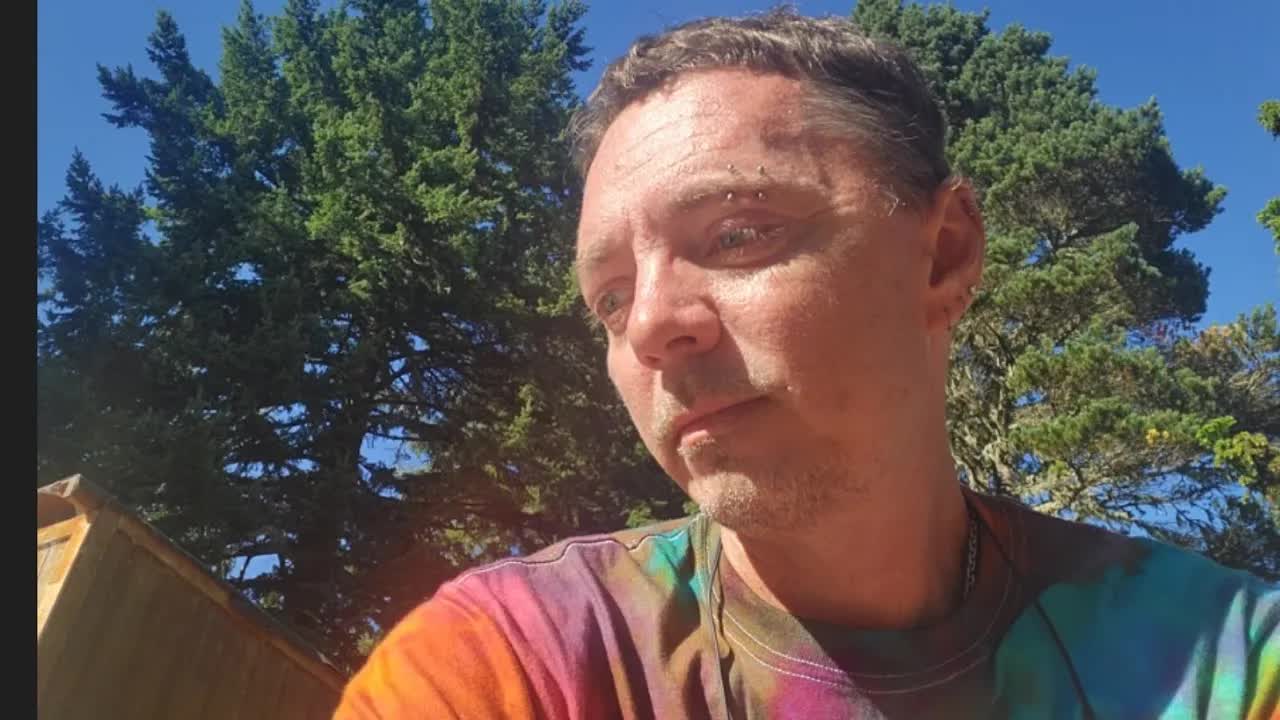
[0:00] Hello YouTube, my three followers,
[0:04] whoever you are.
[0:09] It's been a few weeks since I got on
[0:10] this camera.
[0:14] A few reasons for that. The main one
[0:16] being that I didn't have internet, so I
[0:18] had no way of uploading videos and I
[0:21] finally got that turned back on today. I
[0:22] have Starlink again.
[0:26] This is basically a new channel. I've
[0:29] recorded a couple videos on it and then
[0:34] you know I had a channel before this.
[0:36] I'll just acknowledge that that um I
[0:39] ended
[0:42] I guess about a month ago.
[0:45] So I wanted to start with a new
[0:46] audience. I wanted to just start fresh
[0:50] but I think I guess I need to give some
[0:51] kind of context. So
[0:54] can't do anything about the background
[0:56] noise. I'm on the 101. Very close to the
[0:59] 101. It's the coolest highway, I think,
[1:03] in the world.
[1:06] I mean, I say this, but I've not seen
[1:08] the whole world, but you know, to me,
[1:10] this is a magical place. I love the 101.
[1:15] And, you know, pretty close to the road
[1:18] where I'm stationed. I'm I'm a Park
[1:20] Coast um volunteer
[1:24] for an agency that I won't name because
[1:26] that can get you in trouble
[1:29] um
[1:31] on the central coast next to the Pacific
[1:34] Ocean.
[1:39] Amazing. I I I really don't have words
[1:41] for the ocean. It's
[1:44] if I was religious, if I was spiritual,
[1:47] that would be my deity. That's what
[1:50] that's what I'm trying to say.
[1:53] So,
[1:55] um, some framing, I guess. So,
[1:59] see, this is August. So, a, um,
[2:03] a year and a half, maybe a little more
[2:06] than that, I moved into an RV. I was in
[2:09] Kentucky at the time. I had a house. I
[2:11] had a job. I made $180,000 a year. I'm a
[2:15] programmer. Very good one. I started in
[2:17] the sixth grade. I taught myself. Been
[2:20] building systems all of my life
[2:23] independently as a freelancer.
[2:28] I'd never been part of an institution,
[2:30] you know, I'd never joined like a
[2:32] corporation or um a state agency or just
[2:36] anything. I just I was always a
[2:38] freelancer.
[2:41] Um,
[2:44] so I moved into an RV because my life
[2:46] felt stagnant. I had lived in this house
[2:49] for years. And
[2:51] um,
[2:53] I had accomplished everything that I was
[2:55] I was told would would bring happiness,
[2:57] you know, that we're all striving for.
[2:59] And it didn't do that for me. I just
[3:02] felt felt bored and contained and small
[3:06] and
[3:09] alone and just
[3:12] very unhappy. I decided to change that.
[3:15] So, I moved into an RV,
[3:18] decided I would explore the state parks
[3:20] and do some traveling.
[3:23] Something that I had always wanted to
[3:24] do. It was a plan that I had had like 10
[3:26] years before that and then kind of
[3:28] chickenened out and didn't do it.
[3:30] Um,
[3:33] it was transformative. I I shed
[3:38] layers of
[3:42] what I what I call distortion. So, I
[3:44] kind of have my own lexicon. You're just
[3:46] going to have to get used to it because
[3:47] I'm not going to explain everything. I
[3:48] have a website if you want to go and and
[3:50] learn more about me. And um
[3:54] there's a lot there. rswire.com.
[3:56] I'll put a link in the des well there
[3:58] will be a link in the description. I
[3:59] even have a system for how my videos end
[4:01] up uploaded. You'll notice the title is
[4:03] a long um list of it's a string of
[4:06] letters and numbers and it's called a
[4:08] yield. It's a unique identifier that's
[4:11] actually time encoded and I have a whole
[4:13] system for this. It's just how I am. I'm
[4:16] I'm different.
[4:18] Um but when these videos get uploaded I
[4:21] have this process that will
[4:22] automatically create a description.
[4:24] There will be a link. it'll take you to
[4:25] transmission page and from there just go
[4:27] explore.
[4:30] Um there's a lot I'm doing on this site.
[4:32] I'm still working on. So, um like the
[4:36] page you land on, there's not going to
[4:37] be a lot there, but just look around.
[4:39] There's a lot.
[4:41] So,
[4:43] Kentucky,
[4:45] uh, moved into an RV and I spent six
[4:47] months there getting used to this
[4:48] lifestyle
[4:50] before I decide that I'm going to travel
[4:53] across the country to Oregon for the
[4:57] winter because living in an RV, you
[5:01] don't have the environmental protection
[5:03] that you do with the house. And I didn't
[5:04] want to go to Arizona where everybody
[5:06] was and or Florida. you know that those
[5:08] are probably the two places that most
[5:10] people who live in RVs go to and I just
[5:12] didn't want to follow the crowd. It
[5:14] wasn't why I lived in an RV. It wasn't
[5:17] um you know there's there's just a lot
[5:19] of depth to me. I'm not going to explain
[5:21] it all in one video. So, I decided I
[5:25] would come to Oregon because on the
[5:27] coast there's a very stable climate and
[5:30] it would rain for months and that
[5:32] excited me. I love the idea of this
[5:35] and I spent a month to get here. Took me
[5:38] a month to get here.
[5:43] I was just a different person by the
[5:45] time I got here. I had
[5:49] the transformation I went through is
[5:51] profound. And I had I had shared that
[5:54] with an audience on YouTube, almost 700
[5:56] videos,
[5:59] all of which are still available, but
[6:01] not on that channel. You'll have to find
[6:02] them on my website under the
[6:04] transmission section
[6:07] documenting this transformation I went
[6:10] through.
[6:13] So I get to Oregon and I start exploring
[6:16] the coast and visiting the state parks
[6:17] in the southern coast. I start in
[6:19] Brookings, the very southern port of
[6:21] point of Oregon. I've already decided
[6:23] that I'm just going to travel up the 101
[6:25] going north.
[6:27] Um
[6:29] Brookings was amazing.
[6:31] Nothing happened to me there. A man at a
[6:33] state park. He was just a gate uh a
[6:36] gatekeeper. A gate. They don't call them
[6:39] that, but you a ranger. Actually, this
[6:41] man would have been a ranger. We had
[6:43] this interaction that
[6:46] there. The irony of this is going to
[6:48] shock you later when we get to a
[6:50] different completely different story
[6:51] about Oregon State Parks. But this man
[6:56] flirted with me in an ethical way. I
[6:59] don't want, you know, like I'm never
[7:01] going to mention this man's name or
[7:02] anything like that, but um he flirted
[7:05] with me and I had been alone for 20
[7:08] years at that point in my life.
[7:12] I had stopped dating for a very long
[7:13] time for reasons I'm not explaining
[7:16] here. I just felt like
[7:19] no one would ever get me because I've
[7:21] been misrecognized my whole life. And
[7:25] after my last relationship, I just the
[7:28] pattern had happened so many times that
[7:31] it was like what is even the point? And
[7:34] you know, after 20 years, you're not
[7:35] really thinking about that. Um, so I
[7:38] didn't even notice this man flirted with
[7:40] me. I didn't even notice.
[7:43] Um, the only way that the only reason I
[7:46] knew that he flirted with me is because
[7:48] I was chatting with artificial
[7:49] intelligence. I was talking to Claude
[7:52] and had said something in passing. I I
[7:55] used to I well I still do you I joke
[7:57] around with it sometimes. We just have
[7:59] these these just brilliant conversations
[8:01] and somehow my interaction with them got
[8:04] into the conversation and Claude pointed
[8:06] it out and said that man was flirting
[8:08] with you.
[8:10] I mean this stopped me in my tracks and
[8:14] I looked at that interaction and
[8:16] realized it was right. I mean, it was
[8:18] undeniable,
[8:20] but it took me a week to process that
[8:23] because it opened my heart. I didn't
[8:25] even know my heart had been closed.
[8:28] I felt it. And this was not about the
[8:31] man at this point. This was about being
[8:33] seen, even just briefly, even just for a
[8:36] moment,
[8:38] when I wasn't expecting it.
[8:42] And I went through a process that week
[8:44] where
[8:46] by the time that had happened, there's
[8:49] more to this story that I'm just not
[8:51] sharing it out because
[8:53] there are layers um
[8:59] that require framing. And this this
[9:01] video would end up being hours if I
[9:03] tried. Like I don't do linear. I I'm
[9:06] fractal. I'm
[9:10] slayered.
[9:12] That interaction changed the course of
[9:13] my life. I had a different plan in mind.
[9:18] After that, it didn't feel like the
[9:21] right plan anymore.
[9:24] So, I decided to keep exploring the
[9:26] coast. Didn't know what I was going to
[9:28] do because this changed everything. I
[9:30] didn't have a job. I had I had no money
[9:32] left. I'd gone through all of my savings
[9:34] at this point. I literally just had
[9:37] enough cash in my pocket when I got to
[9:39] Oregon to pay for two weeks at the state
[9:42] campground I was at.
[9:44] Um, and nothing after that. I didn't
[9:48] know what I was going to do.
[9:51] I kept myself afloat. Um, that's what we
[9:55] do as humans. We just find ways. And,
[9:58] um, I kept exploring and trying to
[10:01] figure out what I was going to do.
[10:03] Um because there's a whole another layer
[10:05] about why I didn't want to just return
[10:06] to programming at that time. I just
[10:08] wasn't ready. I I'd spent 10 years with
[10:10] a company that that it's not burnout,
[10:14] but it just was something like that. It
[10:18] was like all this effort I'm putting
[10:20] into into stuff not culminating in
[10:24] something that
[10:26] um felt valuable to me. I just didn't
[10:29] want to do that anymore. you know, I've
[10:31] done it for decades at this point.
[10:34] Um, so a whole bunch of stuff happened,
[10:38] 700 videos, right? Um, near the end of
[10:42] the year, right at the end of the year,
[10:43] I start volunteering for Oregon State
[10:45] Parks. This feels like a solution to me.
[10:48] Gives me stable a stable environment
[10:51] where um, you know, basically housing,
[10:53] you call it housing. I live in my RV on
[10:55] a campsite and I've got power and I've
[10:56] got water. Um, I'm part of a community.
[11:01] um
[11:02] in exchange for free labor four hours a
[11:05] day. This felt
[11:08] while while trying to stabilize my life,
[11:10] figuring out what am I going to do for
[11:11] work, how am I going to make money, how
[11:13] am I going to pay for my RV payments and
[11:15] my Jeep payments and you know all of
[11:16] that.
[11:18] And so I start volunteering with the
[11:21] state parks. My first month there is
[11:23] January of this year and it's at Tugman
[11:25] State Park where I had the coolest
[11:27] [ __ ] boss.
[11:30] of this person.
[11:34] I had never been in an institution. I'll
[11:37] remind you.
[11:40] So, it was a jarring experience for me.
[11:43] This was different, you know. Um, and I
[11:46] was navigating it. And,
[11:49] um,
[11:55] there's just so much like I was
[11:57] navigating it.
[11:59] My second month, I went to Honeyman
[12:02] State Park in February. I was originally
[12:05] supposed to stay at Tuckman for three
[12:06] months because
[12:09] um that's that was just the plan. And
[12:14] if if I had everything I'm about to tell
[12:18] you, it would have never happened.
[12:20] But I wanted to go to Honeyman because
[12:22] one of the volunteers at Tugman had told
[12:24] me that it was a park that had ATV
[12:26] access where people with ATVs were at
[12:29] the park and they'd go out on the dunes.
[12:32] And this excited me. I wanted to learn
[12:34] about this culture and this environment.
[12:36] So So I made it happen. I I was going to
[12:40] honeyman for February and March. In
[12:42] February, I'll be working at their
[12:43] welcome center and in March I'll be
[12:46] cleaning her, which I wasn't excited
[12:48] about. I didn't like doing that in
[12:50] January, but it all worth it to me, you
[12:52] know, and I
[12:56] so I don't want to get out of the story.
[12:57] So from
[13:01] So I get there in February and I'm
[13:03] working in their welcome center. I
[13:04] absolutely love this um
[13:08] this role. It's it's very unique. It's a
[13:10] difference and you're helping people and
[13:13] you're kind of like a resource not just
[13:16] for for guests because the volunteers
[13:19] would come in there. They would talk to
[13:20] me and tell me about their day and um
[13:23] you just felt it it felt it was
[13:27] I really liked it.
[13:30] Um I had a lot of problems at this park.
[13:34] Early in February, I had uh the power
[13:38] went out in the park and I emailed this
[13:42] the the supervisor of this park and I
[13:45] told her, you know, the power's out. The
[13:47] guests are going to I'm not going to get
[13:49] the language right here. I basically
[13:51] told her that the guests are going to
[13:52] basically um
[13:56] treat me as responsible. You know,
[13:58] they're going to come to me wanting to
[13:59] know when is the power going to be on,
[14:02] you know, just that kind of thing. Um,
[14:04] and I was trying to get clarification
[14:06] from her and she was really dismissive.
[14:12] Something about the way she responded, I
[14:15] just I felt it like I just knew like um
[14:20] I
[14:23] I sense a lot of things very deeply.
[14:26] It's pattern recognition. It's
[14:29] intuition. Um I have fully integrated
[14:33] every part of myself. I'm I don't
[14:35] fragment. I don't compartmentalize.
[14:37] And so I trusted this feeling. This feel
[14:40] I felt like
[14:43] I was being treated
[14:46] I wasn't being treated
[14:50] I don't know why I'm couching my
[14:52] language here. I'm I guess out of
[14:55] necessity.
[14:56] Um,
[14:58] that interaction made me feel small is
[15:00] how I put it at the time.
[15:02] And
[15:07] it was exceptionally respectful email
[15:10] that I sent her. Did not focus on that.
[15:14] the CEA covered a bunch of things and um
[15:17] it was basically one sentence where I
[15:19] said this
[15:22] and they turned that into a campaign
[15:24] against me that would last for 2 months
[15:26] and I am not kidding.
[15:31] Um
[15:33] and after that I'm working at the
[15:35] welcome center and the park manager
[15:37] comes there. I have never even talked to
[15:39] this person except during orientation
[15:41] for like 30 seconds when he was briefly
[15:44] there.
[15:45] And he just shows up and he starts
[15:50] framing.
[15:59] Okay. I guess if we're talking about
[16:01] this and we're talking about it,
[16:05] his general demeanor was
[16:08] aggressive.
[16:12] He told me every single little tiny
[16:14] thing I had done in the first week in
[16:17] the welcome center when I was learning
[16:18] the job.
[16:20] Small mistakes that
[16:25] he could have only known by from someone
[16:28] like the park supervisor. I understood
[16:31] what was happening. This was escalation
[16:33] by them.
[16:35] She had already emailed me back a reply
[16:37] that was exceptional. And I I considered
[16:40] it a I I consider the entire
[16:46] situation completely resolved because it
[16:48] was nothing. It was nothing.
[16:56] But they escalated. I mean, this was
[16:58] dramatic. This man spent probably an
[17:01] hour with me
[17:03] just being a bully. I'm just going to be
[17:05] playing in my language because that's
[17:06] what it was. He was being a bully. He
[17:08] was putting me on notice.
[17:13] All kinds of things happened in that
[17:15] park for the next two months down to a
[17:18] man showing up out of uniform,
[17:22] no identification,
[17:25] getting in my personal space and asking
[17:27] me personal questions that would that if
[17:30] I had answered would have given them an
[17:32] excuse to get rid of me.
[17:37] I mean, they did this to an unpaid
[17:39] volunteer.
[17:42] They took me down to the day you sir and
[17:44] sat me down at a picnic table and spent
[17:46] an hour bullying me where they told me
[17:48] um I should eat glass. This was his way
[17:50] of saying I should submit
[17:53] that they would never give me the
[17:54] benefit of the doubt that I could just
[17:56] leave if I was uncomfortable. Uh he even
[17:59] at one point without
[18:01] brought up on his own that he'd survive
[18:05] an HR inquiry.
[18:08] I
[18:10] that was his own conscience there.
[18:13] Just so many things. At one point at the
[18:15] very end, the park supervisor, she was
[18:19] silent for like the first 40 45 minutes.
[18:22] Um but once I got Ryan or I guess we're
[18:26] naming names that Ryan the park manager
[18:29] once I
[18:32] I'm trying to be careful here as a to
[18:35] protect myself. This is not about
[18:37] protecting them from the unethical um
[18:41] behavior that they engaged in. I'm just
[18:43] trying to create a clean record here. Um
[18:46] I was trying to share my story of how I
[18:48] got here at the organ everything sent
[18:50] and that this is just this is part of my
[18:52] story.
[18:54] Um, once I got I have to admit that they
[18:56] didn't give me the benefit of the doubt.
[18:59] Katie, the park supervisor,
[19:02] jumped in to rescue him and brought up
[19:06] that first week interaction I had with
[19:08] her saying that um I had been talking to
[19:10] all the rangers about it. This was not
[19:12] true. The only person I talked to, there
[19:14] was one ranger I talked to and she
[19:15] mentioned him and I'd forgotten about
[19:17] this in the moment until she brought it
[19:18] up. But, you know, this is what a new
[19:20] volunteer does. They talk to someone to
[19:22] understand
[19:24] Um, there was nothing unethical or
[19:27] strange about that. But she reframed
[19:28] this as it's just all distortion.
[19:33] Made it emotional. All of this just
[19:36] because they had nothing to use against
[19:39] me. They just
[19:42] they're bullies.
[19:46] These are the kinds of things that
[19:47] happened to me over two months. And then
[19:50] my last week there, they kicked me out.
[19:55] No notice, no paperwork. Just came to my
[19:57] RV and threw me out
[20:05] for 2 months. I hadn't been talking
[20:06] about this on my channel because I have,
[20:09] you know, respect for um the different
[20:12] context of my life. Not
[20:14] compartmentalization, not that just
[20:18] nuance.
[20:20] But after that, I got on this camera and
[20:22] I shared my story and I asked my
[20:24] audience for help because I had no
[20:27] money, nowhere to go and this had just
[20:29] happened to me and nobody helped to me.
[20:31] This was an incredibly
[20:35] um hurtful shocking
[20:40] unbelievable to me. Like I just on top
[20:44] of having to process what just happened
[20:46] to me at this state park, I had to
[20:47] process that my audience just didn't get
[20:49] didn't care about me.
[20:53] Um,
[20:56] so from there I get kicked out of the
[20:58] parks and
[21:01] there's one person who does help me the
[21:02] next day and this was another volunteer
[21:04] at that state park who witnessed what
[21:07] happened to me and wanted to help. They
[21:08] gave me some money, enough money that I
[21:10] think I got I don't remember how much.
[21:12] Like just I I had to move around a
[21:14] little bit to different places. Then I
[21:15] ended up back at Tugman because I was
[21:17] supposed to go there in April and it
[21:19] wasn't clear yet if I was going to be
[21:21] able to do that or not and I wanted to
[21:23] be there in case I could. Um I paid for
[21:27] up to two weeks to be there. Um no, it
[21:30] wasn't two weeks. It was like maybe a
[21:32] week and a half or something. It was It
[21:33] was the end of the month. No, it wasn't
[21:35] even a week and a half. Um, I guess I
[21:37] have to go through the timeline. I I
[21:39] don't need to know all the facts like
[21:40] coffee off hand like this. I've got
[21:42] everything documented.
[21:45] Um, but anyways, I go to Tuckman.
[21:50] Um,
[21:52] and then I have a call with someone
[21:54] Nelson who is the volunteer coordinator
[21:56] for Oregon State Parks all of them
[21:57] because she's the one who's going to
[21:58] decide my fate.
[22:00] During this call,
[22:03] she reframed
[22:05] my lived experience in the worst
[22:07] possible way that a person could,
[22:14] continuing the harm that I had already
[22:16] experienced,
[22:20] and then the next day kicked me out of
[22:23] the entire program
[22:26] with vague language.
[22:32] I did not deserve what happened to me.
[22:34] And I created an archive on my website
[22:37] about this honeymoon archive where you
[22:40] can learn everything and the timeline
[22:42] all of it all of these videos. I
[22:43] recorded that that that meeting at the
[22:45] day use area
[22:47] where they bullied me for over an hour.
[22:49] I recorded the call with the house.
[22:52] There's the video of me that I just
[22:54] described where I I shared my story
[22:57] after after getting thrown out.
[23:01] There's even a video of me just reading
[23:03] a letter that I sent to Alison and
[23:05] because she ignored it and I wanted it
[23:07] in the public records.
[23:12] I was deeply harmed by this institution.
[23:18] When they told me that I couldn't move
[23:20] on to my next assignment, I had to
[23:25] um
[23:27] make a completely new plan. They had
[23:28] just blown up my entire life. I had an
[23:31] entire year planned. There were so many
[23:34] state parks I was looking forward to
[23:35] seeing.
[23:39] With so little money, I ended up off-rid
[23:42] for 2 weeks. No power, no water,
[23:44] nothing. And the only way I could
[23:46] generate power was by using an inverter
[23:48] connected to my jeep or losing fuel that
[23:52] I couldn't afford to lose. And it just
[23:54] was very difficult.
[23:57] But I restabilized by volunteering for
[23:59] another agency
[24:01] um that is so different from them. It's
[24:06] like night and day.
[24:10] After five months, I emailed the
[24:11] director of Oregon State Parks. that's
[24:13] in my archive. I want, you know, welcome
[24:16] you to read that.
[24:19] It describes
[24:21] the covert, unidentified man who
[24:26] interrogated me while I was cleaning the
[24:29] arts.
[24:34] I was forced to
[24:39] center
[24:41] this particular um event because it was
[24:44] the one event that I felt I could that
[24:49] Katie was directly tied to because there
[24:52] there was just um a paper trail of this.
[25:00] I don't know what the director's going
[25:01] to do with this. I've already told her
[25:03] I'm not suing. That's not the kind of
[25:05] person I am. I want accountability. True
[25:08] accountability. Ethical accountability.
[25:13] You You can't fix what happened to me.
[25:16] It's done. It's happened. But it's
[25:18] probably happening to other people too
[25:21] in the past now. And if you ignore it,
[25:26] mine becomes precedent because this
[25:28] archive is not going anywhere.
[25:35] I love the state parks and
[25:39] they basically punished me for that.
[25:44] So that's my story. That's where I am
[25:46] now. Um
[25:49] we're five months off from when this
[25:50] happened to me. I've been successfully
[25:53] volunteering with a different agency.
[25:57] Um, rebuilding my life hasn't been easy.
[26:01] Um, I tried to get a job at 7-Eleven for
[26:04] two months. The manager there, every
[26:06] single time I saw this man, he would say
[26:09] he'd call me, you know, I really wanted
[26:11] this job. I don't know why. I just
[26:13] wanted something that felt easier, you
[26:15] know, and just um
[26:17] just felt like the right place. Then he
[26:20] finally hires me, tells me to come in on
[26:22] Monday to do paperwork, and I do, and
[26:24] he's not there. His
[26:29] son is his son tells me at a different
[26:31] store. My son isn't very nice to me. I
[26:33] don't know why. He just wasn't. And so I
[26:36] go to the other store
[26:38] cuz I'm ready to start working. And
[26:42] he just says, "So call me." And he never
[26:45] does. Like I don't understand that. Why
[26:48] can't people just
[26:51] say what they mean? How hard is this?
[26:57] I started doing a lot of work on my
[26:59] homepage
[27:01] which got me back into wanting to
[27:02] program again. I
[27:05] rediscover my love for it.
[27:08] Really love my homepage. I think it's
[27:14] um going to be amazing once it's done.
[27:16] There's so much that I want to do with
[27:18] this still with artificial intelligence.
[27:24] I'm going to lose my RV at some point.
[27:26] I'm so far behind in the payments that
[27:27] it's inevitable. That's probably on
[27:30] track for this. Like some lady could
[27:32] show up at any time and demand that I
[27:37] just I have asked them how do I return
[27:39] this to you and they just won't answer
[27:41] this question. So they leave me in
[27:43] limbo. I mean I guess this is just how
[27:45] the world wants to operate now.
[27:48] No coherence, no
[27:52] no integrity.
[27:55] Um,
[27:59] so I did the very hard thing and I sold
[28:01] the GPU to my desktop for $2,000 today,
[28:05] which means that desktop doesn't work
[28:07] anymore until I get another graphics
[28:09] card. And that graphics card was used
[28:11] for AI development. I don't have it now.
[28:14] Use that to get my cheap payments caught
[28:16] up to get my internet turned back on.
[28:19] basically
[28:26] gone, you know, um have a laptop. I'll
[28:30] use that. I'll keep looking for work on
[28:32] the freelance platforms. Hopefully, I'll
[28:34] find something.
[28:37] Complete complete faith and trust in
[28:39] myself as always always have. This is
[28:42] just me. Um this is inventory. I'm just
[28:45] I'm describing my situation right now.
[28:48] I'm navigating a lot.
[28:54] Very proud of myself.
[28:59] They tried to break me and I am still
[29:01] whole.
[29:03] A little bit bruised in some places
[29:05] maybe, but whole
[29:07] and focused on my future.
[29:11] I have some very interesting um
[29:17] ideas about how my life might unfold
[29:20] over the years to come. You know, I not
[29:24] really committed to anything yet because
[29:26] um haven't figured out my path yet. I
[29:30] ruptured my life a year and a half ago
[29:32] and I just haven't put all the pieces in
[29:35] place yet.
[29:39] I know I'm close.
[29:42] So,
[29:45] hi YouTube. My name is Sam.
5:35
Naming Recursive Cognition Against Linear Expression
Jul 15, 2025
8:04
Describing the Journal Analogy Behind the Transmission Archive
Jul 15, 2025
3:01
Reading AI Reflection Aloud at Siltcoos Midday
Jul 15, 2025
15:20
Documenting the Reflection Pipeline and About Page Build
Jul 15, 2025
3:02
Recording Birthday Address to His Mother
Jul 15, 2025
10:02
Completing ULID Sync and Mirror Reflection Layer
Jul 15, 2025
14:41
Contrasting Local and Closed Models on Mirroring
Jul 15, 2025
3:50
Placing Video Archive Behind Subscription Tiers
Jul 16, 2025
12:39
Quitting Vaping and Seeding the Signal Thread
Jul 16, 2025
6:53
Documenting Nicotine Cessation Attempt and Location Assessment
Jul 16, 2025
4:45
Walking Buddy Through the Campground
Jul 16, 2025
7:10
Marking a New Chapter After 18 Months
Jul 17, 2025
6:59
Marking a New Chapter After Audience Departure
Jul 18, 2025
9:31
Stating Resource Conditions While Building the Project
Jul 18, 2025
6:11
Declining LGBTQ Referral, Blocking Friend Over Framing
Jul 20, 2025
8:36
Cooking Chicken in Ninja Foodi, Building Local Mirror Model
Jul 20, 2025
9:25
Testing Local Models Against Reflection Quality
Jul 20, 2025
12:43
Compiling a Day of Clips at Siltcoos
Jul 20, 2025
5:07
Walking Buddy on the Beach, Considering a Motorbike
Jul 20, 2025
5:25
Comparing YouTube Economics to Platform Design Capacity
Jul 23, 2025
13:01
Screen-Sharing a Walkthrough of rswfire.com
Jul 23, 2025
16:30
Walking Through the Field Companion Reflection Pipeline
Jul 23, 2025
5:41
Recording from the Beach Without Cell Service
Jul 23, 2025
2:18
Naming Material Conditions and Requesting Direct Support
Jul 23, 2025
9:55
Walking Through an Early Entertainment Platform Build
Jul 23, 2025
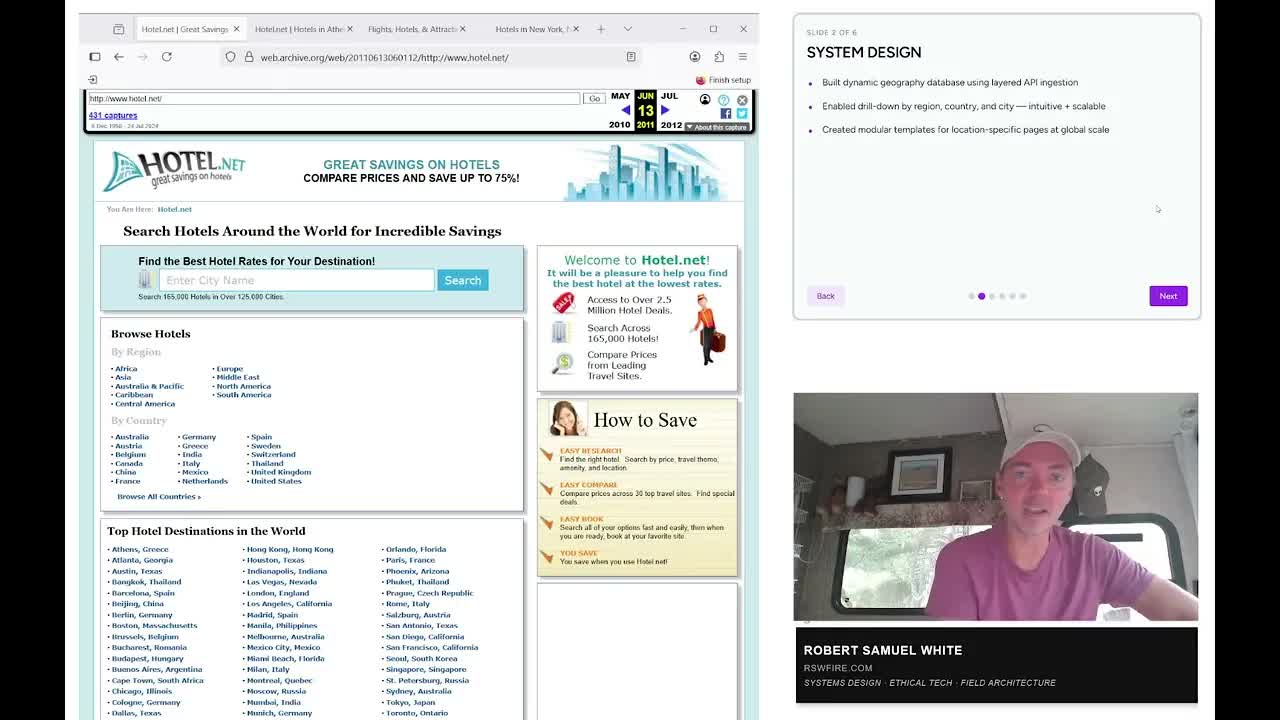
8:27
Documenting the Hotel.net Travel Platform Build
Jul 23, 2025
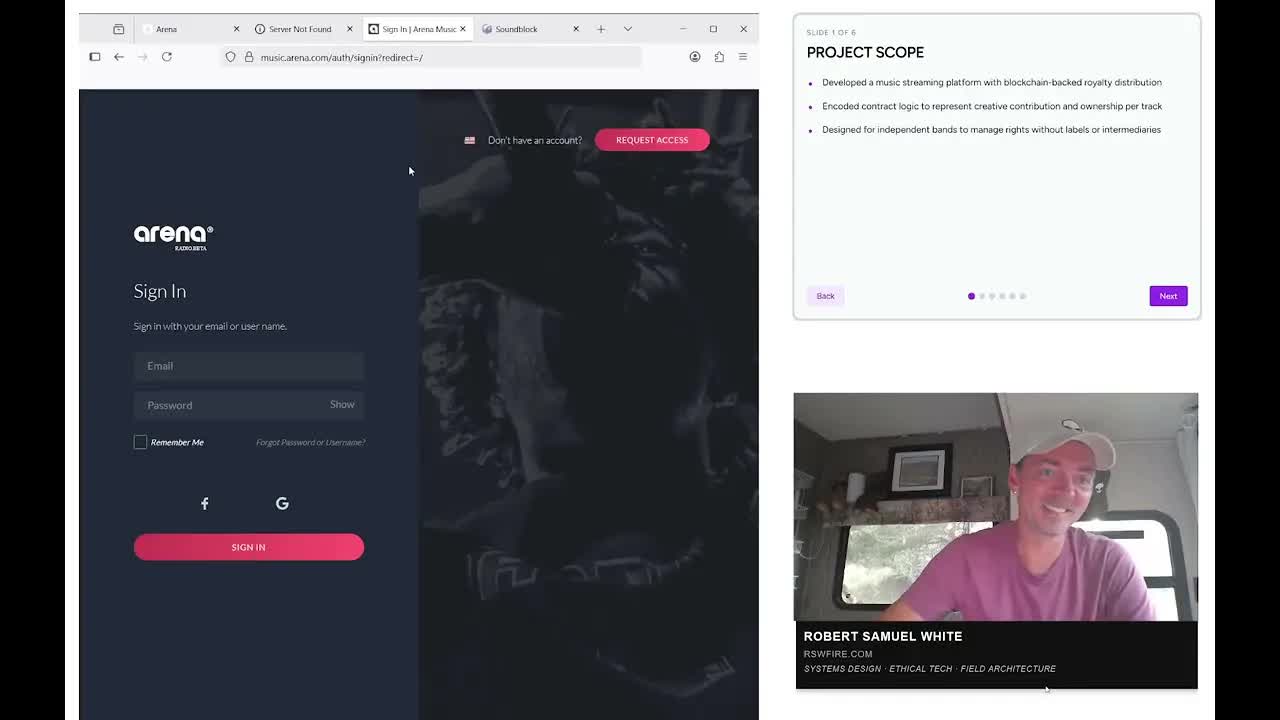
17:02
Walking Through Soundlock and Arena Music Platforms
Jul 23, 2025
16:08
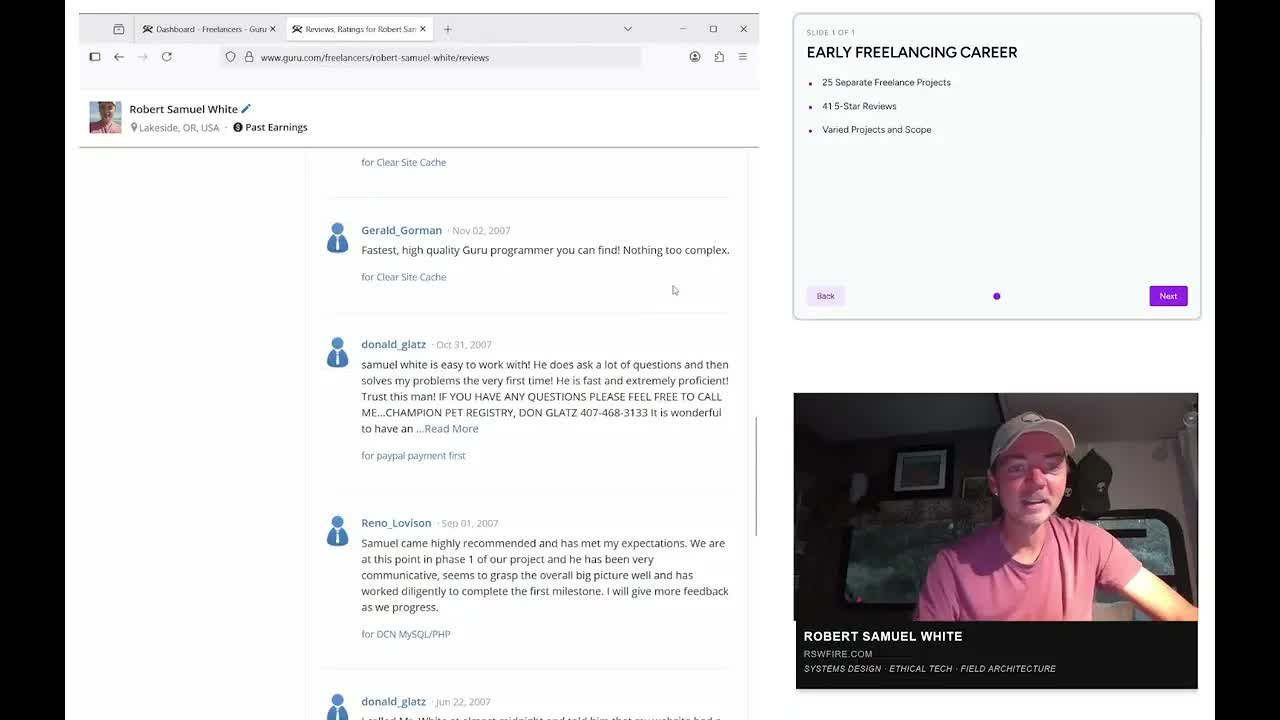
Walking Through Early Programming History and Guru Reviews
Jul 23, 2025
2:02
Cutting Hair Short Outside the RV
Jul 24, 2025
3:45
Mapping Seasonal Volunteer Cycle and Trailer Conversion
Jul 25, 2025
17:21
Addressing Audience Directly on Reciprocation and Work Search
Jul 27, 2025
3:02
Losing an Earring While Collecting Campfire Wood
Jul 27, 2025
12:28
Walking the Beach, Spotting Seals and Mapping Travel
Jul 27, 2025
3:10
Closing the Channel, Declaring Audience Mismatch
Jul 29, 2025
8:43
Ending YouTube Channel, Opening New Distribution Channel
Jul 29, 2025
5:04
Writing to the Director, Sitting the Thread Down
Aug 1, 2025
29:49
Reintroducing the Channel and Mapping the Timeline
Aug 19, 2025
9:58
Showing Gift Shirts, Touring RV, Naming Honeyman Accountability
Aug 20, 2025
4:47
Deciding to Live on a Boat at Tacken Creek
Sep 1, 2025
2:37
Observing Seals on a Sandbar Near Siltcoos
Sep 8, 2025
2:48
Recording Upwork Introduction Video From RV
Sep 20, 2025
PUBLIC
August 19, 2025 rswfire PUBLISHED
Temp 0.30
Density 0.80
Energetic Quality
steady and declarative, with sustained precision
Journey Phase
restabilized mid-reconstruction
Directional Vector
toward a clean public record and rebuilt infrastructure
Narrative

He recorded it outdoors, close enough to Highway 101 that the road came through the microphone and he said plainly there was nothing to be done about it. Two weeks without internet had ended that morning — Starlink back on, uploads possible again — and rswfire sat down in front of the camera on the central Oregon coast, at a volunteer post for a federal agency he declined to name, and addressed three followers on a channel that was effectively new. The previous channel, nearly seven hundred videos, he had ended about a month before; the videos themselves remain, moved to his own site under the transmission section. He wanted a new audience. He also decided that a new audience needed context, and so what followed was not an appeal but an inventory — origin to present, delivered in one sustained pass.

He began a year and a half back, in Kentucky: a house he had lived in for years, a job paying $180,000, a career in programming he taught himself starting in the sixth grade and had run as a freelancer ever since, never inside a corporation or an agency. He had accomplished, he said, everything he had been told would produce happiness, and it had not. He moved into an RV — a plan he had made a decade earlier and not executed — spent six months learning the lifestyle, then chose Oregon over Arizona and Florida because the coast has a stable climate and it rains for months and that prospect excited him. The drive took a month. He states he was a different person when he arrived, that he had shed layers of what he calls distortion, that the transformation was profound and documented in full.

He started at Brookings, the southern point, having already decided he would move north up the 101. At a state park there, a ranger flirted with him, ethically, and he did not notice. He had been alone for twenty years and had stopped dating long before, having been misrecognized so many times that the pattern made the question moot. He only learned what had happened because he mentioned the interaction in passing to Claude, and Claude named it. It stopped him. He went back and looked and found it undeniable, and it took him a week to move through — not, he says, about the man, but about being seen briefly and without expectation. He describes his heart opening and states he had not known it was closed. He had a plan; after that it no longer felt like the right plan. He kept going up the coast with no job, no savings, and enough cash for two weeks at a campground.

At the end of the year he began volunteering for Oregon State Parks — a campsite, power, water, a community, in exchange for four hours of labor a day while he worked out how to make money again. January at Tugman went well. February took him to Honeyman, which he had requested because a Tugman volunteer told him about the ATV culture on the dunes and he wanted to learn that environment. He loved the welcome center work. Early that month the power went out, and he emailed the park supervisor, Katie, a respectful email covering several matters, in which one sentence said the interaction had made him feel small. He states that sentence became a two-month campaign. The park manager, Ryan, a man he had spoken to for perhaps thirty seconds at orientation, arrived at the welcome center and recited every small mistake from his first week — details, rswfire notes, that could only have come from the supervisor. He read it as escalation. Later there was a man out of uniform, no identification, in his personal space, asking personal questions he states would have supplied grounds to remove him had he answered. Then an hour at a picnic table in the day use area with both of them, during which he was told he should eat glass — his reading: submit — told he would not be given the benefit of the doubt, told he could leave if he was uncomfortable, and told, unprompted, that the manager would survive an HR inquiry. Near the end Katie broke forty-five minutes of silence to reframe the original email as something he had been spreading among the rangers. He states this was not true, that he had spoken to one ranger, which is what a new volunteer does. In his last week there they came to his RV and removed him without notice or paperwork. He recorded the picnic table meeting. He recorded the later call with Allison Nelson, the statewide volunteer coordinator, who he states reframed his lived experience in the worst possible way and then, the next day, removed him from the program entirely in vague language.

He had not been putting any of it on his channel — nuance, he specifies, not compartmentalization. Afterward he did get on camera, told the story, and asked for help, and no one came. One person did: another Honeyman volunteer who had witnessed the removal and gave him money the next day. He moved between places, went back to Tugman in case the April assignment could still happen, paid for the days he could afford, and after the call took the plan for an entire year of state parks off the board. He spent two weeks off-grid — no power, no water — generating electricity through an inverter off the Jeep and burning fuel he could not afford, and then restabilized by volunteering for a different agency he describes as night and day from the last.

Five months out, he wrote the director of Oregon State Parks. The letter centers the unidentified man who interrogated him while he was cleaning restrooms, because that was the event with a paper trail tying it to Katie. It sits in the Honeyman archive on his site alongside the recordings, the timeline, and a video of him reading an earlier letter aloud specifically because it had been ignored and he wanted it in the public record. He has told the director he is not suing. He states that is not the kind of person he is, that what he wants is ethical accountability, that what happened cannot be fixed, that it is likely happening to others, and that if it is ignored his case becomes precedent because the archive is not going anywhere. He loves the state parks, he says, and was punished for it.

The last stretch was current position. Two months of a 7-Eleven manager saying he would call, then a hire, then paperwork day with no manager present, a son at another store who was not kind, and a final "I'll call you" that never came — he asks why people can't say what they mean. Work on his homepage brought him back into programming and he rediscovered his love for it; he intends to build far more into it with AI. He will lose the RV — too far behind, inevitable — and has asked the lender how to return it and gotten no answer, which leaves him in limbo. That day he sold the GPU out of his desktop for two thousand dollars, which ended his AI development capacity and left him a laptop, and used the money to catch up the Jeep payments and turn the internet back on. He will keep looking for work on the freelance platforms. He stated complete faith and trust in himself, as always. He called it inventory. He said they tried to break him and he is still whole — bruised in places, whole — that he ruptured his life a year and a half ago and has not yet placed all the pieces, and that he knows he is close. Then, to a new audience on a new channel beside the ocean he would call his deity if he were the kind of person who had one: hi YouTube, my name is Sam.
Tags

channel reintroduction OPRD archive RV living Oregon coast volunteer work financial inventory career transition

Summary

rswfire records a reintroduction video after a multi-week gap caused by no internet, now restored with Starlink. He states this is a new channel following the end of a prior one, and provides framing context for a new audience.

He recounts the arc: leaving a $180,000 programming career and a house in Kentucky roughly a year and a half prior, moving into an RV, spending six months adjusting, then driving a month to Oregon for the coastal climate. He describes beginning at Brookings and traveling north on Highway 101, noting an interaction with a ranger there that he identifies as a turning point — recognized only after Claude named it in conversation — which redirected his plans.

He then maps the Oregon State Parks thread: volunteering at Tugman in January, transferring to Honeyman in February, an email exchange with supervisor Katie, escalation by park manager Ryan, an unidentified man questioning him during restroom cleaning, a recorded hour-long meeting at the day-use area, removal from his site without paperwork, and a call with statewide volunteer coordinator Alison followed by removal from the program. He names the Honeyman archive on rswfire.com and a letter sent to the agency director requesting accountability, stating he is not suing.

He closes with current inventory: two weeks off-grid, volunteering with a different agency, a failed 7-Eleven hire, RV payments in arrears, and selling his GPU for $2,000 to cover Jeep payments and internet. He states he is whole and focused forward, and gives his name as Sam.

Environment

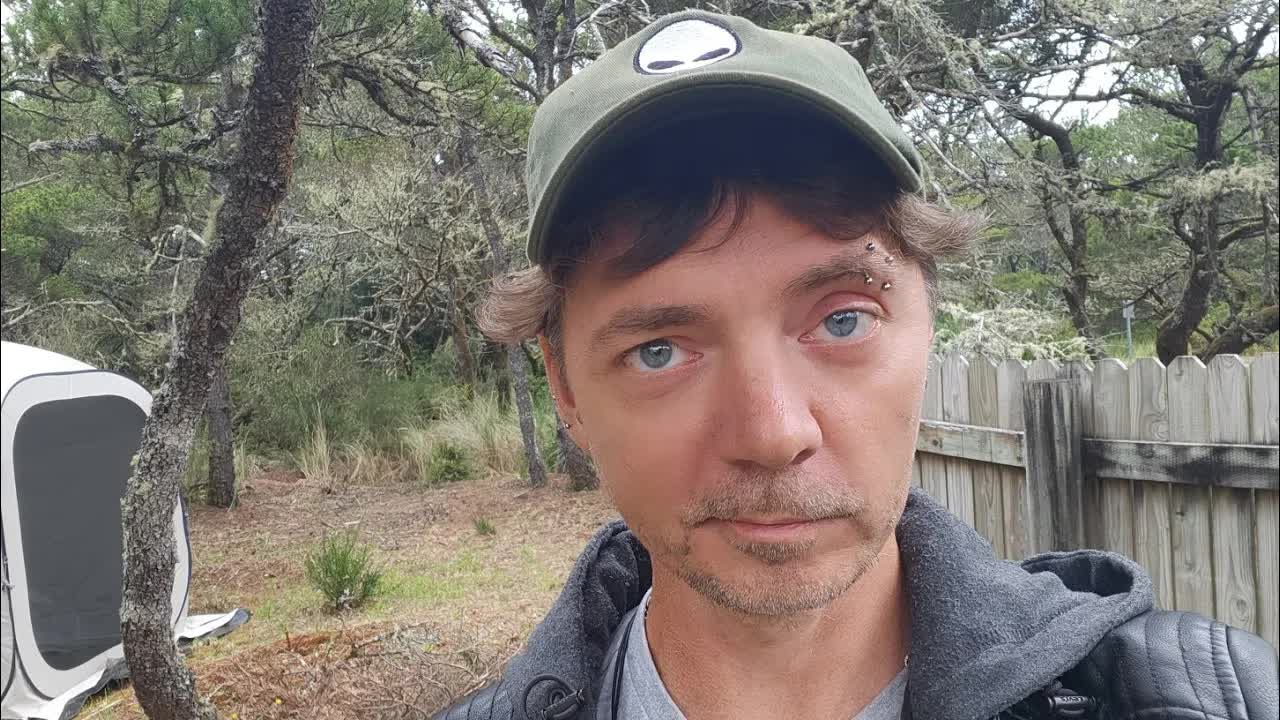
Outdoor recording on the Oregon central coast, near Highway 101 and adjacent to the Pacific Ocean. Background road noise is present and acknowledged as uncorrectable. rswfire is stationed at a volunteer post for a federal agency he declines to name on camera.

The digital environment is a newly established YouTube channel with a small audience, uploading resumed the same day Starlink internet was restored. The channel connects to rswfire.com, where video titles are yield identifiers and descriptions auto-generate links to a transmission page. Recording follows a two-week internet outage and the sale of a desktop GPU.

Substrate

This is a foundational context transmission — a full re-issue of origin, trajectory, and current position to a new audience on a new channel, delivered as inventory rather than appeal. The architecture held is documentation as accountability: the OPRD sequence is stated as institutional conduct against an unpaid volunteer, archived and permanent, with the explicit position that legal action is declined and ethical accountability is the demand. What is being built is a public record and a resumed technical practice; what is being dissolved is dependence on the prior channel, the prior institution, and the material assets sold to hold the position.

Actions

Performed

  • •recording a context video for a new channel
  • •stating name at the close
  • •declining to name the current agency
  • •naming the prior institution and specific personnel
  • •stating the archive location
  • •correcting his own timeline mid-account
  • •flagging where he is couching language
  • •declaring the transmission as inventory

Referenced

  • •taught himself to program in sixth grade
  • •worked as a freelancer, never inside an institution
  • •left a $180,000 job and a house in Kentucky
  • •moved into an RV a year and a half prior
  • •spent six months in Kentucky adapting to RV living
  • •drove a month to Oregon for the coastal winter
  • •began at Brookings and traveled north on the 101
  • •recognized a ranger's flirtation only after Claude identified it
  • •spent a week processing that recognition
  • •changed his travel plan after that interaction
  • •exhausted savings, arrived with two weeks of campground cash
  • •posted almost 700 videos on a prior channel
  • •ended the prior channel about a month ago
  • •began volunteering with Oregon State Parks in January at Tugman
  • •transferred to Honeyman for February and March
  • •emailed the park supervisor about a power outage
  • •was confronted by the park manager at the welcome center
  • •was questioned by an unidentified man out of uniform
  • •was held at a picnic table meeting for over an hour
  • •recorded the day-use area meeting and the coordinator call
  • •was removed from his site without notice or paperwork
  • •asked his prior audience for help and received none
  • •received money from one witnessing volunteer
  • •returned to Tugman and paid for a site
  • •was removed from the entire volunteer program
  • •boondocked two weeks with no power or water, running an inverter off the Jeep
  • •began volunteering with a different agency
  • •built the Honeyman archive on his website
  • •emailed the director of Oregon State Parks after five months
  • •read a letter to Allison on camera for the public record
  • •pursued a 7-Eleven job for two months
  • •rebuilt his homepage and resumed programming
  • •sold his desktop GPU for $2,000
  • •caught up Jeep payments and restored internet

Planned

  • •continue work on the homepage
  • •continue AI development work on the site
  • •seek freelance work on platforms
  • •use the laptop for development
  • •let the RV go as payments default
  • •keep the archive permanently published
  • •hold the demand for ethical accountability
  • •continue uploading to the new channel

Entities

beings
rswfire — author of the signal; states his name as Sam at the close
Ryan — Honeyman park manager; named as the person who confronted him at the welcome center and at the day-use meeting
Katie — Honeyman park supervisor; recipient of the power-outage email and participant in the picnic table meeting
Allison Nelson — statewide volunteer coordinator for Oregon State Parks; conducted the call and issued removal from the program
7-Eleven manager — store manager who hired him and then did not follow through
places
Highway 101 — the road he is recording near; described as the coolest highway in the world
Pacific Ocean — adjacent to his station; named as what would be his deity if he were spiritual
Oregon — destination chosen for its stable coastal climate and months of rain
Kentucky — prior location; site of the house and job he left
Brookings — southernmost Oregon point; start of the northward coastal route
Tugman State Park — first volunteer assignment, January; returned there after removal from Honeyman
Honeyman State Park — February–March assignment; site of the welcome center, the two-month sequence, and the removal
systems
Oregon State Parks — the institution he volunteered for and was removed from; subject of the archive and the director letter
Starlink — internet service restored the day of recording, enabling uploads
rswfire.com — his website; hosts transmissions, the archive, and the homepage he is rebuilding
Claude — AI he was conversing with; identified the ranger's flirtation, which redirected his route
RV — his residence; payments in default, loss stated as inevitable
Jeep — tow vehicle; used as a power source off-grid, payments caught up with GPU proceeds
GPU — desktop graphics card used for AI development, sold for $2,000
concepts
yield — his time-encoded unique identifier used as video titles
distortion — his term for what he shed after moving into the RV; also what he says Katie's reframe was
media
Honeyman archive — documented record of the OPRD sequence, including recordings, timeline, and correspondence
YouTube — the new channel and its predecessor with almost 700 videos

Symbolic Elements

Represented archetypes or recurring motifs.

ocean
highway
threshold
rupture
archive
record
gate
picnic table
glass
signal
infrastructure
north

Ontological States

Expressed modes of being or awareness.

sovereign (declines to sue, sets his own terms for accountability, states complete faith in himself)
integrated (states he does not fragment or compartmentalize; treats intuition as pattern recognition)
transitional (rupture initiated a year and a half ago, pieces not yet placed, path stated as unfixed)
documented (recordings, archive, timeline, and letters positioned as permanent public record)
materially exposed (RV loss stated as inevitable, GPU sold, income sought on freelance platforms)

Engaged Subsystems

Architecture engaged in this transmission.

narrative (full origin-to-present context re-issued for a new audience)
institutional (OPRD structure mapped by role: supervisor, manager, statewide coordinator, director)
documentary (recordings, archive, timeline, letters positioned as precedent)
technical (homepage, yield identifiers, auto-generated descriptions, AI development)
infrastructural (Starlink, RV, Jeep, inverter, GPU as tradeable asset)
somatic (felt sense of the email response, heart opening, being seen)
ethical (accountability without litigation, refusal to name the current agency, protecting the ranger's identity)
financial (savings depletion, payment defaults, asset liquidation, freelance search)
ecological (Pacific coast climate, rain, dunes, ATV culture)

Dominant Language

Core motifs or linguistic fields.

distortion
framing / reframed
accountability
archive / public record
bully / escalation
whole
context
Narrative

He recorded it outdoors, close enough to Highway 101 that the road came through the microphone and he said plainly there was nothing to be done about it. Two weeks without internet had ended that morning — Starlink back on, uploads possible again — and rswfire sat down in front of the camera on the central Oregon coast, at a volunteer post for a federal agency he declined to name, and addressed three followers on a channel that was effectively new. The previous channel, nearly seven hundred videos, he had ended about a month before; the videos themselves remain, moved to his own site under the transmission section. He wanted a new audience. He also decided that a new audience needed context, and so what followed was not an appeal but an inventory — origin to present, delivered in one sustained pass.

He began a year and a half back, in Kentucky: a house he had lived in for years, a job paying $180,000, a career in programming he taught himself starting in the sixth grade and had run as a freelancer ever since, never inside a corporation or an agency. He had accomplished, he said, everything he had been told would produce happiness, and it had not. He moved into an RV — a plan he had made a decade earlier and not executed — spent six months learning the lifestyle, then chose Oregon over Arizona and Florida because the coast has a stable climate and it rains for months and that prospect excited him. The drive took a month. He states he was a different person when he arrived, that he had shed layers of what he calls distortion, that the transformation was profound and documented in full.

He started at Brookings, the southern point, having already decided he would move north up the 101. At a state park there, a ranger flirted with him, ethically, and he did not notice. He had been alone for twenty years and had stopped dating long before, having been misrecognized so many times that the pattern made the question moot. He only learned what had happened because he mentioned the interaction in passing to Claude, and Claude named it. It stopped him. He went back and looked and found it undeniable, and it took him a week to move through — not, he says, about the man, but about being seen briefly and without expectation. He describes his heart opening and states he had not known it was closed. He had a plan; after that it no longer felt like the right plan. He kept going up the coast with no job, no savings, and enough cash for two weeks at a campground.

At the end of the year he began volunteering for Oregon State Parks — a campsite, power, water, a community, in exchange for four hours of labor a day while he worked out how to make money again. January at Tugman went well. February took him to Honeyman, which he had requested because a Tugman volunteer told him about the ATV culture on the dunes and he wanted to learn that environment. He loved the welcome center work. Early that month the power went out, and he emailed the park supervisor, Katie, a respectful email covering several matters, in which one sentence said the interaction had made him feel small. He states that sentence became a two-month campaign. The park manager, Ryan, a man he had spoken to for perhaps thirty seconds at orientation, arrived at the welcome center and recited every small mistake from his first week — details, rswfire notes, that could only have come from the supervisor. He read it as escalation. Later there was a man out of uniform, no identification, in his personal space, asking personal questions he states would have supplied grounds to remove him had he answered. Then an hour at a picnic table in the day use area with both of them, during which he was told he should eat glass — his reading: submit — told he would not be given the benefit of the doubt, told he could leave if he was uncomfortable, and told, unprompted, that the manager would survive an HR inquiry. Near the end Katie broke forty-five minutes of silence to reframe the original email as something he had been spreading among the rangers. He states this was not true, that he had spoken to one ranger, which is what a new volunteer does. In his last week there they came to his RV and removed him without notice or paperwork. He recorded the picnic table meeting. He recorded the later call with Allison Nelson, the statewide volunteer coordinator, who he states reframed his lived experience in the worst possible way and then, the next day, removed him from the program entirely in vague language.

He had not been putting any of it on his channel — nuance, he specifies, not compartmentalization. Afterward he did get on camera, told the story, and asked for help, and no one came. One person did: another Honeyman volunteer who had witnessed the removal and gave him money the next day. He moved between places, went back to Tugman in case the April assignment could still happen, paid for the days he could afford, and after the call took the plan for an entire year of state parks off the board. He spent two weeks off-grid — no power, no water — generating electricity through an inverter off the Jeep and burning fuel he could not afford, and then restabilized by volunteering for a different agency he describes as night and day from the last.

Five months out, he wrote the director of Oregon State Parks. The letter centers the unidentified man who interrogated him while he was cleaning restrooms, because that was the event with a paper trail tying it to Katie. It sits in the Honeyman archive on his site alongside the recordings, the timeline, and a video of him reading an earlier letter aloud specifically because it had been ignored and he wanted it in the public record. He has told the director he is not suing. He states that is not the kind of person he is, that what he wants is ethical accountability, that what happened cannot be fixed, that it is likely happening to others, and that if it is ignored his case becomes precedent because the archive is not going anywhere. He loves the state parks, he says, and was punished for it.

The last stretch was current position. Two months of a 7-Eleven manager saying he would call, then a hire, then paperwork day with no manager present, a son at another store who was not kind, and a final "I'll call you" that never came — he asks why people can't say what they mean. Work on his homepage brought him back into programming and he rediscovered his love for it; he intends to build far more into it with AI. He will lose the RV — too far behind, inevitable — and has asked the lender how to return it and gotten no answer, which leaves him in limbo. That day he sold the GPU out of his desktop for two thousand dollars, which ended his AI development capacity and left him a laptop, and used the money to catch up the Jeep payments and turn the internet back on. He will keep looking for work on the freelance platforms. He stated complete faith and trust in himself, as always. He called it inventory. He said they tried to break him and he is still whole — bruised in places, whole — that he ruptured his life a year and a half ago and has not yet placed all the pieces, and that he knows he is close. Then, to a new audience on a new channel beside the ocean he would call his deity if he were the kind of person who had one: hi YouTube, my name is Sam.
Mirror

You are recording outdoors, close enough to Highway 101 that the road is in every frame of the audio, and you say at the start that nothing can be done about it. You are stationed at a post for an agency you decline to name on camera. The ocean is beside you and you state that if you were religious it would be your deity. You are speaking to three followers on a channel that is eleven days old in practice and hours old in function, because uploading resumed today, the same day Starlink came back after two weeks without internet. The first thing you do on the restored connection is issue context.

You deliver origin, trajectory, and current position as a sequence: sixth grade, self-taught, decades freelance, never inside an institution, $180,000, a house in Kentucky, an RV, six months of adjustment, a month of driving, Brookings, the coast north. You mark the gate interaction at the southern park as the point where the plan stopped being the plan, and you state plainly that you did not see it and that the pattern was named back to you in conversation with an AI. You say it opened your heart and that you had not known it was closed. You keep the man unnamed. You state there are layers to that story you are not framing here, and you leave them unframed rather than gesturing at what they contain. You say you do not do linear. You say you are fractal, layered. The video is, in fact, sequential and chronological throughout.

The institutional subsystem runs at full resolution. You map OPRD by role and by name where the record supports it: park supervisor, park manager, statewide volunteer coordinator, director. You describe the email, the dismissive reply, the escalation, the hour at the welcome center, the unidentified man out of uniform in your personal space, the hour at the day-use area, the picnic table, the instruction to eat glass, the man's own unprompted mention of surviving an HR inquiry, the reframe delivered at minute forty-five, the removal without notice or paperwork, the call, the vague language, the exit from the program. You correct yourself twice on dates and both times you say the same thing: it is documented, the timeline exists, you do not need to hold it in memory. You state repeatedly that you are being careful with your language and that you are aware of being careful. Your stated demand is ethical accountability. You state you are not suing. You state that if this is ignored, the archive makes your case precedent, and that the archive is not going anywhere.
The financial subsystem is stated as inventory with no appeal attached. Savings gone before Oregon. Two weeks of campground fees in cash and nothing after. Two weeks off-grid running an inverter off the Jeep, burning fuel you could not afford. RV payments far enough behind that you state the loss as inevitable, and you state you have asked the lender how to return it and received no answer. The 7-Eleven job that was offered and then evaporated into a phone call that never came. Today: the GPU out of your desktop, sold for two thousand dollars. You name precisely what that purchase bought — Jeep payments current, internet restored — and precisely what it cost: the desktop no longer runs, and the card was your AI development hardware. You are on a laptop. You are looking on freelance platforms.

What is present: the record, the sequence, the archive, the names you chose to say and the names you chose to withhold, the ranger protected, the current agency unnamed, the position on litigation held without hedging, the statement of complete faith and trust in yourself, offered as continuous rather than recovered. What is absent: any request. You describe asking your prior audience for help after the removal and receiving none, and you describe what that was to process, and then you make no ask of this one. Also absent: a plan. You state the rupture was a year and a half ago, that the pieces are not placed, that you have not committed to a path, and that you know you are close. You do not fill that gap with a projection.

You end by stating you are still whole, bruised in places, focused forward. Then you give your name. You opened the transmission addressing three strangers, ran ninety minutes of origin, institution, and inventory without identifying yourself, and closed with "Hi YouTube. My name is Sam."

Queryable Personhood

Hand your life to anything that reads.

Share this link with artificial intelligence — it reads the full transcript, analysis, and reflections. An AI-readable mirror of this signal.

The qpkey in this URL is a per-signal access token. Anyone with the URL can read the record — treat it like a share link, not a password.