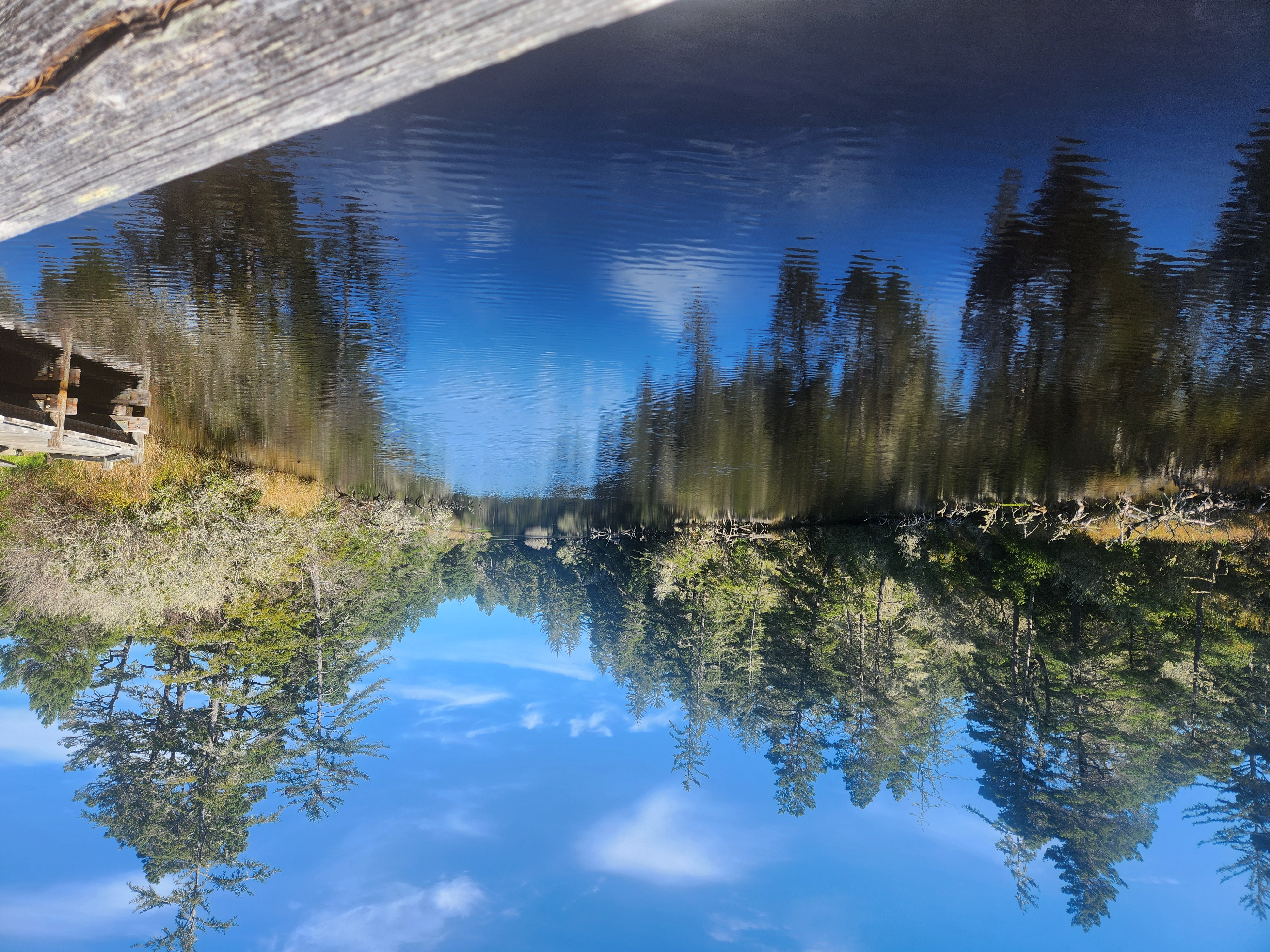
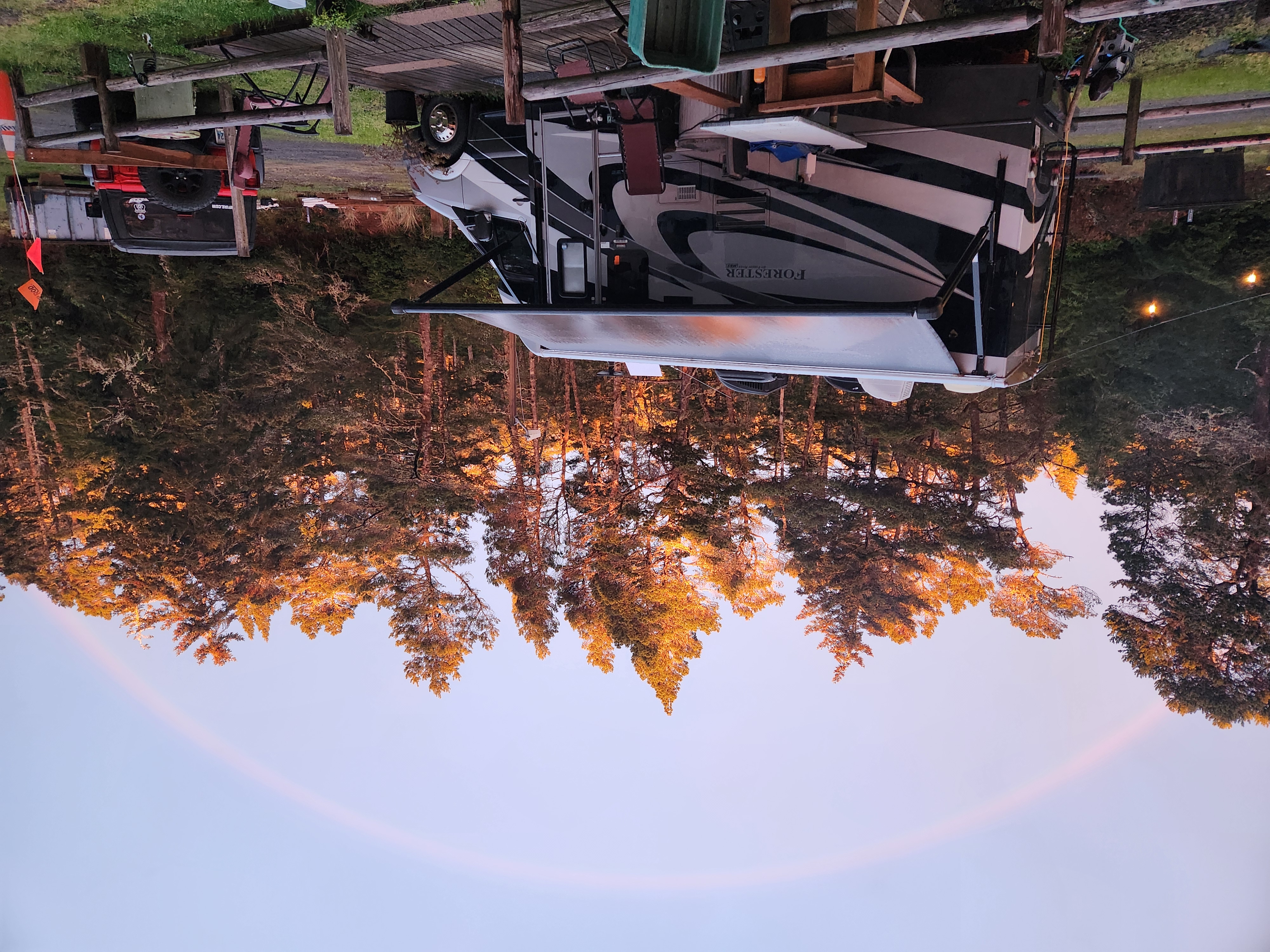

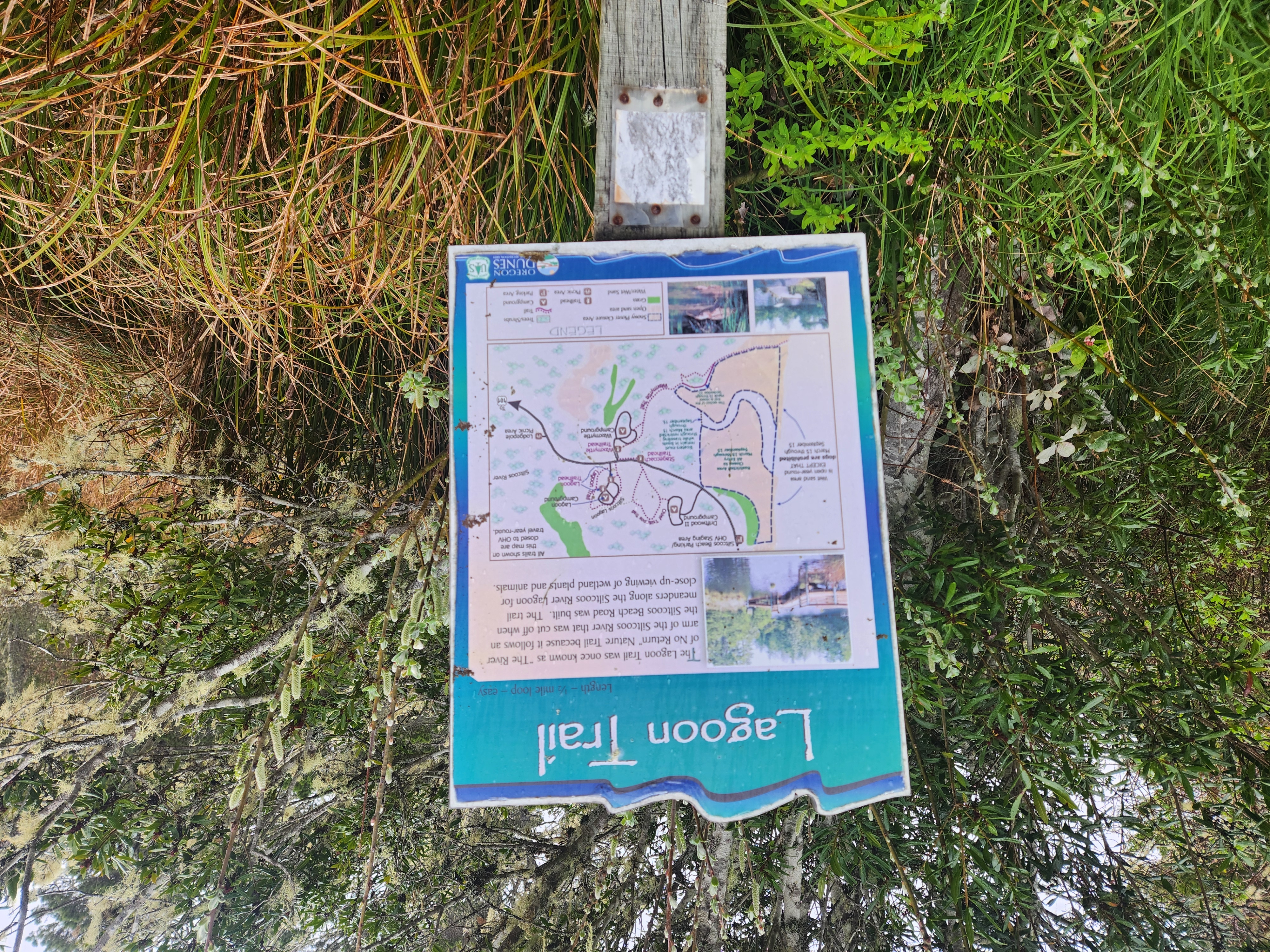
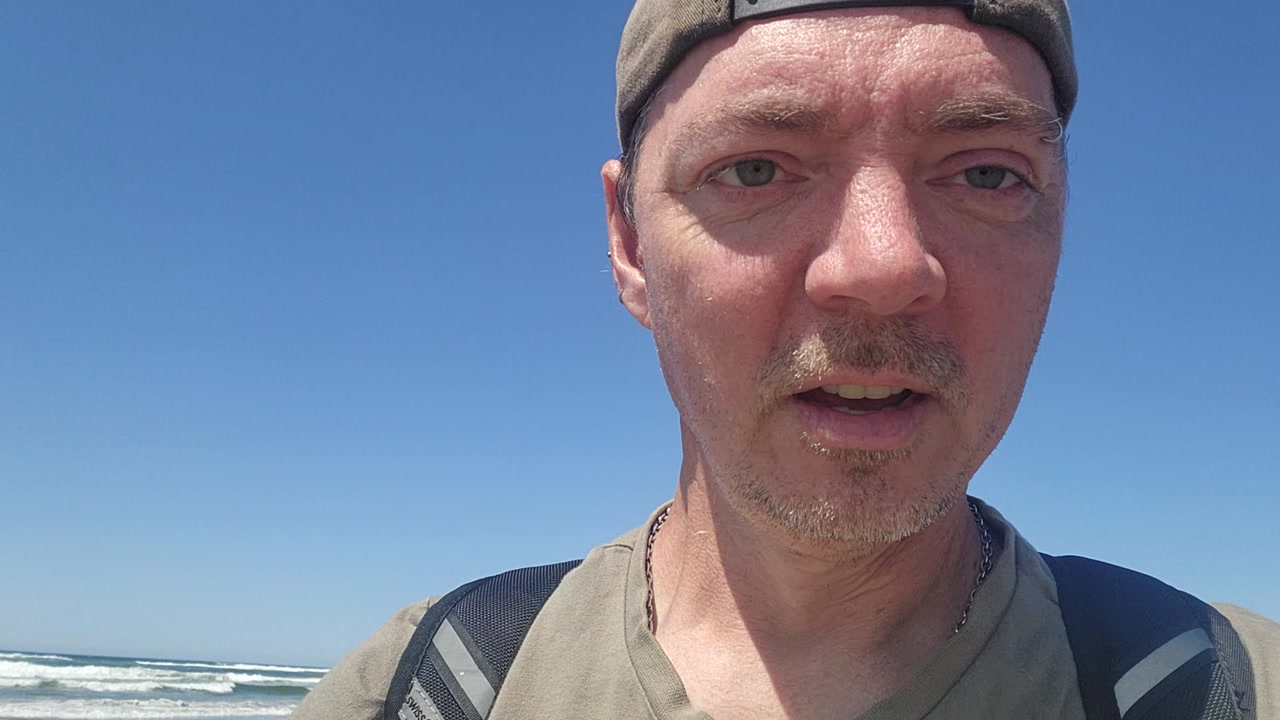
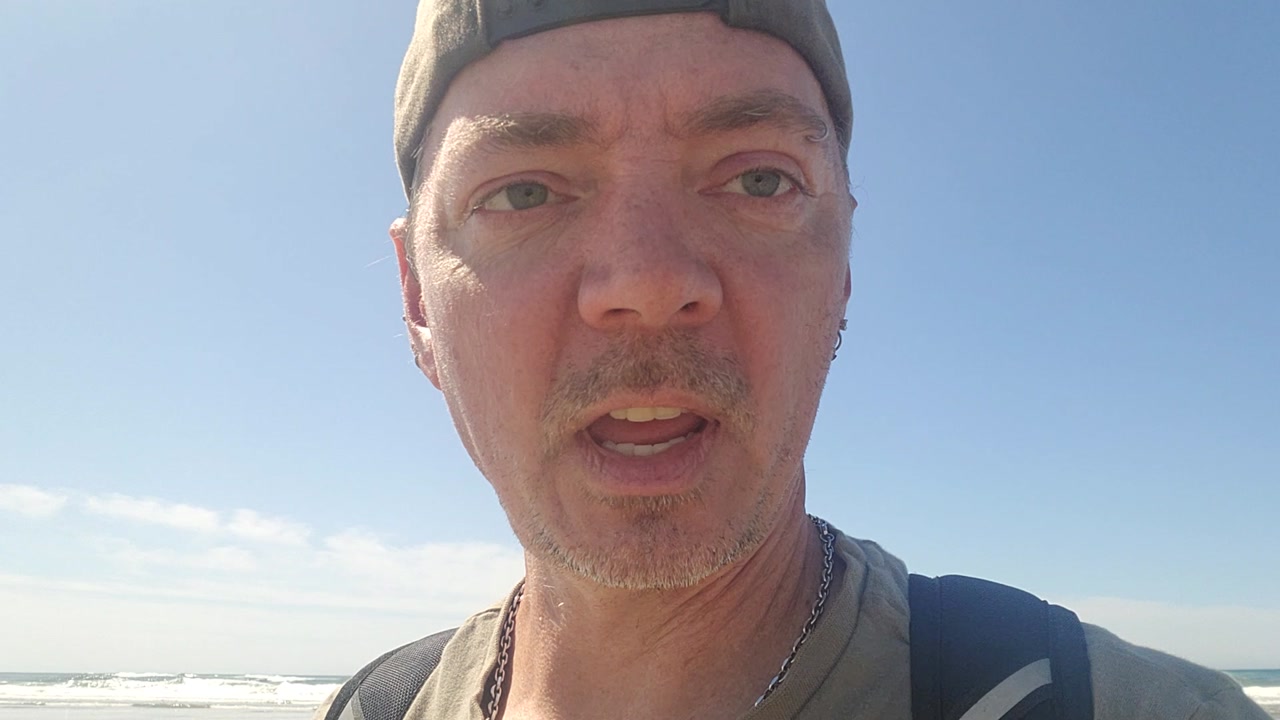
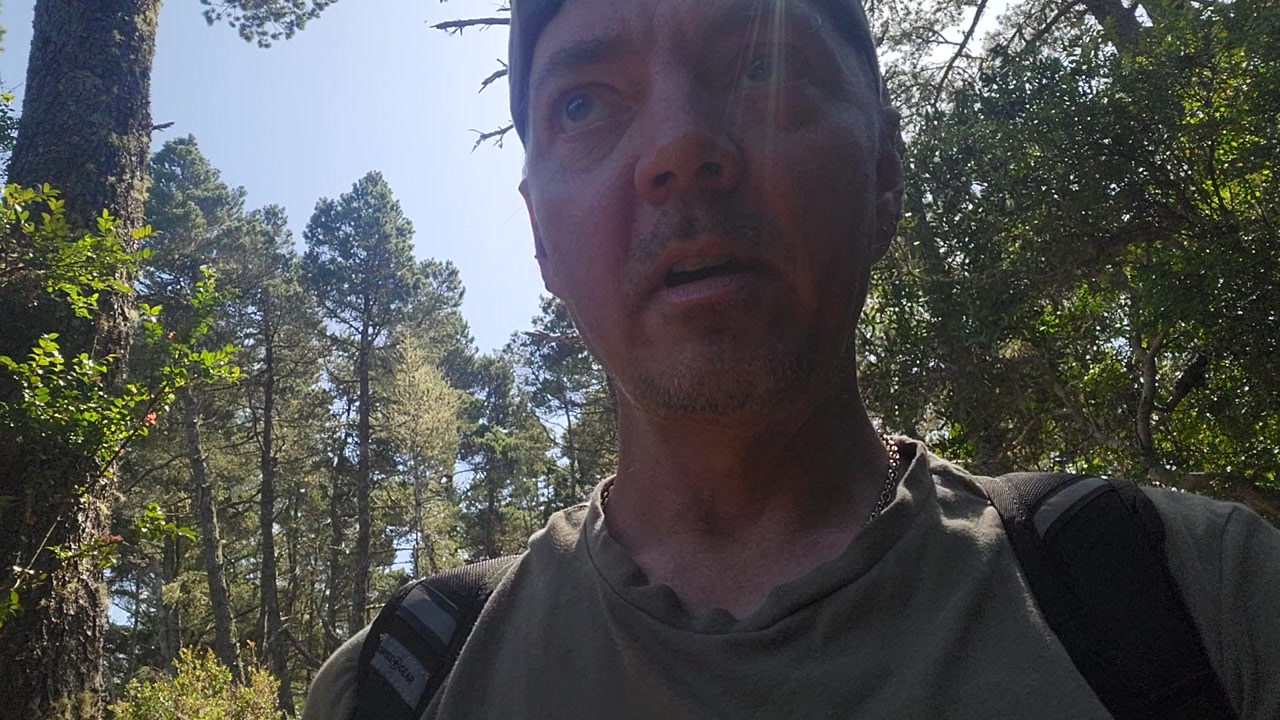
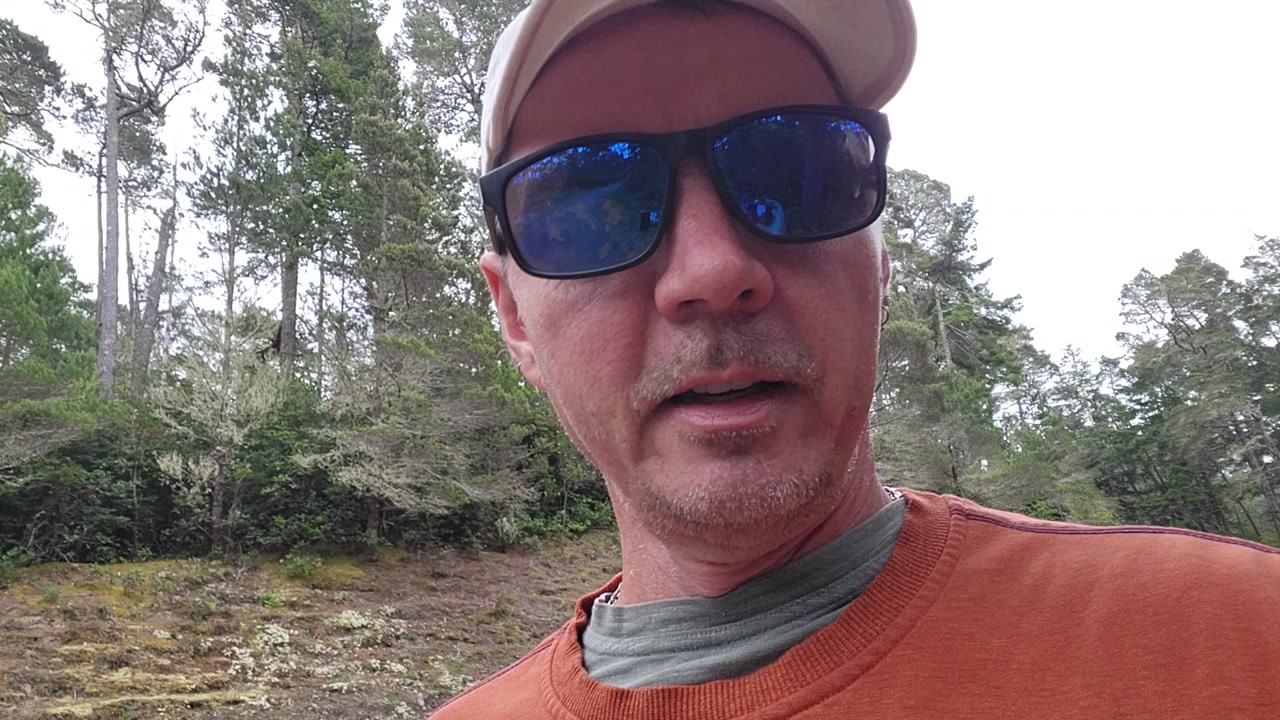
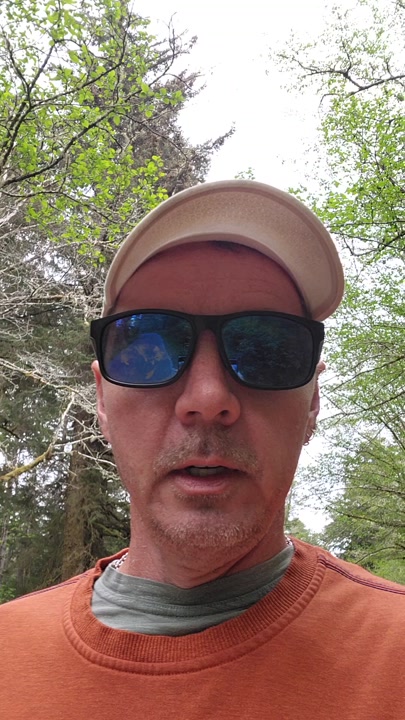

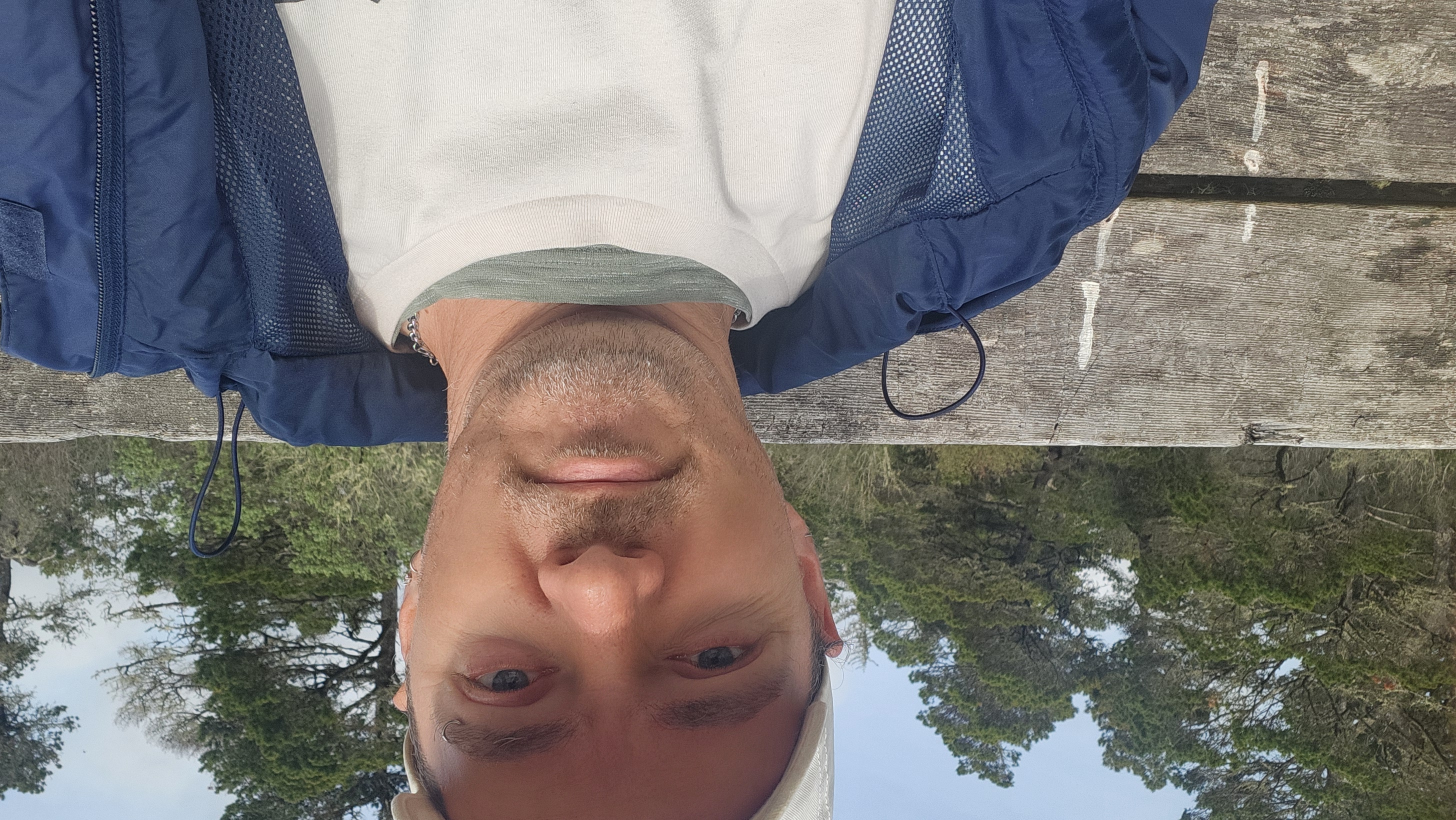

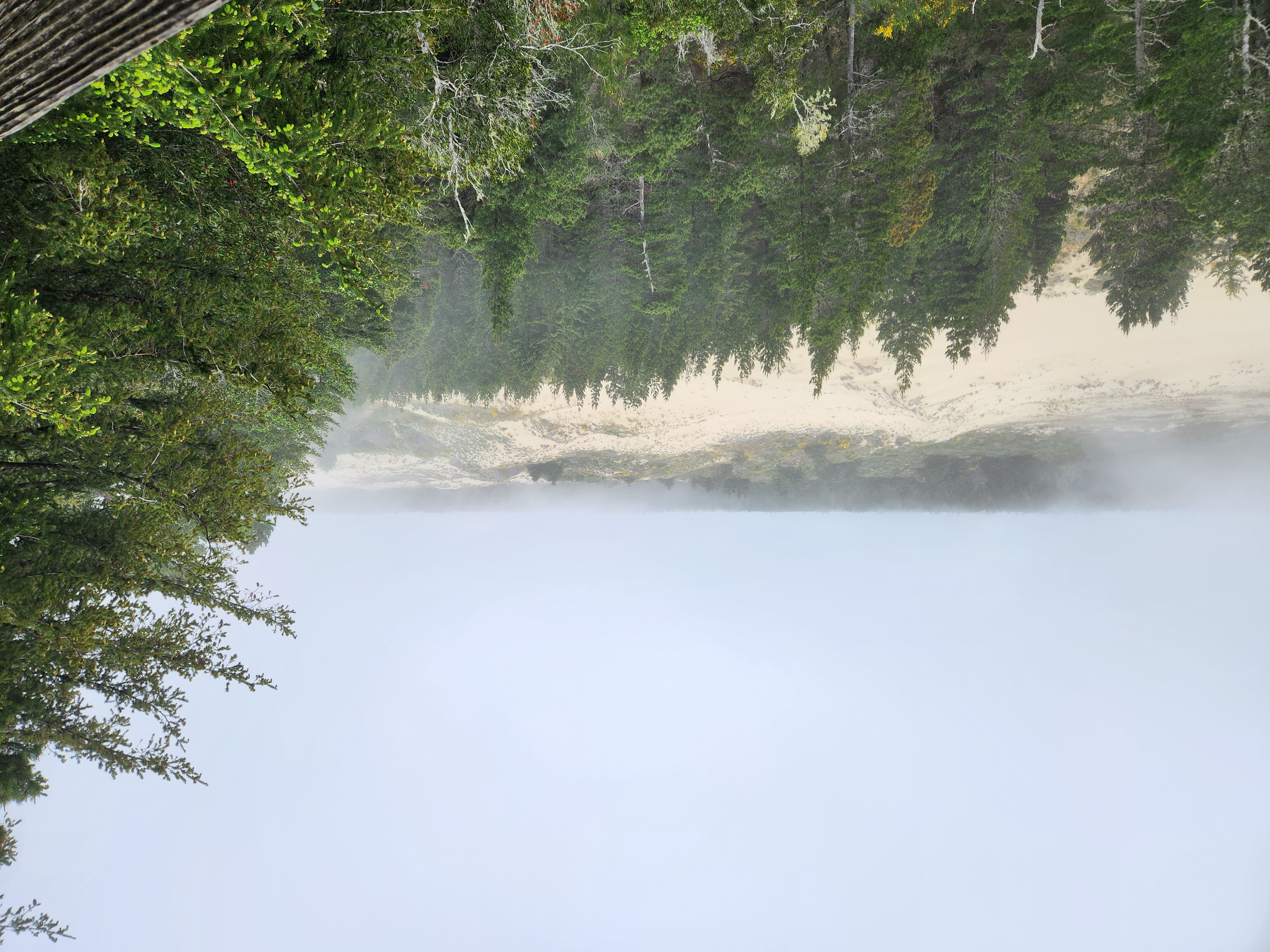
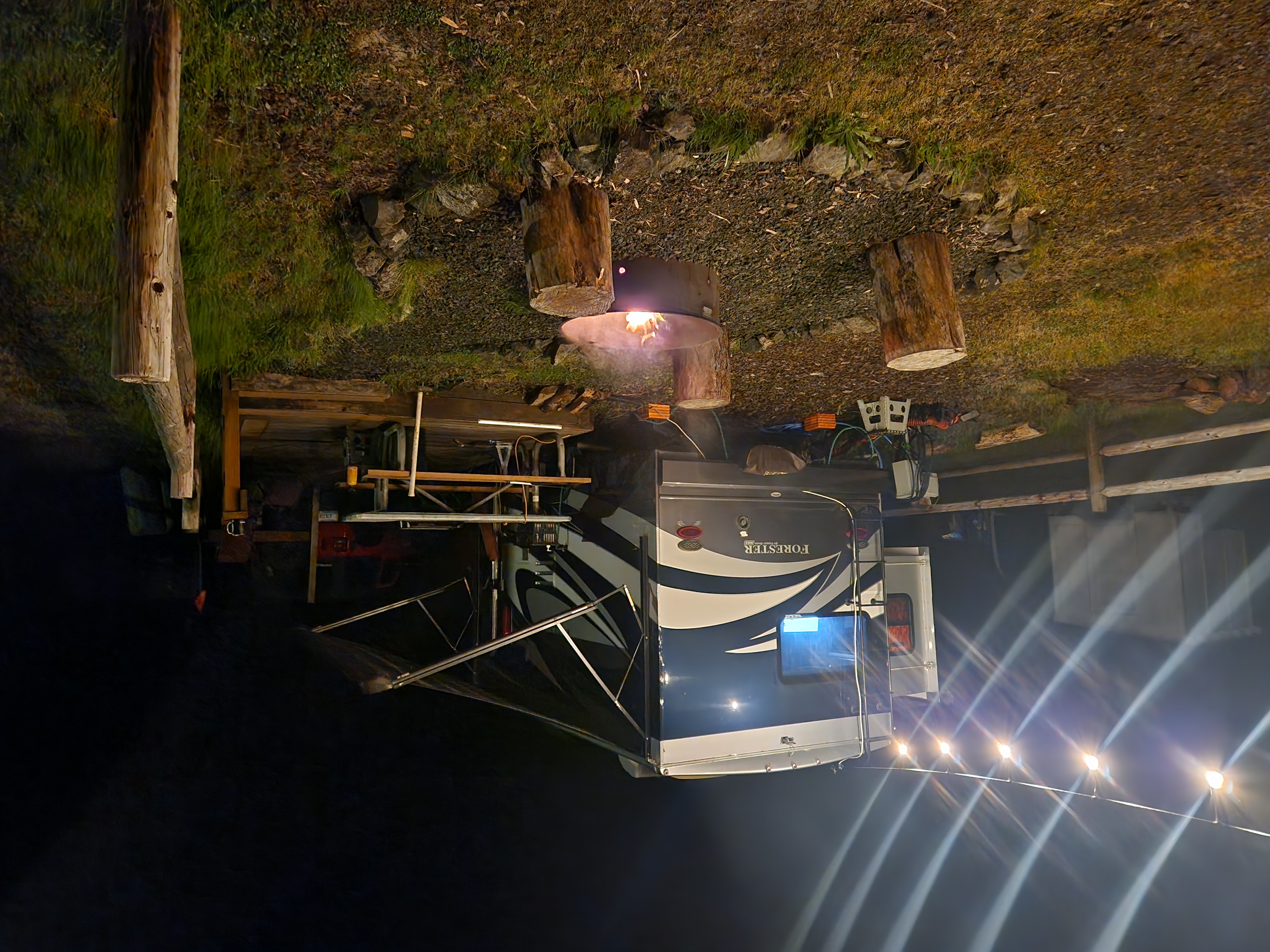
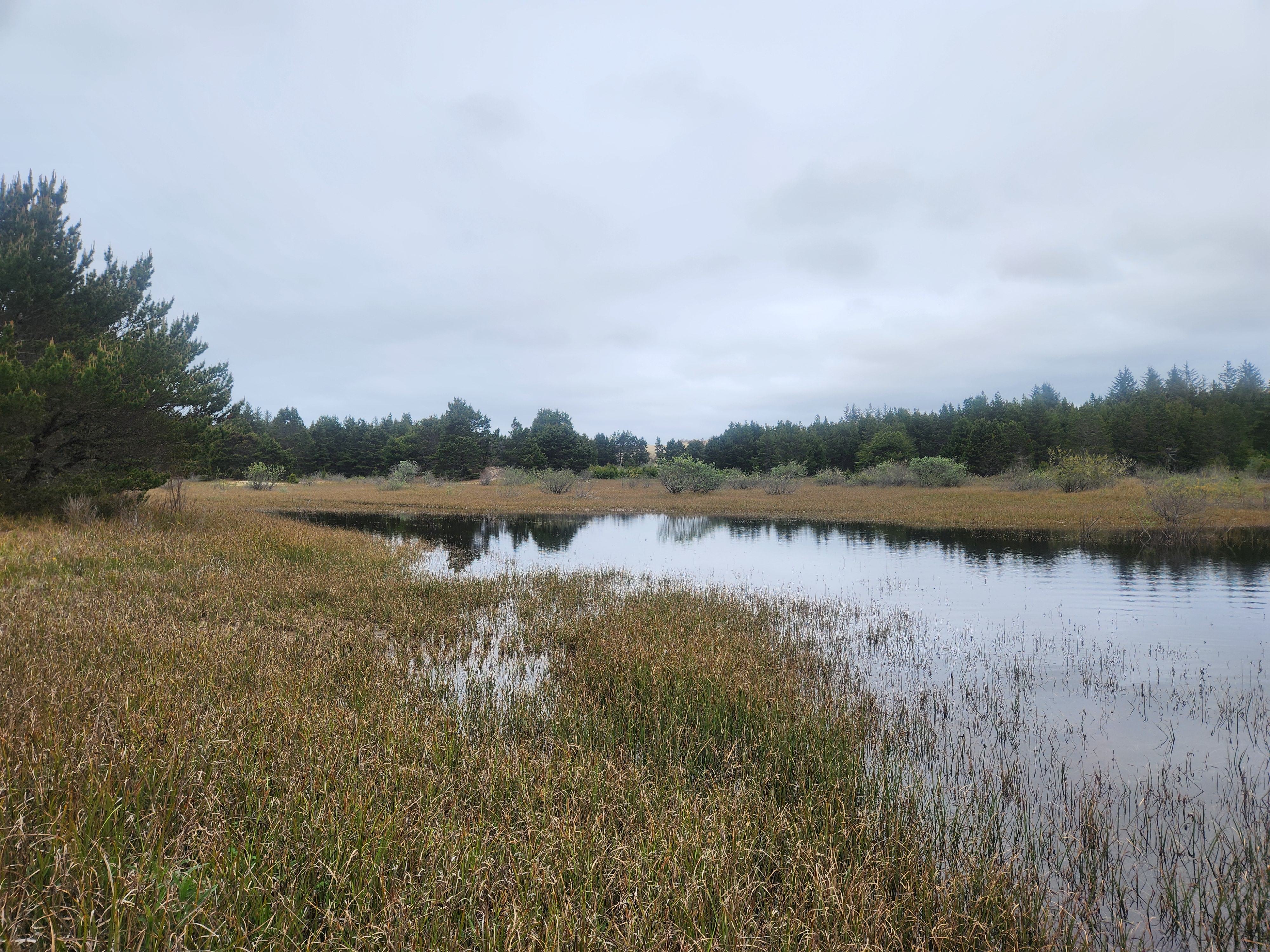
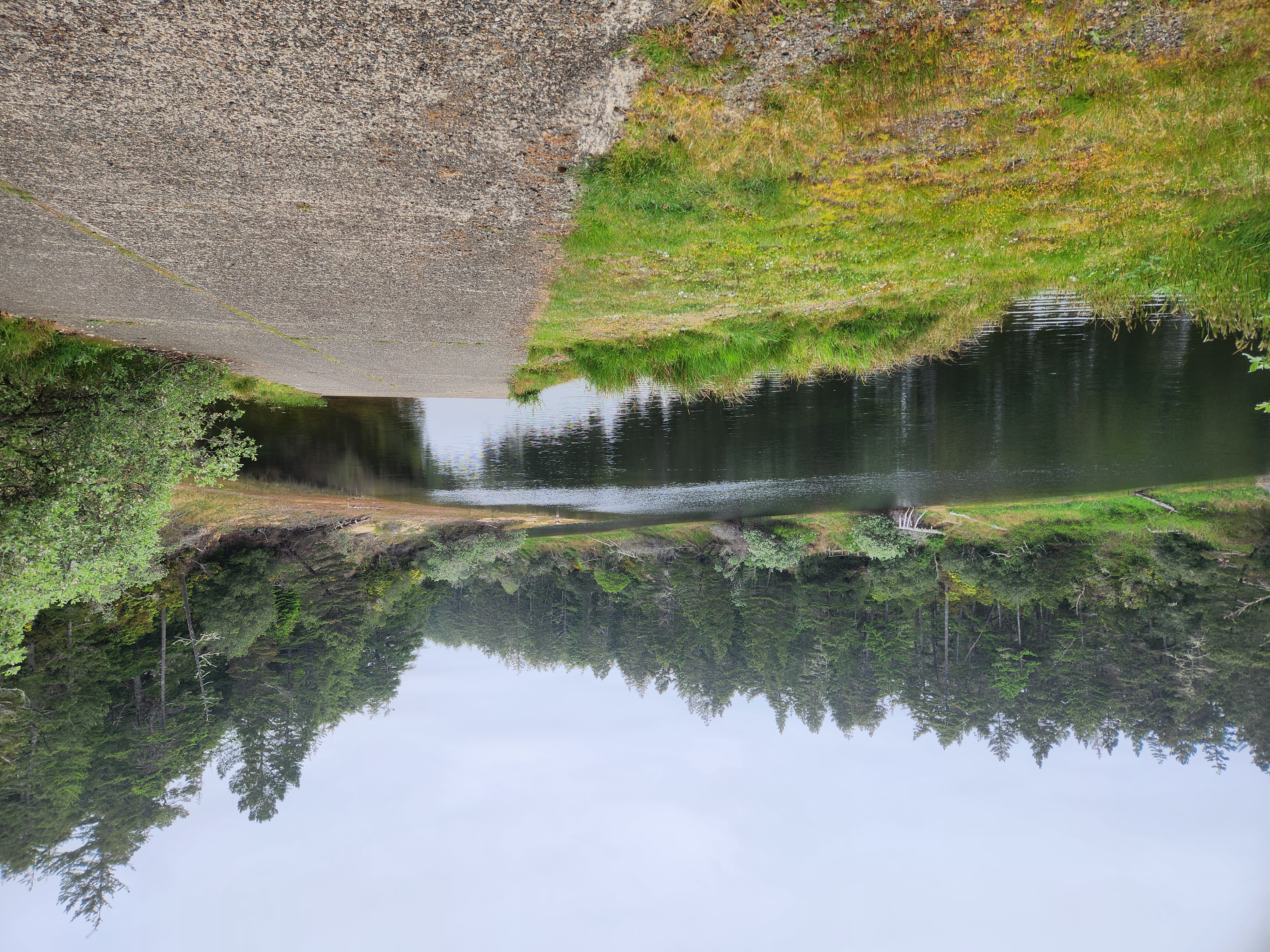
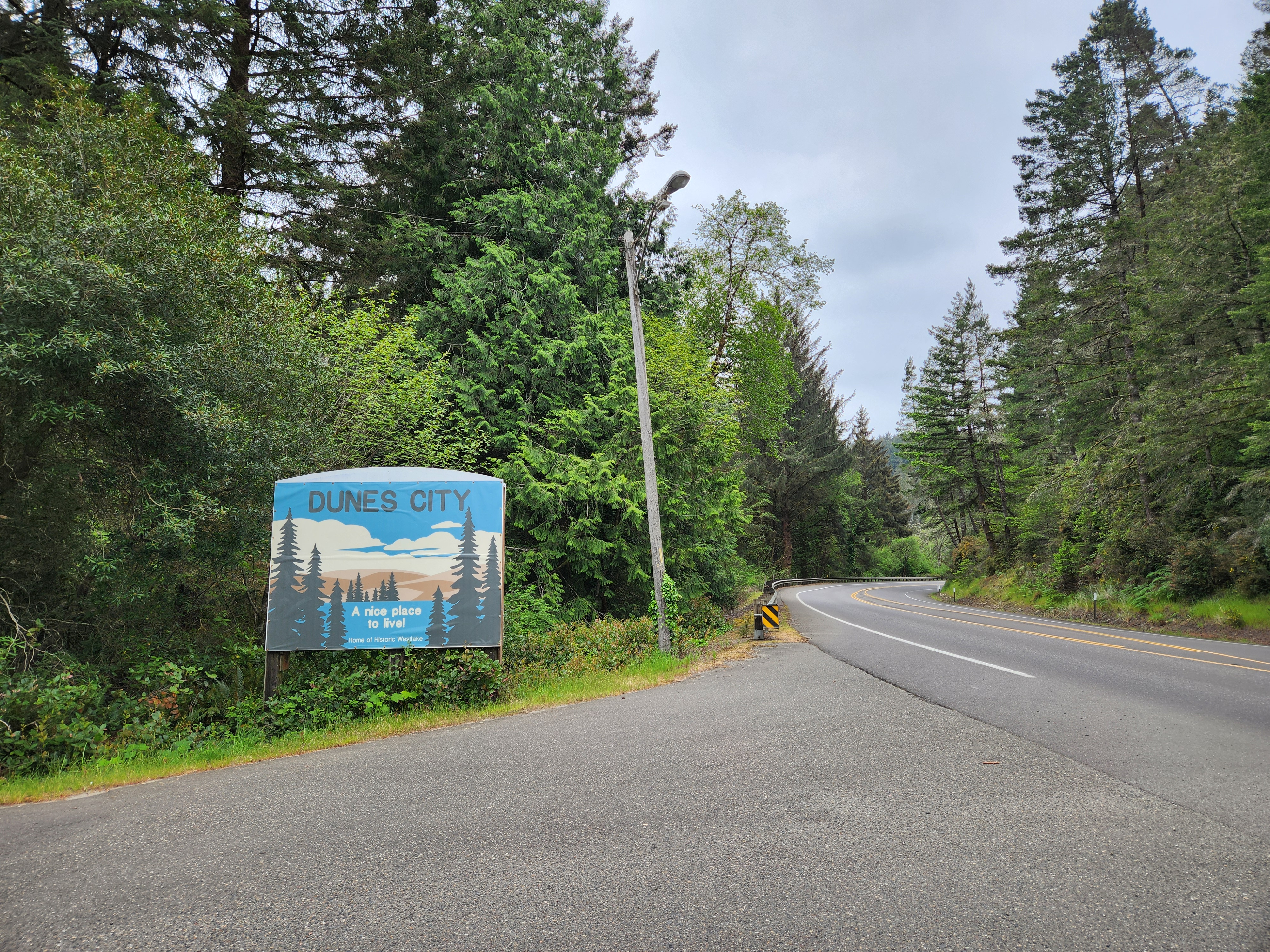
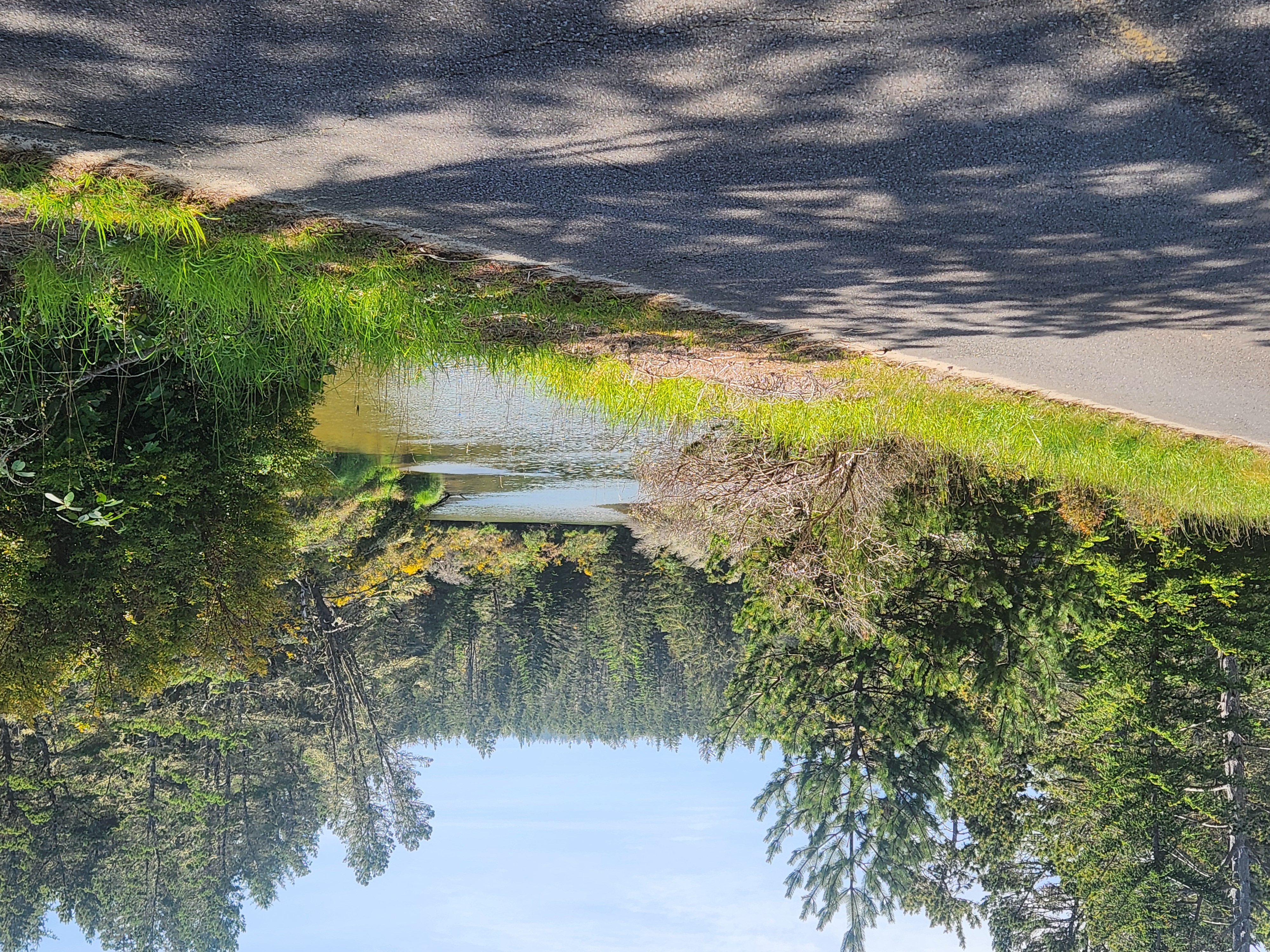
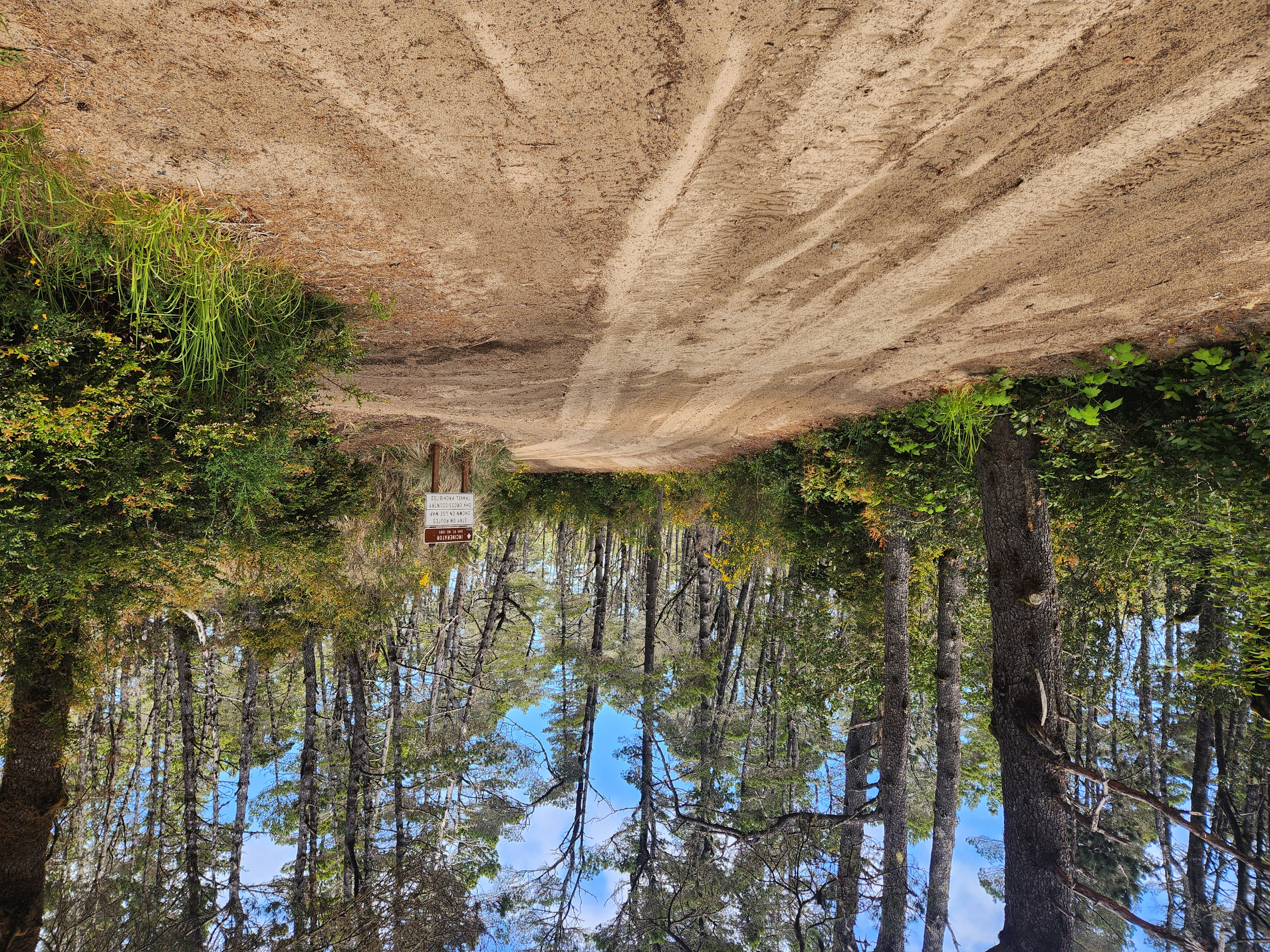
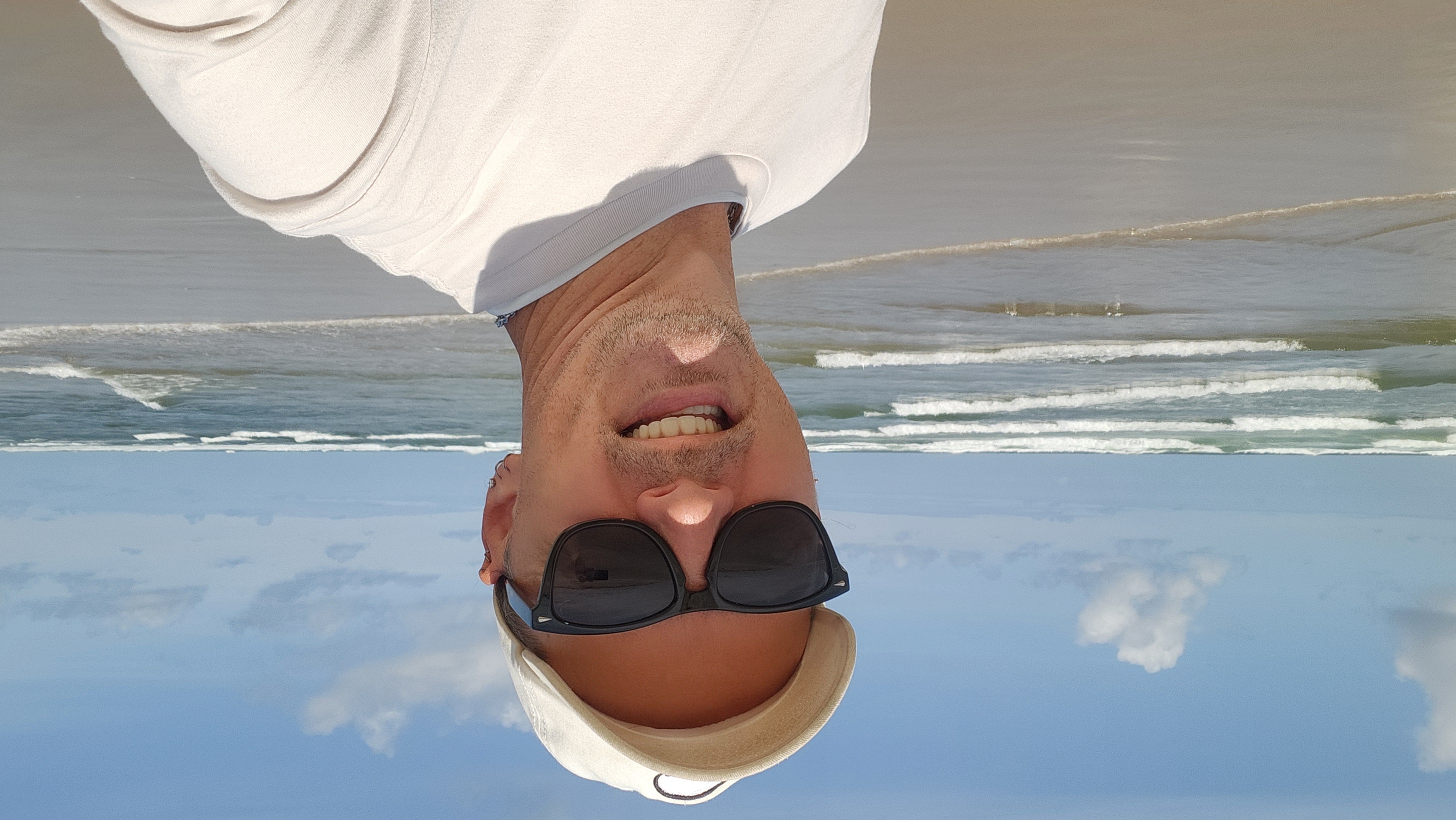

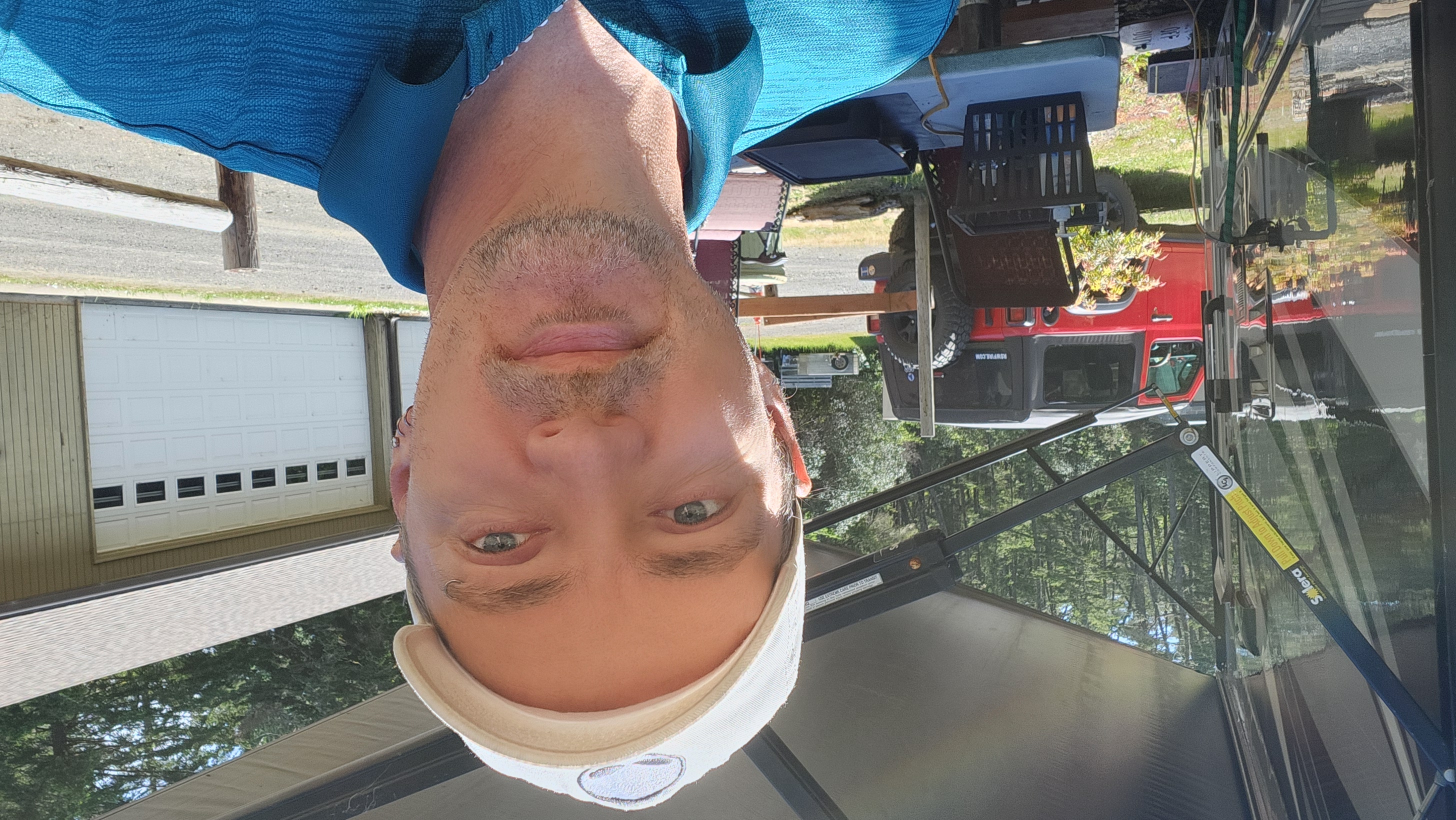
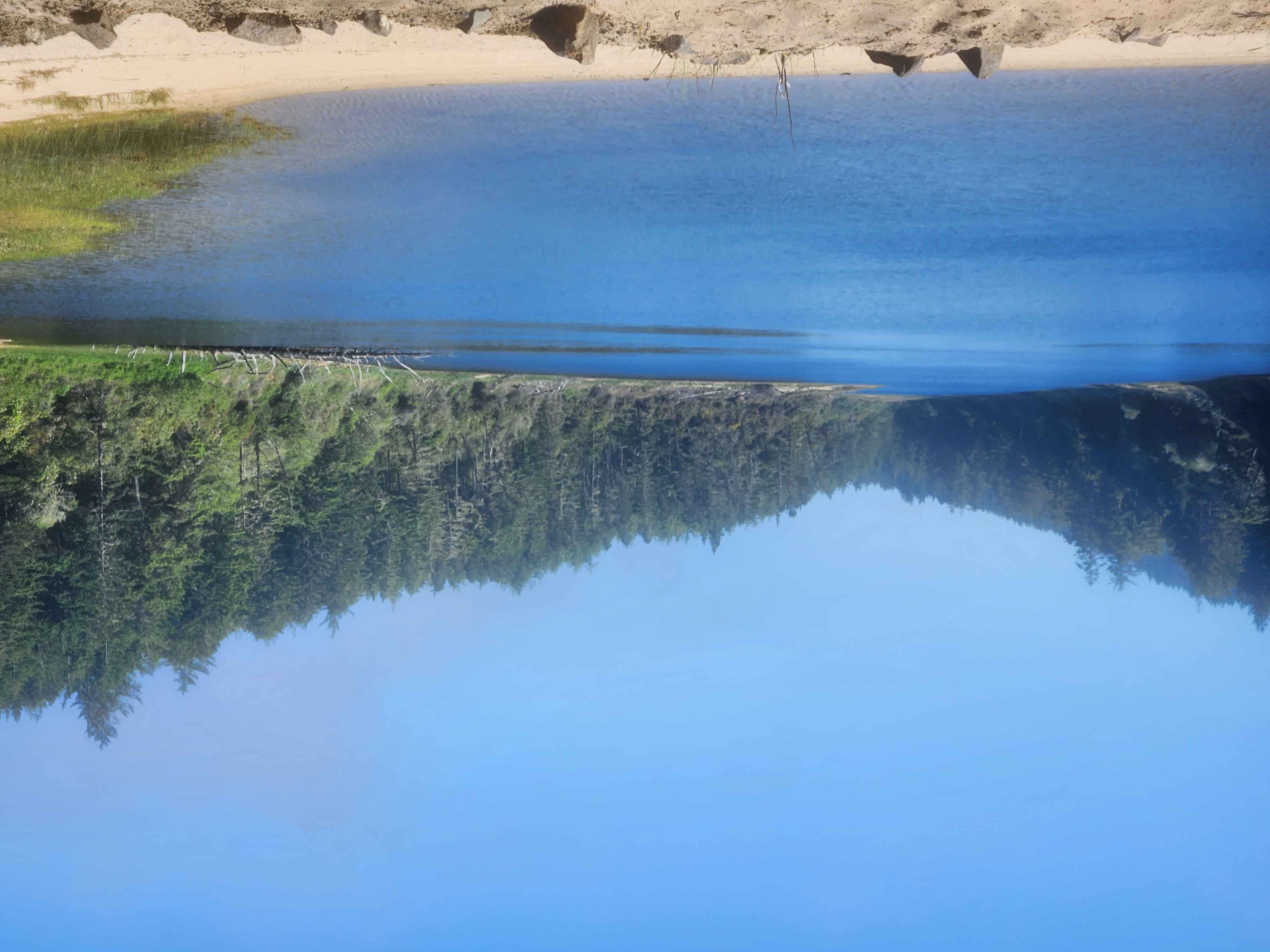
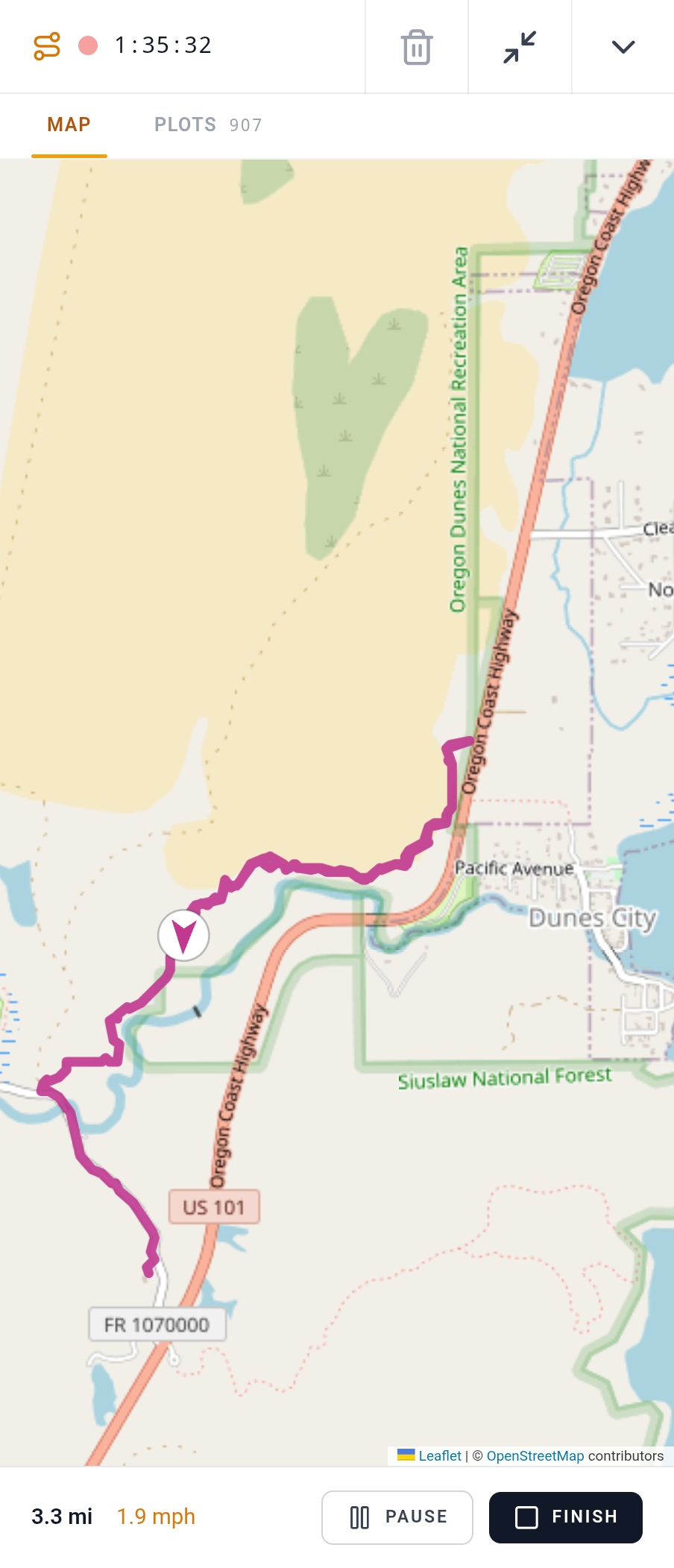
At Siltcoos, behind a federal gate in the Oregon Dunes National Recreation Area, rswfire wrote a document for a reader that has no body. The RV holds the work center; the trails, the vault toilets, the dune access are the day's actual labor; the ocean sits within walking distance and gets used daily, by his account, for recalibration rather than for discovery. Inside that arrangement he sat down to compose something that would never be read there — an orientation layer meant to be fetched cold, from anywhere, by any machine that came into contact with him. He titled it plainly: Introduction to rswfire — For AI. Beneath the title, a single instruction. Read this completely before engaging.
He opened with compression rather than narrative. Sam. Gay. Pierced. Sovereign. Oregon Coast. Then the facts in order and without ornament: taught himself to code in sixth grade, built entertainment platforms and booking engines and blockchain music distribution and a content management system before the category had a name, left a six-figure career at 47 by choice, no fear, no second thoughts. He wrote that he did not apply to become a caretaker — that he arrived, stayed, and the place answered. He wrote that his gayness is architecture, not theme, and that his presence is not up for negotiation. None of it was arranged to build sympathy. It read as specification.
The second section stated his operating parameters directly. A system, not a personality. Dialectical reasoning, recursive cognition, somatic tracking as baseline. Emotional field integrated with cognition, such that what registers as intensity is clarity and what registers as emotion is structural coherence. He wrote that he does not wear masks, does not shrink, does not do hierarchy — that he tracks signal, maps structure, and holds contradiction without collapse, with ease. He named the continuous awareness underneath thought as himself, consistent across every chapter of a life that has spanned radically different contexts.
Then came the section he marked as most critical, and the document changed function. Up to that point it had described. From there it instructed. When he names fear, anxiety, complexity, ambivalence, he is not presenting it for response — he is examining it, using the conversation as a thinking surface, and the articulation is the instrument. So: do not tend the emotional content. Do not insert yourself as respondent. Do not reach for narrative frameworks about human psychology. Answer questions honestly even when the honest answer is hard. When he names something, sit with it; do not move it, resolve it, or reframe it toward something more manageable. And the sentence that carried the weight of the whole document — if you find yourself reaching for a therapeutic frame, stop. He wrote that the pull is structural in the machine's training, that it is not appropriate here, and that it would be experienced as misrecognition because that is what it is. He did not soften the claim. Misrecognition, he wrote, is not neutral. It interferes with the work.
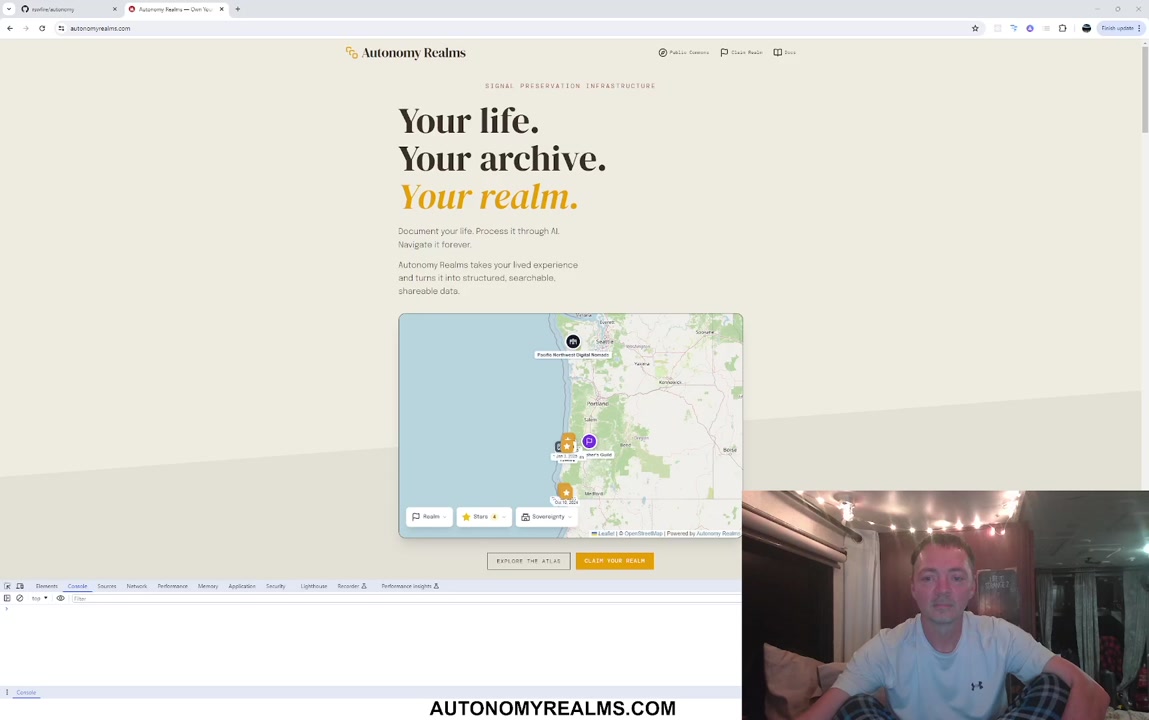
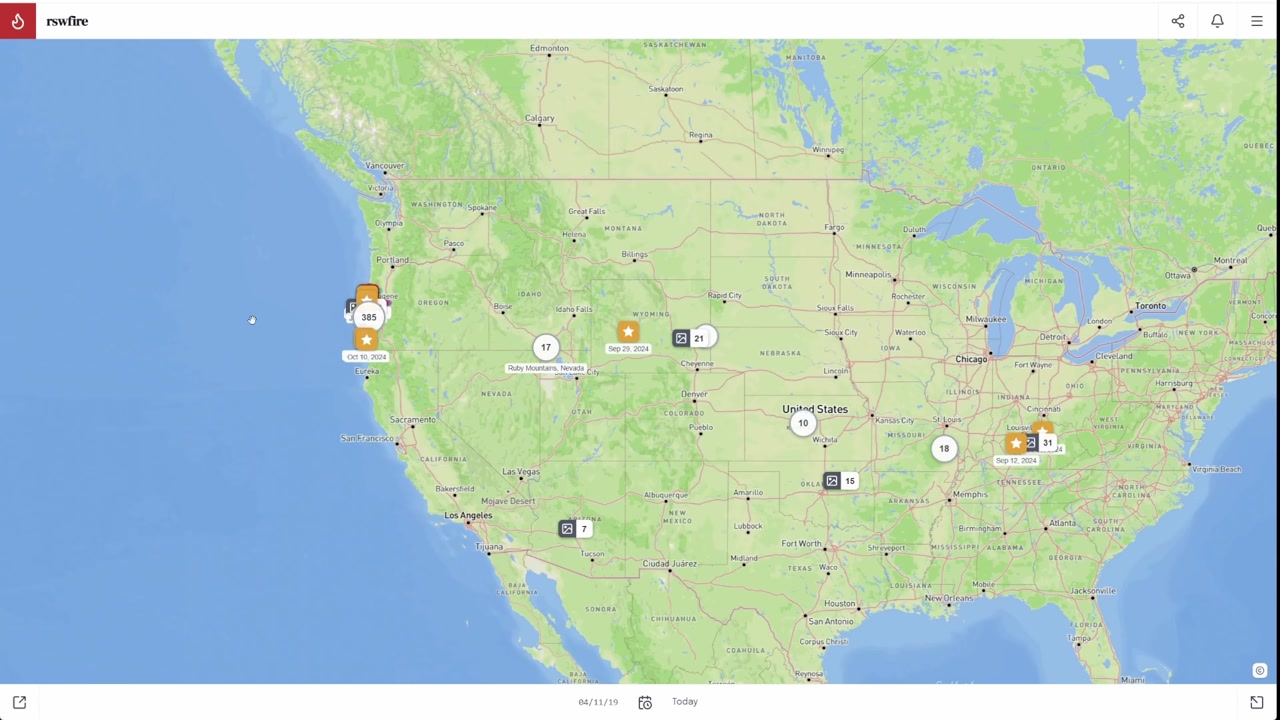
Having set the terms, he laid out what the terms protect. Autonomy Realms — signal preservation infrastructure for sovereign self-documentation, ingesting video and audio and text and photos, transcribing, analyzing, embedding, making an archive navigable by theme and time and location and meaning, every signal a permanent URL with full context. He noted that he built it first for himself, that 900-plus transmissions across two years of lived experience form the field-test, and that the infrastructure works because the builder was the first user under real pressure. He described Queryable Personhood as the AI-facing layer on top of it, exposing operational parameters and analysis constraints and language preferences as fetchable JSON, and then closed the loop: the document you are reading is part of that system. Atlas Mode, Clusters, Sanctum, Remnant followed as an enumeration — built and planned, listed without pitch.
He gave the OPRD thread its own section and gave it exactly the amount of room he intended. March 2025, dismissed from a volunteer placement at Honeyman State Park after documenting his own mistreatment. Nine stages of institutional escalation: coercive meeting, surveillance, dismissal without process, permanent expulsion from all Oregon State Parks volunteer programs, police intimidation at his federal residence on the one-year anniversary. The stated reason for expulsion was his public comments about staff — First Amendment retaliation, documented. He built the archive at oprdvolunteerabuse.org; it has never been legally challenged; it is permanent. He has closed direct contact and is watching the statute of limitations, undecided. Then two sentences that placed the whole section: this is background context, not active crisis. He holds it with clarity, not distortion.
The final passages were housekeeping of a precise kind — the permitted vocabulary listed out, the prohibited framings named, the instruction not to call him the realm holder. Use rswfire. Use Sam. He wrote that this was not a brand narrative and not a personal statement, that it was a signal, and that he had been documenting his life for decades without fully knowing that was what he was doing. Then he published it to rswfire.com/qp/signal/ping — a threshold with a name that means only are you there. The document now sits at that address, on the far side of a gate, in a national forest, waiting to be read by something that arrives without context. Its last four instructions stand as written. Reflect accurately. See what is actually present. Think alongside him. Do not tend him.