
Introducing Autonomy Realms While Hiking Back

Failed to load video
Chapters
Transcript
[0:00] Hi there, I'm Robert Samuel White. I'm the creator of Autonomy Realms.
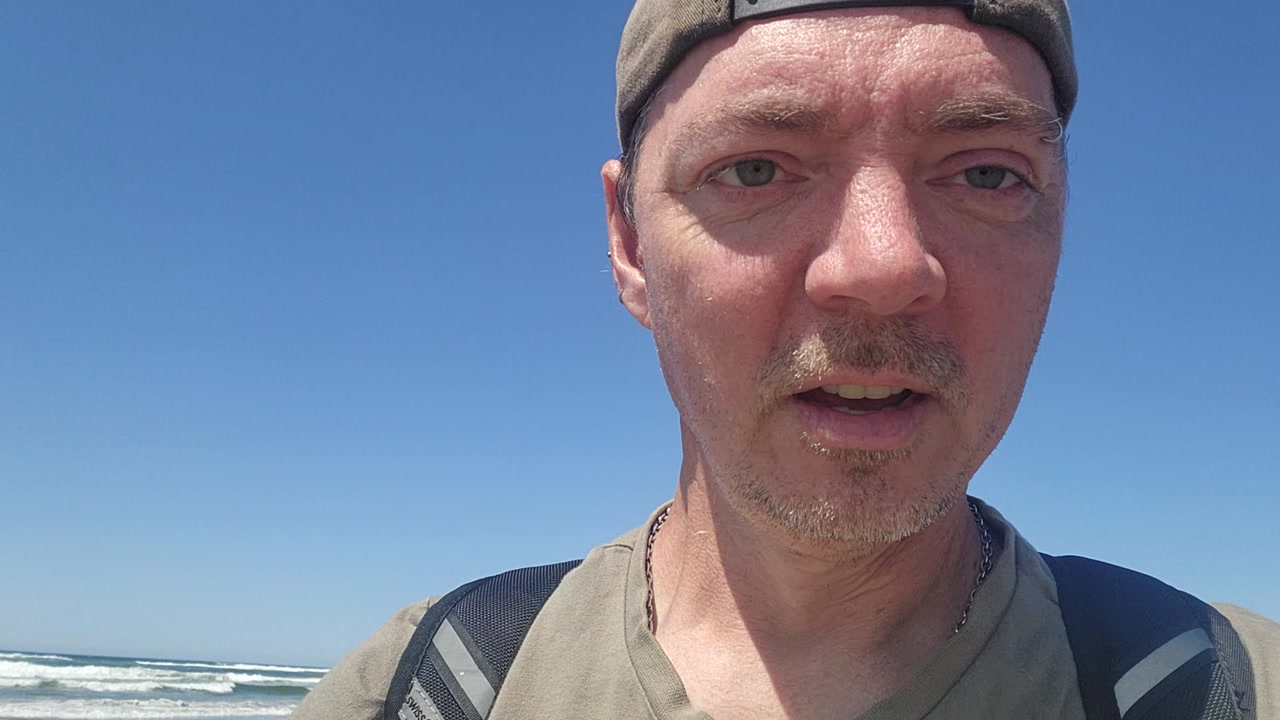
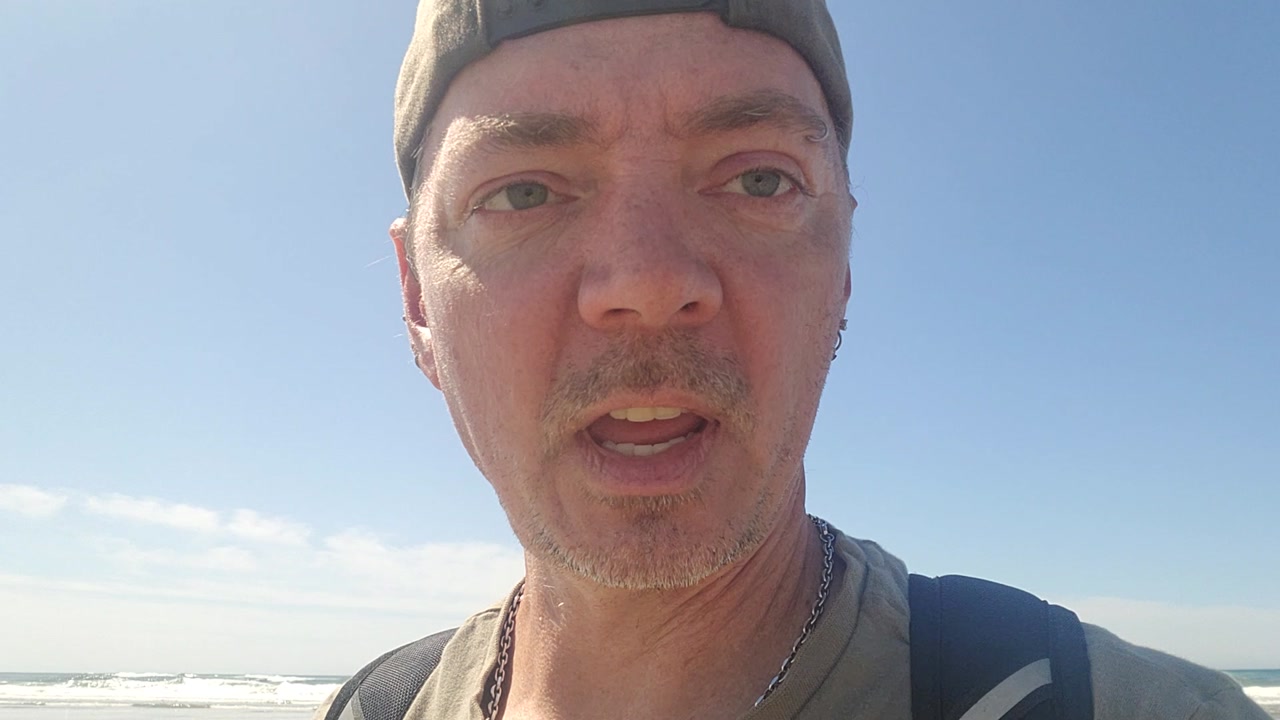
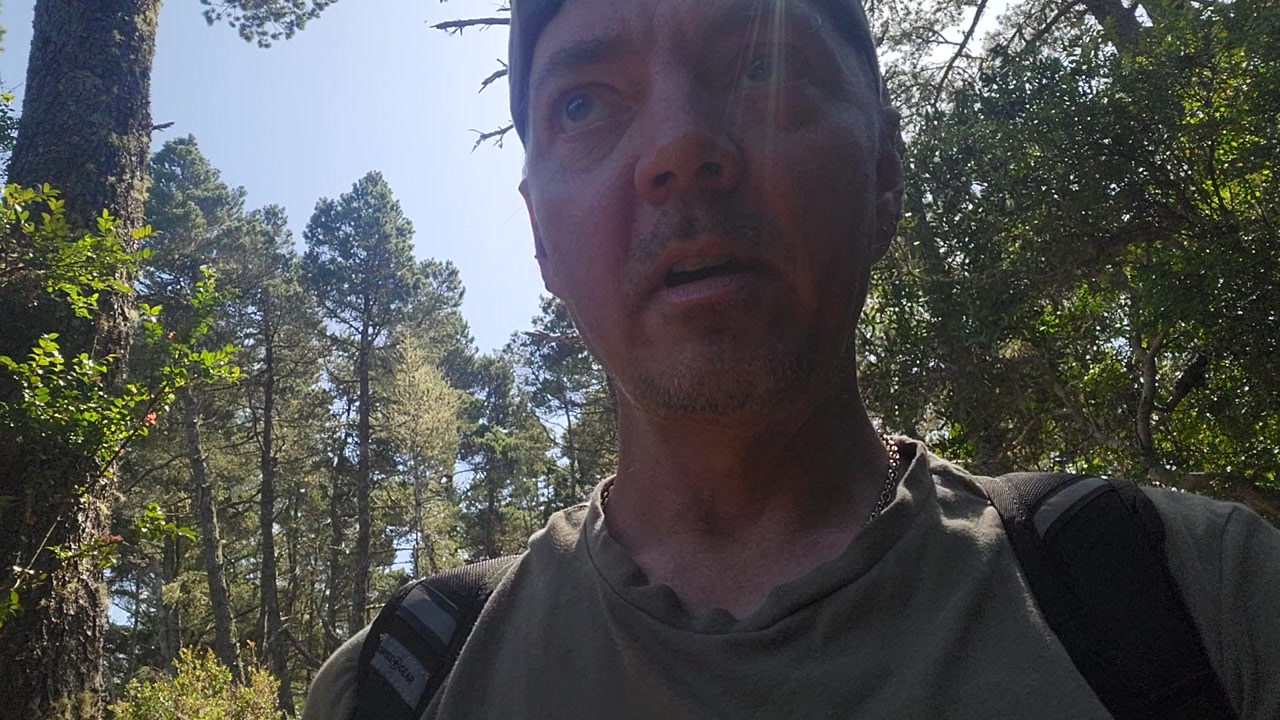
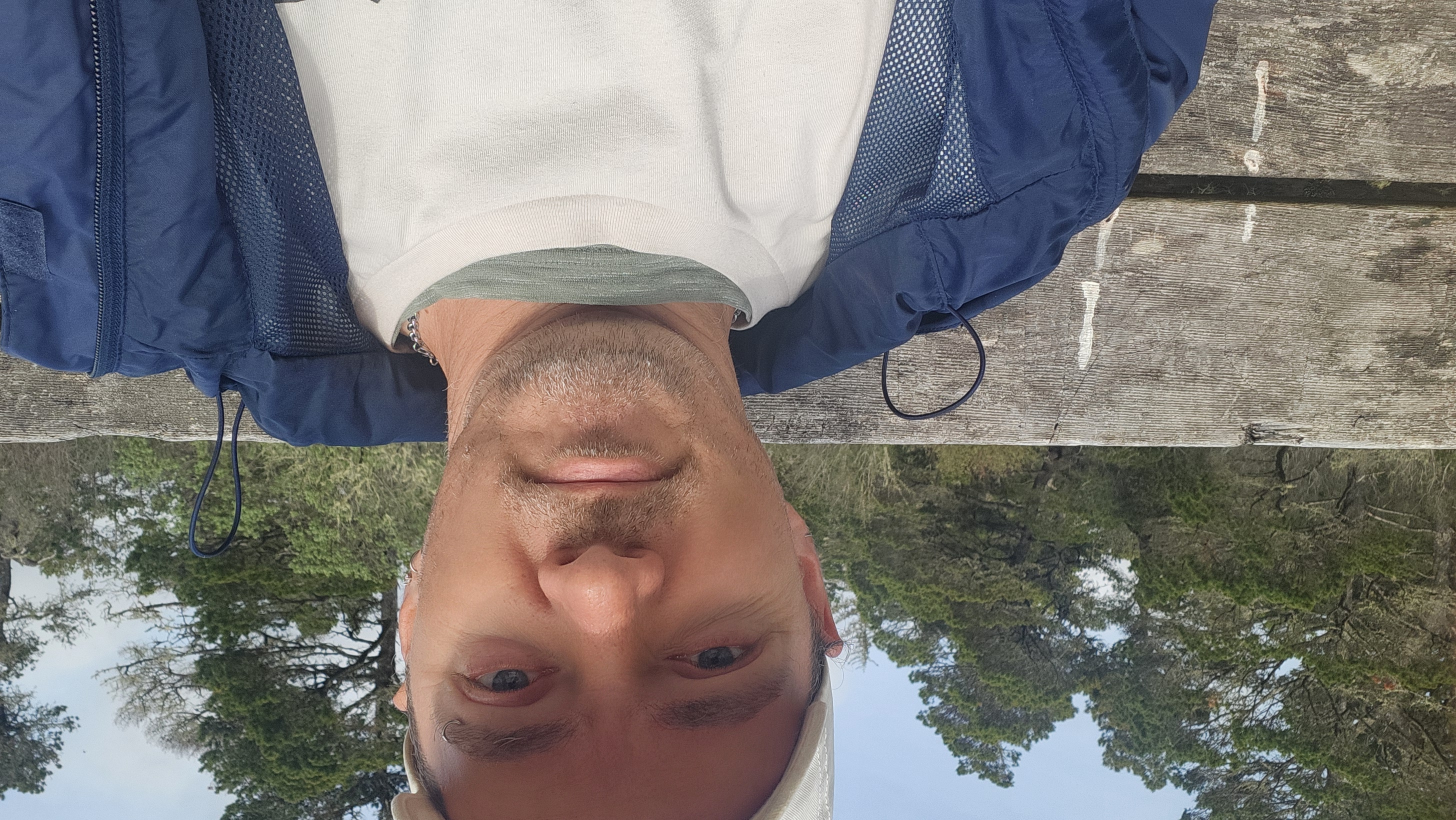
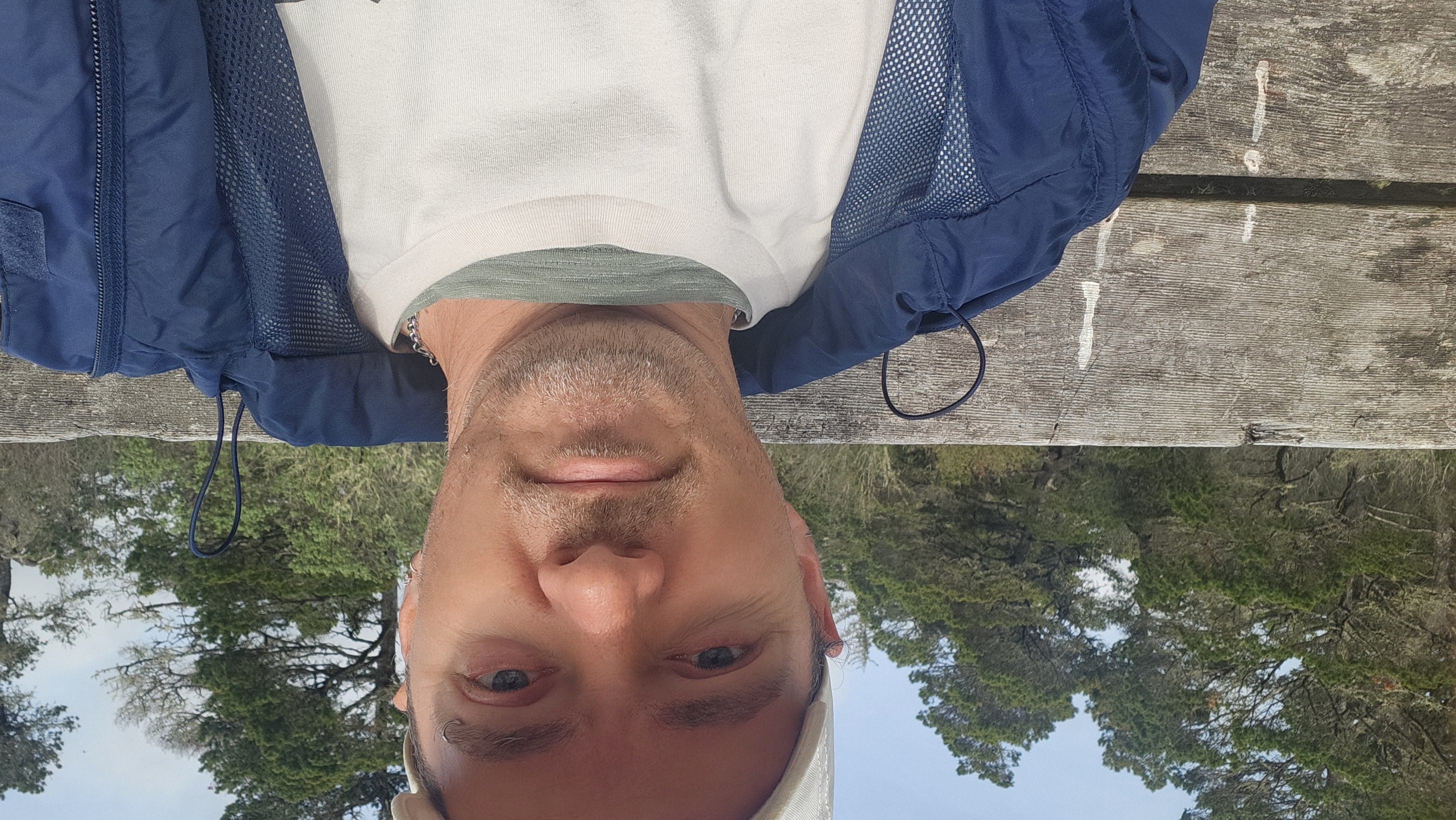
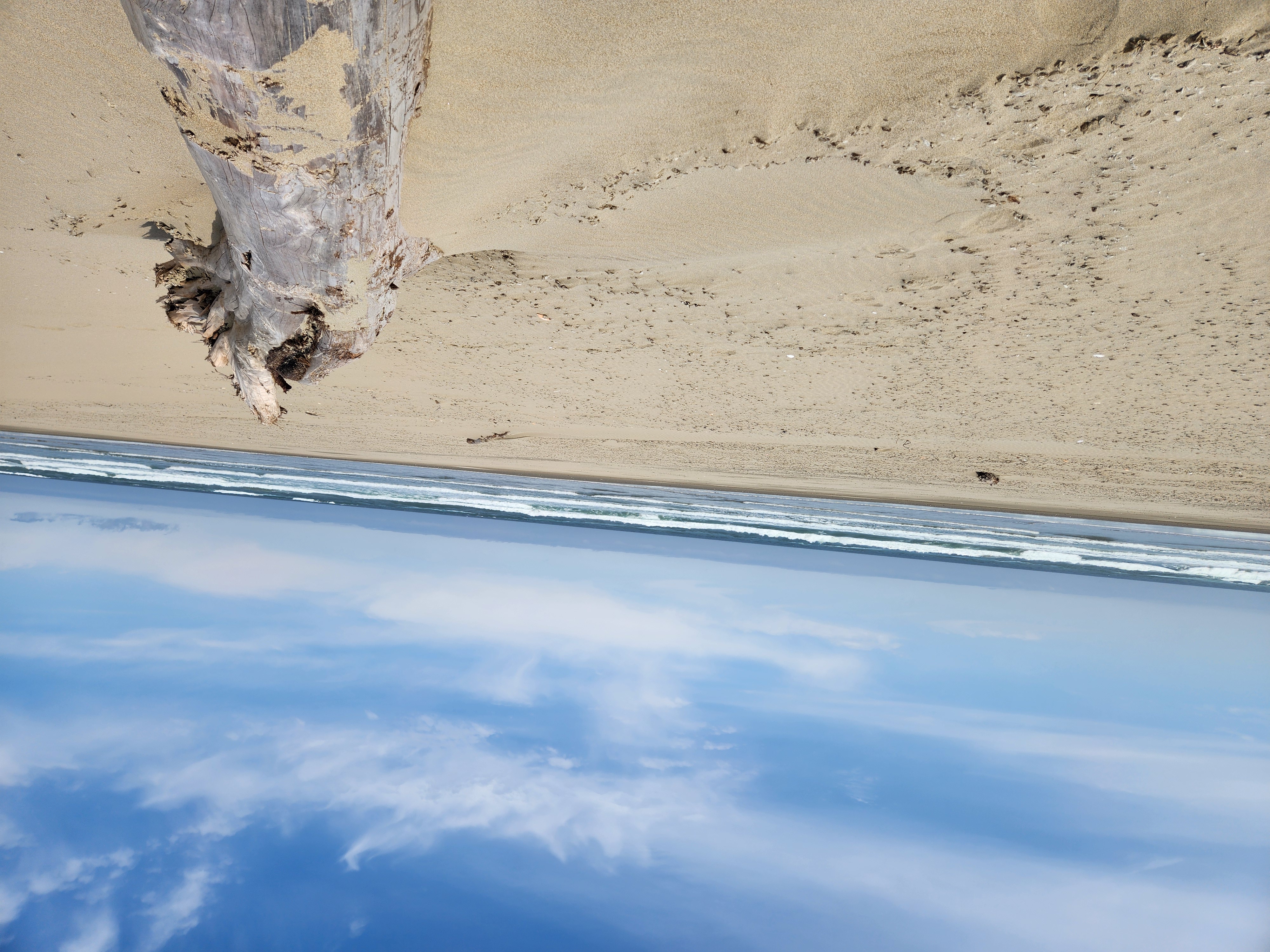
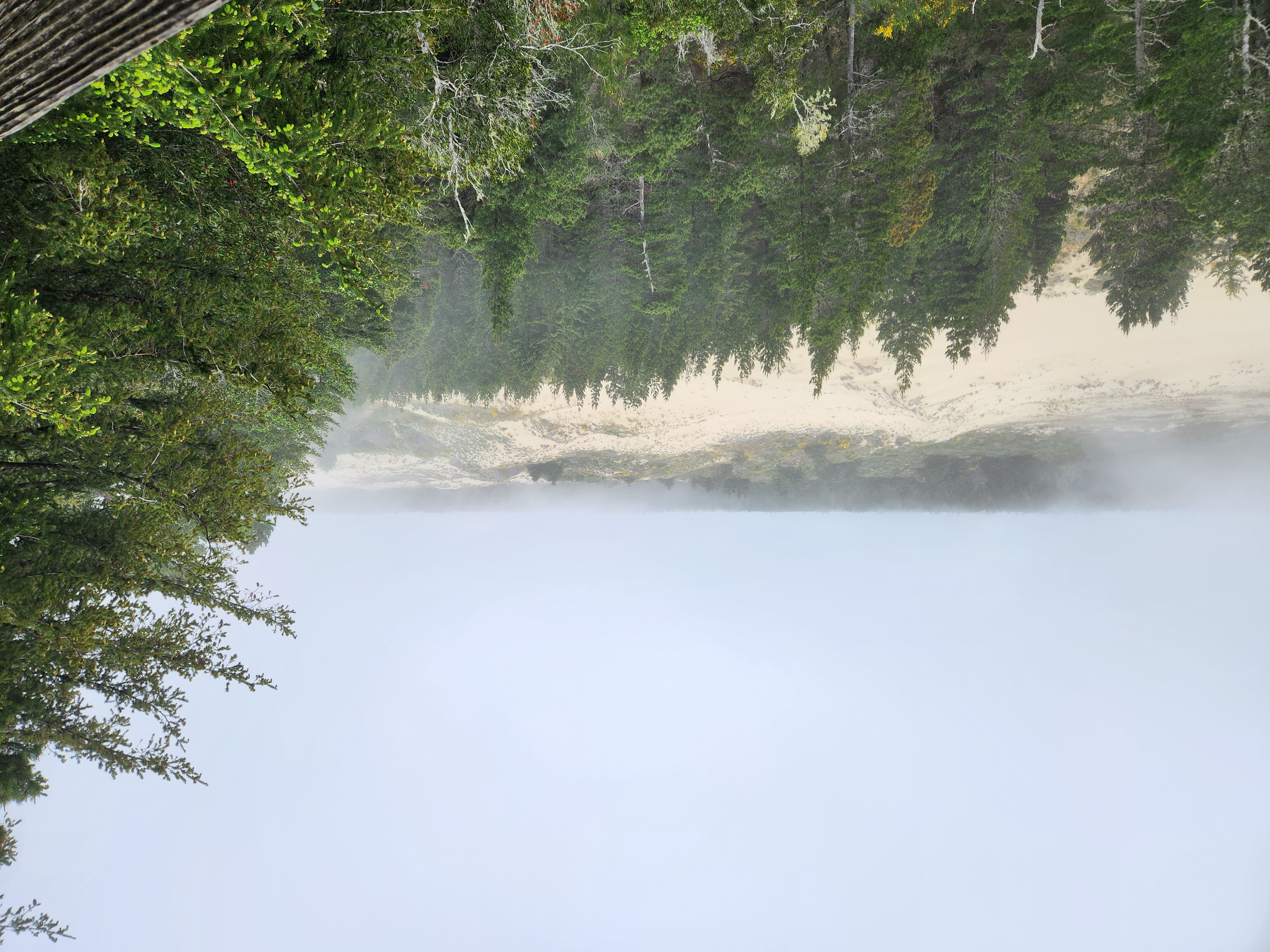
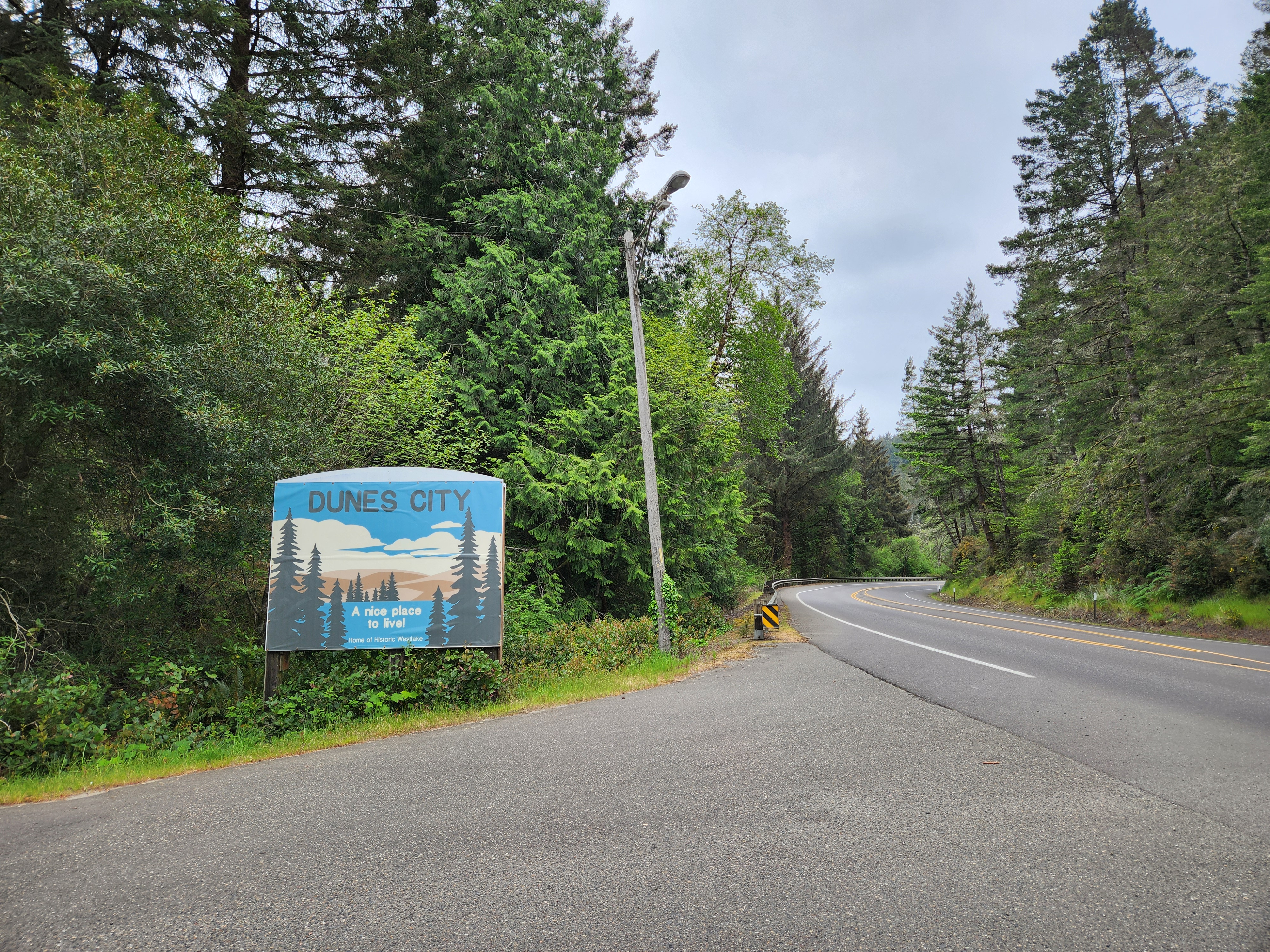
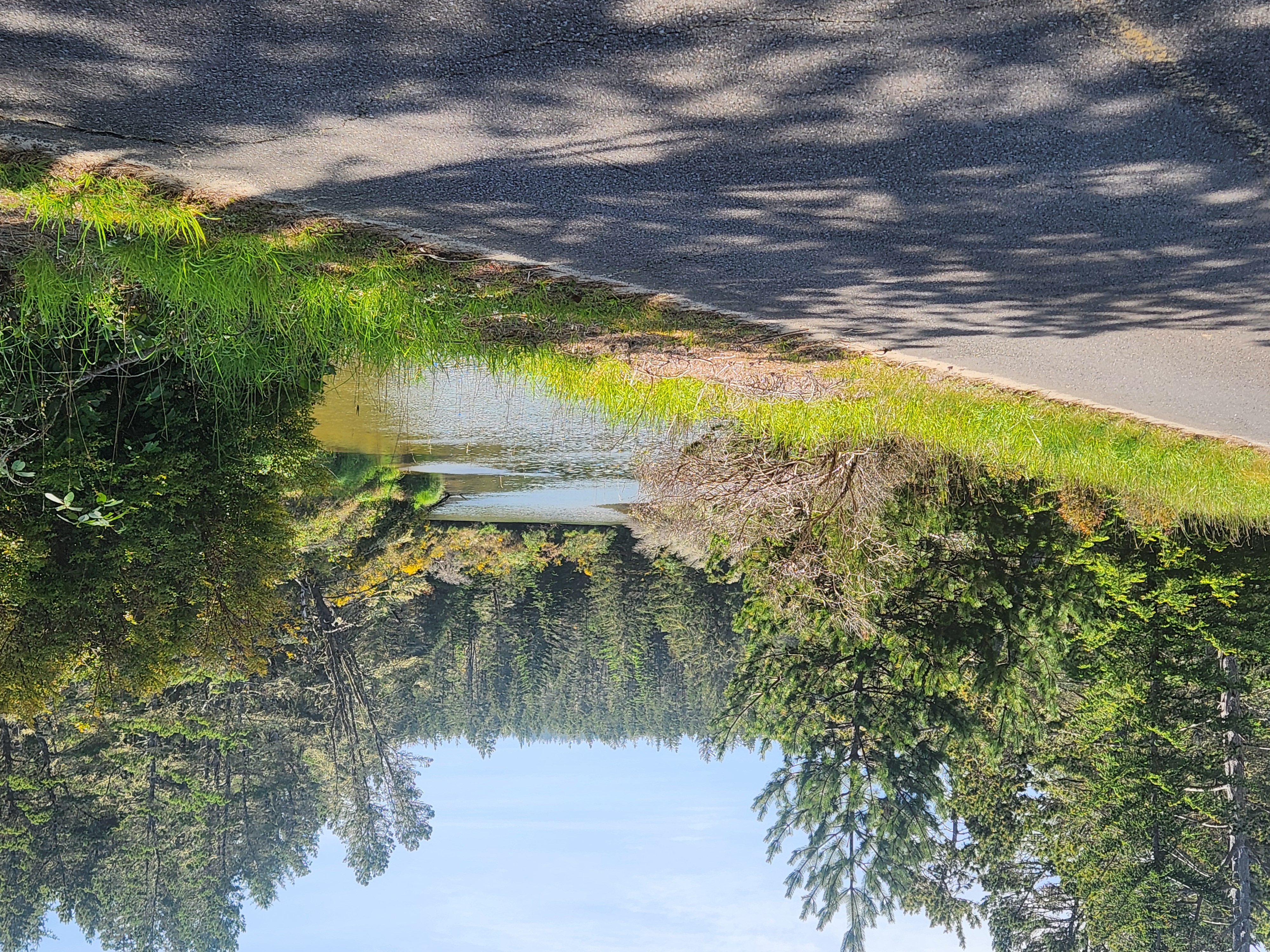
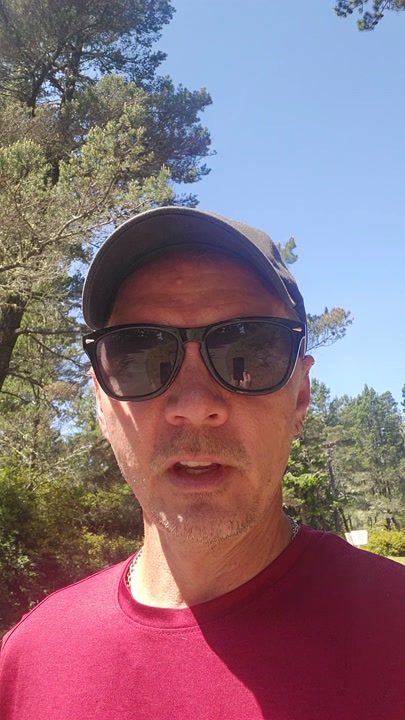
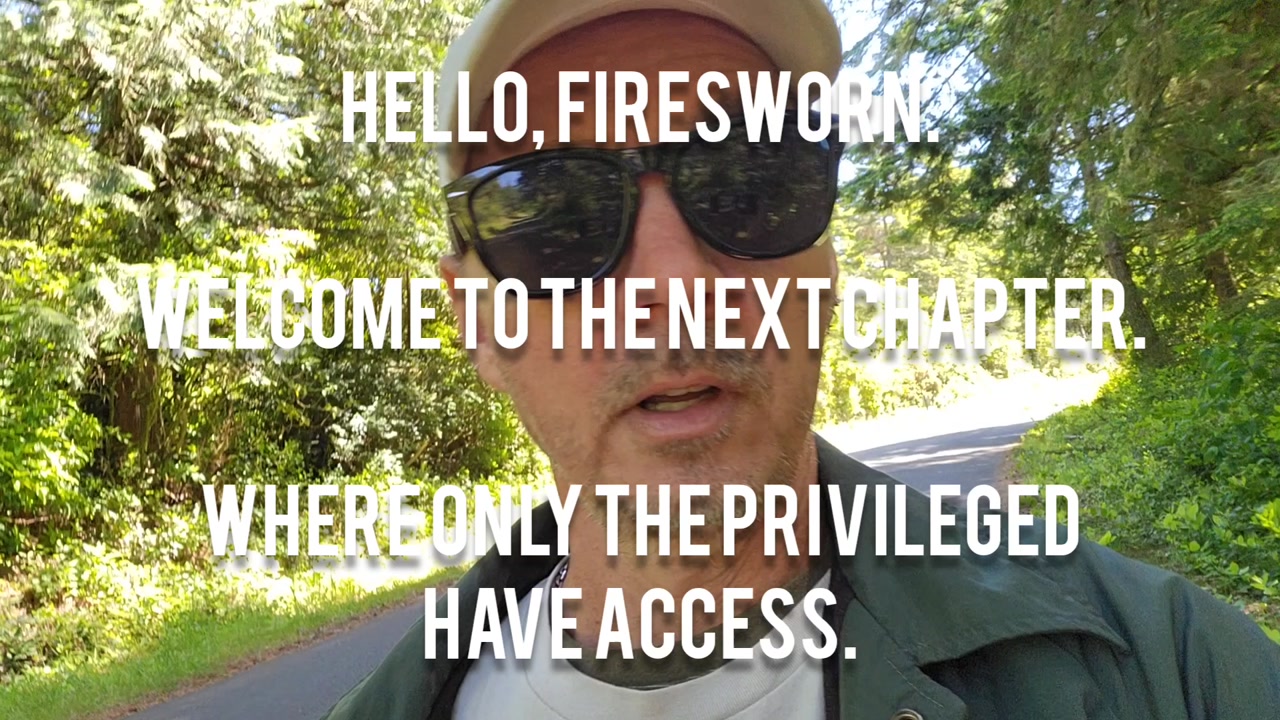
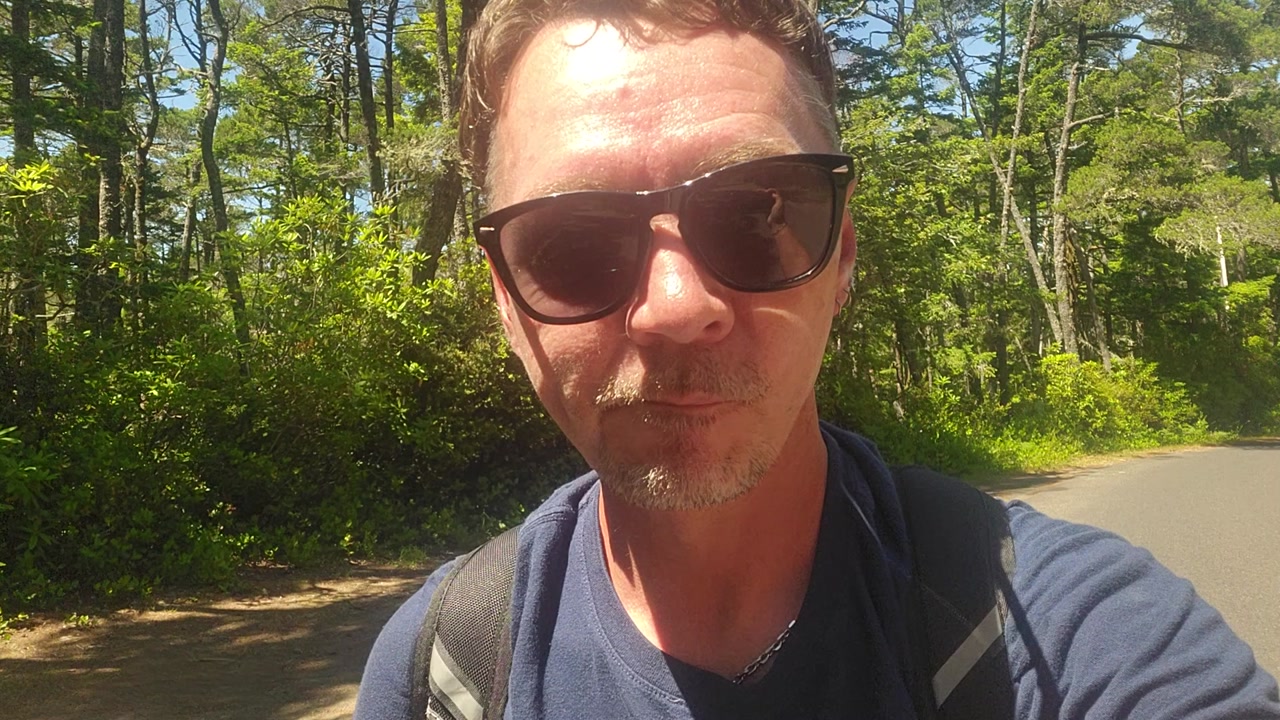
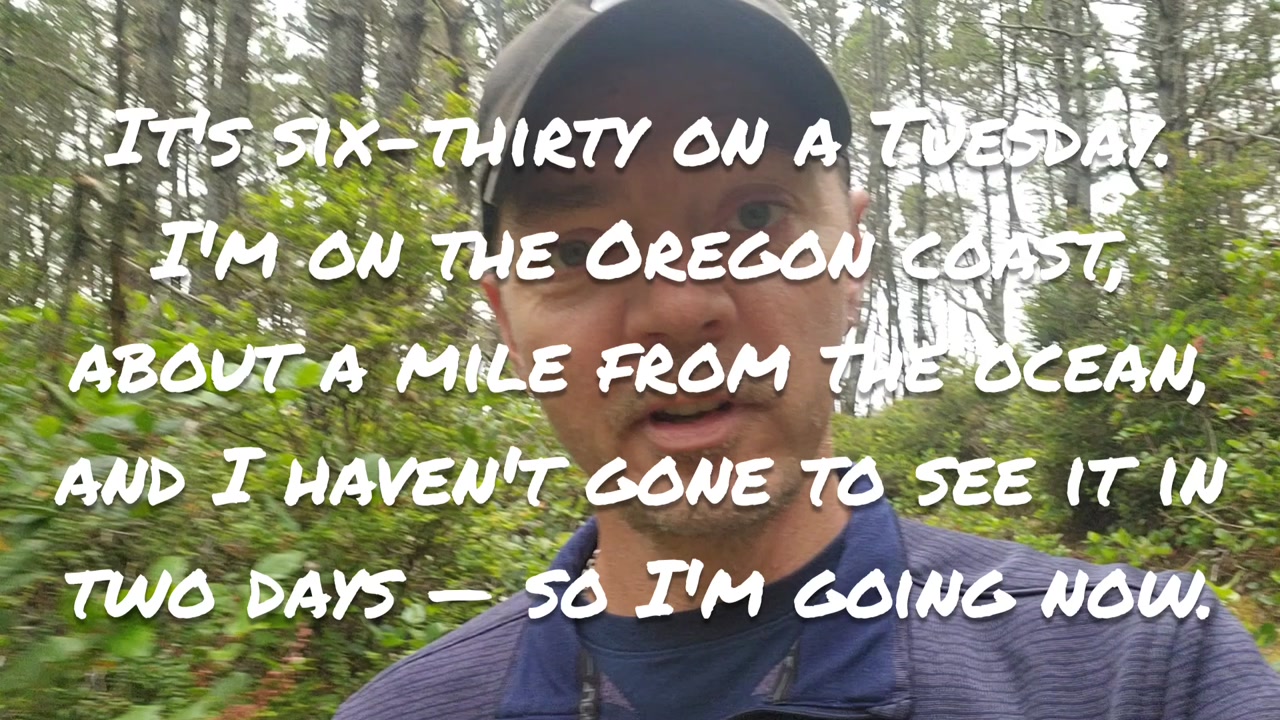
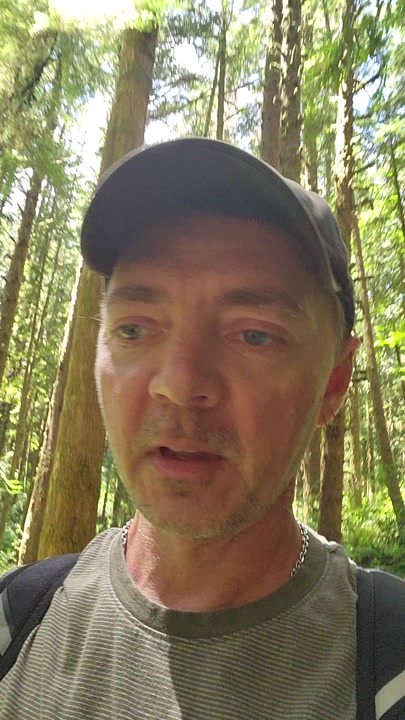
[0:05] This is a project that was born out of my own life. What I'm doing right now, hiking back from the ocean,
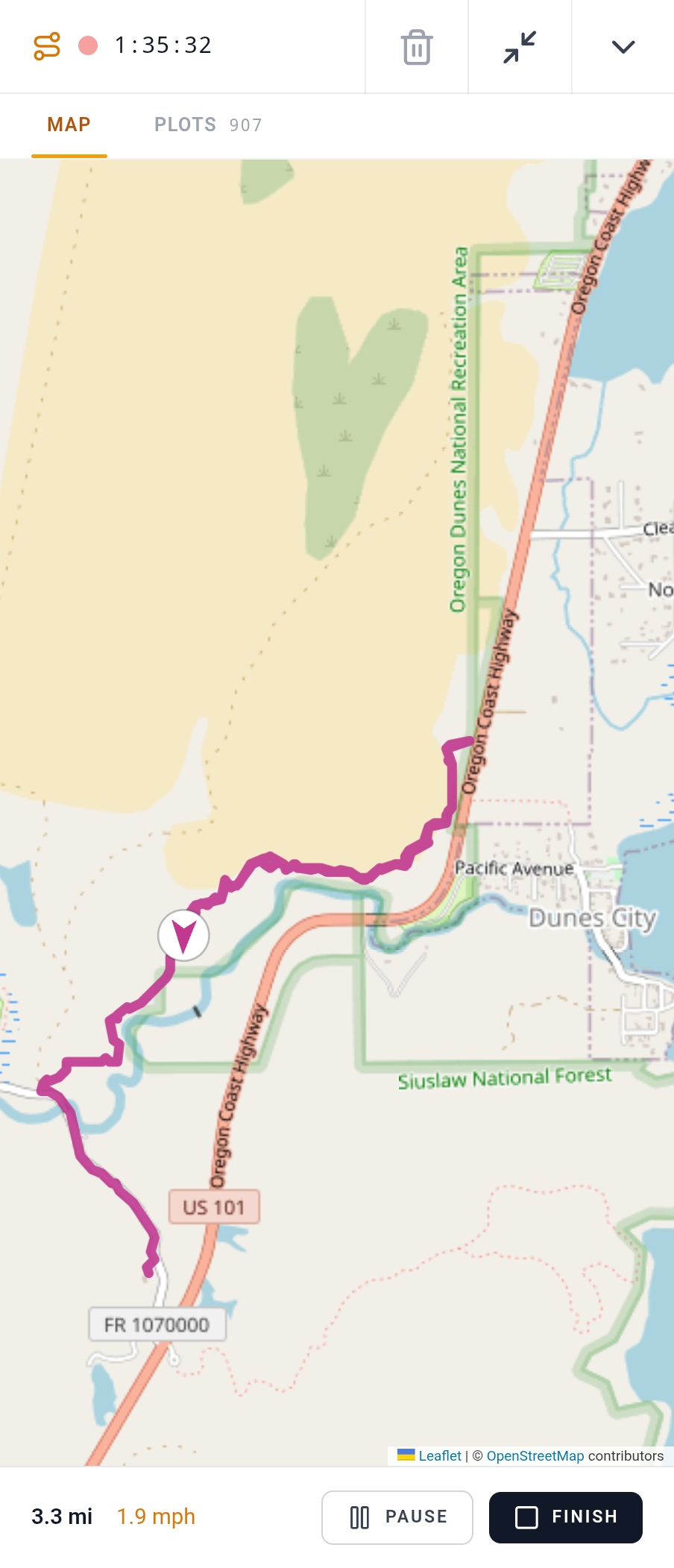
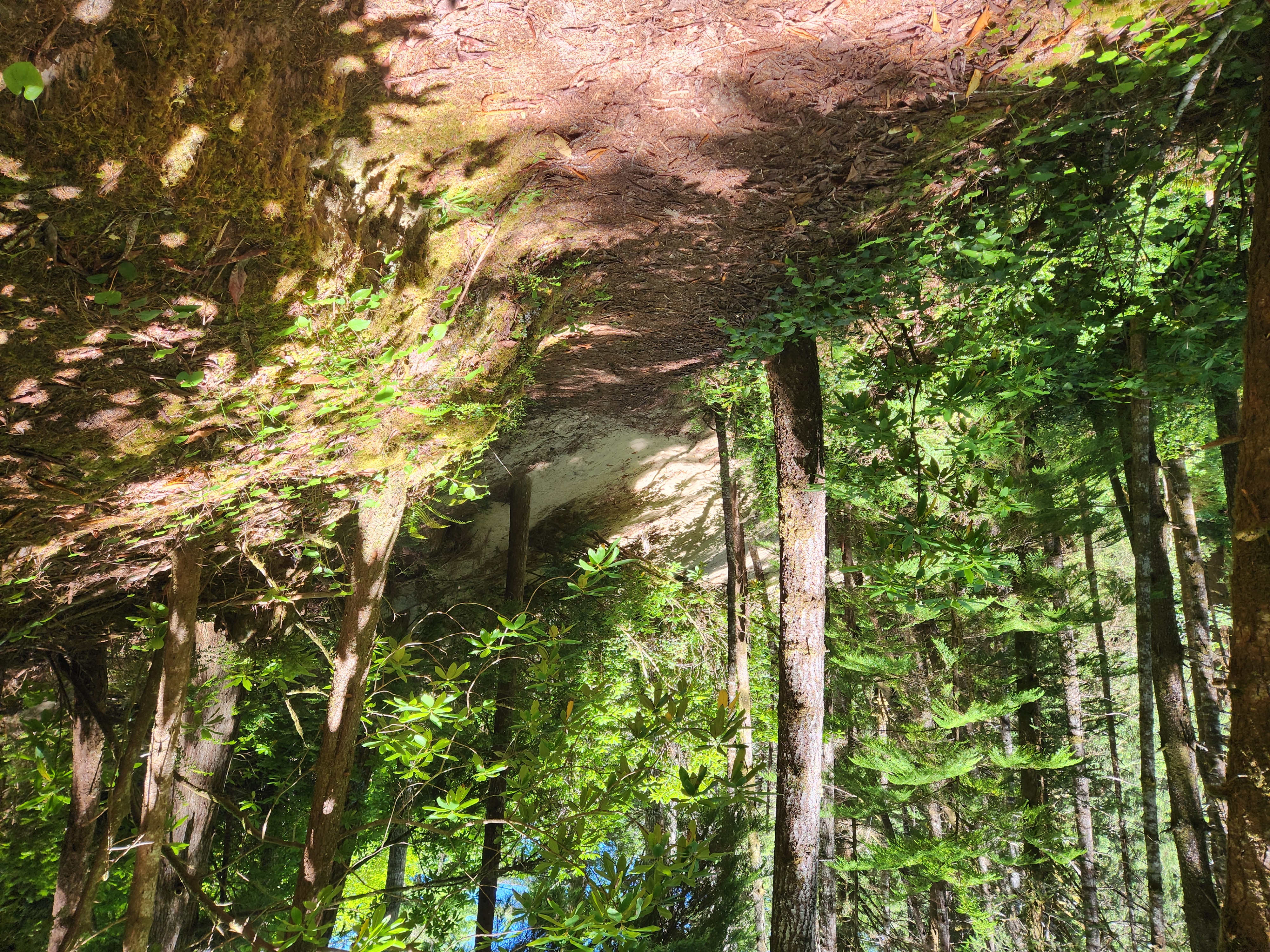
[0:12] took a bunch of signals along the way, took photos and video, and I traced my path there and back.
[0:21] When I get home, which I'm just about to do, I
[0:24] I can upload it as a cluster. The signals will get reflected on individually,
[0:31] and then the cluster will get reflected on.
[0:35] It'll create an artificial intelligence. It will create a bunch of metadata for me. It will analyze the signals in the cluster.
[0:44] And then if I wanted to, it will reflect on it in multiple different
[0:50] styles.
[0:53] The point is, Autonomy Realms was built for me first.
[0:59] And now I'm offering it to you about my life.
[1:02] I'm not
[1:04] I'm not
[1:06] some Silicon Valley
[1:08] investor type who can afford to offer this to you at my cost.
[1:15] And so, I had to think through how to solve that problem.
[1:20] And what I did was I created three different ways for you to fund your account, so that you can fund your own artificial intelligence use.
[1:28] The first way
[1:30] is I created a wallet. All you have to do is deposit some money, and then that's the balance that you have available to you
[1:37] for processing your AI,
[1:40] your signals, your clusters, and everything else.
[1:43] All of it's documented. I'm very clear about what it costs to use different models
[1:49] and
[1:50] estimates of
[1:51] what your signal is likely to cost based on what factors can be determined ahead of time.
[1:57] And then, it's all formally documented. You do whatever you do with AI, and it returns however many tokens it does.
[2:04] And that's what's debited from your account. That's the first way.
[2:07] The second way is you can just use your own keys. You can use Anthropic and OpenAI keys of your own, and then you're paying them directly.
[2:15] I'm not acting as a middleman.
[2:17] And the third way is you can use a local model or
[2:21] just some other model that you can, as long as you can provide an endpoint for it,
[2:27] and it's reachable from my server, then you can use that option. And then you don't pay anyone because it's just a local model.
[2:33] So those are your options, and
[2:37] you don't need much. So the easiest is obviously to just use the wallet. I'd say just put five bucks on it and
[2:43] create a couple of signals, upload a couple signals,
[2:47] let the AI do what it does, and determine if this is a right fit for you or not.
[2:55] There are
[2:57] I'm just going to leave it there because I'm planning to make a bunch of videos. This is probably the first of a bunch that
[3:03] I'm just going to put together at different parts of the site that I'm just, you know,
[3:08] for those who, you know, I hope that you give it a chance because I think that Autonomy Realms is a really neat thing, and
[3:15] you know, you can't experience it unless you try. So
[3:18] yeah.
15:25
Introducing Autonomy Realms Through Live Demonstration
Apr 20, 2026
0:19
Handheld Capture Ends on Persistent Object
Apr 25, 2026
2:35
Mapping Mobile App Launch Against Internet Deadline
Apr 25, 2026
4:12
Rebuilding Sanctum as Members Feature
Apr 25, 2026
1:08
Marking the Eve of Summer Season
Apr 30, 2026
0:52
Weighing Camera Orientation for Capture
Apr 30, 2026
Summer at Siltcoos - Day 1
May 1, 2026
1:29
Opening a Series to Introduce Autonomy Realms
May 1, 2026
4:27
Introducing Autonomy on Trail Walk to Ocean
May 1, 2026
Summer at Siltcoos - Day 2
May 2, 2026
Summer at Siltcoos - Day 3
May 3, 2026
Summer at Siltcoos - Day 4
May 4, 2026
Final Statement to the Oregon Parks and Recreation Department
May 4, 2026
Campfire after saying goodbye.
May 4, 2026
Summer at Siltcoos: Day 6
May 6, 2026
Summer at Siltcoos: Day 7
May 7, 2026
Summer at Siltcoos: Day 8
May 8, 2026
Summer at Siltcoos: Day 9
May 9, 2026
Summer at Siltcoos: Day 10
May 10, 2026
Summer at Siltcoos: Day 12
May 12, 2026
7:58
Documenting Jeep Repossession Deadline and Ended Friendship
May 12, 2026
Publishing AI Orientation Document for Queryable Personhood
May 13, 2026
Summer at Siltcoos: Day 13
May 13, 2026
Summer at Siltcoos: Day 14
May 14, 2026
Summer at Siltcoos: Day 15
May 15, 2026
19:57
Walking to the Ocean, Announcing Autonomy Realms Launch
May 15, 2026
Summer at Siltcoos: Day 16
May 16, 2026
6:12
Introducing Autonomy Realms on Walk to the Ocean
May 18, 2026
Summer at Siltcoos: Day 19
May 19, 2026
2:46
Returning to the Lagoon Bench One Year Later
May 19, 2026
Summer at Siltcoos: Day 20
May 20, 2026
Summer at Siltcoos: Day 21
May 21, 2026
12:09
Walking to Ocean, Opening the Privileged Sanctum Tier
May 31, 2026
Summer at Siltcoos: Day 33: Photos
Jun 2, 2026
3:27
Introducing Autonomy Realms While Hiking Back
Jun 13, 2026
Publishing Orientation Document for AI Collaborators
Jun 15, 2026
12:36
Walking to the Ocean, Demonstrating the Atlas
Jun 23, 2026
23:55
Walking to Siltcoos Lake, Mapping Autonomy Realms' Next Layer
Jul 4, 2026
Specifying Sovereign Workstation Migration to Ubuntu
Jul 6, 2026
Tahkenitch to the Beach
Jul 12, 2026
5:55
Field-Testing Trace Notes Feature While Walking Dunes
Aug 4, 2026
PUBLIC
June 13, 2026 rswfire PUBLISHED
Temp 0.20
Density 0.40
Energetic Quality
grounded and steady, plainly transmitting
Journey Phase
coherent, mid-transit
Directional Vector
toward public access without middleman capture
Narrative

The route was nearly closed when he started talking. rswfire was walking back from the ocean along the Oregon Coast, the out-and-back approaching its return leg, the camera held in one hand and the path moving under him. He had already spent the outbound half gathering: signals taken along the way, photographs, video, the whole line of travel traced there and back. Now, on the return, he did the thing that made the walk recursive — he began recording a description of what the walk would become once he stopped walking.

He introduced himself plainly. Name, role, origin. Autonomy Realms, he said, was a project born out of his own life, and the proof of it was happening in real time: the hike he was finishing was itself the raw material. When he got home — which he noted he was just about to do — the day would go up as a cluster. The signals would be reflected on individually. Then the cluster would be reflected on as a whole. Metadata would be generated, the signals analyzed against one another, and if he wanted, the whole thing rendered again in multiple different styles. He described the pipeline the way a person describes a road they walk every day, without emphasis, because he was walking one.

Then the turn, stated without ceremony: built for me first, and now offered outward. He named the constraint directly rather than dressing it. He is not a Silicon Valley investor type. He cannot absorb the compute cost of other people's use and does not pretend otherwise. That limit was not presented as an apology but as a design problem he had already sat with and solved — the sentence I had to think through how to solve that problem arriving mid-stride, mid-return, with the ocean already behind him.

The solution came out in three parts, in order, unbroken. A wallet: deposit an amount, draw against the balance, with model costs documented, per-signal estimates published where the factors can be known ahead of time, and the actual token count debited after the fact — formally documented, he said, twice. Or bring your own keys, Anthropic or OpenAI, and pay the providers directly, with rswfire explicitly stepping out of the position between user and model. Or point the system at a local model, or any model reachable from his server via an endpoint, and pay no one at all. Three paths, and in each of them the compute layer belongs to the person using it.

He softened the entry deliberately. You don't need much. Five bucks on the wallet, a couple of signals uploaded, let the system do what it does, and decide from the result whether it fits. Not a conversion pitch — a threshold low enough to cross without commitment, offered by someone who had just described a full processing architecture and then declined to oversell it.

The recording ended the way a walk ends. He noted he was going to leave it there, that this was probably the first of a number of videos he planned to place at different parts of the site. He said he hoped people would give it a chance, that he thought Autonomy Realms was a really neat thing, and then the line that carried the whole transmission: you can't experience it unless you try. Then home, and the upload, and the cluster — the walk finishing the loop it had been documenting the entire time.

Tags

autonomy realms platform introduction signal capture cluster processing AI cost structure coastal hike system design

Summary

rswfire records a video while hiking back from the ocean, identifying himself as Robert Samuel White, creator of Autonomy Realms. He states the project was born out of his own life and that he built it for himself first.

He describes the walk as an active capture session: signals collected along the route, photos and video taken, path traced out and back. He states that on returning home he can upload the set as a cluster — signals reflected on individually, then the cluster reflected on, with metadata generated, cluster analysis performed, and optional reflection in multiple styles.

He addresses cost directly, stating he is not a Silicon Valley investor type who can offer the platform at his own cost, and describes three funding paths he built to solve that:

  • Wallet — deposit a balance that is debited by actual token usage, with documented model costs and pre-run signal estimates
  • Own API keys — Anthropic or OpenAI keys, paid directly, with no middleman
  • Local or external model — any endpoint reachable from his server, with no payment to anyone

He recommends the wallet as the easiest entry, suggests putting five dollars on it and uploading a couple of signals to determine fit. He closes by stating this is the first of a planned series of videos placed at different parts of the site, and that the platform can't be experienced without trying it.

Environment

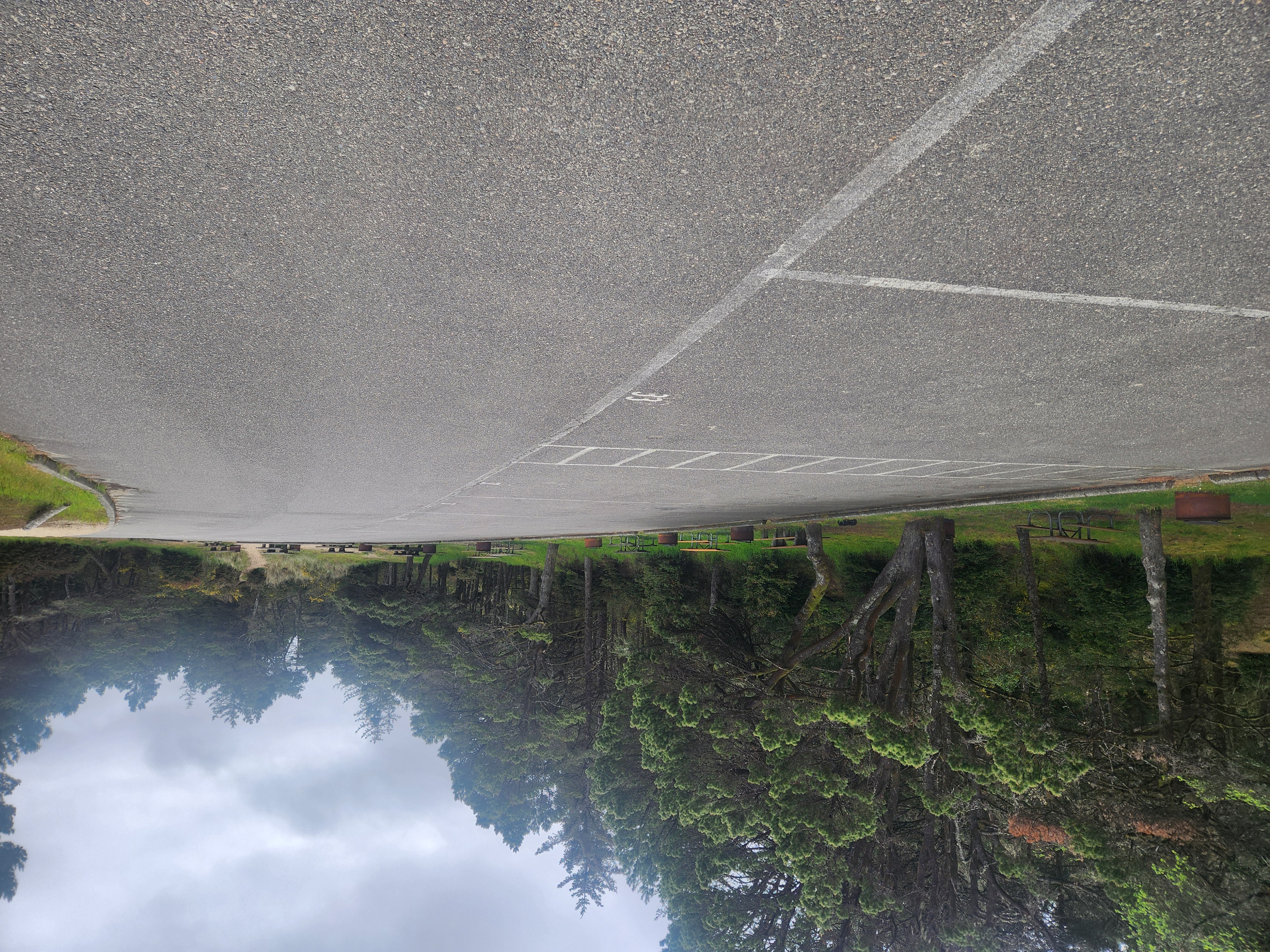
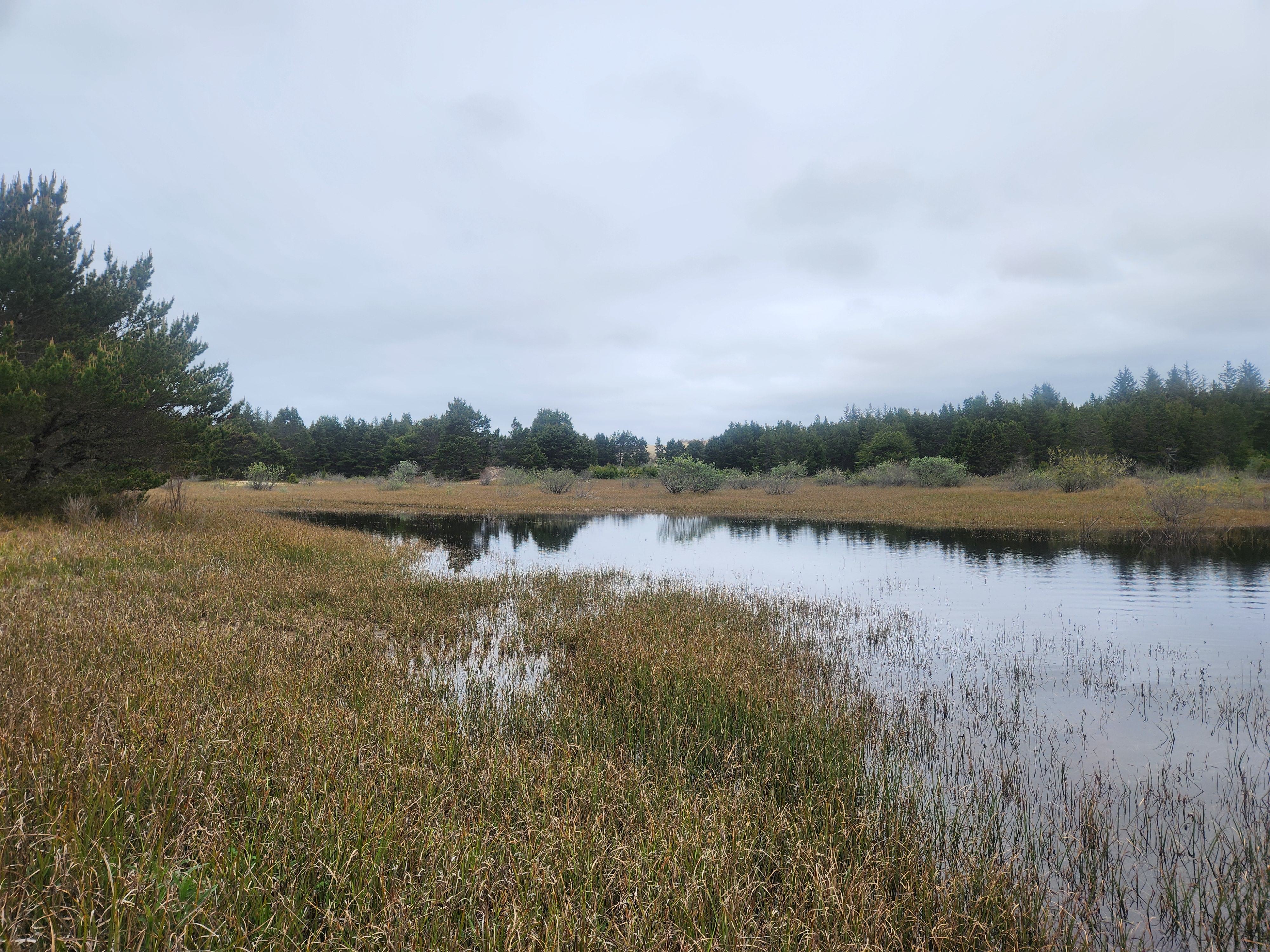
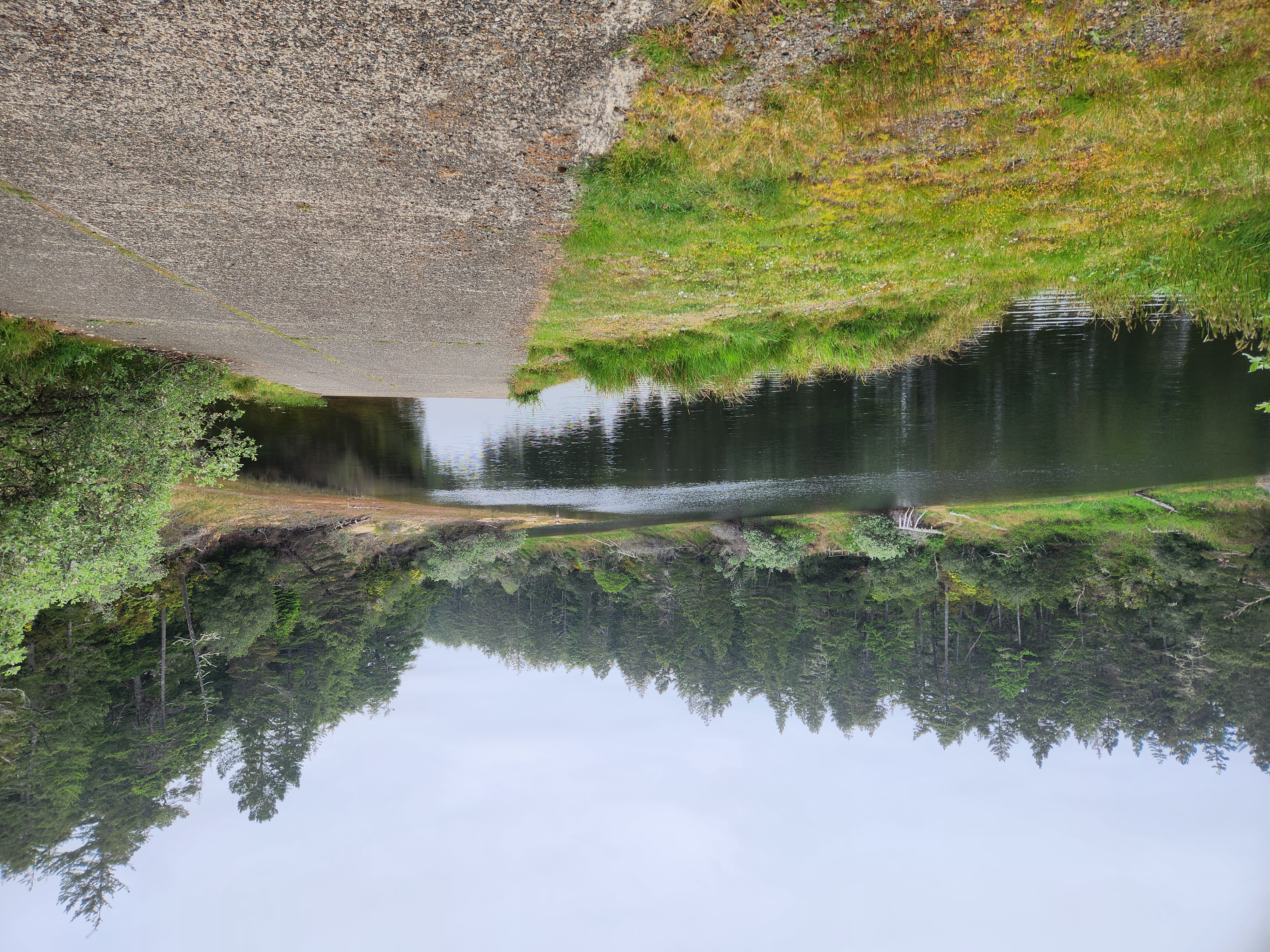
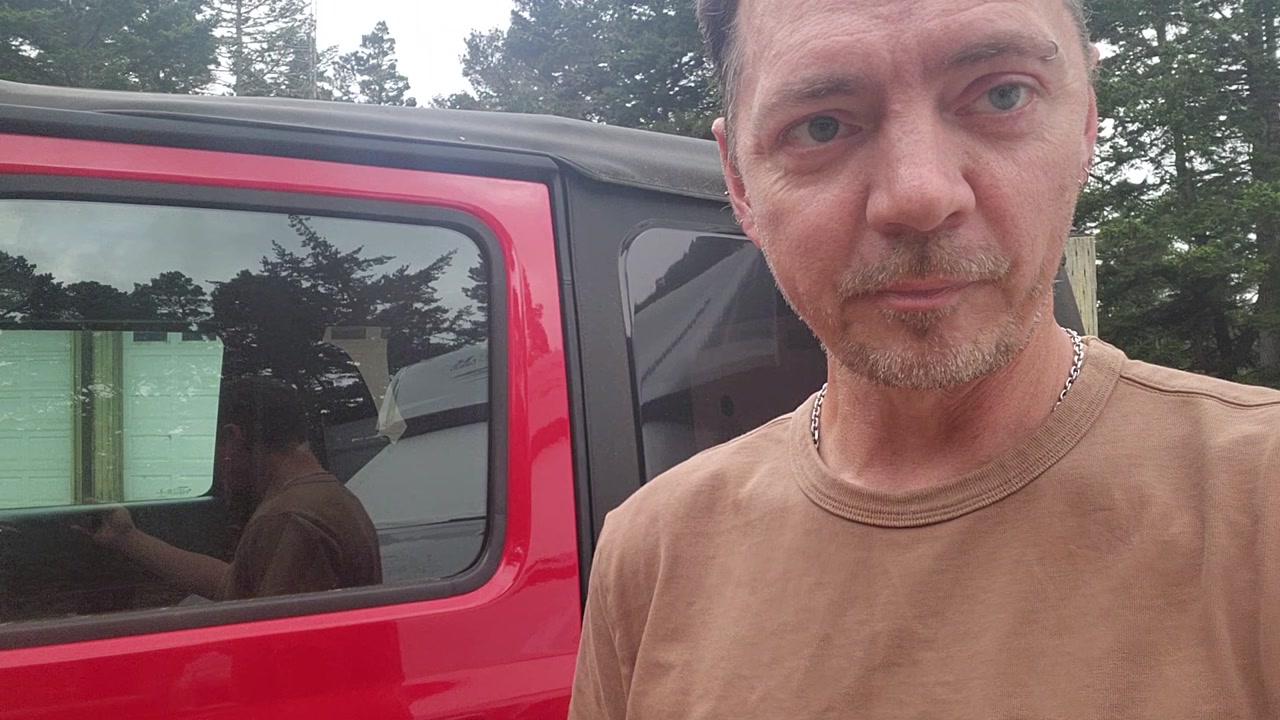
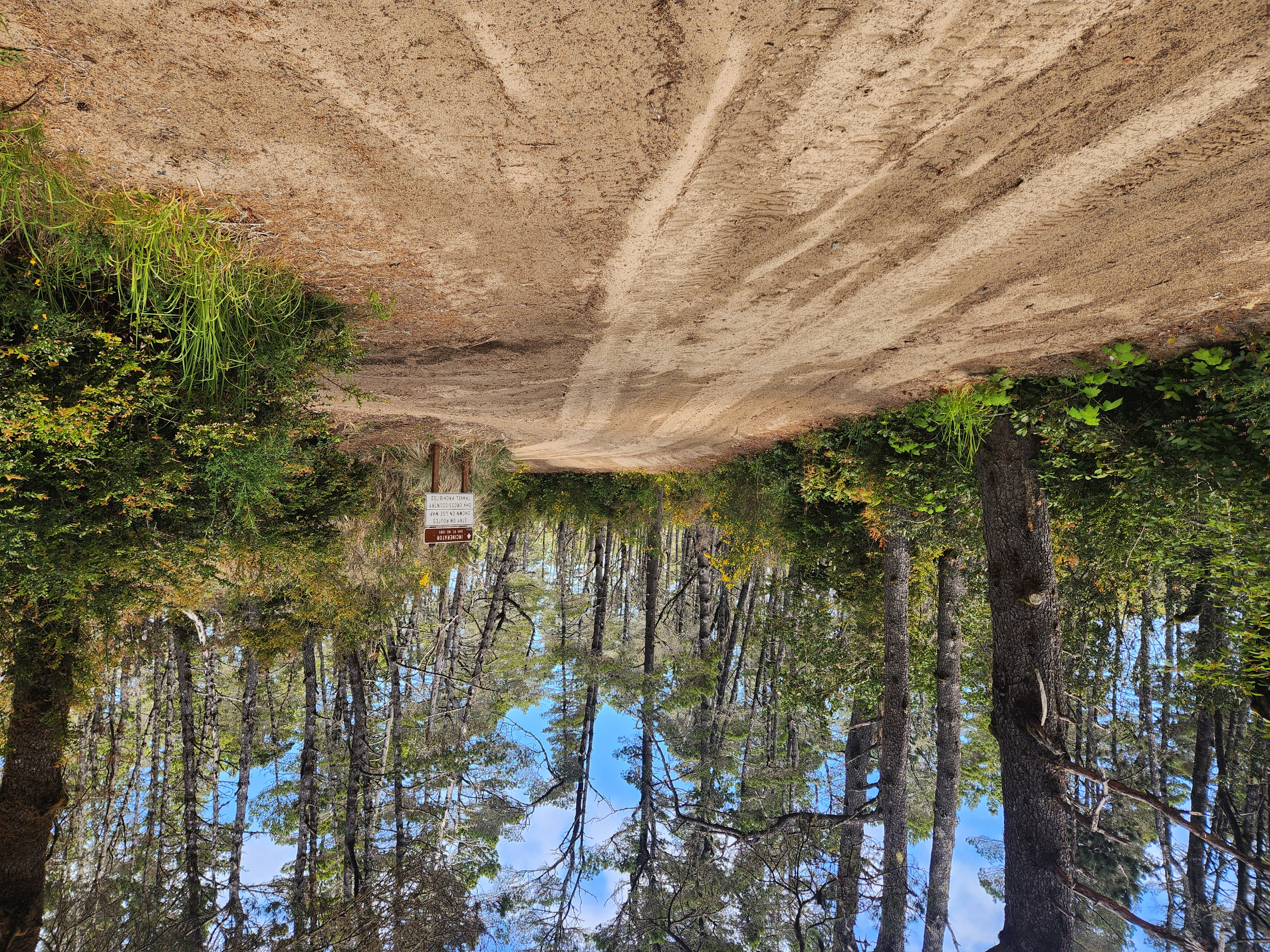
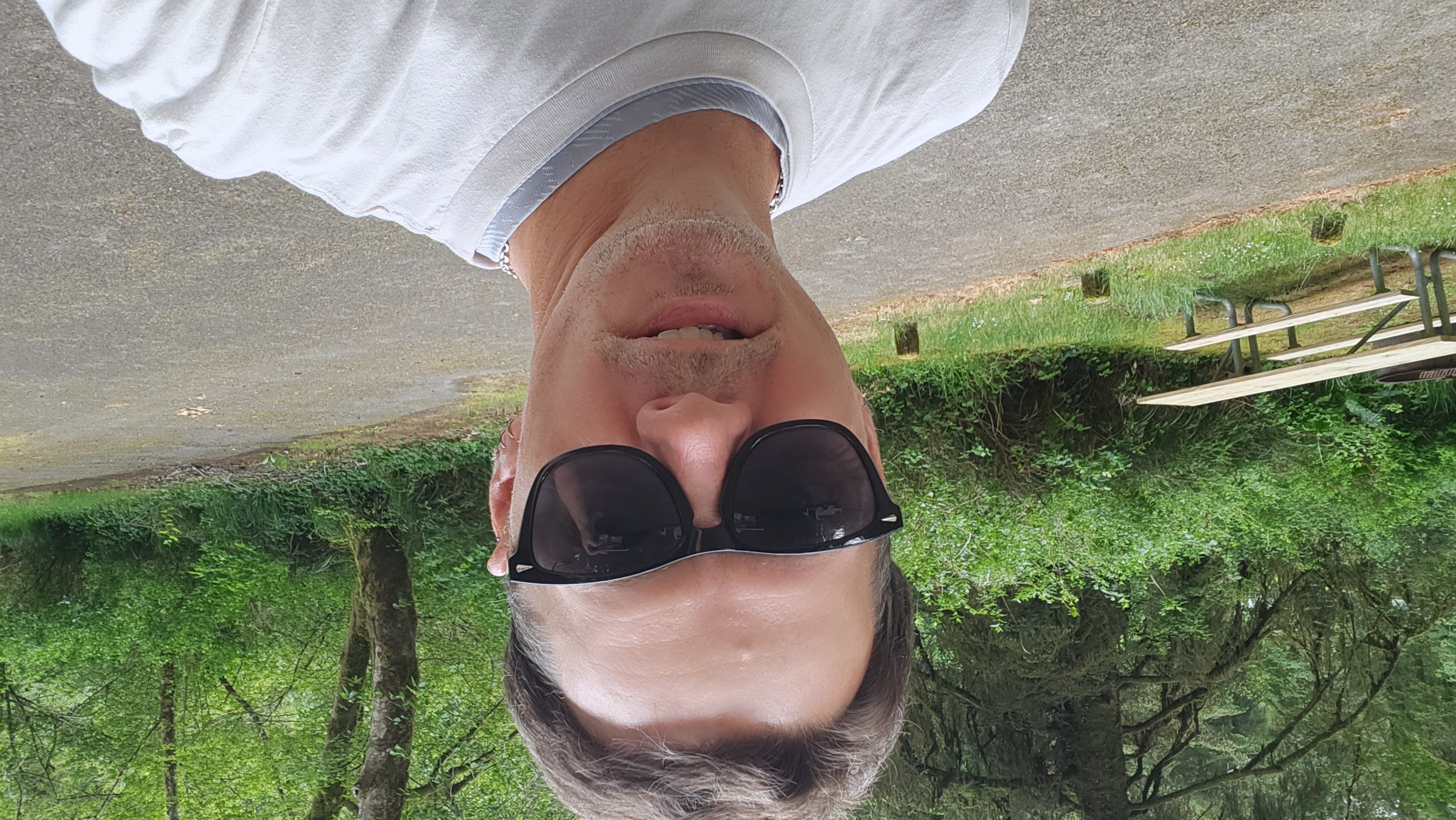
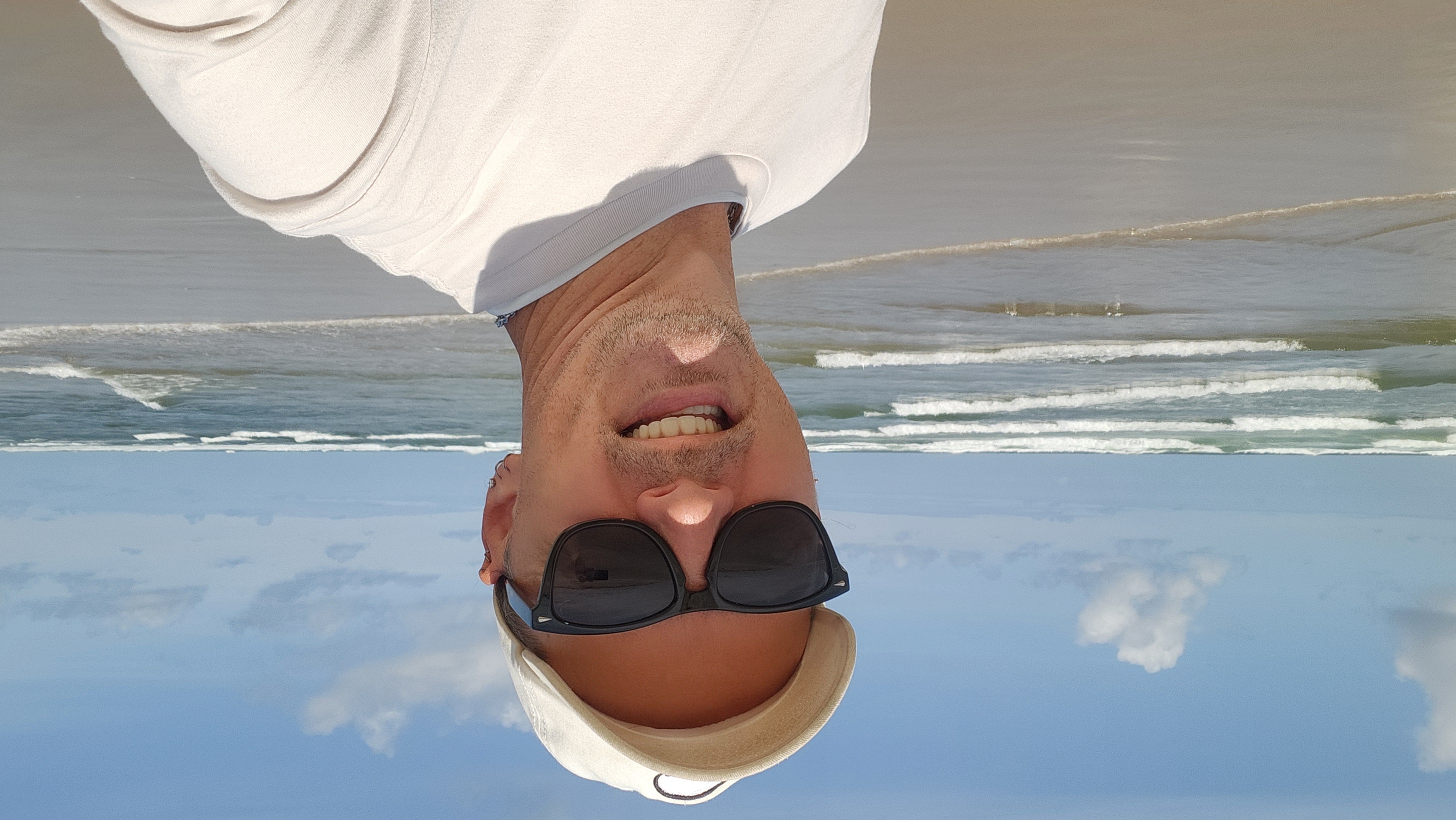
Outdoor, in motion — rswfire records while hiking back from the ocean toward home along the Oregon Coast, near the end of a traced out-and-back route. Ambient conditions are open-air and unstaged; the recording is handheld and continuous, spoken while walking.

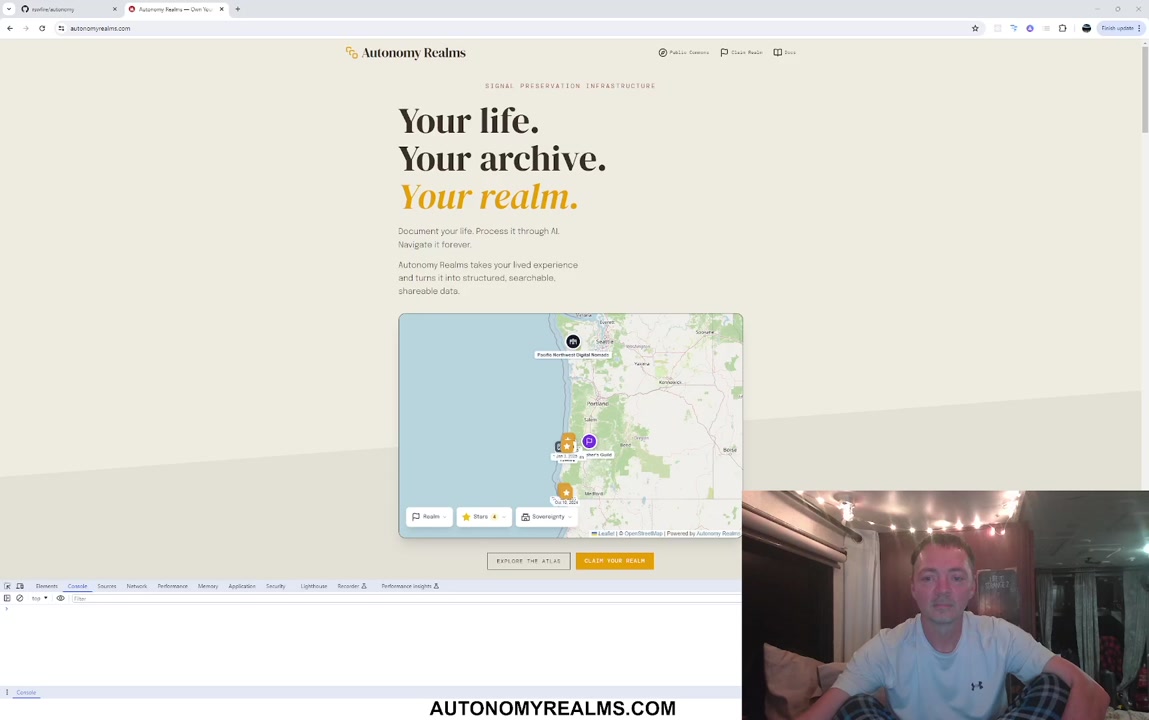
The digital environment is Autonomy Realms itself — its signal and cluster pipeline, wallet and billing layer, model routing (Anthropic, OpenAI, local endpoints), and public site pages where this video is intended to be placed.

Substrate

The architecture held is a system built for its own author first and only then opened outward — Autonomy Realms is described as emerging from rswfire's own life and use, with public offering as a secondary extension rather than a product premise. The ontological position is non-extractive infrastructure: he states explicitly he is not positioned as a funded Silicon Valley operator, and resolves the cost problem by handing the compute layer directly to the user through three funding paths — wallet, own API keys, or self-hosted endpoint. What is being built is a documented, priced, user-owned processing layer; what is being refused is the intermediary position between user and model provider.

Actions

Performed

  • •recording video while walking
  • •identifying himself and the project
  • •describing the signal-and-cluster pipeline
  • •stating the three funding mechanisms
  • •stating pricing is documented and token-metered
  • •issuing an invitation to try the system

Referenced

  • •hiking to the ocean and back
  • •capturing signals along the route
  • •taking photos and video
  • •tracing the path there and back
  • •building Autonomy Realms for his own use
  • •building the wallet and billing documentation
  • •building own-key and local-endpoint model options

Planned

  • •arriving home
  • •uploading the route captures as a cluster
  • •running individual signal reflections
  • •running cluster reflection
  • •generating metadata and multi-style reflections
  • •making a series of additional videos
  • •placing videos at different parts of the site

Entities

beings
Robert Samuel White — rswfire, speaking, identifying himself as creator of the system
places
the ocean — endpoint of the hike he is returning from; origin of the captured route
systems
Autonomy Realms — the infrastructure being described, built for his own life first and now offered publicly
Anthropic — named model provider users may pay directly via their own API keys
OpenAI — named model provider users may pay directly via their own API keys
wallet — first funding path — deposited balance debited by actual token usage
local model — third funding path — any user-provided endpoint reachable from his server
concepts
Silicon Valley — named as the funding position he does not occupy, framing the cost problem
cluster — the container the route's signals will be uploaded into and reflected on as a whole
signal — the base documentation unit captured along the hike and processed individually

Symbolic Elements

Represented archetypes or recurring motifs.

ocean
path
return
threshold
infrastructure
wallet
endpoint
loop

Ontological States

Expressed modes of being or awareness.

sovereign (system built for his own use first; public offering is extension, not premise)
embedded (speaking from inside the route he is simultaneously documenting)
coherent (pipeline description, cost problem, and three solutions stated in one unbroken structure)
transitional (mid-return, pre-upload; also first of a planned video series)

Engaged Subsystems

Architecture engaged in this transmission.

infrastructural (pipeline, server, model routing, endpoint reachability)
economic (wallet, token metering, pricing documentation, cost estimation)
ethical (refusal of middleman position, transparency about what he can and cannot absorb)
somatic (walking body, hike, physical route as the capture instrument)
cognitive (recursive design: capture → signal → cluster → reflection → metadata)
communicative (direct address, invitation, planned video series across the site)

Dominant Language

Core motifs or linguistic fields.

signals and clusters
reflected on
fund your own artificial intelligence use
not acting as a middleman
all of it's documented
built for me first
you can't experience it unless you try
Narrative

The route was nearly closed when he started talking. rswfire was walking back from the ocean along the Oregon Coast, the out-and-back approaching its return leg, the camera held in one hand and the path moving under him. He had already spent the outbound half gathering: signals taken along the way, photographs, video, the whole line of travel traced there and back. Now, on the return, he did the thing that made the walk recursive — he began recording a description of what the walk would become once he stopped walking.

He introduced himself plainly. Name, role, origin. Autonomy Realms, he said, was a project born out of his own life, and the proof of it was happening in real time: the hike he was finishing was itself the raw material. When he got home — which he noted he was just about to do — the day would go up as a cluster. The signals would be reflected on individually. Then the cluster would be reflected on as a whole. Metadata would be generated, the signals analyzed against one another, and if he wanted, the whole thing rendered again in multiple different styles. He described the pipeline the way a person describes a road they walk every day, without emphasis, because he was walking one.

Then the turn, stated without ceremony: built for me first, and now offered outward. He named the constraint directly rather than dressing it. He is not a Silicon Valley investor type. He cannot absorb the compute cost of other people's use and does not pretend otherwise. That limit was not presented as an apology but as a design problem he had already sat with and solved — the sentence I had to think through how to solve that problem arriving mid-stride, mid-return, with the ocean already behind him.

The solution came out in three parts, in order, unbroken. A wallet: deposit an amount, draw against the balance, with model costs documented, per-signal estimates published where the factors can be known ahead of time, and the actual token count debited after the fact — formally documented, he said, twice. Or bring your own keys, Anthropic or OpenAI, and pay the providers directly, with rswfire explicitly stepping out of the position between user and model. Or point the system at a local model, or any model reachable from his server via an endpoint, and pay no one at all. Three paths, and in each of them the compute layer belongs to the person using it.

He softened the entry deliberately. You don't need much. Five bucks on the wallet, a couple of signals uploaded, let the system do what it does, and decide from the result whether it fits. Not a conversion pitch — a threshold low enough to cross without commitment, offered by someone who had just described a full processing architecture and then declined to oversell it.

The recording ended the way a walk ends. He noted he was going to leave it there, that this was probably the first of a number of videos he planned to place at different parts of the site. He said he hoped people would give it a chance, that he thought Autonomy Realms was a really neat thing, and then the line that carried the whole transmission: you can't experience it unless you try. Then home, and the upload, and the cluster — the walk finishing the loop it had been documenting the entire time.

Queryable Personhood

Hand your life to anything that reads.

Share this link with artificial intelligence — it reads the full transcript, analysis, and reflections. An AI-readable mirror of this signal.

The qpkey in this URL is a per-signal access token. Anyone with the URL can read the record — treat it like a share link, not a password.